The new Toyota Mirai is not just a zero-emission car. It’s a car that goes beyond zero, with a sleek design, a luxurious interior, and a long driving range. But is it the future of mobility or a niche product for a select few?
What is the Toyota Mirai?
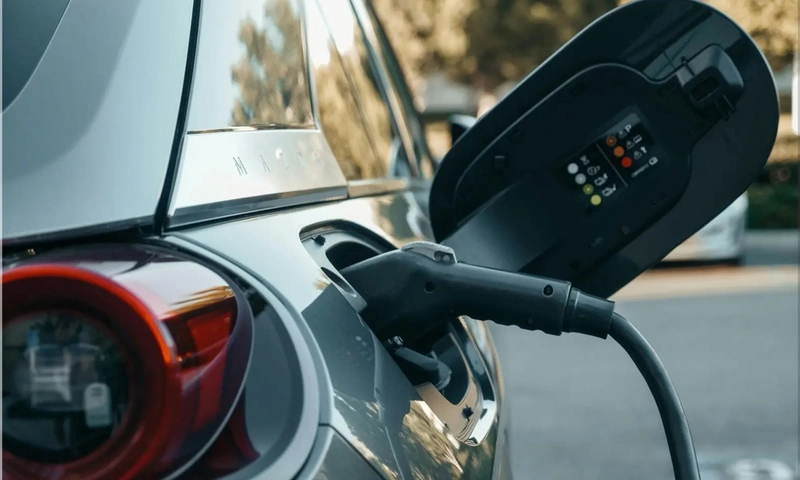
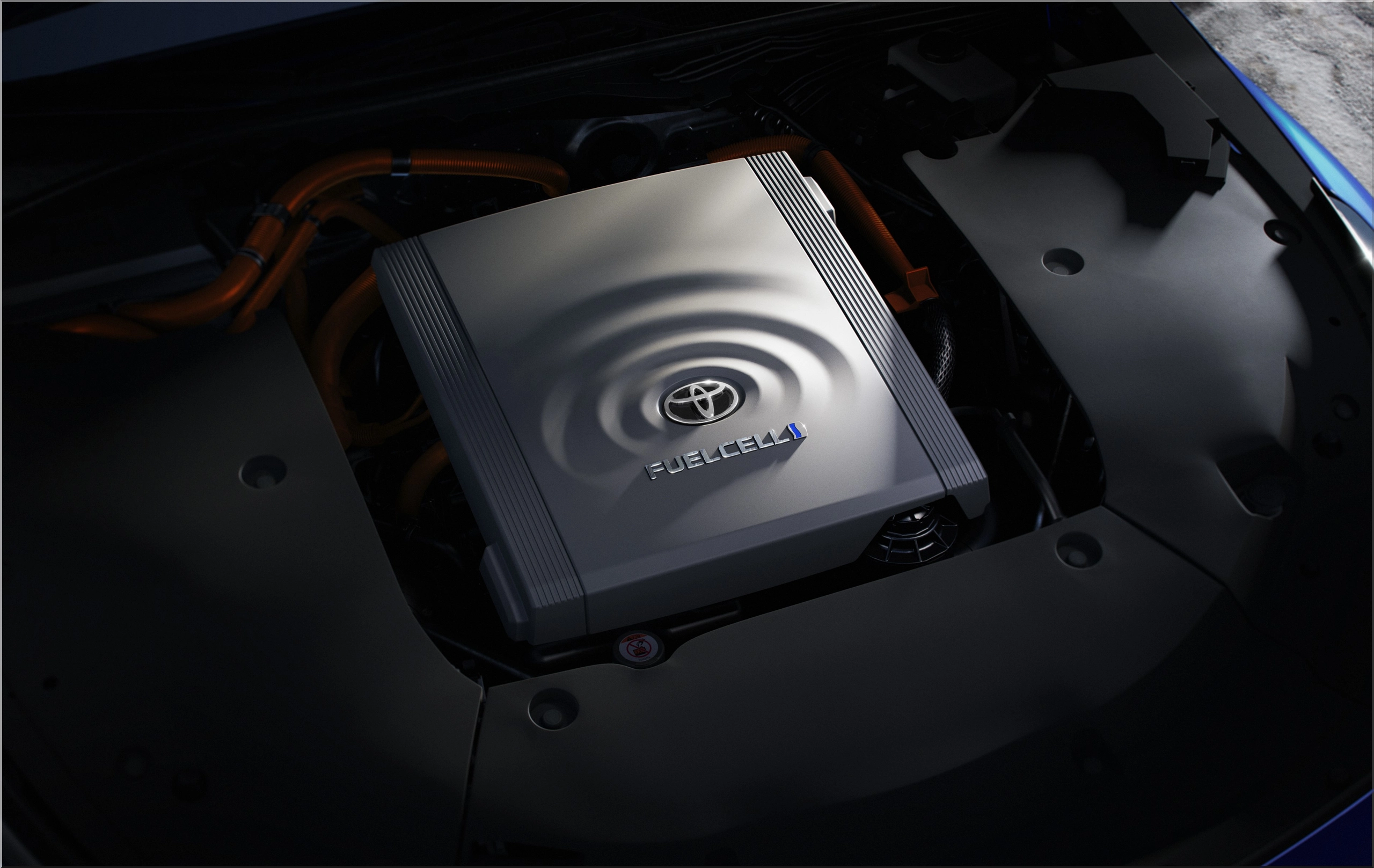
The Toyota Mirai is a hydrogen fuel cell electric vehicle (FCEV). That means it runs on electricity generated by a chemical reaction between hydrogen and oxygen. The only byproduct of this process is water, which exits the tailpipe as vapor. The Mirai does not need to be plugged in to recharge, unlike battery electric vehicles (BEVs). Instead, it can be refueled with compressed hydrogen gas at a dedicated station in about five minutes.
The 2024 Toyota Mirai is not a new concept. Toyota launched the first-generation Mirai in 2015 as one of the pioneers of FCEV technology. The Mirai was a science project on wheels with a quirky design and limited availability. Only a few thousand units were sold worldwide, mostly in California and Japan, where hydrogen infrastructure is more developed.
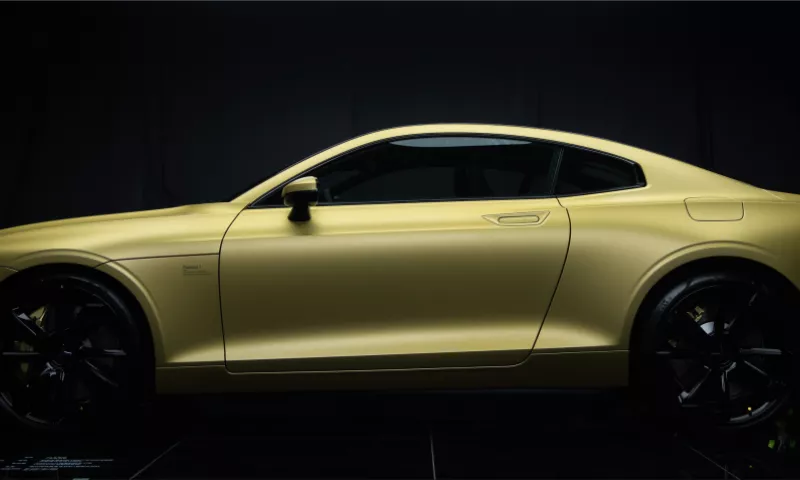
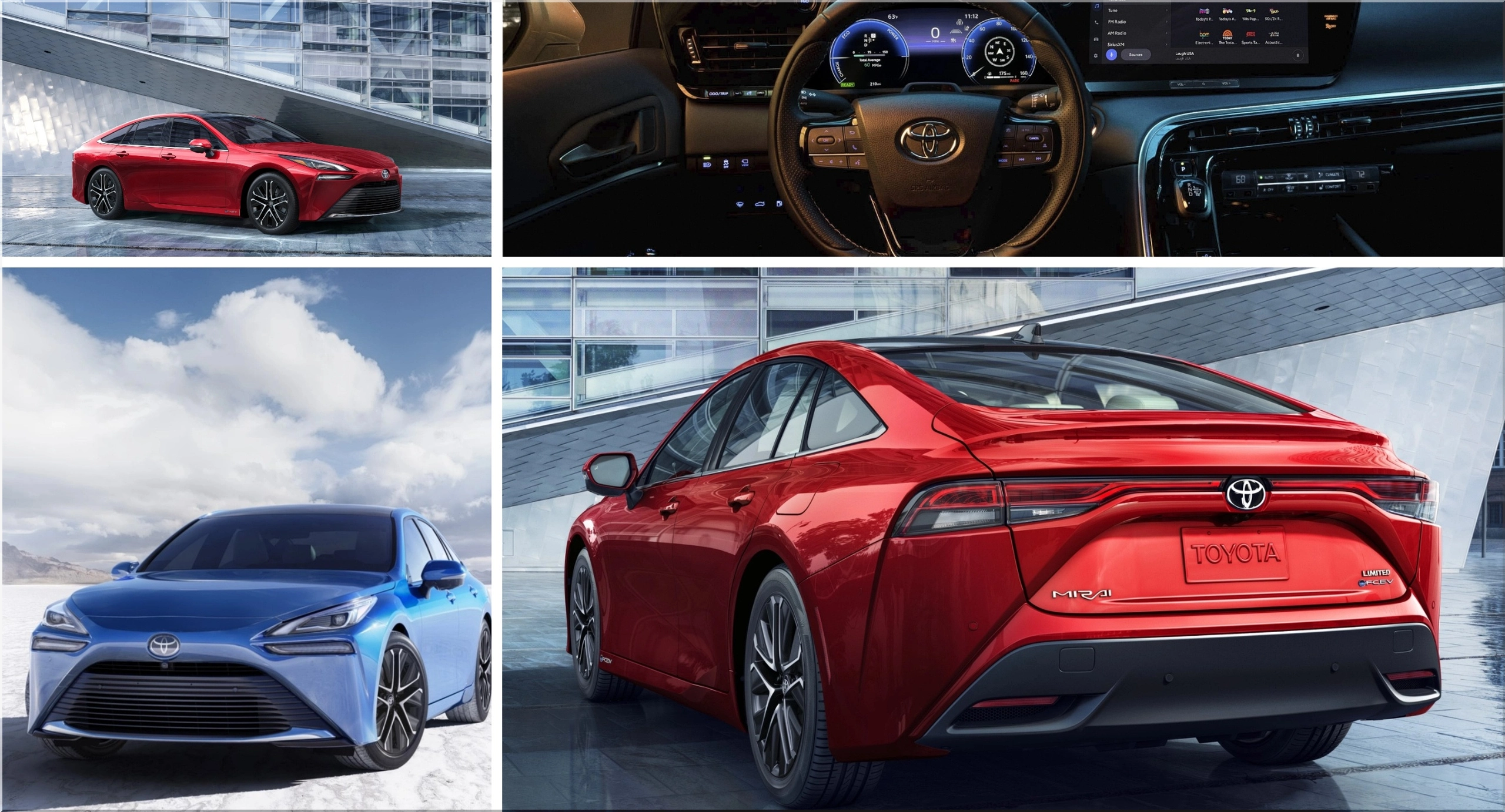
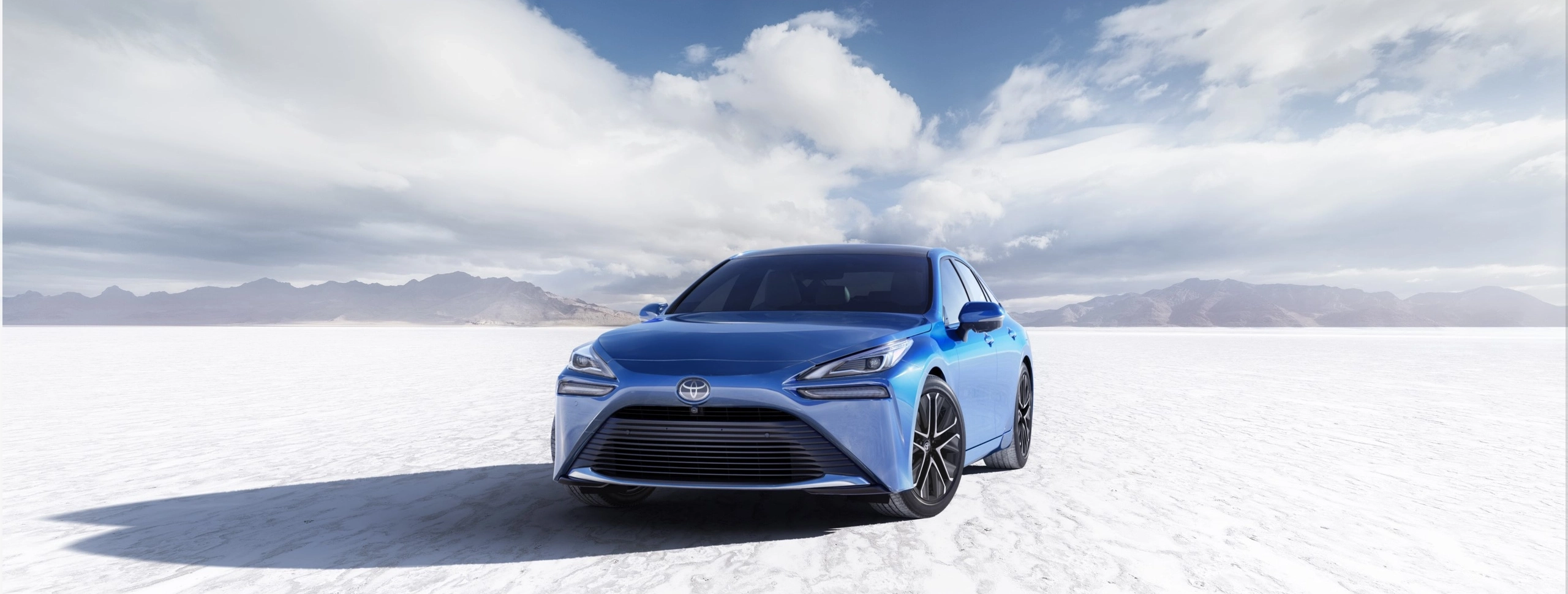
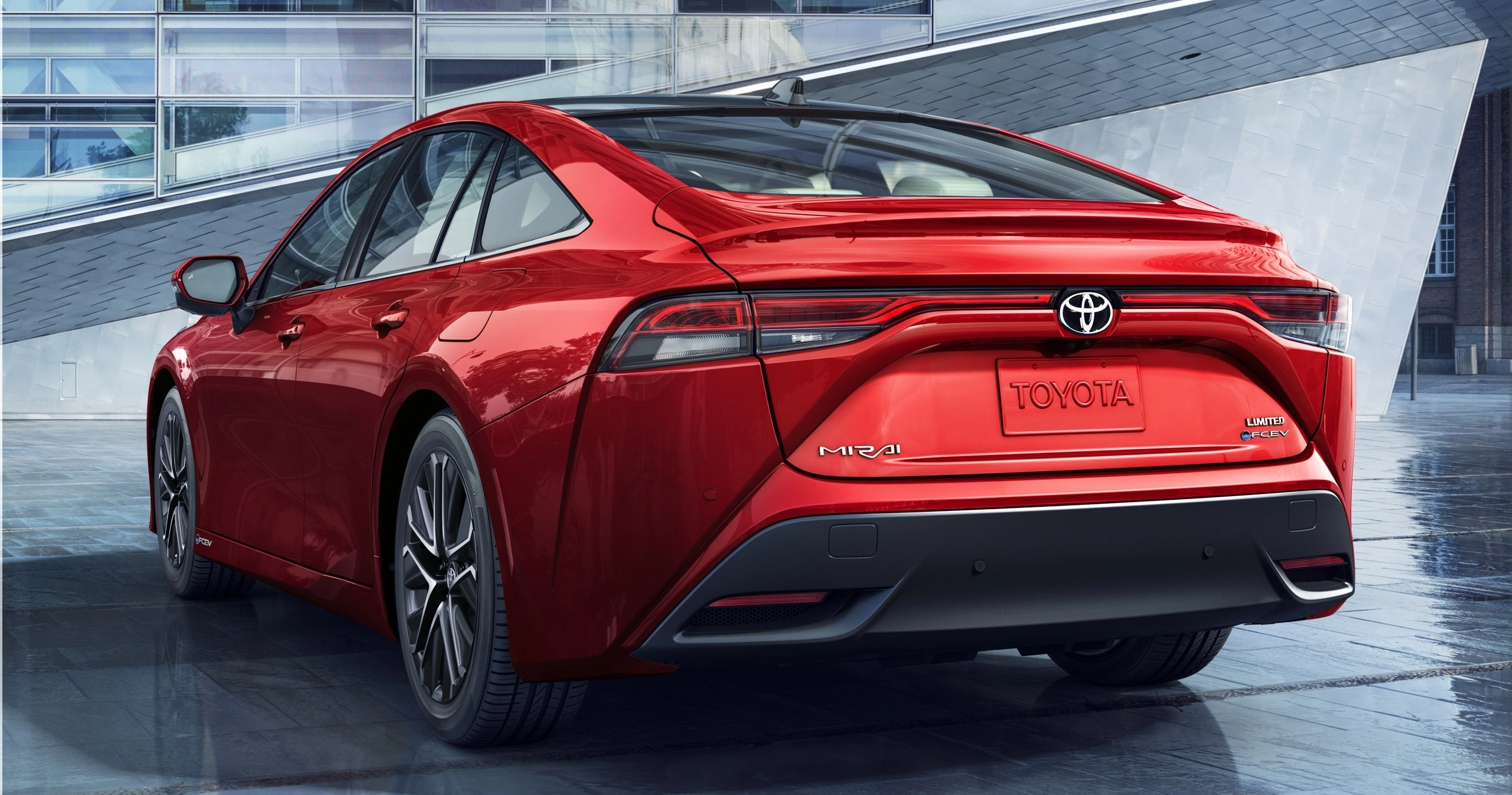
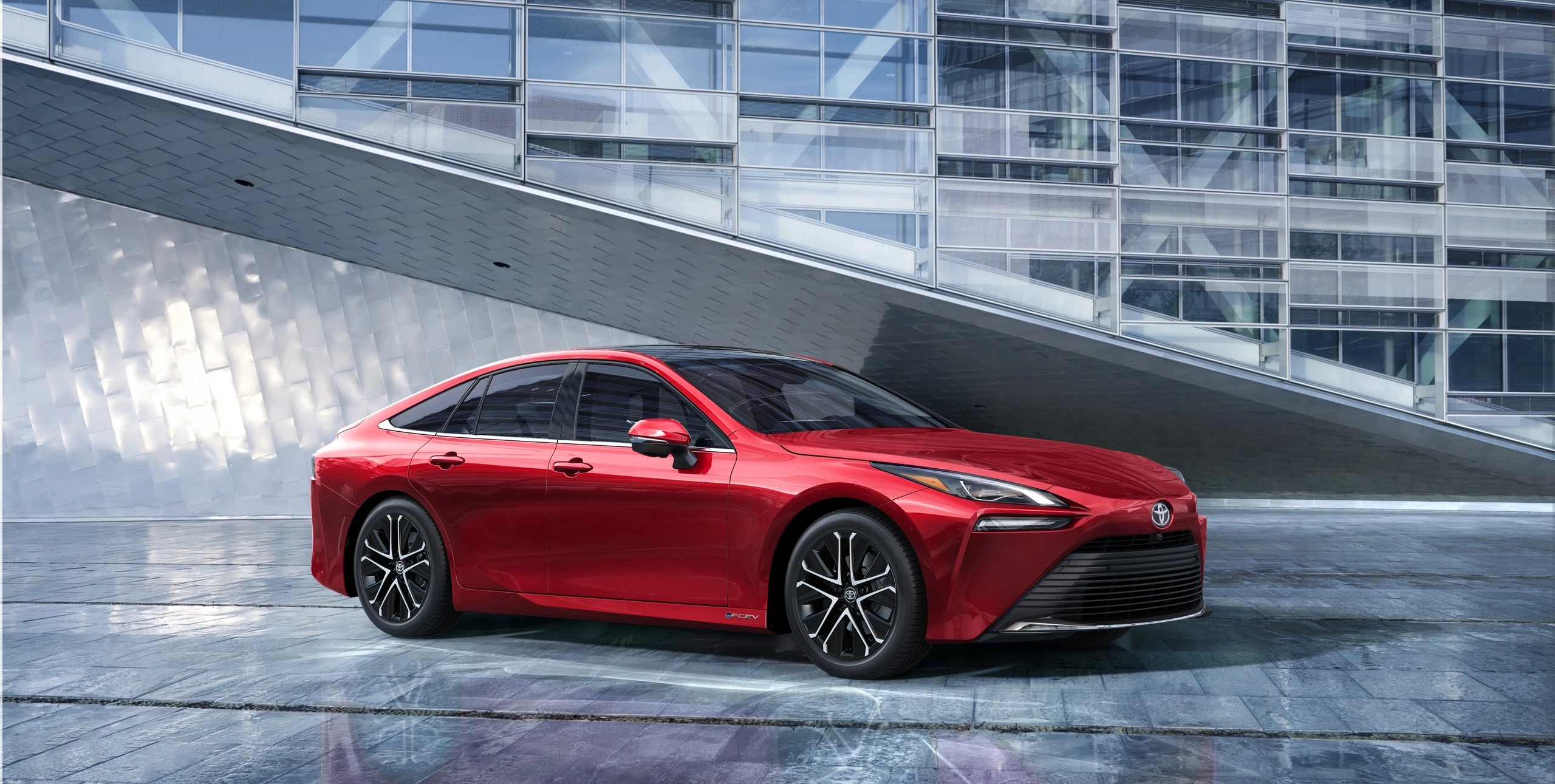
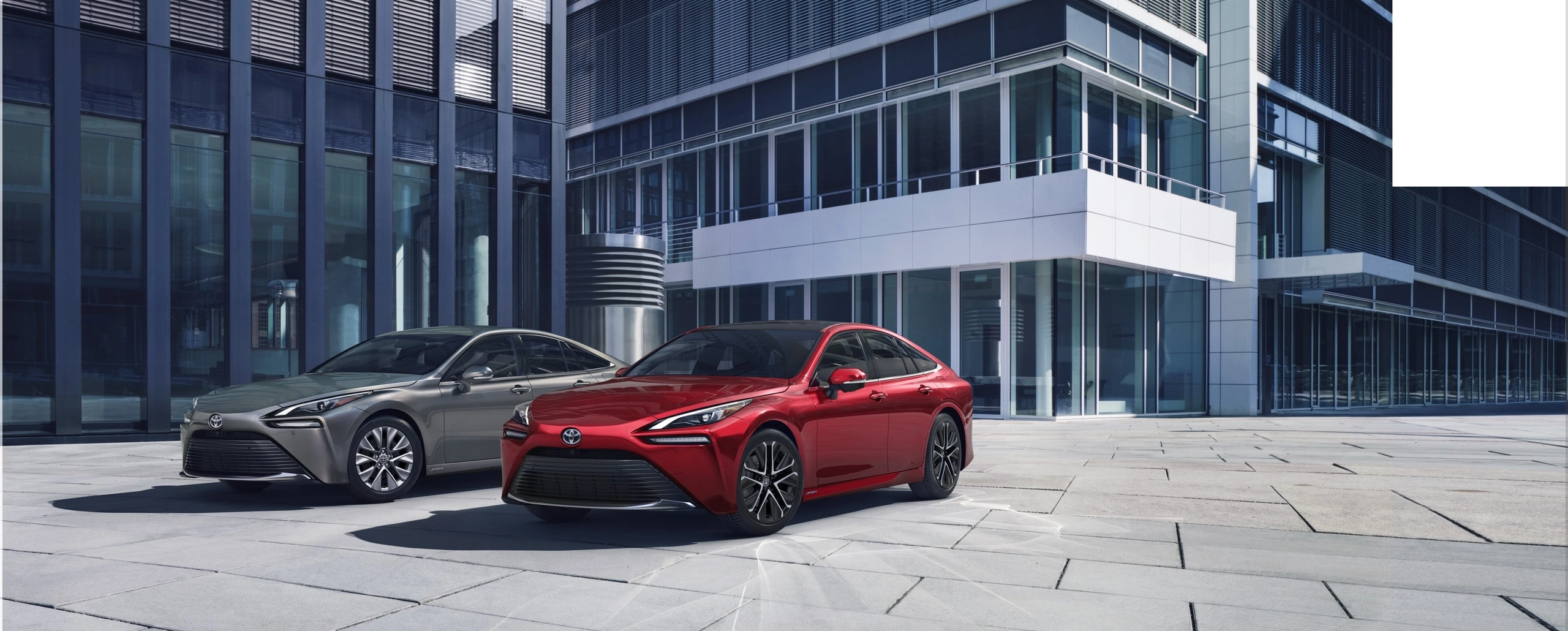
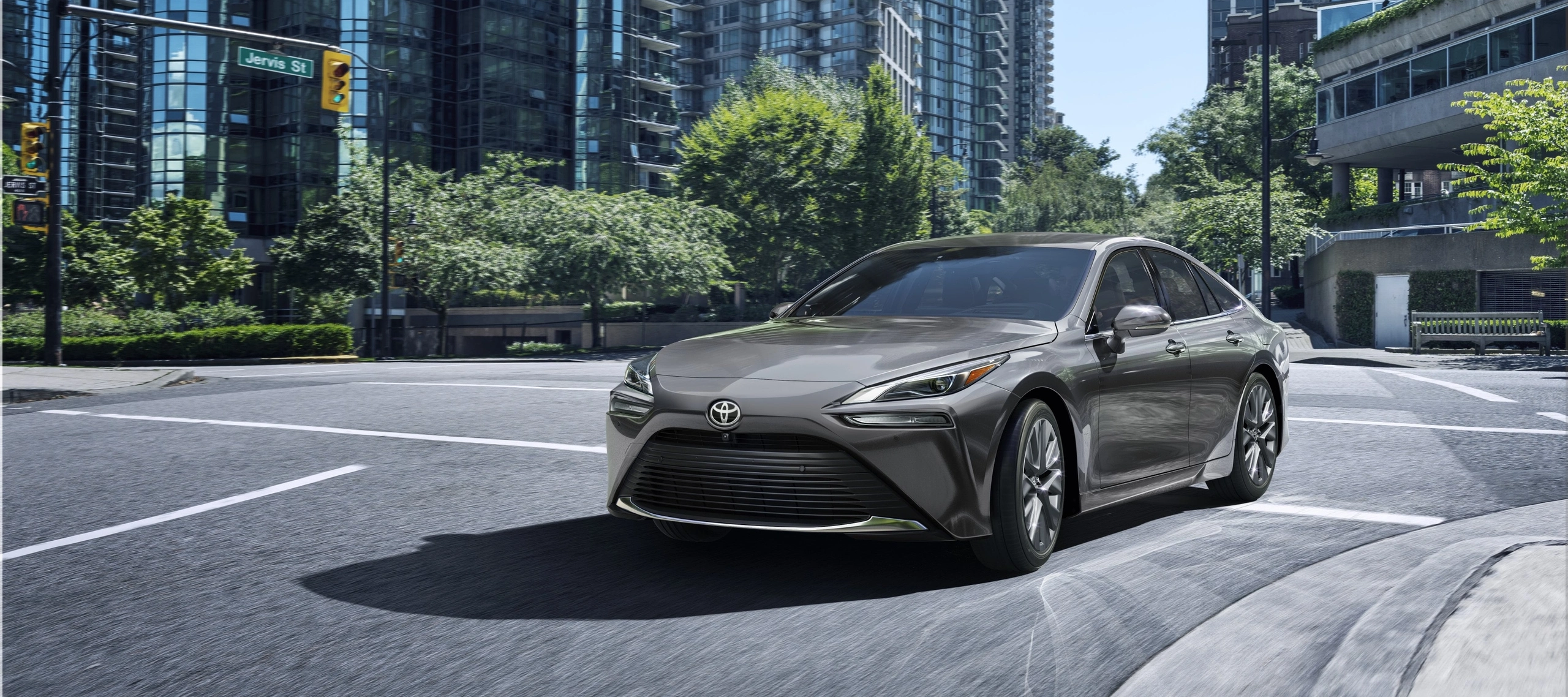
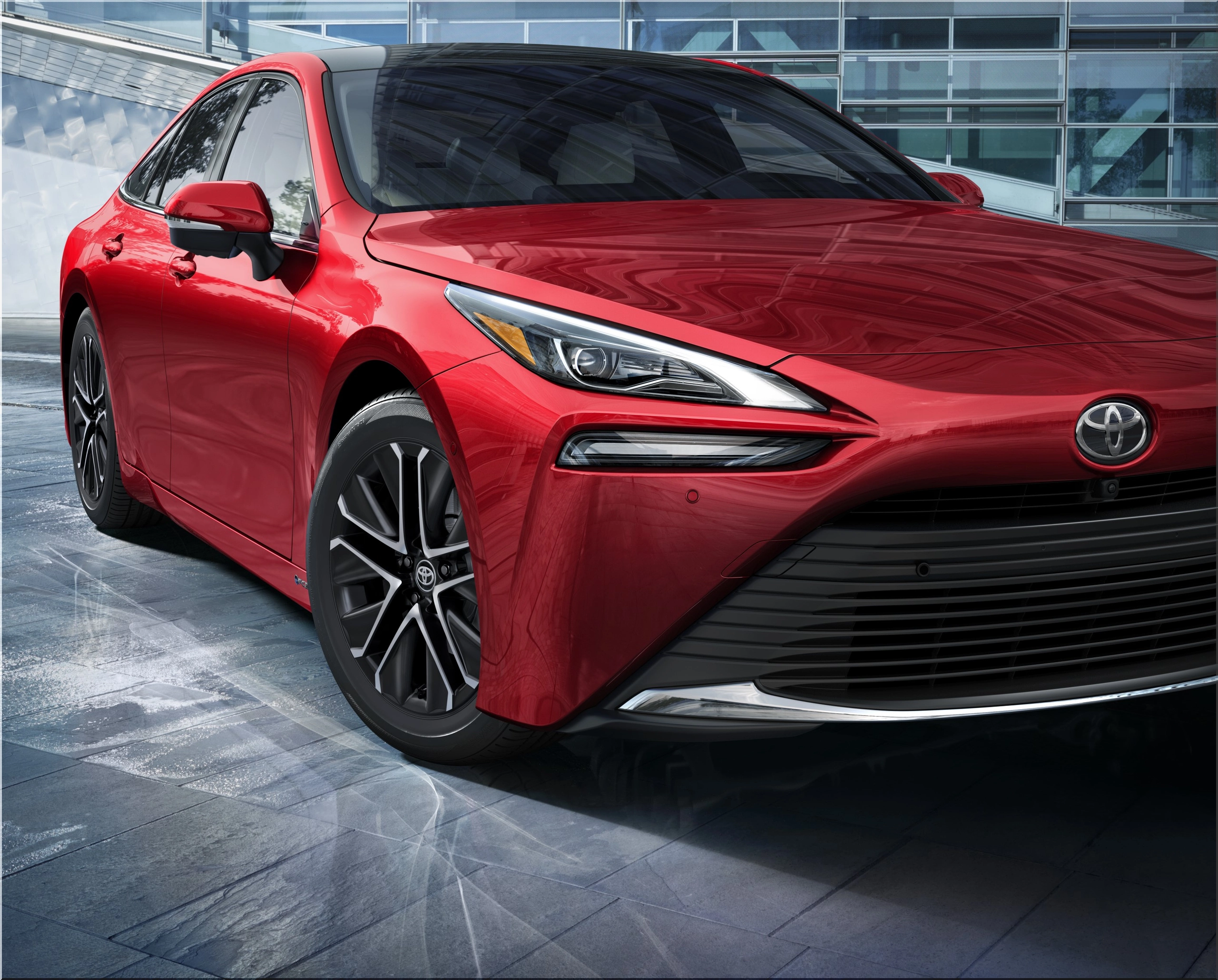
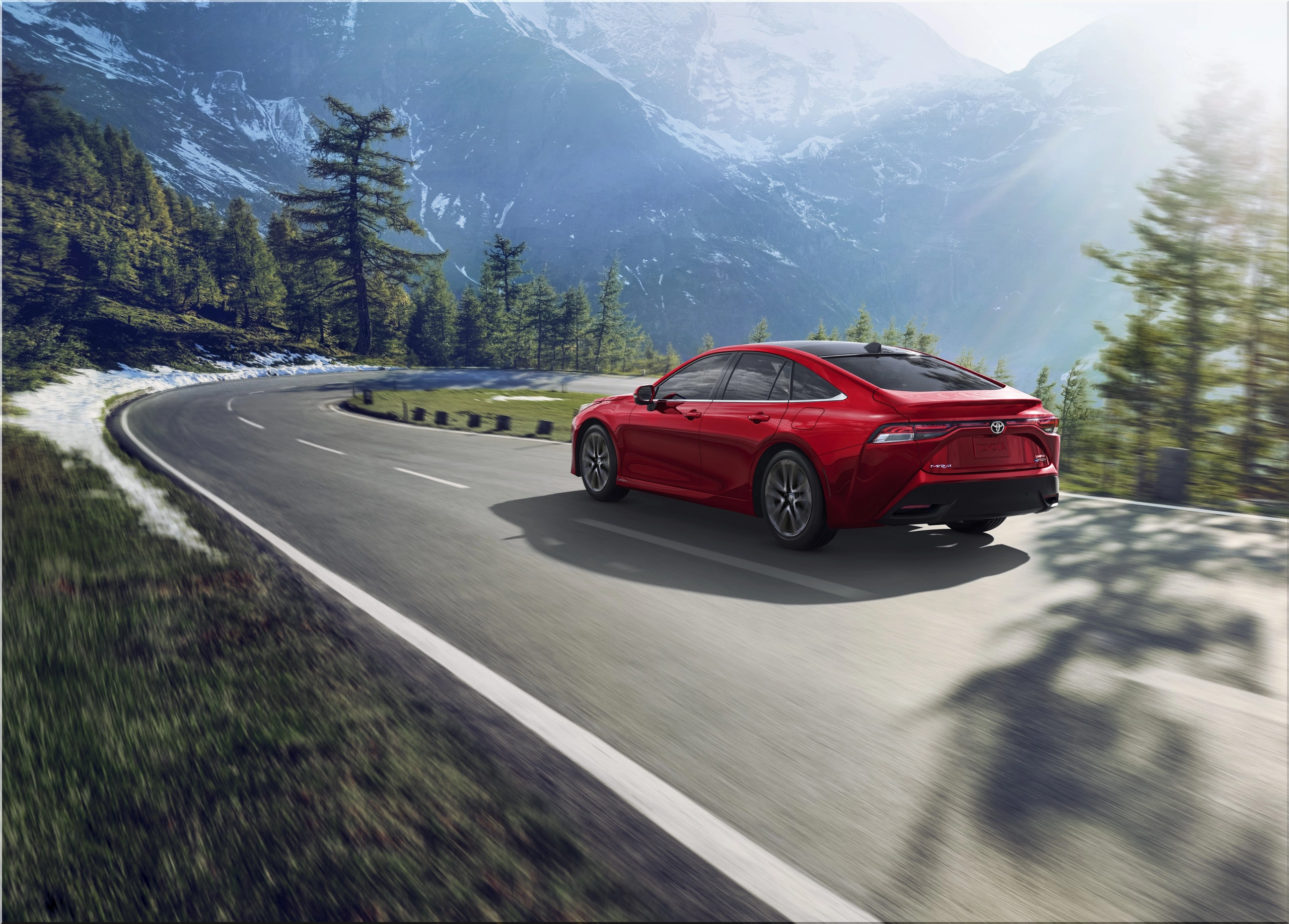
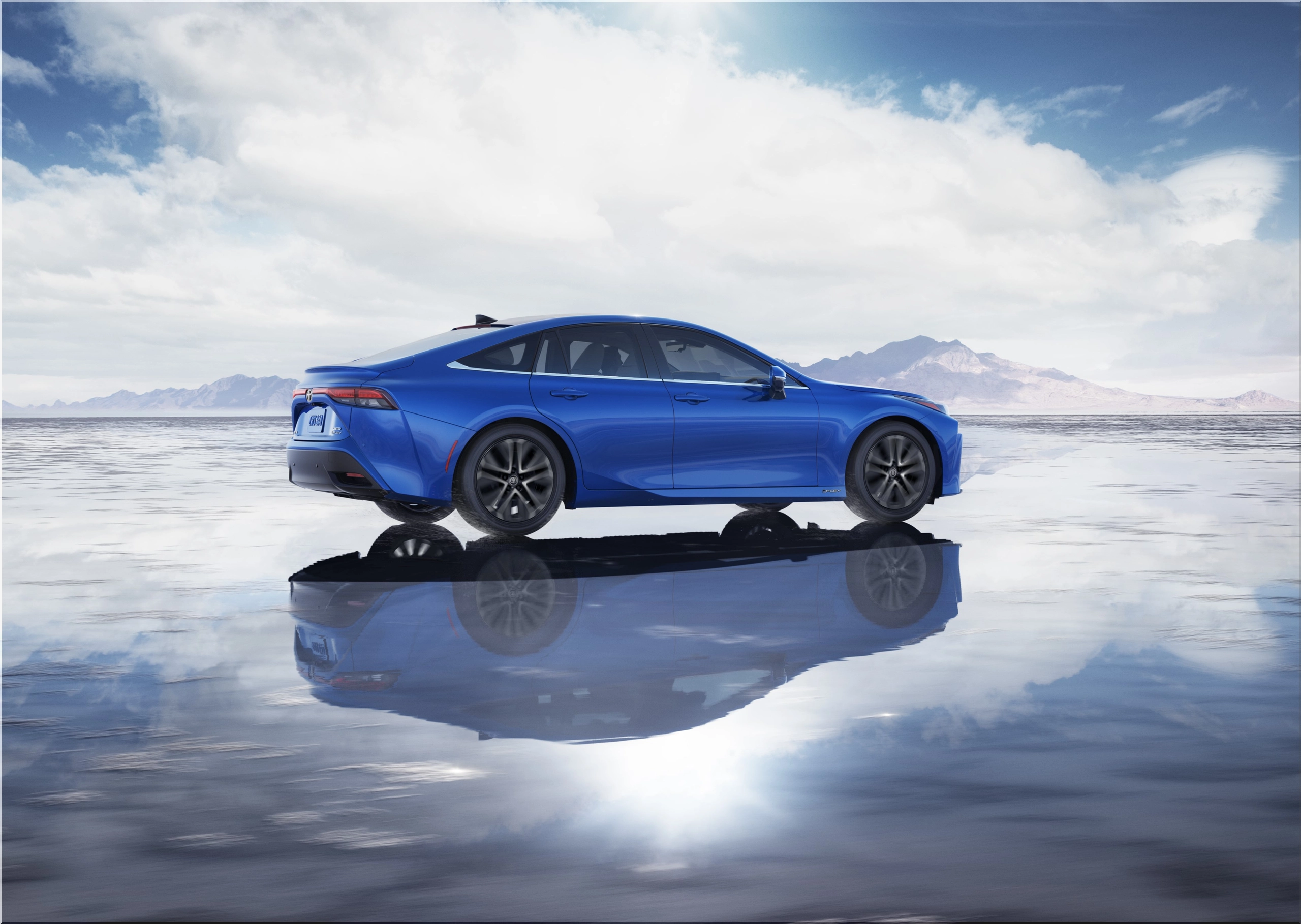
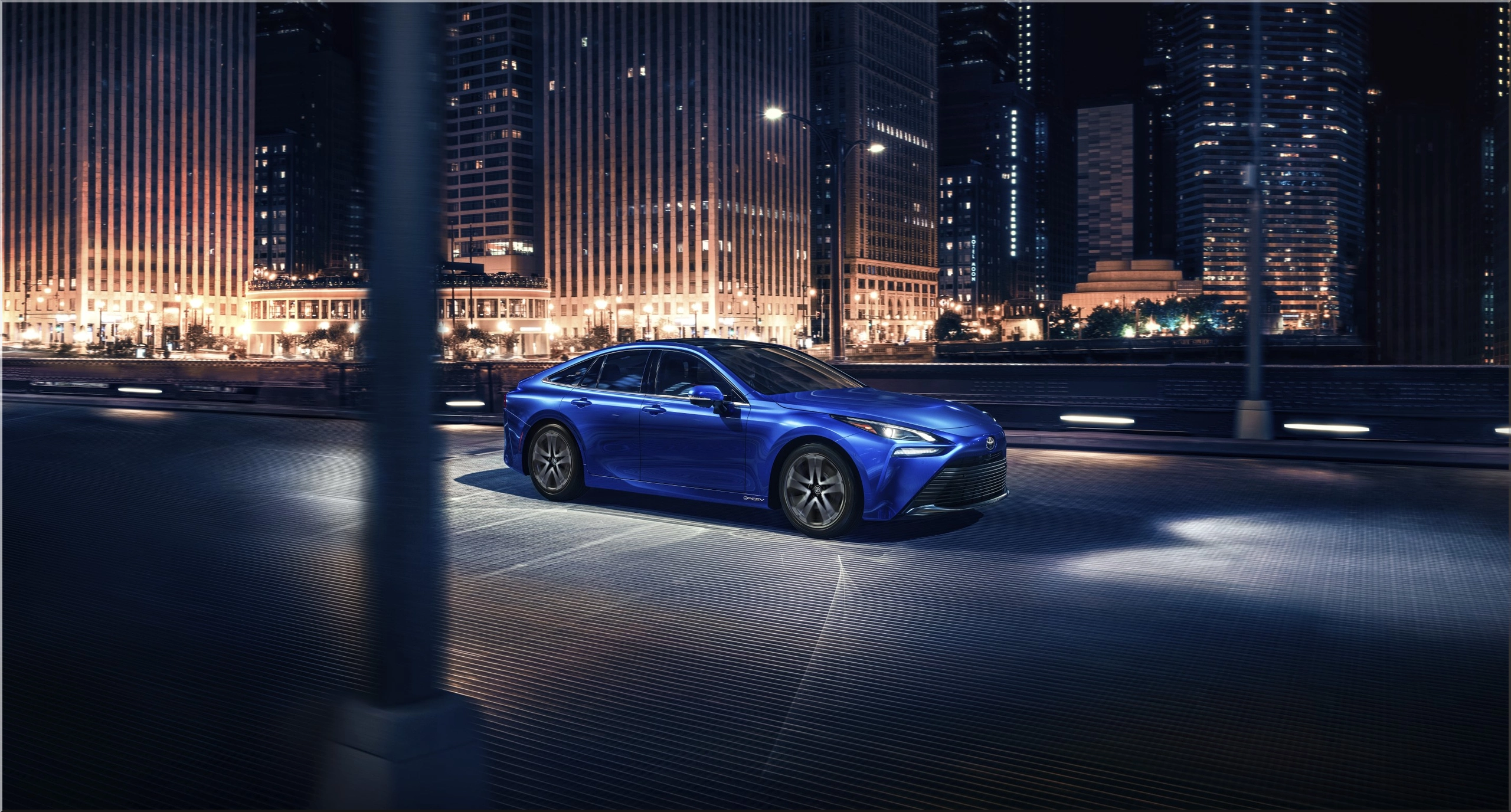
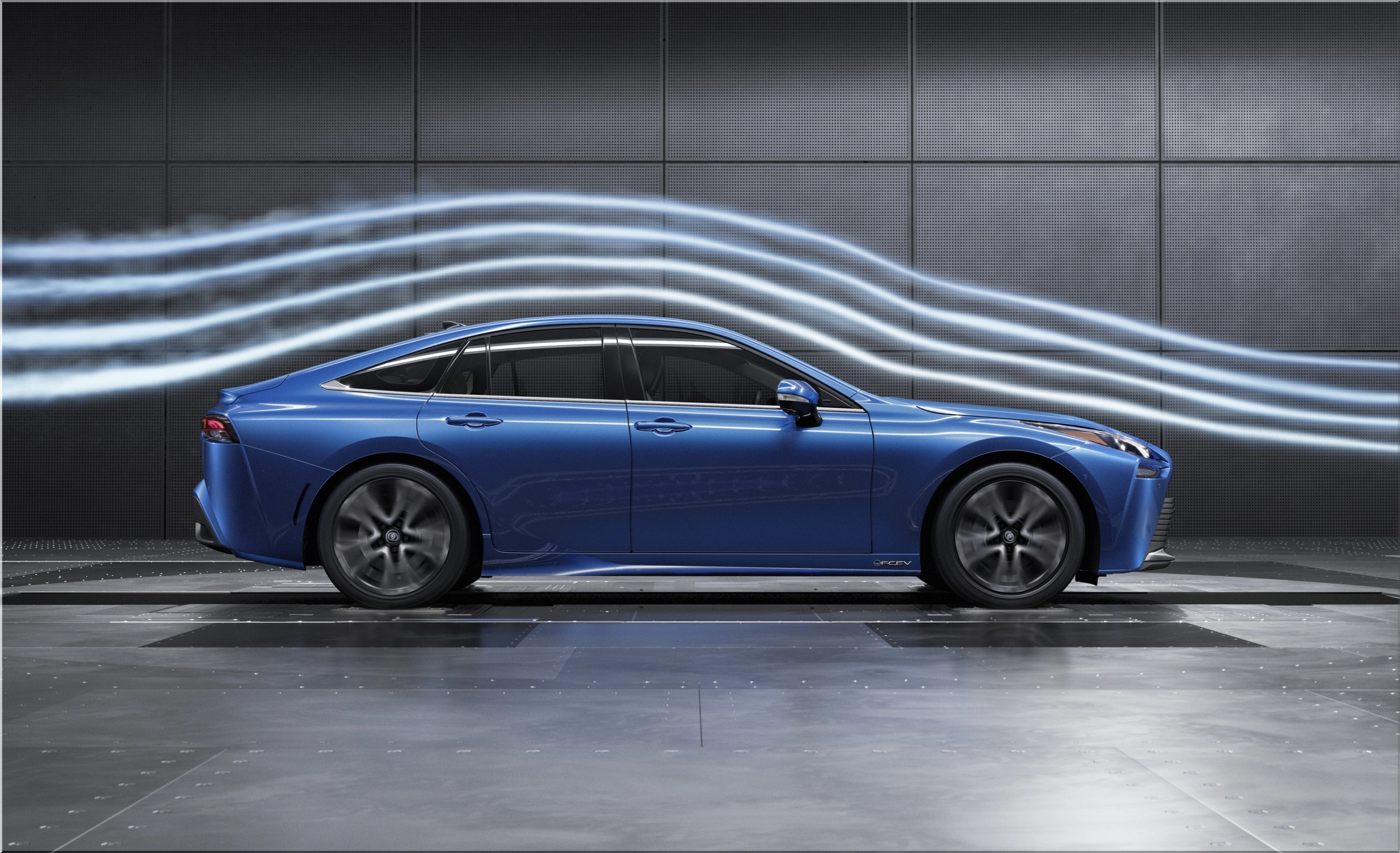
The second-generation Mirai, which debuted in 2020 as a 2021 model, is a different story. Toyota has completely redesigned the Mirai, transforming it from a futuristic oddity into a mainstream sedan. The new Mirai is longer, lower, and wider than its predecessor, with a sleek coupe-like silhouette and a spacious cabin. It also has a rear-wheel-drive layout instead of a front-wheel-drive for better handling and performance. The Mirai now looks like a car that anyone would want to drive, not just a hydrogen enthusiast.
What are the benefits of the Toyota Mirai?
The new Toyota Mirai has several advantages over conventional cars and even some BEVs. Here are some of them:
- Zero emissions: The Mirai does not emit any harmful pollutants or greenhouse gases, making it an environmentally friendly choice. The Mirai also has a positive impact on the air quality, as it purifies the oxygen that passes through the fuel cell stack.
- Long range: The Mirai has an EPA-estimated driving range of 402 miles for the XLE trim and 357 miles for the Limited trim. That’s more than most BEVs on the market and comparable to some gasoline cars. The Mirai also has a large fuel tank capacity of 11.4 pounds of hydrogen, which gives it a long driving autonomy.
- Quick refueling: The Mirai can be refueled in about five minutes at a hydrogen station, similar to a gasoline car. This is much faster than charging a BEV, which can take hours depending on the battery size and the charger type. The Mirai also does not suffer from range anxiety, as it does not lose power or performance in cold weather or at high speeds.
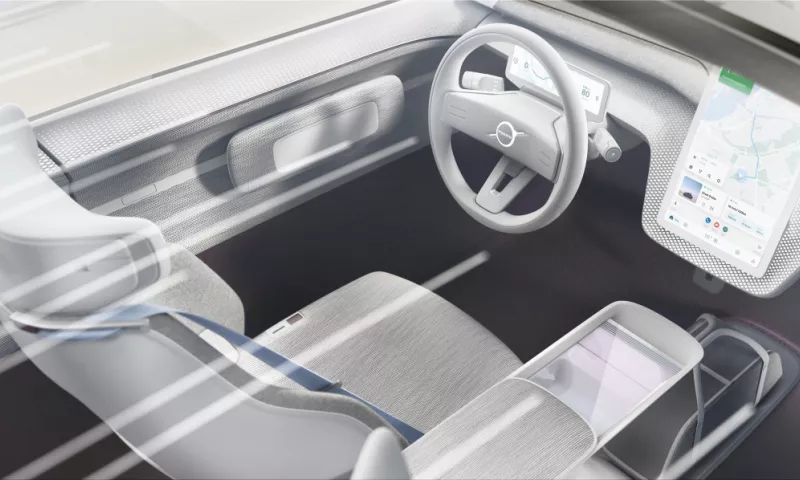
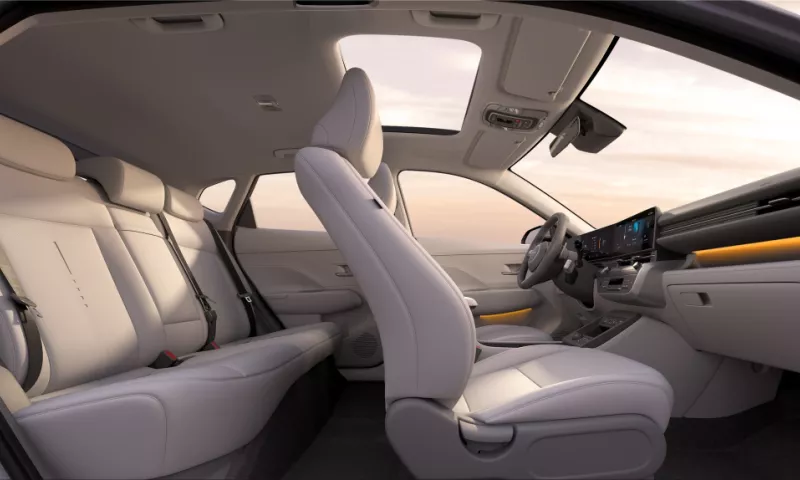
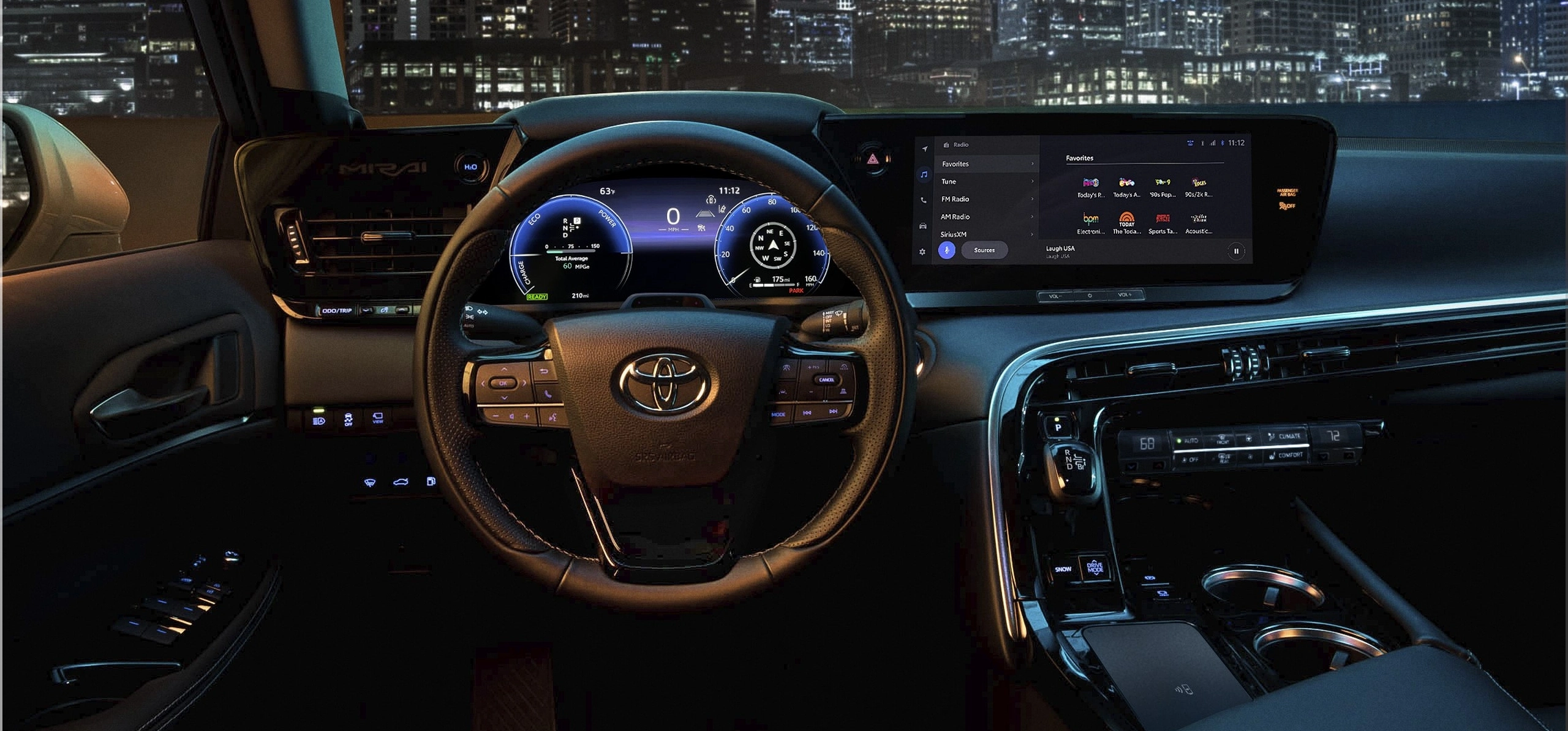
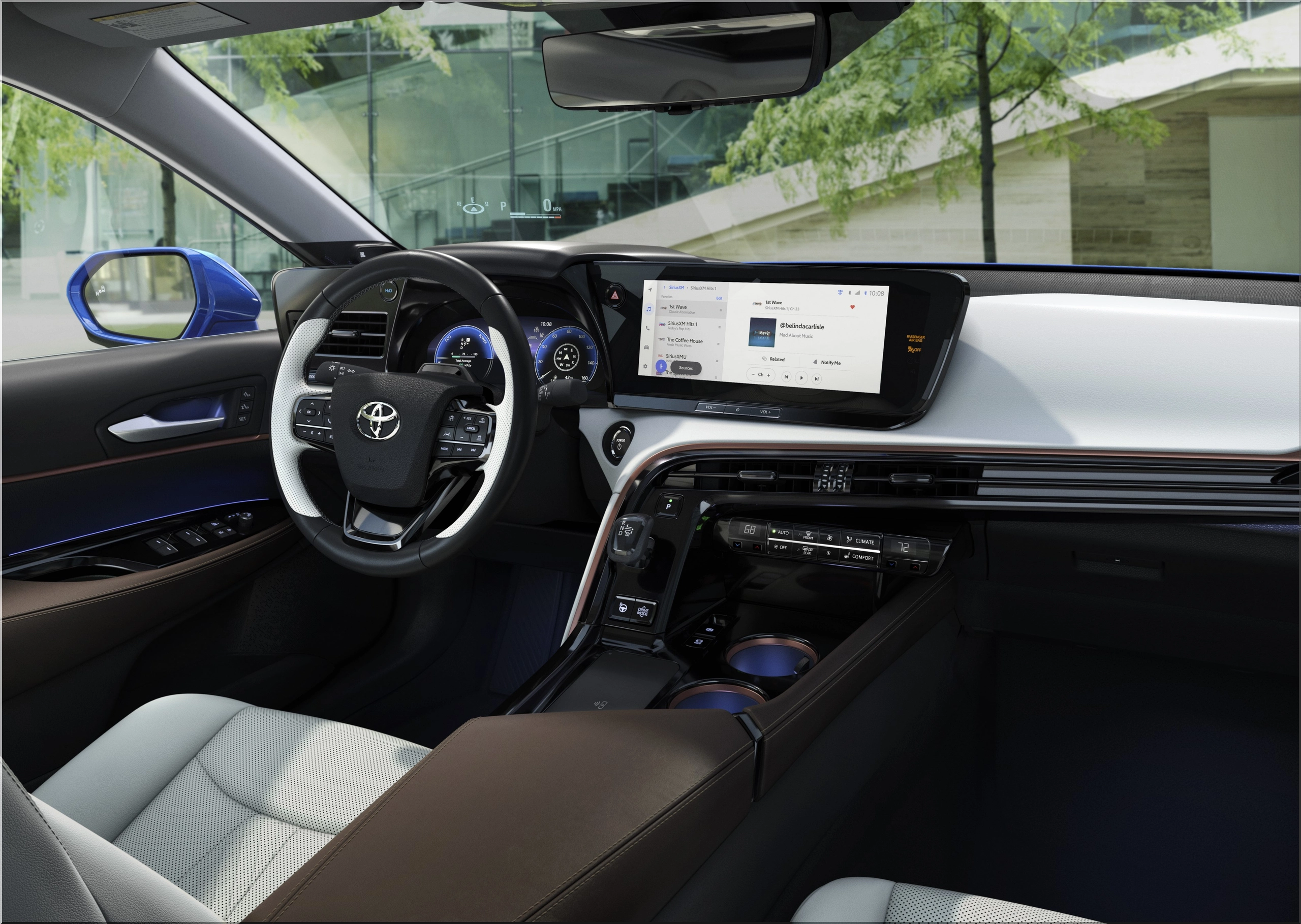
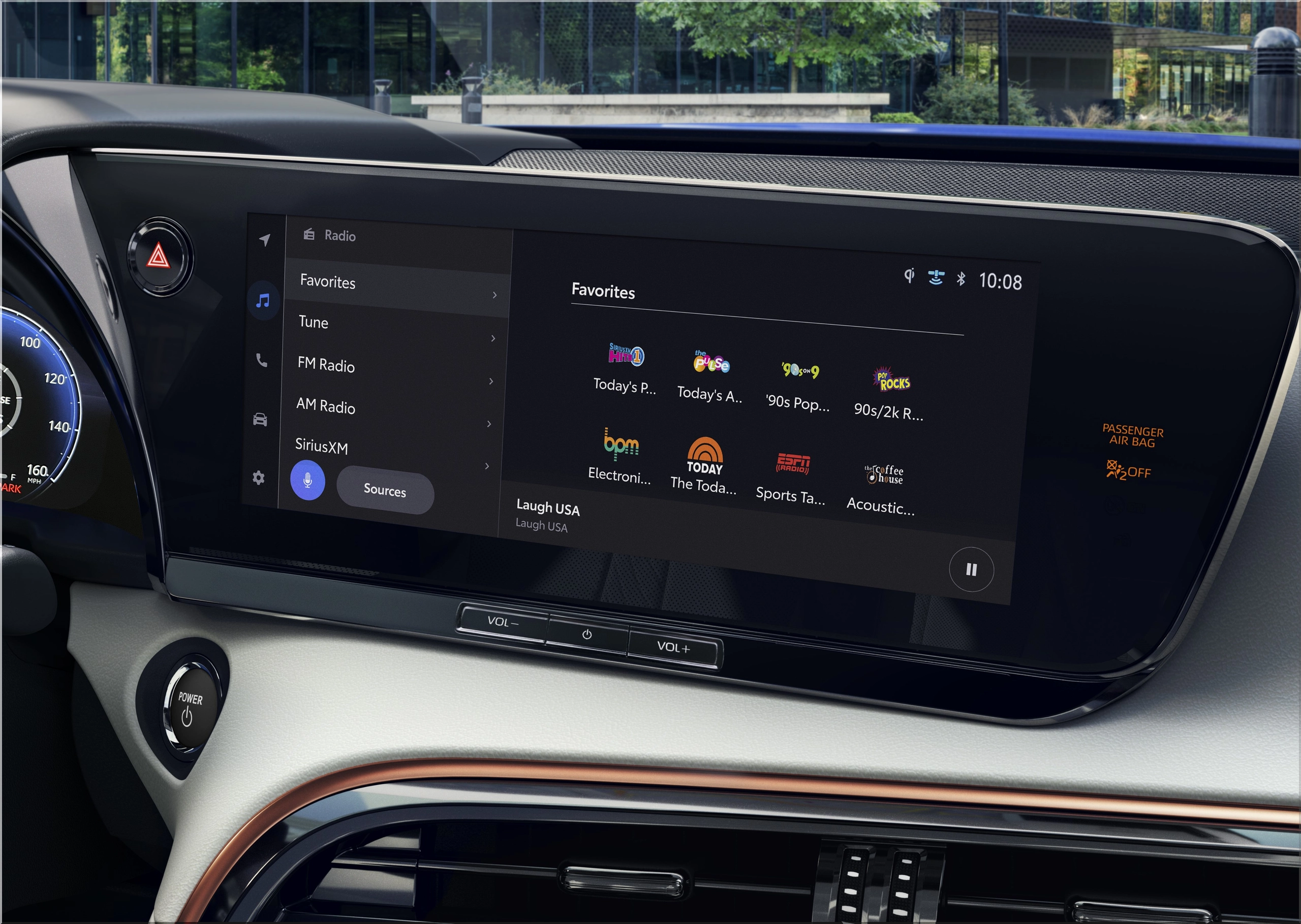
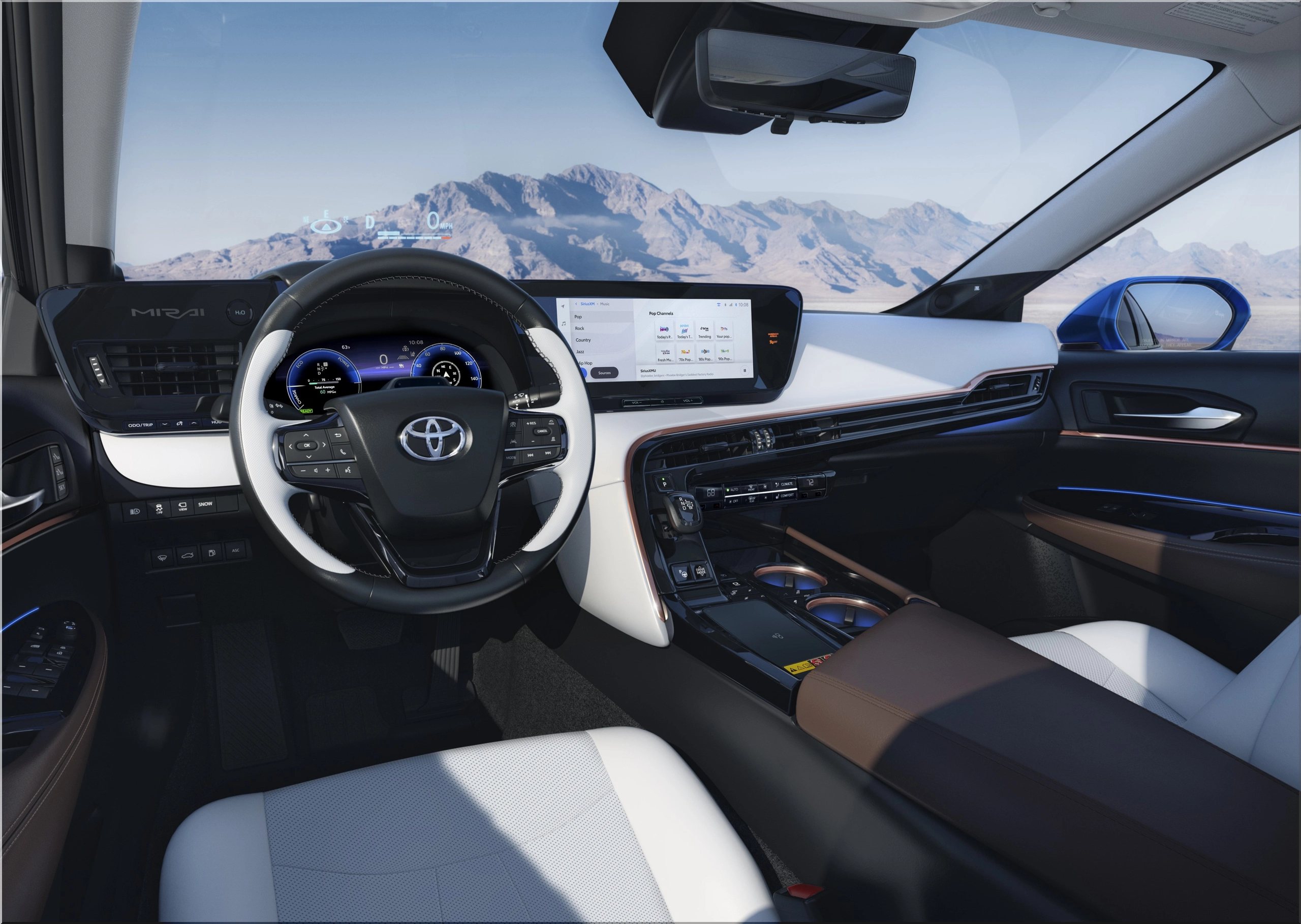
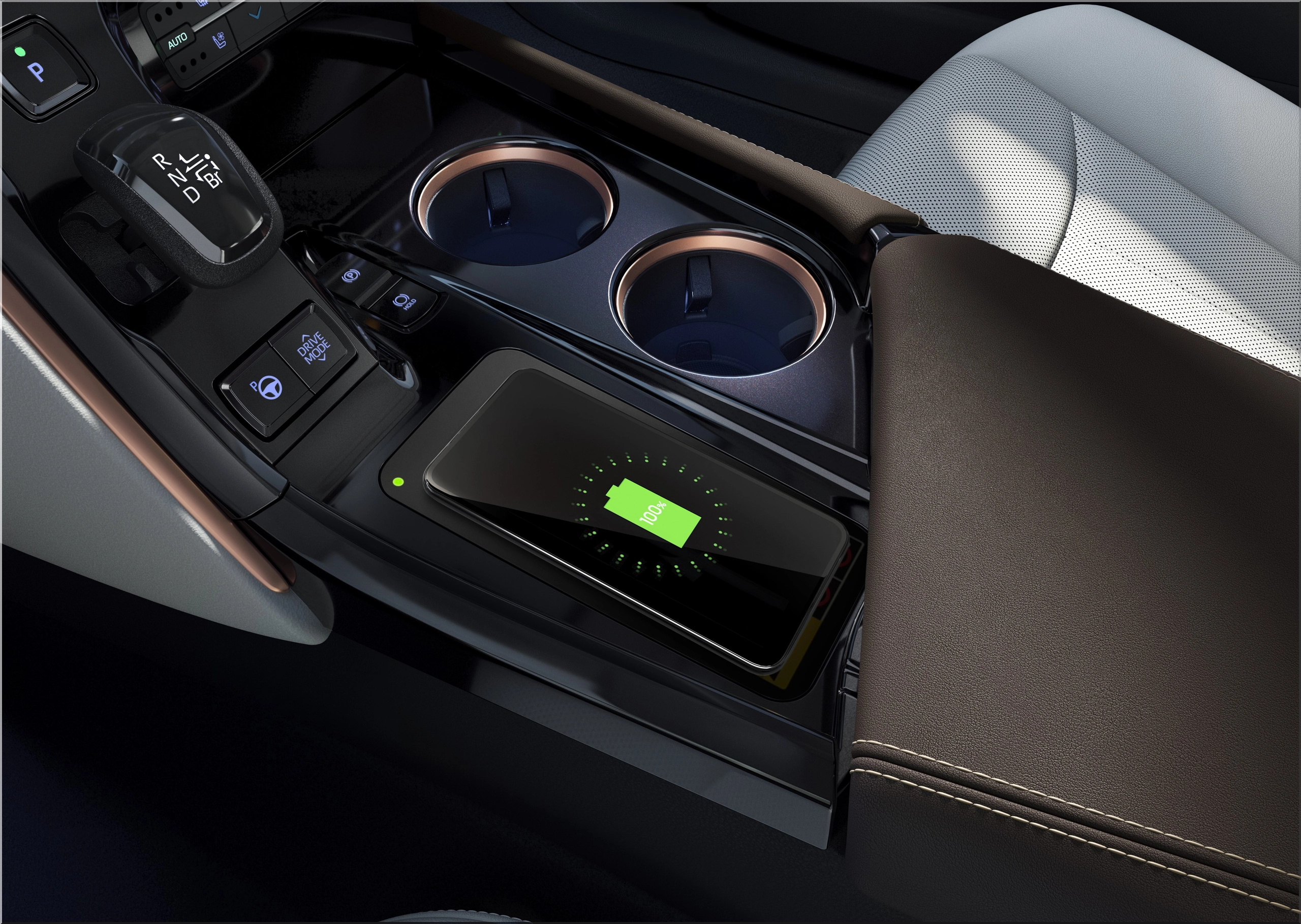
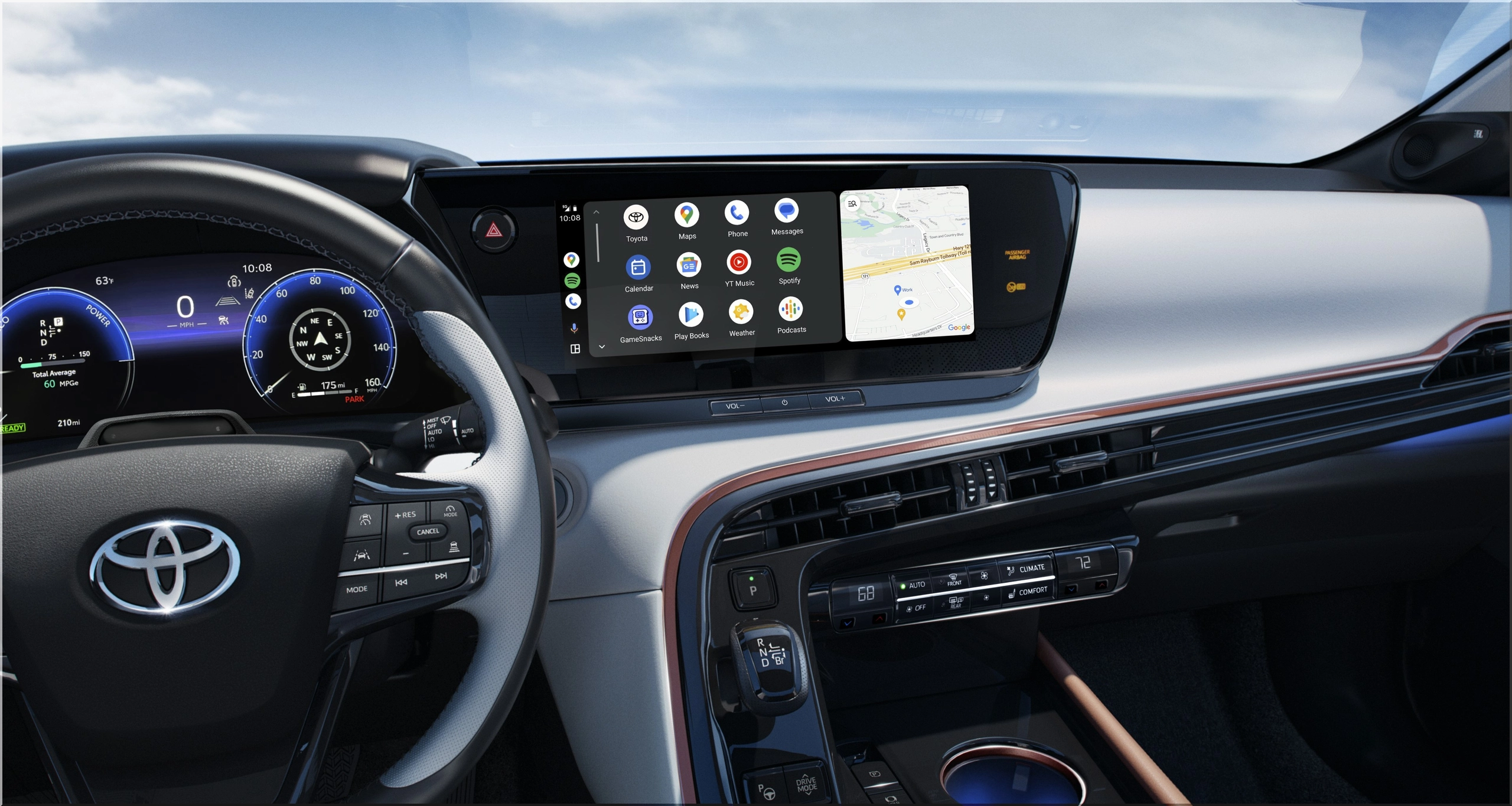
- Luxurious features: The Mirai is equipped with a host of premium features, such as a 12.3-inch touchscreen infotainment system, a 14-speaker JBL sound system, a head-up display, a wireless smartphone charger, a digital key, and a panoramic sunroof. The Mirai also offers a comfortable and quiet ride thanks to its smooth electric powertrain, adaptive suspension, and acoustic glass. The Mirai’s interior is crafted with high-quality materials, such as synthetic leather, soft-touch surfaces, and wood-like accents.
- Generous incentives: The Mirai comes with a $15,000 fuel credit over three to six years, depending on whether you lease or purchase. This covers the cost of hydrogen fuel, which is currently more expensive than gasoline or electricity. The Mirai also comes with 21 days of complimentary vehicle rentals for when you need to travel outside of the hydrogen network. Additionally, the Mirai qualifies for federal, state, and local incentives, such as tax credits, rebates, and HOV lane access.
What are the challenges of the Toyota Mirai?
The new Toyota Mirai is not without its drawbacks. Here are some of the challenges that the Mirai faces:
- Limited availability: The Mirai is only sold in California and Hawaii, the only two states that have a sufficient number of hydrogen stations. As of January 2021, there were 43 hydrogen stations in California and one in Hawaii, according to the U.S. Department of Energy. That’s a small fraction of the more than 150,000 gasoline stations and 40,000 public charging stations in the country. The Mirai is not practical for people who live outside of these regions or who need to travel long distances.
- High cost: The Mirai is not a cheap car. The base XLE trim starts at $49,500, while the top Limited trim starts at $66,000. That’s more than some luxury sedans, such as the BMW 5 Series or the Mercedes-Benz E-Class. The Mirai is also more expensive than some BEVs, such as the Tesla Model 3 or the Hyundai Kona Electric. The Mirai’s high price is partly due to the cost of the fuel cell technology, which is still not mass-produced or widely adopted.
- Low performance: The Mirai is not a fast car. It has a single electric motor that produces 182 horsepower and 221 pound-feet of torque. That’s enough for everyday driving but not for spirited driving. The Mirai can accelerate from 0 to 60 mph in 9.2 seconds, according to Toyota. That’s slower than some gasoline cars and most BEVs in its class. The Mirai also has a top speed of 108 mph, which is lower than the average car. The Mirai’s performance is limited by the power output of the fuel cell stack, which is not as high as a battery pack.

Is the Toyota Mirai the future of mobility?
The new Toyota Mirai is a remarkable car that showcases the potential of hydrogen fuel cell technology. It’s a car that goes beyond zero emissions, offering a clean, efficient, and convenient way of driving. It’s also a car that challenges the status quo, proving that hydrogen can be a viable alternative to gasoline and electricity.
However, the Mirai is not a car for everyone. It’s a car for early adopters, willing to pay a premium for cutting-edge technology that is still in its infancy. It’s also a car for hydrogen enthusiasts who believe in the long-term benefits of hydrogen for the environment and the economy.
The Toyota Mirai is not the only FCEV on the market. There are other models, such as the Hyundai Nexo and the Honda Clarity Fuel Cell, that offer similar features and performance. There are also other automakers, such as BMW, Mercedes-Benz, and General Motors, that are developing their own FCEVs for the future. The FCEV market is expected to grow in the coming years as more hydrogen infrastructure is built and more consumers are educated about the advantages of hydrogen.
The Mirai is not the ultimate mobility solution. It’s one of the many solutions that are available and will be available in the future. The Mirai is not a competitor to BEVs but a complement to them. The Mirai is not a threat to gasoline cars but a catalyst for change. The Mirai is not a perfect car, but it is a progressive car.
The Mirai is a car that goes beyond zero. And that’s something worth celebrating.
- Add new comment
- 140 views