Toyota Motor Corporation, one of the world’s leading automakers, is committed to achieving carbon neutrality by 2050. One of the key strategies to reach this goal is to create a circular economy for the batteries used in its electrified vehicles, such as hybrid electric vehicles (HEVs), plug-in hybrid electric vehicles (PHEVs), and battery electric vehicles (BEVs).
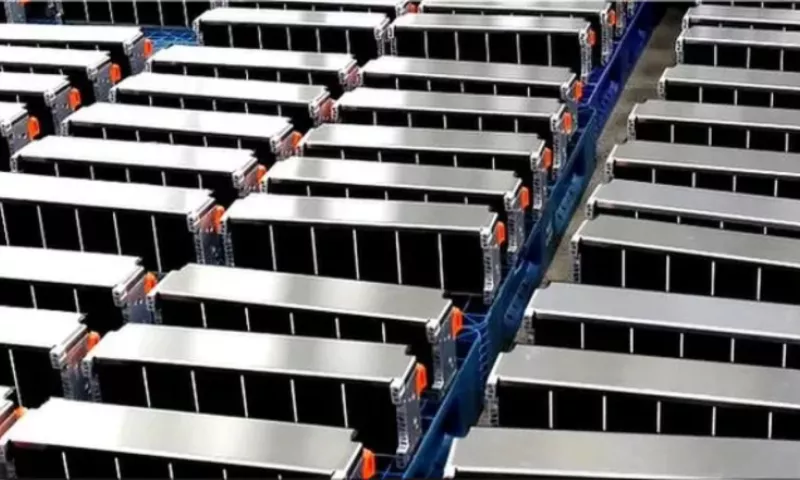
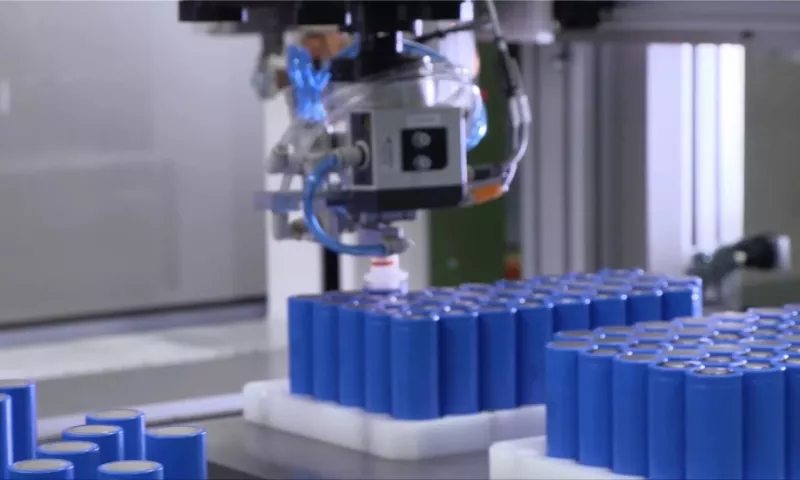
A circular economy is a system that aims to minimize waste and maximize the value of resources by designing products that are durable, reusable, and recyclable. For batteries, this means extending their lifespan, repurposing them for different applications, and recovering their materials for new production.
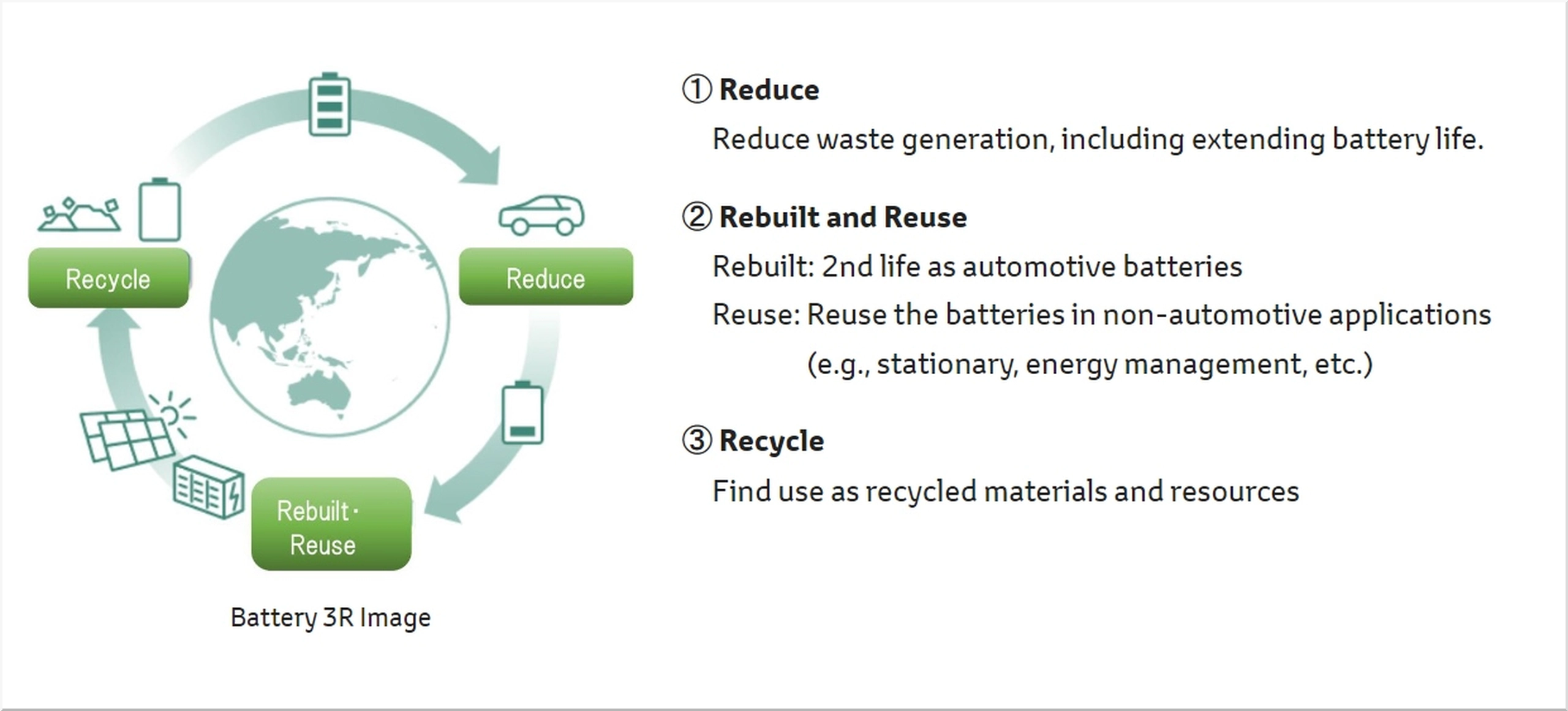
To represent this circular path, Toyota uses the concept of “Battery 3R”, which stands for Reduce, Rebuilt/Reuse, and Recycle. The company is accelerating its global efforts in collaboration with various partners and considering local battery production in each region.
Reduce: Extending Battery Life and Efficiency
The first step of Battery 3R is to reduce waste generation by developing resource-efficient and long-lasting batteries. Toyota has been a pioneer in electrified vehicle technology since it launched the Prius, the world’s first mass-produced HEV, in 1997. Since then, the company has sold over 19 million electrified vehicles worldwide, saving about 140 million tons of CO2 emissions.
Toyota’s batteries are designed to last as long as the vehicle itself, with high reliability and durability. The company also strives to improve the energy density and performance of its batteries while reducing the use of rare metals and other materials. For example, Toyota’s latest solid-state battery technology, which is expected to debut in the early 2020s, promises to offer higher capacity, faster charging, and lower cost than conventional lithium-ion batteries.
Rebuilt/Reuse: Finding a Second Life for Batteries
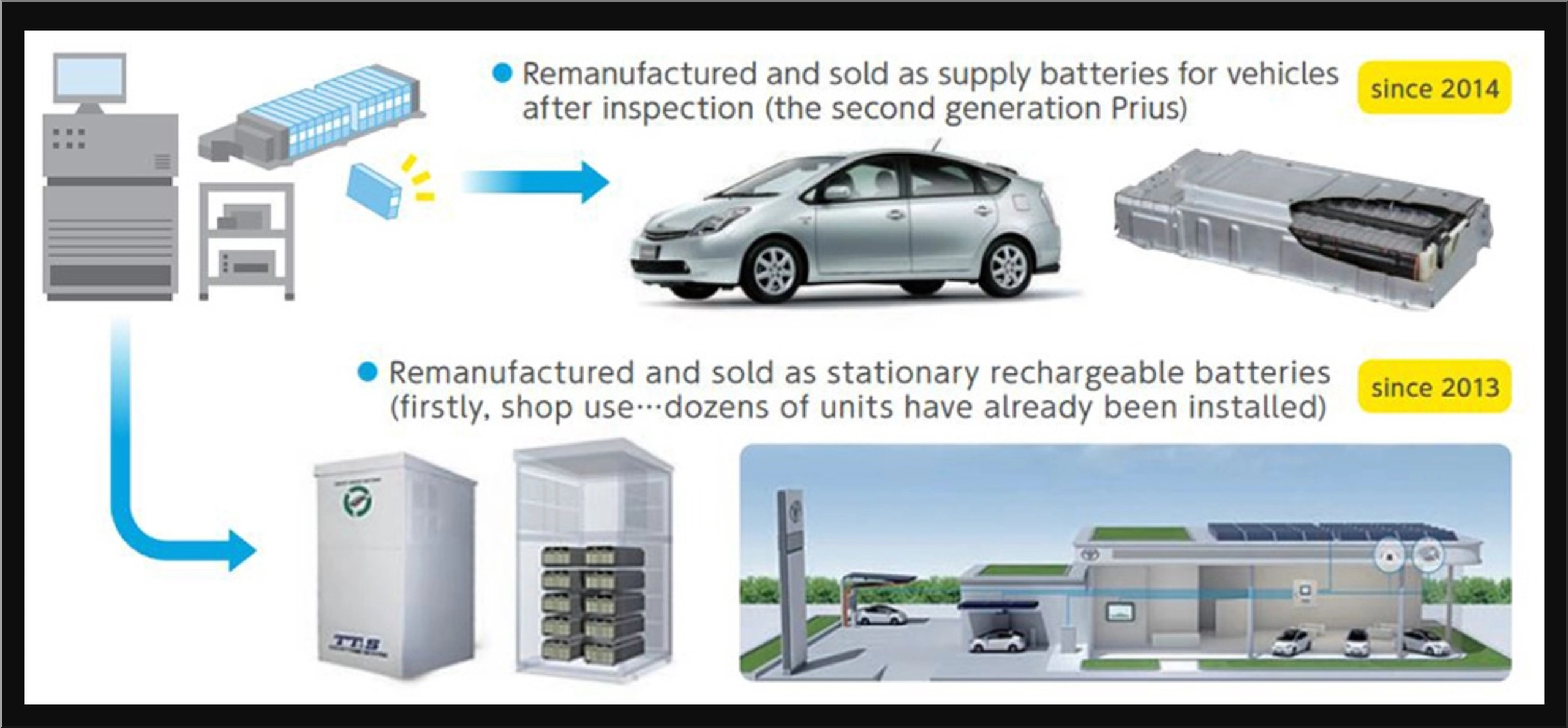
The second step of Battery 3R is to find a second life for batteries that are no longer suitable for automotive use but still have remaining capacity and functionality. Toyota offers two options for these batteries: rebuilt and reused.
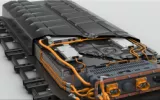
Rebuilt means repackaging the batteries for automotive use, such as replacing damaged modules or cells or adjusting the capacity and size to fit different vehicles. Toyota has been rebuilding batteries for its HEVs since 2003 and has expanded the service to PHEVs and BEVs in Japan, the U.S., Europe, and China. Rebuilding batteries can extend their automotive life by up to 10 years and reduce battery replacement's cost and environmental impact.
Reuse means utilizing the batteries for non-automotive applications, such as stationary energy storage, power generation, or mobility services. Toyota has been exploring various reuse projects around the world, such as:
- Providing backup power for convenience stores, hospitals, and schools using retired Prius batteries.
- Supporting renewable energy integration and grid stability using used batteries from PHEVs and BEVs.
- Offering affordable and clean mobility solutions for developing countries using refurbished batteries from HEVs.
Reusing batteries can create new value and business opportunities and contribute to social and environmental benefits.
Recycle: Recovering Materials and Resources
The third and final step of Battery 3R is to recycle the batteries that have reached their end-of-life stage and recover their materials and resources for new production. Toyota has been recycling batteries since 2001 and has established a global network of certified recyclers in Japan, the U.S., Europe, China, and Asia.
Toyota’s recycling process involves collecting, transporting, dismantling, and processing the batteries safely and efficiently. The company aims to recycle the batteries in a sustainable way that both mitigates the amount of CO2 emitted and allows as much material as possible to be used as stock feed for new battery production. For example, Toyota recovers nickel, cobalt, lithium, and other metals from its batteries and uses them to make new batteries or other products.
Recycling batteries can reduce the dependence on imported materials, lower the environmental impact of mining and refining, and create a closed-loop system that supports a circular economy.

Battery 3R as Part of a Broader Environmental Strategy
Battery 3R is part of a broader environmental strategy that Toyota is employing around the globe. The company is emphasizing the implementation of various initiatives related to the development of its vehicles worldwide, starting from the design stage, such as resource recycling, improving the durability and longevity of products, and minimizing waste.
In 2020, Toyota formulated the Seventh Toyota Environmental Action Plan―2025 Target, an incremental action plan to achieve the Toyota Environmental Challenge 2050. Under the 2025 target, Toyota is accelerating environmental initiatives, with a strong focus on two specific initiatives:
- Introducing and implementing Battery 3R throughout five regions―Japan, the U.S., Europe, China, and Asia.
- Aiming to maximize the collection and detoxification of end-of-life batteries globally.
By pursuing these initiatives, Toyota hopes to support vehicle development and contribute to local communities and the global environment. Toyota believes that creating a circular economy for batteries is essential for achieving carbon neutrality and realizing a sustainable society.
- Add new comment
- 115 views