Toyota Electrifies the Bluegrass State: Kentucky Gears Up for First U.S.-Made Battery Electric SUV
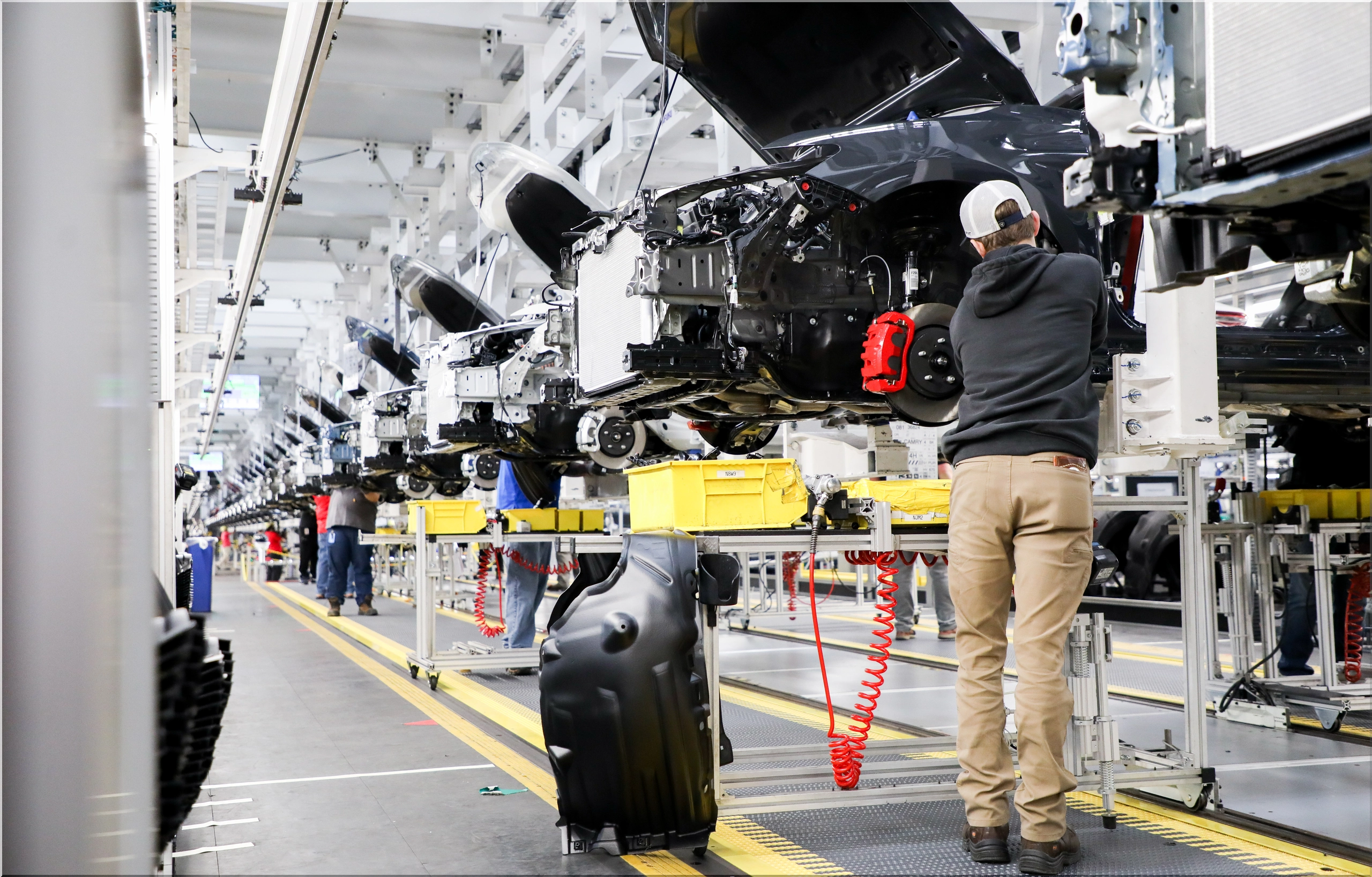
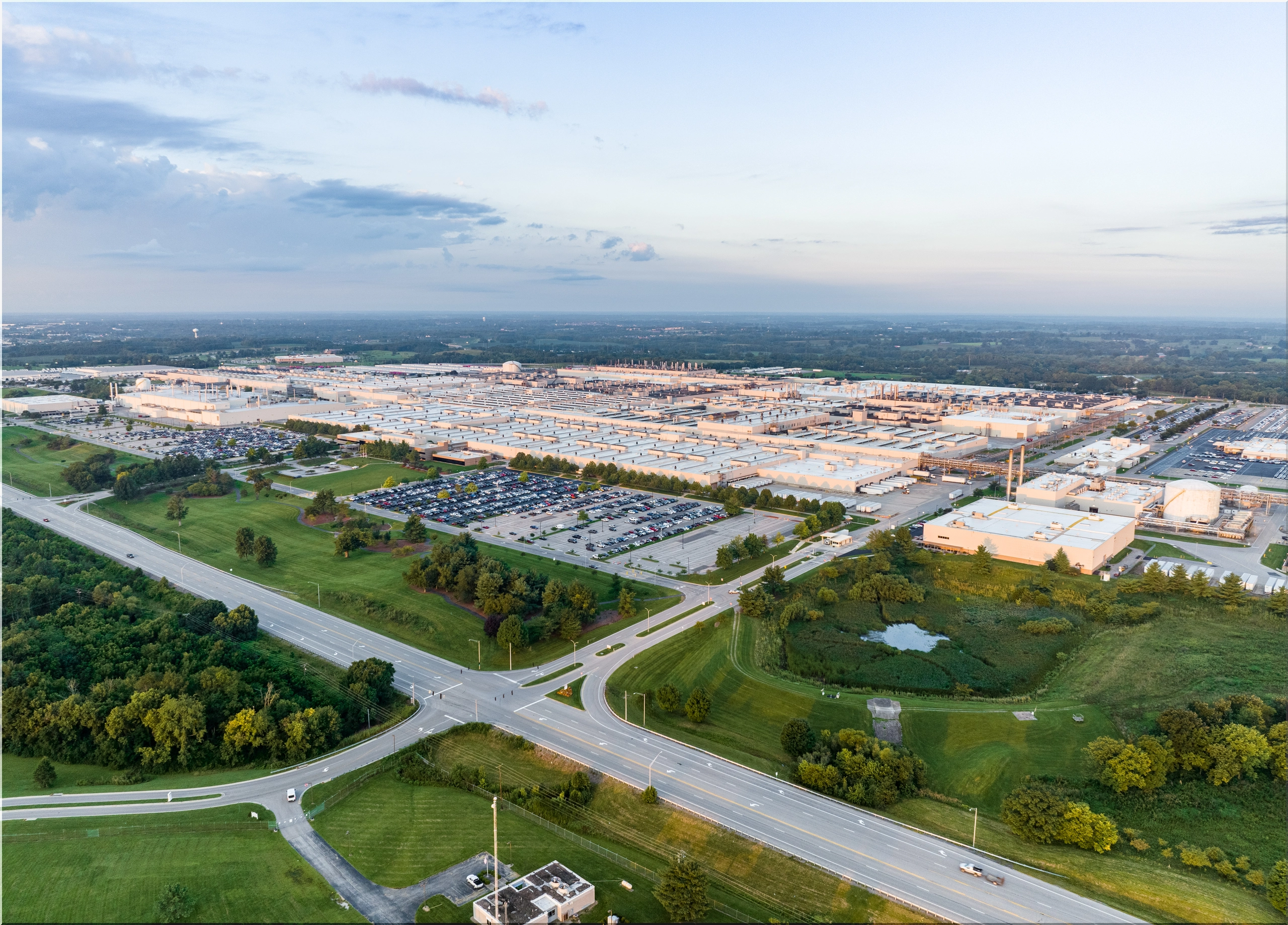
Buckle up, Kentucky! The Toyota Motor Manufacturing Kentucky (TMMK) plant in Georgetown is about to undergo a historic transformation. In a bold move signaling their commitment to electric vehicles (EVs), Toyota announced a $1.3 billion investment to bring battery electric vehicle (BEV) production to the state. This marks a significant milestone for the Japanese automaker, not just for its U.S. operations but globally, as Kentucky will be the birthplace of Toyota's first-ever American-made BEV.
Kentucky Takes the Wheel on Electrification
For decades, TMMK has been a cornerstone of Kentucky's manufacturing landscape, employing nearly 9,400 workers and producing popular models like the Camry, Avalon, and Lexus ES. Now, the facility is poised to become a leader in the EV revolution. The investment will see the assembly line churning out an all-new, three-row, battery electric SUV specifically designed for the U.S. market. This strategic move allows Toyota to cater directly to the growing demand for spacious, family-friendly electric vehicles within the American market, a segment that has seen significant growth in recent years.
A Well-Charged Ecosystem
Toyota isn't going it alone. The Kentucky BEV project is part of a larger $17 billion electrification investment spree across the automaker's U.S. operations since 2021. This commitment extends beyond the assembly line. To ensure a reliable and efficient battery supply chain, Toyota is investing in a $2.1 billion battery plant in North Carolina. Batteries produced there will be shipped to Kentucky for integration into the new BEVs. This creates a well-oiled ecosystem that fosters domestic production and reduces reliance on overseas suppliers, a critical factor considering recent supply chain disruptions.
Jobs, Stability, and a Sustainable Future
The Kentucky BEV project is more than just a new vehicle. It's an investment in the future of the state's workforce. The project is expected to create new jobs and ensure long-term job stability for TMMK's existing workforce of nearly 9,400 employees. This commitment to the community reflects Toyota's long-standing presence in Kentucky, solidifying their role as a vital economic partner. The project is also expected to bring in additional jobs in supporting industries and attract further investment in the state, creating a ripple effect that benefits Kentucky's economy for years to come.
Aligning with Evolving Consumer Preferences
Toyota's decision to ramp up BEV production aligns perfectly with the evolving preferences of American car buyers. Consumer demand for EVs is on the rise, driven by factors like increasing fuel efficiency, environmental consciousness, and government incentives. According to a recent study by J.D. Power, electric vehicle sales in the U.S. reached a record high in 2023, accounting for nearly 15% of all new car sales. By offering a compelling BEV option in the popular three-row SUV segment, Toyota positions itself to capture a significant share of this growing market. This segment is particularly attractive to families who need the space and versatility of an SUV but also want the environmental benefits of an electric vehicle.
Beyond Kentucky: A Glimpse into Toyota's Electrified Future
The Kentucky BEV project is a significant step, but it's just the beginning of Toyota's electrification journey. The automaker has set ambitious goals, aiming to offer 30 BEV models globally across its Toyota and Lexus brands by 2030. Additionally, they plan to produce up to 3.5 million BEVs annually by the same year. This aggressive strategy demonstrates Toyota's unwavering commitment to a future powered by electricity. The Kentucky project serves as a model for future U.S.-based BEV production facilities, paving the way for Toyota to expand its electric vehicle offerings to meet the growing demand of American consumers.
A Legacy of Innovation Continues
Toyota has long been a leader in automotive innovation. From pioneering hybrid technology with the Prius to their diverse portfolio of fuel-efficient vehicles, the company has consistently pushed the boundaries of what's possible. The Kentucky BEV project is a testament to this spirit of innovation. It signals a new era for Toyota in the U.S., one where electric vehicles will play a central role in their product lineup. This commitment to electrification ensures that Toyota remains at the forefront of the automotive industry for years to come.
Kentucky's Electric Future
With Toyota leading the charge, Kentucky is poised to become a hub for EV production. This project has the potential to attract further investment in the electric vehicle ecosystem, creating a ripple effect that benefits the state's economy and workforce. The state's central location in the U.S. provides easy access to major transportation arteries, making it an ideal location for efficient distribution of the new electric SUVs.
Building on a Strong Foundation
Toyota's decision to invest in Kentucky for BEV production is no accident. The state has a long history of automotive manufacturing, with a skilled workforce and a supportive regulatory environment. Kentucky is also home to a robust network of suppliers, which will be crucial for the success of the BEV project. The state's central location in the U.S. provides easy access to major transportation arteries, making it an ideal location for efficient distribution of the new electric SUVs.
Beyond the Numbers: The Environmental Impact
The Kentucky BEV project is not just about economic benefits. It's also a significant step forward for environmental sustainability. Electric vehicles produce zero tailpipe emissions, helping to improve air quality and combat climate change. According to the Environmental Protection Agency (EPA), transportation is the largest source of greenhouse gas emissions in the United States. By increasing the adoption of EVs, Toyota and Kentucky are working together to reduce their environmental footprint and create a cleaner future.
A Look Inside the New BEV
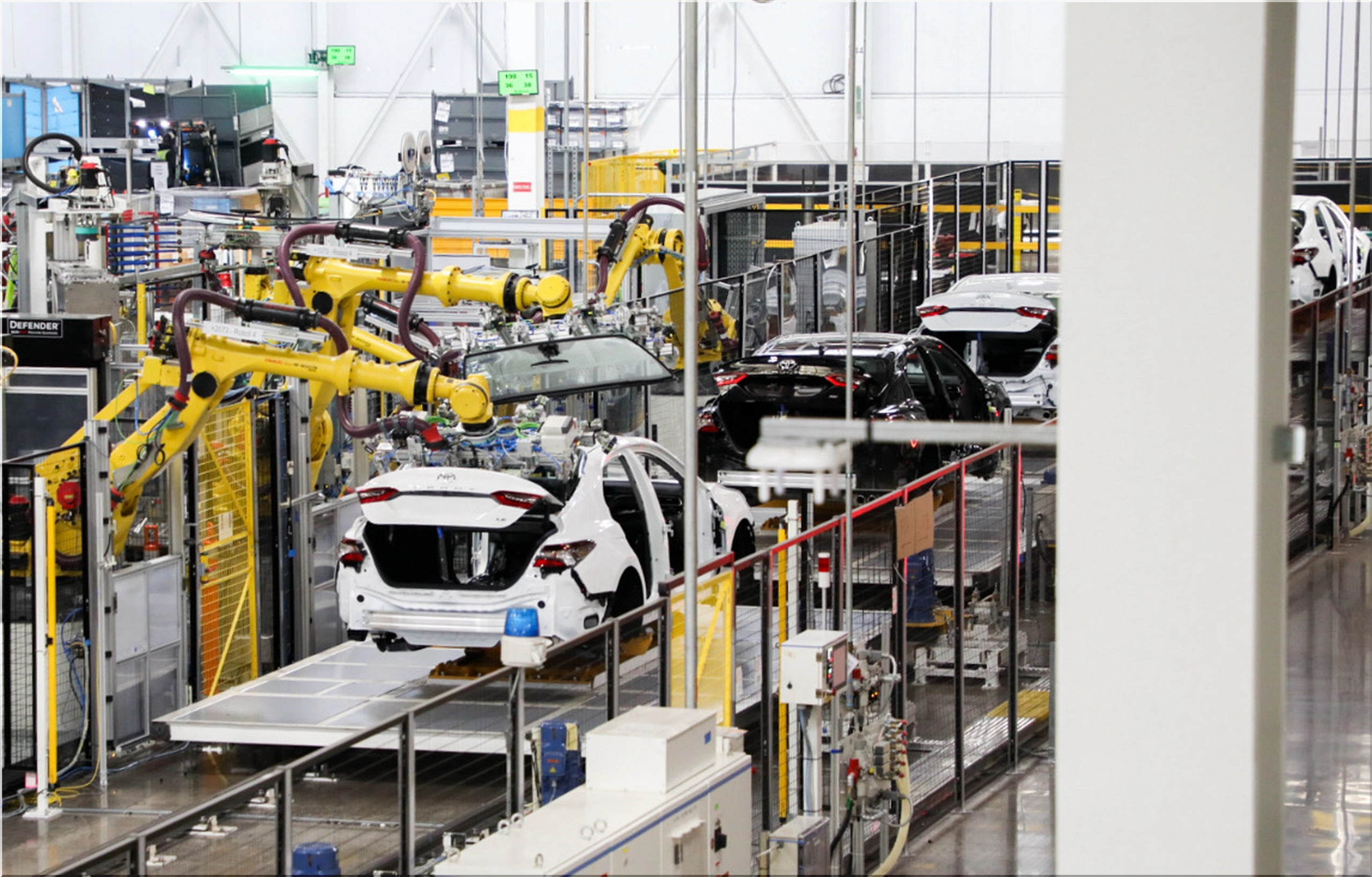
While details about the new three-row battery electric SUV are still scarce, some educated guesses can be made. The SUV will likely be based on Toyota's existing global electric vehicle platform, which underpins models like the Toyota bZ4X and the upcoming Lexus RZ. This platform is designed specifically for EVs, offering optimal packaging and performance for electric powertrains. The Kentucky-made BEV is expected to boast a competitive driving range, spacious and comfortable interiors perfect for families, and advanced driver-assistance technologies. Importantly, Toyota is known for its focus on reliability and safety, so consumers can expect the new BEV to uphold these brand values.
The Road Ahead
The Kentucky BEV project is a complex undertaking that will require collaboration between Toyota, the state government, and various suppliers. Construction of the new production line at TMMK is expected to begin soon, with the first BEVs rolling off the assembly line in several years. The project represents a significant investment in the future of Kentucky and the automotive industry as a whole. It has the potential to create jobs, boost the economy, and contribute to a more sustainable future. As Toyota continues to electrify its lineup, the Kentucky BEV project serves as a beacon of innovation and a testament to the automaker's commitment to the U.S. market.
- Add new comment
- 111 views