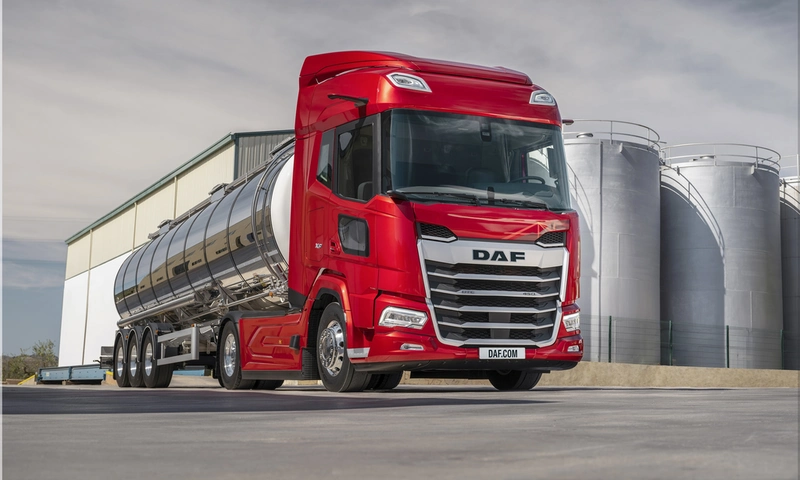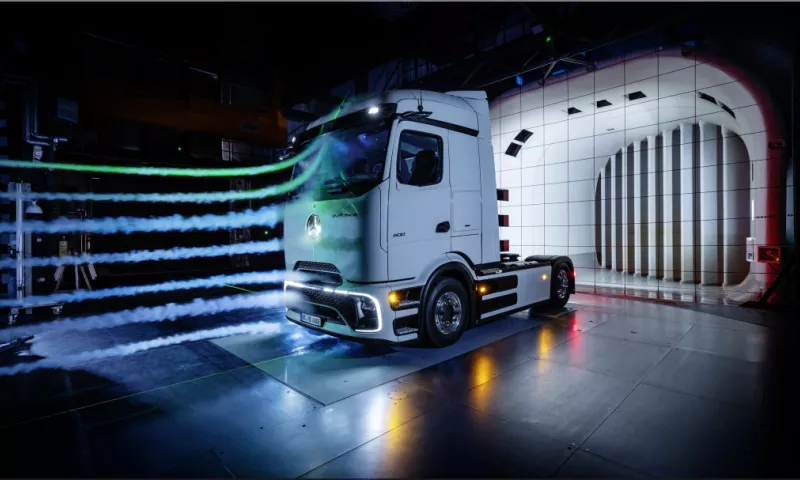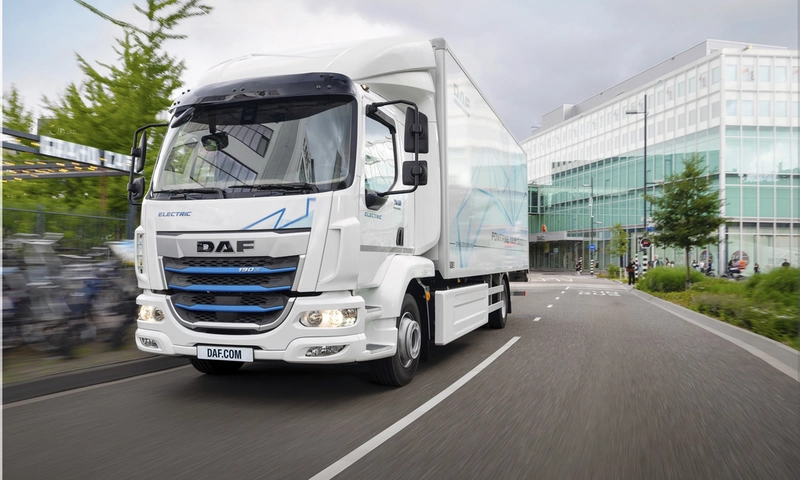
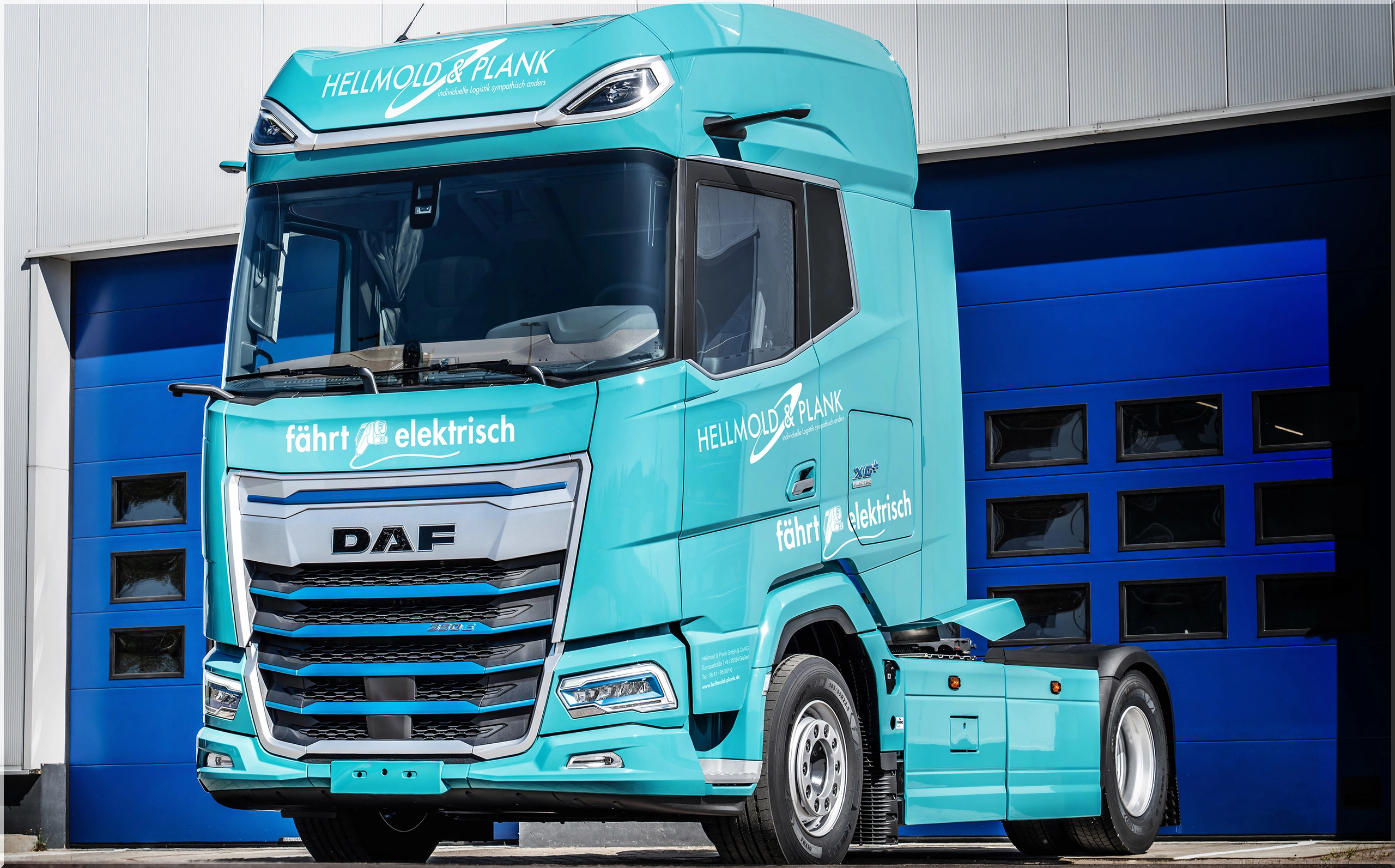
DAF has moved the XG Electric and XG+ Electric from product plan to series production, giving European fleet operators a new battery-electric option for higher-mileage regional and long-distance work. The trucks roll out of Eindhoven, and the first production unit, an XG+ Electric tractor rated at 350 kW / 480 hp, goes to German logistics operator Hellmold & Plank.
This matters because DAF now covers a broader electric truck ladder, from the 12-tonne XB Electric for urban distribution to the XG and XG+ Electric for heavier, longer routes. In addition, the XG Electric program shares its powertrain base with the XD and XF Electric trucks, which gives DAF a scalable electric architecture instead of a one-off compliance model.
DAF XG Electric Specs: Power, Torque, Range, and Batteries
The DAF XG Electric and DAF XG+ Electric use the PACCAR EX-D2 electric powertrain, with output levels from 270 kW to 350 kW. That converts to 370 hp to 480 hp, placing the trucks in the correct class for heavy-duty distribution, intercity haulage, and planned long-distance routes.
Specifically, the system produces up to 2,400 Nm of torque, or about 1,770 lb-ft. The powertrain uses two electric motors and an integrated three-speed transmission, a setup that helps maintain drivability under load without relying on a single-ratio compromise.
| Technical item | DAF XG Electric / XG+ Electric data |
|---|---|
| Production site | Eindhoven, Netherlands |
| Powertrain | PACCAR EX-D2 |
| Output range | 270-350 kW |
| Horsepower range | 370-480 hp |
| Maximum torque | 2,400 Nm / 1,770 lb-ft |
| Battery chemistry | Lithium-iron-phosphate |
| Battery layout | 3 to 5 modular packs |
| Maximum gross battery capacity | Up to 525 kWh |
| Claimed zero-emission range | More than 500 km / 311 miles |
| Possible daily electric distance | More than 1,000 km / 621 miles with route and charging planning |
Why the Modular LFP Battery System Makes Sense
Looking at the data, DAF chose LFP batteries for durability, thermal stability, and daily fleet use. LFP chemistry removes cobalt and nickel from the pack, which helps control material exposure and supports repeated full charging in commercial duty cycles.
The modular layout also gives operators a payload-versus-range decision. A five-pack truck suits longer routes where charging windows remain tight. By comparison, a three-pack truck can reduce weight and cost for return-to-base work where the vehicle charges overnight or during scheduled loading breaks.
Battery and Charging Data
| Configuration or charging item | Data point | Fleet logic |
|---|---|---|
| Battery pack count | 3 to 5 packs | Matches range need to route profile |
| Maximum battery capacity | 525 kWh gross | Supports heavy-duty mileage targets |
| DC fast charging | 150-325 kW | Cuts depot and route charging time |
| AC charging | Up to 22 kW | Works for overnight depot charging |
| 10-80 percent charge | Just over 45 minutes on a three-pack setup | Fits planned rest or loading windows |
| Warranty | 8 years | Supports fleet cost planning |
Cab Size Gives the XG+ Electric a Driver Retention Angle
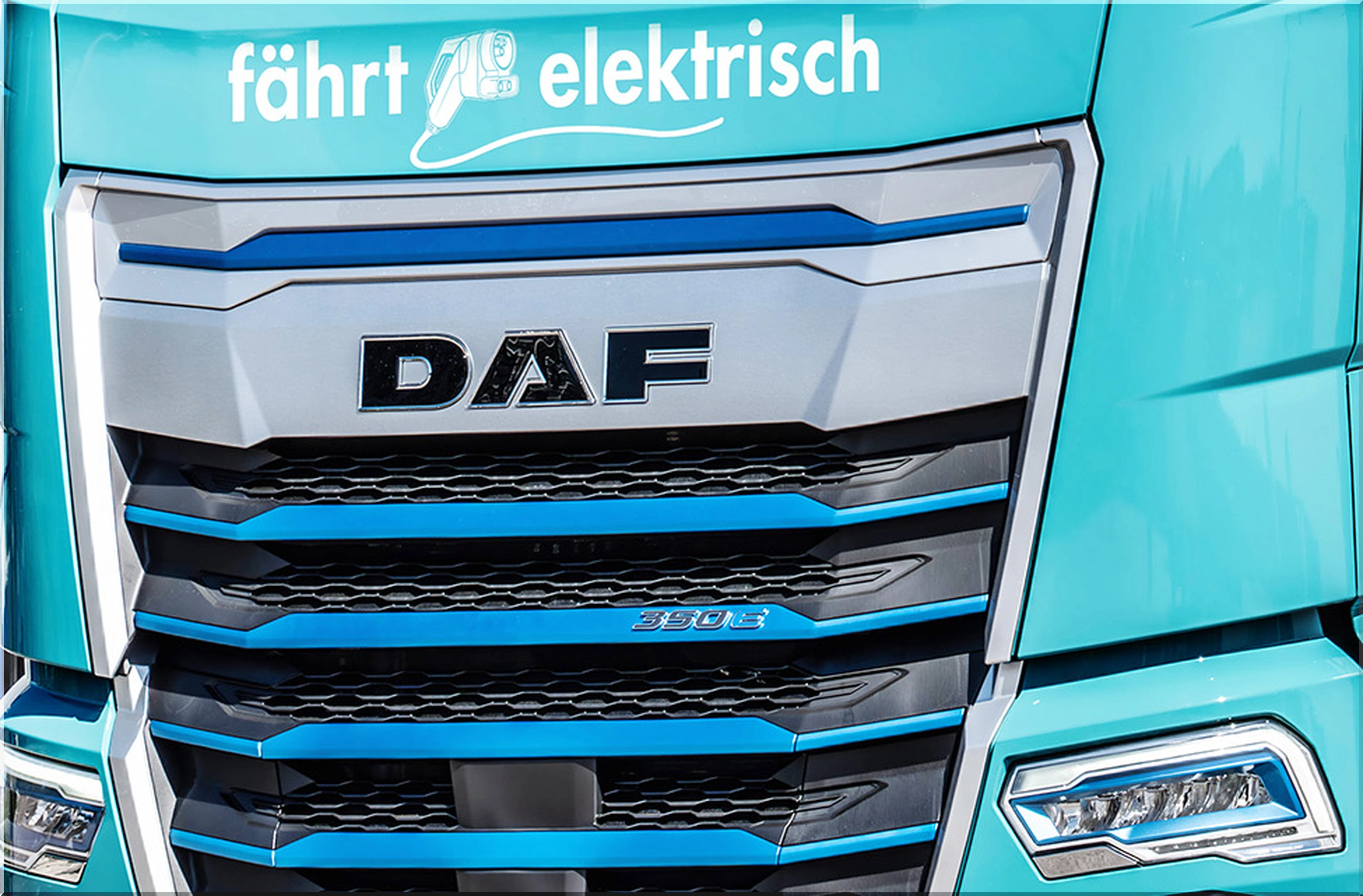
The XG and XG+ Electric cabs add 33 cm / 13.0 inches of length over the XF cab. That extra room raises the cab volume to as much as 12.5 cubic meters / 441 cubic feet, with standing height up to 2.2 meters / 86.6 inches.
DAF also gives both models an 80 cm / 31.5-inch-wide bed across its full length. From an expert perspective, that detail matters because electrification alone will not solve driver shortages. Driver space, sleeping comfort, visibility, and low noise directly affect fleet retention and daily productivity.
What Fleet Operators Should Check Before Ordering
The DAF XG Electric works best when operators map routes with energy use, payload, dwell time, and charging access before specifying the truck. Electric heavy-duty trucks reward precision. Guesswork burns money.
- Match battery pack count to daily mileage, not maximum ambition.
- Use the five-pack setup for longer routes that need fewer charging stops.
- Use depot charging for repeatable routes with predictable return times.
- Plan DC fast charging around loading, unloading, or driver rest periods.
- Compare payload needs against added battery mass before signing off the spec.
Pro-Tip: How Should a Fleet Spec the DAF XG Electric?
Start with route data. If a truck covers under 300 km / 186 miles per day and returns to base, a lower battery count may protect payload and acquisition cost. If the truck runs intercity or cross-border logistics, the five-pack setup and 325 kW DC charging capability deserve priority because uptime drives ROI.
DAF's Strategy: Build Electric Trucks Around Real Freight Work
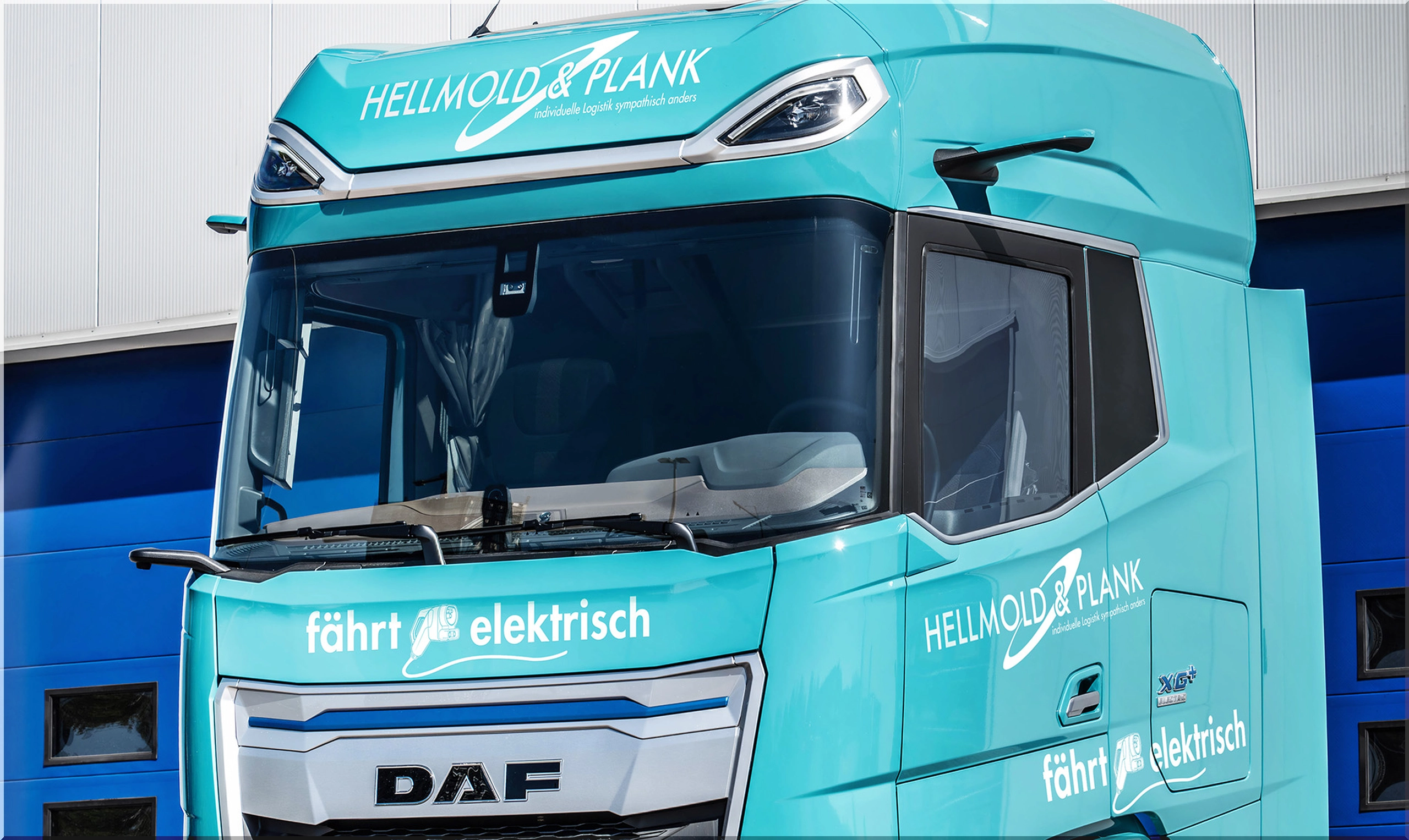
Consequently, DAF positions the XG Electric and XG+ Electric as production tools rather than concept-truck theater. The first customer, Hellmold & Plank, already runs several zero-emission DAF models in shuttle transport and drugstore supply work, which gives the launch a practical fleet-use signal.
The real business case will depend on charging infrastructure, electricity rates, route density, maintenance contracts, incentives, and diesel displacement. Still, the hardware gives operators a serious starting point: 480 hp, 1,770 lb-ft, up to 525 kWh, and a claimed 311-mile zero-emission range in a cab built for drivers who spend real working lives inside it.
- Add new comment
- 59 views