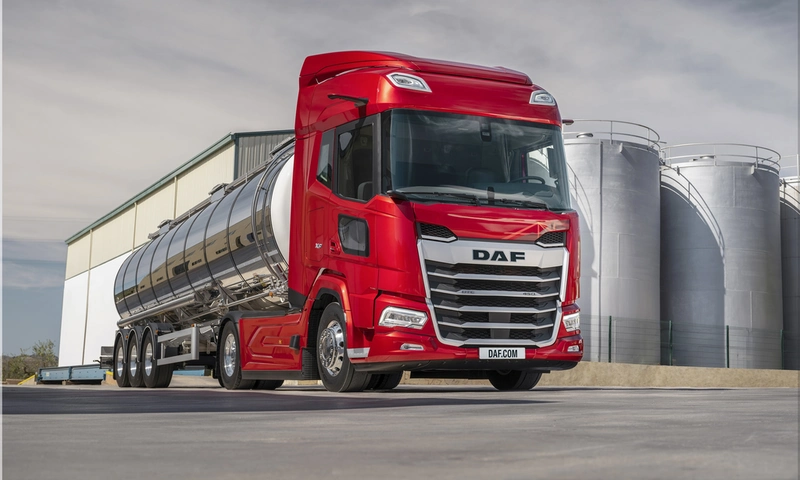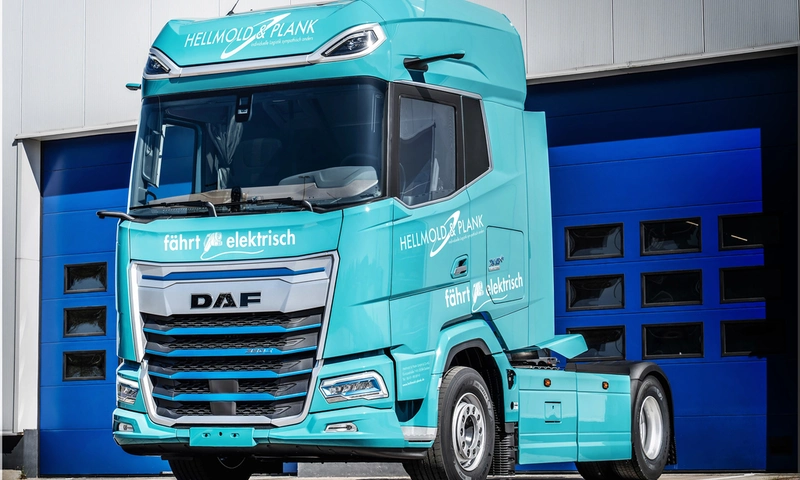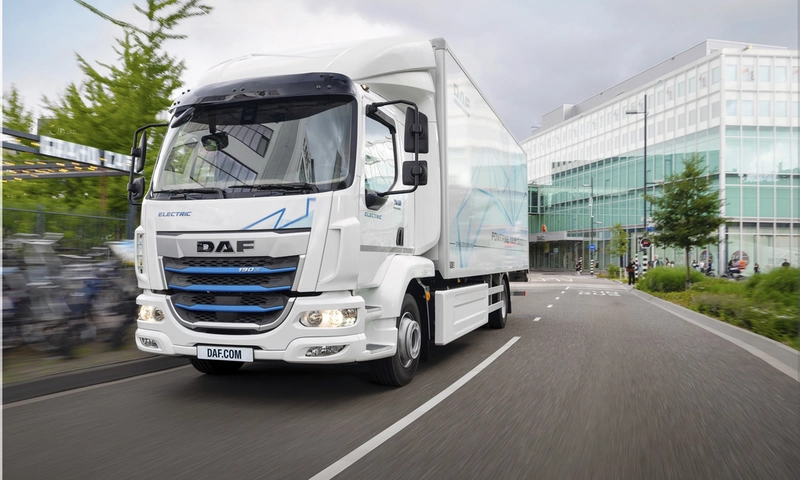
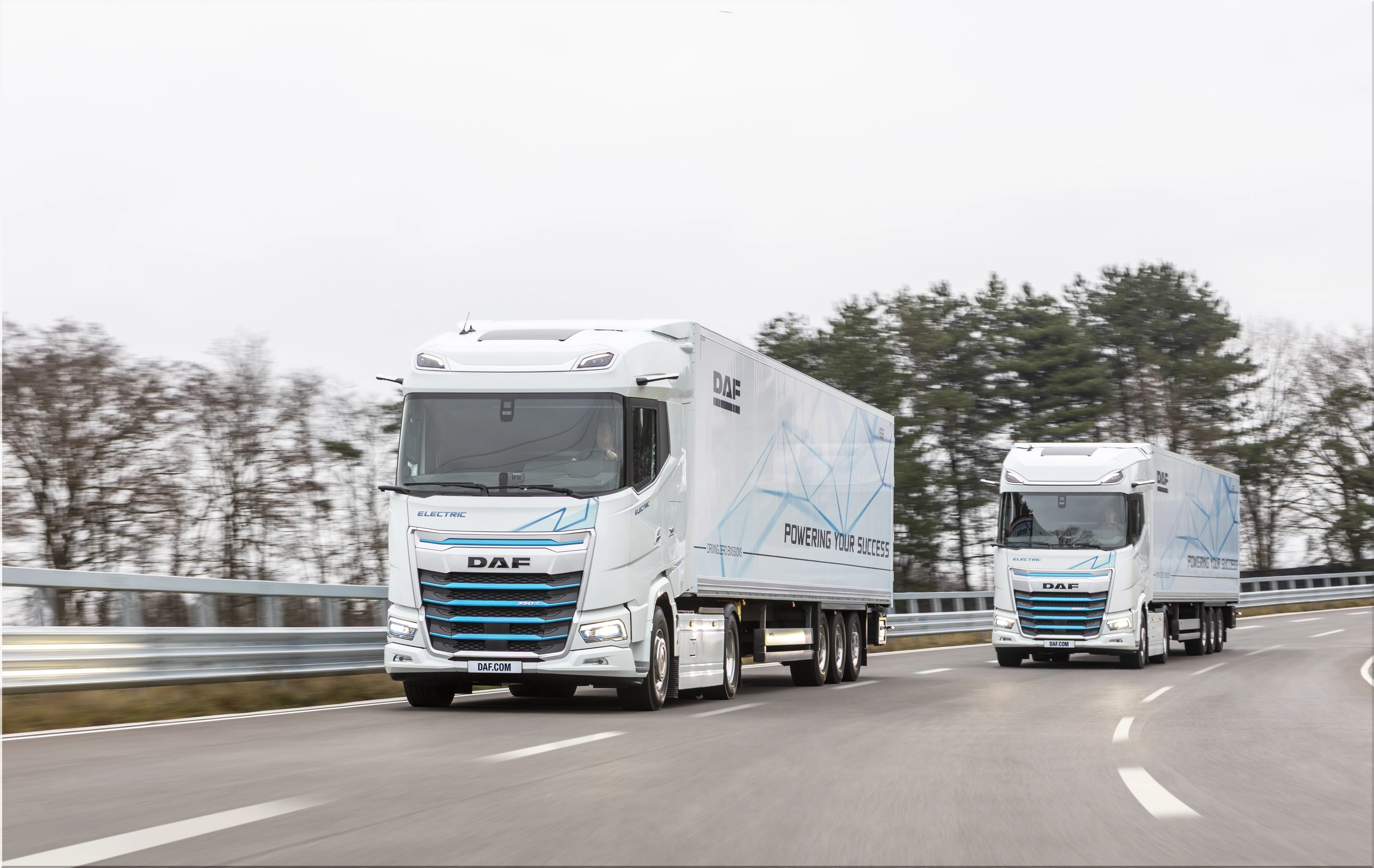
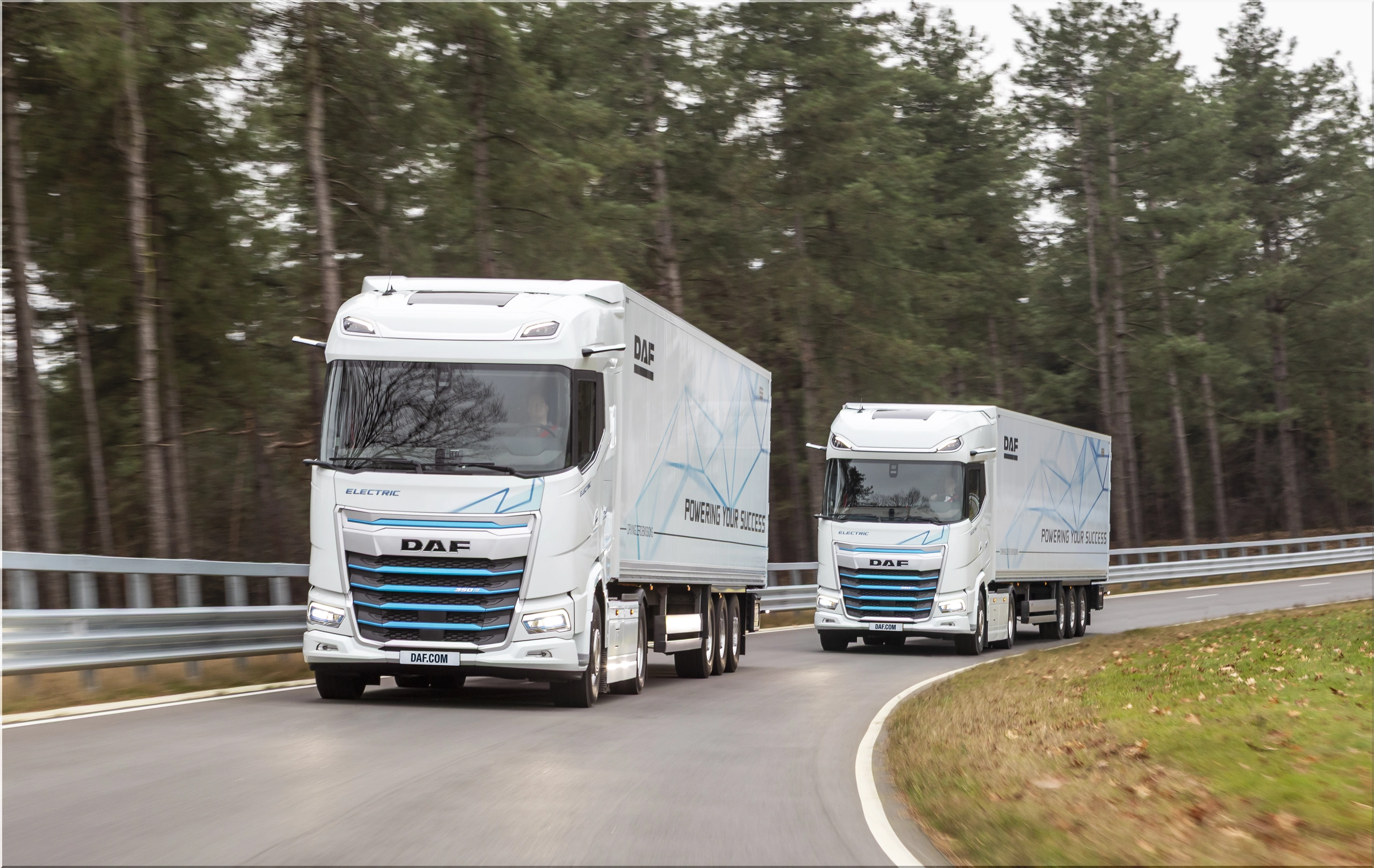
Battery-electric trucking keeps moving from pilot projects to full-scale deployment. Long-haul remains the hardest segment to electrify. Range consistency, recharge speed, payload efficiency, and driver acceptance decide success. The DAF XG Electric and DAF XG+ Electric target those pressure points directly.
Developed by DAF Trucks, these models expand the brand’s electric portfolio into high-mileage international work. The focus stays practical. Energy efficiency, uptime, and interior livability drive every design choice.
Market Positioning: Built for Electric Long-Haul Reality
DAF already fields battery-electric trucks for urban and regional work. The XG and XG+ Electric move into routes that traditionally relied on diesel tractors running day and night.
These trucks suit:
- Cross-border freight with predictable corridors
- Hub-to-hub logistics with depot or corridor charging
- High-speed highway operation where aerodynamics shape energy use
The electric long-haul truck category demands stable performance at sustained speeds. DAF designed the XG platform around European length regulations, using every allowed millimeter to improve airflow and interior volume without hurting trailer compatibility.
Powertrain Engineering: Output That Matches Diesel Replacement Needs
The XG and XG+ Electric use the PACCAR EX-D2 drivetrain. Output ranges from 270 to 350 kW, translating to roughly 370 to 480 horsepower. Torque peaks at 2,400 Nm, delivered instantly across the rev range.
Key technical advantages include:
- Dual electric motors integrated into a compact drive unit
- A three-speed transmission optimized for low-speed torque and highway efficiency
- Smooth load transitions that reduce driveline stress
Many electric trucks rely on single-speed setups that lose efficiency at sustained motorway speeds. DAF retains gearing to control energy consumption above 80 km/h, where long-haul trucks spend most of their time.
Battery Architecture: LFP Chemistry for Daily Commercial Use
DAF fits the XG and XG+ Electric with LFP battery packs, chosen for durability and predictable charge behavior. This chemistry supports daily charging cycles without accelerated degradation.
Battery configuration details:
- Three to five modular packs mounted along the chassis
- Maximum real-world range exceeding 500 kilometers per charge
- Daily charging to 100% state of charge without penalty
- Eight-year battery warranty aligned with fleet replacement cycles
With three packs installed, fast charging from 10% to 80% takes just over 45 minutes. Fleet operators planning mid-day charging can push total daily distance beyond 1,000 electric kilometers.
Definition: Why LFP Batteries Fit Heavy Trucks
LFP batteries trade energy density for thermal stability and long cycle life. For trucks charging every day, that trade supports lower lifetime cost and fewer unscheduled replacements.
Aerodynamics and Efficiency: Small Gains That Add Up
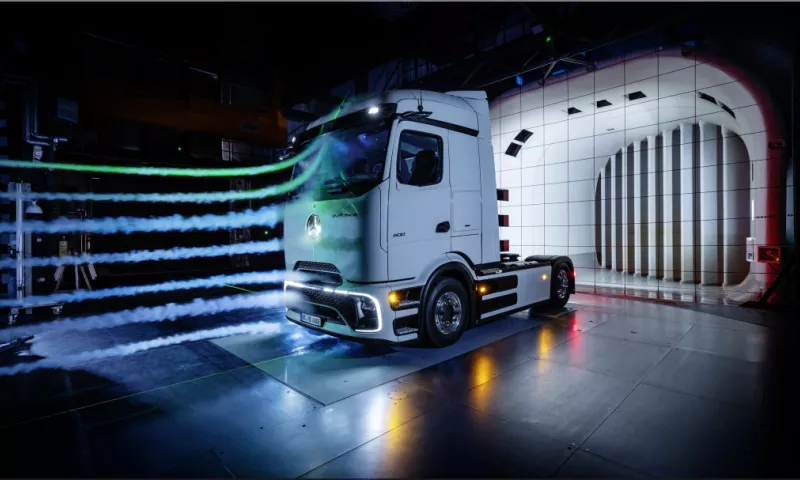
Battery size alone does not define range. DAF invested heavily in airflow management across the entire vehicle.
Efficiency-focused design elements include:
- Tapered cab surfaces to smooth frontal airflow
- Curved windscreen to reduce turbulence
- Side skirts, deflectors, and optimized fenders
- Camera-based mirror systems that cut drag
At highway speeds, aerodynamic drag becomes the largest energy consumer. Reducing resistance directly extends range and lowers charging frequency, which improves route flexibility.
Cab Architecture: Interior Space as an Operational Asset
Driver comfort affects safety, productivity, and retention. The XG and XG+ Electric offer the largest series-production truck cab currently available.
Interior specifications matter here:
- 12.5 cubic meters of total cab volume
- Standing height up to 2.2 meters
- Flat floor with wide walk-through space
- 80-centimeter-wide bed across its full length
The cab length extends 33 centimeters longer than the XF, combined with additional height. That space supports better sleep quality, easier movement, and reduced fatigue on multi-day routes.
Human-Machine Interface and Visibility
Electric long-haul trucks demand precise control and low cognitive load. DAF integrates digital mirror systems and clear sightlines to support that goal.
Visibility and ergonomics features include:
- High-mounted seating position
- Camera displays positioned to reduce eye movement
- Quiet drivetrain that lowers cabin noise
Lower noise and vibration reduce driver stress during long shifts. Over time, that improves alertness and reaction consistency.
Charging, Services, and Fleet Integration
DAF pairs the XG and XG+ Electric with a supporting ecosystem built around uptime.
Fleet support includes:
- PACCAR Power Solutions charging hardware
- Energy storage systems for depot optimization
- Tailored service contracts through MultiSupport
- Fleet monitoring via PACCAR Connect
These services simplify planning and reduce operational uncertainty, a common barrier for fleets transitioning to electric long-haul transport.
Configurations and Use Scenarios
The XG and XG+ Electric are available in configurations that reflect real freight needs.
Current options include:
- 4x2 tractor units for standard long-haul trailers
- 6x2 rigid chassis with steered trailing axle
These layouts support payload efficiency while maintaining stability and maneuverability. Modular battery placement allows fleets to match range to route requirements rather than over-spec every vehicle.


Competitive Context: Electric Long-Haul Comparison
Battery-electric tractors now compete directly on efficiency, cab space, and recharge time. The table below outlines how the DAF XG and XG+ Electric compare within the same segment.
| Model | Max Range (km) | Peak Power | Cab Volume | Battery Chemistry |
|---|---|---|---|---|
| DAF XG Electric | 500+ | 350 kW | 12.5 m³ | LFP |
| Mercedes-Benz eActros LongHaul | ~500 | ~400 kW | Smaller | NMC |
| Volvo FH Electric | ~500 | ~490 kW | Smaller | NMC |
DAF prioritizes interior space and battery longevity, while competitors chase higher peak output figures. Fleet buyers weigh those trade-offs differently depending on duty cycle.
What Comes Next for Electric Long-Haul
The DAF XG and XG+ Electric signal a shift. Electric tractors now meet the range and comfort expectations of long-haul fleets without experimental compromises.
For operators with structured routes, predictable charging windows, and driver retention challenges, these trucks present a realistic diesel alternative. As charging corridors expand, electric long-haul deployment will move from selective routes to standard operation.

Pro-Tips for Fleet Decision Makers
- Match battery pack count to route distance, not maximum range
- Plan mid-day fast charging to extend daily utilization
- Factor driver comfort into total cost calculations
Electric long-haul trucks now compete on execution, not promises. DAF’s XG and XG+ Electric show how close the segment has come.
- Add new comment
- 80 views