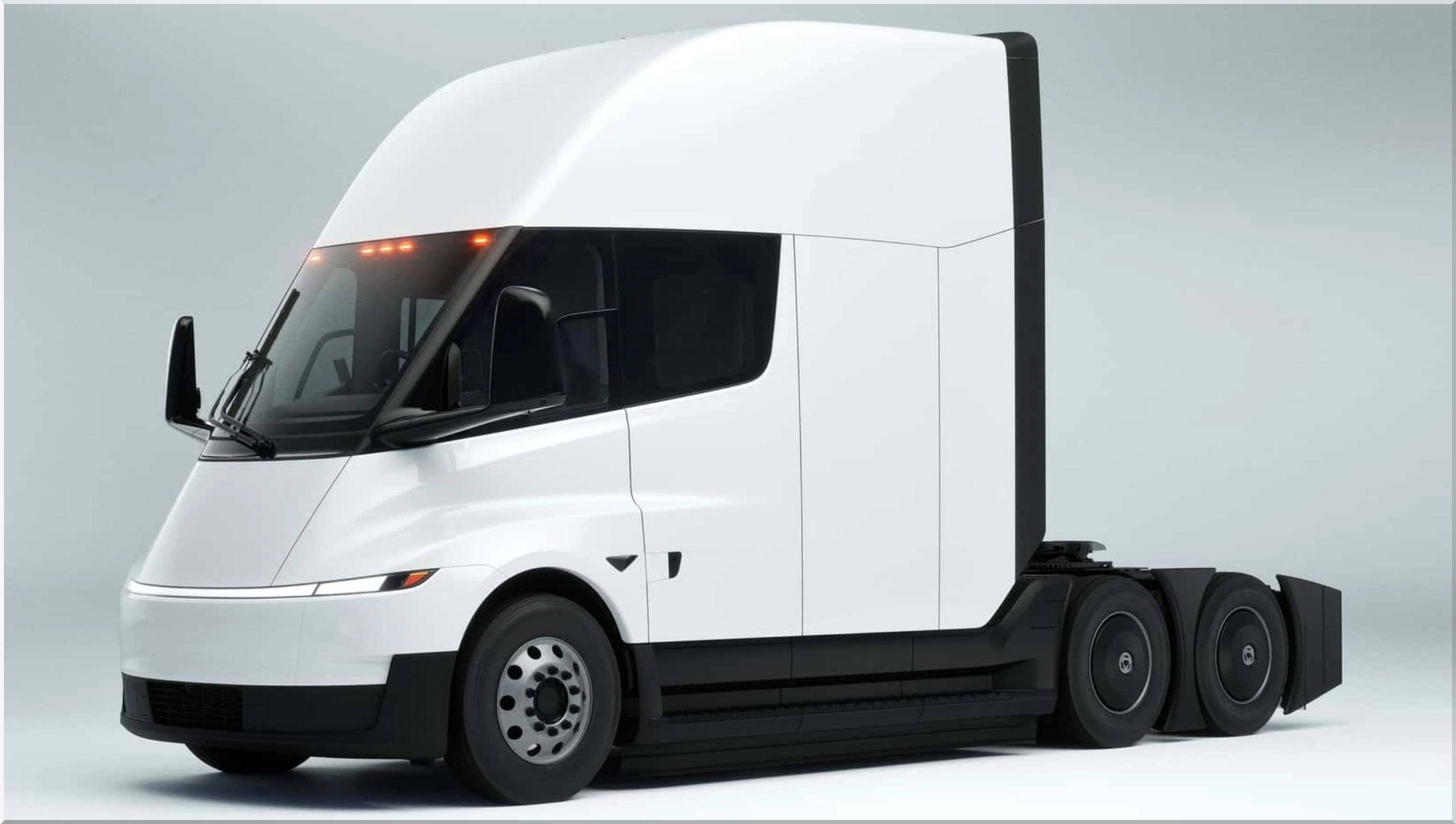
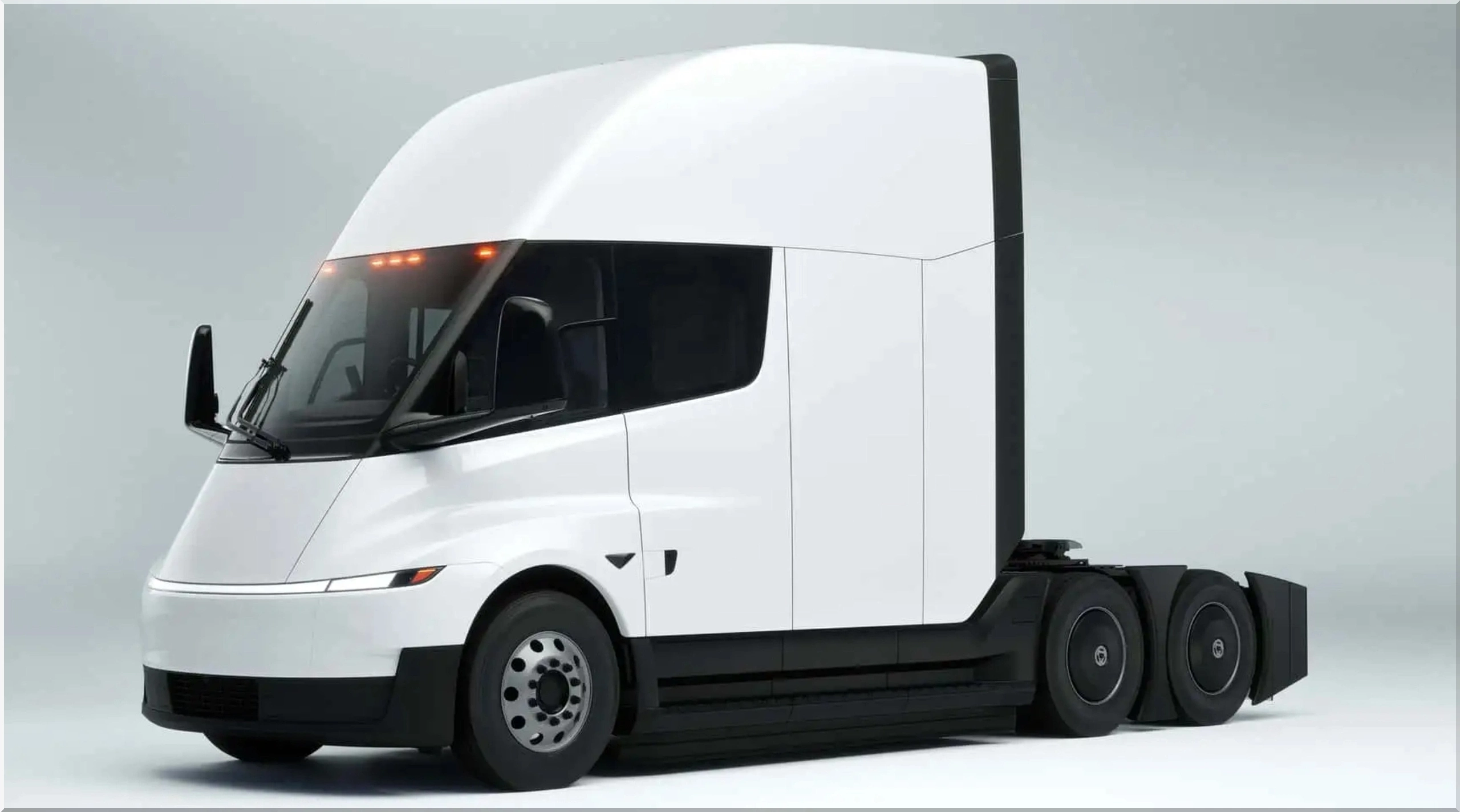
The Tesla Semi battery specs have moved from estimate to regulatory data. A California Air Resources Board filing lists two certified 2026 Tesla Semi powertrain configurations: an 822 kWh Tesla Semi Long Range battery and a 548 kWh Tesla Semi Standard Range battery. That single document does more than settle a long-running argument about pack size. It gives fleets the numbers they need to compare range, energy use, power output, payload tradeoffs, and charging strategy with diesel Class 8 trucks.
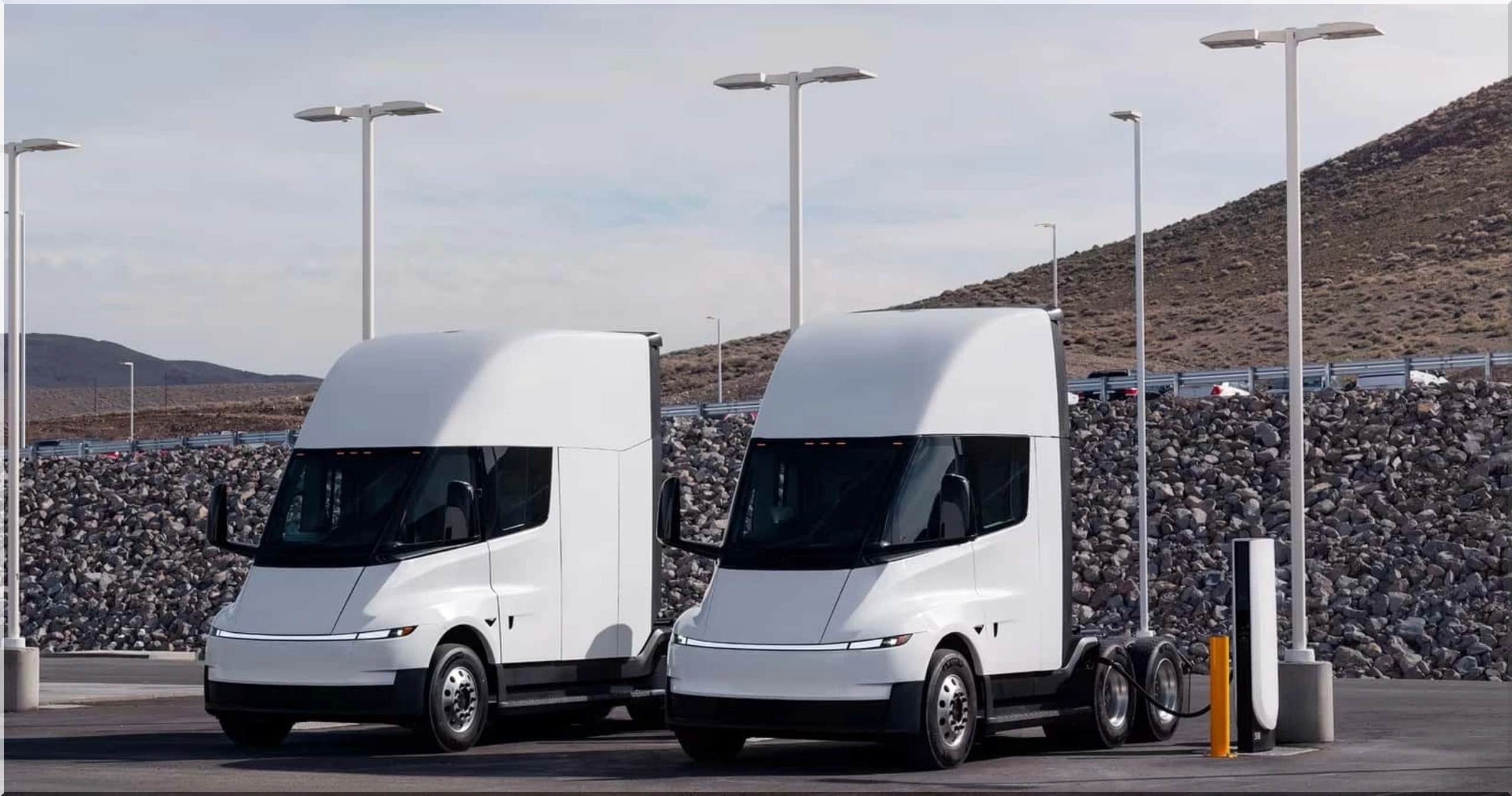
The headline number looks huge because it is. An 822 kWh usable battery gives the Tesla Semi Long Range one of the largest battery packs fitted to a road-going electric vehicle. Yet the more interesting detail sits in the ratio between capacity and claimed range. Tesla rates the Long Range Semi at about 500 miles, while the Standard Range version targets about 325 miles. Looking at the data, those claims line up closely with Tesla's stated energy use target of roughly 1.7 kWh per mile.
That matters. Battery-electric trucking does not win through press-conference optimism. It wins through route math, uptime, charging power, payload management, depot economics, and driver acceptance. The newly published figures give the Tesla Semi a clearer commercial identity: the Long Range model targets heavier, longer daily duty cycles, while the Standard Range truck may carry the stronger cost argument for regional freight.
Tesla Semi Battery Specs: The Official Numbers That Matter
The CARB filing lists the 2026 Tesla Semi Long Range with a usable and rated capacity of 822.029 kWh. It also lists the Tesla Semi Standard Range with a usable and rated capacity of 548.019 kWh. Both use Li-ion NCMA battery chemistry, meaning nickel, cobalt, manganese, and aluminum sit in the cathode chemistry mix.
That chemistry choice makes sense for a heavy-duty truck. NCMA cells can deliver high energy density, strong discharge capability, and good thermal behavior when the pack cooling system manages heat properly. In a Class 8 tractor, those qualities matter because the truck does not sip power like a compact EV. It hauls tens of thousands of pounds, climbs grades, regenerates under major downhill loads, and may repeat that cycle every working day.
| Tesla Semi Variant | Usable Battery Capacity | Rated Battery Capacity | Battery Chemistry | Peak Motor Power | Steady Motor Power |
|---|---|---|---|---|---|
| Tesla Semi Long Range | 822.029 kWh | 822.029 kWh | Li-ion NCMA | 800 kW | 800 kW |
| Tesla Semi Standard Range | 548.019 kWh | 548.019 kWh | Li-ion NCMA | 525 kW | 525 kW |
The power numbers also deserve attention. The Long Range model carries 800 kW, equal to about 1,073 hp, using a simple conversion of 1 kW to 1.341 hp. The Standard Range model carries 525 kW, or about 704 hp. Those figures place both trucks well above many diesel tractors in peak output, although diesel engines and electric motors deliver power in very different ways.
Specifically, diesel tractors rely on engine torque, gearing, turbocharging, and transmission mapping. The Tesla Semi uses electric drive, so it can deliver strong torque at low speed without a multi-speed diesel transmission doing the same kind of work. That should help launch control, grade starts, and steady acceleration with heavy loads.
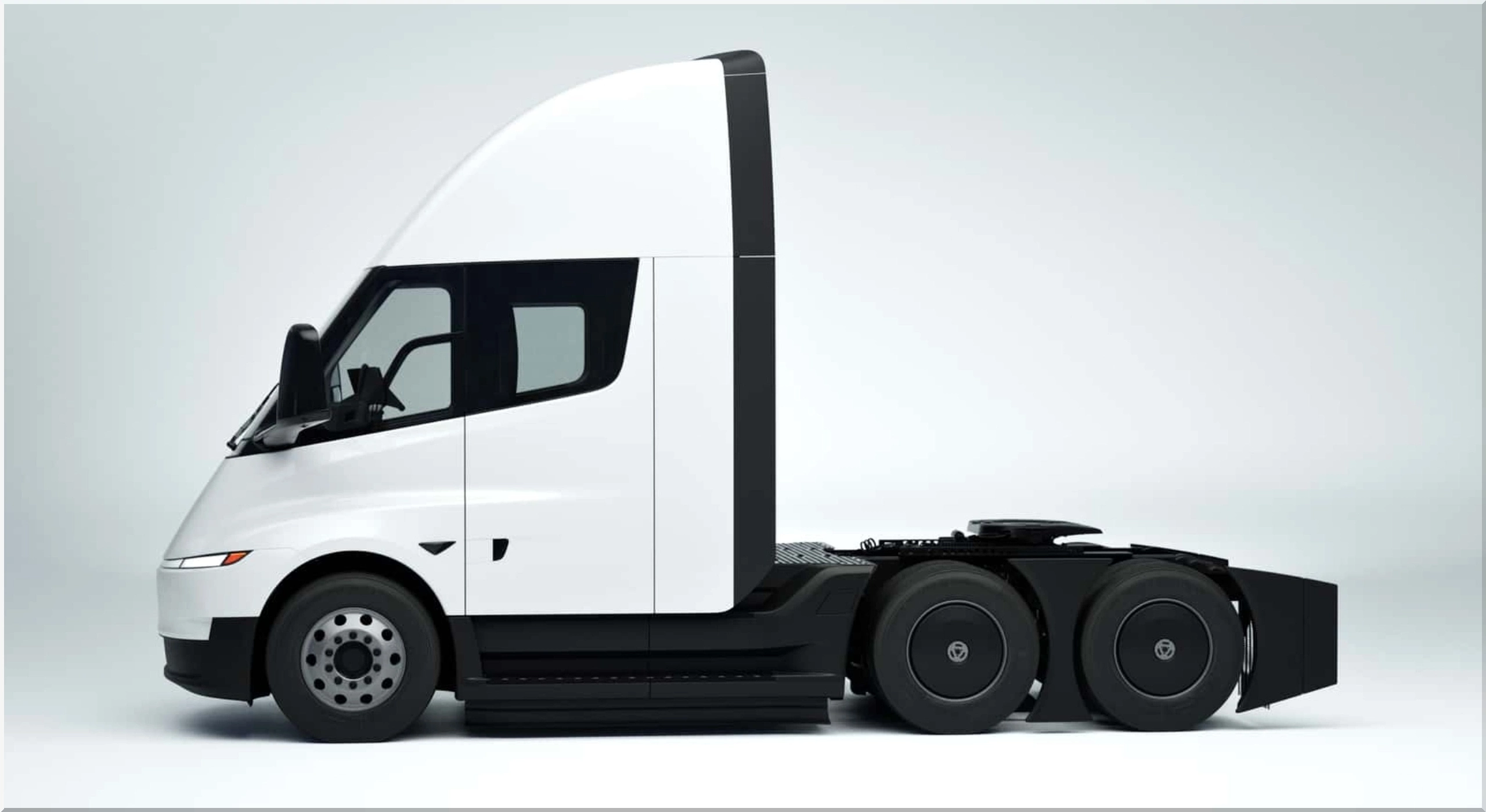
What 822 kWh Means For The Tesla Semi Long Range
An 822 kWh battery pack sounds excessive until the duty cycle enters the discussion. A passenger EV may use 250 to 350 Wh per mile. A fully loaded Class 8 electric tractor can use several times that amount because aerodynamic drag, rolling resistance, trailer weight, grade, temperature, and accessory loads all scale harshly at highway speed.
Tesla's 1.7 kWh-per-mile target creates a clear range equation:
| Variant | Battery Capacity | Energy Use Assumption | Theoretical Range | Tesla Target Range |
|---|---|---|---|---|
| Tesla Semi Long Range | 822.029 kWh | 1.7 kWh/mile | 483.5 miles | About 500 miles |
| Tesla Semi Standard Range | 548.019 kWh | 1.7 kWh/mile | 322.4 miles | About 325 miles |
The math lands close. The Long Range number sits below 500 miles if you divide usable capacity by 1.7 kWh per mile, but real-world energy use can move with speed, load, weather, trailer shape, traffic, route topography, and regenerative braking. A fleet running aerodynamic trailers on predictable routes may see better results than a truck pulling less efficient equipment through winter weather.
By comparison, the Standard Range calculation lands almost exactly on the advertised 325-mile target. That suggests Tesla did not size the smaller pack as an afterthought. It appears calibrated for regional freight, distribution work, and repeatable routes where a truck can return to a depot charger.
Why The 548 kWh Standard Range Pack May Matter More
The Tesla Semi Standard Range may prove more important than the Long Range version for many fleets. A 500-mile electric semi makes the stronger headline, but a 325-mile truck fits a large share of regional trucking use cases. Many fleet operators do not need maximum range every day. They need predictable cost per mile.
A smaller battery can improve the business case in several ways:
- Lower battery cost: A 548 kWh pack uses about 274 kWh less capacity than the Long Range pack.
- Lower vehicle mass: Less battery capacity can free up payload or reduce tire and brake loads.
- Faster depot rotation: A smaller pack needs less total energy to refill.
- Better asset matching: Fleets can match battery size to route length instead of buying unused capacity.
- Reduced material demand: Less nickel, cobalt, manganese, aluminum, lithium, copper, and pack hardware enter each truck.
Consequently, the Standard Range Semi could become the fleet manager's practical choice. It offers enough range for many regional freight lanes while cutting pack size by roughly one-third compared with the Long Range model. That difference can alter acquisition cost, residual value, insurance cost, charging hardware needs, and depot energy planning.
Pro-Tip: Match Battery Size To Route, Not Ego
A fleet should not buy the 822 kWh Tesla Semi Long Range simply because it sits at the top of the range chart. Start with daily mileage, reserve margin, weather losses, charger access, trailer type, payload demand, and driver schedules. A route that averages 180 to 250 miles per day may favor the 548 kWh Standard Range Tesla Semi, while a route with longer highway legs, heavier loads, or limited charging windows may justify the Long Range pack.
Tesla Semi Power Output: Why 800 kW Changes The Driving Model
The Long Range Semi's 800 kW peak and steady power rating gives Tesla a major performance claim in the electric Class 8 segment. More important, the filing lists the same number for peak and steady power. That detail suggests the certified configuration can sustain high output under the relevant test conditions rather than produce a short burst only for a spec-sheet sprint.
Electric trucks gain an advantage at low speed because electric motors produce strong torque without waiting for engine revs or turbo response. In loaded freight work, that can improve merging, grade starts, and consistent speed control. It can also reduce driver fatigue because the truck needs fewer powertrain events to manage acceleration.
The Standard Range truck's 525 kW output still looks substantial. It may not match the Long Range model, but about 704 hp gives it more than enough power for regional work. From an expert perspective, Tesla likely matched the lower power rating to the smaller battery system's discharge capacity, thermal envelope, and intended duty cycle.
Battery Chemistry And Pack Strategy
Both Tesla Semi versions use Li-ion NCMA battery chemistry. This matters because heavy-duty trucks put unusual pressure on battery systems. The pack must handle large energy throughput, heavy regenerative braking, high charging power, and long service life expectations.
NCMA chemistry can support the high energy density that a Class 8 EV needs. A lower-density chemistry would require more mass and volume for the same usable energy. That creates packaging problems because a semi tractor must still carry fifth-wheel hardware, cooling systems, power electronics, crash structures, cab systems, and frame-mounted equipment.
In addition, the 822 kWh and 548 kWh figures suggest a modular pack strategy. The Standard Range pack equals almost exactly two-thirds of the Long Range pack. That points to a possible architecture where Tesla can scale capacity by pack module count while sharing many components across both trucks.
Payload, Gross Weight, And The Class 8 Tradeoff
Tesla has discussed the Semi around an 82,000-pound gross combination weight target in U.S. Class 8 duty. That figure matters because U.S. rules allow an extra weight allowance for zero-emission heavy-duty trucks compared with the traditional 80,000-pound federal limit. The allowance helps offset battery mass, although it does not erase the full weight penalty of a large pack.
The core question for fleets remains simple: how much payload can the truck carry after the battery, cab, frame, motors, and cooling hardware enter the weight equation? A big battery expands range but can reduce payload capacity. A smaller battery improves weight efficiency but reduces route flexibility.
| Commercial Factor | Long Range Tesla Semi | Standard Range Tesla Semi | Fleet Impact |
|---|---|---|---|
| Battery size | 822.029 kWh | 548.019 kWh | Long Range favors miles; Standard favors cost and mass |
| Target use case | Longer highway routes | Regional and depot-return routes | Match truck to daily mileage |
| Power output | 800 kW | 525 kW | Long Range offers stronger grade and acceleration capacity |
| Charging energy need | Higher | Lower | Standard may rotate faster at depot scale |
| Material demand | Higher | Lower | Standard may scale faster across large fleets |
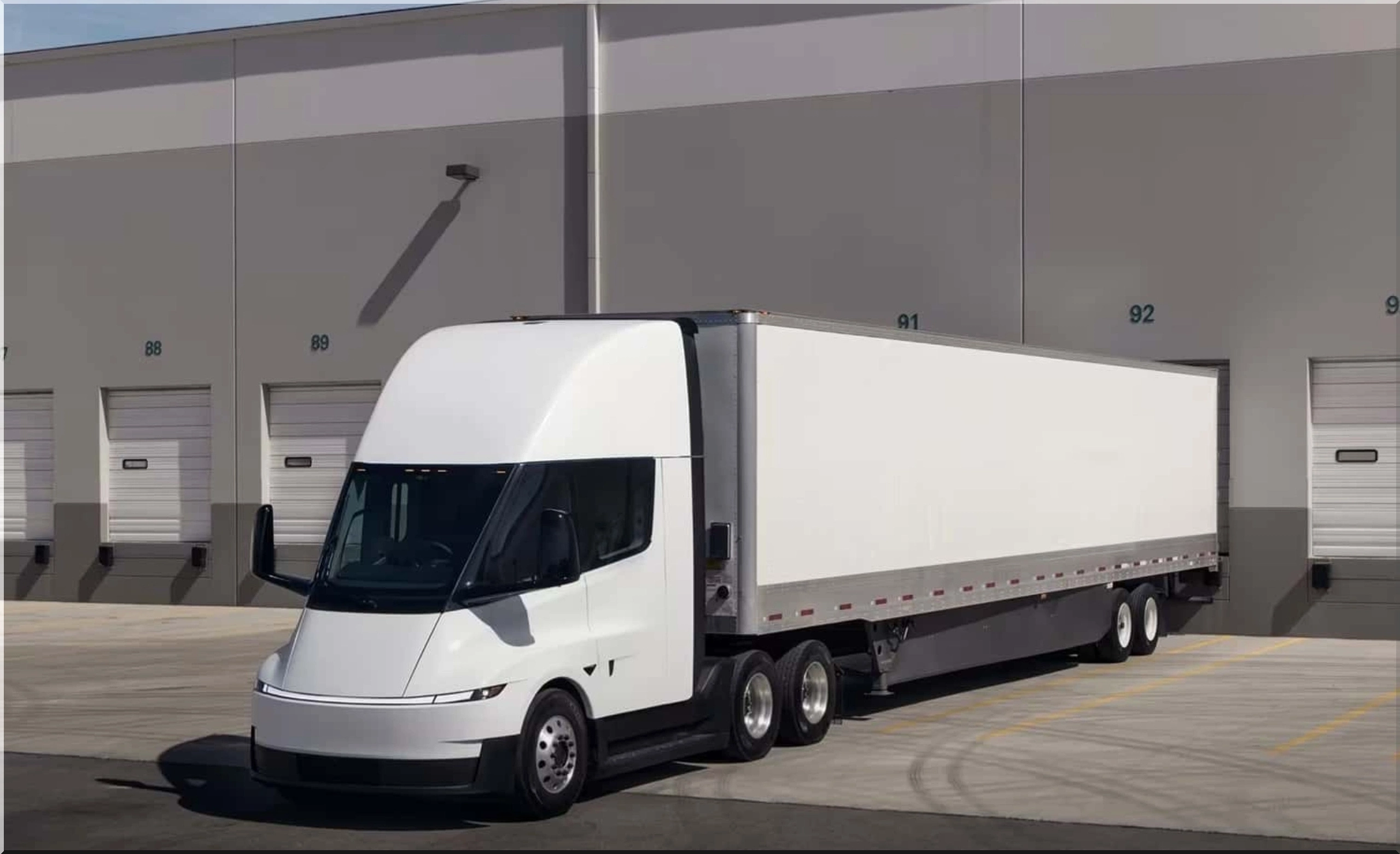
Looking at the data, the Standard Range Semi may deliver better utilization for local distribution, retail logistics, beverage routes, port drayage, and hub-to-hub freight. The Long Range Semi fits operators that need maximum daily electric mileage with fewer charging stops.
Charging: The Hidden Half Of The Tesla Semi Story
A battery pack larger than 800 kWh changes charging from a convenience question into an infrastructure project. Depot operators need utility planning, transformer capacity, parking layout, cable management, charger uptime, software scheduling, and energy-cost control. A truck that returns at 20 percent state of charge may need hundreds of kWh before the next dispatch.
Megawatt-class charging can reduce dwell time, but it shifts the challenge to site power. One truck charging at very high output draws more power than many commercial buildings. Ten trucks charging together can turn a freight yard into a serious grid-planning project.
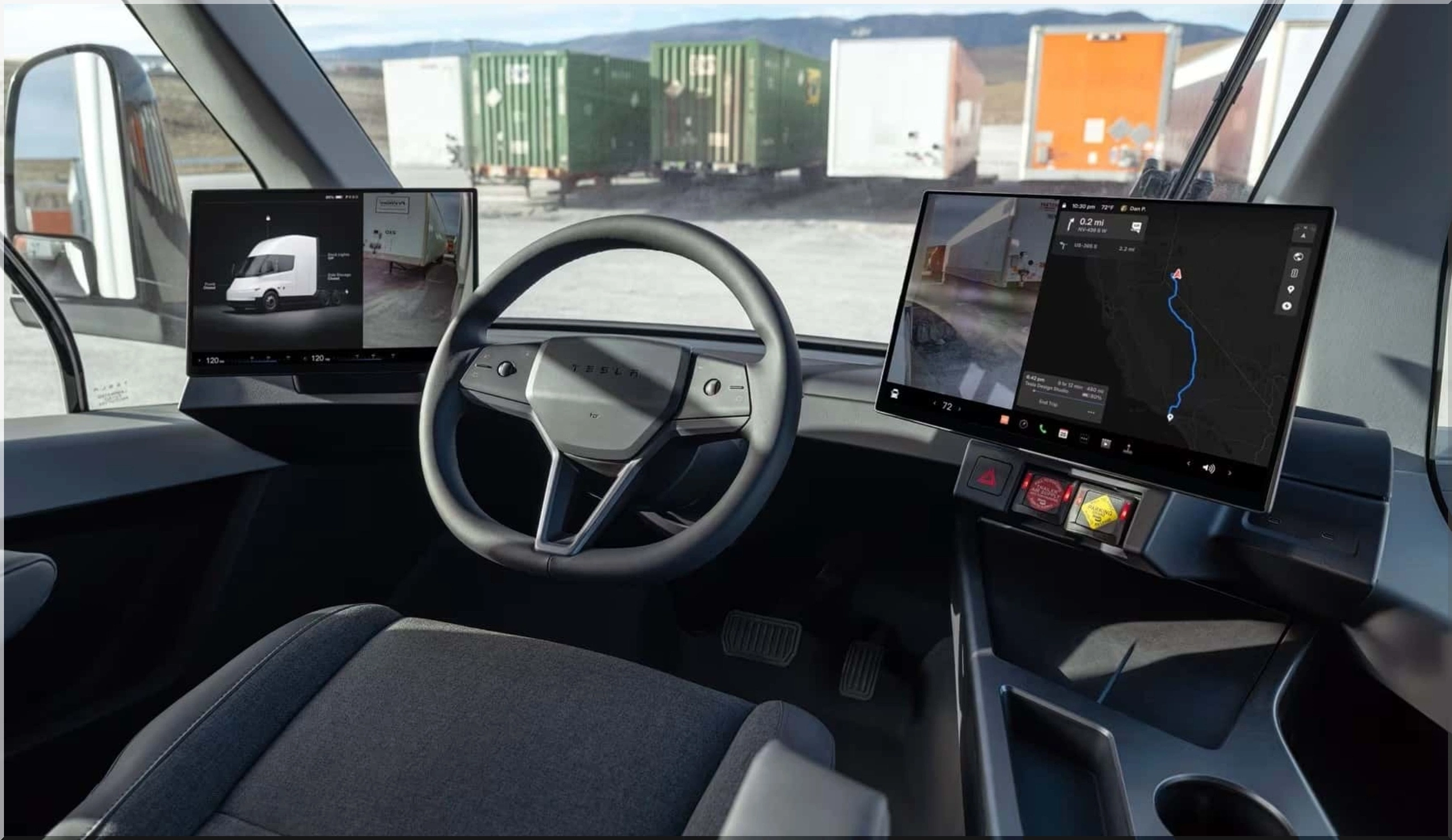
That is why the Tesla Semi battery specs matter. Fleet operators can now model energy demand with real capacity numbers rather than assumptions. They can estimate nightly kWh needs, charger count, peak demand charges, solar and storage value, and utility upgrade timelines.
Pro-Tip: Build The Charging Model Before Ordering Trucks
A fleet should map every route into four numbers: miles per day, kWh per day, charging window, and reserve margin. Then it should test that plan against utility capacity and peak-rate exposure. The truck purchase may look attractive on paper, but the depot decides whether the fleet hits its cost-per-mile target.
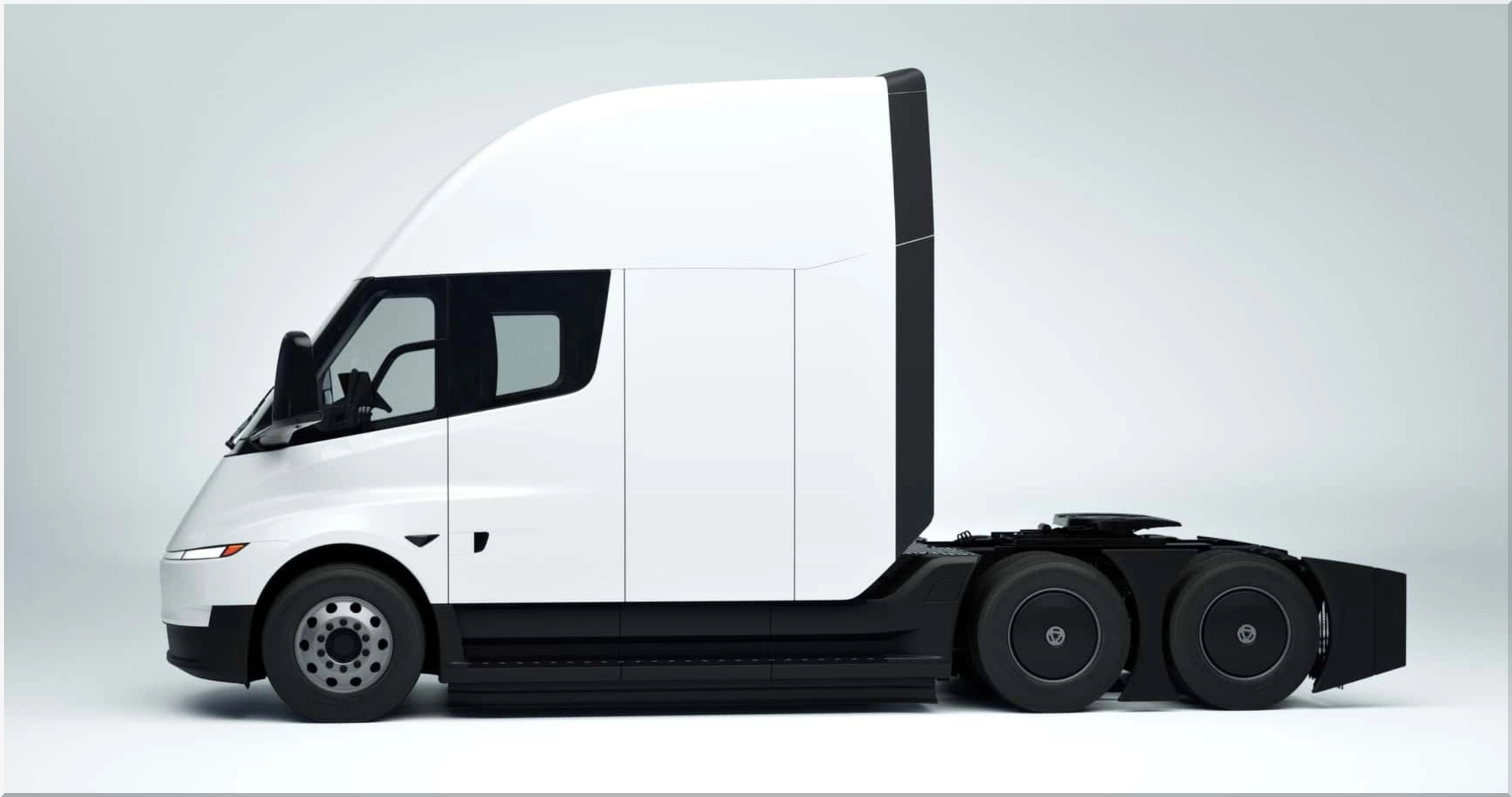
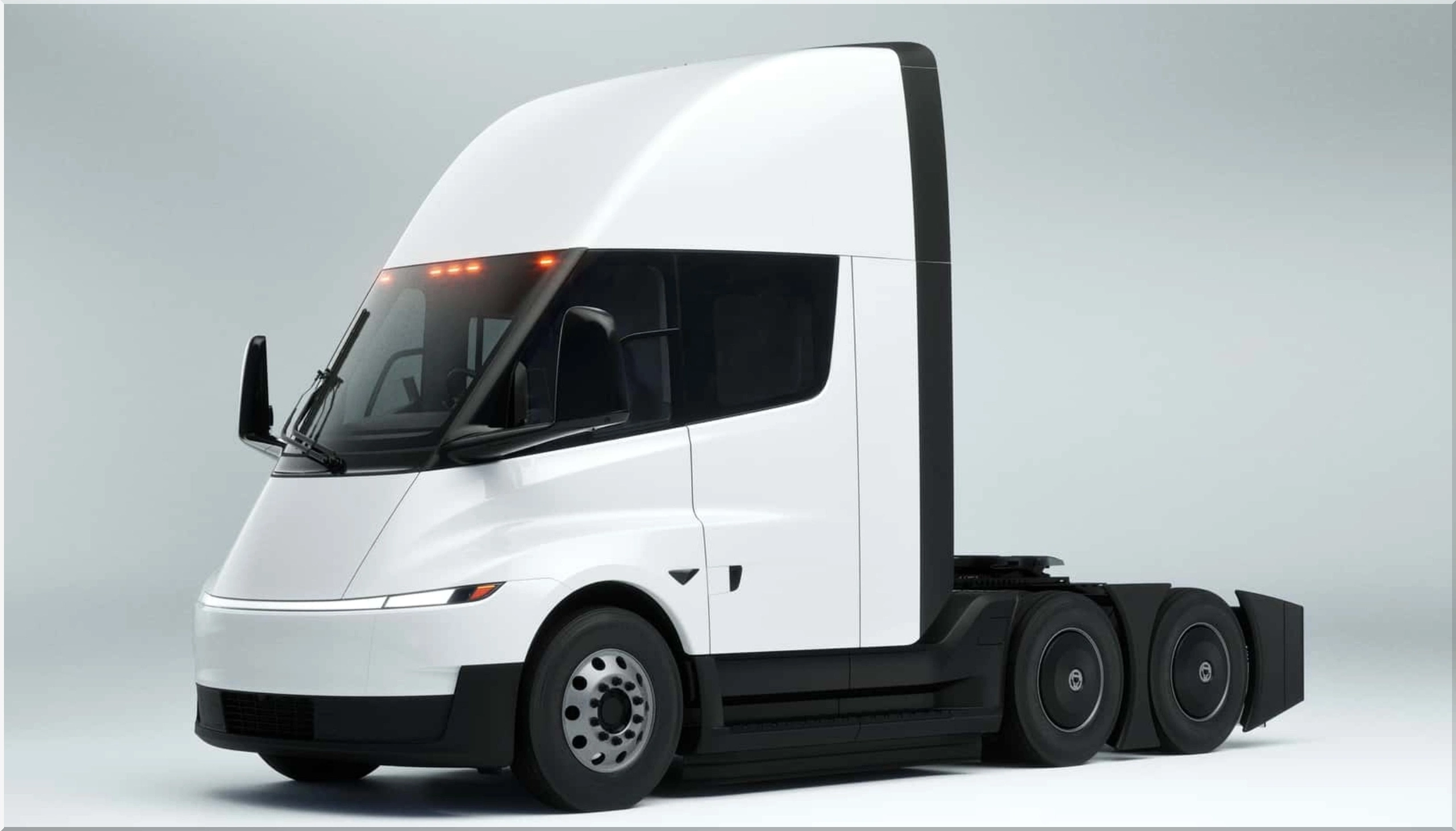
Diesel Comparison: Where The Tesla Semi Can Win
Diesel still carries advantages in refueling speed, infrastructure reach, and long-haul flexibility. No serious fleet manager ignores that. However, electric trucks can win where route predictability, depot charging, lower maintenance, regenerative braking, and electricity pricing work together.
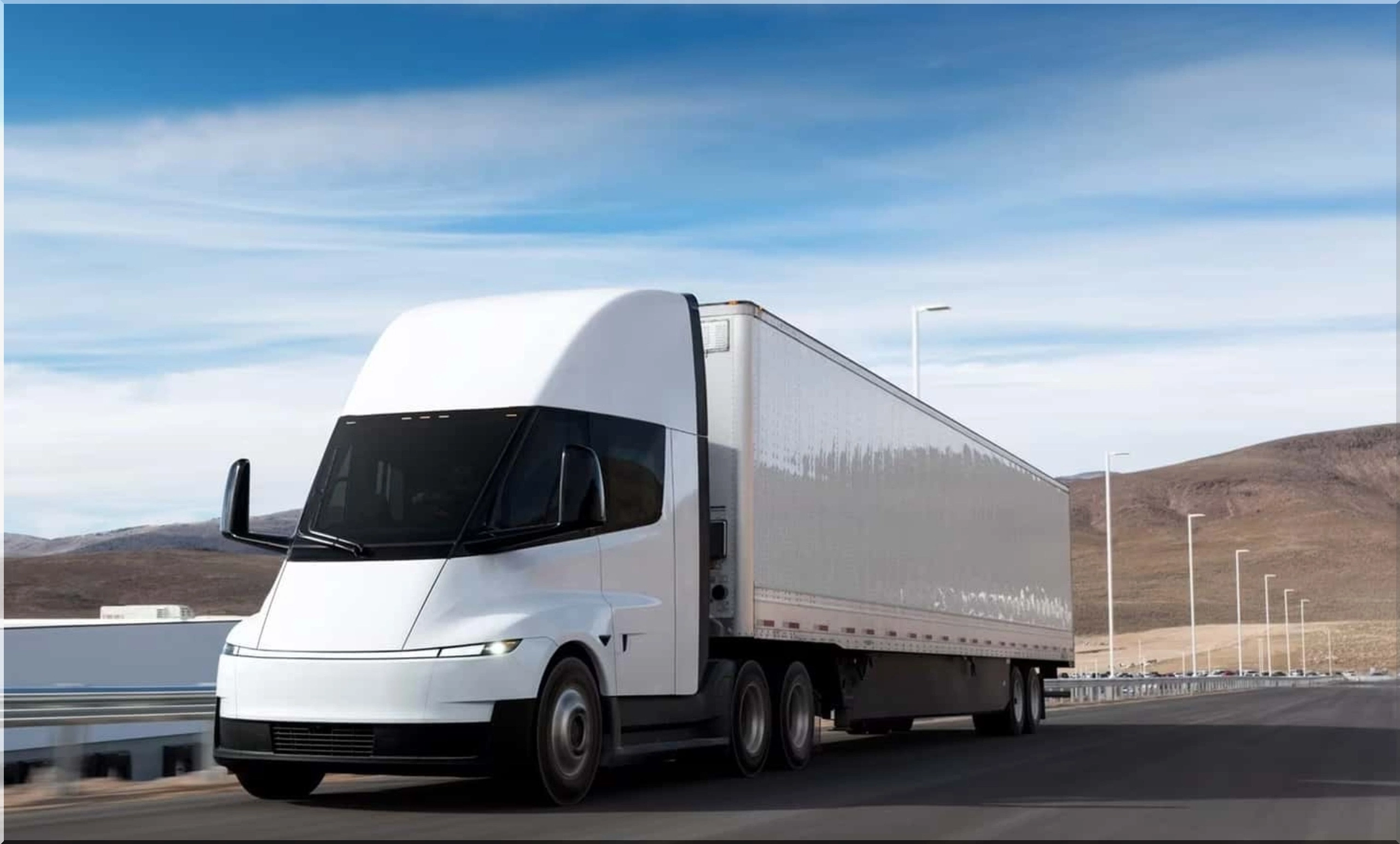
The Tesla Semi Long Range changes the conversation because 500 miles covers a meaningful share of daily freight movement without asking drivers to stop every 150 miles. The Tesla Semi Standard Range may create a stronger ROI case because it avoids carrying unused battery capacity on routes that do not need it.
Electric powertrains also reduce routine service items. They do not need oil changes, diesel exhaust fluid, aftertreatment maintenance, turbocharger repairs, or complex multi-speed transmission service in the same way. Brake wear can fall when regenerative braking handles much of the deceleration, though tire wear and battery-related service must still enter the cost model.
The Strategic Logic: Tesla Wants Scale, Not A Science Project
The Tesla Semi arrived late compared with its original promise, but the new battery data gives the program sharper commercial footing. Tesla now has two certified battery sizes, two power ratings, and a high-volume production plan tied to Nevada. That combination turns the Semi from a low-volume demonstration truck into a product fleets can evaluate with harder numbers.
The Long Range model supports Tesla's image as a company willing to attack difficult engineering problems. The Standard Range model supports the business case. In heavy trucking, the second point may matter more.
Fleet operators buy uptime, payload, driver acceptance, and operating cost. They do not buy battery capacity for its own sake. Tesla's challenge now involves scaling production, proving durability, expanding charging access, and showing that battery degradation remains controlled under high-mileage freight use.
What Now? How Fleets Should Read The Tesla Semi Battery Specs
The new Tesla Semi battery capacity figures give buyers a stronger starting point, but they do not finish the buying decision. A fleet should run its own route model before choosing a version.
Use this five-step review:
- Audit daily mileage across real routes, not ideal routes.
- Add reserve margin for weather, detours, trailer drag, grade, and driver variability.
- Model kWh demand using 1.7 kWh per mile as a planning baseline.
- Compare Standard Range and Long Range against payload needs and charging windows.
- Price depot power upgrades before treating vehicle cost as the main expense.
The 822 kWh pack proves Tesla can package serious energy into a Class 8 tractor. The 548 kWh pack may prove Tesla understands fleet economics. Together, they give the Tesla Semi a clearer shot at commercial relevance because they let operators buy the range they need rather than the range that sounds best on stage.
The data points to one practical conclusion: the Tesla Semi Long Range gives electric trucking its attention-grabbing number, but the Tesla Semi Standard Range may give fleets the cleaner business case. That is where adoption starts.
- Add new comment
- 146 views