Home

EV Stories

Main navigation

  • Cars
  • Vans
  • Semis
  • Buses
  • News
User account menu
  • Contact

Breadcrumb

  1. Home
  2. Mercedes-Benz
  3. Mercedes NextGenH2 Truck Brings Hydrogen to Long-Haul Reality

Mercedes NextGenH2 Truck Brings Hydrogen to Long-Haul Reality

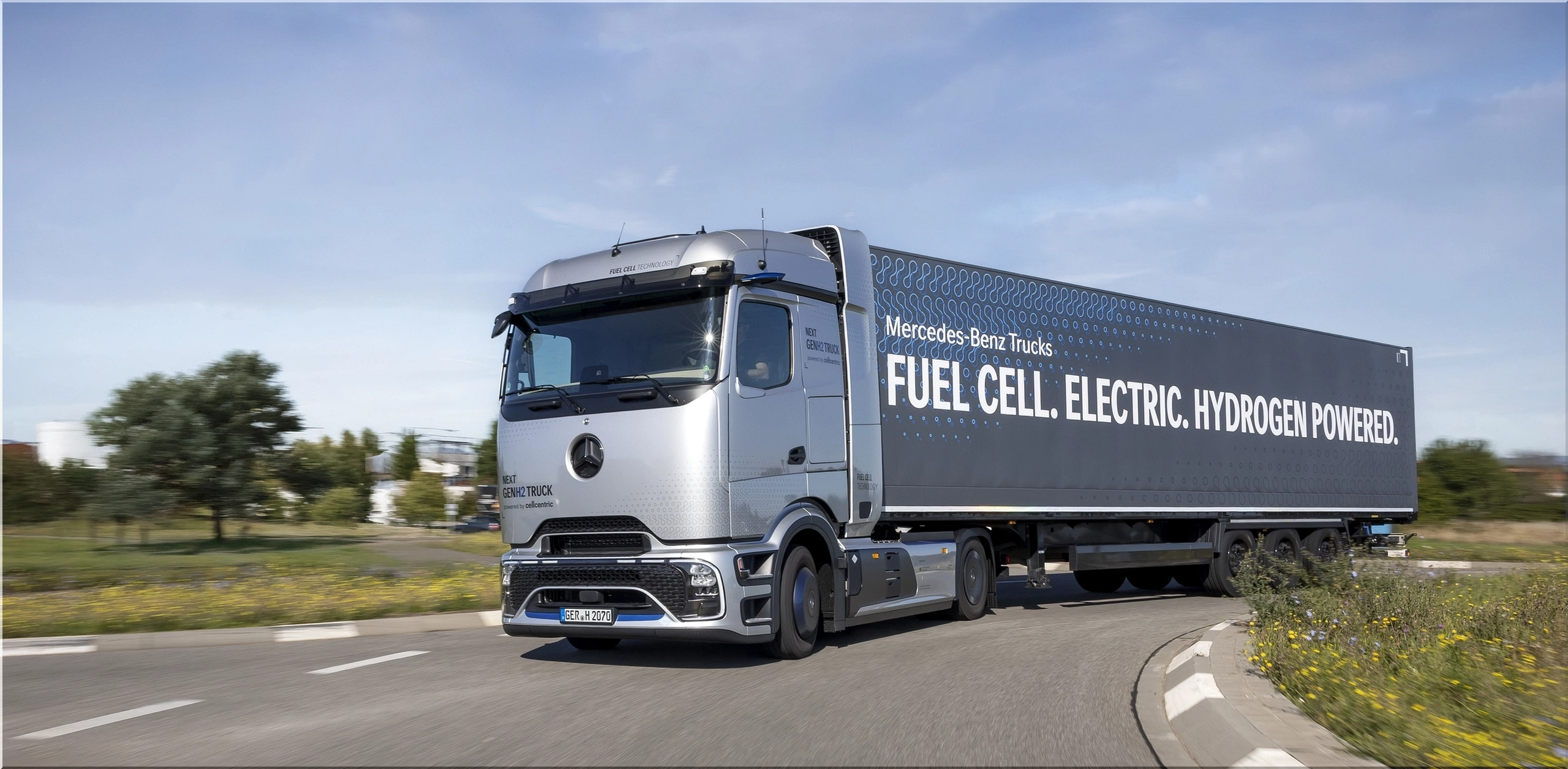
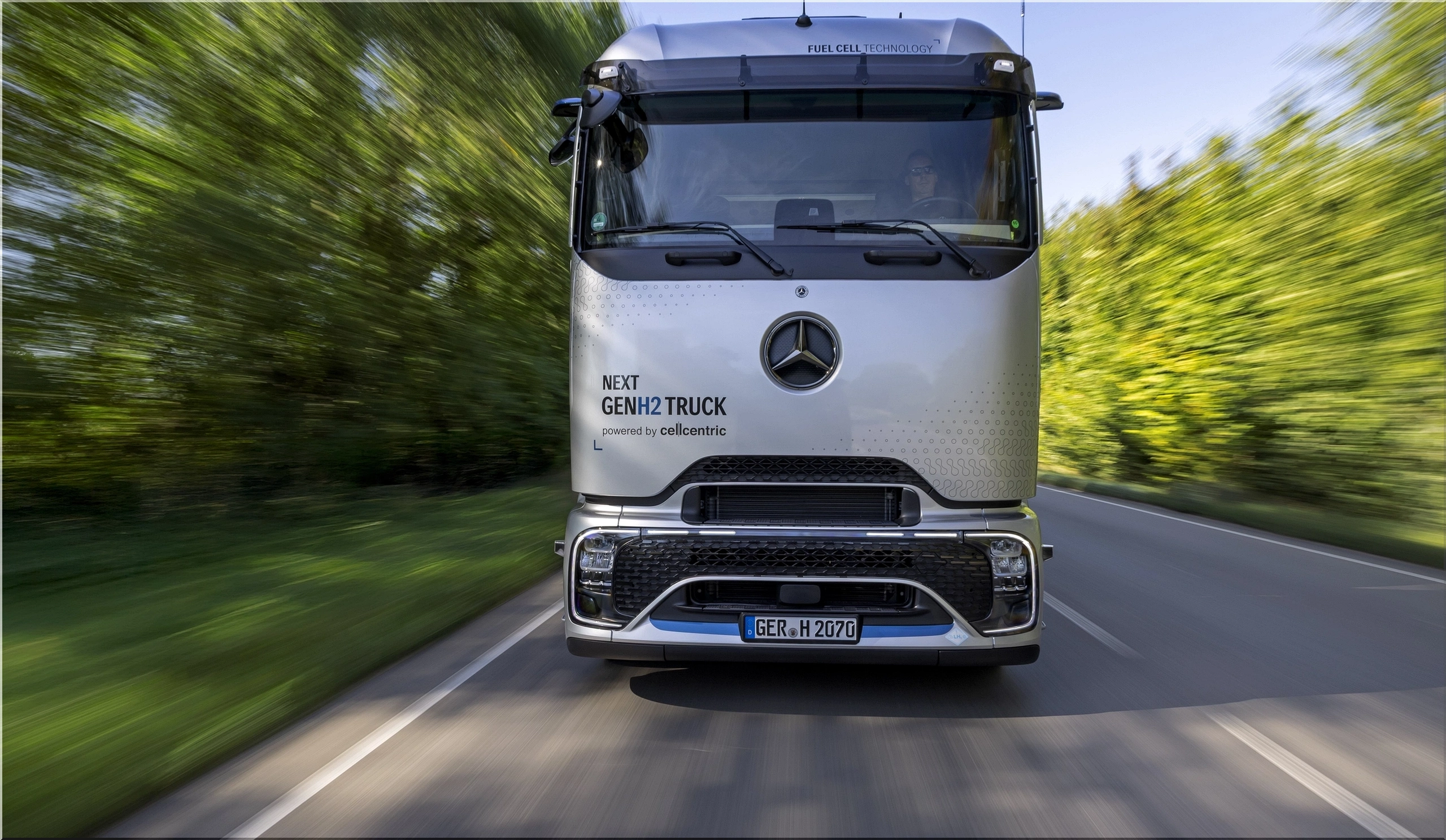
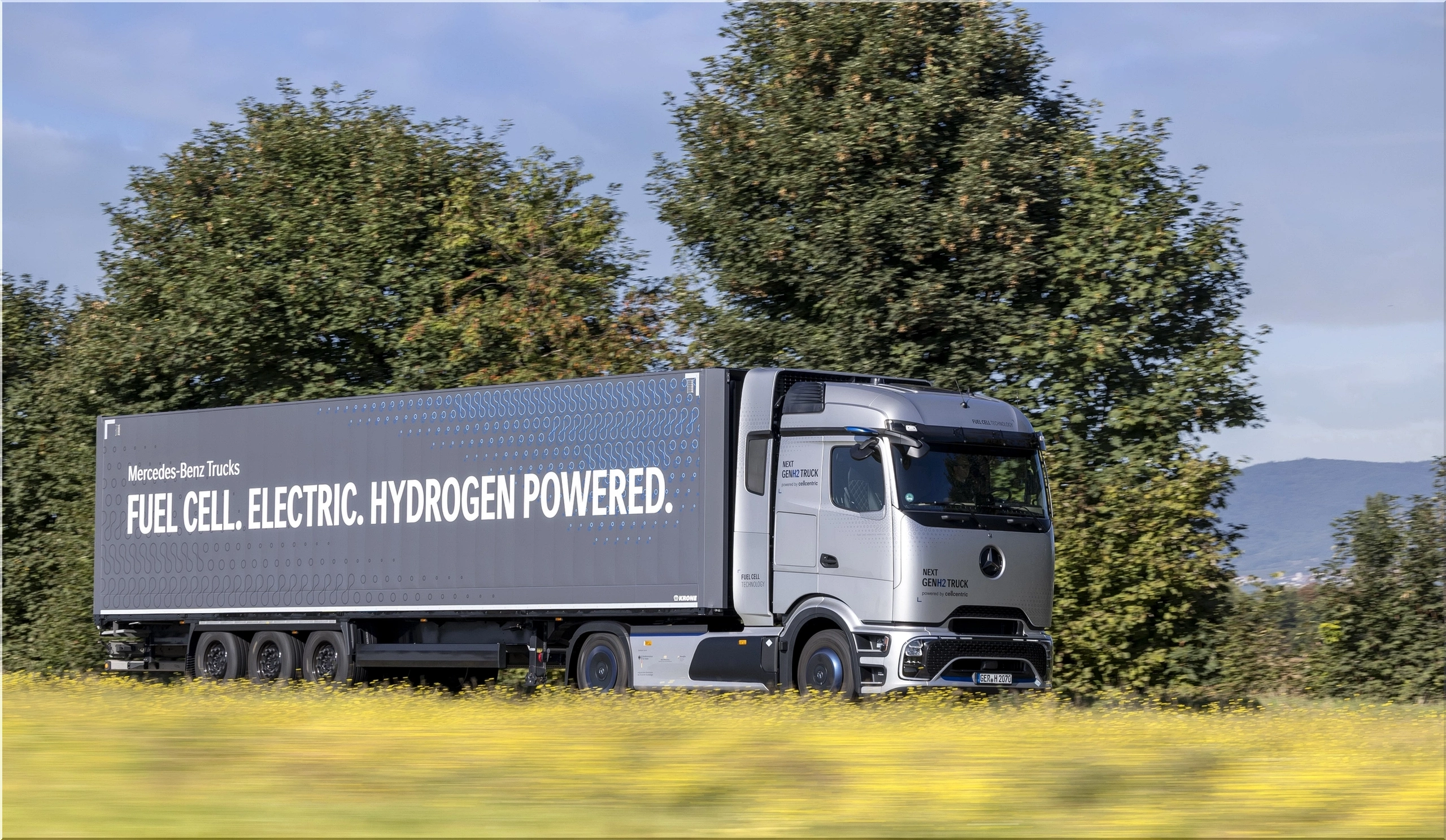
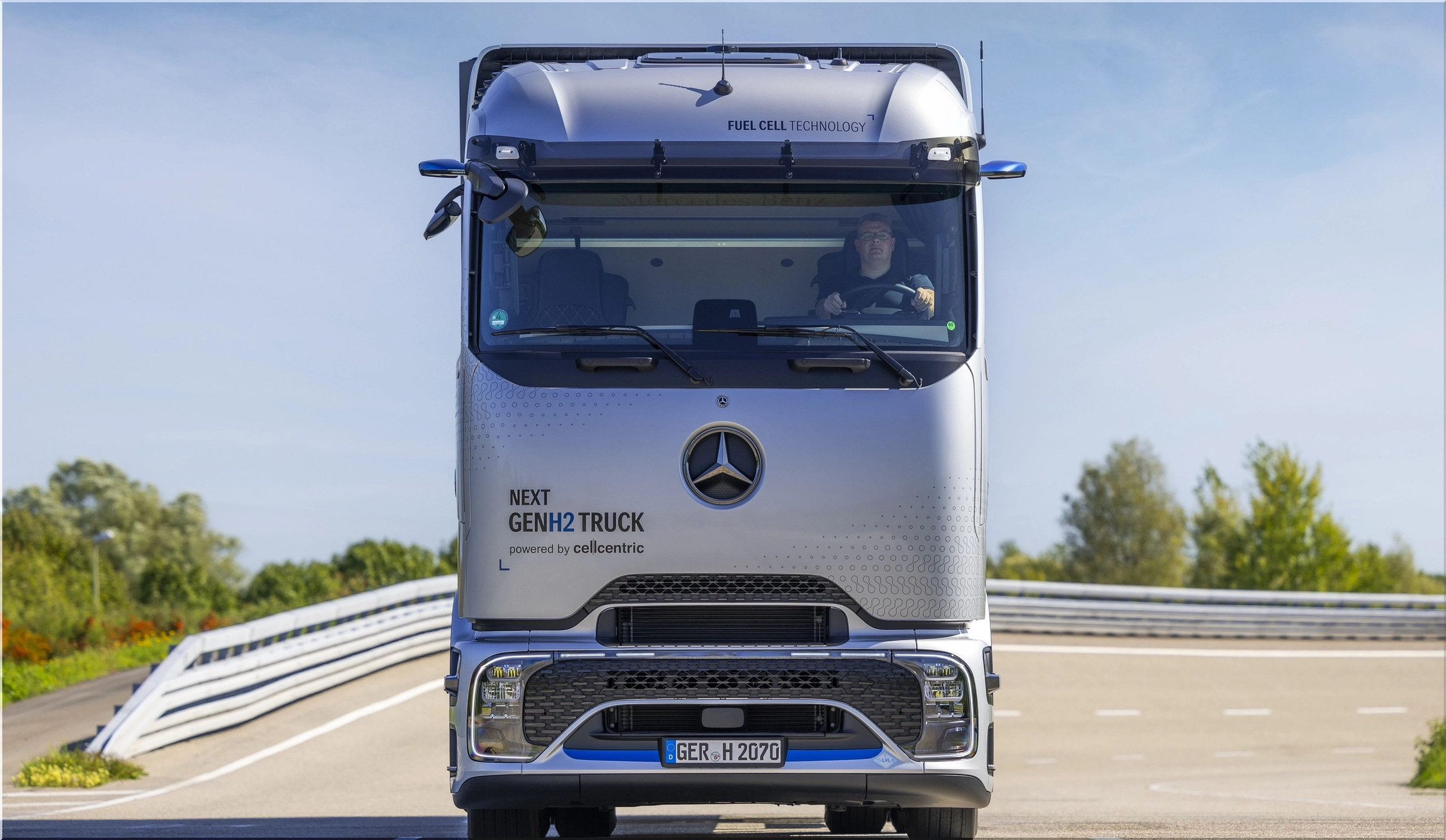
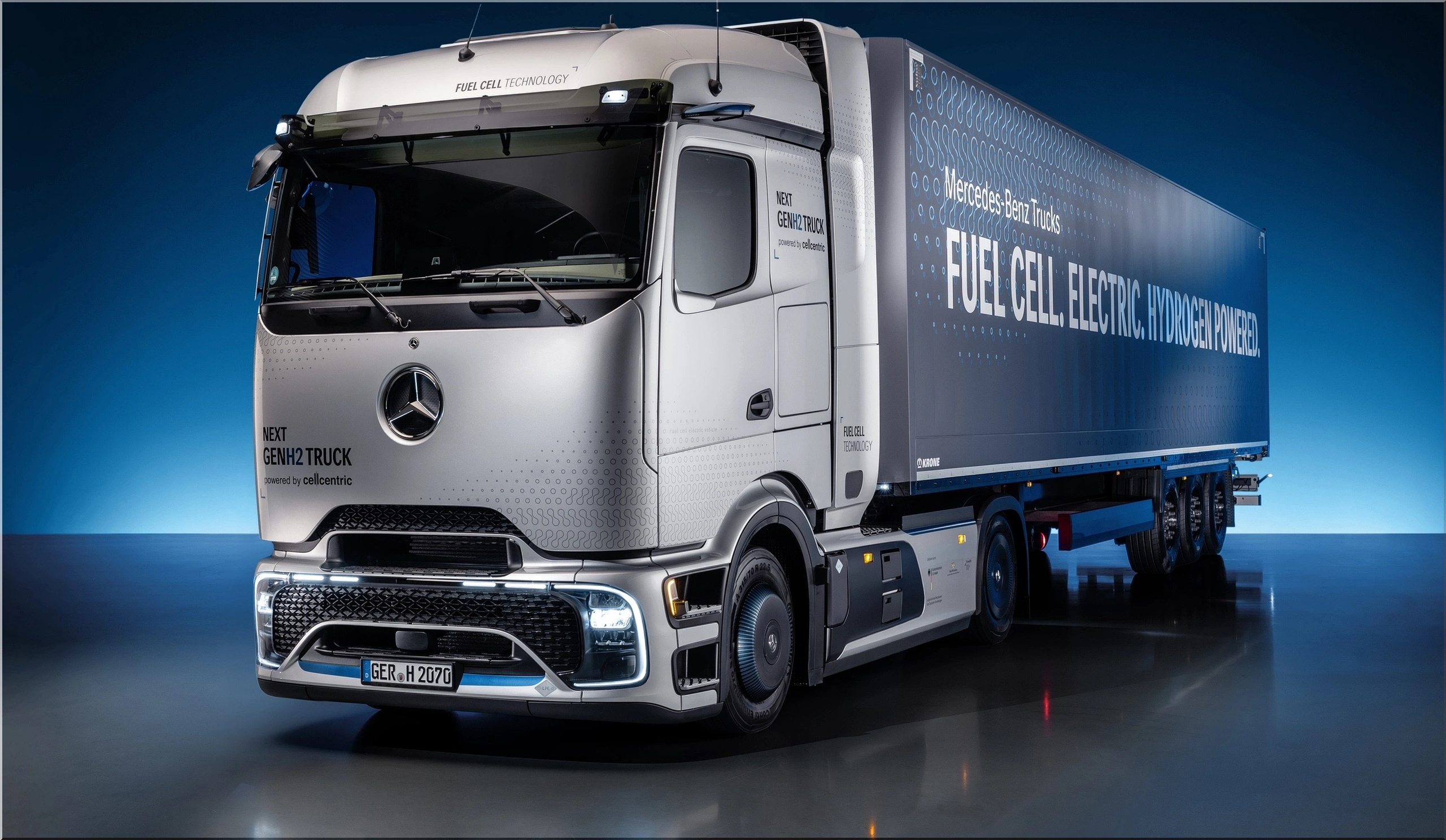
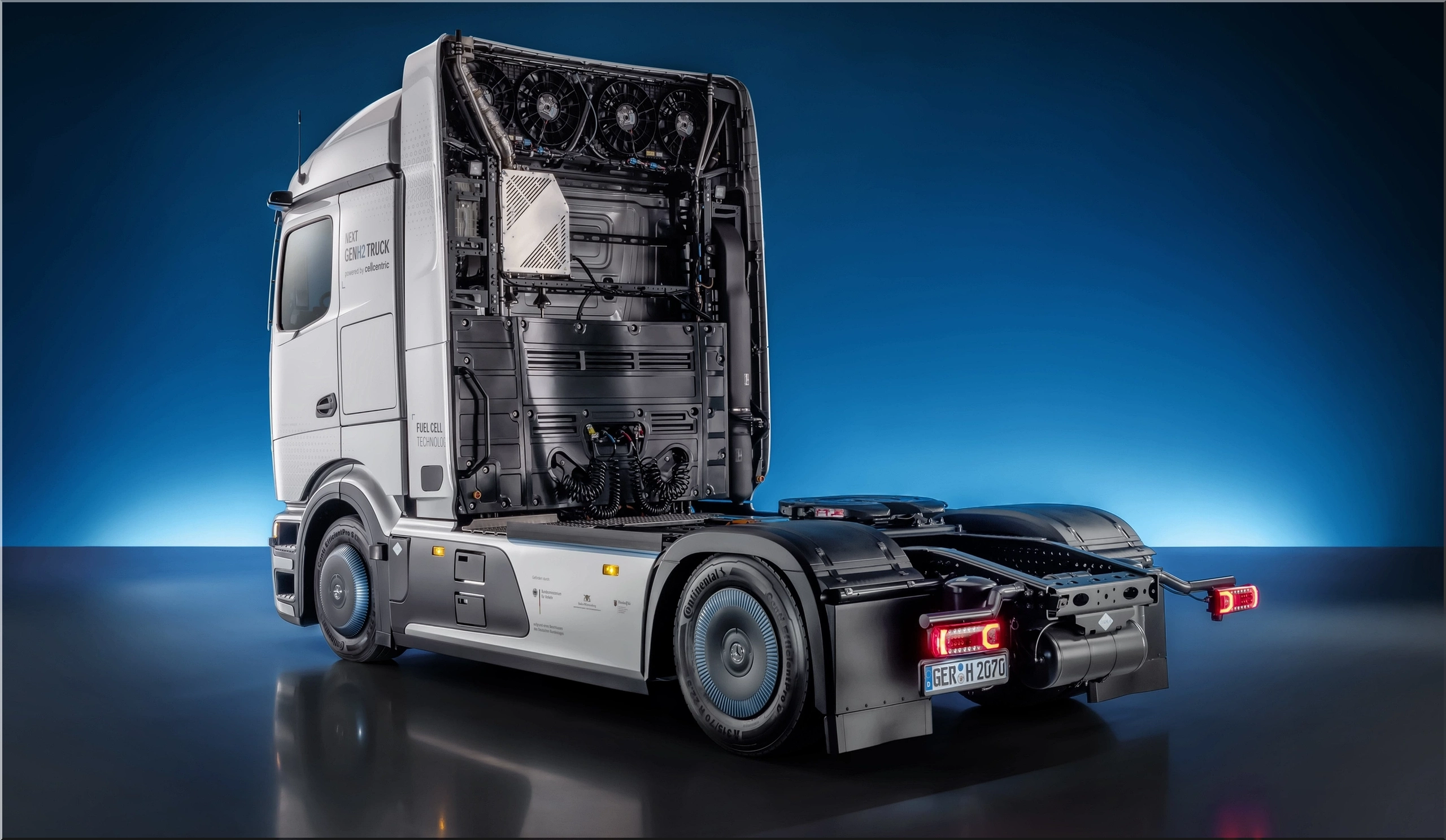
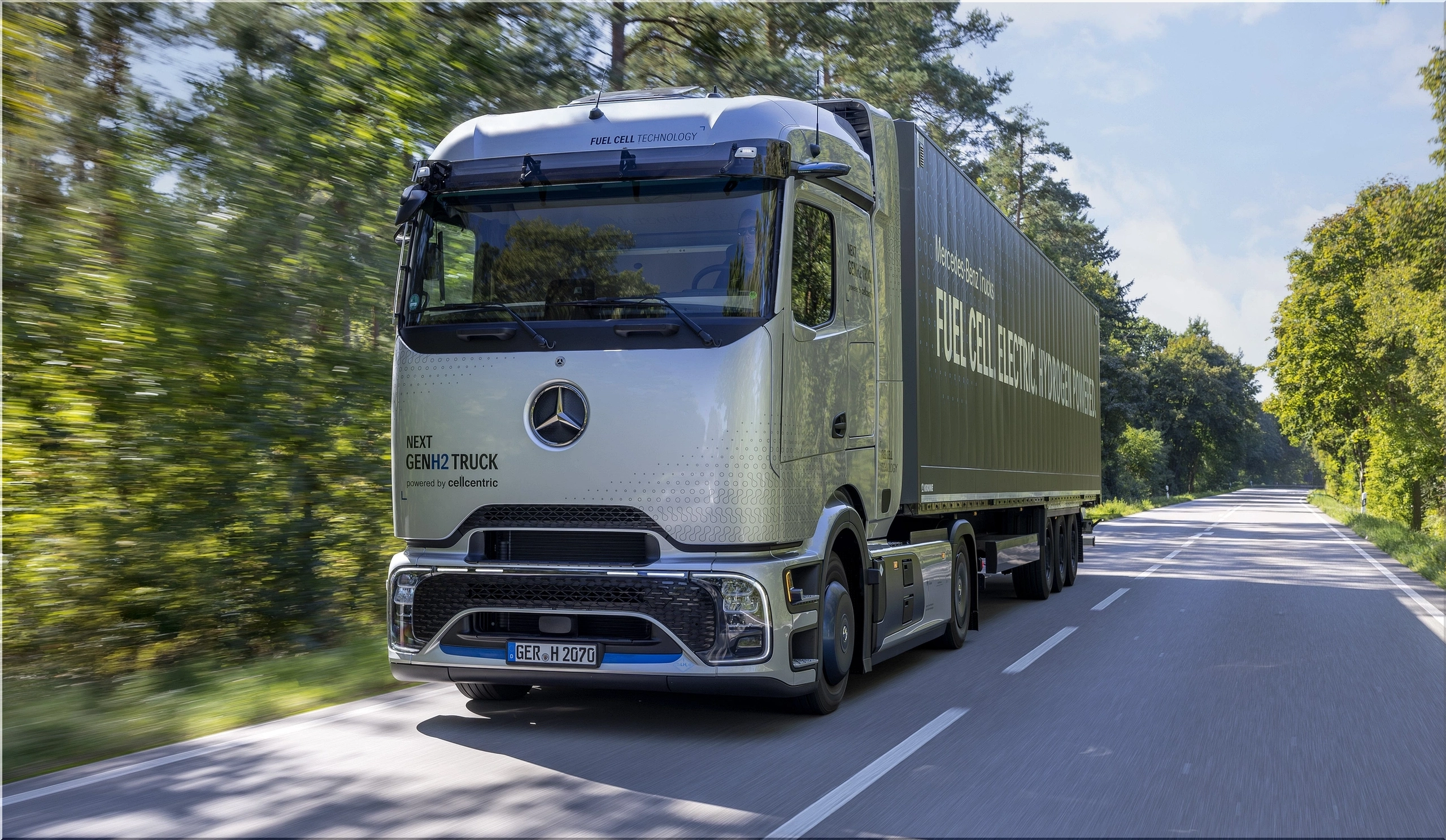
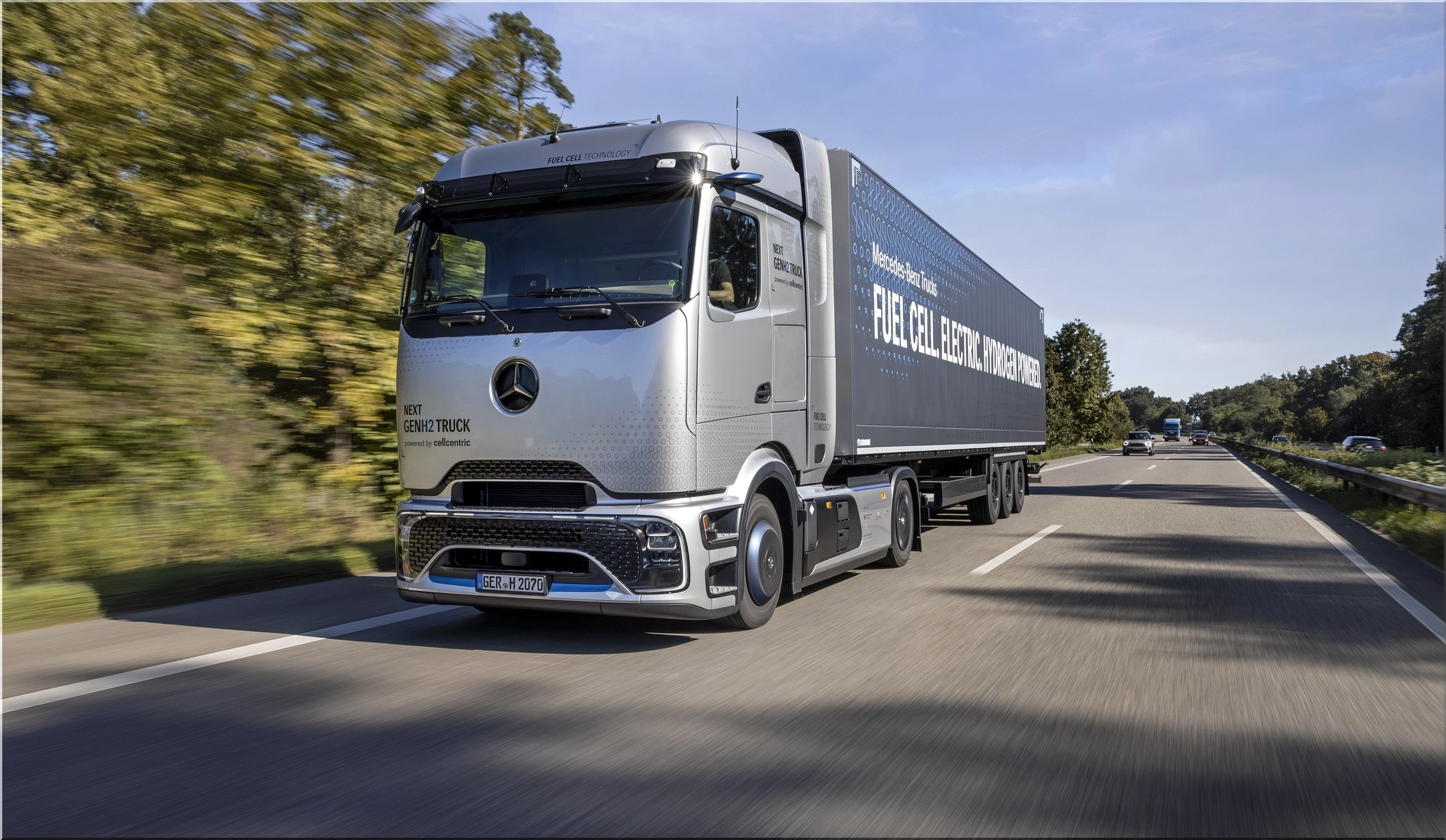
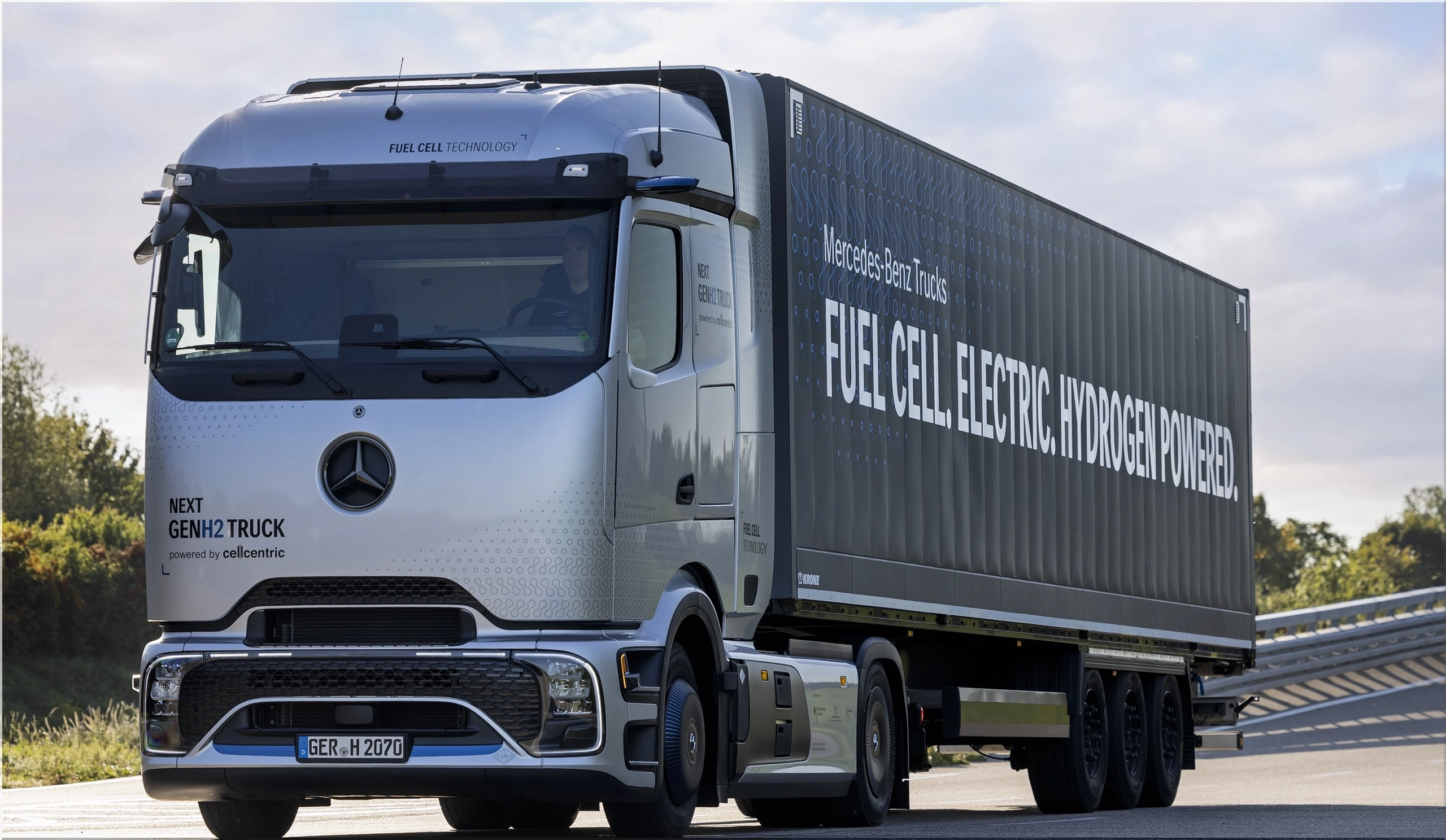
Mercedes-Benz NextGenH2 Truck

Hydrogen trucking has carried strong technical promise for more than a decade, but fleet adoption has lagged due to cost, infrastructure gaps, and operational risk. Mercedes-Benz aims to reduce that risk with the NextGenH2 Truck by shifting hydrogen from prototype validation to structured customer deployment.

The Mercedes-Benz NextGenH2 Truck enters limited production at the end of 2026, with 100 trucks scheduled for real-world fleet operations. This matters because controlled deployment produces operating data, uptime records, and cost visibility. Fleets act on evidence, not announcements.
Image
Mercedes-Benz NextGenH2 Truck

Why Daimler Truck Maintains Hydrogen as a Long-Haul Strategy

Battery-electric trucks perform well in short and mid-range duty cycles. Performance declines as daily distance, payload mass, and utilization intensity rise.

Long-haul freight prioritizes three variables: range stability, payload retention, and asset uptime. Battery weight scales quickly. Charging introduces dwell time. Both affect revenue per truck.

Hydrogen addresses these constraints through energy density and refueling speed.

Daimler Truck continues hydrogen development for clear operational reasons:

  • Liquid hydrogen delivers higher gravimetric energy density than batteries
  • Refueling workflows align with diesel operations
  • Vehicle mass remains competitive under full load
  • Daily distance targets above 1,000 km stay realistic

Daimler Truck treats hydrogen as a parallel solution. Battery-electric trucks serve regional and predictable routes. Hydrogen targets distance-intensive freight where charging dwell time creates lost utilization.

What the Mercedes-Benz NextGenH2 Truck Delivers Technically

The NextGenH2 Truck evolves directly from the GenH2 prototype program. That program accumulated high-mileage testing data under real freight conditions, including alpine routes and temperature extremes.

This iteration shifts toward production-grade packaging and serviceability.

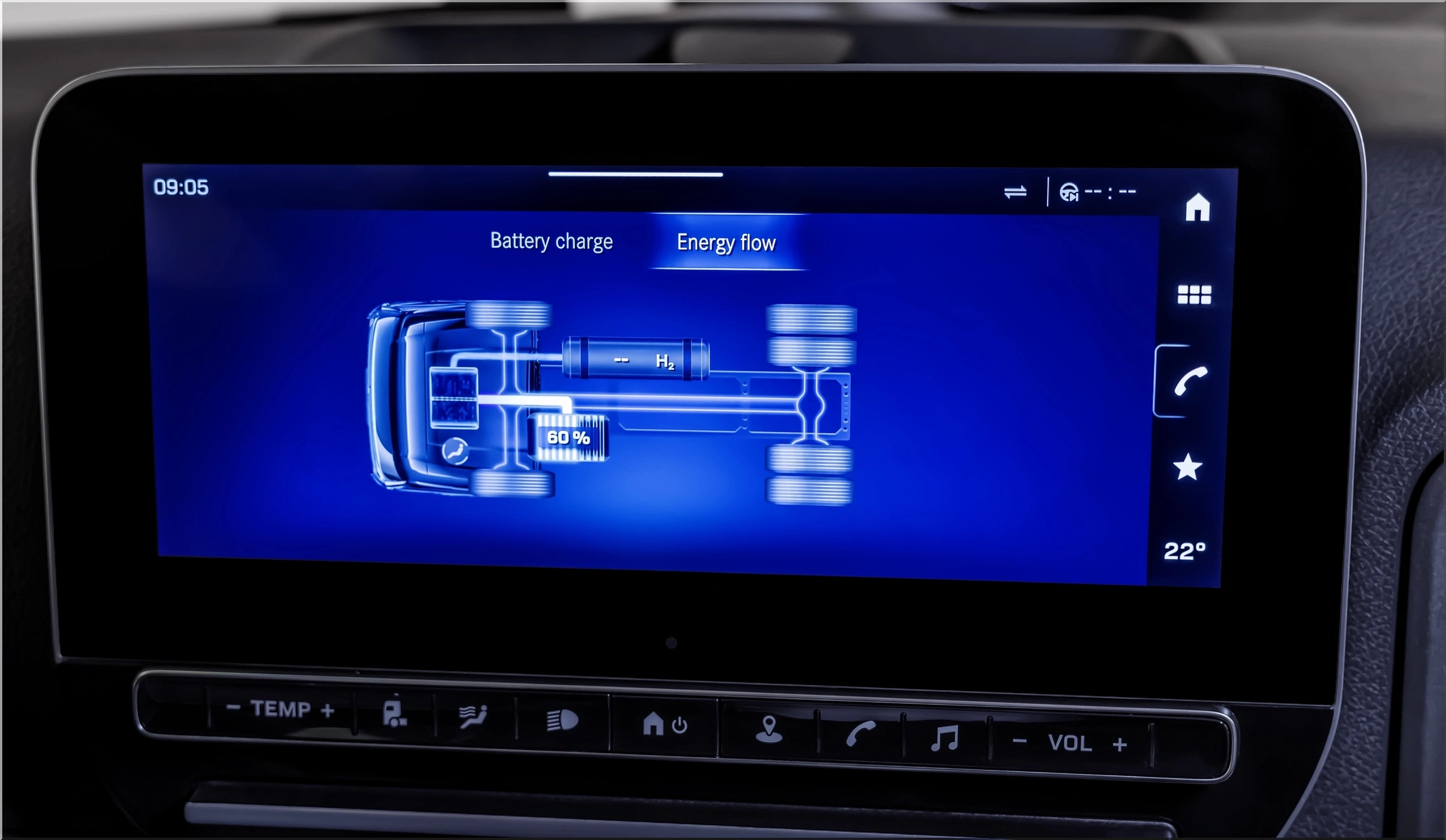
The truck uses a fuel cell electric architecture. Hydrogen feeds the fuel cells. Electricity powers electric motors. Mechanical complexity stays low. Local emissions equal zero.

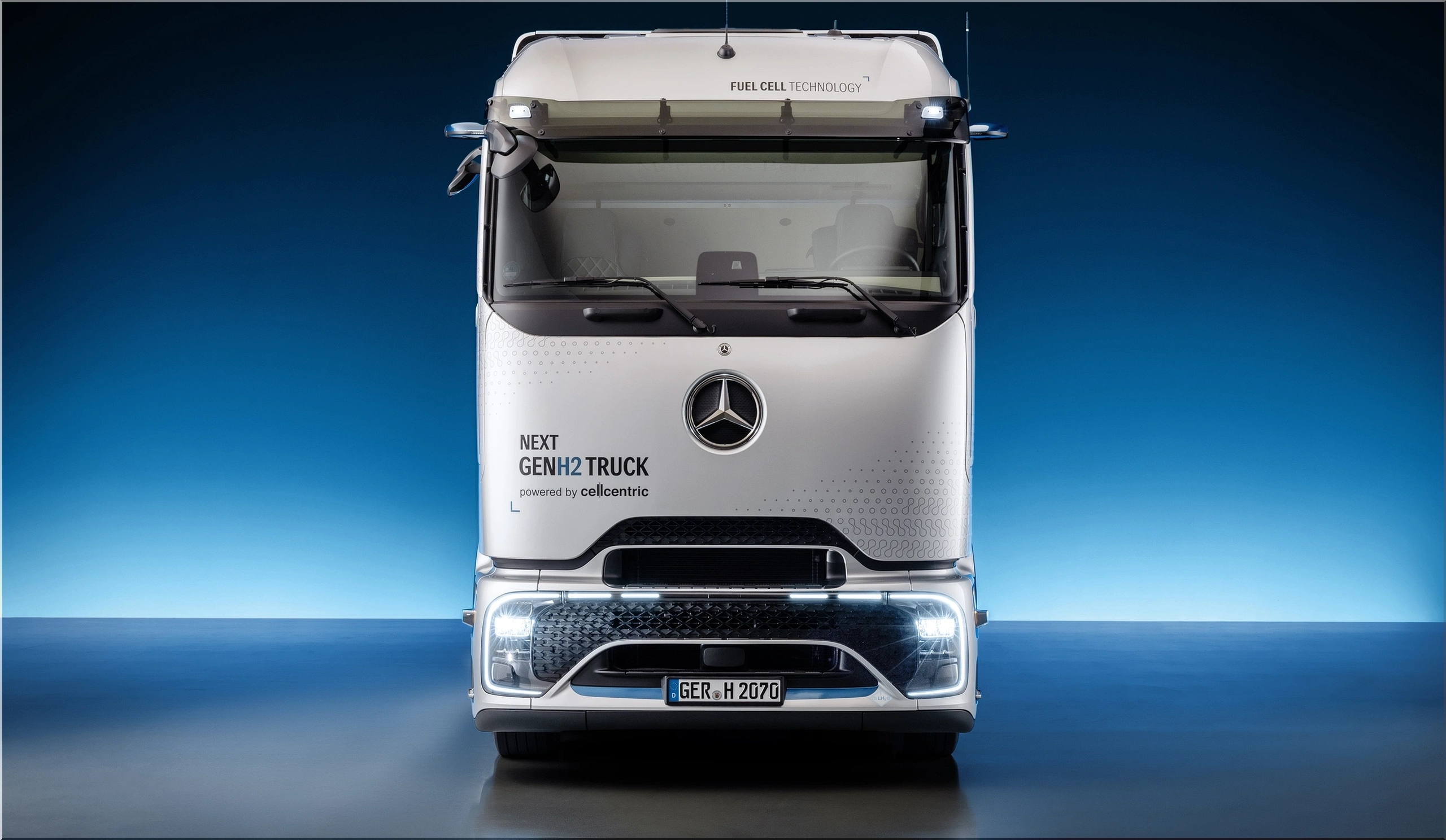
Key system elements include:

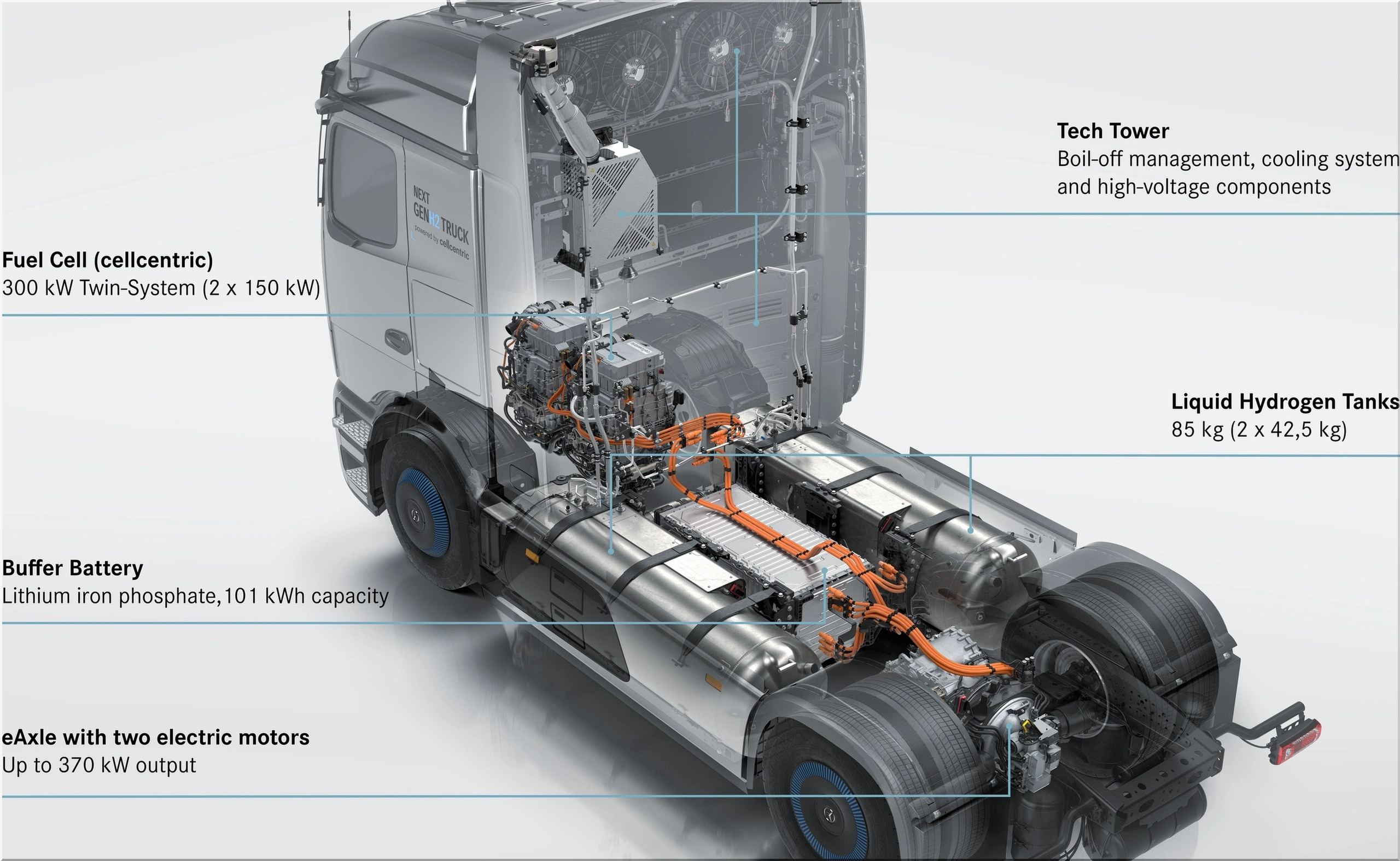
  • Cryogenic liquid hydrogen storage
  • Twin fuel cell modules for redundancy
  • Rear-mounted electric drive axle
  • High-voltage buffer battery for load smoothing

From a driver perspective, operation mirrors battery-electric trucks. From a fleet perspective, duty cycles stay closer to diesel benchmarks.
Image
Mercedes-Benz NextGenH2 Truck

Liquid Hydrogen Anchors Long-Range Performance

Daimler Truck commits exclusively to liquid hydrogen rather than compressed gas. That decision shapes vehicle packaging and route capability.

Liquid hydrogen stores more energy per kilogram and per liter. This reduces tank volume and weight while extending range.

Operational performance data includes:

  • More than 1,000 km of range at full gross weight
  • Up to 85 kg of liquid hydrogen stored onboard
  • 10 to 15 minute refueling time
  • Dual-side refueling compatibility

These metrics minimize behavioral friction for fleet adoption. Dispatch patterns stay intact. Drivers do not restructure shifts around energy logistics.

Fuel Cell System Built for Commercial Duty Cycles

The fuel cell system comes from cellcentric, the Daimler Truck and Volvo Group joint venture. This partnership pools manufacturing scale, validation data, and supplier leverage.

Each truck integrates two BZA150 fuel cell units.

Fuel cell system characteristics:

  • 150 kW output per unit
  • 300 kW total system output
  • Compact under-cab installation
  • Designed for sustained high-load operation

Previous GenH2 trials recorded hydrogen consumption between 5.6 and 8 kg per 100 km, depending on gross combined weight and terrain. That data informs NextGenH2 calibration and route planning models.
Image
Mercedes-Benz NextGenH2 Truck

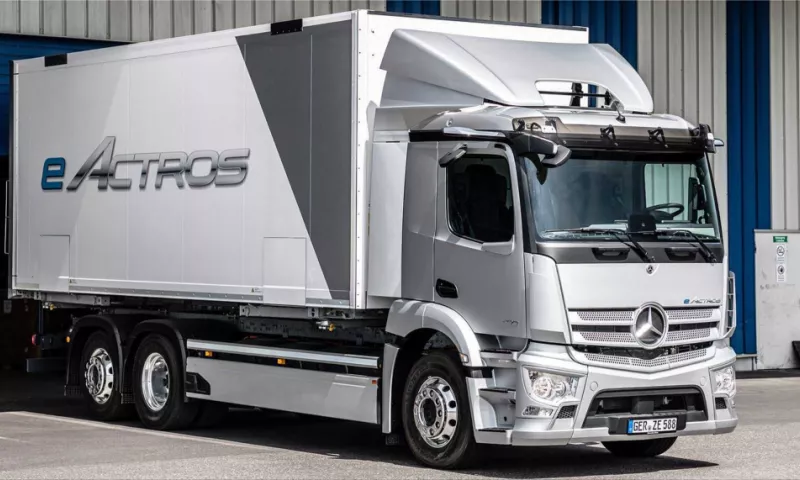
eActros 600 Components Reduce Risk and Complexity

Daimler Truck prioritizes component reuse where possible. The NextGenH2 Truck shares core hardware with the Mercedes-Benz eActros 600.

This approach reduces development risk and simplifies maintenance planning.

Shared systems include:

  • Integrated electric drive axle
  • Four-speed transmission with dual reverse gears
  • High-voltage electrical architecture
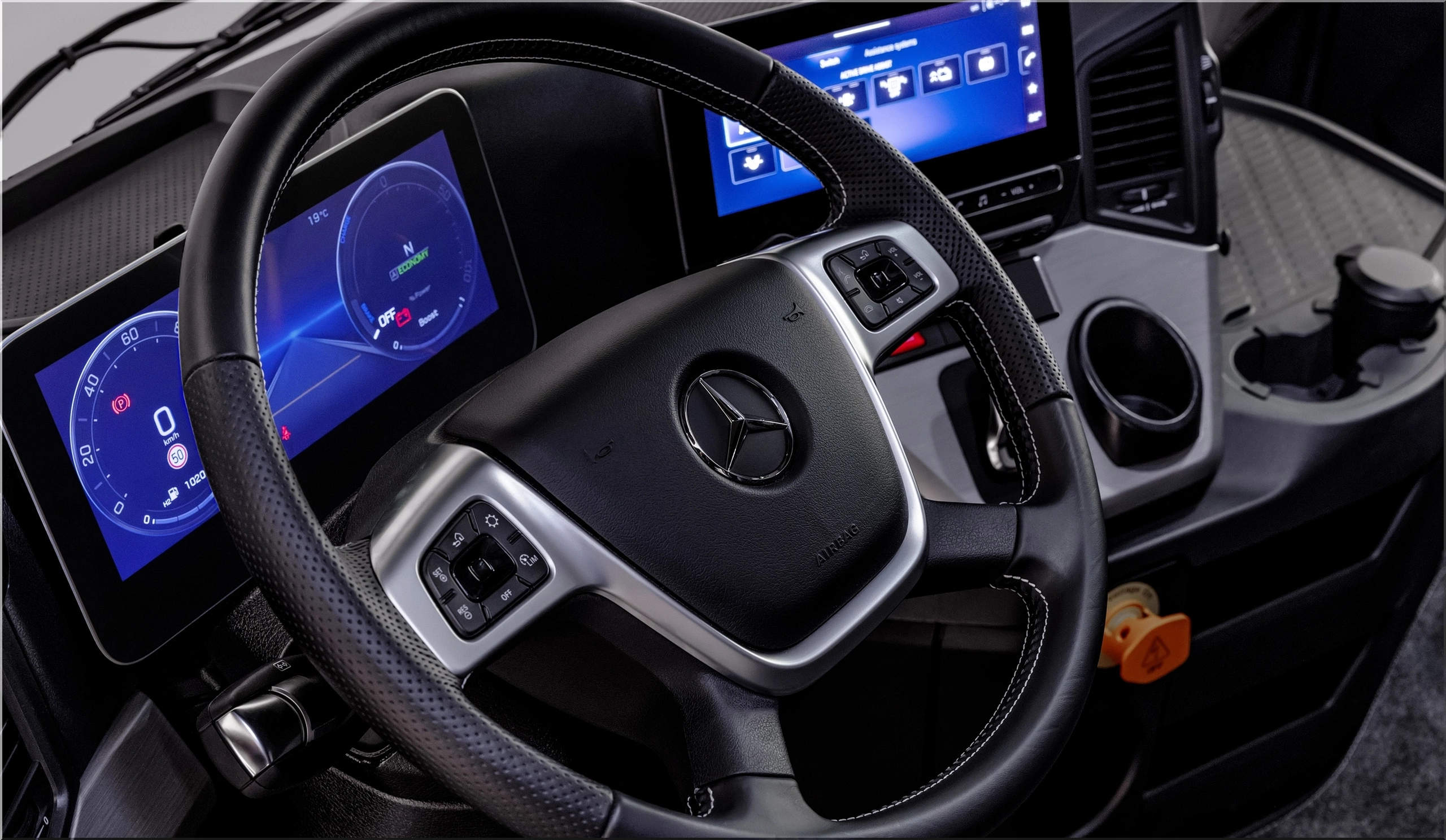
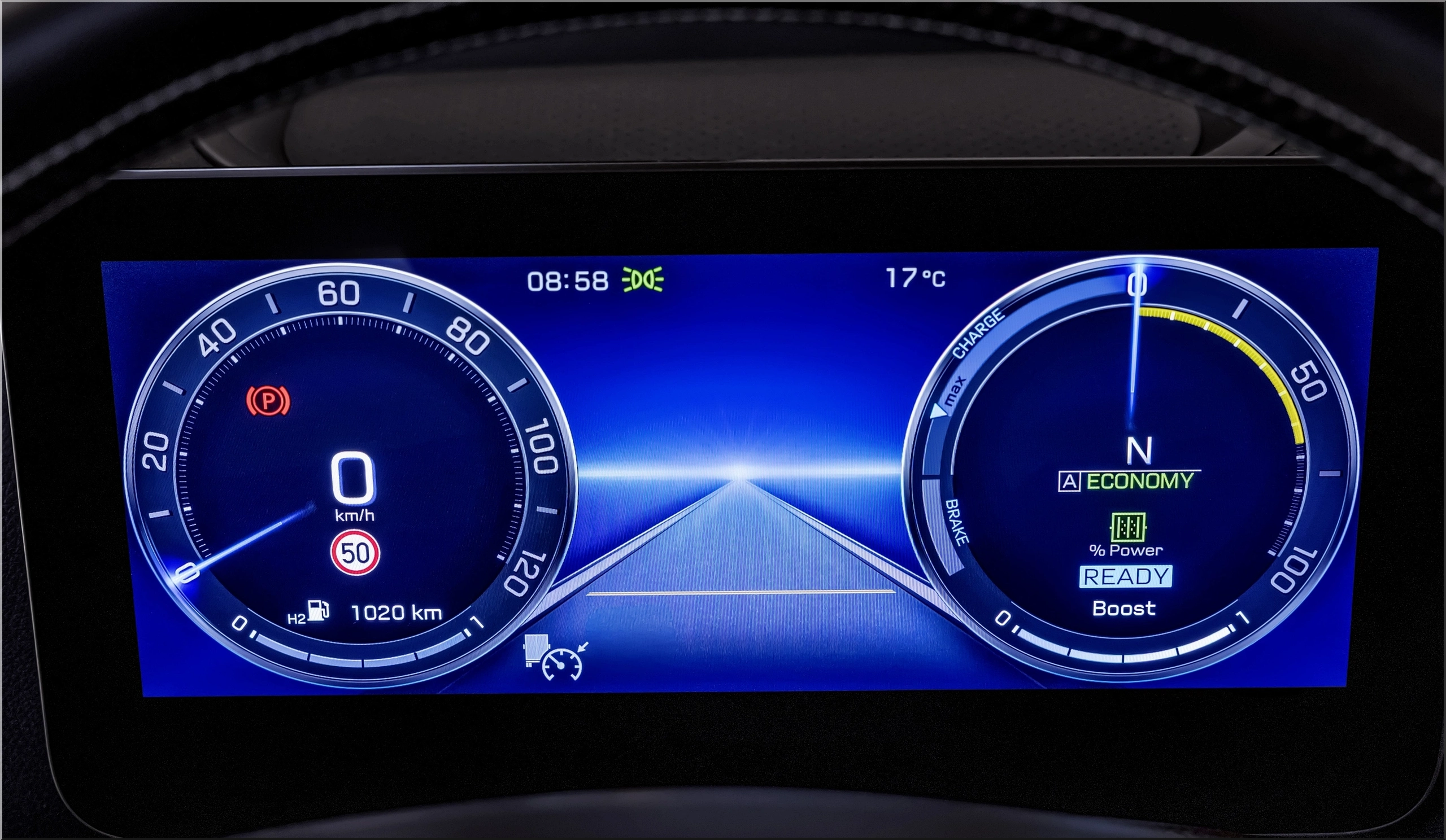
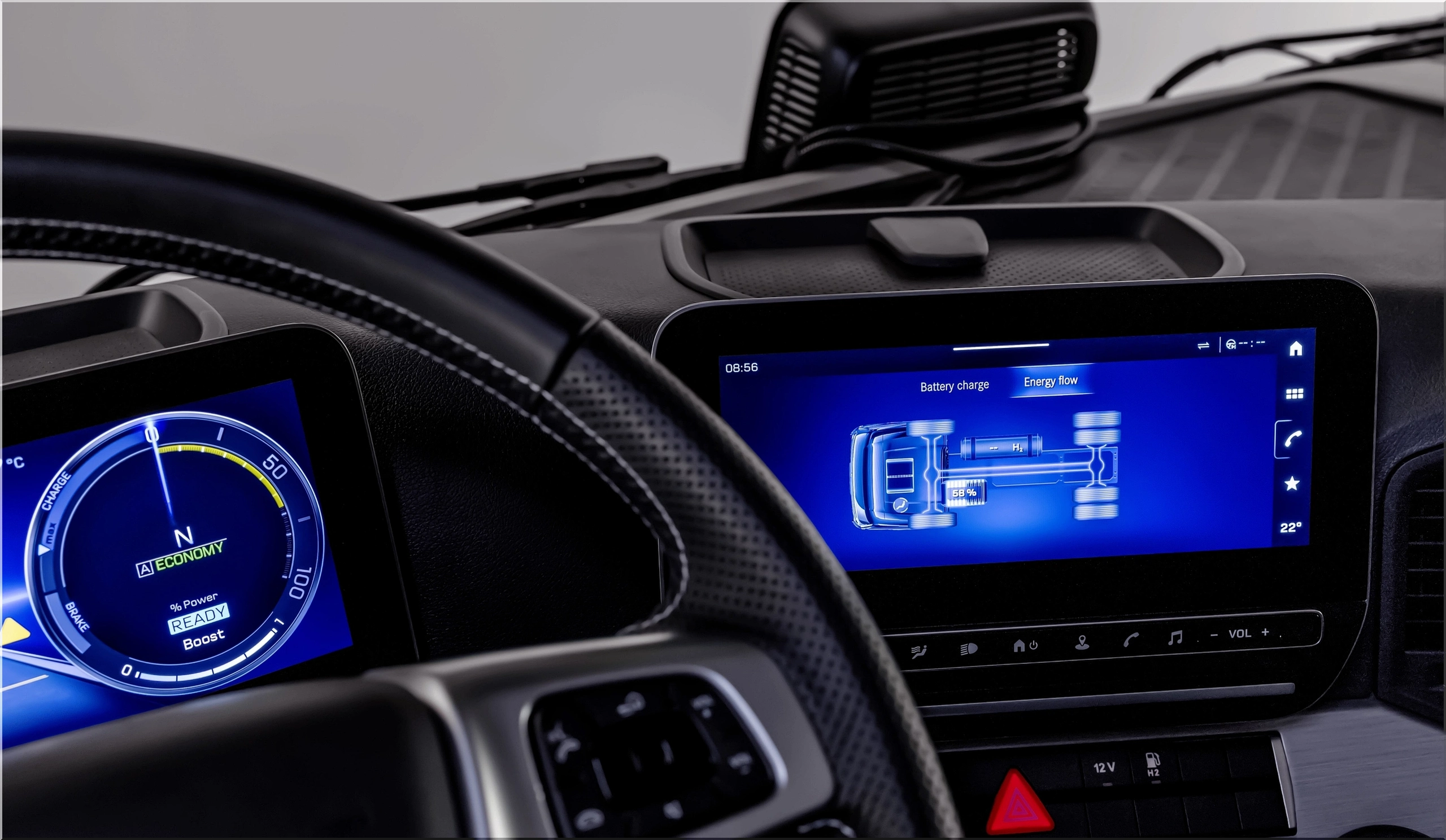
  • Multimedia Cockpit Interactive 2

The drivetrain delivers up to 370 kW in Power Mode and 340 kW in Economy Mode. Regenerative braking recovers kinetic energy and stores it in the buffer battery, improving overall energy efficiency.

Aerodynamic Efficiency Supports Cost Control

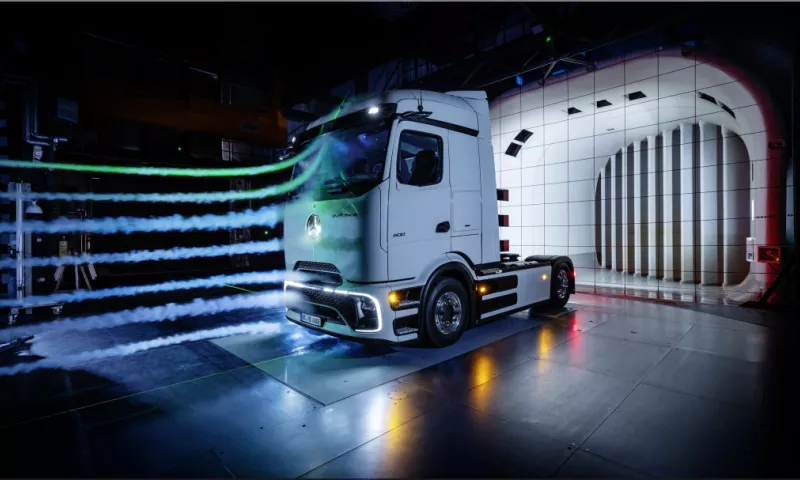
Hydrogen trucks still face aerodynamic drag at highway speeds. Energy losses translate directly into operating cost.

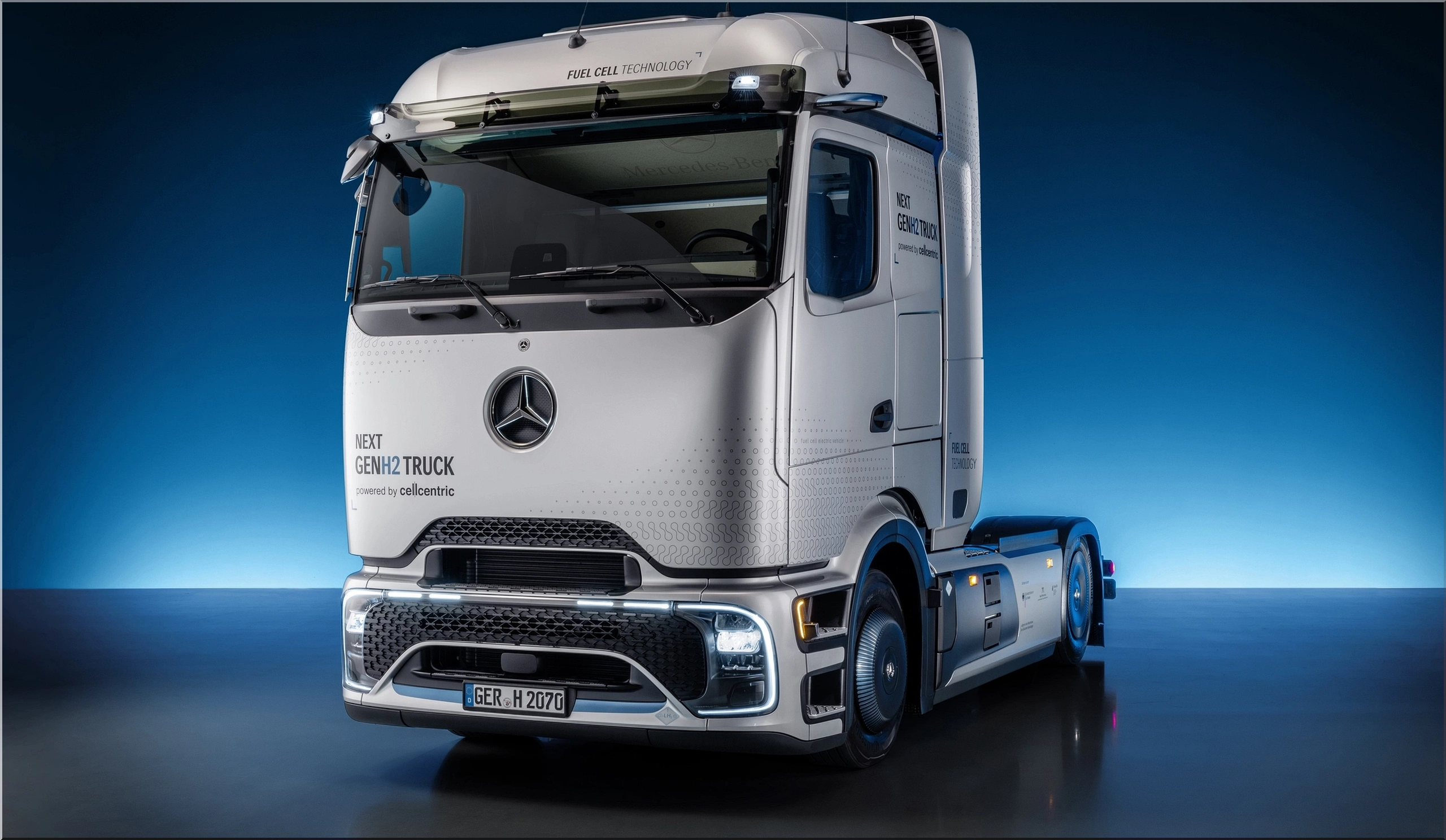
The NextGenH2 Truck adopts the ProCabin design already used on current Mercedes-Benz long-haul tractors. This cab reduces aerodynamic drag by approximately nine percent compared to earlier designs.

Lower drag stabilizes hydrogen consumption at sustained speeds. This improves route predictability and simplifies energy cost modeling.

Safety Systems Address Hydrogen-Specific Risk Perception

Hydrogen introduces different safety considerations than diesel. Daimler Truck addresses these directly through layered system design.

Safety and usability systems include:

  • Continuous hydrogen leak monitoring
  • Automatic shutdown and isolation logic
  • Boil-off management enabling enclosed parking
  • Reinforced side structures protecting tanks

The truck also supports overnight cab occupancy. Sensor systems monitor hydrogen levels during stationary periods, supporting driver comfort during multi-day assignments.

Packaging Improvements Expand Trailer Compatibility

Early hydrogen prototypes suffered from extended tractor length due to component packaging. That limited trailer compatibility and route flexibility.

The Mercedes-Benz NextGenH2 Truck introduces a redesigned Tech Tower behind the cab. Component density increases. The wheelbase shortens by 150 mm, reaching 4,000 mm.

This improves compatibility with standard European trailers and regulatory length limits. Fleets value equipment that integrates cleanly into existing operations.

Target Use Cases Remain Narrow and Defined

The NextGenH2 Truck does not attempt universal appeal. Daimler Truck positions it for specific operating profiles.

The truck suits fleets that:

  • Run long-haul routes exceeding 700 km
  • Require fast refueling to preserve utilization
  • Operate fixed corridors suitable for hydrogen infrastructure
  • Face regulatory pressure for zero-emission freight

Initial deployments focus on controlled customer fleets. This phase emphasizes reliability data, operating cost analysis, and service feedback.
First image gallery
Mercedes-Benz NextGenH2 Truck

Market Comparison Provides Context

Hydrogen trucks compete against battery-electric and diesel alternatives. Performance context matters.

Long-Haul Truck Comparison

Truck ModelPowertrainRangeRefueling or Charging TimePrimary Use
Mercedes-Benz NextGenH2 TruckFuel cell electric1,000+ km10–15 minutesLong-haul
Mercedes-Benz eActros 600Battery electric~500 km30–45 minutesRegional and long-haul
Diesel Class 8 TractorDiesel ICE1,200+ km~10 minutesLong-haul

Battery-electric trucks perform well on shorter routes. Hydrogen addresses distance-intensive freight where charging dwell time reduces utilization.

Cost Structure and Commercial Timing

Daimler Truck does not publish pricing. Industry estimates place early fuel cell trucks above $600,000 USD per unit.

This reflects low production volume, complex systems, and early-stage fueling infrastructure.

Public funding supports development and early deployment. German federal and regional programs contribute significant financial backing. Broader commercialization depends on infrastructure scale and hydrogen pricing stability.

What Fleet Operators Should Evaluate Next

The NextGenH2 Truck provides a measured signal, not a mass-market announcement.

Hydrogen adoption depends on infrastructure readiness and route predictability.

Fleet operators should:

  • Track hydrogen station rollout schedules
  • Monitor hydrogen fuel pricing trends
  • Analyze routes above 700 km
  • Model total cost of ownership, including downtime

Hydrogen rewards consistency and planning. Unpredictable dispatch models favor existing technologies.

Pro-Tip: Hydrogen Favors Predictable Freight

Hydrogen trucks perform best on fixed lanes with repeatable schedules and high daily mileage.

Fleets with structured routes gain the most operational value. Variable routing increases complexity and cost exposure.

Definition: Fuel Cell Electric Truck: A fuel cell electric truck generates electricity onboard through a chemical reaction between hydrogen and oxygen. Electric motors drive the wheels. The only emission is water vapor. Energy storage relies on hydrogen tanks rather than large battery packs.
Second image gallery
Mercedes-Benz NextGenH2

Final Perspective

The Mercedes-Benz NextGenH2 Truck reflects disciplined product development rather than speculative positioning.

It uses series components to manage risk. It targets defined use cases. It advances hydrogen trucking through controlled deployment.

Infrastructure and cost challenges remain. Daimler Truck acknowledges this reality. The NextGenH2 Truck exists to produce data, not promises.

For long-haul freight, the next phase of hydrogen moves from theory to operation.

Brand

  • Mercedes-Benz

Category

  • Electric semis

Tags

  • Mercedes-Benz NextGenH2 Truck
  • Hydrogen fuel cell truck
  • Long-haul hydrogen trucking
  • Hydrogen trucks
  • Zero-emission freight transport
  • Liquid hydrogen truck range
  • Fuel cell electric truck
  • Commercial hydrogen trucks
  • Hydrogen truck refueling time
  • Heavy-duty hydrogen trucks
  • Add new comment
  • 52 views

EV Stories
By EV Stories, 26 January, 2026

Similar stories

Mercedes-Benz Trucks unveils the eActros 600, a battery-electric long-haul truck with 330-mile range

Mercedes-Benz Trucks unveils the eActros 600, a battery-electric long-haul truck with 330-mile range

Mercedes-Benz eActros 600
  • Mercedes-Benz

  • Mercedes-Benz eActros 600

Mercedes-Benz Trucks, the European division of commercial vehicle maker Daimler Truck, has revealed its latest addition to its eActros family of electric semi-trailer trucks: the eActros 600. The new model,...

Hyliko hydrogen fuel cell trucks

Hyliko to use truck fuel cell modules from Toyota

Hyliko fuel cell trucks
  • Hyliko

  • Commercial Electric Vehicles

Hyliko, a French start-up, wants to use Toyota's second-generation hydrogen fuel cell modules in its zero-emission fleet of trucks. With this new partnership in the truck industry, Toyota can offer its fuel cell technology for...

Iveco's Bold Move: Taking Over Nikola in Europe

Iveco's Bold Move: Taking Over Nikola in Europe

Nikola Iveco Europe
  • Iveco

  • Nikola

  • CNH Industrial

  • Battery-electric trucks

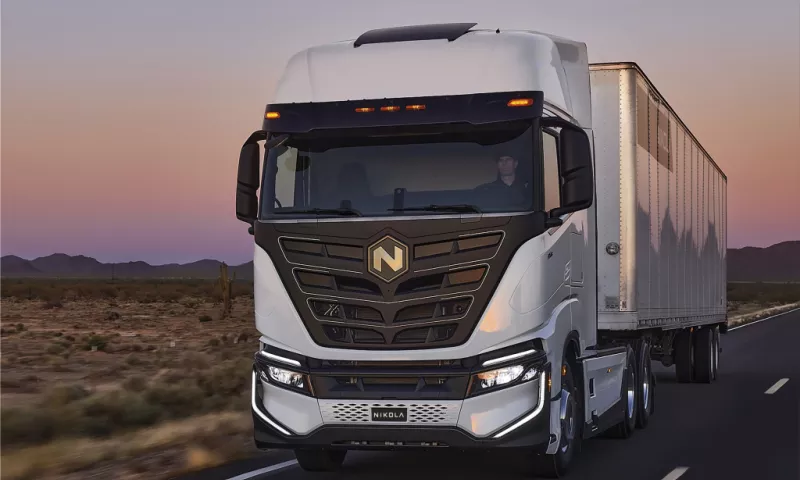
Iveco has made a surprising and daring decision: It has taken over the ownership of Nikola in Europe, effectively becoming the sole owner of the joint venture. This means that Iveco will fully control the...

Mercedes-Benz eActros electric truck

The first electric truck from Mercedes-Benz

Mercedes-Benz eActros electric truck
  • Mercedes-Benz

  • Mercedes-Benz eActros

The first Mercedes-Benz electric truck is just around the corner, as the German brand has scheduled its world debut in late June, making it the world's first electric heavy truck in mass production.

With this launch, Mercedes-...

Mercedes-Benz eEconic electric truck

The Mercedes-Benz eEconic electric truck is scheduled to go into production

Mercedes-Benz eEconic electric truck
  • Mercedes-Benz

  • Mercedes-Benz eEconic

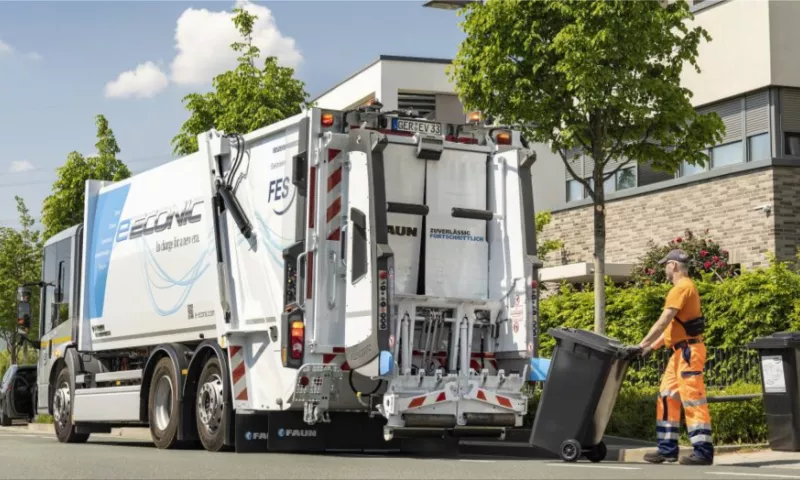
The Mercedes-Benz eEconic starts the final test phase before the series production. FES Frankfurter Entsorgungs- und Service GmbH is now using the Mercedes-Benz eEconic electric truck for municipal waste collection. The electric truck...

Mercedes-Benz E-Class

The Mercedes-Benz E-Class will be the last car built on the basis of a combustion engine

Mercedes-Benz E-Class
  • News
  • Mercedes-Benz E-Class
Mercedes-Benz is transitioning to electric vehicles. If market conditions permit, Mercedes-Benz only wants to put new battery-electric cars on the road in 2030. The next generation Mercedes-Benz E-Class, introduced in early 2023...

2024 Mercedes-Benz EQE AMG SUV

The 2024 Mercedes-Benz EQE AMG SUV: A New Breed of Electric Performance

Mercedes-Benz EQE AMG SUV
  • Mercedes-Benz

  • Mercedes-Benz EQE AMG SUV

The new Mercedes-Benz EQE AMG SUV is not your typical electric vehicle. It is not even your typical AMG vehicle. It is a new breed of electric performance that combines the innovation of the EQ class with the power and sportiness of...

Mercedes-Benz eCitaro Fuel Cell Wins 2026 Electric Bus Award

Mercedes-Benz eCitaro Fuel Cell Wins 2026 Electric Bus Award

Mercedes-Benz eCitaro Fuel Cell
  • Mercedes-Benz

  • Mercedes-Benz eCitaro

The Mercedes-Benz eCitaro fuel cell has taken the title Electric Fuel Cell Bus Champion 2026, giving Daimler Buses a third straight win in Omnibusspiegel's electric bus comparison program. This one carries extra weight....

Renault Trucks D Z.E. and Renault Trucks D Wide Z.E.

Renault Trucks will sell the D Z.E. and D Wide Z.E. as fully electric vehicles

Renault Trucks D Z.E.
  • Renault

  • European market

Renault Trucks Germany has announced that from spring 2022, it will only be offering its Renault Trucks D Z.E. and Renault Trucks D Wide Z.E. distribution models as fully electric vehicles. The versions with diesel engines...

Volvo FMX Electric

Volvo Trucks and Cemex Make History with First Electric Concrete Mixer Truck

Volvo FMX Electric
  • Volvo

  • Volvo FMX Electric

Concrete mixer trucks are essential for transporting ready-mix concrete to construction sites but also contribute to air pollution and noise levels. That's why Volvo Trucks and Cemex, a global leader in building materials, have teamed...

Mercedes-Benz EQS

The new Mercedes-Benz EQS 450+ from 106,374 euros

Mercedes-Benz EQS
  • Mercedes-Benz

  • Mercedes-Benz EQS 450+

The new Mercedes-Benz EQS 450+ isn't just Mercedes-first Benz's electric car, and this electric drive isn't just a glimpse at the all-new electrified S-Class - though both would be enough to get you excited.

It's also a first...

Tesla Semi

Tesla Semi Battery Specs Confirm Massive 822 kWh Long Range Pack

Tesla Semi
  • Tesla

  • Tesla Semi

The Tesla Semi battery specs have moved from estimate to regulatory data. A California Air Resources Board filing lists two certified 2026 Tesla Semi powertrain configurations: an 822 kWh Tesla Semi Long Range battery and...

Mercedes-Benz EQB

The new Mercedes EQB from 55,300 euros

Mercedes-Benz EQB electric car
  • Mercedes-Benz

  • Mercedes-Benz EQB

The new Mercedes EQB electric SUV can be ordered for 55,300 euros. The 4684 mm long, 1834 mm wide, and 1667 mm high Mercedes EQB offers five seats as standard and is optionally available as a seven-seater.

Initially, the...

Mercedes-Benz VLE
Mercedes-Benz VLE Price Starts at $88,544 With New Trims
Mercedes-Benz eActros 600
Mercedes eActros 600 Brings Electric Car Transport to Denmark
Daimler Buses Delivers eCitaro Fleet and Charging Infrastructure to Bonn

Like us!

EV stories

Latest Electric Vehicles Stories

2027 bZ Woodland vs Trailseeker: Which Off-Road EV Wins?

2027 bZ Woodland vs Trailseeker

Mercedes-Benz VLE Price Starts at $88,544 With New Trims

Mercedes-Benz VLE

2026 Alpine A390 GTS: 470 HP, 551 KM Range and Triple-Motor AWD

2026 Alpine A390 GTS

Mercedes eActros 600 Brings Electric Car Transport to Denmark

Mercedes-Benz eActros 600

Citroen e-C3 Tonic Gives Budget EV Buyers a Smarter Entry Point

Citroen e-C3 Tonic

Skoda Peaq UK Price and Specs: Seven-Seat Electric SUV Takes Aim at Kia EV9

Skoda Peaq electric SUV

Mercedes-Benz reECONIC: Electric Garbage Truck With a Twist

Mercedes-Benz reECONIC: Electric Garbage Truck

Racktours Adds First Mercedes-Benz eCitaro Electric Buses

Mercedes-Benz eCitaro Electric Buses

Kia PV5 Passenger Adds 6- and 7-Seat Variants for Electric Shuttle Duty

Kia PV5 Passenger

Solaris Urbino 15 LE Electric Heads to Bus Euro Test 2026 With 600 km Range

Solaris Urbino 15 LE Electric Heads to Bus Euro Test 2026 With 600 km Range

Partners

»Panorica  »Car division

Popular Electric Vehicles Stories

New BYD Atto 3 EVO Debuts AWD and 317-Mile Range

BYD Atto 3 EVO

Fiat Topolino: Urban Electric Mobility for Young Drivers

Fiat Topolino

Polestar Integrates Tesla Superchargers and Plug and Charge in Europe

Plug and Charge in Europe

Mercedes-Benz VLE Price Starts at $88,544 With New Trims

Mercedes-Benz VLE

Beta Technologies Introduces the CX300: An Electric Fixed-Wing Aircraft for Commercial Use

Beta CX300

The CityQ is a four-wheeled electric bicycle with car-like features

CityQ bike

Komma: a Tiny Modular EV Is the Future of Sustainable Transportation

Komma Compact urban electric vehicle

Polestar 3: The electric SUV that combines Swedish design, Chinese innovation, and American manufacturing

Polestar 3: The electric SUV that combines Swedish design, Chinese innovation, and American manufacturing

How to Actually Save Money in 2026: 5 Practical Tips That Work

How to Actually Save Money in 2026: 5 Practical Tips That Work

The new Mia 2.0 will be priced at about 16,000 euros

Mia Electric car
Ford
Mercedes-Benz
Polestar
Volkswagen
Renault
Citroen
BMW
Hyundai
Tesla
Opel
Skoda
Nissan
Audi
Fiat
Toyota
Jeep
Volvo
Kia
Peugeot
Mini
MG
Solaris
Dacia
Porsche
RSS feed
Polestar 3: The electric SUV that combines Swedish design, Chinese innovation, and American manufacturing
Twike 5 is a special three-wheeled electric vehicle
Polestar 5 Enters Gran Turismo 7
The Power of Comfort: Why EV Suspension is a Game-Changer
Mia Electric car
2026 Volkswagen ID. CROSS
BYD Atto 3 EVO
Nissan Ariya and NACS

· Cars · Vans · Semis · Buses · Trucks · Aircraft · Bikes
evstories.com · 2026 · Privacy Policy · Powered by Drupal