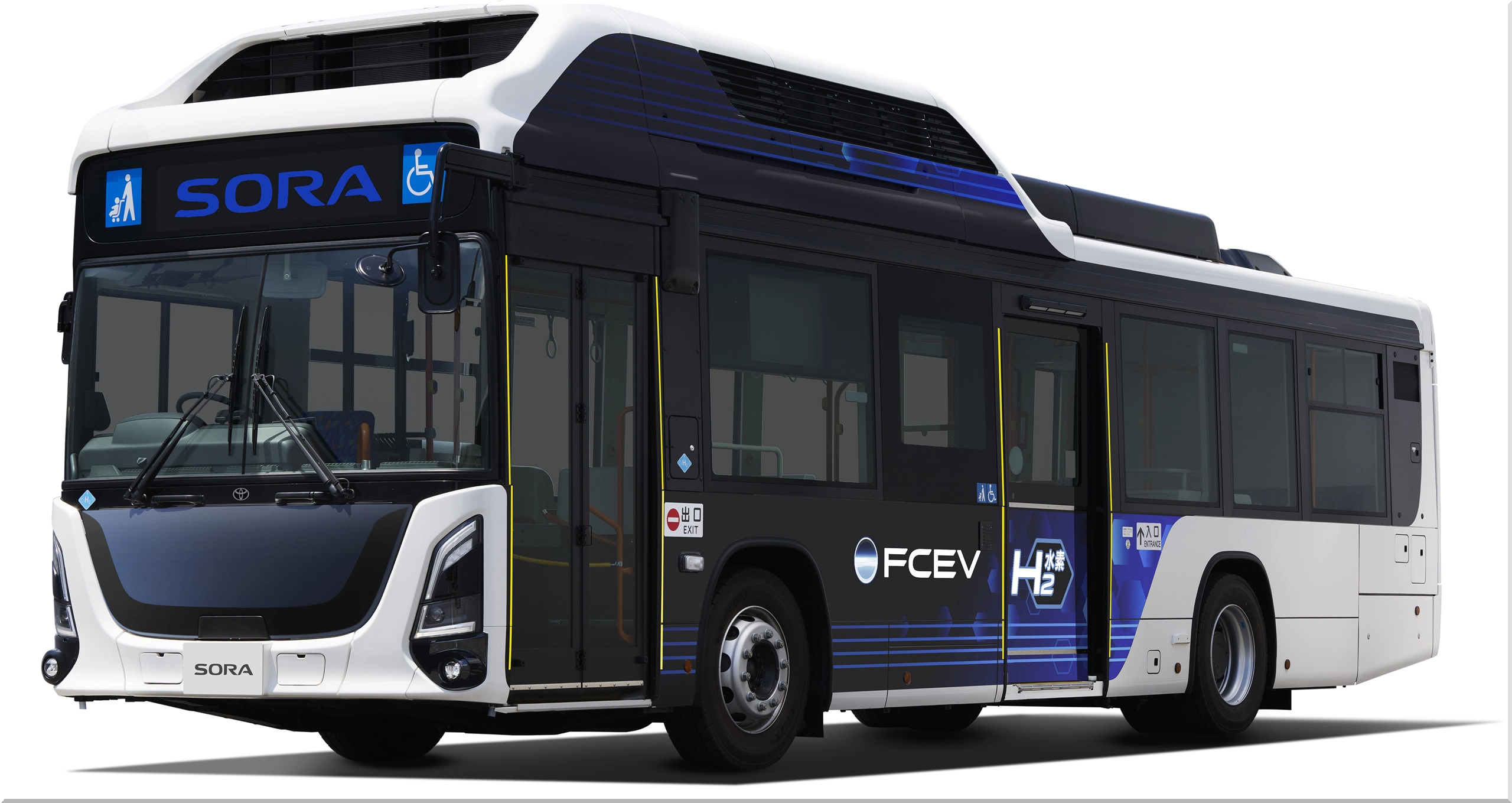
Toyota launched its new Sora fuel cell route bus on October, 2026, claiming more than 300 km (186 miles) of range, around 100 km (62 miles) above its predecessor. Hydrogen tank capacity falls approximately 20%. For fleet operators, the procurement question centers on passenger capacity and depot throughput.
What changes in the new Toyota Sora hydrogen bus?
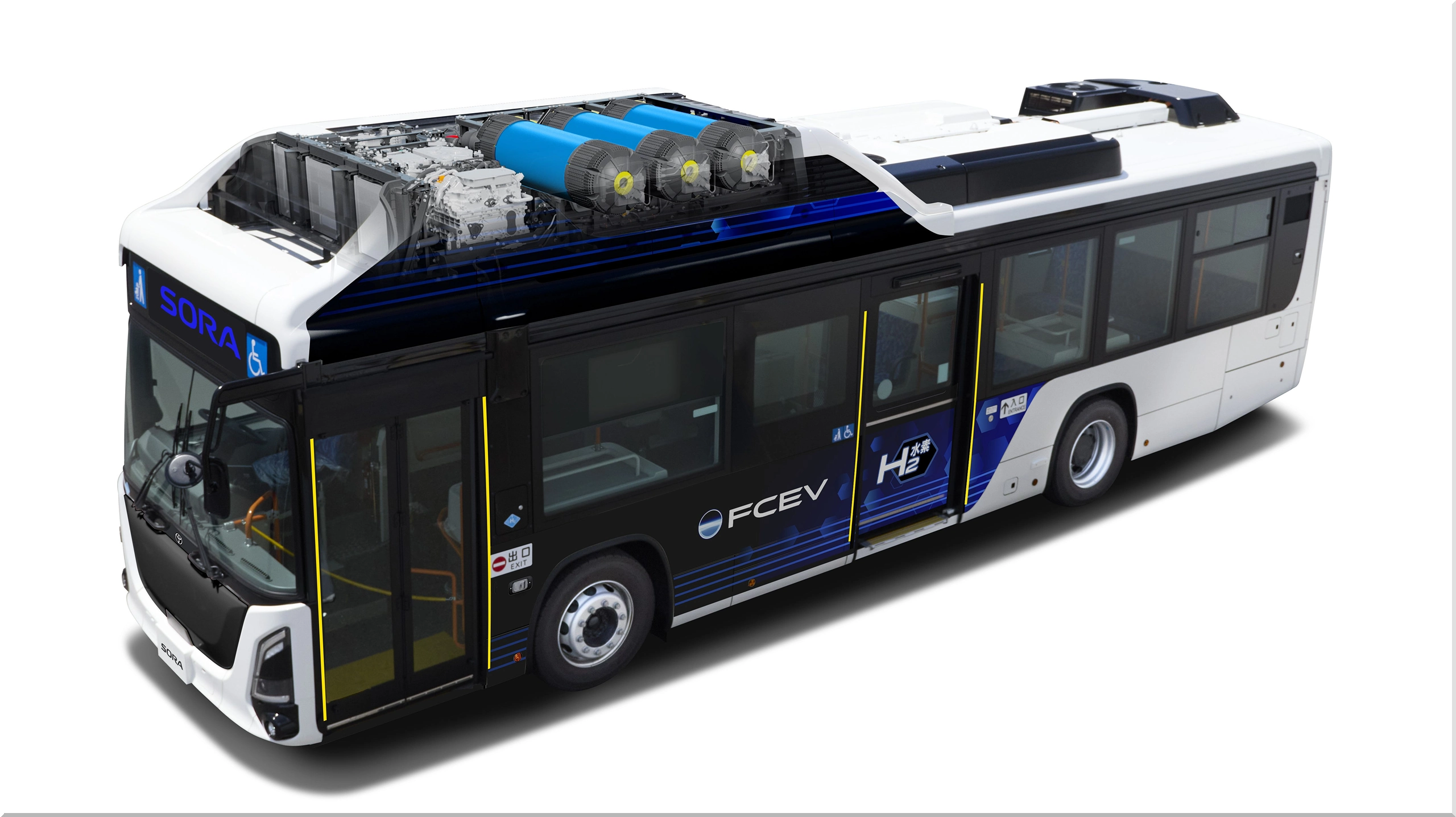
The Toyota Sora hydrogen bus combines Isuzu's battery-electric bus platform with Toyota's fuel cell system. Sharing components targets lower costs. Its 113 kW stack supplies electricity while a lithium-ion battery supports the drivetrain, allowing the twin motors to deliver peak output above the stack's rating.
| Specification | 2018 launch Sora | New 2026 Sora |
|---|---|---|
| Fuel cell output | 228 kW total | 113 kW |
| Traction motor output | 226 kW total | 220 kW total |
| Motor torque | 670 Nm (494 lb-ft) | 970 Nm (715 lb-ft) |
| Hydrogen storage | 10 tanks, 600 liters | 3 tanks, 471 liters |
| Battery chemistry | Nickel-metal hydride | Lithium-ion |
| Capacity, including driver | 79 people | 70 people |
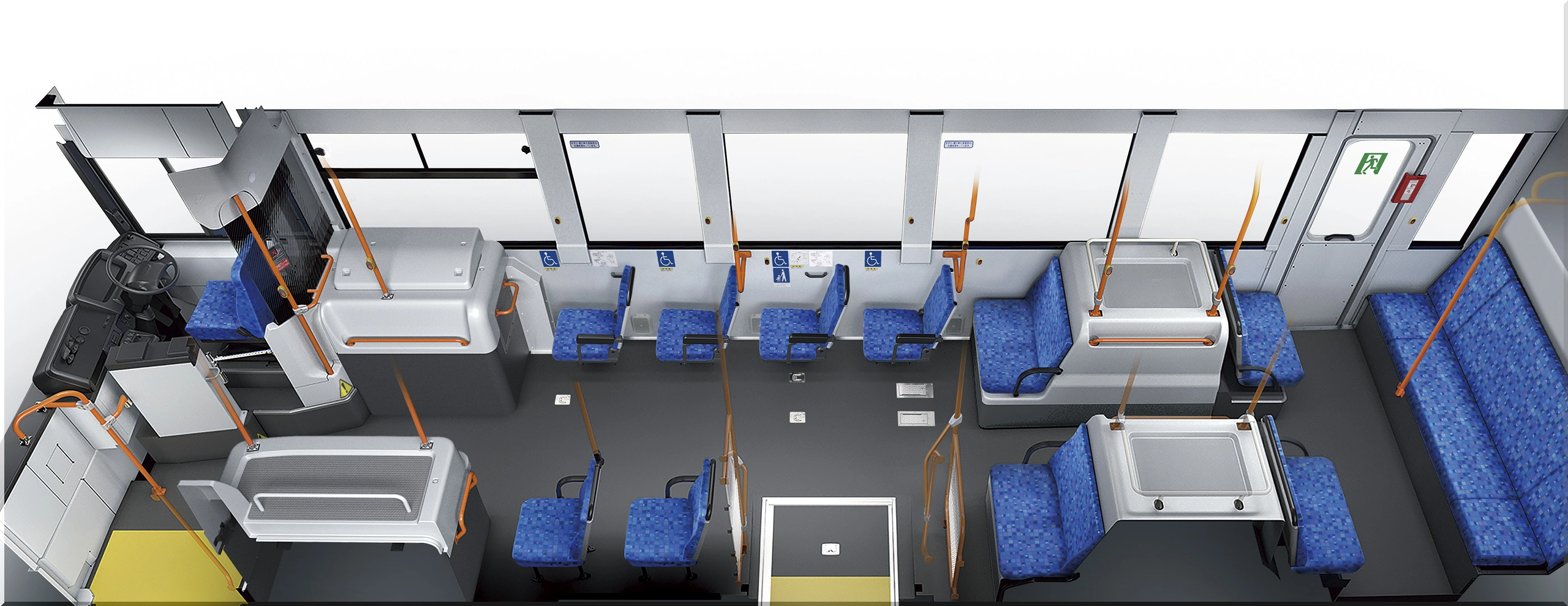
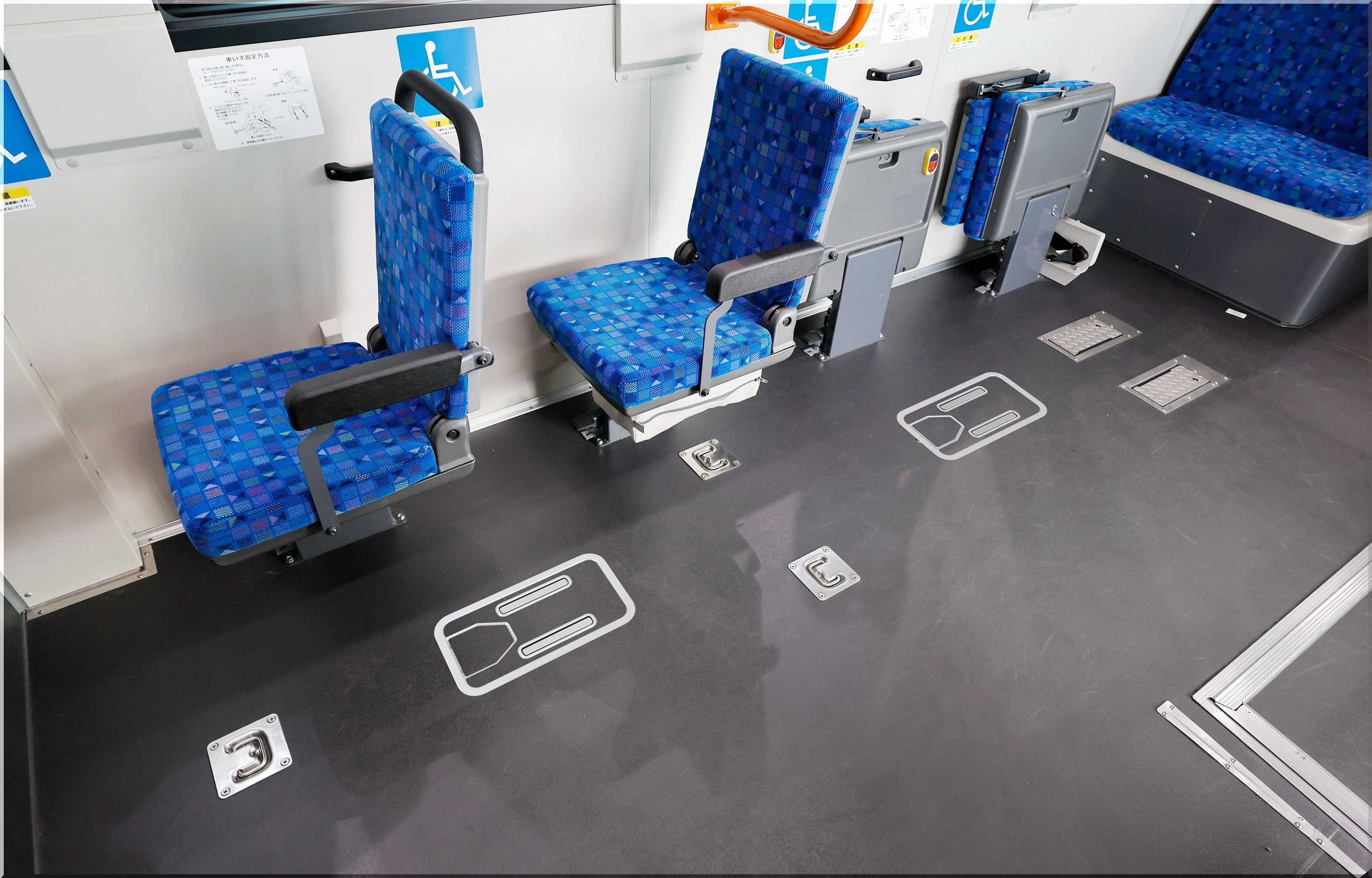
The urban model measures 10,545 x 2,485 x 3,440 mm (415.2 x 97.8 x 135.4 inches). Its tanks operate at 70 MPa, or 700 bar. Roof-mounted fuel cell hardware supports maintenance access, while the step-free floor improves passenger access.
Specifically, the quoted layout carries 19 seated passengers, 50 standing passengers, and one driver. That leaves nine fewer passenger places than the 2018 launch specification, making peak-load checks essential before replacement.
How quickly can fleets refuel the Toyota Sora?
Toyota quotes approximately 10 minutes for hydrogen refueling, with a compatible future high-speed station potentially halving that time. The estimates below assume sequential fills at one dispenser. They exclude vehicle positioning, hose handling, station recovery, and queues, so operators must add those delays when sizing depot infrastructure.
| Buses requiring sequential fills | At 10 minutes each | At a potential 5 minutes each |
|---|---|---|
| 1 bus | 10 minutes | 5 minutes |
| 10 buses | 100 minutes | 50 minutes |
| 30 buses | 300 minutes | 150 minutes |
Consequently, a 30-bus fleet would occupy one dispenser for five hours at the quoted current fill time, before other delays.
How should fleets assess Sora operating costs?
Start with route trials and a delivered hydrogen contract. Toyota publishes neither a purchase price nor hydrogen consumption in its launch release, leaving total cost of ownership unresolved. Operators need measured kg/100 km, station costs, maintenance terms, and spare-vehicle requirements before comparing Sora with battery-electric or diesel buses.
Pro-Tips:
- Test range with peak passenger loads, heating, and air conditioning.
- Multiply measured hydrogen use in kg/100 km by delivered USD/kg to obtain fuel cost per 100 km (62 miles).
- Add station financing and downtime costs before committing to a fleet order.