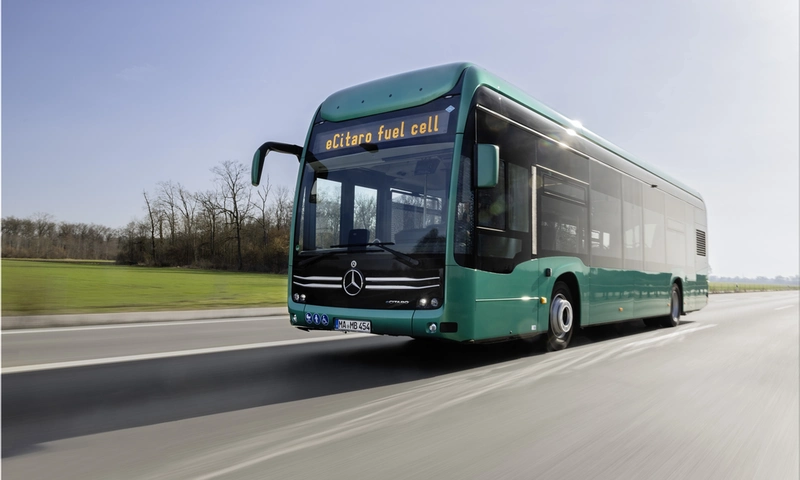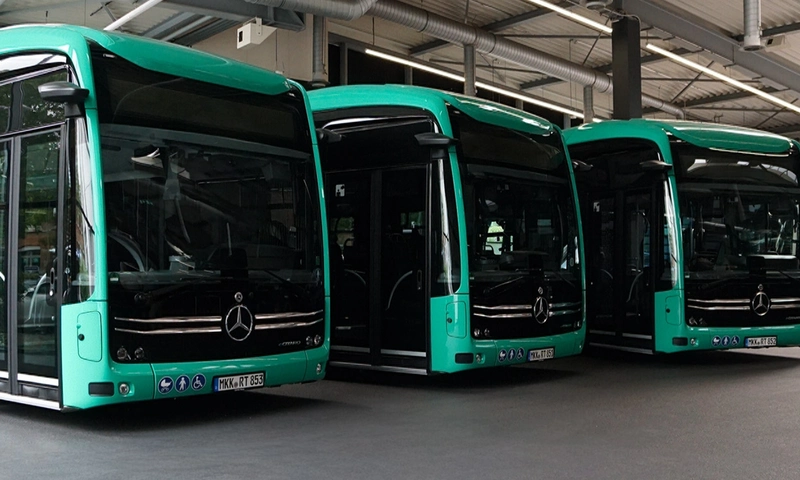
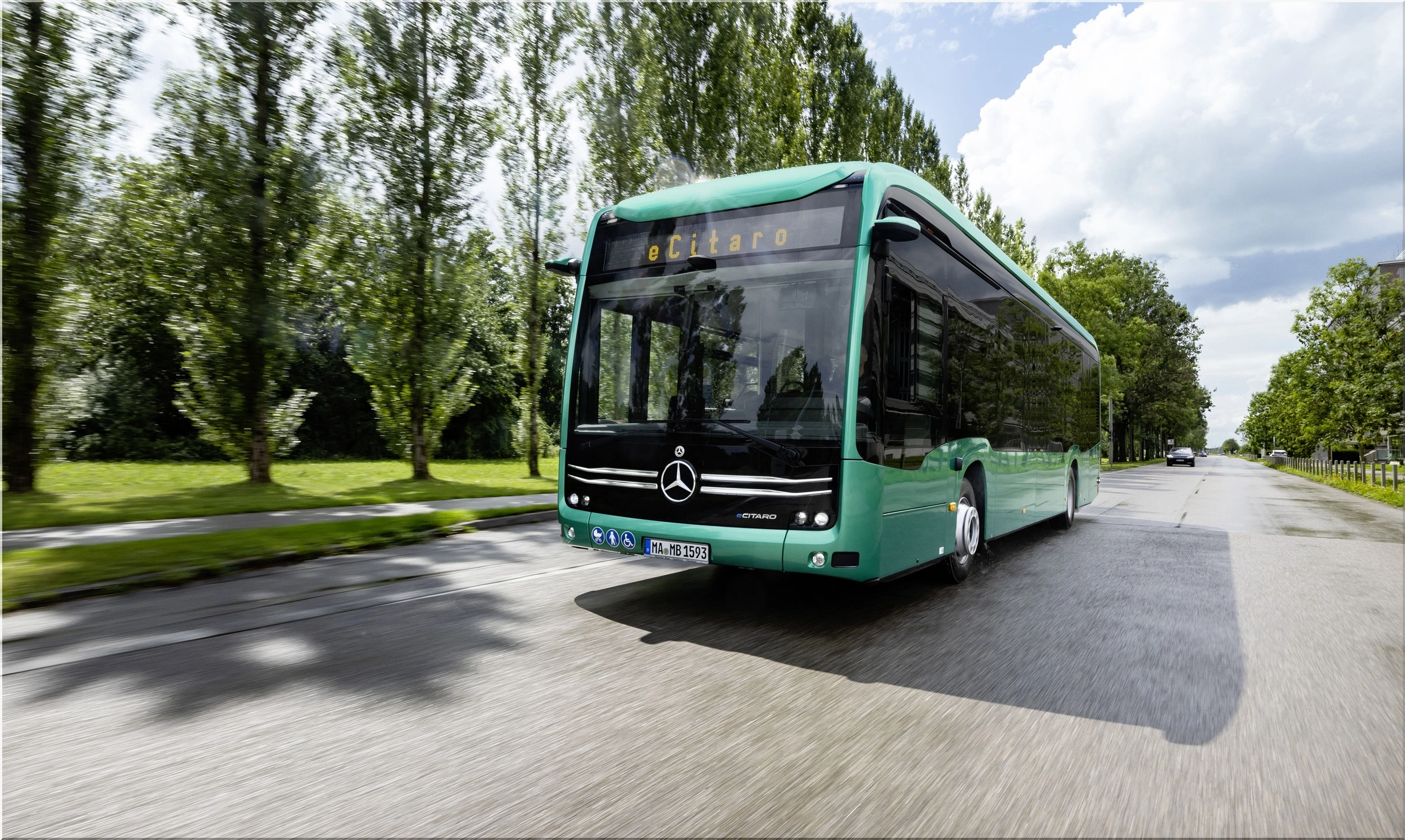
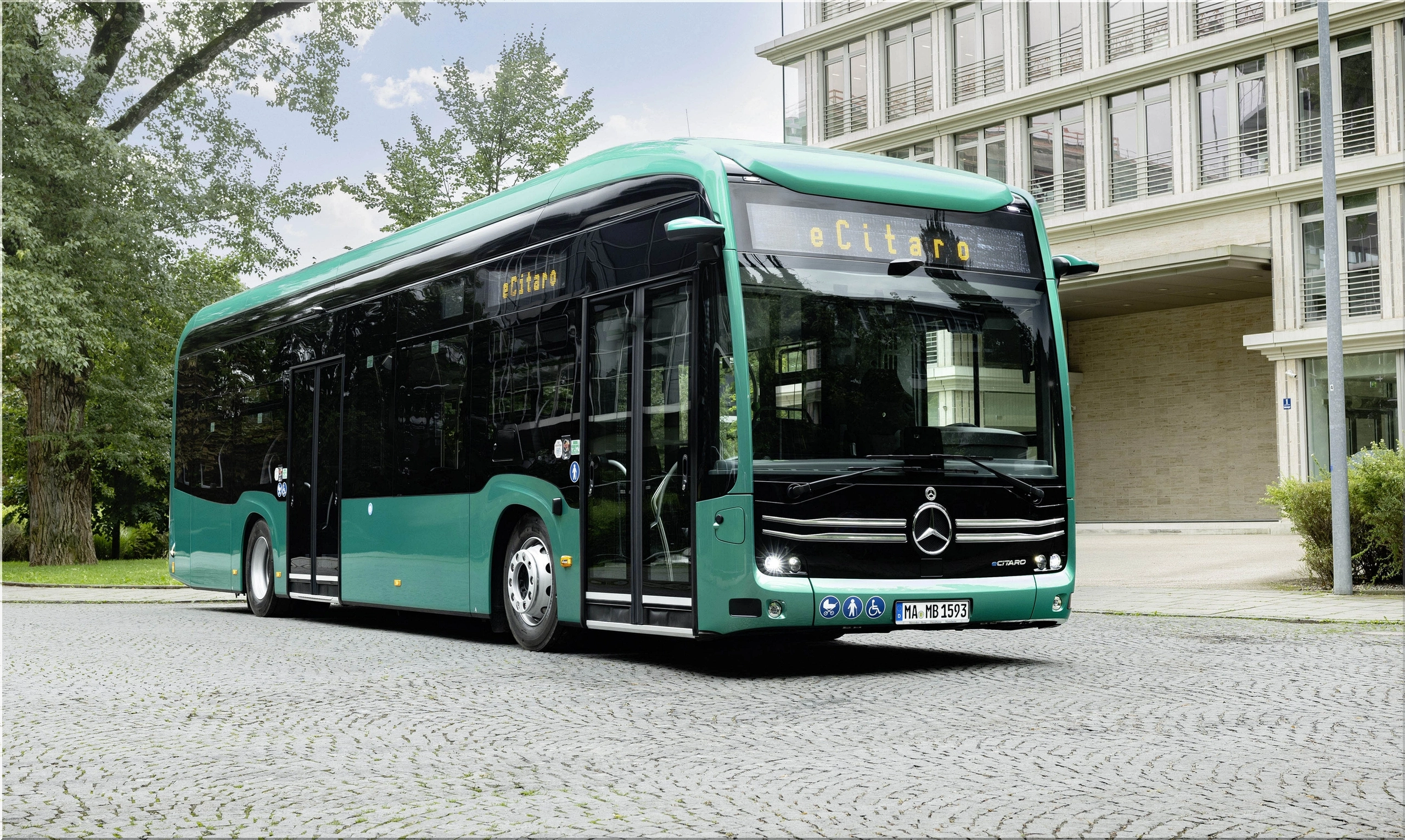
Daimler Buses will use mobility move 2026 in Berlin to push a very clear message into the electric transit market: the Mercedes-Benz eCitaro now pairs a new NMC4 battery with a fuller support stack that covers charging, digital fleet tools, and depot operations. That matters. Public operators do not buy a city bus on brochure range alone. They buy uptime, charging logic, service access, battery life, and a clean path to lower total operating cost.
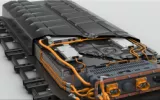
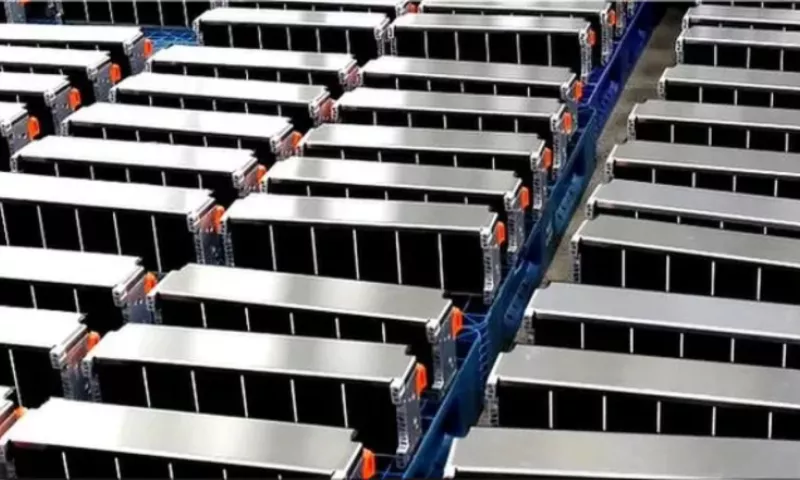
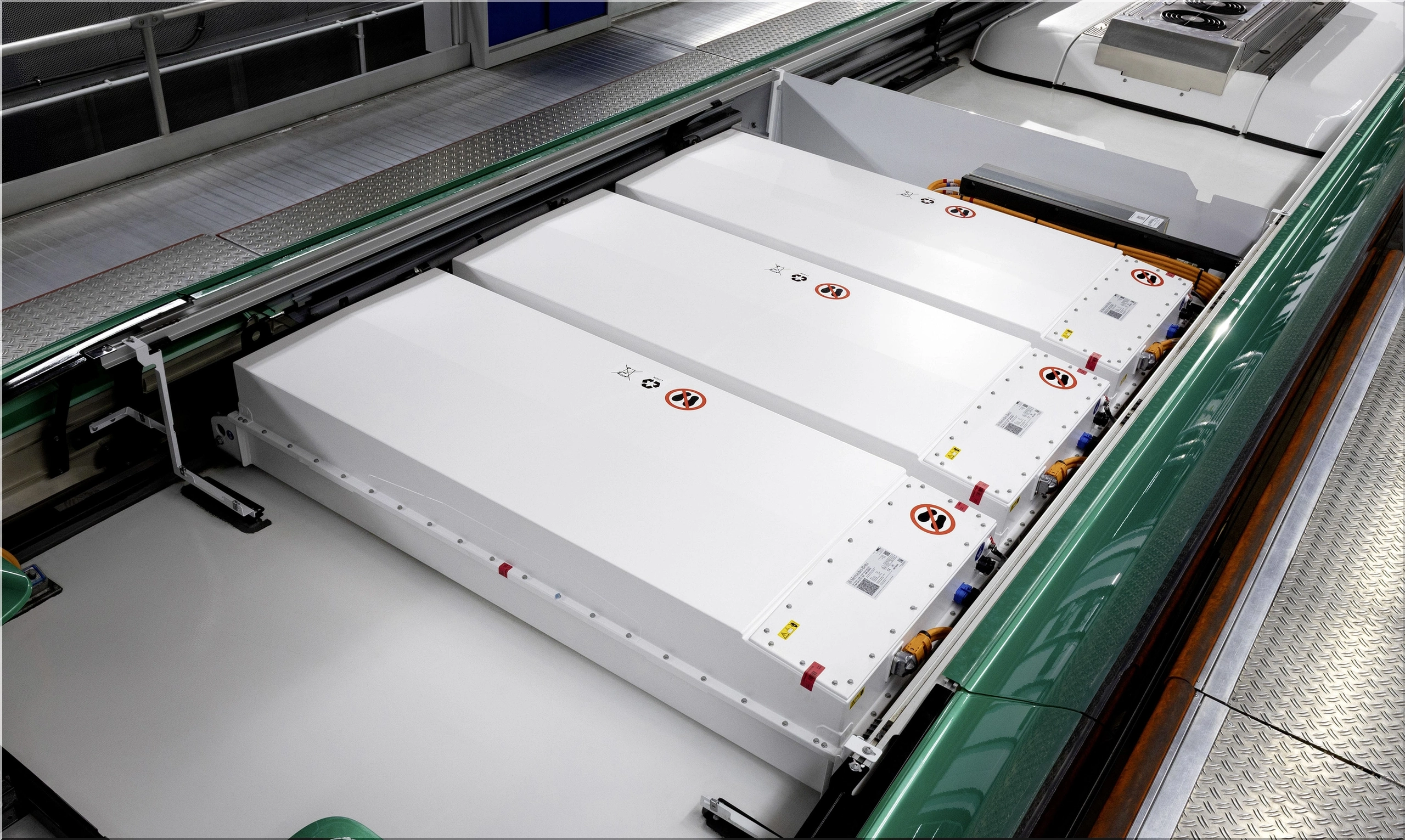
The biggest hardware story sits inside the pack. Daimler says the new fourth-generation lithium nickel manganese cobalt battery raises energy density by nearly 13 percent versus the prior NMC3 unit, lifting energy per pack from 98 kWh to 111 kWh without changing the installation space. Looking at the data, that gives the eCitaro, eCitaro K, and eCitaro G a direct path to more usable onboard energy, longer route coverage, and fewer compromises in HVAC-heavy urban duty cycles.
That battery change also hits the fleet spreadsheet in a second way. Daimler states the new pack supports a 10-year battery life, with optional coverage extending up to 15 years, while also tolerating regular fast charging at up to 300 kW. For operators that rely on opportunity charging, depot charging, or mixed-use patterns, battery longevity under higher charge rates often decides the real economics. A bus that keeps usable range for longer cuts replacement risk, lowers disruption, and keeps depreciation easier to model.
Why the New NMC4 Battery Matters
The engineering logic looks straightforward. Daimler kept the pack's structural design compatible with the current eCitaro family, so operators do not need a fresh vehicle architecture to gain the new chemistry. Specifically, the company says the NMC4 battery can fit existing Mercedes-Benz eCitaro models without vehicle modifications, and even retrofits remain possible when a full pack replacement becomes necessary.
That backward compatibility carries real value. It shortens integration work for depots, simplifies training, and reduces the chance that a current fleet turns obsolete just because a better battery arrives one product cycle later. By comparison, a new chemistry that demands a new body, new cooling package, or new service tooling usually raises the switching cost.
Daimler also tightened the safety case. The battery management system now monitors thermal behavior even when the battery sits in standby mode rather than only when the operating system runs. That sounds like a small software detail. It is not. Idle-state monitoring helps operators detect thermal anomalies sooner, supports fire prevention policy, and gives insurers one more reason to view the risk profile more favorably.
Battery and Range Data That Move the Needle
| Mercedes-Benz eCitaro NMC4 Data Point | Value |
|---|---|
| Previous NMC3 energy per pack | 98 kWh |
| New NMC4 energy per pack | 111 kWh |
| Energy density gain vs NMC3 | Nearly 13% |
| Standard slow/regular charging | Up to 150 kW |
| Regular fast charging capability | Up to 300 kW |
| Guaranteed battery lifespan | 10 years |
| Optional battery coverage | Up to 15 years |
From an expert perspective, the 111-kWh pack size matters because it stacks cleanly across several vehicle lengths and route profiles. More usable energy per module lets Daimler stretch capacity without giving up interior packaging space. Transit operators care about that because every packaging penalty can ripple into axle load, passenger flow, or seat count.
Battery Configurations, Capacity, and Claimed Range
The 2026 setup keeps the eCitaro family modular. The solo eCitaro and eCitaro K can use four to six battery packs, while the articulated eCitaro G can carry four to seven packs. With 111 kWh per pack, that pushes maximum installed energy to 666 kWh for the solo and K versions and 777 kWh for the articulated bus.
Daimler ties those larger capacities to big range numbers. The company states that the eCitaro solo bus and eCitaro K can reach up to 600 kilometers, while the eCitaro G can reach up to 450 kilometers in maximum configuration. Those are major numbers for city bus work. They move the eCitaro closer to full-day route coverage without demanding mid-shift charging on many duty cycles.
Operators should still read those figures as route-dependent, not universal. HVAC load, topography, stop frequency, average speed, passenger mass, winter operation, and charging strategy all move the real number. Even so, bigger usable capacity gives planners more room to handle bad-weather days and service disruption without padding the fleet too heavily.
Capacity and Range by Variant
| Variant | Battery Packs | Capacity per Pack | Max Total Capacity | Claimed Max Range |
|---|---|---|---|---|
| eCitaro K | 4 to 6 | 111 kWh | 666 kWh | Up to 600 km |
| eCitaro solo | 4 to 6 | 111 kWh | 666 kWh | Up to 600 km |
| eCitaro G | 4 to 7 | 111 kWh | 777 kWh | Up to 450 km |
Dimensions and Technical Footprint
Daimler did not change the core body packaging logic that already defines the eCitaro family. That matters because body dimensions still shape depot compatibility, curb approach, tire wear, turning performance, and route suitability.
Here is where the numbers stand for the family:
| Model | Length | Width | Width incl. Mirrors | Height | Wheelbase | Turning Circle |
|---|---|---|---|---|---|---|
| eCitaro K | 10,633 mm / 418.6 in | 2,550 mm / 100.4 in | 2,950 mm / 116.1 in | 3,400 mm / 133.9 in | 4,398 mm / 173.1 in | 17,284 mm / 680.5 in |
| eCitaro solo | 12,135 mm / 477.8 in | 2,550 mm / 100.4 in | 2,950 mm / 116.1 in | 3,400 mm / 133.9 in | 5,900 mm / 232.3 in | 21,214 mm / 835.2 in |
| eCitaro G | 18,125 mm / 713.6 in | 2,550 mm / 100.4 in | 2,950 mm / 116.1 in | 3,400 mm / 133.9 in | 5,900 mm + 5,990 mm / 232.3 in + 235.8 in | 22,970 mm / 904.3 in |
The standard 12-meter bus keeps a familiar European transit footprint. In addition, the 5,900-mm wheelbase and roughly 21.2-meter turning circle make the solo eCitaro workable for dense urban routes without pushing depot geometry into strange territory. The compact eCitaro K does the obvious job here: it gives operators a shorter battery-electric bus for tighter street grids and lower-volume routes while still keeping the same NMC4 cell logic.
Daimler's 2025 exhibition-vehicle data also gives a closer look at the standard 12-meter model. That bus measures 12,135 mm long, 2,550 mm wide, and 3,400 mm tall, rides on a 5,900-mm wheelbase, carries a 555-kWh NMC4 battery, and charges at up to 150 kW through the standard setup. It uses three-phase asynchronous motors with 140 kW continuous output per motor, 495 Nm per motor, and maximum wheel torque of 2 x 11,216 Nm.
Quick Specs That Fleet Planners Will Care About
- Passenger capacity
- eCitaro K: up to 84
- eCitaro solo: up to 88
- eCitaro G: up to 146
- Gross vehicle weight
- eCitaro K / solo: up to 20,000 kg
- eCitaro G: up to 30,000 kg in one configuration
- Key chassis data
- Front axle: independent suspension on multiple variants
- Rear axle: low-floor portal axle setup on the solo exhibition bus
- Tire size: 275/70 R 22.5 standard on the 12-meter exhibition bus
Omniplus CHARGE Turns the Bus Into a System Sale
The bus matters. The charging system matters just as much.
Daimler now pushes Omniplus CHARGE as a one-source eMobility offer that covers consulting, planning, infrastructure construction, electrical installation, chargers, maintenance, battery storage, charging management software, and linked digital services. That approach tracks where the market has moved. Transit agencies no longer ask only, "Which bus should we buy?" They ask, "Who will design the depot, size the chargers, manage the software stack, train the technicians, and keep the system running?"
The new Charging-as-a-Service option may prove even more important than the battery itself for some buyers. Daimler says it can take responsibility for building and operating the charging infrastructure while the customer charges at its own depot and pays via monthly billing. That can reduce upfront capital pressure, which often delays fleet electrification even when the route math already works.
By comparison, vendors that sell a bus but leave the operator to coordinate civil works, grid upgrades, charger procurement, software integration, and service contracts create more project friction. Daimler wants to reduce that friction. That is smart business.
Omniplus ON Adds the Digital Layer
The digital side of the pitch now carries more weight. Omniplus ON already includes remote diagnostics, vehicle tracking, consumption analysis, driver-style evaluation, and remote control functions for charging and preconditioning. Daimler also bundles many of these services into a temporary free package with new deliveries, and for electric buses those services run free for six years.
That free period matters because digital tools often look optional during procurement and mandatory six months into real fleet operation. A bus fleet with poor charging orchestration, weak battery-state visibility, or limited route analytics burns time and energy in ways that the sticker price never shows.
The newer tools target very specific operational pain points:
- Battery Monitoring
- Tracks battery-relevant KPIs
- Adds automatic warning functions
- Can call stored contacts when a critical event occurs
- Remote Charge Control
- Supports timed charging and preconditioning
- Lets operators cap state of charge to protect battery life
- Helps buses depart with the right charge level, not simply a full one
- Tracking Services Plus
- Adds speed-based geofencing
- Can automate speed limiter activation
- Reduces driver workload in controlled zones
Looking at the data, Daimler has stopped treating the e-bus as a standalone vehicle and started treating it as a managed energy asset. That change fits the electric bus business far better than old diesel-era thinking.
Competitive Position Against Other European Electric City Buses
The Mercedes-Benz eCitaro with NMC4 battery enters a very busy market. The direct comparison set includes the MAN Lion's City 12 E, Solaris Urbino 12 electric, and Volvo 7900 Electric. Each one brings a different strength. Daimler's current edge comes from installed energy, family modularity, and the depth of its charging-and-service package.
12-Meter Electric Bus Comparison
| Model | Max Battery Capacity | Claimed/Listed Range | Charging Power | Length | Output / Torque | Win/Loss View |
|---|---|---|---|---|---|---|
| Mercedes-Benz eCitaro solo | 666 kWh | Up to 600 km | 150 kW standard; NMC4 supports up to 300 kW fast charging | 12,135 mm | 2 x 140 kW continuous; 2 x 11,216 Nm wheel torque | Wins on battery size and route flexibility |
| MAN Lion's City 12 E | 445 kWh | 380 km | 150 kW | 12,200 mm | 160 kW continuous, 240 kW peak, 2,100 Nm | Strong drivetrain numbers, weaker energy reserve |
| Solaris Urbino 12 electric | Over 500 kWh | Not listed in source used here | Up to 240 kW | 12,000 mm | 2 x 125 kW | Strong charge rate, solid pack size |
| Volvo 7900 Electric 12 m | Up to 470 kWh | Not listed in source used here | 250 kW CCS / 300 kW OppCharge | 12.0 m | 200 kW max, 19,000 Nm wheel torque | Strong charging and safety stack |
From an SEO and market-read perspective, Daimler's case looks strongest for operators that value all-day range potential and want a bundled path into depot electrification. MAN stays highly competitive on a traditional 12-meter urban footprint. Solaris remains a serious player with solid battery and charging specifications. Volvo answers with powerful charging capability, safety systems, and a mature connectivity angle.
What This Means for Fleet Buyers
The new Mercedes-Benz eCitaro NMC4 package changes the buying conversation in three ways.
First, it gives operators more battery in the same space. That directly improves route planning, reserve margins, and calendar-life economics.
Second, it strengthens the safety and service case. Standby battery monitoring and automated warnings address a real operator concern rather than a marketing slogan.
Third, it turns Daimler deeper into a system supplier. The bus, the charger, the depot plan, the battery monitoring, and the ongoing service now sit closer together. That reduces integration drag.
Pro-Tips for Operators Evaluating the eCitaro
Pro-Tip: Ask Daimler for a route-based energy simulation that includes winter HVAC load, passenger mass, and depot dwell time. Max-range claims only help when they reflect your duty cycle.
Pro-Tip: Compare battery warranty terms to your depreciation model. A 10-year battery guarantee, with an option up to 15 years, can reshape lifecycle cost assumptions.
Pro-Tip: Price the bus and infrastructure together. A lower vehicle quote can lose fast if charger integration, civil works, and software subscriptions sit outside the deal.
Pro-Tip: Review idle-state battery monitoring and incident-alert workflows with your insurer and fire-safety team before signing. That can speed internal approval.
What Now?
If you run a city fleet, the next step looks practical:
- Map your busiest and longest daily blocks.
- Match those routes to 444 kWh, 555 kWh, 666 kWh, or 777 kWh eCitaro configurations.
- Model depot charging against a mixed strategy that uses battery protection settings, preconditioning, and staggered departure times.
- Compare Daimler's full-stack offer against MAN, Solaris, and Volvo on three hard metrics: usable route coverage, infrastructure complexity, and battery-life risk.
That is where the 2026 Mercedes-Benz eCitaro has real traction. The NMC4 battery raises the vehicle's ceiling. The Omniplus stack tries to lower the operator's workload. If both pieces perform in service, Daimler will have a stronger answer for one of transit's hardest questions: how to electrify at scale without creating a second depot full of new problems.
- Add new comment
- 104 views