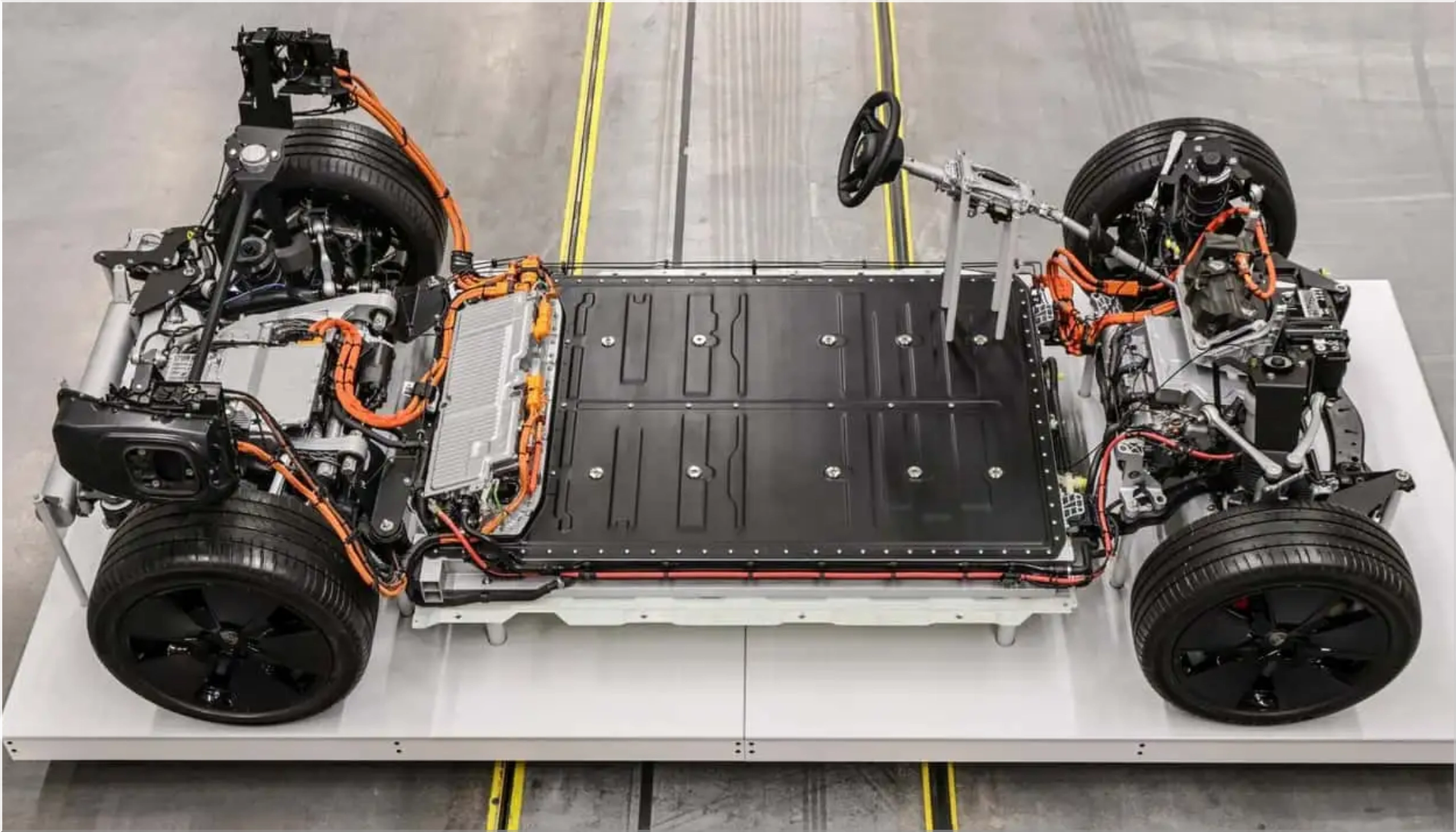
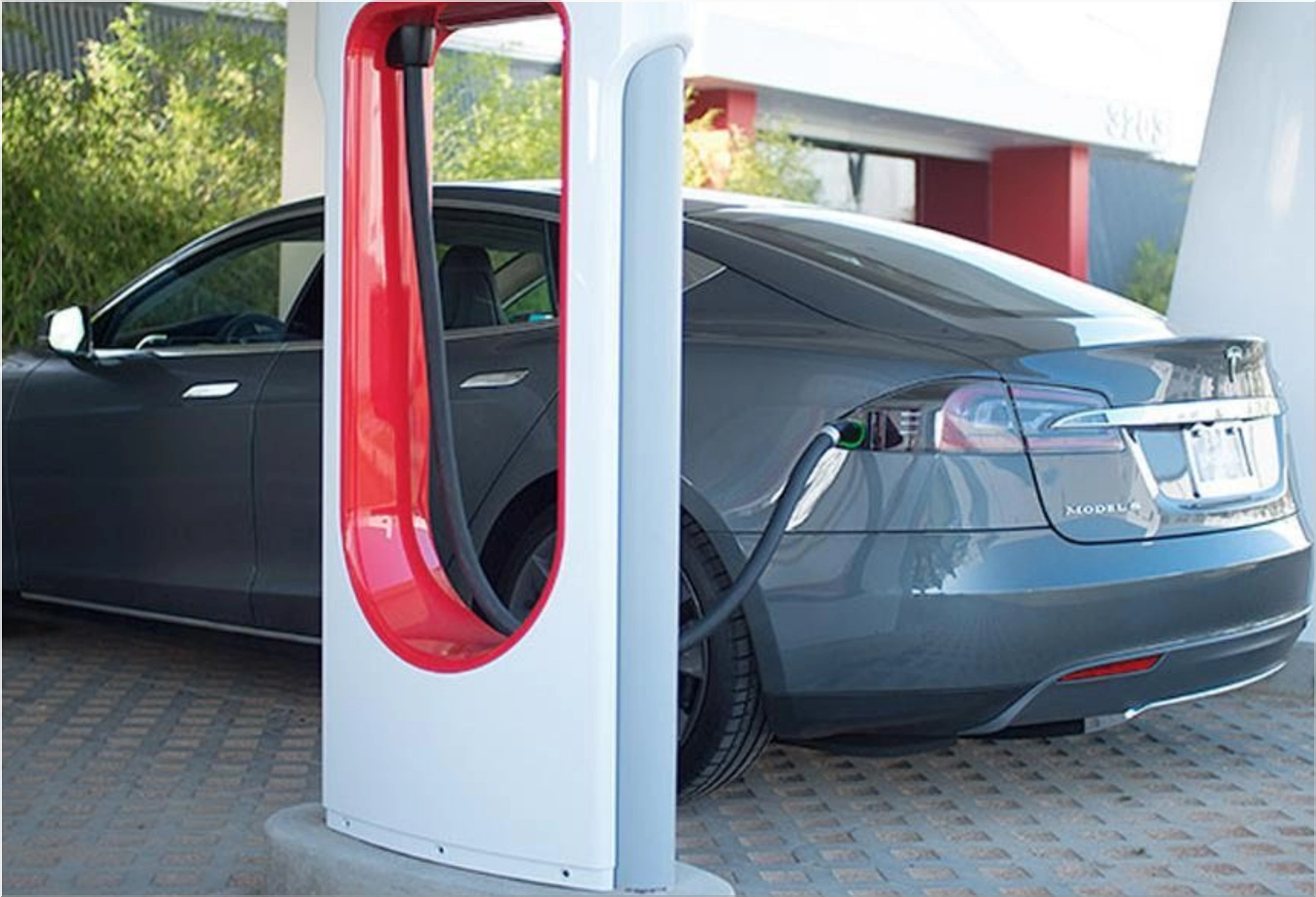
Electric vehicles sell on speed and convenience. Fast charging compresses hours of charging into minutes and supports long-distance travel without planning overnight stops. That benefit reshaped buyer expectations and accelerated EV adoption.
The trade-off shows up in battery data. Large-scale real-world analysis now confirms that high-power fast charging drives EV battery degradation more than climate, mileage, or total vehicle age. Charging power and charging frequency shape long-term battery health more than any other owner-controlled variable.
This article breaks down what the data proves, why degradation happens at the cell level, and how drivers can protect range and resale value without sacrificing usability.
What EV Battery Degradation Actually Means
Battery degradation measures the gradual loss of energy storage capacity inside a lithium-ion pack. New EV batteries begin life at 100 percent state of health. That number declines as chemical reactions inside the cells accumulate wear.
Degradation does not mean failure. A degraded battery still delivers power, charges normally, and remains safe. It simply stores less energy than it once did.
For owners, degradation translates into:
- Reduced real-world driving range
- Longer charging times at higher states of charge
- Lower resale and trade-in values
Most modern EVs now average 2 to 3 percent capacity loss per year. That figure already reflects improved cell chemistry, better cooling systems, and advanced battery management software. Charging behavior explains why some vehicles outperform that average while others fall short.
Why Fast Charging Impacts Battery Health
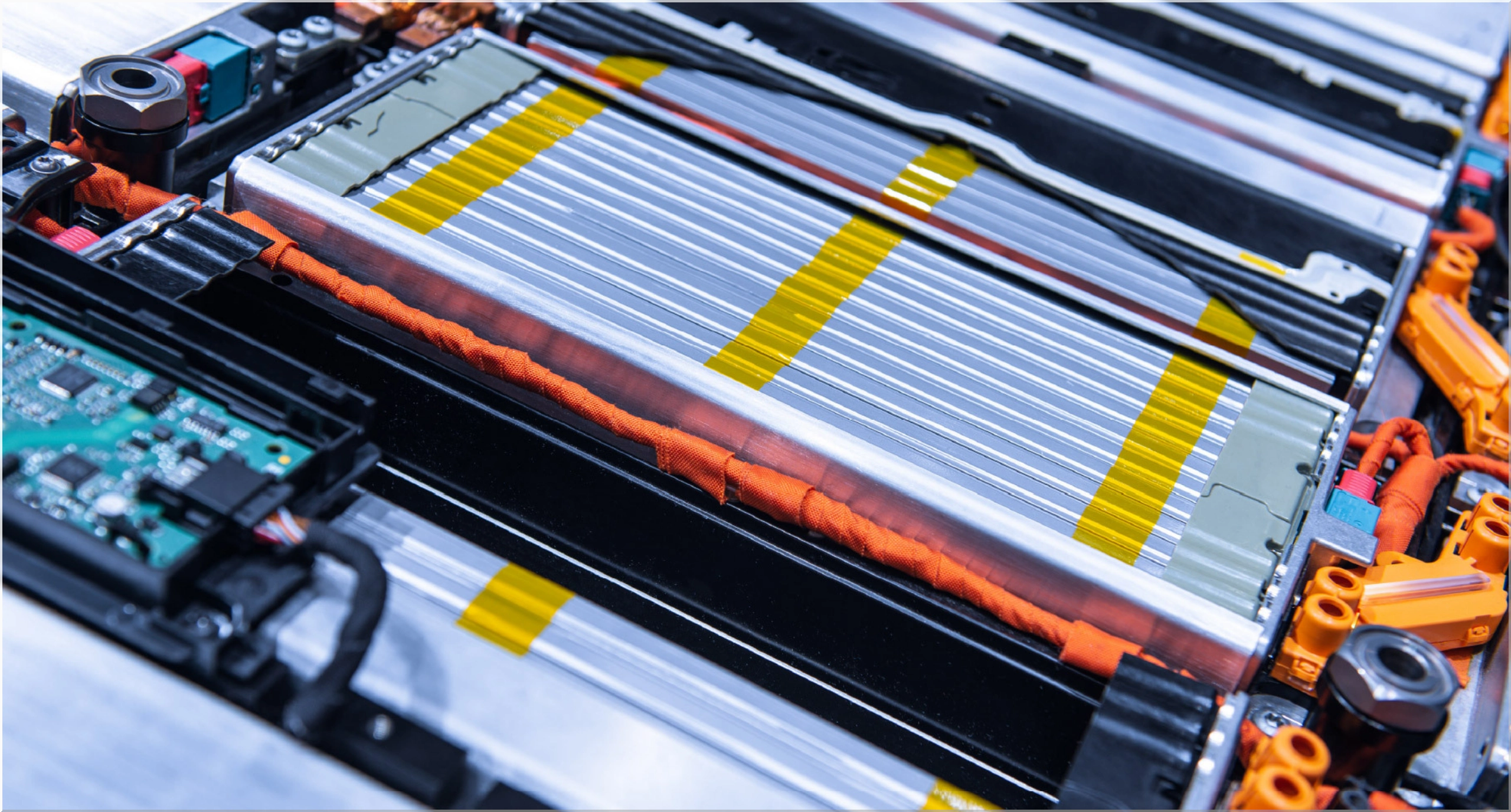
Fast charging forces large amounts of electrical current into battery cells over short time windows. That process increases internal temperature and raises electrochemical stress inside each cell.
Modern EVs counter these effects with liquid cooling, active thermal monitoring, and charge-rate tapering. These systems slow damage. They do not eliminate it.
High charging power accelerates:
- Lithium plating on the anode surface
- Growth of the solid electrolyte interface layer
- Internal resistance buildup within cells
Each effect reduces usable capacity over time. The damage compounds when drivers rely on DC fast charging as a routine energy source instead of an occasional tool.
Physics sets the limit. Software only manages the pace.
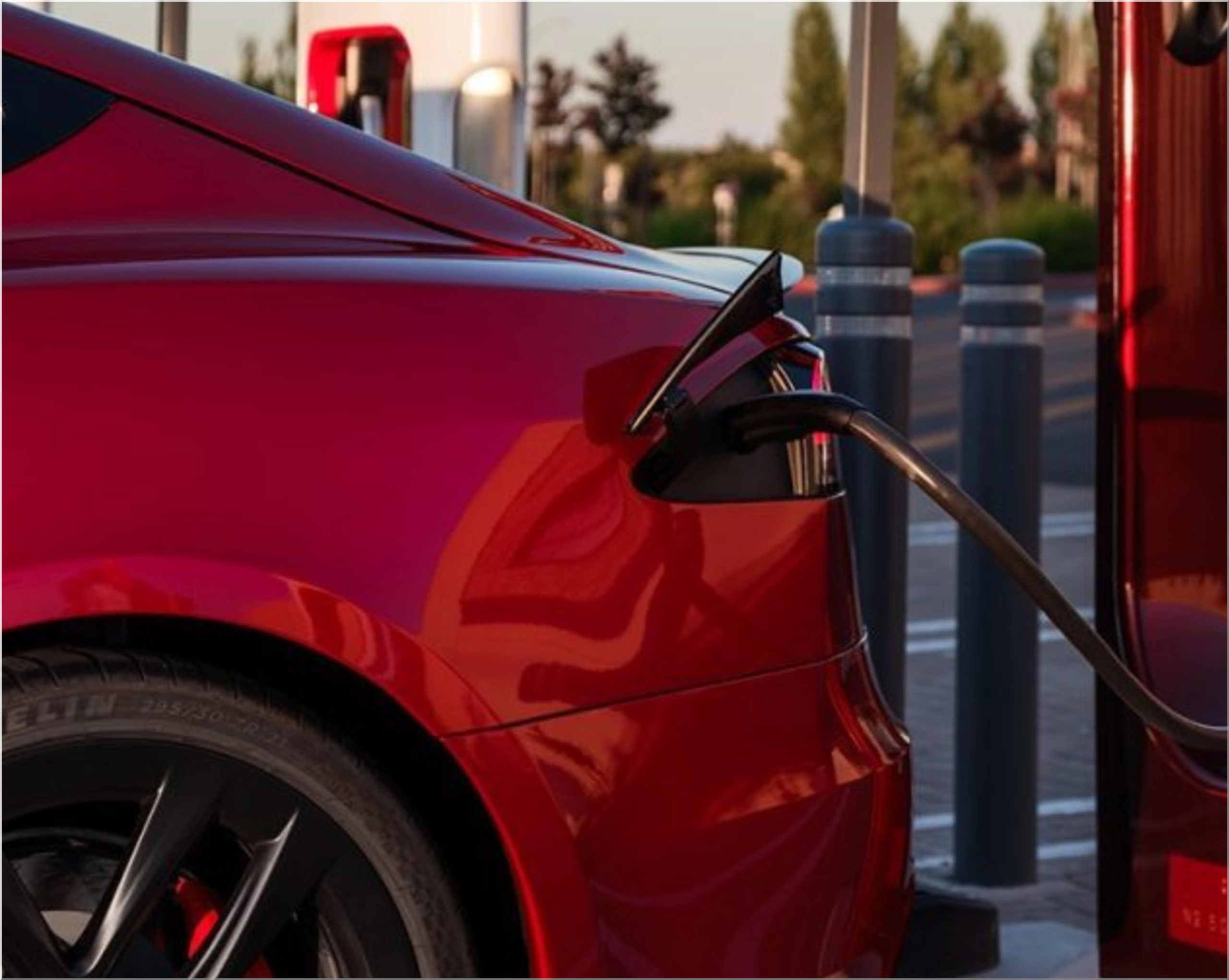
What the Data Shows About High-Power Charging
Real-world fleet data now covers tens of thousands of electric vehicles across multiple brands and battery designs. Patterns appear quickly at that scale.
Vehicles that depend heavily on 100 kW-plus fast chargers show consistently higher annual degradation than vehicles that rely primarily on AC or lower-power DC charging.
Key findings include:
- Average annual EV battery degradation sits near 2.3 percent
- Vehicles with limited fast charging exposure average 1.5 percent per year
- Vehicles with regular fast charging exceed 2.5 percent per year
- Heavy fast-charging users approach 3.0 percent per year
Climate plays a secondary role. Vehicles in hot regions degrade slightly faster, but charging power remains the dominant variable. Mileage also trails behind charging behavior in predictive strength.
Fast charging does not destroy batteries. It shifts the slope of long-term decline.
Frequency Matters as Much as Power
Single fast-charging sessions cause little harm. Patterns matter more than isolated events.
Vehicles that fast charge:
- Under 12 percent of total sessions show minimal acceleration
- Over 12 percent show a measurable increase in degradation
- Over 40 percent experience the steepest decline
The worst outcomes appear when high power and high frequency overlap. Vehicles that combine daily fast charging with peak power levels degrade fastest, regardless of brand.
This distinction separates road-trip use from daily dependency. Occasional convenience carries little penalty. Habitual reliance changes outcomes.
Battery Chemistry and Thermal Management
Battery chemistry influences how packs respond to heat and charging stress.
Most EVs sold in North America use nickel manganese cobalt (NMC) cells. These packs deliver high energy density and strong performance but react more sensitively to elevated temperatures and high current loads.
Some manufacturers now deploy lithium iron phosphate (LFP) batteries. These cells tolerate higher charge states and thermal stress better but sacrifice energy density. LFP packs still degrade under repeated fast charging, just at a slower rate.
Thermal management systems play a critical role. Liquid cooling stabilizes cell temperature and limits damage during charging. Software controls taper charging speed as the pack fills. These systems manage risk but do not remove cumulative stress from repeated exposure.
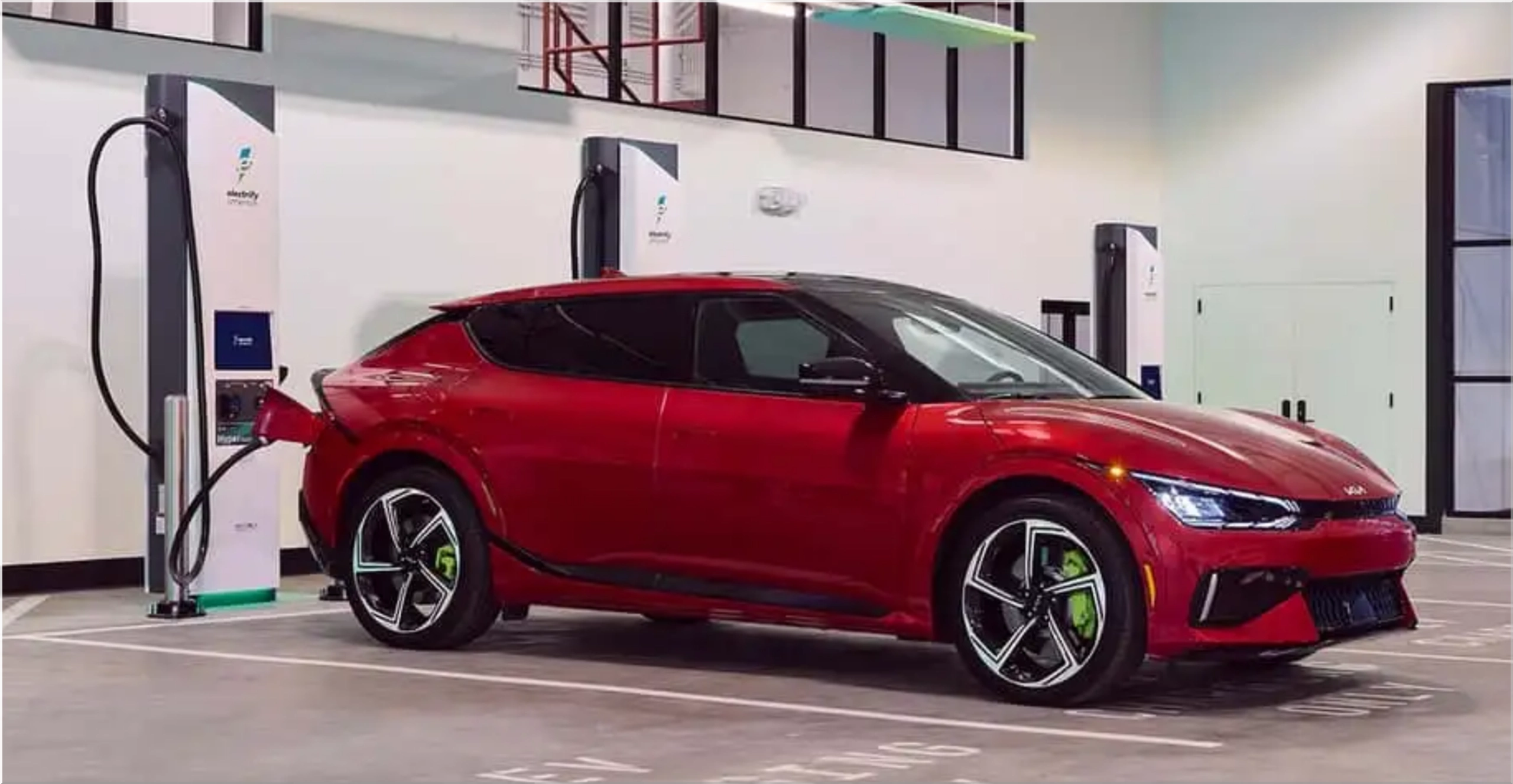
Comparison Table: Charging Behavior and Degradation Risk
| Charging Pattern | Typical Power Level | Annual Degradation Risk | Typical Use Case |
|---|---|---|---|
| Home Level 2 | 7 to 11 kW | Low | Daily overnight charging |
| Public AC | 11 to 22 kW | Low | Urban top-ups |
| Low-Power DC | Under 100 kW | Moderate | Travel stops |
| High-Power DC | Over 100 kW | High | Long-distance driving |
| Frequent High-Power DC | Over 100 kW, high usage | Highest | Commercial duty cycles |
The takeaway remains simple. Lower power equals lower wear.
State of Charge Behavior Also Influences Degradation
Battery wear accelerates near the top and bottom of the usable charge window.
Sustained time spent near:
- Full charge
- Deep discharge
increases chemical stress within cells.
Manufacturers advise daily charging between 10 and 80 percent for this reason. That range balances usability and longevity.
Fast charging pushes batteries rapidly through high-stress zones. Charging systems reduce speed near full charge, but repeated cycles still add wear. Automakers build hidden buffers above and below displayed percentages to protect the pack. Those buffers help, but charging behavior still shapes long-term results.
What This Means for Real Drivers
Most EV owners will never face practical problems.
Even with moderate fast charging use, modern EVs retain the majority of their original capacity after eight years. A vehicle rated for 350 miles when new still delivers well over 275 miles later under typical usage.
The issue matters more for:
- Drivers without home charging access
- High-mileage commuters
- Rideshare and delivery operators
- Owners planning extended vehicle retention
For these groups, charging strategy influences operating cost, downtime, and resale value.
Practical Steps to Reduce Battery Degradation
Drivers do not need rigid rules. Small adjustments deliver measurable benefits.
Smart Charging Practices
- Prioritize home or workplace AC charging
- Use fast charging for travel, not daily routines
- Stop DC fast charging near 80 percent
- Avoid storing the vehicle fully charged for extended periods
When Fast Charging Makes Sense
- Long-distance travel
- Time-critical stops
- Limited charging access scenarios
Battery management systems already protect against extreme misuse. Owner habits determine the long-term curve.
The Industry Trade-Off
Charging networks now install higher-power stations to shorten dwell times and improve throughput. Automakers advertise peak charge rates as headline specs.
This approach accelerates adoption. It also raises average degradation rates across the fleet.
Manufacturers account for this reality. Battery warranties reflect expected degradation under mixed usage patterns. The systems tolerate fast charging. They do not reward constant reliance.
Convenience carries cost. Awareness controls that cost.

The Bottom Line
High-power fast charging remains the strongest controllable contributor to EV battery degradation.
Large datasets confirm the same conclusion across brands, climates, and driving patterns. Charging power and frequency outweigh mileage, age, and temperature exposure.
Fast charging remains a valuable tool. Used selectively, it supports flexibility without penalty. Used constantly, it reshapes long-term battery performance.
Charge slow when time allows. Charge fast when distance demands it.
That balance protects range, resale value, and ownership satisfaction over the long run. @ Geotab.
- Add new comment
- 110 views