Polestar Turns Battery Circularity Into a Real Product Story With 50% Recycled Cobalt in Polestar 2 and Polestar 3
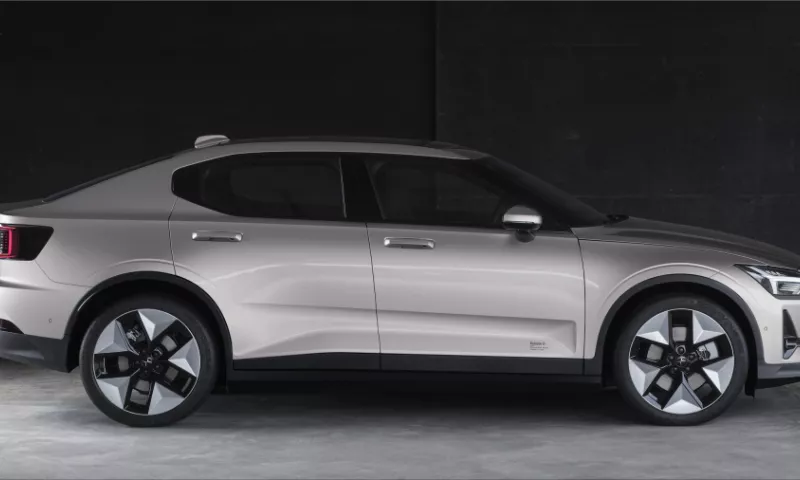
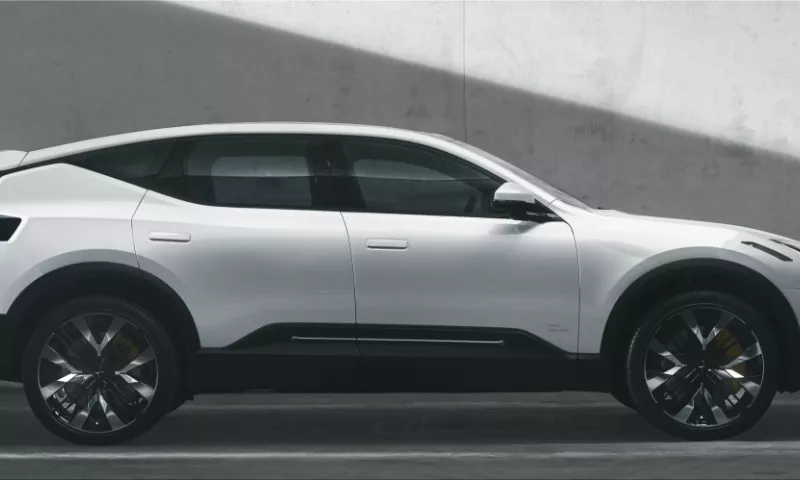
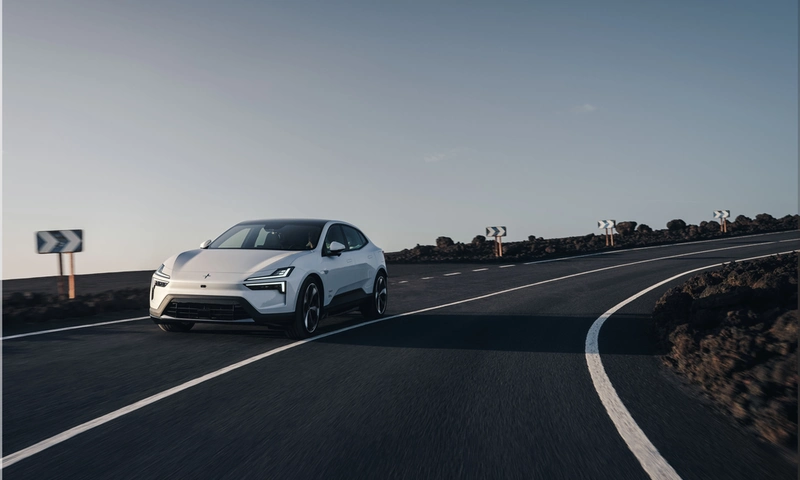
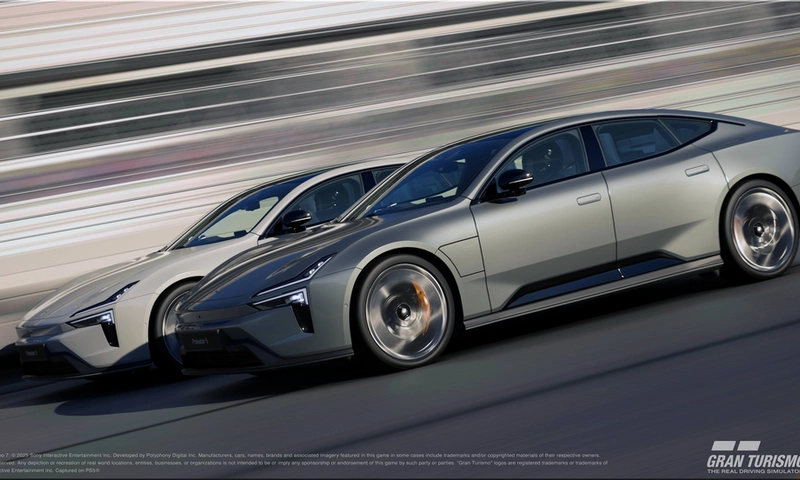
Polestar has moved the battery conversation away from slogans and into bill-of-materials territory. The company says the batteries used in Polestar 2 and Polestar 3 now contain at least 50% recycled cobalt, while the brand also expands battery refurbishment and end-of-life recycling partnerships across its markets.
That number matters because battery circularity only counts when it shows up in series production, not in a design sketch or a pilot lab. Looking at the data, Polestar now pairs recycled input at the chemistry level with battery refurbishment, traced materials, and published life-cycle reporting. That gives the company a stronger sustainability case than brands that only talk about future-loop recycling.
What changed in Polestar's battery strategy
Polestar's update has three clear parts. First, both models now use batteries with at least 50% recycled cobalt. Second, Polestar works with Volvo Cars battery centres to refurbish high-voltage packs and return replacement batteries with equivalent state-of-health. Third, it is building recycling partnerships market by market to recover more material when packs reach end of life.
Key takeaways
- Polestar 2 and Polestar 3 now use batteries with 50% recycled cobalt
- Polestar sends failed or replaced packs into a refurbishment flow, not a one-way scrap stream
- The company says it has cut relative CO2 emissions per vehicle by 25% since 2020
- Both models already sit inside a broader transparency program built around life-cycle assessments and blockchain-traced battery materials

Polestar 2 vs Polestar 3: the battery and vehicle context
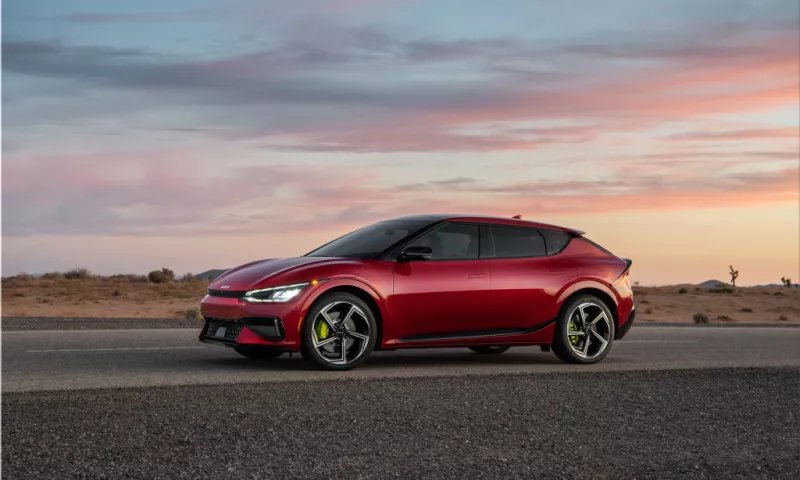
The circularity story lands harder because these are not niche city EVs. One is a midsize fastback sold at volume. The other is a large premium SUV with a far bigger pack and more material intensity.
| Model | Vehicle type | Battery size | DC fast charging | Official range context | Wheelbase | Length |
|---|---|---|---|---|---|---|
| Polestar 2 | Liftback EV | 70 kWh standard or 82 kWh long range | Up to 180 kW or 205 kW | Up to 409 mi WLTP in long-range form | 2,735 mm / 107.7 in | 4,606 mm / 181.3 in |
| Polestar 3 | Large electric SUV | 111 kWh | Up to 250 kW | Up to 506 km / 314 mi EPA in quoted spec context | 2,985 mm / 117.5 in | 4,900 mm / 192.9 in |
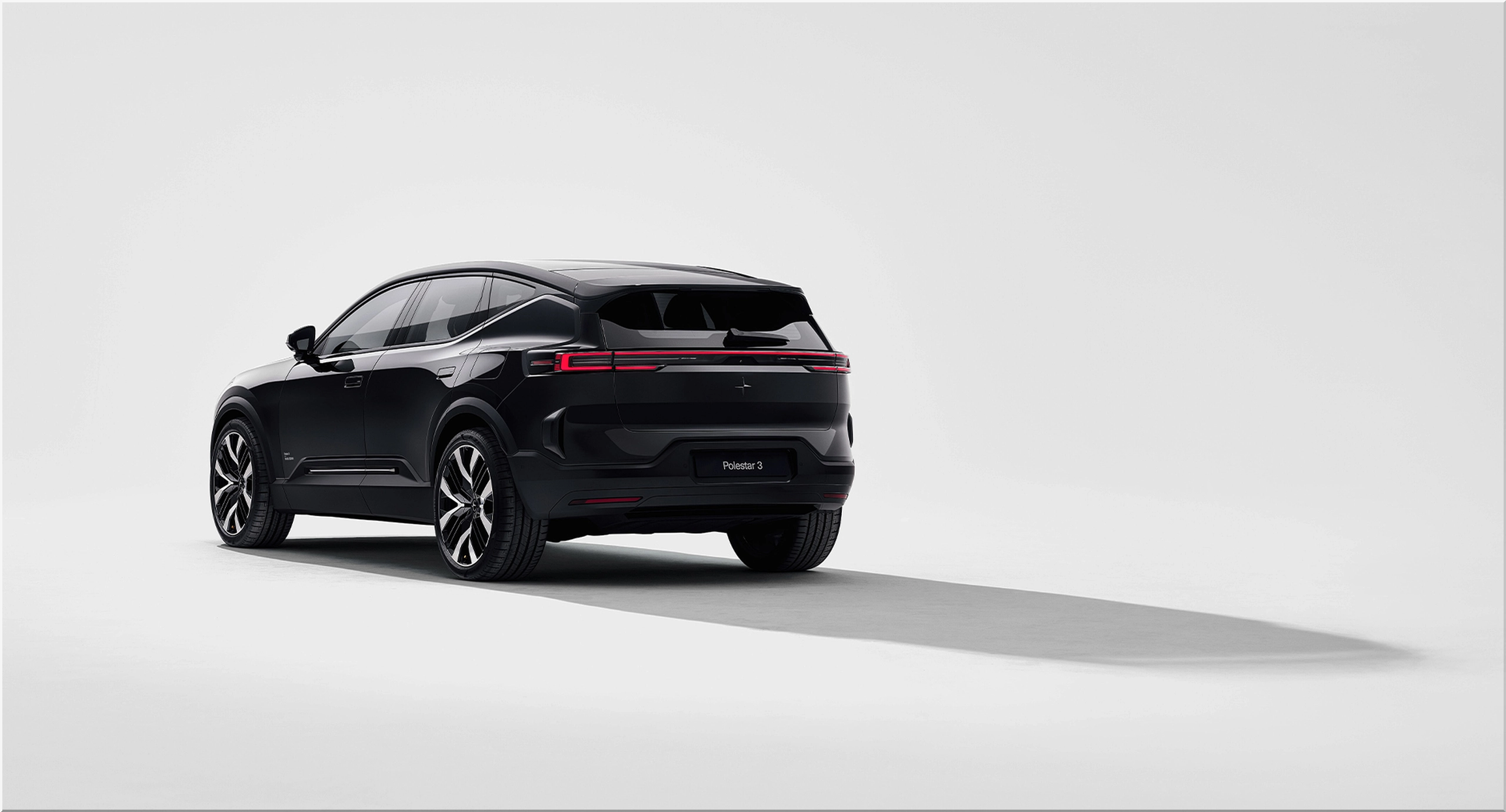
By comparison, the Polestar 3 carries more battery mass, more curb weight, and more raw-material exposure than the Polestar 2. That makes recycled-content gains inside a 111 kWh pack strategically important, because every percentage point has more tonnage behind it.
Why 50% recycled cobalt matters
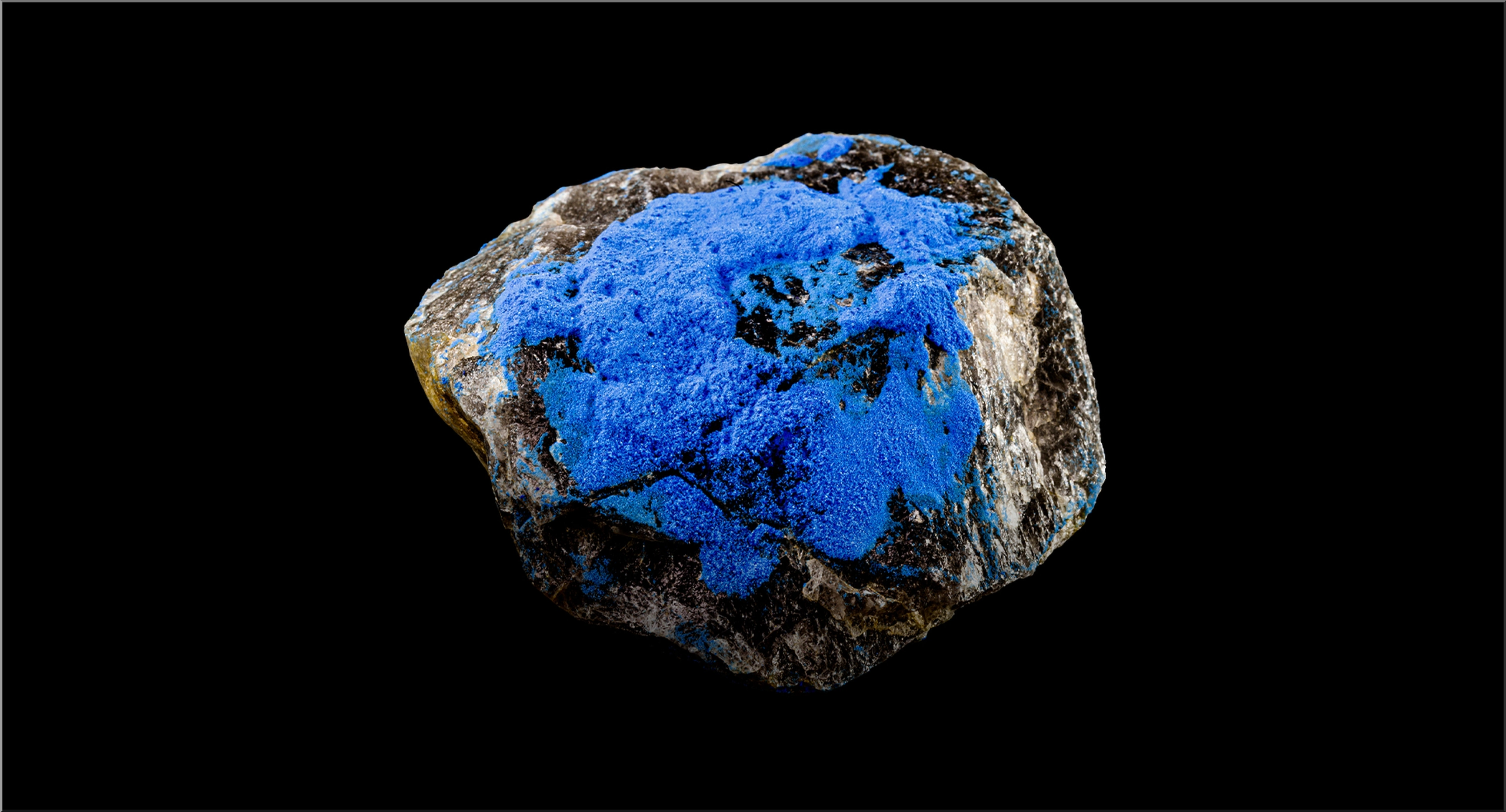
Cobalt still carries outsized risk in EV battery supply chains because it links directly to mining exposure, refining complexity, and compliance pressure. A 50% recycled share cuts dependence on virgin input and gives Polestar room ahead of regulation, not behind it.
Specifically, the EU battery framework sets future recycled-content floors for EV batteries that sit far below Polestar's current cobalt figure. That does not mean Polestar has solved battery circularity in full. It does mean the company has already pushed a live production number well past the coming minimum line for cobalt.
Definition: State-of-health describes how much usable battery performance remains compared with a new pack. Matching replacement packs to an equivalent state-of-health protects customer experience and residual value.
The smart part sits after the sale
A recycled-content claim only covers the front half of the battery story. The back half starts when a pack degrades, fails, or leaves the vehicle. That is where Polestar's refurbishment program earns its keep.
Consequently, Polestar avoids treating every battery issue like a full write-off. Refurbishment keeps cells, modules, and packs in use longer, which lowers pressure on virgin material demand and slows waste generation. From an expert perspective, that is the difference between a greener press release and an operating circular system.
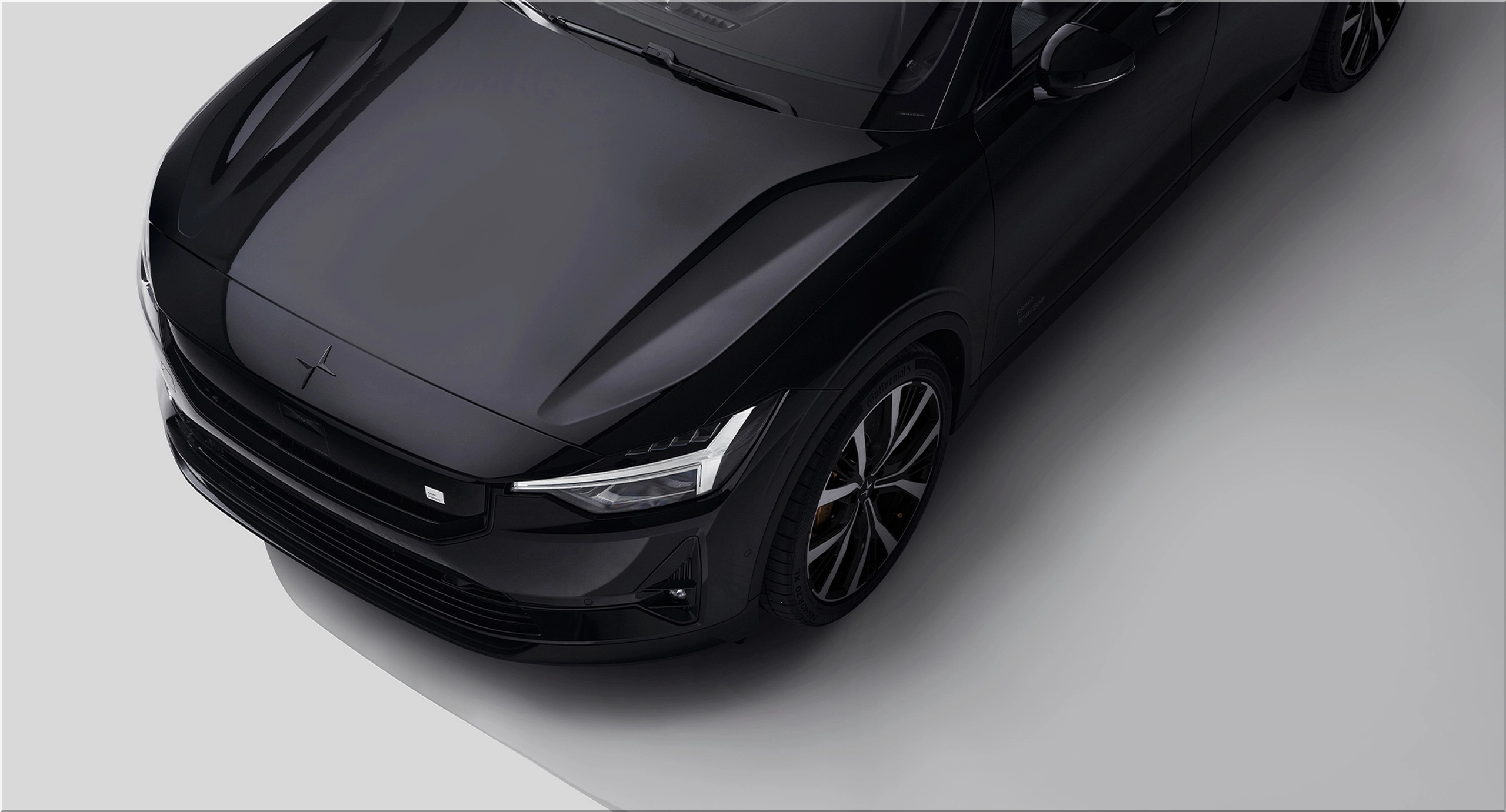
In addition, both models already sit inside Polestar's broader circular-design logic. The company says more than 85% of each vehicle is recyclable, and it traces key battery minerals through blockchain-based systems. Polestar 2 traces cobalt, mica, nickel, and lithium. Polestar 3 adds graphite to that traced-material set.
Where Polestar sits now
Polestar does not own the entire premium-EV circularity field. BMW, Mercedes-Benz, and the Volkswagen Group all push hard on battery materials and recovery. But Polestar's current move stands out because it combines a production recycled-content figure, refurbished replacement packs, and model-level transparency.
| Brand | Public battery circularity signal | What it means in practice | Current read |
|---|---|---|---|
| Polestar | 50% recycled cobalt in Polestar 2 and Polestar 3 batteries; refurbishment via Volvo Cars battery centres | Recycled input in on-sale vehicles plus value retention after replacement | Strong real-world execution |
| BMW | Neue Klasse Gen6 cells target 50% secondary cobalt, lithium, and nickel | Very aggressive chemistry-level circularity for next-gen EVs | Strongest disclosed multi-metal target |
| Mercedes-Benz | In-house battery recycling plant with more than 96% recovery rate | Big recovery upside at end of life | Heavy strength in recycling infrastructure |
| Volkswagen Group / Audi | Closed-loop battery recovery program with upward of 90% recycling target in pilot operation | Focus on material recovery scale | Strong industrial-loop direction |
The win for Polestar comes from immediacy. The company is talking about current production models, not only future architectures.
Pro-Tips
- Watch for Polestar to publish fresh percentages for lithium, nickel, or graphite next. That would turn a strong cobalt story into a broader chemistry story.
- Battery refurbishment may become a bigger resale lever than many buyers expect. Better replacement logic can protect used-EV confidence.
- For SEO and brand positioning, Polestar should keep pairing recycled battery materials with hard life-cycle data. That builds trust faster than broad sustainability language.
What now?
Polestar has a solid opening. The next step is simple: disclose more chemistry detail, expand closed-loop recovery, and tie every update to model-level carbon accounting.
For buyers, the message is clearer than before. If Polestar 2 and Polestar 3 already carry 50% recycled cobalt, plus refurbishment support and traceability, Polestar has moved battery circularity from theory into product reality. That is where premium EV sustainability starts to count.
- Add new comment
- 67 views