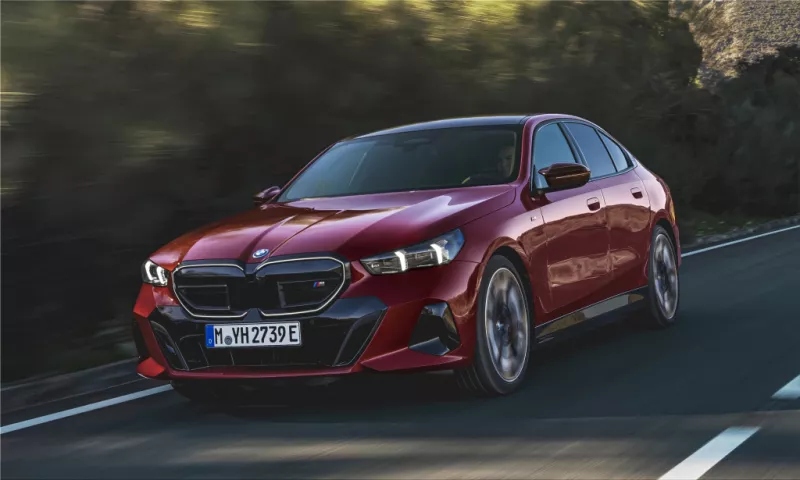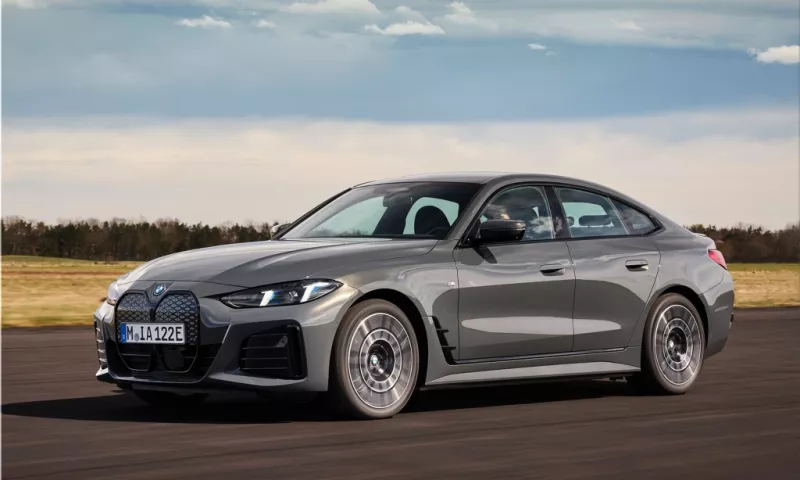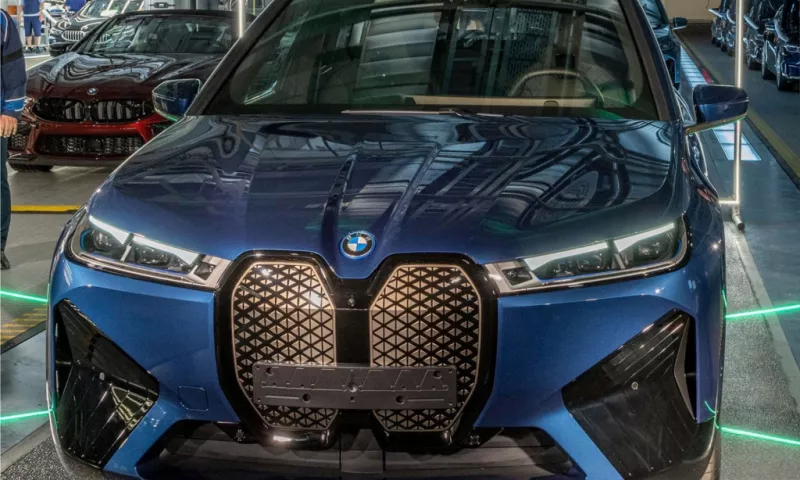
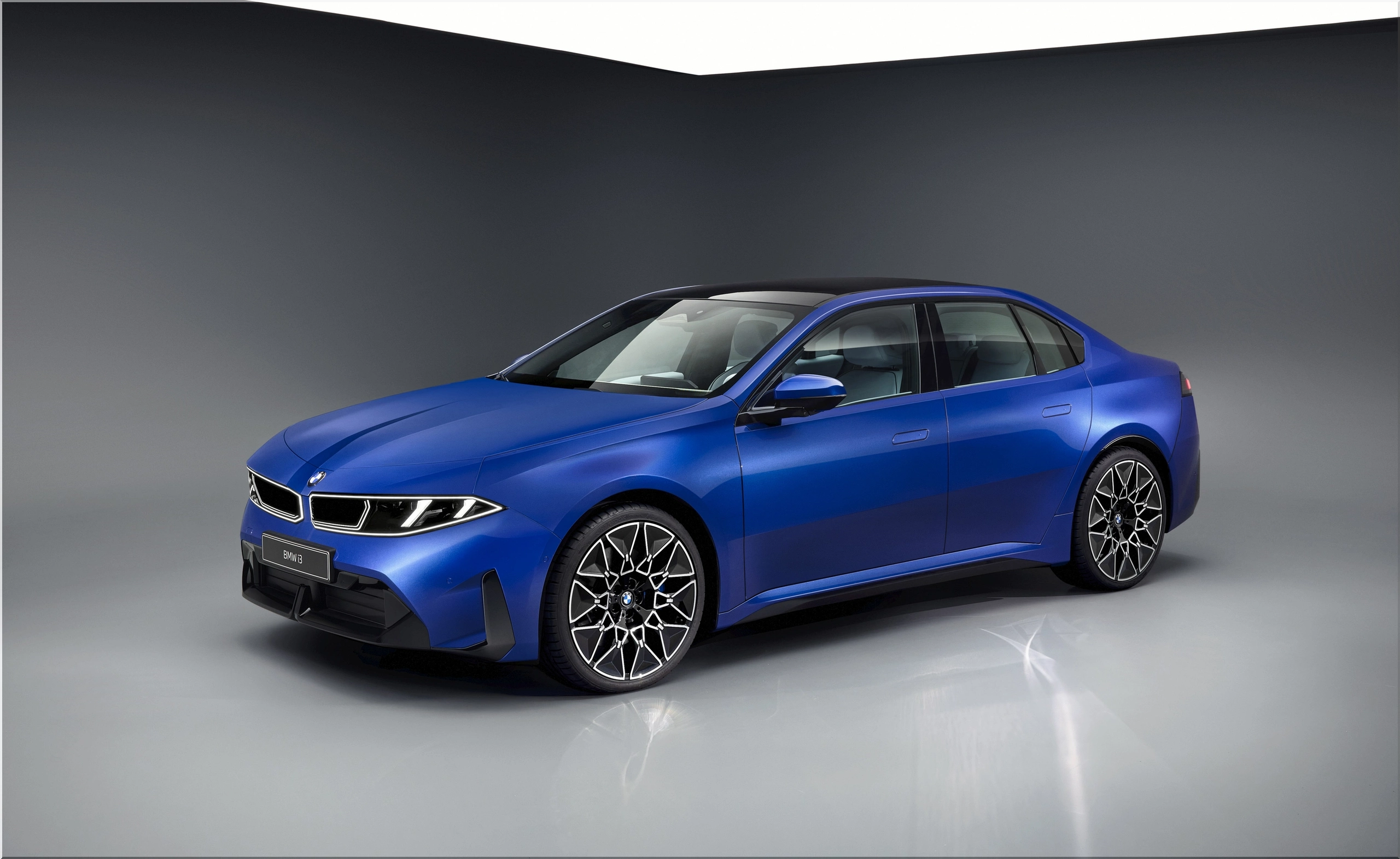
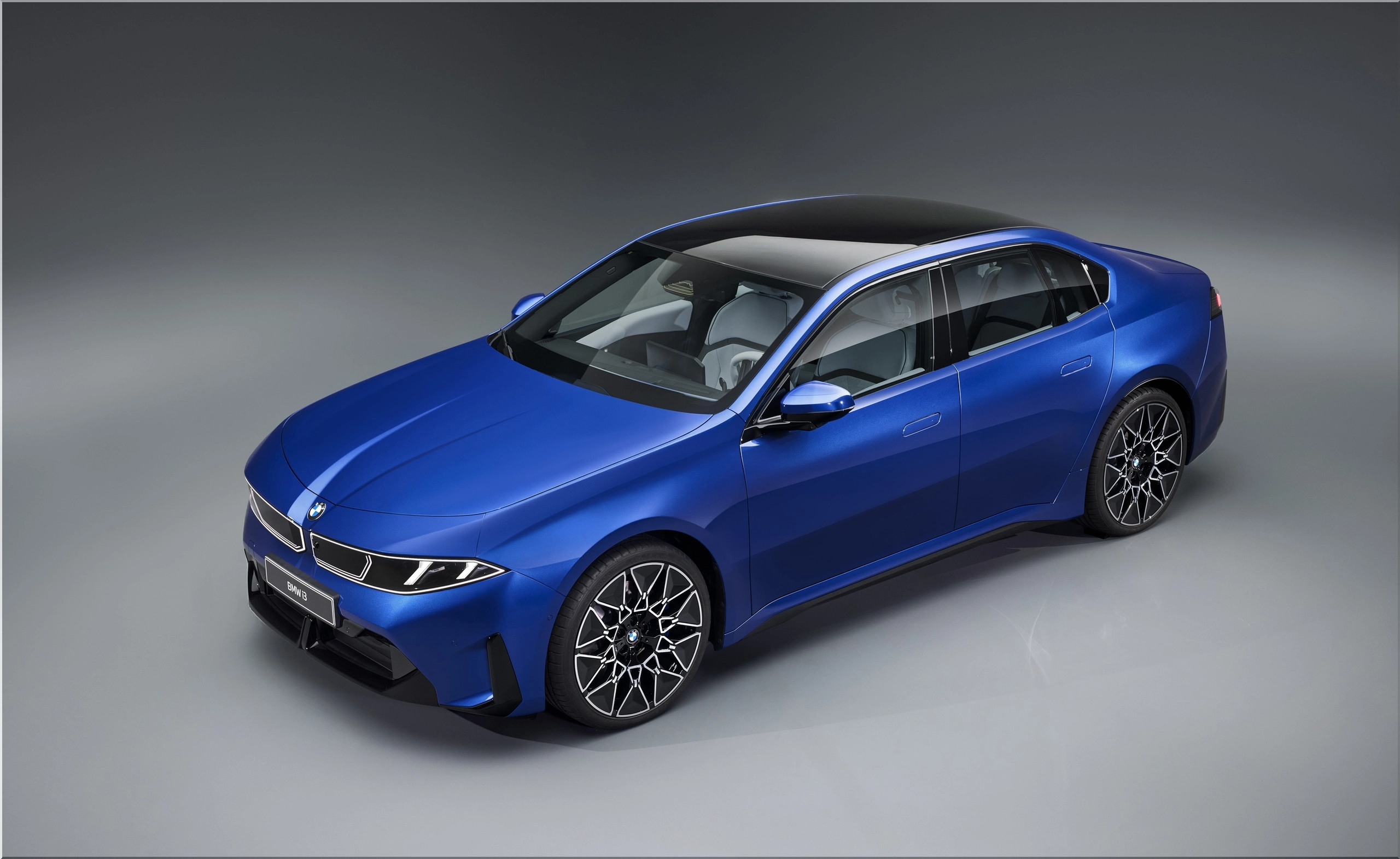
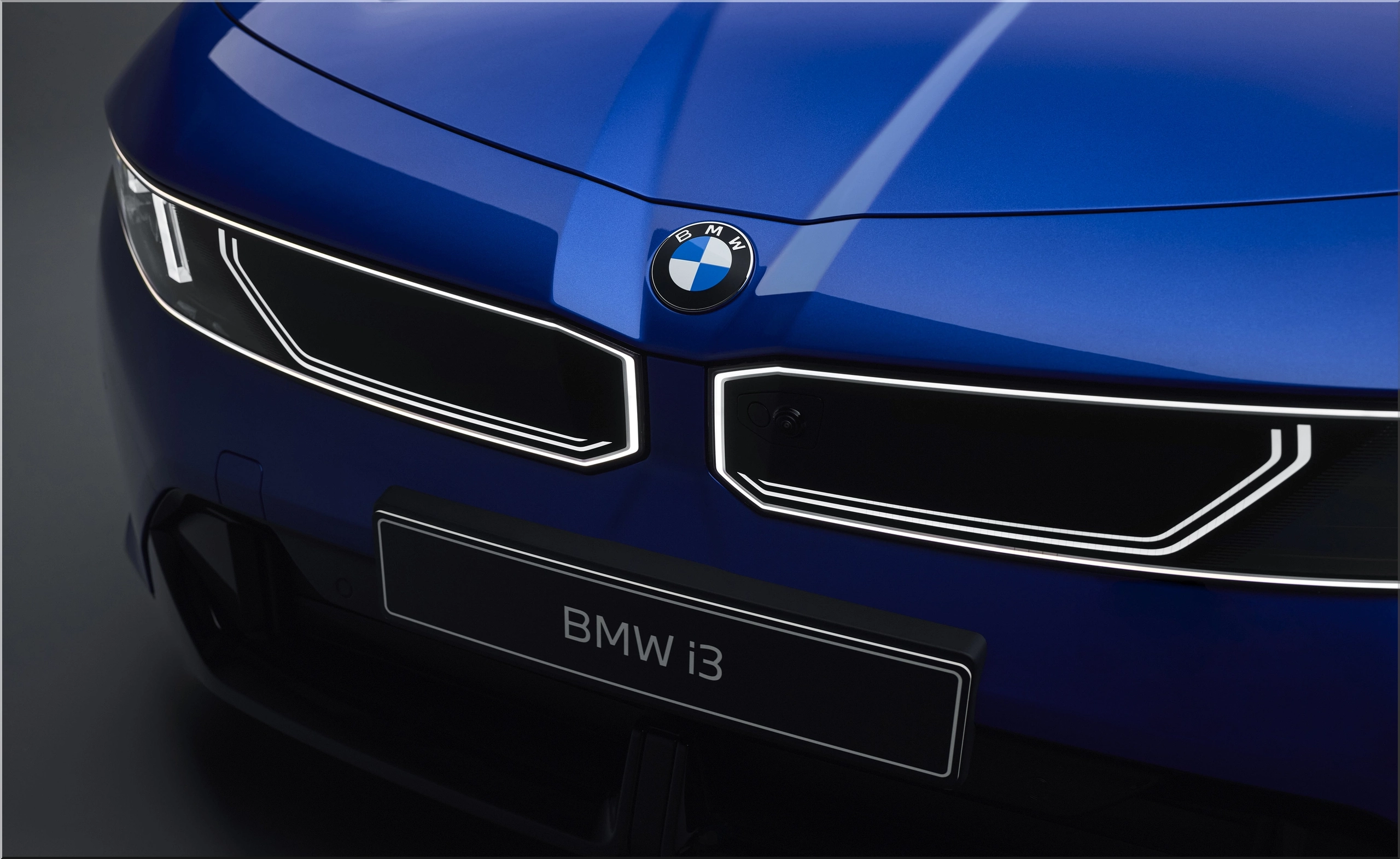
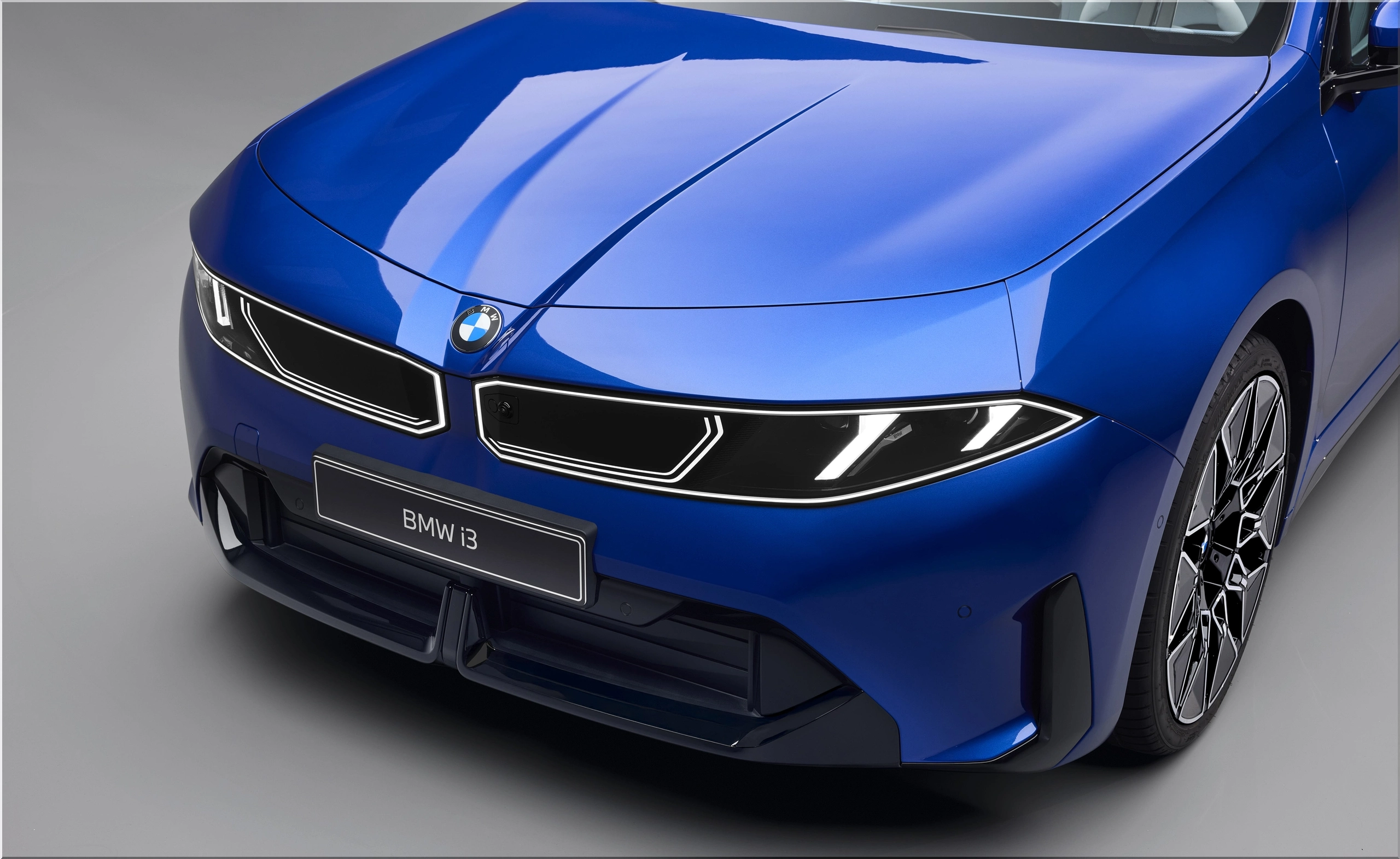
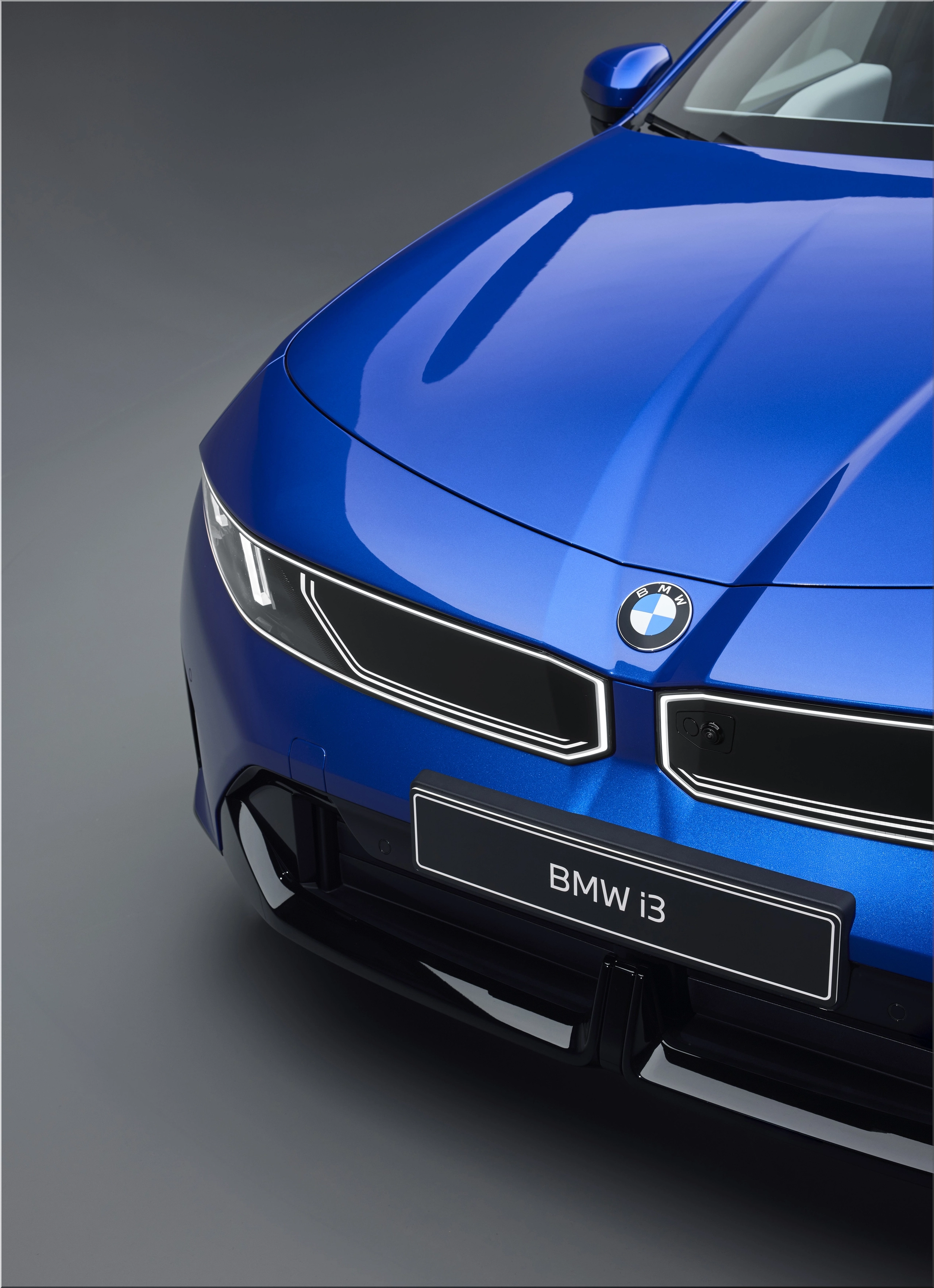
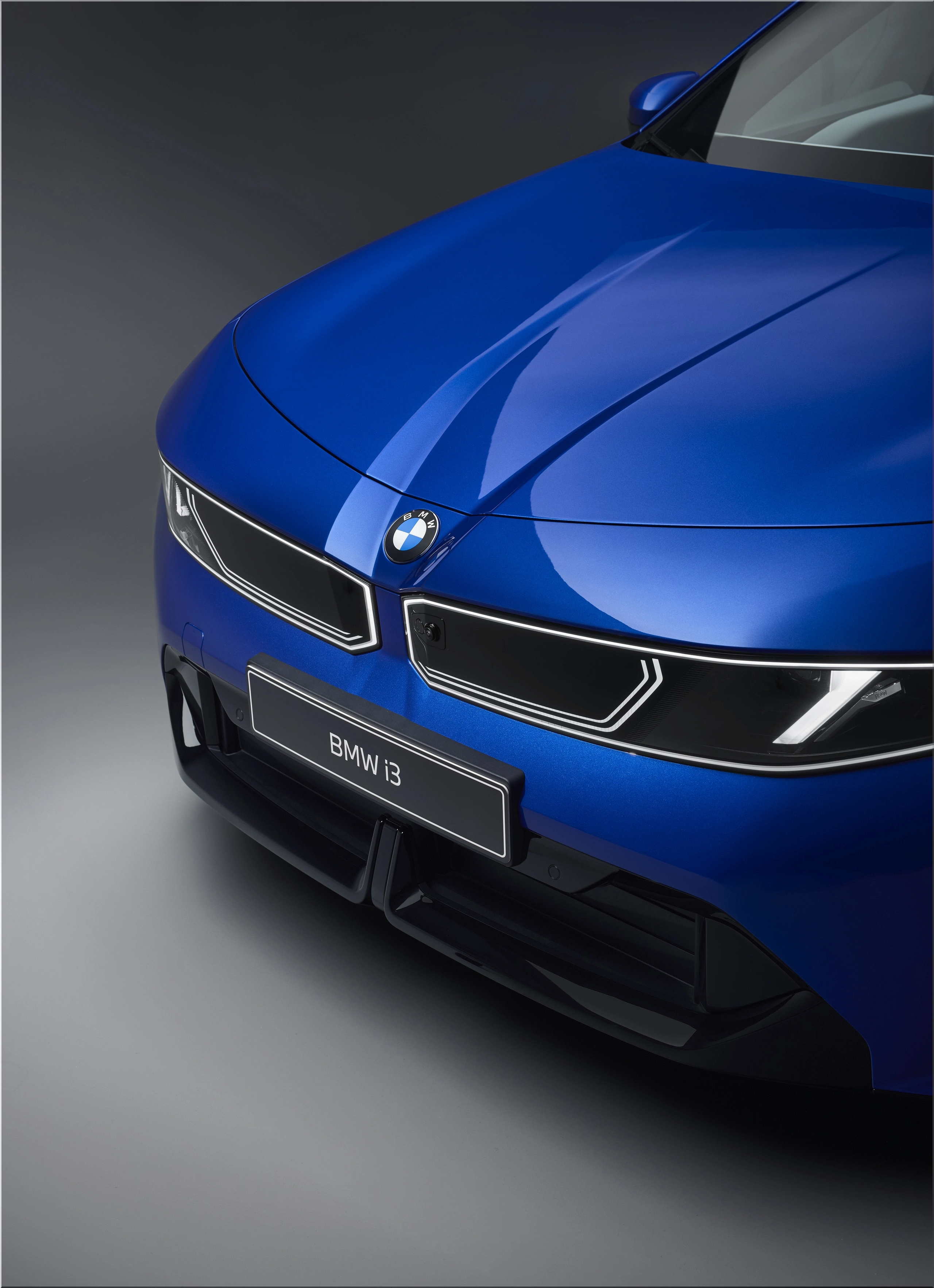
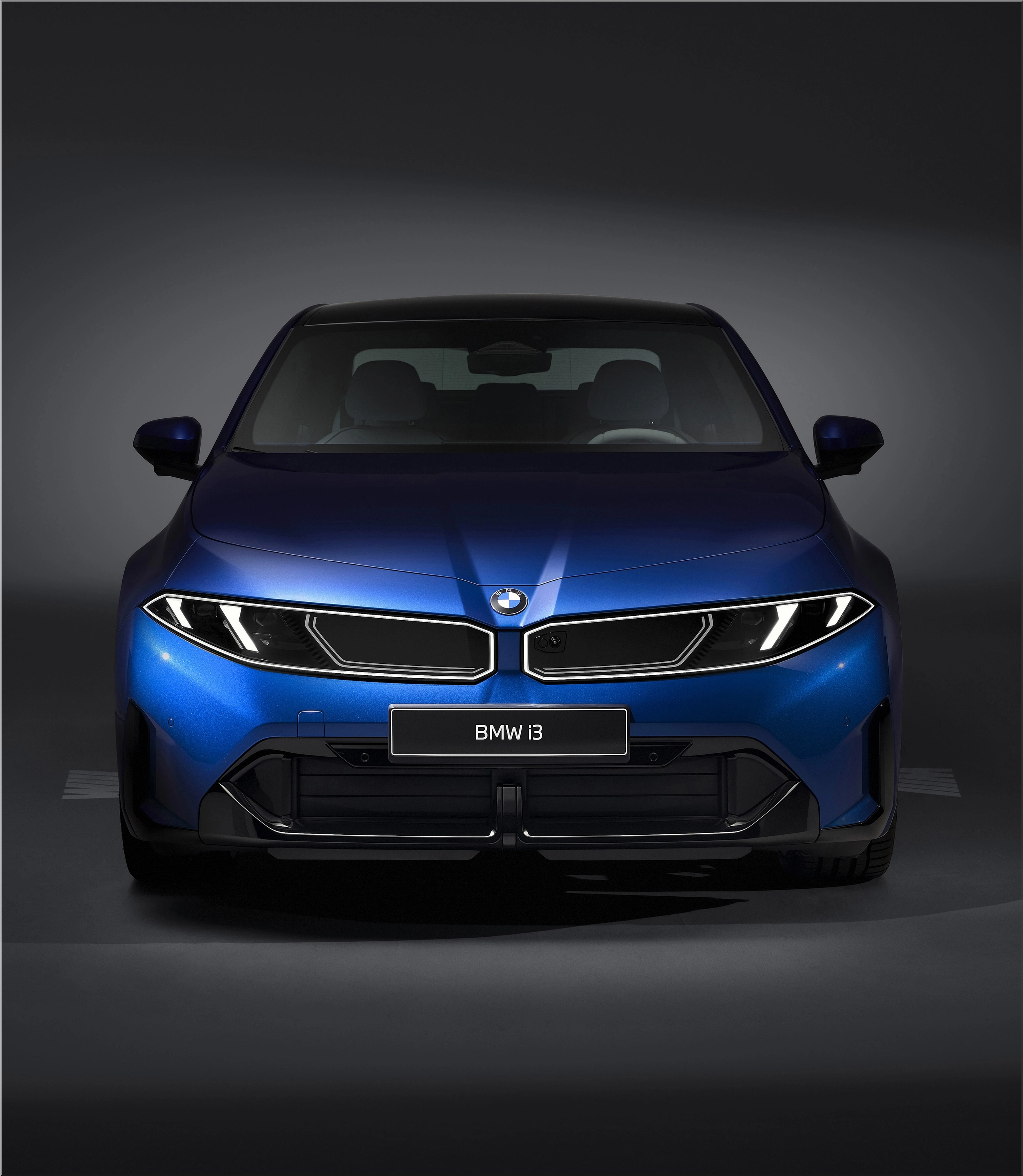
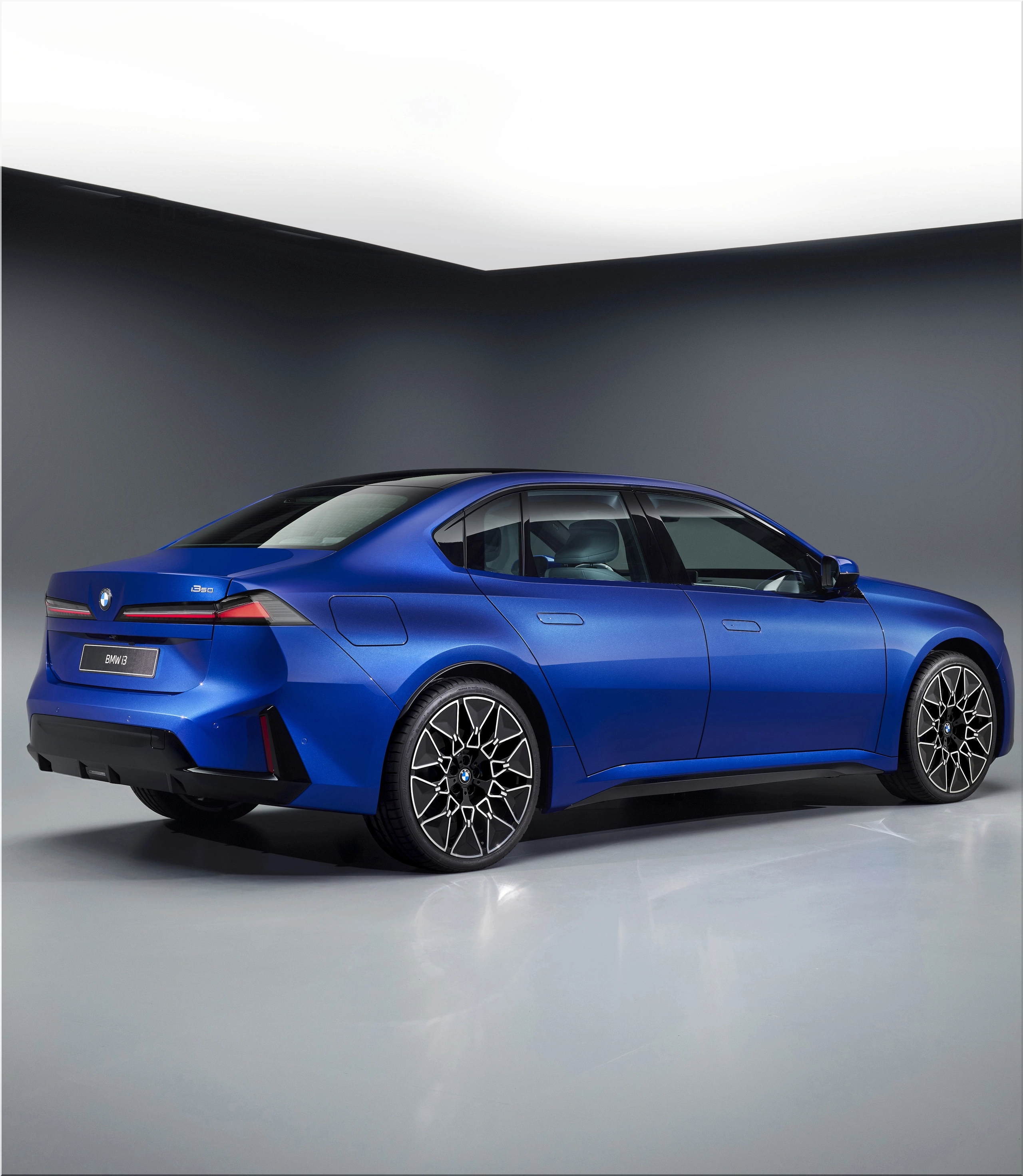
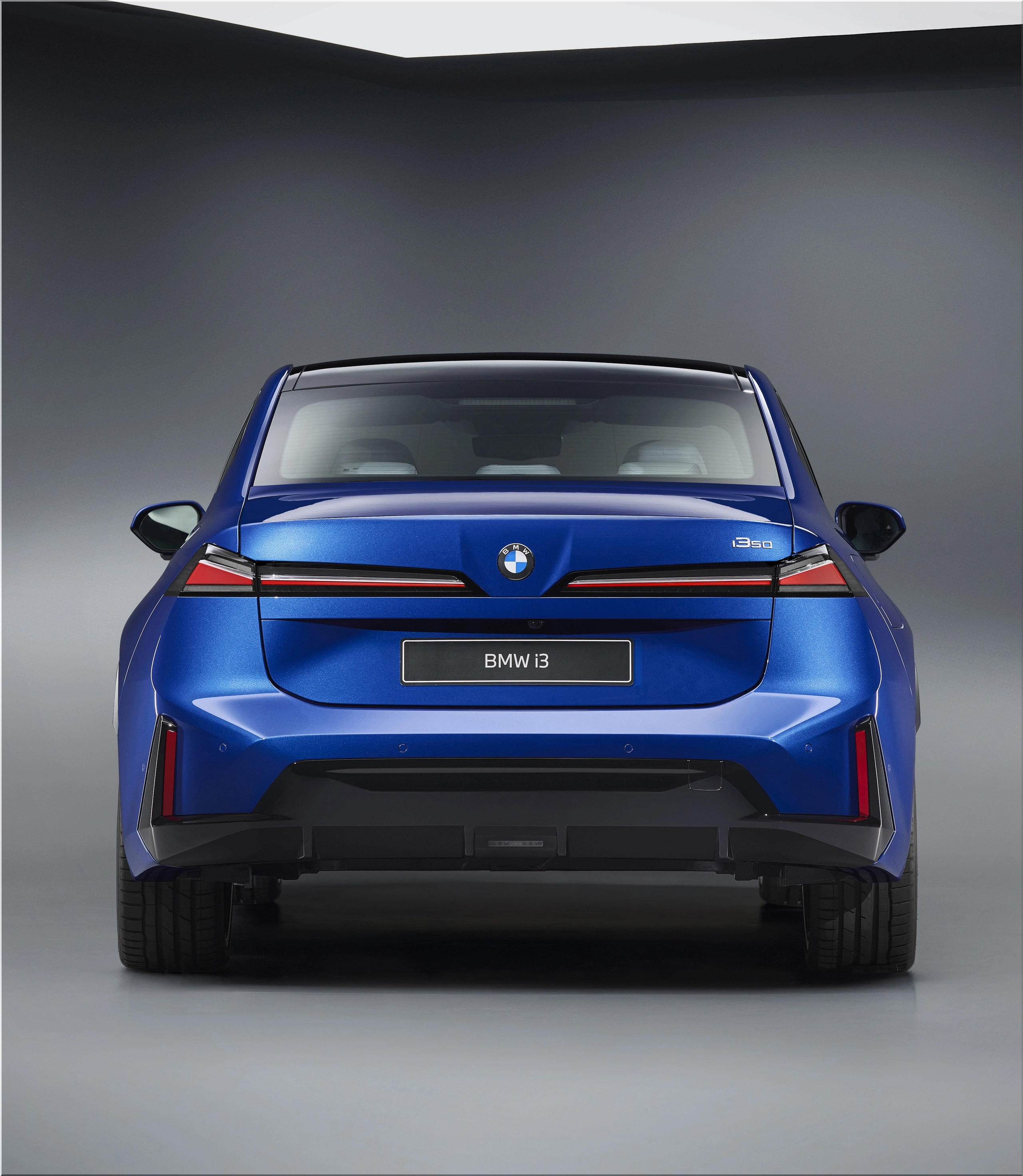
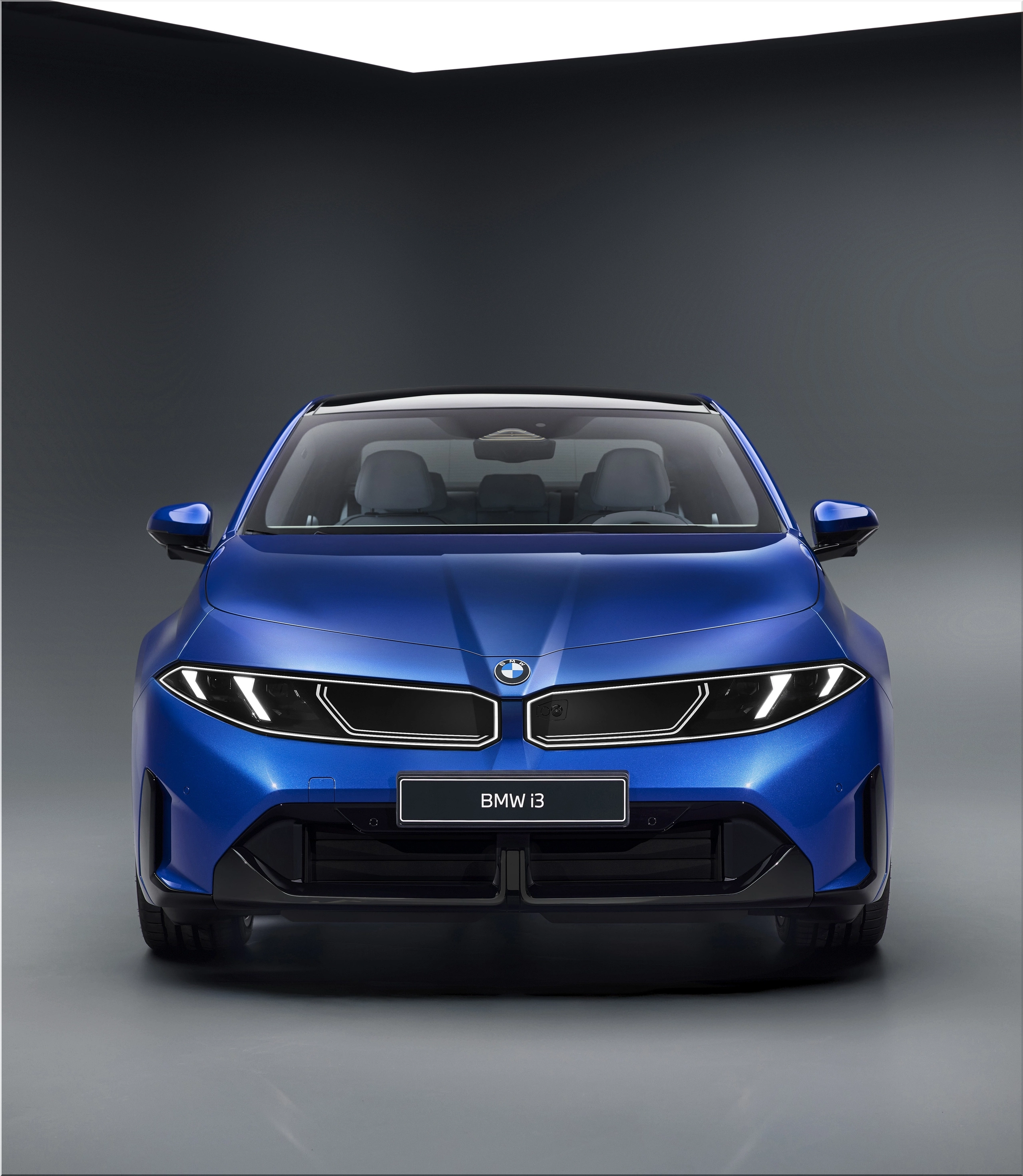
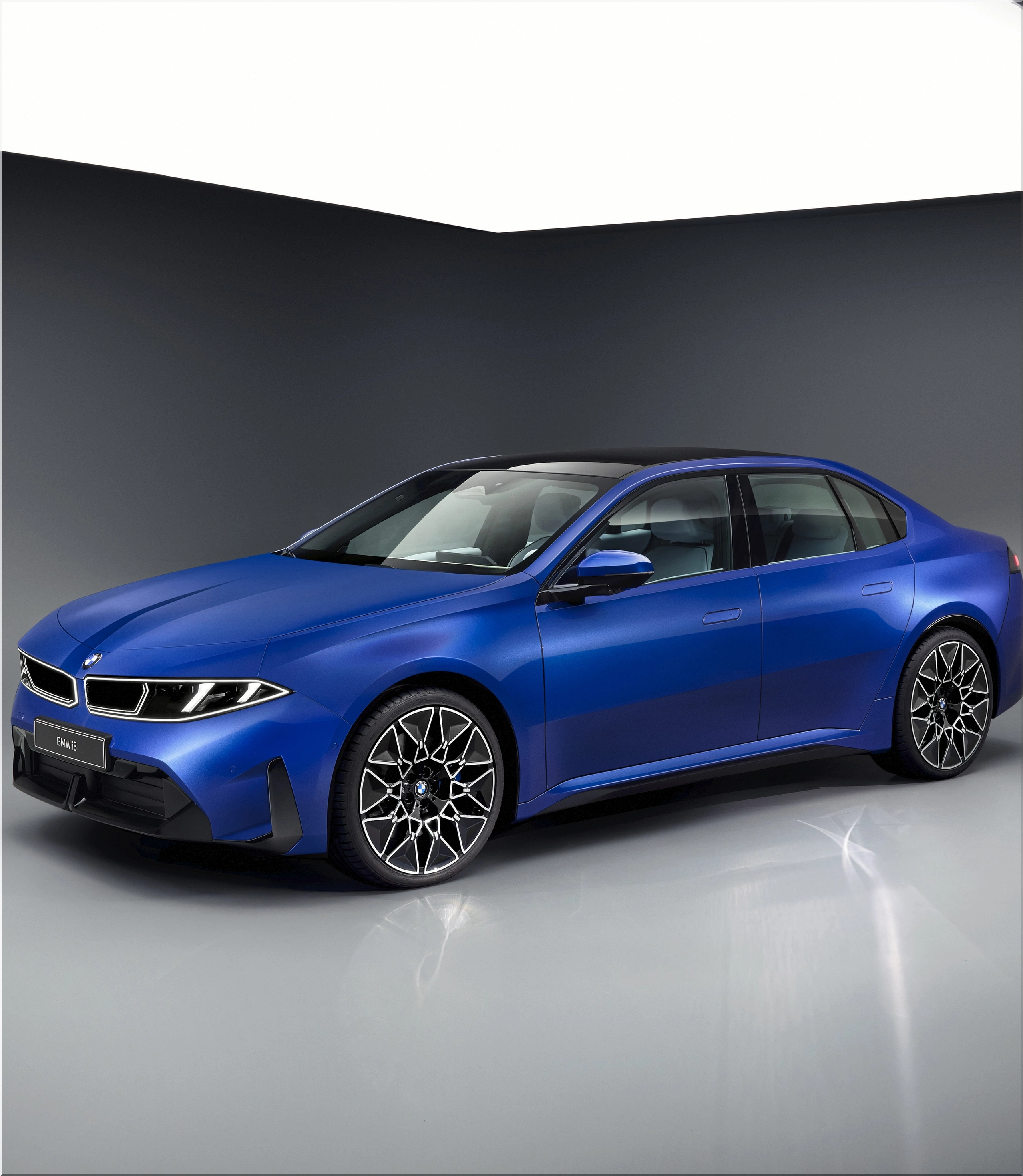
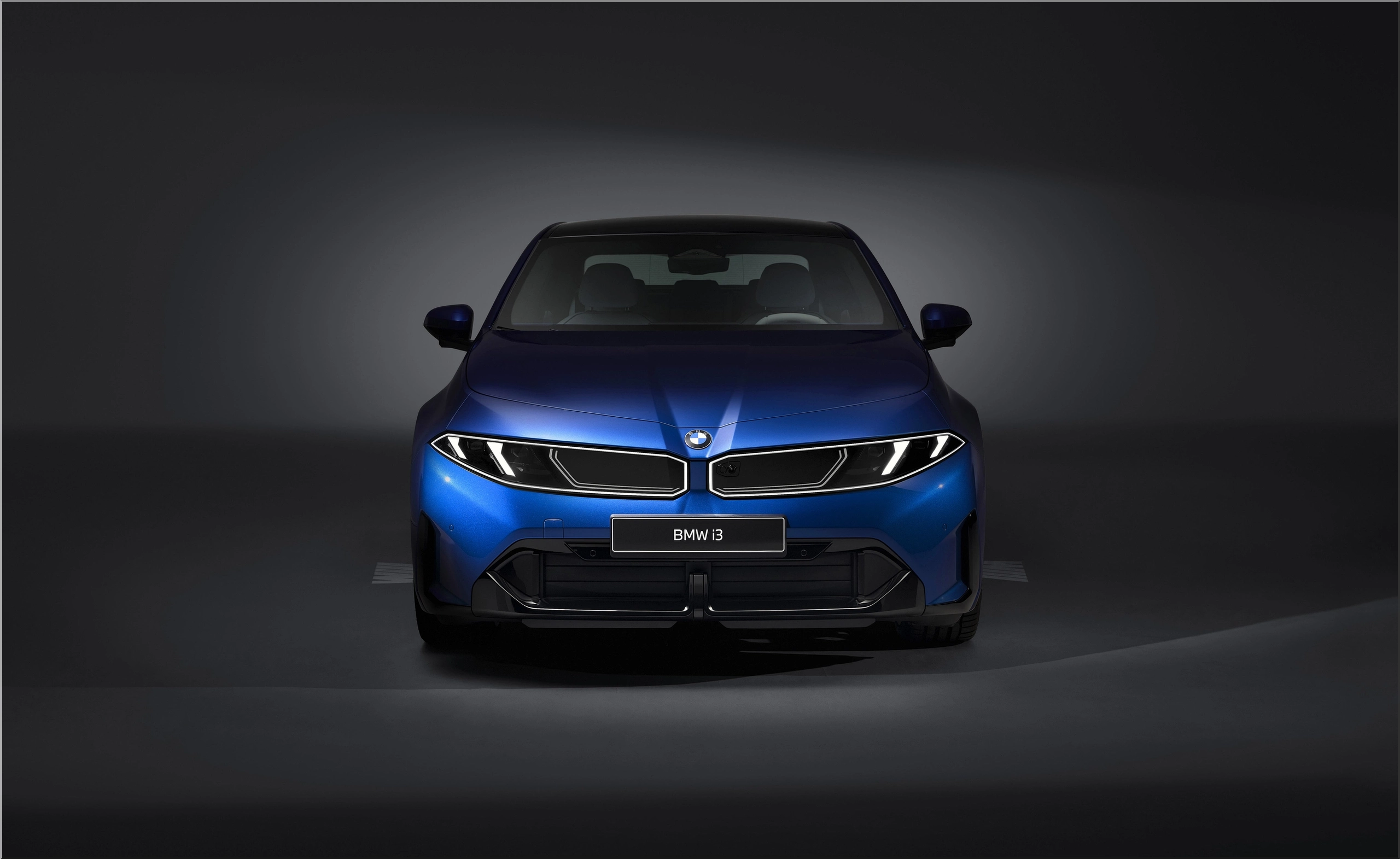
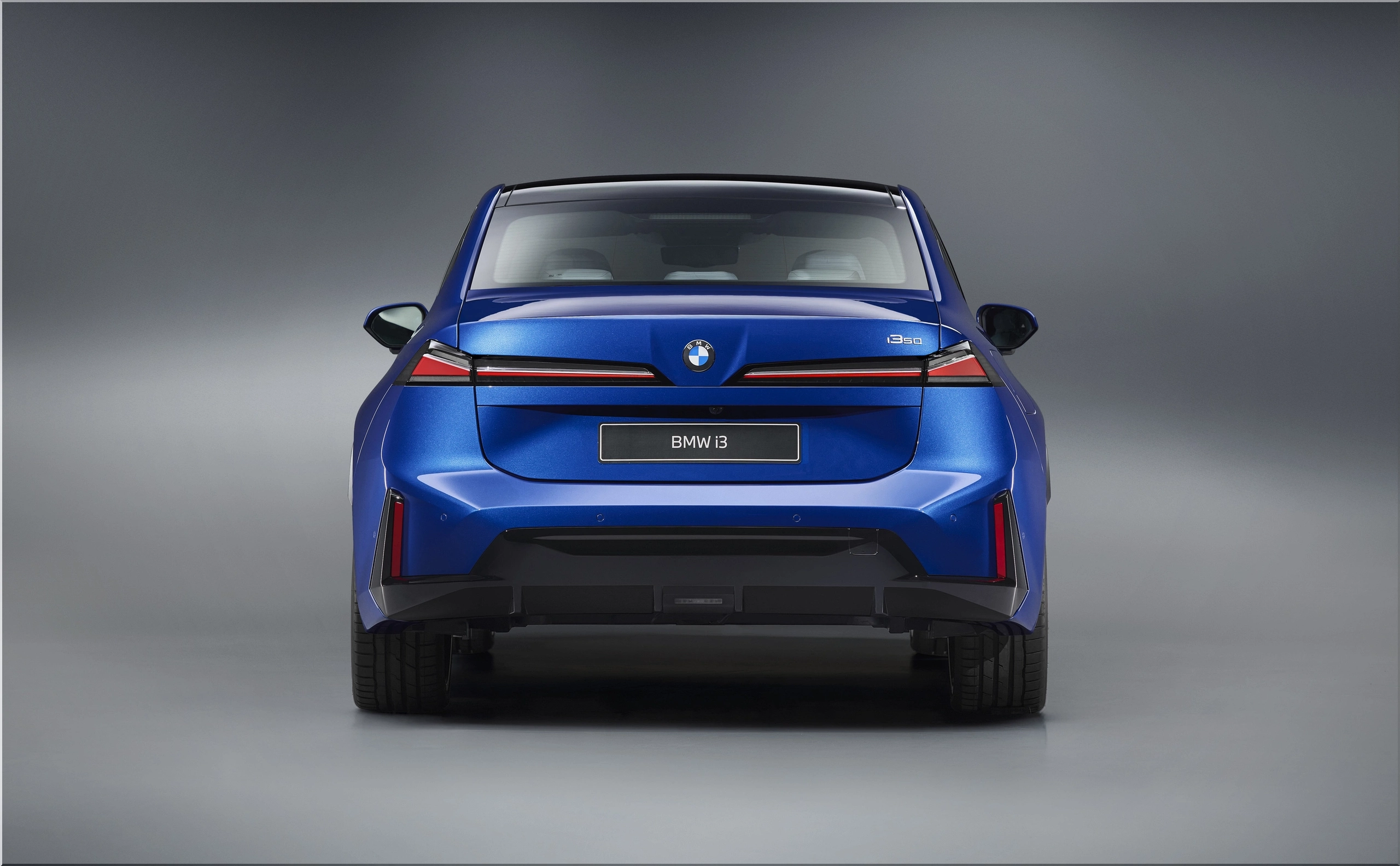
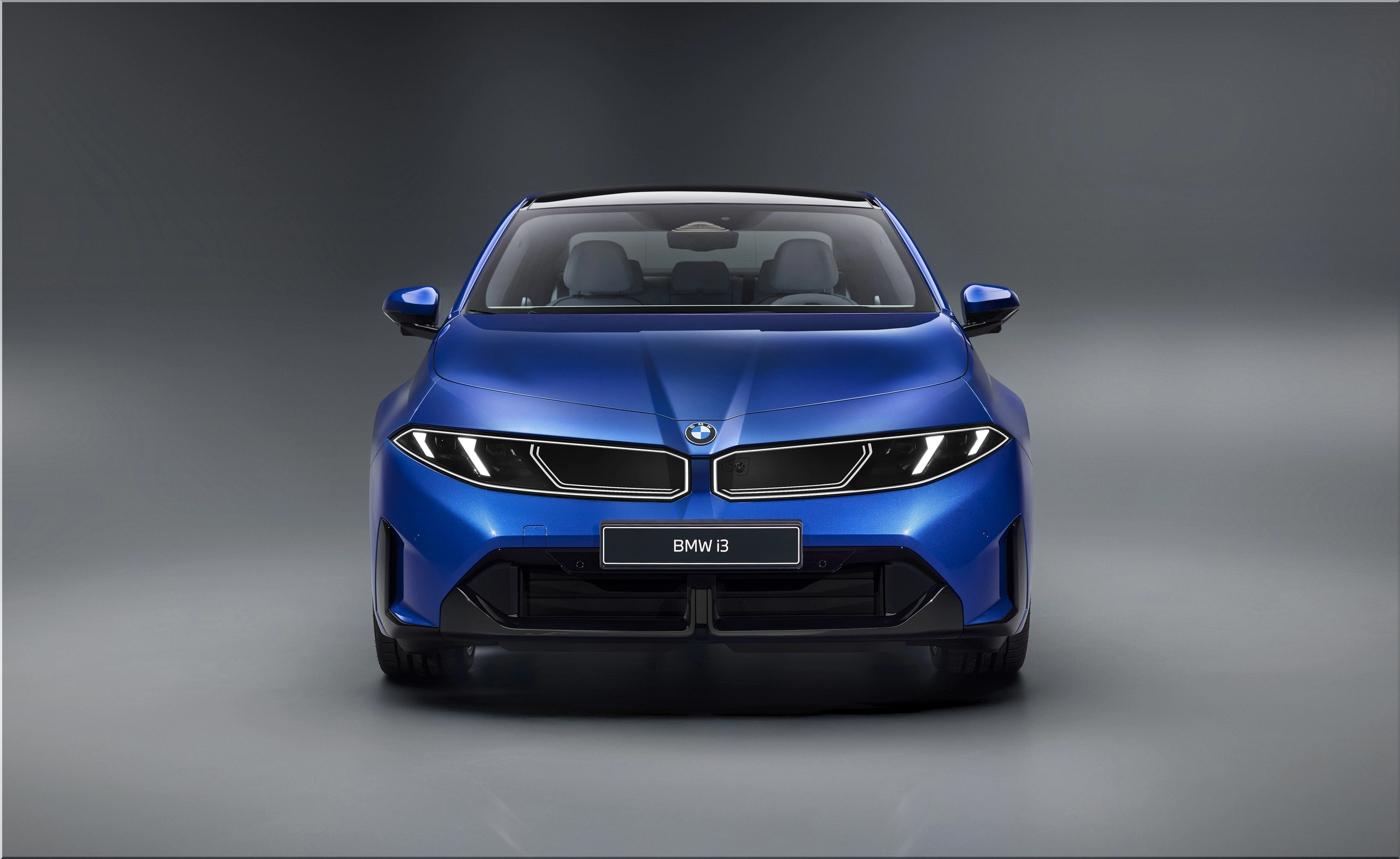
BMW formally shifts the trajectory of the sport sedan with the 2027 BMW i3. Built on the dedicated Neue Klasse platform, this vehicle represents a clean-sheet mechanical departure from the previous generation of internal combustion adaptations. By prioritizing volumetric energy density and aerodynamic efficiency, BMW engineers have achieved a range of 559 miles on the WLTP cycle. This capability positions the BMW i3 as a primary challenger to the established long-range dominance of the Tesla Model 3 and Lucid Air.
Sixth-Generation eDrive: The Move to Cylindrical Cells
The technical core of the 2027 BMW i3 features a transition from prismatic battery cells to high-performance cylindrical cells. These new units measure 46 mm in diameter and are available in two heights—95 mm for sedans and 120 mm for SUVs—to optimize packaging. Specifically, these cells offer a 20% increase in energy density and a 30% improvement in charging speed compared to the fifth-generation hardware.
In addition, the 800-volt electrical architecture enables the BMW i3 to accept DC fast charging at rates up to 400 kW. Looking at the data, this allows the vehicle to add approximately 248 miles of range in just 10 minutes of charging. This rapid energy recovery addresses the primary barrier to long-distance electric travel.
Powertrain Performance and Output Data
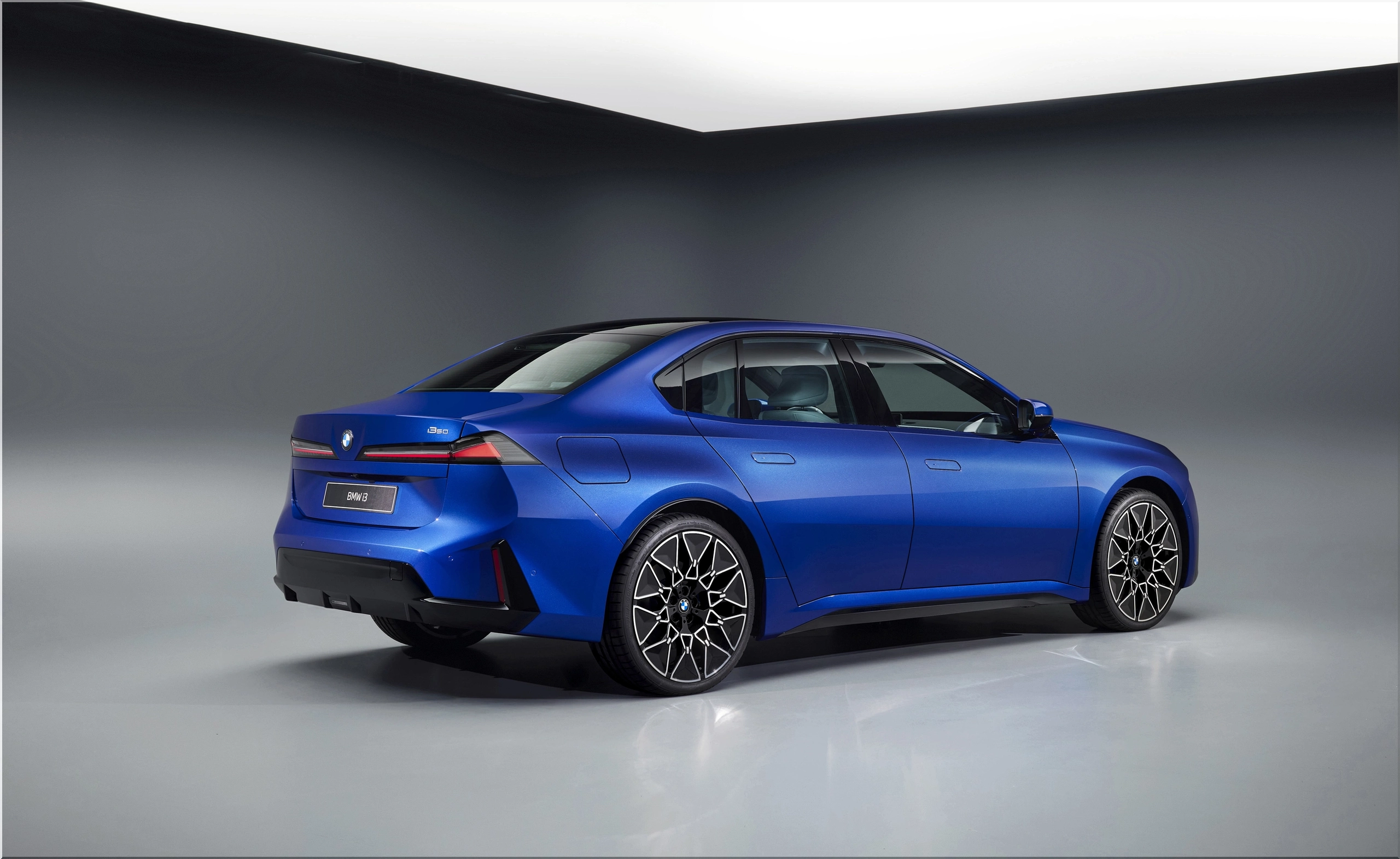
The BMW i3 50 xDrive serves as the performance benchmark for the initial launch. It utilizes a dual-motor setup that balances raw torque with sustained cruising efficiency. The rear motor provides primary propulsion, while the front motor engages only when the Heart of Joy control unit detects a need for additional traction or acceleration.
- Total System Output: 463 horsepower
- Maximum Torque: 476 lb-ft
- 0-60 MPH Acceleration: 3.9 seconds
- Top Speed: 155 mph (Electronic limit)
- Battery Chemistry: Nickel-rich Lithium-Ion cylindrical cells
- Charging Standard: Combined Charging System (CCS) with NACS compatibility
Dimensions and Structural Rigidity
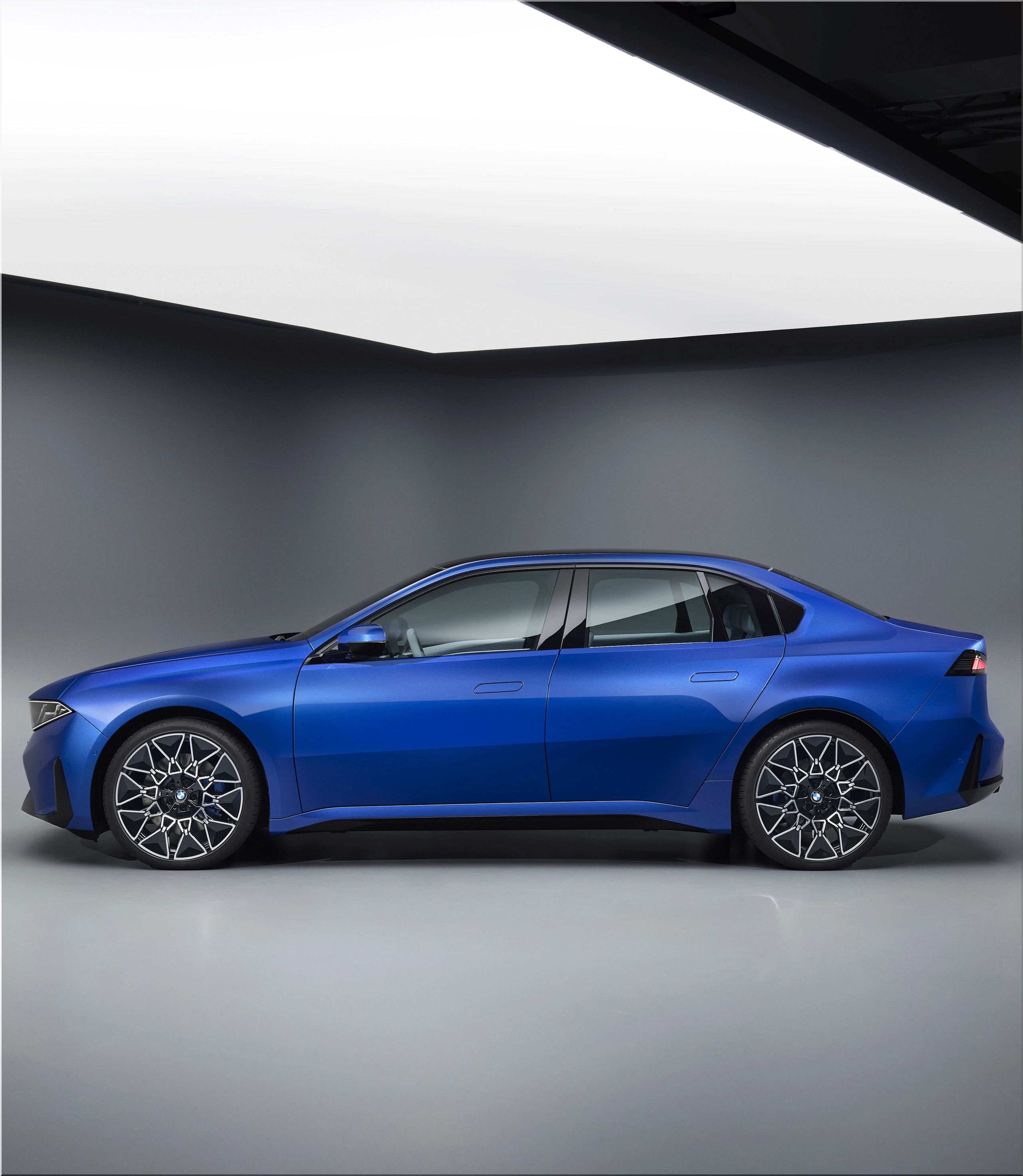
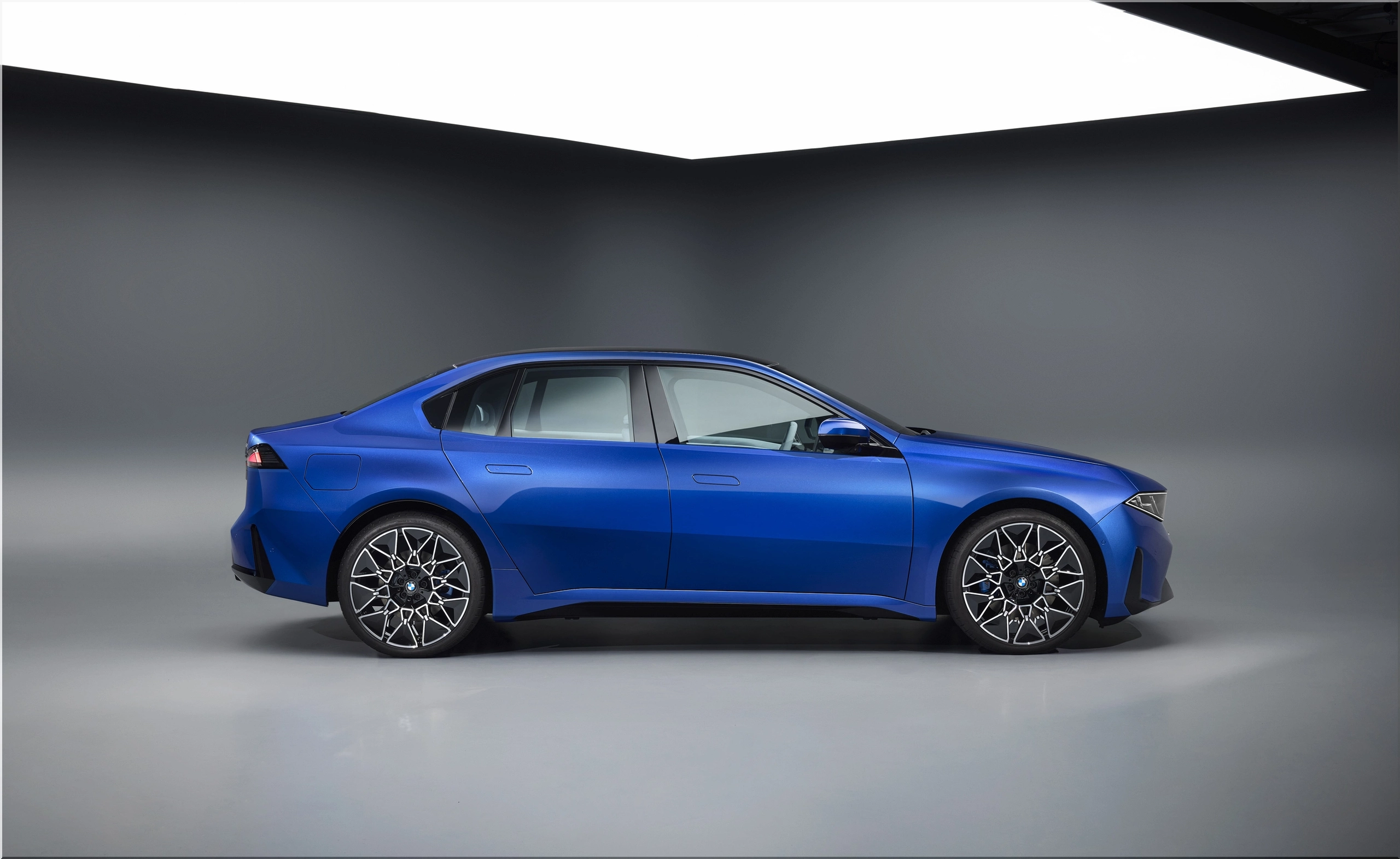
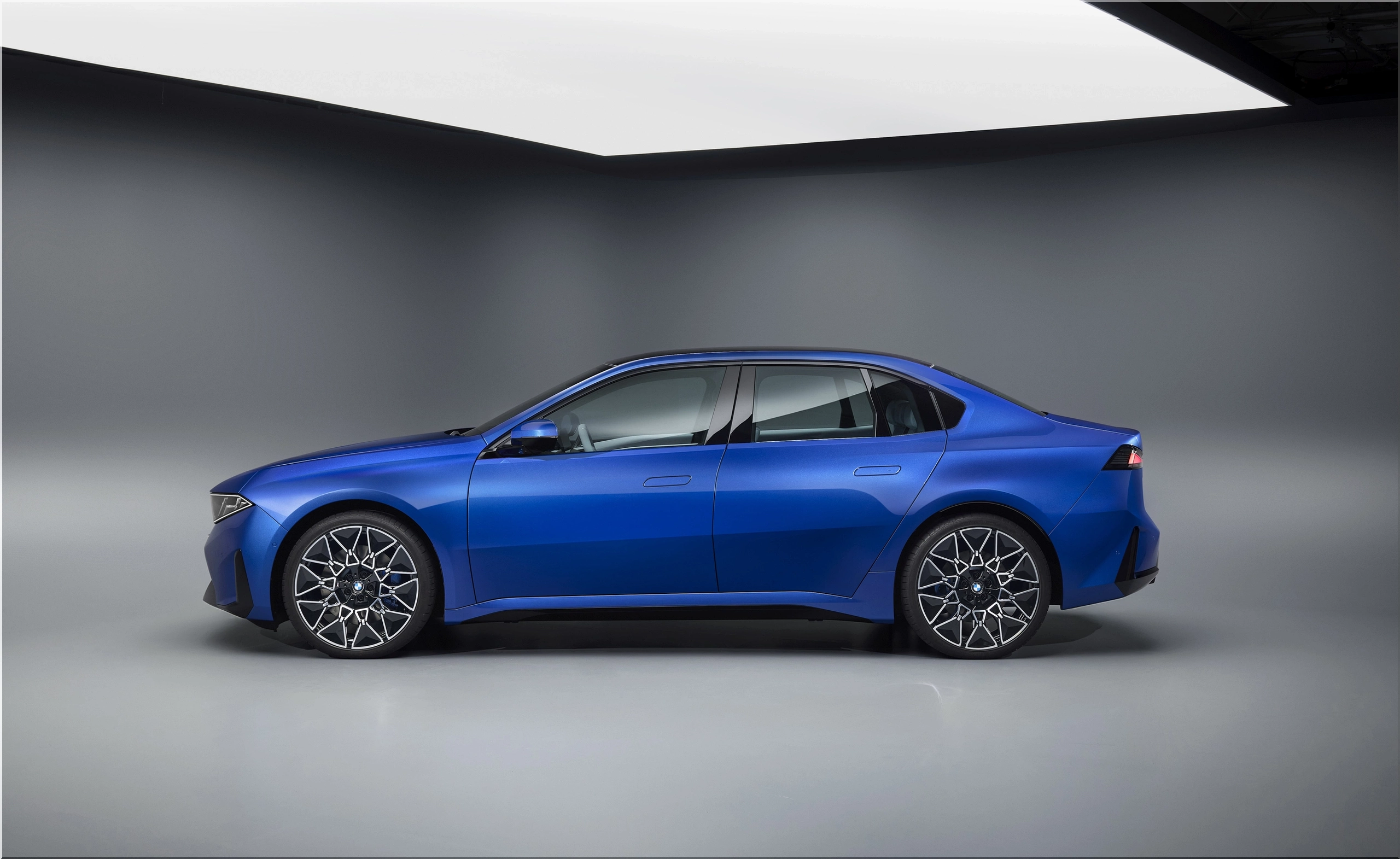
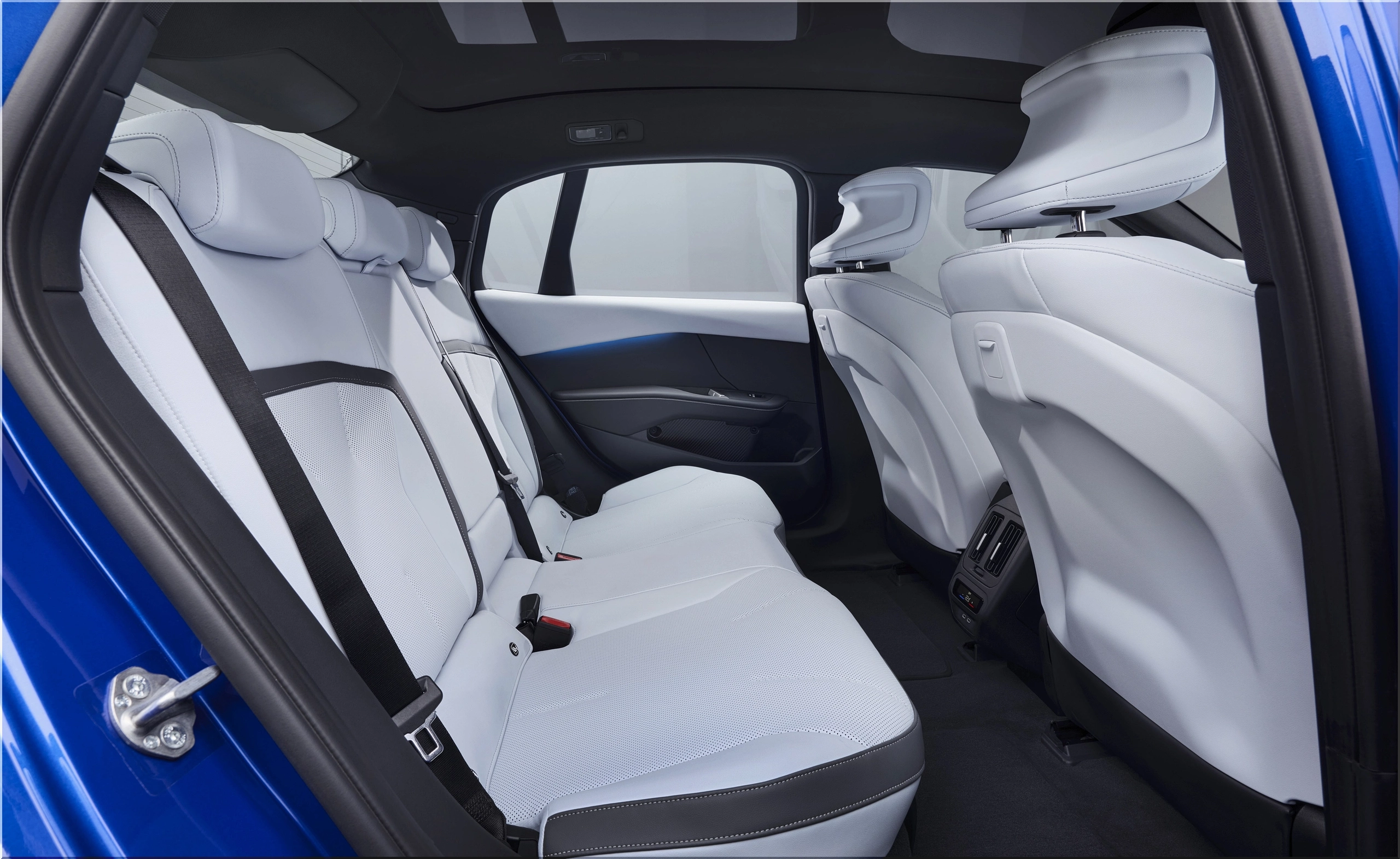
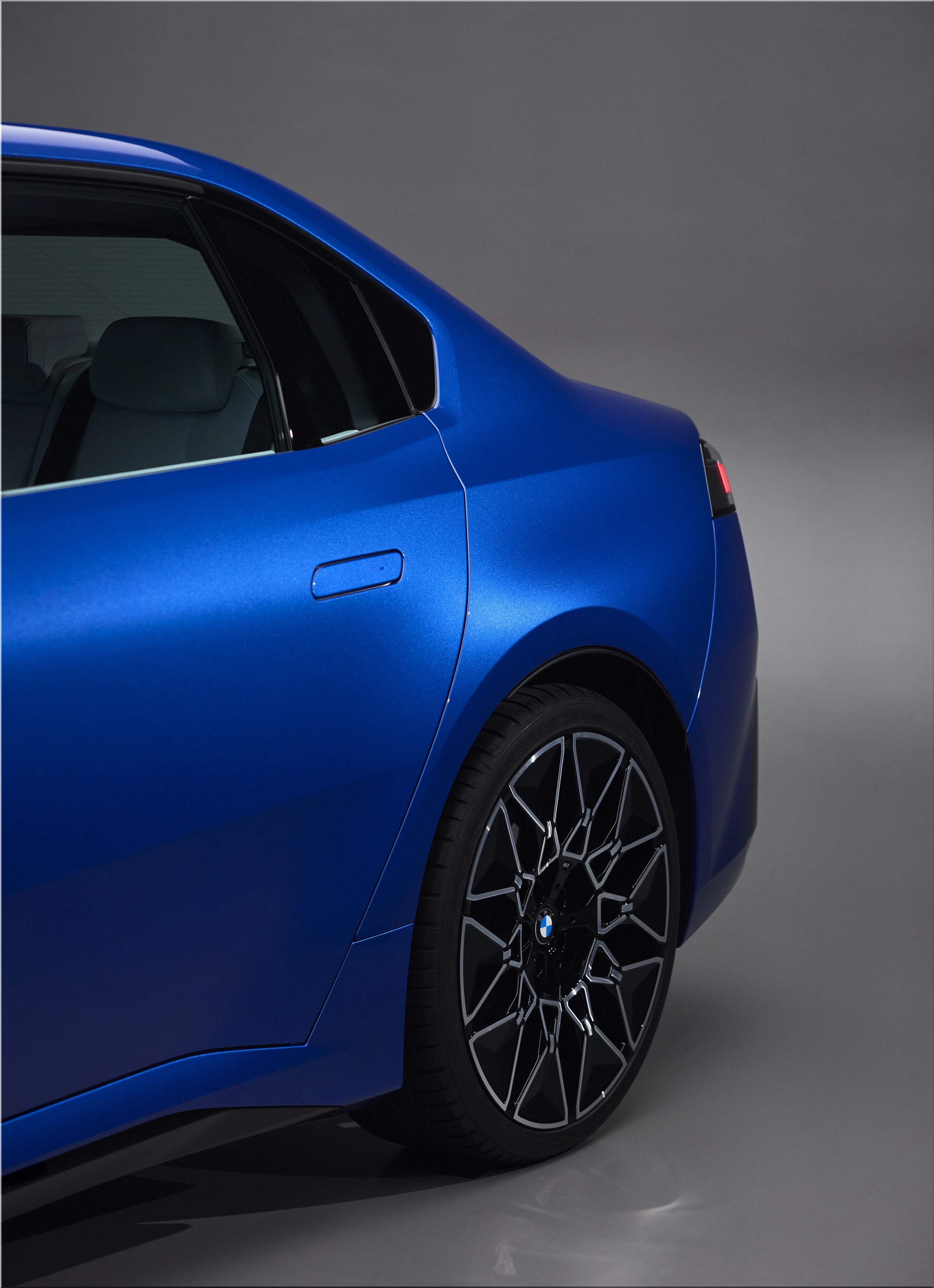
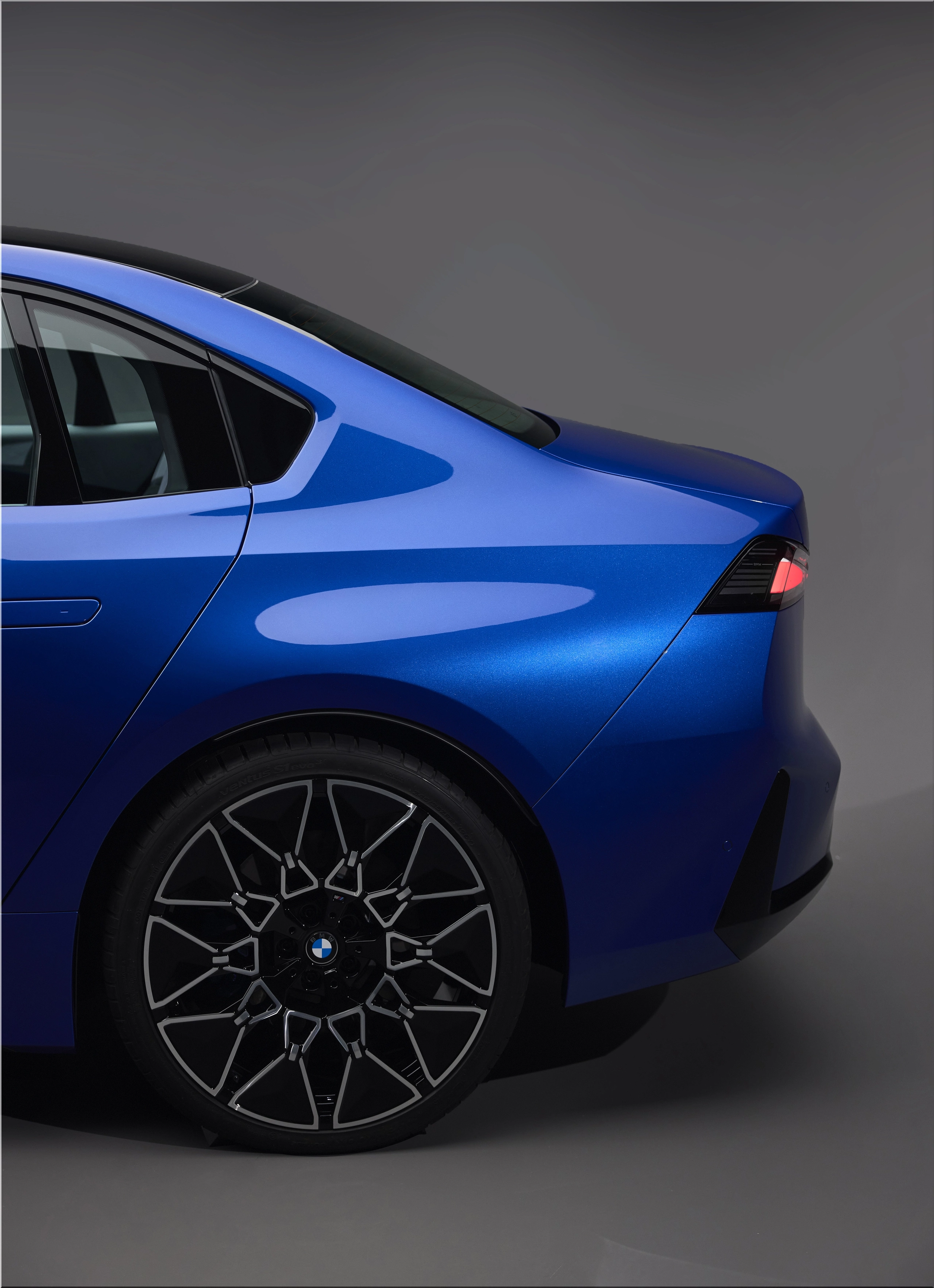
The BMW i3 measures 187.4 inches (4,760 mm) in length, which is slightly longer than the current G20 3 Series. The wheelbase has been extended to 114.1 inches (2,897 mm) to accommodate the massive battery floor. This design utilizes pack-to-open-body construction, where the battery housing serves as a structural component of the chassis. Consequently, the vehicle achieves higher torsional stiffness, which directly improves steering precision and reduces cabin noise.
Mid-Size Luxury EV Comparison Matrix
| Technical Metric | 2027 BMW i3 | Tesla Model 3 (Long Range) | Hyundai Ioniq 6 |
|---|---|---|---|
| Length (inches) | 187.4 | 185.8 | 191.1 |
| Max Range (miles) | 559 | 391 | 381 |
| Charging Speed | 400 kW | 250 kW | 233 kW |
| System Voltage | 800V | 400V | 800V |
| Est. Starting Price | $66,600 | $47,500 | $42,500 |
By comparison, the BMW i3 offers a significant range advantage over its closest competitors. While the Tesla Model 3 utilizes a 400-volt system, the 800-volt setup in the BMW allows for much thinner wiring and lower heat generation during high-output driving and charging.
Panoramic Vision and Interior Logic
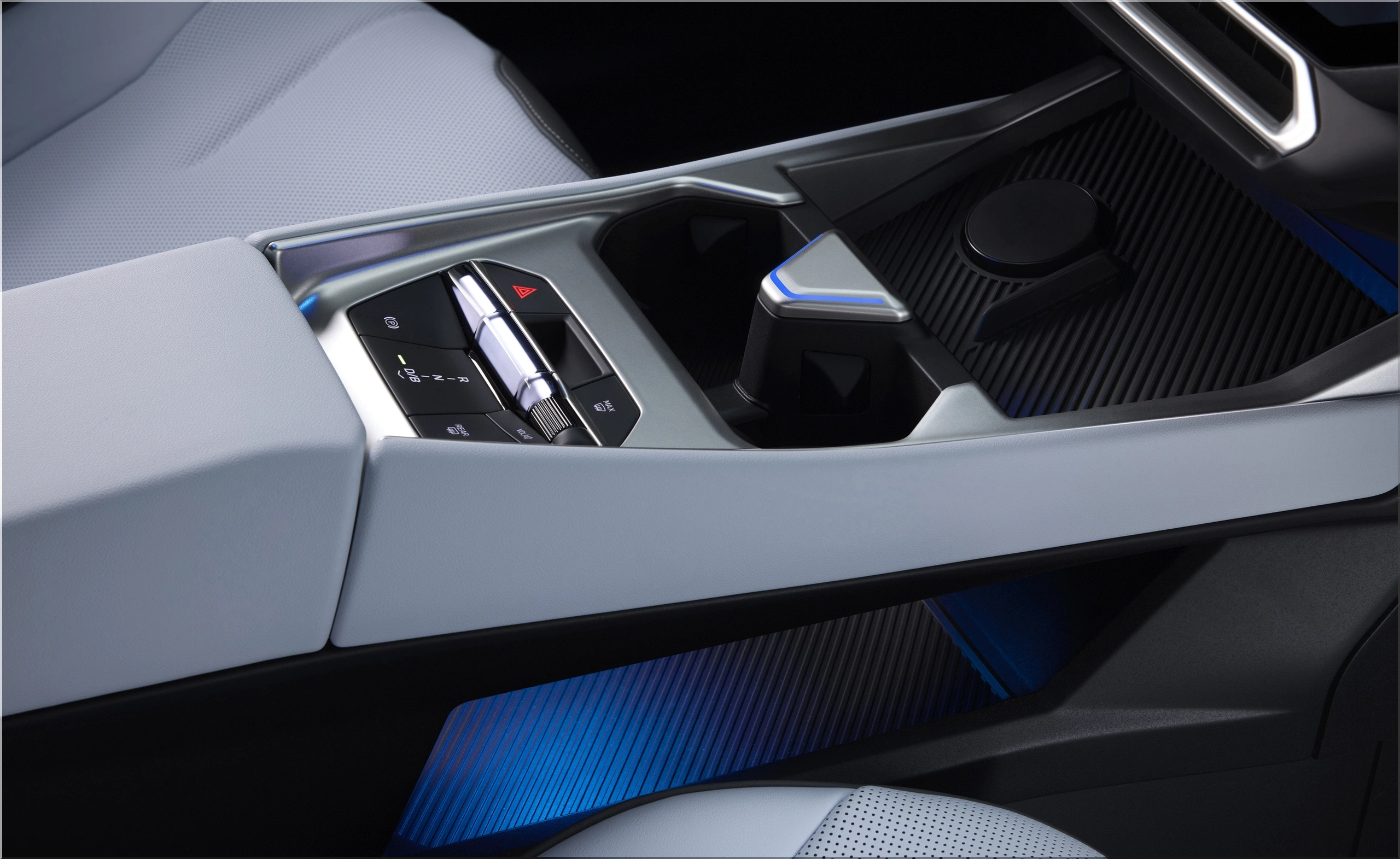
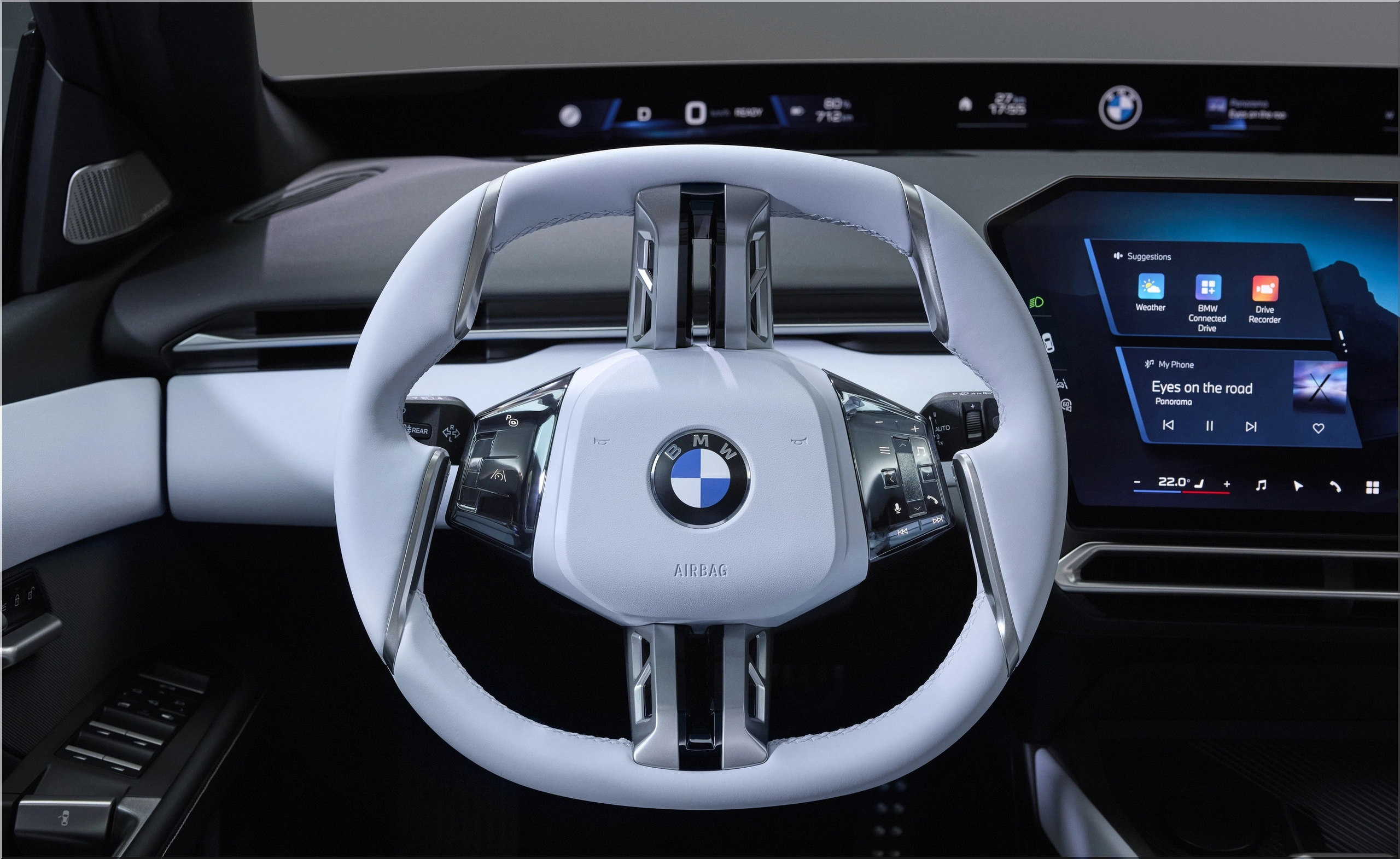
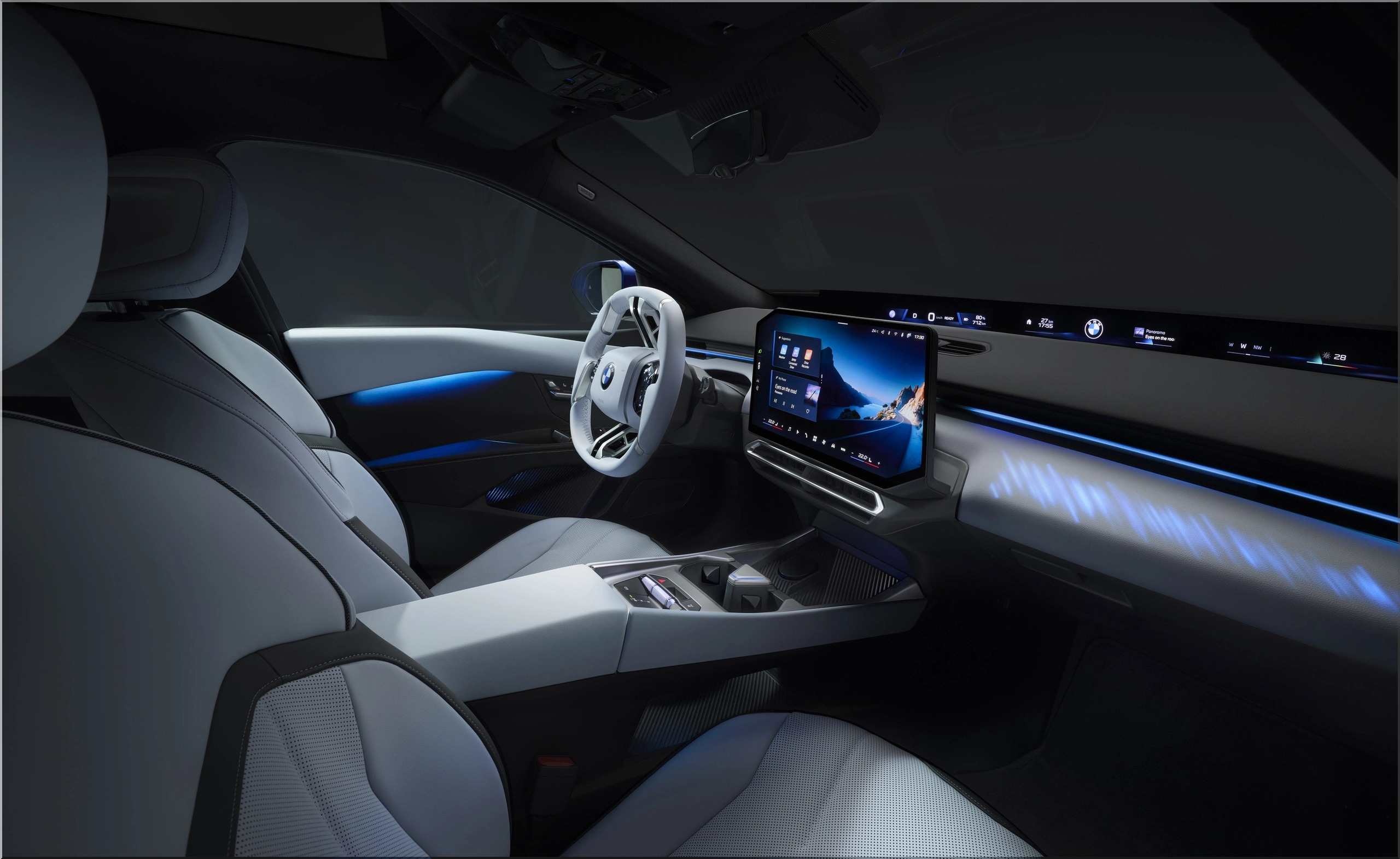
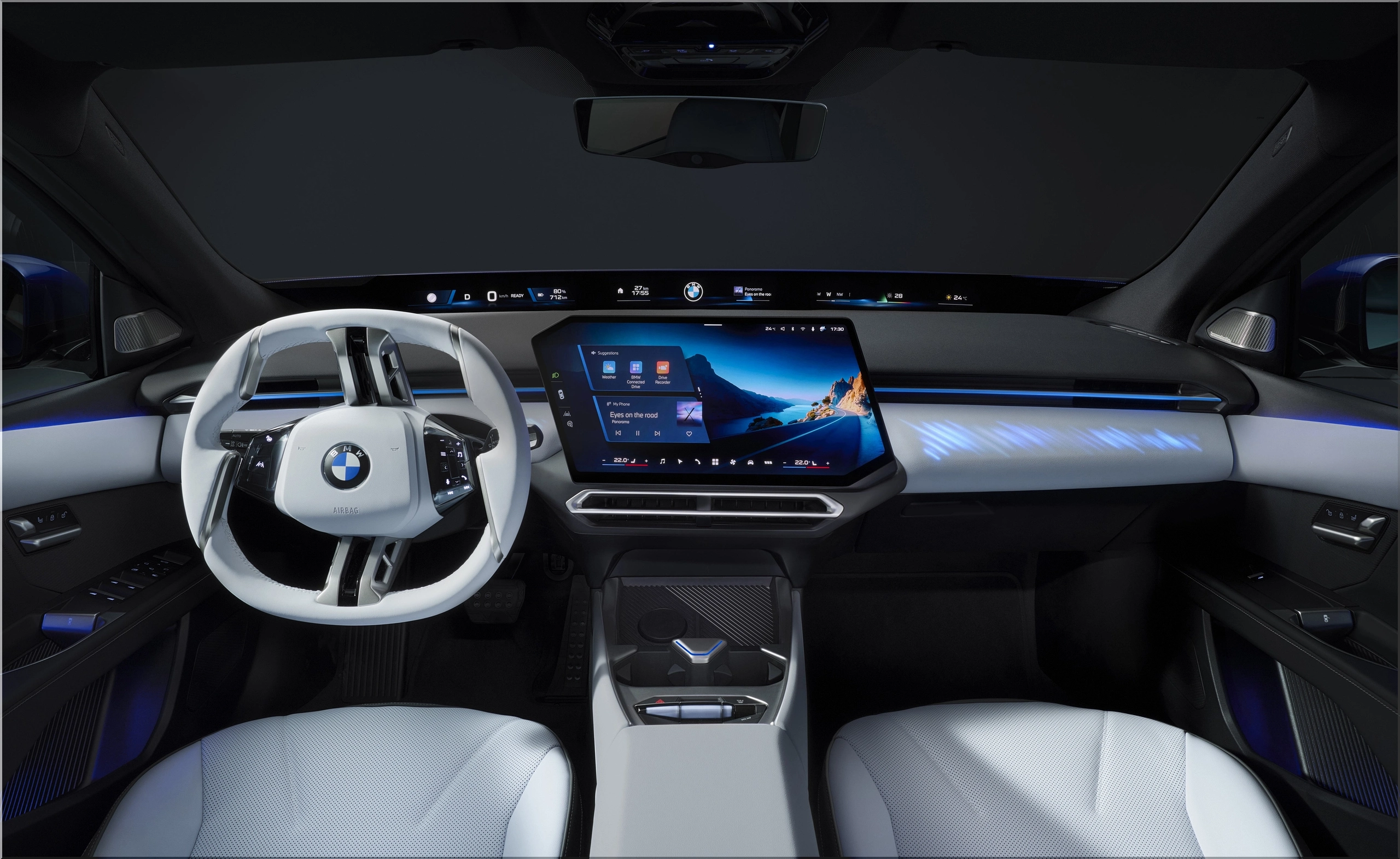
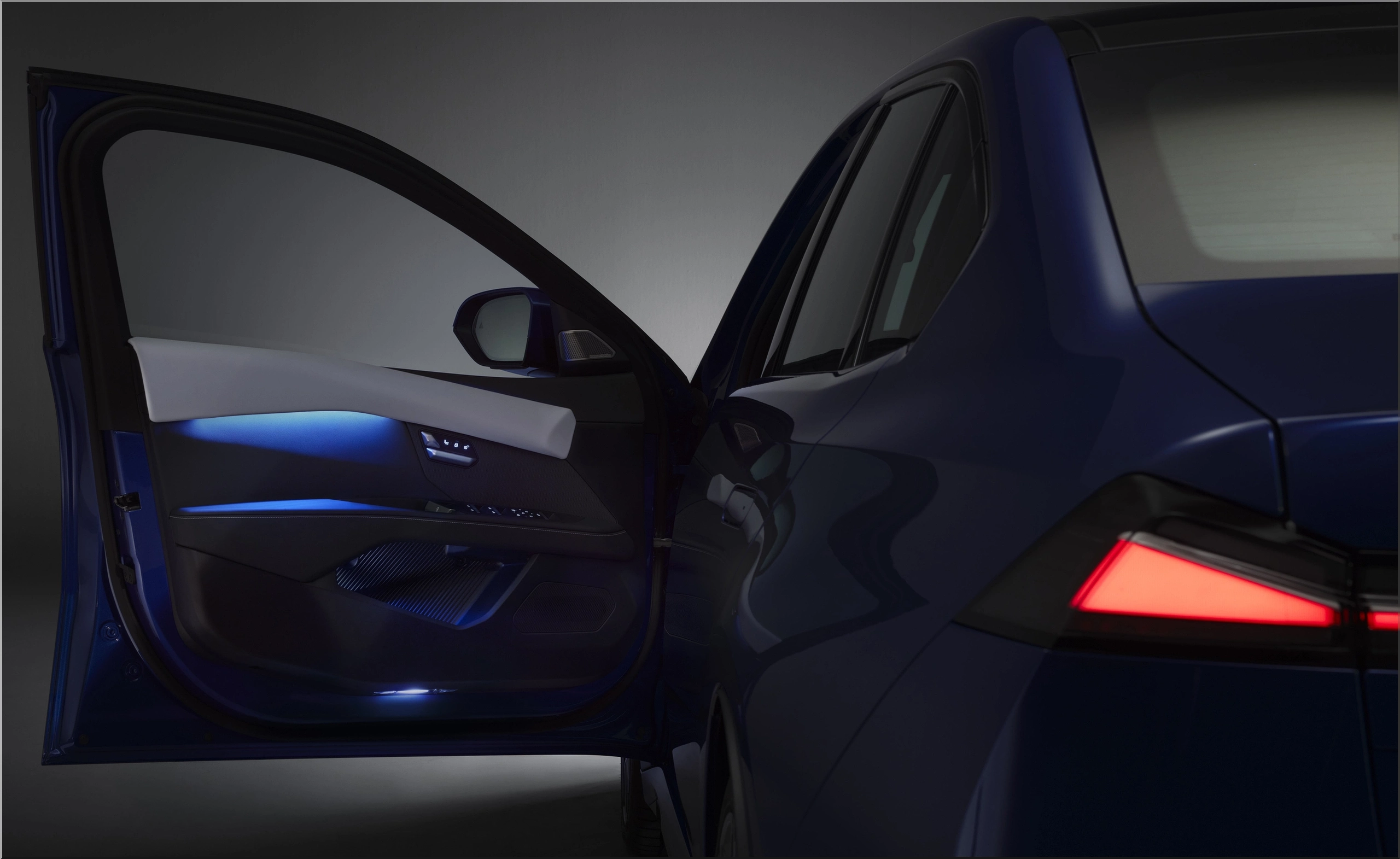
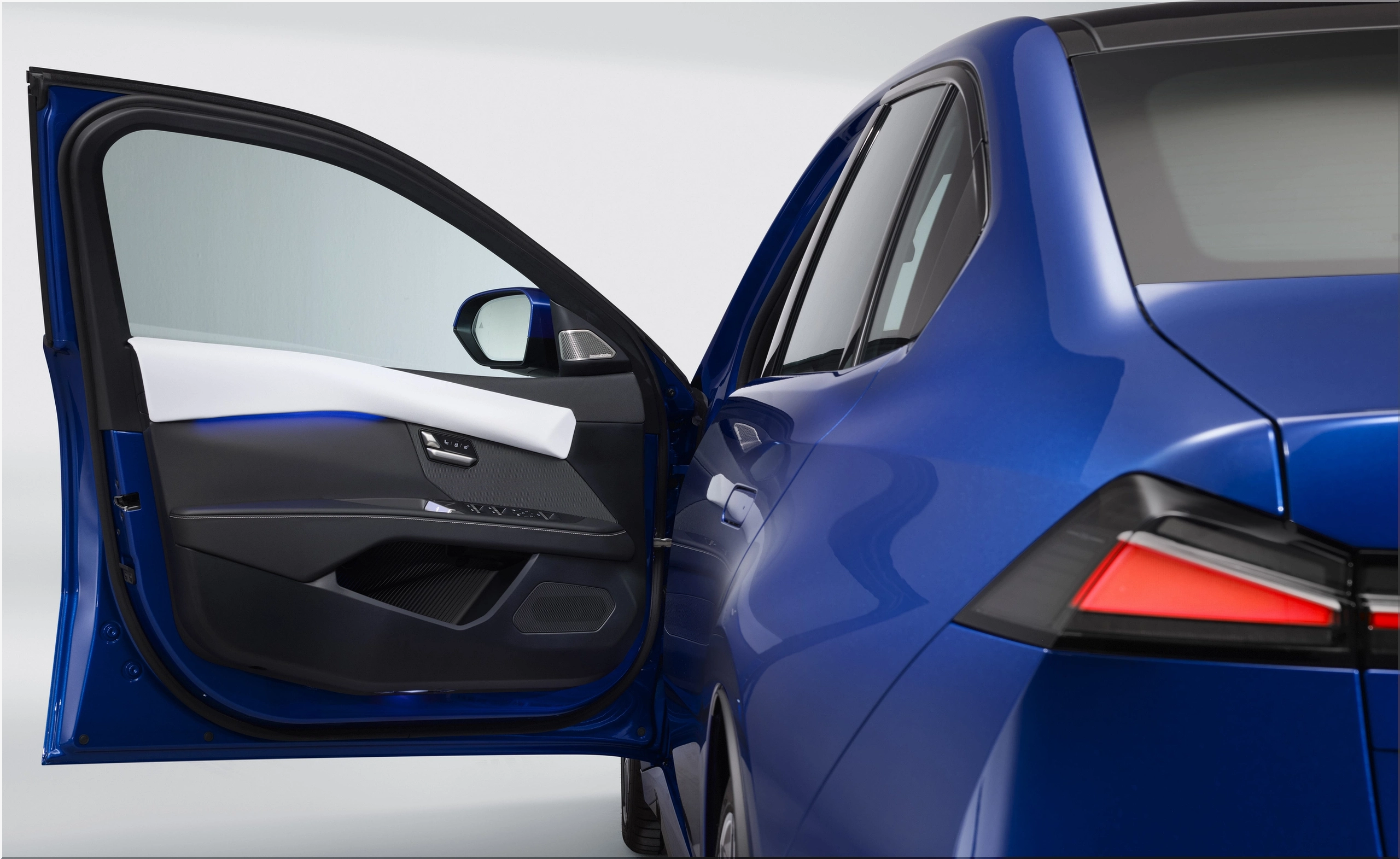
Inside the cabin, BMW replaces the traditional dashboard with the BMW Panoramic Vision system. This technology projects driving data across the entire width of the lower windshield. Unlike standard Head-Up Displays that appear to float in space, this information is rendered at a focal point that aligns with the road ahead.
The center of the cockpit features a 17.9-inch high-resolution display. This interface runs on a new operating system that focuses on bidirectional data flow, allowing the driver to customize the information projected onto the windshield via simple drag-and-drop gestures.
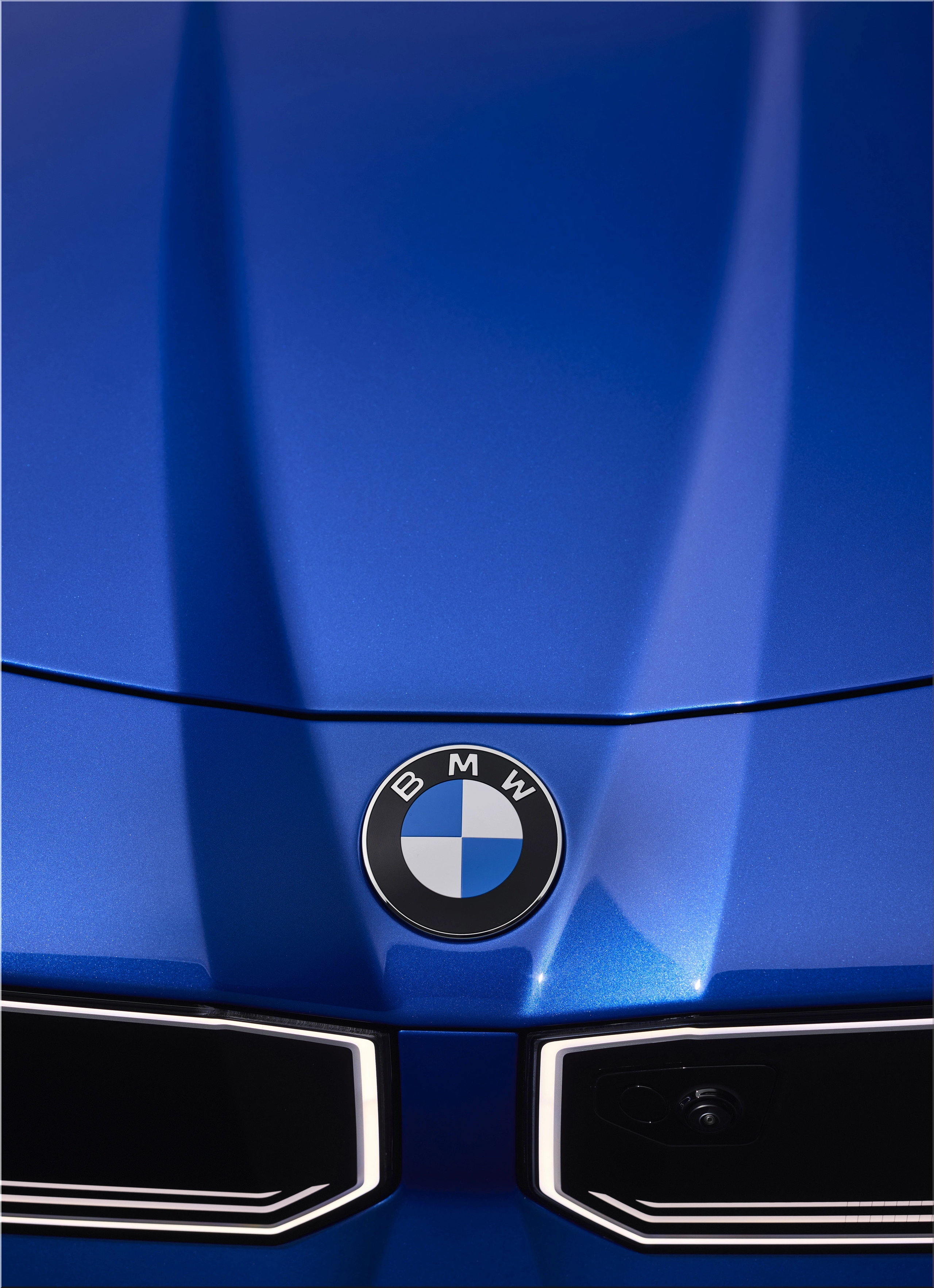
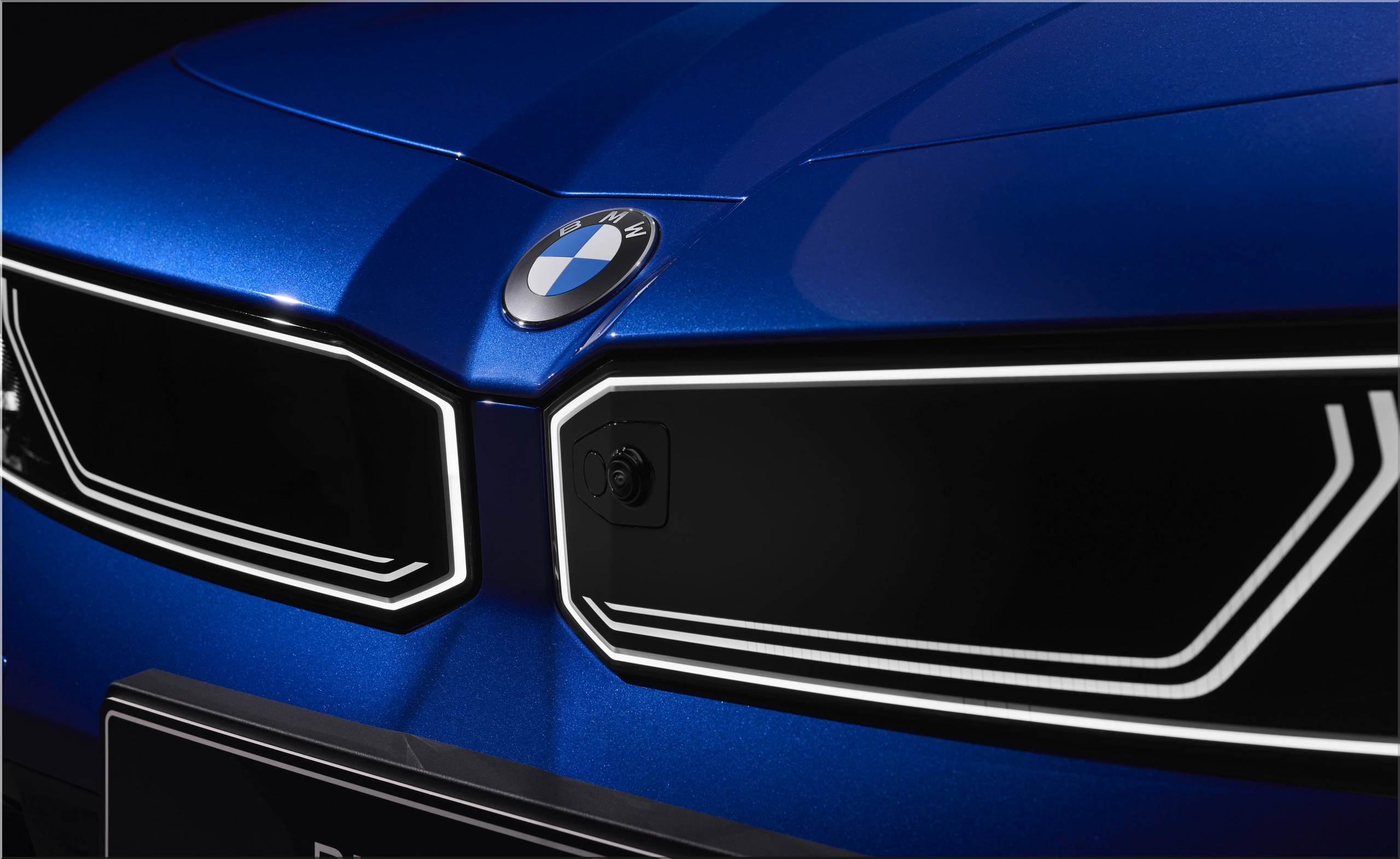
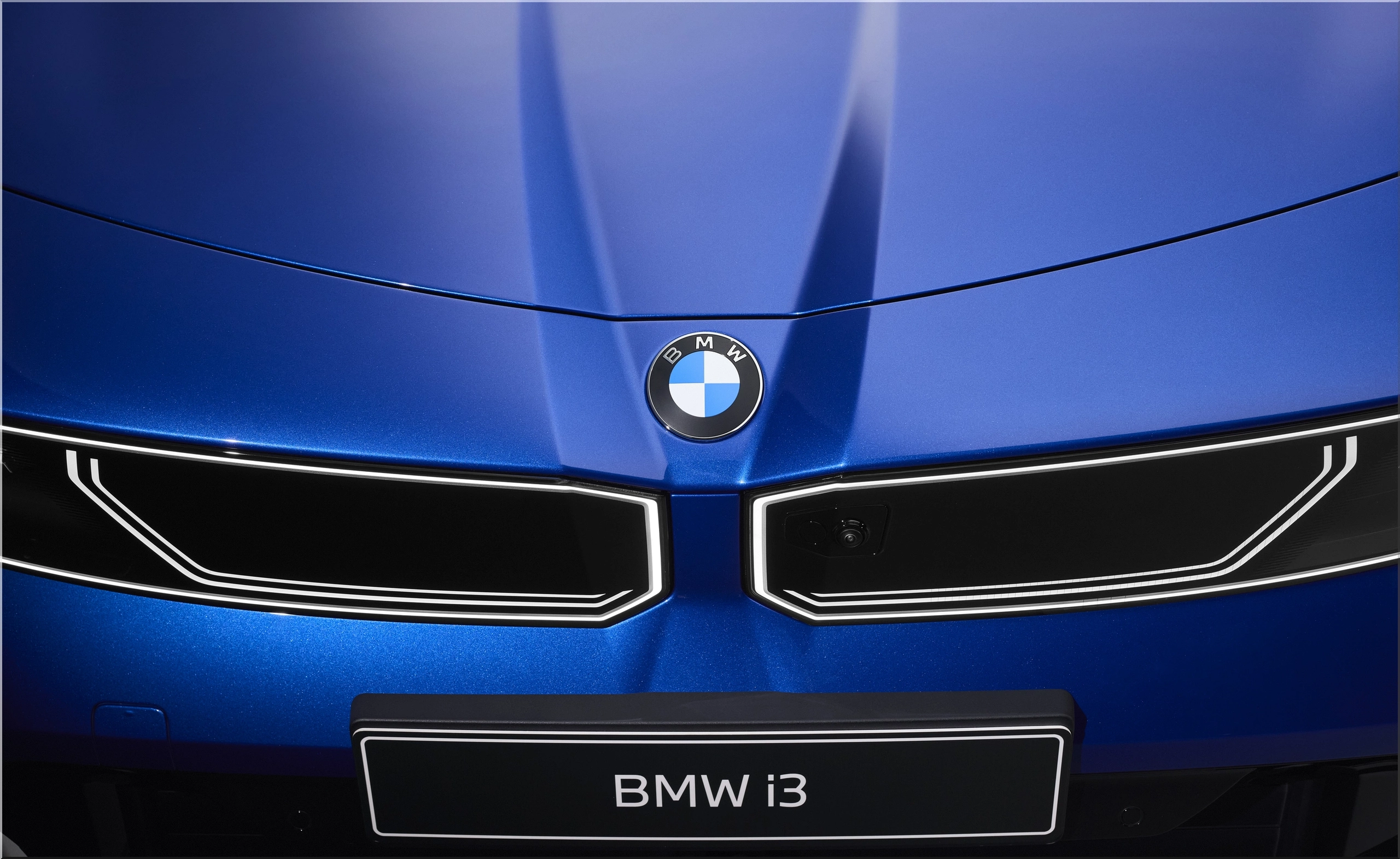
- Pro-Tip: To maximize the 559-mile range, utilize the Active Aerodynamics mode. This closes the front kidney grille flaps and lowers the ride height by 0.4 inches at speeds above 75 mph to minimize drag.
Engineering the Heart of Joy
The driving dynamics are managed by a central high-performance computer nicknamed the Heart of Joy. Historically, vehicles used separate electronic control units (ECUs) for braking, steering, and power delivery. The BMW i3 consolidates these into a single processor that executes commands up to ten times faster.
From an expert perspective, this integration is necessary for automated driving functions and sophisticated torque vectoring. The system can adjust the power delivery to each wheel in milliseconds, ensuring the sedan maintains its neutral handling balance even during aggressive cornering.
Why Cylindrical Cells Matter
BMW opted for cylindrical cells over prismatic designs to solve the problem of thermal management. The circular cross-section of the 4695 cells allows for more consistent cooling surface area across the entire pack. Specifically, this prevents "hot spots" within the battery, which usually lead to throttled performance during high-speed driving or rapid charging.
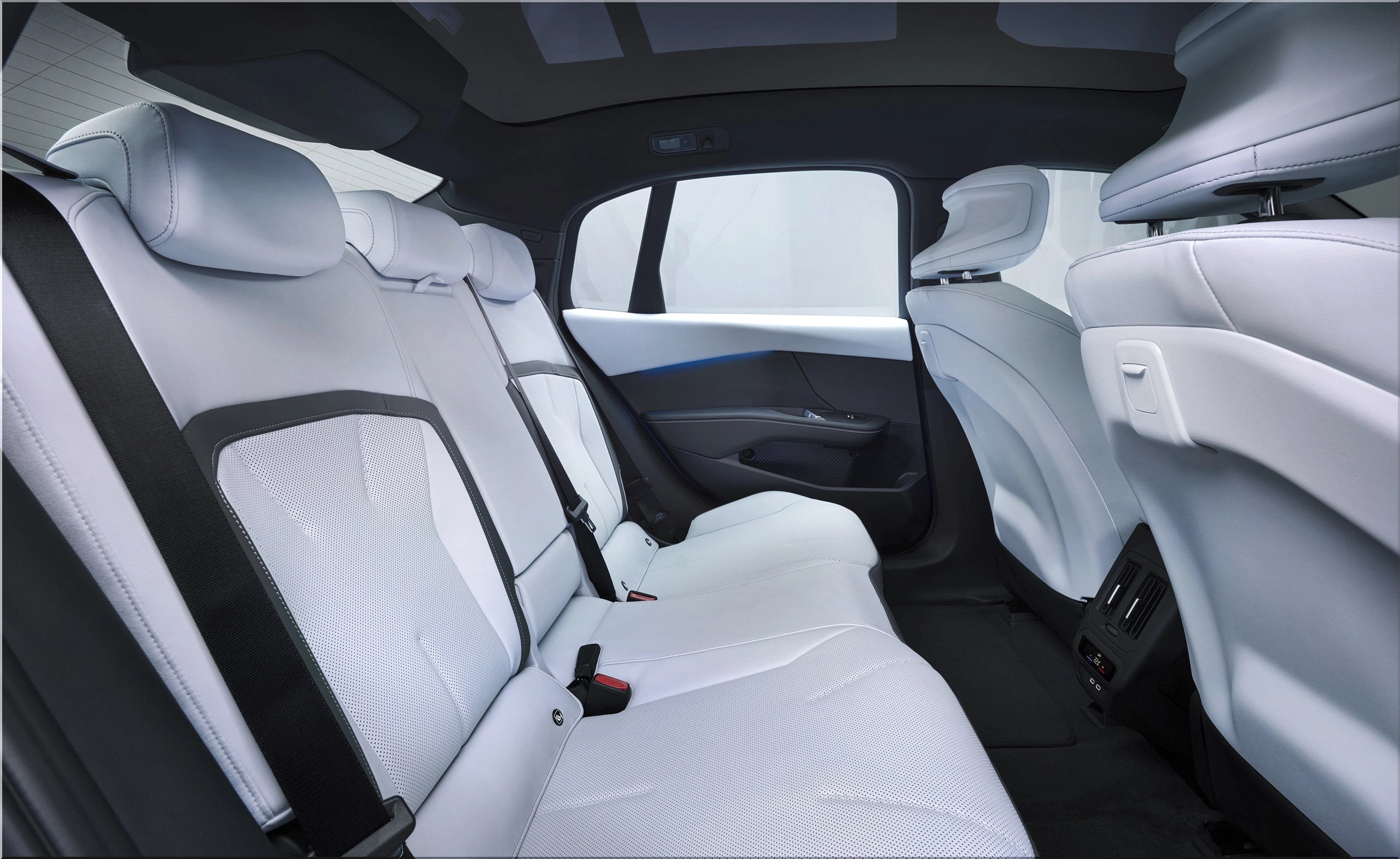
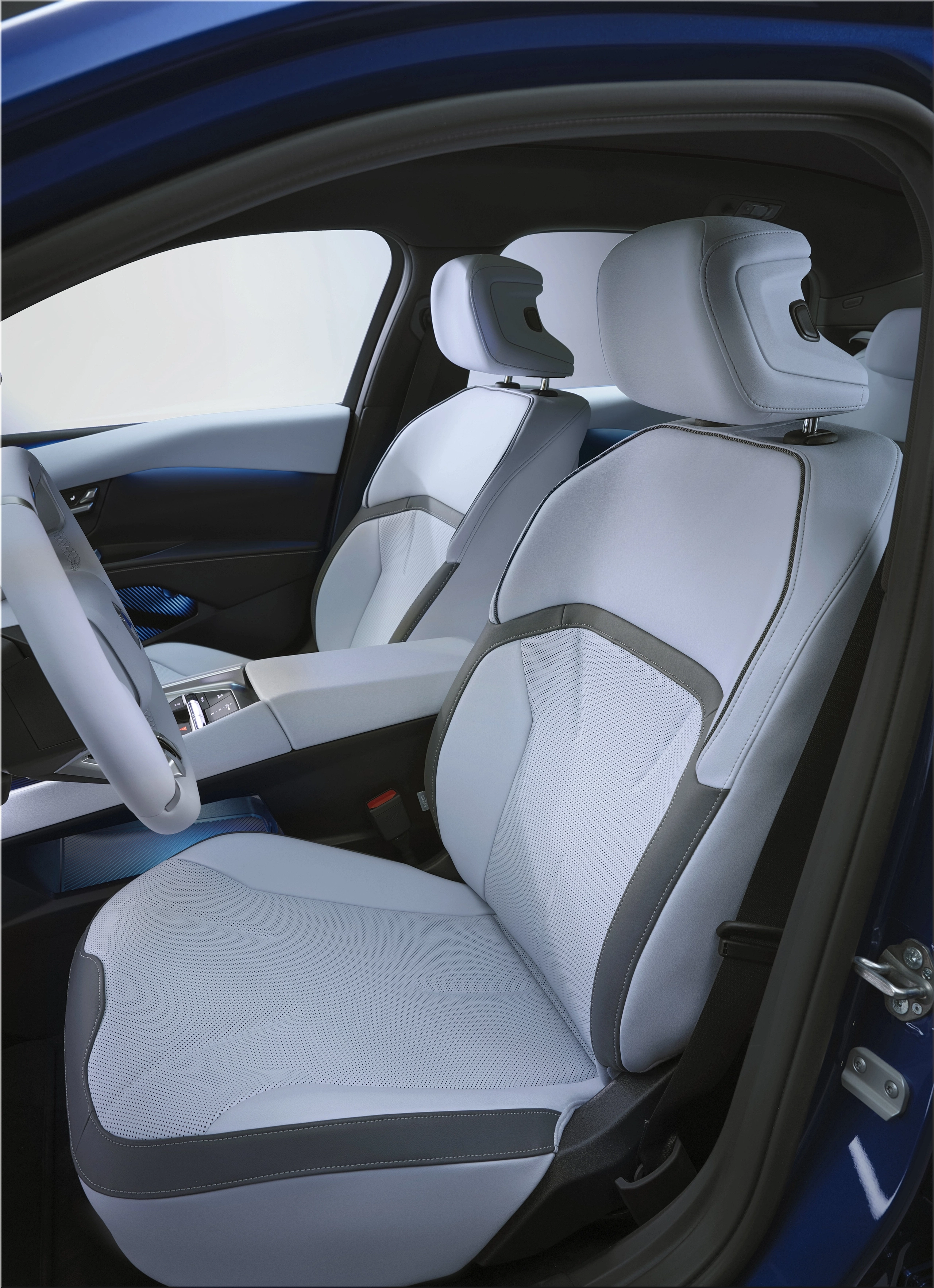
"The shift to a dedicated EV architecture allows for a 'cab-forward' design, increasing interior legroom by 2.4 inches compared to the internal combustion 3 Series."
Market Value and Final Assessment
The 2027 BMW i3 enters the market with a projected starting price of $66,600. This reflects the high cost of the sixth-generation battery technology and the premium positioning of the Neue Klasse sub-brand. While the price point is higher than the mass-market competition, the ROI is found in the range-per-charge and the charging-speed metrics, which currently lead the segment.
From a strategic standpoint, BMW is not merely replacing a sedan; it is redefining the efficiency standards for the luxury market. The combination of 400 kW charging and a sub-4-second acceleration time ensures that the BMW i3 remains relevant through the end of the decade.
- Add new comment
- 98 views