Solaris Takes Its 15-Meter Electric Intercity Bus Into Europe's Toughest Public Transport Test
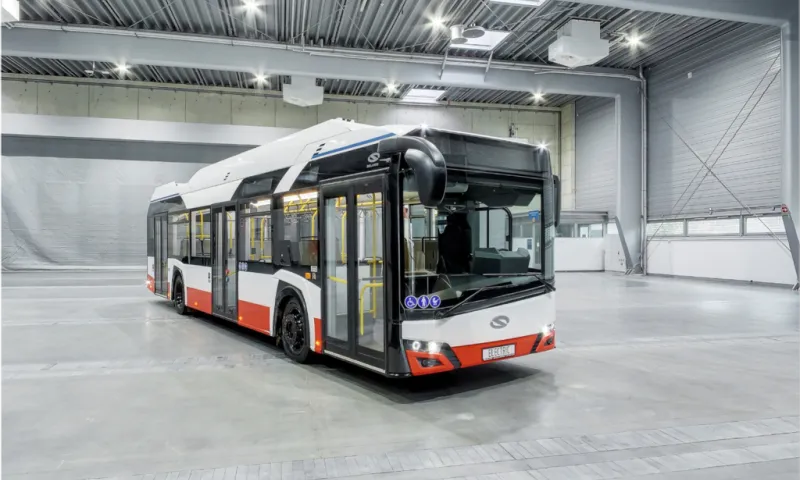
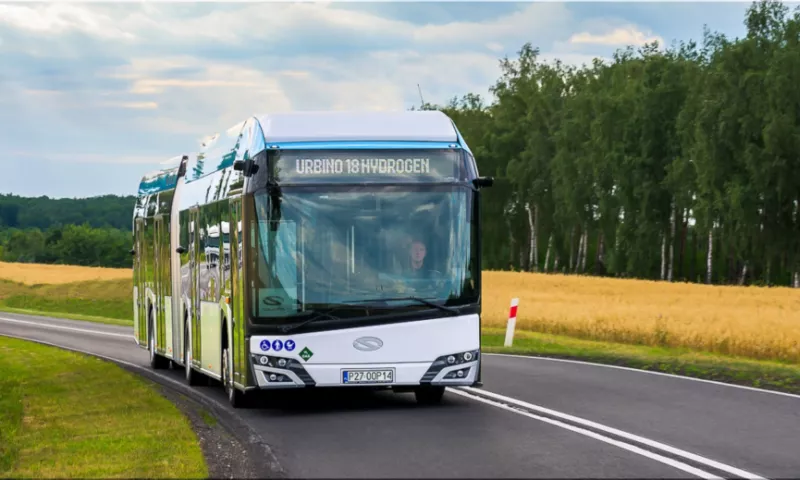
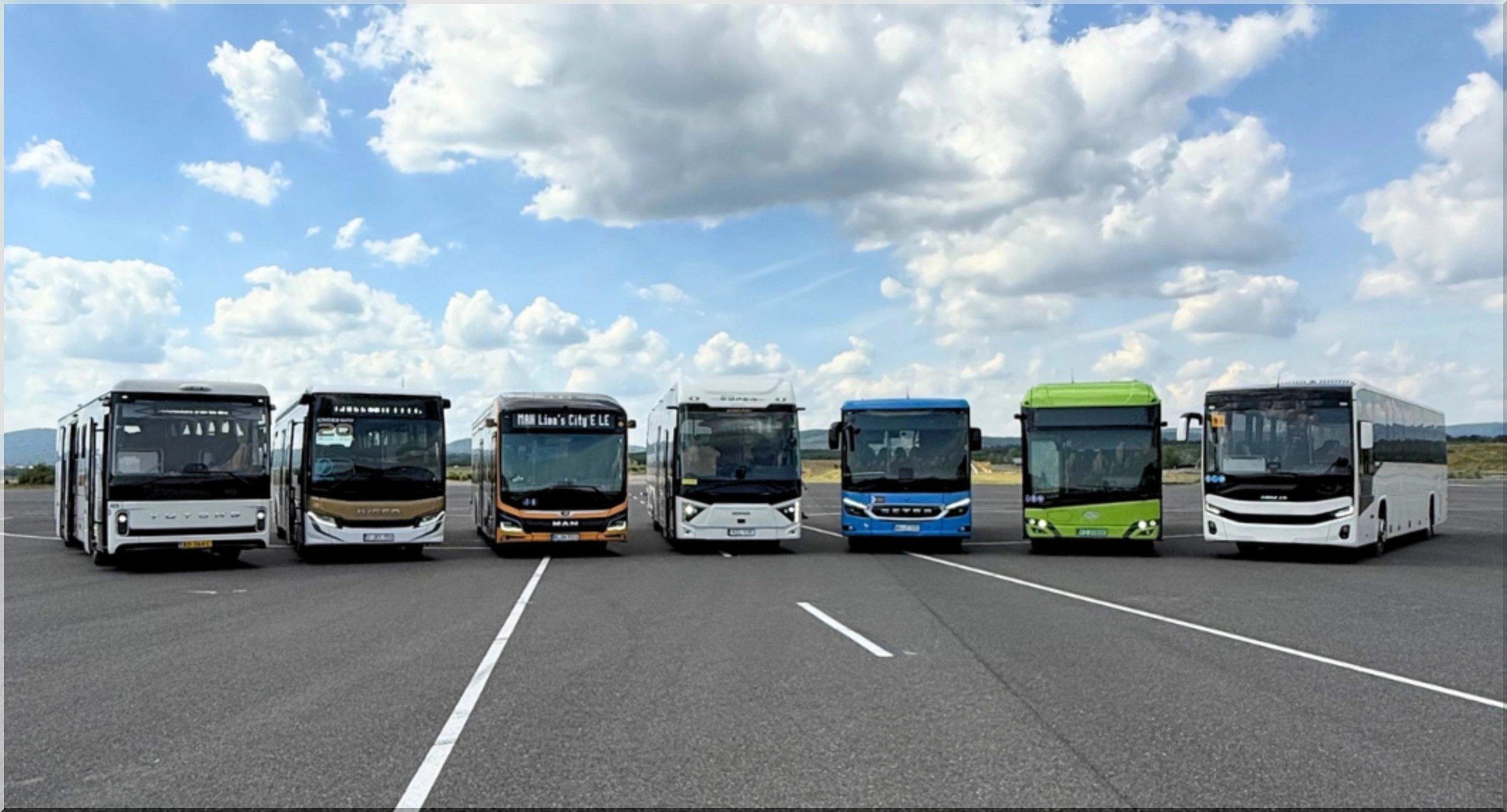
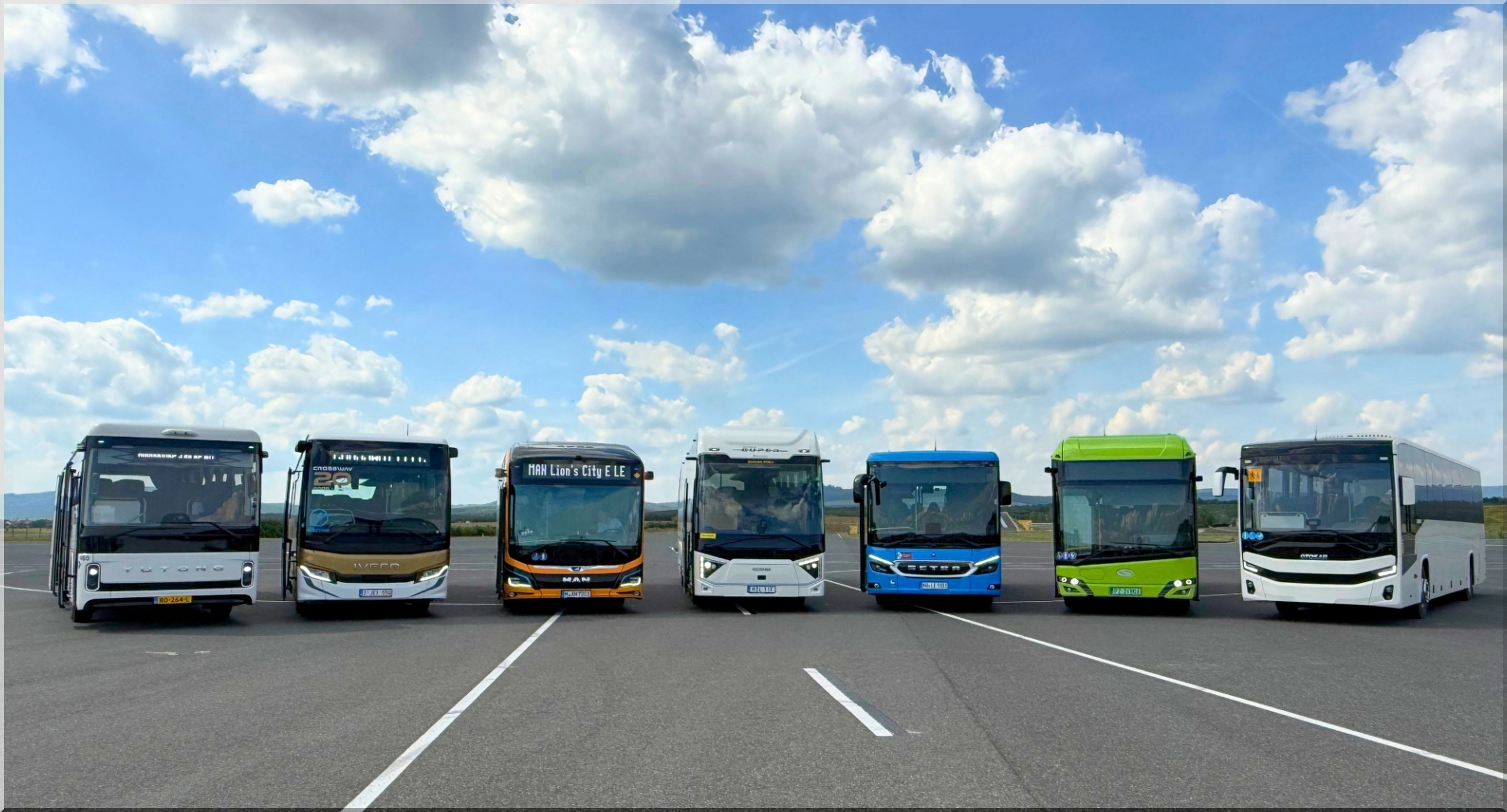
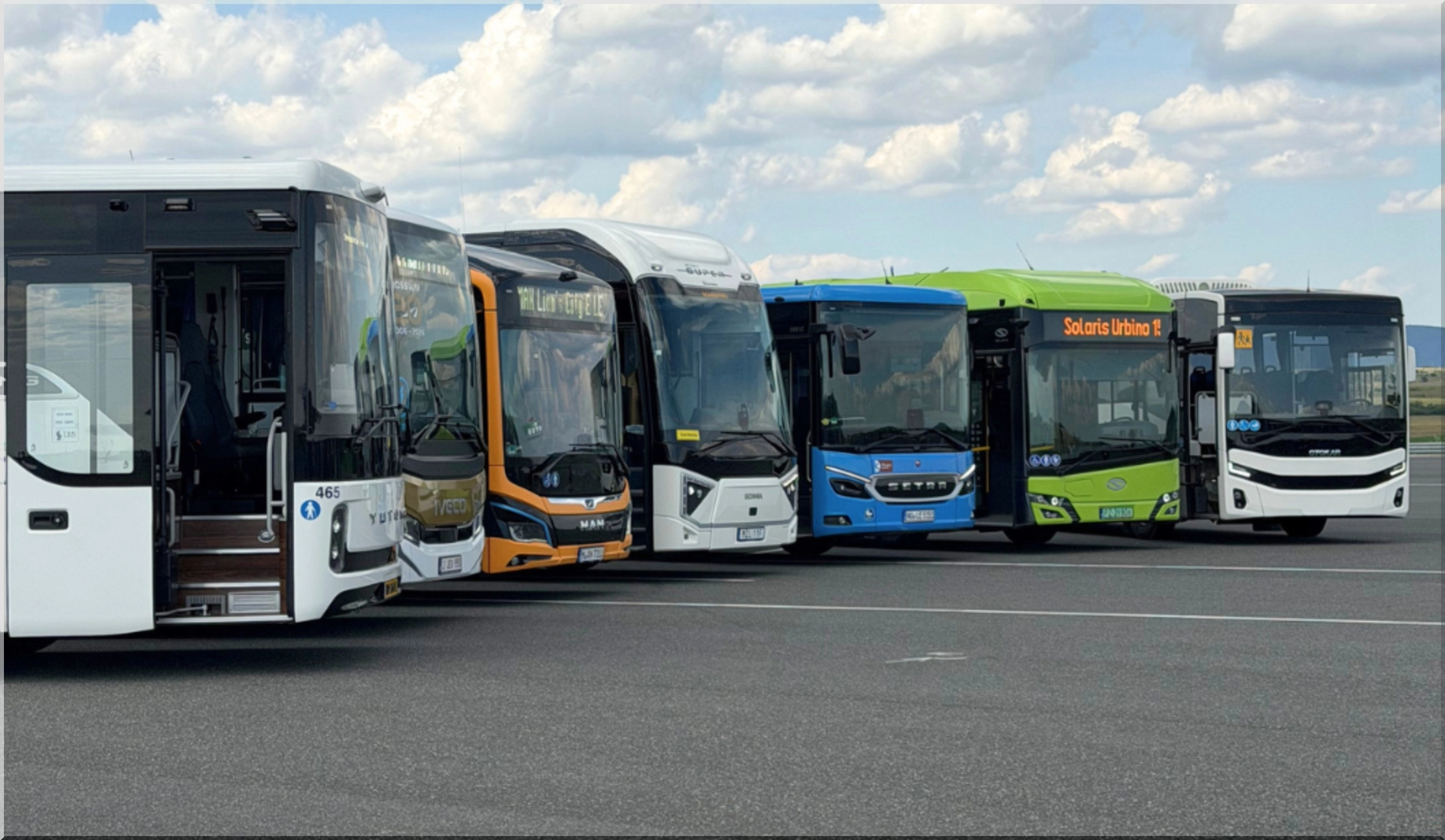
Solaris Urbino 15 LE electric enters Bus Euro Test 2026 with a clear mission: prove that a battery-electric bus can handle urban routes and regional duty without forcing operators into a narrow use case. Solaris selected its 15-meter, low-entry electric bus for the intercity edition, where jurors measure real operating performance, energy use, braking, noise, passenger comfort, and driver ergonomics.
The strategy makes sense. A 12-meter electric city bus fits dense urban service, but regional operators need range, seating, luggage-friendly layouts, and higher-speed stability. The Urbino 15 LE electric targets that gap with a three-axle layout, low-floor front section, raised rear passenger area, and battery range of about 600 km, depending on configuration and operating conditions.
Key Solaris Urbino 15 LE Electric Specifications
| Data point | Solaris Urbino 15 LE electric |
|---|---|
| Length | 14,890 mm / 586.2 in |
| Width | 2,550 mm / 100.4 in |
| Height | 3,465 mm / 136.4 in |
| Wheelbase | 7,000 mm + 1,690 mm / 275.6 in + 66.5 in |
| Front overhang | 2,750 mm / 108.3 in |
| Rear overhang | 3,450 mm / 135.8 in |
| GVW | 26,000 kg / 57,320 lb |
| Peak motor output | 300 kW / 402 hp |
Looking at the data, Solaris built the bus around route flexibility rather than pure city density. The 14.89-meter body gives operators more seating than a standard 12-meter bus, while the three-axle layout spreads mass across the chassis and supports a 26-ton gross vehicle weight rating. That matters when operators specify larger battery packs, regional seating, HVAC loads, and standing capacity.
Battery, Charging, and Range Logic
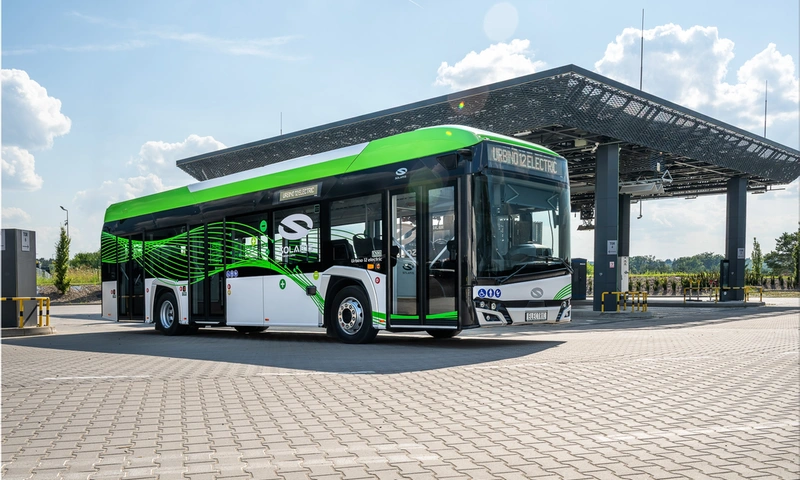
The electric intercity bus uses Solaris High Energy batteries and supports CCS2 plug-in charging plus pantograph charging. In Bus Euro Test context, that flexibility carries real value. Depot charging can cover overnight energy needs, while pantograph hardware allows operators to add opportunity charging at high-use nodes.
| Operating factor | Practical effect |
|---|---|
| Approx. 600 km range | Supports full-day regional duty in suitable conditions |
| CCS2 charging | Works well for depot-based fleet routines |
| Pantograph charging | Adds fast top-up capability on demanding cycles |
| SiC driveline tech | Cuts conversion losses and improves energy efficiency |
| 300 kW central motor | Delivers strong launch control for heavy passenger loads |
Specifically, silicon-carbide power electronics reduce heat and improve switching efficiency inside the driveline. Consequently, the bus can use stored energy more effectively during acceleration, steady cruising, and regenerative braking events. That creates a stronger operating case than raw battery capacity alone.
Passenger Layout and Safety Systems
The Bus Euro Test vehicle can carry up to 100 passengers and offers up to 65 seats, depending on configuration. In addition, the low-entry layout improves boarding flow at the front, while the raised rear floor suits longer-distance travel with more forward-facing seats.
Solaris also gives the model a safety package suited to current European requirements:
- Blind spot monitoring
- Driver fatigue detection
- Traffic sign recognition
- Lane keeping assist
- Start-off and maneuvering support
- Electronic braking system
- Traction control
- Electronic stability control
- Collision mitigation system
By comparison, a diesel intercity bus still wins on refueling speed, but it loses ground when cities and regions set zero-tailpipe-emission targets. The Solaris package attacks that trade-off with range, charging flexibility, and proven fleet deployment across Europe.
Pro-Tips for Transit Operators Evaluating the Urbino 15 LE Electric
From an expert perspective, operators should judge the Solaris electric bus against route energy demand, not advertised range alone. Cold weather, passenger loads, elevation, HVAC use, and average speed can change daily energy consumption fast.
Use this checklist before procurement:
- Map the longest duty cycle with winter HVAC demand.
- Match CCS2 depot charging power to overnight dwell time.
- Add pantograph charging only where route intensity justifies the infrastructure cost.
- Compare seated capacity against current diesel or hybrid intercity buses.
- Test driver visibility and ADAS calibration on tight regional roads.
Should Fleets Shortlist the Solaris Urbino 15 LE Electric?
Yes, if they need one vehicle for city access and regional distance. The Solaris Urbino 15 LE electric at Bus Euro Test 2026 brings the right numbers: 15-meter packaging, up to 65 seats, up to 100 passengers, 300 kW output, and about 600 km of range in suitable configurations. The bigger point sits in fleet planning. Solaris already contracted more than 600 units of this type and delivered about 320, which gives operators a stronger real-service base than many electric intercity rivals can claim.
- Add new comment
- 57 views