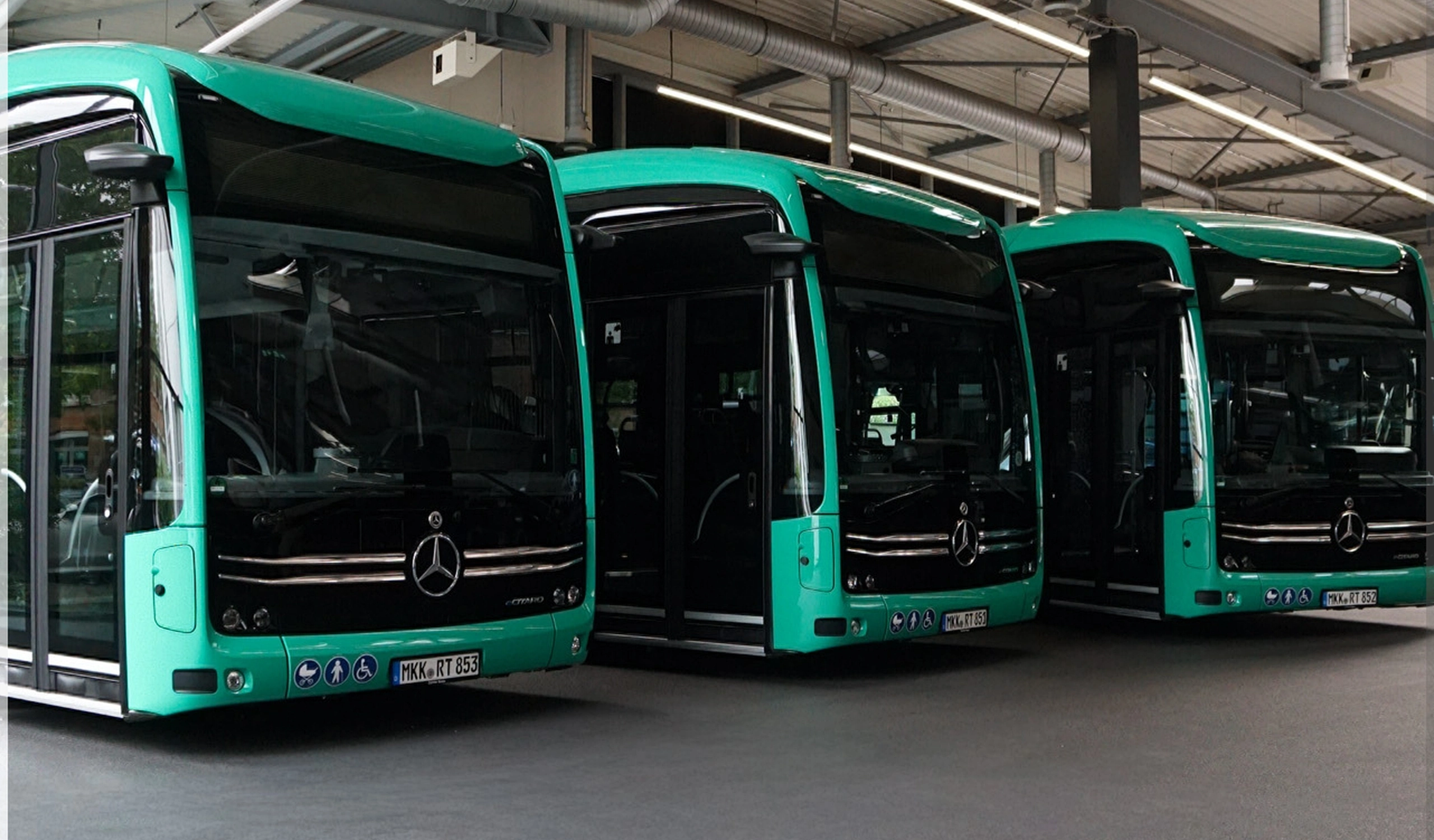
Racktours Adds Three Mercedes-Benz eCitaro Buses
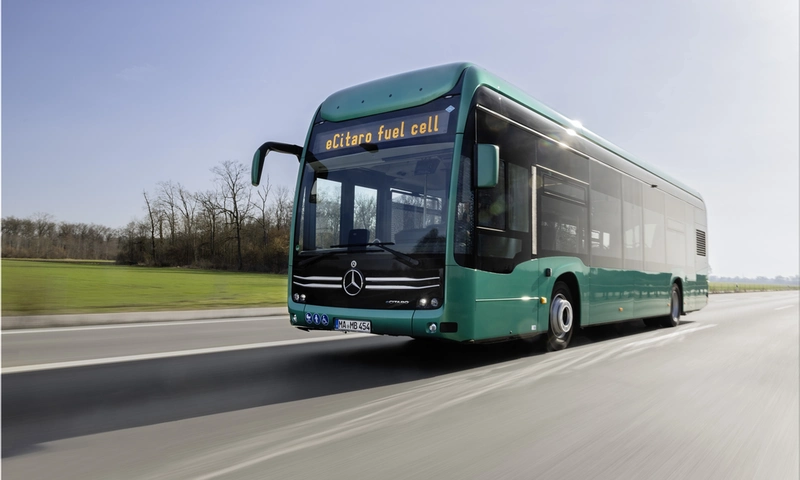
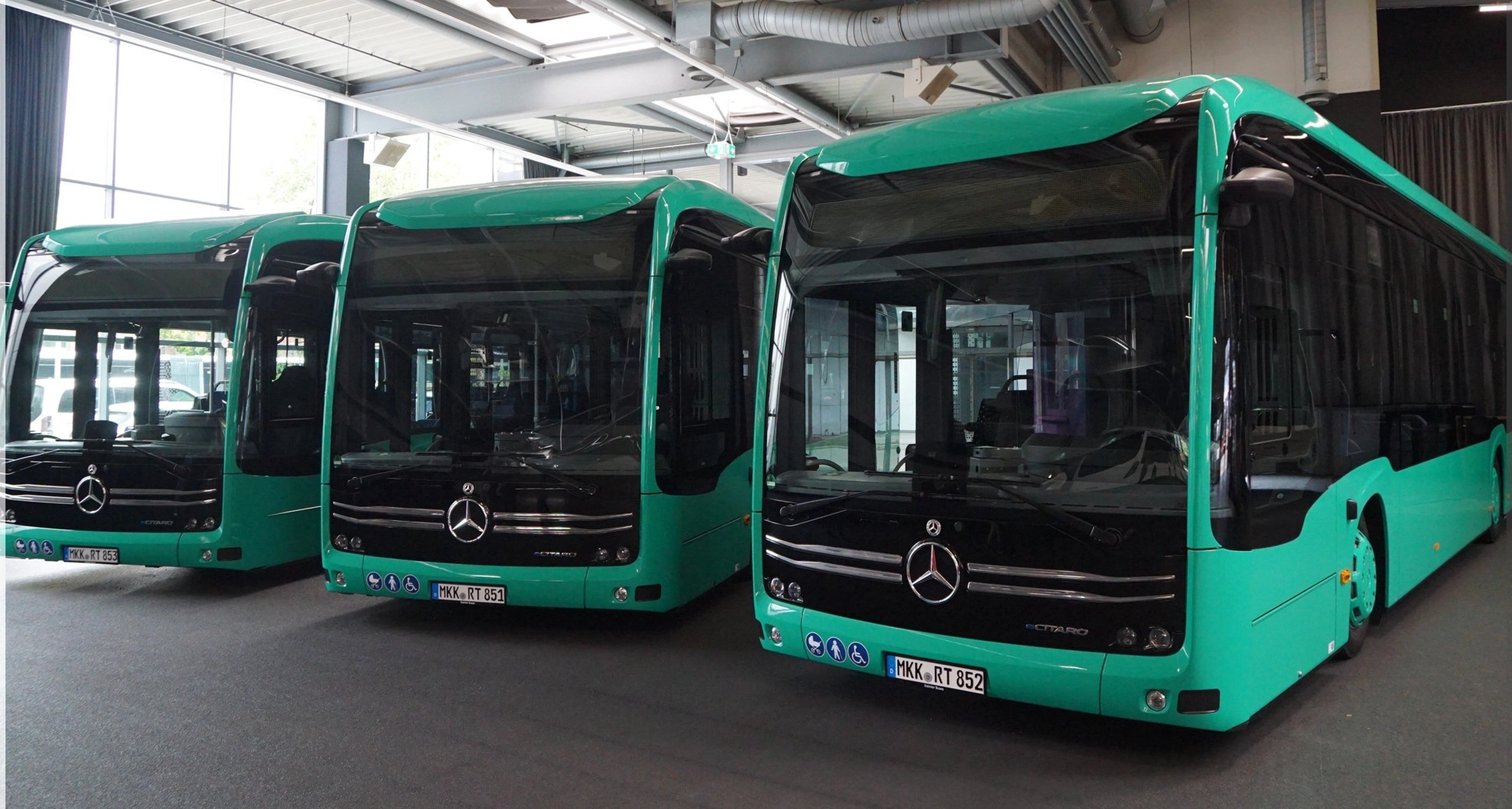
Racktours has moved its city-bus fleet into battery-electric operation with three new Mercedes-Benz eCitaro solo buses. Daimler Buses delivered the 12-meter vehicles to the Erlensee-based operator for scheduled service in the Main-Kinzig district, where they will run for KVG Main-Kinzig mbH.
This purchase carries fleet-level weight. Racktours has bought more than 21 new Daimler Buses vehicles over the past five years, but these units mark its first battery-electric Mercedes-Benz buses. Consequently, the operator adds zero-local-emission hardware without changing its core procurement logic.
Mercedes-Benz eCitaro Battery Specs
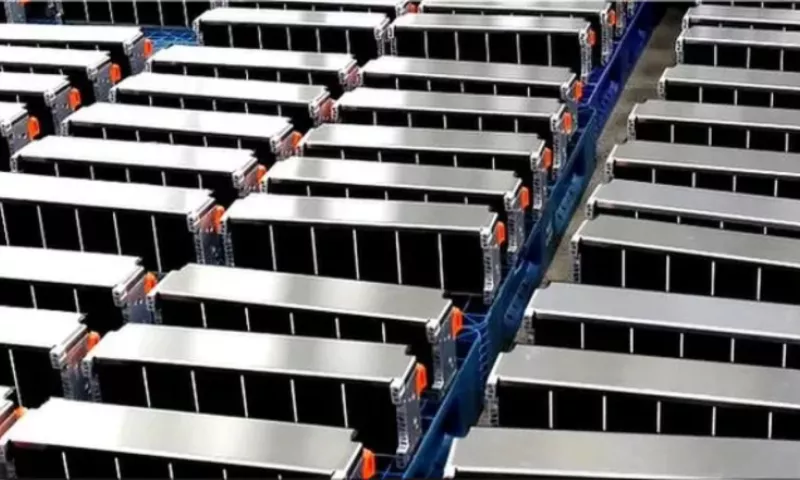
The fleet uses NMC 4 high-voltage battery technology. Two buses carry five battery packs with 555 kWh total capacity, while the third uses six packs for 666 kWh. Each pack stores 111 kWh, so Racktours can match battery size to route demand instead of buying one oversized setup for every duty cycle.
| Racktours eCitaro Setup | Battery Packs | Total Capacity | Best Use Case |
|---|---|---|---|
| Standard configuration | 5 | 555 kWh | High-frequency urban routes |
| Maximum configuration | 6 | 666 kWh | Longer daily schedules |
| Pack capacity | 1 | 111 kWh | Modular fleet planning |
Looking at the data, NMC 4 battery chemistry gives the eCitaro higher usable energy in the same package space than the prior generation. That matters for operators because battery volume competes with passenger space, axle-load limits, and service access.
Pro-Tips for Fleet Operators
- Match battery packs to duty cycles before ordering.
- Use depot charging when buses return on predictable schedules.
- Track real consumption by season, route speed, and passenger load.
- Train drivers on regenerative braking to reduce brake wear and energy draw.
Electric Drive, Dimensions, and Passenger Capacity
Each Racktours eCitaro uses two electric wheel hub motors rated at 2 x 140 kW and 2 x 495 Nm. That layout puts drive torque close to the wheels, cuts drivetrain packaging complexity, and suits stop-start city service.
| Technical Data | Racktours Mercedes-Benz eCitaro |
|---|---|
| Length | 12,135 mm |
| Width | 2,550 mm |
| Height | 3,360 mm |
| Electric motors | 2 wheel hub motors |
| Output | 2 x 140 kW |
| Torque | 2 x 495 Nm |
| Passenger capacity | Up to 97 |
| Door layout | 2-door configuration |
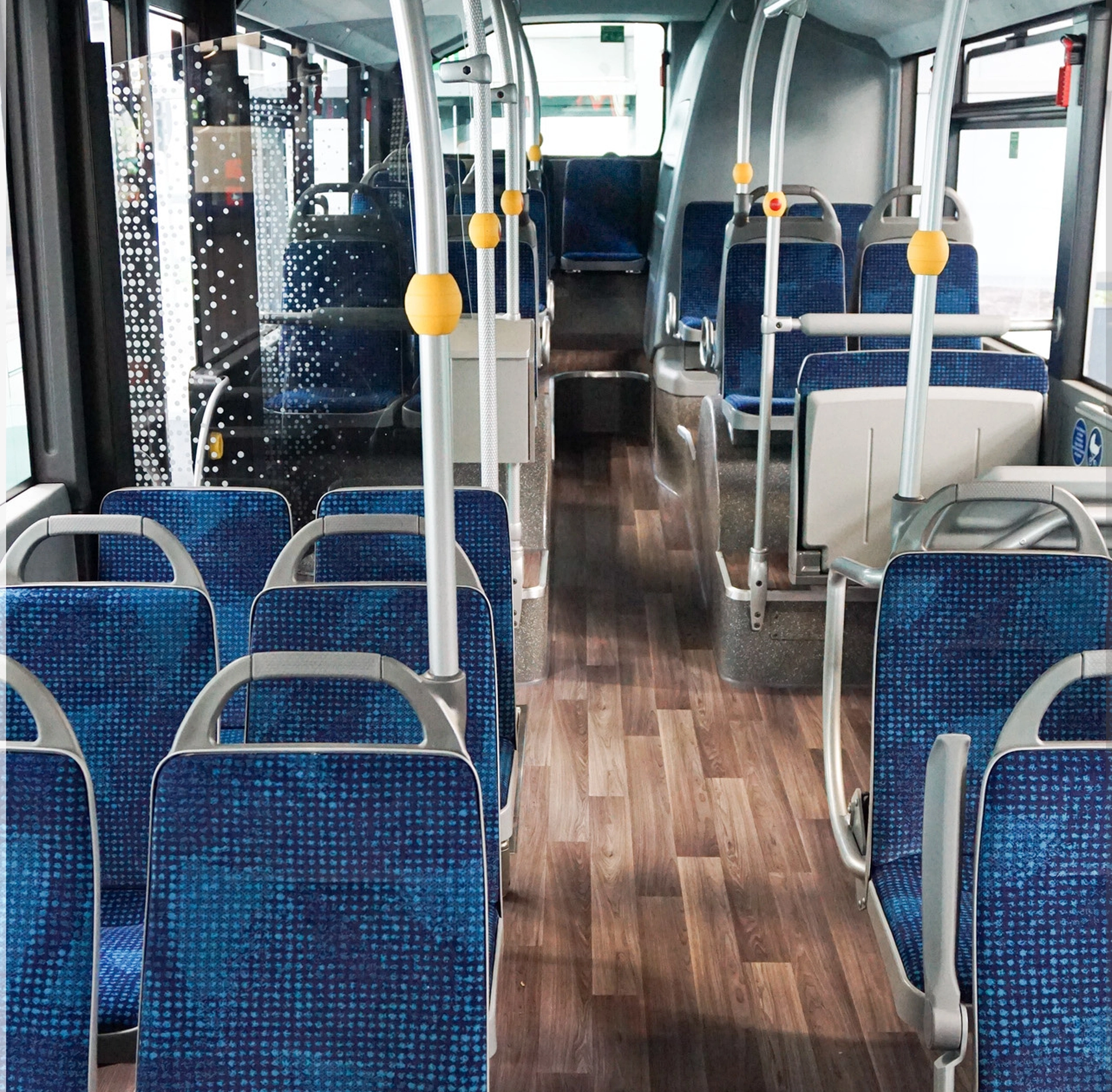
In addition, the bus keeps the low-floor city-bus format that operators already understand. The 97-passenger maximum gives Racktours useful capacity without moving to an articulated vehicle.
Safety Tech Makes the Business Case Stronger
The new buses include MirrorCam, a rearview camera, full interior video monitoring, Sideguard Assist 2, Frontguard Assist, Traffic Sign Assist, and Attention Assist 2 with an infrared camera. These systems target the high-risk parts of city operation: turning, close-quarter traffic, driver fatigue, passenger monitoring, and low-speed maneuvering.
From an expert perspective, the Racktours order shows how private bus companies can phase in electric buses without gambling on experimental hardware. The Mercedes-Benz eCitaro brings known city-bus packaging, modular batteries, and route-ready safety tech into one operational package.
What Should Operators Check Before Buying an Electric City Bus?
Operators should audit daily mileage, layover windows, depot charging capacity, passenger loads, heating demand, and winter energy use before selecting battery size. Specifically, they should compare the 555 kWh and 666 kWh layouts against real route data, not brochure range alone.
- Add new comment
- 39 views