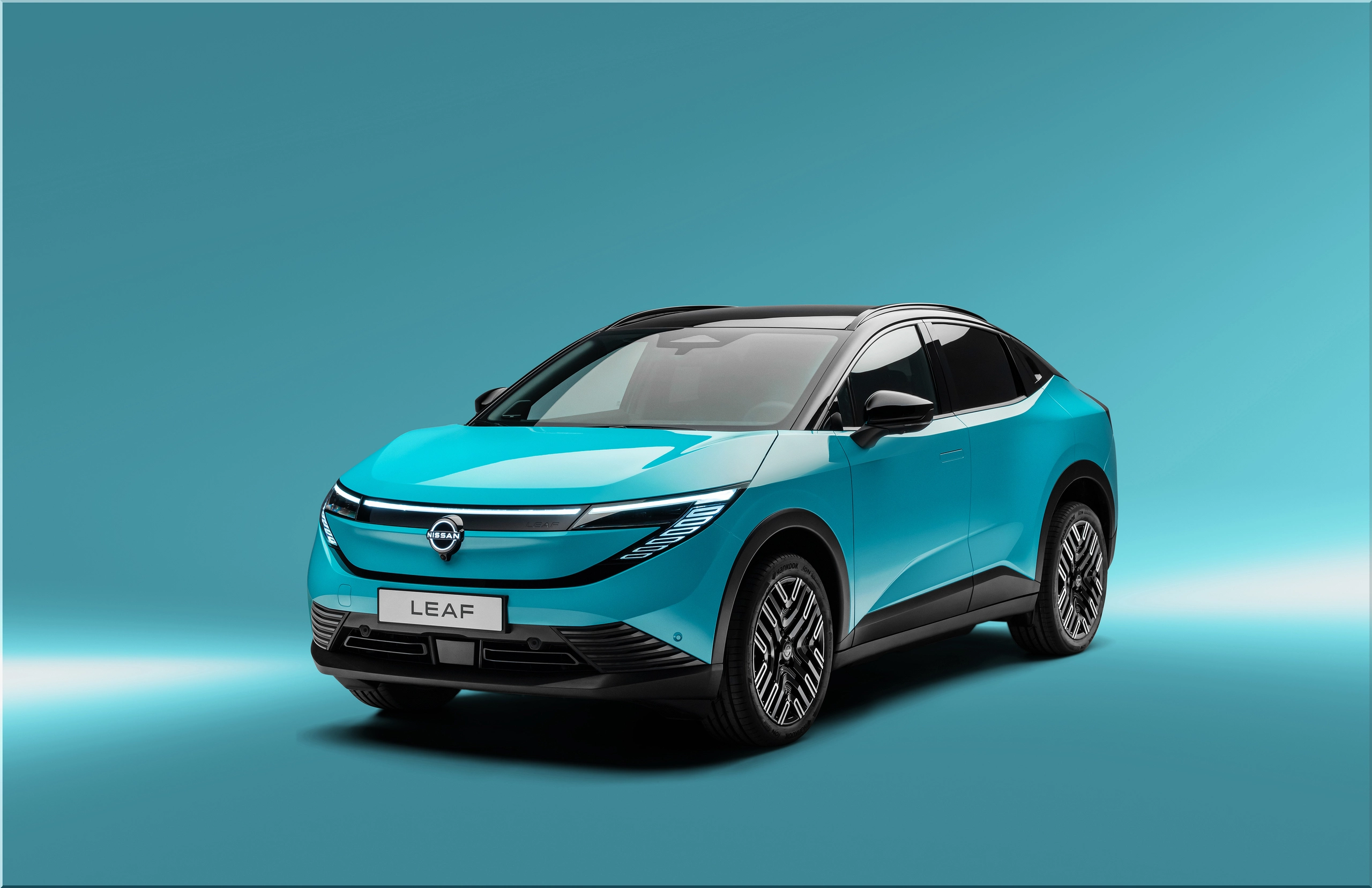
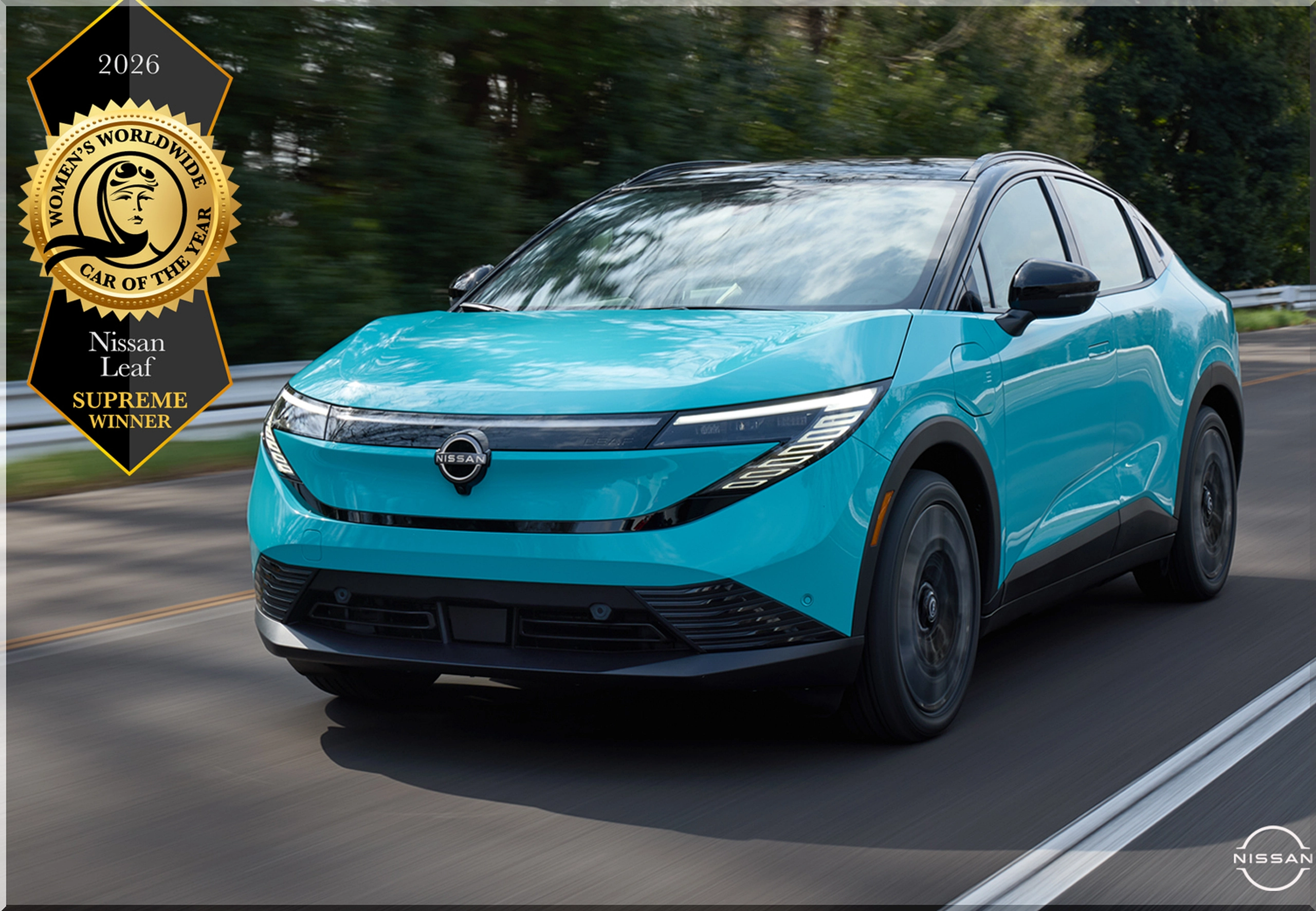
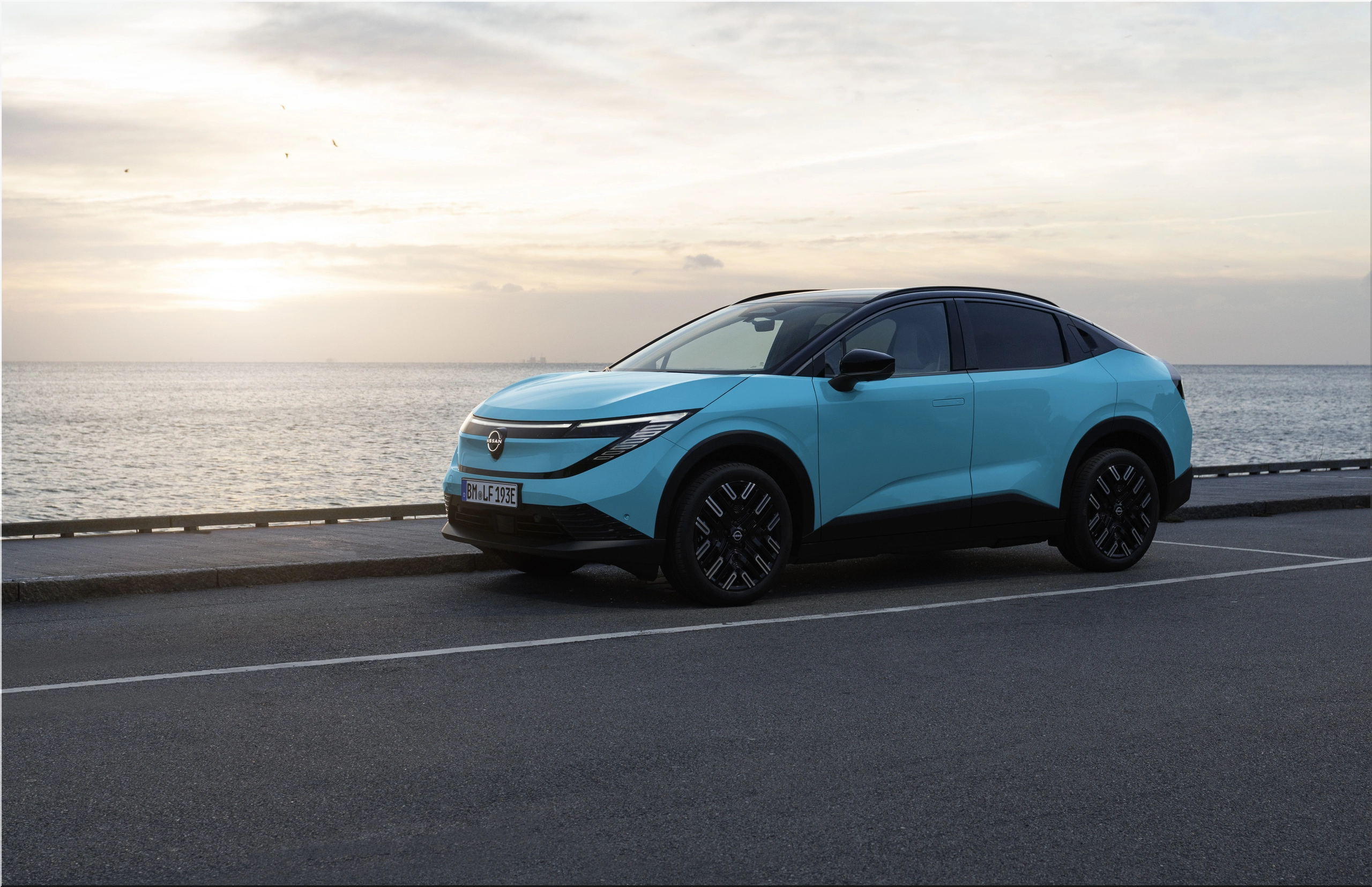
The 2026 Nissan LEAF has turned a familiar name into one of the sharpest electric-car stories of the year. WWCOTY, the women-led international car jury, named the third-generation LEAF its 2026 Supreme Winner after also naming it Best Compact Car. That gives Nissan a rare double win as orders start in Nordic markets.
Nissan launched the new LEAF with two battery choices, a crossover-shaped body, a cleaner aero package, and a lower Norwegian starting price that converts to roughly $37,822 for the 52 kWh model. In a crowded compact EV class, the LEAF now fights with better range, broader charging access, smarter packaging, and 700,000 sales behind the nameplate.
Why The 2026 Nissan LEAF Won WWCOTY
WWCOTY judges cars through everyday filters: safety, quality, price, design, drivability, usability, and environmental impact. That scoring matrix fits the new Nissan LEAF because Nissan rebuilt the formula around usable range, quick-enough charging, simple cabin tech, and compact dimensions.
Looking at the data, the award makes sense. The 75 kWh version claims up to 622 km WLTP range, while the 52 kWh version reaches up to 445 km WLTP range in the latest Nordic release. Those numbers move the LEAF from legacy EV status into serious compact crossover territory, particularly in countries where winter range, highway speed, and charging access shape purchase decisions.
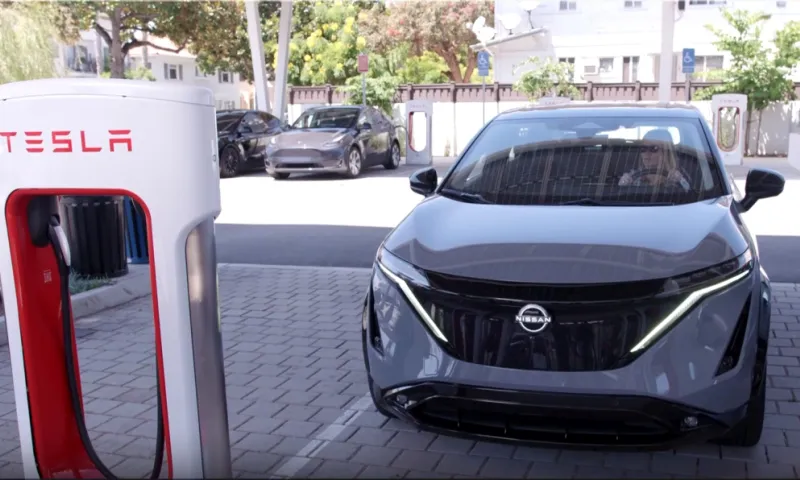
In addition, Nissan switched the LEAF from the older CHAdeMO charging standard to CCS charging, which gives European buyers access to a broader fast-charging network. That change carries real ownership value and removes one of the old LEAF's biggest structural weaknesses.
2026 Nissan LEAF Specs: Battery, Range, Charging, And Power
The third-generation LEAF uses two battery configurations. The Standard Range model uses a 52 kWh battery with a 130 kW front motor, while the Extended Range model uses a 75 kWh battery with a 160 kW front motor. Both versions drive the front wheels and use the CMF-EV platform.
| Specification | 2026 Nissan LEAF 52 kWh | 2026 Nissan LEAF 75 kWh |
|---|---|---|
| Battery capacity | 52 kWh | 75 kWh |
| Max power | 130 kW / 177 hp | 160 kW / 218 hp |
| Max torque | 345 Nm / 254 lb-ft | 355 Nm / 262 lb-ft |
| WLTP range | Up to 445 km / 276 miles | Up to 622 km / 386 miles |
| DC fast charging | 105 kW | 150 kW |
| AC charging | Up to 11 kW | Up to 11 kW |
| 0-100 km/h | 8.6 seconds | 7.6 seconds |
| Top speed | 160 km/h / 99 mph | 160 km/h / 99 mph |
| Drivetrain | Front-wheel drive | Front-wheel drive |
Specifically, the 75 kWh model gives the LEAF its strongest business case. It can add up to 417 km of range in 30 minutes on a DC fast charger and cover more than 330 km at 130 km/h. That highway figure counts more than the headline WLTP number because cold weather, high speeds, roof boxes, and cabin heat can punish an EV.
From an expert perspective, the 52 kWh model gives Nissan a value play against compact EVs that force buyers into bigger batteries for acceptable daily range. It still carries enough range for most commutes, school runs, and regional trips, while also trimming purchase cost and mass.
Aerodynamics Turn Range Into A Strategy
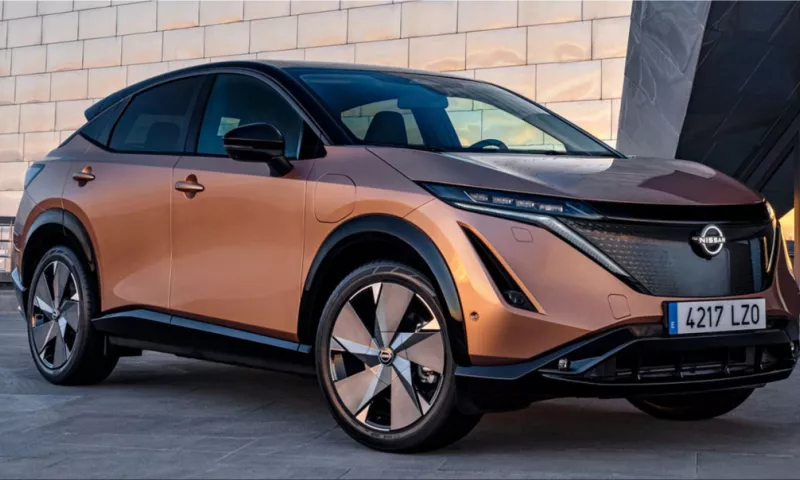
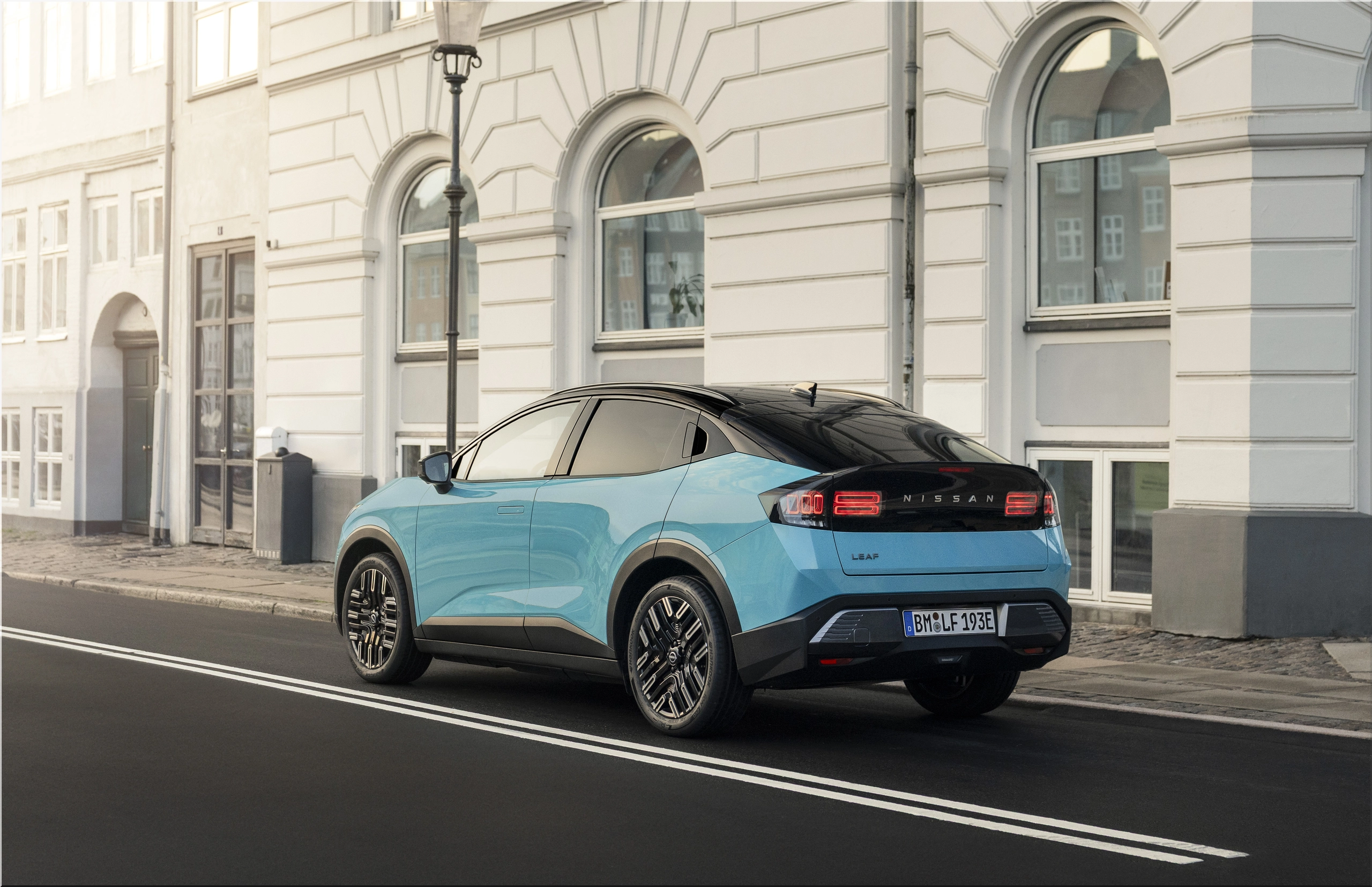
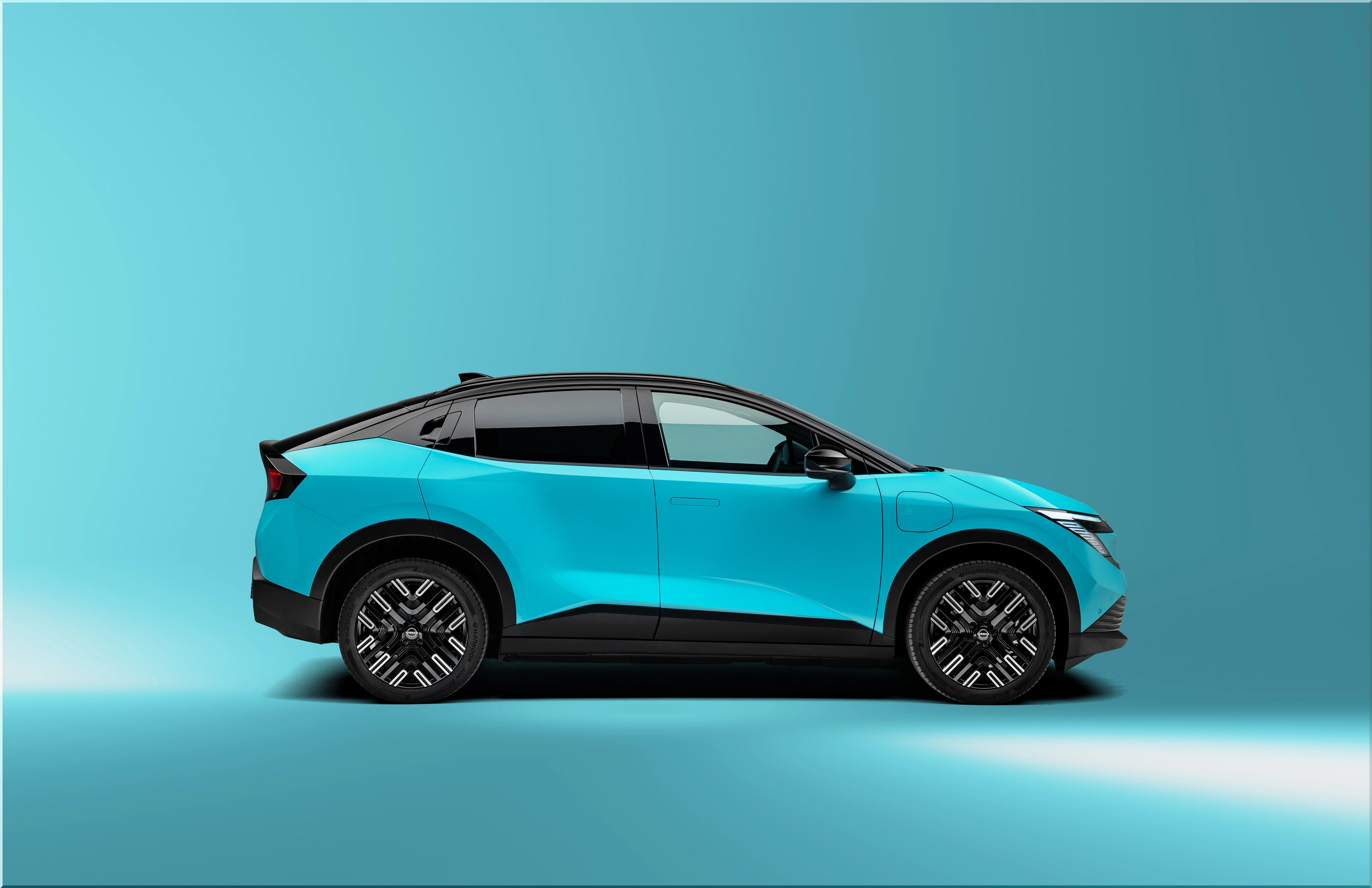
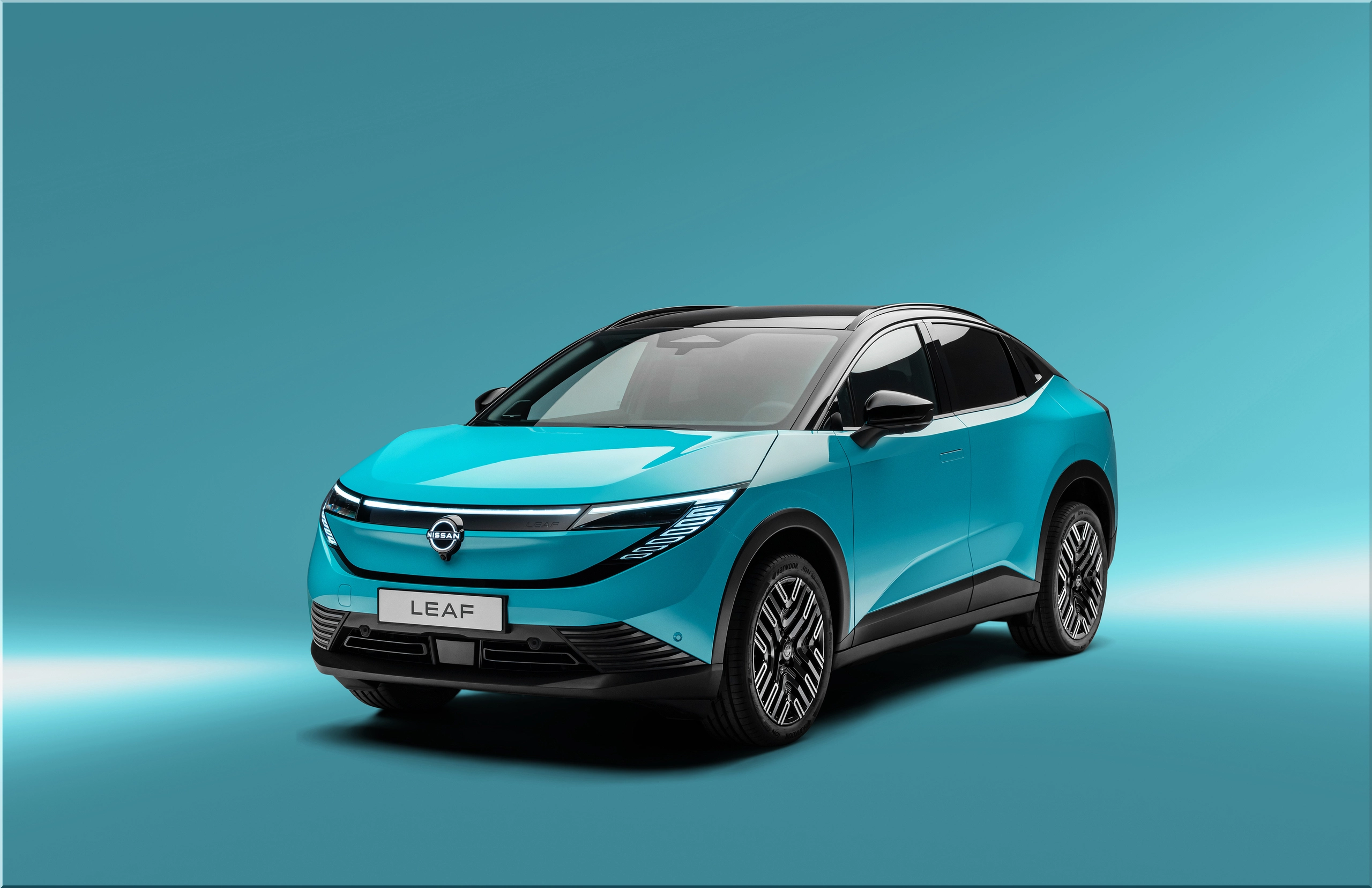
Nissan claims a 0.25 drag coefficient for the new LEAF, and that figure explains much of the range story. Aerodynamic drag rises with the square of speed, so a cleaner body pays the biggest dividend on highways, where EV efficiency often drops hardest. Flush door handles, a floating roofline, a covered underbody, sculpted surfaces, and aero-optimized wheel designs all work toward the same target: reduce resistance before adding more battery.
Key Packaging Data
| Dimension Or Capacity | 2026 Nissan LEAF |
|---|---|
| Length | 4,350 mm / 171.3 in |
| Width without mirrors | 1,810 mm / 71.3 in |
| Width with mirrors | 2,098 mm / 82.6 in |
| Height | 1,550 mm / 61.0 in |
| Wheelbase | 2,690 mm / 105.9 in |
| Turning circle | 10.8 m / 35.4 ft |
| Cargo volume, seats up | 437 liters / 15.4 cu ft |
| Cargo volume, seats down | 1,052 liters / 37.1 cu ft |
| Kerb weight | 1,791-1,883 kg / 3,948-4,151 lb |
| Max braked trailer weight | 975 kg / 2,150 lb |
| Seats / doors | 5 / 5 |
Consequently, Nissan made the new LEAF 4.35 meters long, or about 13 cm shorter than the previous version mentioned in the Norwegian release, while still providing 437 liters of luggage space. That packaging choice supports urban parking without turning the car into a cramped EV appliance. The 2,690 mm wheelbase also supports rear-seat room and battery placement.
Nissan LEAF Price In USD: Norway And Sweden
Nissan adjusted Norwegian pricing downward after launch. The 52 kWh entry model dropped by 20,000 NOK to 349,900 NOK, while the 75 kWh entry model dropped by 20,000 NOK to 399,900 NOK. Other Norwegian versions dropped by 15,000 NOK.
| Market Price Item | Local Price | Approx. USD |
|---|---|---|
| Norway LEAF 52 kWh new start price | 349,900 NOK | $37,822 |
| Norway LEAF 75 kWh new start price | 399,900 NOK | $43,226 |
| Norway reduction on entry models | 20,000 NOK | $2,162 |
| Norway reduction on other versions | 15,000 NOK | $1,621 |
| Sweden LEAF 52 kWh launch price | 429,900 SEK | $46,524 |
| Sweden LEAF 75 kWh launch price | 499,900 SEK | $54,104 |
| Sweden LEAF 75 kWh intro price | 462,400 SEK | $50,035 |
| Sweden private lease, 52 kWh | 4,195 SEK/month | $454/month |
| Sweden private lease, 75 kWh | 4,695 SEK/month | $508/month |
By comparison, Norway now looks like the cleaner value market in this set, although taxes, incentives, delivery charges, trim content, and currency movement can shift the final buyer equation. The price cut also tells a bigger story: Nissan wants the LEAF inside the purchase set before shoppers default to Chinese, Korean, German, or Stellantis alternatives.
Pro-Tip For Buyers
Compare price per usable kilometer, not price alone. Divide the transaction price by the WLTP range, then check standard equipment, winter tires, heat-pump availability, charging speed, warranty terms, and lease rate. A cheaper EV with weak highway range can cost more time on road trips.
Charging Tech: CCS, Battery Preconditioning, V2L, And V2G
The move to CCS charging gives the 2026 Nissan LEAF a practical reset. The 52 kWh model supports 105 kW DC charging, while the 75 kWh model supports 150 kW. Nissan lists a 30-minute DC session for the main fast-charge window in its technical data, and the Nordic release states that the Extended Range model can add up to 417 km in 30 minutes.
Specifically, intelligent battery thermal management works with Google Maps route planning. When the system sees a fast charger in the route, it can prepare battery temperature before arrival. Batteries charge fastest inside a specific thermal band; a cold pack accepts power slowly, while a hot pack may reduce charging to protect cell life.
In addition, the new LEAF includes Vehicle-to-Load capability at up to 3.6 kW. Owners can run small devices, camping gear, lights, laptops, or a kettle through an adapter. Nissan also prepared the car for Vehicle-to-Grid, which could let the vehicle send energy back to the grid when market rules and infrastructure allow it.
V2L Vs. V2G
- V2L means the car powers external devices directly.
- V2G means the car can return stored energy to the electrical grid under compatible programs.
- CCS gives the LEAF access to the dominant European DC fast-charging connector type.
Cabin Tech, Safety, And Driver Assistance
Nissan built the cabin around dual 14.3-inch displays with Google built-in, including Google Maps, Google Assistant, and app access through the Play Store. The NissanConnect app adds remote checks for battery status, charging, cabin preheating, and route planning. That setup counts because route planning and charging decisions now sit inside the vehicle's native software.
The driver-assistance package also gives the LEAF a modern compact-EV feature set. Nissan lists ProPILOT Assist with Navi-link, adaptive cruise control, lane keeping assistance, driver monitoring, Rear Cross Traffic Alert, active blind-spot warning, a 3D Around View Monitor, a wide front view, and an invisible hood view. Those features target tight parking, school-zone traffic, wet highways, and low-speed blind corners.
The chassis layout supports that comfort-first brief. Nissan uses MacPherson struts up front and a multi-link rear suspension, a useful upgrade for ride control and rear-axle stability under heavy battery mass.

Built In Sunderland Under EV36Zero
Nissan builds the new LEAF at Sunderland in the United Kingdom under the EV36Zero initiative. That production plan ties vehicle assembly, renewable electricity, and local battery supply into one regional EV strategy. It also gives European buyers a LEAF built closer to key sales markets rather than relying on long-distance imports.
Sunderland has built LEAF models before, and the nameplate holds a strong position in Norway, where Nissan says more than 80,000 LEAF units have sold. That installed base gives Nissan a ready audience that already understands EV charging, home energy costs, and winter range tradeoffs.
Should You Buy The 52 kWh Or 75 kWh Nissan LEAF?
Choose the 52 kWh Nissan LEAF if most driving happens inside a city or region, home charging covers daily energy needs, and the lower purchase price counts more than long-distance range. It gives enough power, the same five-seat layout, strong cargo room, and a lower cost basis.
Choose the 75 kWh Nissan LEAF if you drive highways often, carry family and luggage, live in a colder climate, or want fewer charging stops. The 160 kW motor, 355 Nm torque output, 150 kW DC peak, and 622 km WLTP figure give it a much wider operating window. For most Nordic buyers, that version will feel like the safer long-term bet.
Looking at the data, the new LEAF wins because Nissan fixed the right problems. It gained range, moved to CCS, added smart battery preconditioning, improved cabin tech, sharpened aerodynamics, and lowered the Norwegian price floor. WWCOTY gave it the trophy, but the product case rests on numbers buyers can test: range, charging, space, price, and daily ease.
- Add new comment
- 49 views