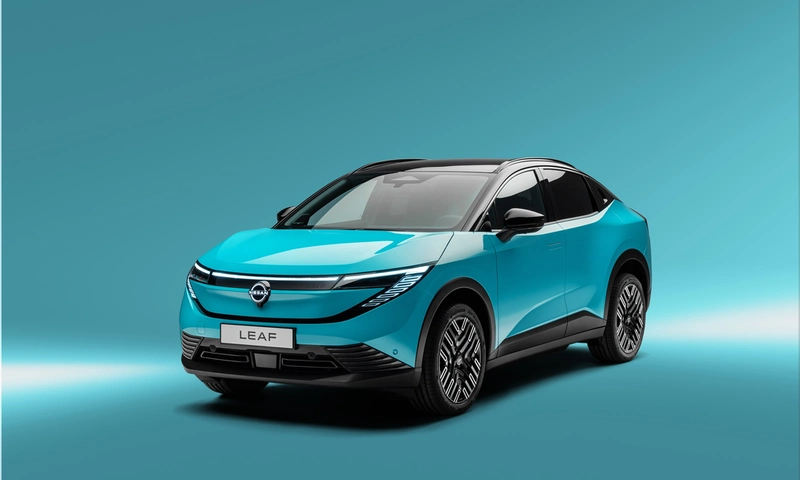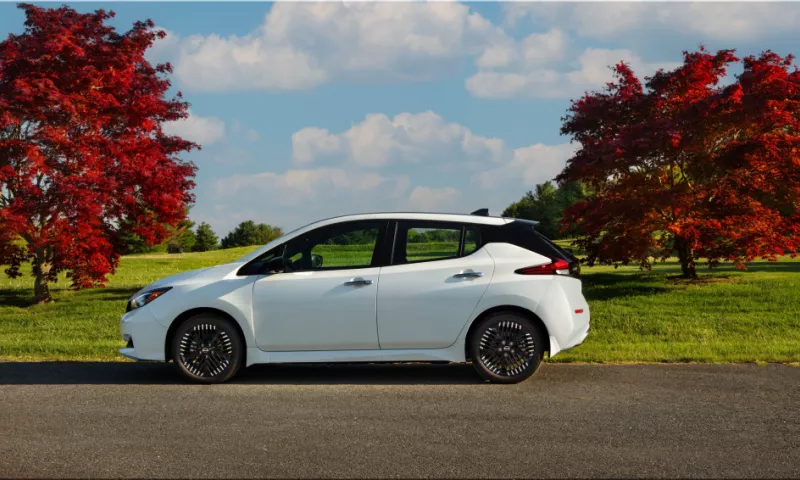
The 2026 Nissan LEAF marks a sharp turn for one of the most recognizable names in electric mobility. No longer a compact hatchback, the new LEAF enters the growing subcompact electric crossover segment with a body redesign, longer range, and fast-charging compatibility that includes Tesla’s NACS plug. Nissan is no longer just competing on affordability—it’s targeting mainstream EV buyers who want practical range, quicker charging, and more cargo space without sacrificing price.
With up to 310 miles of range, access to Tesla Superchargers, and the same no-nonsense reliability the LEAF nameplate is known for, the 2026 model positions itself as a highly capable alternative to higher-priced crossovers like the Tesla Model Y and Hyundai Ioniq 5. Nissan also retains its competitive edge on cost, making the LEAF one of the few EVs expected to remain eligible for full federal tax credits while offering a feature set that rivals more expensive electric SUVs.
Powertrain & Battery Advancements
The 2026 Nissan LEAF comes with two battery options:
- Standard pack: ~250 miles EPA estimated range
- Extended pack: Up to 310 miles EPA estimated range
Motor output ranges from 214 to 250 horsepower with 261 lb-ft of torque. Range gains come from improved motor efficiency and aerodynamics.
Charging and Infrastructure
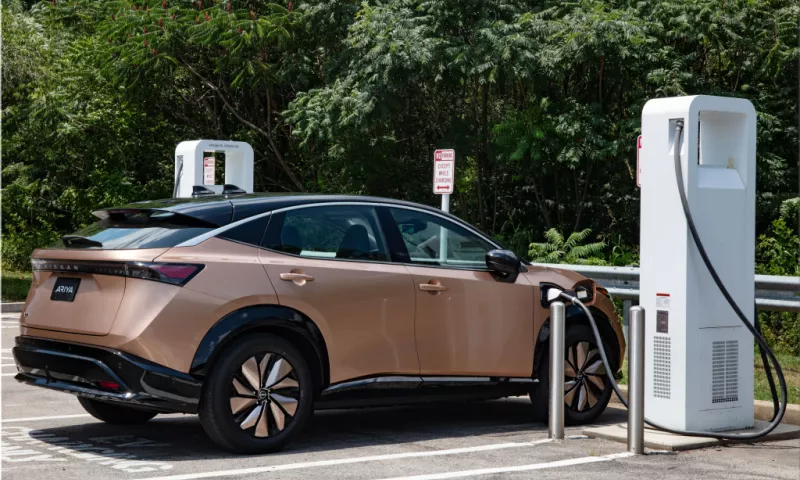
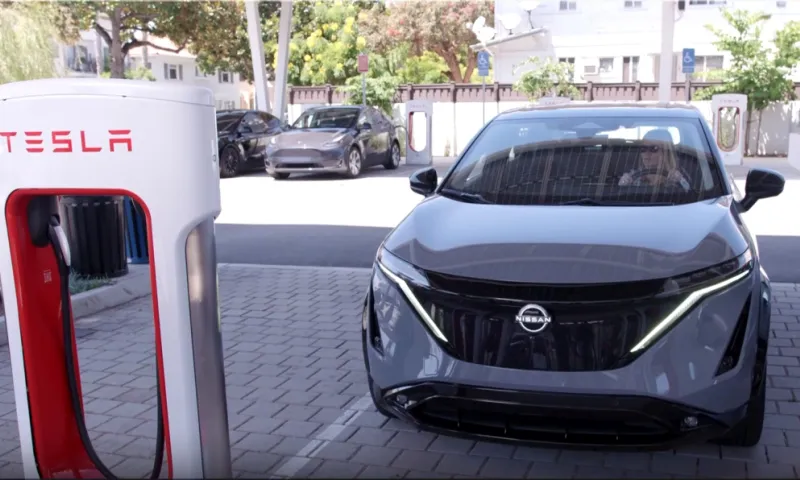
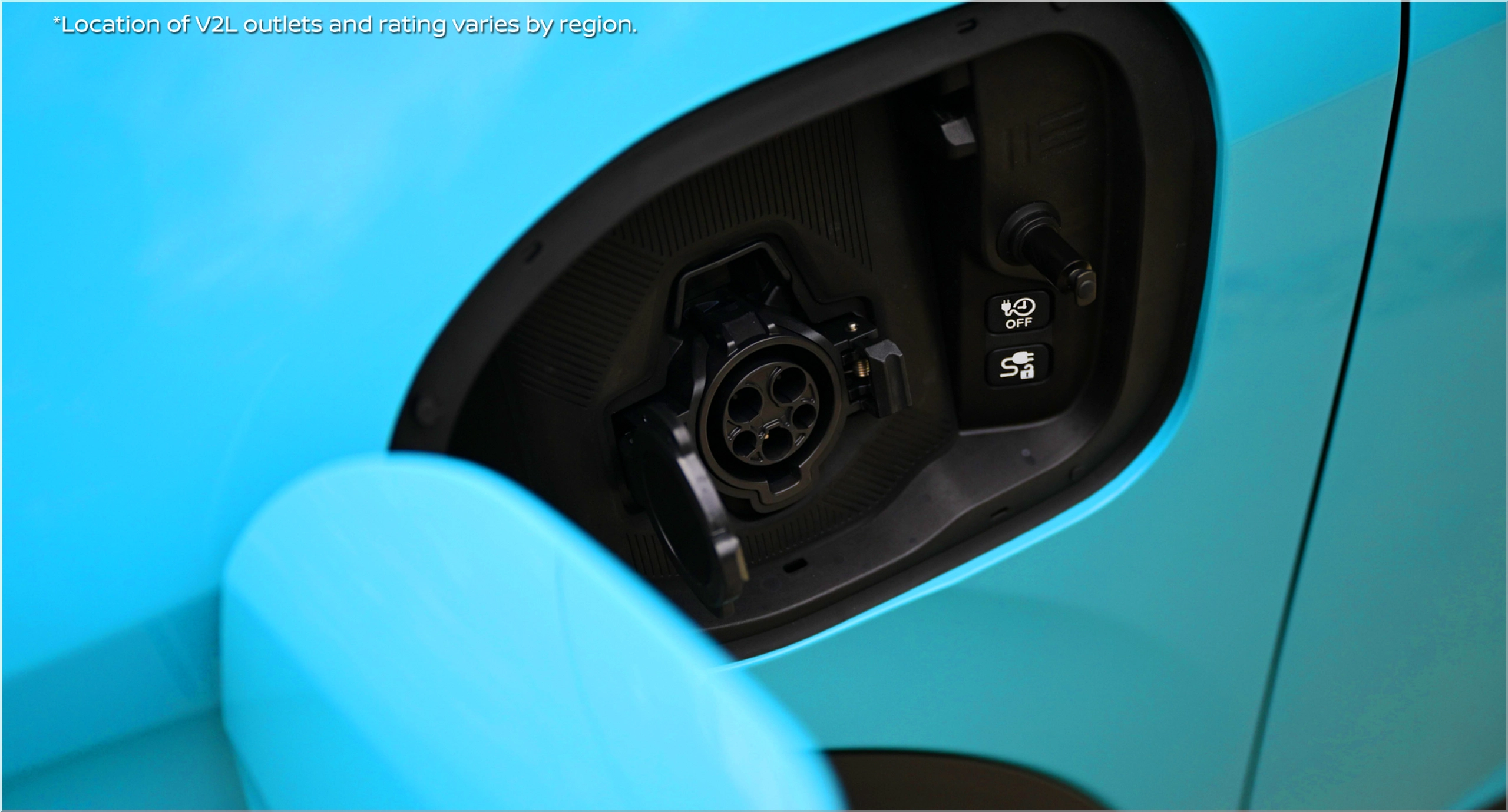
The new LEAF now includes a NACS port, granting access to Tesla’s Supercharger network. Charging specs:
- DC fast charging: Up to 200 kW
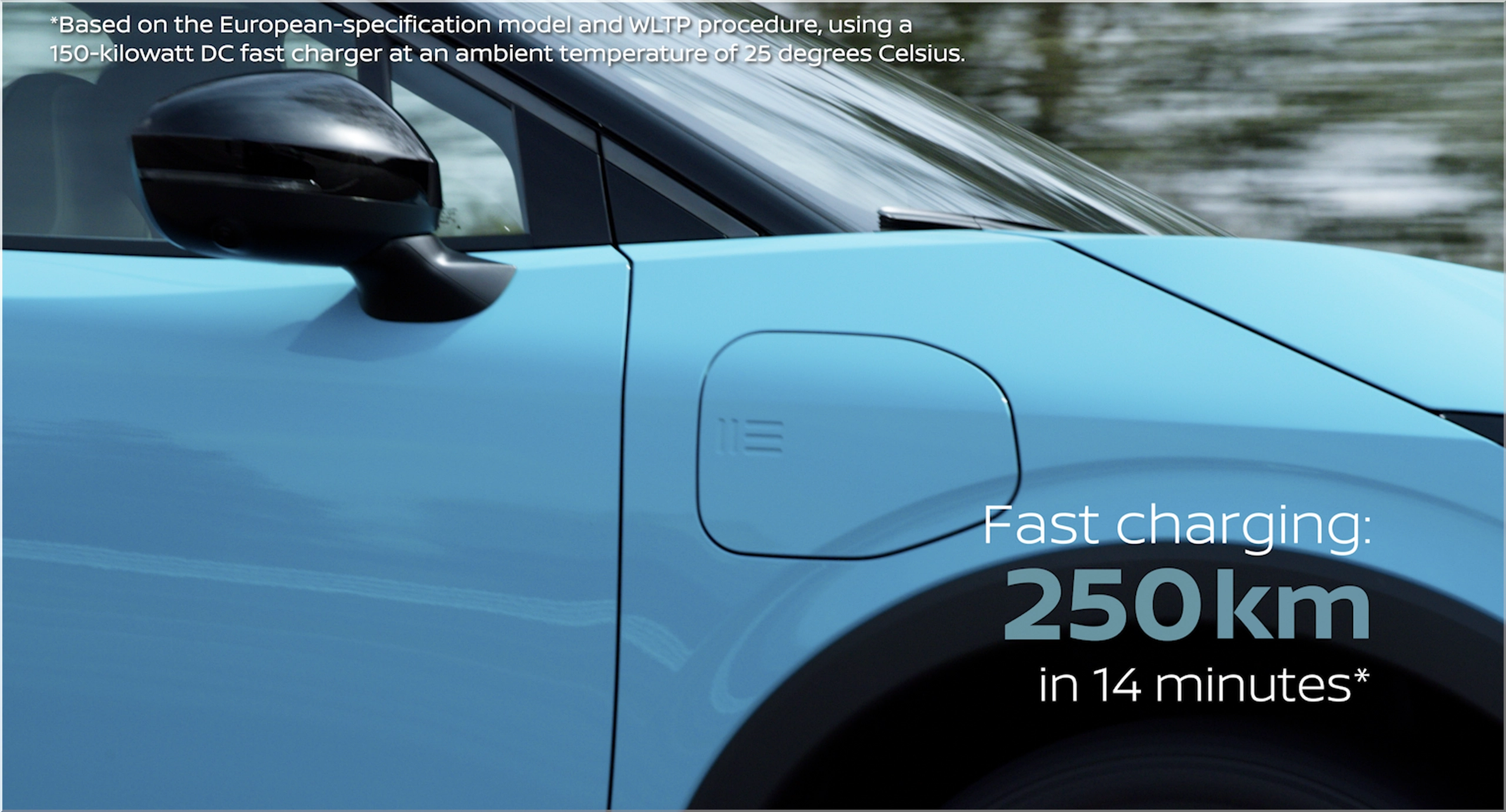
- 0–80% in about 14 minutes (extended pack)
- Over 155 miles added in under 15 minutes
Level 2 home charging supports up to 11 kW.
Design & Build: Crossover Shift
The 2026 LEAF moves to a compact crossover format on the CMF-EV (AmpR Medium) platform, shared with the Ariya.
- 19-inch alloy wheels
- Panoramic dimmable moonroof
- Drag coefficient: 0.26 with full underbody shielding
Cabin space improves through smart packaging and efficient HVAC layout.
Technology & Safety Features
The 2026 Nissan LEAF gains modern tech for a more connected and safer drive:
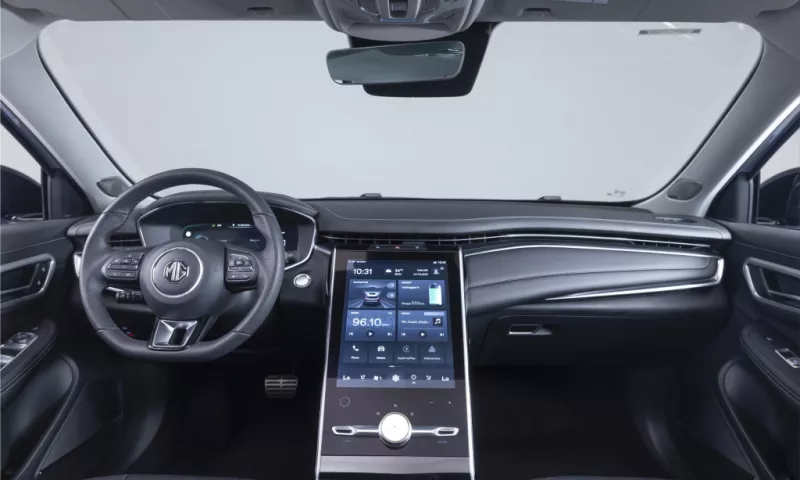
- Large touchscreen with wireless Apple CarPlay and Android Auto
- Enhanced ProPILOT Assist with lane keeping and adaptive cruise
- New button-based shifter and streamlined user interface
- Plug-and-Charge compatibility with Tesla Superchargers
Chassis and Ride Quality
The chassis sees major improvements in comfort and handling:
- Updated suspension tuning
- Improved cabin noise insulation
- Increased ground clearance and seating height
- Footprint roughly 75% of a Tesla Model Y
Key Specifications
| Feature | 2026 LEAF |
|---|---|
| Platform | CMF-EV / AmpR Medium |
| Body style | Subcompact crossover |
| Motor | Single FWD; ~214–250 hp |
| Torque | ~261 lb-ft |
| Battery range | 250–310 mi EPA |
| DC fast-charging rate | Up to 200 kW (NACS) |
| 0–80% charge time | ~14 minutes (extended pack) |
| Drag coefficient | 0.26 |
| Wheels / Roof | 19″ alloys / Panoramic sunroof |
| Charging Port | NACS + Level 2 |
Real-World Advantages
- 300-mile range for long-distance flexibility
- Tesla Supercharger access out of the box
- Added interior volume and utility
- Streamlined EV ownership experience with NissanConnect EV
Limitations to Consider
- No all-wheel drive option (FWD only)
- Trim-dependent feature availability at launch
- Expected higher price than 2025 model
- Joins a crowded EV crossover segment
Conclusion: Smart Evolution for the Mass Market
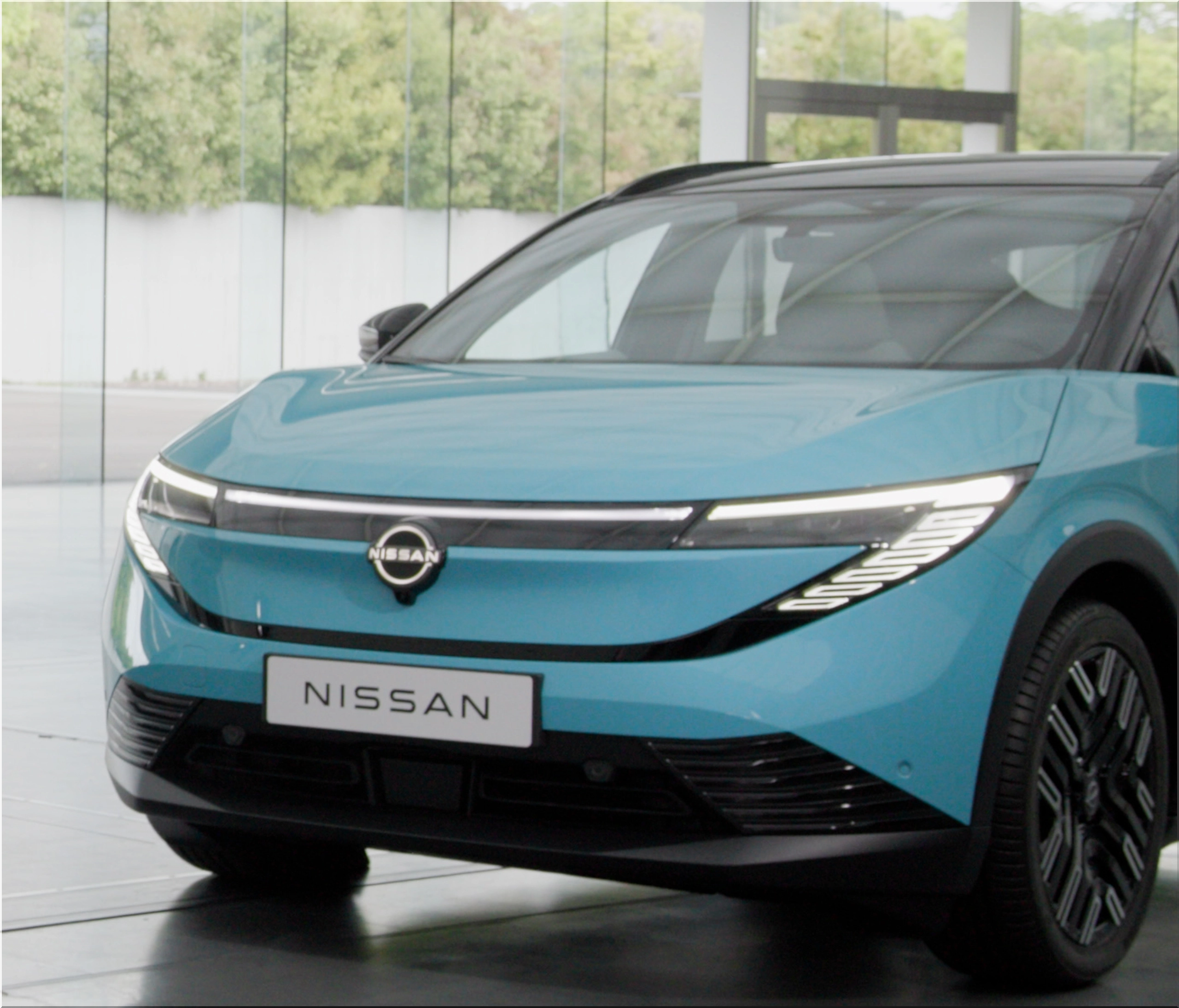
Nissan’s 2026 LEAF moves forward with a clean design and practical updates. It now competes with mainstream EVs on charging, range, and format—without ditching its affordability roots.
- 300-mile capability with fast-charging NACS support
- ProPILOT safety tech standard on higher trims
- Crossover utility without bulk
- Low-cost ownership continues as a LEAF tradition
- Add new comment
- 93 views