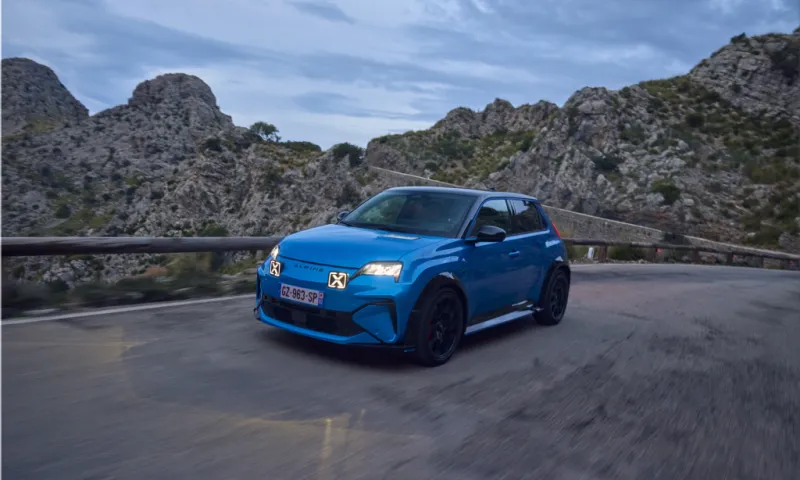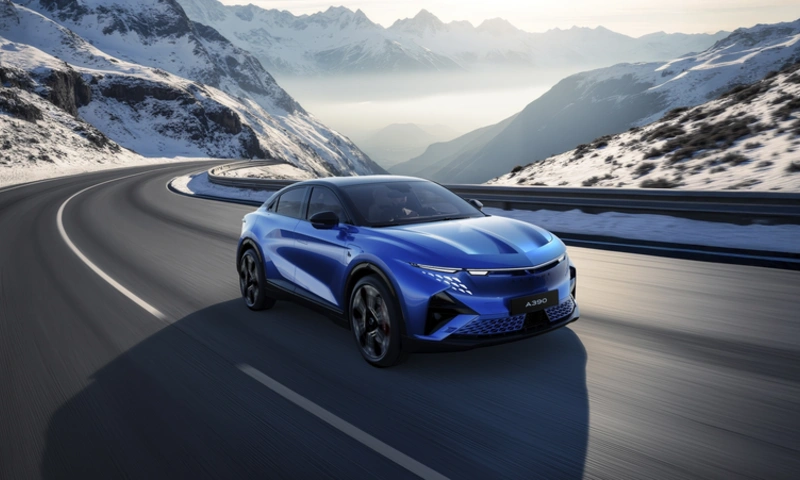
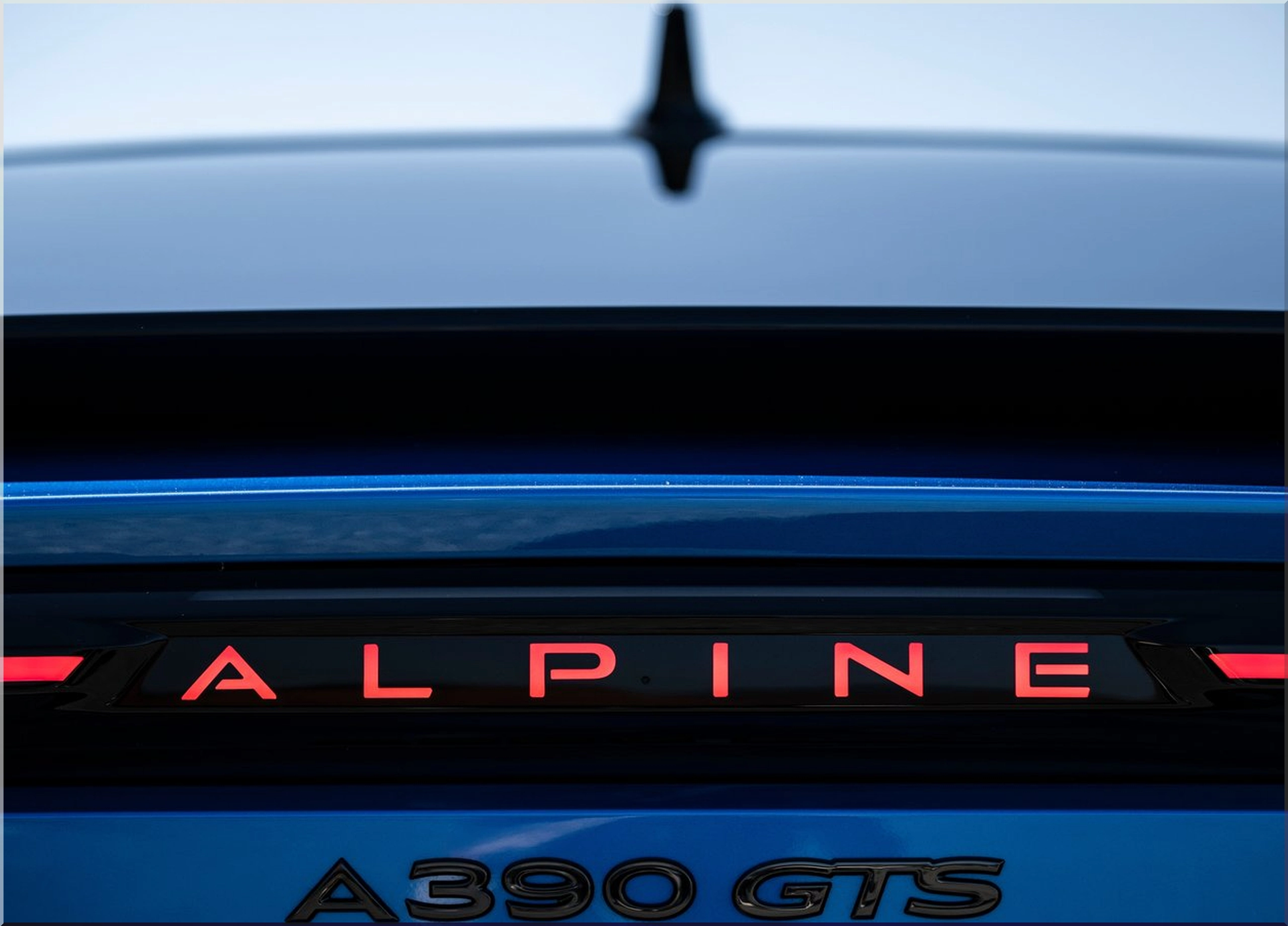
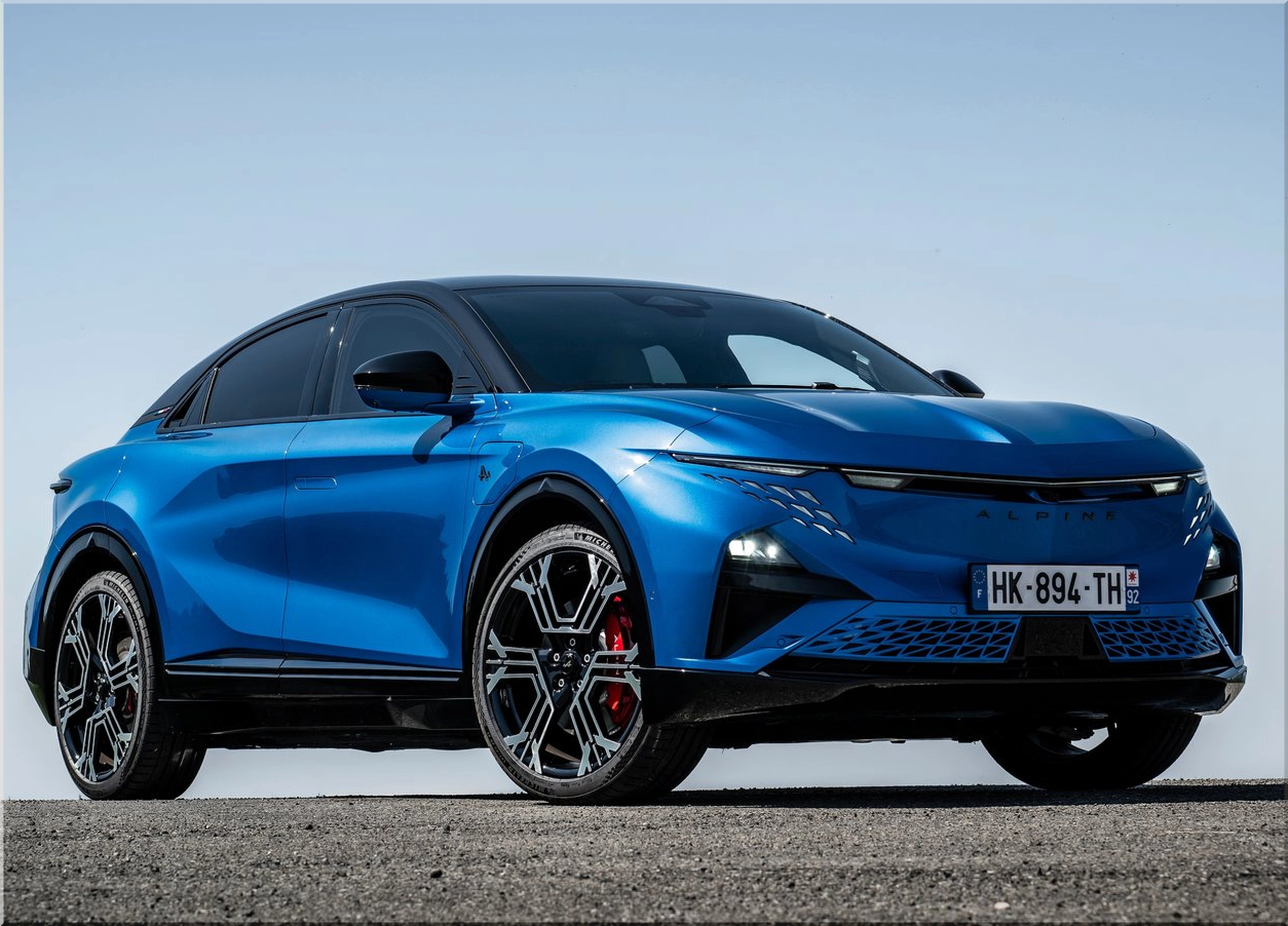
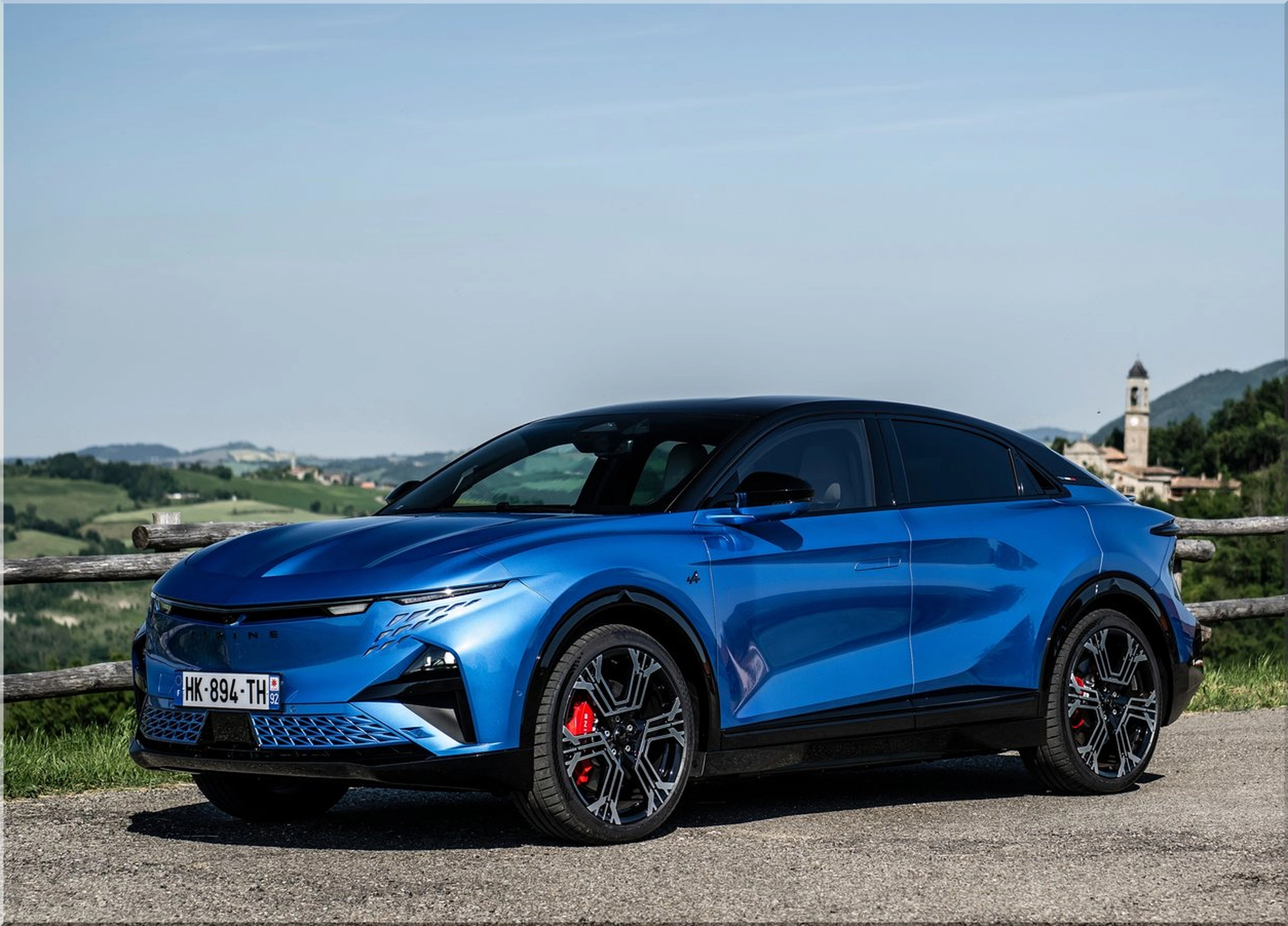
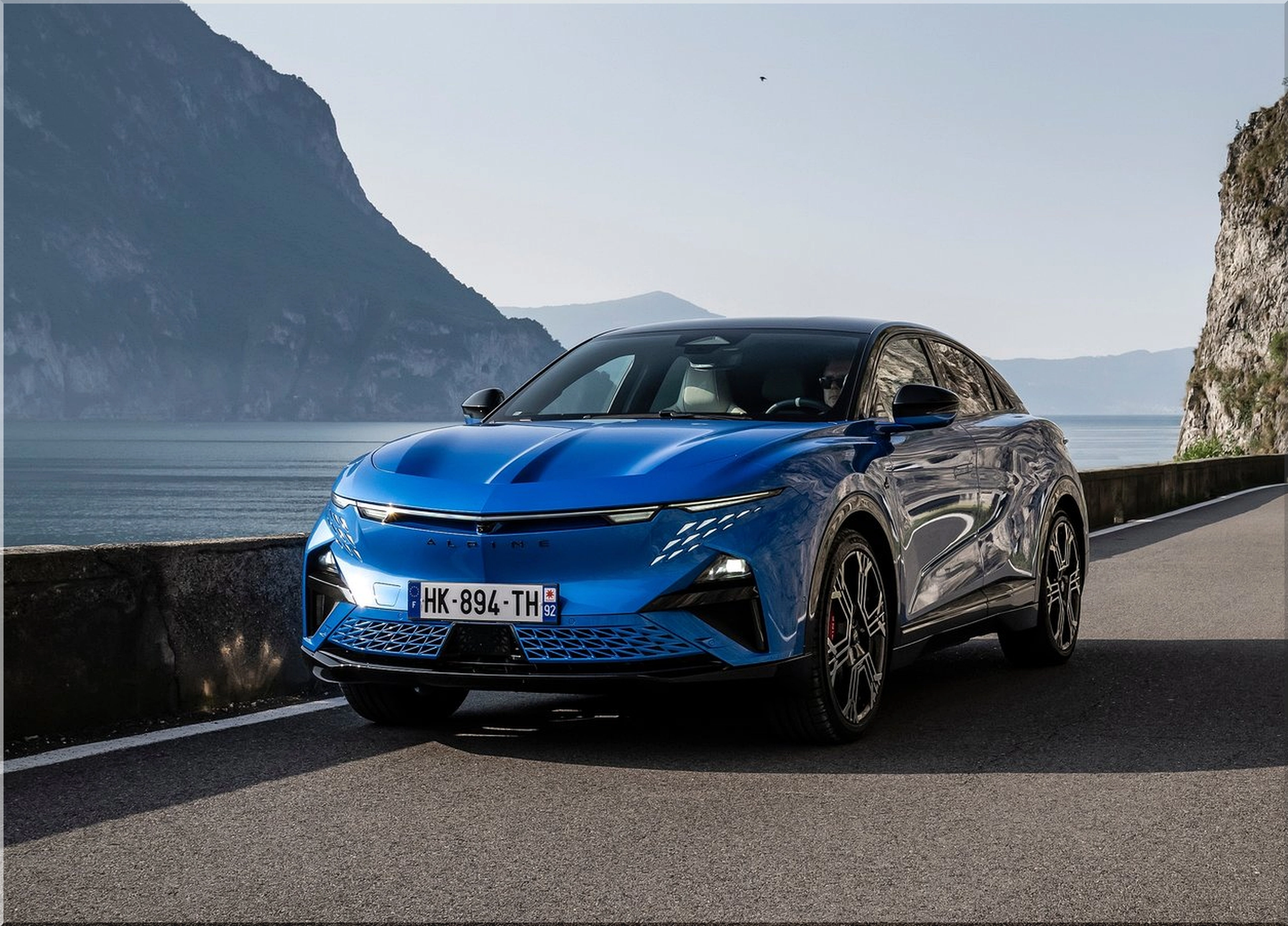
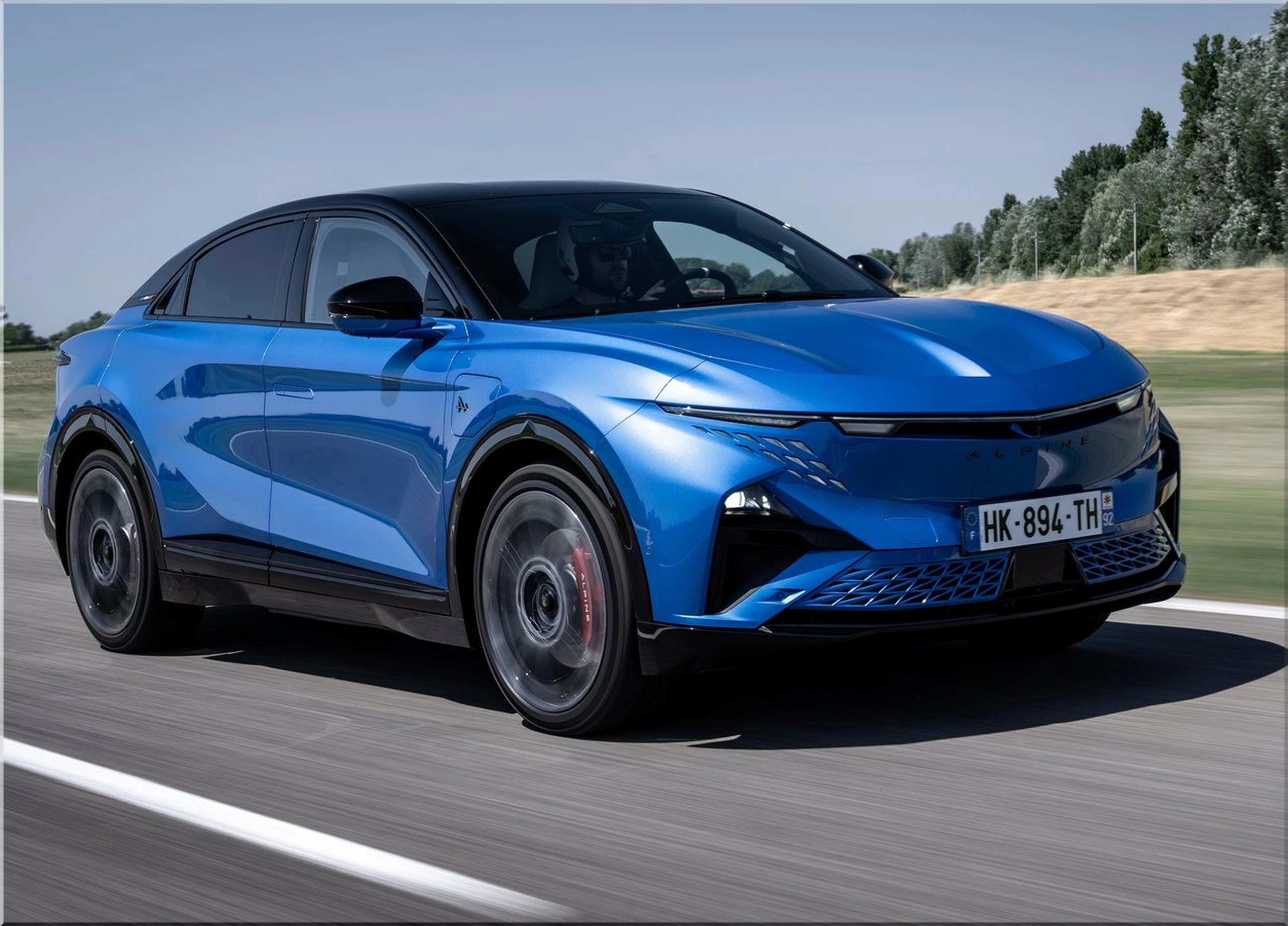
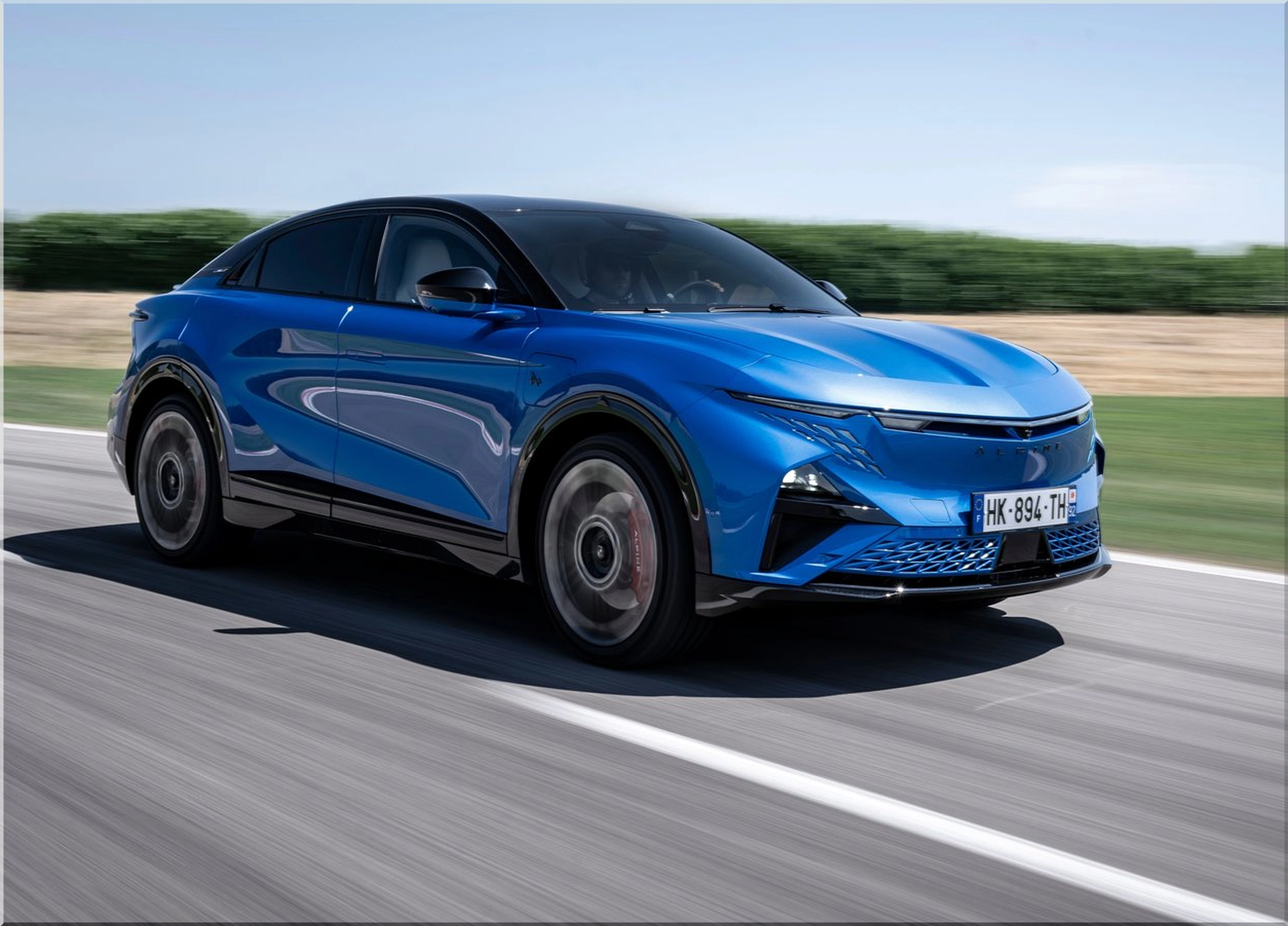
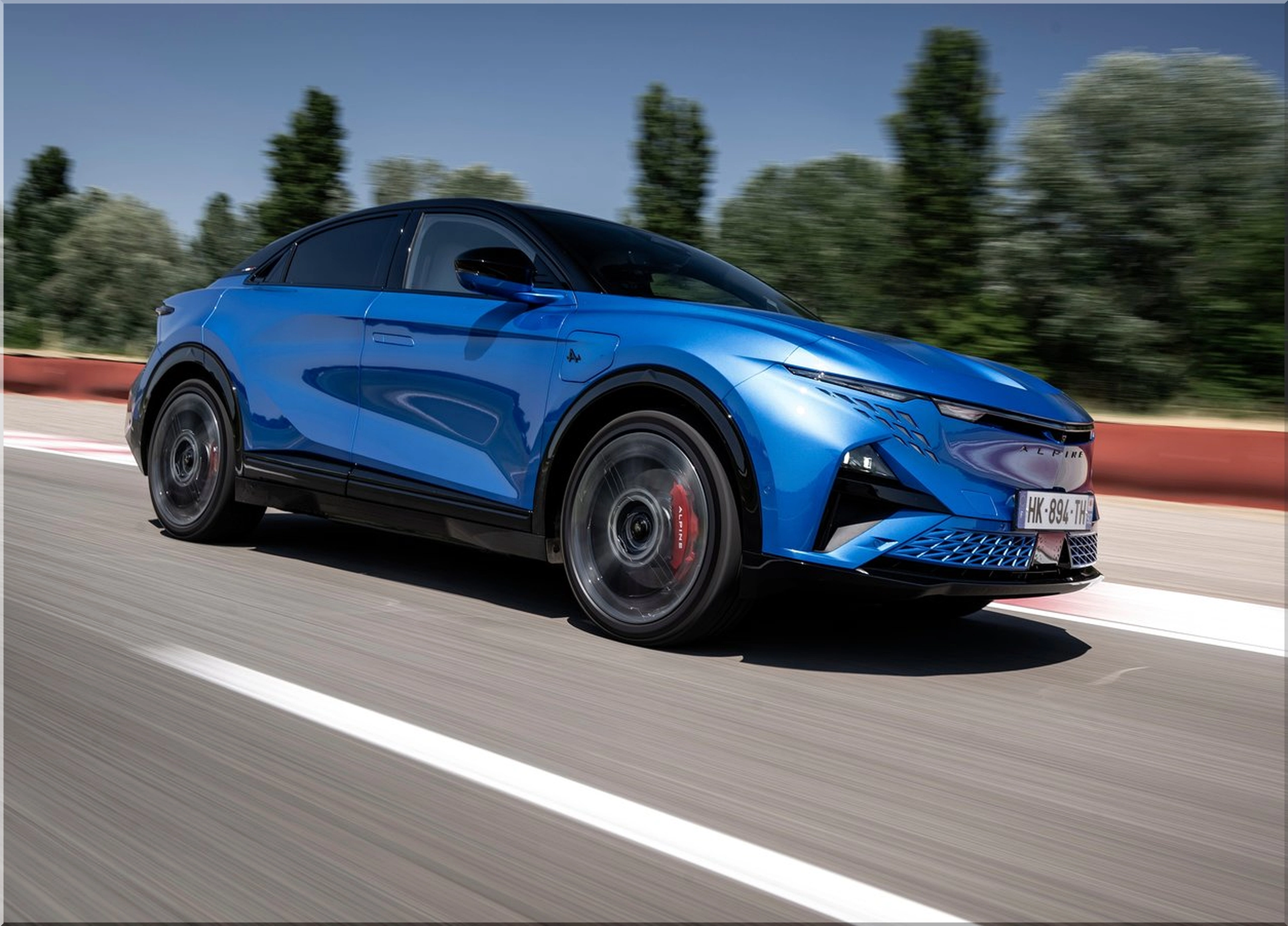
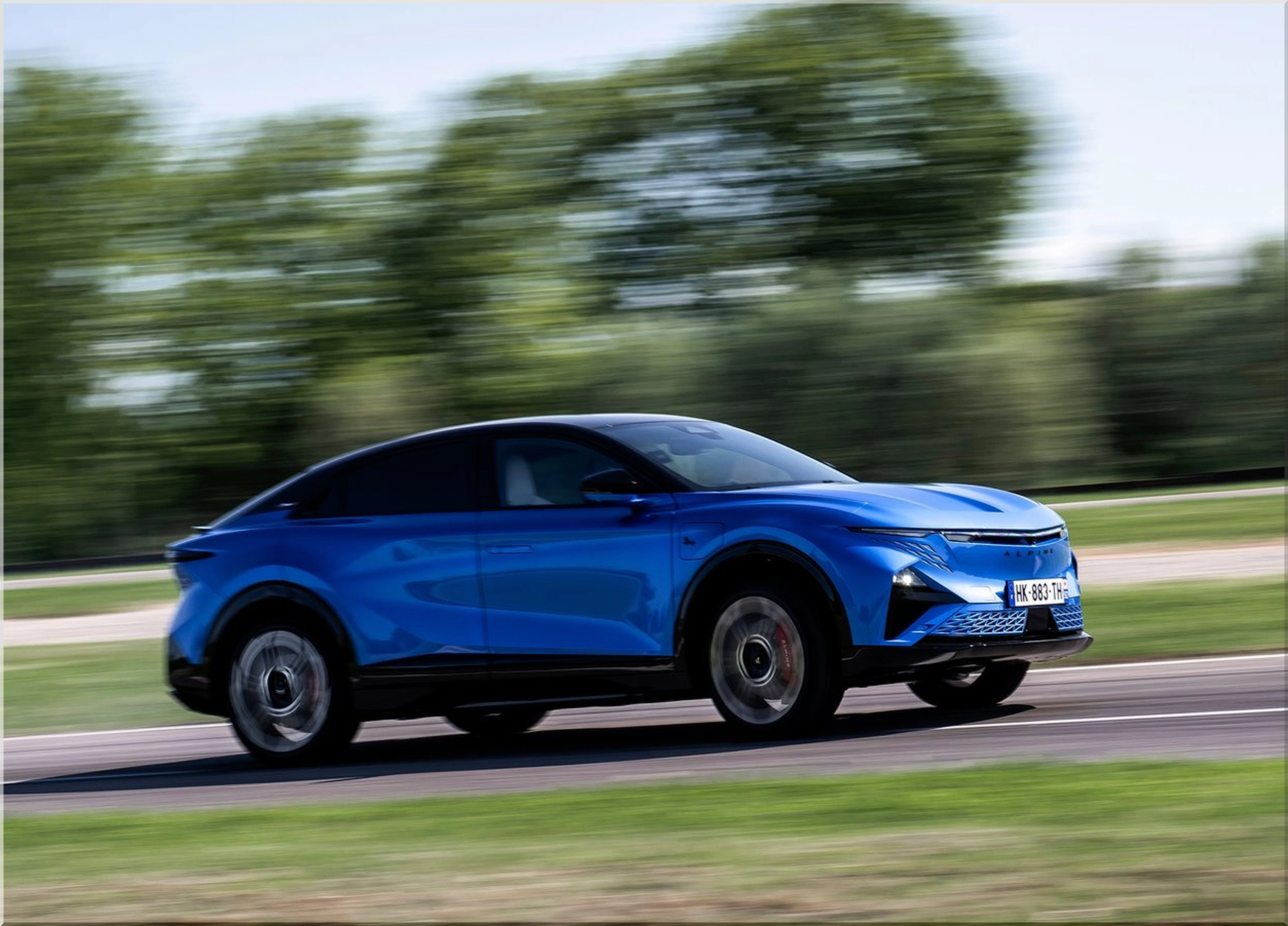
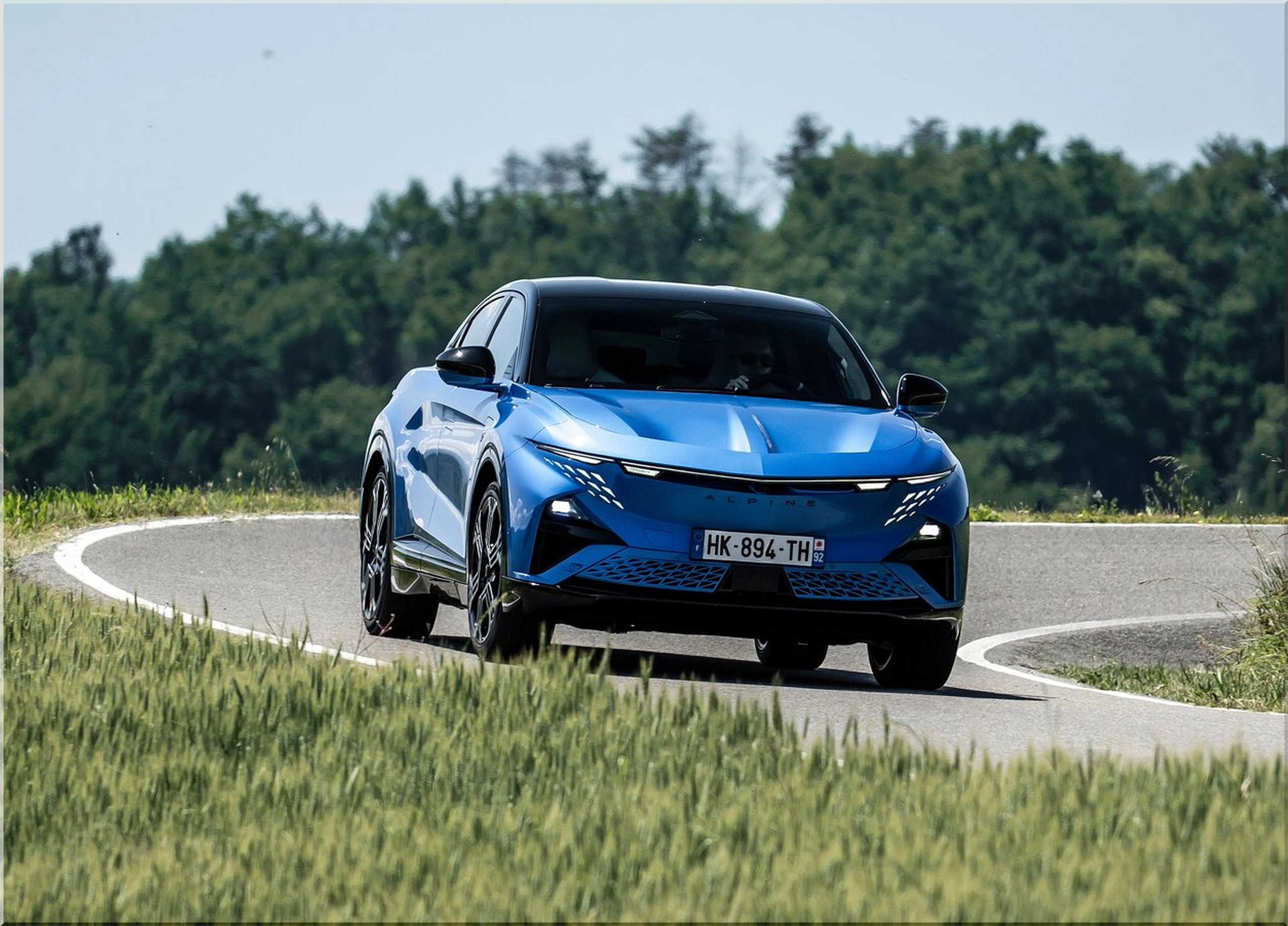
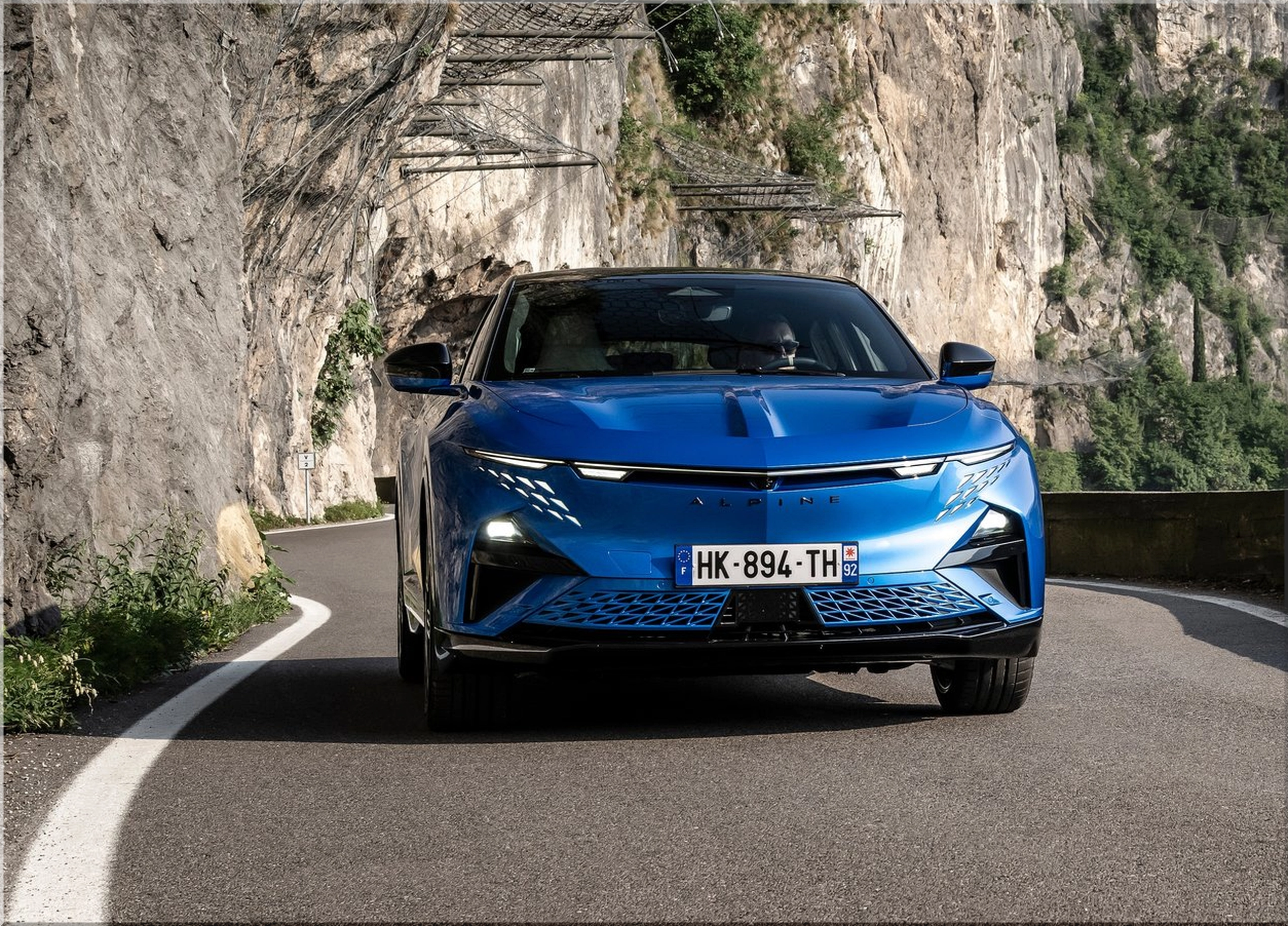
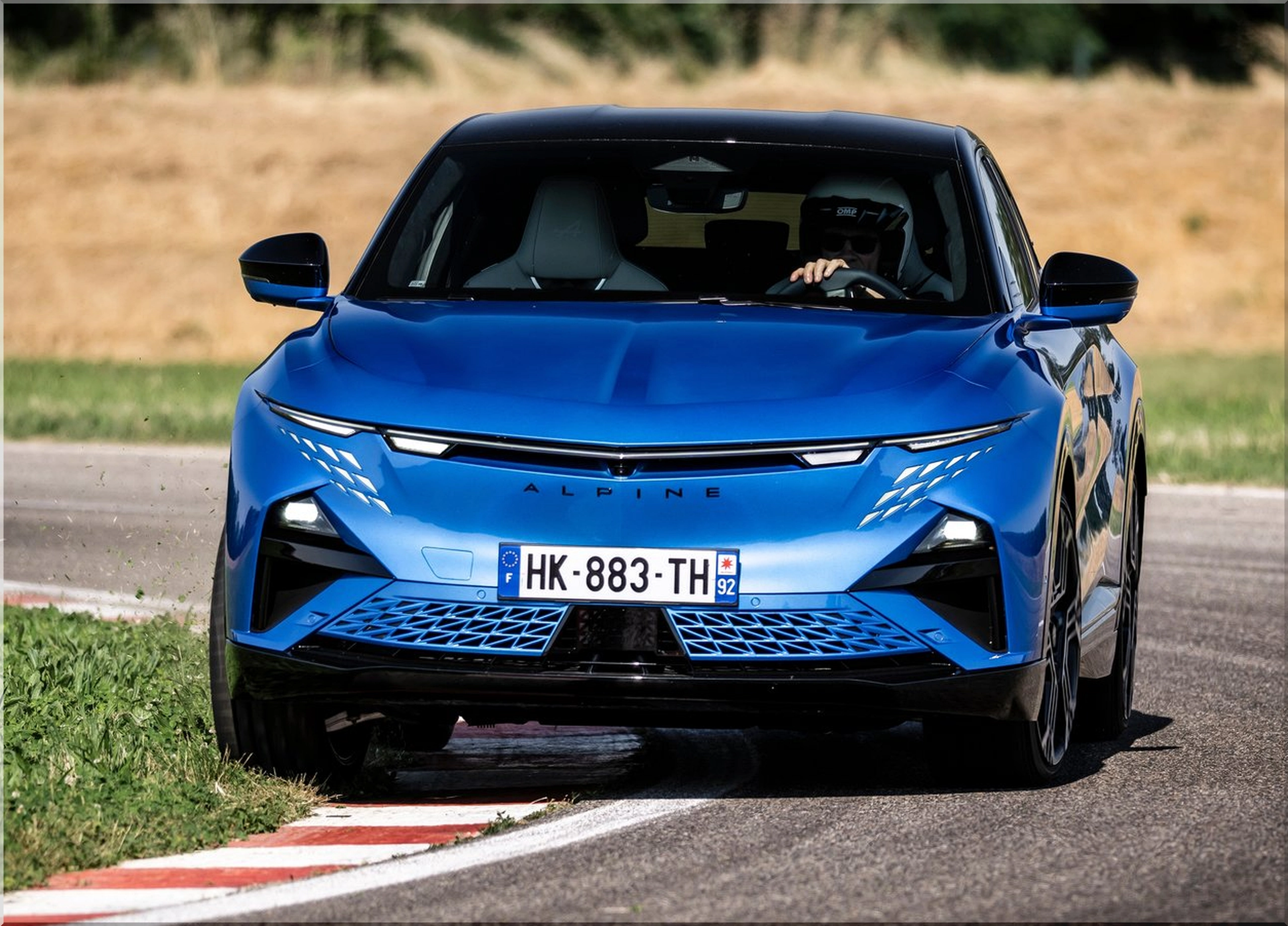
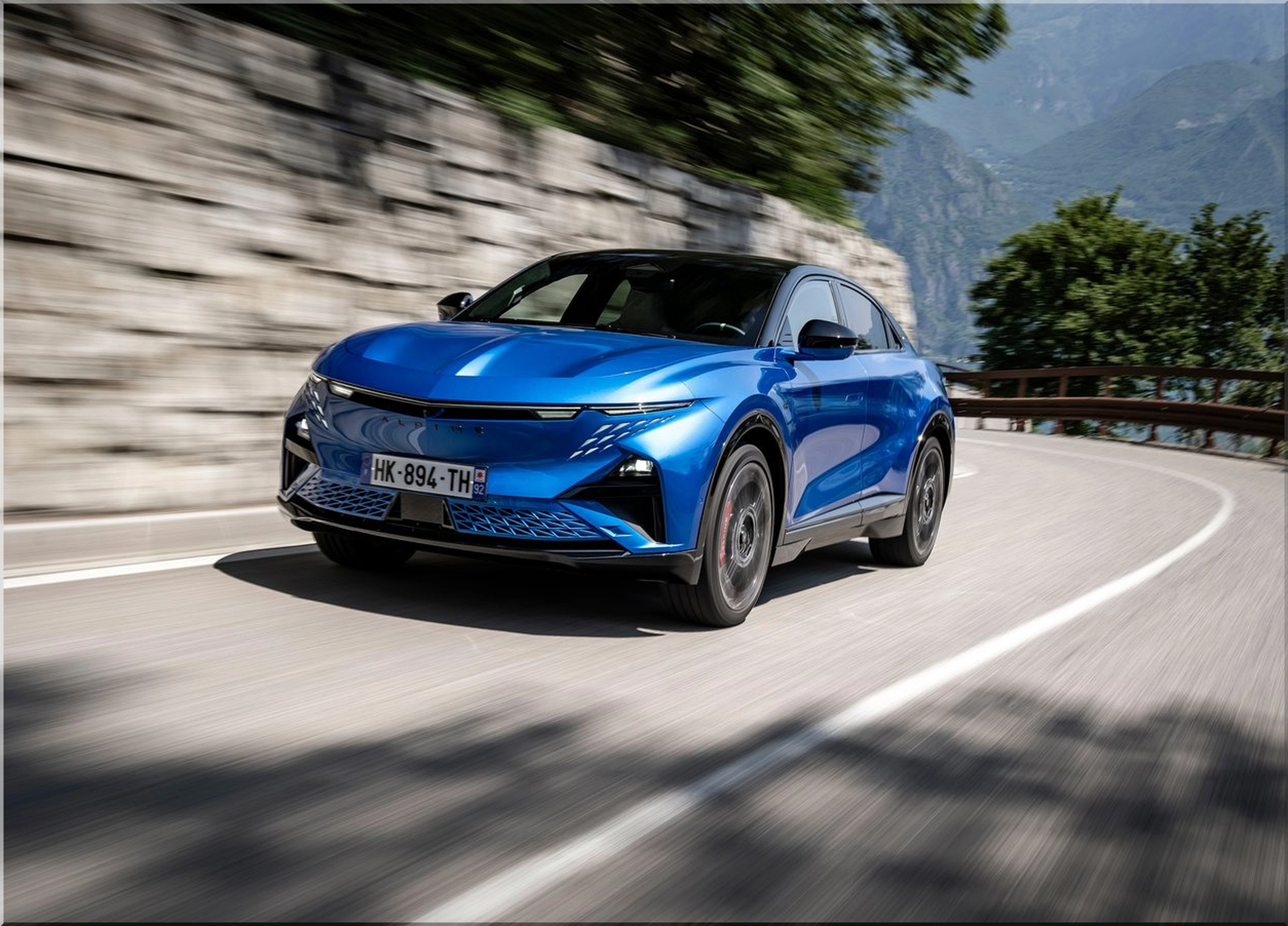
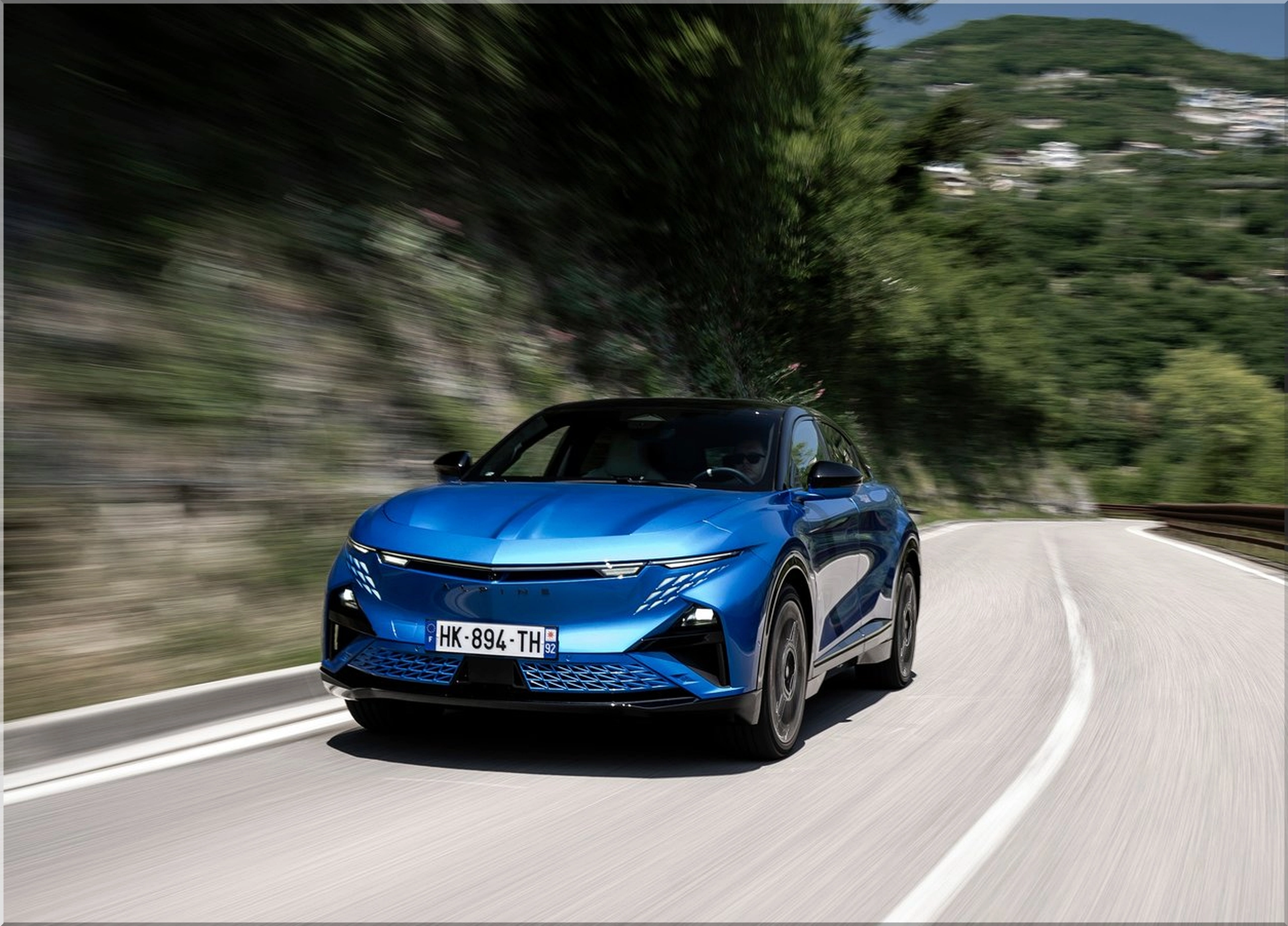
The 2026 Alpine A390 GTS turns Alpine's electric expansion into a high-performance product with real technical substance. It combines three motors, 470 hp, 824 Nm, active rear torque distribution, and an 89 kWh usable battery in a five-seat fastback. The result targets drivers who want sharp responses, daily space, and long-distance range.
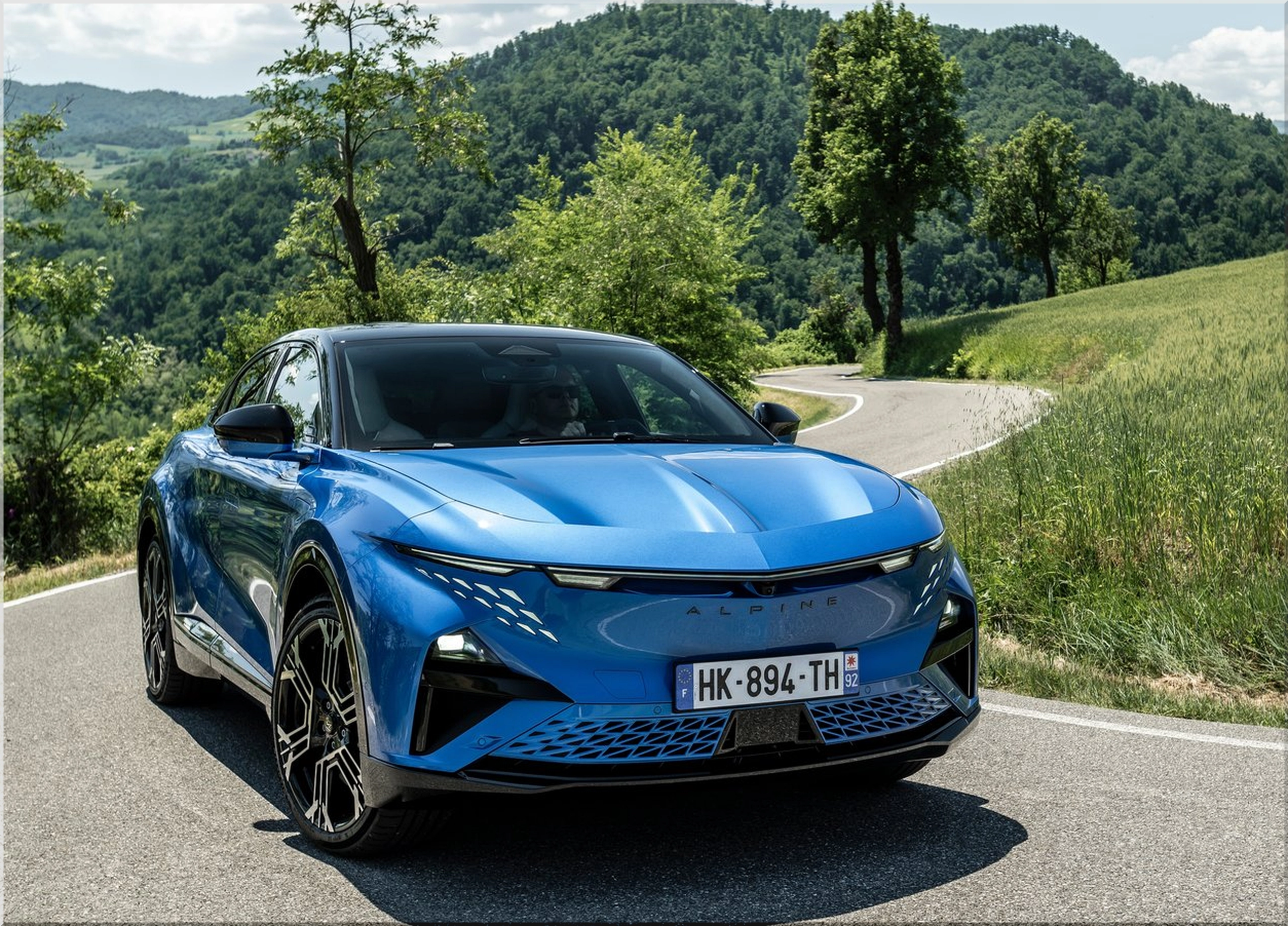
What Makes the Alpine A390 GTS Technically Different?
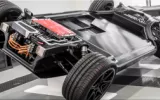
The Alpine A390 GTS uses one wound-rotor motor at the front and two permanent-magnet motors at the rear. Each rear motor drives one wheel, letting the control system alter left-to-right torque every 20 milliseconds. That layout gives Alpine a direct tool for reducing understeer and rotating the car under power.
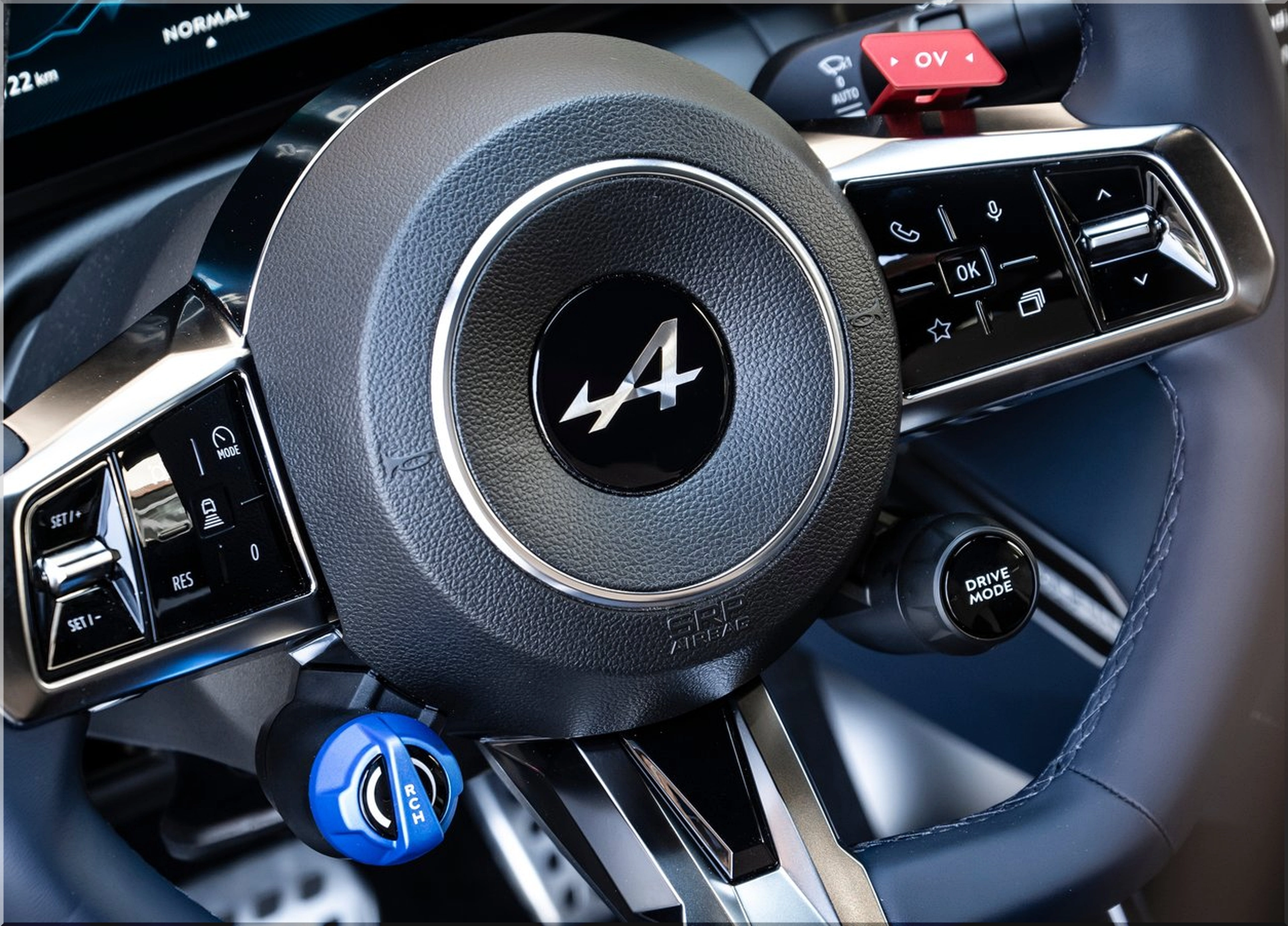
Output reaches 345 kW, or 470 hp, while total torque peaks at 824 Nm, equal to 608 lb-ft. The GTS accelerates from 0 to 100 km/h in 3.9 seconds and reaches 220 km/h, or 137 mph. An Overtake button supplies maximum output for up to 10 seconds, while manual battery pre-conditioning prepares the pack for repeated hard use.
| Core specification | Alpine A390 GTS data |
|---|---|
| Power | 345 kW / 470 hp |
| Torque | 824 Nm / 608 lb-ft |
| Drivetrain | Three-motor electric AWD |
| 0-100 km/h | 3.9 seconds |
| Top speed | 220 km/h / 137 mph |
| Usable battery | 89 kWh |
| WLTP range | 503-551 km / 312-342 miles |
| Maximum DC charging | 190 kW |
| 15-80% DC charge | Under 27 minutes |
| Starting price | €78,000 including VAT |
How Does Alpine Active Torque Vectoring Improve Cornering?
Alpine Active Torque Vectoring changes rear-wheel output independently rather than relying only on brake intervention. During corner entry and acceleration, the system can send greater force to the outside rear wheel, producing yaw and helping the nose follow the driver's steering input. It also corrects left-right wheel slip when road grip differs across the axle.
Looking at the data, the 20-millisecond response time gives the controller enough speed to react several times during one steering correction. Alpine combines that software with a 49:51 front-to-rear weight distribution, a 2,708 mm wheelbase, and a dedicated aluminium rear subframe. Consequently, the car can feel rear-driven even though the front motor remains active.
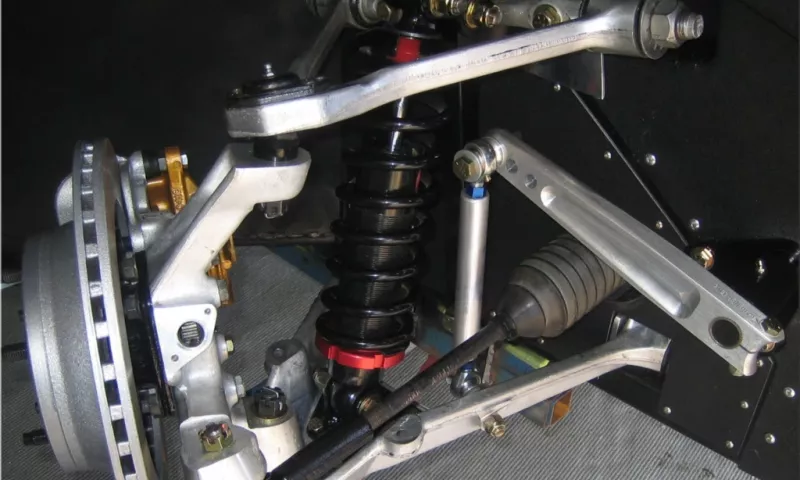
Key chassis hardware includes:
- Forged-aluminium suspension wishbones
- Hydraulic bump stops for tighter body control
- Direct steering with a short ratio
- 365 mm, or 14.4-inch, front discs
- Six-piston front brake callipers
- Five drive modes: Save, Normal, Sport, Personal, and Track
- Full electronic stability control deactivation
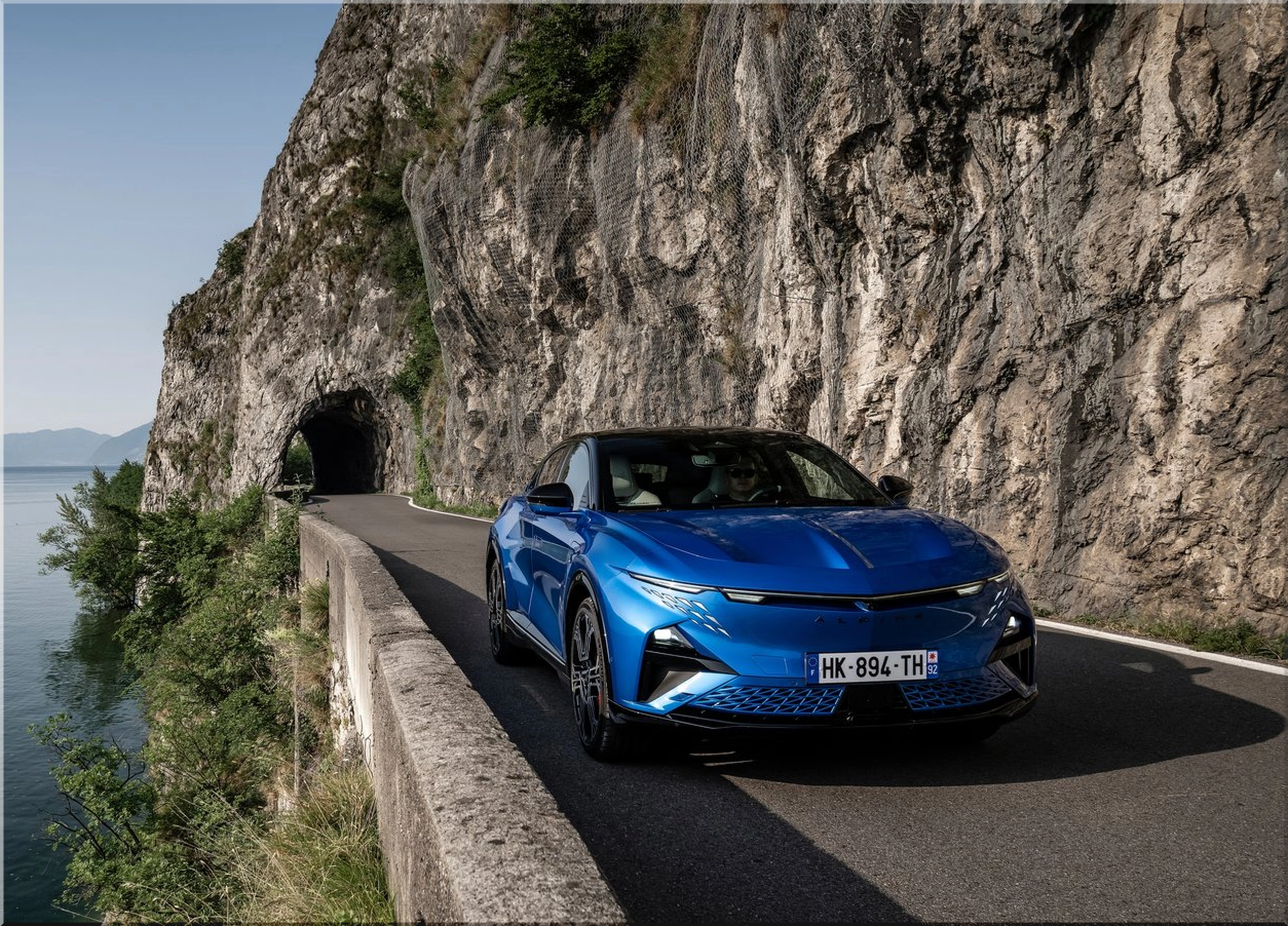
How Large and Practical Is the Alpine A390 GTS?
The electric sport fastback measures 4,615 mm long, 1,885 mm wide, and 1,532 mm tall. In imperial units, those figures equal 181.7 inches, 74.2 inches, and 60.3 inches. Its 2,708 mm, or 106.6-inch, wheelbase remains relatively short for a five-seat EV of this length, supporting quicker directional changes.
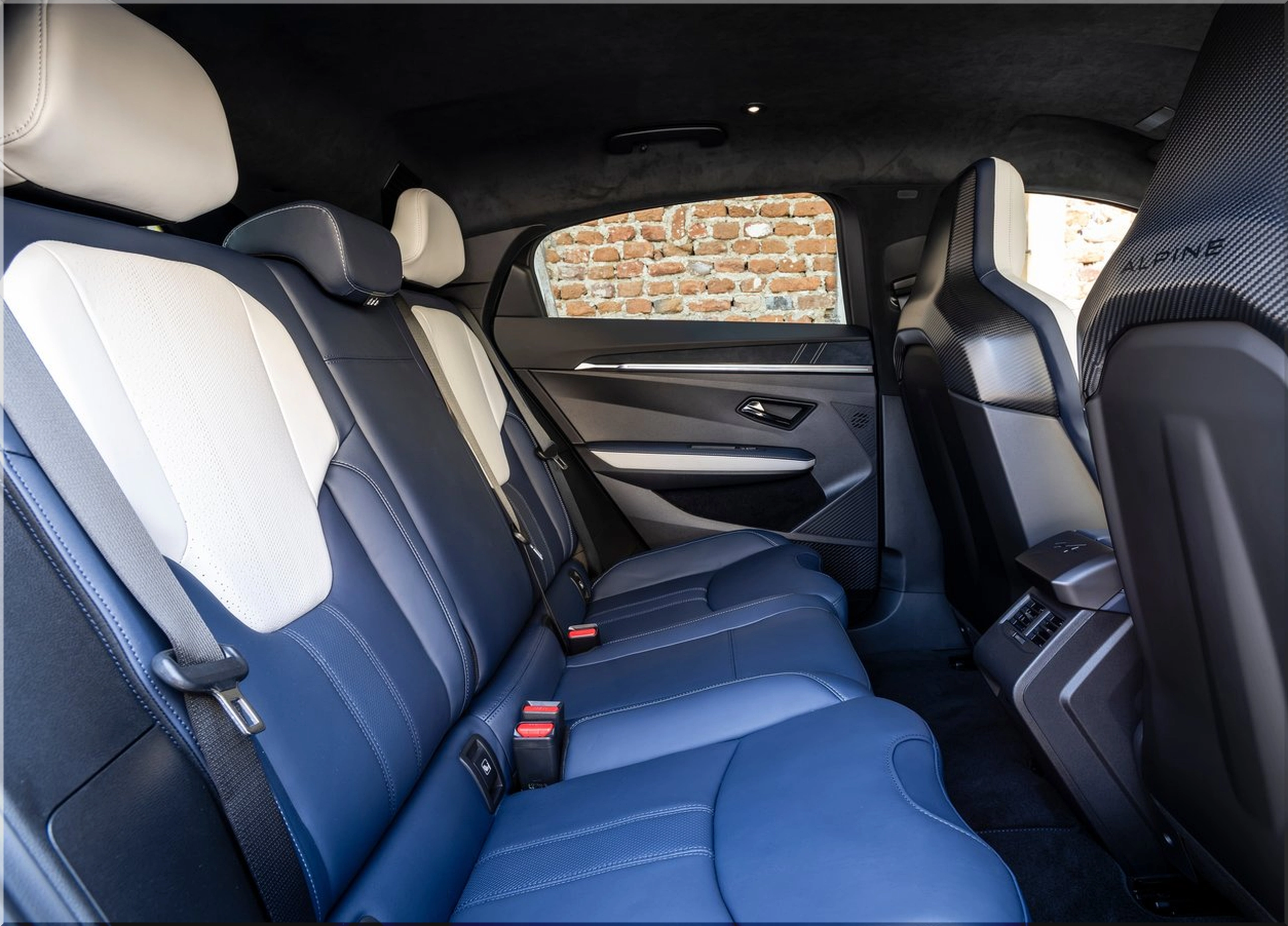
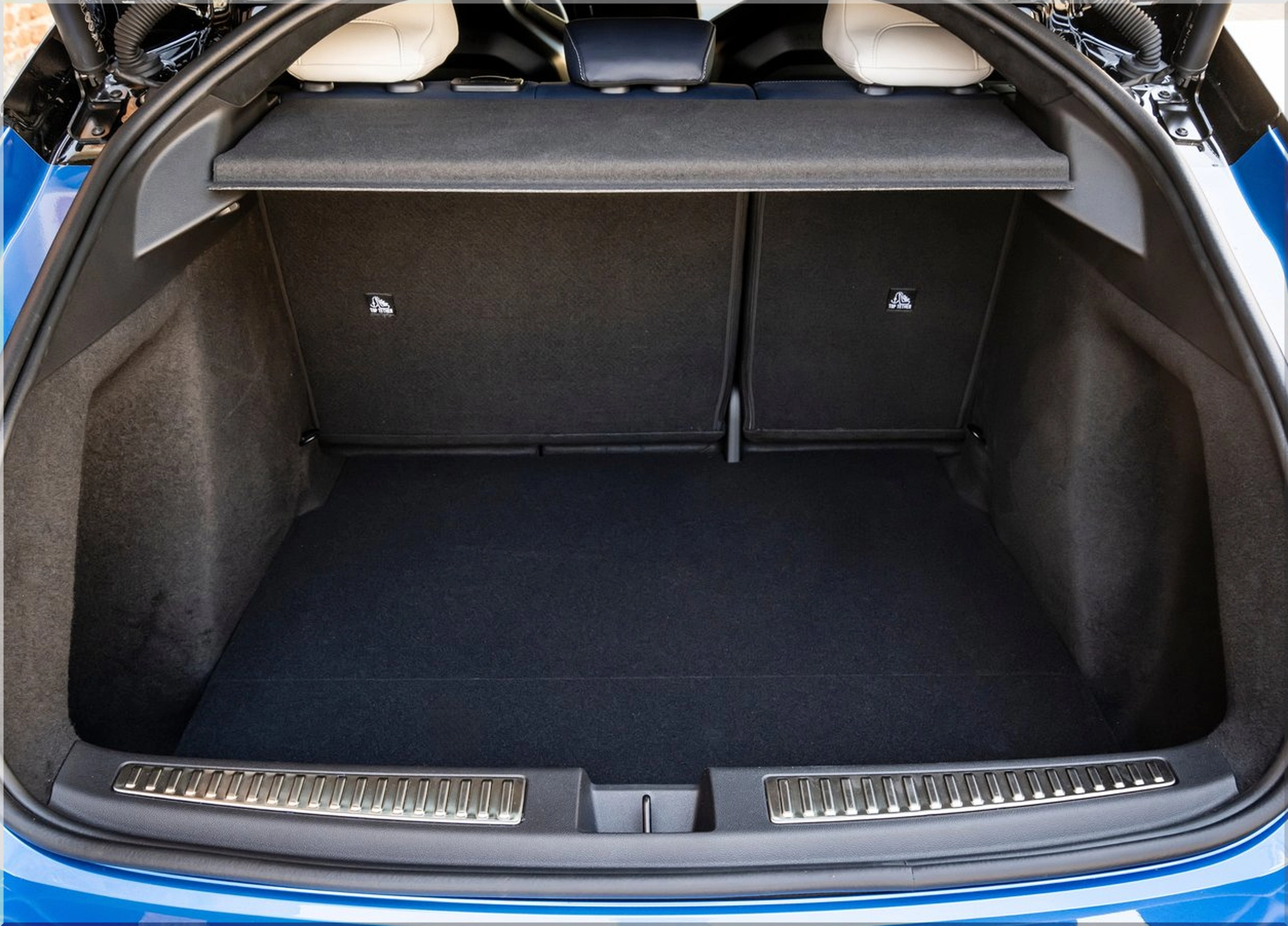
Alpine gives the A390 five doors and a 532-litre cargo area, equal to about 18.8 cubic feet. The twin rear motors sit inside a dedicated subframe that keeps the load floor low. In addition, the 17-degree roof slope, rear-wheel air flaps, guided wheel intakes, and eight-degree diffuser manage airflow without requiring a tall SUV body.
What Range and Charging Performance Does the A390 GTS Deliver?
The 89 kWh battery uses high-nickel NMC chemistry and a revised 400V cooling system. Alpine designed the pack to release up to 1,200 amps, supporting full 345 kW output while limiting power fade as charge falls. The standard heat pump reduces cabin-heating demand during cold-weather driving.
Wheel choice changes the official range sharply. The 21-inch Michelin Pilot Sport 4S setup produces up to 503 km, or 312 miles, while the optional 20-inch package lifts that figure to 551 km, or 342 miles. Dividing usable battery capacity by those distances gives an implied pack-to-WLTP figure of roughly 17.7 kWh/100 km on 21-inch wheels and 16.2 kWh/100 km on 20-inch wheels.
Pro-Tip: Choose the 20-inch wheels for frequent motorway use. They add up to 48 km, or 30 miles, of rated range and should lower replacement tyre costs. Choose the 21-inch setup for maximum dry-road grip, sharper turn-in, and the standard GTS appearance.
The 190 kW DC fast charging system averages about 135 kW from 15% to 80%, completing that session in under 27 minutes. An 11 kW onboard AC charger comes standard, while a 22 kW unit remains optional. V2L can power external devices, and selected markets will gain V2G capability with the 22 kW charger.
Does the Cabin Support Daily Use?
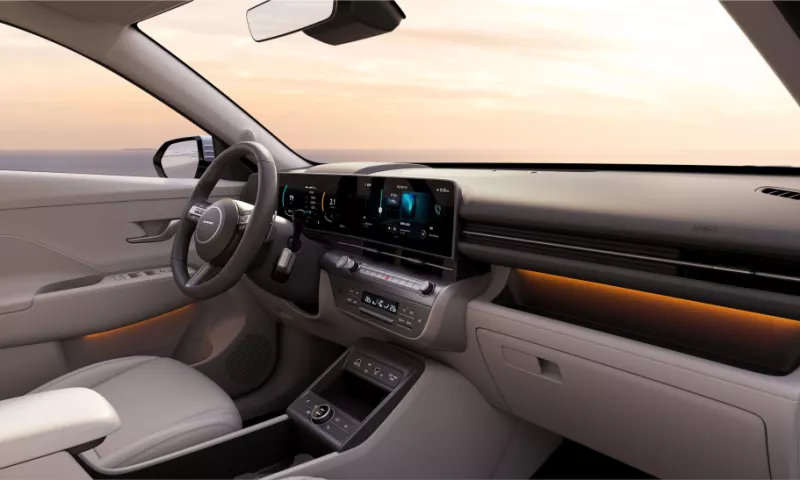
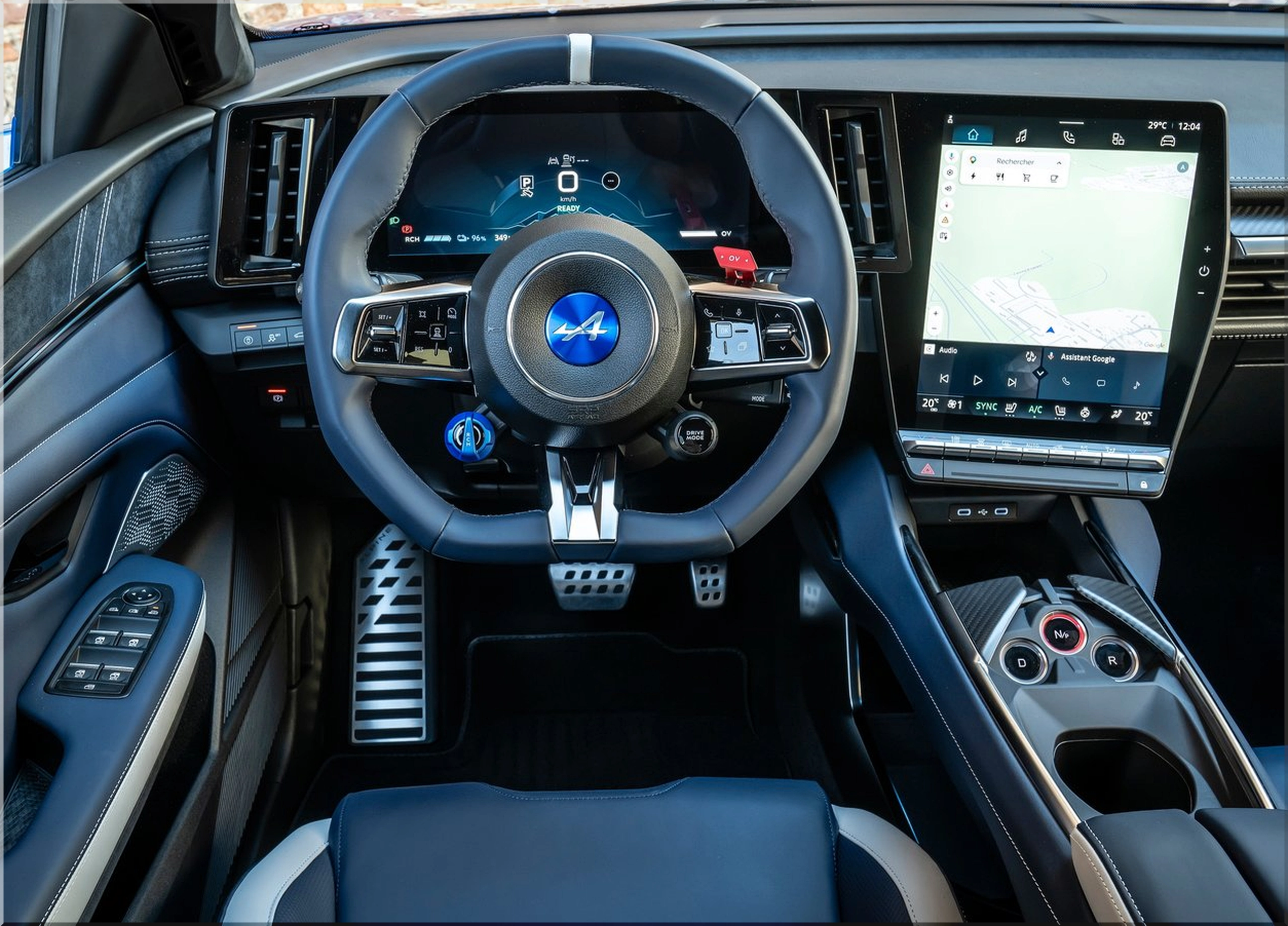
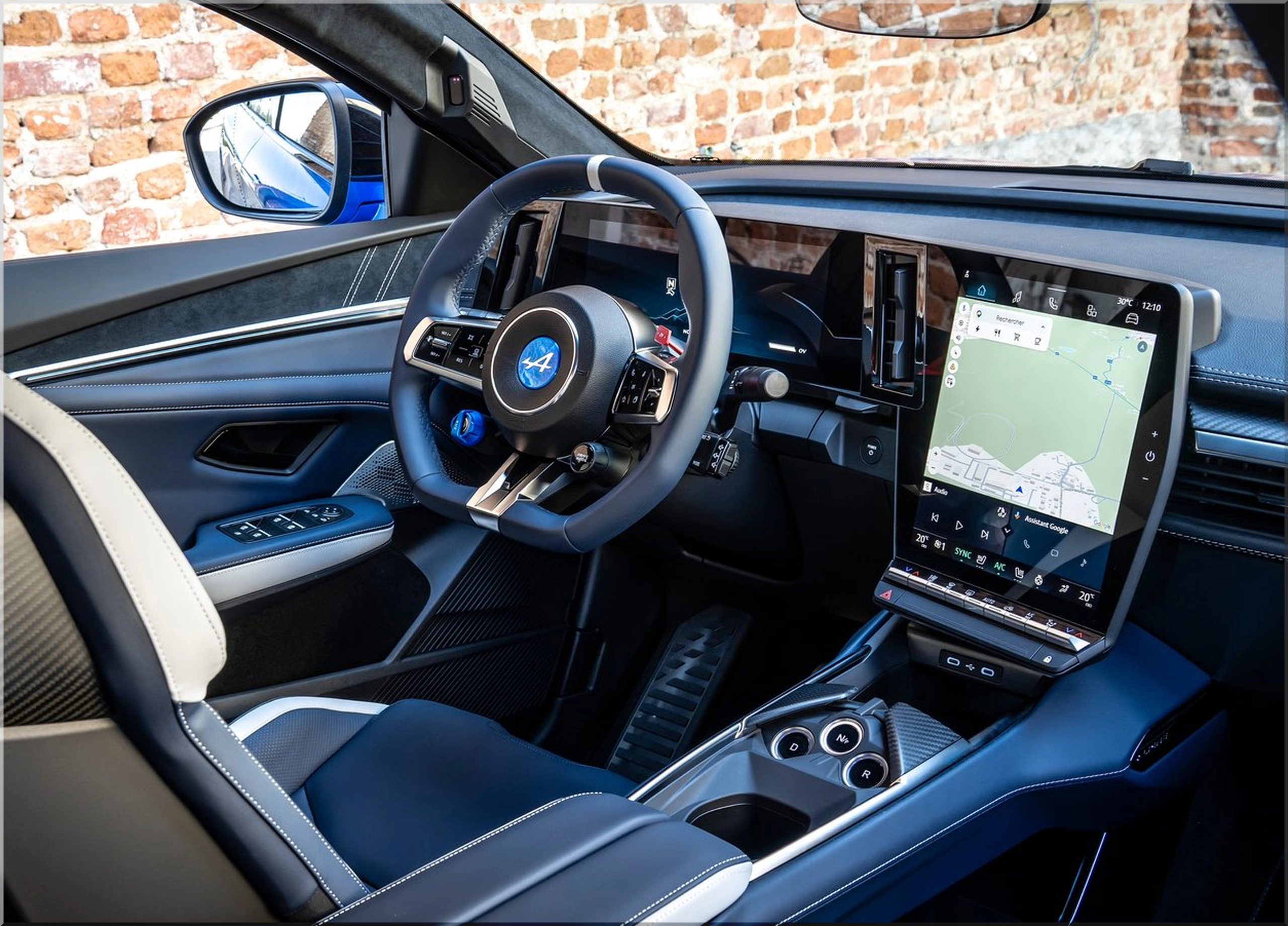
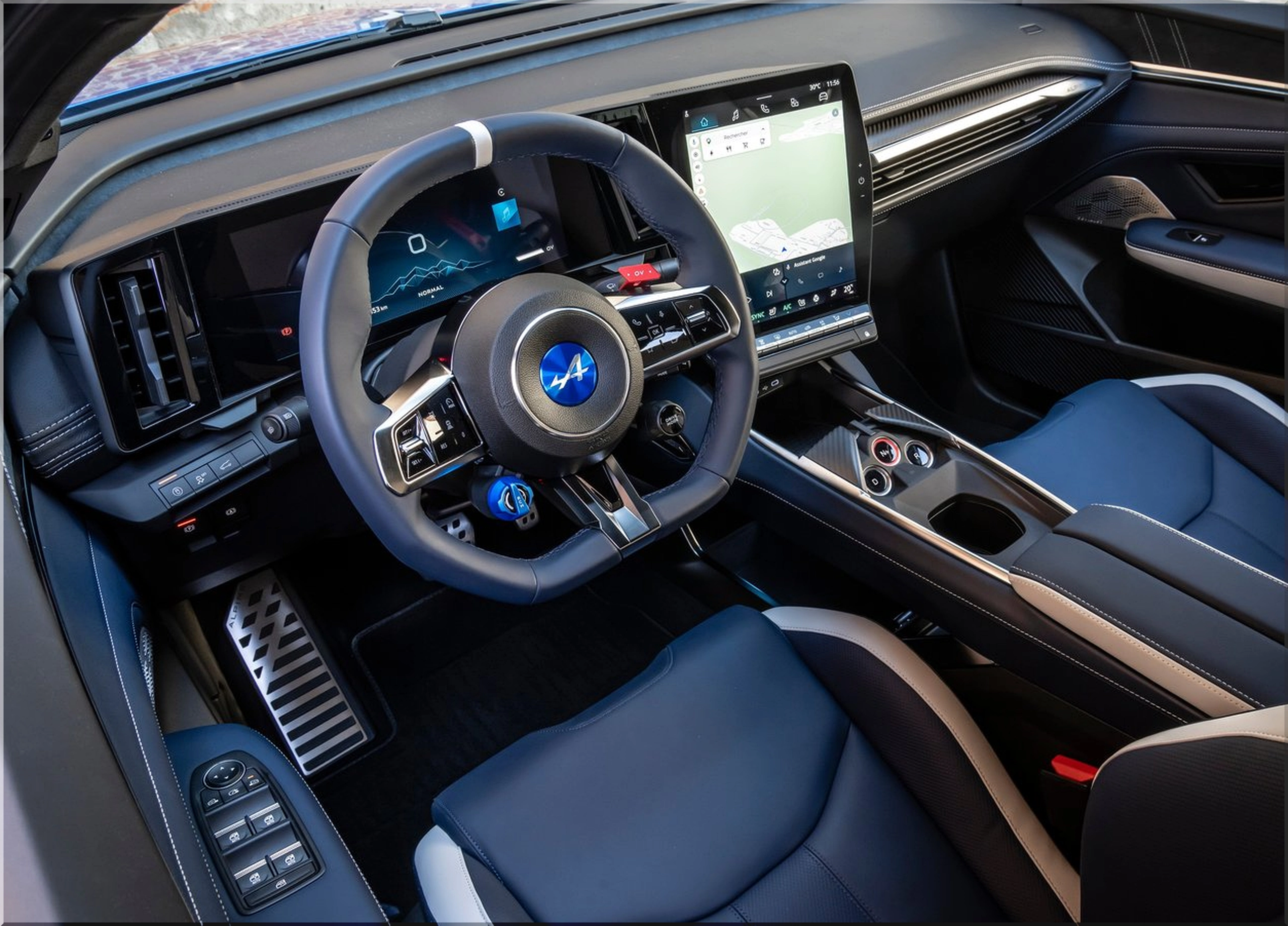
The cabin pairs performance controls with equipment expected at the €78,000 price point. Drivers get a 12.3-inch instrument display, a 12-inch vertical centre screen, physical climate controls, wireless smartphone integration, and Google-based route planning. The system also manages charging stops and battery pre-conditioning.
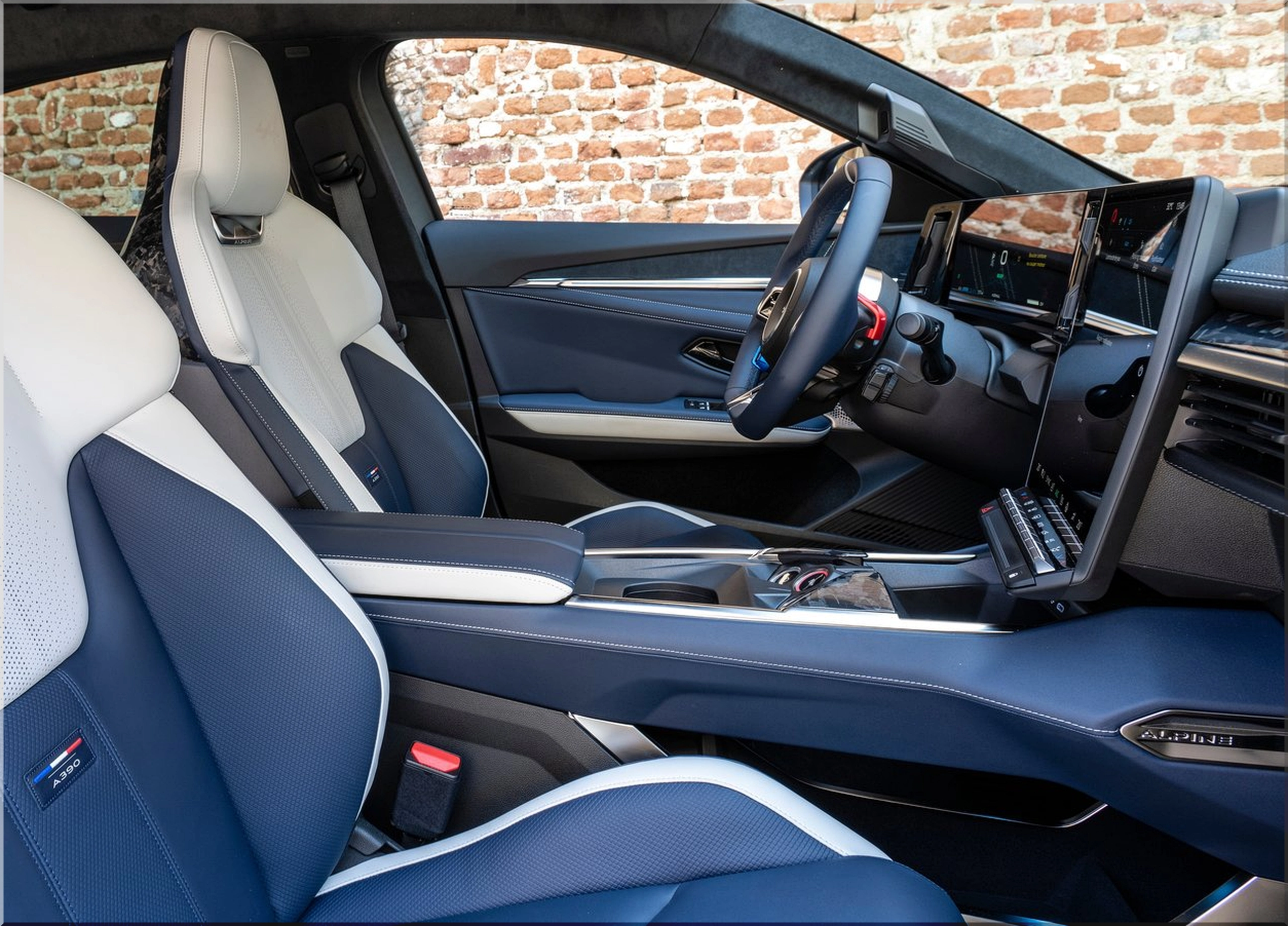
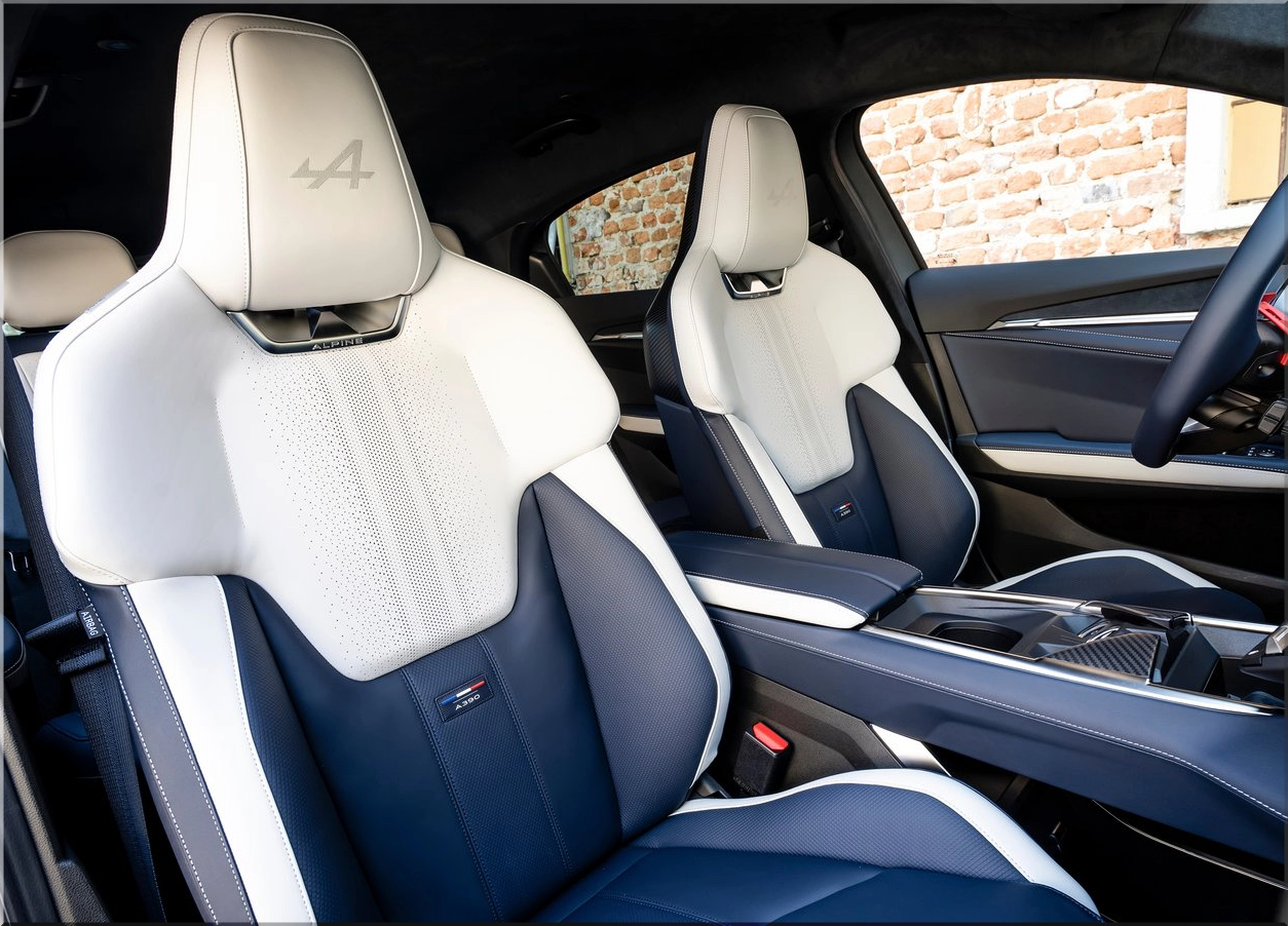
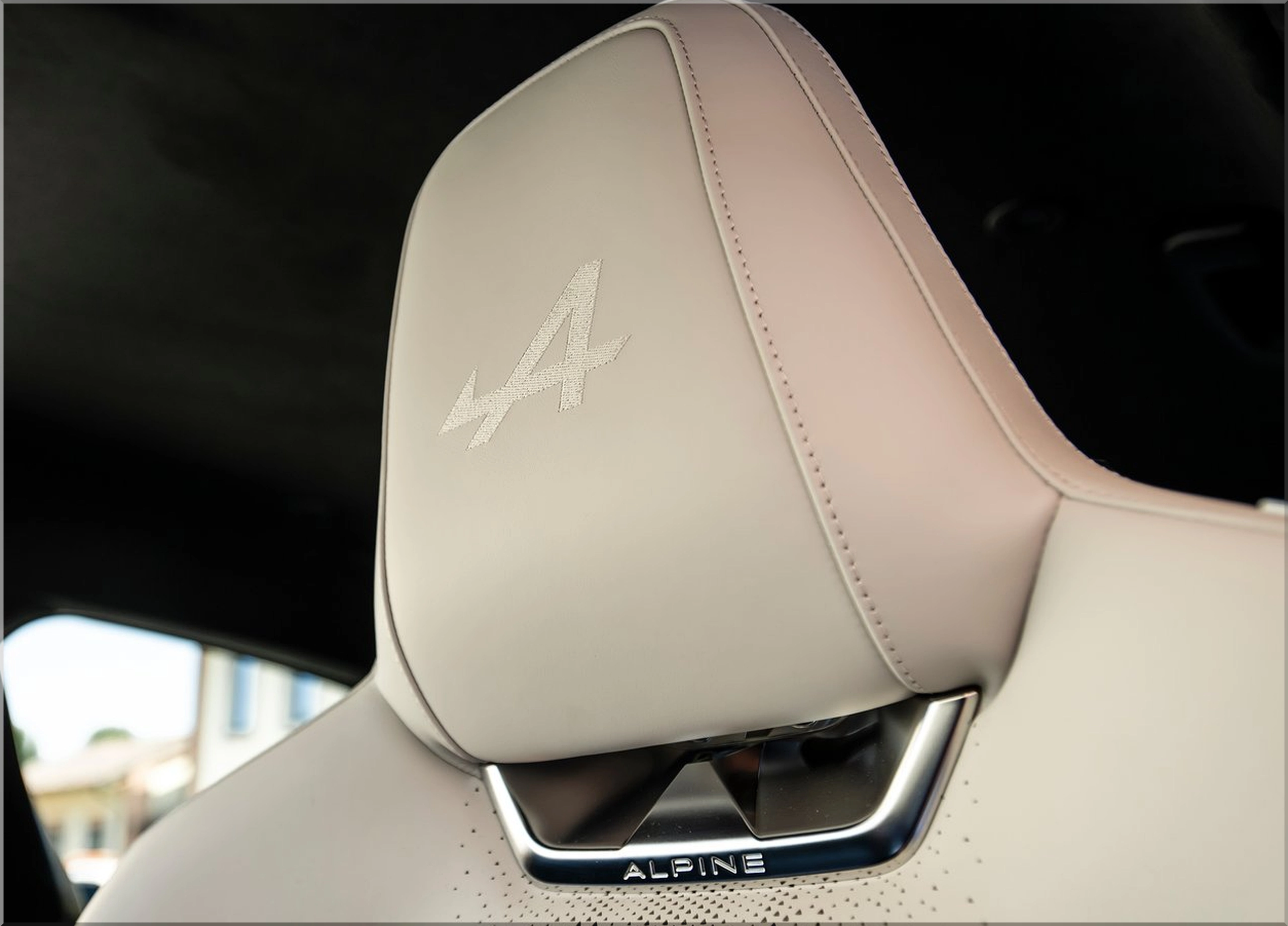
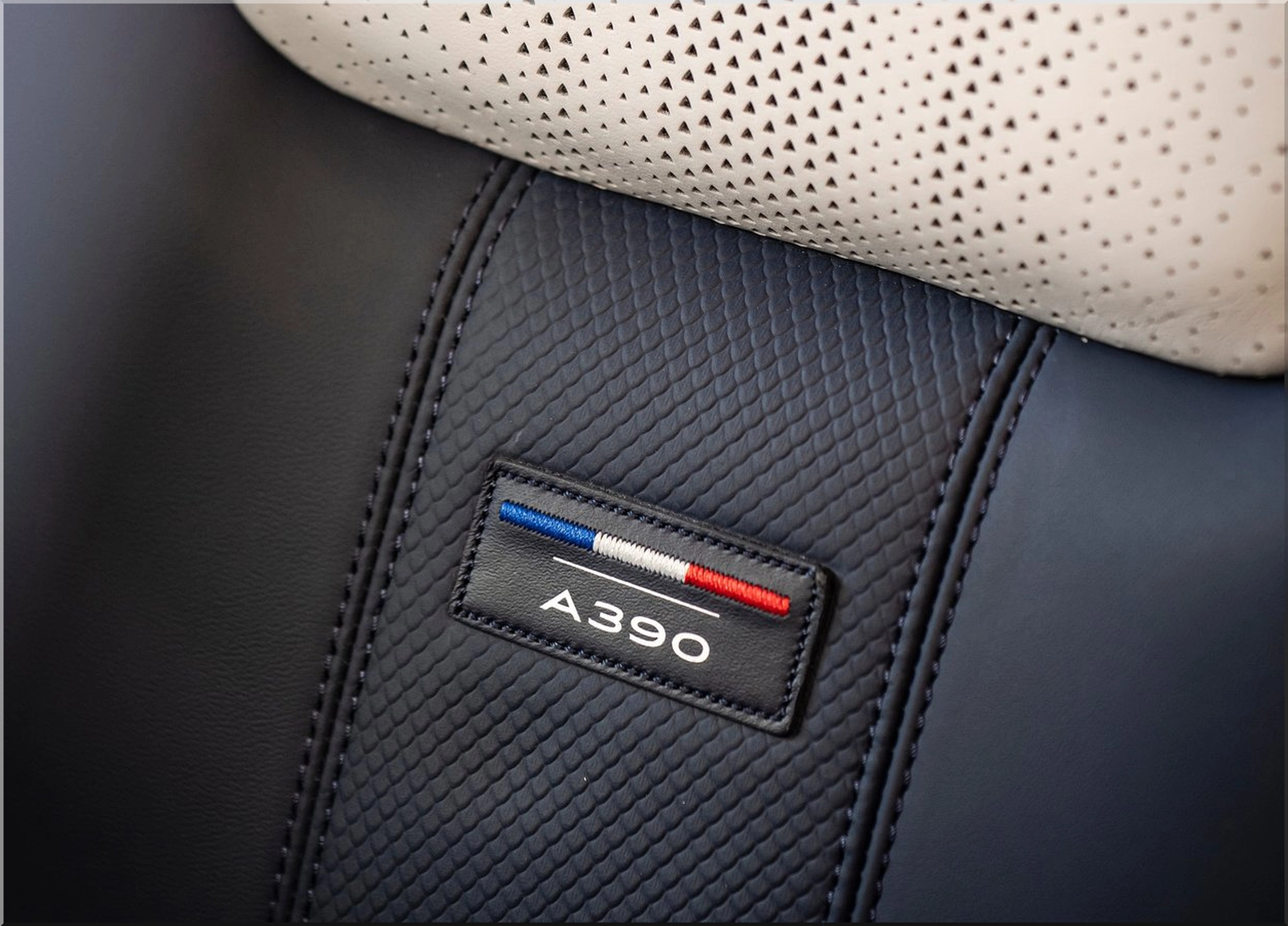
GTS equipment includes heated, massaging, electrically adjusted Sabelt front seats in two-tone Nappa leather. A 13-speaker Devialet system uses an 850-watt amplifier and a 224 mm subwoofer. Alpine Telemetrics records acceleration, braking, lateral force, battery and motor temperatures, tyre data, brake temperature, lap times, and torque distribution.
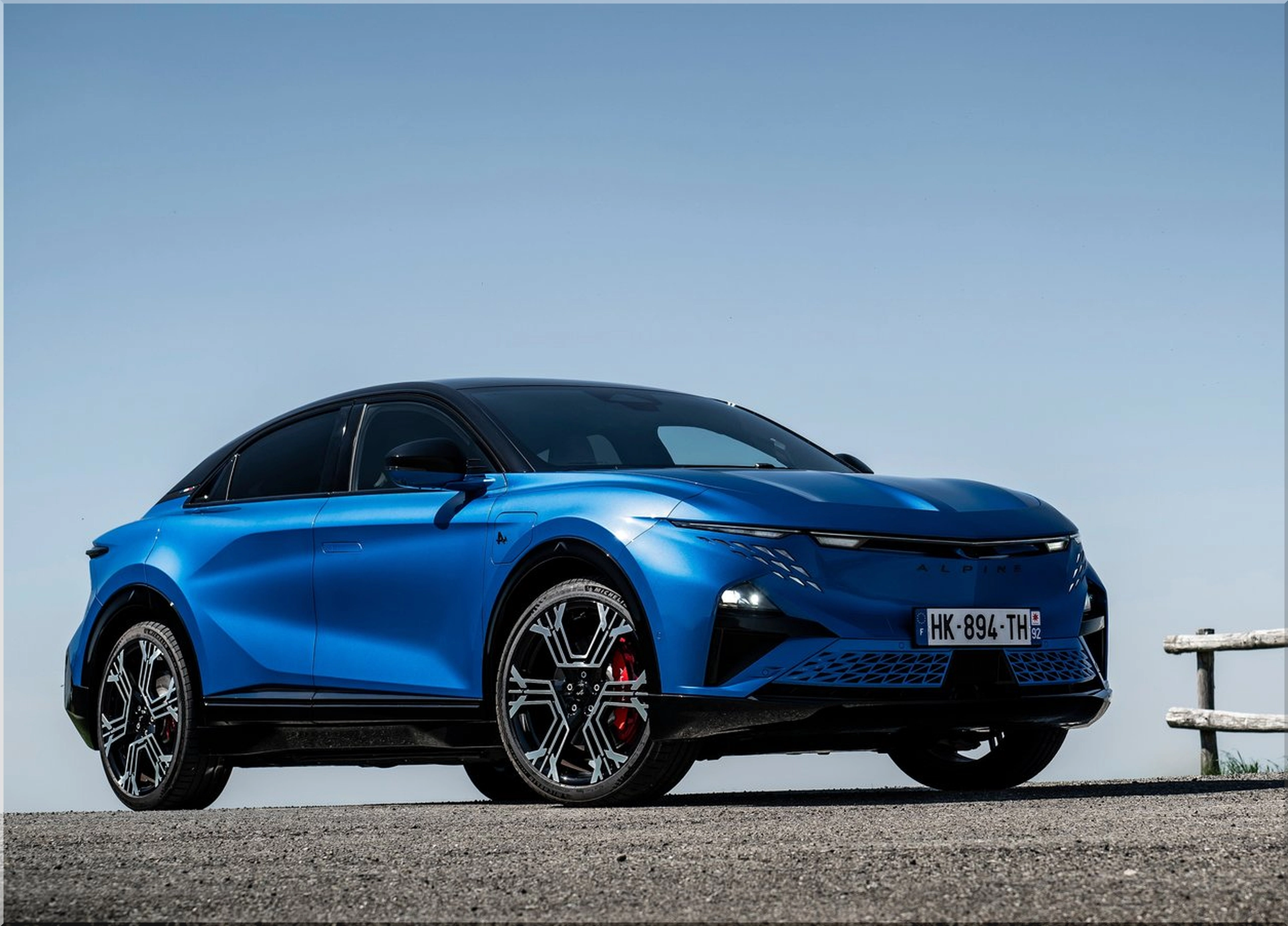
How Does the Alpine A390 GTS Compare With Its Main Rivals?
The A390 GTS sits between track-focused EVs and premium electric crossovers. It gives up straight-line speed to the Hyundai Ioniq 5 N and rated range to the Porsche Macan 4S, yet it undercuts the Porsche and carries more torque than the Polestar 4 Dual Motor. Its strongest argument remains the twin rear-motor control system.
| Model | Power | Torque | 0-100 km/h | WLTP range | Peak DC rate | Indicative price |
|---|---|---|---|---|---|---|
| Alpine A390 GTS | 470 hp | 824 Nm | 3.9 sec | 503-551 km | 190 kW | €78,000 |
| Polestar 4 Dual Motor | 544 hp | 686 Nm | 3.8 sec | Up to 590 km | 200 kW | €69,900 |
| Hyundai Ioniq 5 N | Up to 650 hp | 770 Nm | 3.4 sec | 448 km | About 240 kW | €76,500 |
| Porsche Macan 4S Electric | 516 hp | 820 Nm | 4.1 sec | 524-611 km | Up to 270 kW | €90,700 |
Prices vary by country, registration costs, and options. By comparison, the Alpine charges less quickly than the 800V Hyundai and Porsche, but its 400V pack still posts a credible sub-27-minute 15-80% session. The Alpine also carries a smaller footprint than the Polestar 4, helping on narrow European roads and in tight parking spaces.
Should You Buy the Alpine A390 GTS?
Buy the Alpine A390 GTS for its handling hardware, compact exterior size, strong usable range, and sophisticated rear torque control. The €78,000 price looks defensible against the Porsche, though the Polestar delivers more power for less money and the Hyundai offers stronger circuit hardware. From an expert perspective, the 20-inch wheel option creates the smarter road specification.
The A390 GTS succeeds because Alpine gave priority to response, repeatability, and control. It combines a high-output battery, rapid torque distribution, serious brakes, focused suspension hardware, and useful cabin space in one tightly packaged electric fastback.
- Add new comment
- 36 views