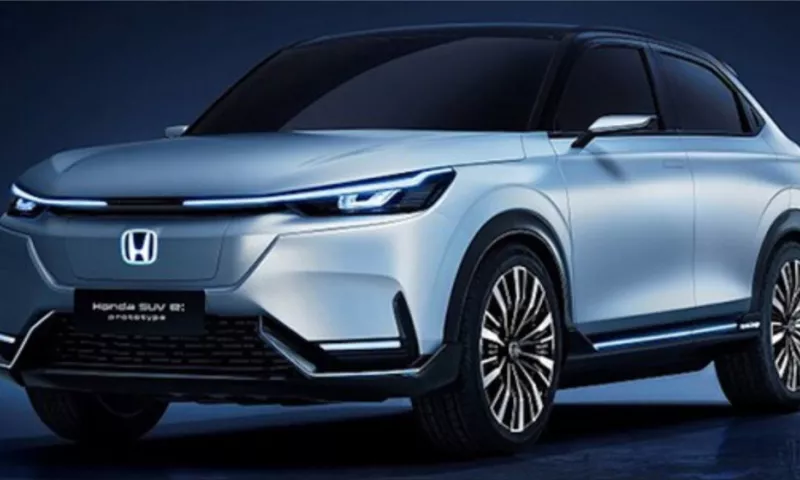
Honda knows exactly what went wrong with the Honda e. It built a charming electric city car, priced it like a boutique toy, and gave buyers too little range for the money. The 2026 Honda Super-N attacks that problem from the other direction.
This new Honda compact EV keeps the cheeky proportions and retro-flavored attitude, but it chases lower weight, lower cost, and a much clearer mission. Honda plans to launch the car in the UK in July 2026, and the company has put a starting price below £20,000, which works out to roughly $26,800 at mid-April 2026 exchange rates. That single number changes the conversation fast.
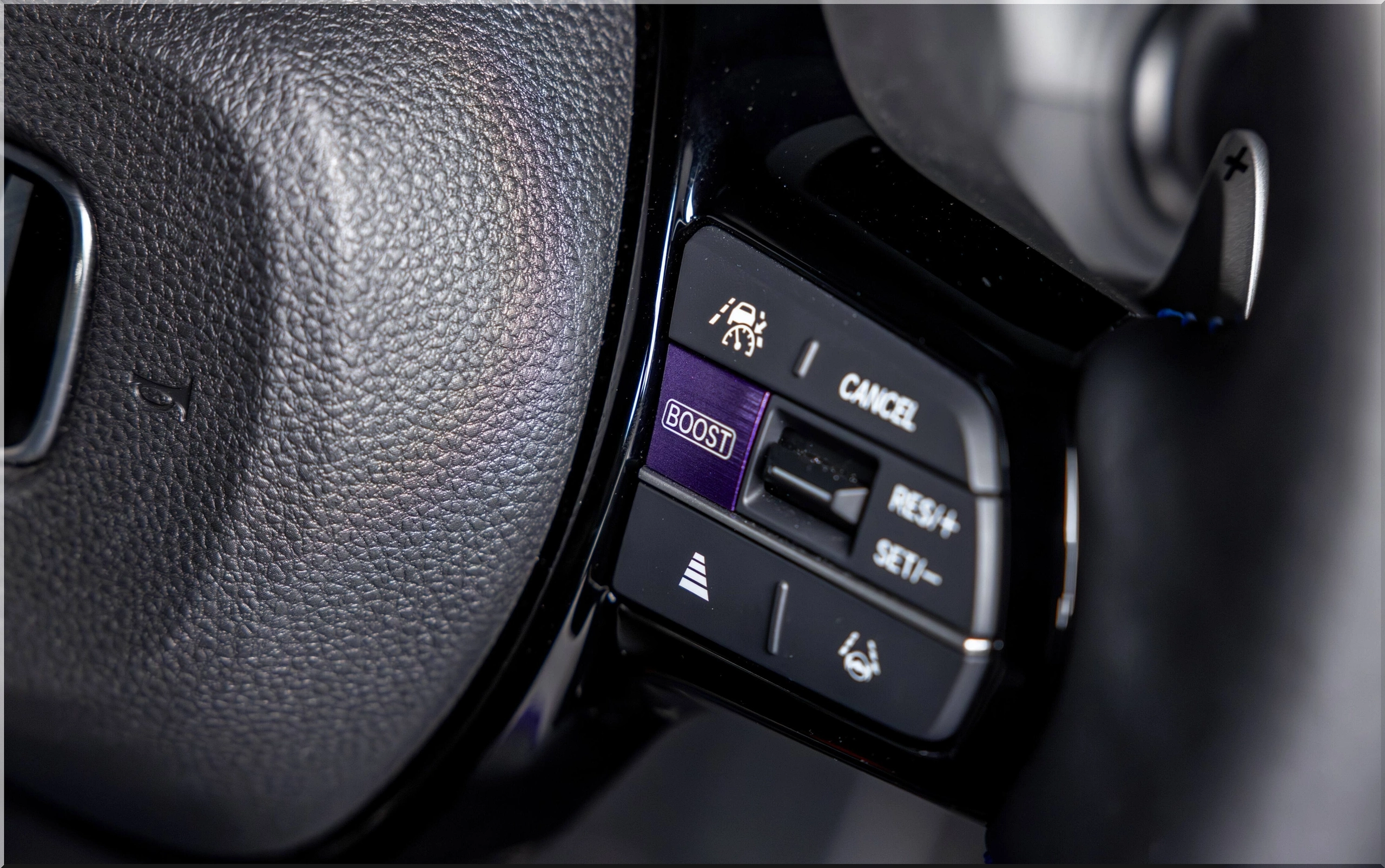
Looking at the data, the Honda Super-N aims straight at the budget and subcompact electric segment, not the nostalgia-premium lane. It rides on the lightweight N-Series kei-car base sold in Japan, uses a compact front e-Axle, and adds a BOOST Mode that lifts output from 47 kW to 70 kW. In old-school horsepower language, that means about 63 hp to 94 hp. For a tiny urban EV, that is the difference between "fine" and "actually funny."
Why the Honda Super-N matters
The Honda Super-N EV matters because it gives Honda a product that can sell in volume instead of drawing admiring glances and then losing on spreadsheets. The Honda e won hearts and emptied wallets. This one goes after the school-run, second-car, city-commuter, and short-hop buyer who wants parking ease without driving a penalty box.
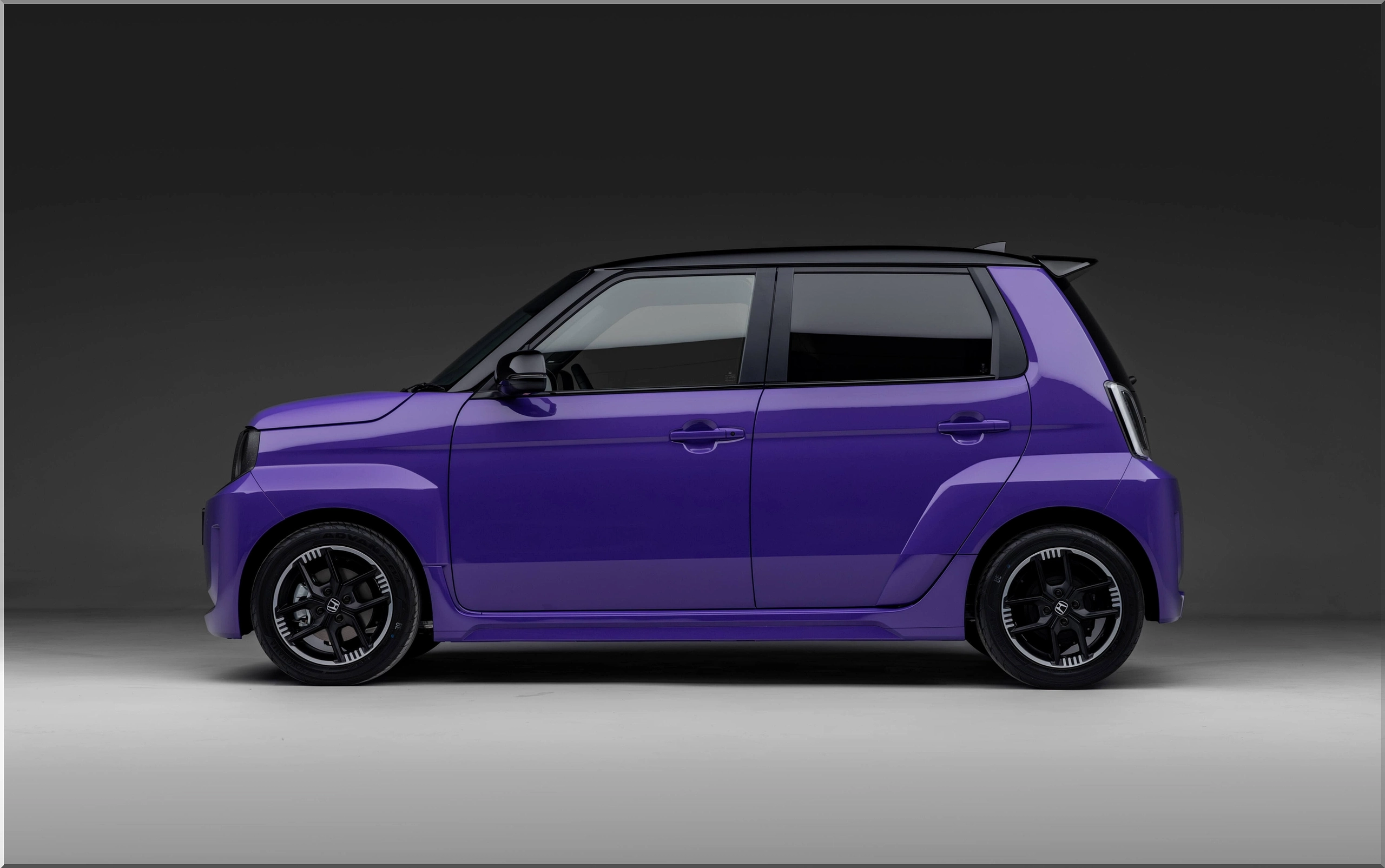
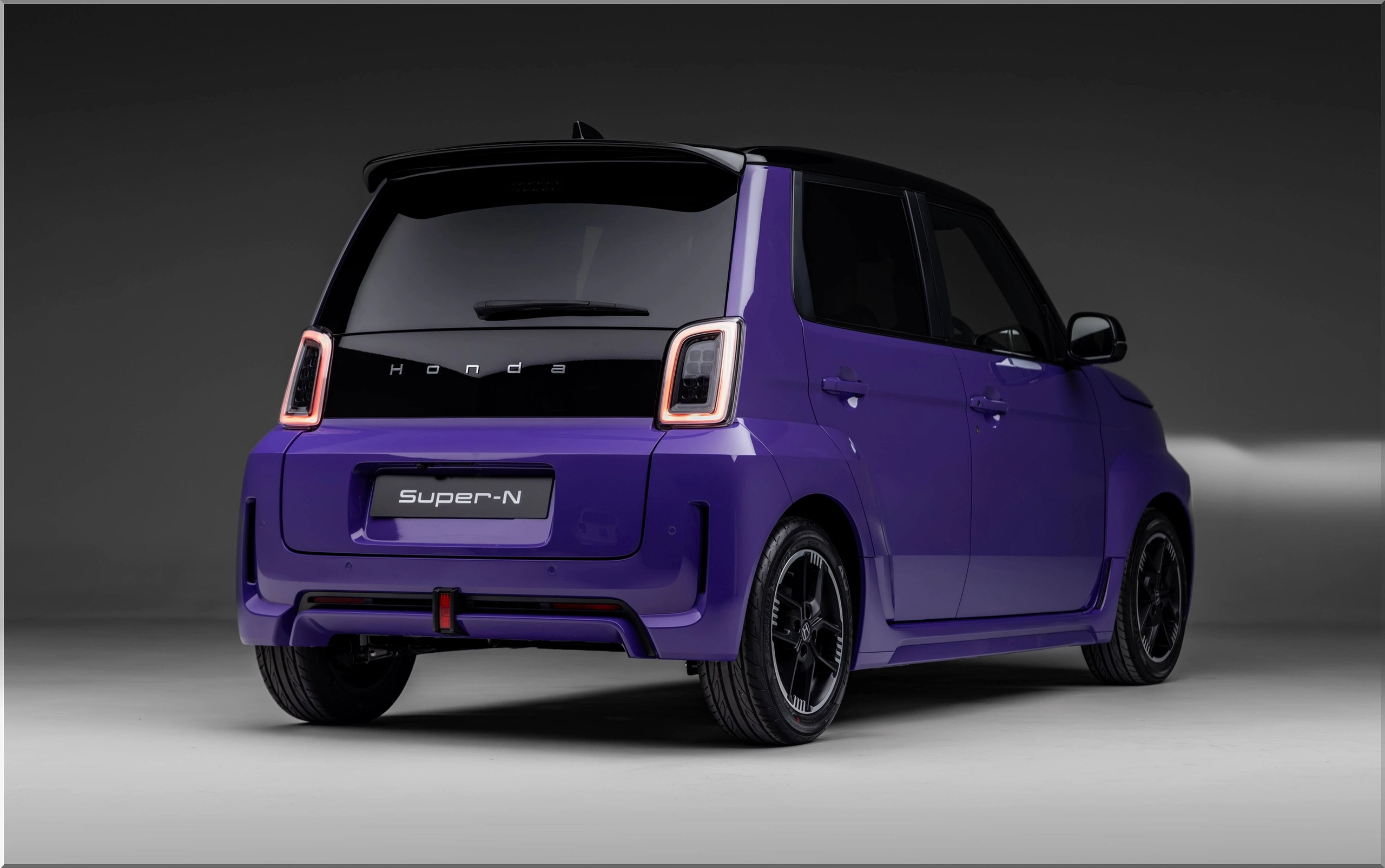
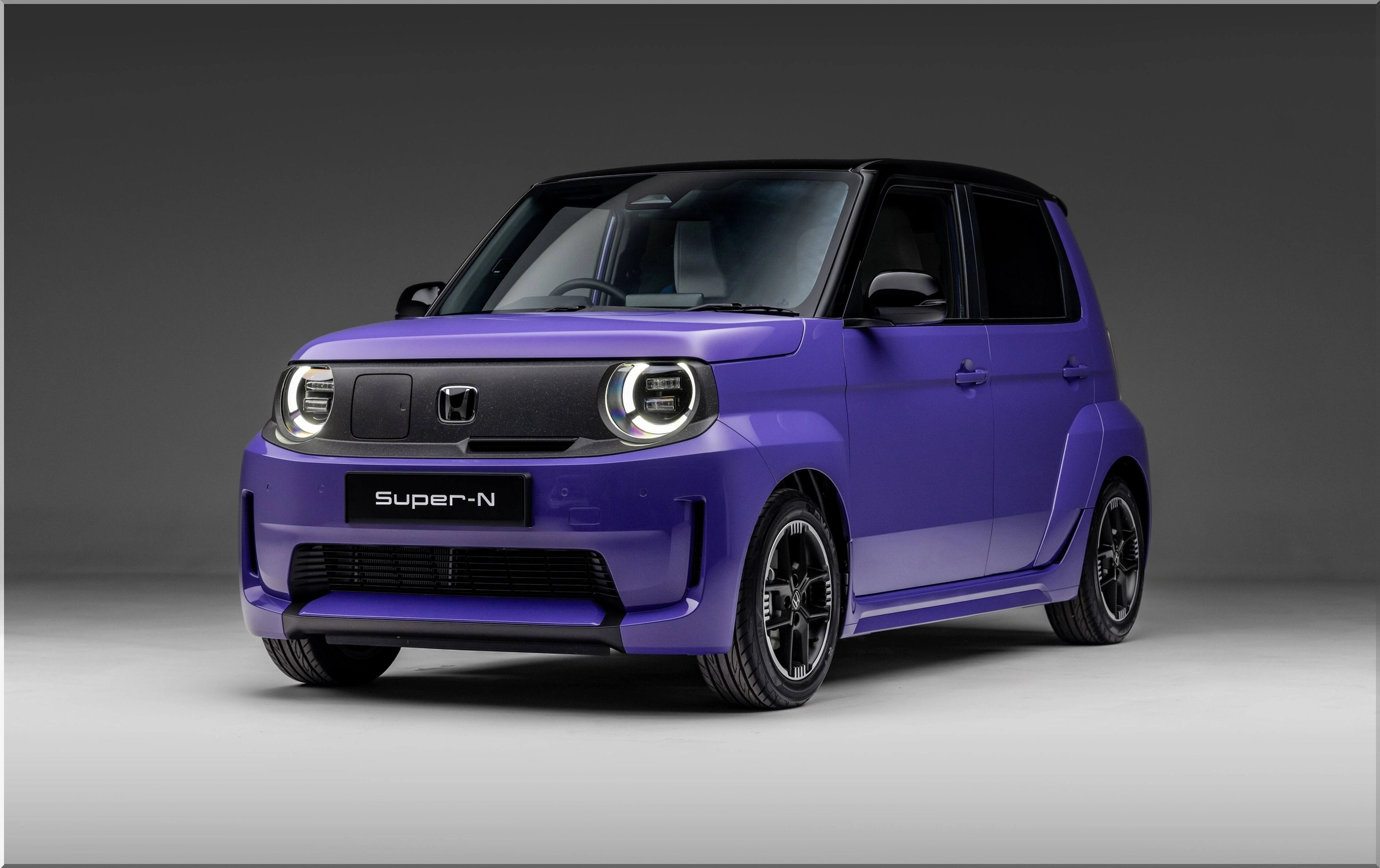
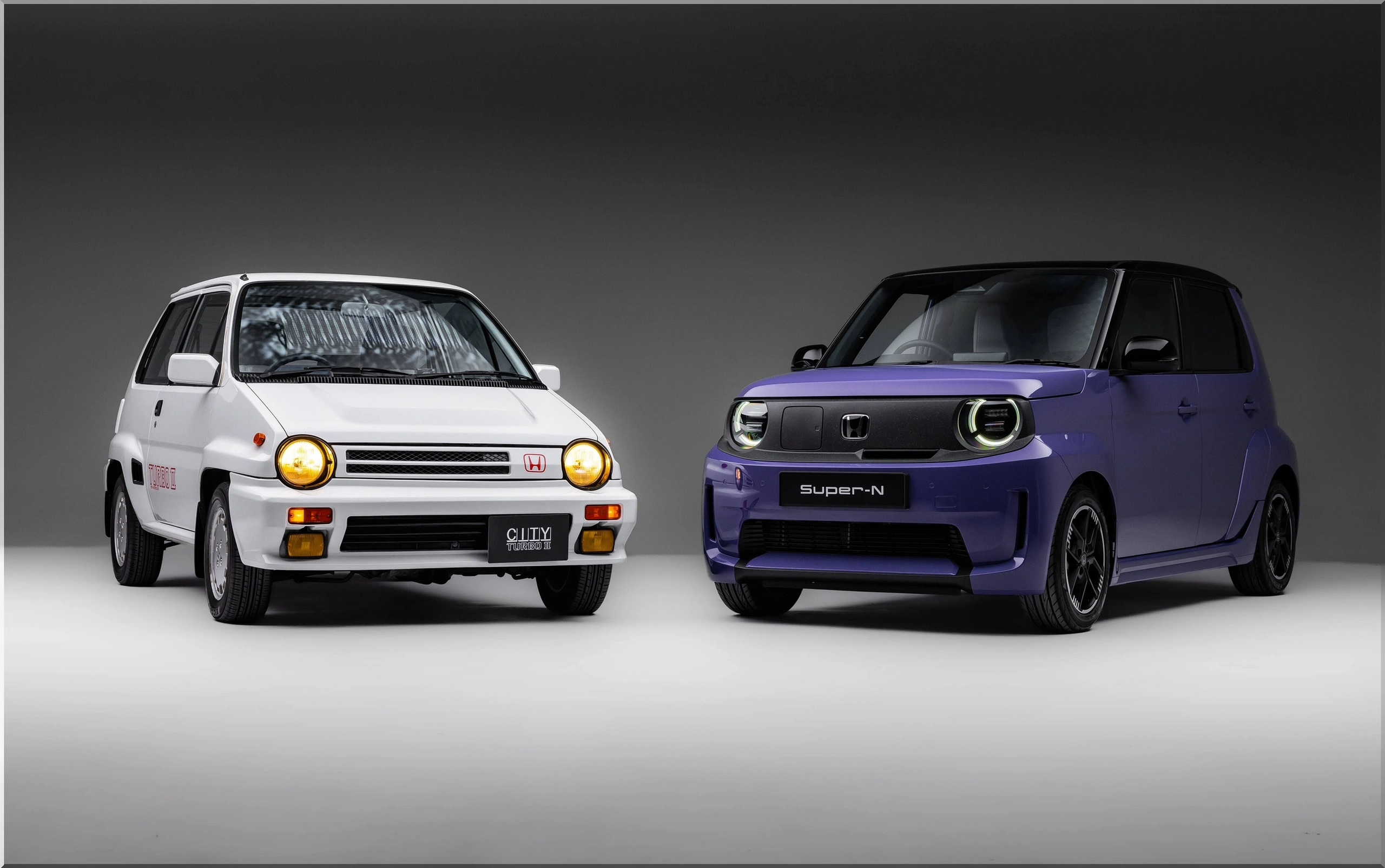
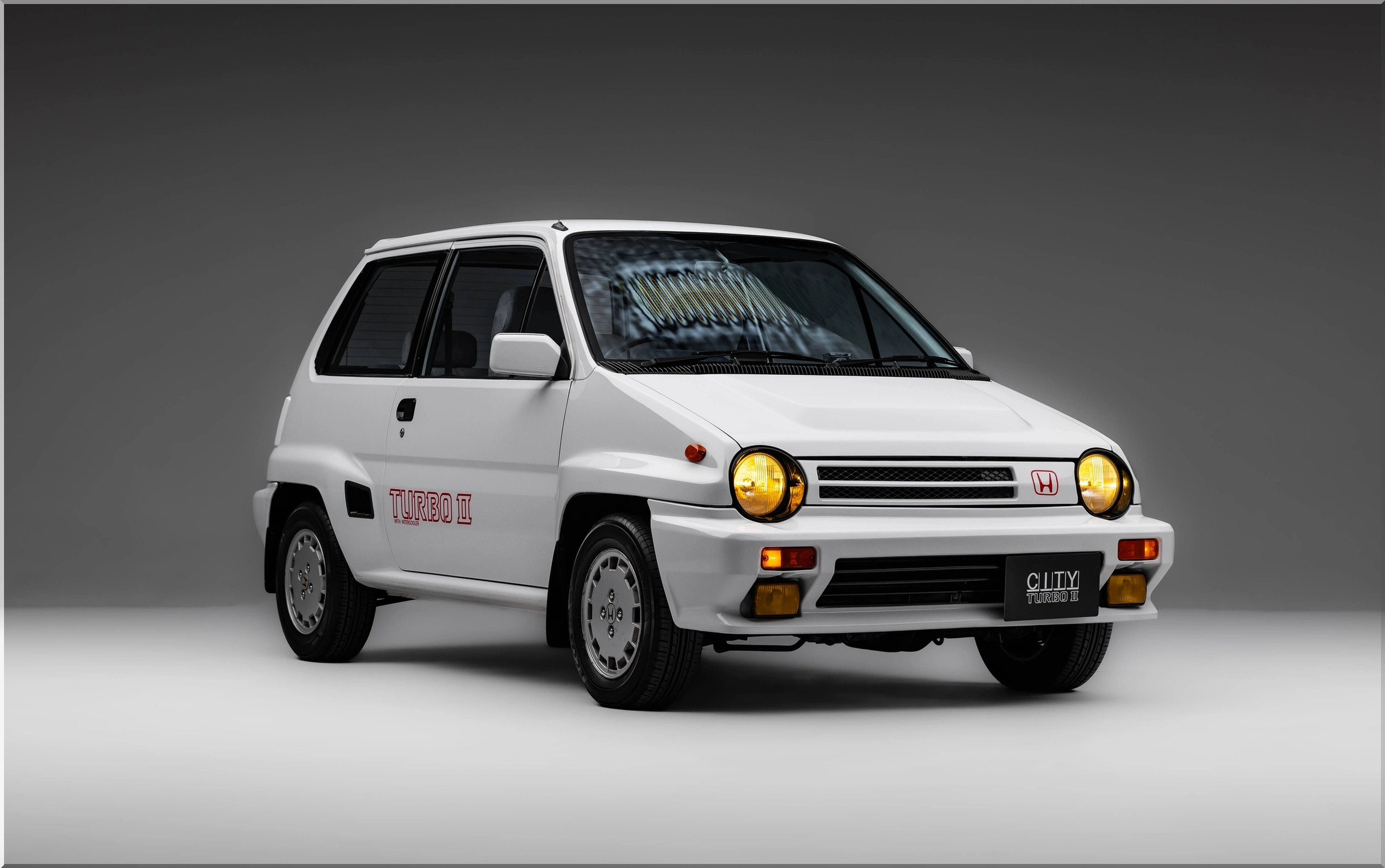
By comparison, Honda also seems to understand that small EV buyers still want character. That is where the Super-N avoids the usual appliance trap. The car takes visual cues from the 1980s City Turbo II, uses wider bodywork cues, bigger bumpers, aero ducts, and a stance that looks playful rather than apologetic.
From an expert perspective, that design choice does more than sell nostalgia. It gives Honda a low-cost way to differentiate a small EV in a class where battery size, charge speed, and range rarely produce dramatic gaps. When the hard points stay compact, style and chassis tuning do heavy lifting.
What Honda has confirmed so far
Honda has released enough information to show the Super-N's direction, even if the full technical sheet still sits behind the curtain.
Published and inferred core data
| Item | Honda Super-N |
|---|---|
| Launch market timing | UK sales from July 2026 |
| Starting price | Below £20,000, about $26,800 |
| Platform | N-Series kei-car architecture from Japan |
| Drive layout | Front-mounted compact e-Axle |
| Standard power output | 47 kW or about 63 hp |
| Boost output | 70 kW or about 94 hp |
| Positioning | Small urban EV with performance flavor |
| Design inspiration | Honda City Turbo II |
| Weight strategy | One of the lightest EVs in Europe, per Honda |
| Range target | Aimed at urban use and average daily commuting |
In addition, road-test reporting indicates the Super-N likely retains much of the base package from Honda's N-One e: city EV in Japan. That points to a 29.6 kWh battery, a range figure a little below 183 miles, and DC charging up to 50 kW. Honda has not fully locked that spec sheet in public for the UK Super-N yet, so treat those numbers as the best-supported directional read rather than final brochure copy.
Powertrain logic: why 47 kW and 70 kW make sense
Small EVs do not need giant output to feel quick. They need sharp low-speed response, low mass, and sensible gearing. Honda appears to know that.
A 47 kW base output sounds tiny on paper. In a light car used in traffic, it can feel plenty alert up to city speeds. Then BOOST Mode steps in and lifts the motor to 70 kW, giving the car the extra shove buyers expect when they merge, squirt through a gap, or climb a grade with passengers onboard.
Consequently, Honda can keep battery size and cost under control while still giving the car two distinct personalities:
- A calmer base mode for efficiency and daily use
- A higher-output setting for more urgent response
- Lower thermal stress in routine driving
- Lower cost than designing a permanently higher-output system
That is smart engineering, not gimmickry. A small battery pack struggles when engineers ask it to deliver big performance all the time. A temporary or selective higher-output map lets Honda sell fun without dragging the whole package into a heavier, pricier bracket.
Power mode comparison
| Metric | Standard Drive | BOOST Mode |
|---|---|---|
| Output | 47 kW | 70 kW |
| Approx. horsepower | 63 hp | 94 hp |
| Likely use case | Daily commuting, stop-go traffic | Overtakes, short bursts, back-road fun |
| Efficiency impact | Lower energy draw | Higher short-term energy draw |
| Driver feel | Smooth, modest, easygoing | Sharper, punchier, more eager |
Size, packaging, and why kei-car bones help in Europe
One of the smartest things Honda did here was start with a kei-car platform. That sentence may sound small. It carries major consequences.
Kei architecture prioritizes a tiny footprint, upright cabin packaging, and low weight. That gives the Honda Super-N a natural edge in crowded streets, multi-story parking decks, and older urban neighborhoods. Review sources place the car at around 3,400 to 3,450 mm long, which translates to roughly 133.9 to 135.8 inches. That makes it extremely short by modern standards.
Specifically, that length gives Honda three big wins:
- Lower mass
A smaller shell and battery demand less structure and less tire. - Better maneuverability
Buyers feel that every day in parking lots and narrow streets. - Higher efficiency at city speeds
A light EV spends less energy getting moving again and again.
The upright shape also helps cabin volume. Autocar's early drive points to an airy interior that can actually handle small-family duty. That matters because tiny EVs often fail when the exterior shrinks faster than the cabin can recover through smart packaging.
The Honda e lesson sits all over this car
Honda does not need to say it out loud. The Honda Super-N exists because the Honda e priced itself into a dead end.
The older car launched with style, premium tech, and a list price around £37,000, or roughly $49,600 using the same mid-April 2026 pound-to-dollar conversion reference. Buyers got charm, but they also got range that lagged the market. That mix works for posters and press fleets. It fails in retail.
By comparison, the Super-N flips the priorities:
| Factor | Honda e | Honda Super-N |
|---|---|---|
| Price intent | Premium small EV | Lower-cost urban EV |
| Market role | Halo product | Volume-minded entry point |
| Core message | Style and tech | Affordability, agility, and usable EV ownership |
| Likely buyer | Design-led early adopter | City driver, second-car household, first EV buyer |
| Strategic risk | High price, limited reach | Tighter margins, broader appeal |
Looking at the data, Honda has moved from "Wouldn't this be cool?" to "Will people actually buy it?" That is a healthier question.
Driving character: fake gears, synthesized noise, and the old hot-hatch trick
Honda clearly wants this car to feel mischievous. Early reviews describe synthesized exhaust sound and a faux gearbox effect that adds involvement instead of pure novelty. That idea could have gone sideways fast. In this case, early impressions suggest it actually adds something.
Why would Honda spend money on artificial gear steps in a tiny EV? Because small, light cars often live or die on sensation. A heavy crossover can hide behind torque. A city car has to entertain through response, body control, and the feeling that the driver changes the car's attitude with real inputs.
From an expert perspective, this strategy borrows from an old hot-hatch playbook:
- Keep weight down
- Tune steering and damping for immediacy
- Let modest power feel vivid through sound and pacing
- Make normal road speeds feel interesting
That works. It also fits Honda's brand history far better than another blank-faced crossover with a giant screen and no pulse.
Cabin and equipment: modest, but that is the point
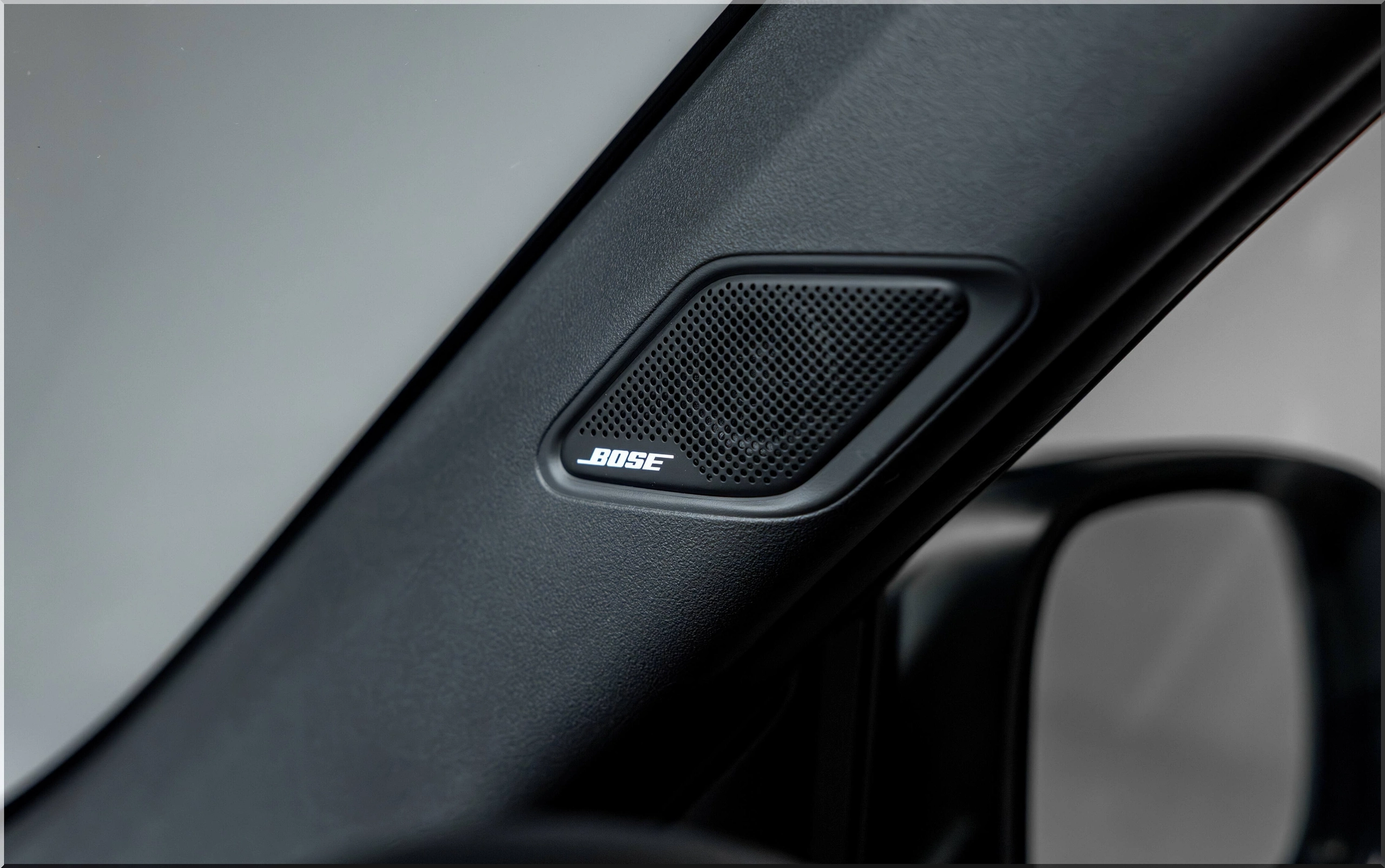
Honda does not appear to have stuffed the Super-N interior with expensive gimmicks. Early reports mention a 9-inch center touchscreen, a 7-inch digital gauge cluster, USB-C ports, a heated steering wheel, adaptive cruise control, and power windows for both rows.
That list tells you a lot. Honda wants enough equipment to avoid a penalty-box vibe, but not so much hardware that the price blows up. A heated wheel in a small EV makes sense in cold climates because it warms the driver with less energy draw than blasting cabin heat. Adaptive cruise control keeps the car competitive in daily traffic. USB-C points to current-device practicality instead of brochure theater.
In addition, the compact battery under the floor appears to avoid the worst seat-height compromises common in tiny EVs. That matters because overly high seating positions can make a small car feel awkward and van-like. Honda seems to have kept a more natural driving position.
Range and charging: the likely trade-off buyers need to understand
This is where the Honda Super-N range story gets honest. Nobody should expect a long-haul EV here.
If the Super-N stays close to the N-One e: package, buyers should expect a battery around 29.6 kWh, DC charging around 50 kW, and a driving range somewhat below the base Japanese car's 183-mile figure. In real use, that puts the Super-N squarely in city-car territory.
That does not make it weak. It makes it specialized.
Definition: What a city EV does well
A city EV prioritizes low running cost, parking ease, easy charging, and short-trip efficiency. It does not chase massive battery size or interstate stamina.
A buyer who drives 20 to 40 miles a day and charges at home will likely view the Super-N as logical. A buyer who drives 180 miles in one shot every other day should shop elsewhere. Honda appears comfortable with that trade.

What now for buyers?
The right next step depends on the kind of EV buyer you are.
Pro-Tips for reading the Super-N before launch
- Watch final curb weight closely. Low mass will shape every good thing about this car, from efficiency to ride feel.
- Wait for final WLTP and real-use range. The battery looks modest, so the official number will matter.
- Check DC peak and charging curve, not only peak kW. A flat, usable curve beats a flashy top number that lasts for a blink.
- Compare monthly finance, not sticker alone. A sub-$27,000 entry price looks strong, but the payment decides the sale.
- Drive it in both base and BOOST settings. That back-to-back test will tell you if the car has real character or only a gimmick switch.
Who should put the Super-N on the shortlist
The Honda Super-N fits buyers who want:
- A compact EV for city use
- A second household car
- A first EV with low operating cost
- Honda brand trust in a smaller, cheaper package
- More personality than the average budget EV
Who should probably skip it
This car will likely frustrate buyers who need:
- Long-distance motorway range
- Rapid charging on frequent road trips
- Rear-seat space close to a larger supermini
- SUV seating height
- Big-cargo flexibility
Final take: Honda finally built the small EV it should have built first
The 2026 Honda Super-N looks like the rational answer to the irrational charm of the Honda e. It cuts size, keeps personality, and attacks the number that hurts most: price. That alone gives it a much stronger shot in the market.
Looking at the data, the formula makes sense. A kei-based platform keeps the car tiny and light. A 47 kW base output avoids waste. BOOST Mode up to 70 kW adds the grin. A starting price below £20,000, or about $26,800, puts the car in a lane where buyers may actually sign.
Honda still needs to publish the full specification sheet, the final range, the exact weight, and the detailed charging figures. But the strategic logic already reads clearly. The Honda Super-N does not try to be everything. It tries to be a very good small EV that real people can afford, park, charge, and enjoy.
That is a much better bet.
- Add new comment
- 416 views