A familiar name returns as a fully electric city car
Renault’s original Twingo debuted in 1993 as a small, affordable city car that prioritized simplicity and personality. Three decades later, the brand is reviving the name with a new mission: make electric mobility accessible to the widest possible audience. The Renault Twingo E-Tech Electric, developed in just two years, arrives in 2025 as an A-segment EV designed for urban life, with a starting price below $21,000 USD.
This new generation doesn’t rely on nostalgia alone. It combines compact proportions, smart packaging, and a characterful design to attract urban drivers who want practicality without excess cost or complexity.
The Twingo R Pass: early access to Renault’s new electric city car
Renault is launching a Twingo R Pass programme to allow early adopters to secure a car before the public launch. Between October 8 and 22, 2025, customers in selected European markets can join the skip-the-line system. Members gain priority production and delivery slots, as well as exclusive ownership perks.
The official reveal is scheduled for November 6, 2025, but Renault is already teasing the car with initial design details and specifications. This approach mirrors what the company did with the Renault 5 and Renault 4 E-Tech Electric, showing that the brand sees the new Twingo as a key pillar of its expanding EV lineup.
Design: compact dimensions, iconic personality
Renault has deliberately kept the new Twingo’s styling close to its 1990s roots. Many details pay tribute to the original’s playful design language, while also improving aerodynamics and urban practicality.
- Sloping bonnet and extended windshield: A single-surface look improves efficiency and visibility.
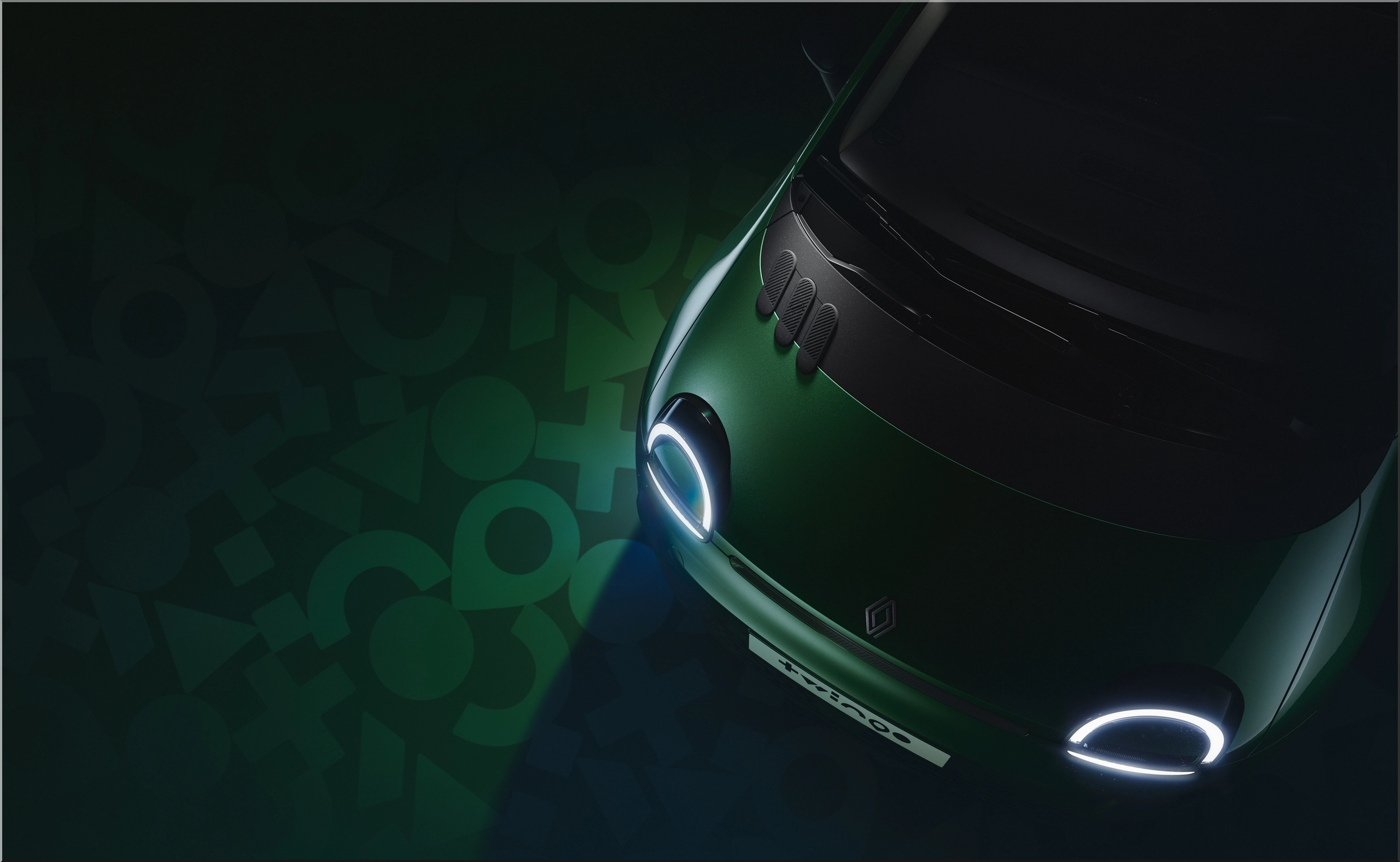
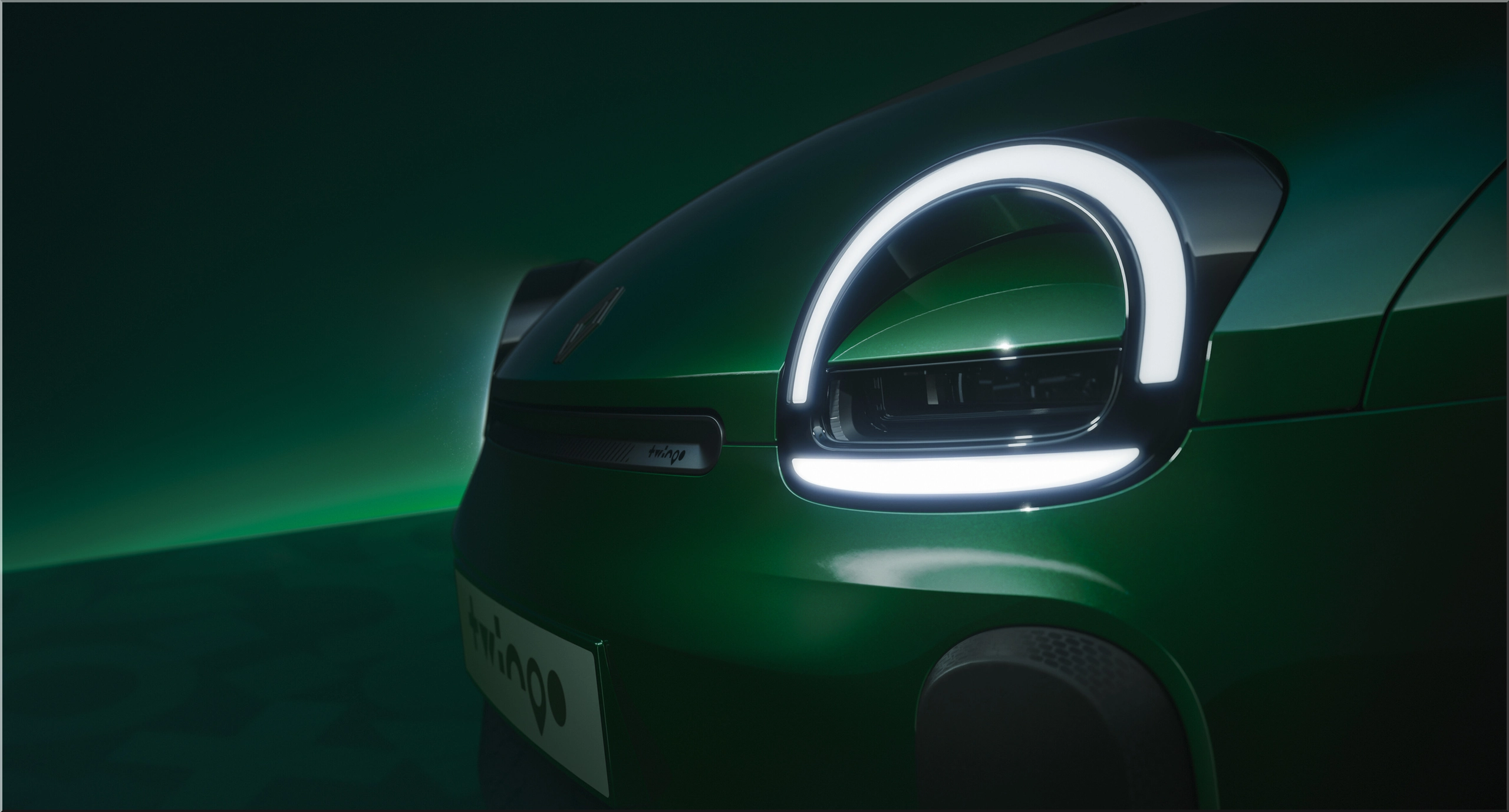
- Round LED headlights: The “impish” front fascia recalls the original’s face-like design.
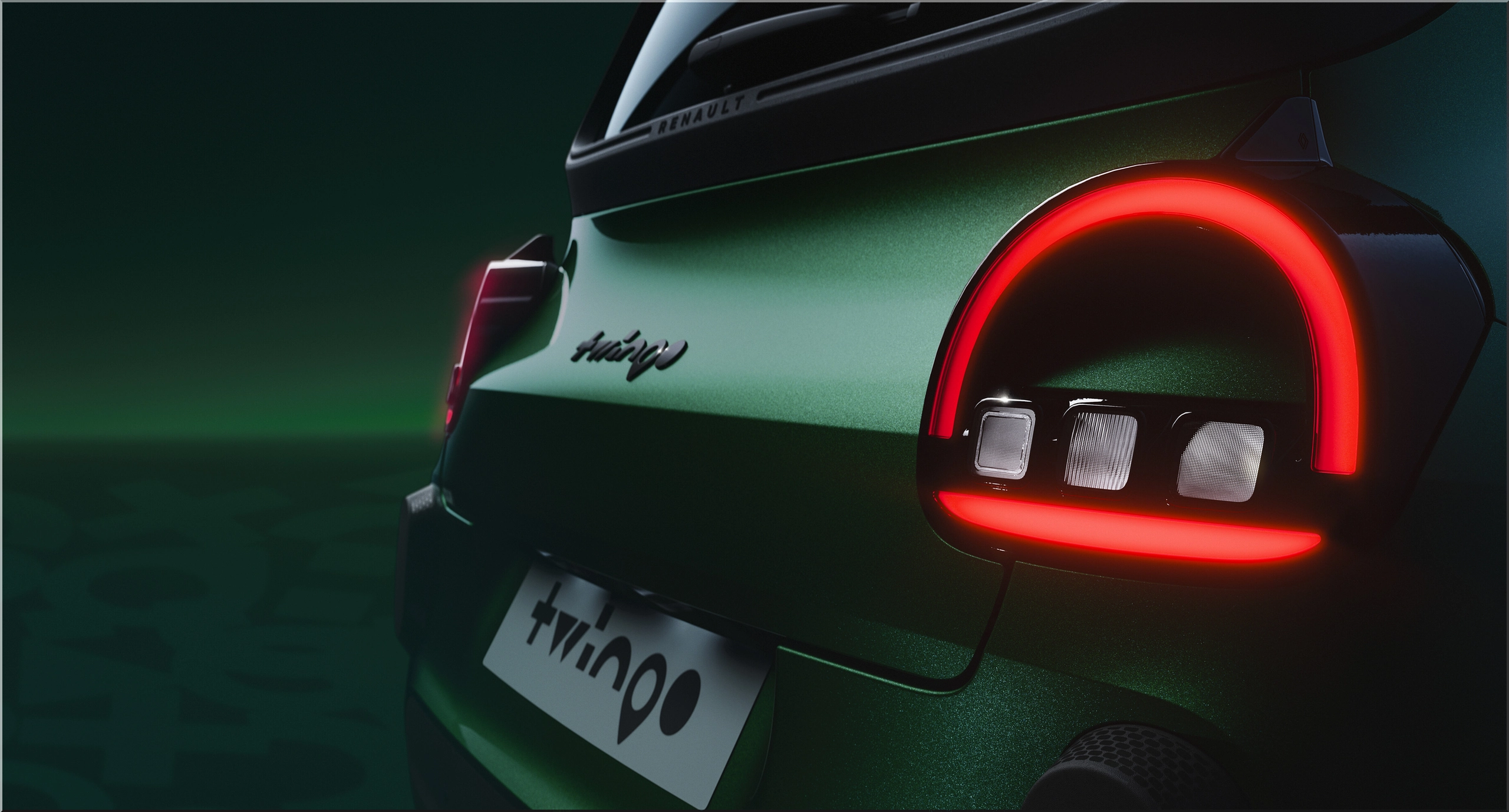
- Rounded rear window and half-moon taillights: A direct nod to the 1993 model, updated with a more modern finish.
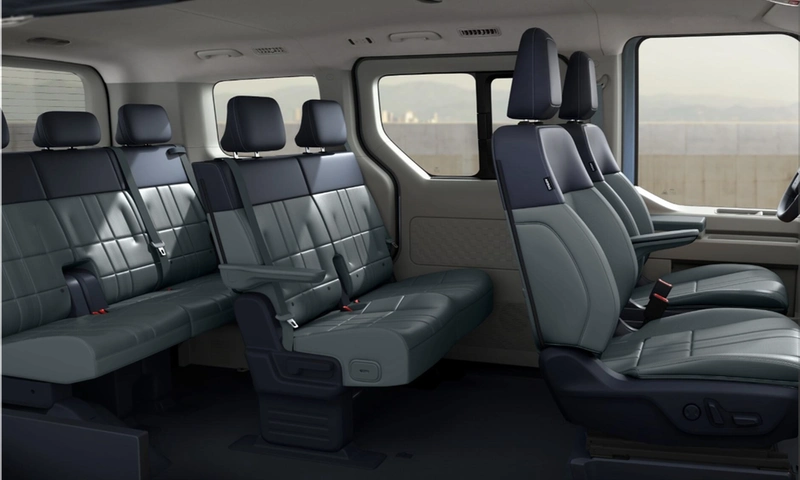
- Compact exterior, roomy cabin: The car’s one-box design maximizes interior space, making it ideal for city driving.
The emphasis remains on personality. Renault continues to offer bright color options and playful details that give the Twingo a distinct identity in a segment often dominated by anonymous-looking cars.
Platform and engineering: small size, smart efficiency
The Twingo E-Tech Electric rides on the AmpR Small platform, a scaled-down version of Renault’s EV architecture adapted for short-range urban use. While full technical specifications have not been released, Renault confirms that the development focus was on:
- Efficiency: Lightweight materials and an aerodynamic silhouette help extend range.
- Compact footprint: The short wheelbase improves maneuverability and makes parking effortless.
- Low running costs: The EV powertrain significantly reduces maintenance and energy expenses compared to gasoline city cars.
By minimizing size and complexity, Renault reduces manufacturing costs — a critical factor in keeping the entry price under $21,000 USD.
A-segment EV market: cost matters more than range
In the A-segment, buyers value affordability, convenience, and size over long-range capability or luxury. Renault’s pricing target puts the Twingo in direct competition with models like:
| Model | Segment | Starting Price (USD) | Range (approx.) | Target Market |
|---|---|---|---|---|
| Renault Twingo E-Tech Electric | A | <$21,000 | TBA | City-focused drivers |
| Fiat 500e | A | $33,000 | 149 miles | Urban buyers with higher budgets |
| Dacia Spring Electric | A | $20,500 | 137 miles | Budget-first buyers |
| VW e-up! | A | $28,000 | 159 miles | European city drivers |
Renault’s price undercuts many rivals, and its design and brand recognition give it a strong position in a growing segment. Even if range remains modest — likely around 120 to 150 miles based on segment norms — that figure suits the car’s intended urban use case.
Prioritizing accessibility in EV adoption
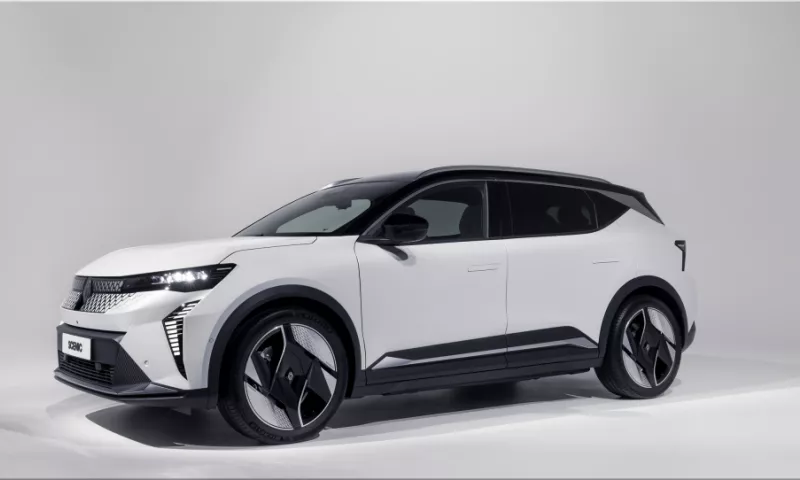
Renault’s broader strategy aims to democratize electric mobility. By launching models like the Twingo E-Tech Electric alongside the Renault 5, Renault 4, and Scenic E-Tech, the company covers every key market segment. The Twingo’s affordability makes it a gateway vehicle — one that can convert first-time EV buyers and fleet operators who prioritize total cost of ownership over luxury features.
The car’s development timeline reflects this focus. Renault completed the project in under two years, far shorter than typical EV cycles. That speed is part of a new, more agile engineering strategy under the company’s Renaulution transformation plan.
Practical benefits: designed for urban life
The Twingo E-Tech Electric is engineered for real-world city use. Key advantages include:
- Tight turning radius for dense city streets.
- Small exterior dimensions for easy parking.
- Modular interior layout with flexible cargo space.
- Lower total cost of ownership compared to combustion models.
It’s also expected to feature fast-charging capability suitable for urban charging stations, and its small battery size should keep charging times short — likely under 30 minutes to 80% on a DC fast charger.
Strategic context: Renault’s electric push accelerates
The Twingo E-Tech Electric is part of a wider EV offensive. Renault’s electric lineup now spans from entry-level city cars to family crossovers. By 2030, the company expects 80% of its European sales to be electric. That ambition relies on cars like the Twingo to grow market share in volume segments.
Renault is also expanding charging partnerships, software services, and battery recycling programs to support its vehicles over their entire life cycles. Together, these initiatives strengthen Renault’s position against competitors such as Stellantis, Volkswagen, and Chinese brands entering Europe with low-cost EVs.
The road ahead: an EV for the mass market
With the Twingo E-Tech Electric, Renault is betting that simplicity still sells — particularly in cities. Many automakers are chasing premium buyers with large, expensive EVs. Renault is doing the opposite: building a small, affordable model that addresses the core concerns of most urban drivers — price, practicality, and ease of use.
This strategy could pay off. If the final model meets expectations on range, charging speed, and pricing, it will become one of the most accessible EVs in Europe and a blueprint for future mass-market electrics.
Key Takeaways
- Renault Twingo E-Tech Electric will debut on November 6, 2025.
- Early access is available through the Twingo R Pass from October 8 to 22.
- Starting price: Under $21,000 USD.
- Target segment: Urban A-segment EV buyers.
- Design: Inspired by the original 1993 model with a modern electric twist.
- Mission: Expand EV adoption by prioritizing affordability and efficiency.
The return of the Twingo name isn’t about nostalgia. It’s a calculated move to expand electric mobility into the mass market. If successful, Renault’s smallest EV may prove that the future of electric cars doesn’t have to be expensive — it just needs to be smart, simple, and built for the way people actually drive.
- Add new comment
- 66 views