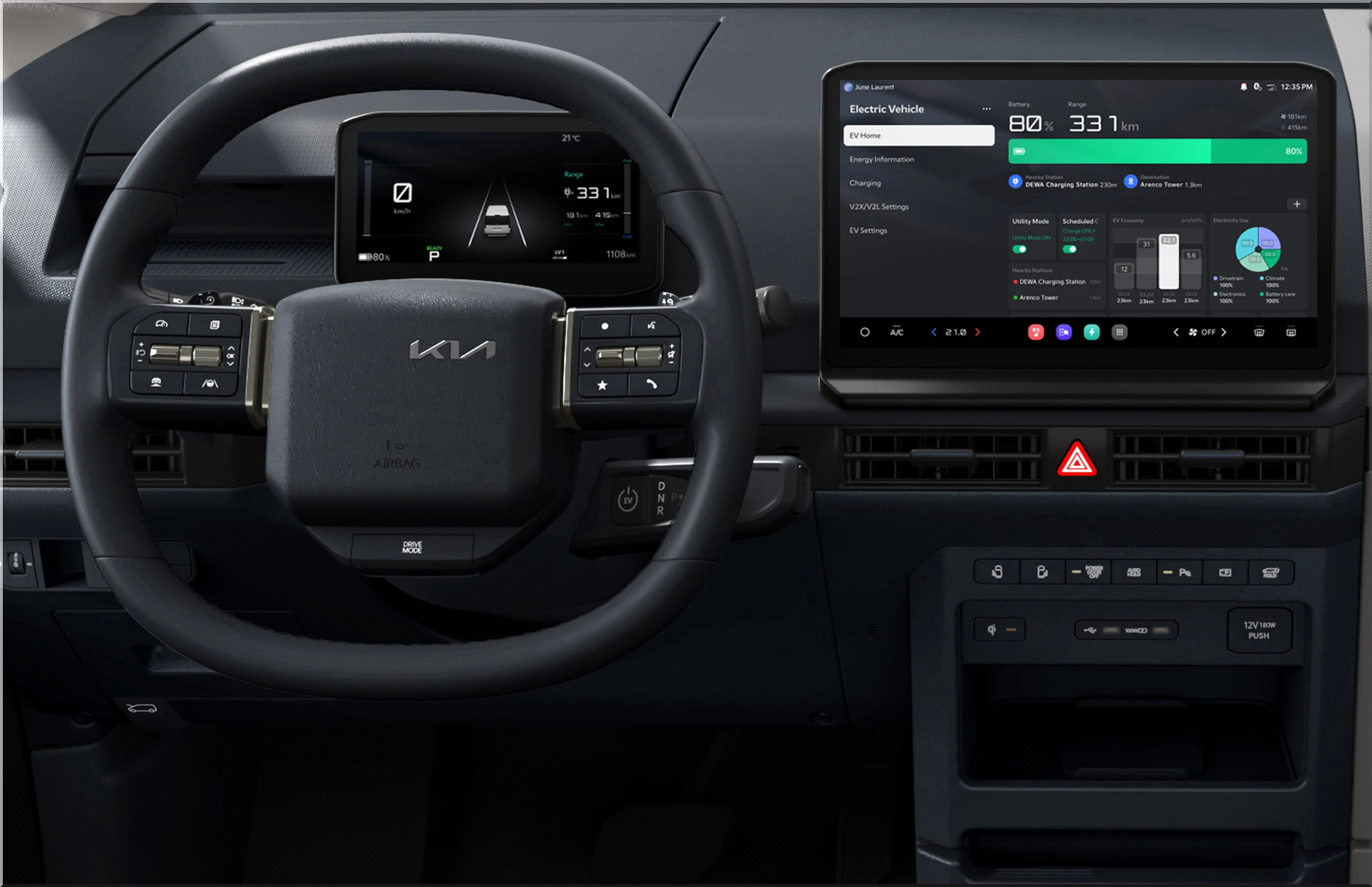
Kia has expanded the Kia PV5 Passenger lineup with new 6-seat and 7-seat electric MPV configurations, giving the brand a stronger answer for families, taxis, hotel shuttles, airport transfers, and shared mobility operators. Production starts on July 15, 2026.
The move makes sense. Kia built the PV5 on its dedicated E-GMP.S electric platform, which gives the cabin a flat floor, short overhangs, and van-grade access without forcing buyers into a full-size commercial bus.
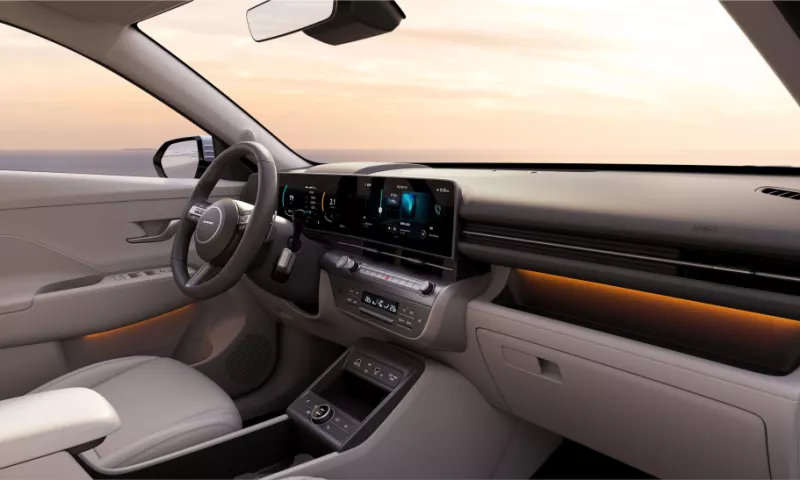
Kia PV5 Passenger Seating Layouts and Cabin Space
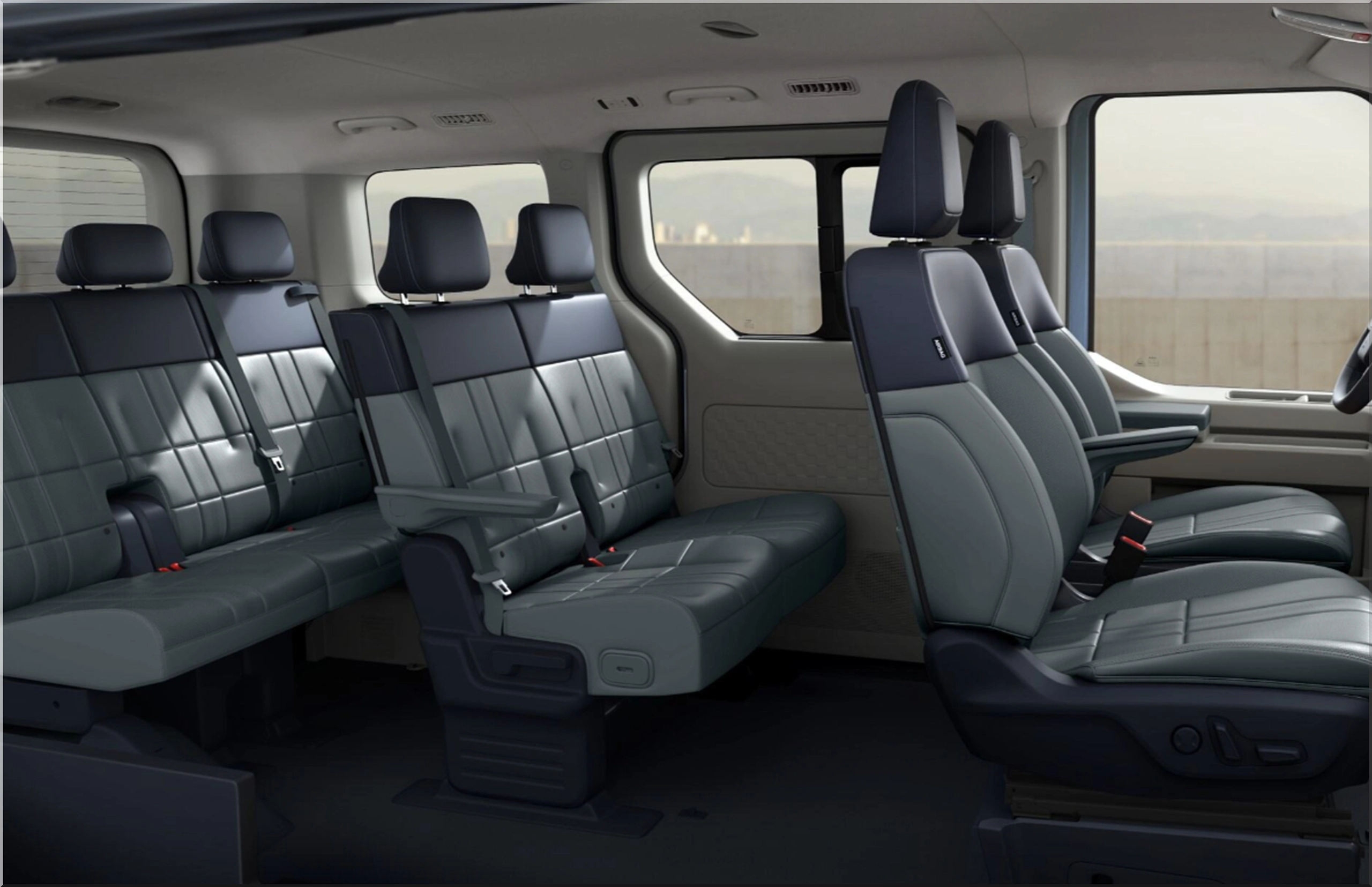
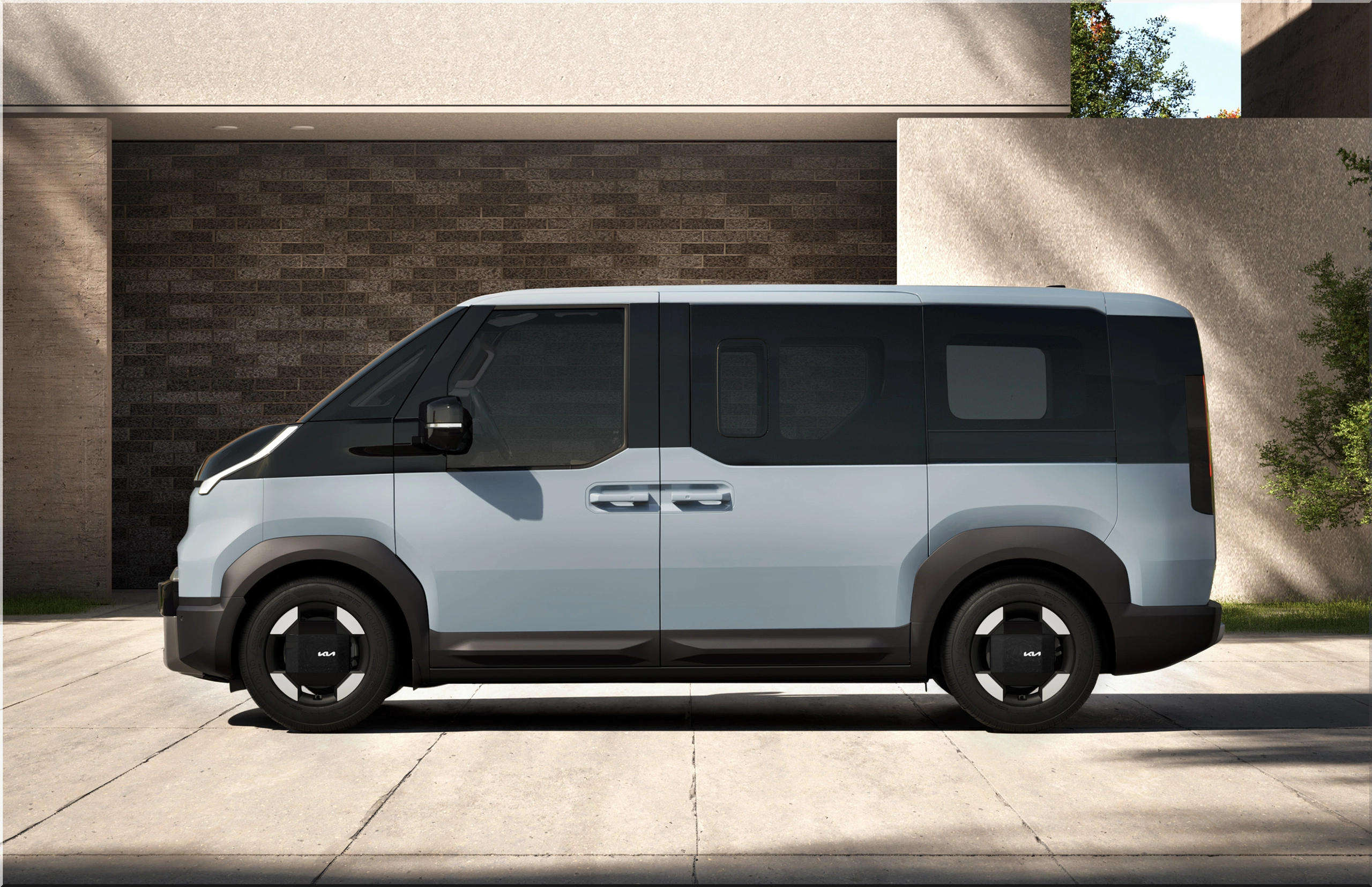
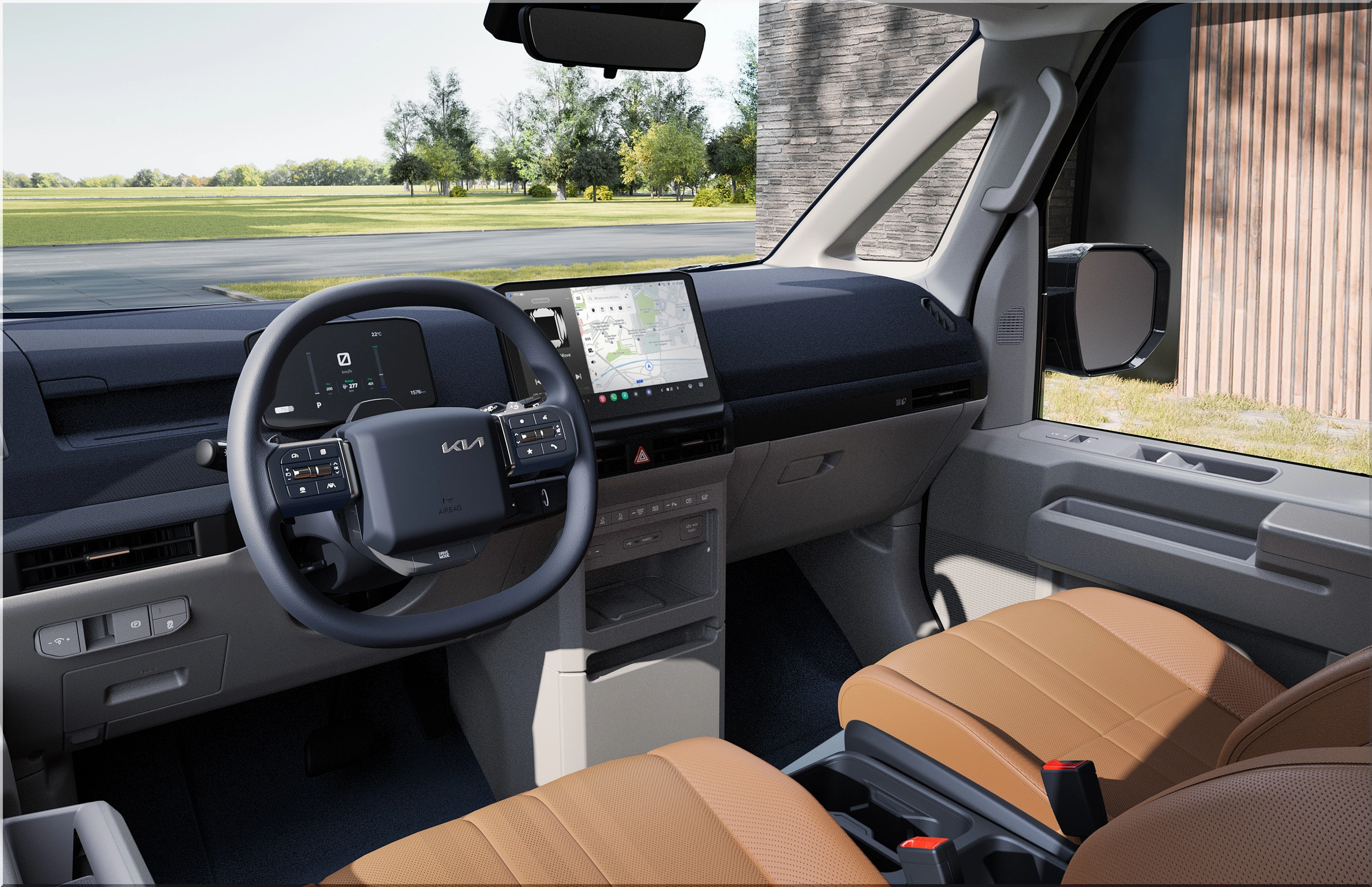
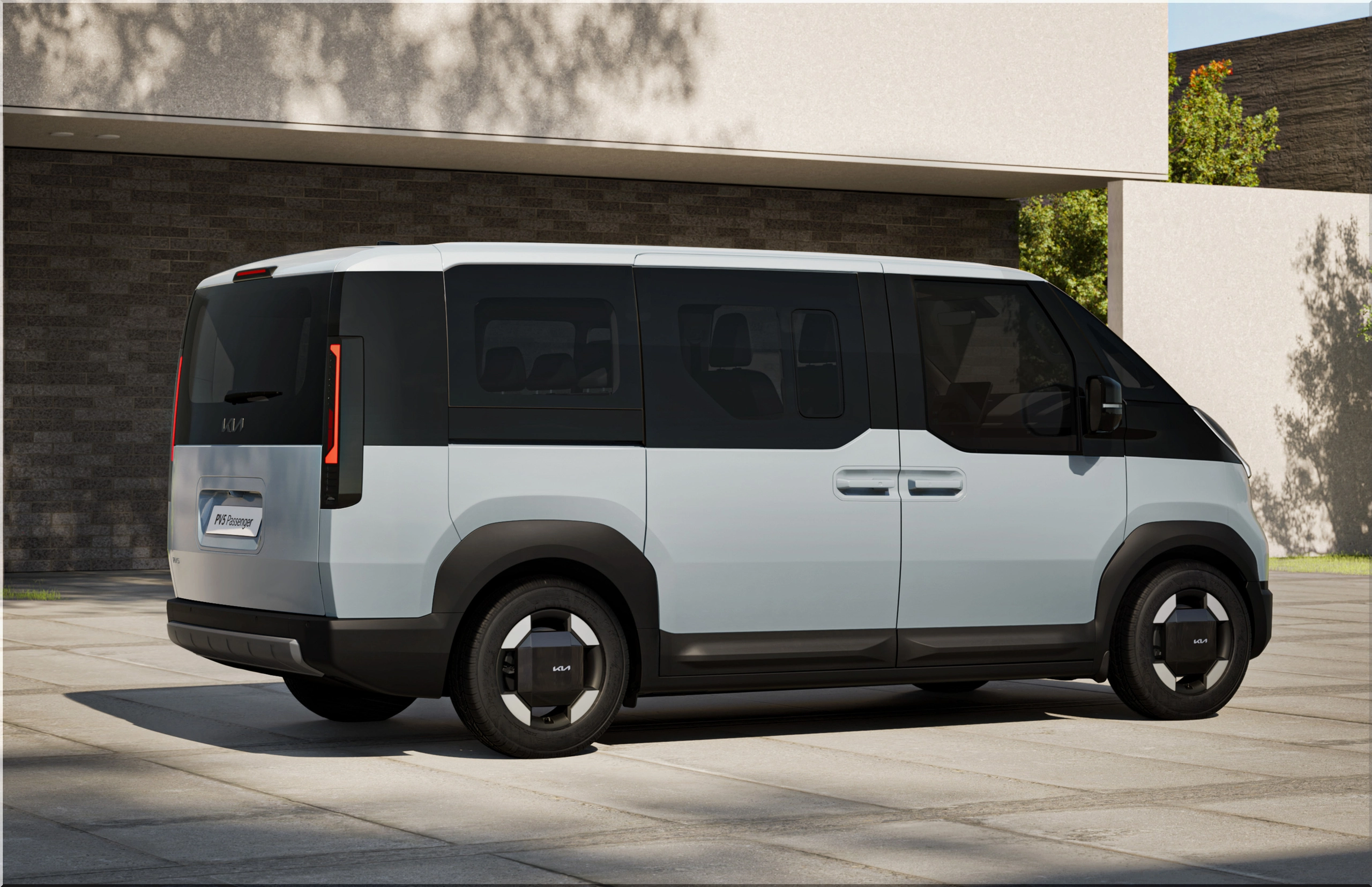
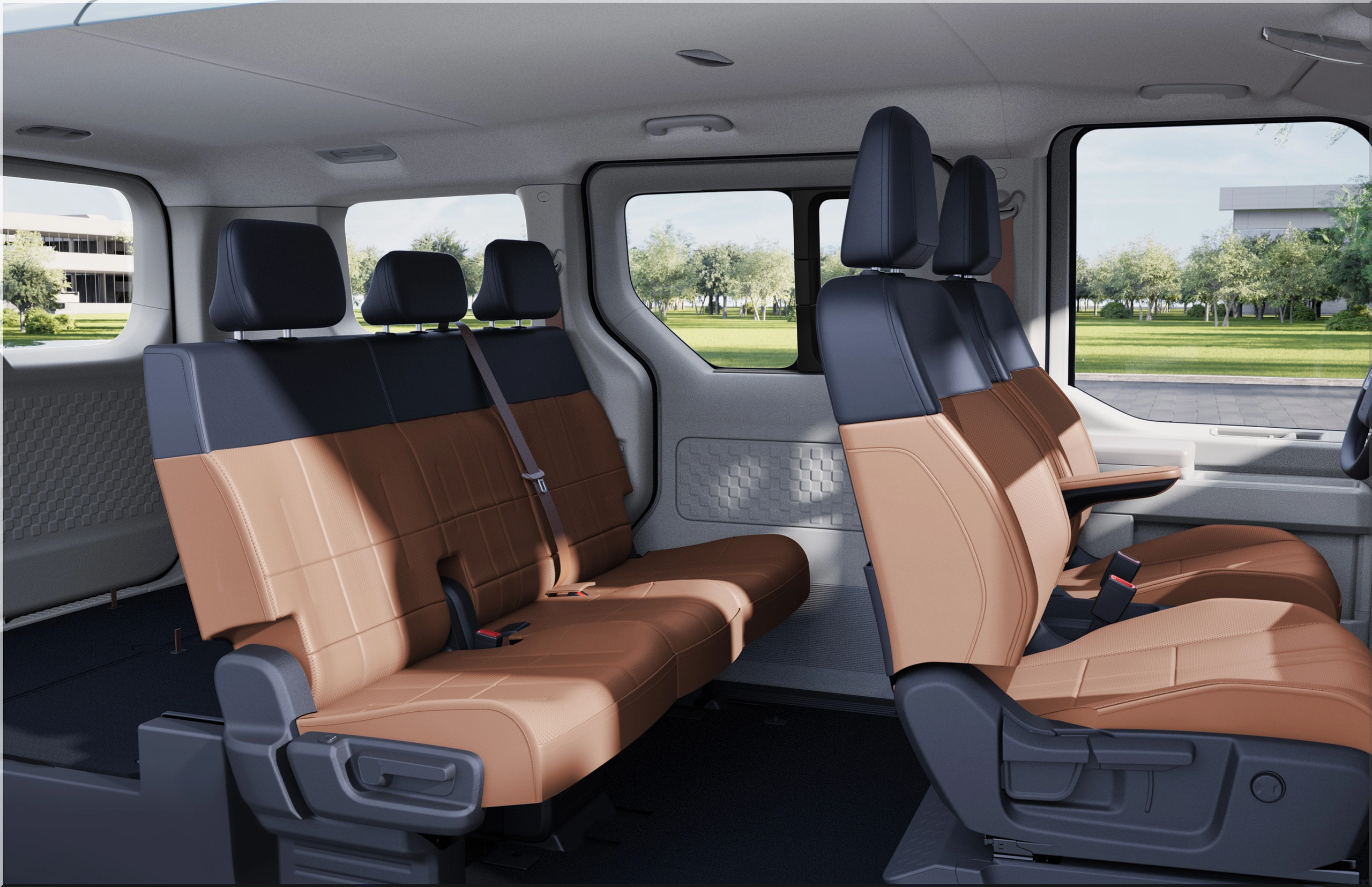
The new layouts add real passenger-carrying logic. Specifically, the 6-person Kia PV5 Passenger uses a 1-2-3 layout, while the 7-person PV5 Passenger uses a 2-2-3 layout. That gives fleet buyers two different cabin strategies: one favors aisle-style movement, while the other favors maximum seat count.
| Kia PV5 Passenger Variant | Seat Layout | Passenger Count | Cargo Volume |
|---|---|---|---|
| 6-seat PV5 Passenger | 1-2-3 | 6 | 318 liters rear cargo space, plus 315 liters beside driver |
| 7-seat PV5 Passenger | 2-2-3 | 7 | 318 liters behind row three; up to 785 liters with row three folded |
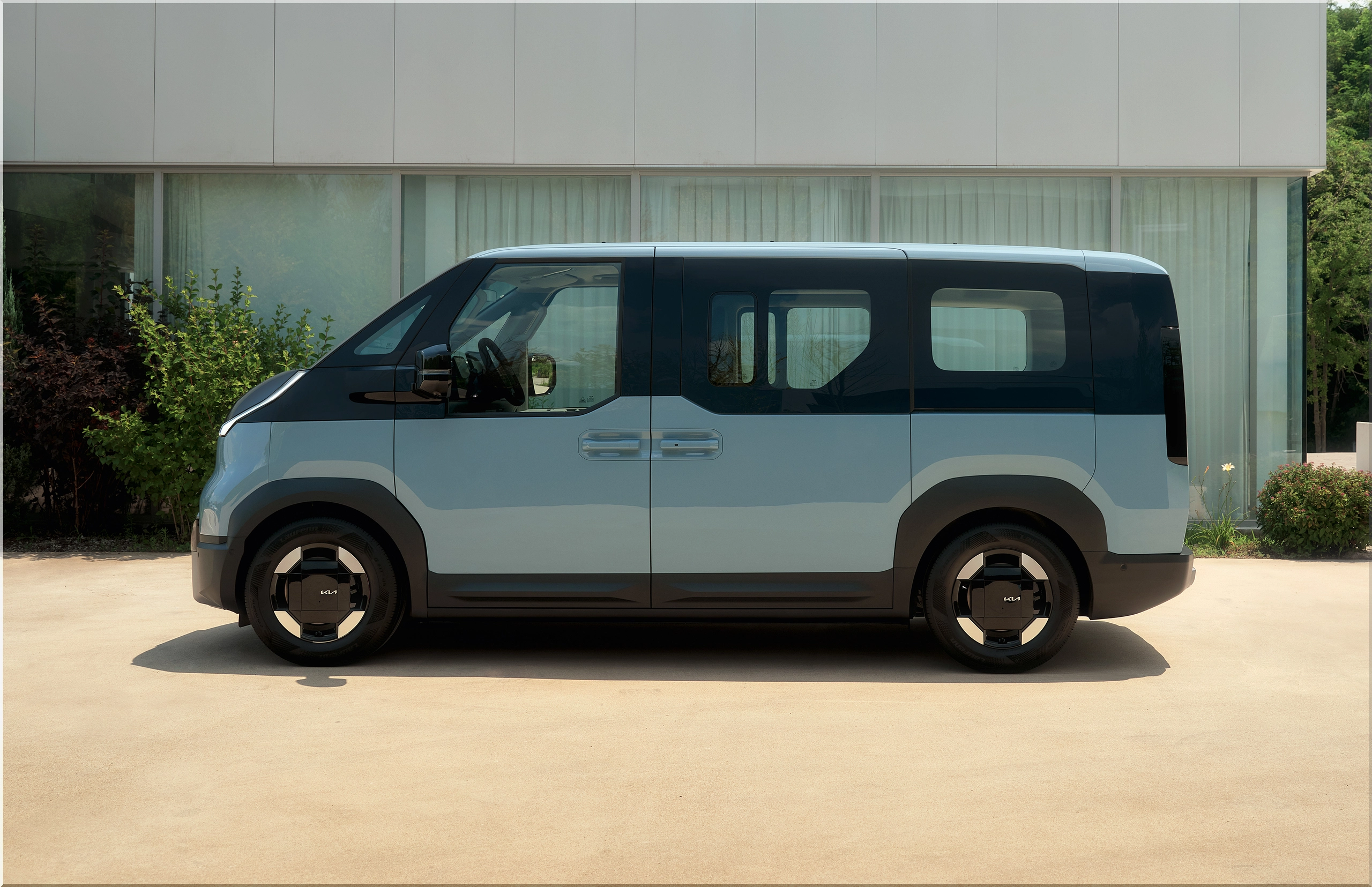
In addition, Kia gives the PV5 Passenger a low 399 mm side step height, equal to about 15.7 inches. That detail matters for commercial use because passengers enter and exit dozens of times per shift in taxi, shuttle, and care transport duty.
Electric Range, Charging, and Powertrain Specs
Looking at the data, the PV5 Passenger Long Range offers the stronger business case. Kia lists a 71.2 kWh battery, 120 kW output, and 250 Nm of torque, equal to about 163 hp and 184 lb-ft.
| Specification | Standard Range | Long Range |
|---|---|---|
| Battery capacity | 51.5 kWh | 71.2 kWh |
| Motor output | 89.4 kW | 120 kW |
| Torque | 250 Nm / 184 lb-ft | 250 Nm / 184 lb-ft |
| DC charging | 10-80% in under 30 minutes | 10-80% in under 30 minutes |
| WLTP range | Up to 183 miles | Up to 256 miles |
| Top speed | 84 mph | 84 mph |
| 0-62 mph | 12.8 seconds | 10.7 seconds |
Consequently, the 71.2 kWh Kia PV5 Passenger fits airport runs, school transport, private hire fleets, and families that need one vehicle for weekday commuting and weekend luggage duty.
Why the PV5 Passenger Makes Fleet Sense
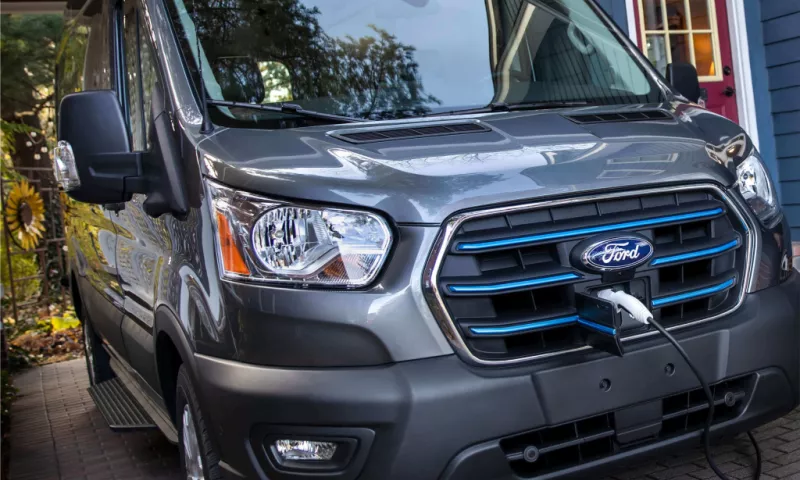
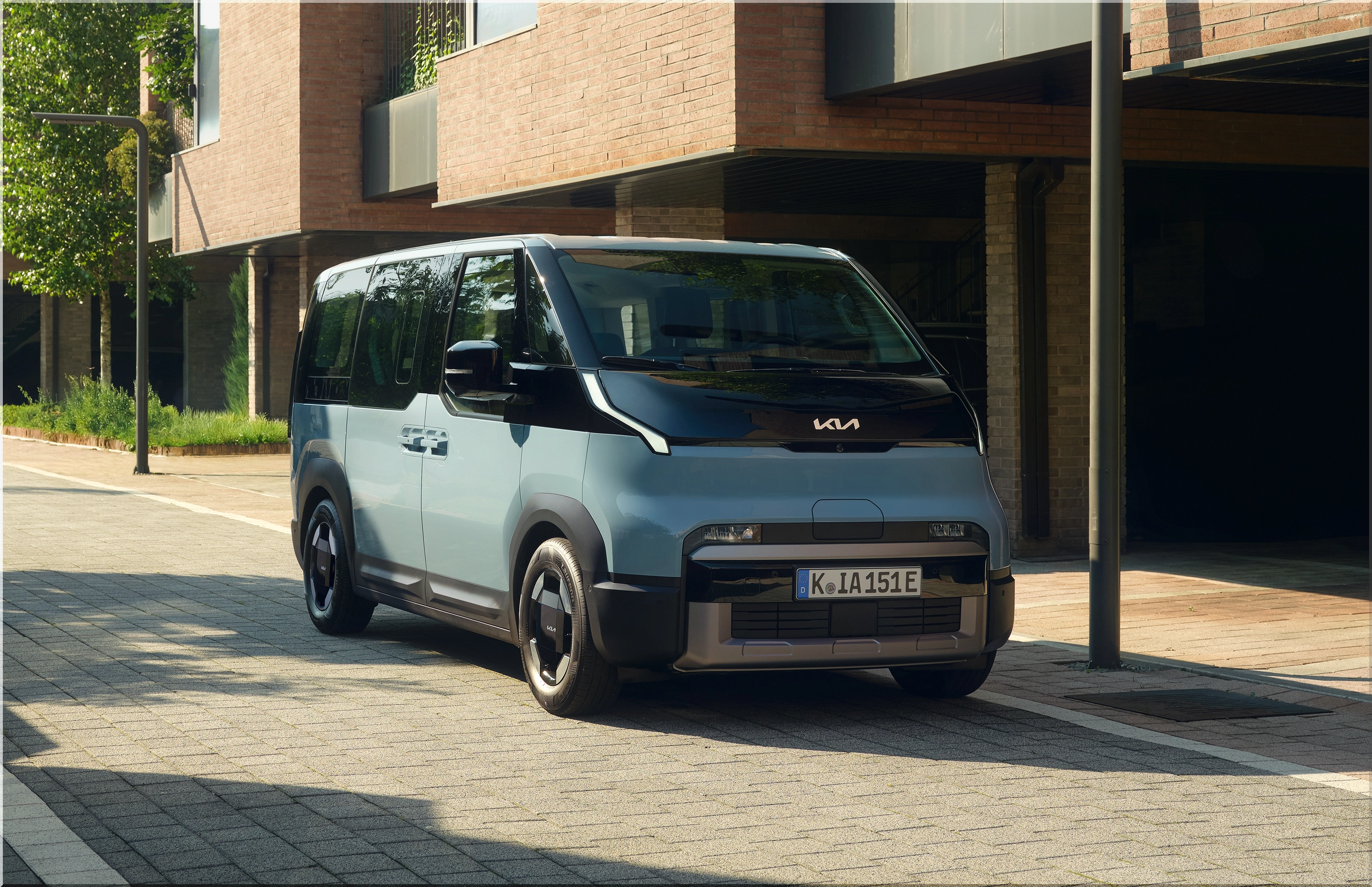
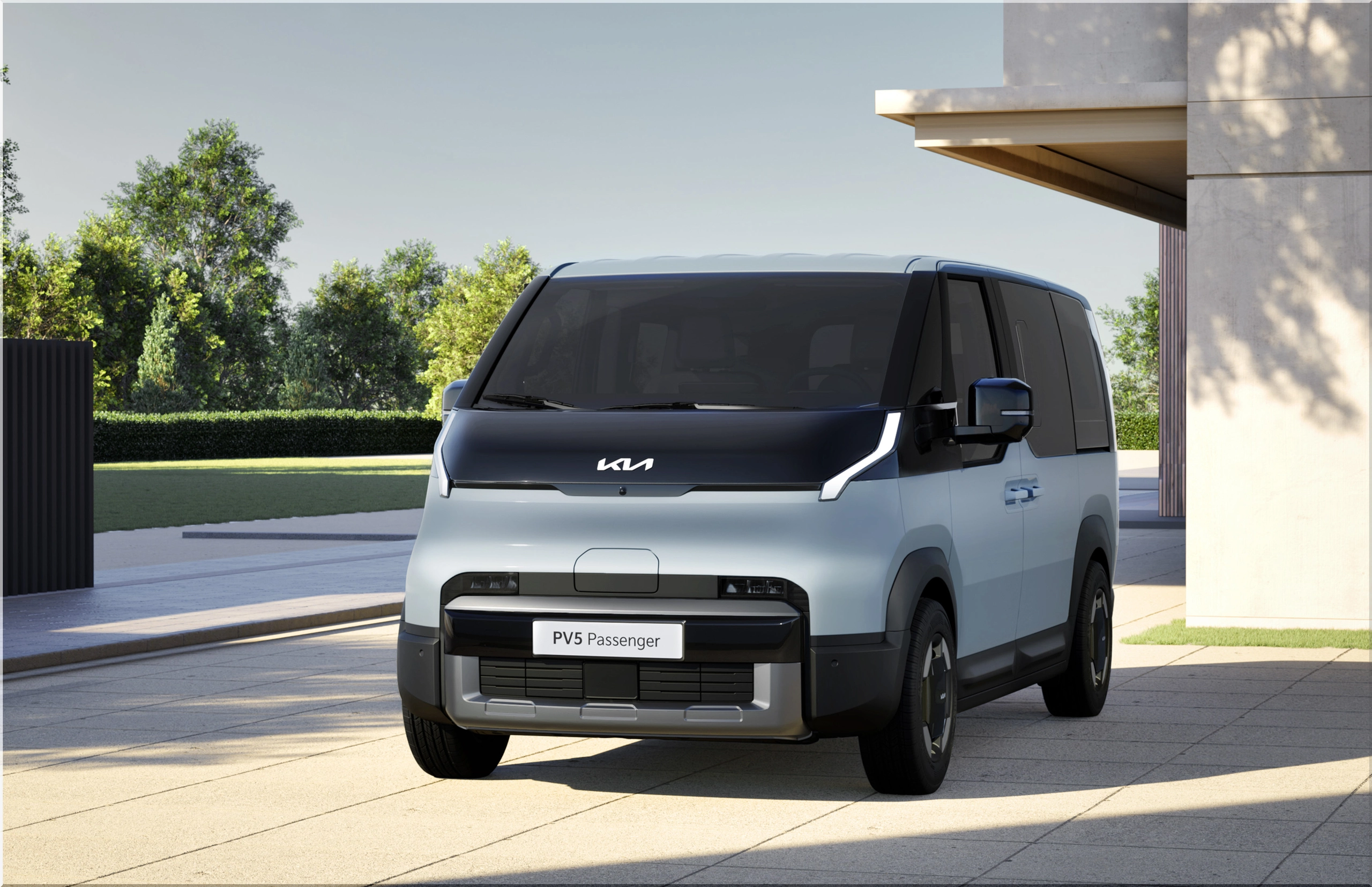
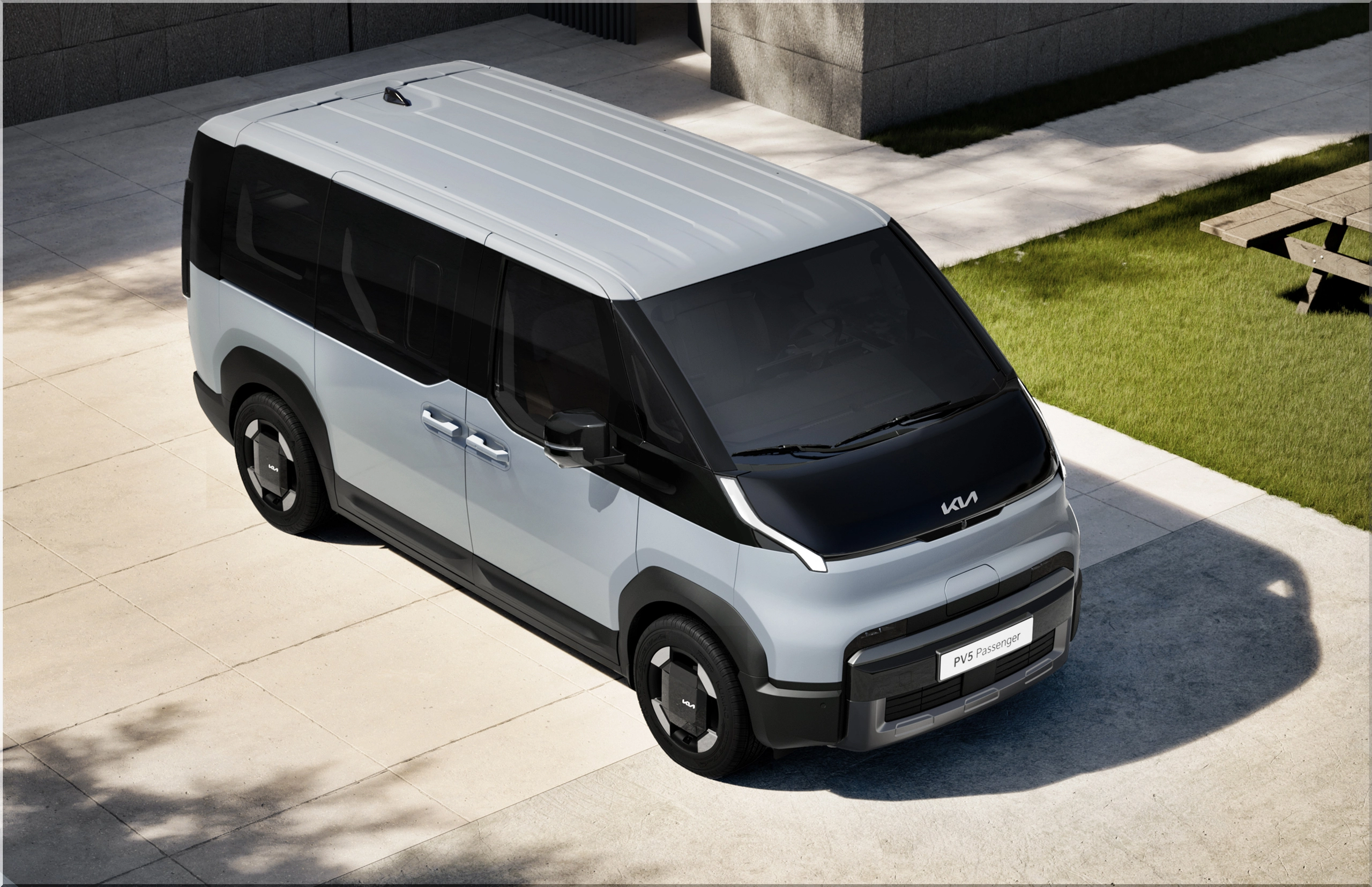
The Kia PBV strategy targets buyers who care less about image and more about uptime, cabin packaging, charging access, and operating cost. The front charging port helps drivers plug in at public chargers without blocking rear cargo access, while Vehicle-to-Load technology can power tools, camping equipment, or small business devices from the battery.
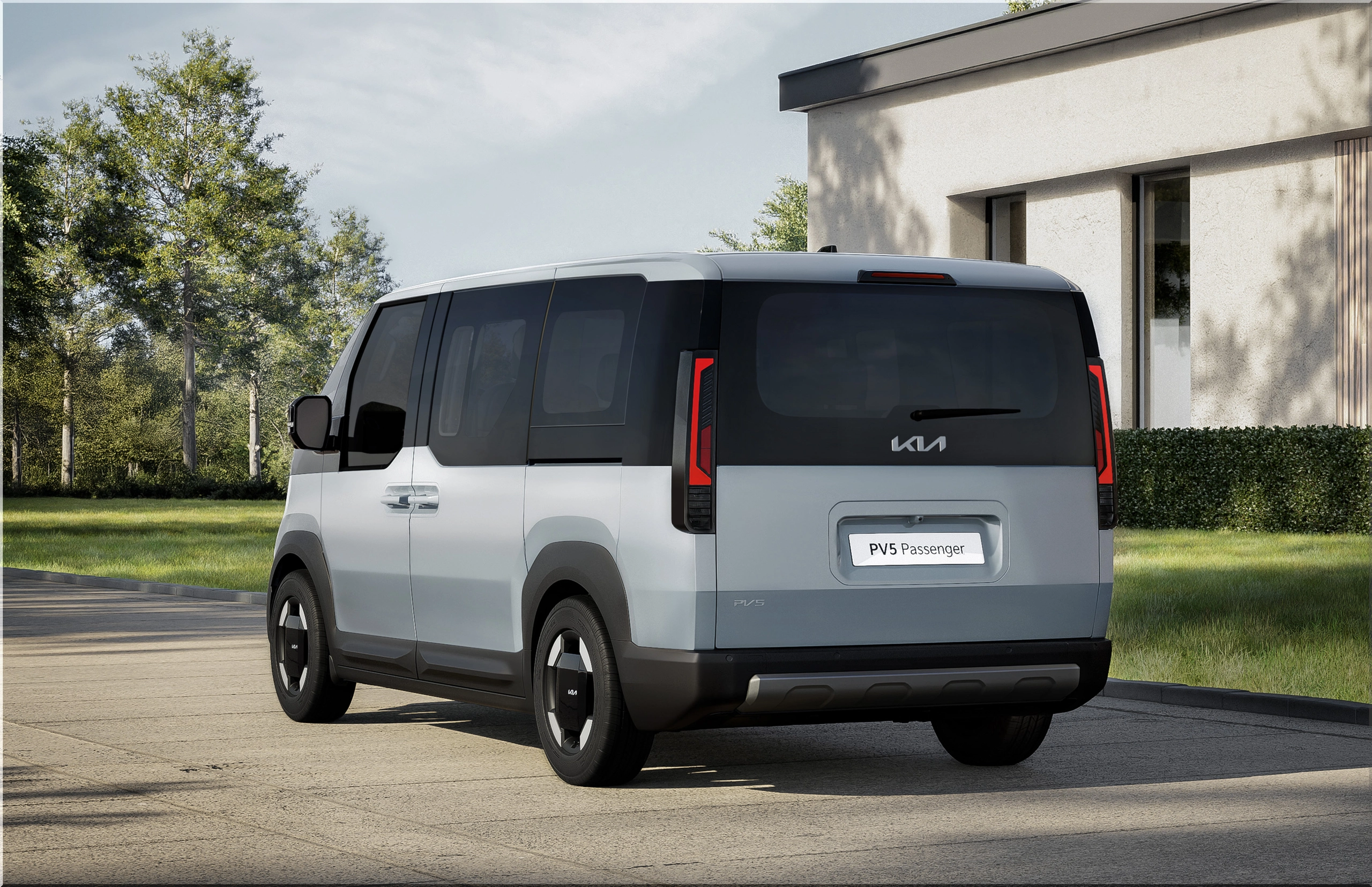
From an expert perspective, the 5.5-meter turning radius gives this electric MPV a major urban advantage. A vehicle measuring 4,695 mm long, 1,895 mm wide, and 1,923 mm tall still needs to work in tight hotel entrances, school lanes, and city parking zones.
Pro-Tips: Which Kia PV5 Passenger Should You Choose?
- Pick the 6-seat Kia PV5 Passenger for shuttle work where passenger movement and personal space matter.
- Pick the 7-seat Kia PV5 Passenger for large families, taxis, and operators that need maximum seat count.
- Choose the Long Range 71.2 kWh battery if daily routes include highway miles or unpredictable charging windows.
- Check local dealer specs before ordering, because final market equipment can vary by country.
Answer: Is the Kia PV5 Passenger Better for Families or Businesses?
The Kia PV5 Passenger fits both, but businesses gain the bigger advantage. Families will value the space, sliding doors, low step-in height, and three-row seating. By comparison, fleet operators can turn those same features into faster boarding, lower downtime, cleaner city access, and tighter route planning.
The real story sits in the packaging. The electric 7-seat Kia PV5 Passenger gives Kia a practical alternative to diesel people movers at a point when urban transport buyers need lower emissions without giving up cabin volume.
- Add new comment
- 123 views