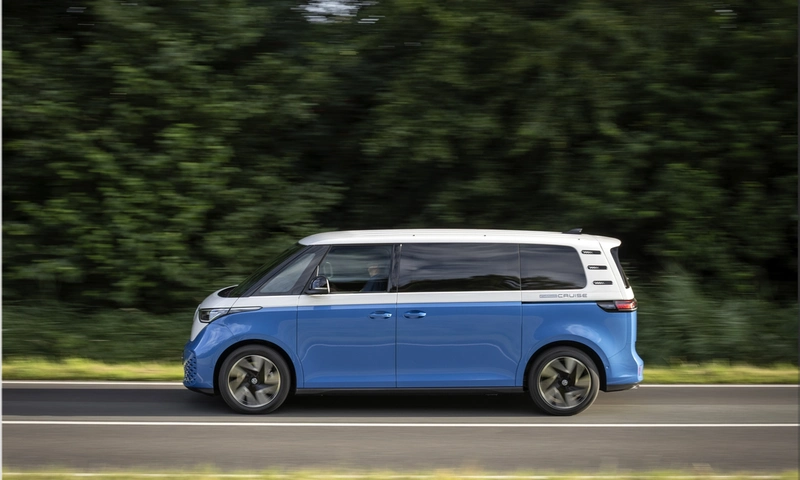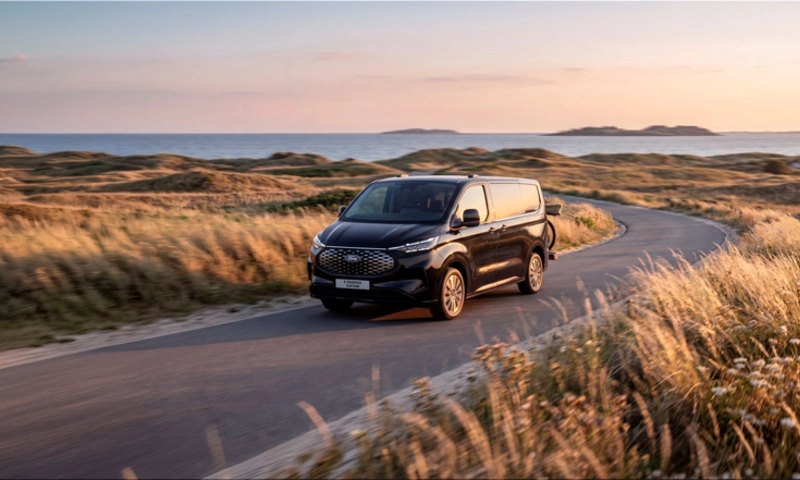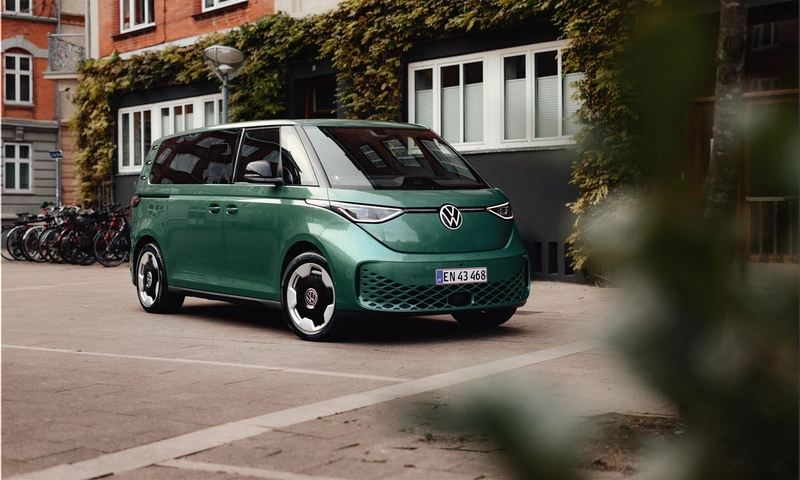
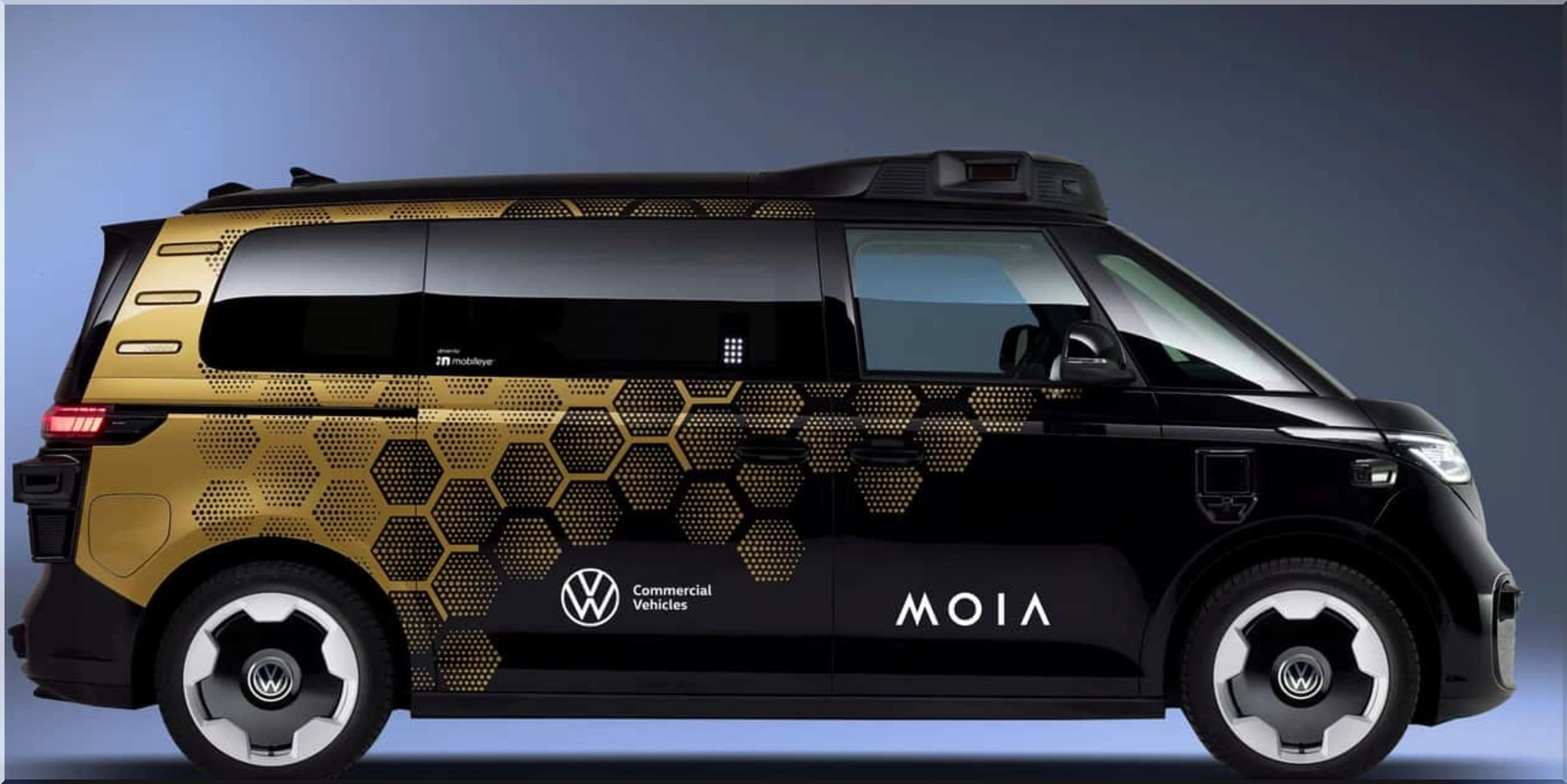
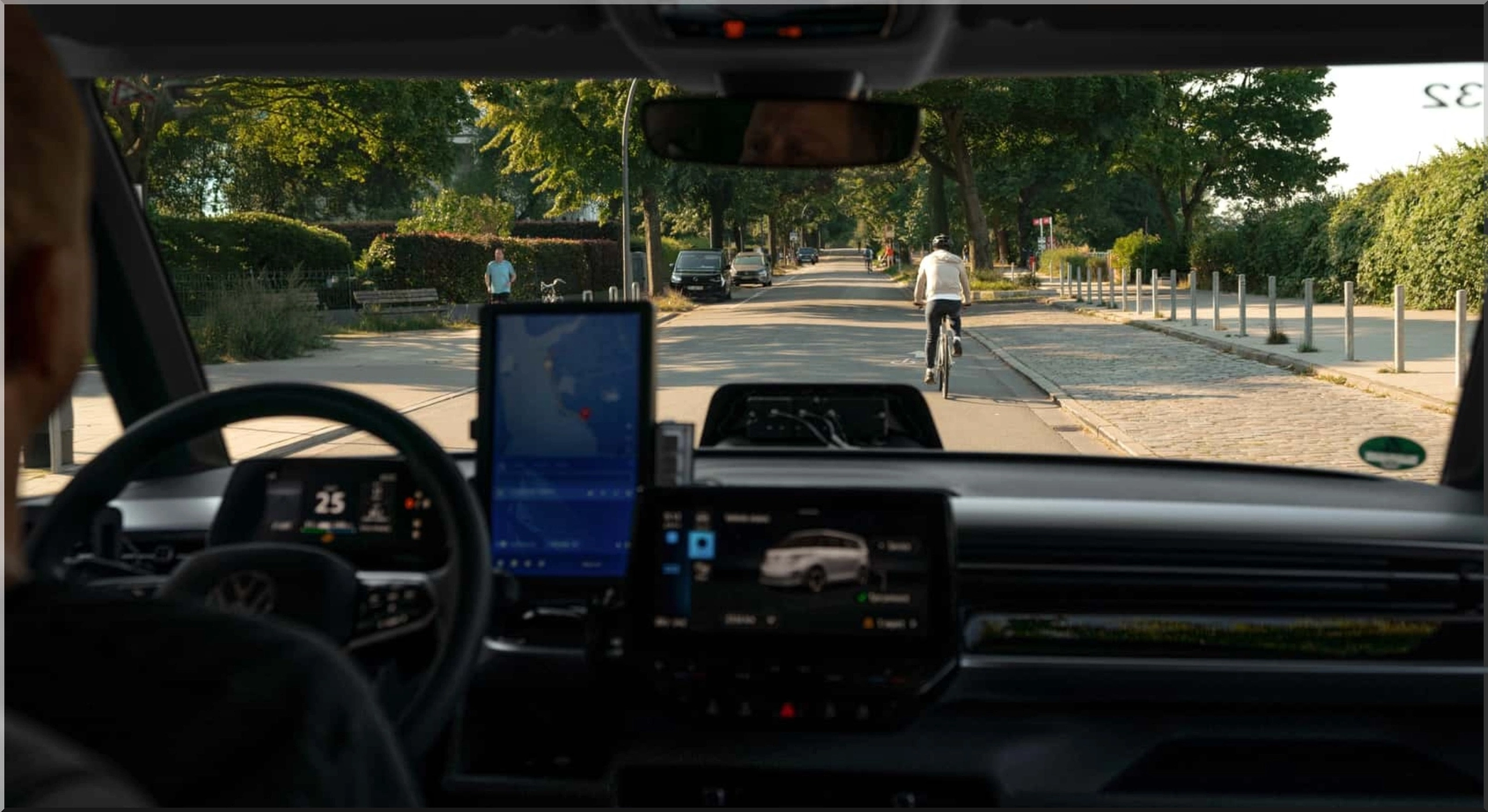
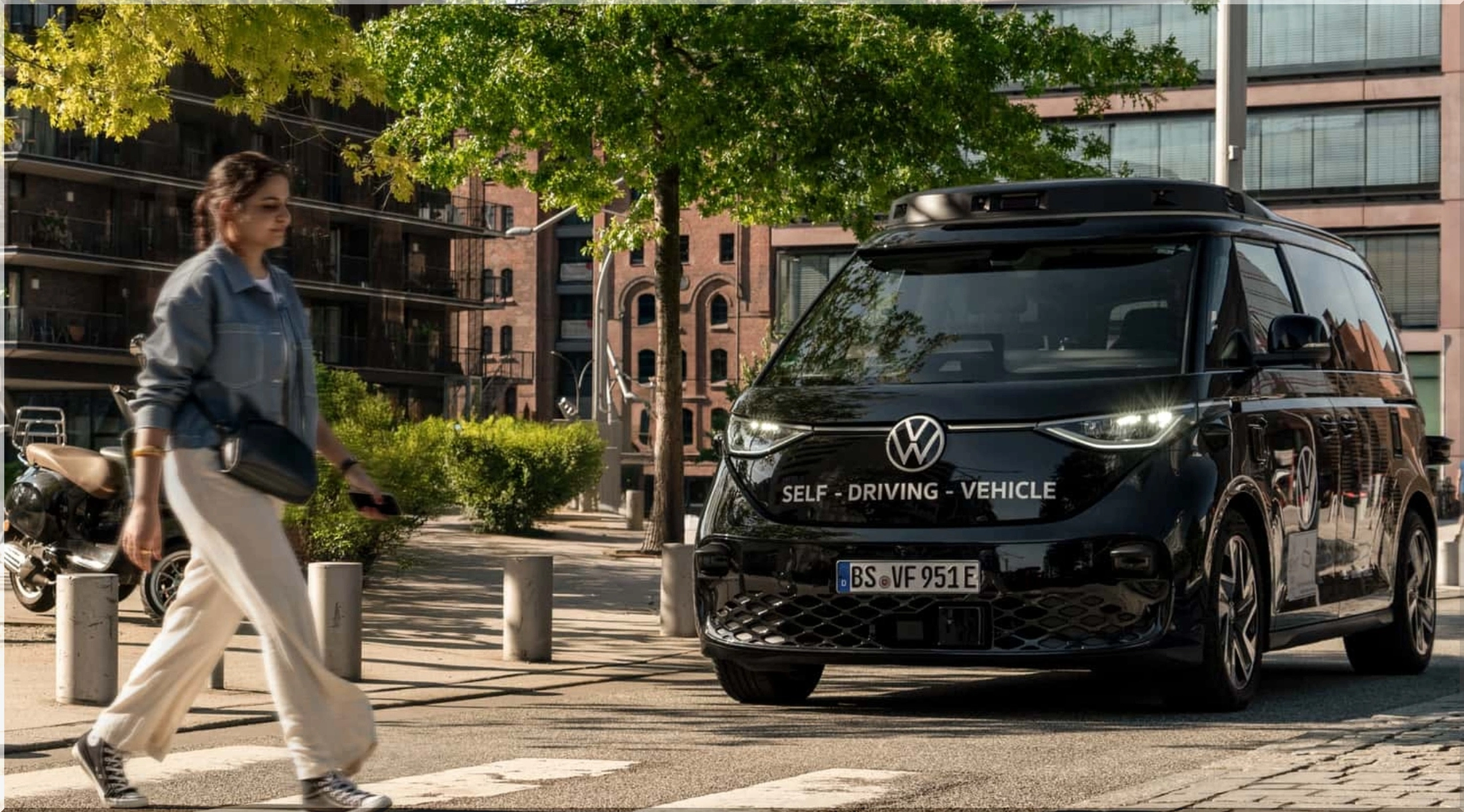
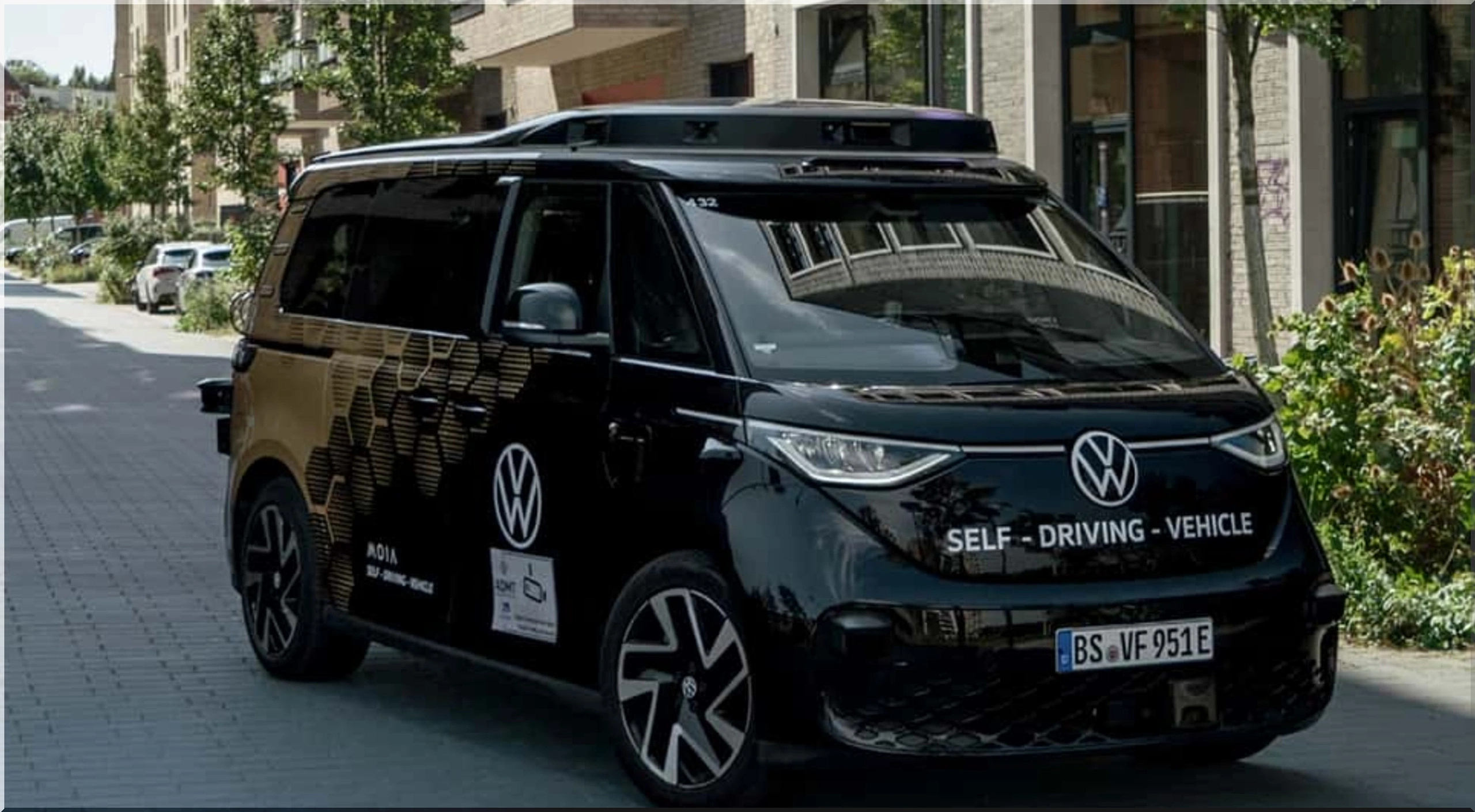
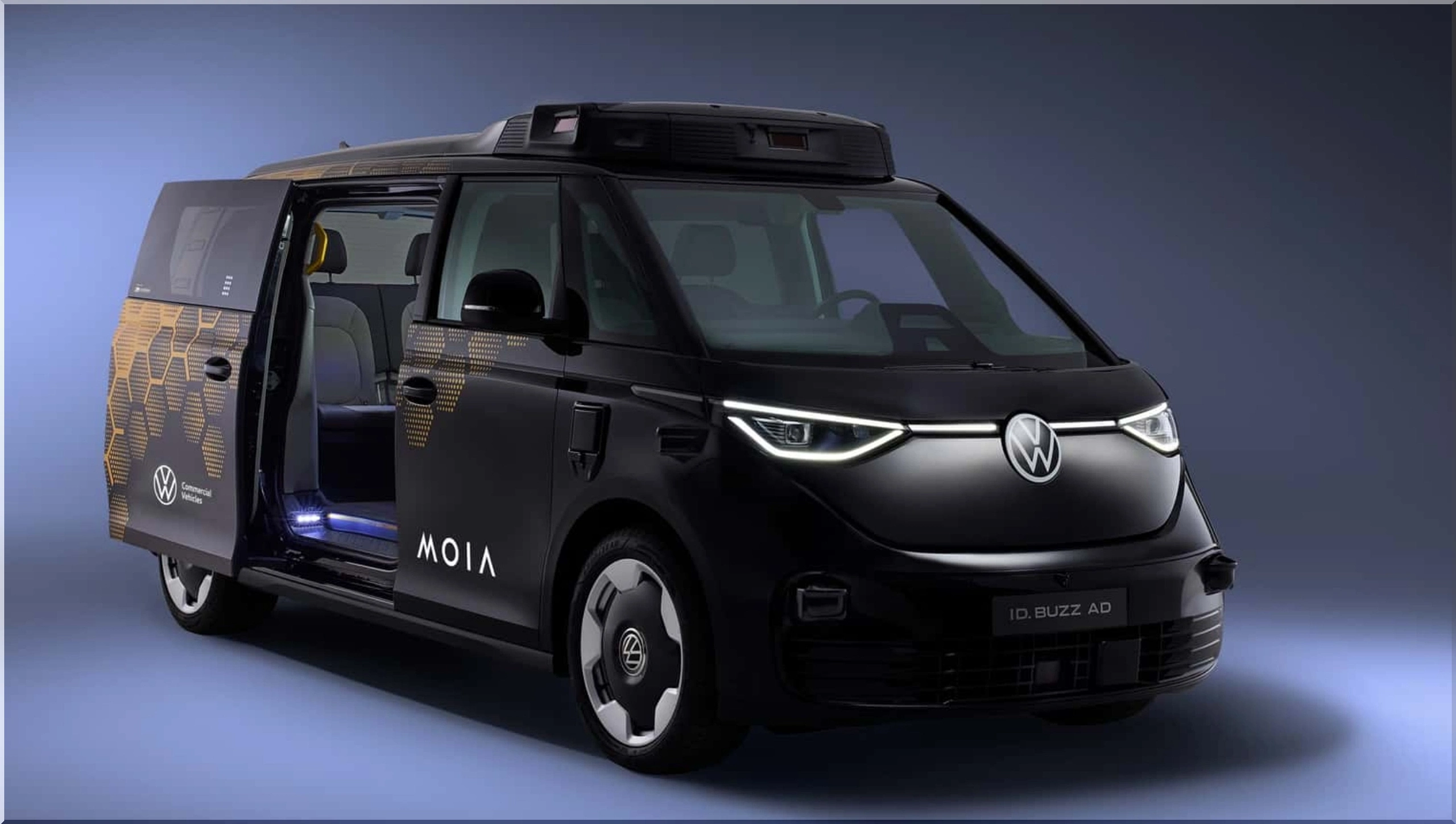
Volkswagen has finally put the Volkswagen ID. Buzz robotaxi into the one place that can test any mobility pitch fast: Los Angeles traffic. MOIA America, Volkswagen Group's autonomous mobility arm in the U.S., has started on-road validation with autonomous ID. Buzz AD vans in LA, with Uber set to carry public rides on its platform by late 2026. That matters because this program moves the retro-styled electric van from concept-stage curiosity into the hard, expensive, highly regulated phase that decides who actually gets to run a paid robotaxi service.
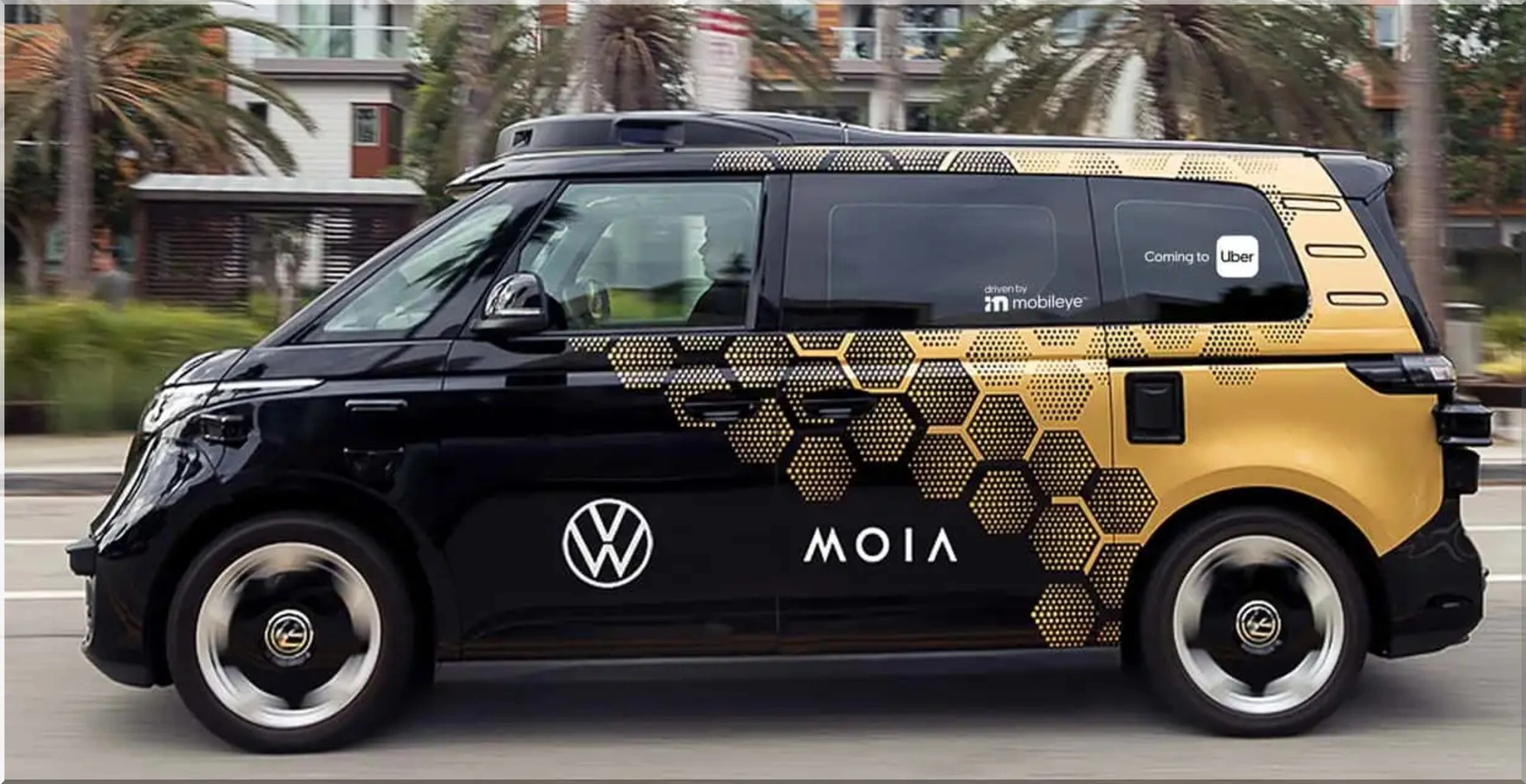
That shift changes the conversation. For months, the ID. Buzz autonomous vehicle story centered on design, brand nostalgia, and the obvious visual hook of a self-driving microbus. Now the real questions sit somewhere else: deployment speed, safety validation, regulatory timing, operating economics, rider packaging, and whether Volkswagen can turn a charming EV into a serious fleet tool.
From an expert perspective, LA makes sense for this test. The city gives MOIA and Uber scale, congestion, road complexity, airport demand, event-driven traffic spikes, and a customer base that already understands app-based transportation. If the Volkswagen robotaxi can handle LA at commercial quality, it can support a wider U.S. rollout.
Why Los Angeles Matters for the Volkswagen ID. Buzz Robotaxi
Los Angeles gives robotaxi companies a brutal proving ground. Streets shift from wide boulevards to dense commercial corridors, freeway merges happen at real speed, and pickup behavior often looks messy even when the map looks simple. A vehicle that performs cleanly in that environment can build the data set, operational playbook, and regulator confidence that a controlled pilot elsewhere may not provide.
In addition, Uber already has deep demand density in the market. That reduces one of the usual launch risks for autonomous fleets: finding riders. Volkswagen and MOIA do not need to build a consumer demand engine from zero because Uber already owns the app relationship, payment flow, dispatch experience, and rider habit loop.
The strategic logic looks straightforward:
- Volkswagen supplies the vehicle platform and industrial scale.
- MOIA supplies the self-driving stack integration and fleet software.
- Uber supplies rider demand, booking flow, and marketplace reach.
- Los Angeles supplies real operational stress.
That combination gives Volkswagen a better lane than trying to launch a consumer-facing robotaxi brand on its own. By comparison, several AV efforts spent years building both the technology stack and the rider channel at the same time. That doubles the burden.
What Volkswagen and Uber Actually Announced
The current phase focuses on supervised on-road validation in Los Angeles. MOIA America plans to scale testing to more than 100 autonomous ID. Buzz vehicles, each operating with an onboard human operator during this validation stage. Volkswagen and Uber still target public rides on the Uber platform in late 2026, while broader driverless operations are expected in 2027 if permits and performance data line up.
Looking at the data, Volkswagen and Uber are thinking much bigger than a small pilot. The two companies have already said they want to scale toward thousands of autonomous ID. Buzz vehicles across multiple U.S. markets over time. That language matters because it frames the LA effort as the start of a fleet business, not a PR loop around a handful of demo vans.
Launch timeline at a glance
| Program milestone | Current status | What it means |
|---|---|---|
| Strategic VW-Uber partnership | Already in place | Commercial channel exists before launch |
| LA on-road validation testing | Active now | Real traffic data starts flowing |
| Human safety operator onboard | Yes | Testing remains supervised |
| Fleet target during this phase | 100+ vehicles | This is larger than a token pilot |
| Uber rider launch target | Late 2026 | Paid public service remains the near-term goal |
| Expected driverless operations | 2027 | Permit path still stands between testing and full service |
Consequently, the ID. Buzz robotaxi Los Angeles program sits in the middle phase that separates attractive prototypes from actual transportation services. That phase costs money, eats time, and exposes weak assumptions.
The Hardware Package Looks Serious, and It Needs to Be
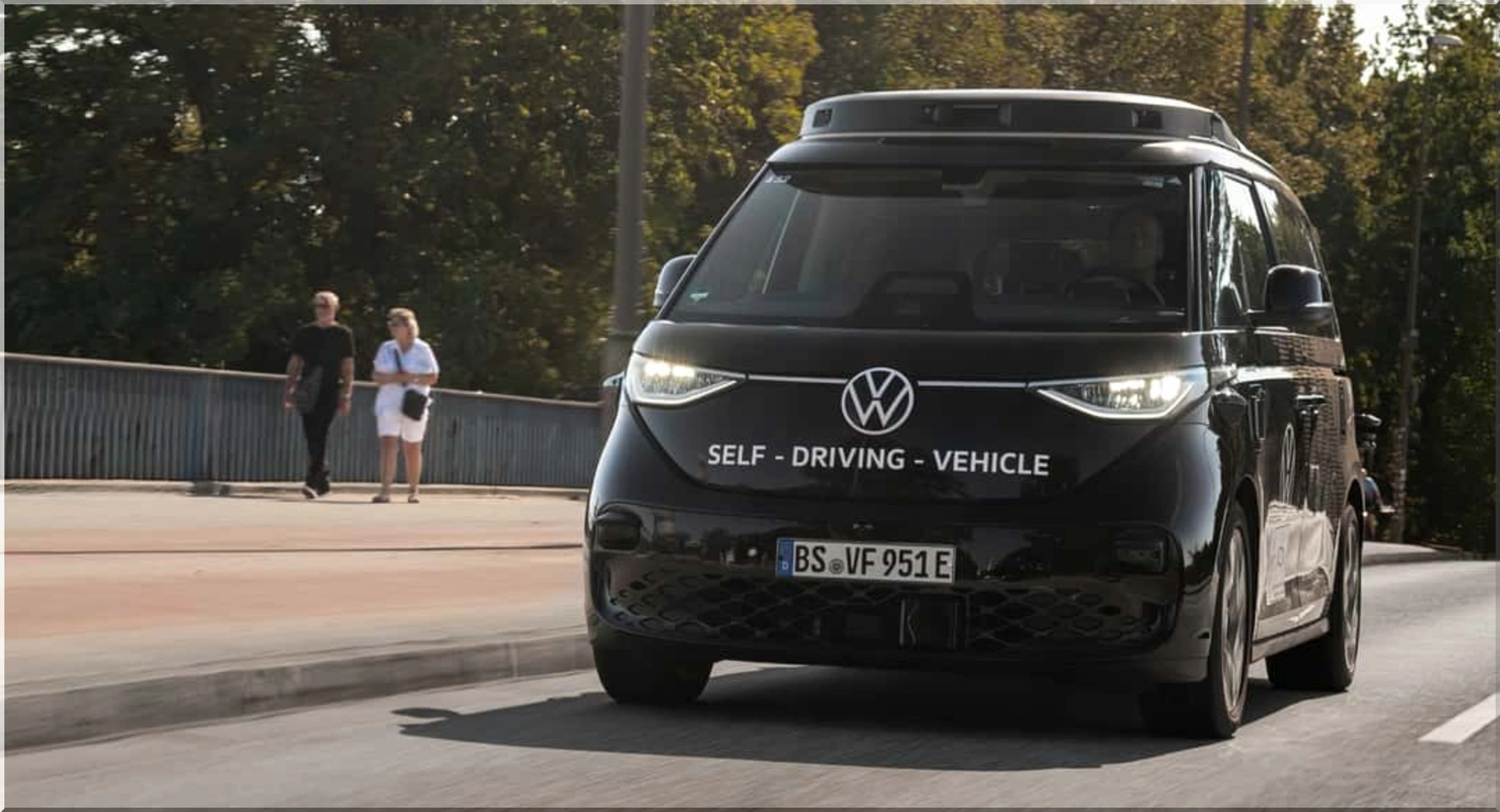
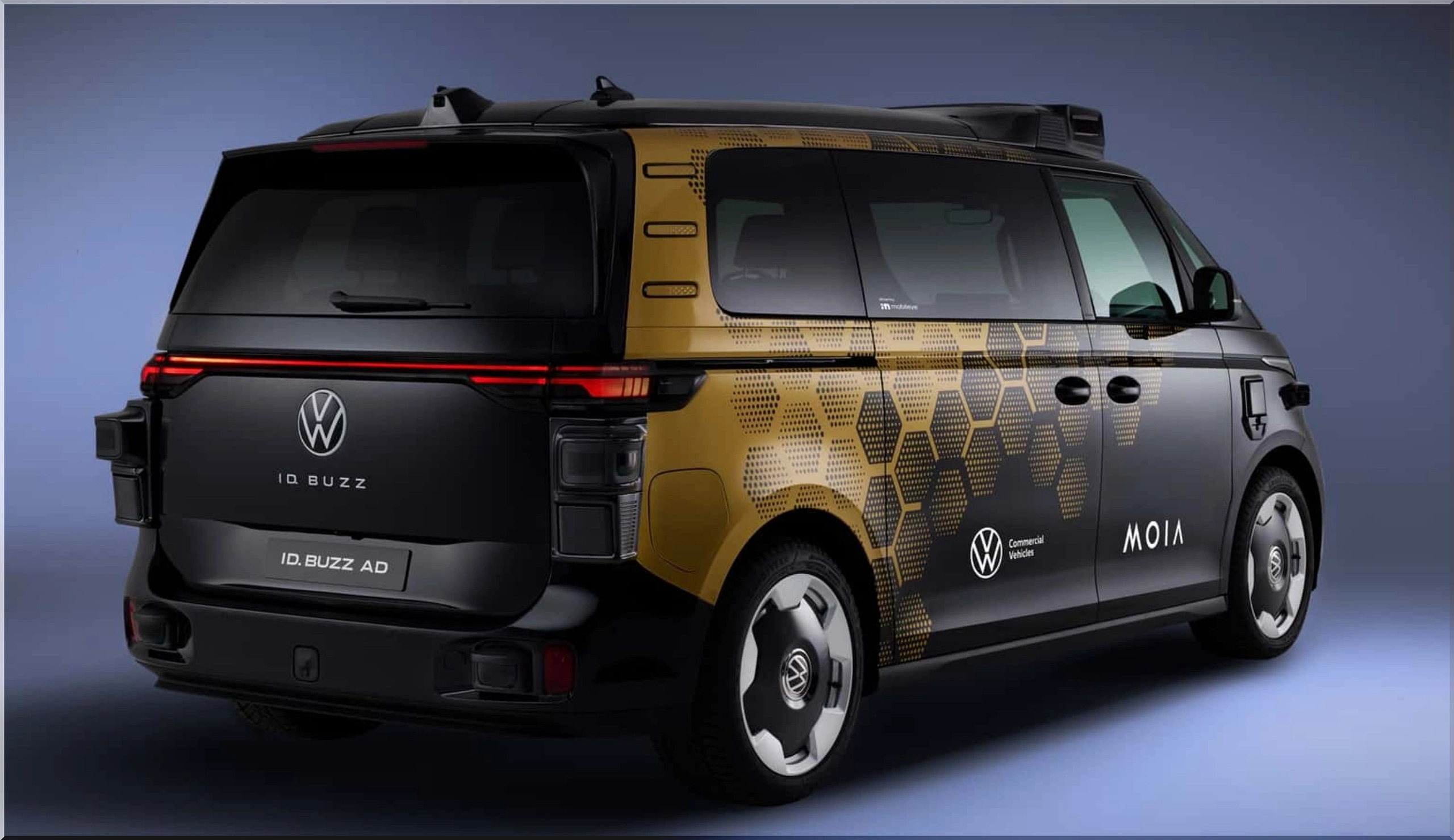
Volkswagen's ID. Buzz AD robotaxi uses a 27-sensor suite made up of 13 cameras, 9 lidar units, and 5 radars. MOIA pairs that sensor package with a Mobileye self-driving system and feeds those inputs into a full operational stack built for mobility service deployment, remote supervision, safety handling, and live fleet oversight.
That setup tells you Volkswagen chose redundancy over minimalism. Cameras give rich visual context. Radar holds up well in difficult conditions and tracks speed cleanly. Lidar helps map space and object position with a level of precision that robotaxi developers still value for urban operation. When an operator wants consistent service in dense public use, overlapping perception matters.
Specifically, this does two jobs:
- It increases confidence in perception across edge cases.
- It helps the fleet stay functional across a wider operating design domain.
That second point drives the business case. A robotaxi that only works in a narrow envelope burns capital without delivering enough rides per day. A robotaxi that operates across more streets, more times of day, and more traffic conditions can spread fixed costs across more trips.
The ID. Buzz Platform Brings Useful Packaging for Ride-Hailing
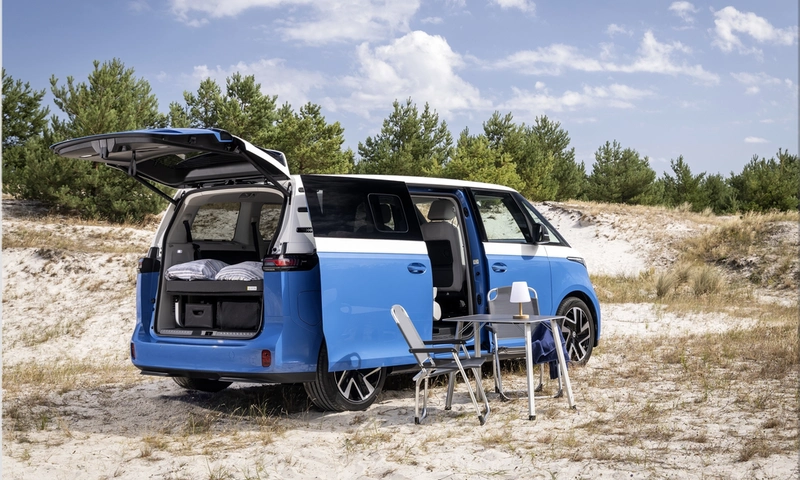
The Volkswagen ID. Buzz already fits the robotaxi brief better than a low-roof sedan. The U.S.-spec long-wheelbase model stretches to 195.4 inches in overall length and rides on a 127.5-inch wheelbase, which gives the van a large cabin footprint before MOIA modifies it for autonomous service. It stands 76.2 inches tall, measures 78.1 inches wide without mirrors, and expands to 87.0 inches across the mirrors. That gives the vehicle visual presence, but more importantly, it creates easy ingress and a cabin shape that works for people, bags, and assisted mobility use.
The roadgoing U.S. passenger version also carries a substantial battery and dual-motor setup. In 2025 U.S. form, the long-wheelbase AWD ID. Buzz packs 335 horsepower, 91 kWh gross battery capacity, 86 kWh net capacity, and an EPA-rated 231-mile range. DC fast charging peaks at 200 kW, with a listed 10% to 80% time of 26 minutes under ideal conditions.
Those figures matter even though the robotaxi version uses dedicated autonomous hardware and altered interior packaging. The base vehicle already provides:
- A wide, flat floor from the EV architecture
- A tall roofline that eases entry and exit
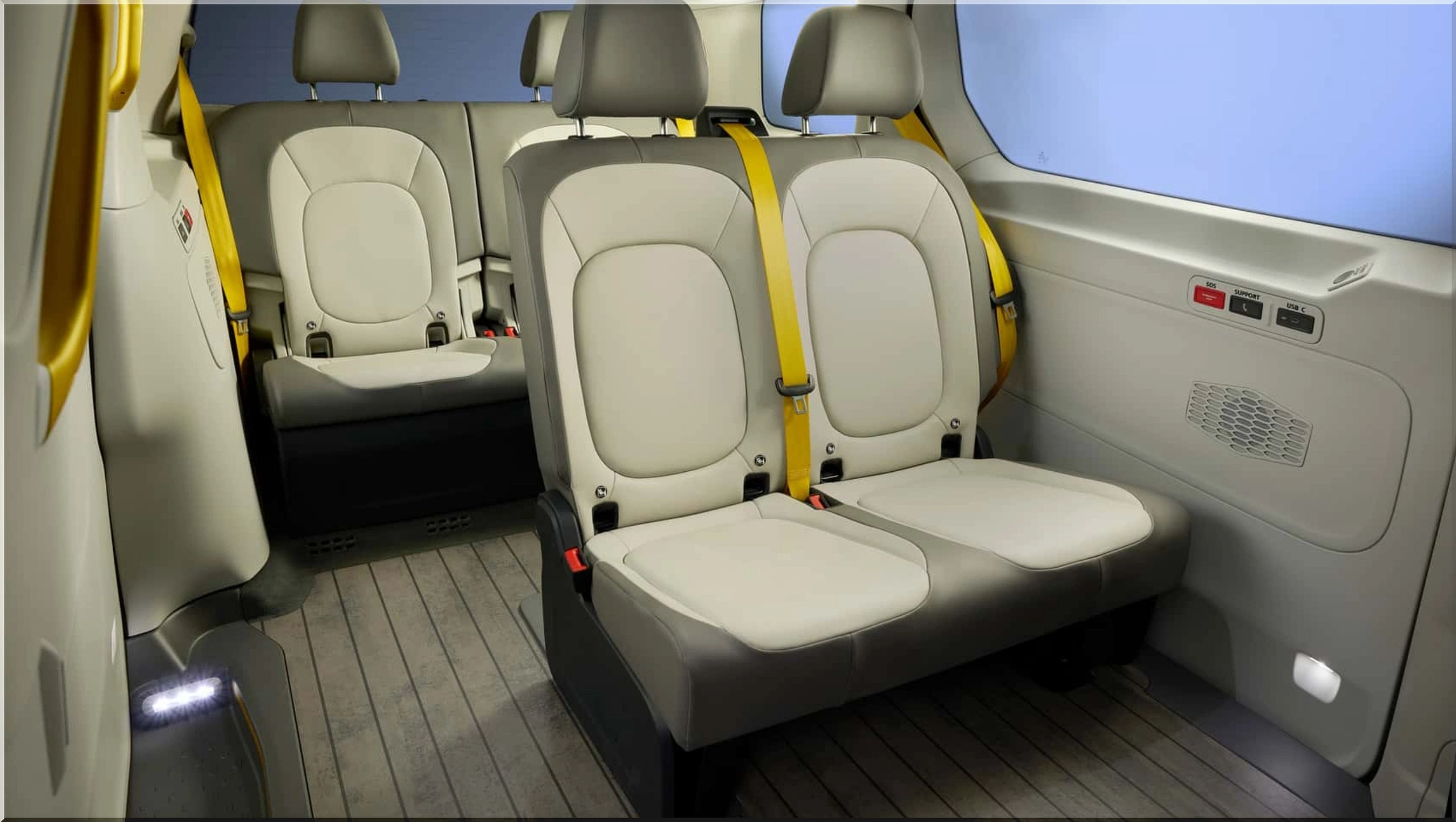
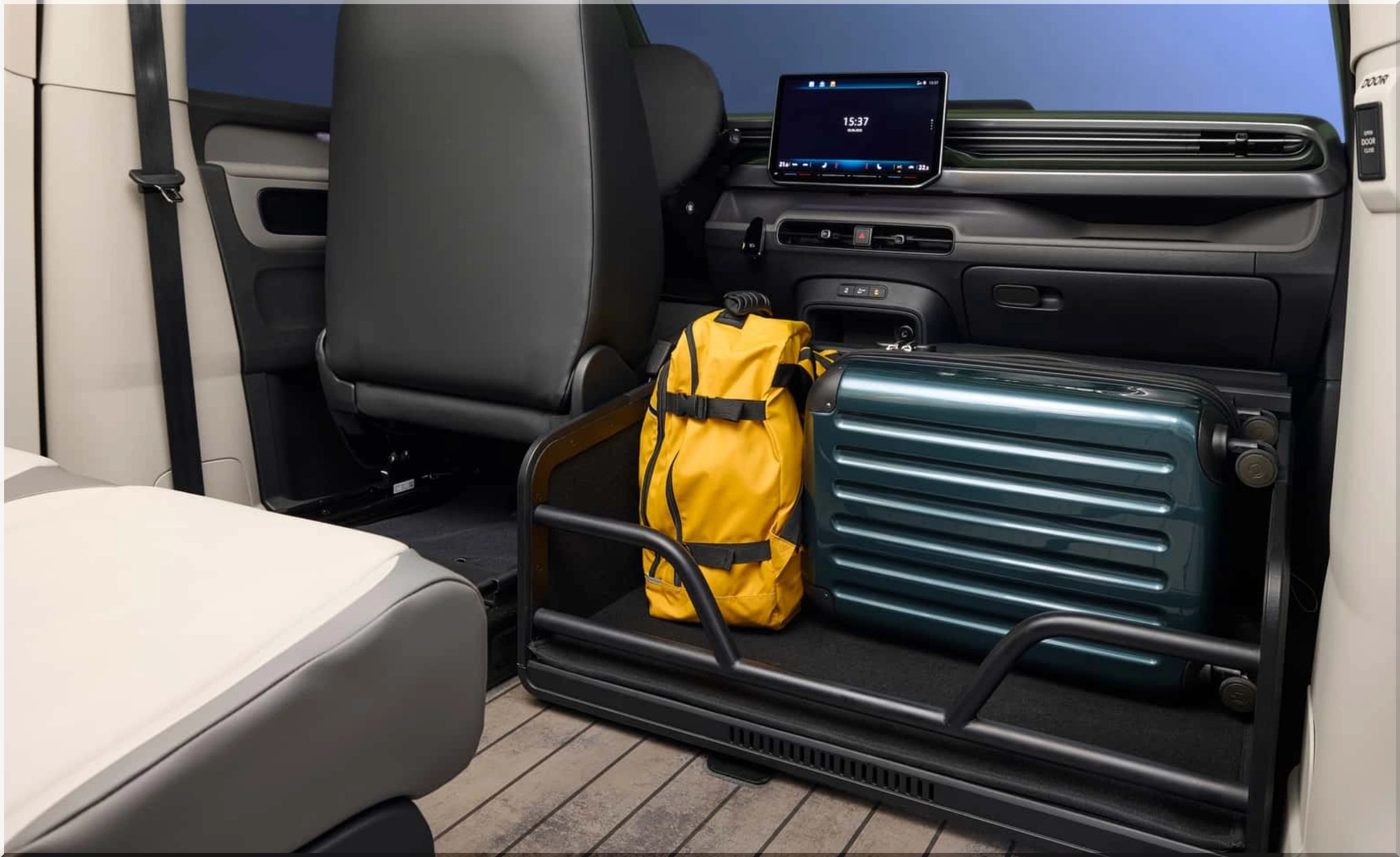
- Strong interior volume for luggage and riders
- Fast charging that supports fleet rotation
- A design that riders can identify instantly at the curb
That last point sounds cosmetic, but it has real value. Riders find the vehicle quickly, which reduces failed pickups and curb dwell time.
Volkswagen ID. Buzz Robotaxi vs Standard U.S.-Spec ID. Buzz
| Data point | ID. Buzz AD robotaxi | Standard U.S.-spec ID. Buzz AWD |
|---|---|---|
| Core mission | Paid autonomous ride-hailing | Consumer minivan |
| Sensor suite | 27 sensors | Standard driver-assist hardware |
| Self-driving stack | Mobileye-based autonomous system | Human-driven |
| Human operator today | Yes, during testing | Yes, always |
| Cabin layout | Optimized for mobility service use | 3-row passenger use |
| Length | Based on long-wheelbase package | 195.4 in / 4,962 mm |
| Wheelbase | Based on long-wheelbase package | 127.5 in / 3,239 mm |
| Battery capacity | Derived from EV platform architecture | 91 kWh gross / 86 kWh net |
| Peak DC charging | Fleet-relevant fast charging | 200 kW |
| Launch channel | Uber platform | Retail sale |
By comparison, Waymo's familiar Jaguar I-Pace robotaxis work from a premium crossover template. Volkswagen is working from a boxier, higher-roof van layout. That changes rider experience immediately. More headroom, easier entry, and cleaner luggage handling suit airport runs, family moves, group trips, and older passengers far better than a low crossover rear seat does.
Why Volkswagen Chose a Turnkey Fleet Model
Volkswagen and MOIA are not selling a van with autonomy bolted on. They are selling a turnkey autonomous mobility solution. That package combines the vehicle, the autonomous system, a Mobility-as-a-Service platform, remote supervision capability, training support, simulation tools, deployment support, and daily operational oversight tools.
That is the correct commercial move. A city, transit operator, airport partner, or mobility firm does not want a pile of components. It wants service uptime, fleet tools, safety process, rider management, and a usable operating model.
From a business angle, the turnkey pitch does three things:
- It gives Volkswagen more revenue per deployed vehicle.
- It locks operators into a software and services layer.
- It reduces integration risk for buyers and partners.
In addition, it shifts the conversation from "Can VW build a robotaxi?" to "Can VW run an autonomous transportation product at scale?" That second question counts more because transportation margins live or die on operations.
The Regulatory Gate Still Decides Everything
The glossy van does not launch itself. California still requires a multi-step permit path before MOIA America can run a commercial driverless ride-hailing service. The company can test with a human operator under California's current testing structure, but commercial driverless rides require separate approvals tied to deployment and passenger service.
Looking at the data, California's DMV distinguishes between testing with a driver, testing without a driver, and deployment. The CPUC also plays a role because robotaxi service touches passenger transportation economics, not just vehicle capability.
That means Volkswagen still has to prove several things in sequence:
- The vehicle can operate safely in its approved conditions.
- The operator can document that safety consistently.
- The company can move from supervised testing to driverless deployment.
- The commercial passenger model can satisfy state rules.
Consequently, late 2026 is realistic as a target, but it is still a target. A lot has to go right between today's supervised testing and a clean public launch.
What This Means for Uber
Uber keeps building a portfolio strategy instead of betting on one AV company. That looks smart. The ride-hailing giant already works with multiple autonomous partners across ride-hailing, delivery, trucking, and other mobility segments. The Volkswagen MOIA Uber deal gives Uber something different from its other pairings: a roomy, highly recognizable electric van that can support shared, luggage-heavy, and premium-comfort use cases.
That matters because fleet economics improve when operators can serve more trip types with one product. A compact two-seat pod may work for some downtown trips. It does not work as cleanly for airport demand, group travel, stroller-heavy rides, or riders who need easier step-in access.
Definition: What SAE Level 4 actually means
SAE Level 4 means the automated driving system handles the full driving task within a defined operating domain. The human does not need to intervene inside that domain. Outside that domain, the system limits operation or transitions safely.
Volkswagen says the ID. Buzz AD meets key SAE Level 4 requirements, including remote supervision and safe handling of emergency interventions. That language places the vehicle in the serious commercial AV category, not the consumer hands-off-assist category.
The Real Opportunity Sits in Vehicle Choice
A lot of robotaxi discussion focuses on software. Fair enough. Software decides whether the vehicle sees, plans, and reacts correctly. But vehicle choice still shapes the business.
The ID. Buzz robotaxi offers one immediate advantage: packaging efficiency. A van body gives more usable cabin per foot of footprint than many crossover-based AVs. That helps trip quality and fleet flexibility. It also helps curb behavior because riders can get in and out faster when the opening, floor, and roof height work with actual human bodies instead of studio sketches.
Specifically, Volkswagen could own a useful niche if it executes well:
- Airport and hotel transfers
- Shared urban rides
- Family rides with luggage
- Accessible-adjacent comfort use cases
- High-visibility branded fleet service
That does not guarantee success. It does mean Volkswagen has picked a vehicle that solves real ride-hailing problems before the trip even starts.
Pro-Tips: What to Watch Next
If you track the Volkswagen ID. Buzz self-driving launch, watch these signals instead of hype headlines:
- Permit progression: Testing with operators comes first. Driverless deployment permission matters more.
- Fleet growth pace: A jump toward 100-plus vehicles shows confidence in validation quality.
- Service area detail: Geofenced launch zones reveal how confident the company feels.
- Ride type strategy: Airport, premium, shared, or general-use service will shape unit economics.
- Operator removal timing: This marks the true commercial inflection point.
What Now for Volkswagen, Uber, and the Robotaxi Market?
Volkswagen now has to prove that the ID. Buzz robotaxi works as transportation, not theater. That means safe miles, repeatable dispatch, manageable charging cycles, low downtime, clean regulator relationships, and rider acceptance through Uber's platform.
Uber has to prove that a partner-heavy AV strategy can scale without turning the app into a patchwork of uneven experiences. The company wants the opposite: one customer interface, many autonomous supply partners, and flexible vehicle types underneath.
For the wider market, this launch adds pressure. Waymo already owns mindshare in U.S. robotaxis. Tesla keeps promising an autonomous future through a different technical philosophy. Volkswagen is taking a more grounded route: start with a purpose-shaped EV van, pair it with MOIA's operational stack, plug into Uber's marketplace, and work through city-by-city deployment.
That plan sounds less flashy. It also sounds closer to how large transportation businesses actually scale.
- Add new comment
- 56 views