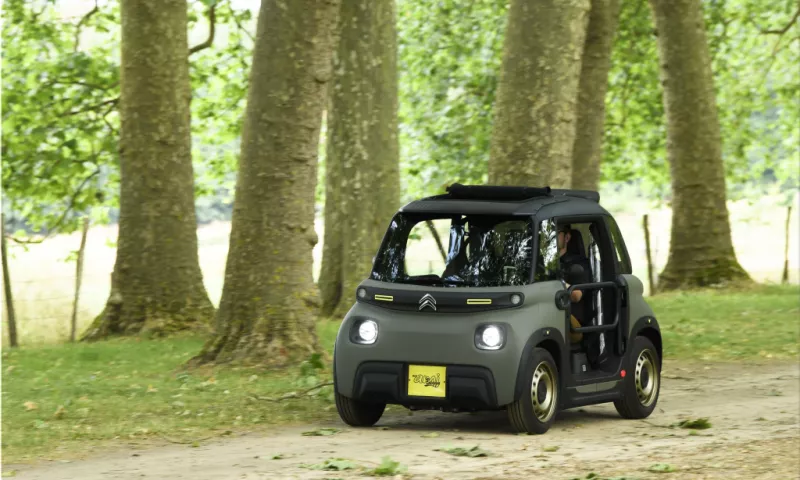
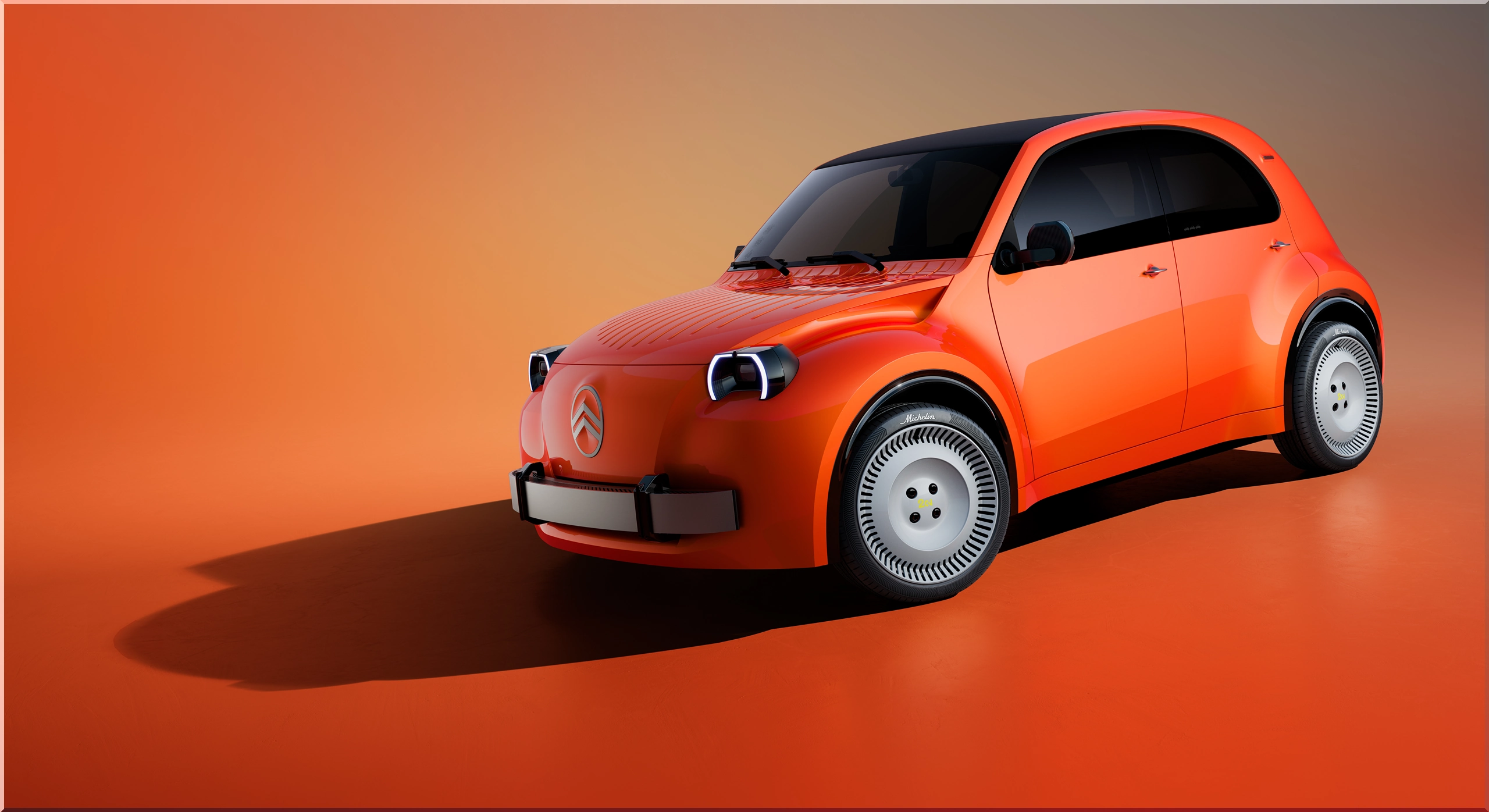
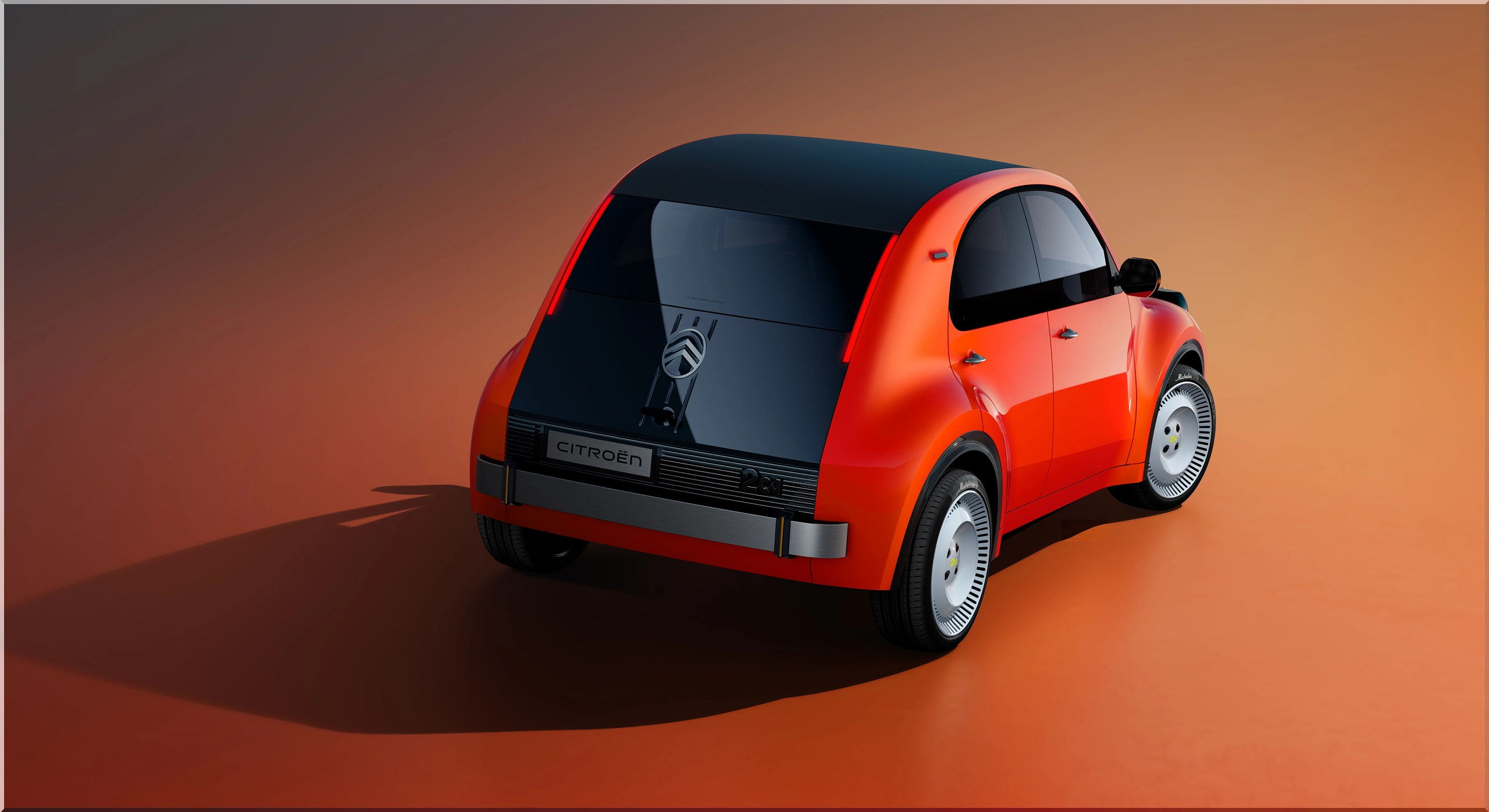
The Citroen 2CV electric car returns as a concept. Citroen presented it for the 2026 Paris Motor Show, previewing a European-built production model for 2028.
What are the electric 2CV's price and specifications?
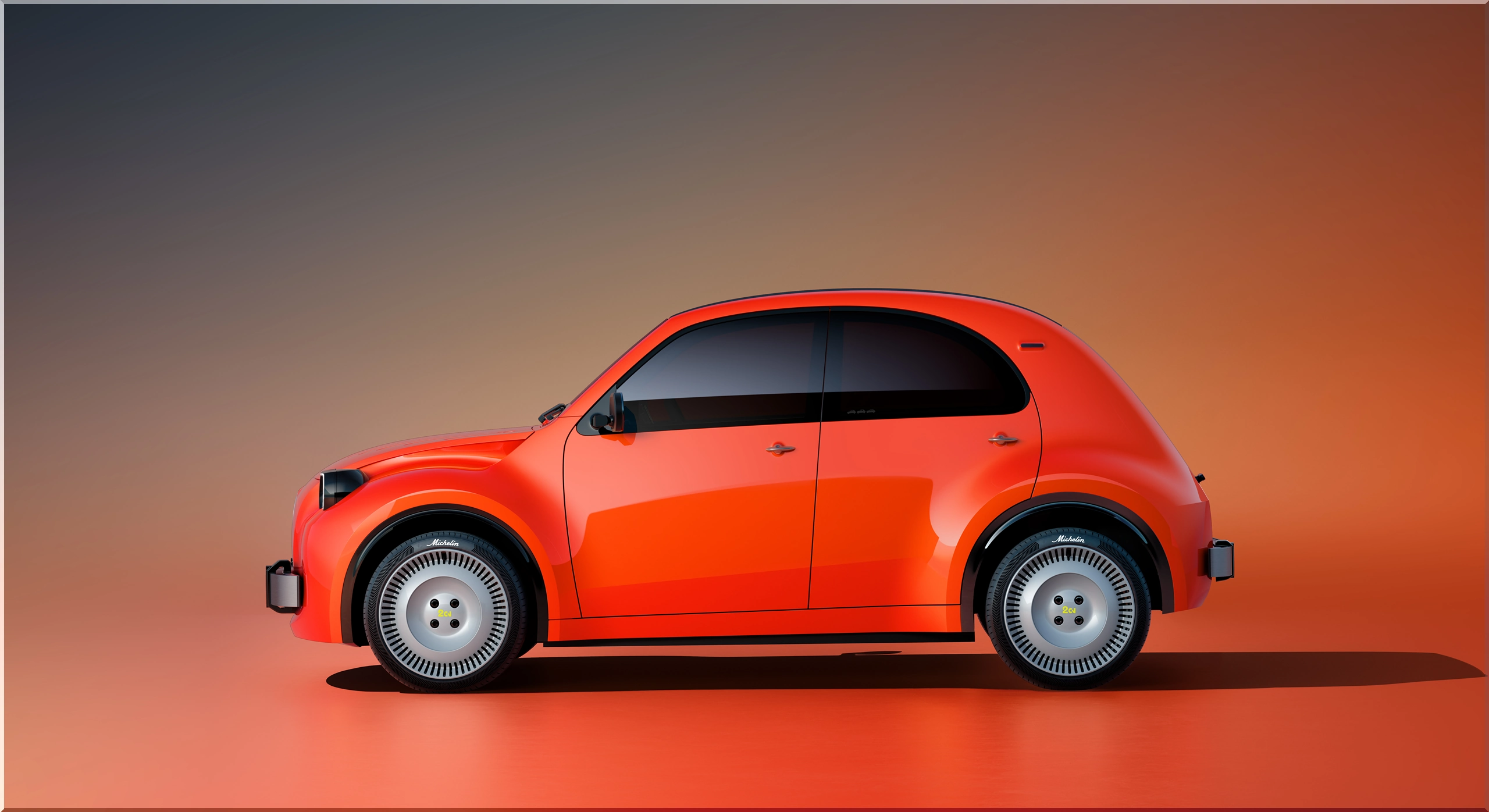
Citroen targets a starting price around €15,000, placing the future 2CV between the Ami and C3. The concept measures 3,760 mm (148.0 inches) long, and engineers aim for approximately one tonne. These figures describe a development brief; Citroen still owes buyers production specifications and market-specific prices.
| Technical point | Concept or target | Production certainty |
|---|---|---|
| Starting price | Around €15,000 | Target; no final price list |
| Arrival | 2028 | Planned timing |
| Length | 3,760 mm / 148.0 in | Concept measurement |
| Weight | Approximately 1,000 kg / 2,205 lb | Engineering target |
| Central touchscreen | 8 in / 203.2 mm | Concept equipment |
| Battery, torque, range, charging | Citroen has not disclosed figures | Await technical specifications |
Citroen plans around future European E-Car regulations. That ambition does not establish a final approval category or safety rating.
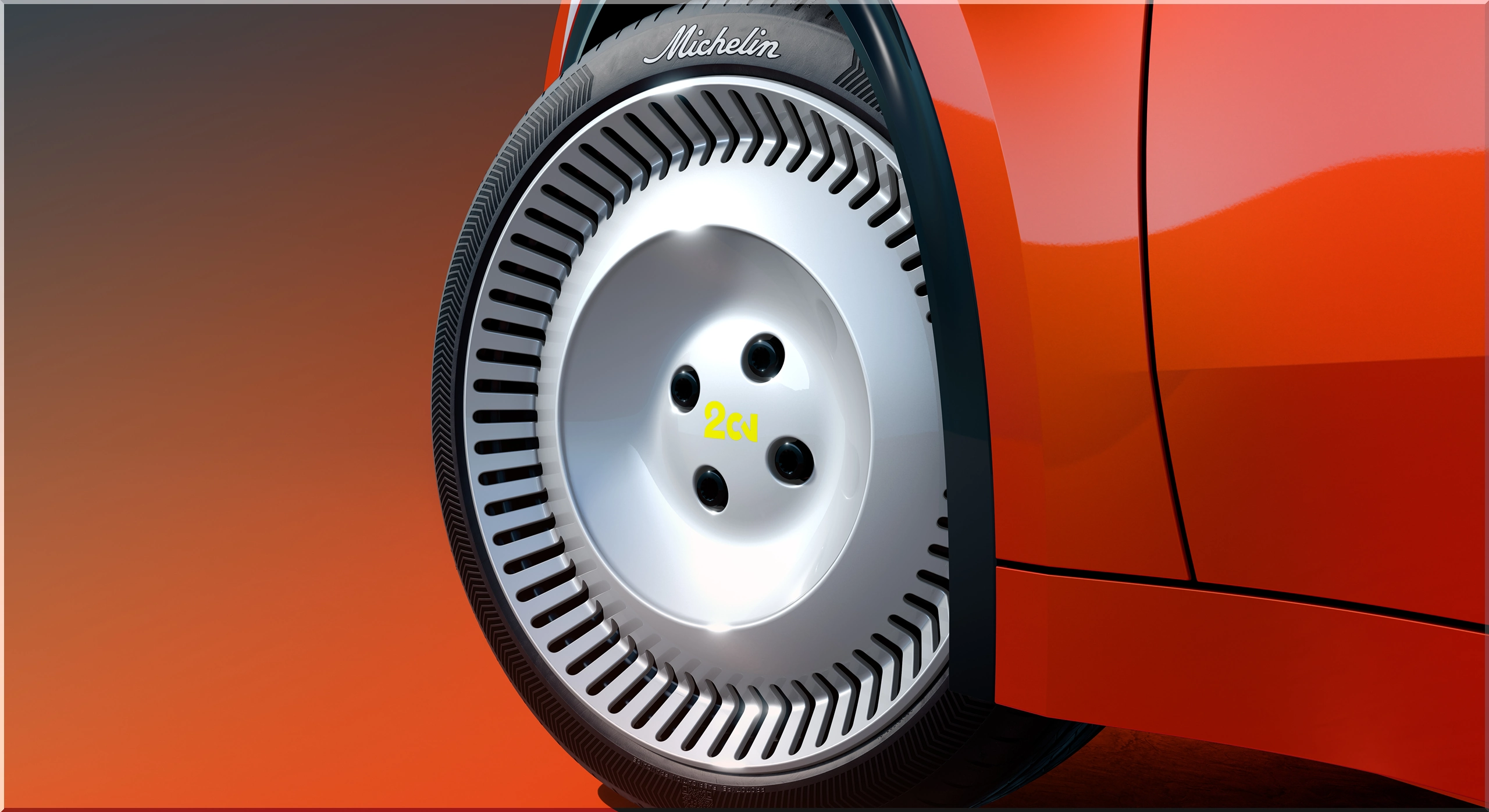


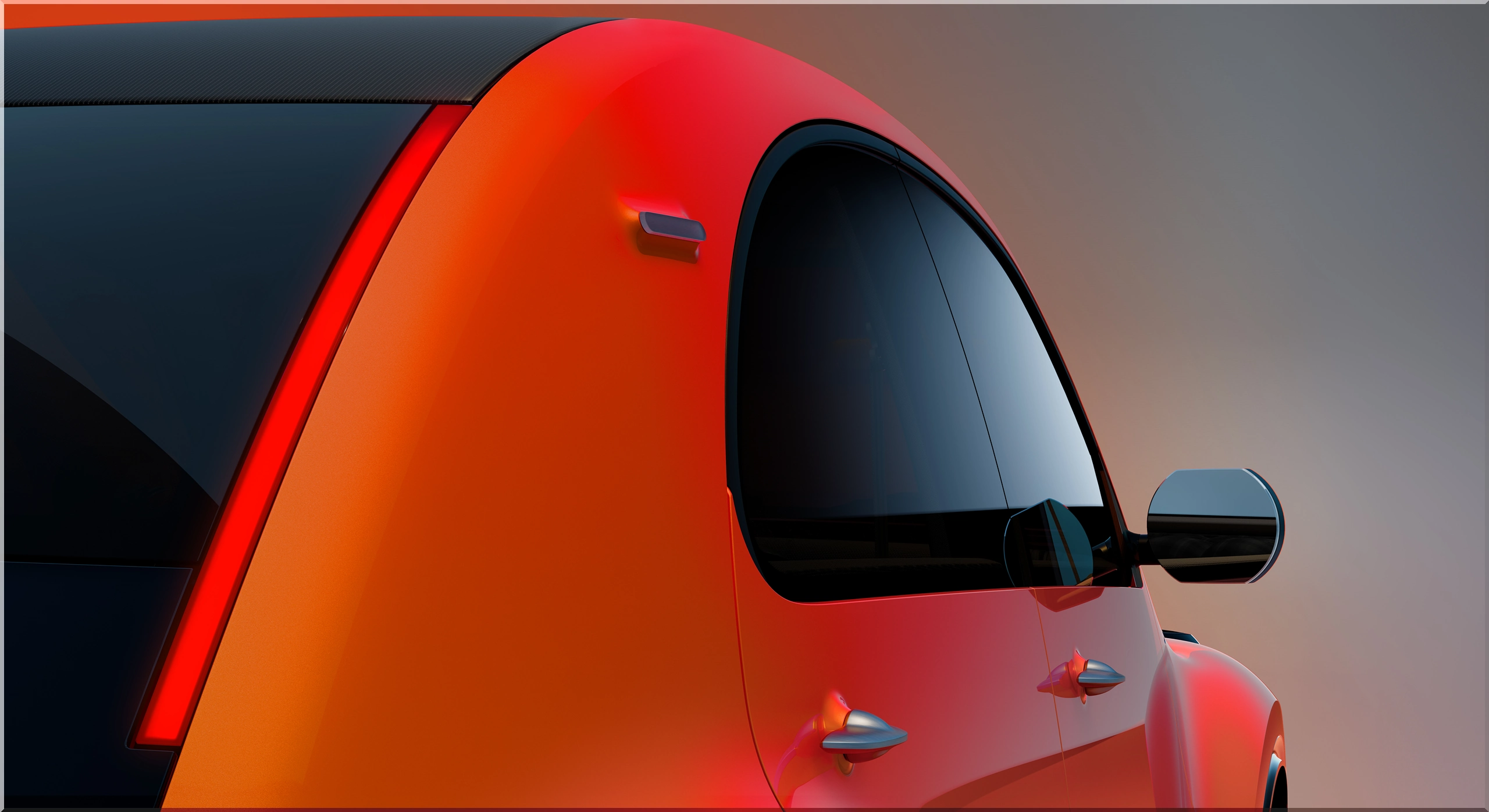
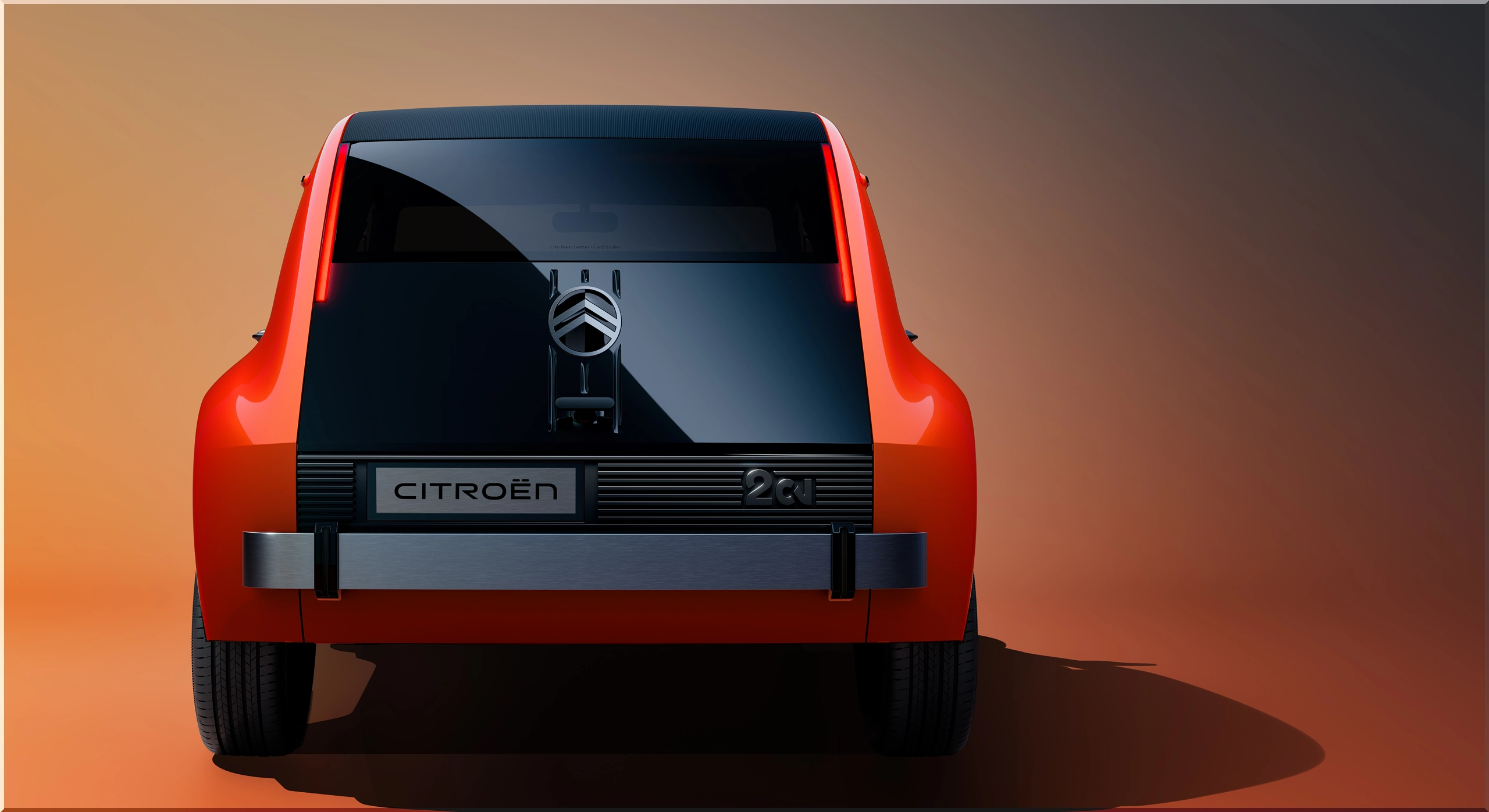
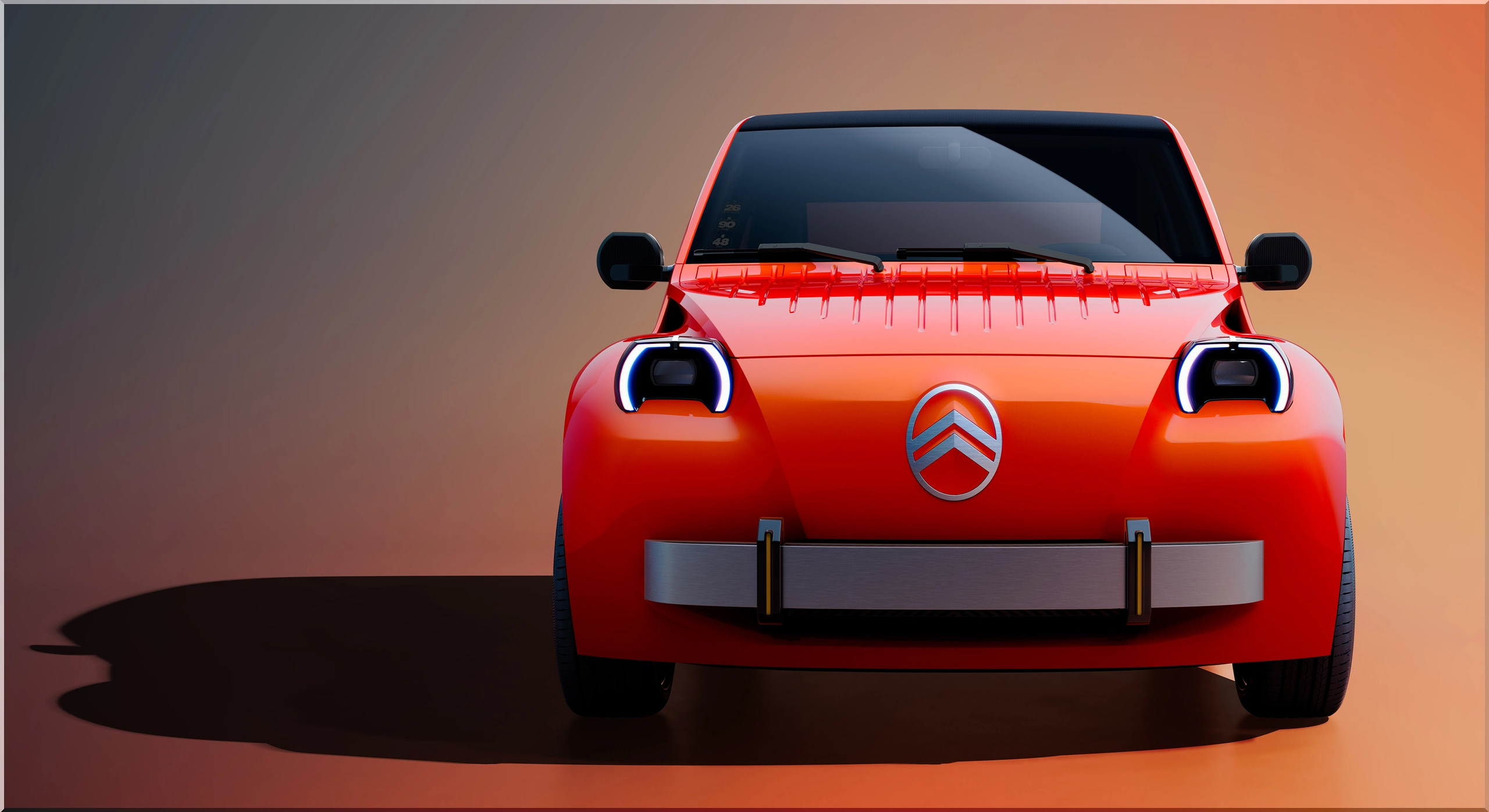
How could the 2CV reduce urban ownership costs?
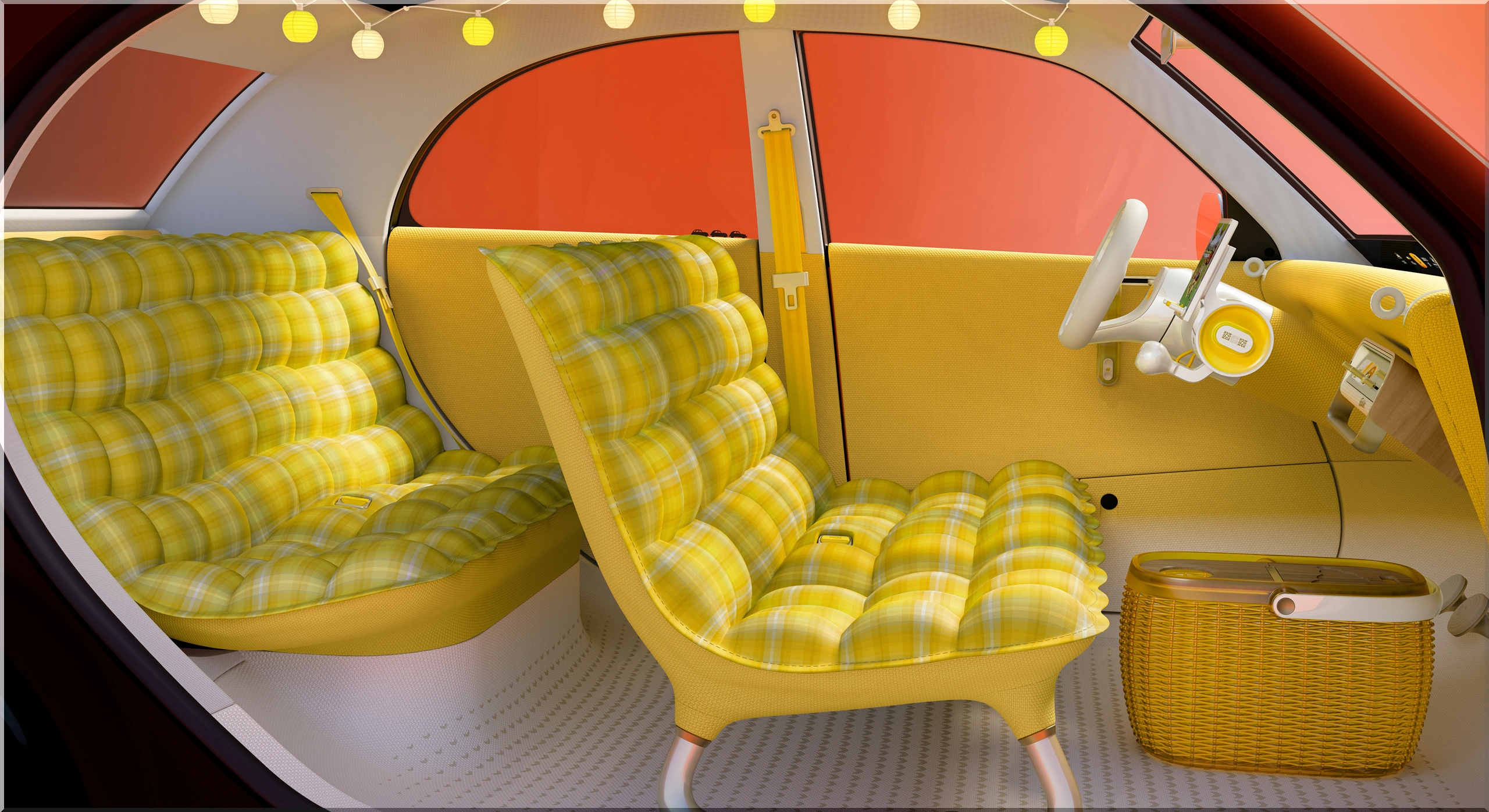
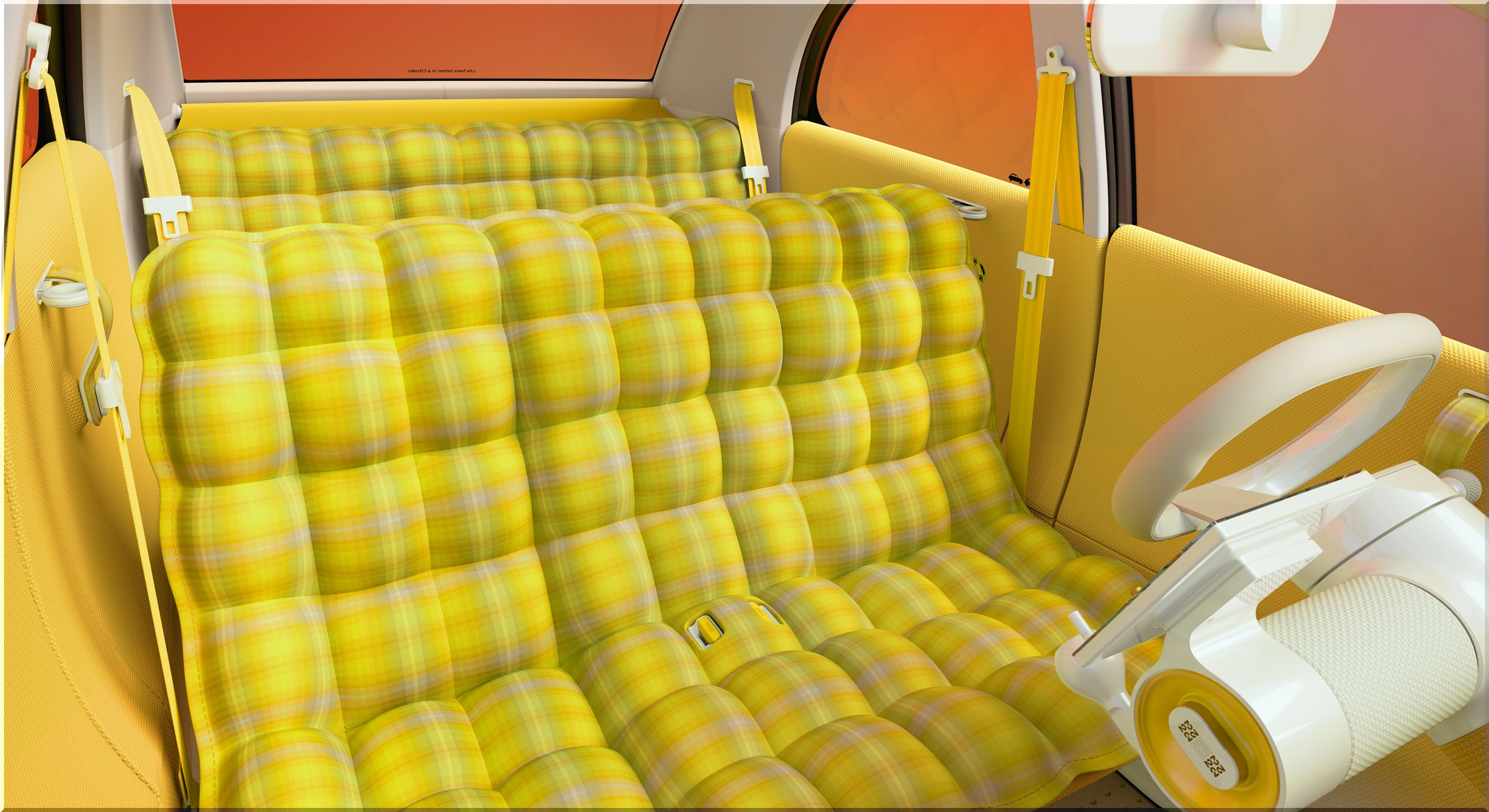
The concept combines a short body with a low mass target and independently replaceable bumpers. Those choices could reduce parking demands, battery requirements, and minor collision repair bills. Citroen also retains a fabric opening roof and simple cabin controls, although production engineering will determine the final equipment.
Less mass reduces the energy required during acceleration, which helps in stop-start traffic. Regenerative braking recovers some energy during deceleration; it never recovers everything. Consequently, lighter construction can support a smaller battery, provided the resulting winter range still covers the operator's daily route.
The separate 2CV Fourgonnette concept suggests commercial potential. Citroen has not supplied payload or cargo-volume figures that would support a delivery-fleet purchasing decision.


Should urban fleets wait for the electric 2CV?
Fleet buyers should wait for certified range, usable battery capacity, charging capability, and payload before committing to the 2CV. Electricity prices alone can change its operating case substantially. The illustration below assumes 15 kWh/100 km at the electricity meter; it does not predict the new car's consumption.
| Operating input or result | Depot charging | Public charging |
|---|---|---|
| Assumed electricity tariff | €0.25/kWh | €0.60/kWh |
| Energy per 100 km / 62.1 miles | 15 kWh | 15 kWh |
| Energy cost per 100 km | €3.75 | €9.00 |
| Annual distance | 20,000 km / 12,427 miles | Same |
| Annual electricity cost | €750 | €1,800 |
The €1,050 annual difference excludes insurance, depreciation, maintenance, and charging installation. It shows why reliable depot access deserves attention alongside the purchase price.
Pro-Tips:
- Request winter-range data with passengers and cargo.
- Verify AC charging power against overnight parking time.
- Price bumper repairs and replacement tyres before comparing leases.
- Add new comment
- 6 views