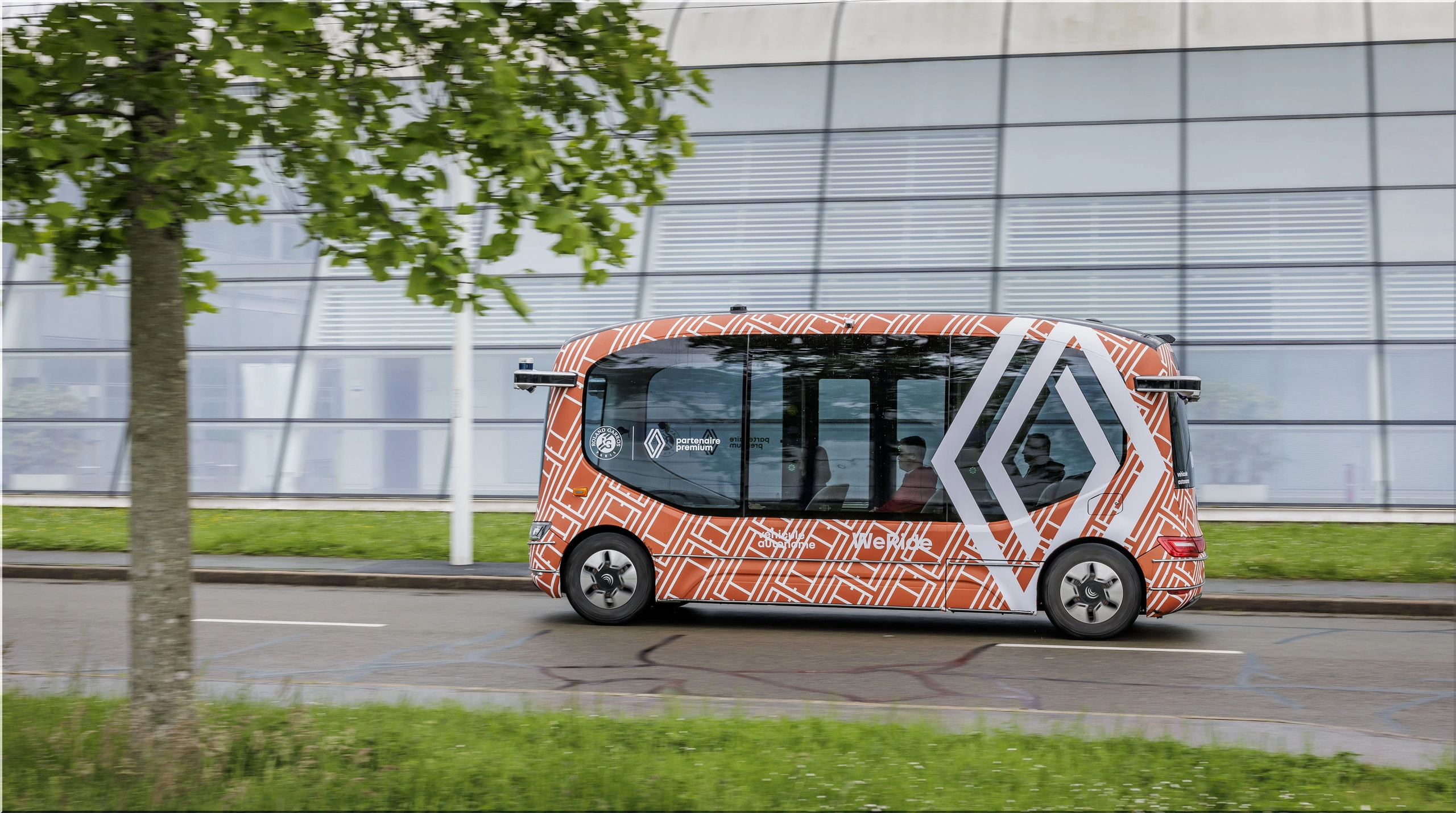
Renault Group, a leading global automaker, is making significant waves in the autonomous vehicle (AV) industry with its ambitious plan to launch Level 4 self-driving electric minibusses for public transportation. This innovative approach marks a significant shift from the traditional focus on autonomous cars for private use.
Why Public Transportation for Autonomous Vehicles?
Renault believes that the widespread adoption of autonomous vehicles for private ownership faces significant hurdles. Regulatory restrictions, evolving customer expectations, and the high cost of the technology are all roadblocks on the path to mass-market AVs.
Public transportation, however, presents a more feasible and promising avenue for autonomous vehicles. Here's a breakdown of the key advantages that make public transportation a perfect fit for AV technology:
- Defined Areas of Operation: Public transportation routes are well-defined and predictable. Unlike open roads with unpredictable traffic patterns, these designated routes make them ideal for Level 4 AVs, which can operate independently within a geographic area but require remote supervision. This structured environment significantly reduces the complexity of operations for AVs.
- Reduced Risk and Complexity: With clearly defined routes and a controlled environment, the risks associated with AV operation are significantly lower in public transportation settings. Traffic patterns are predictable, and potential hazards can be anticipated and programmed into the AV's system. This reduced risk and complexity pave the way for safer and more reliable deployment of AVs.
- Potential for Cost Savings: Autonomous minibusses can potentially reduce operational costs by eliminating the need for human drivers. Driver salaries and benefits are a major expense for public transportation agencies. AVs can significantly reduce operational costs, freeing up resources that can then be reinvested into expanding and improving public transportation services.
Renault's Level 4 Minibus Solution for Public Transportation
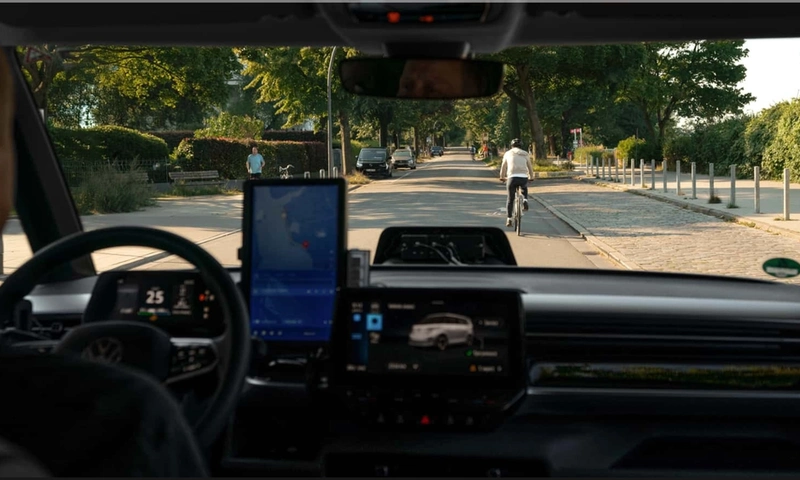
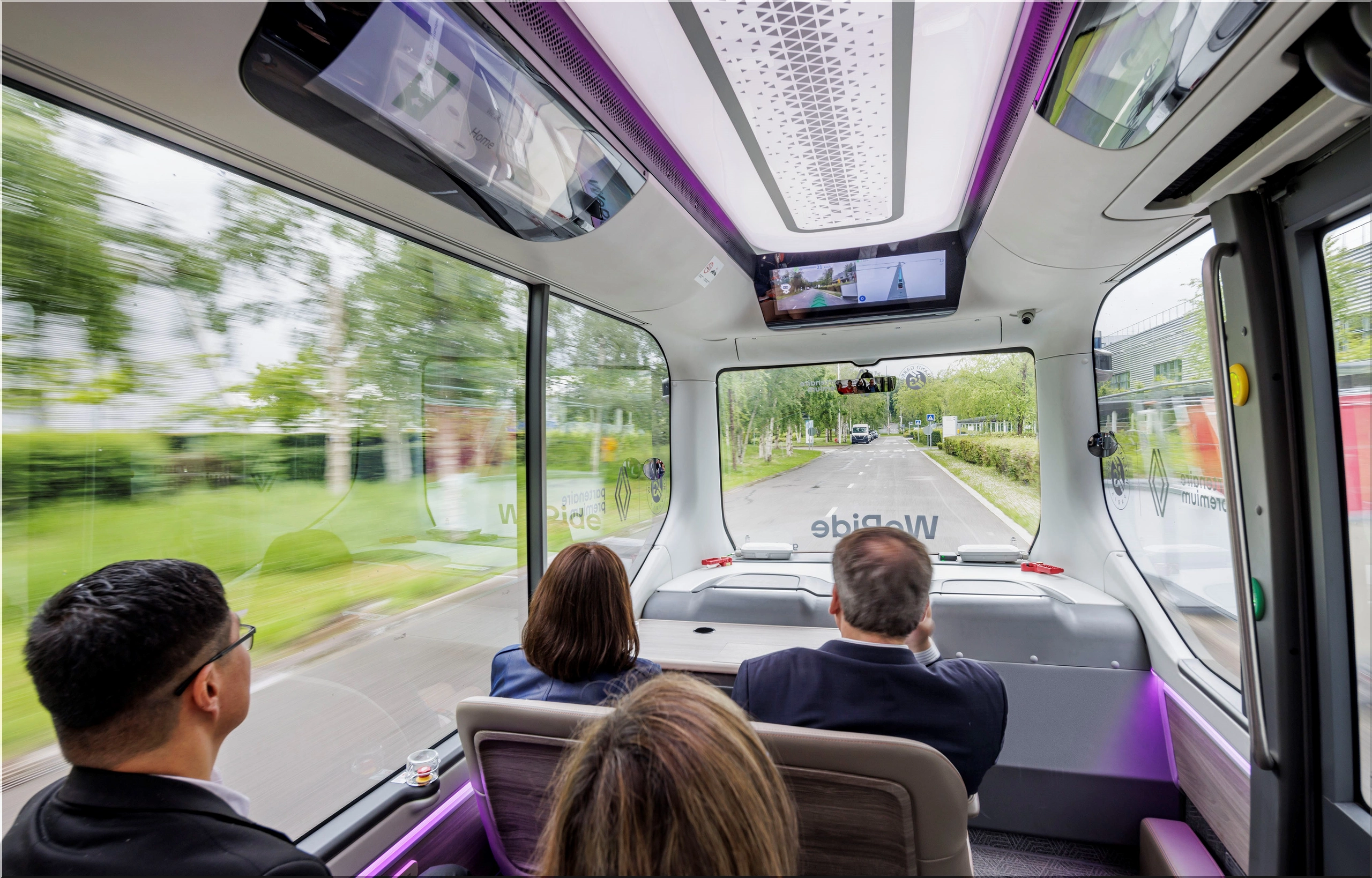
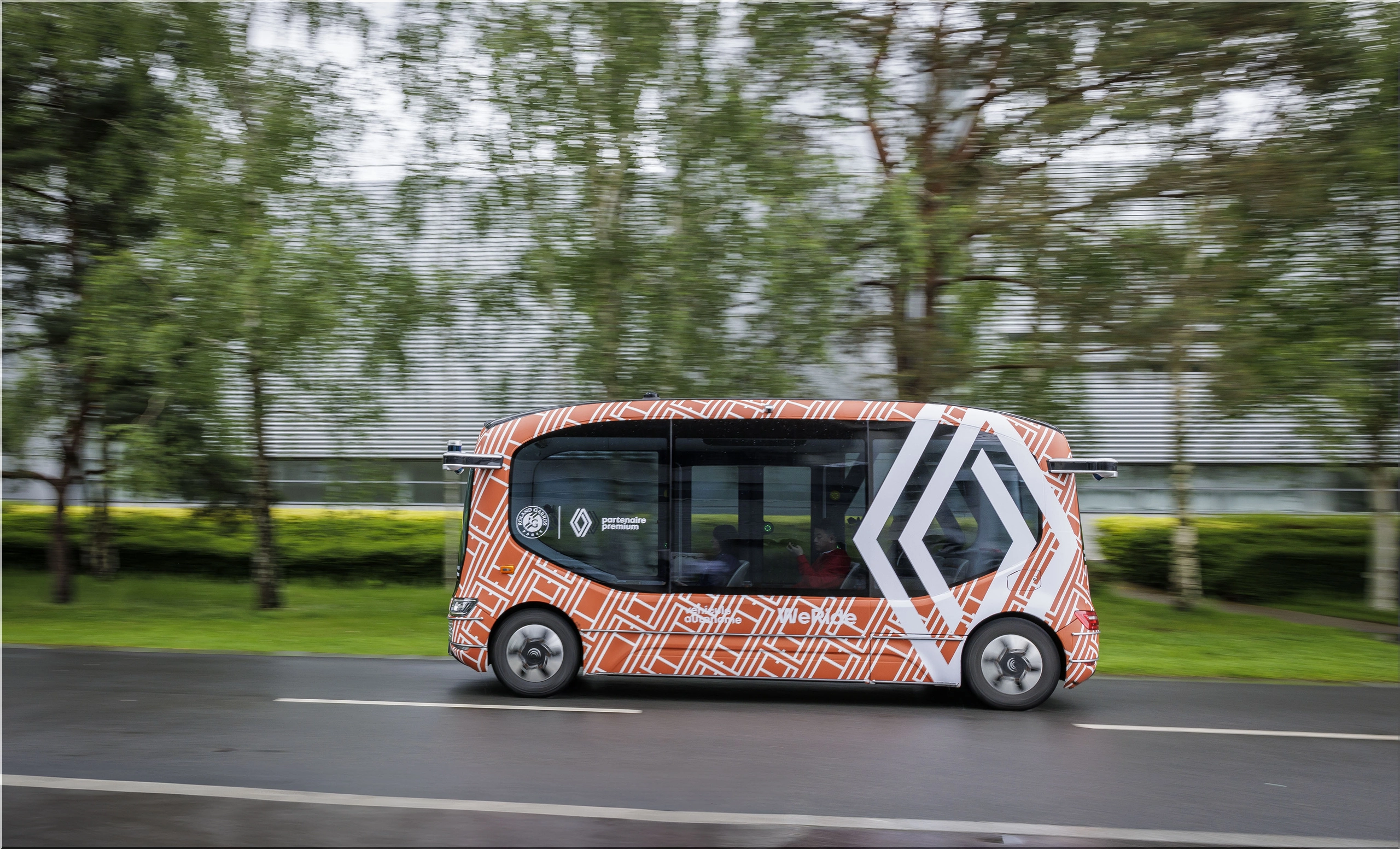
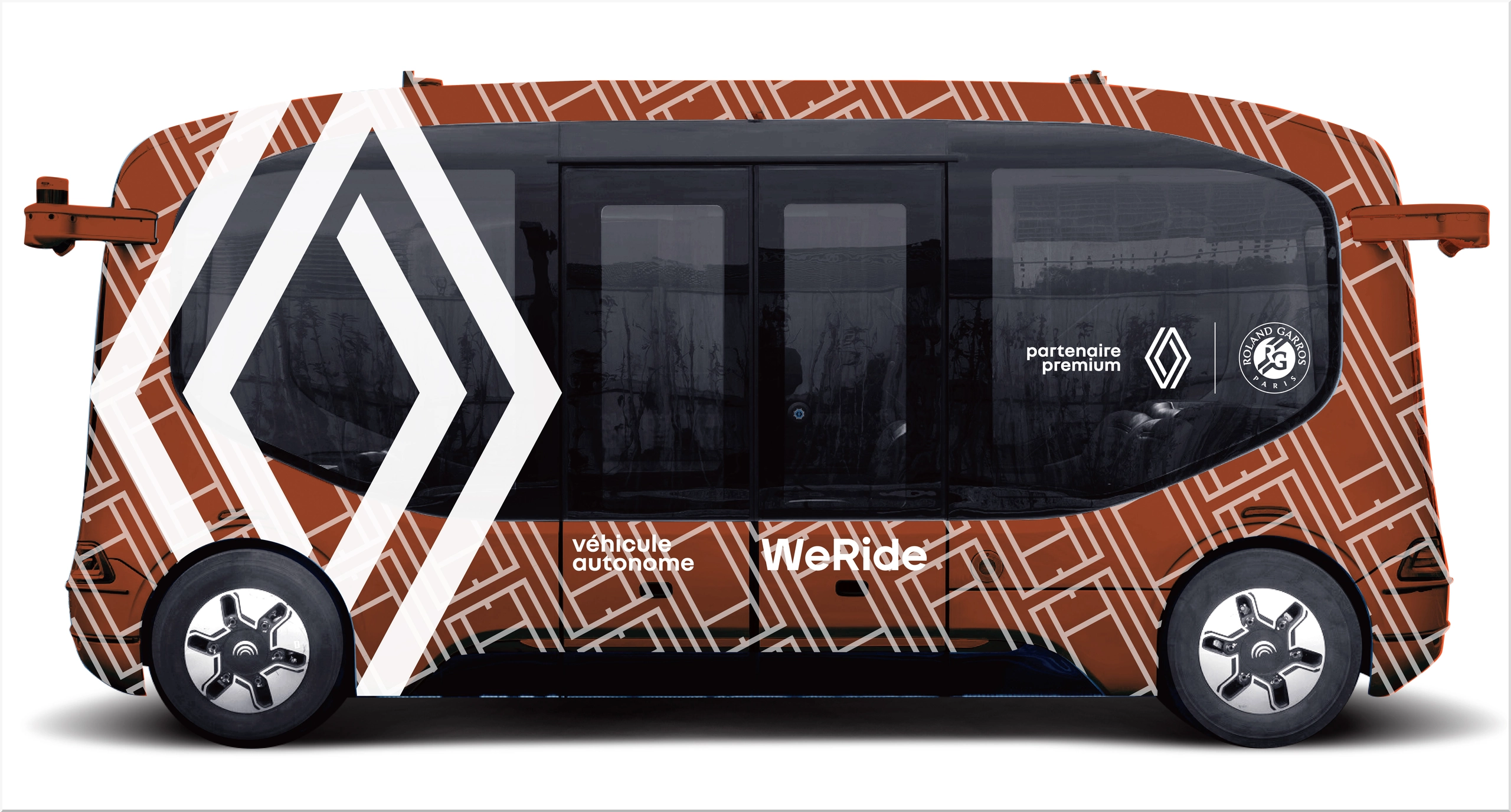
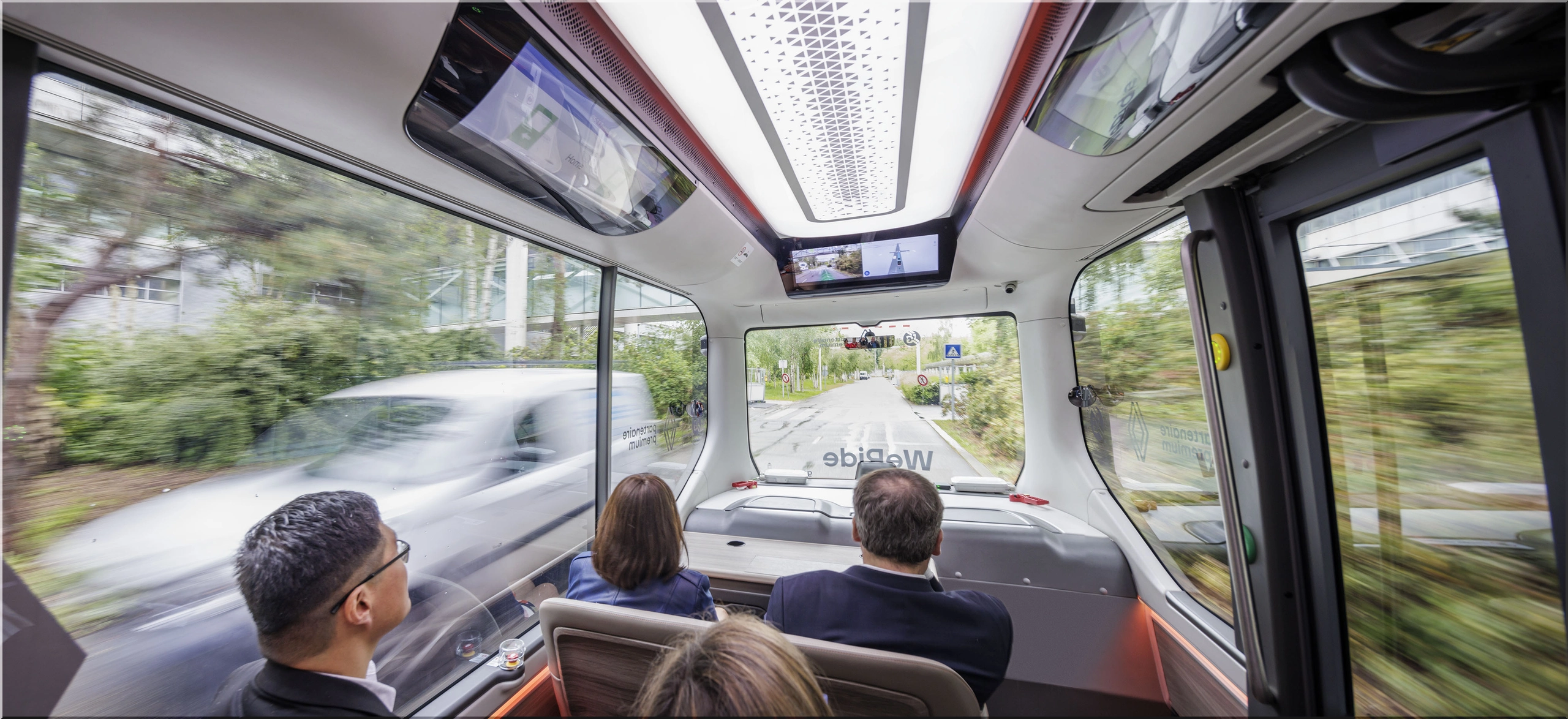
Renault's vision for the future of public transportation involves electric, self-driving minibusses that seamlessly integrate into existing urban mobility networks. These Level 4 AVs will offer several key benefits that can revolutionize public transportation:
- 24/7 Operation: Unlike traditional public transportation, which is limited by driver availability and scheduling constraints, autonomous minibusses can operate continuously. This provides greater flexibility and potentially extends service hours beyond traditional schedules, offering commuters more convenient travel options even during late nights or early mornings.
- Zero-Emission Alternative: Electric power ensures environmentally friendly operation, contributing to cleaner air and a reduced carbon footprint in cities. With growing concerns about climate change and air pollution, electric AVs offer a sustainable solution for public transportation.
- Efficient Complement: Autonomous minibusses can extend existing public transportation systems, filling gaps and improving accessibility in underserved areas. These self-driving minibusses can be deployed on less frequented routes or connect with major transportation hubs, offering increased accessibility and a more comprehensive public transportation network.
Collaboration and Partnerships for Success
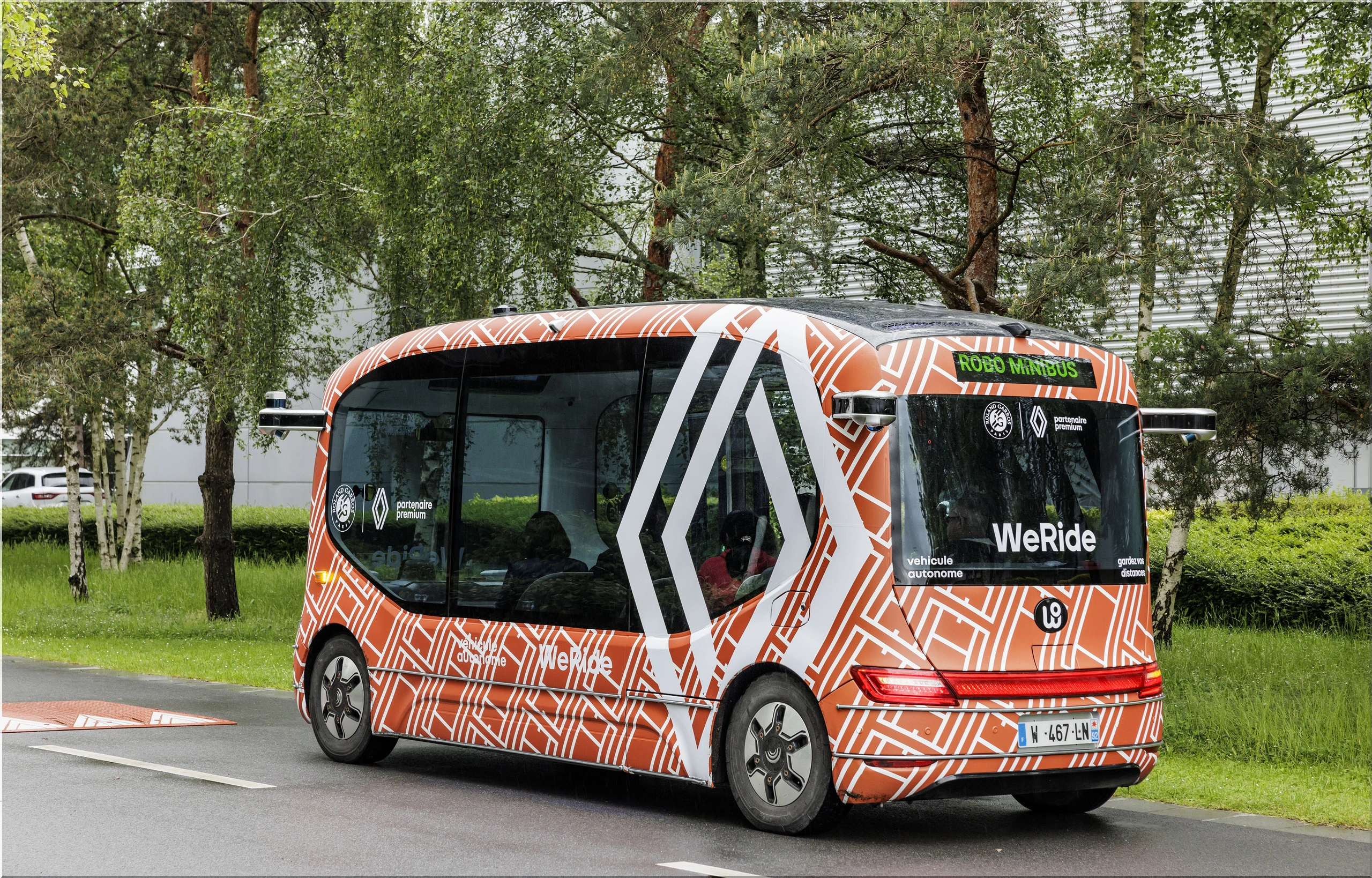
To achieve its ambitious goals, Renault is forging strategic partnerships with industry leaders. A notable example is the collaboration with WeRide, a global expert in autonomous driving technology. This partnership will be instrumental in developing and deploying the Level 4 autonomous mobility solutions for public transportation. WeRide's expertise in AV technology will be crucial for ensuring the safety, reliability, and efficiency of Renault's self-driving minibuses.
The Road Ahead: Challenges and Opportunities
While Renault's self-driving minibus initiative is a significant step forward, challenges remain. Public perception and acceptance of autonomous vehicles need to be carefully addressed. Building public trust in the safety and reliability of AVs is essential for widespread adoption. Additionally, robust safety protocols and regulatory frameworks are essential for ensuring the safe and responsible integration of AVs into public transportation systems. Governments and regulatory bodies will need to develop clear guidelines and standards for the operation of AVs in public transportation settings.
Looking towards the future, Renault's commitment to autonomous public transportation has the potential to revolutionize urban mobility. With continued innovation, collaboration, and a focus on safety, self-driving electric minibuses could become a game-changer in creating cleaner, more efficient, and accessible transportation for all.
- Add new comment
- 105 views