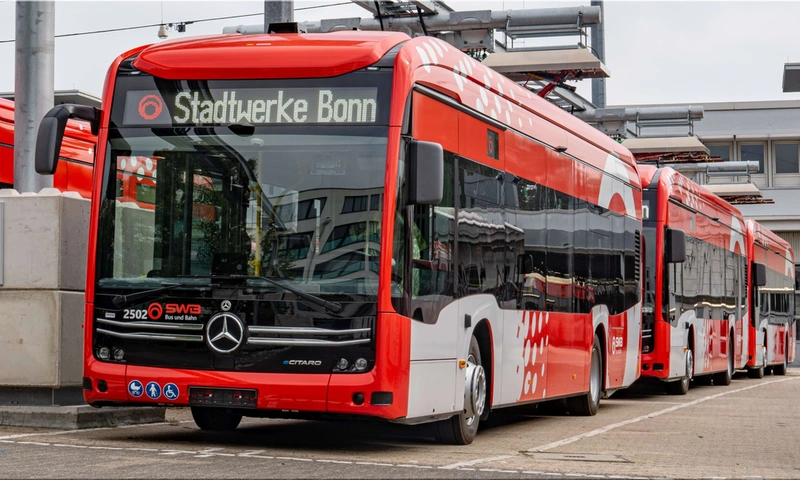
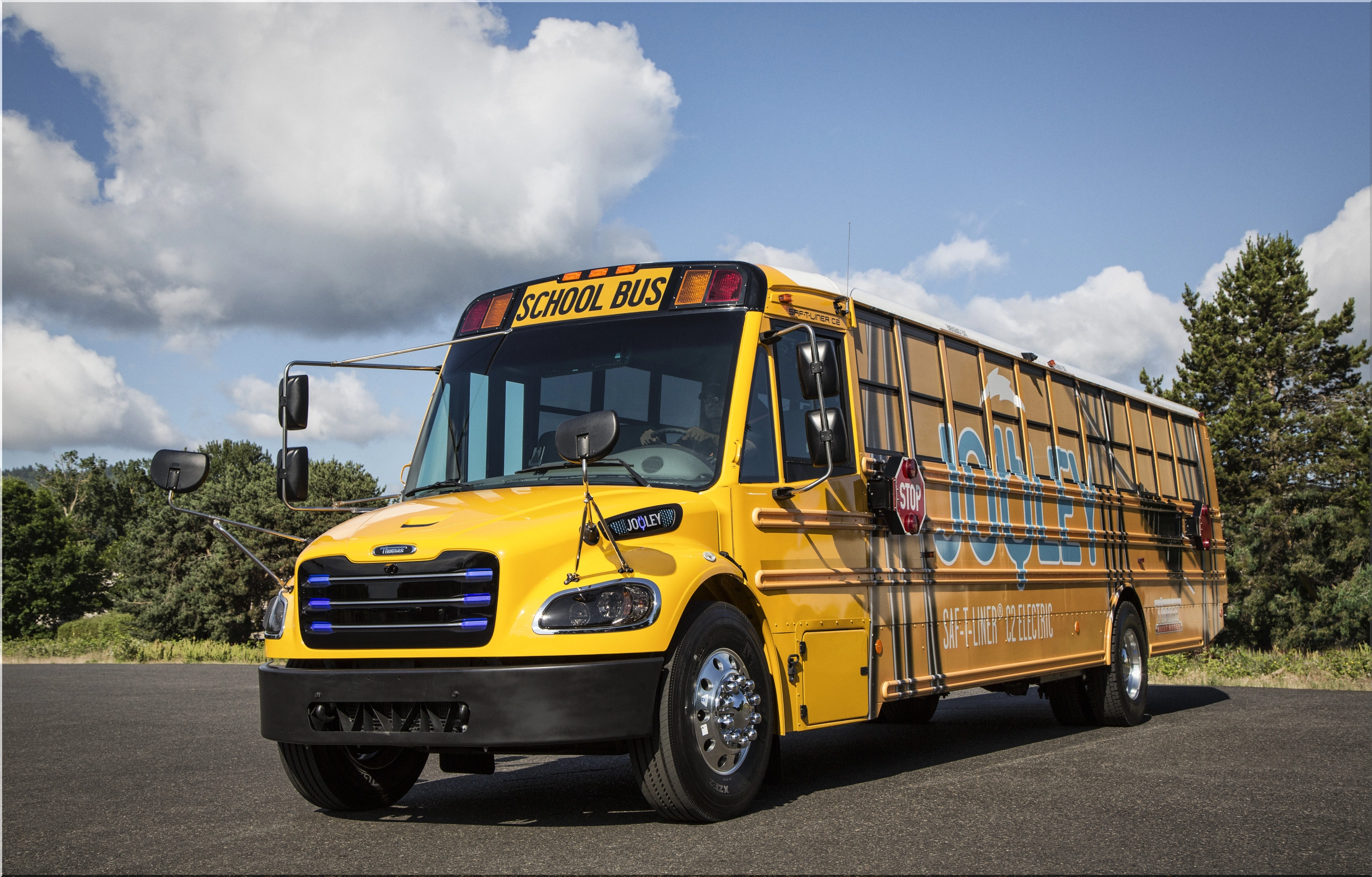
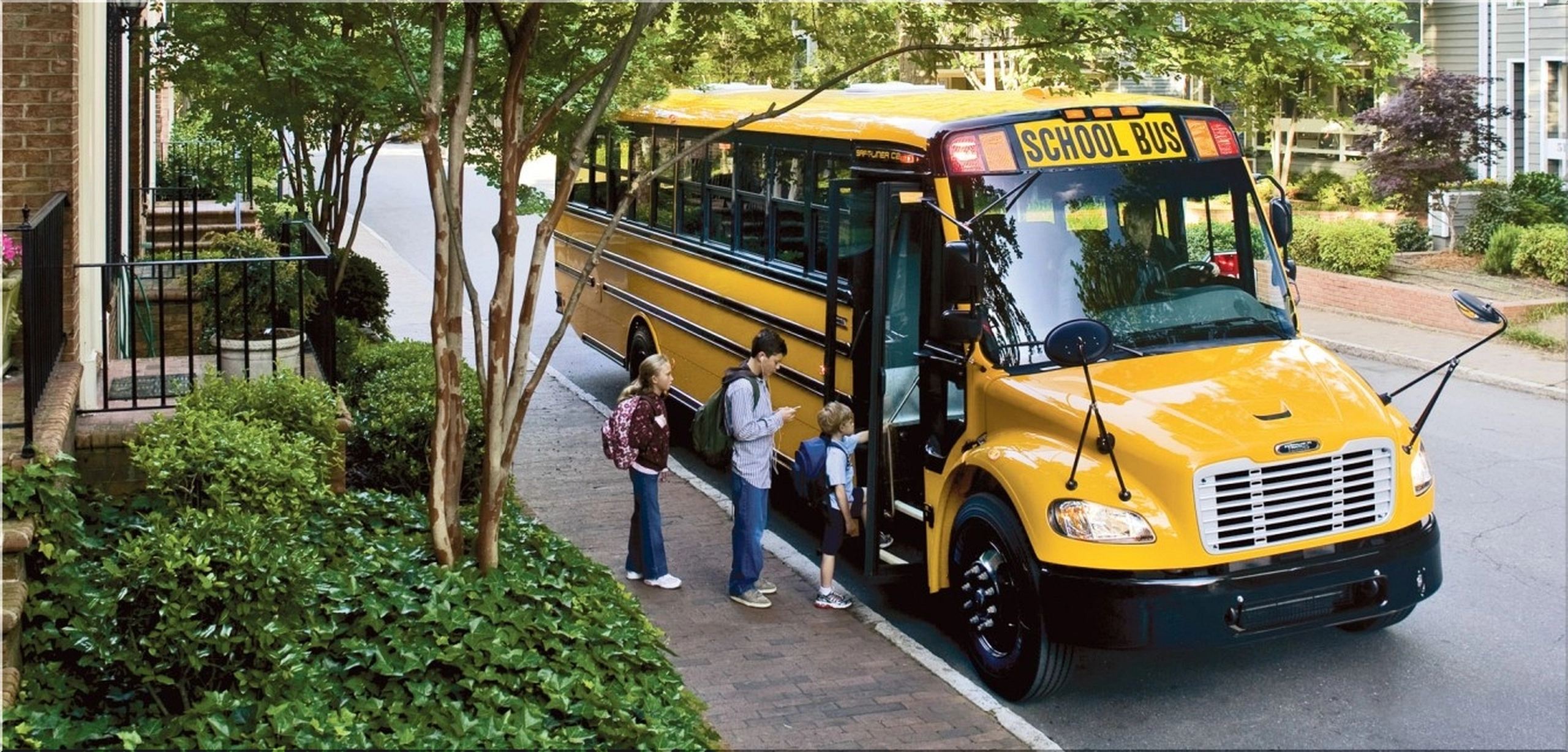
Daimler Truck, a company synonymous with powerful engines and long-haul transportation, is celebrating a quiet revolution – the 1,000th delivery of its Saf-T-Liner C2 Jouley battery-electric school bus. This milestone marks a significant step towards cleaner air and a more sustainable future for student transportation.
A Legacy of Diesel, A Shift Towards Electric
For decades, diesel engines have rumbled through schoolyards, spewing pollutants and contributing to climate change. However, the tide is turning. Electric school buses offer a cleaner, quieter alternative. They produce zero tailpipe emissions, reducing health risks for children and communities. Additionally, electric motors require less maintenance than their gas-guzzling counterparts, potentially leading to long-term cost savings for school districts.
Daimler Truck's Pioneering Efforts
Daimler Truck, through its Thomas Built Buses brand, has been at the forefront of the electric school bus movement. The Saf-T-Liner C2 Jouley, unveiled in 2017, was one of the first commercially available electric school buses in North America. This early investment has paid off, with Daimler Truck now boasting a significant presence in the growing market.
Challenges Remain: Range Anxiety, Charging Infrastructure, and Cost
Despite the positive developments, challenges persist. Range anxiety, the fear of running out of power before reaching the destination, is a major concern for school districts. The current range of most electric school buses falls short of traditional diesel buses, limiting their operational flexibility. Additionally, building a robust charging infrastructure requires significant upfront investment. Upfront costs for electric buses are also generally higher than diesel models, although the operational savings can help bridge the gap over time.
Looking Forward: Government Incentives and Technological Advancements
The road to widespread electric school bus adoption hinges on several factors. Government incentives play a crucial role in offsetting the initial cost disparity. The Bipartisan Infrastructure Law, passed in the US in November 2021, allocated $5 billion for clean school buses, a significant boost for the industry. Technological advancements in battery technology are also essential. As battery ranges increase and costs decrease, electric buses will become even more attractive for school districts.
Beyond the 1,000 Mark: Collaboration and Continued Innovation
Daimler Truck's milestone delivery is a cause for celebration, but it's just one step in a longer journey. Collaboration between bus manufacturers, utility companies, government agencies, and school districts is key to building a sustainable electric school bus ecosystem. Continued innovation in battery technology, charging infrastructure, and vehicle design will further enhance electric school buses' economic and environmental benefits.
The Road Ahead: A Brighter, Cleaner Future for Student Transportation
The electrification of school buses presents a unique opportunity to address environmental concerns and improve public health. While challenges remain, the growing momentum behind electric school buses suggests a brighter, cleaner future for student transportation. Companies like Daimler Truck, with their early investment and ongoing commitment, are paving the way for this transformation. As technology advances and costs become more competitive, electric school buses have the potential to become the standard on our nation's roads, leaving a healthier planet for future generations.
- Add new comment
- 51 views