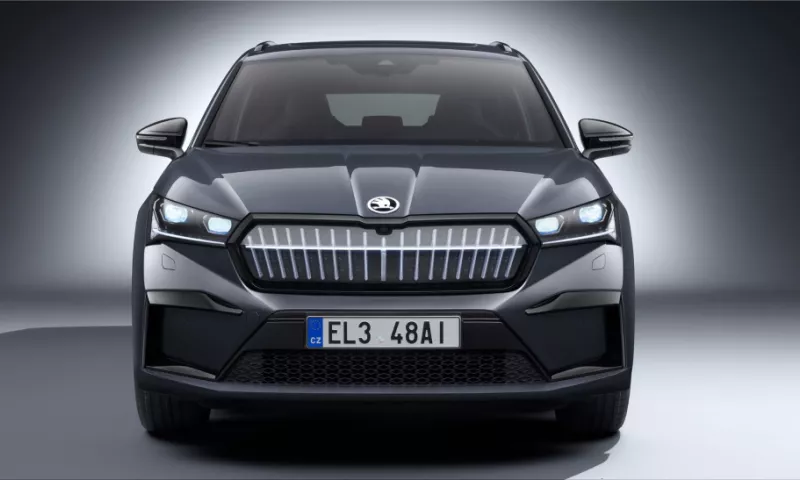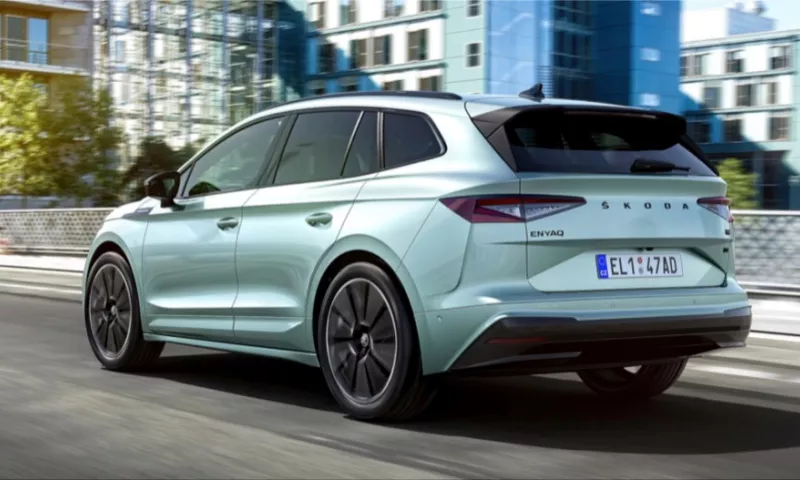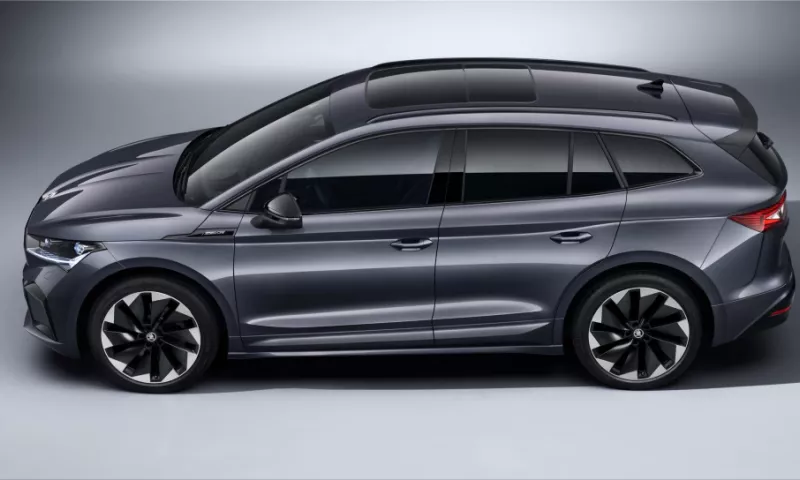
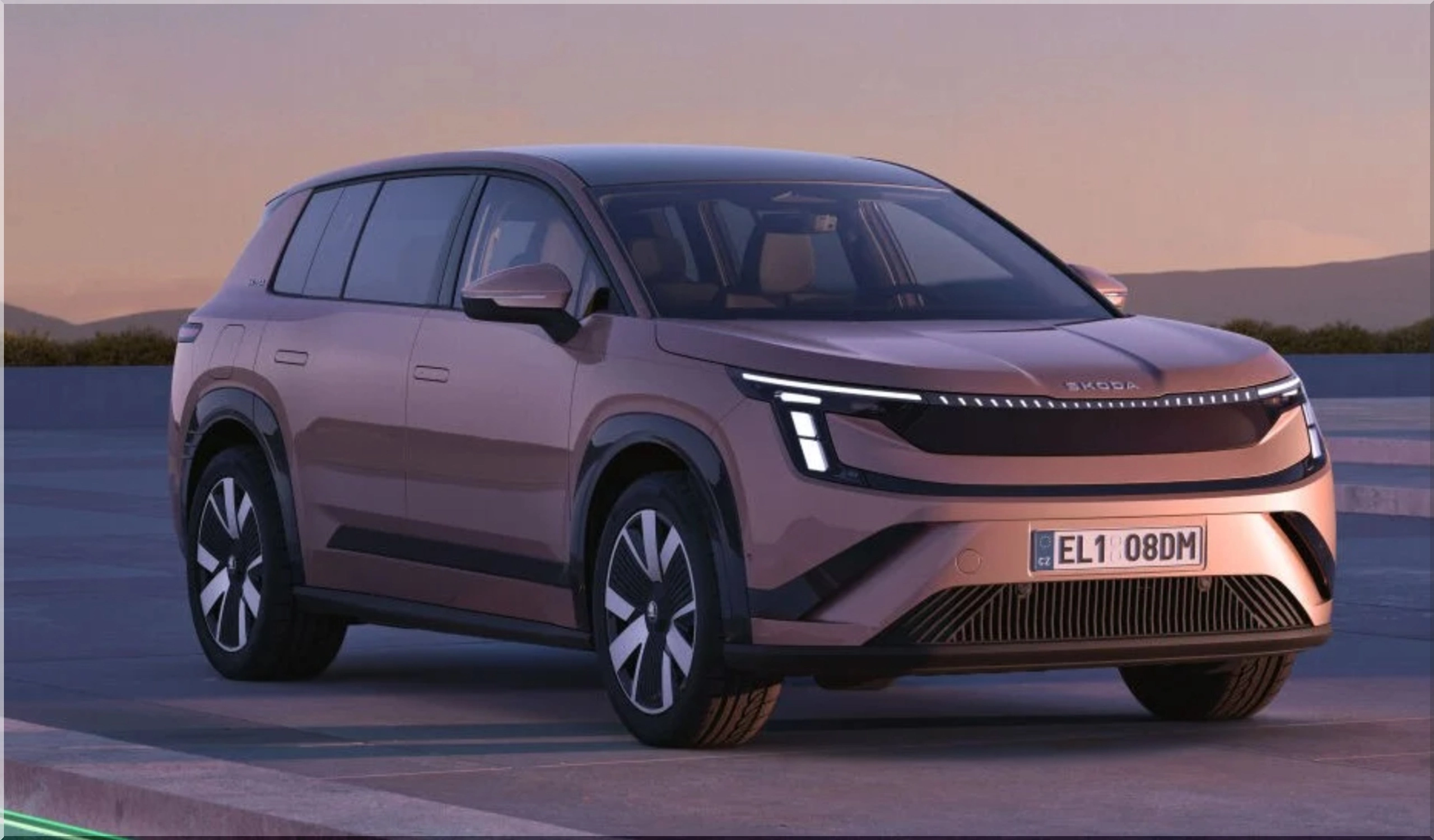
The Skoda Peaq arrives in the UK as a large fully-electric seven-seat SUV with fleet-grade range, high usable cargo volume, and pricing that undercuts several premium rivals. Converted to Euro, UK pricing starts at about €60,300 and rises to about €70,000 for the SportLine 90x all-wheel-drive version.
What is the Skoda Peaq price in the UK?
Skoda prices the Peaq as a flagship, but it avoids premium-brand shock therapy. Using a June 2026 conversion rate of 1.16 Euro per pound, the Skoda Peaq SE L starts near €60,300, while the Skoda Peaq SportLine 90x reaches about €70,000 before options.
| Skoda Peaq UK model | Drivetrain | Battery | Approx. Euro price |
|---|---|---|---|
| Skoda Peaq SE L 90 | Rear-wheel drive | 86 kWh net | €60,300 |
| Skoda Peaq Edition 90 | Rear-wheel drive | 86 kWh net | €64,000 |
| Skoda Peaq Edition 90x | All-wheel drive | 86 kWh net | €66,400 |
| Skoda Peaq SportLine 90 | Rear-wheel drive | 86 kWh net | €67,600 |
| Skoda Peaq SportLine 90x | All-wheel drive | 86 kWh net | €70,000 |
Looking at the data, the Peaq lands between the aggressively priced Peugeot E-5008 and the larger, faster-charging Kia EV9. That puts Skoda in a practical middle lane: more upmarket than Peugeot, less costly than Kia, and tuned for families or company-car users who want seven seats without buying a luxury-badge SUV.
What do SE L and SportLine add?
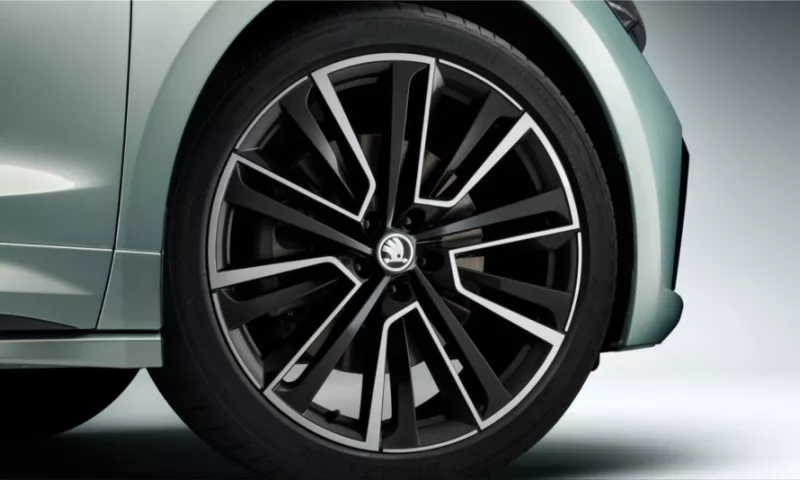
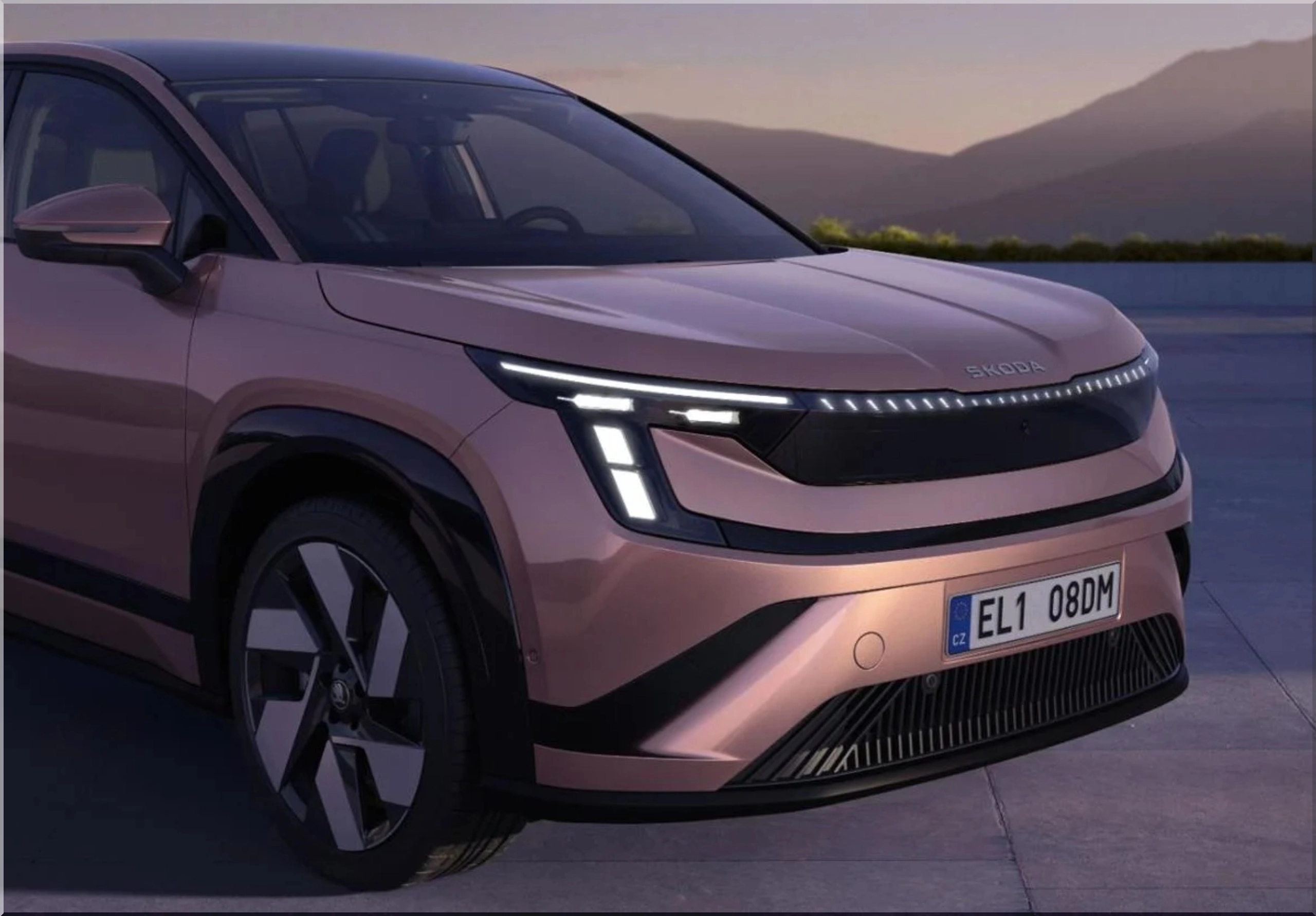
The Skoda Peaq SE L gives buyers the core hardware: seven-seat packaging, the large infotainment screen, heated seating, a digital key, and the 86 kWh battery. The Skoda Peaq SportLine adds sharper exterior trim, larger wheels, sports seats, a three-spoke heated steering wheel with regenerative braking paddles, and standard adaptive chassis hardware.
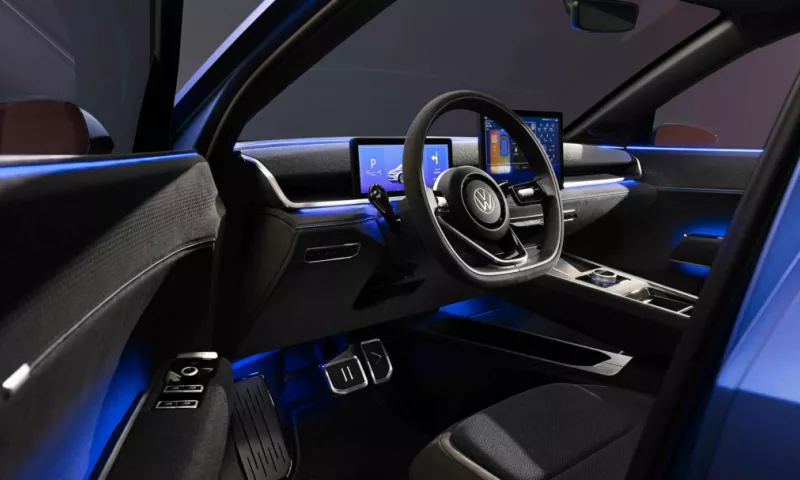
Specifically, SE L covers the rational fleet order. It includes the 13.6-inch vertical touchscreen, 10-inch driver display, Android-based navigation, Qi2 wireless charging, 19-inch alloy wheels, LED headlights, heated front and rear seats, heated windscreen, and an electric tailgate with virtual pedal.
SportLine takes the same platform and shifts the buyer pitch toward personal leasing and higher-spec company car users. It brings 20-inch wheels, black exterior detailing, a sportier cabin, and the strongest visual identity in the range. The 90x version also adds all-wheel drive, which helps traction during wet winter school runs and light towing work, although it also raises cost and usually trims range.
Pro-Tips for trim selection
- Pick SE L 90 if the main goal involves range, space, and monthly cost control.
- Pick Edition 90 if parking tech, Matrix LED lighting, and a richer cabin carry real daily value.
- Pick SportLine 90x only when all-wheel drive, design, and acceleration justify the price jump.
- Avoid oversized wheels if maximum real motorway range sits at the top of the buying brief.
How efficient is the Skoda Peaq battery and charging package?
The UK Peaq centers on an 86 kWh net battery, DC charging up to 199 kW, and a 10-80% fast-charge time of about 28 minutes. With a WLTP range quoted around 390-395 miles, the lab figure works out near 0.22 kWh per mile, or roughly 13.7 kWh per 100 km.
| Technical item | Skoda Peaq 90 | Skoda Peaq 90x |
|---|---|---|
| Battery capacity | 86 kWh net | 86 kWh net |
| Drive layout | Rear-wheel drive | All-wheel drive |
| Peak output | 286 hp | 299 hp |
| Maximum DC charging | Up to 199 kW | Up to 199 kW |
| Fast charging | 10-80% in about 28 minutes | 10-80% in about 28 minutes |
| WLTP range | Up to about 390-395 miles | Lower than RWD version |
| 0-62 mph | Not the main pitch | About 6.8 seconds |
| V2L support | Yes | Yes |
From an expert perspective, the 86 kWh net pack gives the Peaq its strongest commercial case. A large seven-seat SUV carries aerodynamic penalties, cabin-heating load, tire losses, and weight penalties that smaller EVs avoid. Skoda counters that with a large usable battery, moderate peak charging, and a practical body that protects passenger and luggage volume rather than chasing coupe-SUV drama.
The 199 kW peak DC rate does not beat Hyundai and Kia's 800V hardware. It still works for fleet routing because the useful metric comes from stop duration, not brochure peak power. A 28-minute 10-80% session can support motorway duty cycles when drivers pair depot charging, home charging, or hotel AC charging with one planned rapid stop.
How big is the Skoda Peaq inside?
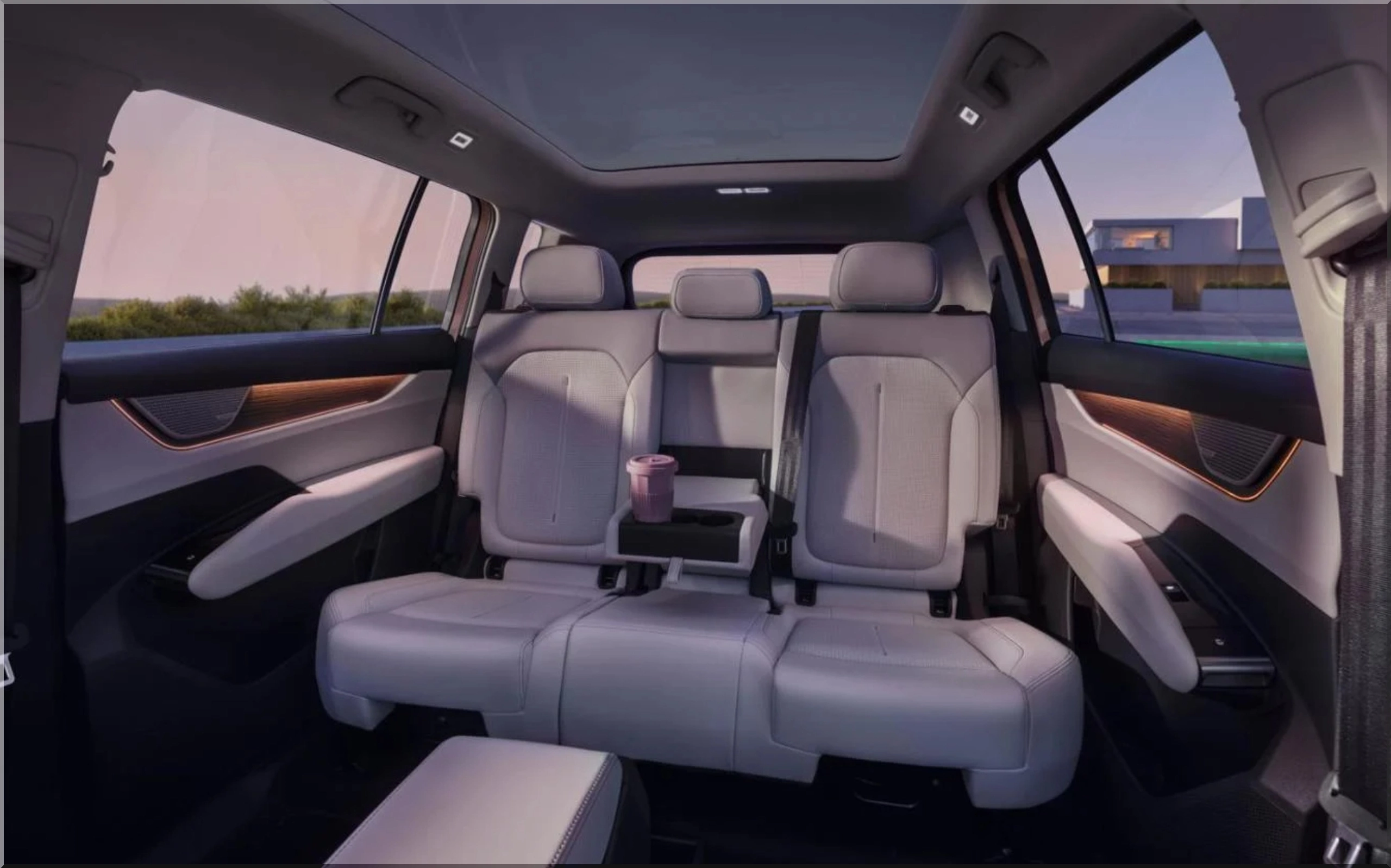
The Skoda Peaq electric SUV measures 4,874 mm long, or 191.9 inches, with a 2,965 mm wheelbase, or 116.7 inches. That wheelbase drives the cabin value because it creates the space needed for adult-friendly second and third rows, plus useful boot volume behind the seats.
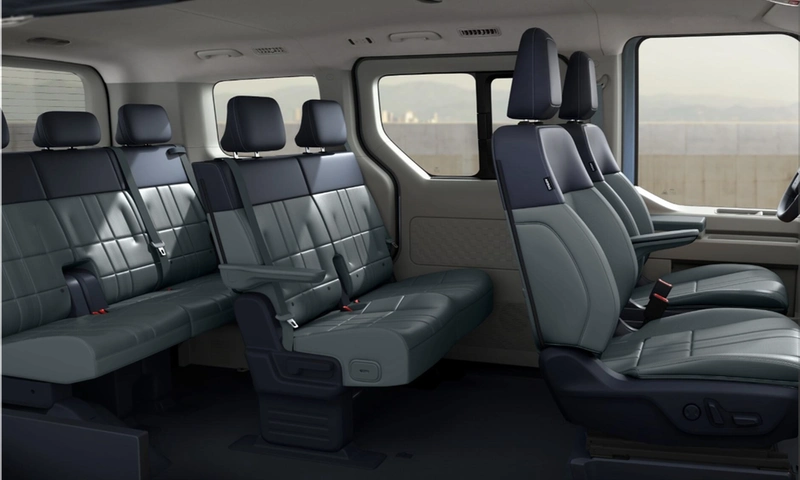
Skoda quotes 299 litres with all seven seats in use, 890 litres with the third row folded, and up to 2,075 litres with the second and third rows down. A 37-litre frunk adds a clean storage zone for charging cables, which solves one dull but real EV annoyance: wet cable bags rolling around the main cargo area like a guilty secret.
In addition, the Peaq uses a 13.6-inch vertical touchscreen, a 10-inch driver display, optional augmented-reality head-up display from 2027, and an Android-based infotainment system. The cabin also offers five interior design selections, vegan upholstery options at launch, more than 50 kg of recycled material in selected interiors, and a premium Sonos audio system on higher configurations or option packs.
Definition: what does V2L mean?
Vehicle-to-Load, or V2L, lets the high-voltage battery power external electrical devices. In the Peaq, that means users can run e-bikes, camping gear, laptops, or light equipment from the car. It does not turn every SUV into a mobile power station for a building, but it adds real utility for field teams and family travel.
How does the Skoda Peaq compare with Kia EV9, Peugeot E-5008, and Hyundai IONIQ 9?
The Peaq wins on balance, not one single knockout number. The Peugeot E-5008 costs less and offers a longer-range battery option, the Kia EV9 charges faster, and the Hyundai IONIQ 9 brings an 800V system with major cabin volume. Skoda counters with strong packaging, sane pricing, and brand familiarity for European fleets.
| Model | Seats | Approx. Euro entry price | Max quoted range | Battery | Fast charging | Peaq win/loss |
|---|---|---|---|---|---|---|
| Skoda Peaq SE L 90 | 7 | €60,300 | About 390-395 miles | 86 kWh net | 10-80% in about 28 min | Strong value-to-space ratio |
| Peugeot E-5008 | 7 | About €47,100 | Up to 413-435 miles | Up to 96.9 kWh | 20-80% in 27-30 min | Peugeot wins on price |
| Kia EV9 | 7 | About €77,300 | Up to 349 miles | 99.8 kWh | 10-80% in 24 min | Kia wins on charging speed |
| Hyundai IONIQ 9 | 7 | About €75,400 | Up to 385 miles | 110.3 kWh | Up to 233 kW DC | Hyundai wins on 800V hardware |
By comparison, Peugeot creates the price problem for everyone. Its E-5008 now starts far below the Peaq and offers a long-range version with an official figure above 400 miles. The trade-off comes through power, cabin finish, charging voltage, and brand positioning, but budget-led families will see Peugeot first.
Kia puts pressure on Skoda from the other direction. The EV9 costs much more, but its 99.8 kWh battery and 24-minute 10-80% charging cycle suit buyers who run frequent motorway miles. Hyundai goes even larger with the IONIQ 9, an 800V system, and up to 2,419 litres of space in seven-seat versions with rows folded.
Consequently, the Peaq needs to win the buyer who wants seven seats, Skoda practicality, and lower monthly payments than Korean flagship EVs. That buyer cares less about 0-62 mph bragging rights and more about range retention with people, luggage, rain, and roof bars involved.
Should fleets choose the Skoda Peaq SE L or SportLine?
Fleet buyers should start with the Skoda Peaq SE L 90 because it carries the lowest capital cost and the same 86 kWh net battery as higher trims. SportLine makes sense for user-chooser fleets, senior staff cars, and private leasing customers who want design and chassis upgrades.
The SE L 90 gives operations teams the cleanest cost case. It avoids all-wheel-drive hardware, extra wheel mass, and higher purchase price while retaining the main Peaq strengths: range, seven seats, digital access, heated cabin hardware, and large load capacity. That mix suits airport transfers, executive family users, hotel shuttle contracts, and regional managers who carry equipment.
SportLine 90x makes sense when winter traction or driver satisfaction carries measurable value. All-wheel drive adds confidence on poor surfaces, and the quicker acceleration gives the Peaq stronger overtaking performance when fully loaded. Still, the fleet manager has to price that gain against extra monthly cost, tire spend, and any range drop from larger wheels.
Why does the Peaq strategy make sense?
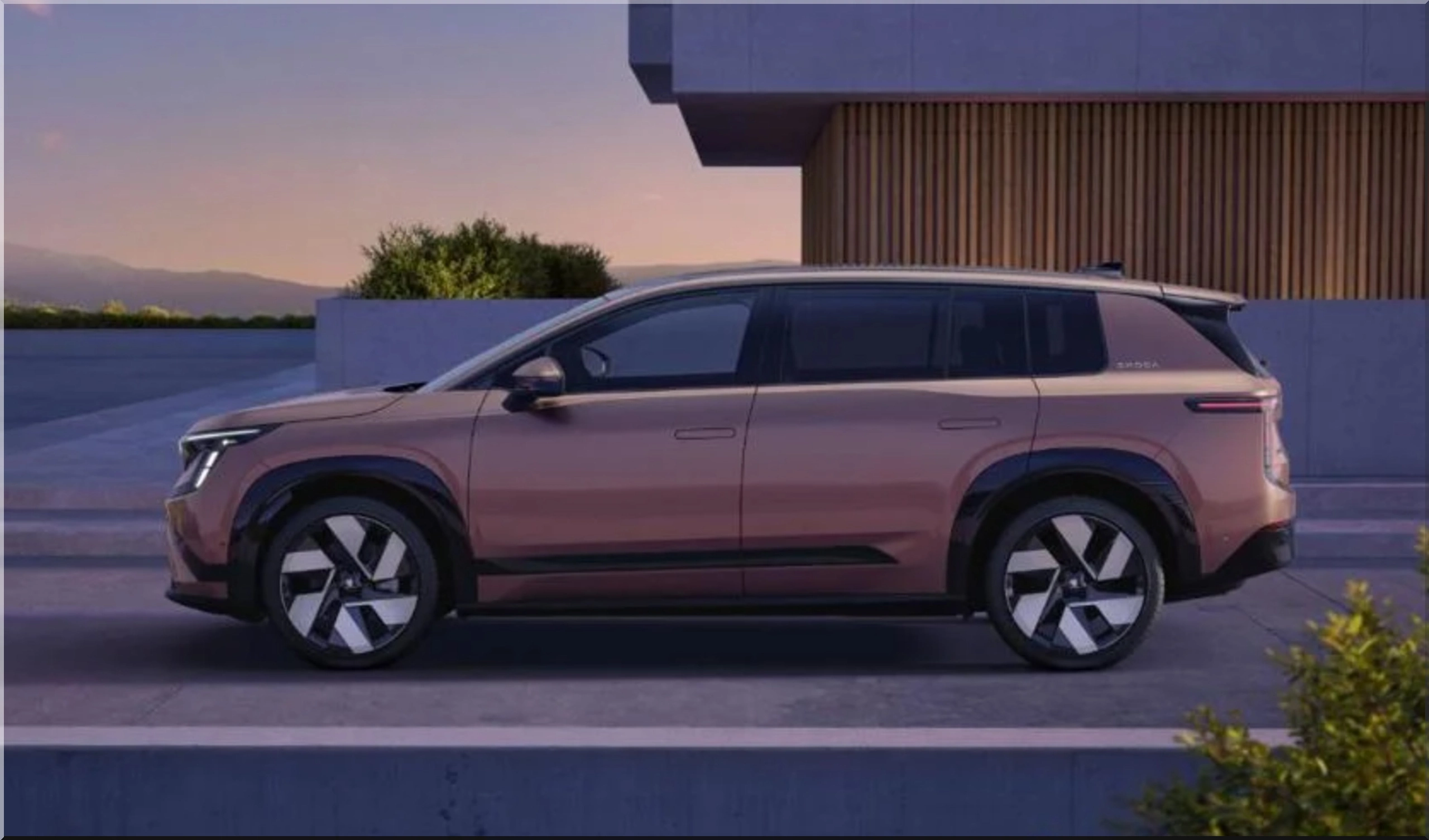
Skoda built the Peaq around the extended MEB platform because the brand needed a full-electric answer to the Kodiaq without sacrificing the practical personality that sells Skodas in the first place. The engineering logic favors long wheelbase packaging, battery volume, cabin storage, and cargo access over theatrical design.
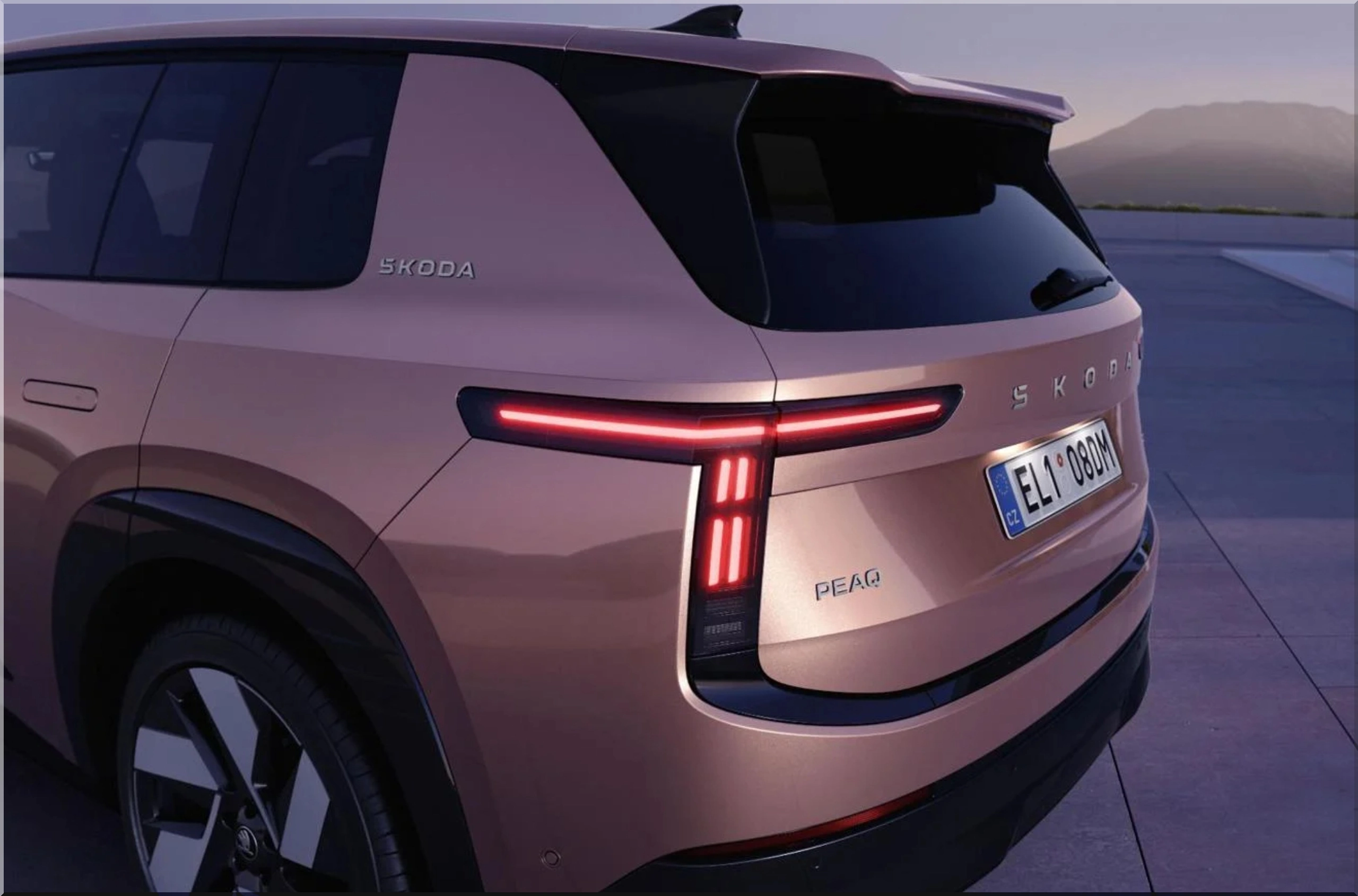
The flush door handles reduce airflow disruption, while aerodynamic wheels from 19 to 21 inches target drag reduction on a tall body. The nine-segment electrochromic panoramic roof removes the mechanical blind, saves packaging complexity, and gives passengers light control without stealing headroom. Even the wet-arm windscreen wipers show practical thinking because they apply washer fluid directly through the arms for cleaner wiping and less spray waste.
Looking at the data, the Peaq will not scare the Kia EV9 on charging hardware or the Peugeot E-5008 on entry price. It does something more Skoda-like. It gives seven-seat EV buyers a high-capacity family SUV with enough range, enough charge speed, and enough cabin practicality to replace a diesel Kodiaq for many use cases.

The verdict: where the Skoda Peaq fits
The Skoda Peaq UK pricing places it in a difficult but promising slot. It costs far less than the Kia EV9 and Hyundai IONIQ 9, but it asks buyers to spend meaningfully more than a Peugeot E-5008. That means Skoda must sell the Peaq through usable space, equipment depth, and day-to-day confidence rather than headline horsepower alone.
For families, the Peaq looks like a sensible long-range EV with a proper third row and a boot that still works when life gets bulky. For fleets, it offers a credible electric replacement for large diesel SUVs and MPVs, with V2L, digital key sharing, and a trim walk that lets procurement teams manage cost. For Skoda, it sets a new ceiling. The brand now has an electric flagship with enough substance to make the seven-seat EV segment more competitive.
- Add new comment
- 44 views