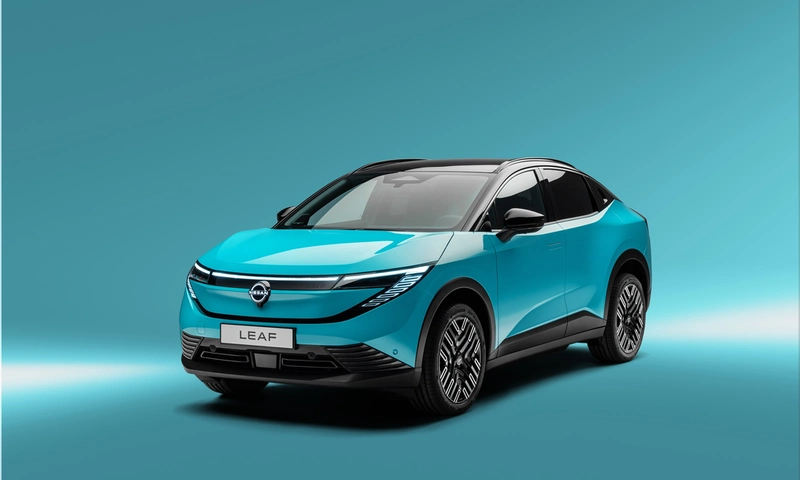
The 2026 Nissan LEAF electric car arrives as a significant upgrade. It shifts from a hatchback to a modern crossover form factor. This redesign brings improved range, faster charging, and a tech-focused cabin. Nissan aims to reposition the LEAF in a competitive EV market.
New Design and Form Factor
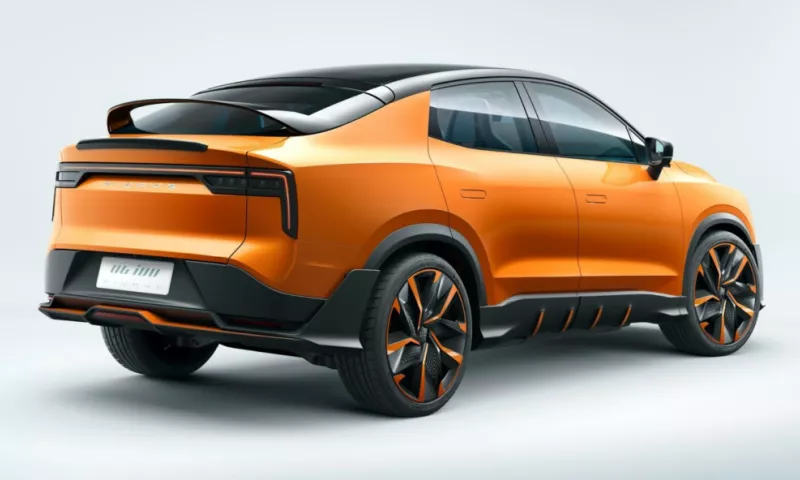
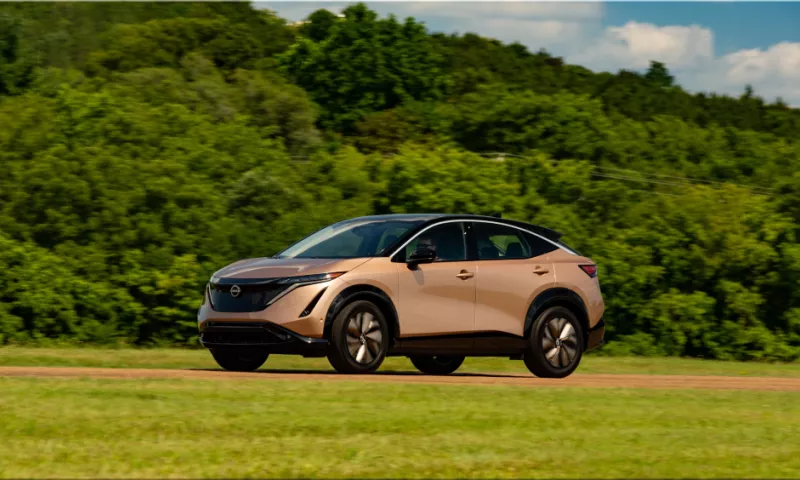
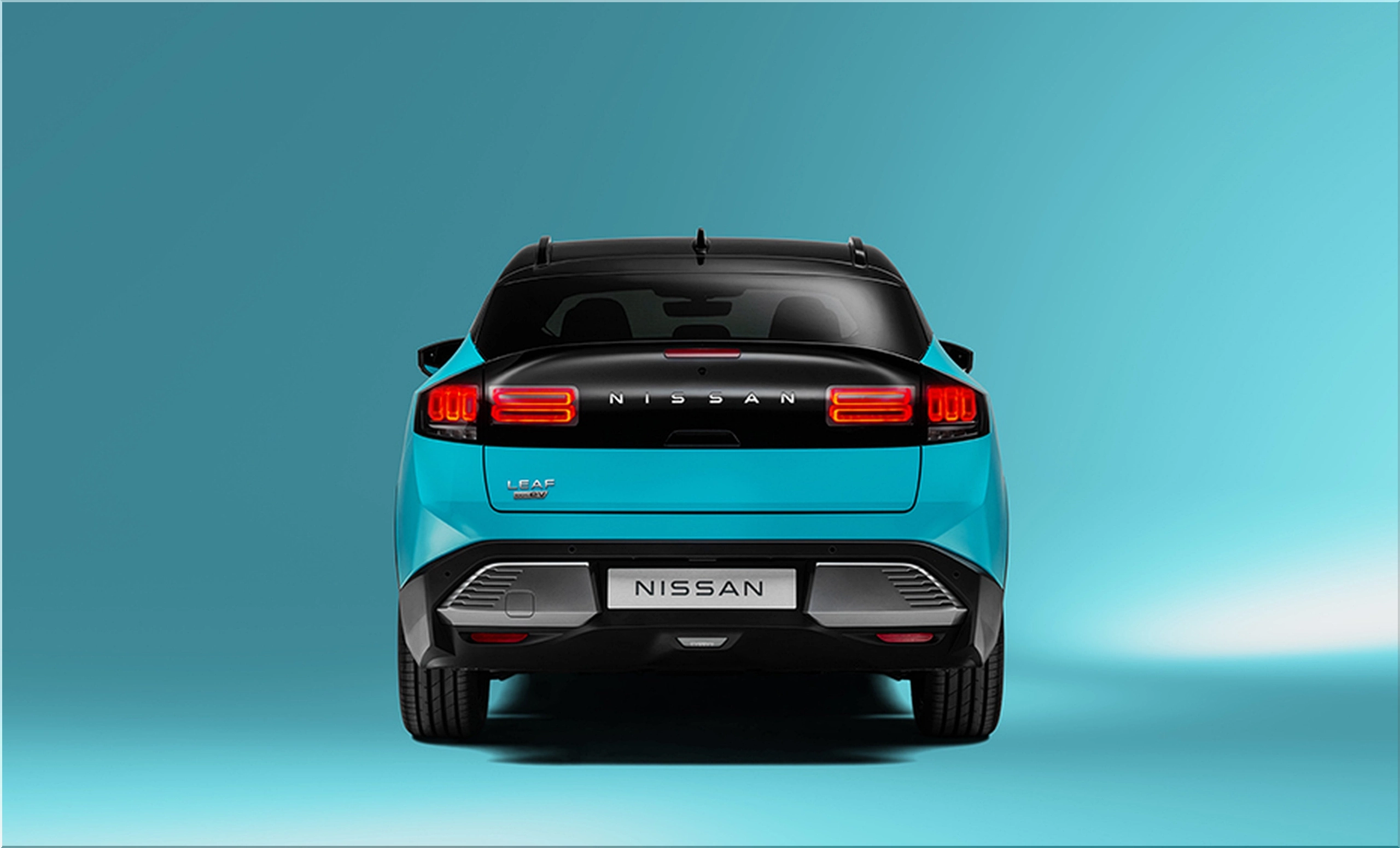
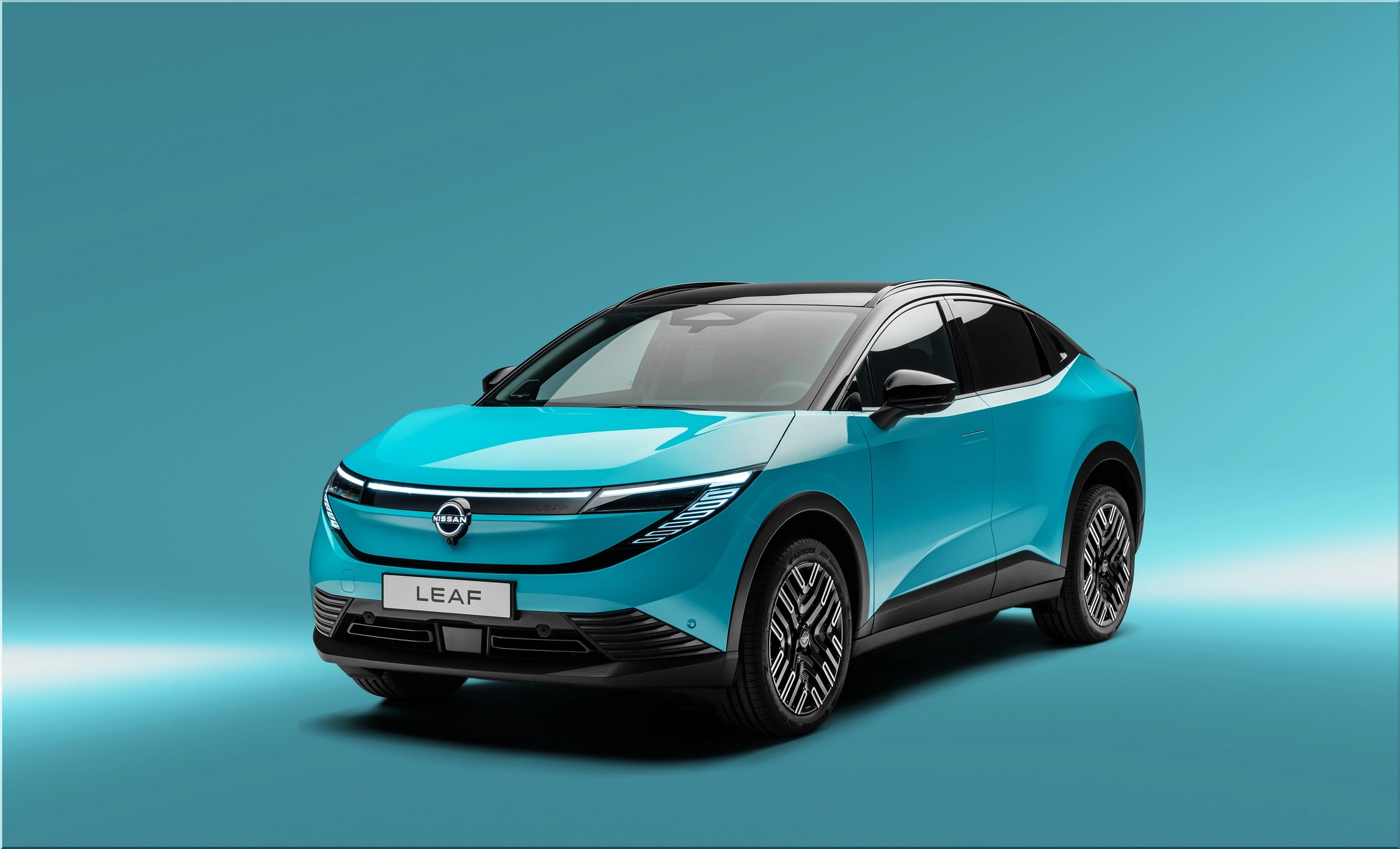
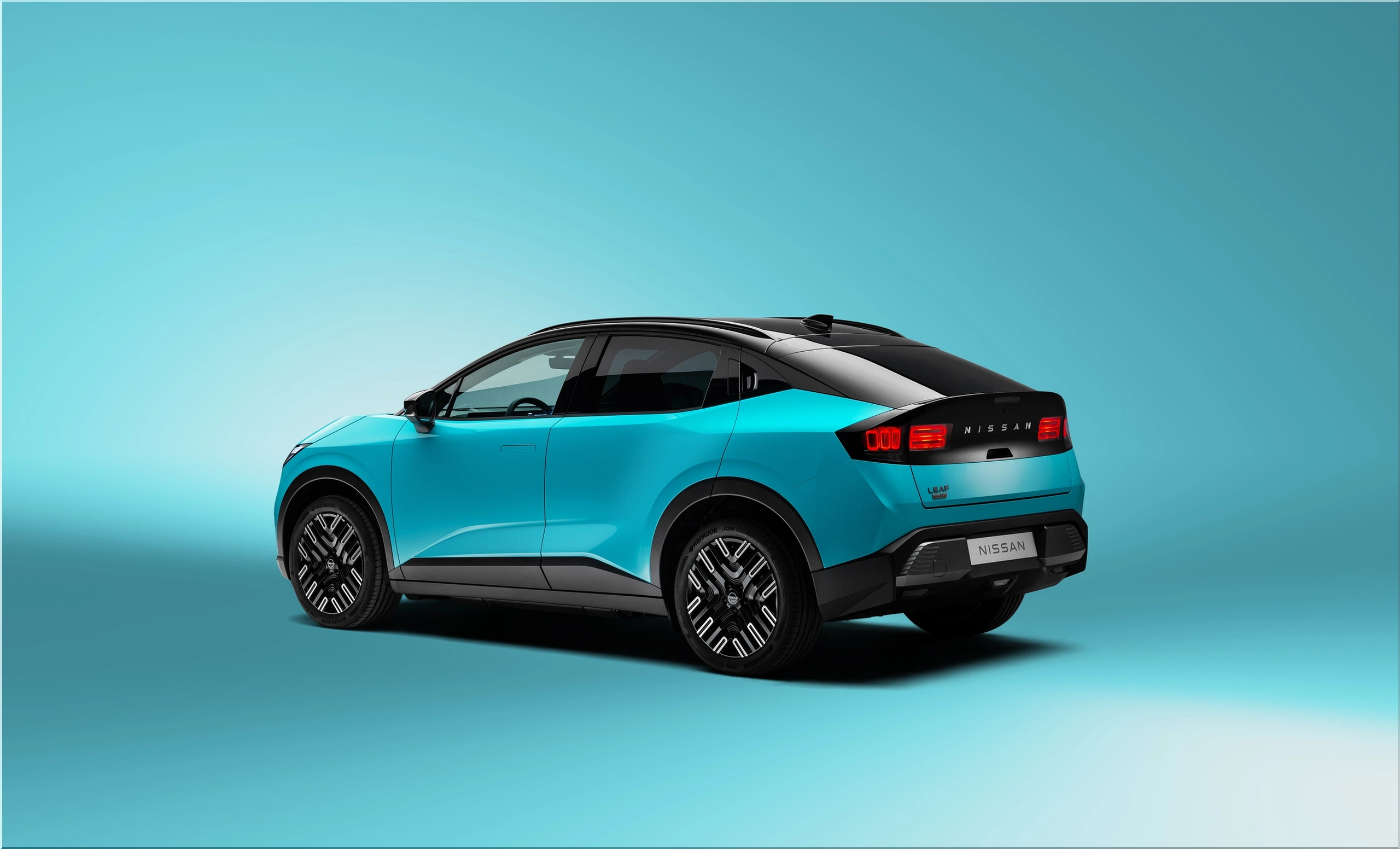
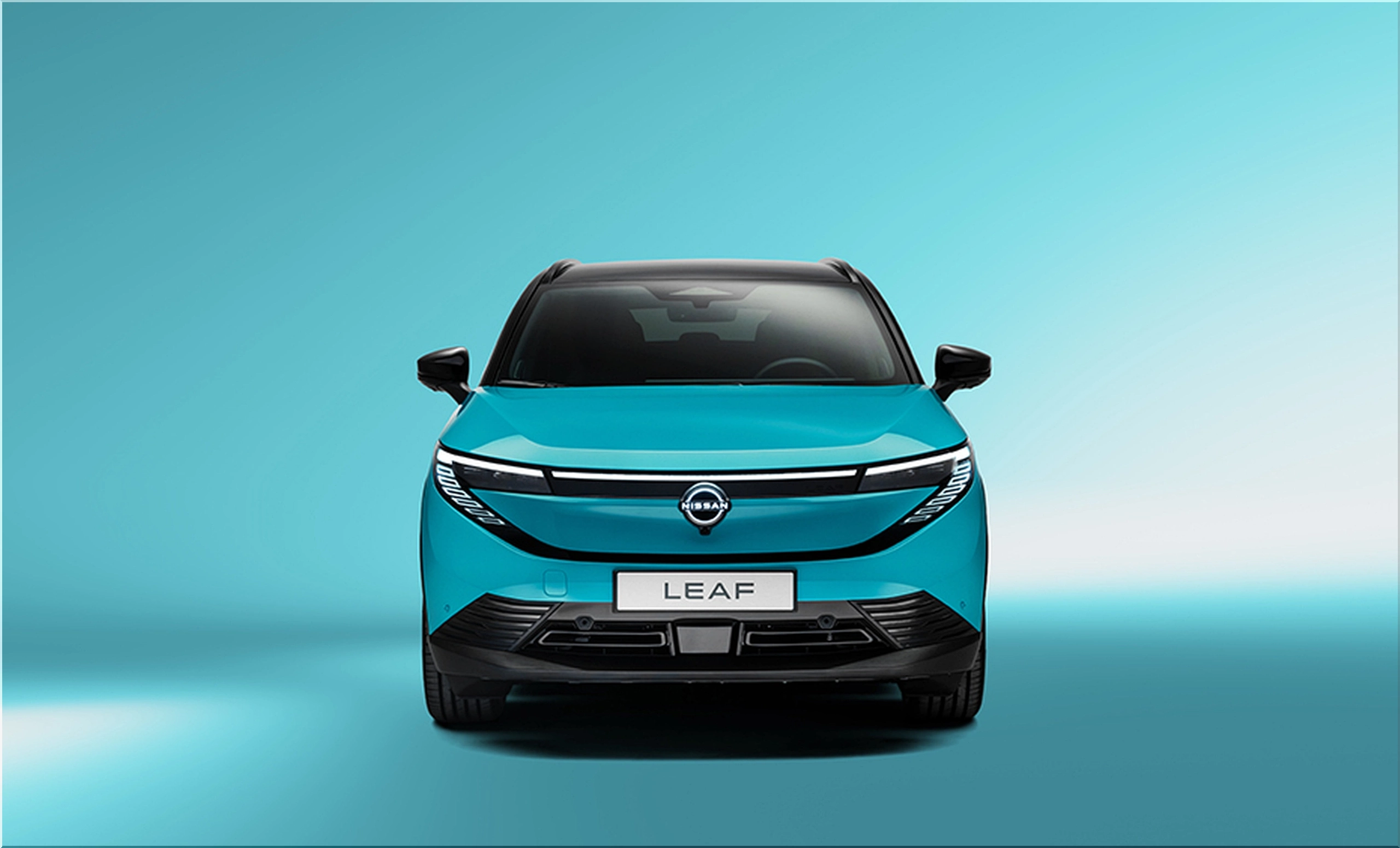
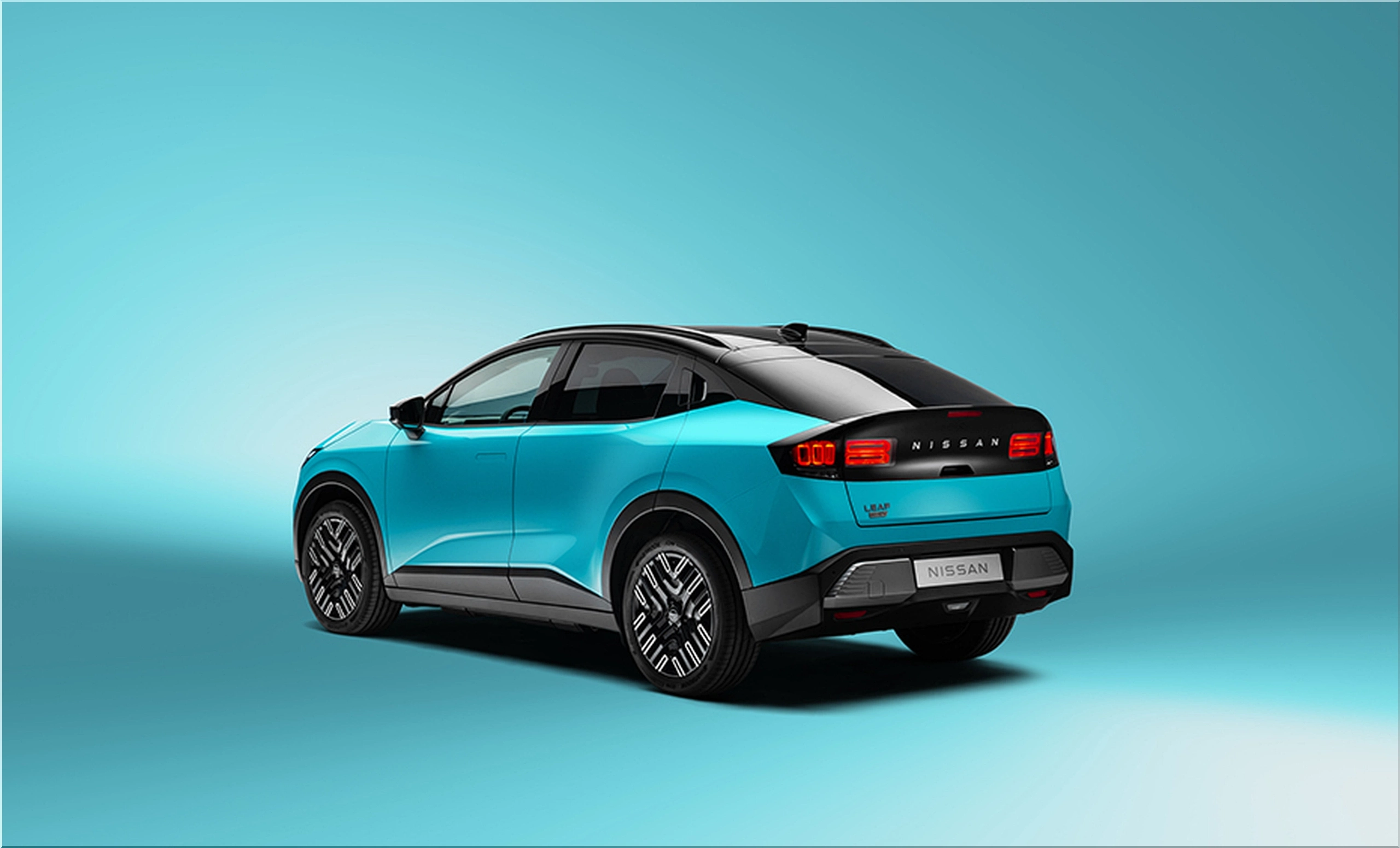
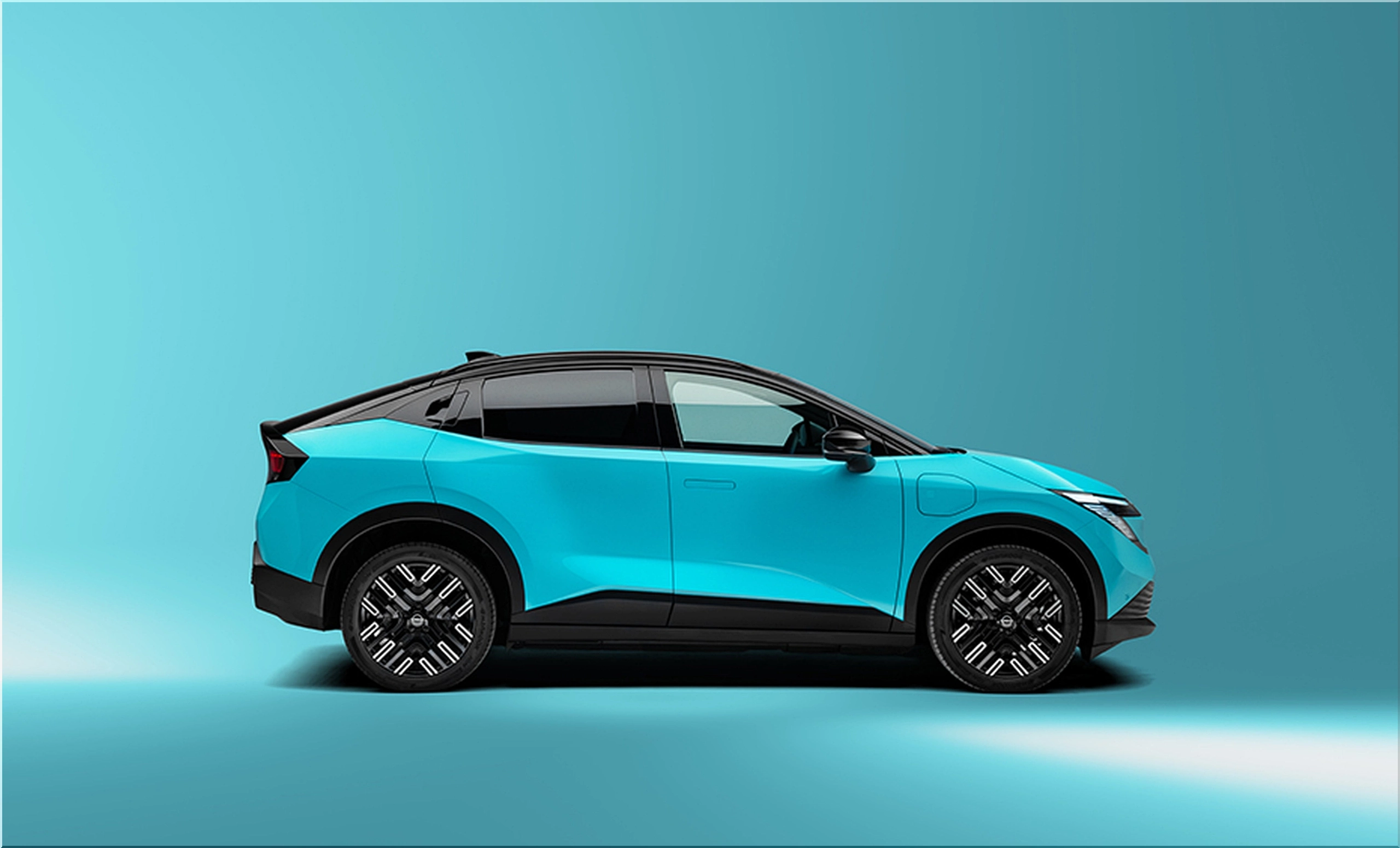
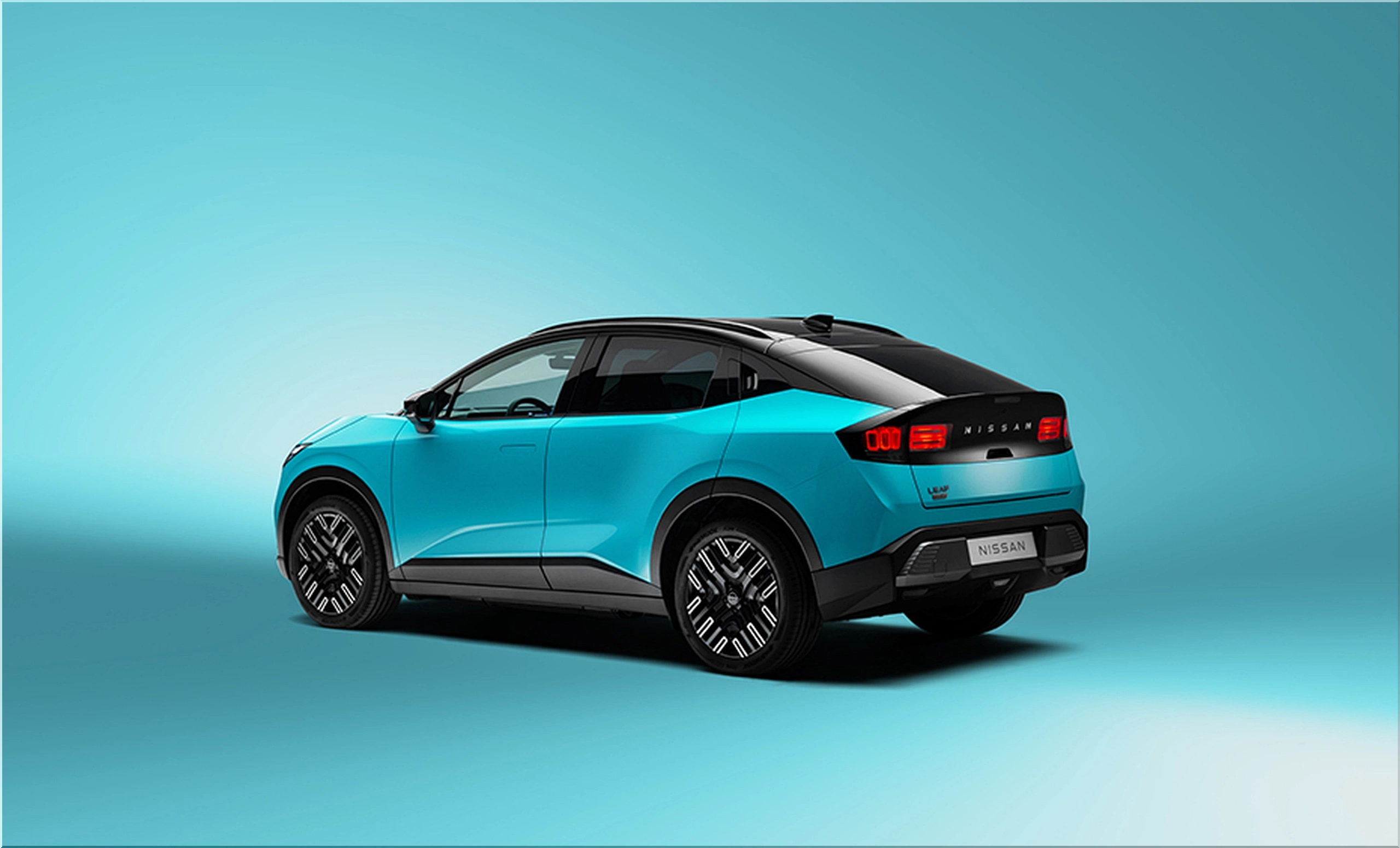
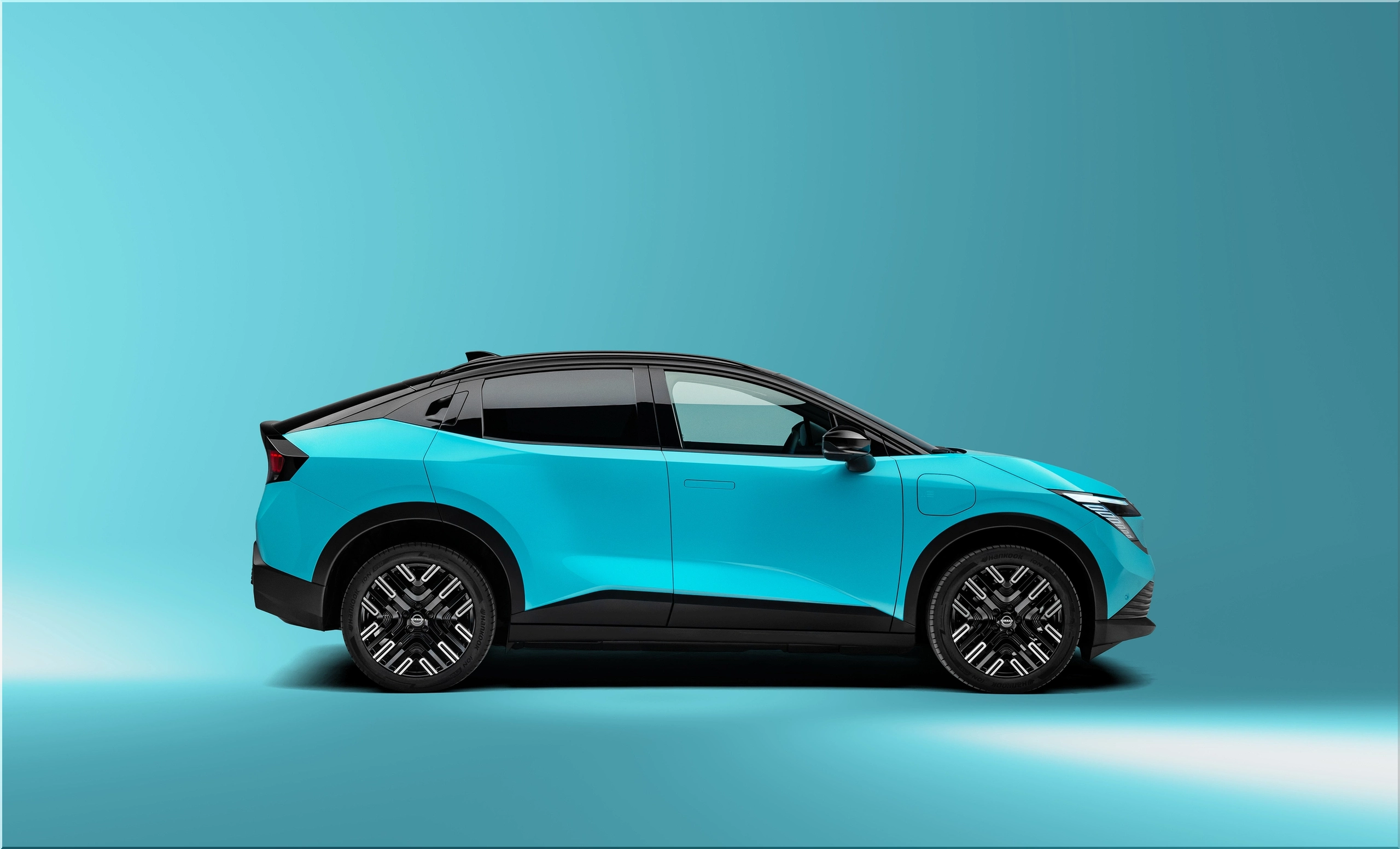
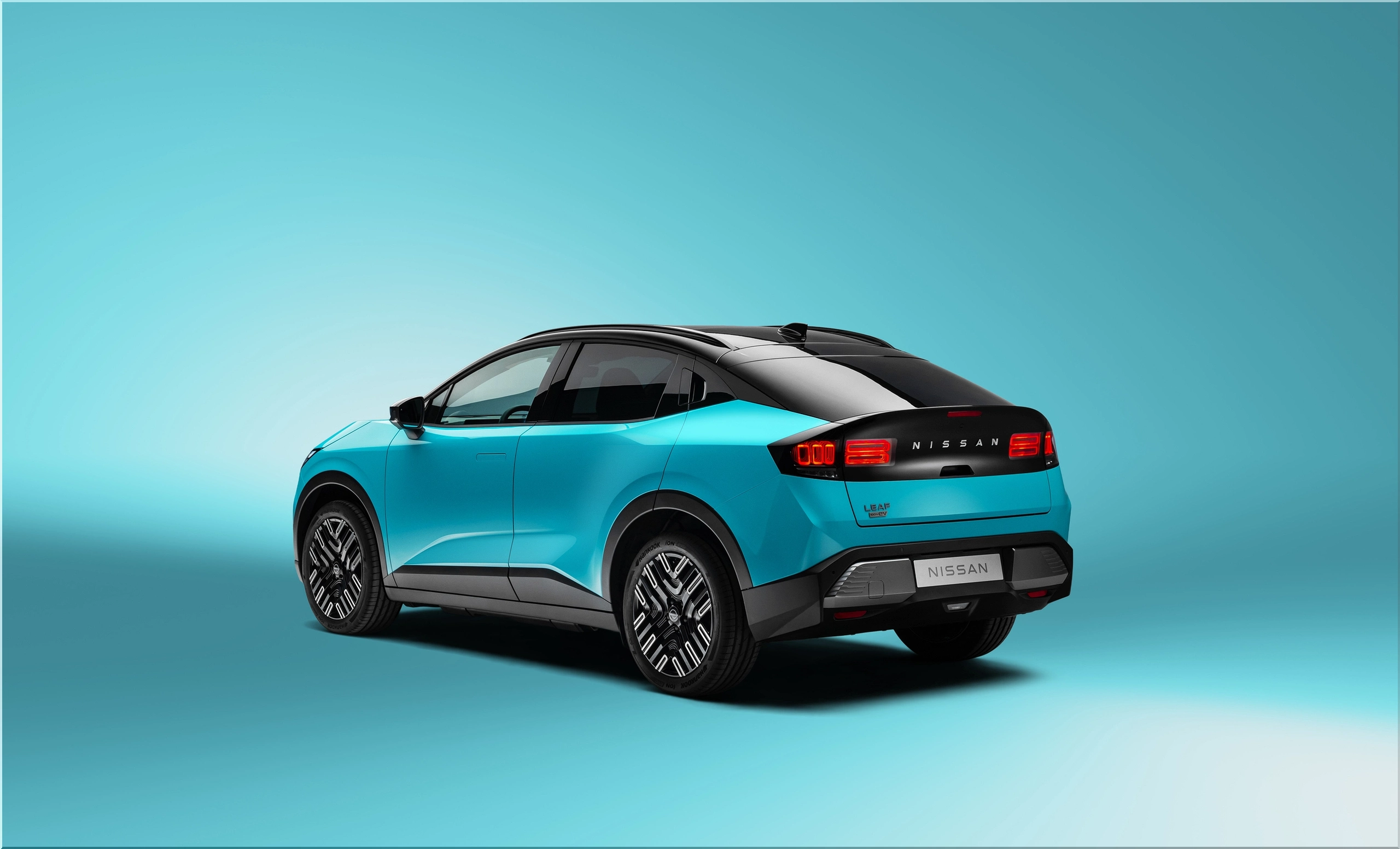
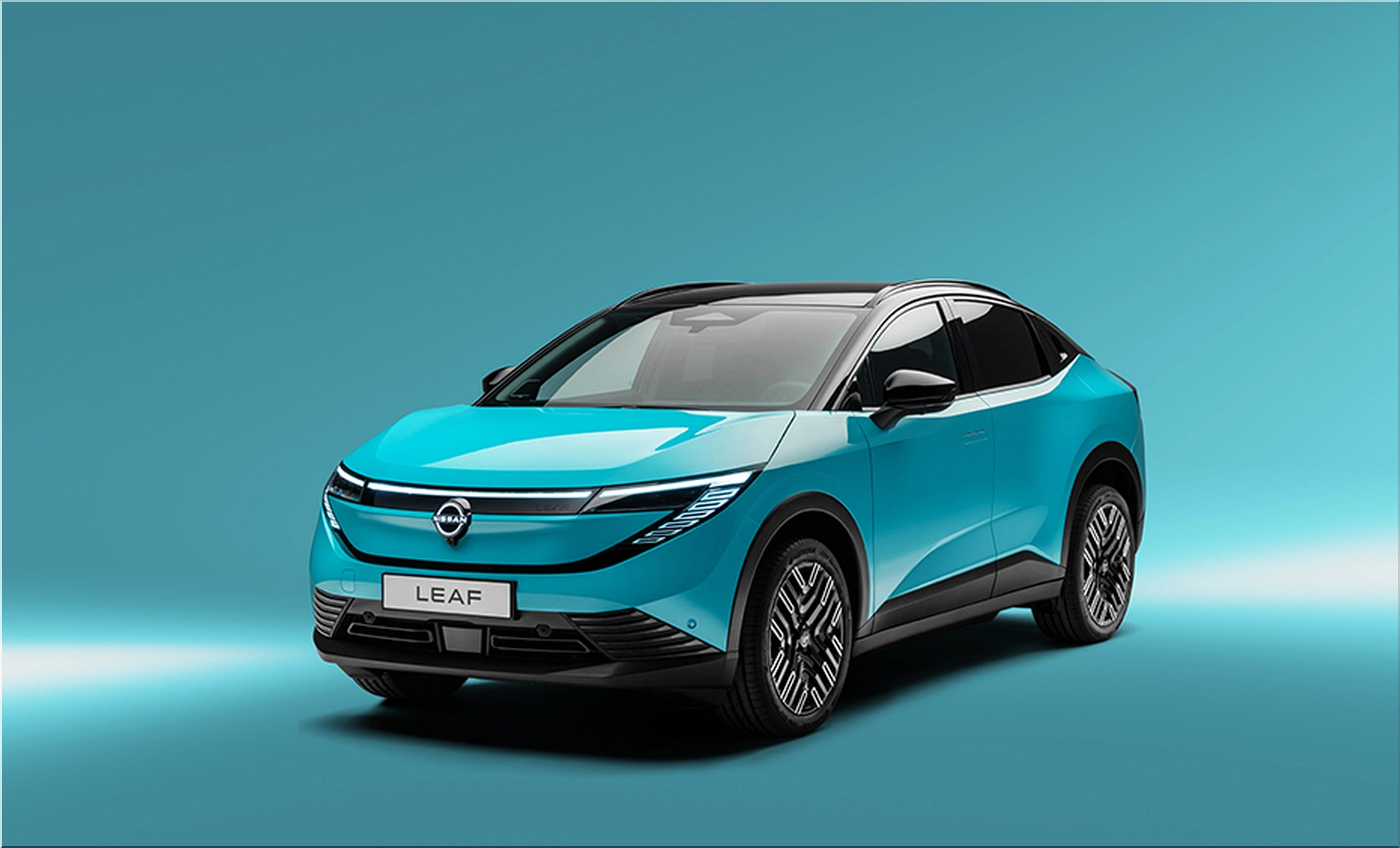
The 2026 LEAF adopts an SUV-like silhouette. This move aligns with current market demand. It represents a substantial change from previous hatchback designs. The overall length is 173.4 inches, shorter than the outgoing model. Wheelbase measures 105.9 inches. Height is 61.3 inches. These dimensions create a more upright appearance.
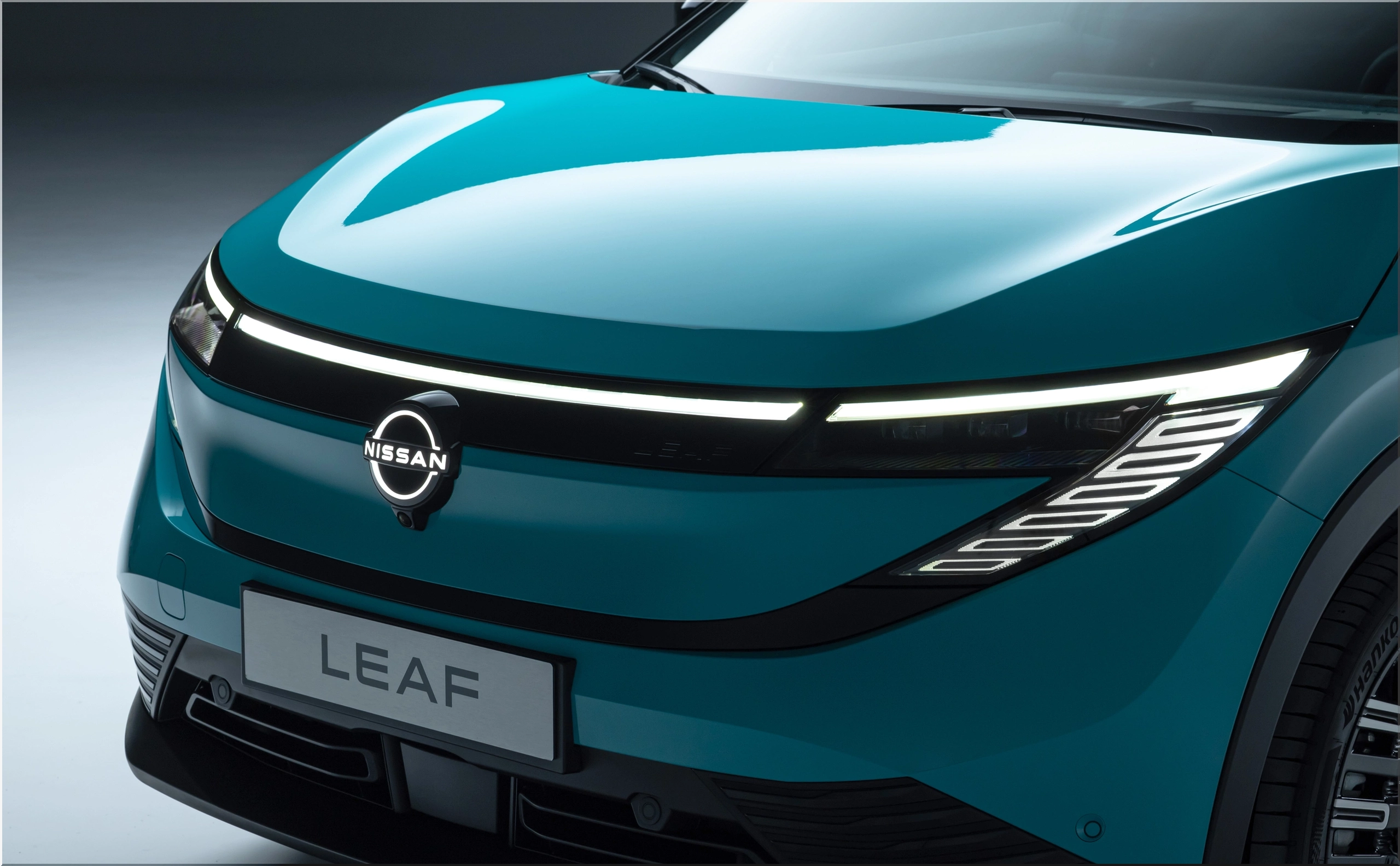
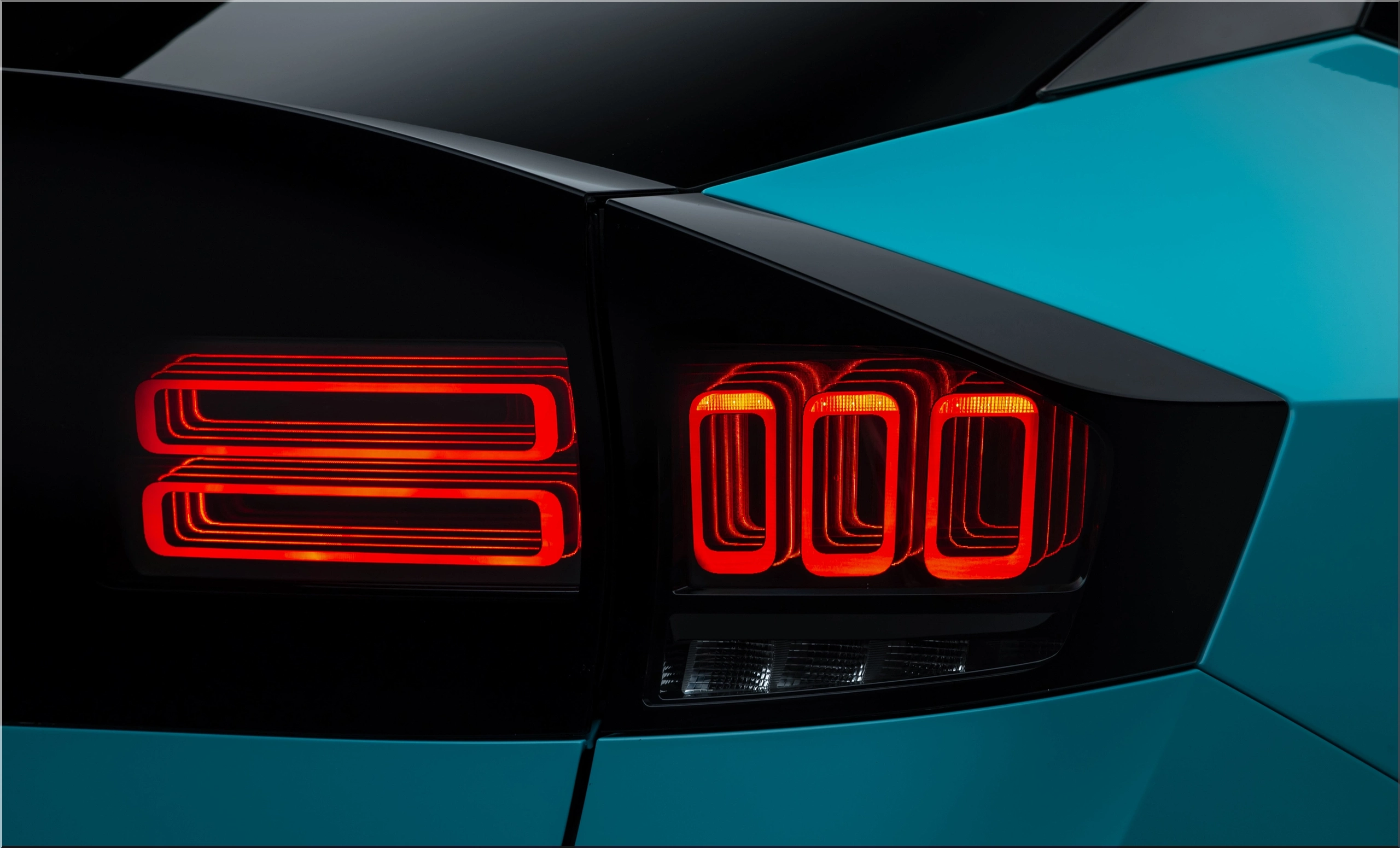
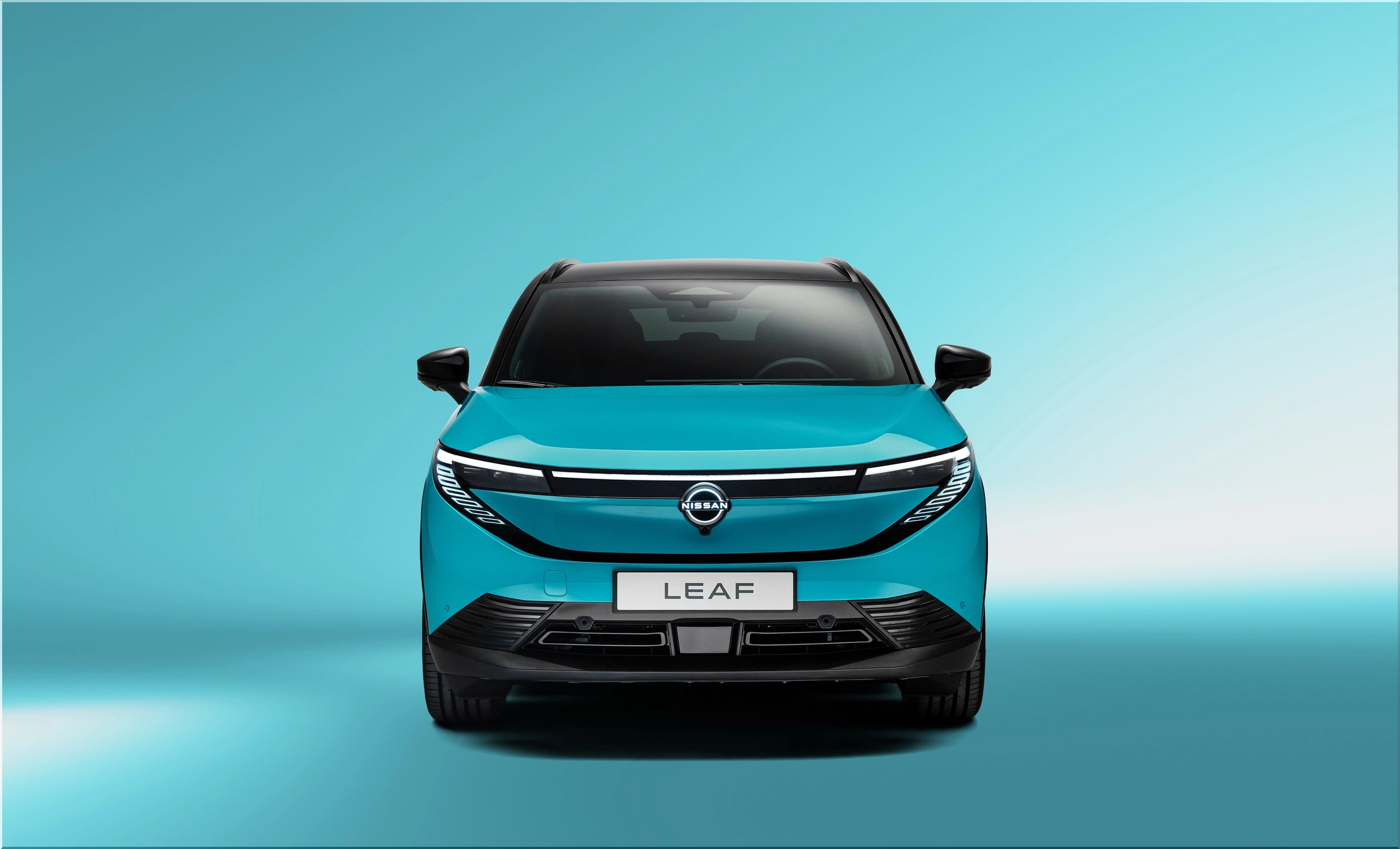
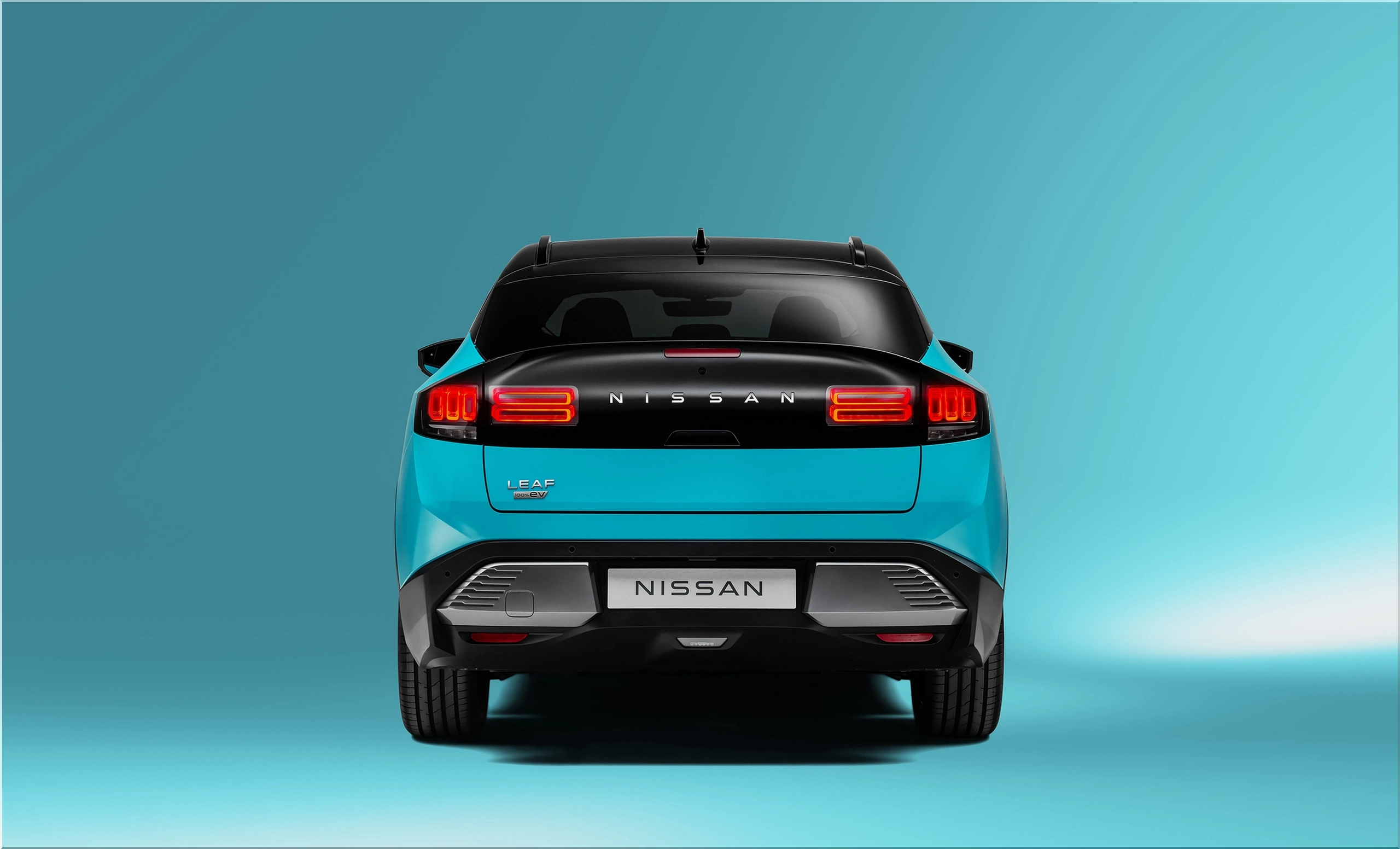
The design prioritizes aerodynamics. The drag coefficient is 0.26. This improves efficiency and range. Flush front door handles and concealed rear door handles enhance airflow. The front features a black grille and an optionally illuminated Nissan emblem. Stacked rectangular lighting elements and a full-width running lamp complete the look.
Powertrain and Battery Options
The 2026 Nissan LEAF offers two powertrain configurations.
- Base Powertrain (S trim):
- Motor: 130 kW (174 horsepower) electric motor.
- Torque: 254 pound-feet.
- Battery: 52 kWh liquid-cooled lithium-ion battery.
- Plus Powertrain (S+, SV+, Platinum+ trims):
- Motor: 160 kW (214 horsepower) electric motor.
- Torque: 261 pound-feet.
- Battery: 75 kWh liquid-cooled lithium-ion battery.
The new battery packs offer higher capacities. This addresses a key weakness of prior LEAF models. The liquid-cooled system improves battery longevity and consistency.
Driving Range Specifications
Range figures show significant improvement over the outgoing model.
- S+ Trim: Approximately 303 miles (487 kilometers) of range.
- SV+ Trim: Approximately 288 miles (463 kilometers) of range.
- Platinum+ Trim: Approximately 259 miles (417 kilometers) of range.
The S trim range estimate is not yet available. Variations in range across trims are due to wheel size and feature weight. The S+ uses 18-inch wheels with aerodynamic covers. The Platinum+ features 19-inch wheels. These differences impact overall efficiency.
Charging Capabilities
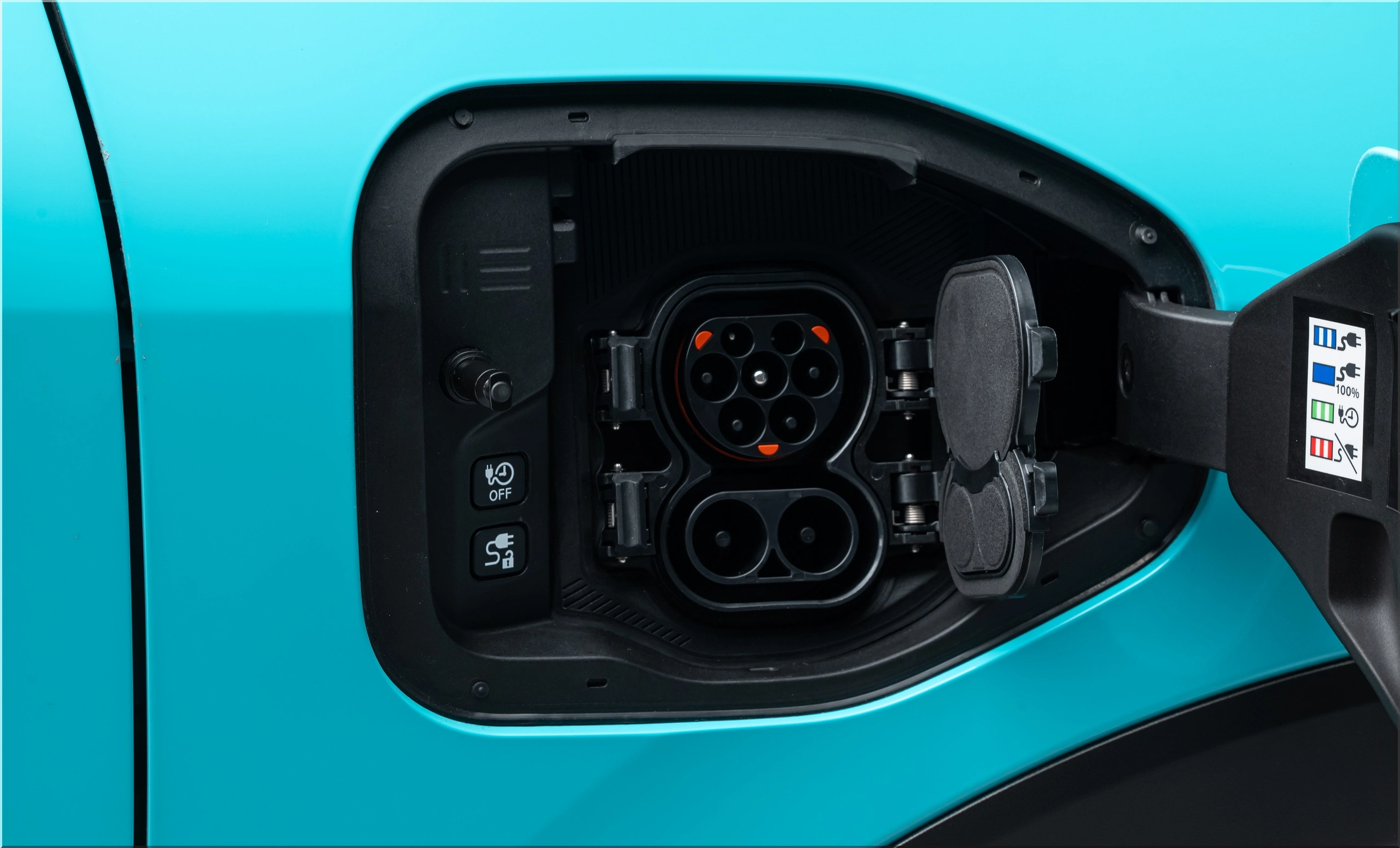
Charging the 2026 LEAF is more versatile. Nissan includes two charging ports.
- J1772 Port: Located on the driver's side fender. It handles Level 1 and Level 2 AC charging.
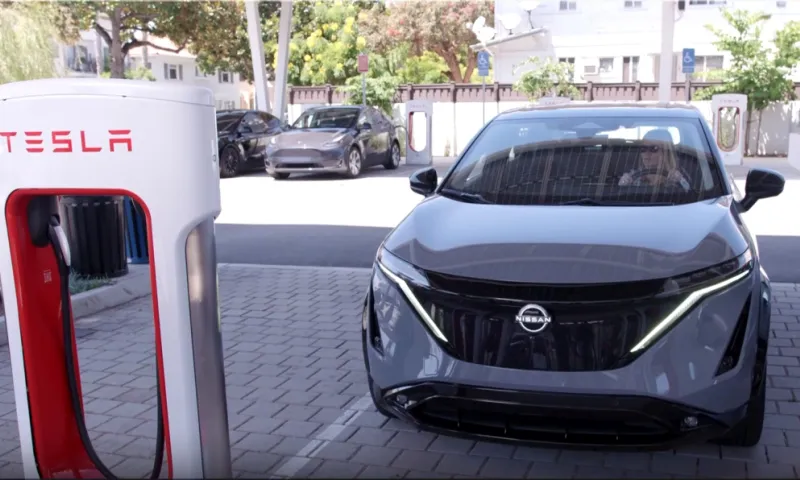
- NACS Port: Located on the passenger's side. This Tesla-style port enables DC fast-charging.
Fast-charging speeds reach up to 150 kW. A 10% to 80% charge takes approximately 35 minutes. This marks a triple improvement over the previous generation. The NACS port allows access to the Tesla Supercharger network. This expands charging infrastructure access for LEAF owners.
The vehicle also supports Plug & Charge functionality. This simplifies the charging process. Owners can connect and charge without app or credit card interaction. Vehicle-to-load (V2L) capability is standard. It provides up to 1,500 watts of power for external devices. An adapter is required for the exterior J1772 port.
Interior and Technology Features
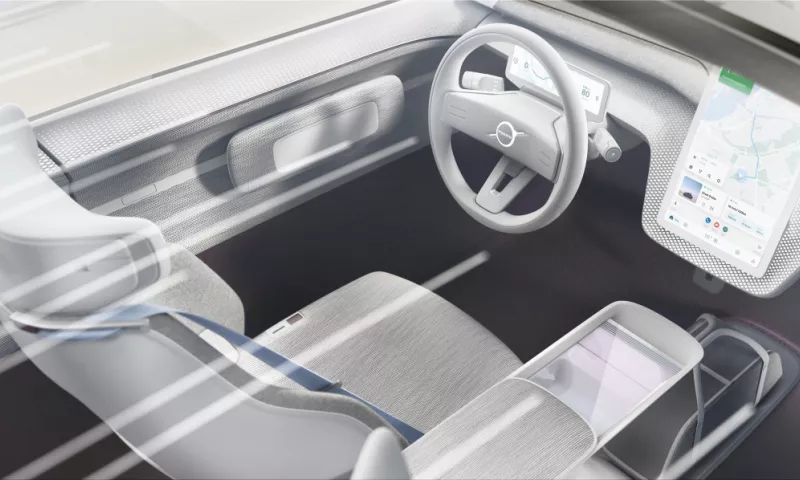
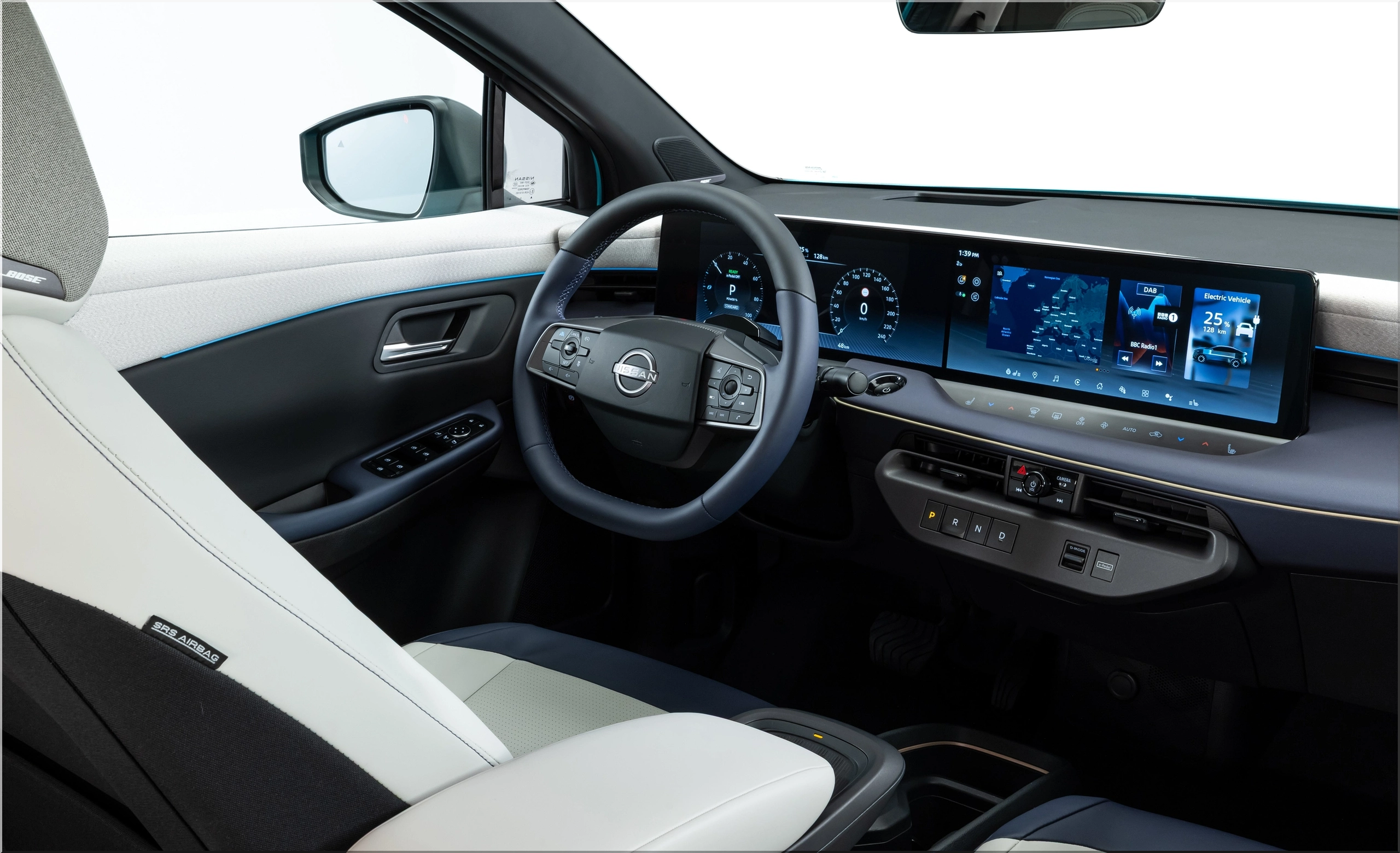
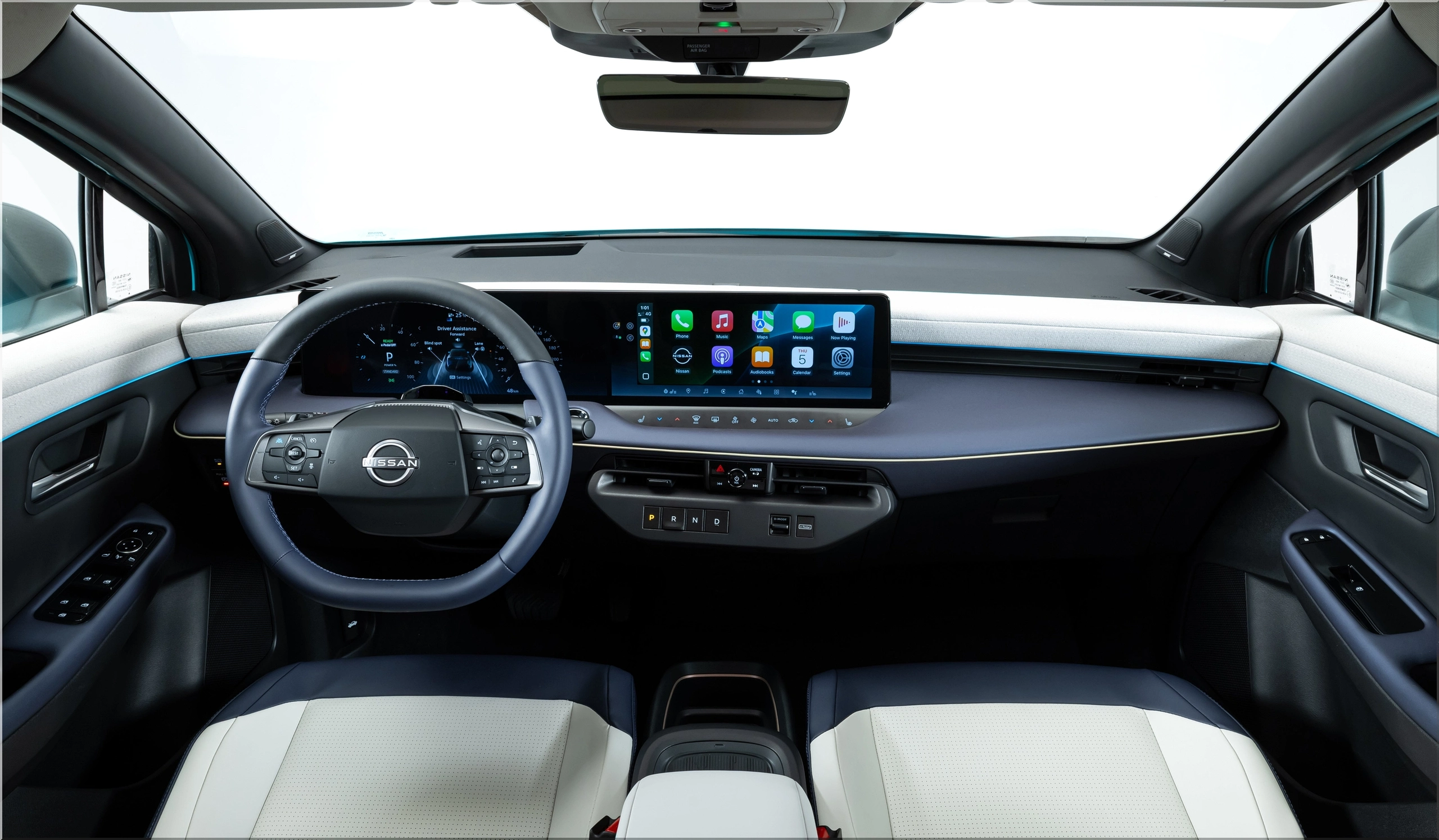
The cabin receives a substantial overhaul. It presents a clean, modern aesthetic.
Display Screens:
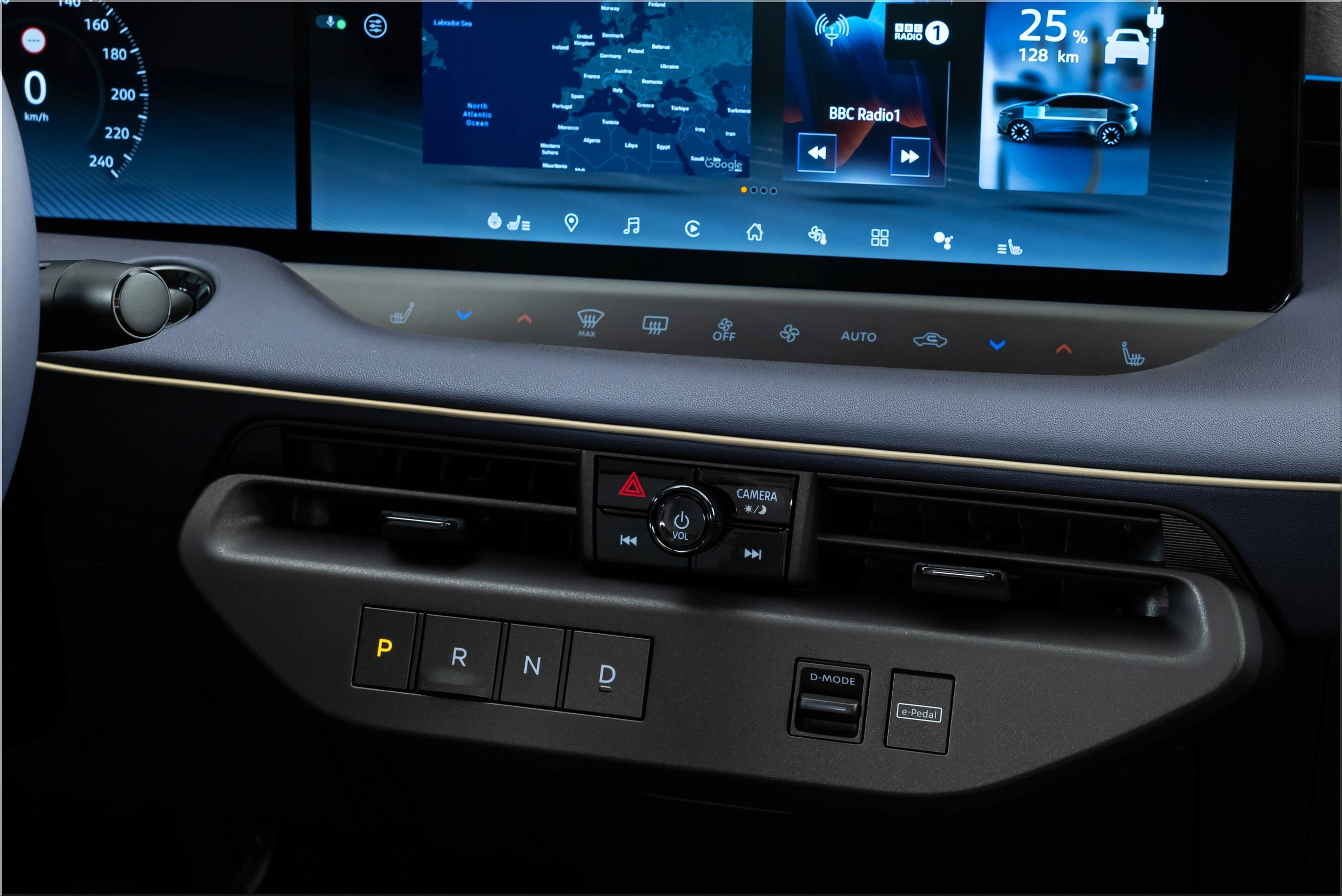
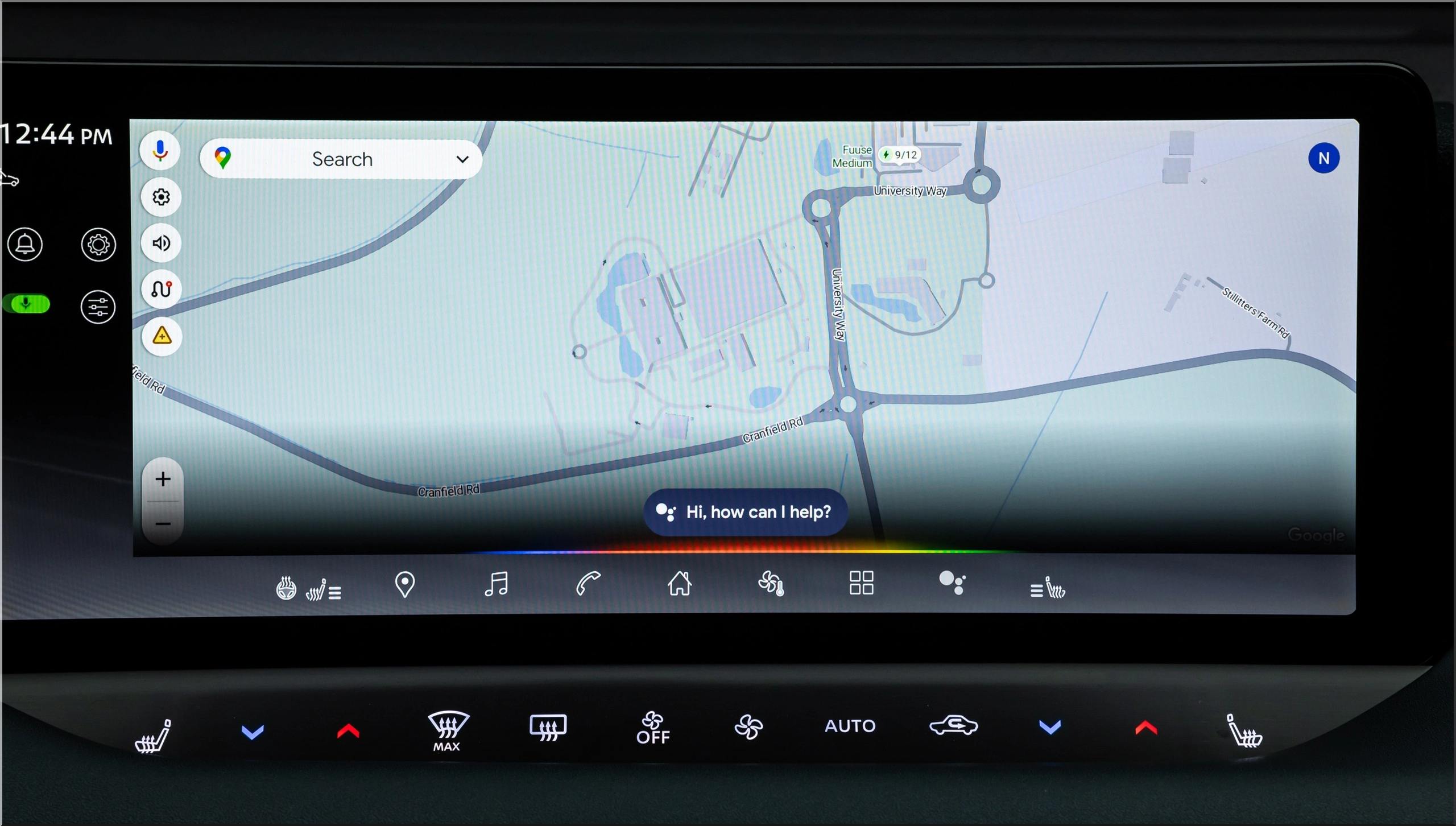
- S and S+ trims: Dual 12.3-inch screens for gauge cluster and infotainment.
- SV+ and Platinum+ trims: Dual 14.3-inch screens.
Infotainment System:
- Google Built-in: Standard on SV+ and Platinum+ models. Includes Google Assistant, Google Maps, and Play Store.
- Wireless Apple CarPlay and wireless Android Auto are standard across all grades.
- Amazon Alexa Built-in is also standard.
Audio Systems:
- S and S+ trims: 4-speaker audio system.
- SV+ trim: 6-speaker audio system.
- Platinum+ trim: 10-speaker Bose Personal Plus audio system.
Connectivity:
- Two front USB Type-C ports are standard.
- SV+ and Platinum+ add two rear charge-only USB Type-C ports.
- Wireless phone charging pad is standard on SV+ and Platinum+.
- Bluetooth hands-free phone system is standard.
- NissanConnect telematics with 5G connectivity is included.
Comfort and Convenience:
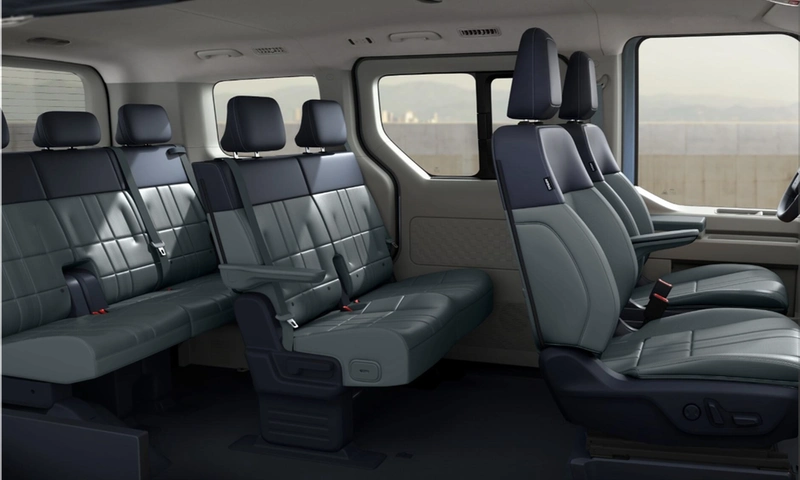
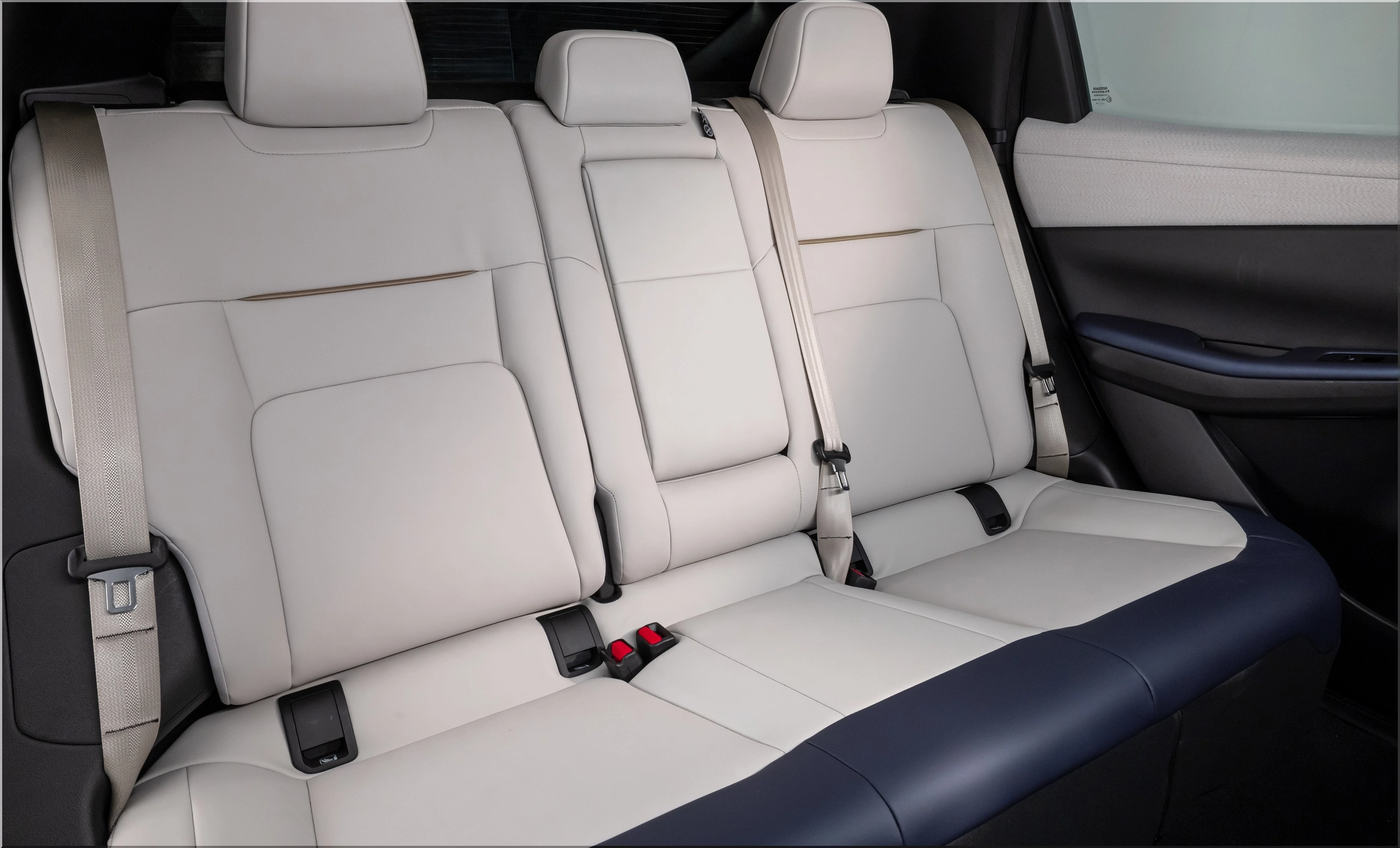
- Increased hip room, shoulder room, and legroom in the front.
- Rear-seat legroom increases by almost 9 inches, totaling 42.4 inches.
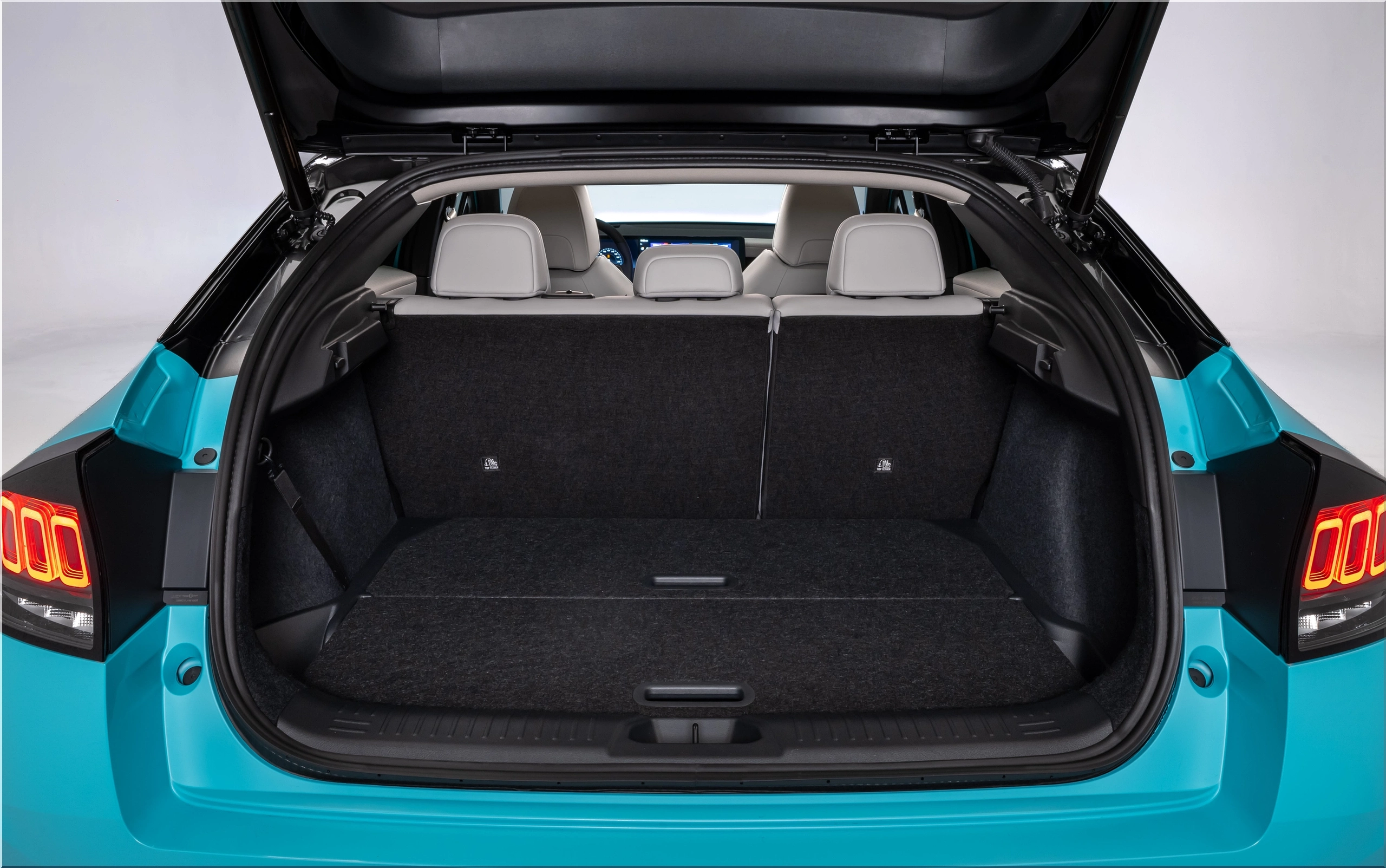
- Cargo capacity expands significantly. With rear seats folded, it reaches 55.5 cubic feet. This is a 25.5 cubic foot increase.
- Optional under-floor storage is available.
- Standard LED headlights and taillights.
- 6-way manually adjustable seats.
- Keyless entry and push-button start.
- Automatic climate control.
- 64-color ambient interior lighting (Platinum+).
- Electrochromic panoramic moonroof (Platinum+).
- Power liftgate (available).
- Head-up display (Platinum+).
Driver Assistance and Safety
Nissan equips the 2026 LEAF with a comprehensive suite of safety technologies. Most driver-assistance features come standard.
Standard Features:
- ProPILOT Assist: Provides highway driving assistance.
- Lane Keep Assist.
- Blind-spot monitoring.
- 360-degree camera system.
- Rear parking sensors.
Available Features:
- Front parking sensors are standard on SV+ and Platinum+ trims. They are not available on S and S+ models.
These systems aim to enhance driver confidence and safety.
Pricing and Market Positioning
The 2026 Nissan LEAF is expected to start in the mid-$30,000 range. Estimated pricing for different trims is as follows:
- S: Approximately $35,000 USD (estimated).
- S+: Approximately $37,000 USD (estimated).
- SV+: Approximately $39,000 USD (estimated).
- Platinum+: Approximately $41,000 USD (estimated).
These prices position the LEAF as a competitive option. It faces competition from models like the Chevrolet Equinox EV, Hyundai Kona Electric, and Kia Niro EV. The LEAF's improved range and technology aim to keep it relevant. Nissan intends to offer an affordable, capable EV to a broad consumer base.

Performance and Drivability
The LEAF remains a front-wheel-drive vehicle. Nissan did not announce an all-wheel-drive option. The increased horsepower and torque provide improved acceleration. The focus remains on efficient urban and suburban driving. The vehicle's lower center of gravity, typical of EVs, contributes to stable handling. The new platform, shared with the Nissan Ariya, underpins these improvements.
Conclusion
The 2026 Nissan LEAF represents a significant evolution. Its new crossover body style and enhanced specifications target market needs. Improved range, faster charging, and a technologically advanced interior deliver value. The LEAF aims for a strong position in the growing EV segment. Its competitive pricing and comprehensive features make it a strong contender.
- Add new comment
- 111 views