A Major Step for Gdańsk Public Transport
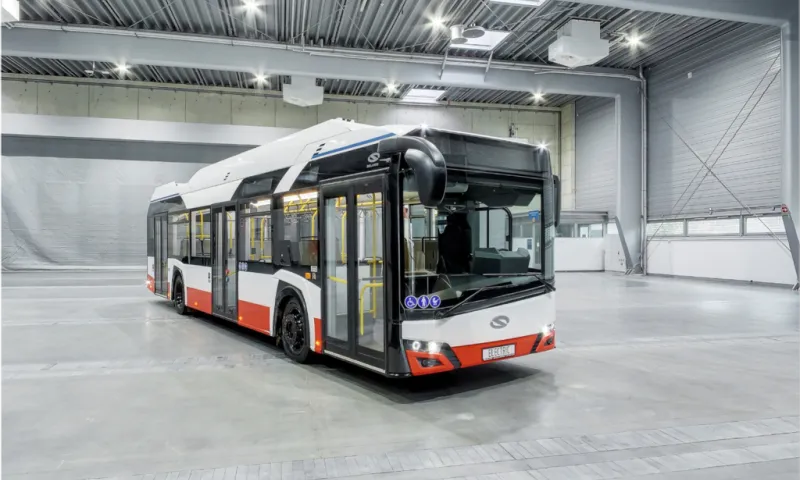
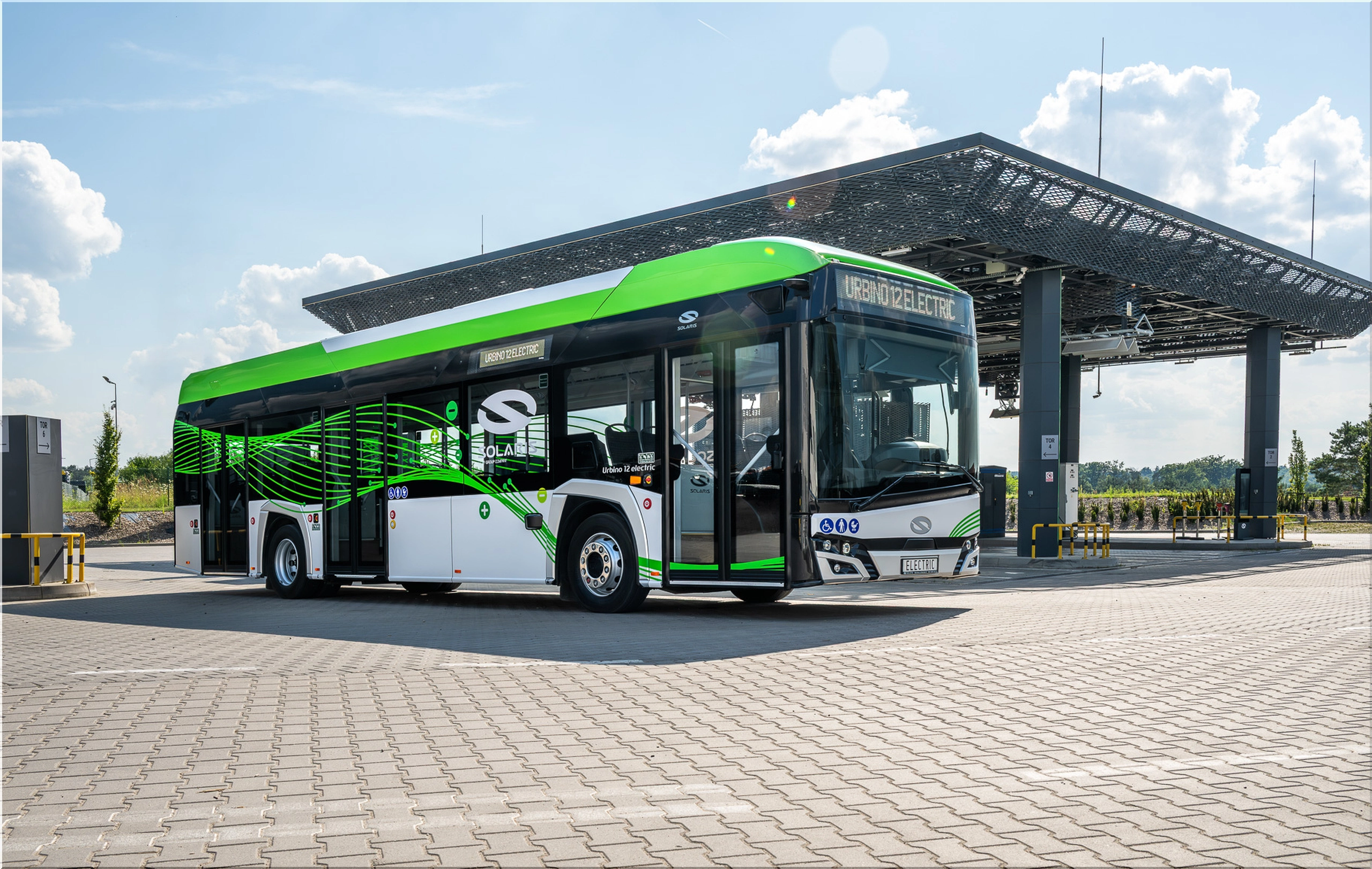
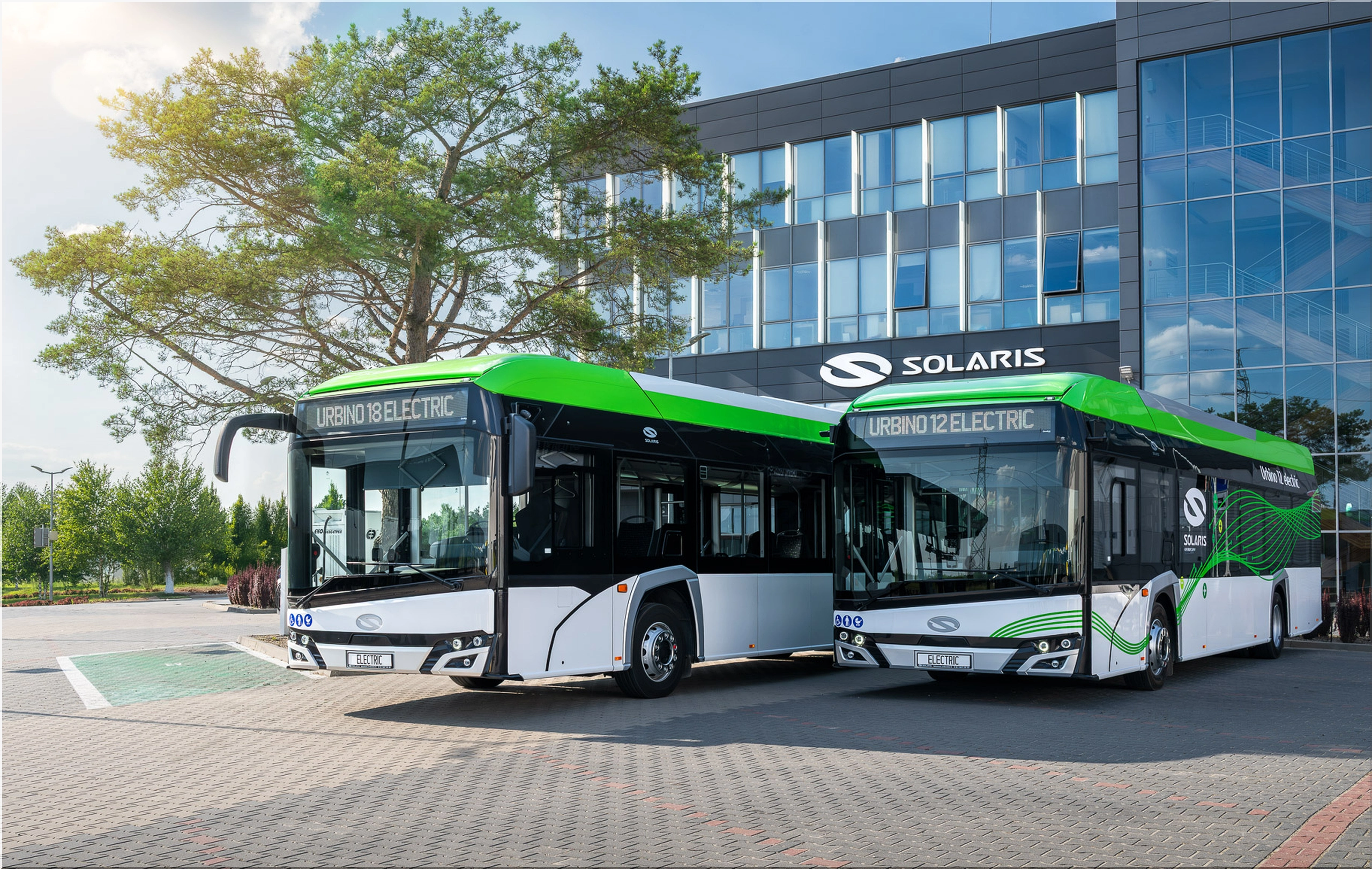
The city of Gdańsk has signed a contract with Solaris Bus & Coach for 30 new electric buses. The deal covers 18 Solaris Urbino 12 electric units and 12 Solaris Urbino 18 articulated electric buses. Delivery is scheduled by September 2026.
The new fleet will be operated by Gdańskie Autobusy i Tramwaje (GAiT), marking the city’s first large-scale adoption of zero-emission buses. This order signals Gdańsk’s commitment to modern, clean, and efficient public transport.
Battery Capacity and Charging Strategy
Each bus will use large-capacity lithium-ion batteries designed for daily urban service:
- Solaris Urbino 12 electric: 600 kWh battery
- Solaris Urbino 18 articulated electric: 800 kWh battery
Charging will be depot-based with plug-in connectors. Every bus will feature two charging sockets: one above the front right wheel arch and another on the left side. This dual-socket layout improves flexibility for depot operations.
Battery Specs at a Glance
| Model | Battery Capacity | Passenger Capacity | Charging Method |
|---|---|---|---|
| Urbino 12 electric | 600 kWh | 70 | Plug-in |
| Urbino 18 articulated | 800 kWh | 107 | Plug-in |
With this capacity, Solaris expects each bus to maintain full-day operability on a single charge.
Passenger and Safety Features
The Gdańsk buses will be low-floor, air-conditioned, and fully aligned with GSR2 safety regulations. Standard features include:
- Driver fatigue and distraction monitoring
- Pedestrian and cyclist warning systems
- Blind spot detection for cyclists
- Intelligent speed assistant
- Electric mirrors
Design Optimized for Capacity
Solaris’ new modular drive system removes the traditional engine tower. Components are mounted on the roof, freeing interior space. As a result:
- Urbino 12 can carry 70 passengers
- Urbino 18 can carry 107 passengers
This design improves capacity per vehicle, lowering the cost per passenger transported.
Cost Implications and Funding Context
While the official contract value was not disclosed, comparable European e-bus projects suggest pricing in the range of $650,000–$950,000 per unit, depending on configuration and battery capacity. Based on those figures, the total fleet value could range from $20–27 million USD.
Cities typically finance such contracts with EU mobility funds, municipal budgets, or climate-related grants. Given Gdańsk’s size and previous public transport investments, EU funding likely plays a role.
Timeline and Impact
Delivery will take place by September 2026, ensuring integration into the city’s transit system before the following winter season. The addition of these buses will:
- Cut local emissions from GAiT operations.
- Reduce operating costs compared to diesel fleets.
- Improve passenger comfort and accessibility.
- Position Gdańsk as a leader in Polish e-mobility adoption.
Solaris in the European Market
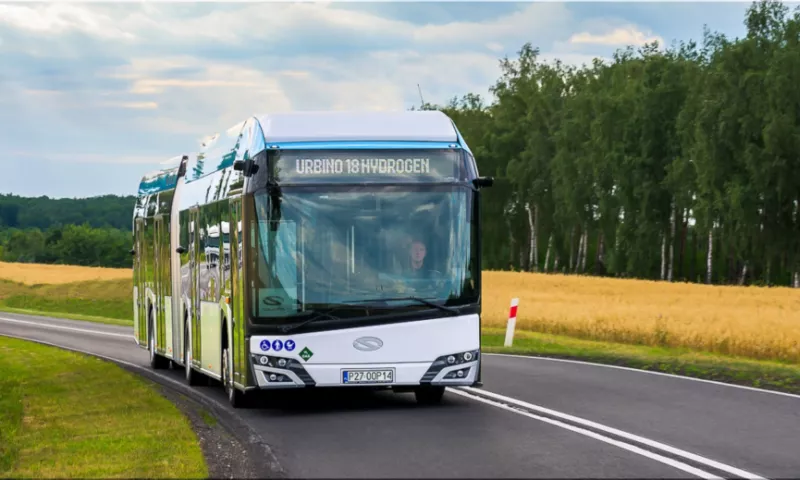
Solaris Bus & Coach, a subsidiary of CAF Group (Spain), has delivered over 25,000 vehicles across 33 countries. The company specializes in electric, hydrogen, and trolleybuses, and its Urbino 18 hydrogen bus won Bus of the Year 2025.
The new Gdańsk contract extends a partnership dating back to 1997. Solaris last supplied vehicles to the city in 2009, but this is the first zero-emission order for Gdańsk.
Market Context: Poland and Europe
Poland has become one of Europe’s strongest growth markets for electric buses. National climate targets and EU Green Deal initiatives are pushing local operators to transition quickly.
- By 2025, Poland’s electric bus fleet is projected to exceed 1,200 units.
- Cities like Warsaw, Kraków, and Poznań already operate Solaris e-buses.
- Gdańsk’s 30-unit order places it in the top tier of Polish e-bus adopters.
Across Europe, Solaris competes with Volvo, Mercedes-Benz, and BYD. Its strategy focuses on high-capacity battery options and customized charging solutions for operators.

Key Takeaways
- 30 Solaris electric buses will be delivered to Gdańsk by September 2026.
- The order includes 18 Urbino 12 (600 kWh) and 12 Urbino 18 (800 kWh) models.
- Passenger capacity: 70 for 12-meter, 107 for articulated.
- Safety tech: GSR2-compliant with driver monitoring, cyclist detection, and speed assistance.
- Estimated contract value: $20–27 million USD.
- This is the first zero-emission fleet for Gdańsk’s GAiT.
- Solaris strengthens its position in Poland’s electric bus transition.
Outlook
When deployed, these buses will set a new standard for public transport in northern Poland. Gdańsk joins other major European cities shifting toward large-scale electric bus operations. For Solaris, this order demonstrates ongoing strength in its home market while reinforcing its broader European growth strategy.
The move reflects both policy-driven climate goals and operator-driven cost savings, proving that electric buses are no longer experimental. They are now a core part of city transit planning.
- Add new comment
- 94 views