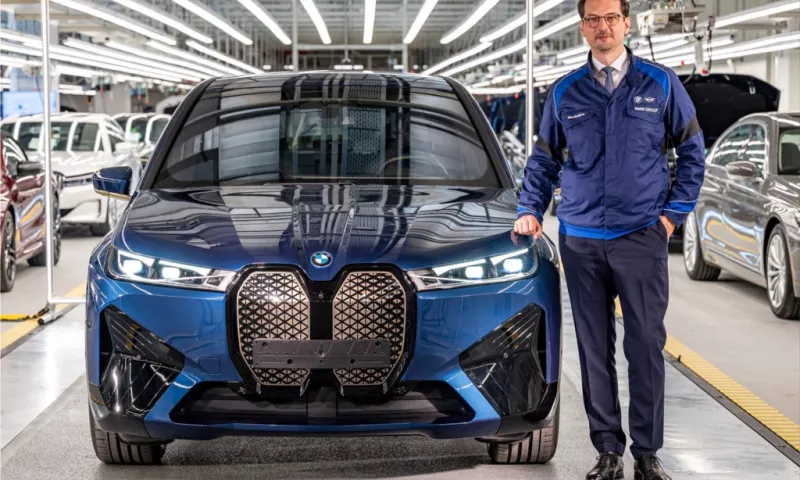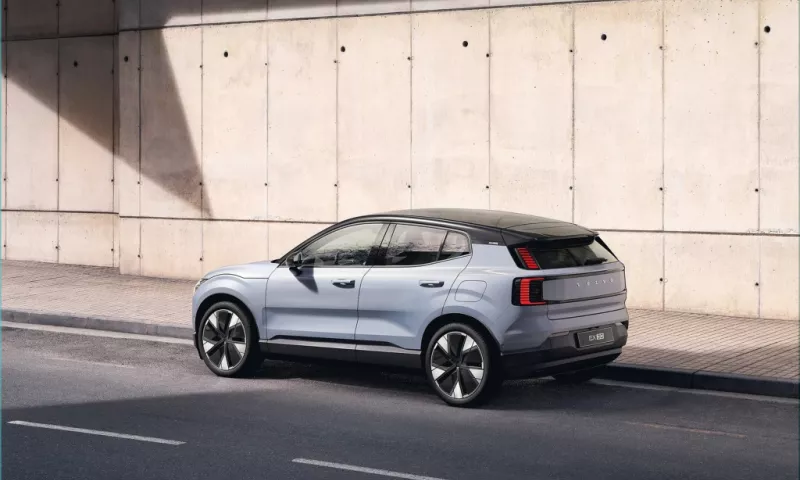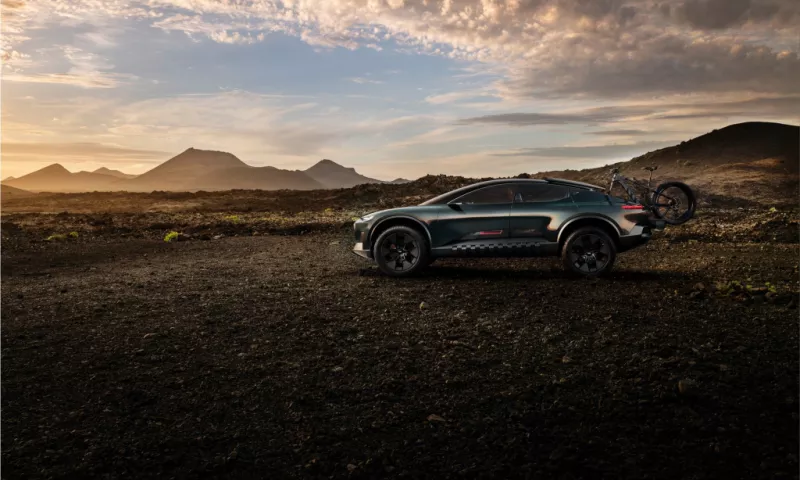
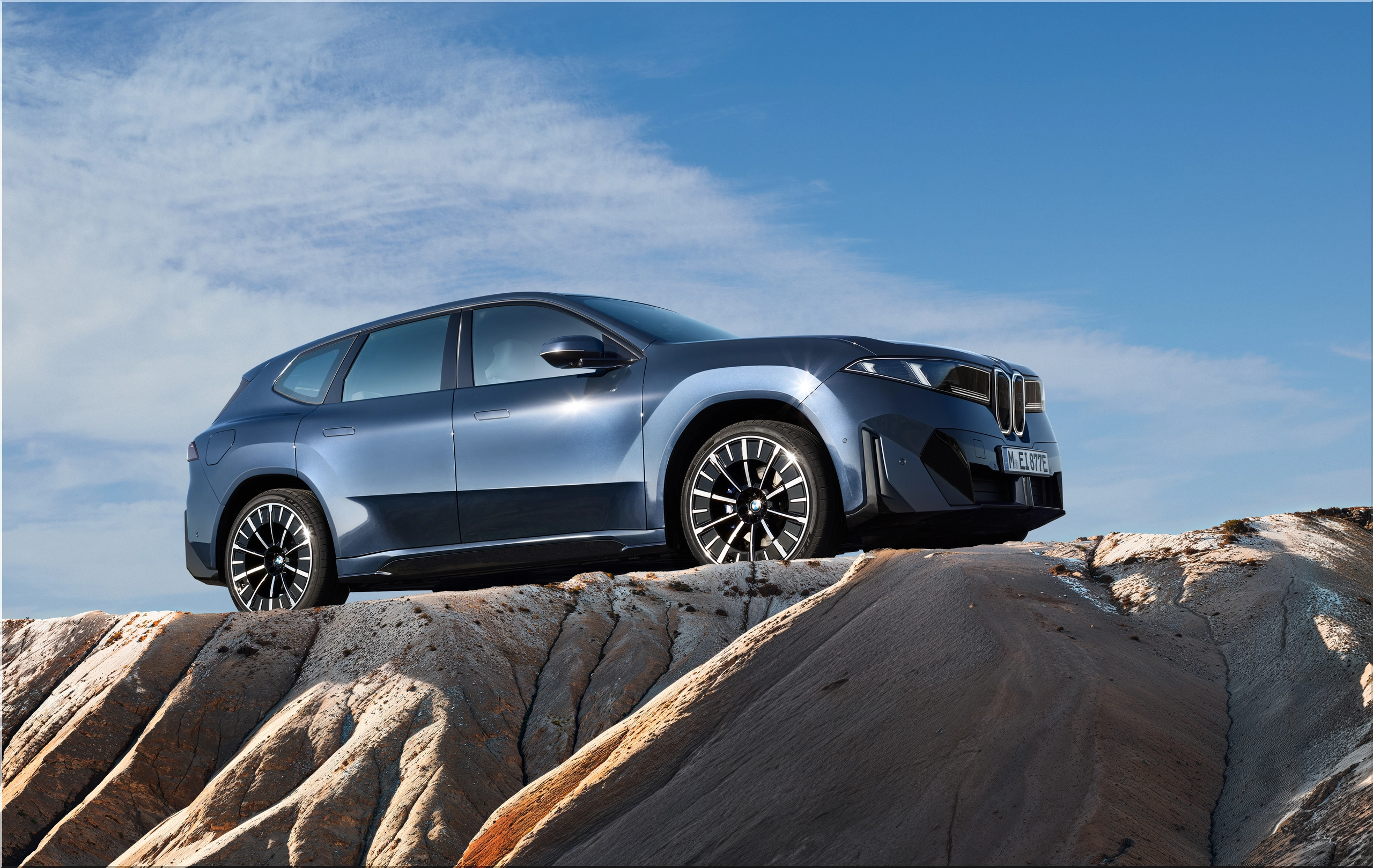
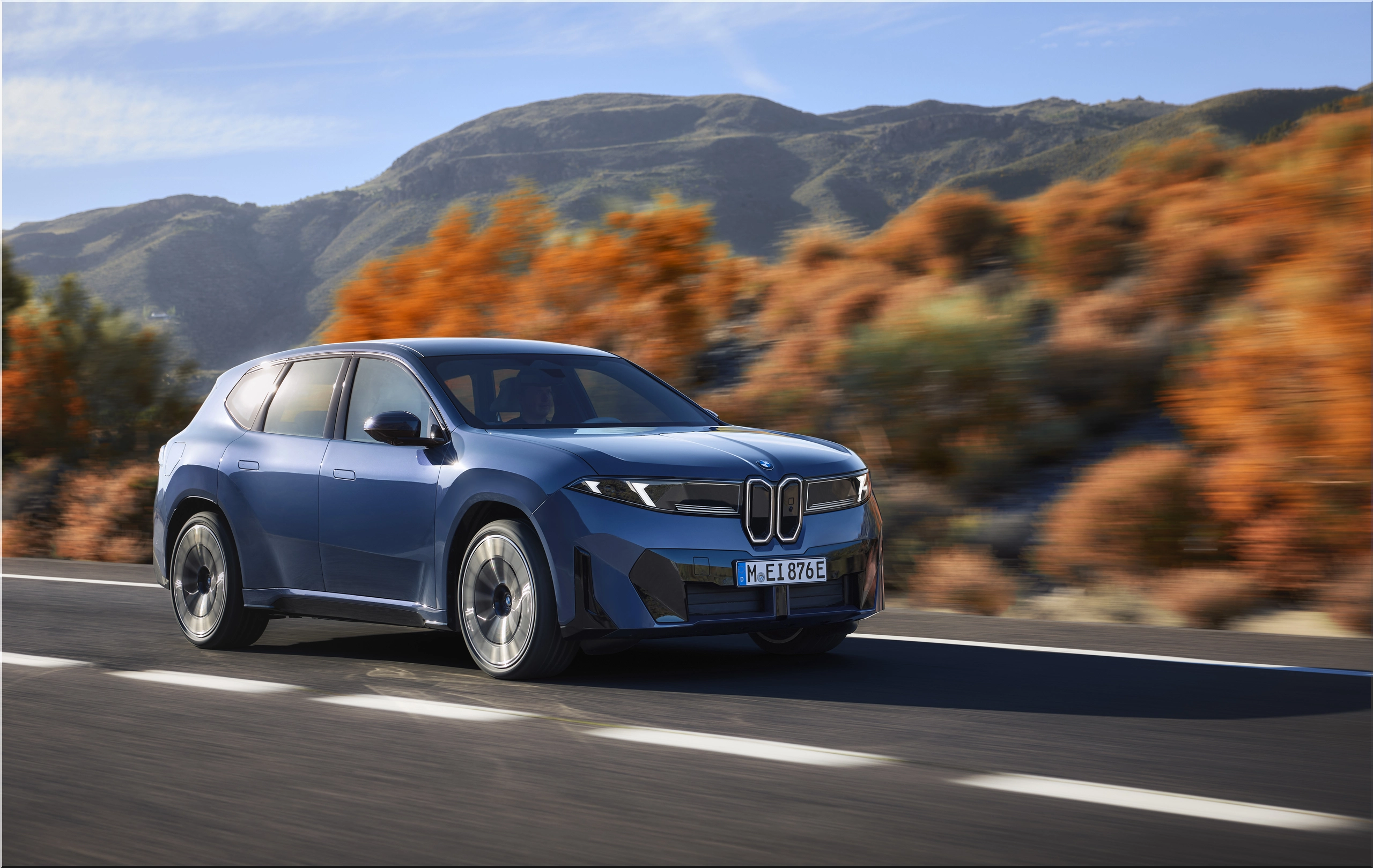
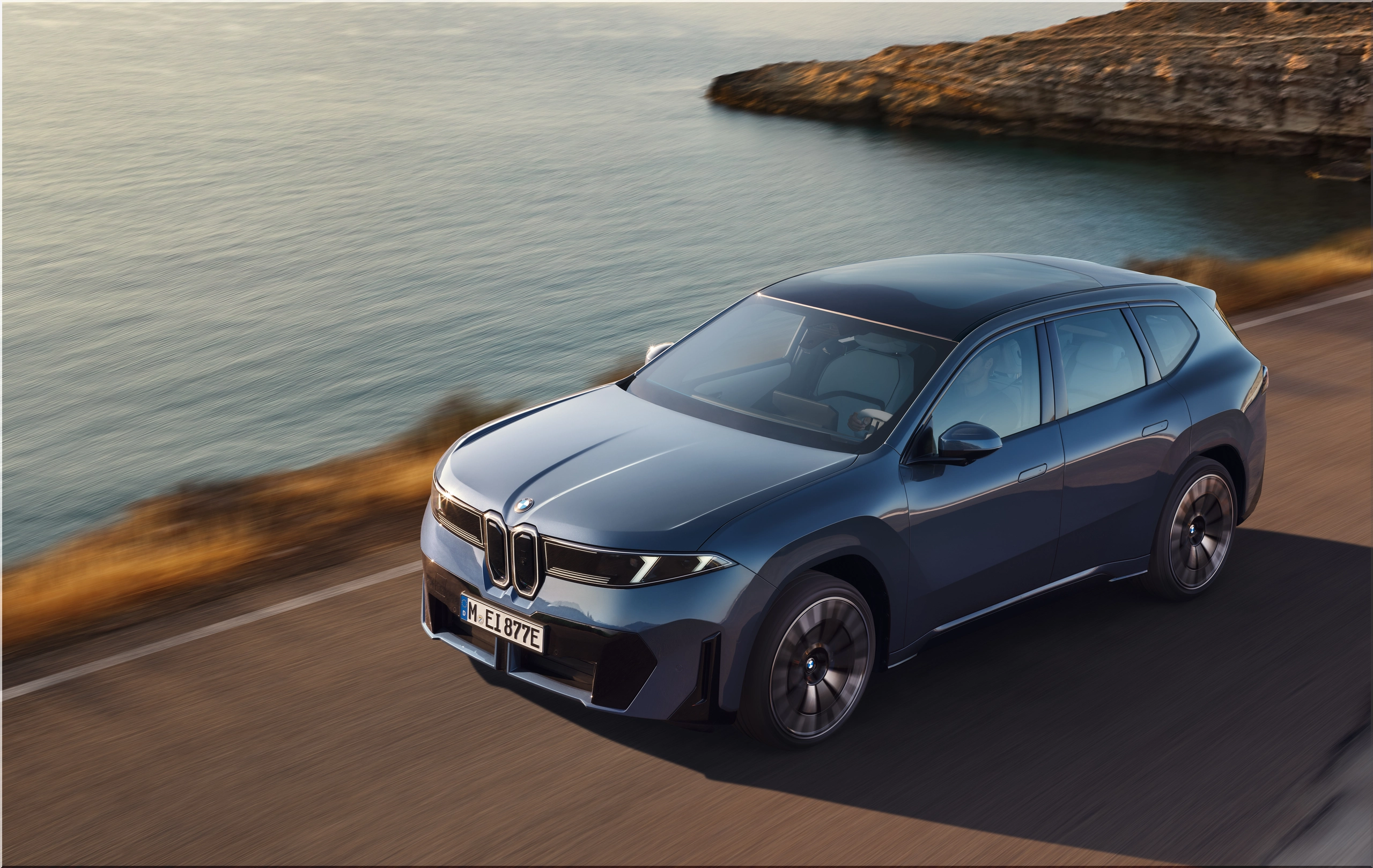
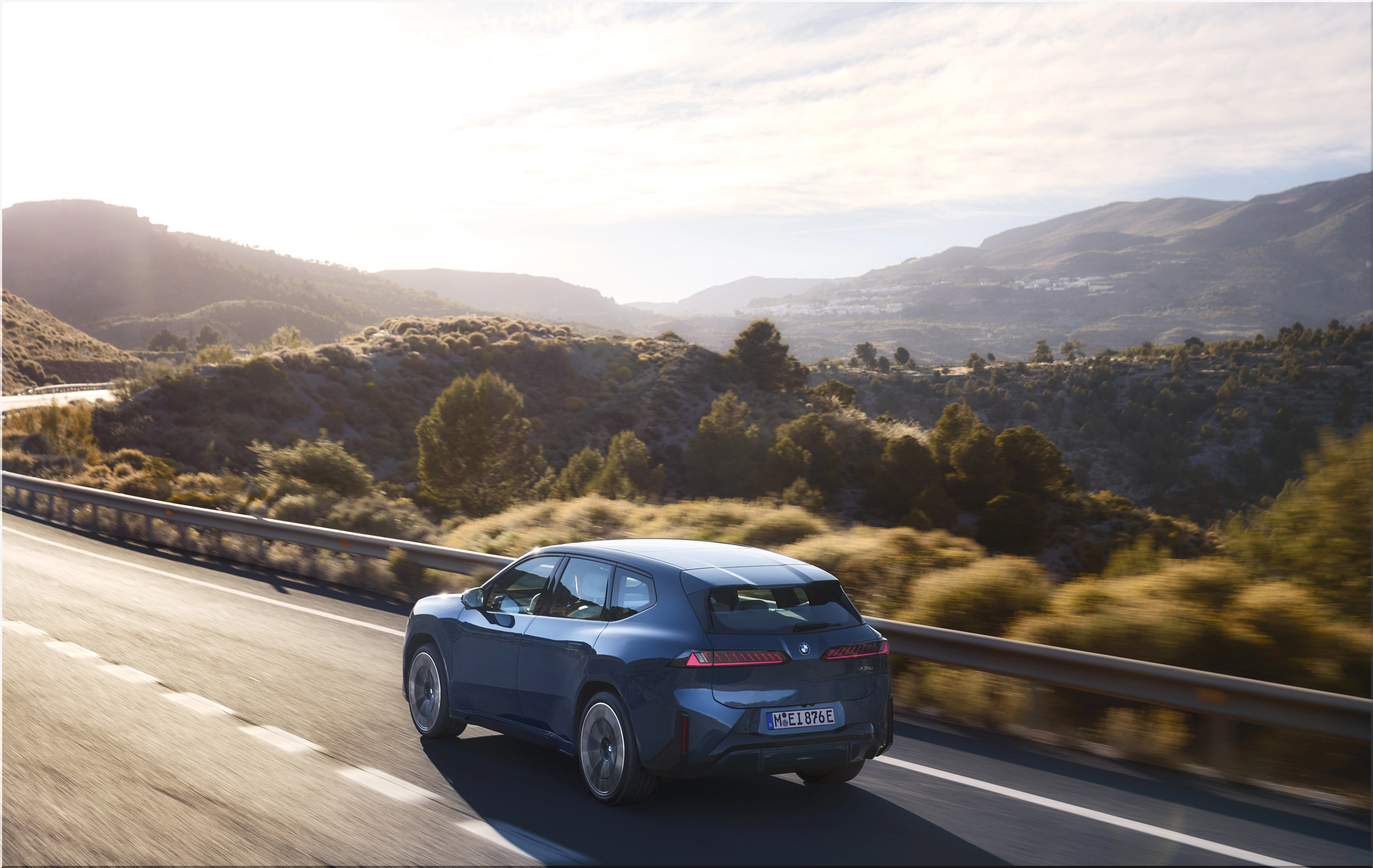
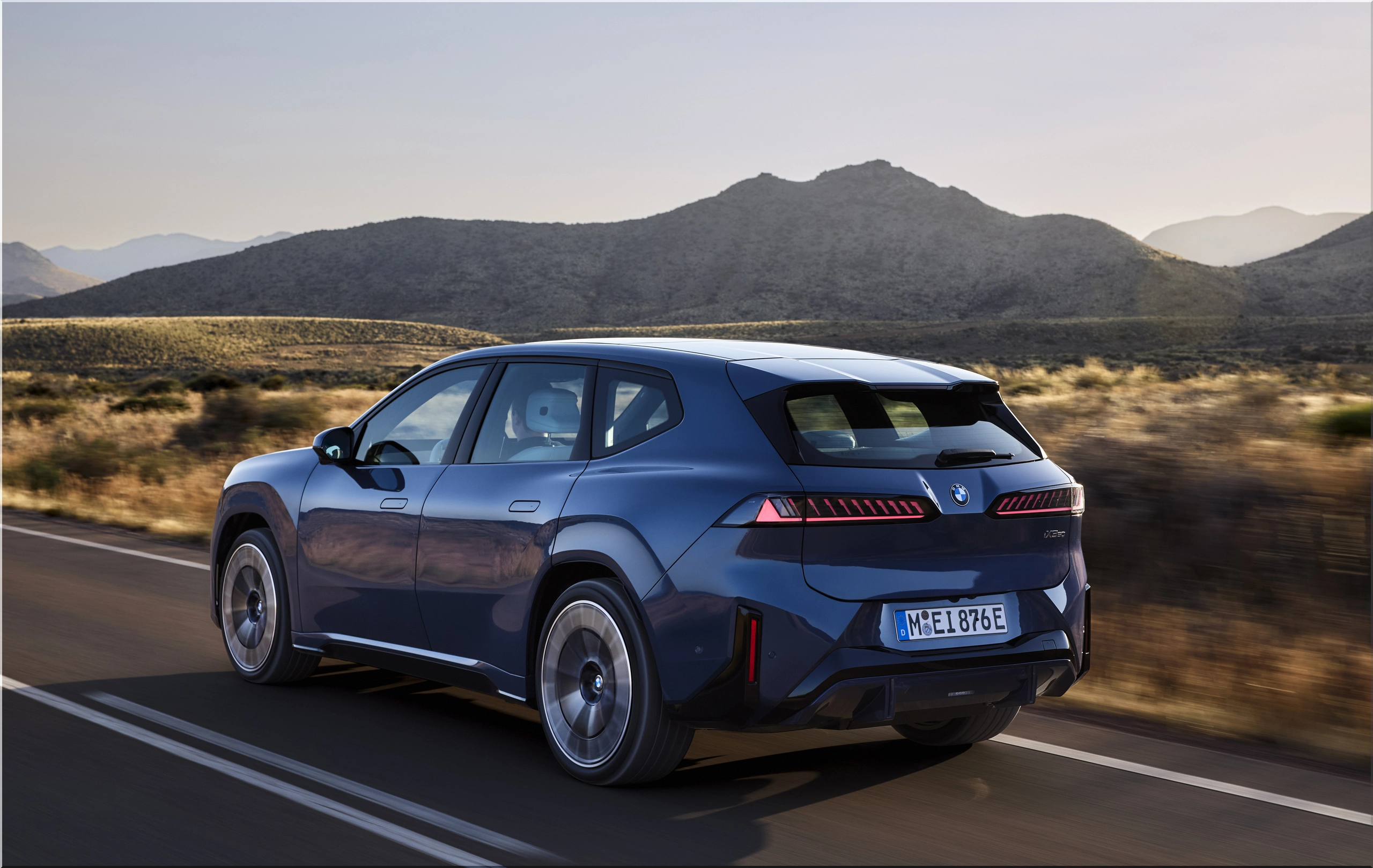
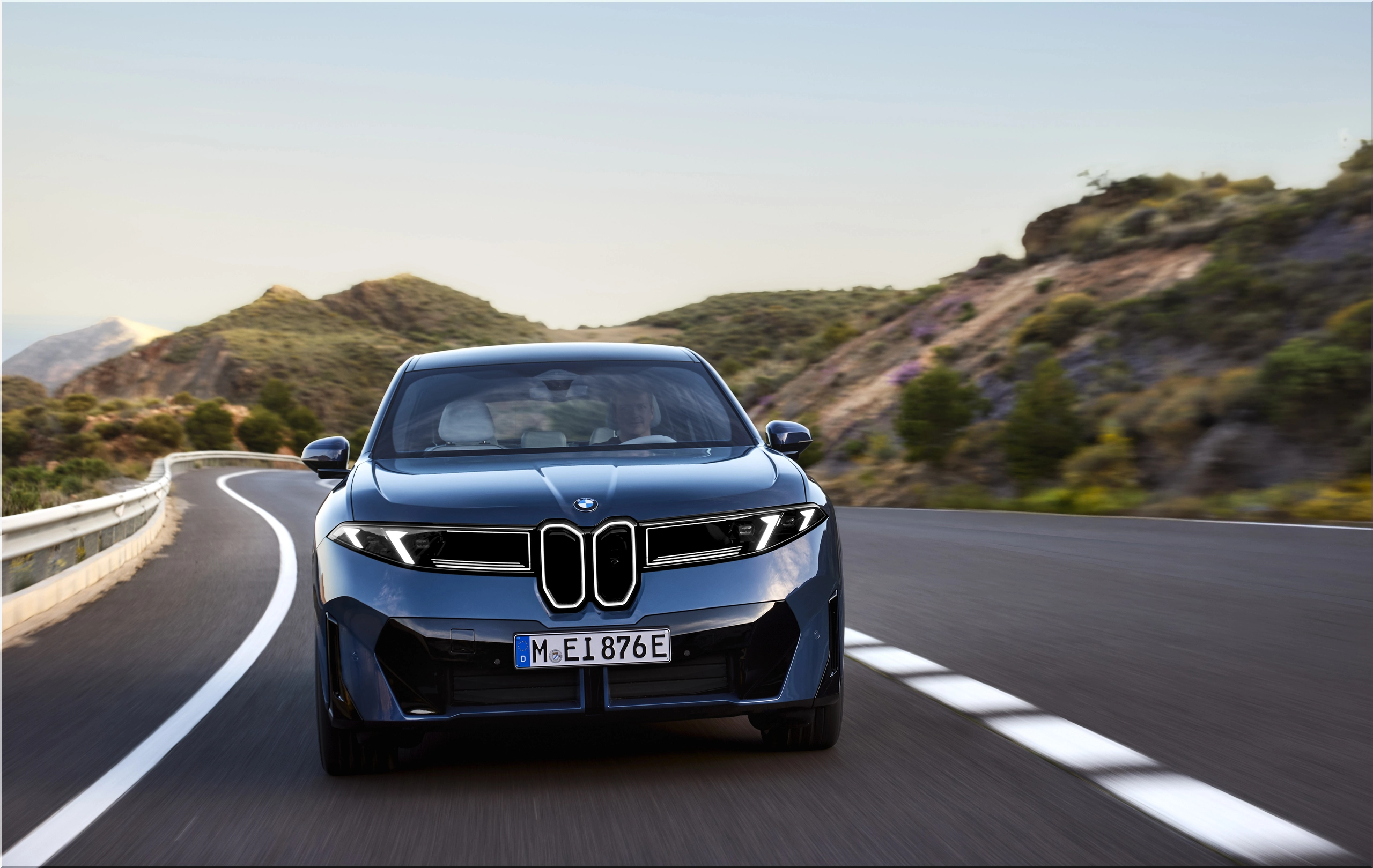
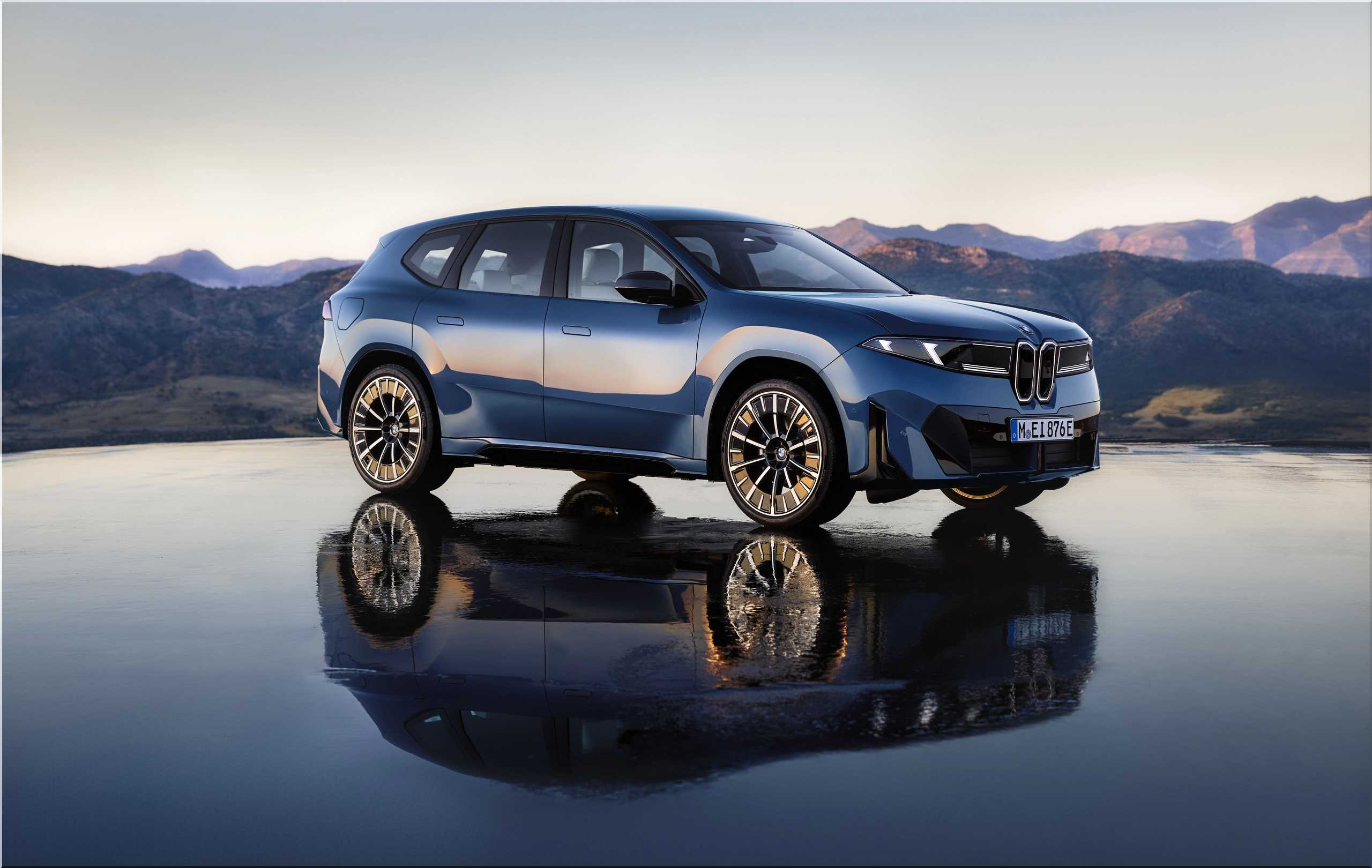
BMW chose New York City to launch the BMW iX3, the first production model from its Neue Klasse platform. The move signals how the brand will compete in an increasingly crowded electric vehicle market. The iX3 is more than a new model line. It represents BMW’s strategy for the next decade: electric, digital, and circular.
A New Starting Point for BMW
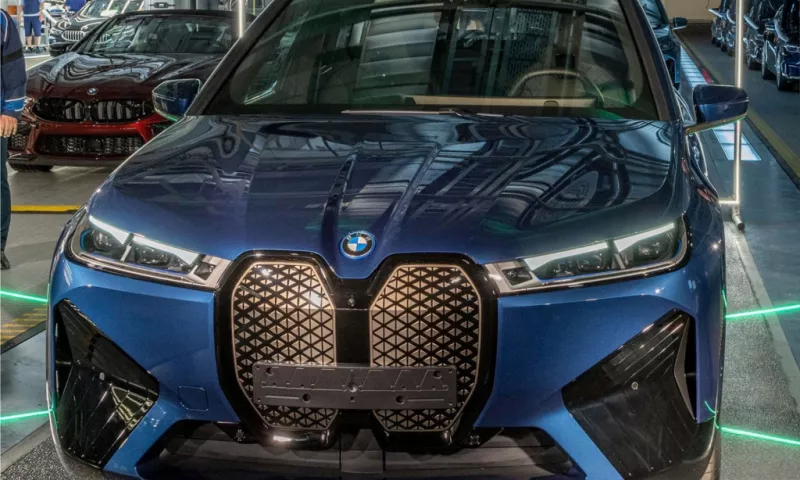
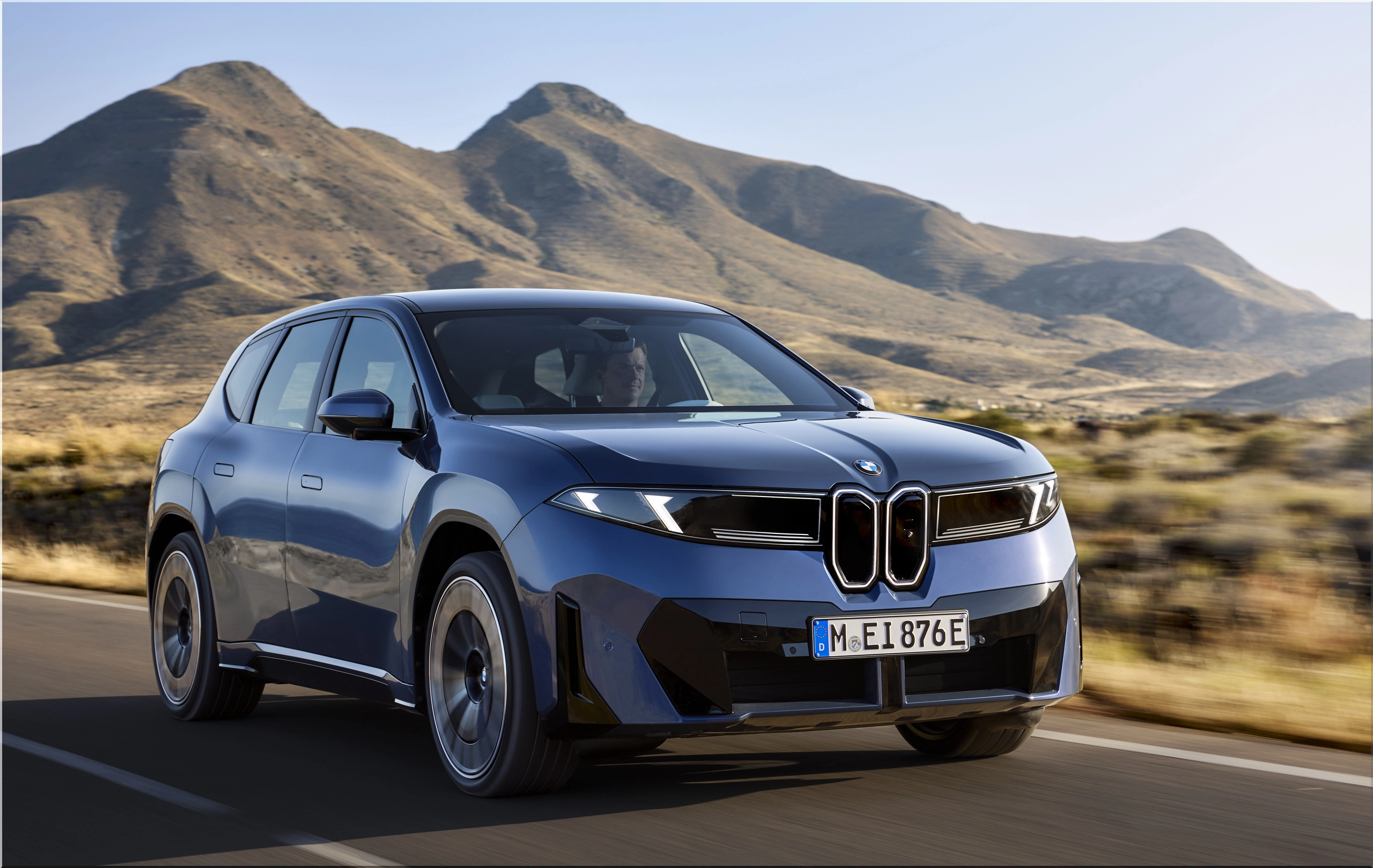
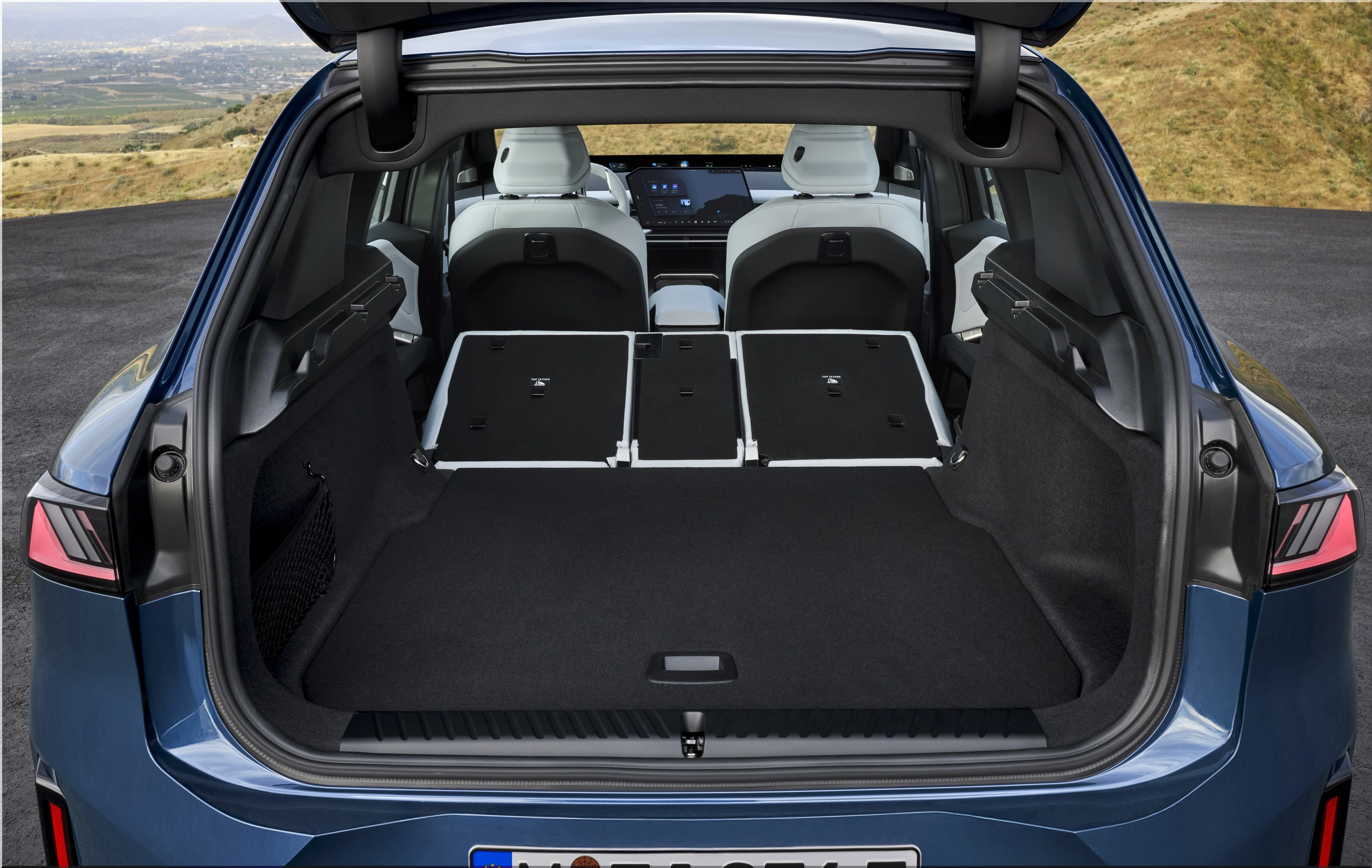
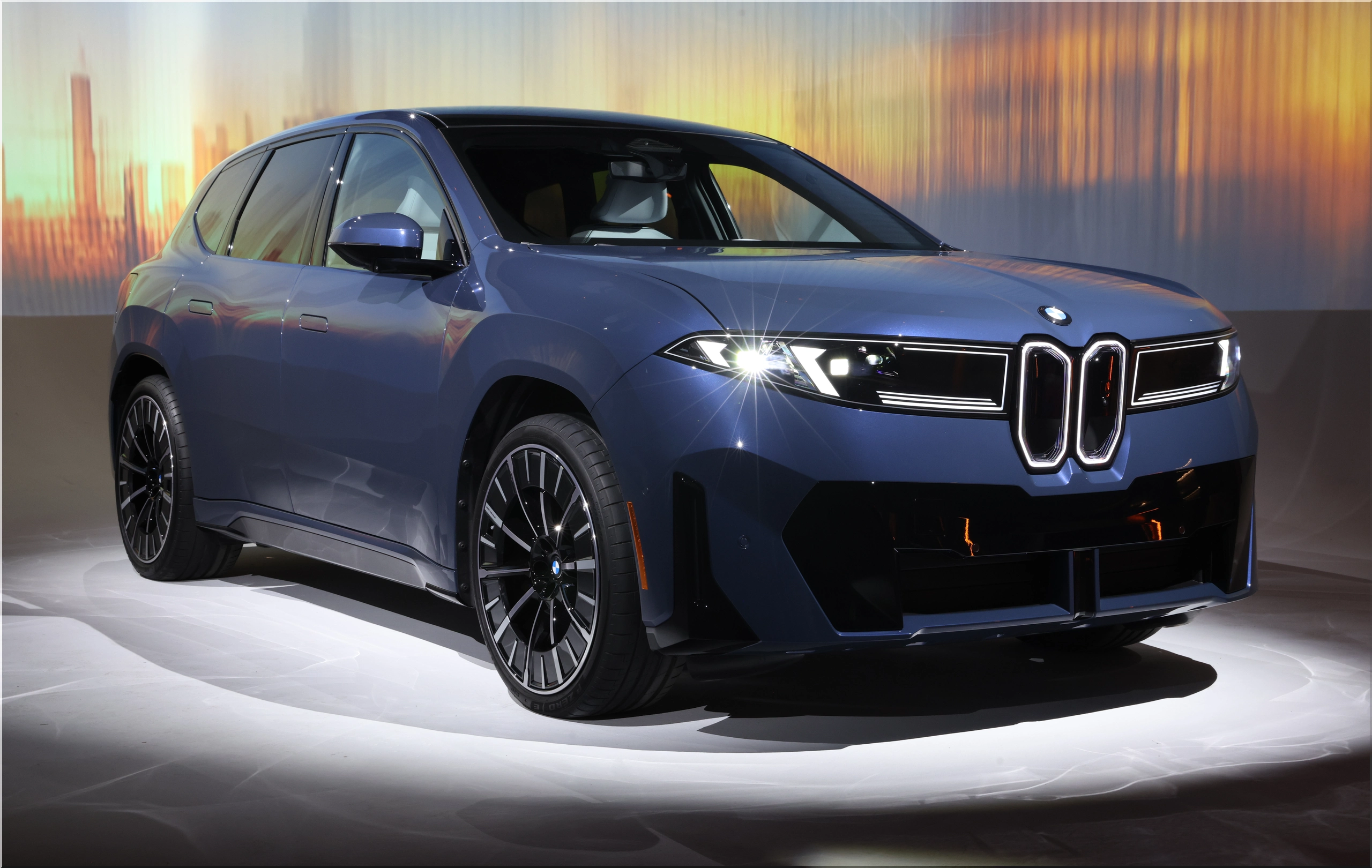
The BMW iX3 is not an incremental upgrade. It is the company’s first Neue Klasse SUV and introduces a new design language, a new electronics system, and a focus on circular materials. It will reach Canadian dealerships in mid-2026 and, by then, join a lineup of nearly 40 new or refreshed BMW models.
Key features at launch
- Built on the Neue Klasse EV platform.
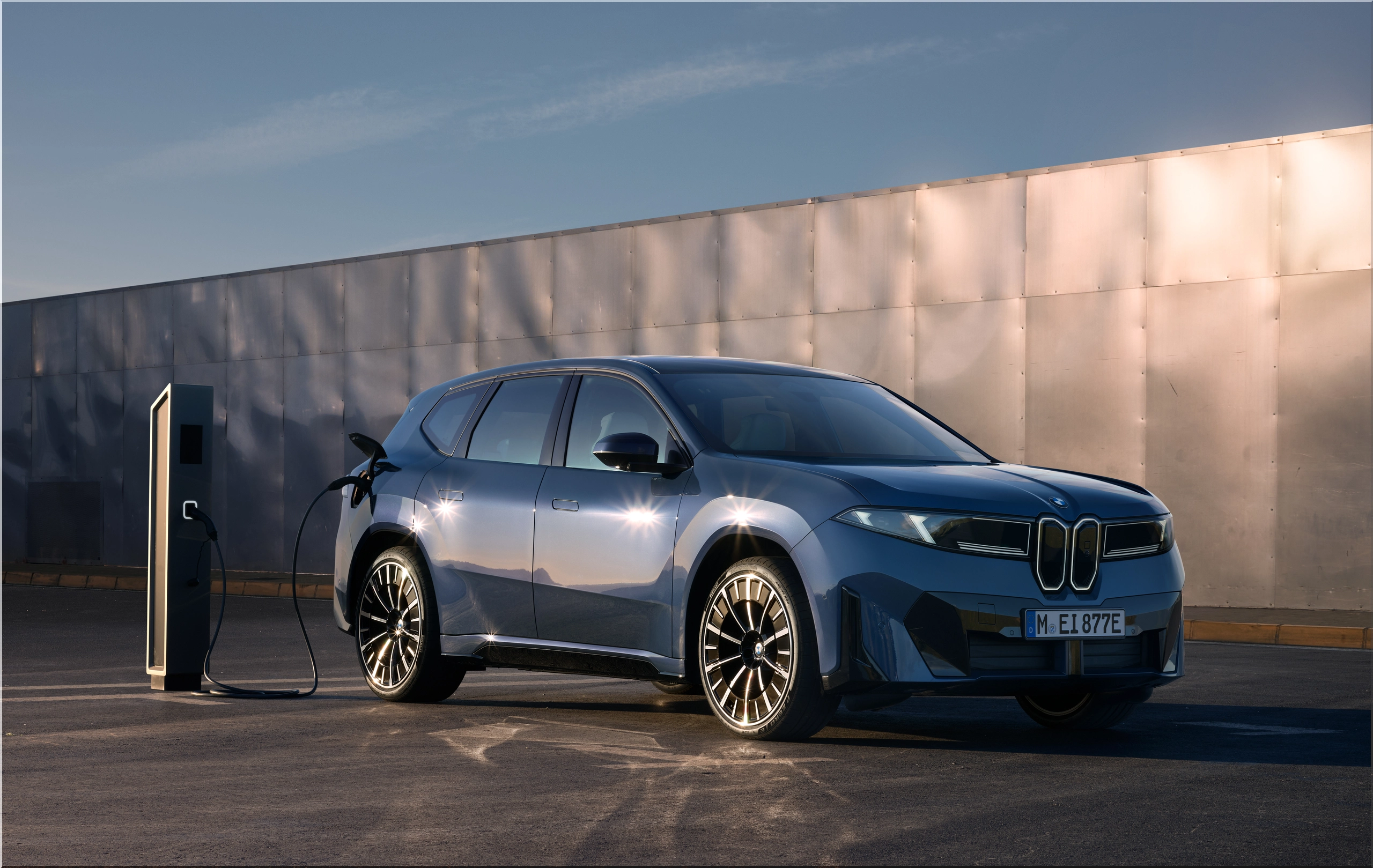
- Standard NACS charging port for access to the Supercharger network.
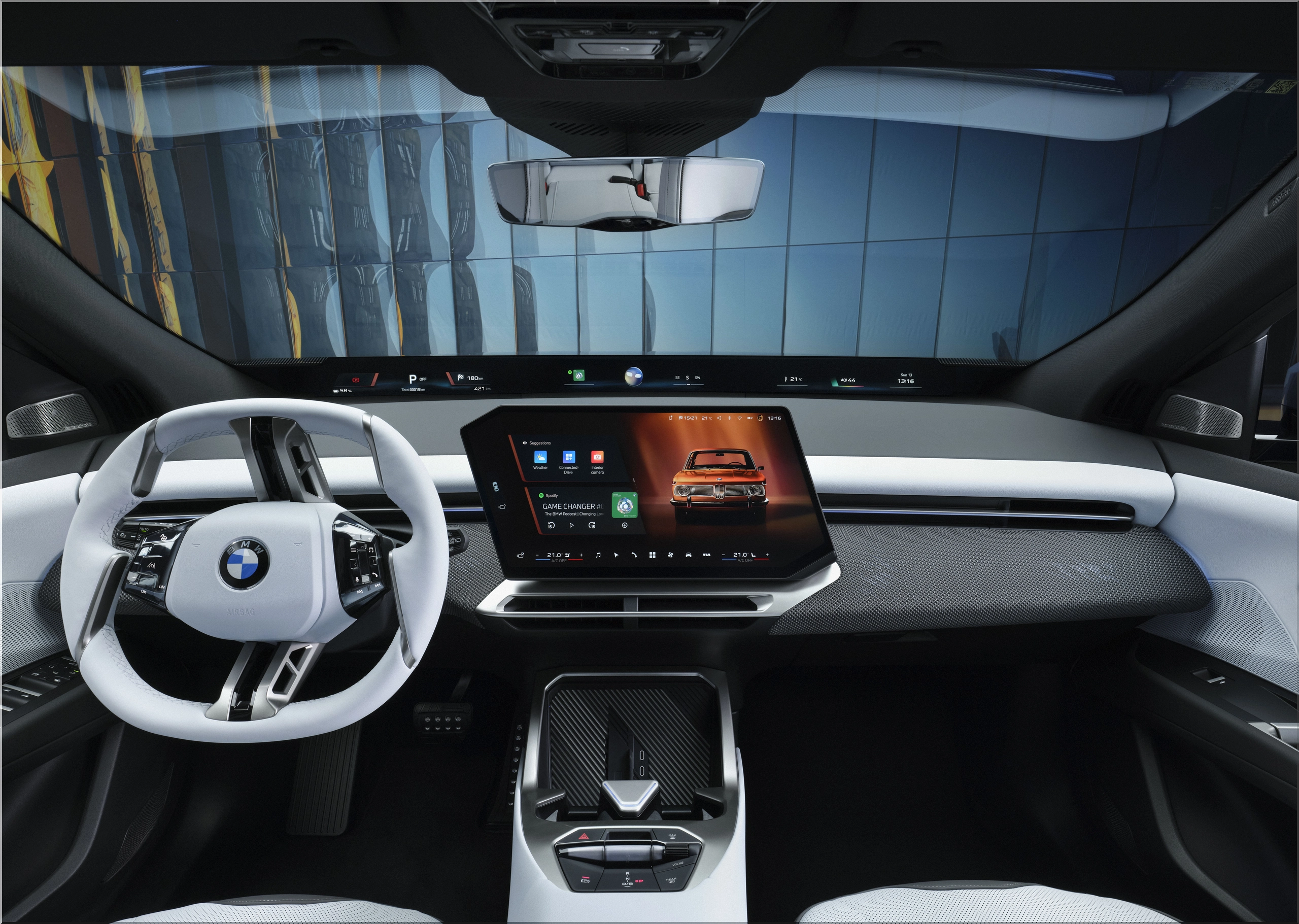
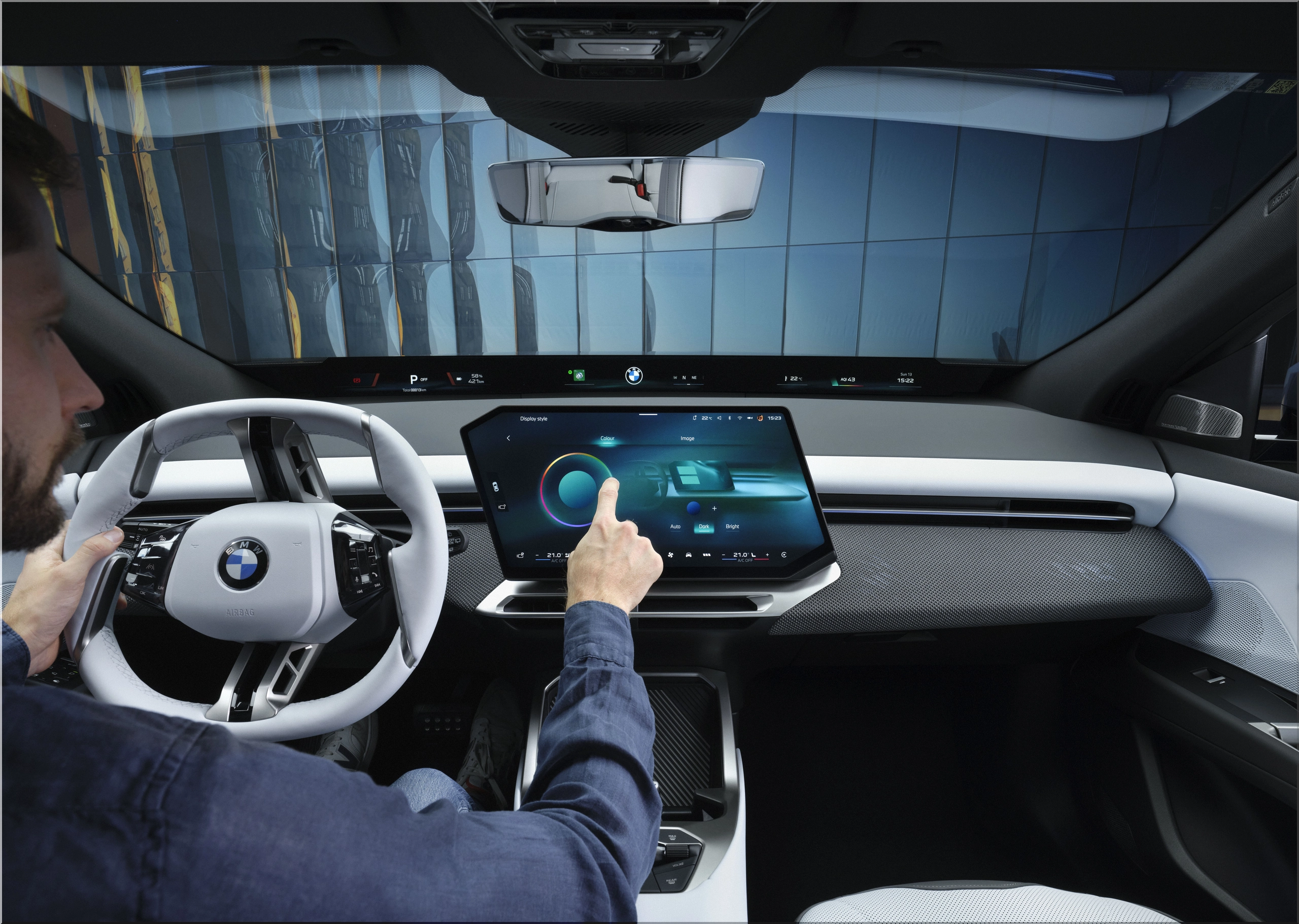
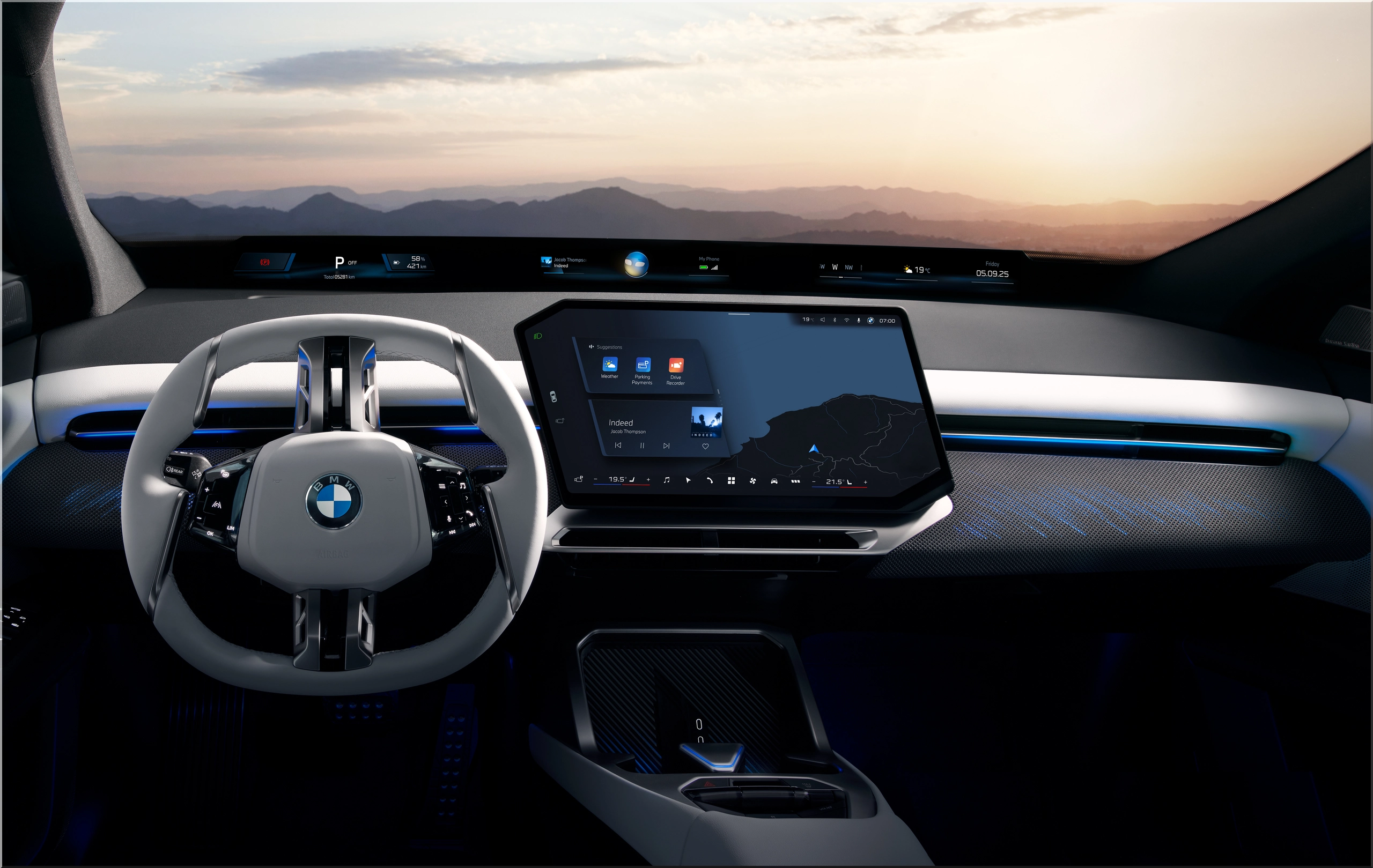
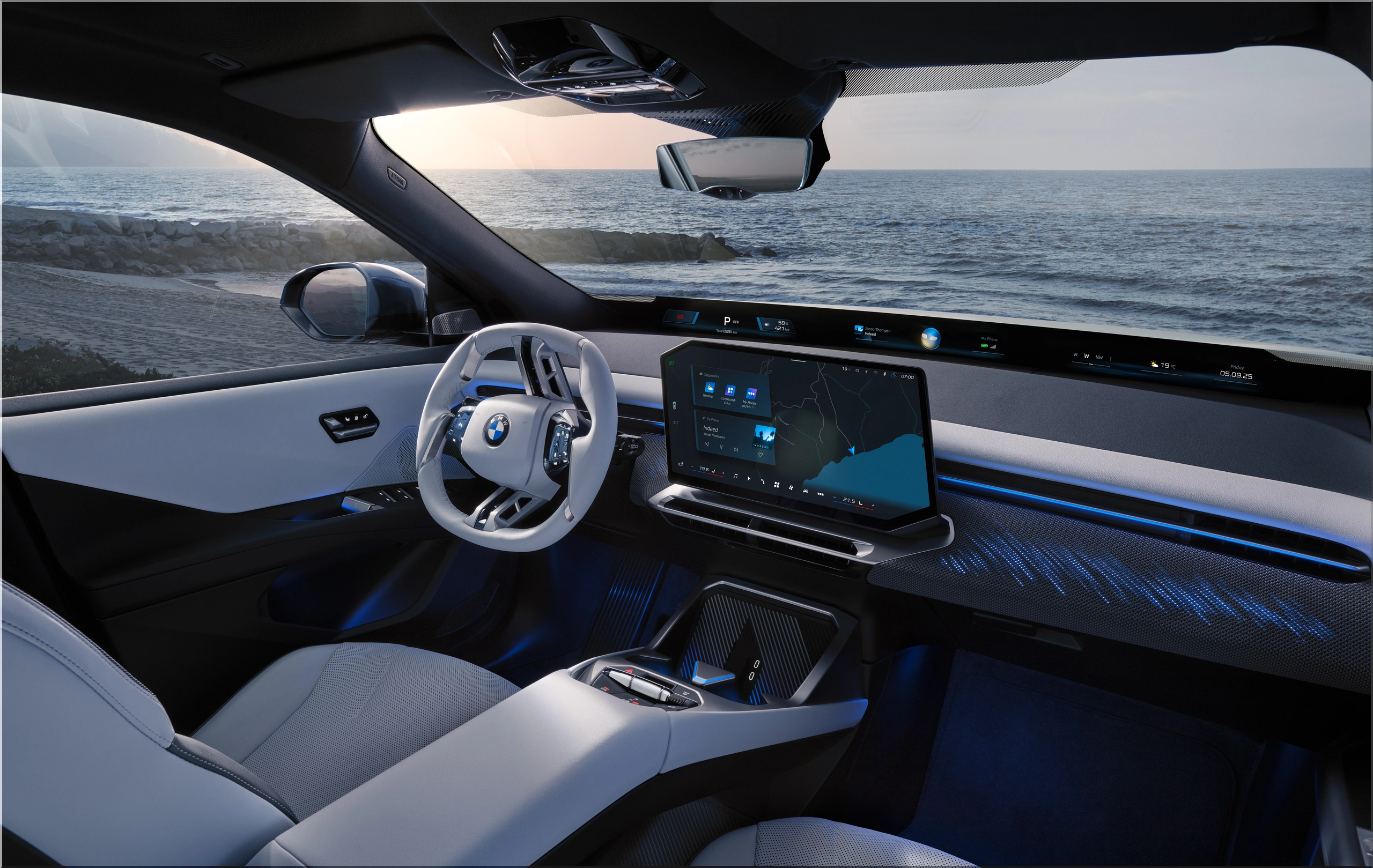
- New BMW Panoramic iDrive system with a 17.9-inch display and windscreen-wide projection.
- Range up to 650 km (approx. 404 miles) based on early BMW tests.
- 400 kW charging capability, enabling 10-80% charging in 21 minutes.
BMW Panoramic iDrive: Digital Without Overload
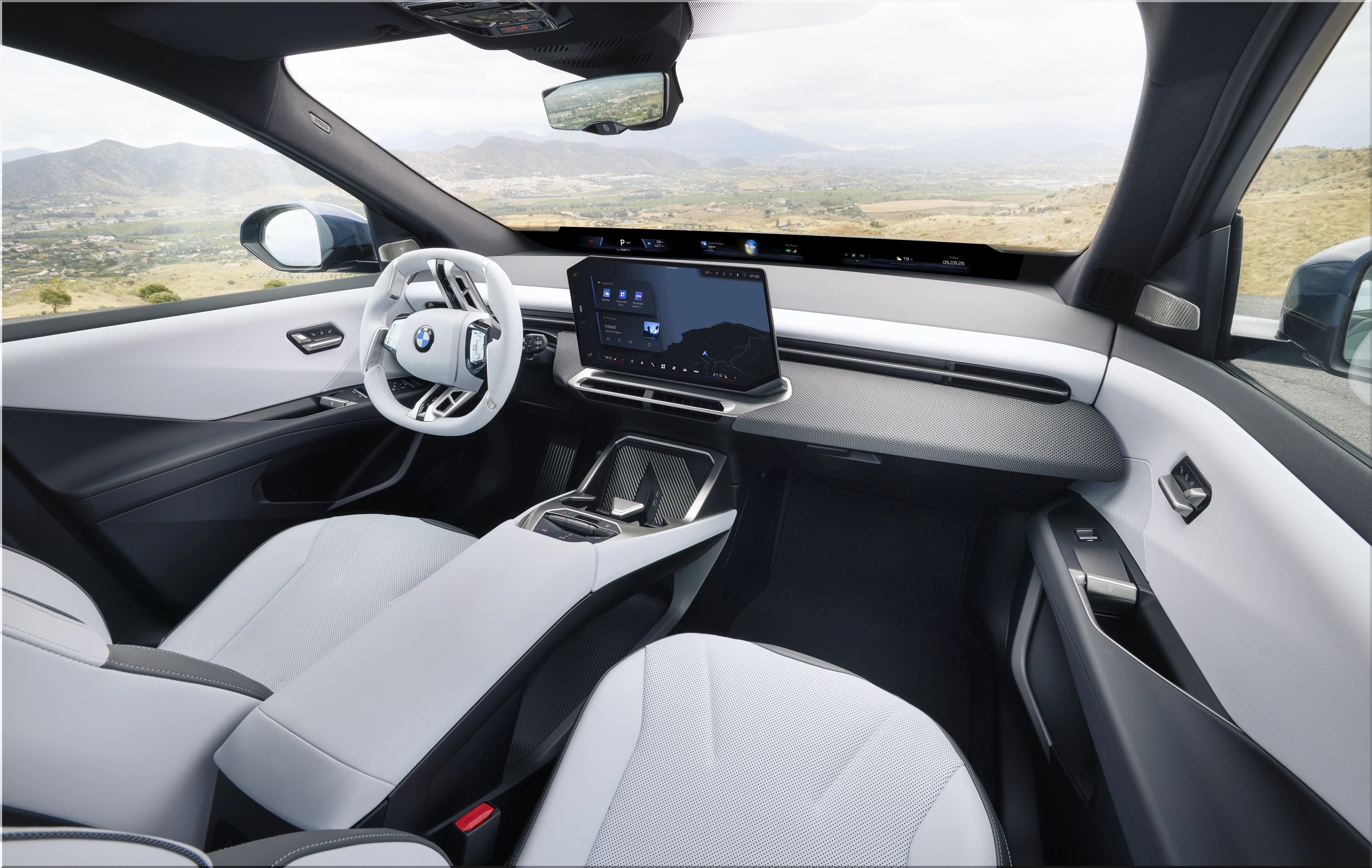
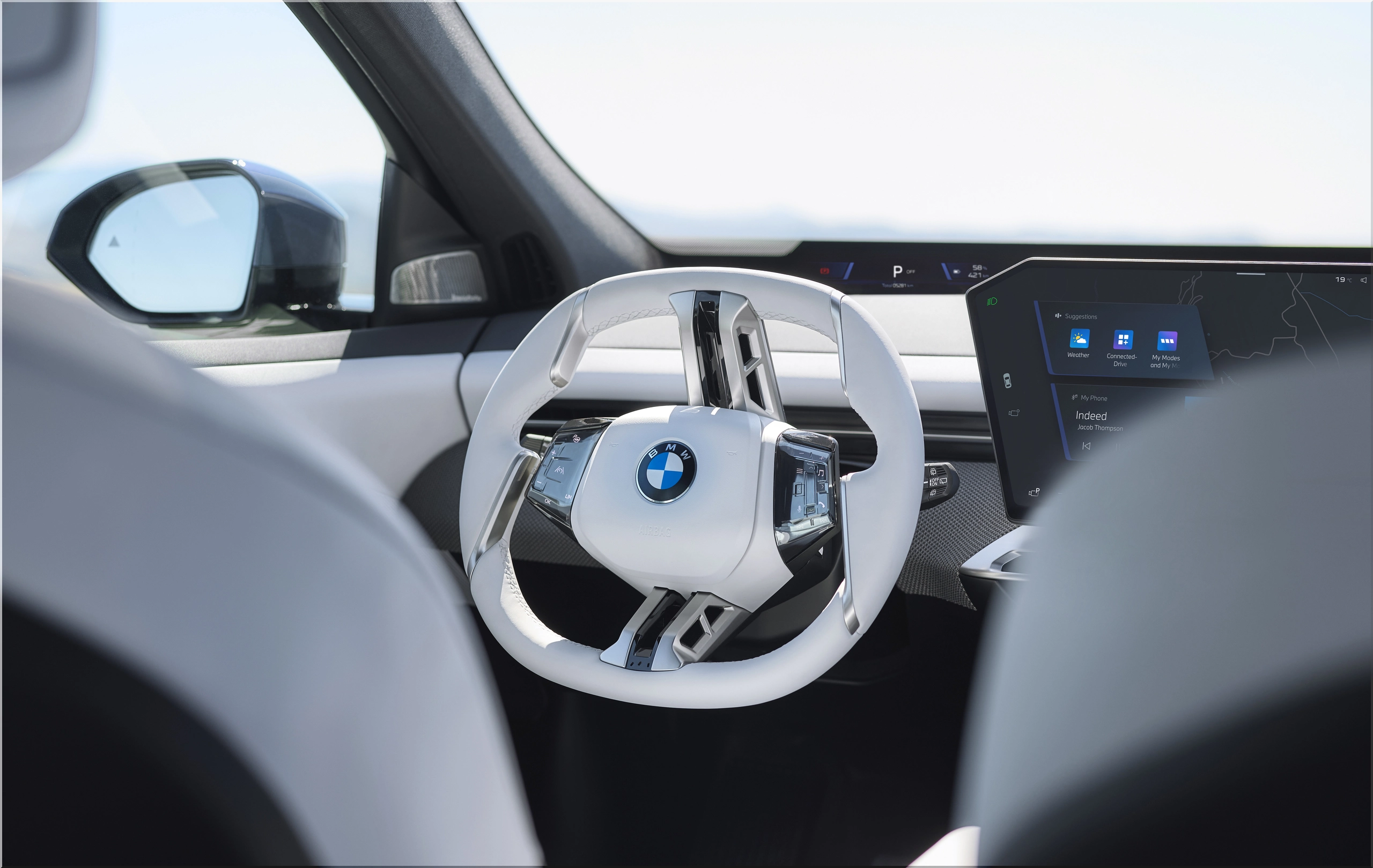
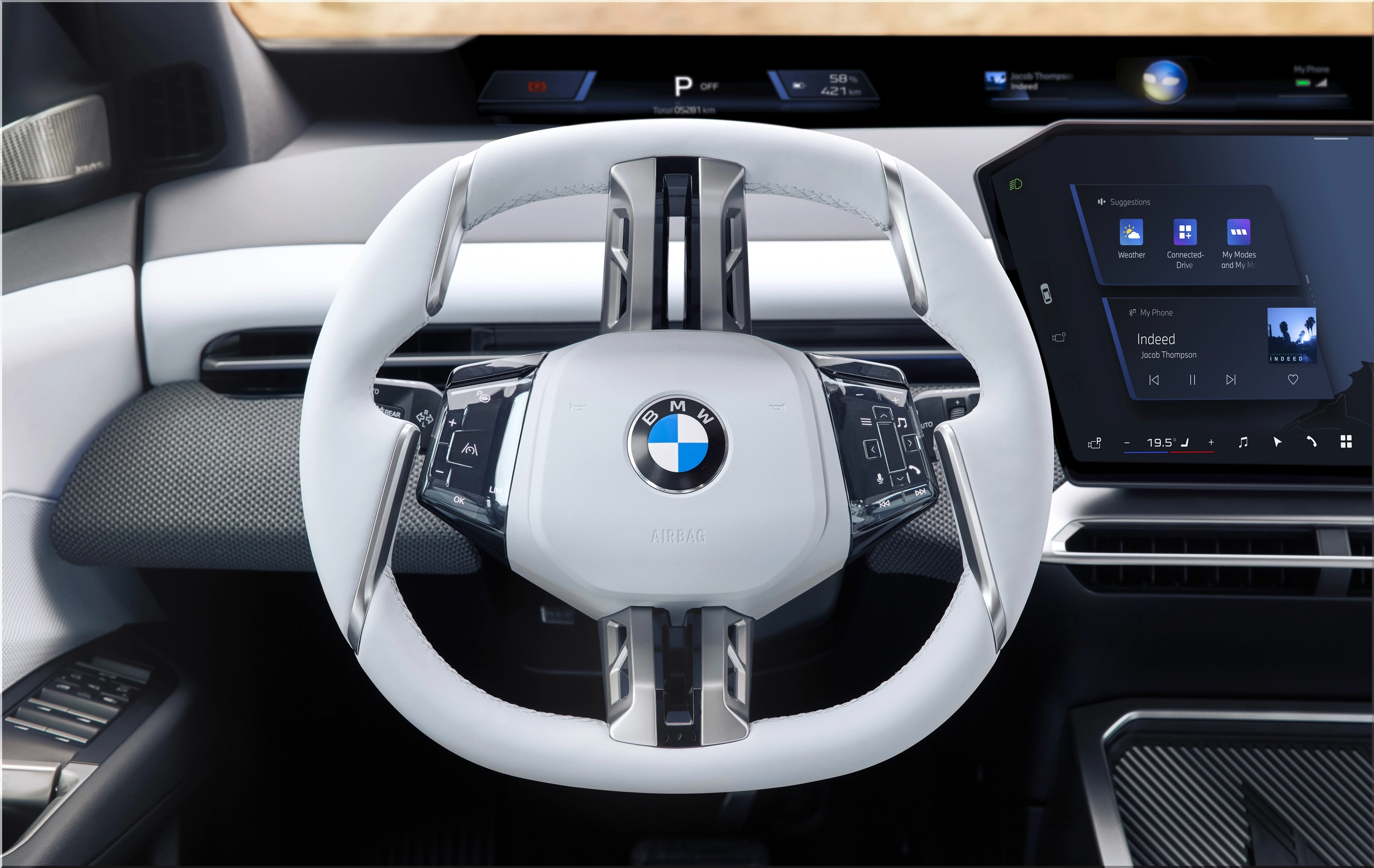
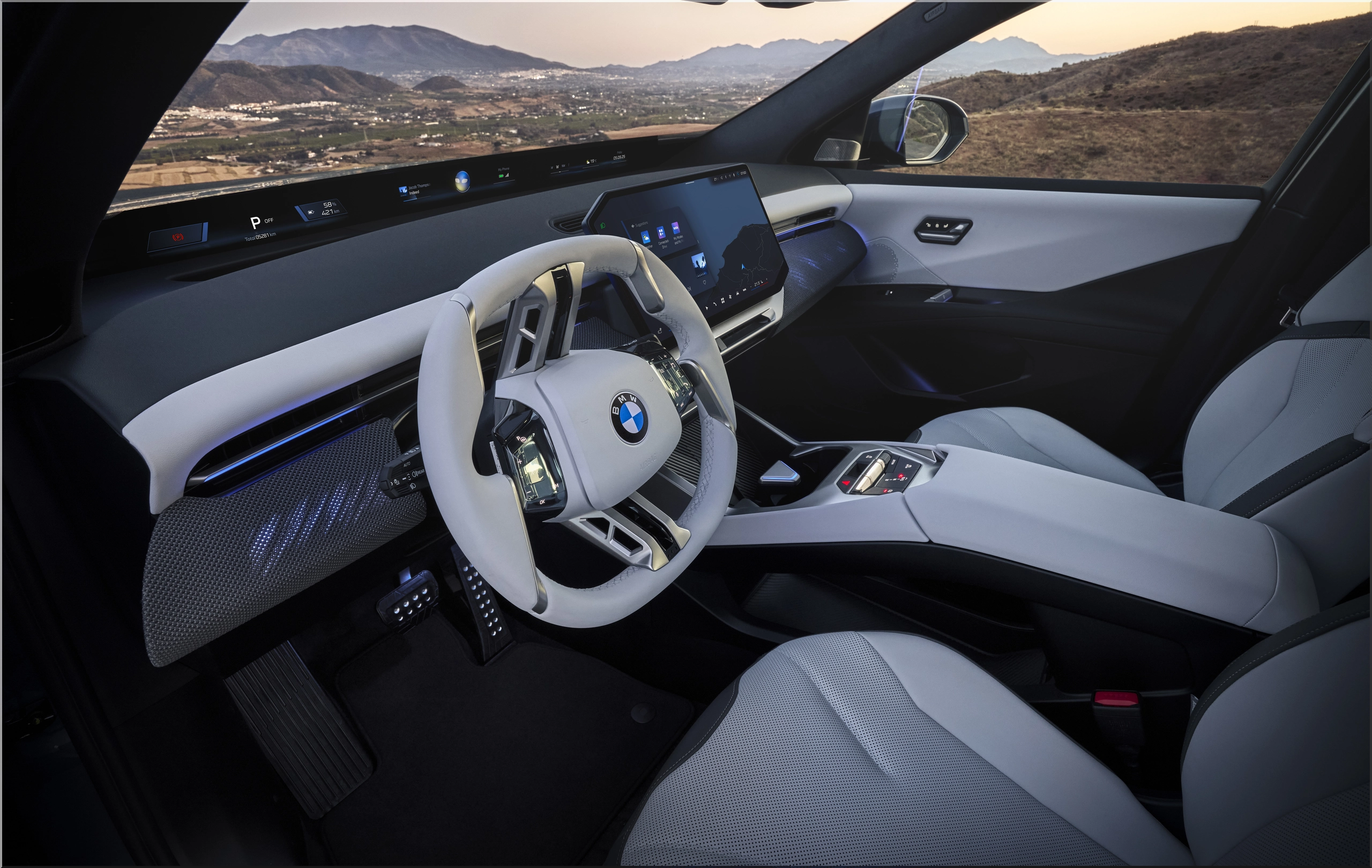
The iX3 debuts the BMW Panoramic iDrive, a system that combines physical controls with digital projection. Unlike traditional dashboards, information appears across the lower windscreen in the driver’s direct line of sight.
Drivers can personalize sections of the display while keeping essential data centered. BMW has filed multiple patents for the projection technology, pointing to its importance across future models.
Range, Charging, and Efficiency
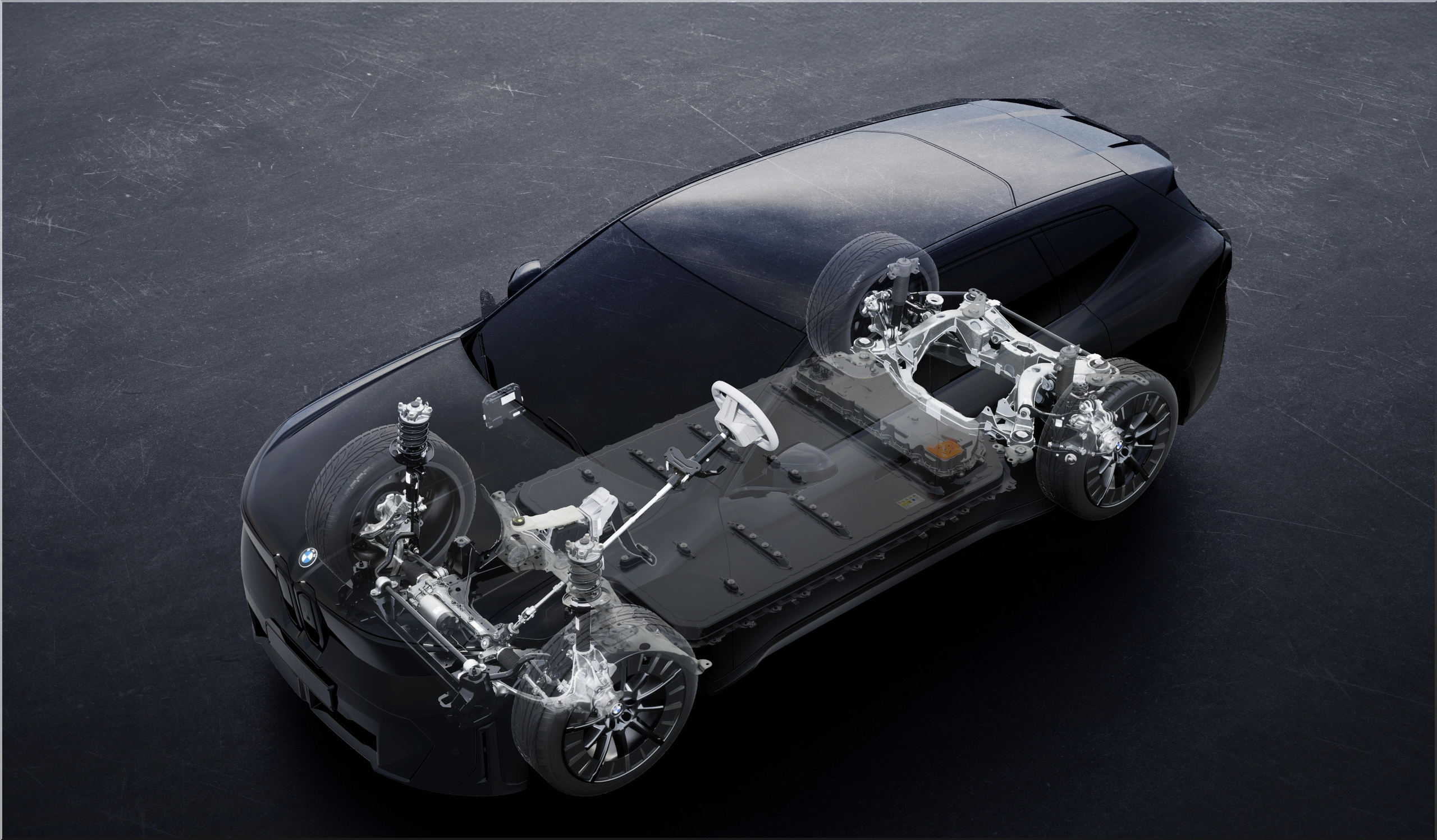
BMW says the sixth-generation eDrive raises efficiency and charging speed.
- 20% higher energy density than previous lithium-ion cells.
- 30% faster charging compared to BMW’s fifth-generation EVs.
- Charging time: 10 to 80% in 21 minutes at 800V DC stations.
By offering 400 kW charging speeds, BMW positions the iX3 as one of the fastest-charging EVs expected on the market in 2026. Access to Tesla’s Supercharger network in North America gives BMW buyers a stronger charging ecosystem from day one.

Driving Dynamics: Heart of Joy
The iX3 relies on a new electronics architecture with four high-performance processors BMW calls “superbrains.” These manage driving dynamics through the “Heart of Joy” control system.
The goal is precision handling, a trait BMW has marketed for decades. Automated driving systems will complement human control, but BMW stresses that the iX3 will keep the driver engaged.
Design: Reduced and Timeless
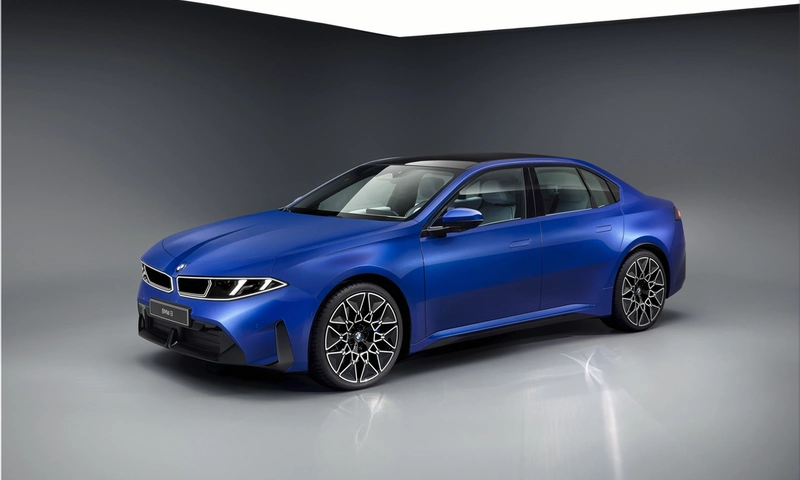
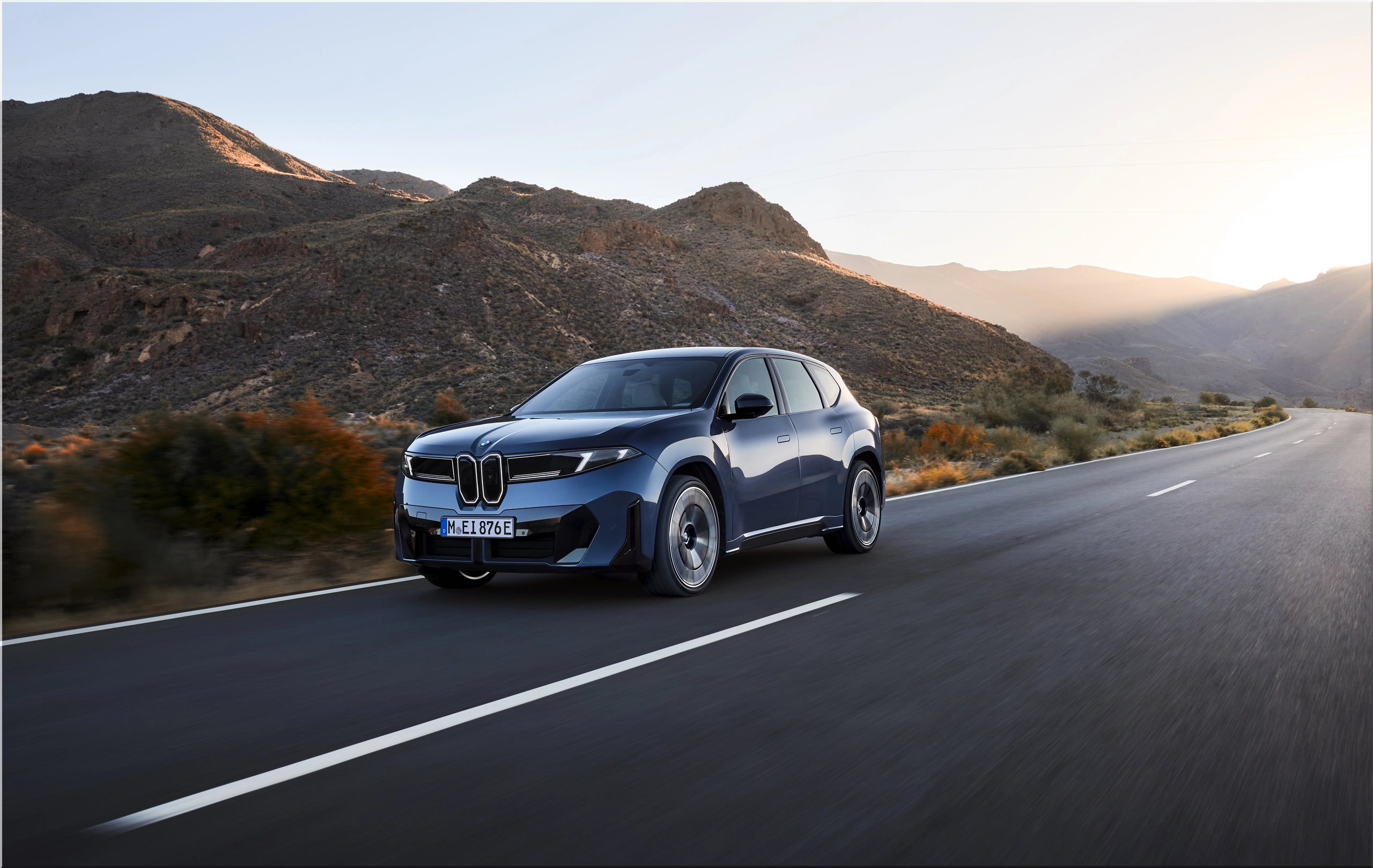
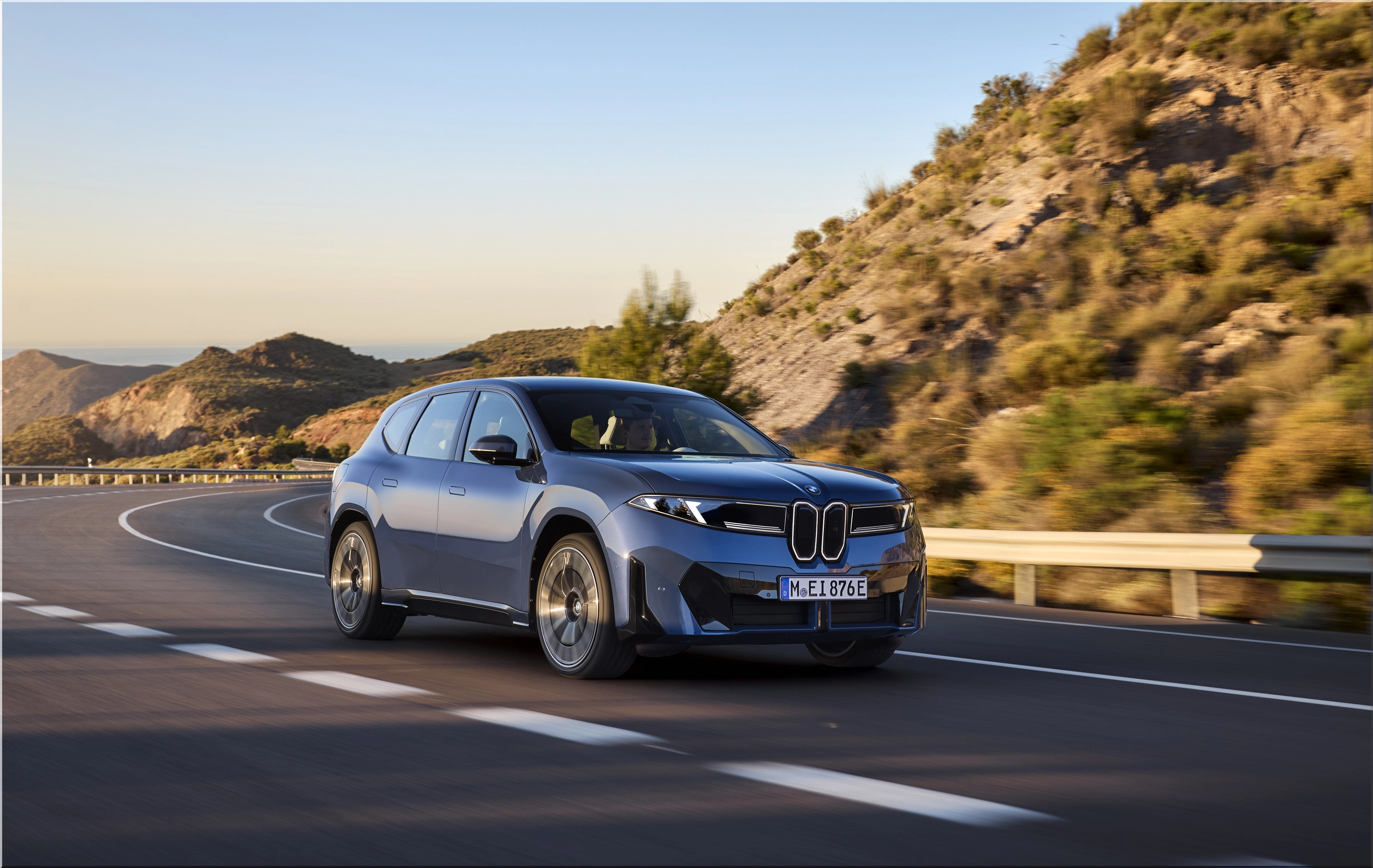
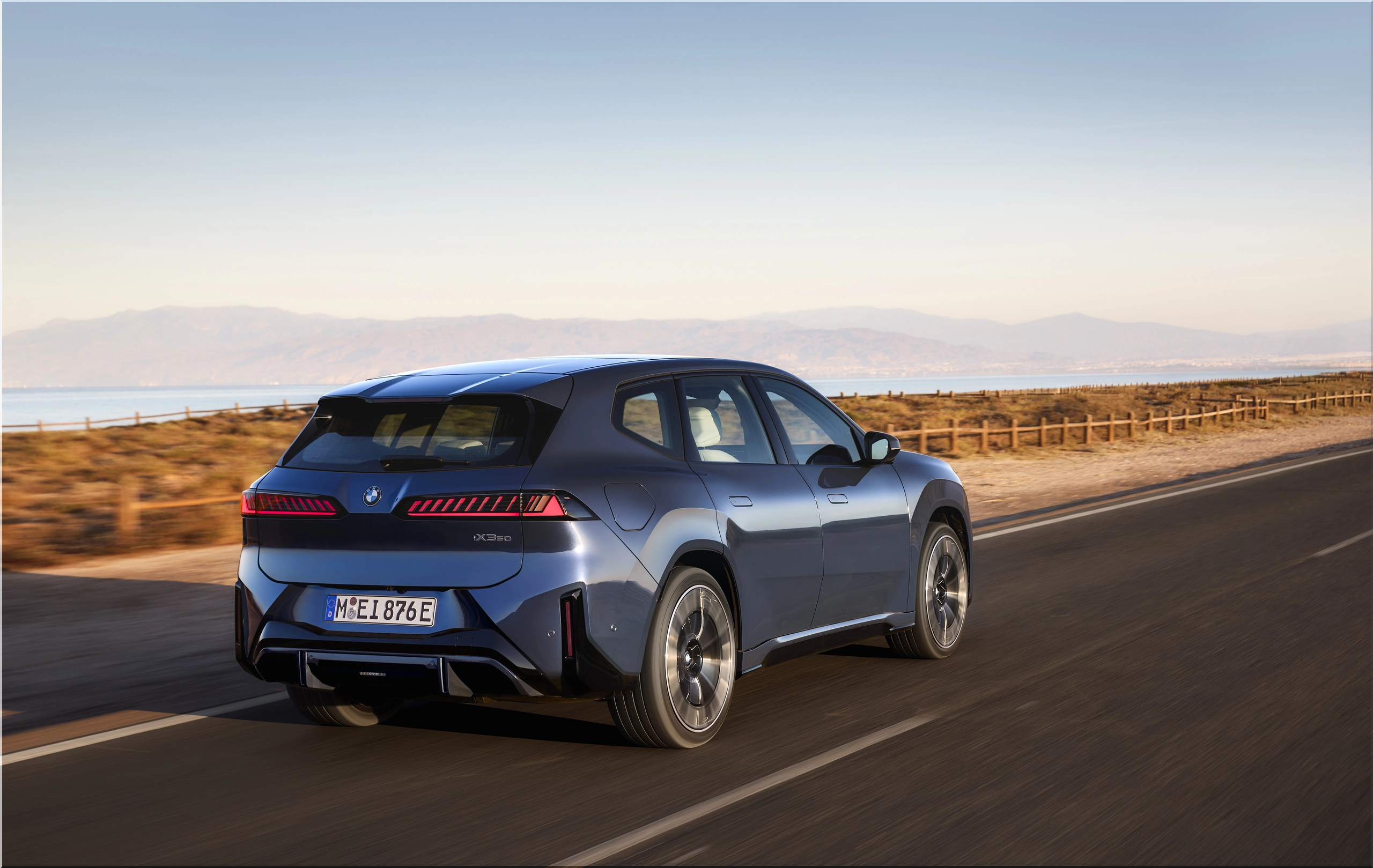
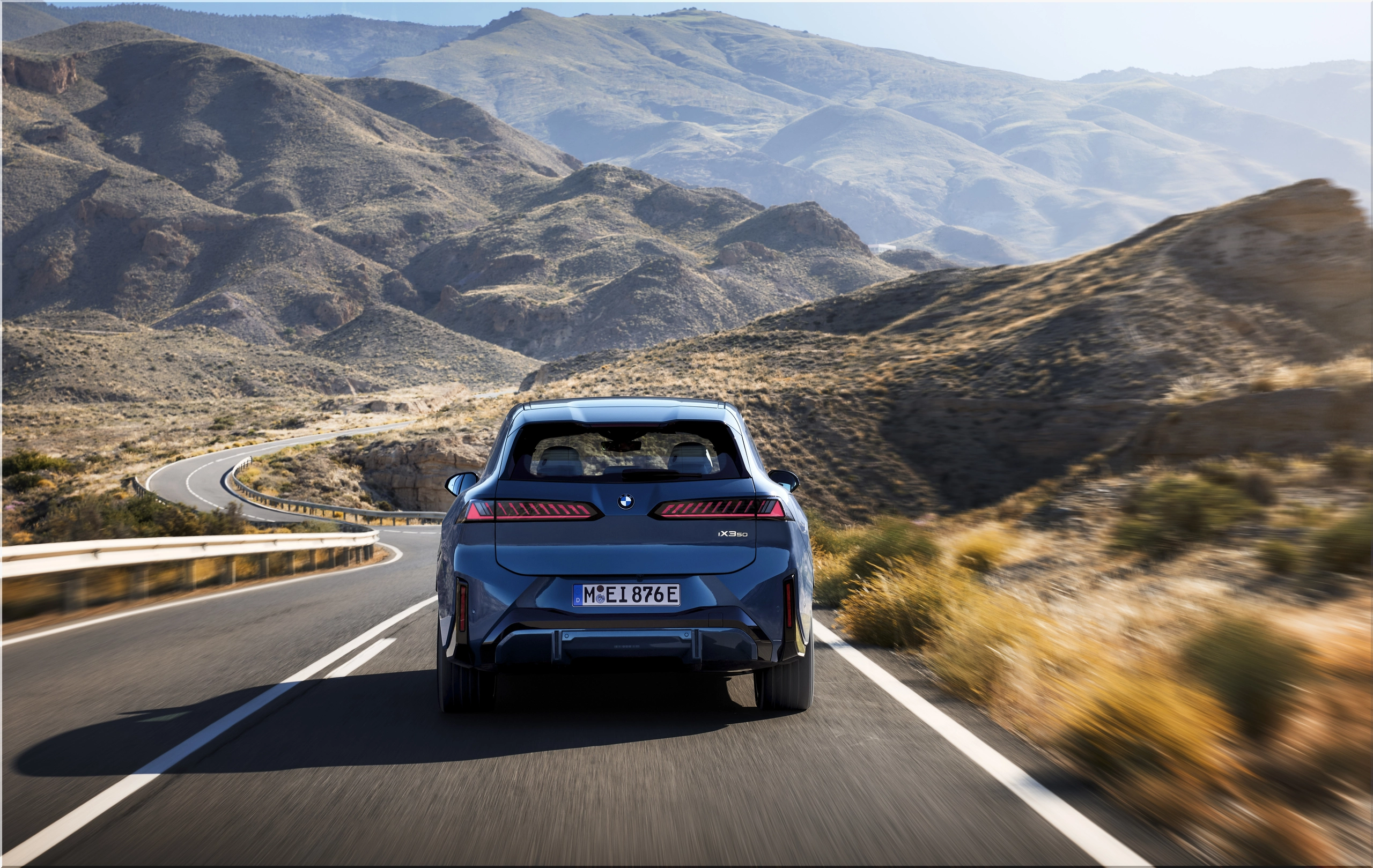
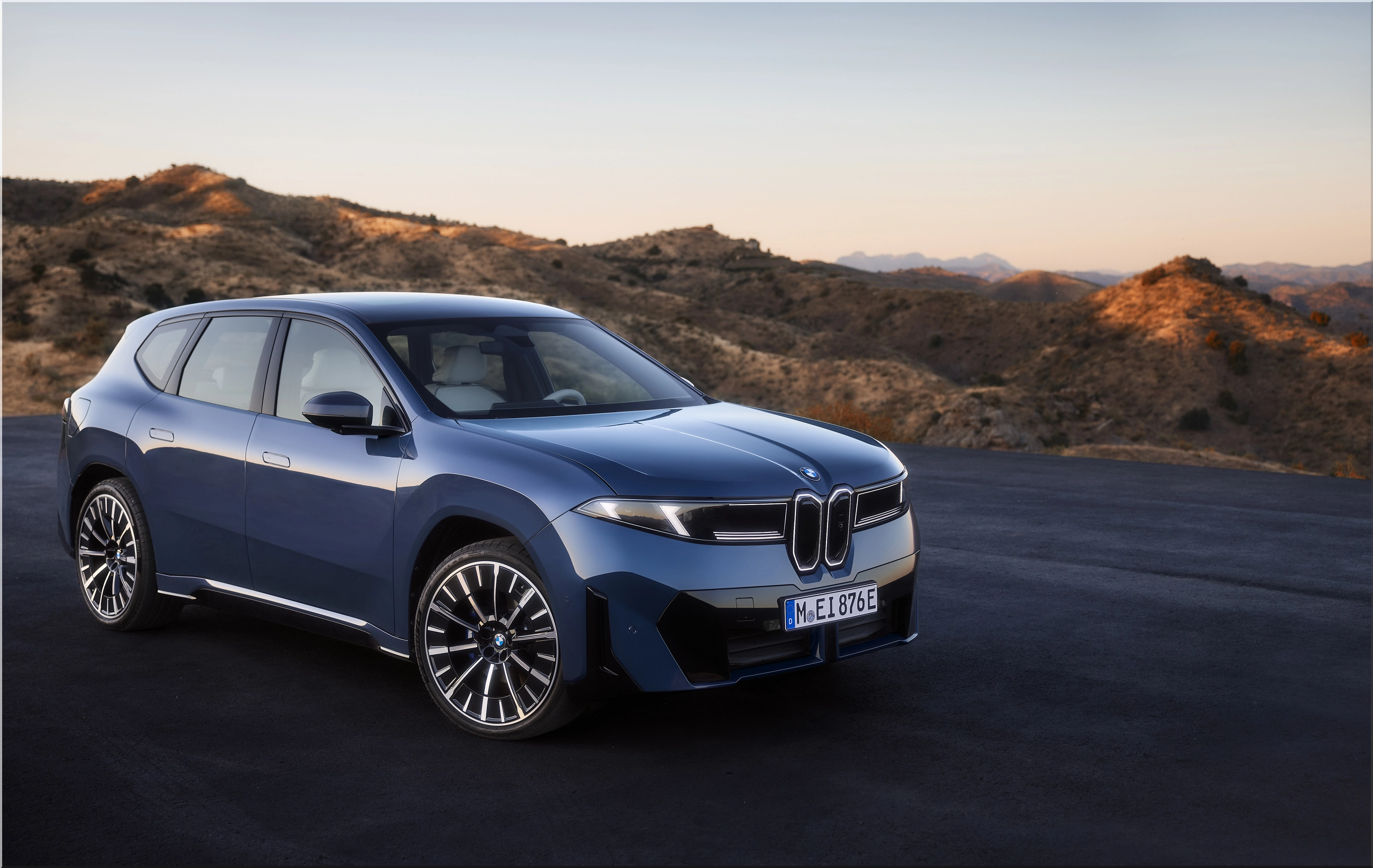
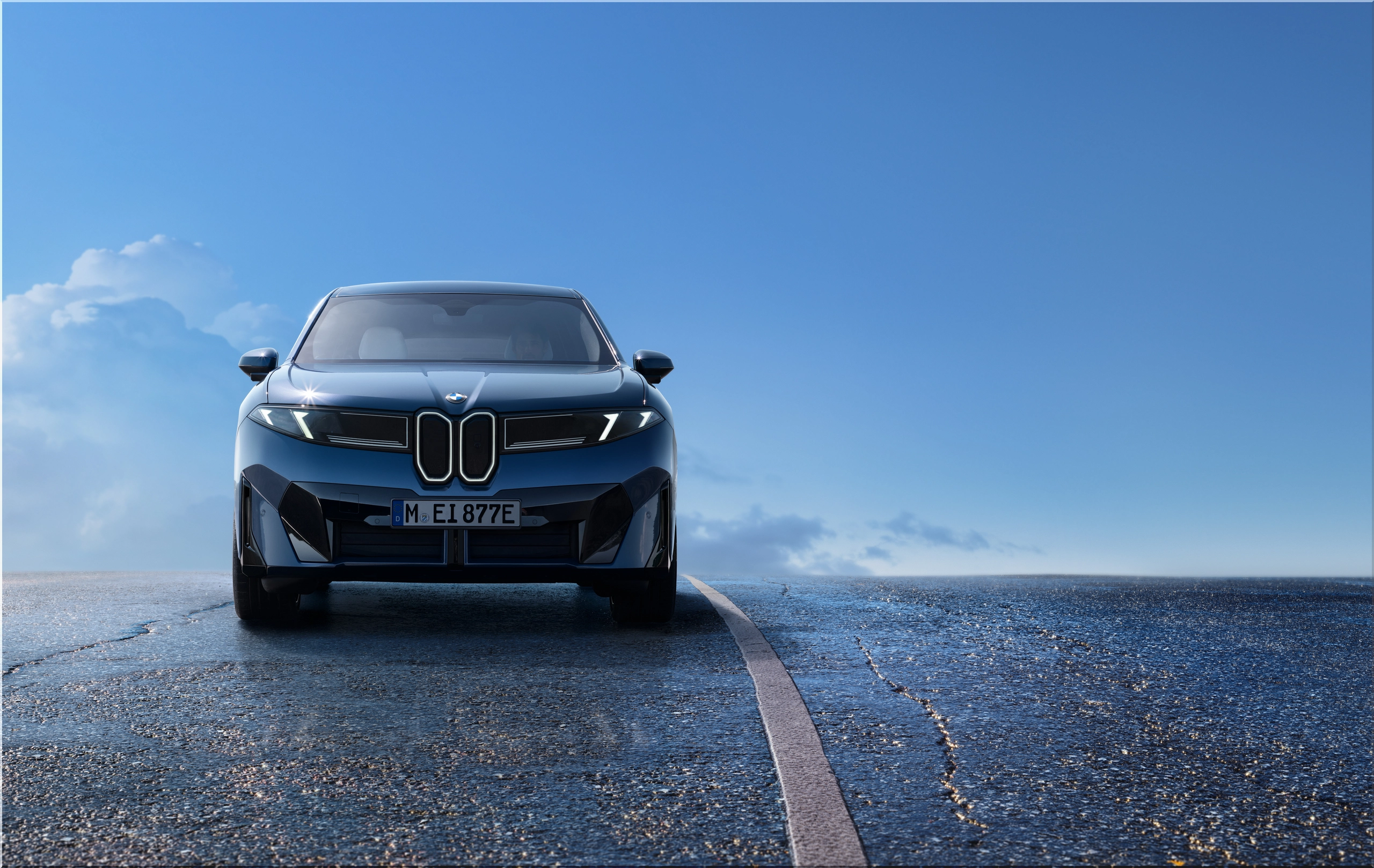
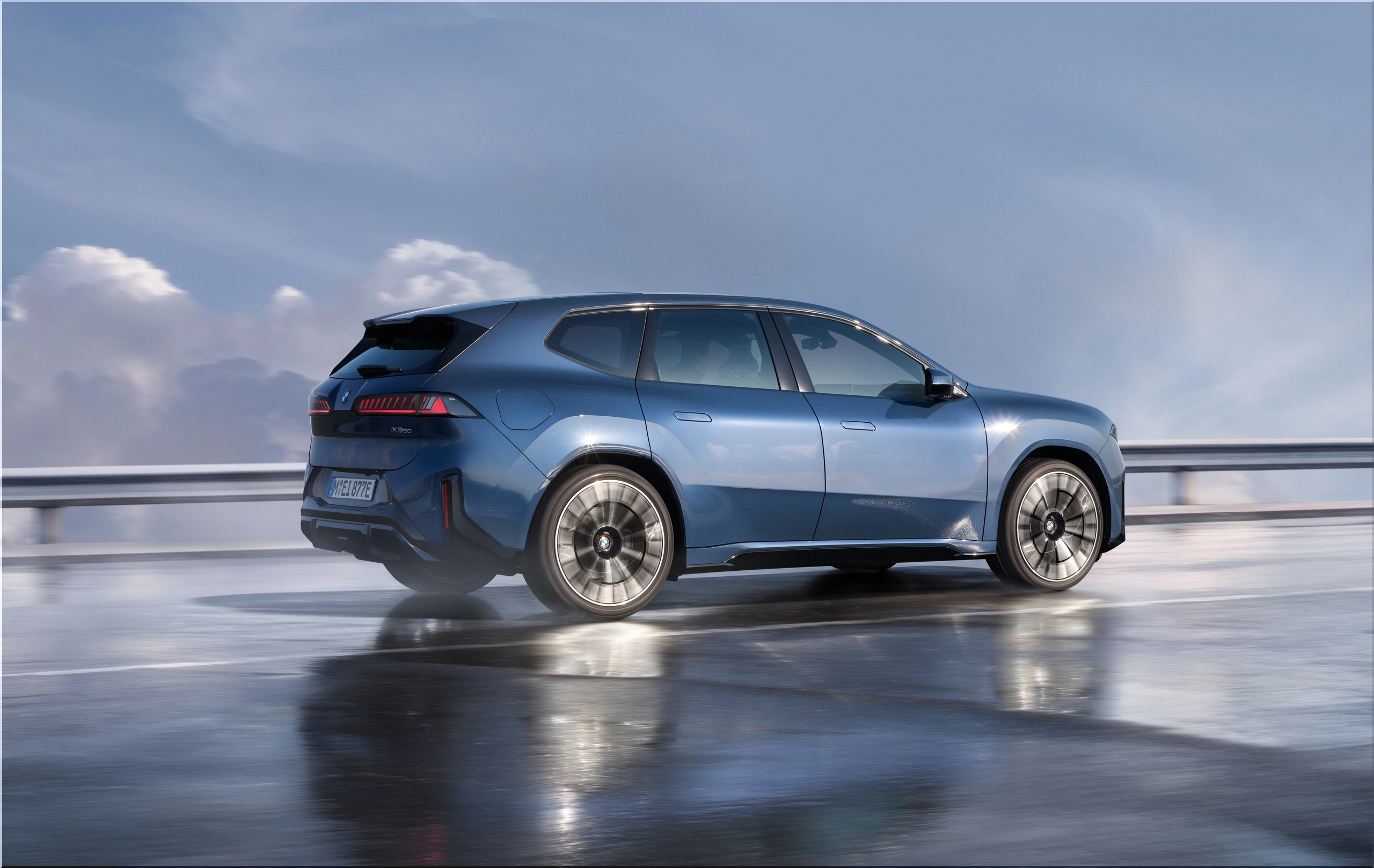
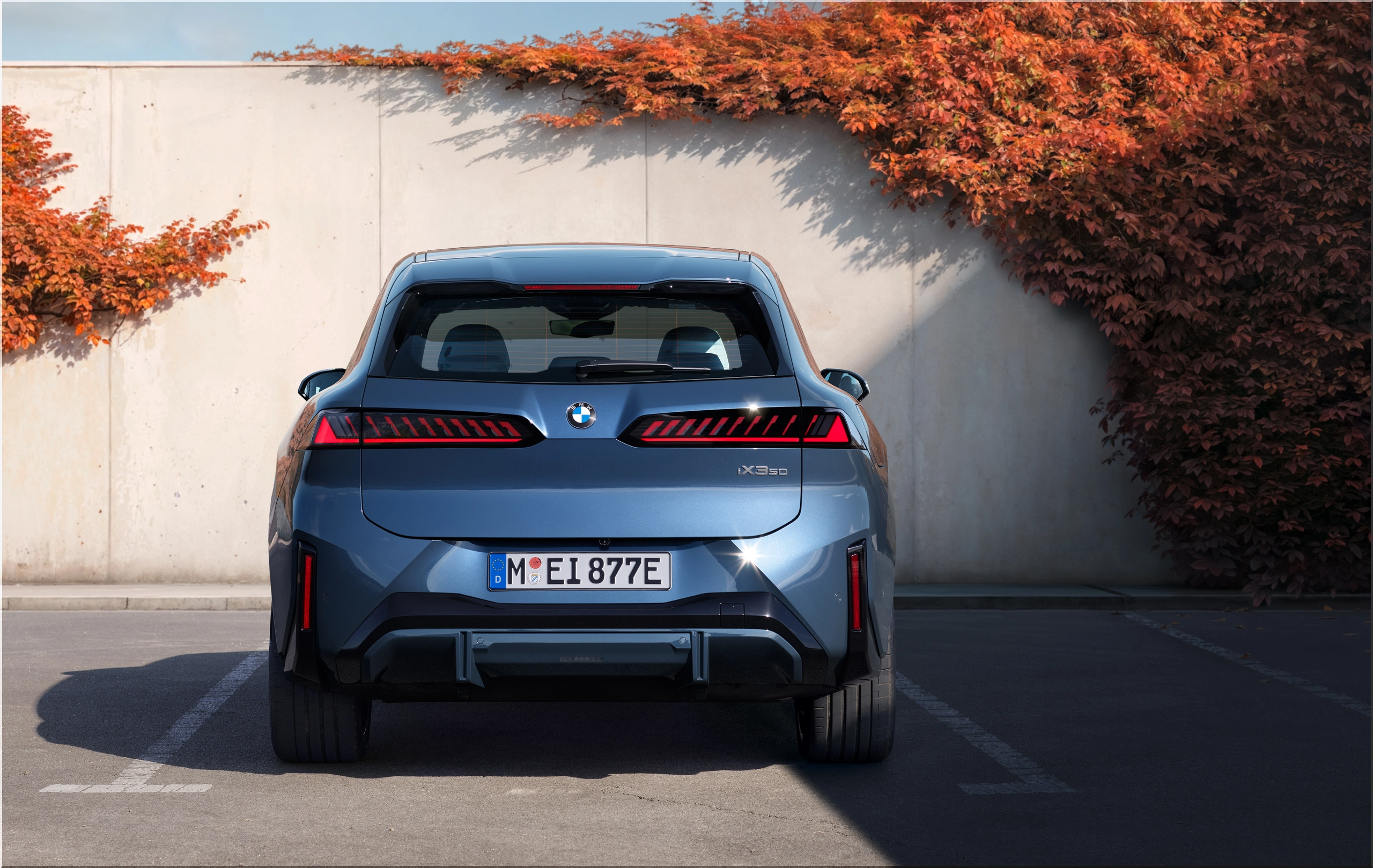
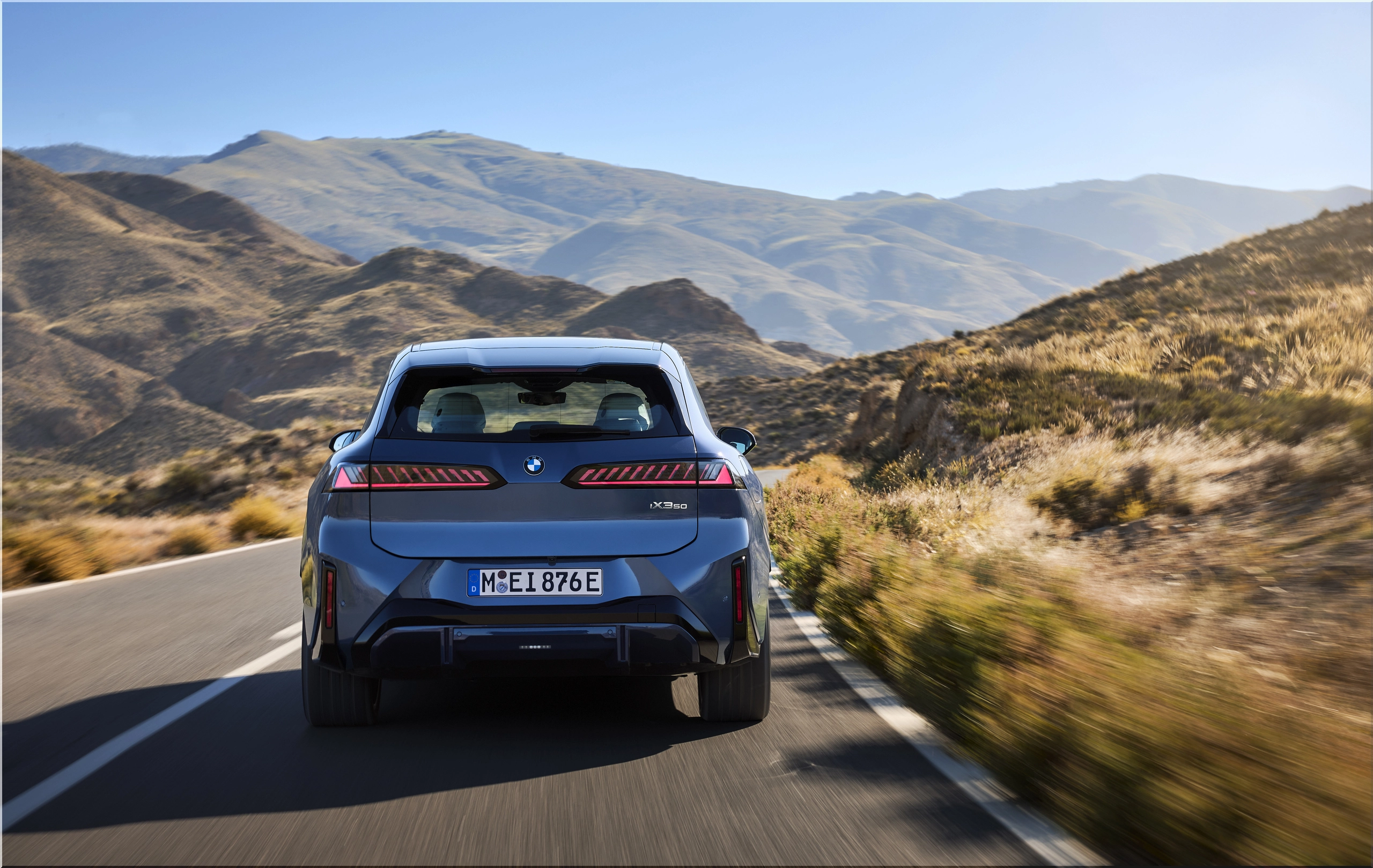
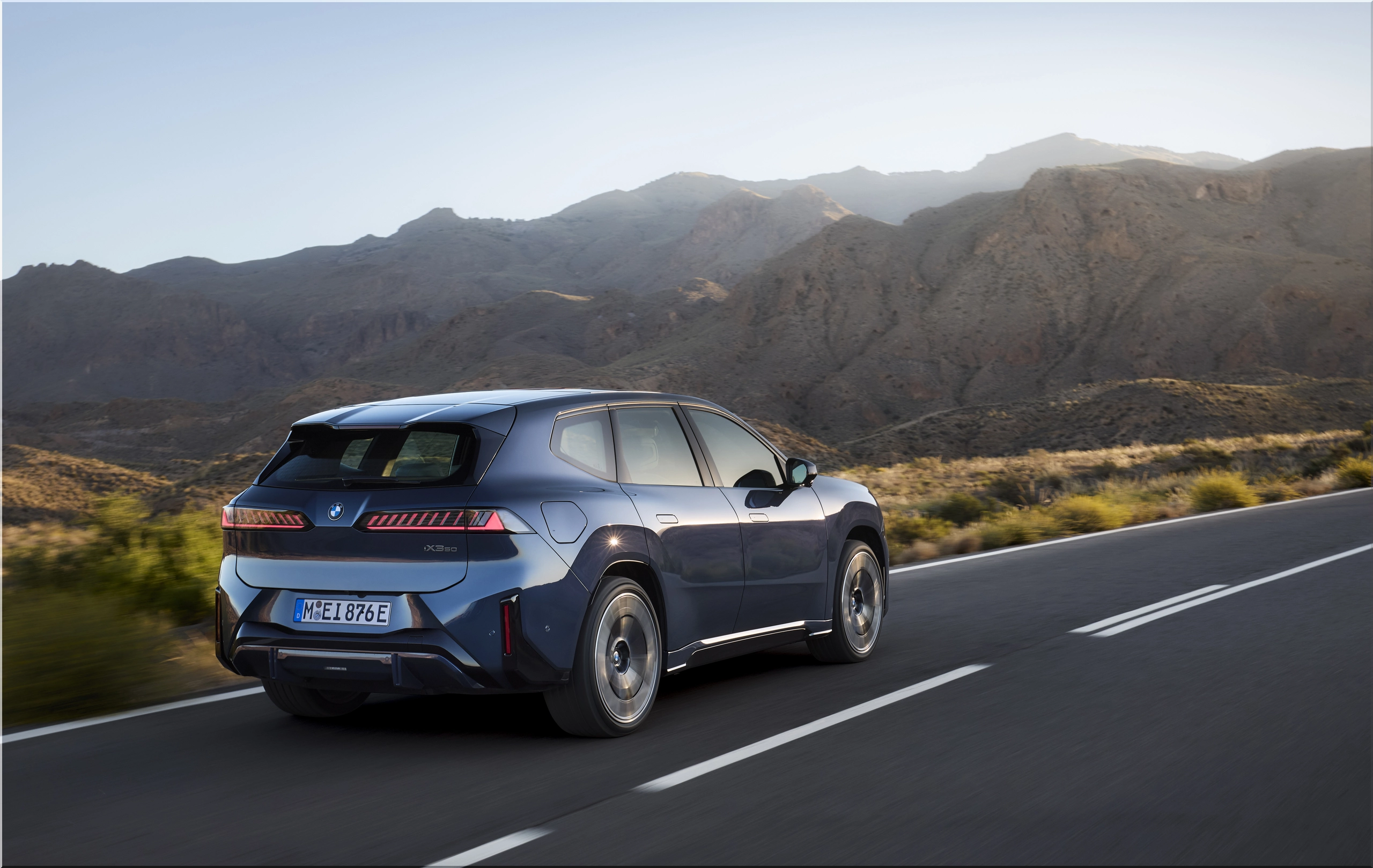
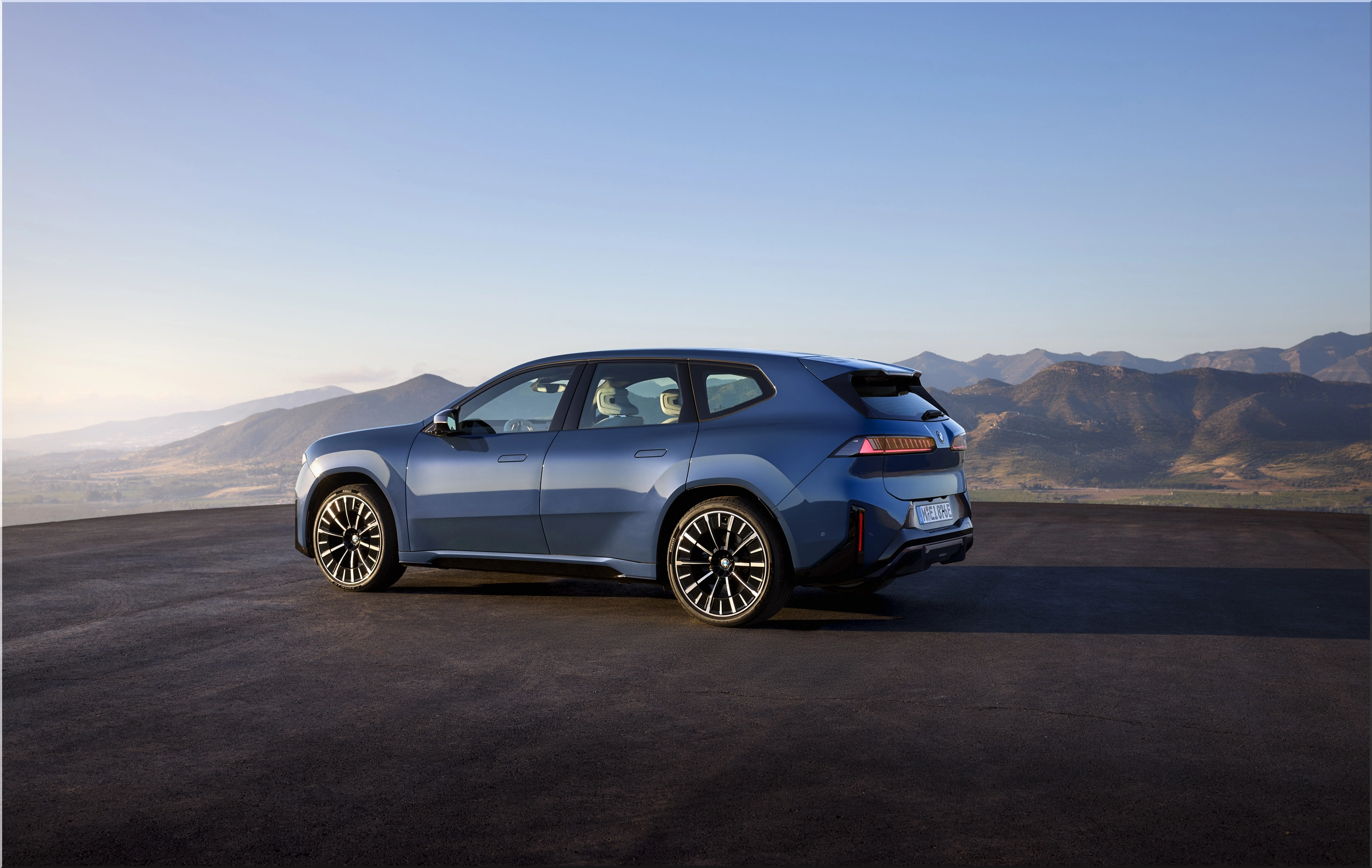
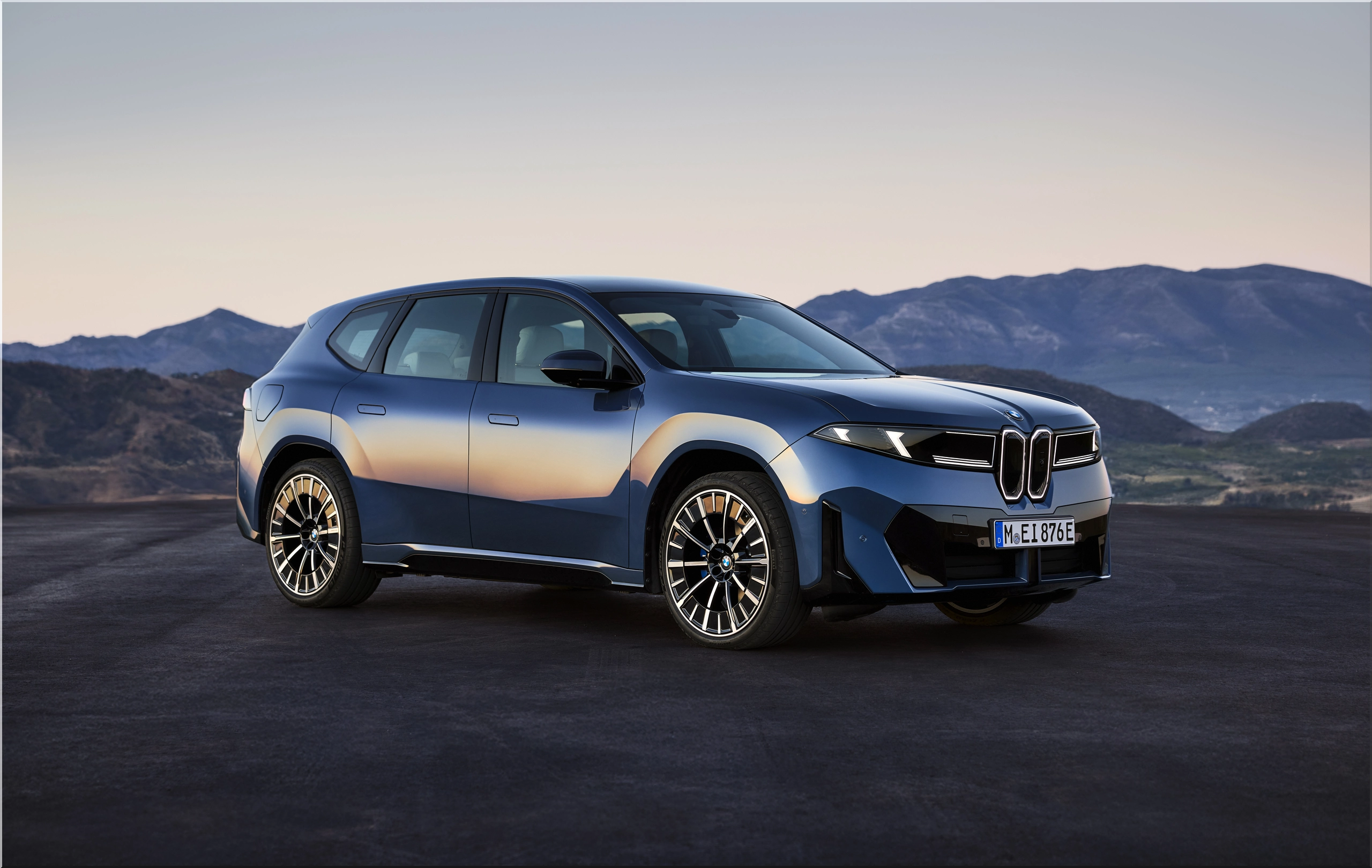
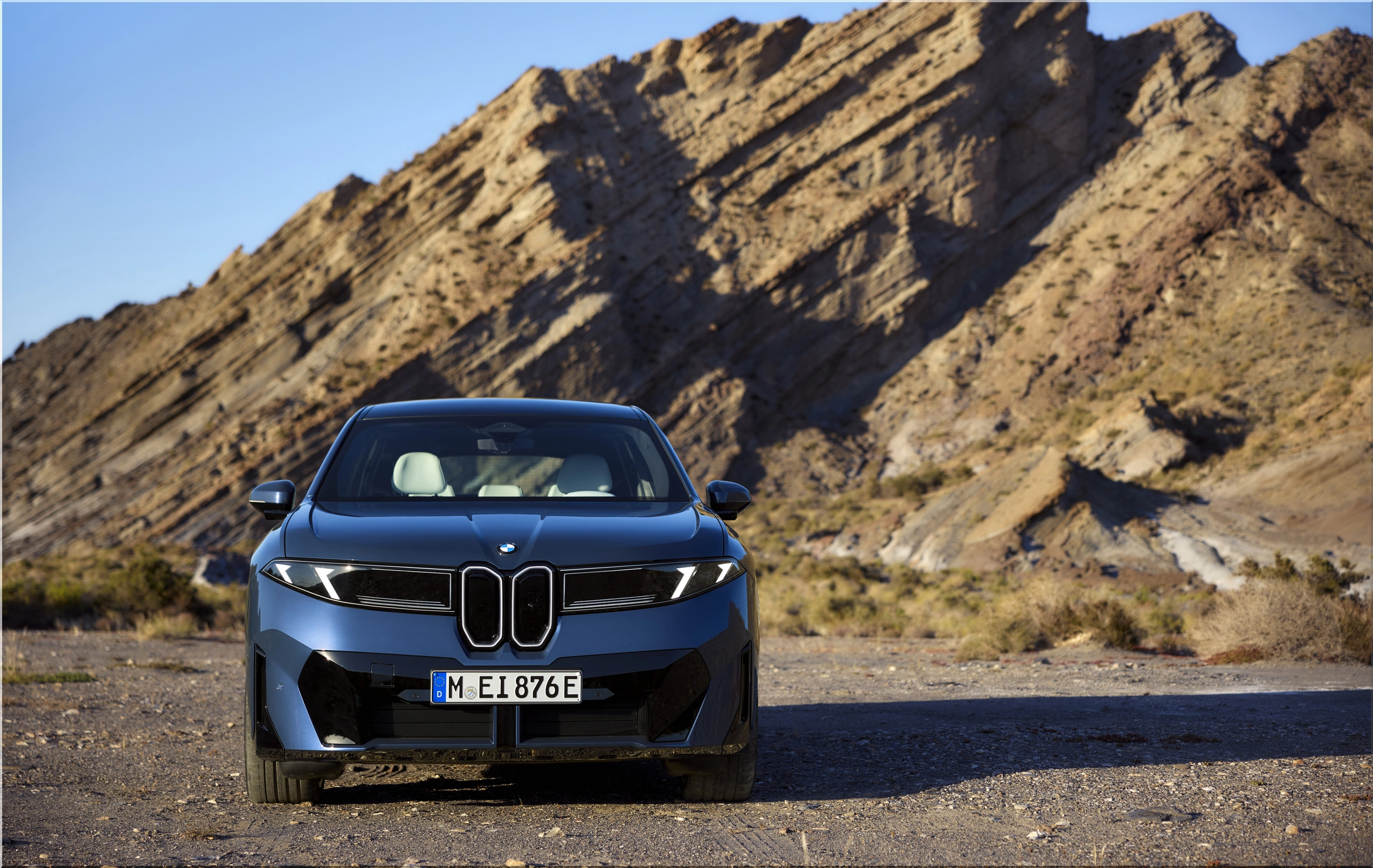
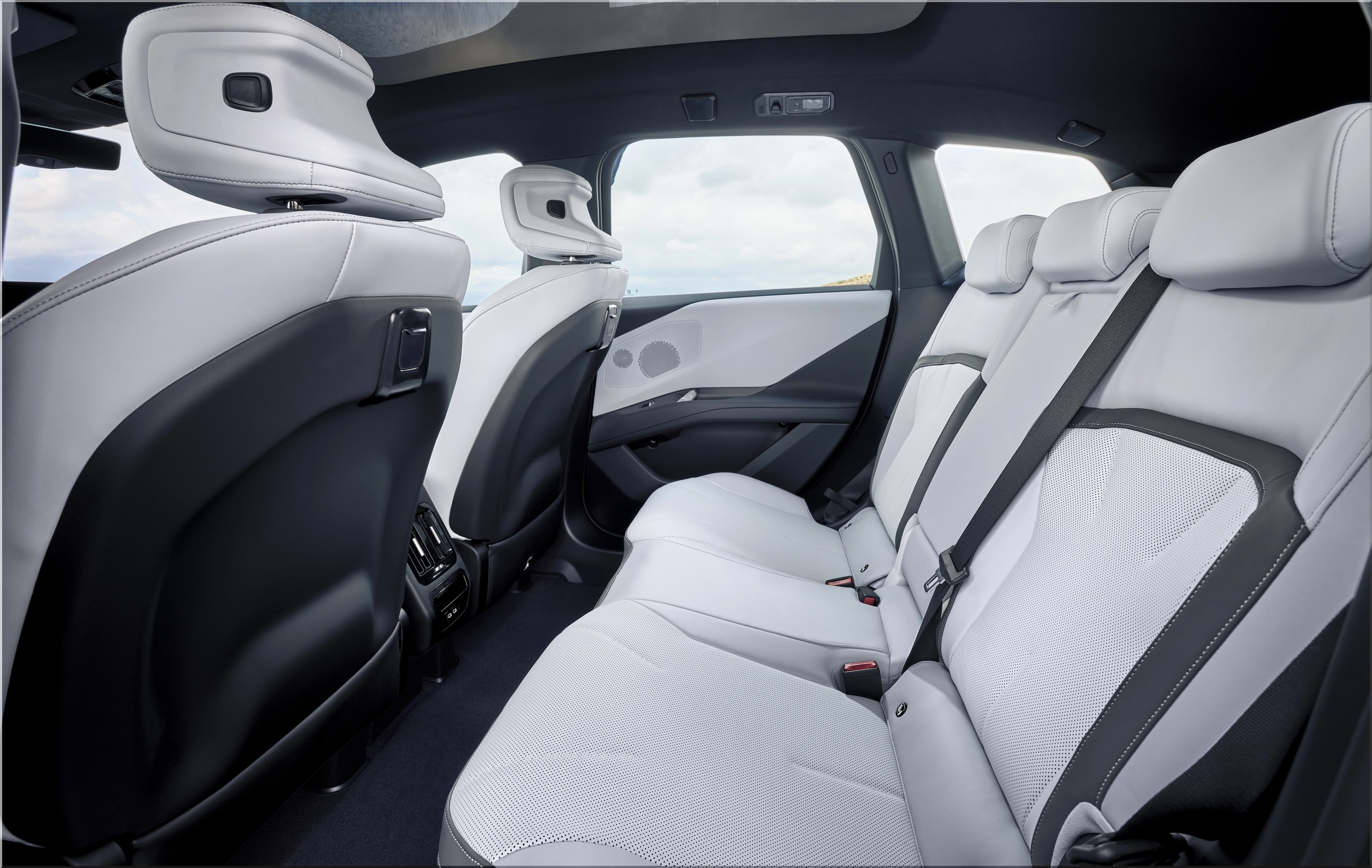
BMW calls the iX3’s design reduced but characterful. The surfaces are clean, with proportions that stress the four-wheel stance. Unlike legacy BMW SUVs adapted for EVs, the iX3 is designed strictly as an electric SUV, offering a favorable size-to-interior ratio.
This design language will expand across the lineup. BMW has already registered comprehensive design protection for the new aesthetic.
Sustainability in Practice
BMW used the iX3 debut to showcase its circular economy strategy. The SUV incorporates secondary raw materials in multiple components.
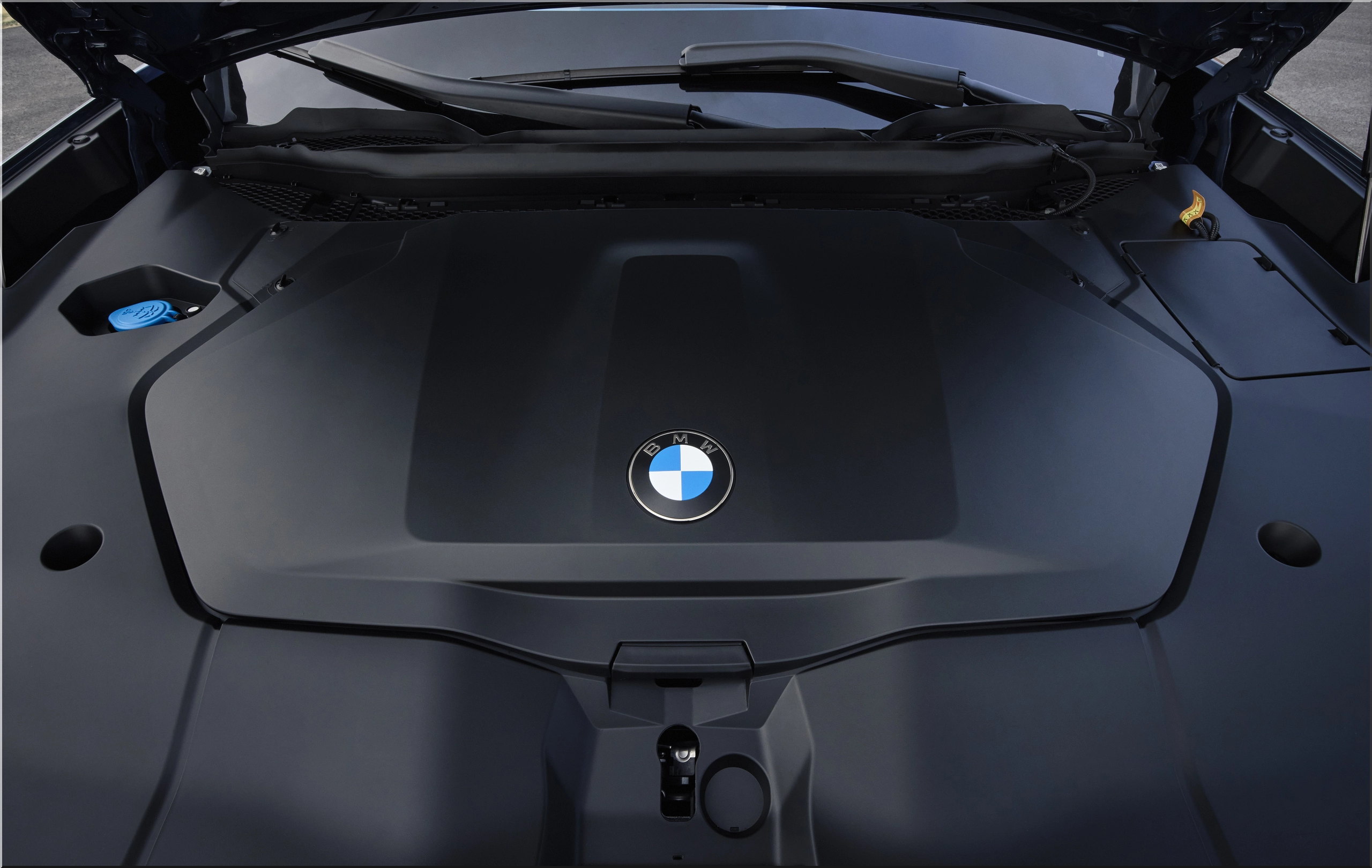
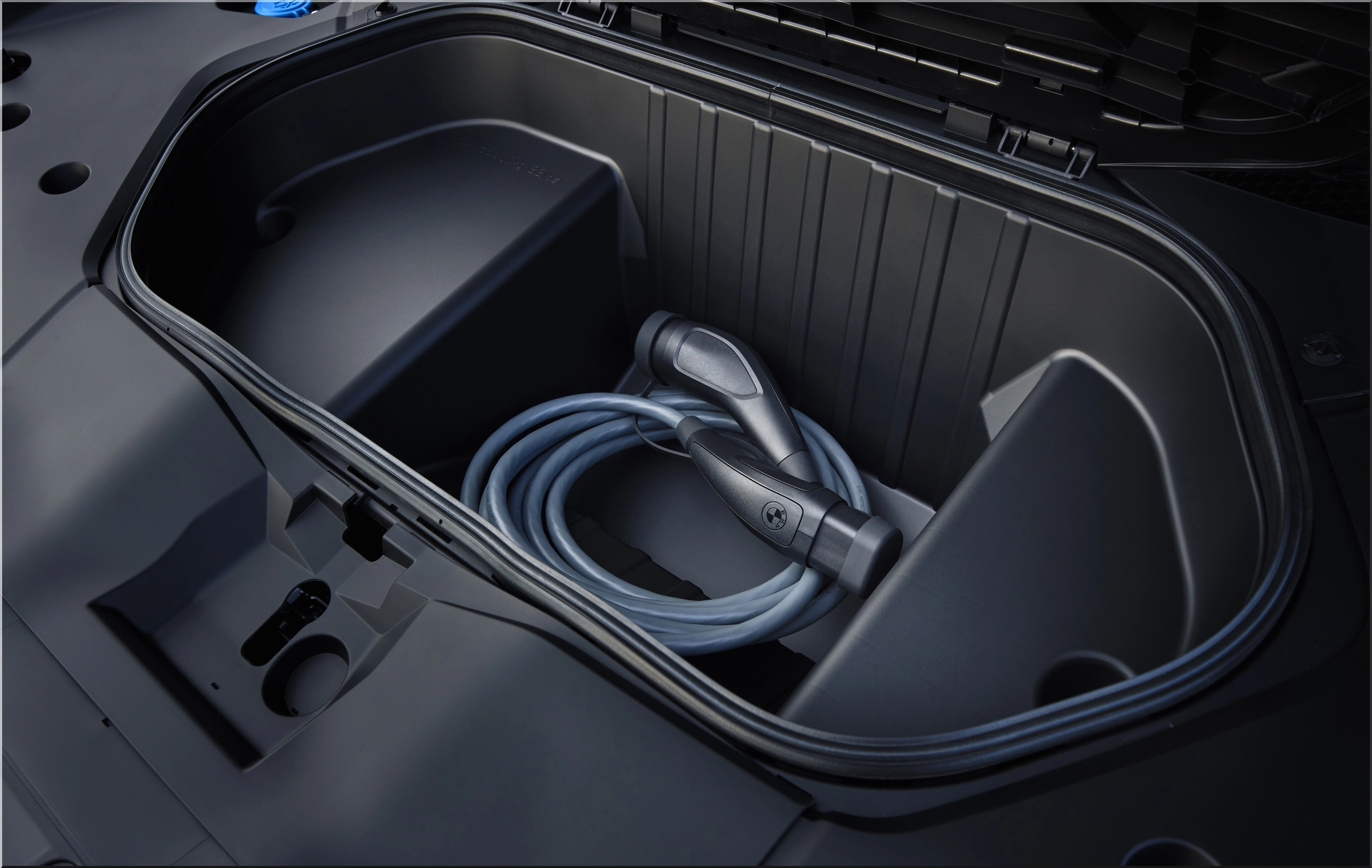
- 30% of the engine compartment cover and front hatch storage is recycled maritime plastic, sourced from fishing nets and ropes.
- Natural Fiber Roof developed with Swiss company Bcomp reduces production emissions by 40%.
- New Visionary Materials include recyclable seat fabrics and bumpers made from reprocessed used car parts.
BMW wants the Neue Klasse line to set a benchmark for sustainable production, moving beyond emissions to material sourcing and end-of-life recycling.
The Hydrogen Question
While the iX3 is battery-electric, BMW maintains a technology openness strategy. It will add hydrogen-powered fuel cell vehicles starting in 2028.
BMW has already tested an iX5 Hydrogen fleet and will bring the first production FCEV to market in collaboration with Toyota. The company views hydrogen as a storage and transport solution for renewable energy, particularly where battery-electric solutions face limits.
What It Means for Consumers
For buyers, the BMW iX3 signals several shifts:
- Access to Charging: The NACS port gives immediate access to the largest fast-charging network in North America.
- Faster Charging Times: 21 minutes for 10-80% charge will cut downtime on long trips.
- Digital User Experience: Panoramic iDrive places data in the driver’s sightline, reducing distraction.
- Sustainable Materials: Use of recycled and natural materials expands beyond niche trims.
- Future Options: Buyers will soon choose between BEV, PHEV, ICE, and hydrogen, depending on needs.
Competitive Position
The iX3 enters a crowded mid-size EV SUV segment. Its likely rivals include:
| Model | Range (miles) | Peak Charging Speed | Approx. Base Price (USD) |
|---|---|---|---|
| BMW iX3 (2026 est.) | 404 | 400 kW | $60,000 (est.) |
| Tesla Model Y | 330 | 250 kW | $44,990 |
| Mercedes EQC (2025) | 370 | 300 kW | $58,000 (est.) |
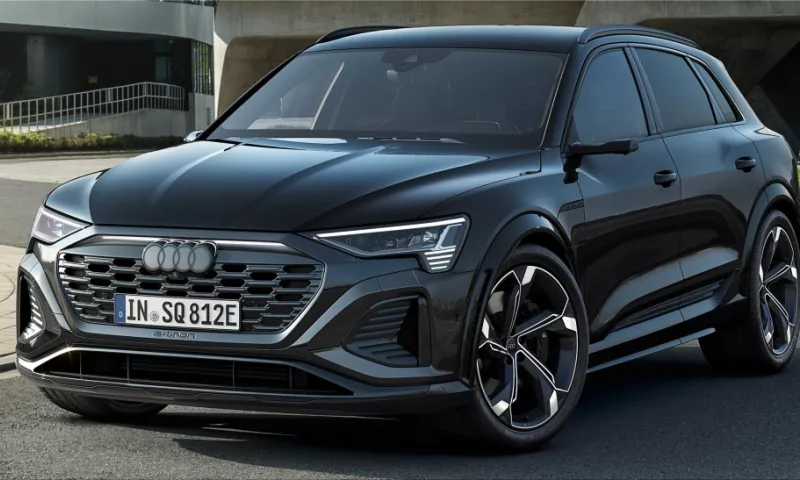
| Audi Q6 e-tron | 385 | 270 kW | $57,000 (est.) |
BMW will lean on brand reputation for performance and driving experience. But price positioning will be critical. With the iX3 projected to start near $60,000, it must deliver superior range and charging speed to justify the premium.

BMW’s Broader Strategy
By 2027, BMW expects Neue Klasse models to make up a major share of sales. The company’s multi-pronged strategy — EVs now, hydrogen later — is designed to keep customers across markets engaged.
For BMW, the iX3 is not only a new product. It is the start of a new phase where digital systems, material reuse, and alternative drivetrains must all work together.
- Add new comment
- 52 views