A Direct Shift Toward Electric Buses
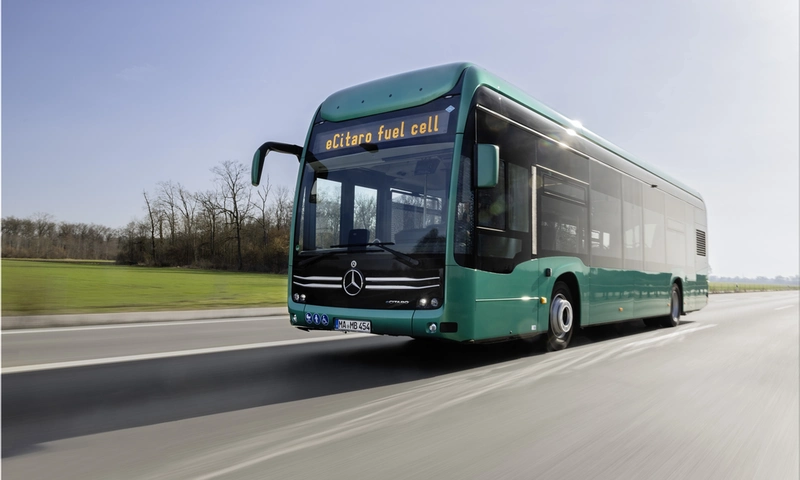
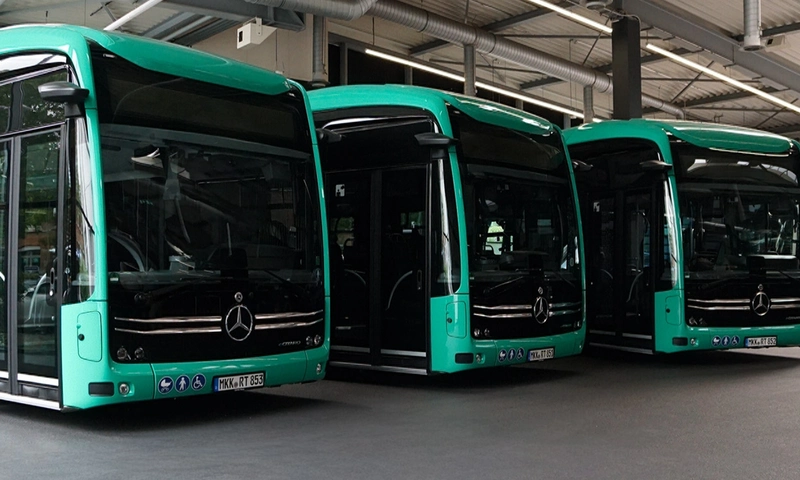
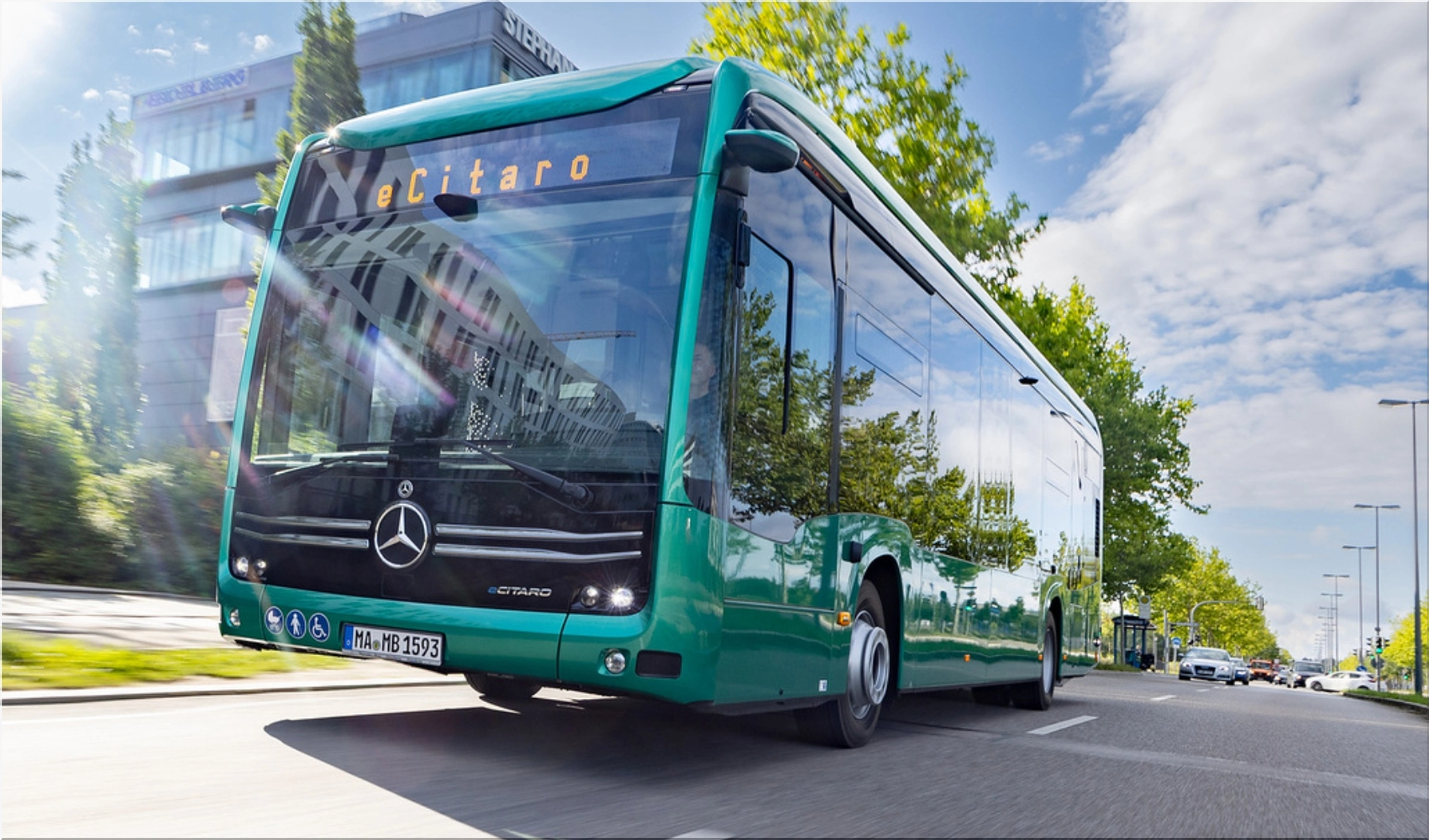
Cities want lower emissions and quieter streets. Transit agencies need stable energy costs. Daimler Buses answers both with the Mercedes-Benz eCitaro family. The lineup earns the German Sustainability Award 2026, driven by measurable cuts in CO₂ output and noise. The recognition confirms strong real-world performance, not theory.
The company sets one clear objective: deliver zero-emission urban transport at scale. The strategy relies on durable hardware, structured support, and a system that fits actual fleet behavior. The approach targets efficiency, uptime, and predictable long-term cost.
Why the eCitaro Reaches Award-Level Impact
The eCitaro gains its momentum through consistent results. Transit agencies track range, charging time, and reliability. The series performs in dense networks across Europe.
The award focuses on measurable progress. Daimler Buses delivers tangible gains through:
- CO₂-free operation in daily routes.
- Lower noise output across heavy stops.
- Planning support that shortens project timelines.
This combination helps agencies move faster toward large-scale electrification.
Battery Systems Built for Daily Predictability
Daimler Buses designs the eCitaro battery systems around stable range and clear charging strategy. The architecture supports different route demands without major redesigns.
Current specifications:
| Model | Battery Capacity | Range | Charging |
|---|---|---|---|
| eCitaro Solo | 588 kWh | Up to 600 km | 300 kW fast charging |
| eCitaro G | 686 kWh | Up to 600 km | Supports articulated loads |
The capacity levels give agencies enough margin for cold weather and peak loads. The systems help reduce diesel dependency and stabilize energy costs. Electricity pricing varies less than diesel, which strengthens planning.
The 2026 NMC4 battery pushes energy density up by 13 percent. The upgrade increases route flexibility and reduces midday charging stops. The pack also works with existing NMC3 systems, which protects earlier fleet investments.
Fuel-Cell Support for Longer Routes
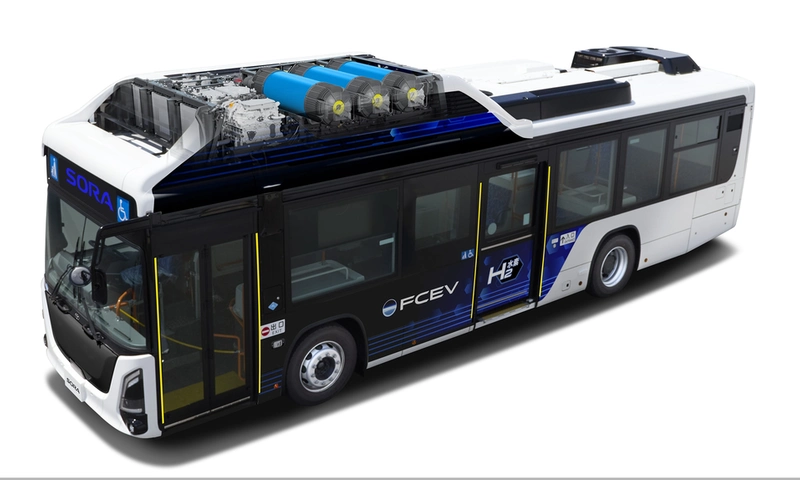
Battery-electric systems fit short and mid-range urban duty cycles. Longer cycles need a different tool. Daimler Buses develops the H2 Coach, a platform that uses hydrogen to generate onboard electric power. This supports extended routes without heavy battery packs that cut passenger load or increase energy use.
The fuel-cell system targets intercity corridors and regions with limited charging access. Hydrogen storage and conversion happen onboard, which simplifies logistics for long routes.
Fleet Infrastructure Through Omniplus Charge
Fleet transitions fail when charging systems lack structure. Daimler Buses offers Omniplus Charge, a full-service infrastructure program. It covers:
- Charging design
- Construction
- Grid load planning
- Depot charging control
- Battery storage integration
- Ongoing charger operations
- Digital monitoring
Deposit installation costs vary by fleet size and grid limits. Typical projects range from USD $600,000 to USD $2 million. The structured plan reduces delays and helps agencies control operating risk.
Hydrogen fleets also receive planning support. The H2 Mobility partnership places hydrogen stations near depots with no upfront investment for agencies. This removes financial friction and speeds adoption.
Proven Transit Performance Since 2018
The eCitaro program benefits from the long production history of the Citaro platform. Operators already know the layout, parts network, and maintenance structure. Daimler Buses adapts the electric systems into this framework with refined safety tools, thermal management, and efficient charging controls.
The eCitaro lineup includes:
- eCitaro K for tight routes
- eCitaro Solo for standard city routes
- eCitaro G for high-load corridors
- Mercedes-Benz eIntouro (2026) for intercity demand
- Battery-electric coaches later in the decade
- Fuel-cell coaches in a following phase
Agencies gain a consistent roadmap. The plan covers city, intercity, and long-distance operations.

Operating Costs Shape Long-Term Fleet Value
Electric buses cost more upfront. Agencies still adopt them because long-term costs fall. Electricity remains more stable than diesel. Maintenance drops due to fewer mechanical components.
European contract values place the average eCitaro between USD $510,000 and USD $850,000. Pricing varies by battery size, charging interface, and service package. Operators offset the higher purchase price with lower running costs across the fleet life cycle.
A typical diesel bus burns roughly 30 to 45 liters of fuel per 100 km. At USD $1.70 per liter, energy costs reach USD $51 to USD $76 per 100 km. Electric buses often run at one-third of that cost due to energy efficiency and cheaper electricity. This changes long-term fleet economics.

The Strategic Value for Transit Agencies
The eCitaro program gives agencies a structured path toward zero-emission mobility. The hardware delivers consistent performance. The infrastructure support reduces risk. The consulting process helps agencies place buses, define charging needs, and cut planning time.
The result: a platform that tracks real operating data and improves year after year. Daimler Buses continues to scale production, expand the lineup, and refine energy systems. Agencies gain tools that fit the demands of dense urban networks and long regional corridors.
The award confirms a simple trend across Europe. Operators want proven systems, measurable data, and predictable cost behavior. The Mercedes-Benz eCitaro meets those requirements with a platform designed for real-world pressure.
- Add new comment
- 96 views