
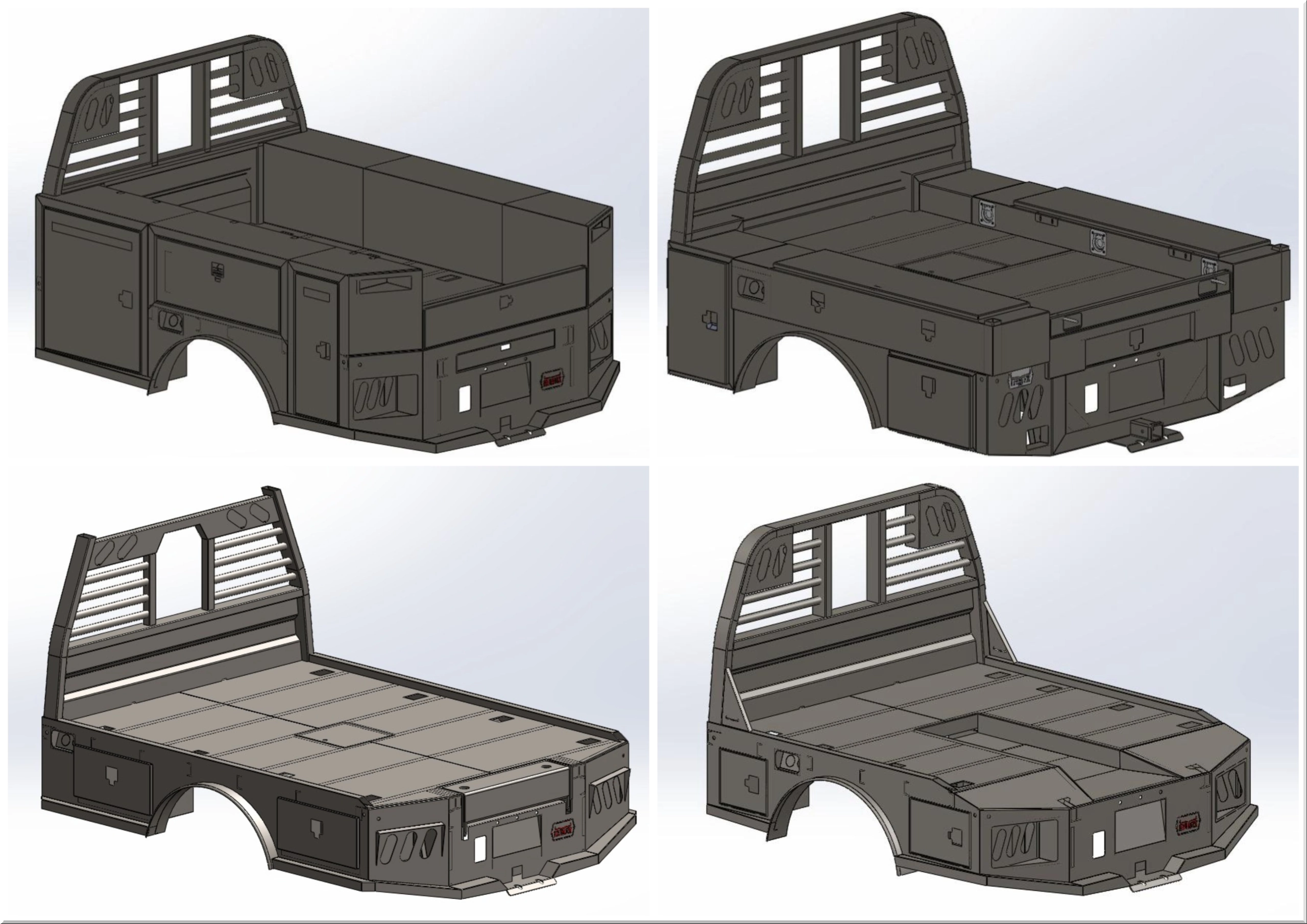
A truck bed plays an important role in how efficiently a work truck performs. It determines how materials are carried, how equipment is organized, and how easily workers can access the tools they need. A standard pickup bed may be suitable for everyday transportation, but businesses involved in construction, farming, maintenance, and transportation often require a more specialized setup.
Choosing the right truck bed involves understanding the type of cargo, the working environment, vehicle compatibility, and the features needed for daily tasks. Manufacturers such as Iron Ox Products offer different configurations, including standard steel beds, skirted beds, flatbeds, service beds, and utility designs. Understanding these categories can help truck owners make a more practical decision.
1. Determine What Is To Be Transported
Start by writing down the exact cargo and tools your truck normally carries from job to job:
- Construction crews often haul building materials, heavy machinery, and daily hand tools.
- Farmers and ranchers regularly load fencing supplies, animal feed, hay bales, and field equipment.
- Electricians, plumbers, and mechanics need organized spots for small tools, rolls of wiring, pipes, and spare parts.
- Landscaping workers commonly move soil, plants, yard tools, and garden supplies.
- Transport operators frequently carry oversized or awkwardly shaped freight that demands wide-open deck space.
Think beyond just how heavy or bulky your cargo is-consider how many times a day you load and unload it. Also check whether your items need cover from rain and dust or strong tie-down points while driving.
2. Recognise Key Bed Forms
Different truck bed styles exist because every trade works differently.
Steel Beds
Basic steel beds serve well as a strong replacement when an original factory bed gets worn out or damaged. They are a practical choice if you simply want a tough, straightforward work bed without paying for built-in compartments or custom racks.
Skirted Beds
Skirted beds feature lower side panels that cover the space around the wheels and frame. Besides giving the truck a cleaner, finished appearance, this style leaves room for a more polished look while still letting you reach your cargo easily.
Flatbeds
Unlike regular pickup beds, flatbeds have no side walls at all. Because the deck sits completely open, loading wide items like pallets, crates, and heavy equipment with a forklift becomes much easier. Having no side panels also gives you far more freedom in what shapes and sizes you can haul.
Service Beds
Service beds are built for workers who reach for tools and parts all day long. Most models come with built-in side cabinets that keep everything sorted. For plumbers, mechanics, and repair technicians, this keeps tools organized outside so the passenger cab stays clean and free of clutter.
Utility Beds
Utility beds put maximum focus on enclosed storage. Their separate compartments let you group tools and spare parts by category. When comparing options, look closely at compartment size, how easy the doors are to open, how well seals block out water, and whether the layout fits your daily routine.
3. Assess Vehicle Suitability
Not every truck bed fits onto every pickup chassis. Details like overall truck length, mounting bracket locations, cab style, and rear axle layout all affect whether a bed will bolt on properly.
Before ordering a new or custom truck bed, confirm these exact details:
- Truck brand and model name
- Year of manufacture
- Single rear wheel (SRW) or dual rear wheel (DRW) setup
- Cab and chassis configuration
- Wheelbase measurement
- Existing frame mounting points
- Total vehicle weight and payload rating
Many beds are built for very specific truck frames. Because of this, you should always check fitment with the bed manufacturer or a knowledgeable dealer instead of guessing based on visual checks or general model info. Proper fitment saves you from installation headaches and keeps fuel fillers, wiring, and underside parts easy to reach.
4. Establish Your Truck's Payload Capacity
Payload capacity is one of the most important numbers to check before upgrading. It represents the maximum total weight your truck can safely carry, including cargo, tools, passengers, and any extra gear.
Keep in mind that a heavier aftermarket truck bed reduces how much cargo weight you have left to haul. For example, if your truck has a total payload limit of 3,000 pounds and a heavy steel bed plus extra racks weigh 1,000 pounds, you only have 2,000 pounds remaining for people, tools, and materials.
Always verify these numbers on your vehicle:
- Gross Vehicle Weight Rating (GVWR)
- Front and rear Gross Axle Weight Ratings (GAWR)
- Manufacturer payload guidelines
- Tire load capacity ratings
Never go above these limits, and always follow the manufacturer's advice on spreading weight evenly across the bed.
5. Select Beneficial Storage Options
Adding the right storage accessories saves time on every job because workers know exactly where each tool belongs.
Useful add-ons worth considering include:
- Toolboxes: Keep valuable tools and parts locked and protected from weather.
- Stake pockets: Let you drop in removable side rails, racks, or tie-down anchors when needed.
- Headache racks: Protect the rear cab window from shifting cargo while giving you extra places to strap gear.
- Hay spikes: Make lifting and hauling round hay bales much faster on properly built farm beds.
- Bed lighting: Helps crews find tools and read labels clearly during early mornings or night shifts.
- Side storage compartments: Keep small, everyday supplies separated and easy to grab from ground level.
You do not need every accessory on the market. Pick only the add-ons that truly help your daily tasks, and skip extras that will just add weight and sit unused.
6. Analyse The Nature Of Your Goods
The type of cargo you haul also determines which bed surface and layout will hold up best:
- Loose bulk materials (like dirt, gravel, or mulch) require a deck surface that sweeps clean easily and lets you unload safely.
- Dense, heavy equipment calls for checking floor strength ratings and concentrated load rules so the deck does not bend.
- Long items (such as pipes, lumber, and fence posts) need enough deck length and solid tie-down points along the edges.
Also think about how you load your truck-whether by forklift, loading ramps, crane, or by hand-since each method works better with certain bed heights and side styles. Never assume one bed handles every heavy load safely; follow manufacturer load rules and use proper straps or chains.
7. Assess Material And Weather Resistant Properties
Work trucks spend long hours outside in rain, mud, dust, and harsh sun while taking constant scrapes from heavy loading. Checking build quality before buying helps ensure your bed lasts for years.
Steel remains a popular choice because it handles heavy impacts and tough job sites well. Still, build quality varies widely between manufacturers depending on the grade of steel and how carefully the joints are welded. A tough industrial paint or powder-coat finish adds strong protection against rust, though regular washing and touch-ups are still necessary.
Inspect these build details closely:
- Clean, strong welds
- Smooth, well-finished metal edges
- Reinforced tie-down and mounting points
- Even, durable paint or coating coverage
- Proper water drainage channels
- Easy access to parts that may need future repair
A well-made bed combines rugged strength with practical maintenance access.
8. Factor In Any Towing And Add-On Requirements
Many work trucks pull trailers in addition to hauling cargo in the bed. Your new truck bed must work smoothly with your towing setup without blocking hitches or cables.
Before finalizing your choice, check:
- Clear access to rear bumper or under-bed hitches
- Convenient mounting spots for trailer wiring plugs
- Enough clearance around hitch handles and swing arcs
- Compatibility with gooseneck or fifth-wheel towing setups
- Clear visibility of taillights, brake lights, and turn signals
- Easy, safe hooks for attaching trailer safety chains
While some beds come pre-cut or shaped specifically for gooseneck and fifth-wheel hitches, always double-check that the design matches both your truck frame and your exact trailer setup.
9. Appraise Total Costs
The sticker price of a truck bed is only part of what you will spend over its lifetime. Look at the full picture before making a purchase:
- Initial purchase price
- Professional installation and wiring fees
- Cost of extra toolboxes, racks, or lighting
- Routine upkeep and coating maintenance
- Potential repair expenses
- Extra fuel costs caused by heavier bed weight
- Expected service life before replacement
Buying the cheapest bed often costs more later if it lacks the storage or strength your job demands. On the other hand, paying for overly complex custom features you rarely use wastes money upfront. The smartest choice is a bed that handles your real daily work reliably without unnecessary extras.
10. Examine And Service Your Truck Bed
Even the strongest truck bed needs regular checkups to stay safe and functional. Catching small problems early keeps minor wear from turning into costly downtime.
Make these habits part of your routine care:
- Wash away mud, road salt, and debris regularly
- Check for paint chips or early rust spots and touch them up
- Inspect mounting bolts, brackets, and frame fasteners for tightness
- Test door hinges, latches, locks, and drawer slides
- Examine tie-down rings and stake pockets for cracks or bending
- Make sure racks, toolboxes, and lights stay firmly attached
- Repair worn seals or damaged parts promptly
Make sure drivers and crew members also understand proper weight balance and never overload the truck past its rated payload limit.
Conclusion
Choosing the right truck bed comes down to matching the design to how you actually work. Each option-steel, flatbed, skirted, service, and utility-offers clear advantages depending on your trade. When you weigh your cargo types, storage needs, truck specifications, payload limits, and long-term costs together, and back that up with steady maintenance, you end up with a safer, better-organized, and far more dependable work truck.
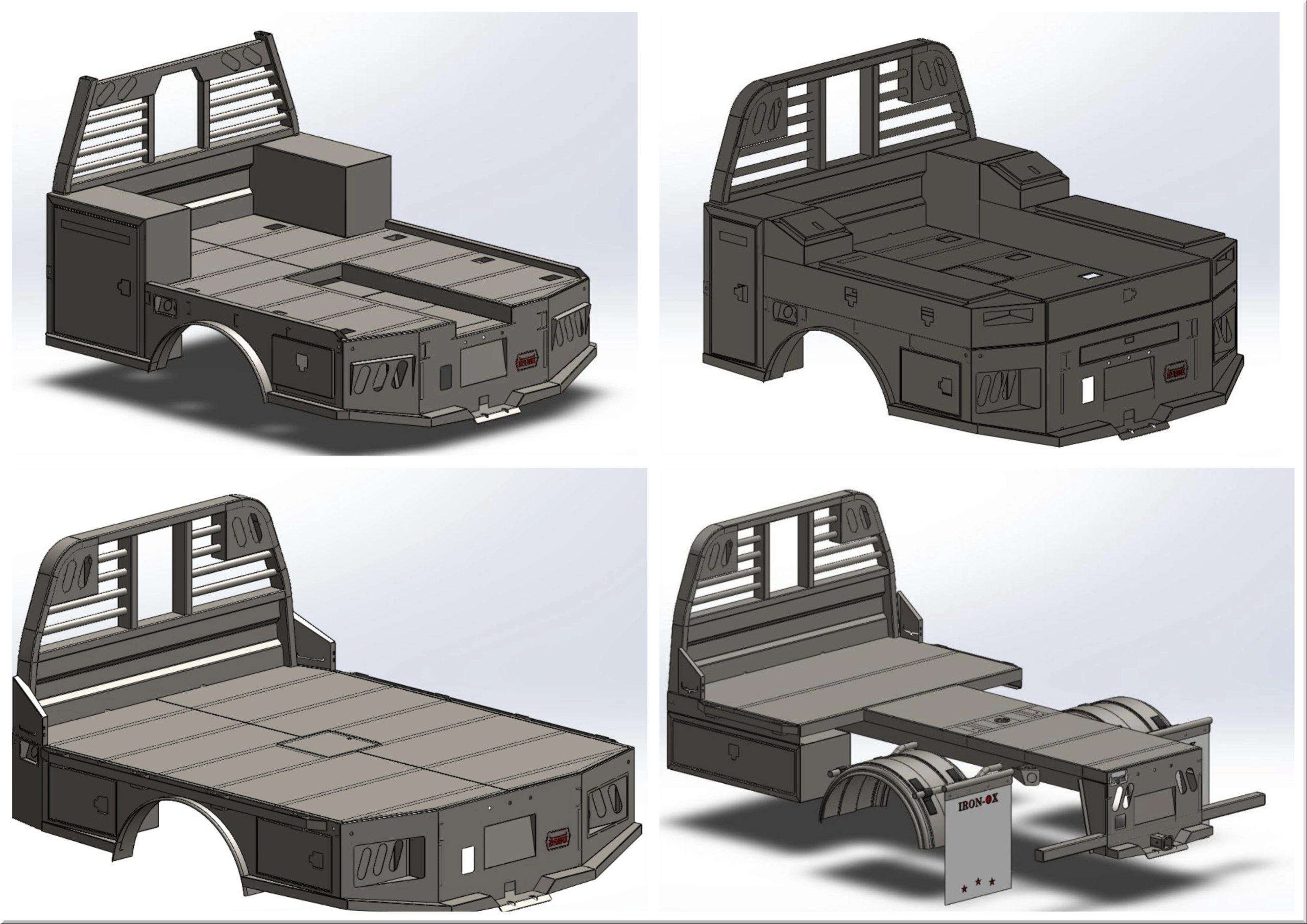
- 3 views