
The Lilium Jet: A Breakthrough in Electric Vertical Flight
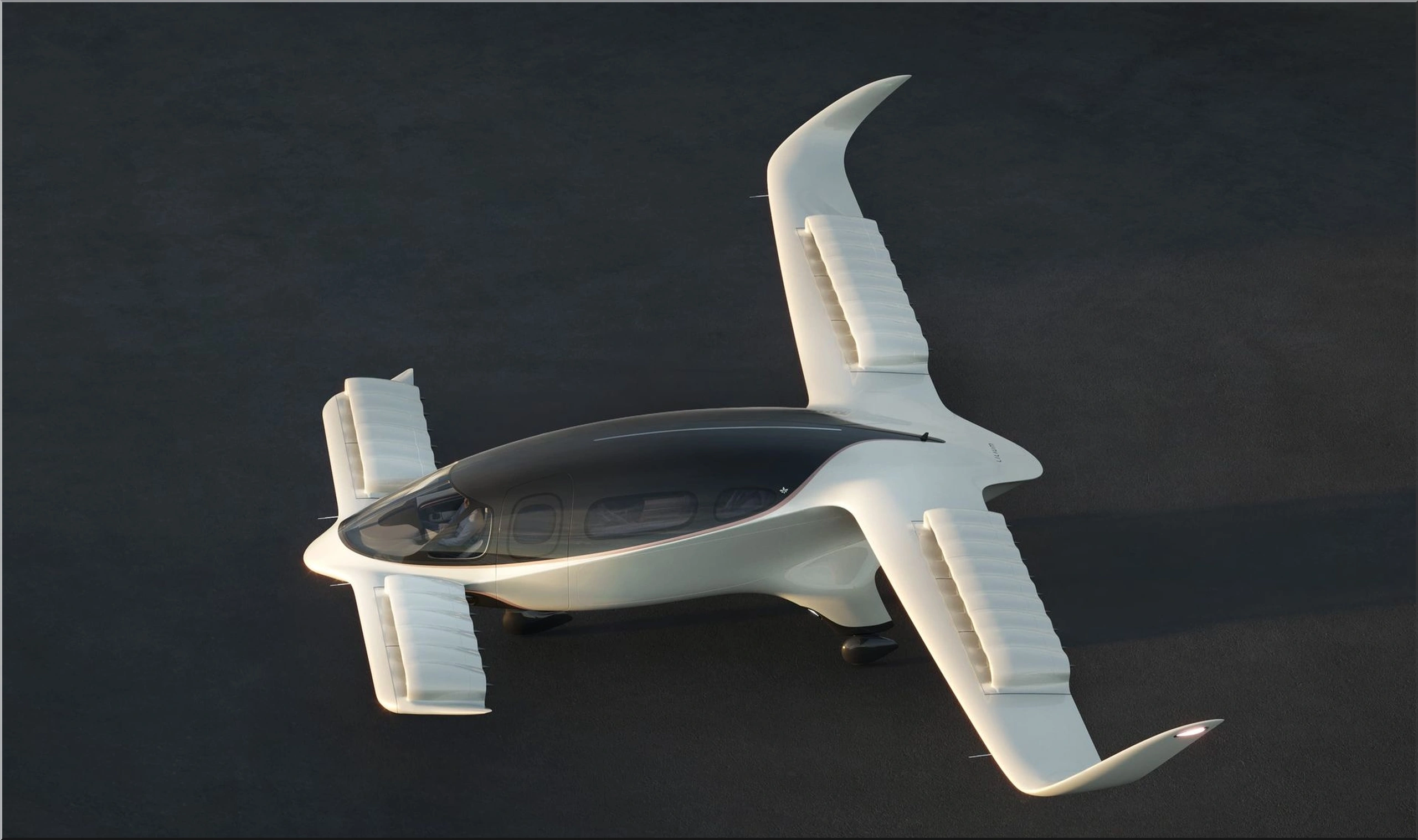
The Lilium Jet is a revolutionary electric vertical take-off and landing (eVTOL) aircraft that promises to change how we travel in urban areas. The German company Lilium GmbH has been developing the Lilium Jet since 2015 and aims to launch its commercial service by 2025. The Lilium Jet is designed to be fast, quiet, safe, and environmentally friendly, offering a new mode of transportation that could reduce congestion, pollution, and travel time.
What is the Lilium Jet?
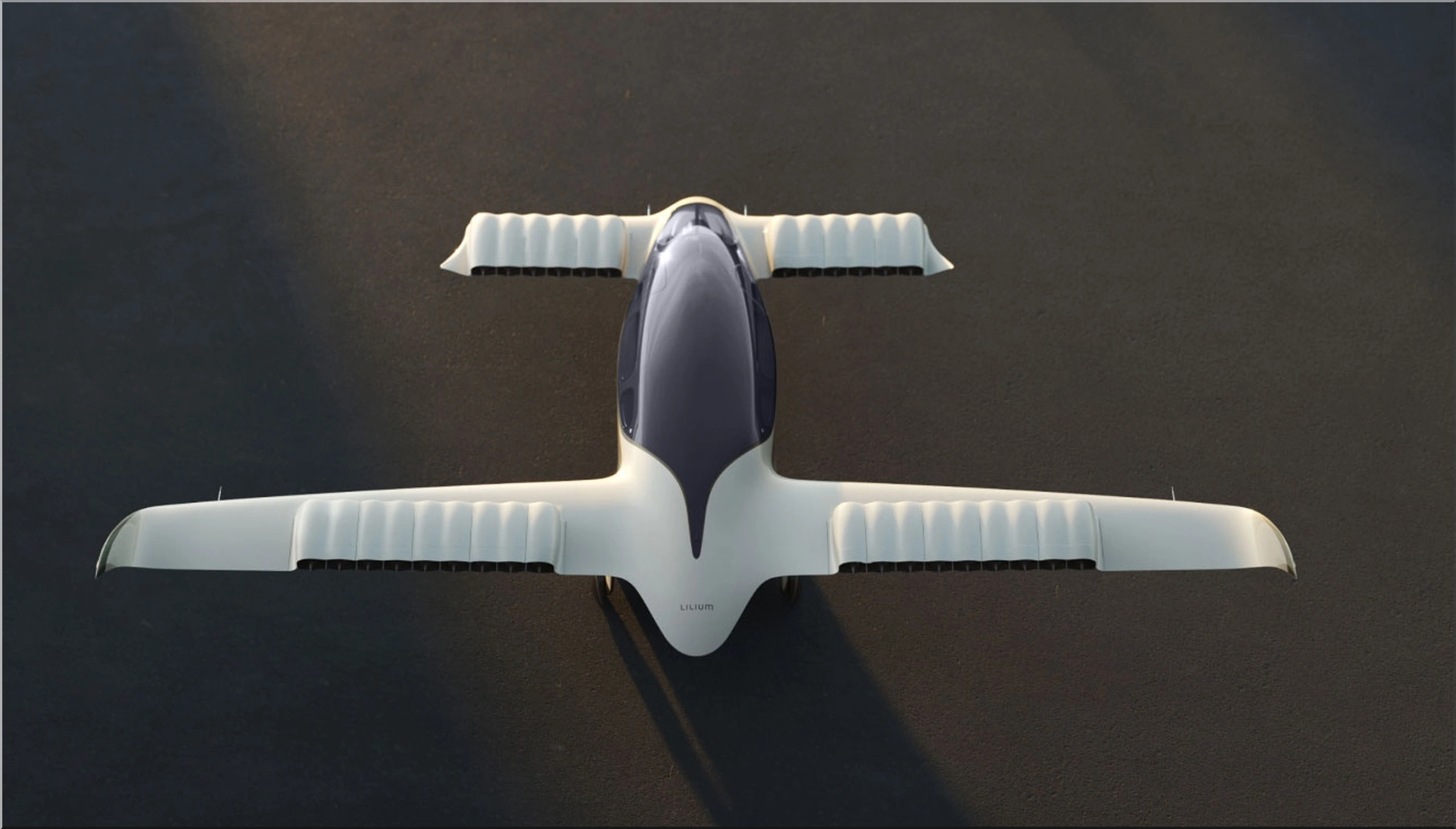
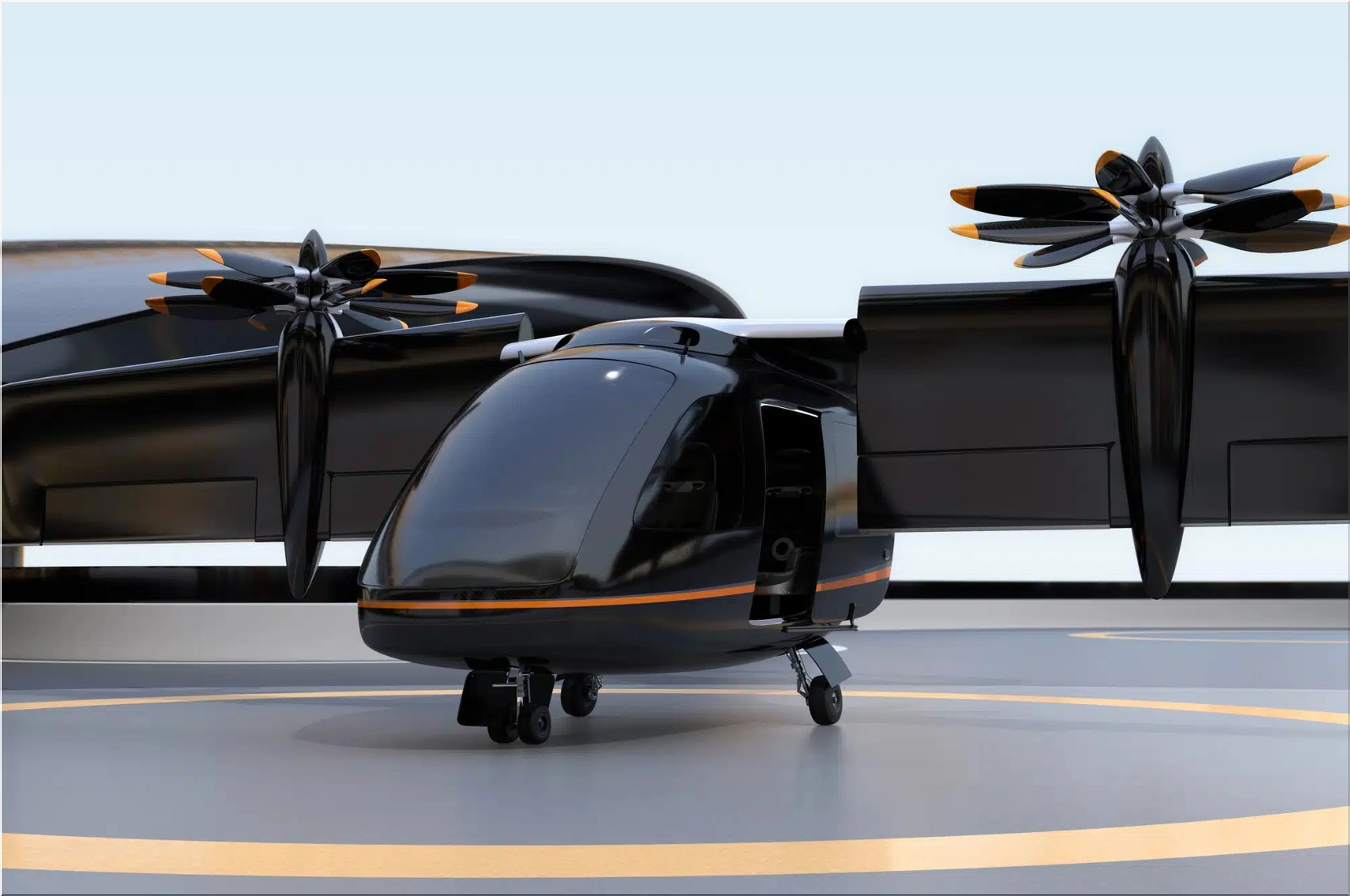
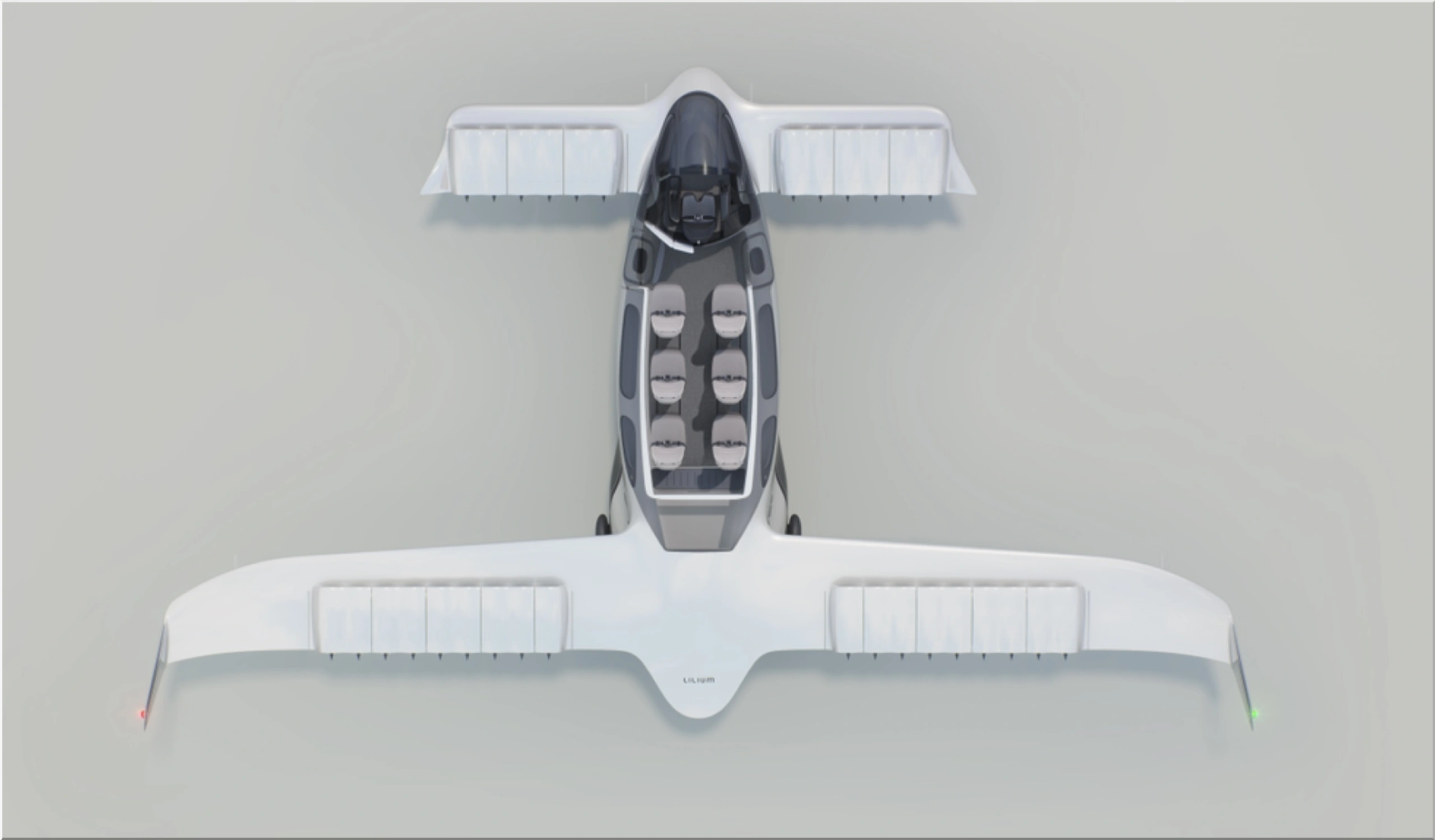
The Lilium Jet is a five-seater aircraft that can fly up to 300 km/h (186 mph) and has a range of 300 km (186 miles) on a single charge. The aircraft has 36 electric jet engines integrated into its wing flaps, allowing it to take off, land vertically, and transition smoothly between hover and cruise modes. The electric jet engines are powered by batteries that can be recharged in less than an hour. The Lilium Jet has a spacious cabin with panoramic windows and comfortable seats, as well as a luggage compartment and a parachute system for emergencies.
The Lilium Jet eVTOL is designed to operate in urban air mobility (UAM) networks, which are networks of vertiports (landing pads) that are strategically located in cities and suburbs. The vertiports are connected by air corridors that are regulated by air traffic management systems. The Lilium Jet can fly autonomously or be piloted remotely, depending on the regulations and customer preferences. The Lilium Jet can be booked on demand via a smartphone app, similar to ride-hailing services.

What are the benefits of the Lilium Jet?
The Lilium Jet offers several benefits over conventional modes of transportation, such as cars, trains, or helicopters. Some of these benefits are:
- Speed: The Lilium Jet can fly faster than most ground vehicles, avoiding traffic jams and road congestion. For example, a trip from Manhattan to JFK Airport could take only 10 minutes with the Lilium Jet, compared to 60 minutes by car or 50 minutes by train.
- Convenience: The Lilium Jet can take off and land vertically, eliminating the need for runways or large infrastructure. This means that the Lilium Jet can access more locations and offer more flexibility for customers. For example, a trip from Munich city center to Munich Airport could take only 15 minutes with the Lilium Jet, compared to 45 minutes by car or 40 minutes by train.
- Safety: The Lilium Jet has a redundant design that ensures that the aircraft can continue to fly even if some of its engines fail. The aircraft also has a parachute system that can deploy in case of an emergency. The Lilium Jet is certified by the European Union Aviation Safety Agency (EASA) and the Federal Aviation Administration (FAA), the two leading aviation authorities in the world.
- Sustainability: The Lilium Jet is powered by electricity, which means that it does not emit any greenhouse gases or pollutants during flight. The aircraft also has a low noise profile, reducing the impact on the environment and the communities. The Lilium Jet uses renewable energy sources for its charging stations, further minimizing its carbon footprint.
What are the challenges of the Lilium Jet?
The Lilium Jet eVTOL also faces some challenges that need to be overcome before it can become widely adopted. Some of these challenges are:
- Cost: The Lilium Jet is expected to have a high initial cost, as it is a novel technology that requires significant research and development. The company estimates that the cost per flight will be around $300 for a one-way trip, which is comparable to helicopter fares but still expensive for most people. However, the company hopes that the cost will decrease over time as the technology matures and the demand increases.
- Regulation: The Lilium Jet needs to comply with various regulations and standards that govern the aviation industry, such as safety, security, privacy, noise, airspace management, and certification. The company has been working closely with regulators and stakeholders to ensure that the Lilium Jet meets all the requirements and expectations. However, there may still be some legal and social barriers that could hinder the adoption of the Lilium Jet in some markets.
- Competition: The Lilium Jet is one of many eVTOL aircraft in development, as several other companies and projects are pursuing similar goals. Some of these competitors include Volocopter, Joby Aviation, EHang, Airbus, Boeing, Uber Elevate, and many more. The competition could pose a threat or an opportunity for the Lilium Jet, depending on how it differentiates itself and collaborates with others.


Conclusion
The Lilium Jet is an innovative eVTOL aircraft that aims to revolutionize urban air mobility. The aircraft offers many advantages over traditional modes of transportation, such as speed, convenience, safety, and sustainability. However, the aircraft also faces some challenges, such as cost, regulation, and competition. The Lilium Jet is expected to launch its commercial service by 2025, which could change how we travel in urban areas. @via Lilium.
- Add new comment
- 147 views