What the Kia Vision Meta Turismo Concept Signals for Performance EVs
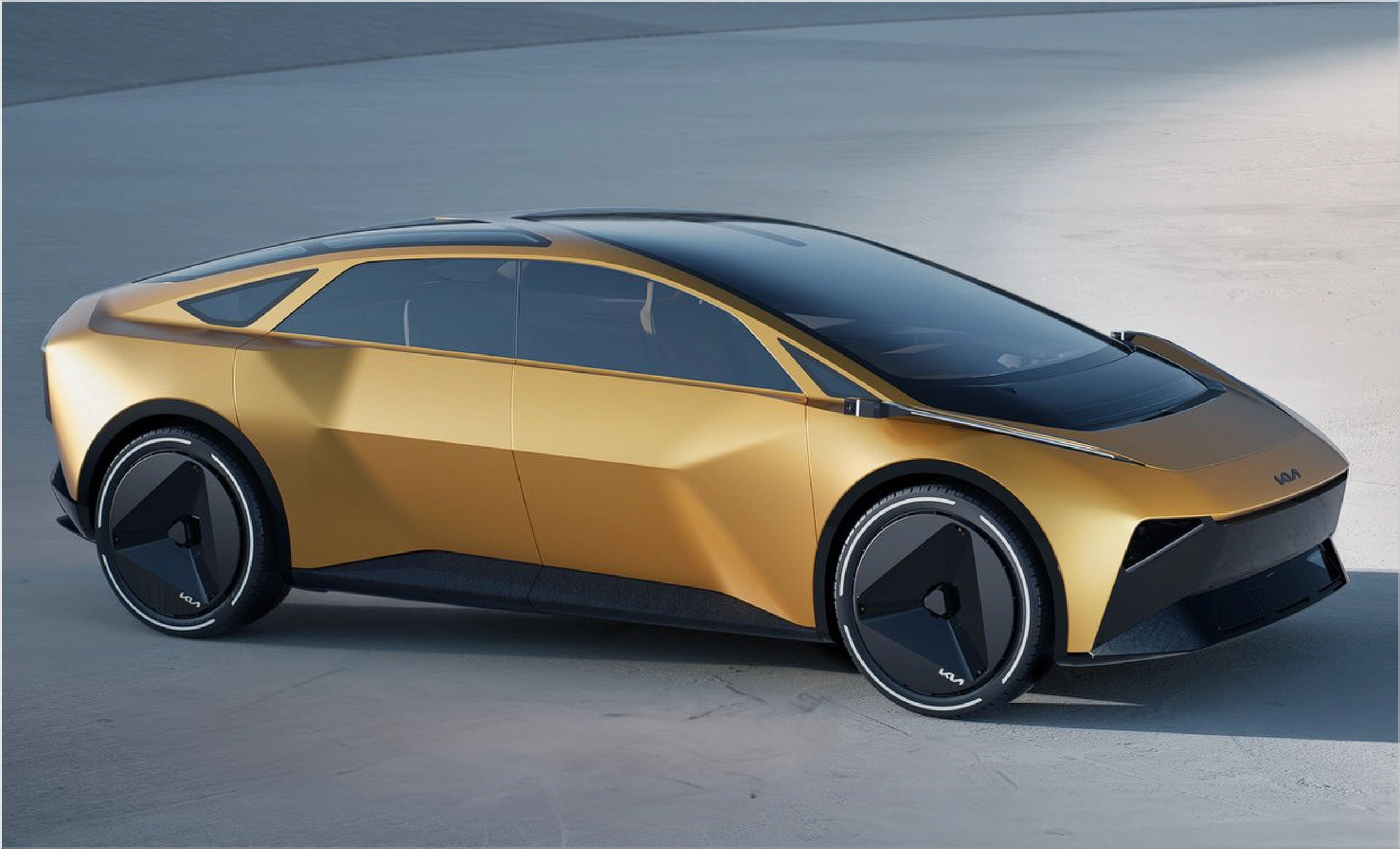
The Kia Vision Meta Turismo Concept sets a clear agenda. Kia uses this program to test digital performance ideas at speed. The concept pairs extreme design with virtual-first development to compress timelines and reach younger buyers faster.
Kia built the car for simulation before production. That choice cuts cost and risk. It also lets engineers push outputs that would stall in a physical prototype phase.
This project matters because it shows how electric performance programs now start in software. Hardware follows later.
The Gran Turismo Connection Shapes the Product
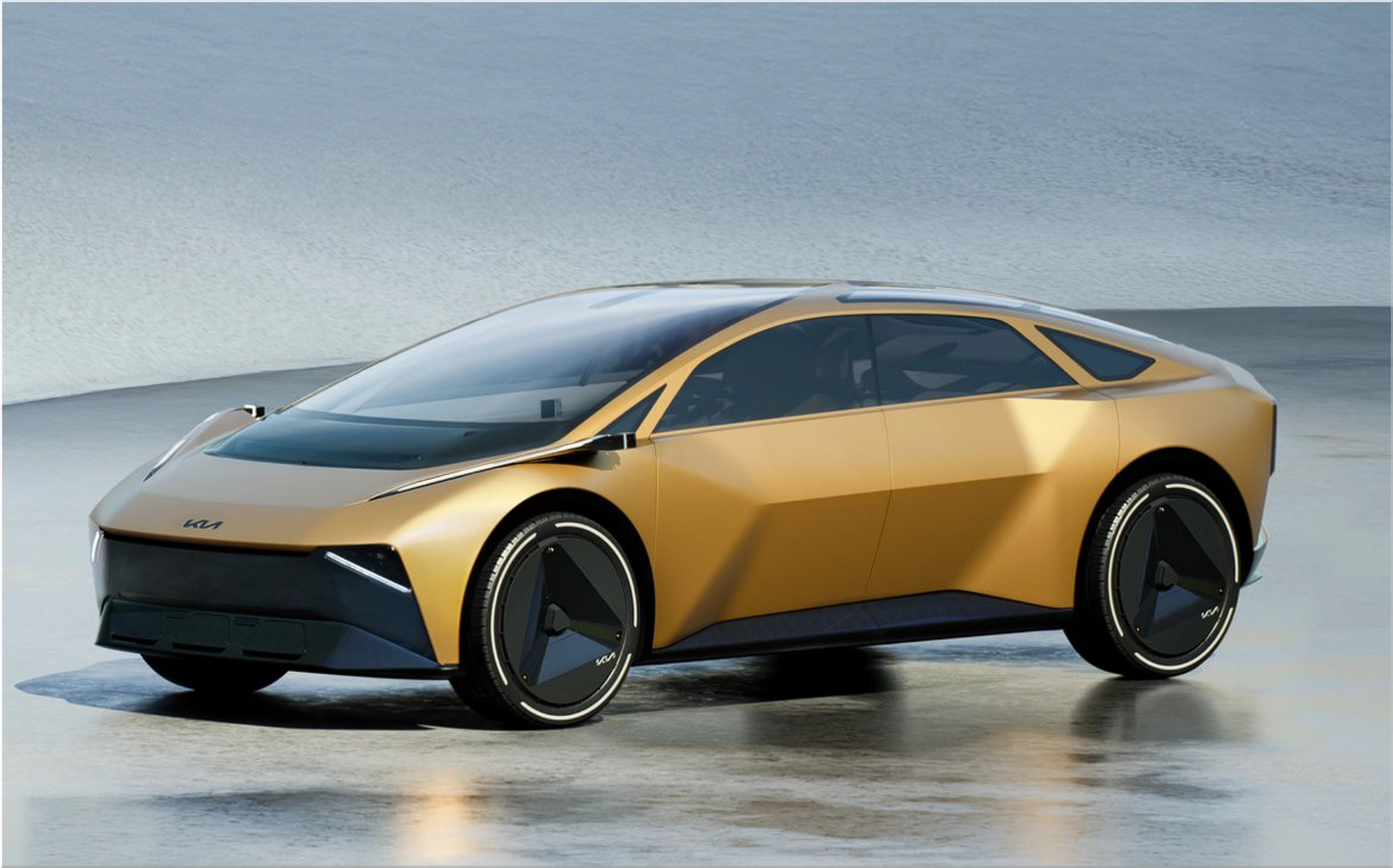
Kia partnered with Gran Turismo to place the concept inside a proven simulation ecosystem. The move delivers instant feedback from millions of players. That data guides design choices.
The virtual concept car debuted inside the game first. Kia then released full specs and visuals to the public. This sequence flips the traditional auto show model.
Why this matters
- Simulation exposes performance gaps early
- Player telemetry informs handling and power delivery
- Marketing reach scales globally without logistics costs
This strategy targets speed. It also targets relevance.
Exterior Design: Built for Downforce, Not Drama
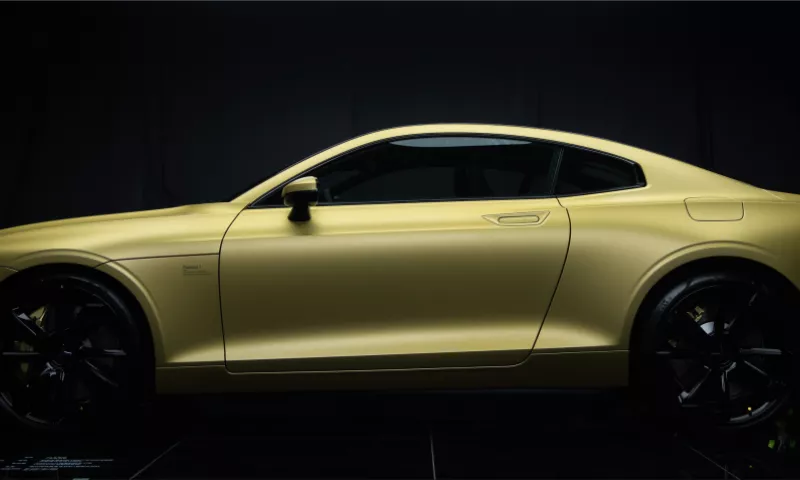
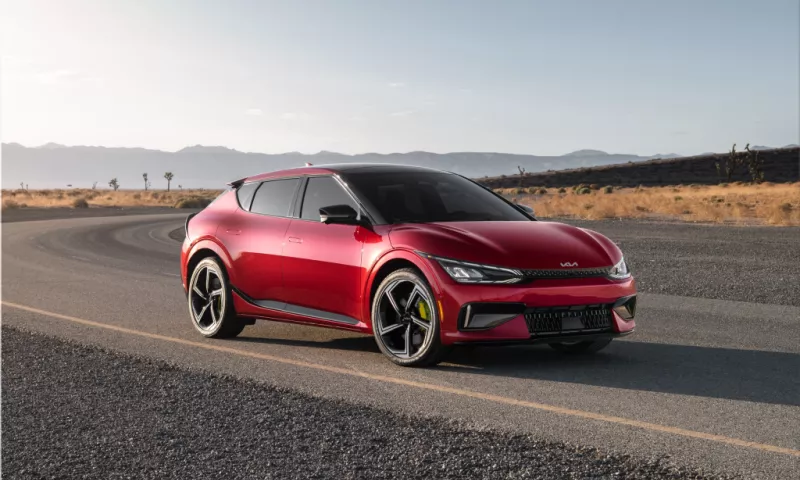
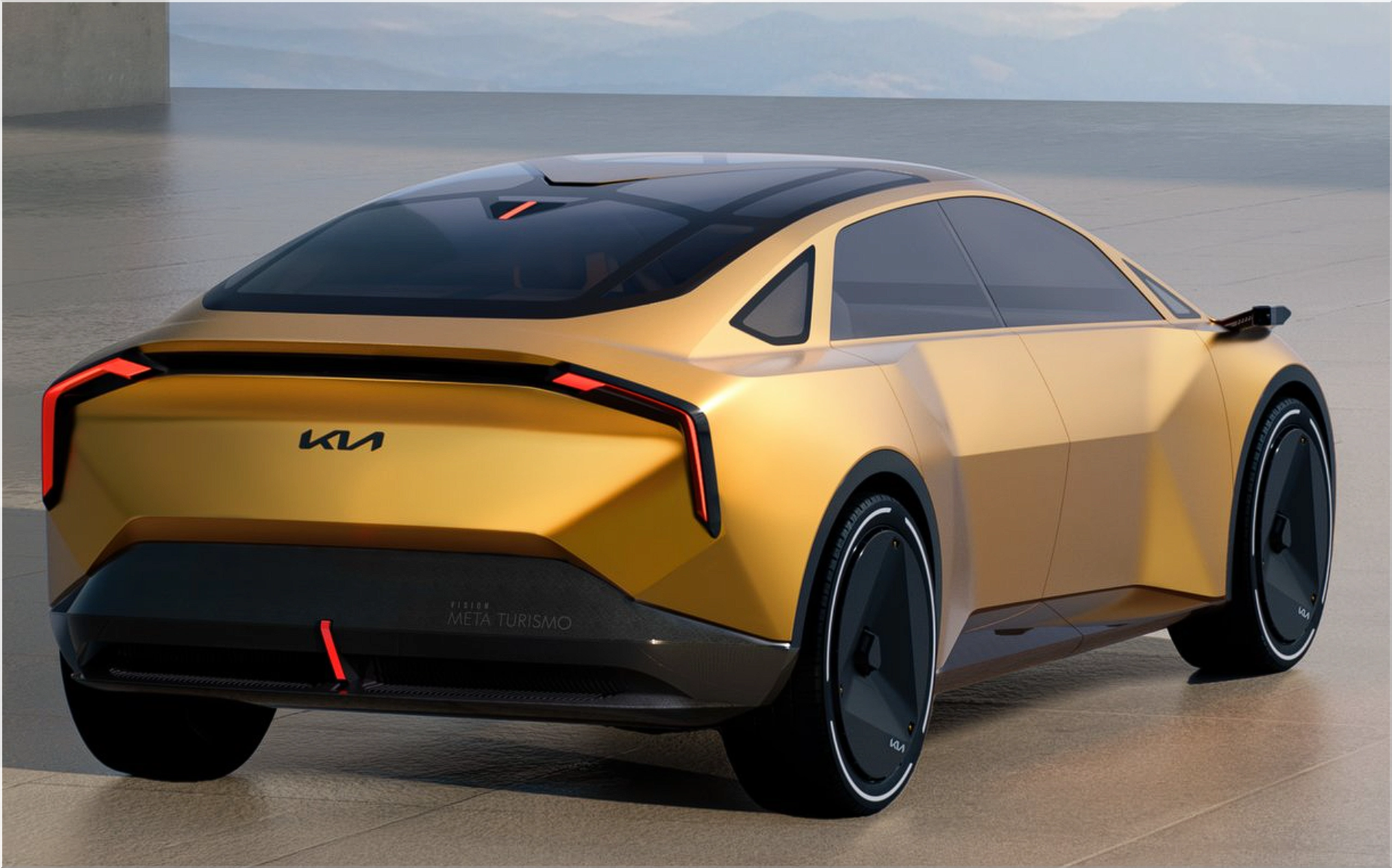
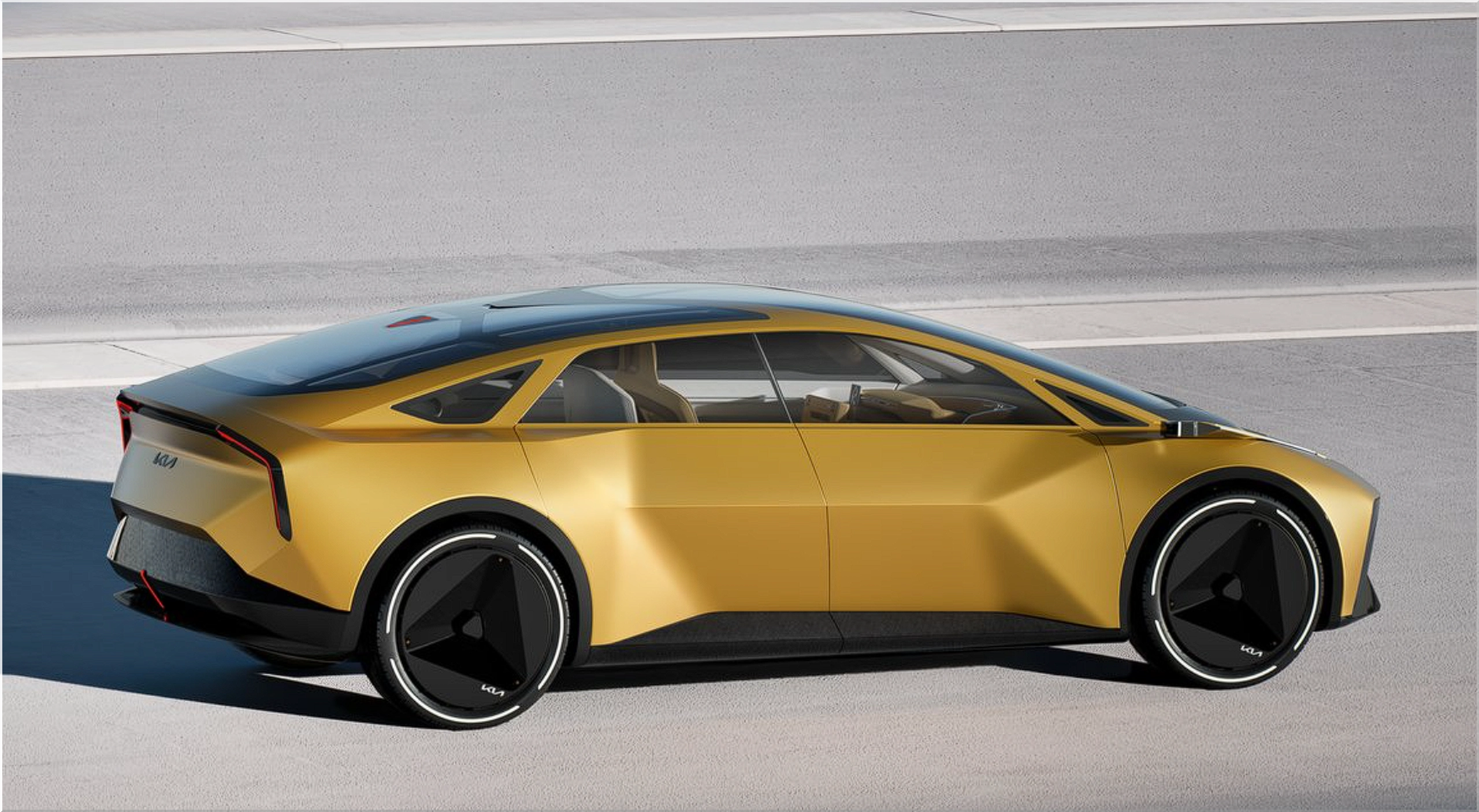
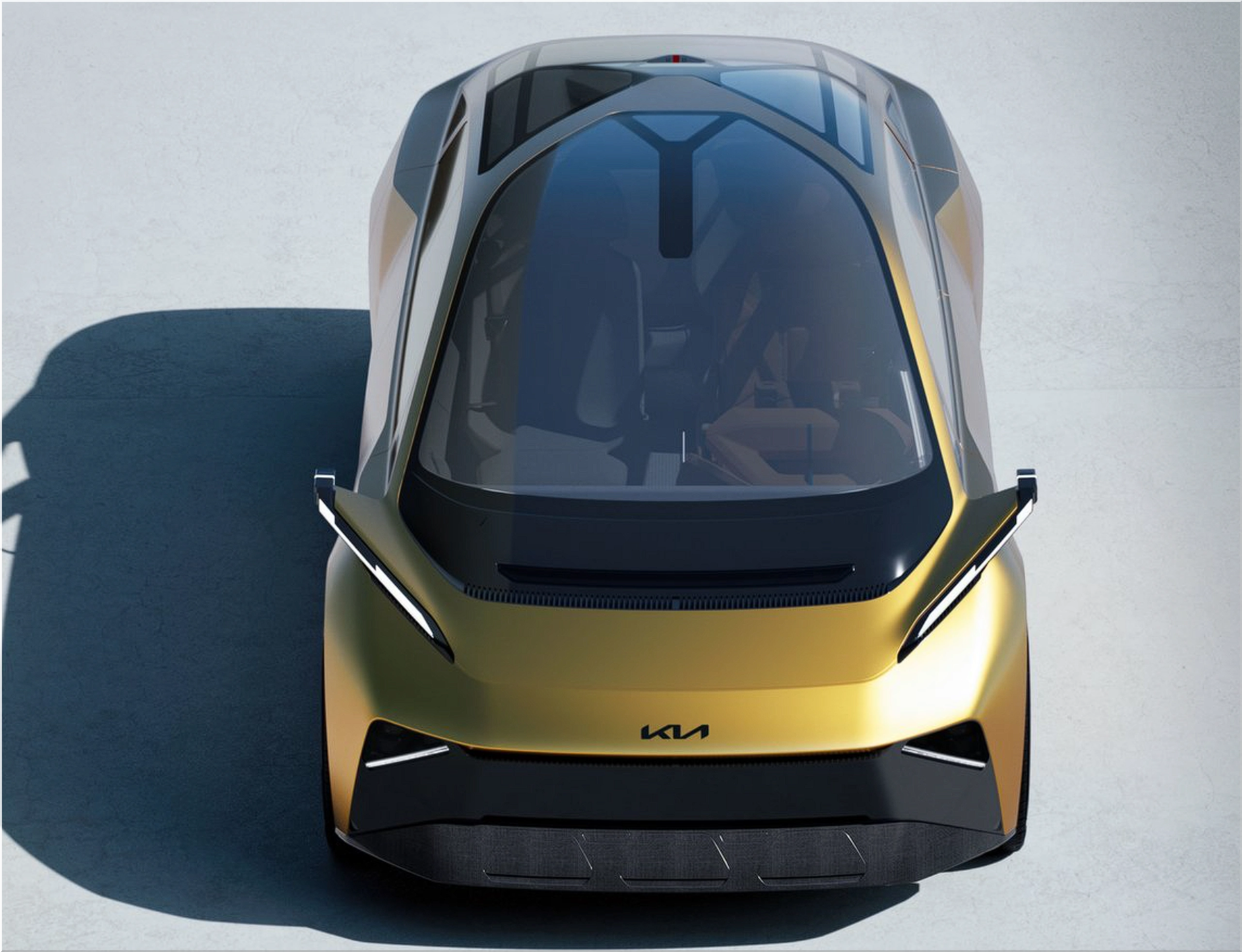
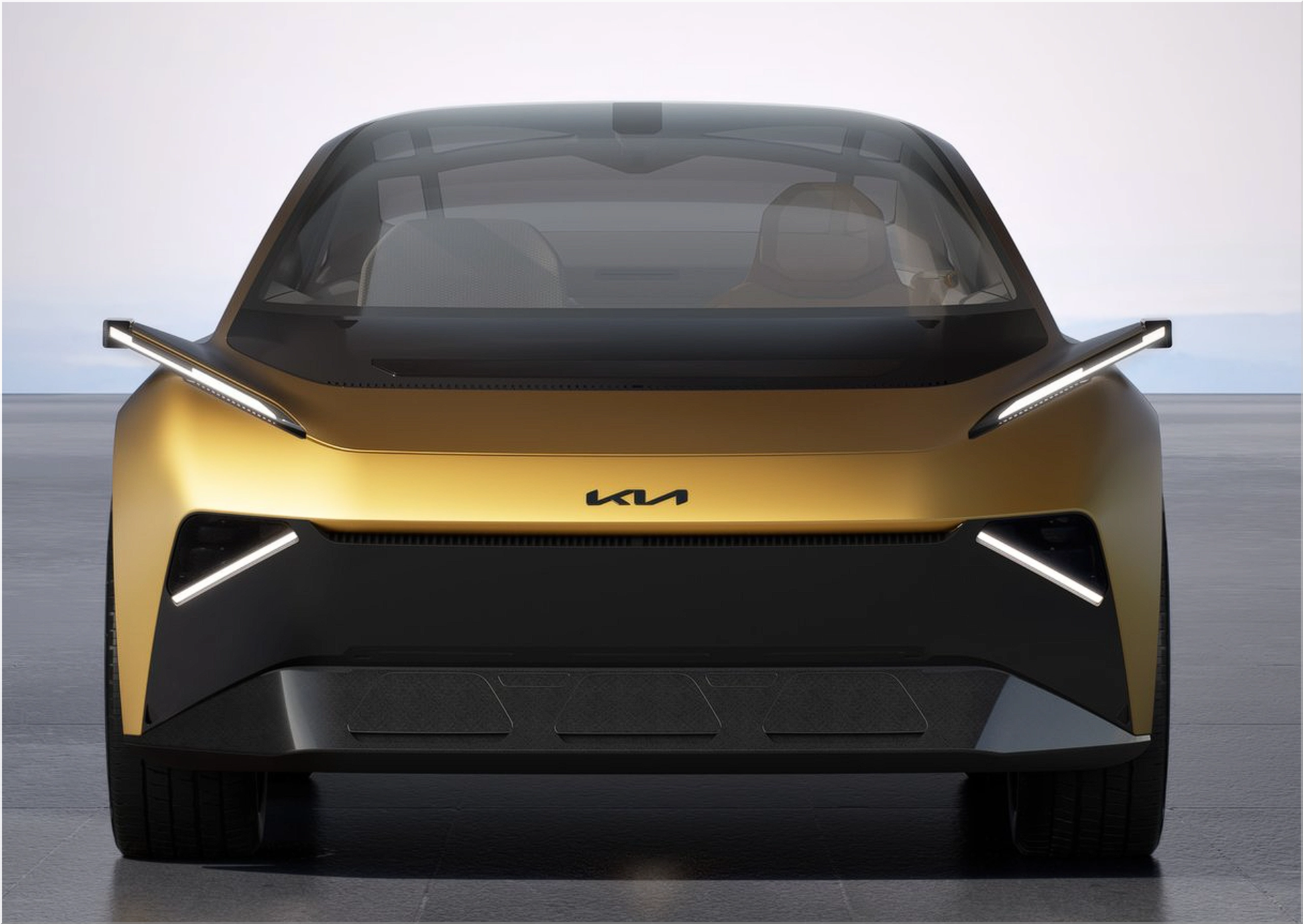
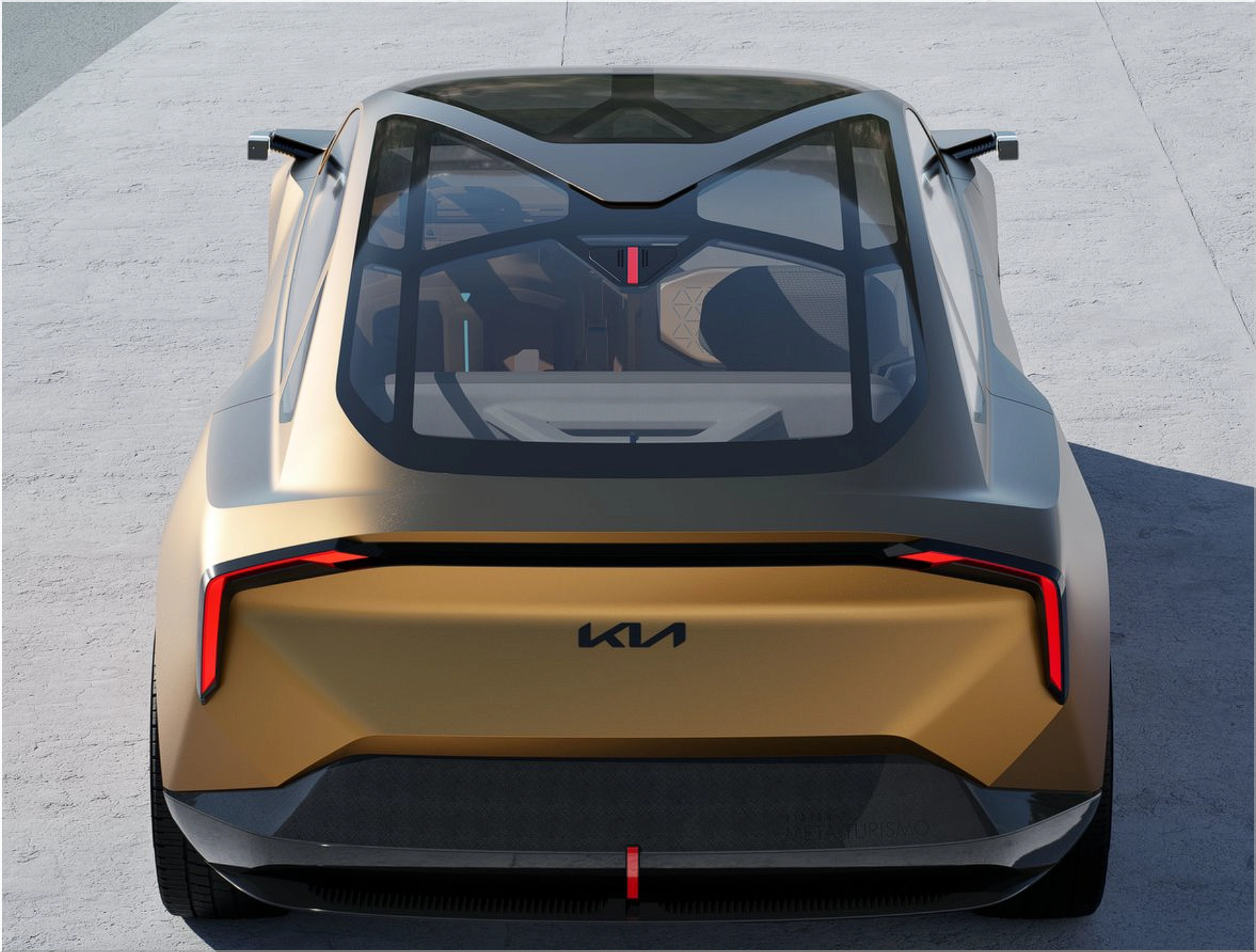
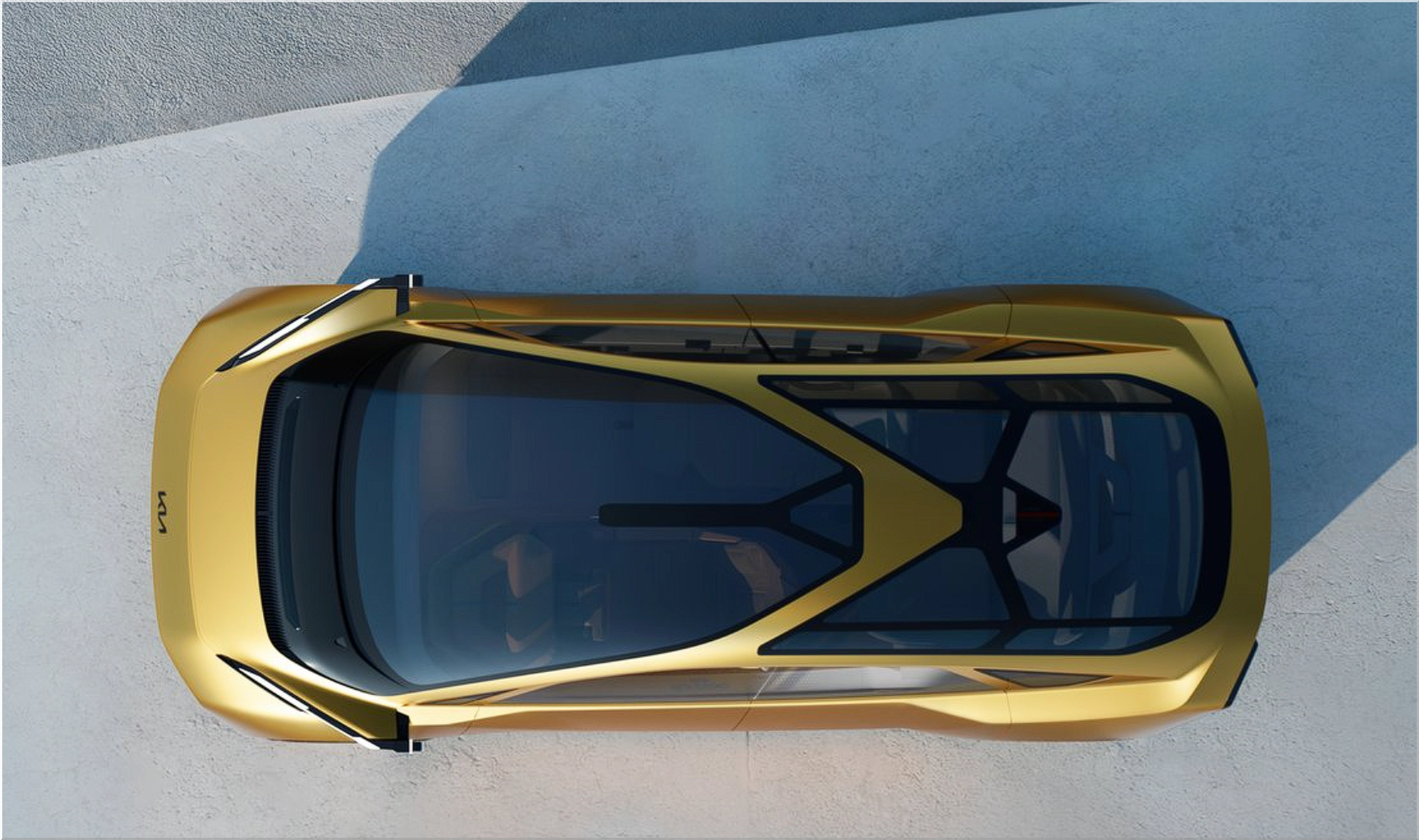
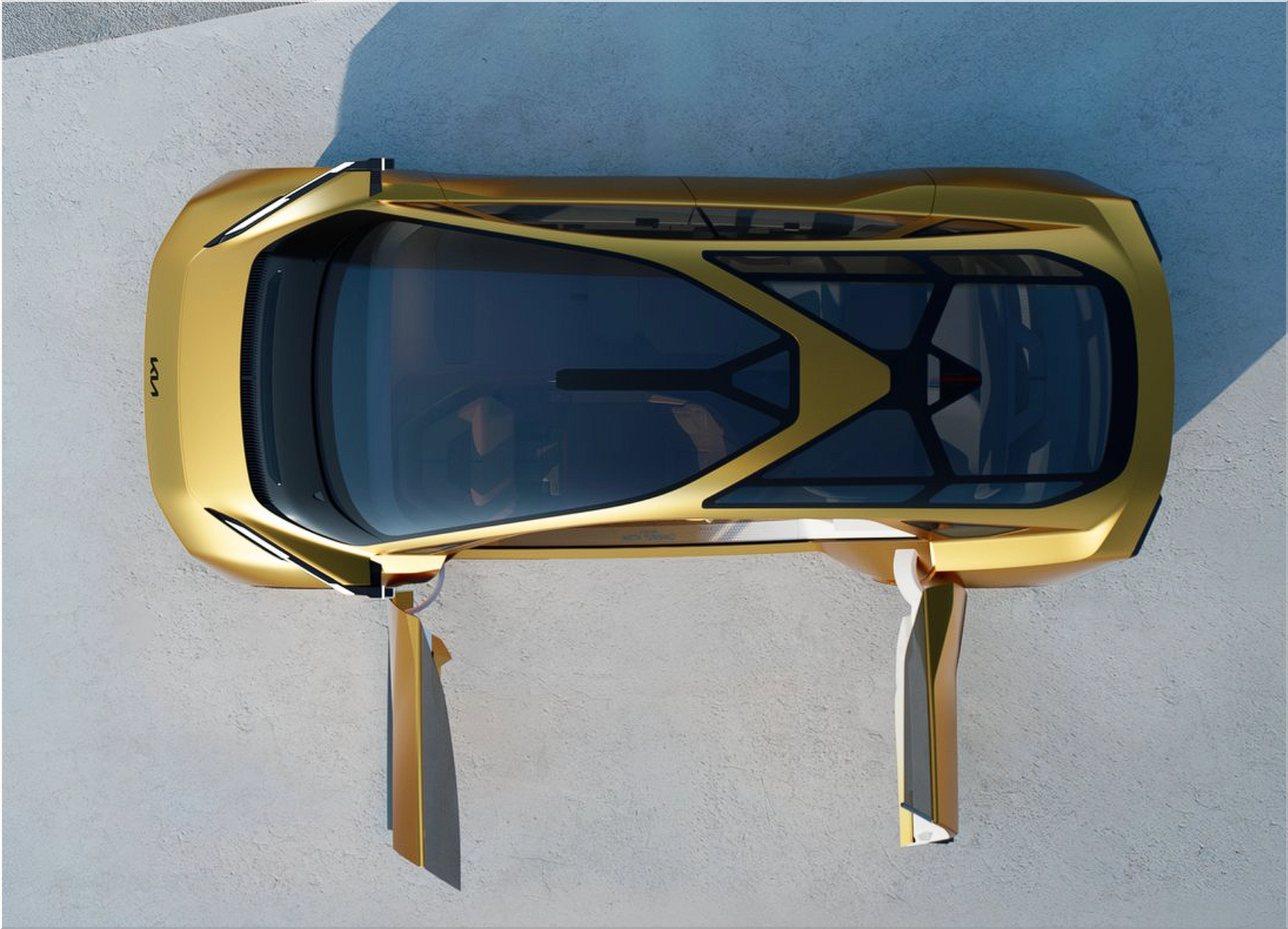
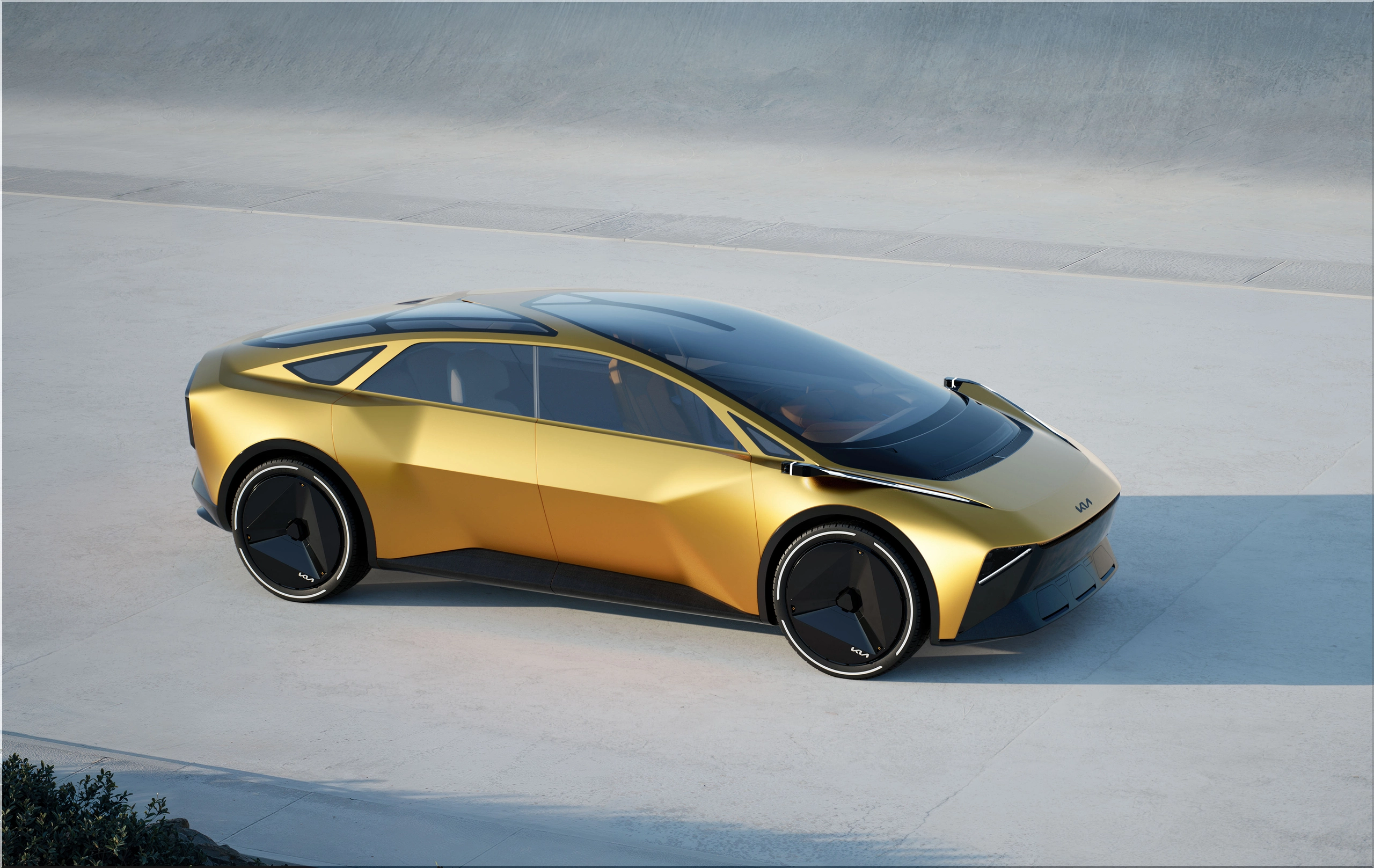
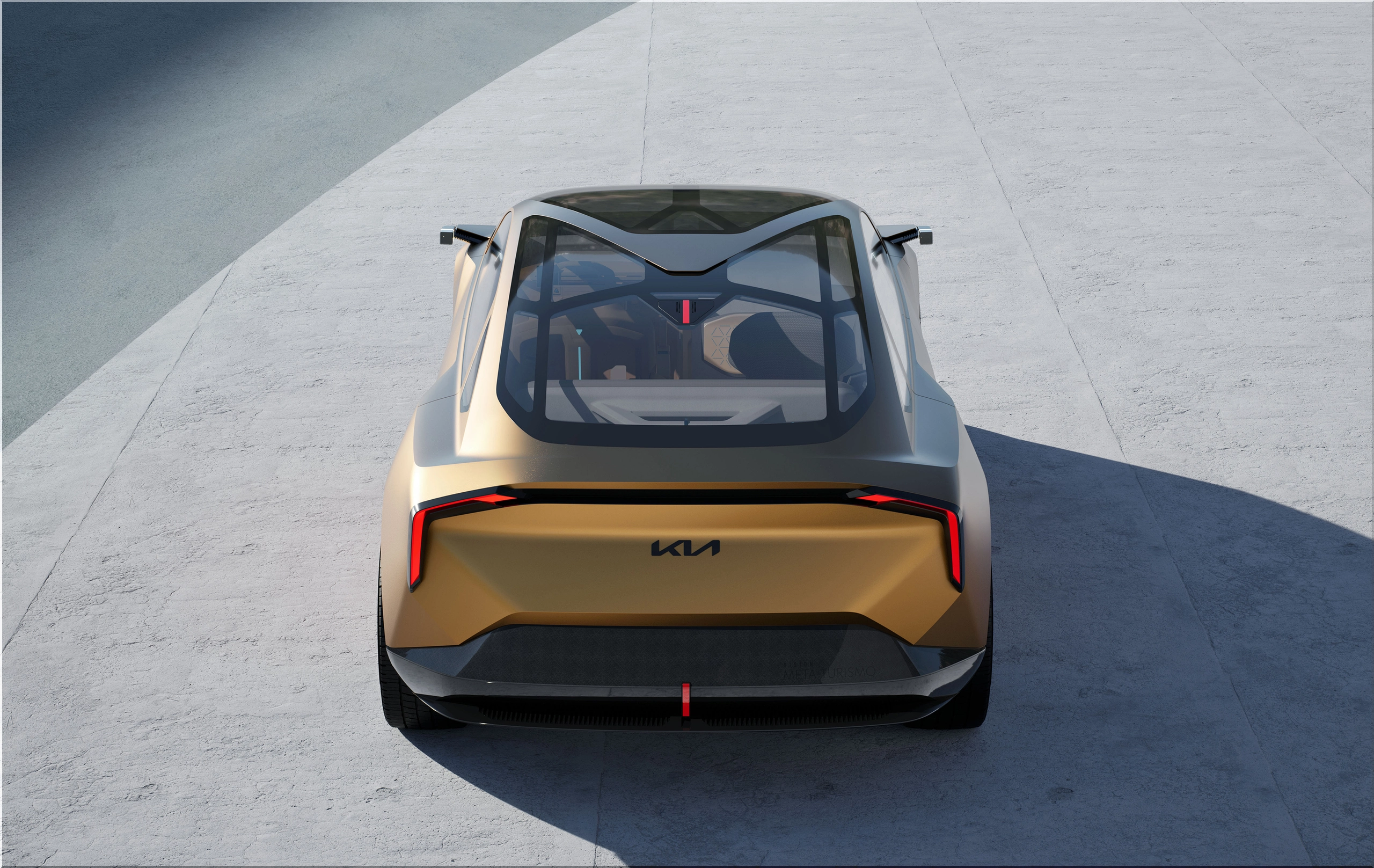
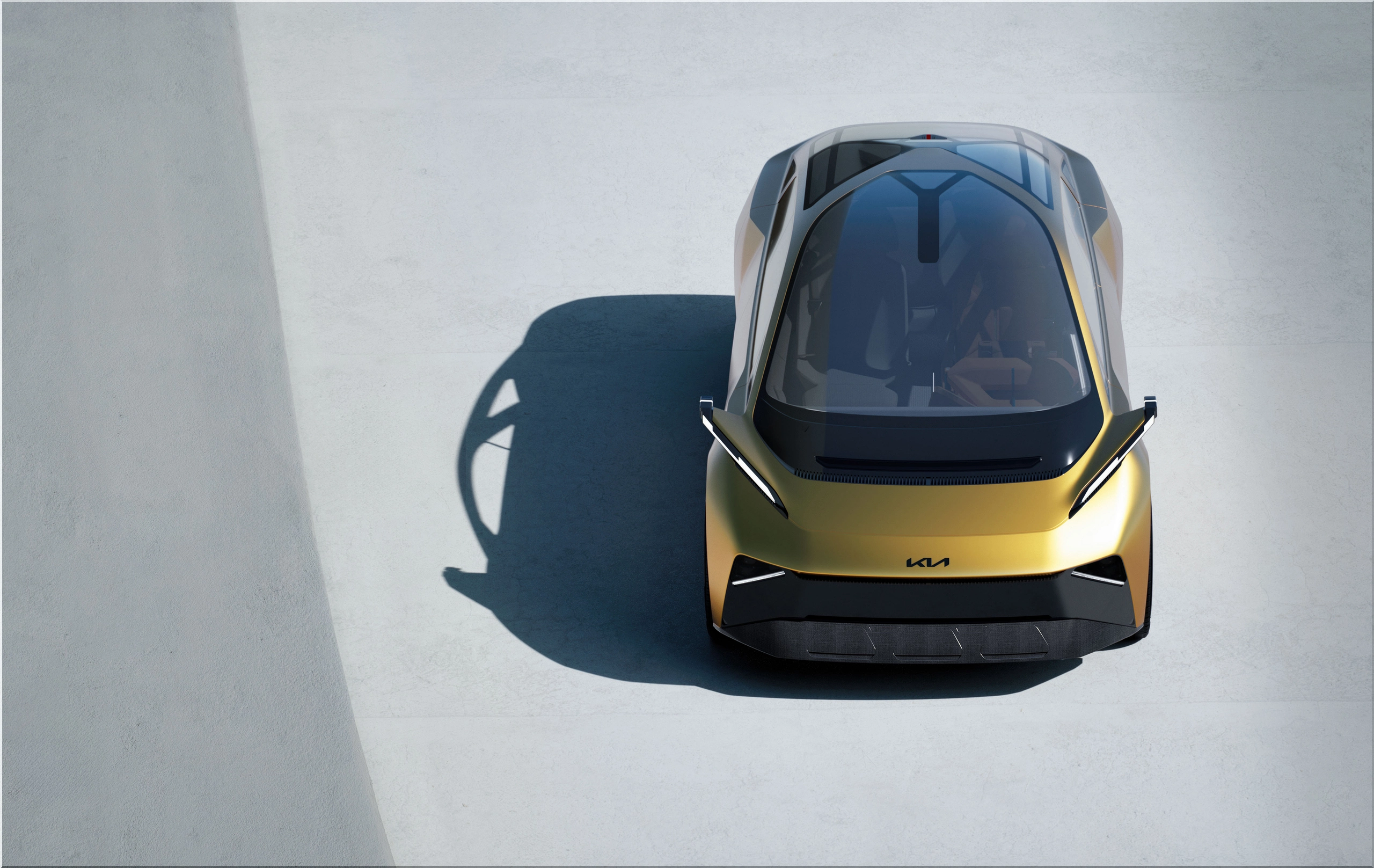
The body prioritizes aero efficiency. Sharp creases manage airflow. Large ducts cool the powertrain and brakes. A wide stance signals grip.
Designers avoided decorative excess. Every surface has a job. That approach mirrors motorsport thinking.
Key exterior data points
- Ultra-low ride height for reduced drag
- Extended rear diffuser for high-speed stability
- Active aero elements tuned in simulation
The silhouette reads aggressive because the math demanded it.
Interior Layout: Driver First, Software Native
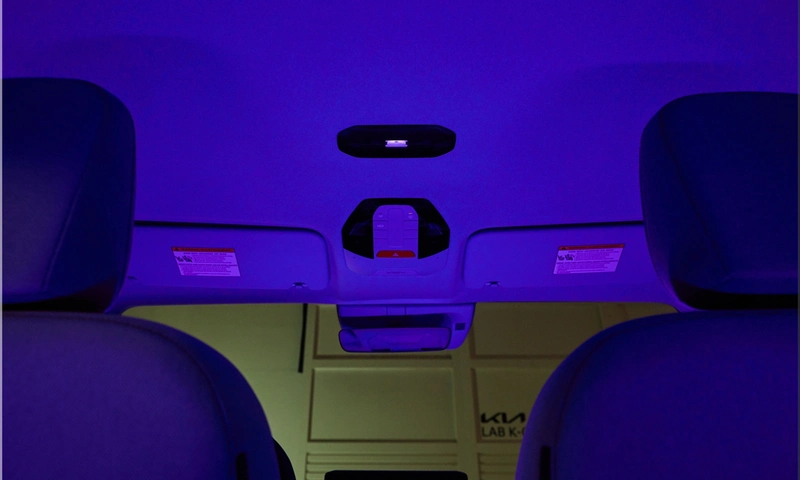
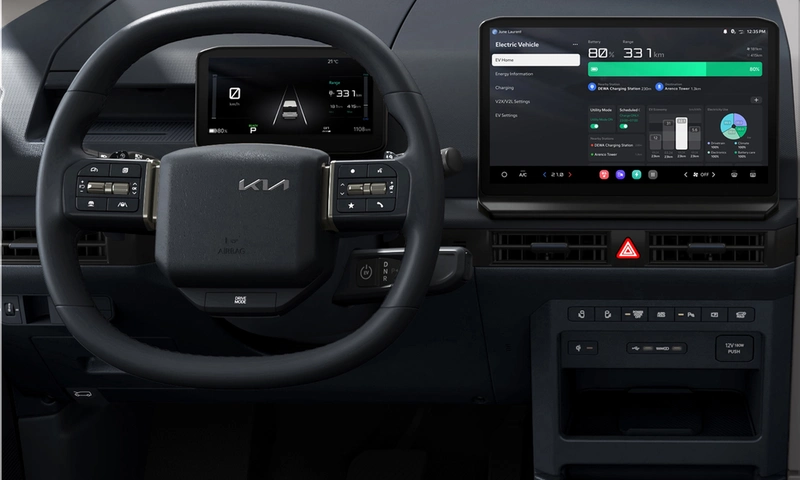
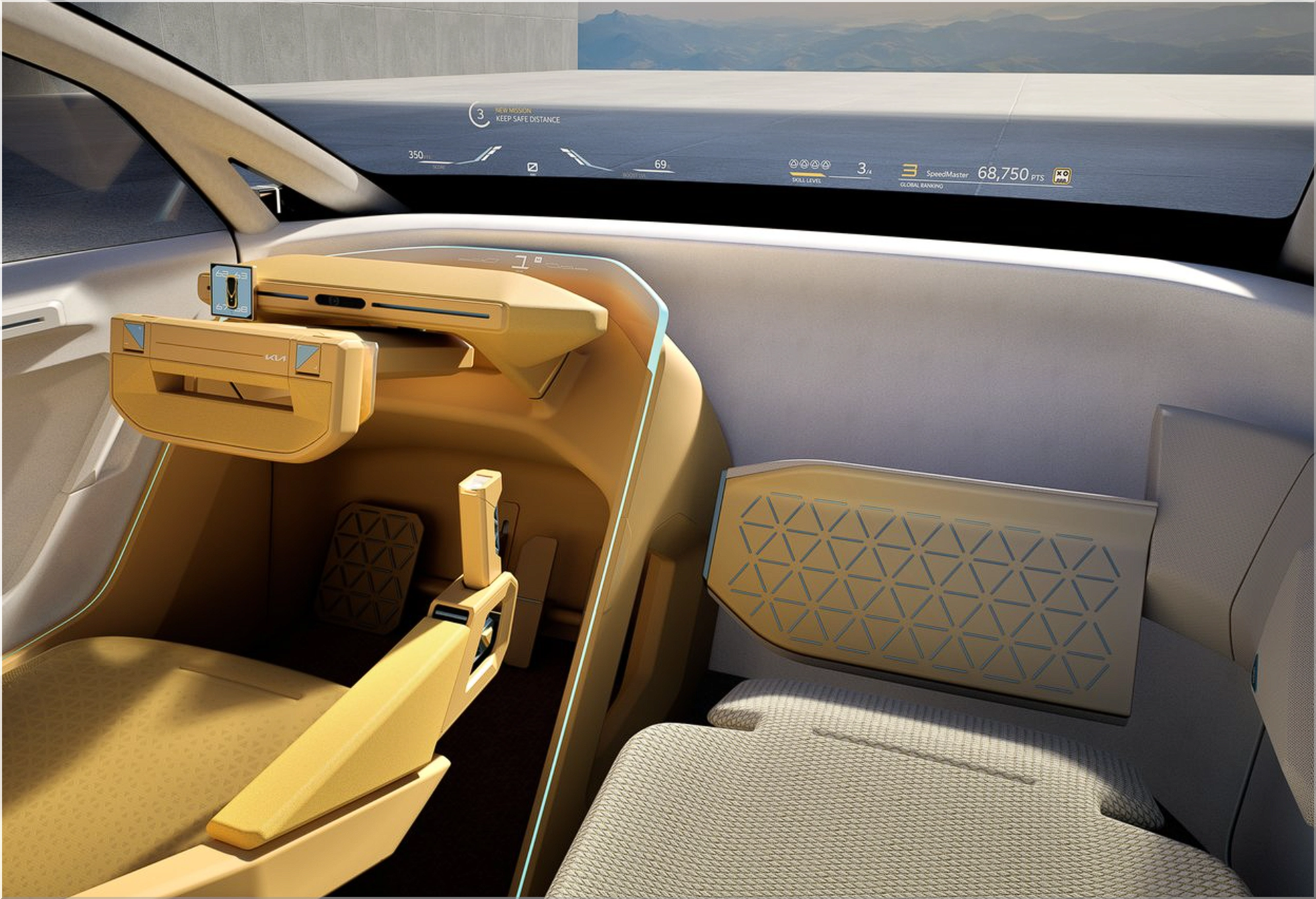
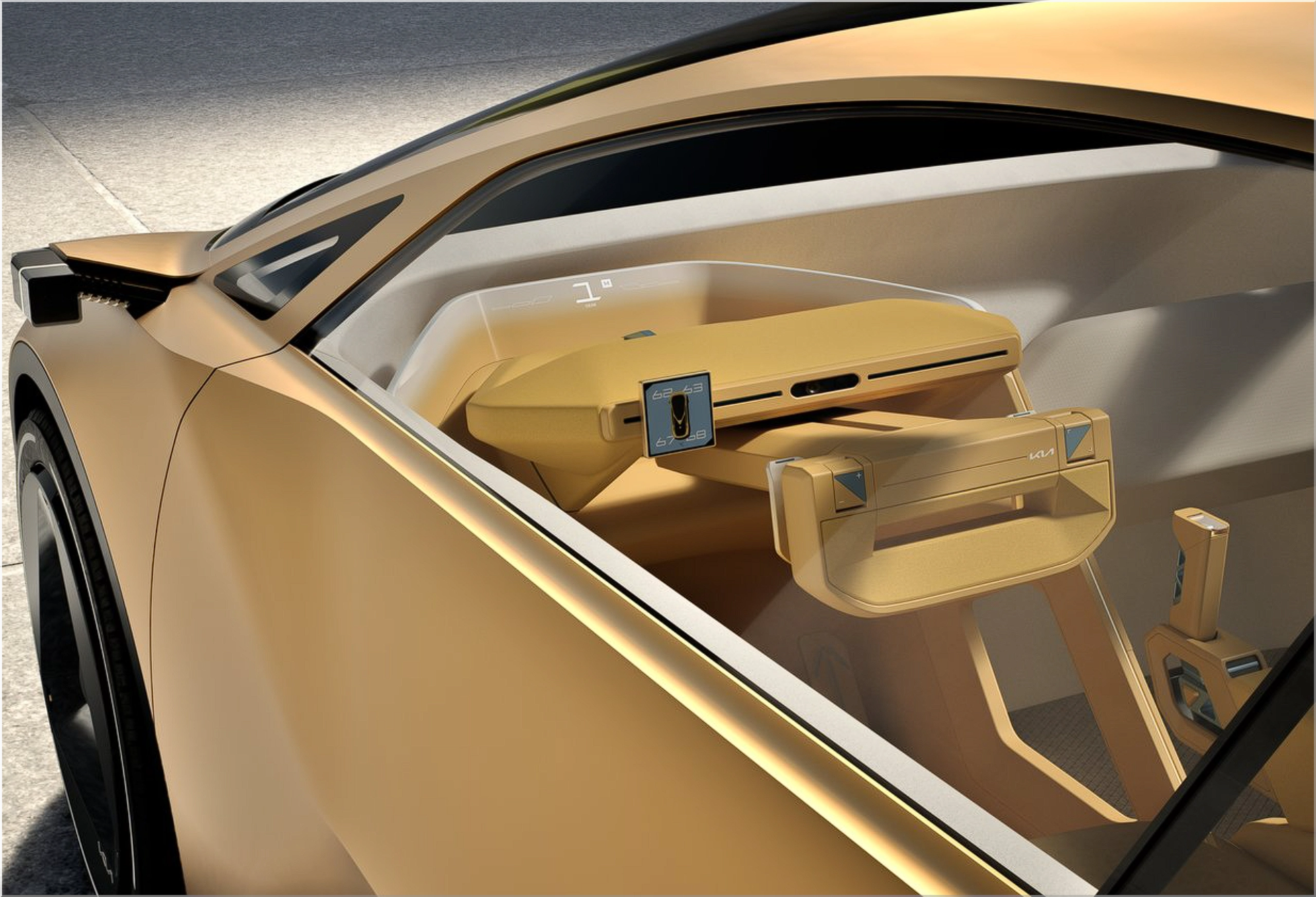
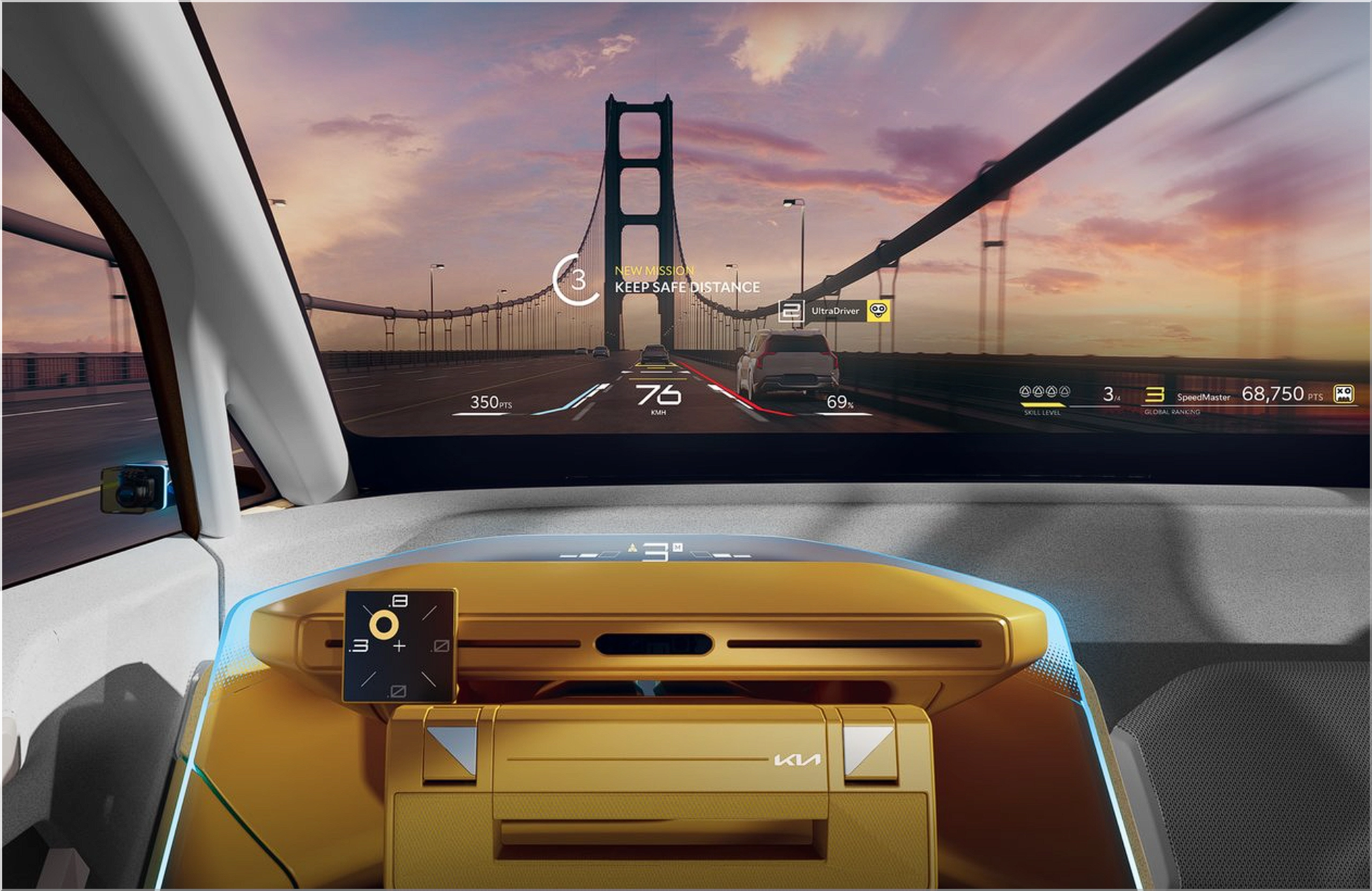
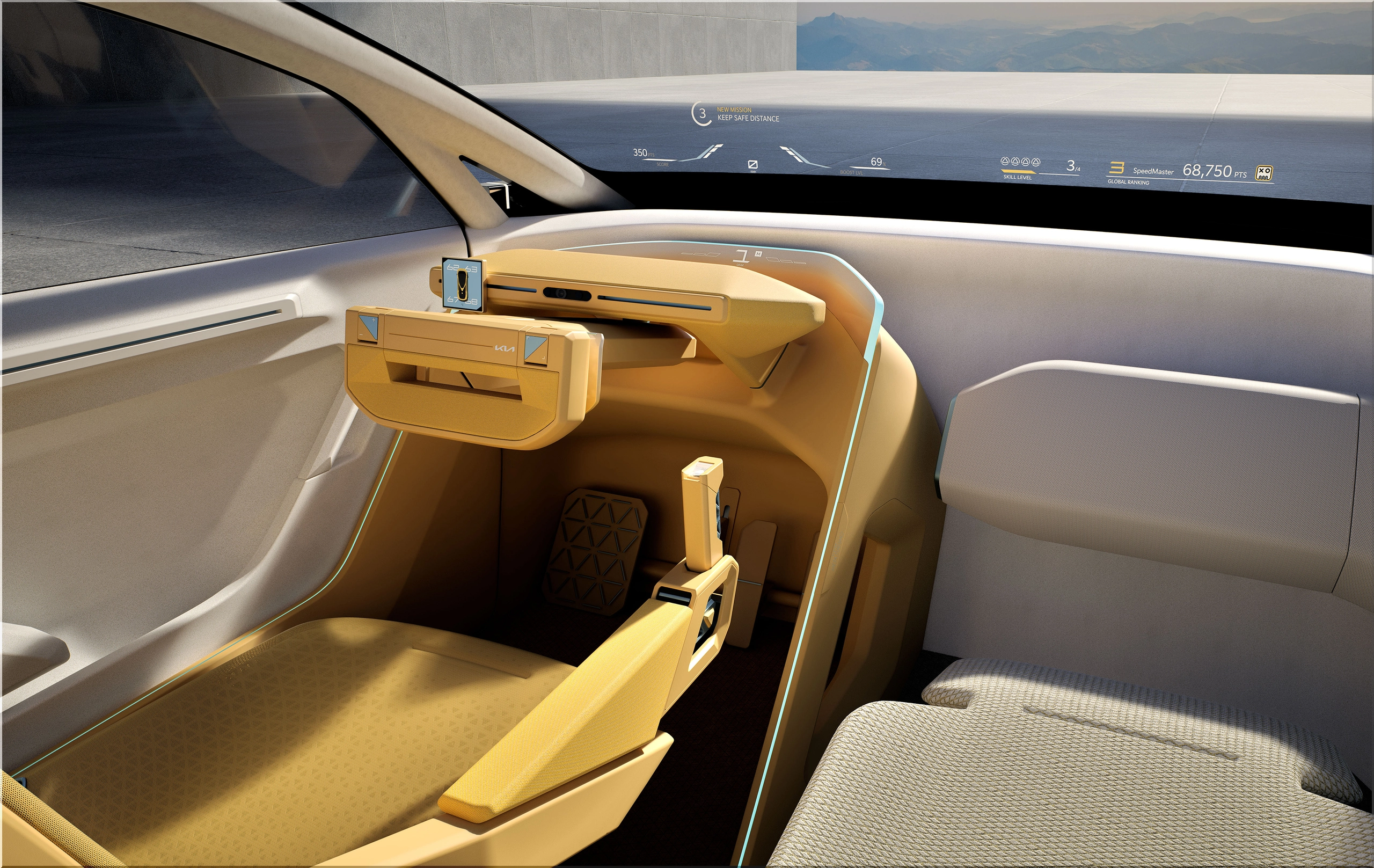
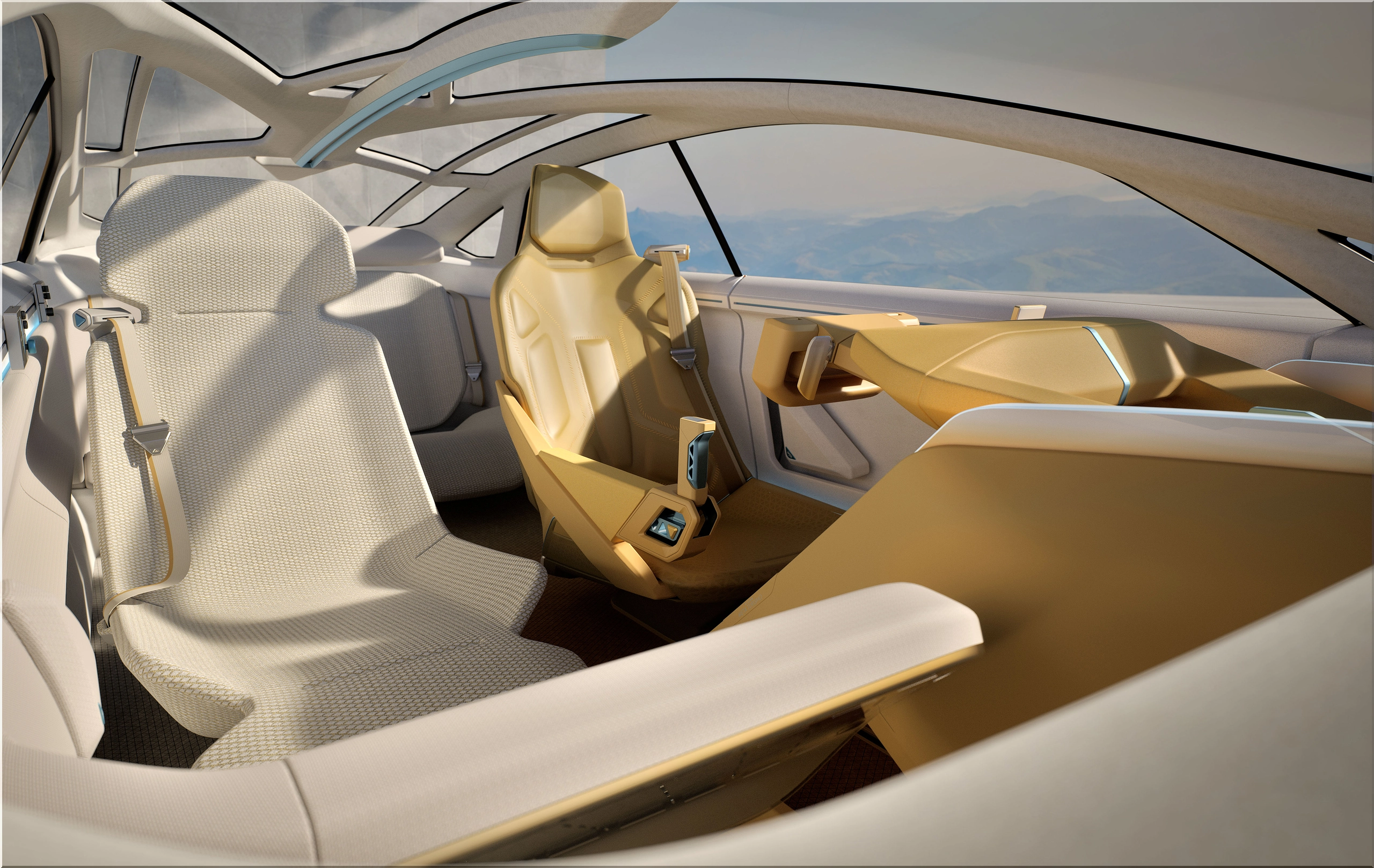
The cabin strips out analog cues. Screens replace switches. A single-seat layout centers weight and focus.
Kia framed the cockpit around human-machine interface efficiency. Sightlines stay clean. Controls cluster within thumb reach.
Interior priorities
- Central driving position
- Minimal distraction surfaces
- Data-forward display logic
This layout fits virtual racing norms. It also previews how future performance EV interiors could look.
Powertrain: Extreme Numbers With a Purpose
Kia released headline figures to make a point. The concept targets over 1,300 horsepower in virtual form. Torque delivery stays instant.
Electric motors sit at each axle. Software manages vectoring in real time. The goal focuses on lap consistency, not peak runs.
Powertrain highlights
- Dual-motor, all-wheel drive layout
- Simulation-based torque vectoring
- Battery output tuned for sustained load
These specs push perception. They also test limits for future road cars.
Chassis and Dynamics: Software Leads Hardware
The EV performance story here centers on control systems. Kia tuned suspension response digitally before locking geometry.
Virtual testing allowed thousands of laps in days. Engineers adjusted damping curves without machining parts.
Chassis takeaways
- Adaptive suspension modeled in software
- Brake bias tuned per corner profile
- Steering response calibrated via telemetry
This workflow compresses development cycles. It also sharpens outcomes.
Why Kia Uses Virtual Concepts Now
Kia faces global competition from tech-forward rivals. Virtual concepts offer a faster path to insight.
The Vision Meta Turismo project serves three goals:
- Test radical ideas without tooling costs
- Build brand credibility with gamers
- Feed data into real-world EV programs
This approach scales. It also aligns with how younger buyers interact with brands.
Market Context: Where This Fits in Kias EV Strategy
Kia already sells strong electric vehicles across segments. This concept sits above them all.
The Vision Meta Turismo does not preview a direct production model. It previews capability. That matters for perception.
Strategic signals
- Kia treats performance EVs as software products
- Digital-first development shortens timelines
- Brand messaging targets global platforms
Competitors now watch closely.

What Transfers to Production Cars
Not every feature survives. Some will.
Expect these elements to filter down:
- Advanced torque vectoring logic
- Aero-informed design language
- Game-to-road marketing cycles
Kia can deploy these gains across sedans and crossovers. The learning compounds.
Pro-Tip: How to Read Concept Cars Like This
Ignore paint and wings. Focus on process.
Ask three questions:
- How did the brand develop it
- What data did it collect
- Where does that data go next
The Vision Meta Turismo answers all three clearly.

What Now for Kia and the Industry
Kia showed a repeatable method. Build in software. Validate with users. Translate to hardware.
This concept signals a shift. Performance EVs will start life in code. Brands that move faster there will win attention and trust.
For buyers, the payoff arrives in sharper handling, smarter control systems, and faster product cycles. For Kia, the message lands clean and direct.
The Vision Meta Turismo sets a benchmark for how concept cars should work now.
- Add new comment
- 69 views