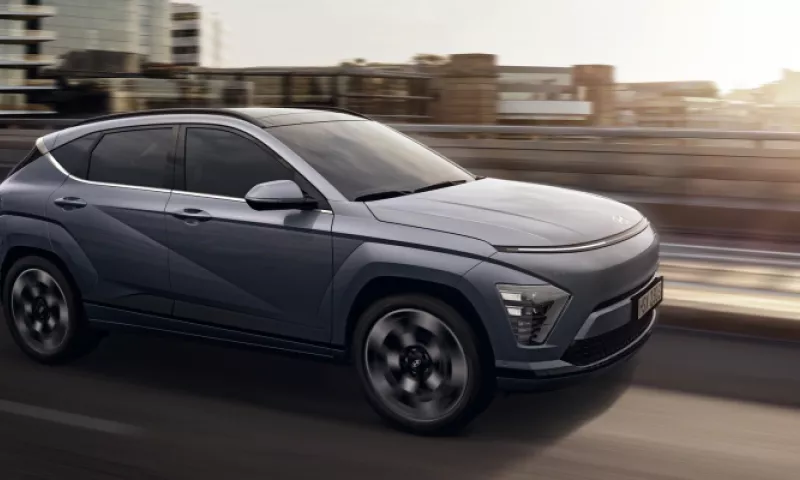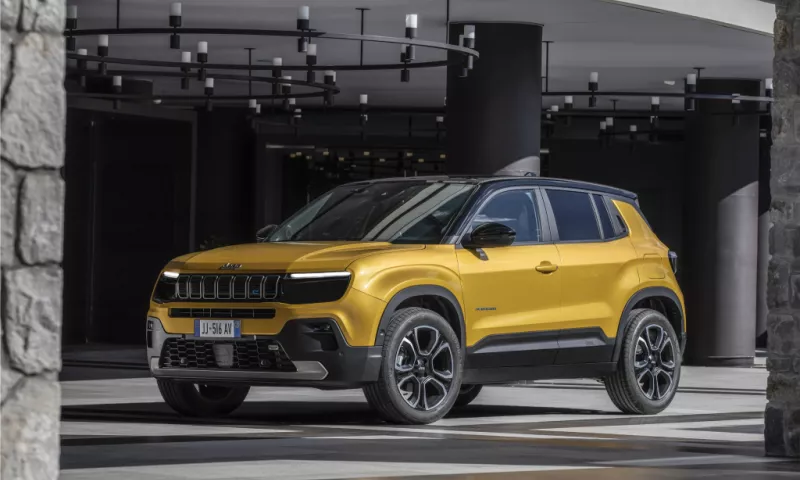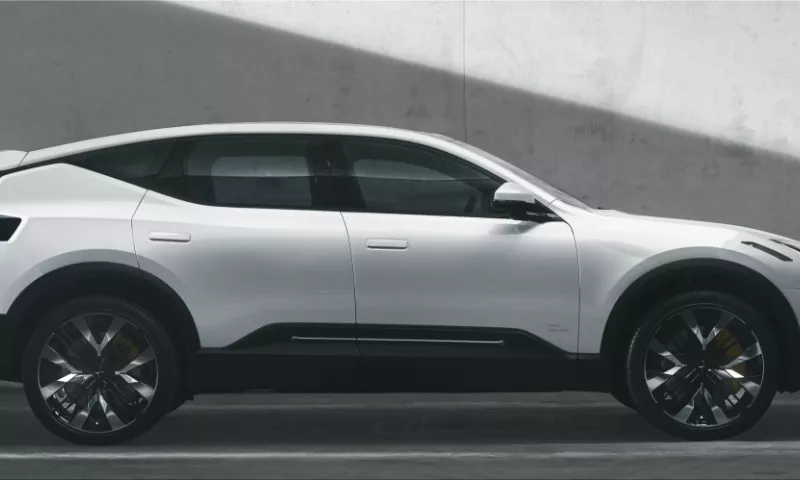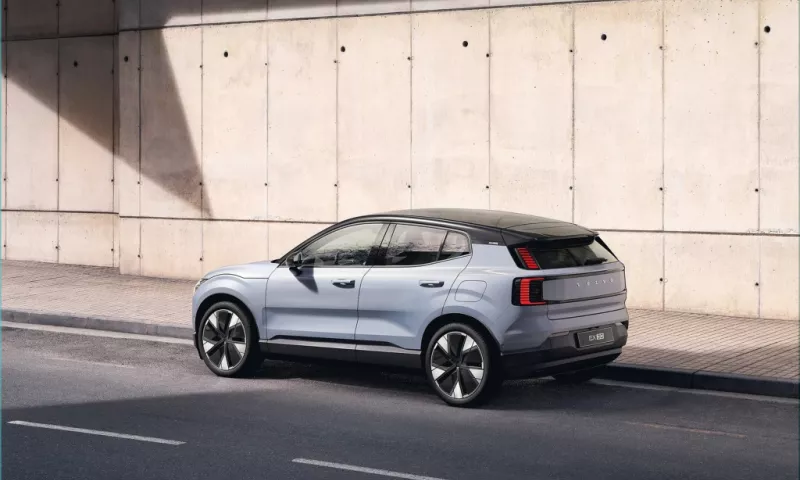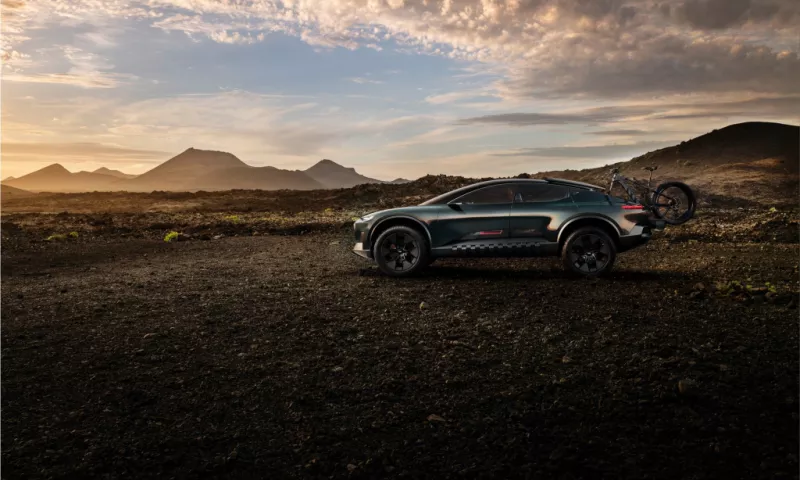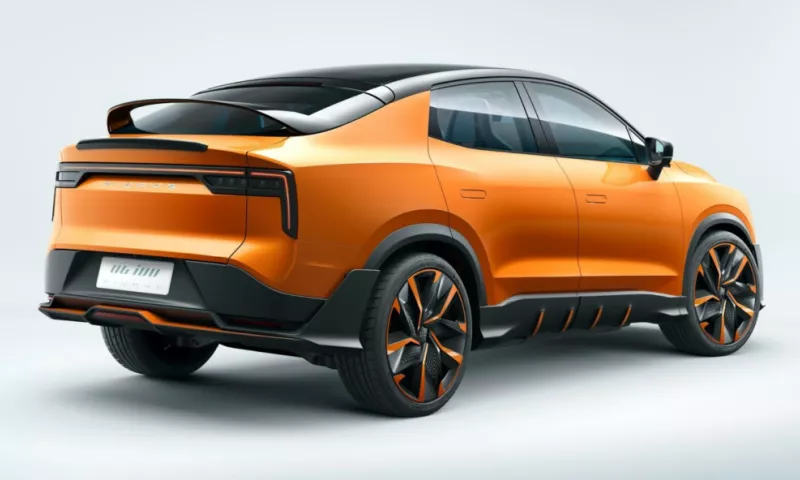
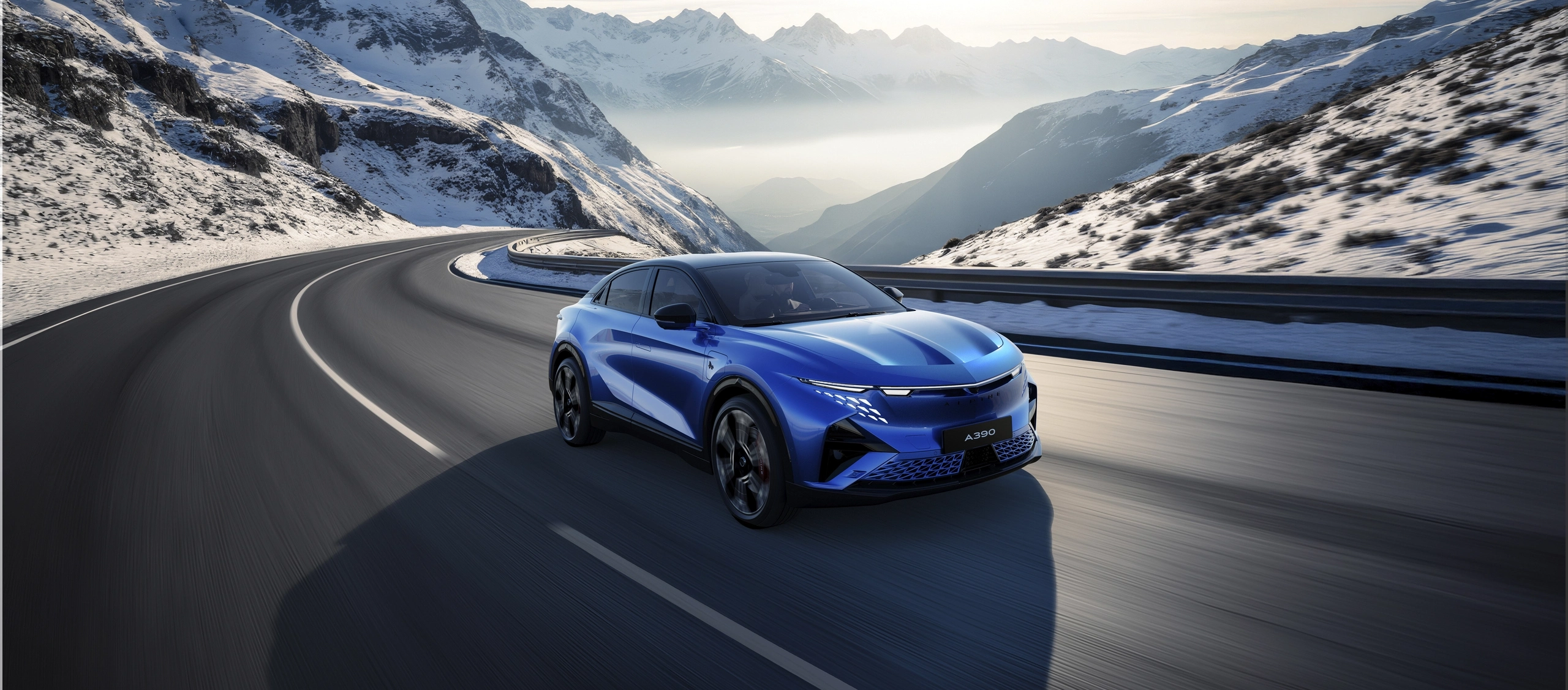
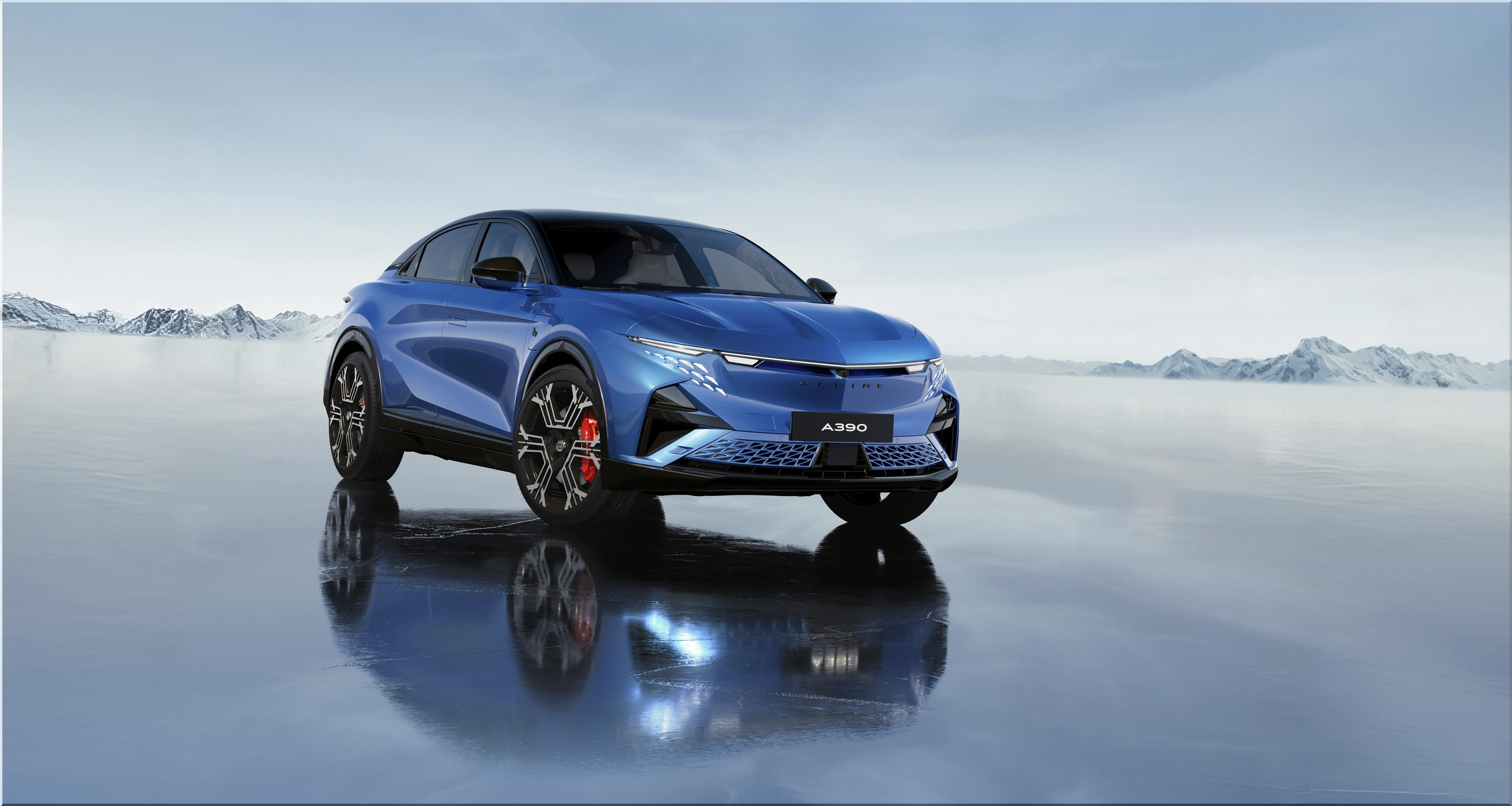
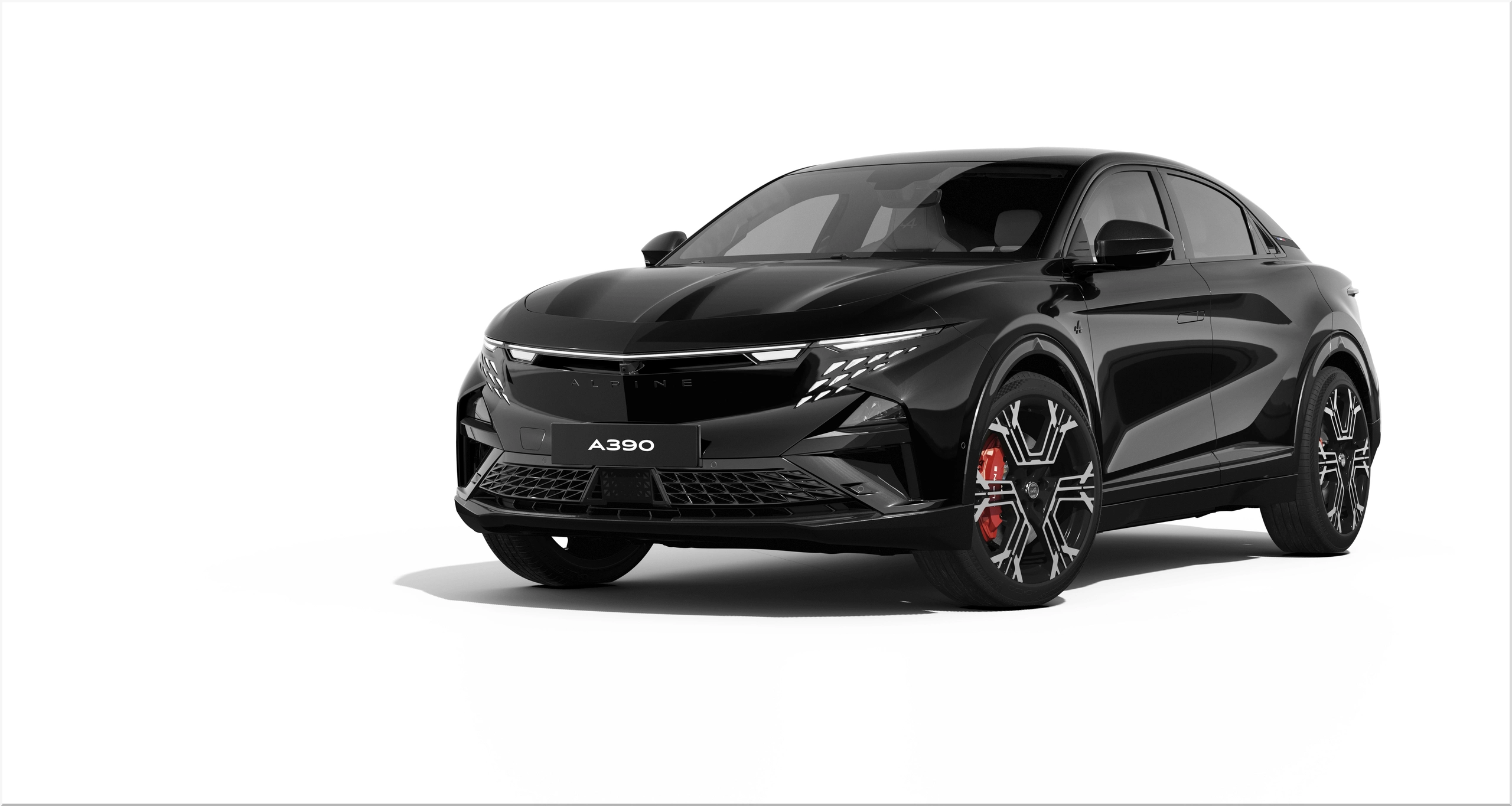
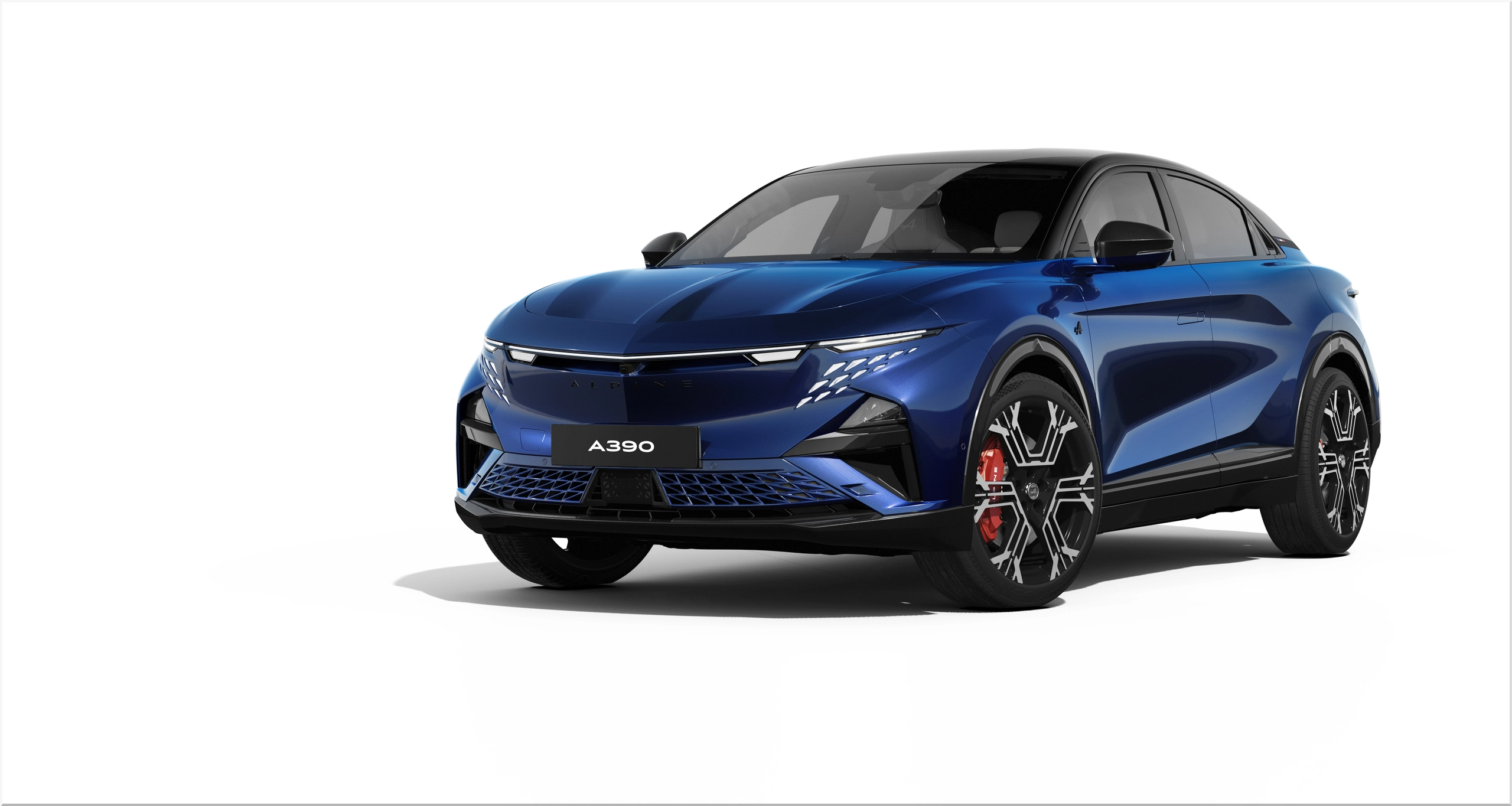
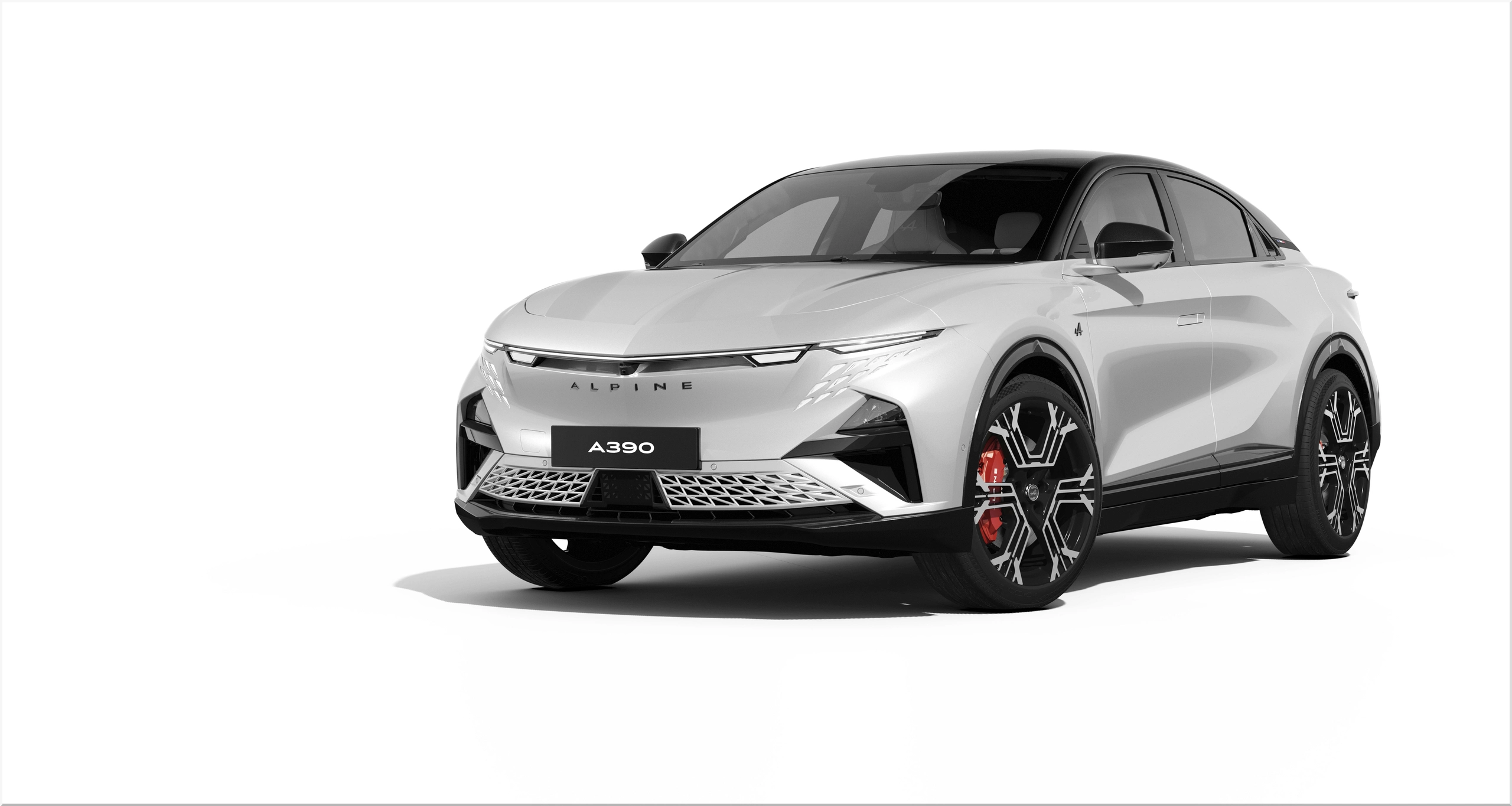
The Alpine A390 represents the next step in electric performance engineering. Built on Alpine’s EV platform, the compact SUV introduces Active Torque Vectoring, a system designed to sharpen agility and stability without compromising traction or efficiency. For a brand rooted in lightweight performance, this technology signals Alpine’s shift toward high-precision electric driving.
Active Torque Vectoring Explained
Active Torque Vectoring distributes power between the front and rear axles—and between left and right wheels—based on driving conditions. Unlike passive systems, it reacts instantly to throttle, steering, and grip levels. The result is sharper cornering, reduced understeer, and improved traction in all conditions.
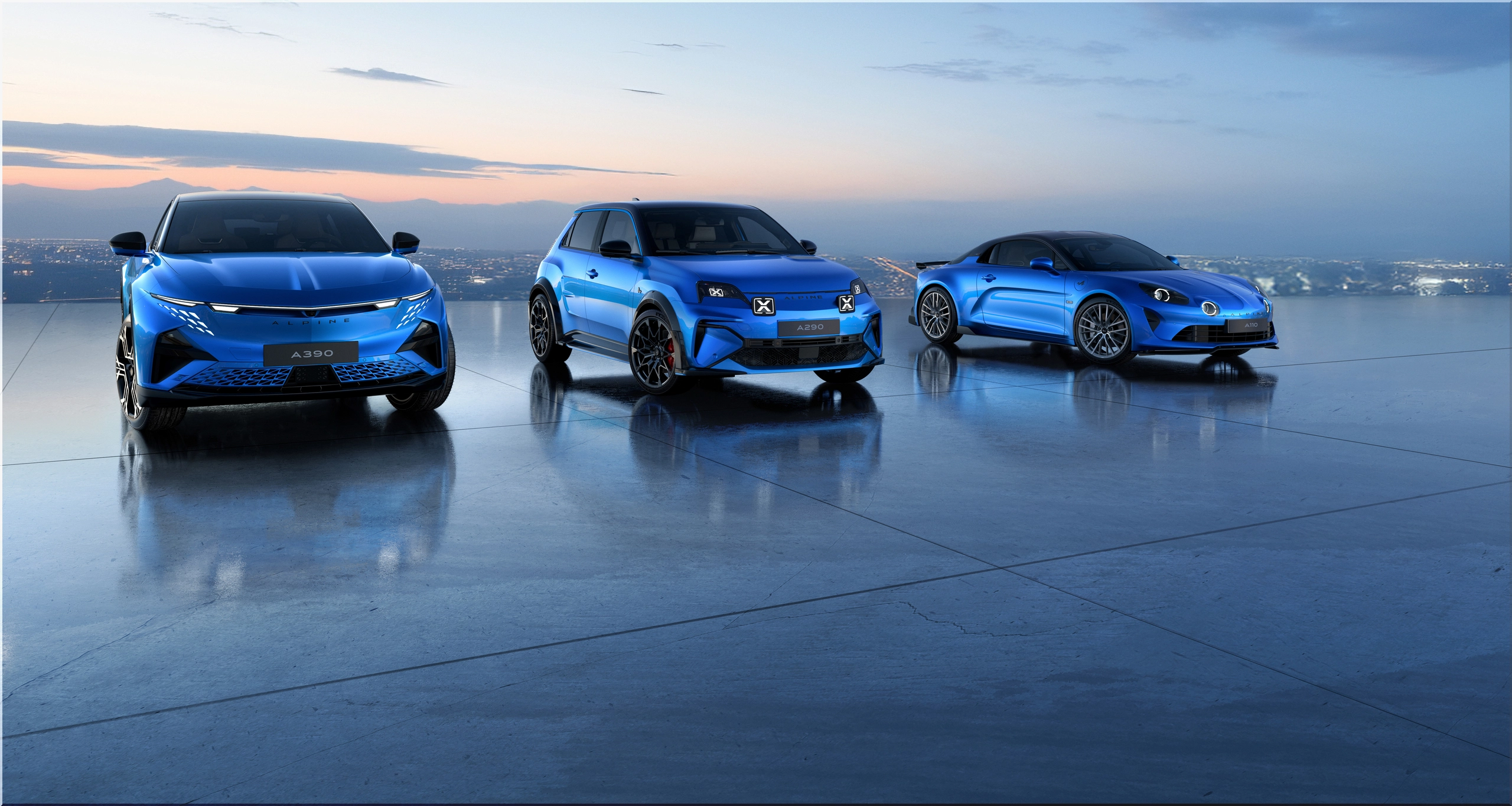
In the A390, the system integrates with Alpine’s electronic chassis management and dual-motor layout. Each motor can independently adjust torque delivery, allowing near-instant control of vehicle rotation and grip balance. On slippery surfaces, the car delivers optimal power distribution to maintain acceleration without wheel slip.
Key performance outcomes:
- Faster corner entry response
- More stable high-speed turns
- Enhanced driver confidence in mixed traction
- Reduced energy loss through precise torque allocation
Electric Powertrain and Architecture
The Alpine A390 sits on the Renault-Nissan-Mitsubishi Alliance’s CMF-EV platform, shared with models like the Megane E-Tech Electric. Alpine tuned the architecture for tighter steering ratios and weight distribution optimized for performance.
Expected specifications:
| Specification | Estimate |
|---|---|
| Power Output | 300–400 hp (223–298 kW) |
| Battery Capacity | 87 kWh |
| Range (WLTP) | ~310 miles |
| 0–60 mph | Under 5 seconds |
| Price (expected) | ~$60,000 USD |
The dual-motor configuration delivers all-wheel drive capability while keeping weight low. Alpine engineers reportedly used composite materials and an aluminum chassis to maintain the brand’s trademark agility. Braking is handled by regenerative and mechanical systems working in tandem to maintain balance under load.
Design Focused on Efficiency and Control
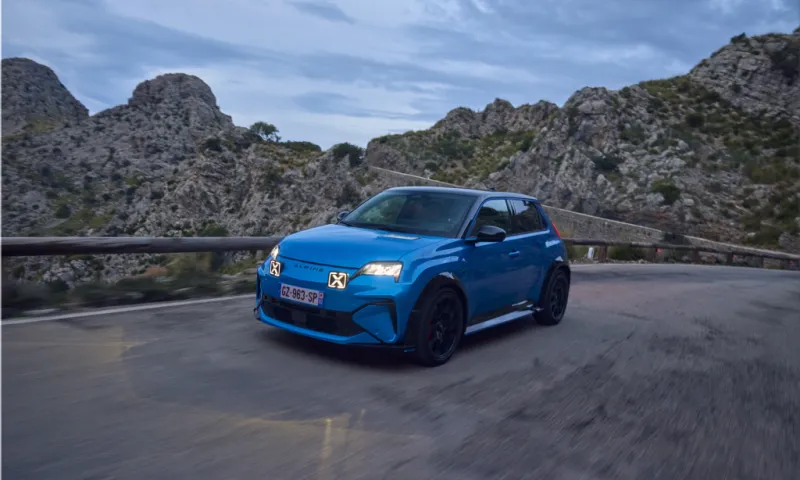
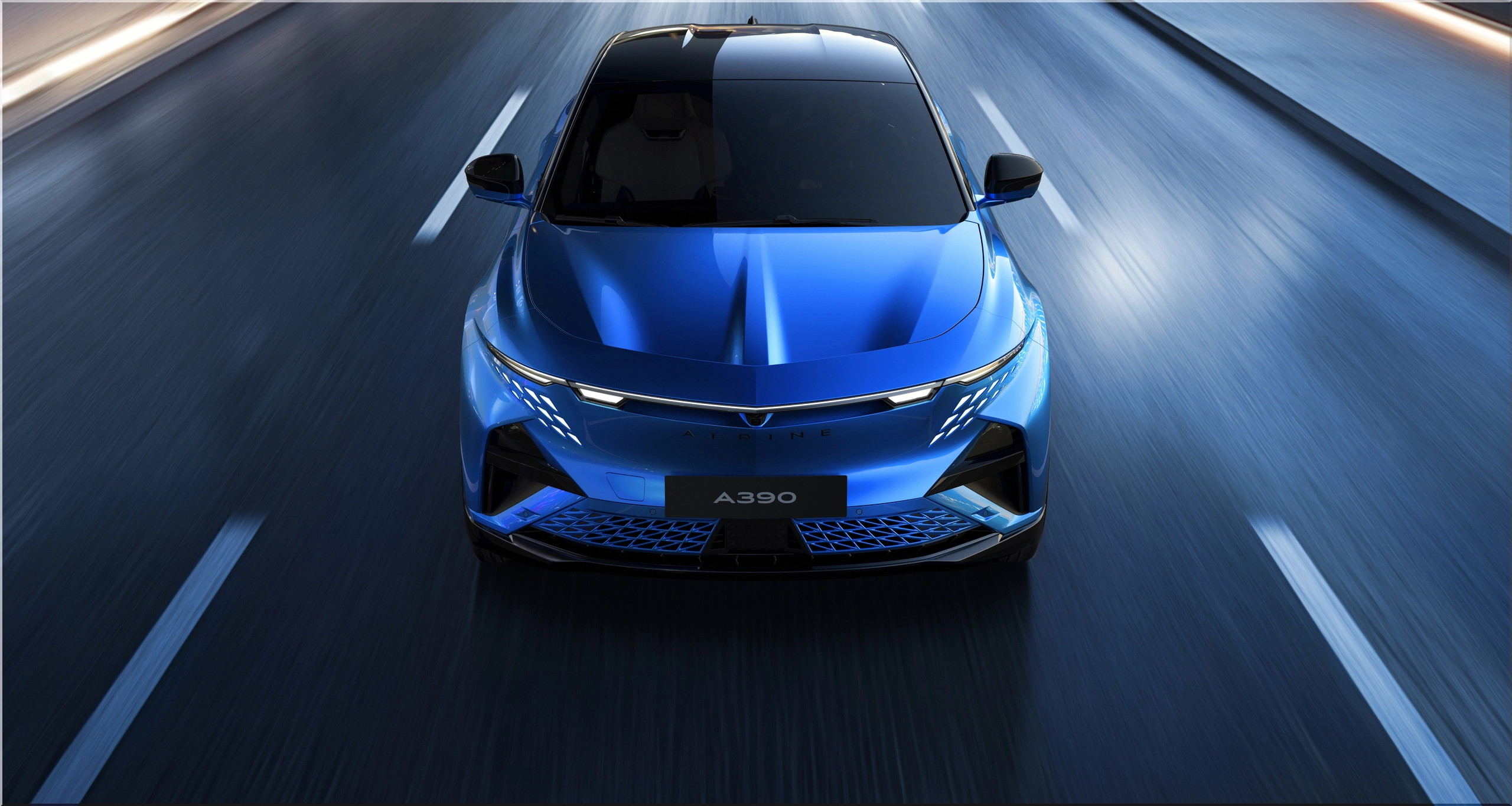
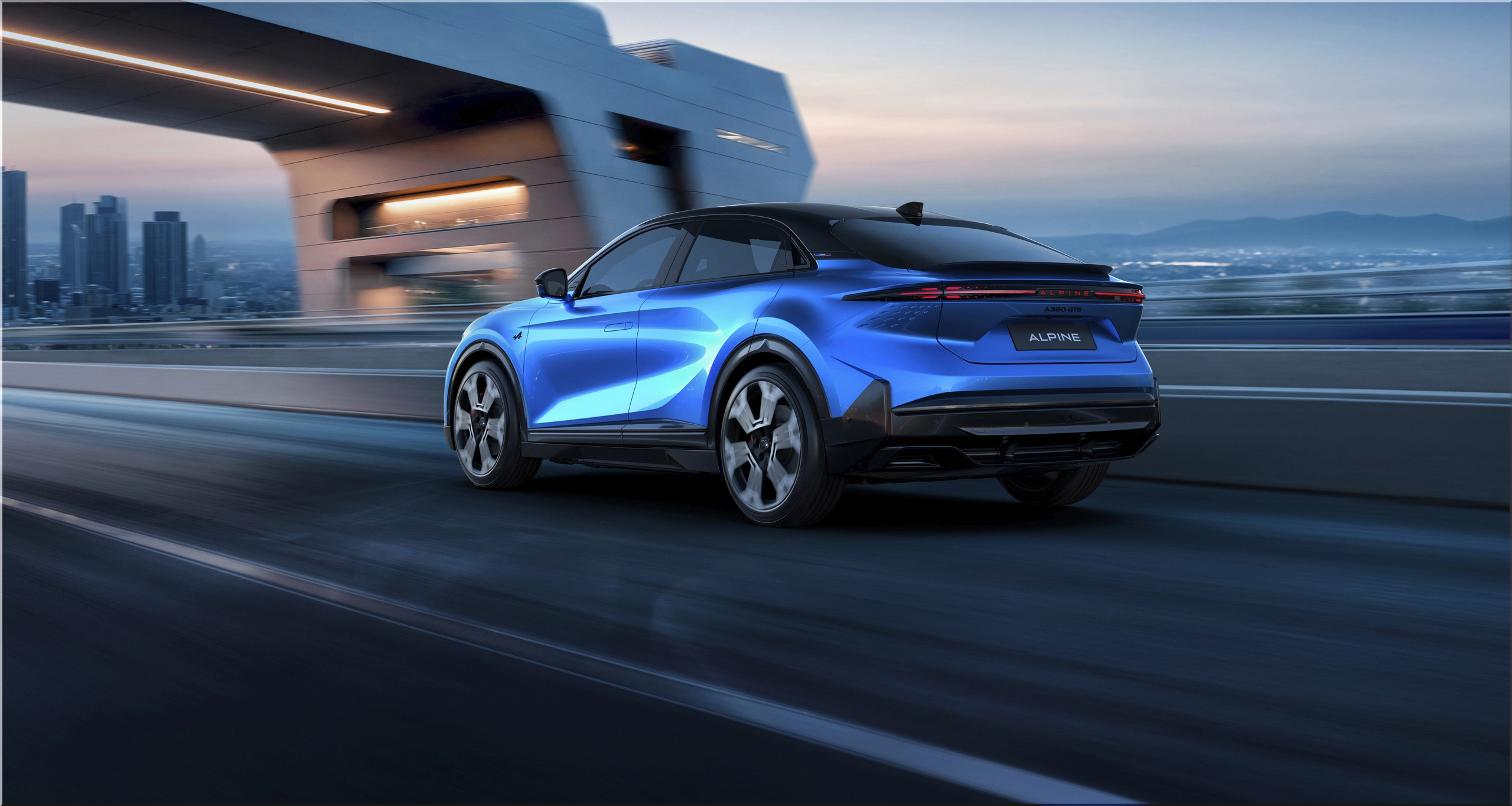
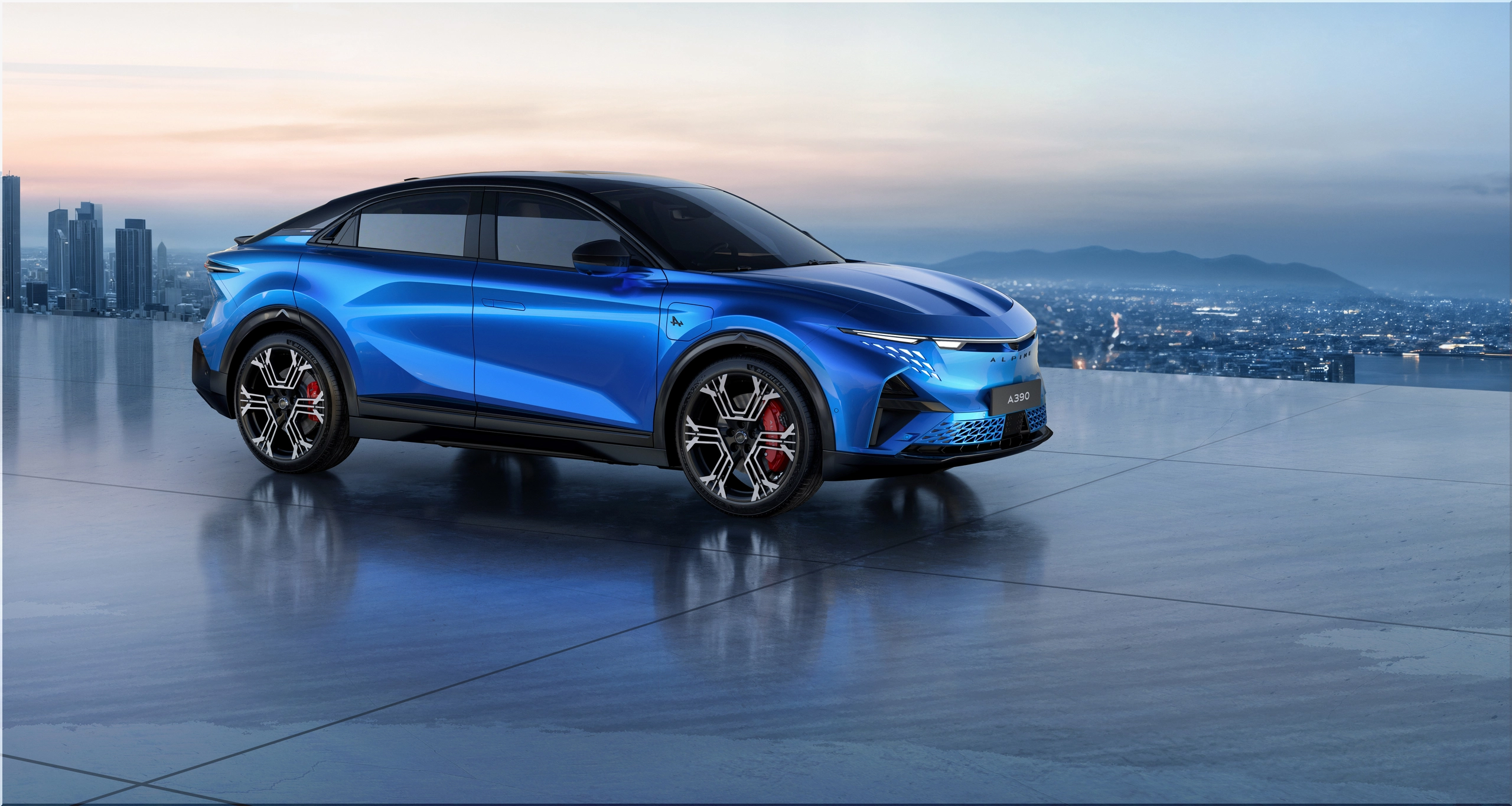
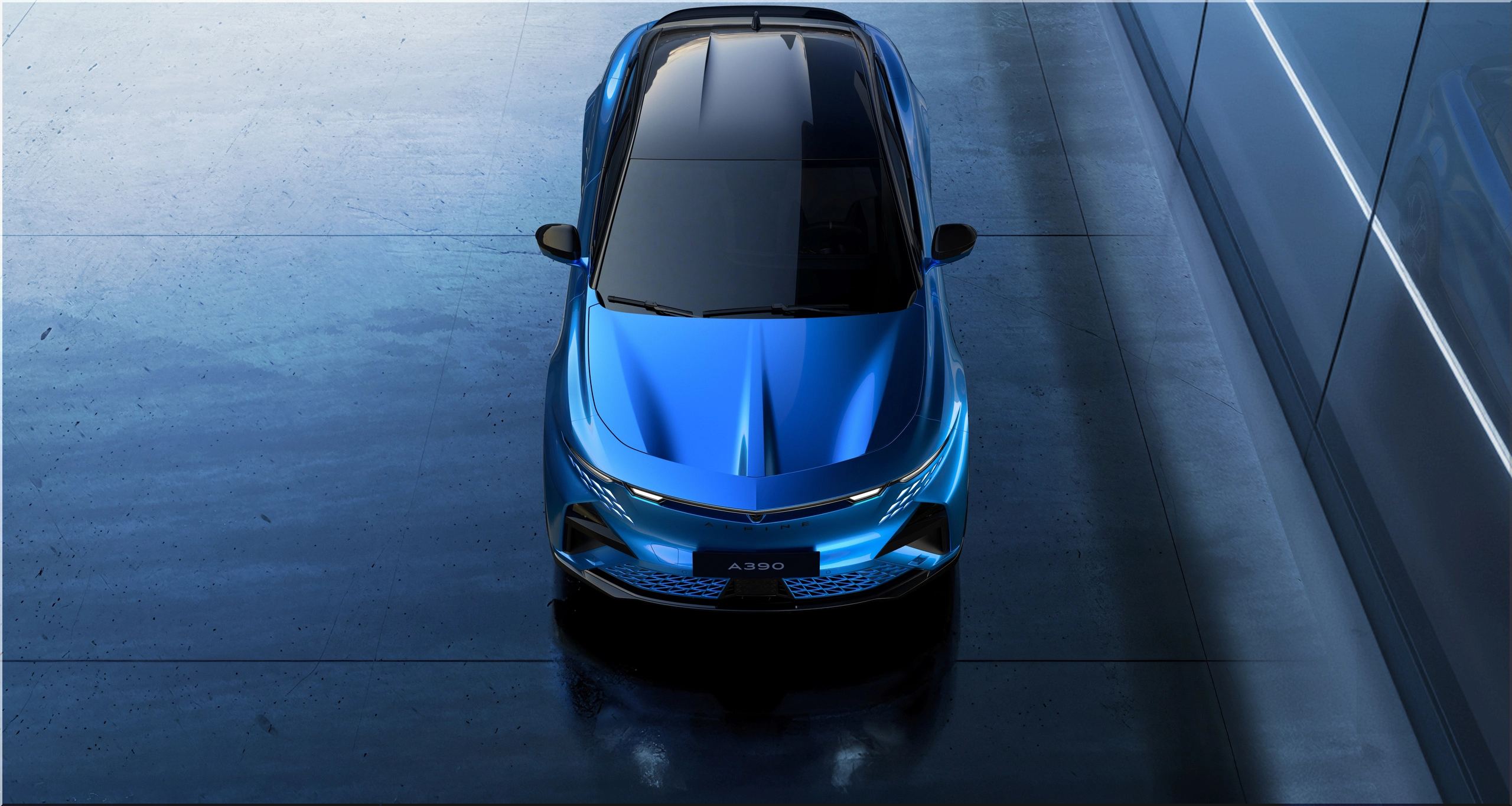
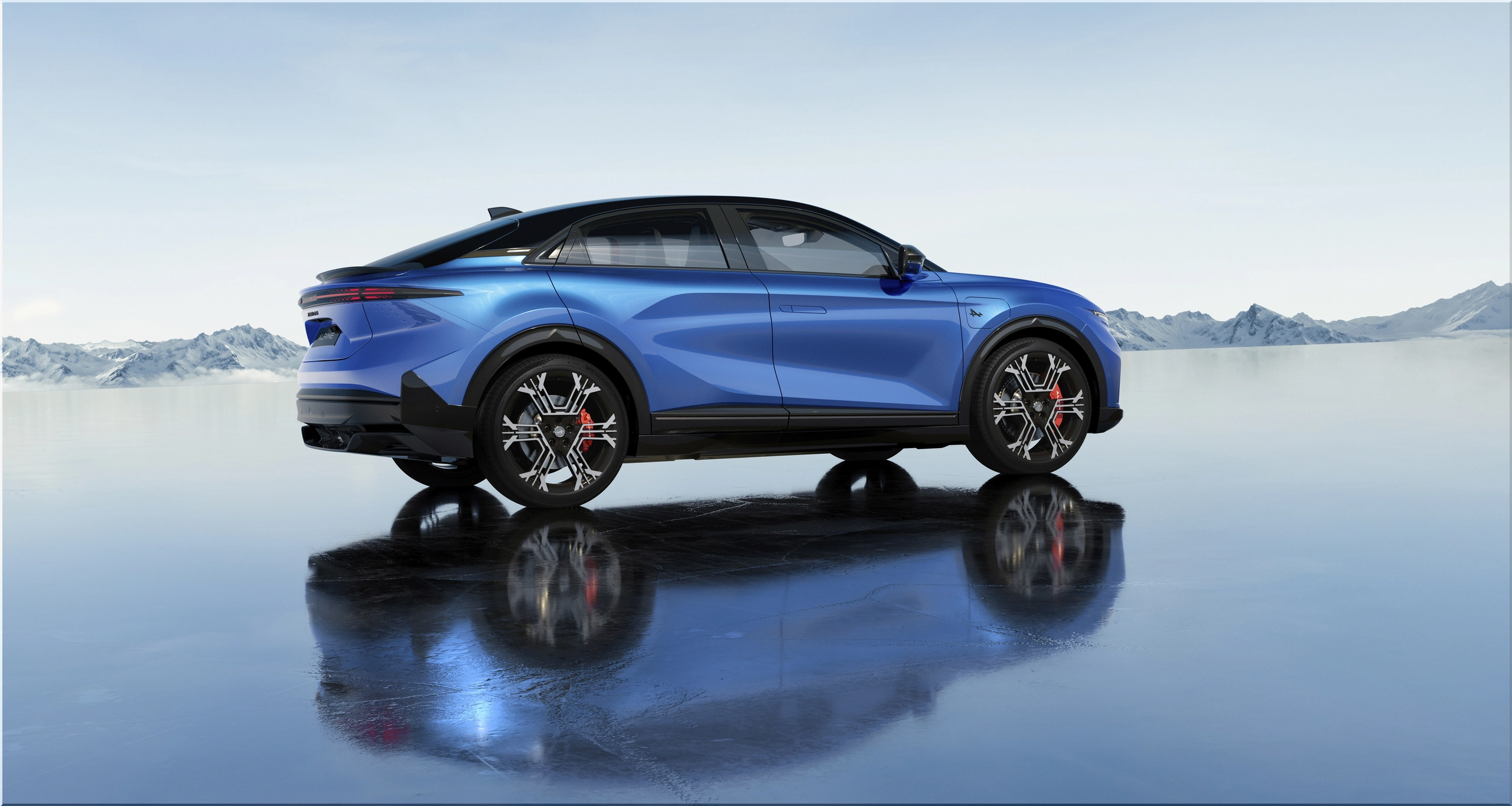
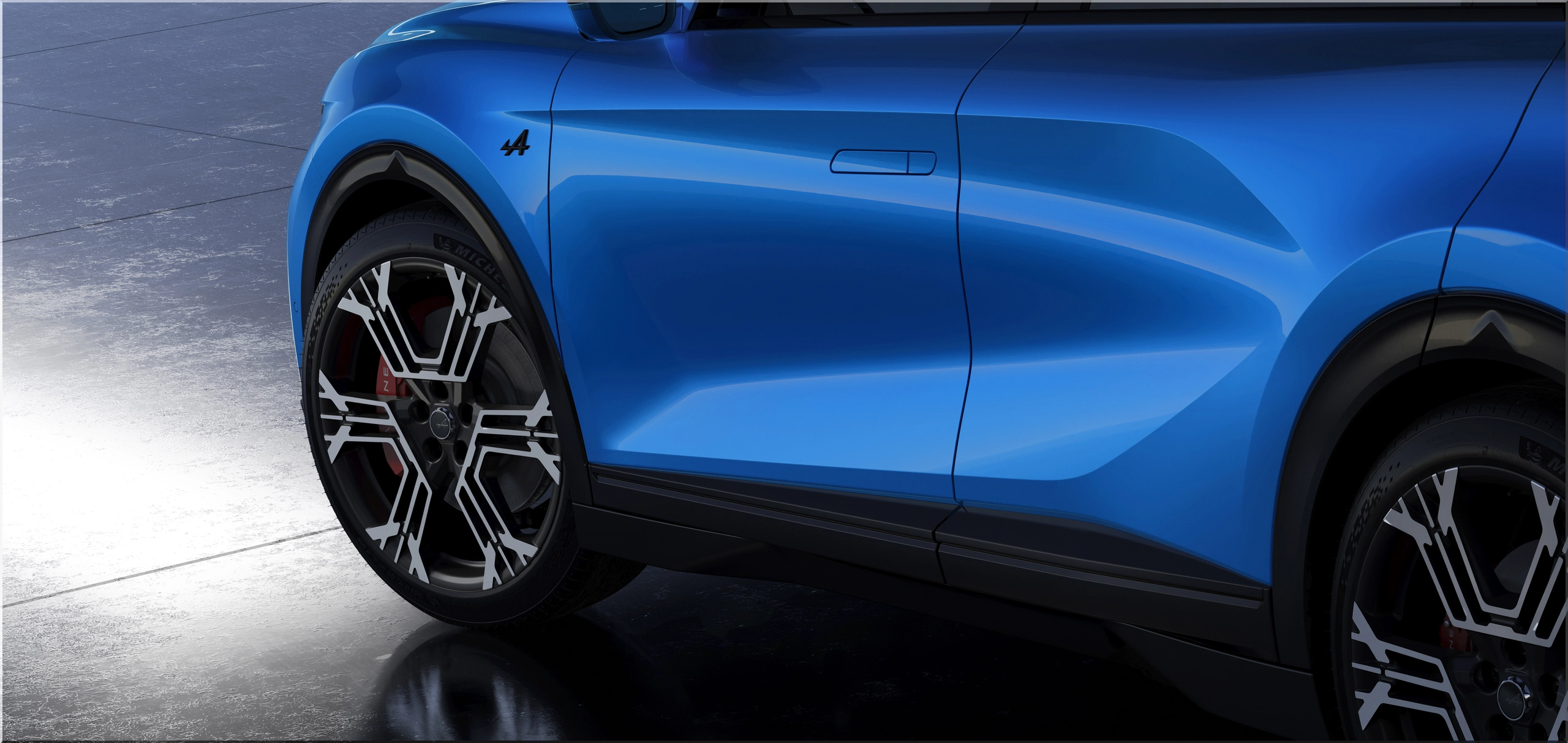
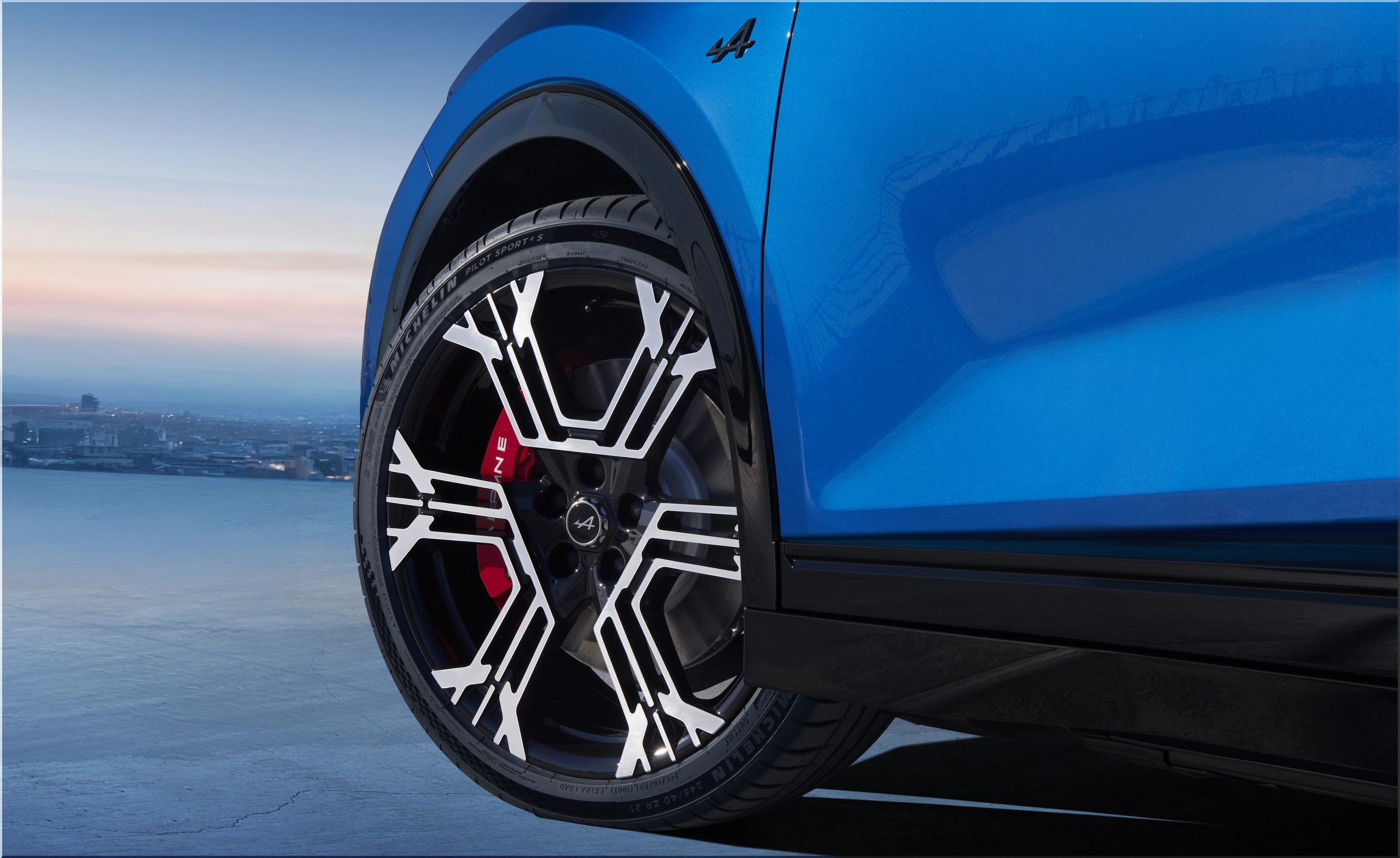
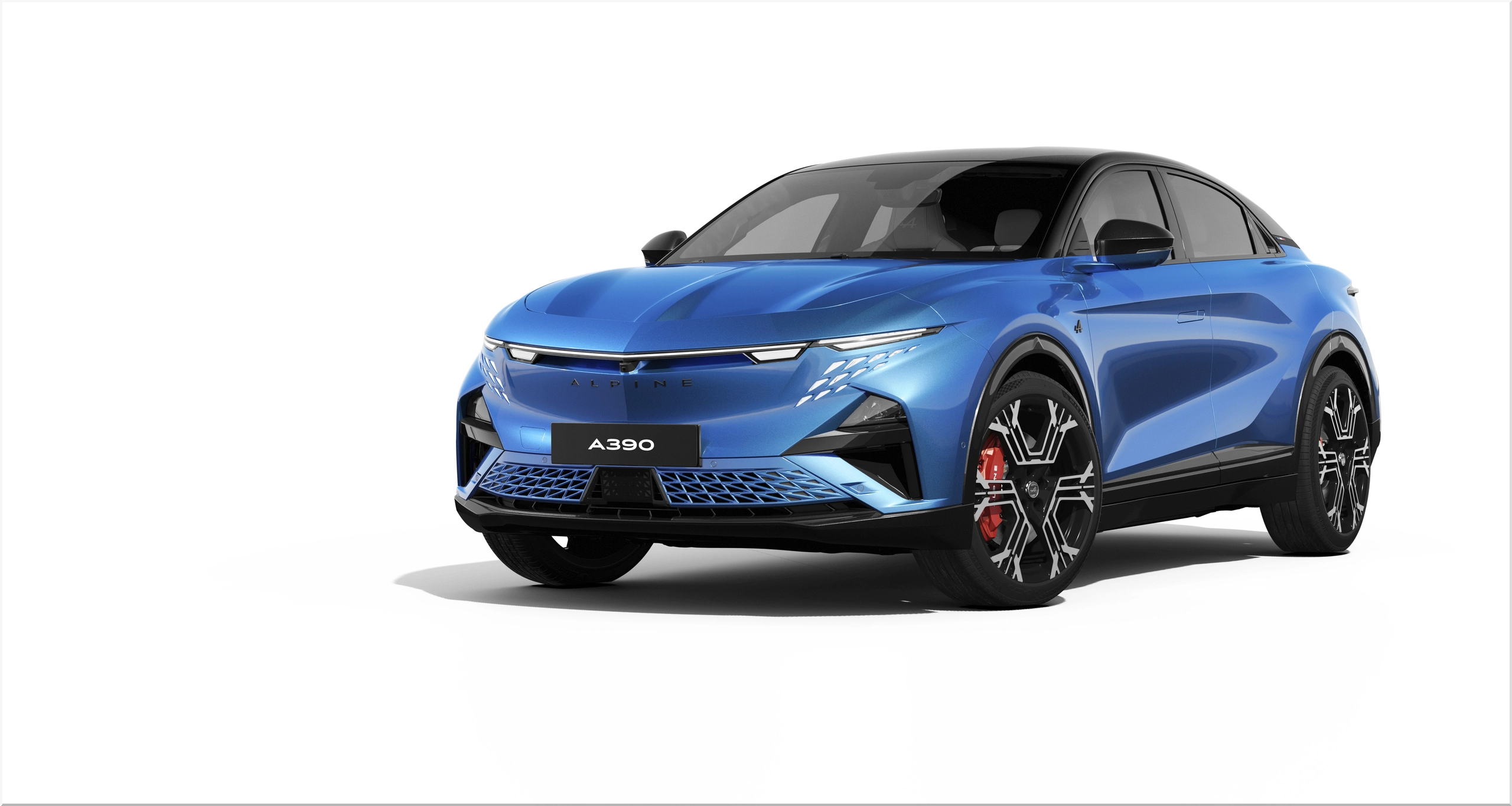
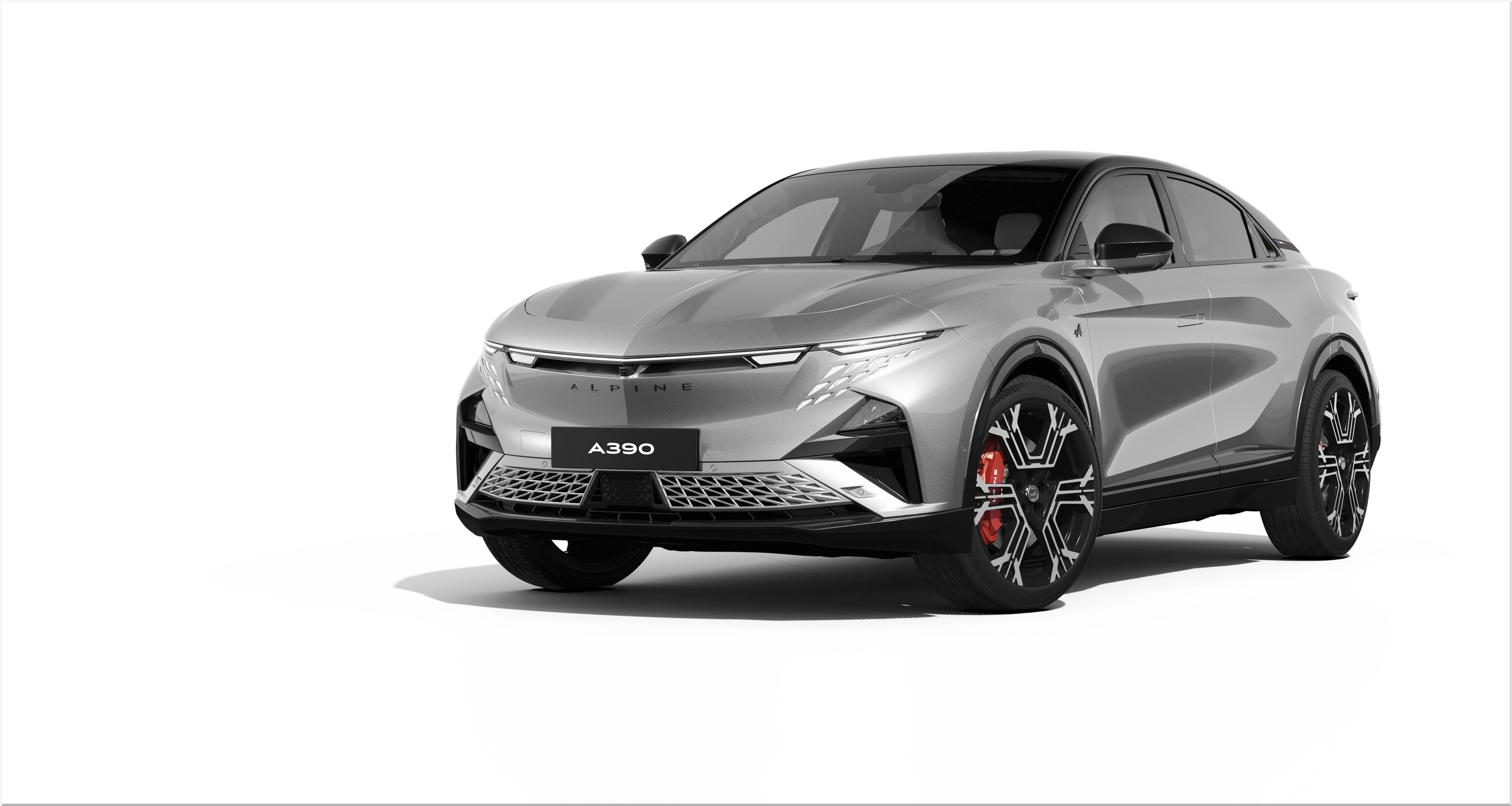
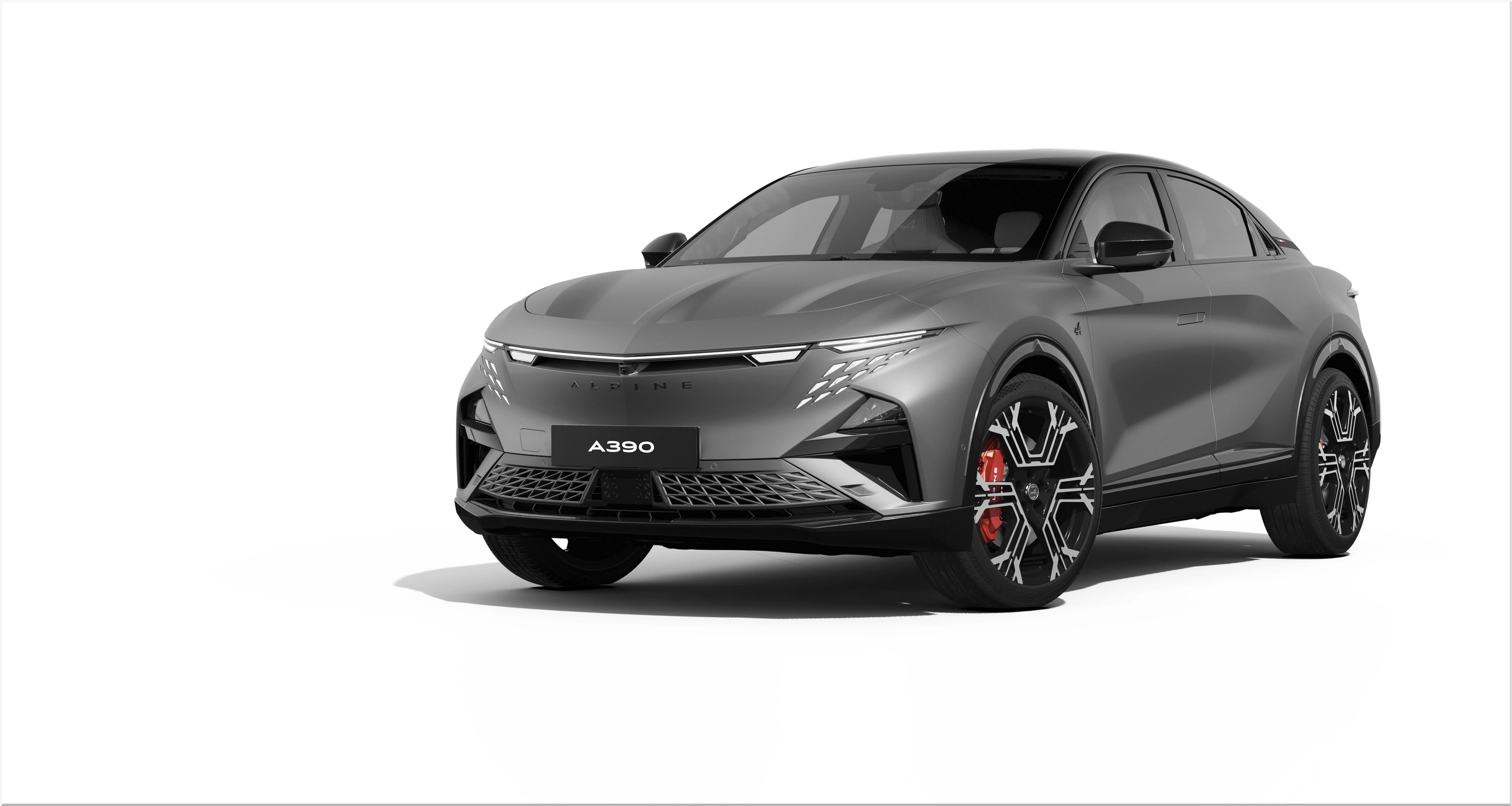
While the A390 introduces SUV proportions to Alpine’s lineup, it avoids bulk. The body features aerodynamic sculpting around the fenders and underbody. The low roofline and short overhangs help reduce drag, improving both range and high-speed stability.
Functional design features include:
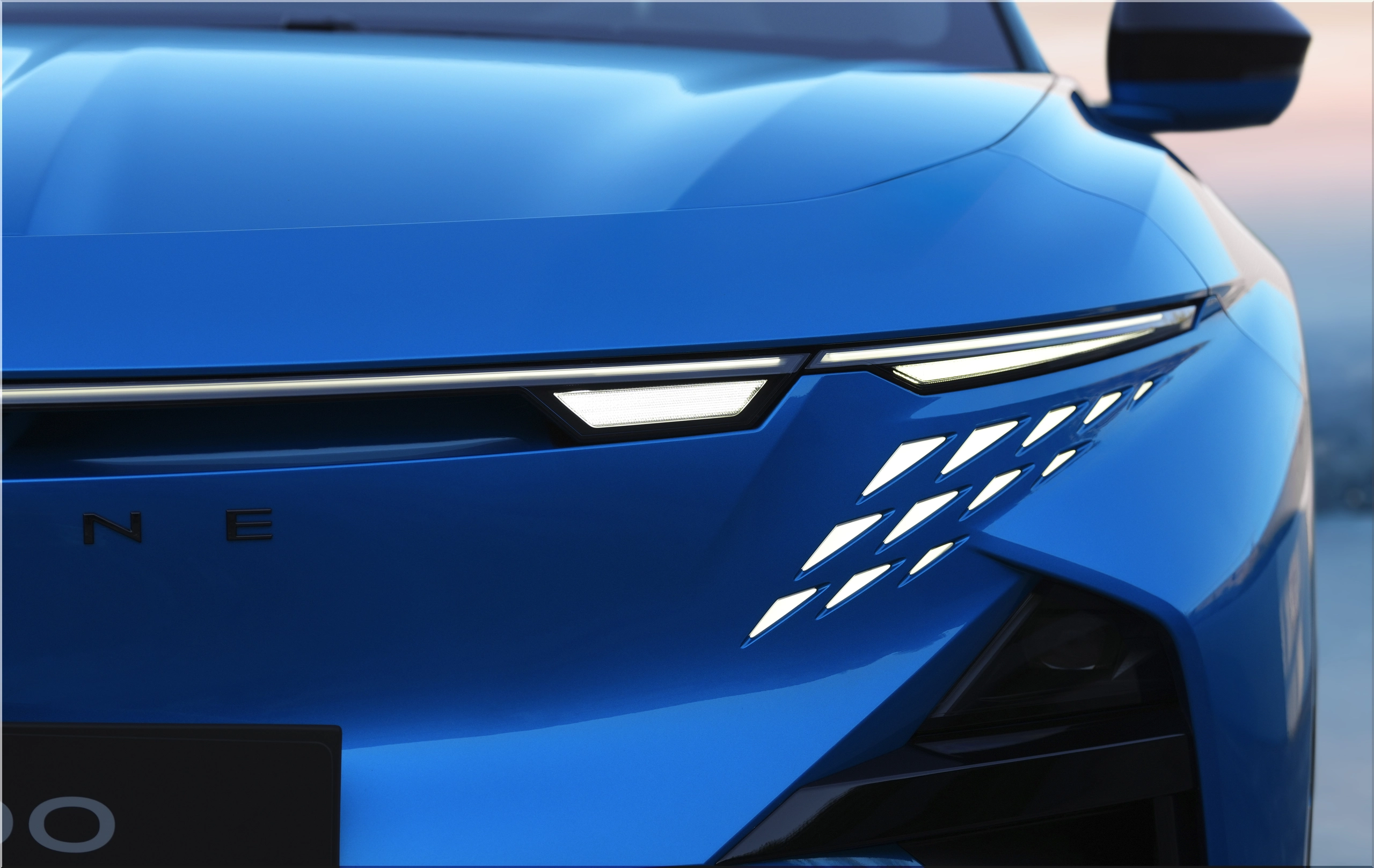
- Air curtains at the front to channel flow around the wheels
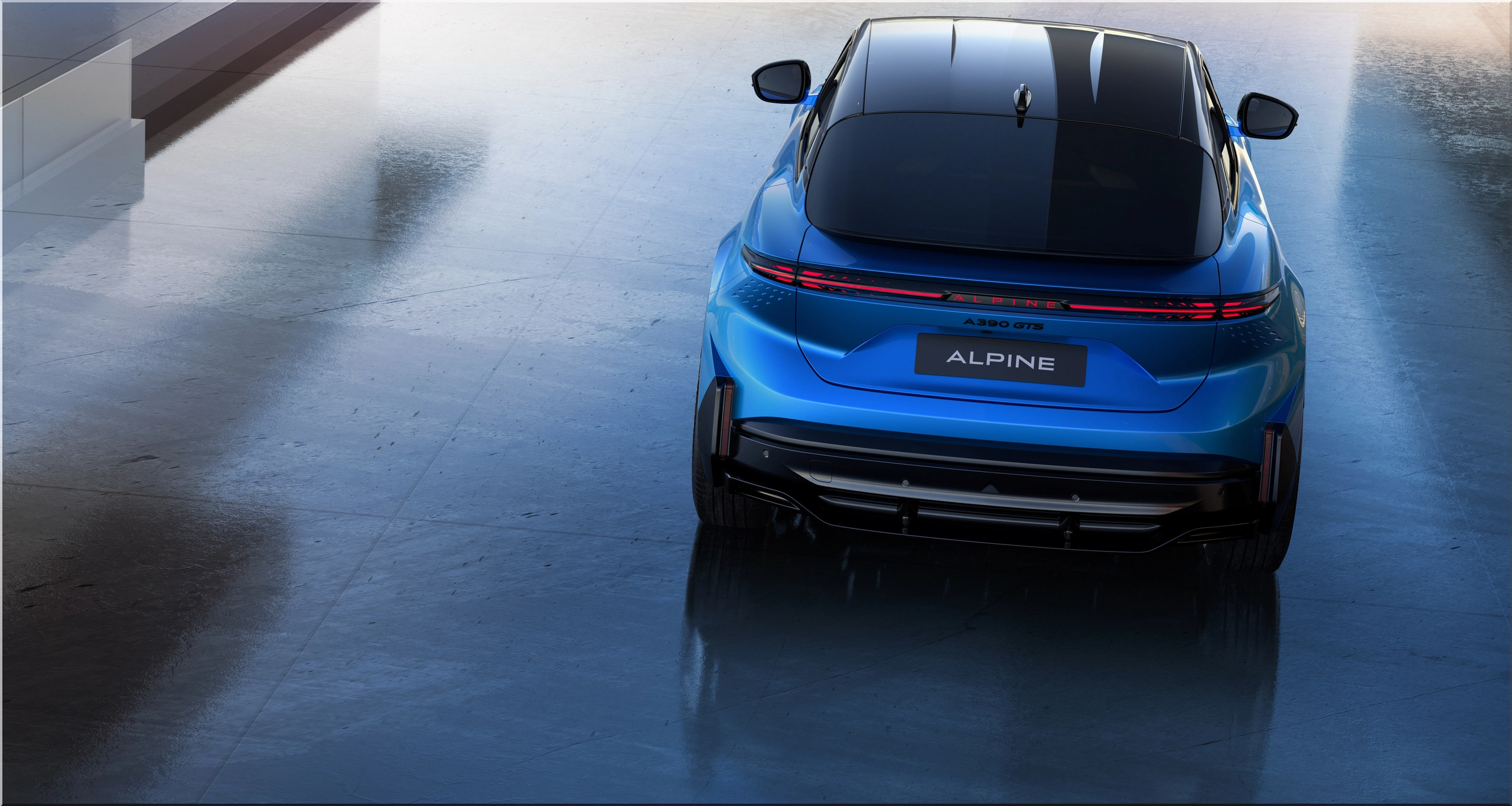
- Flat undertray and diffuser for smoother airflow
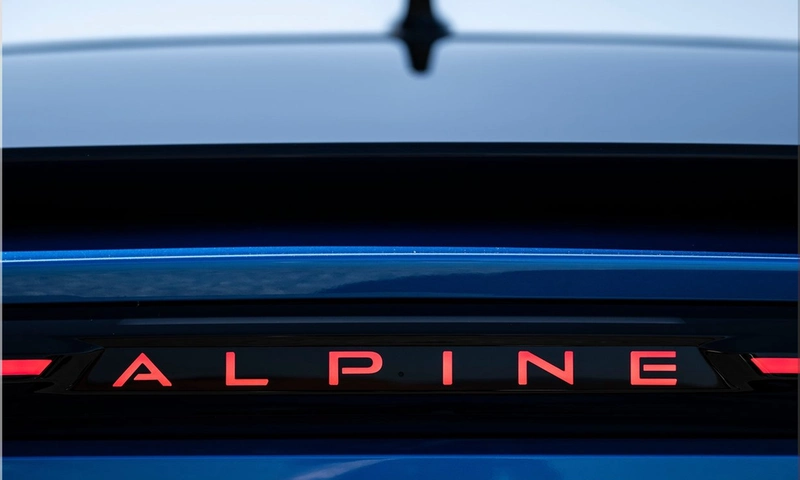
- Integrated rear spoiler for stability at speed
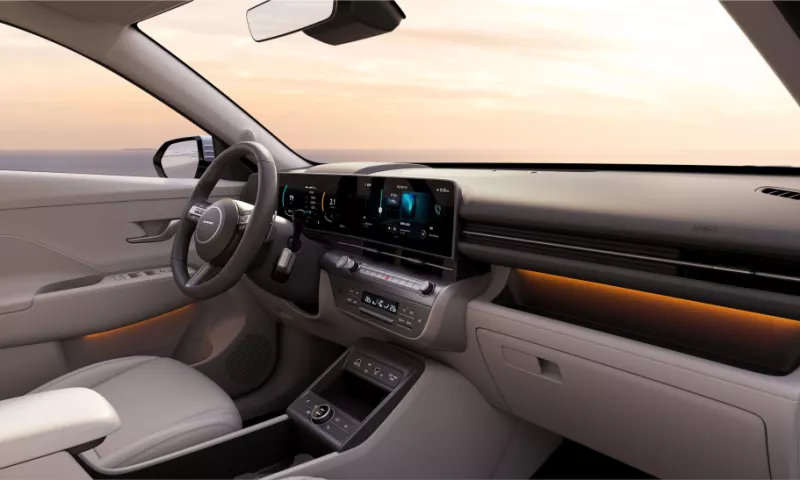
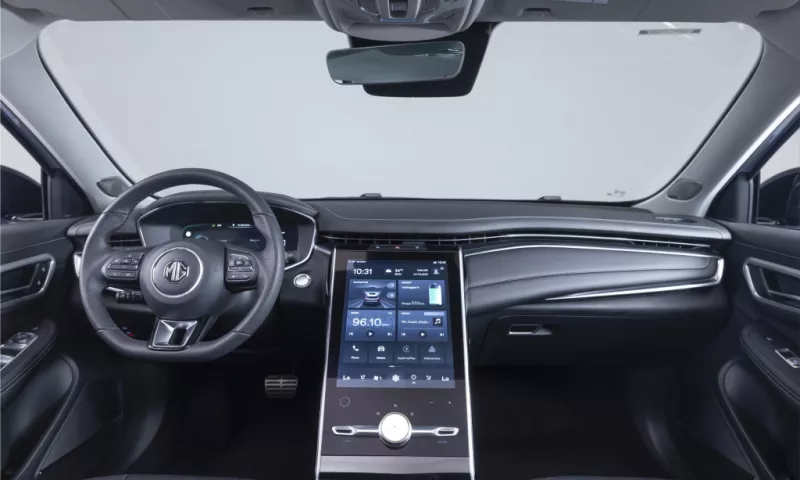
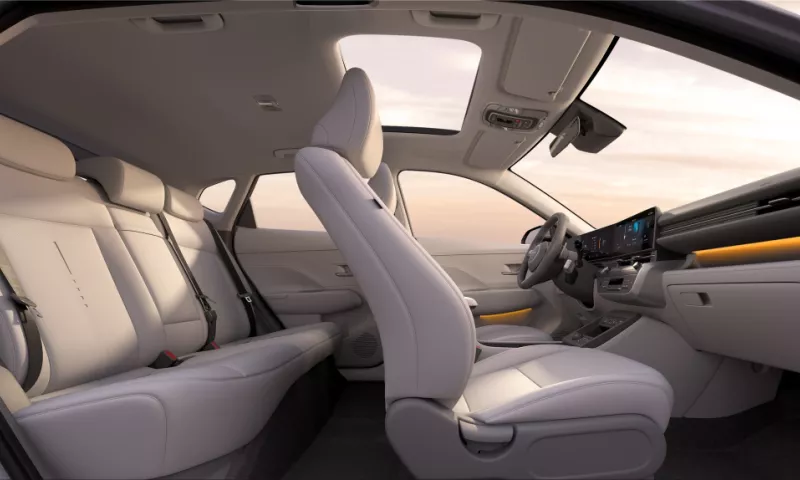
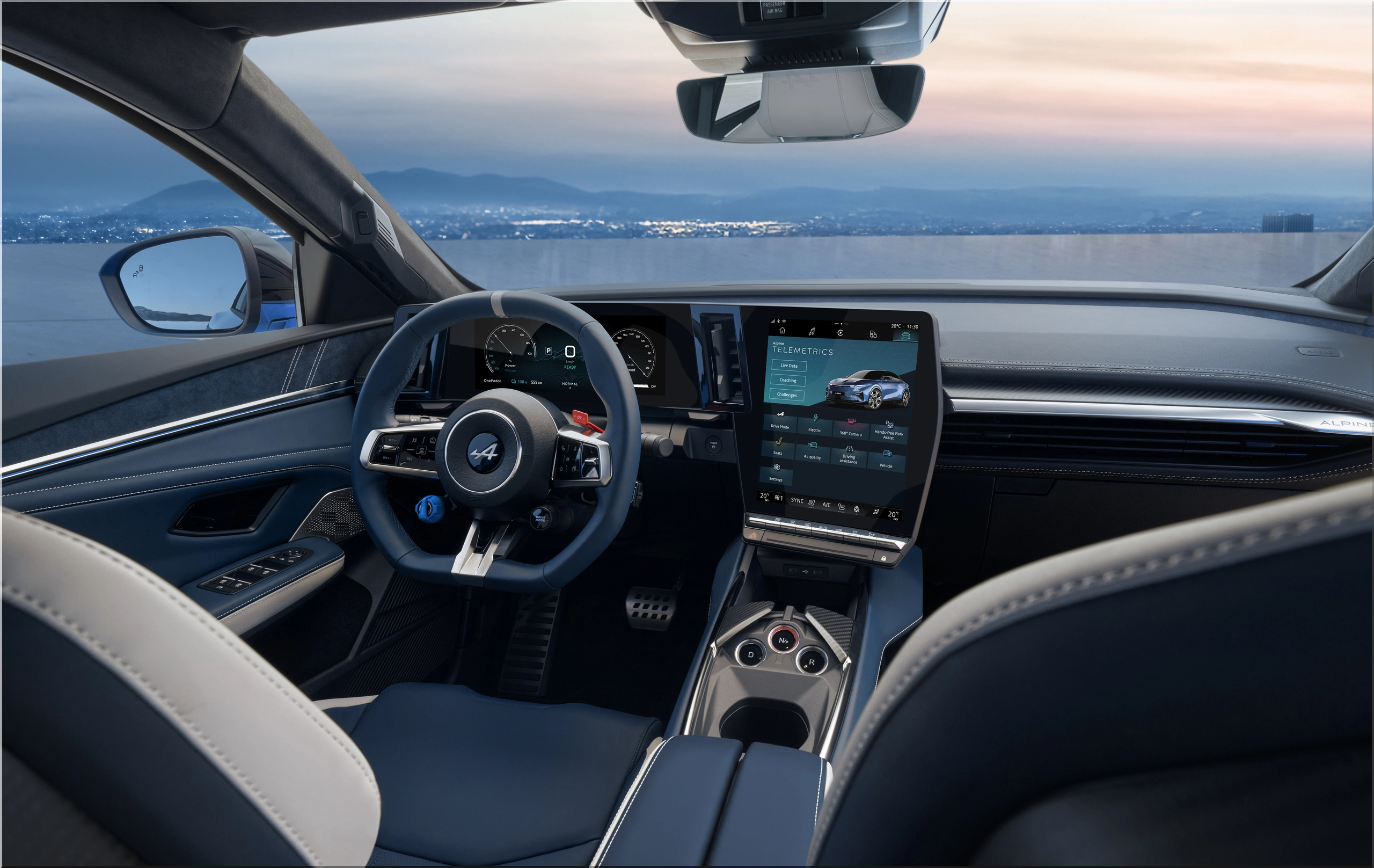
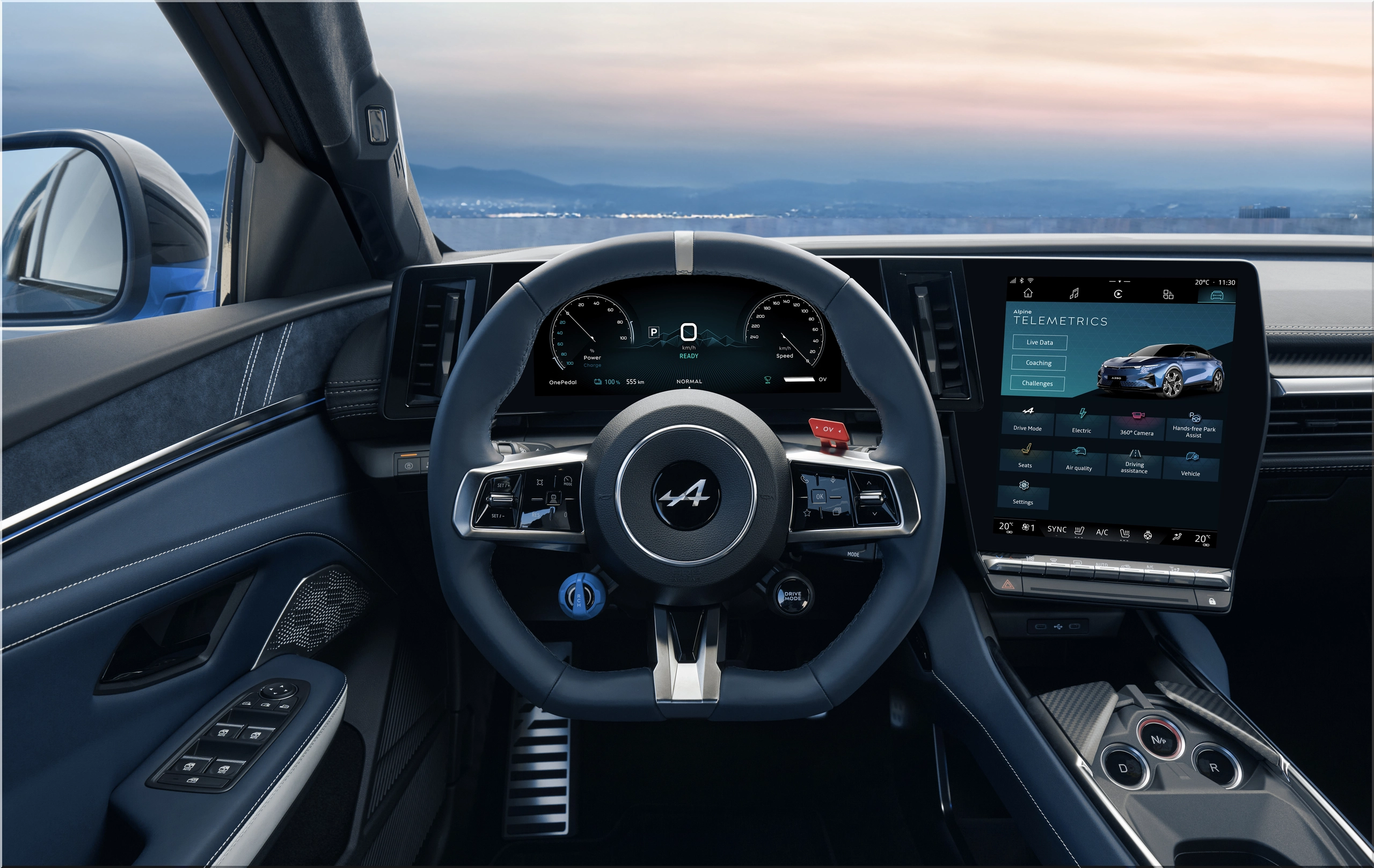
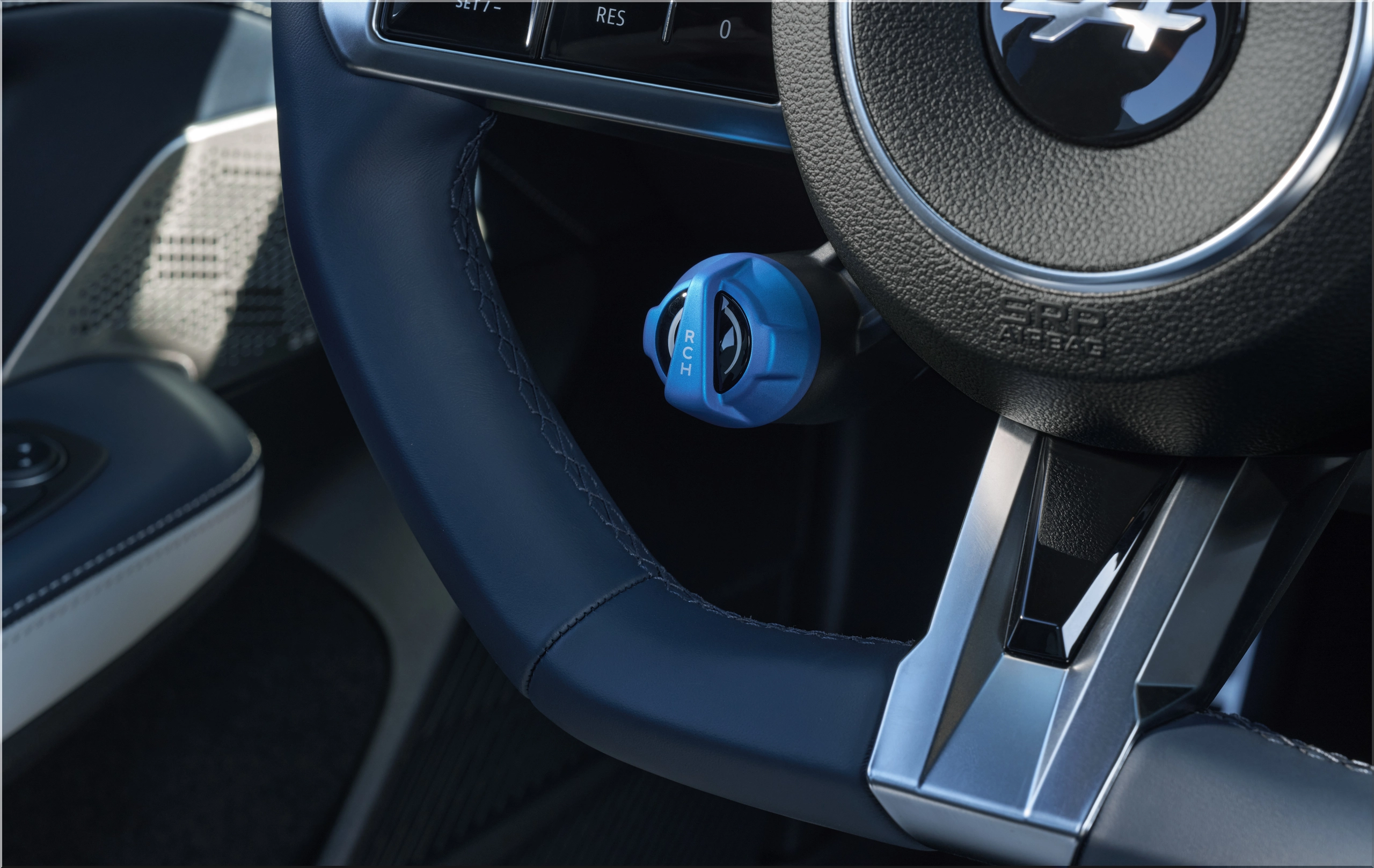
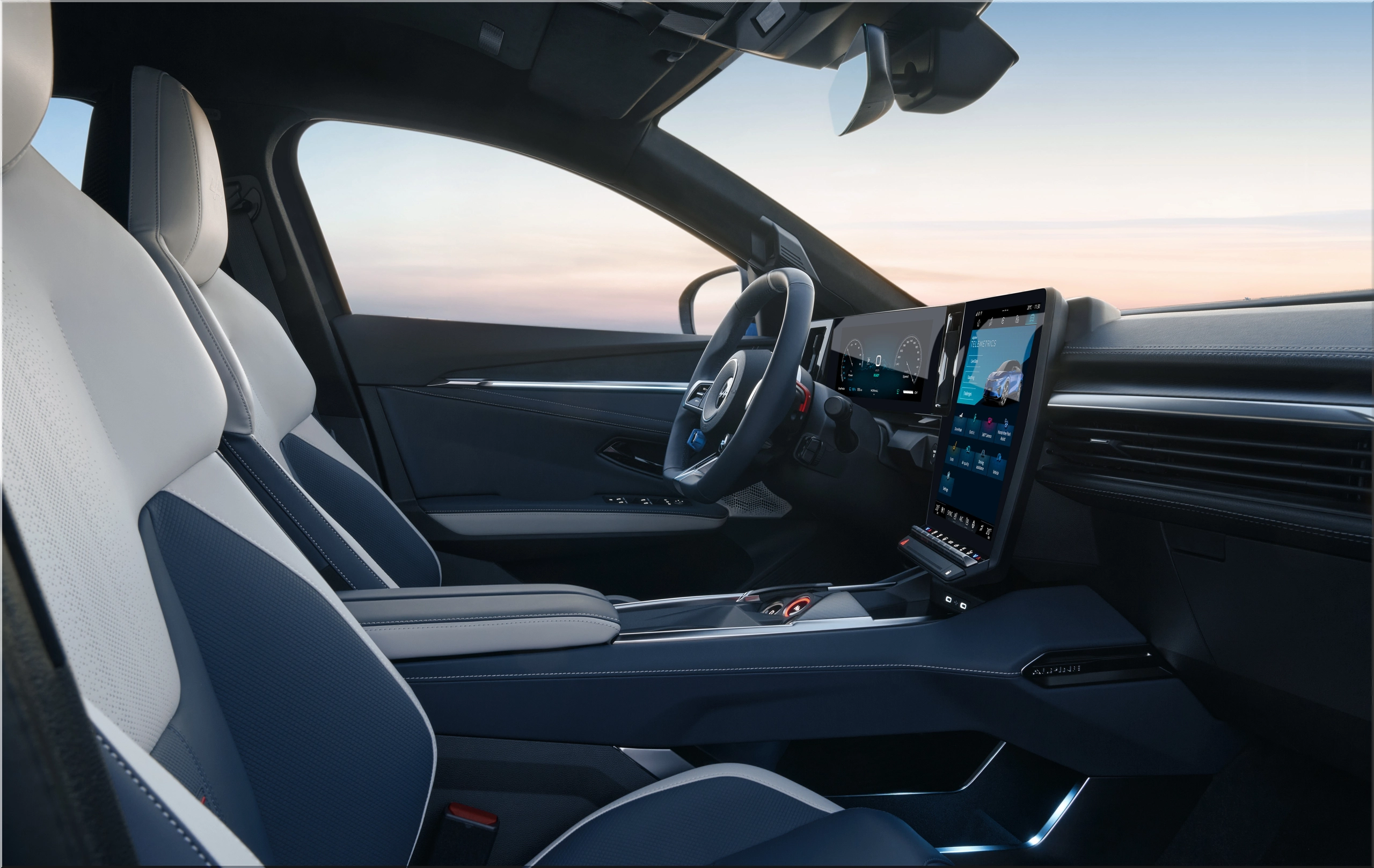
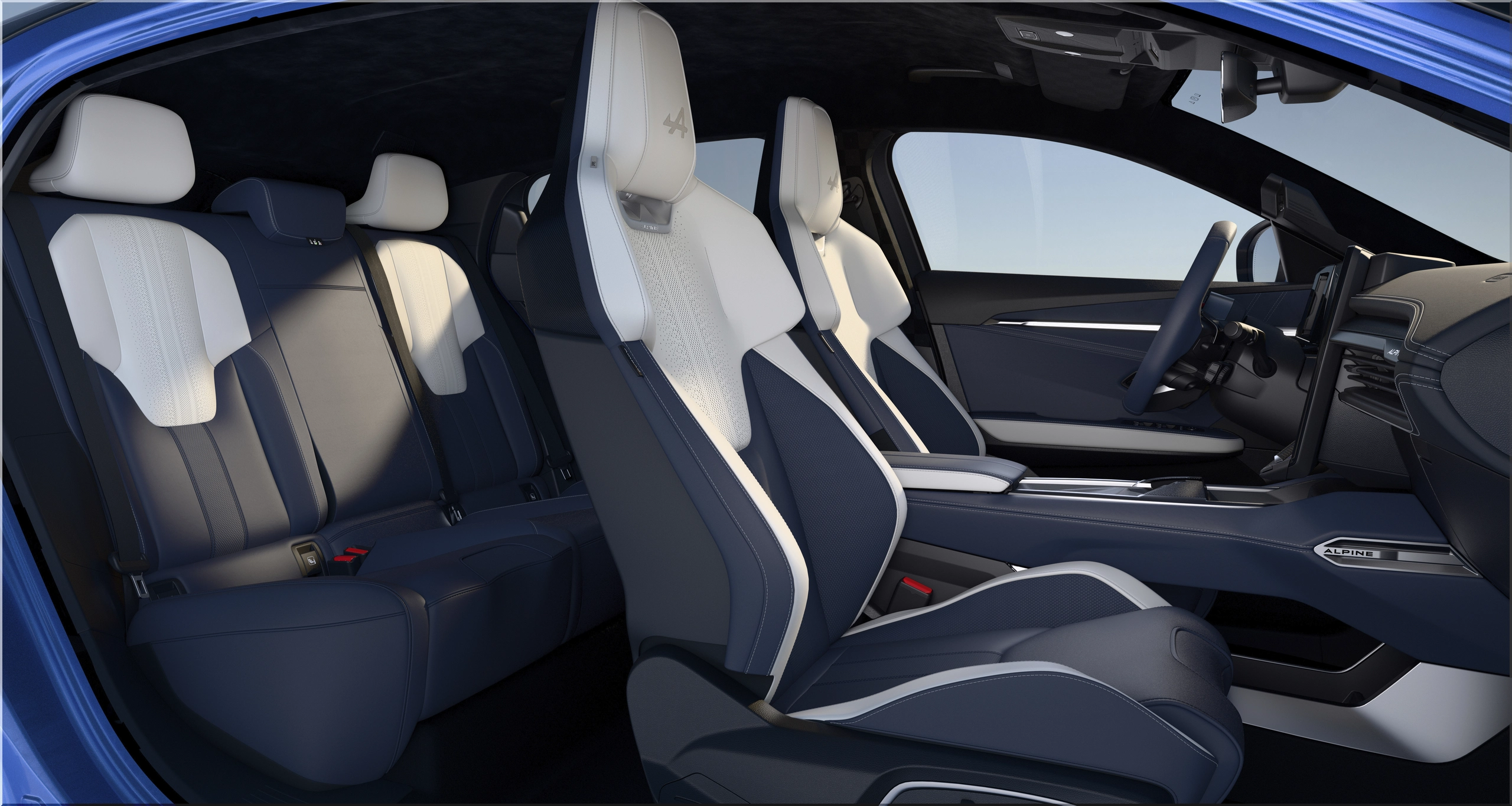
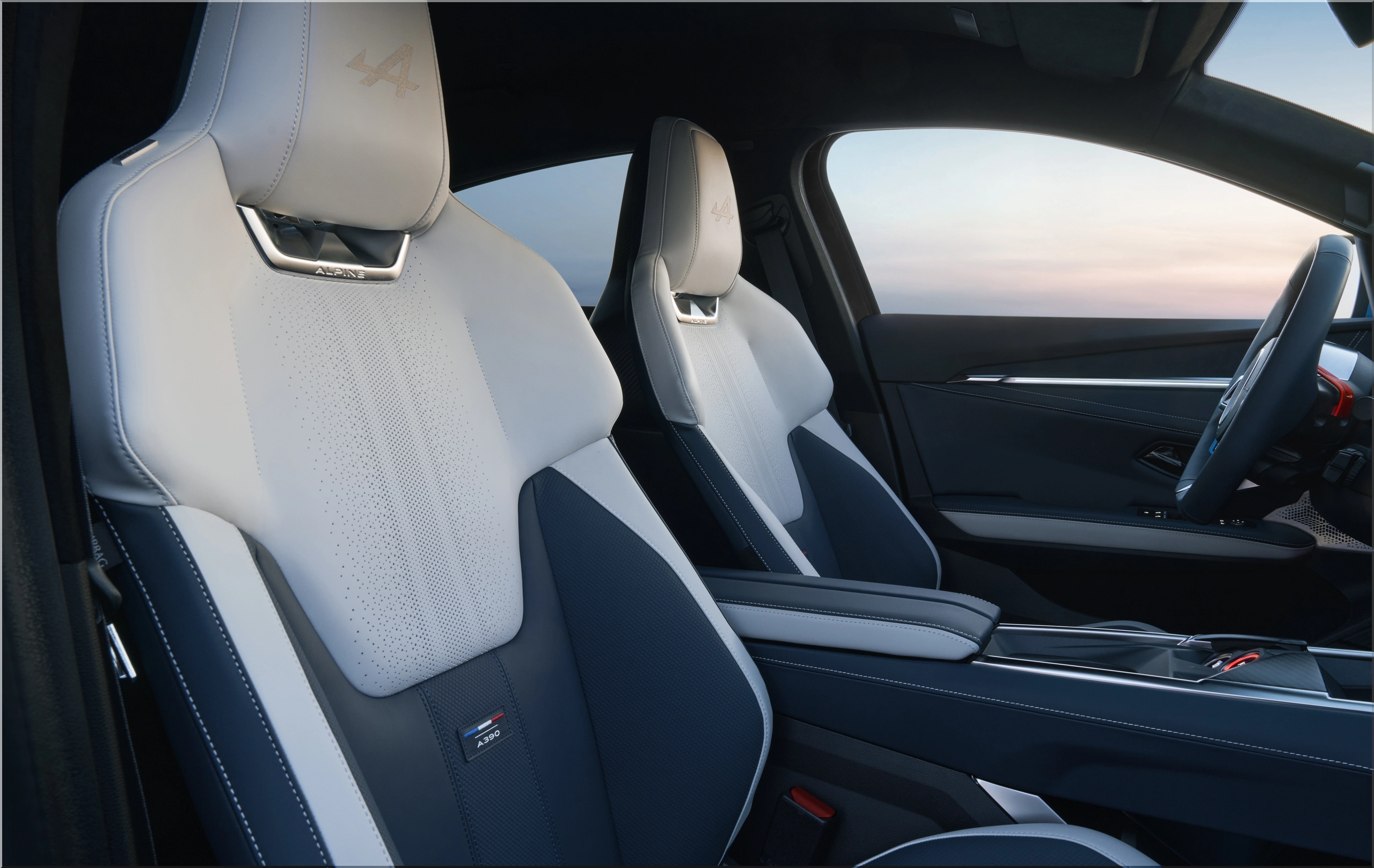
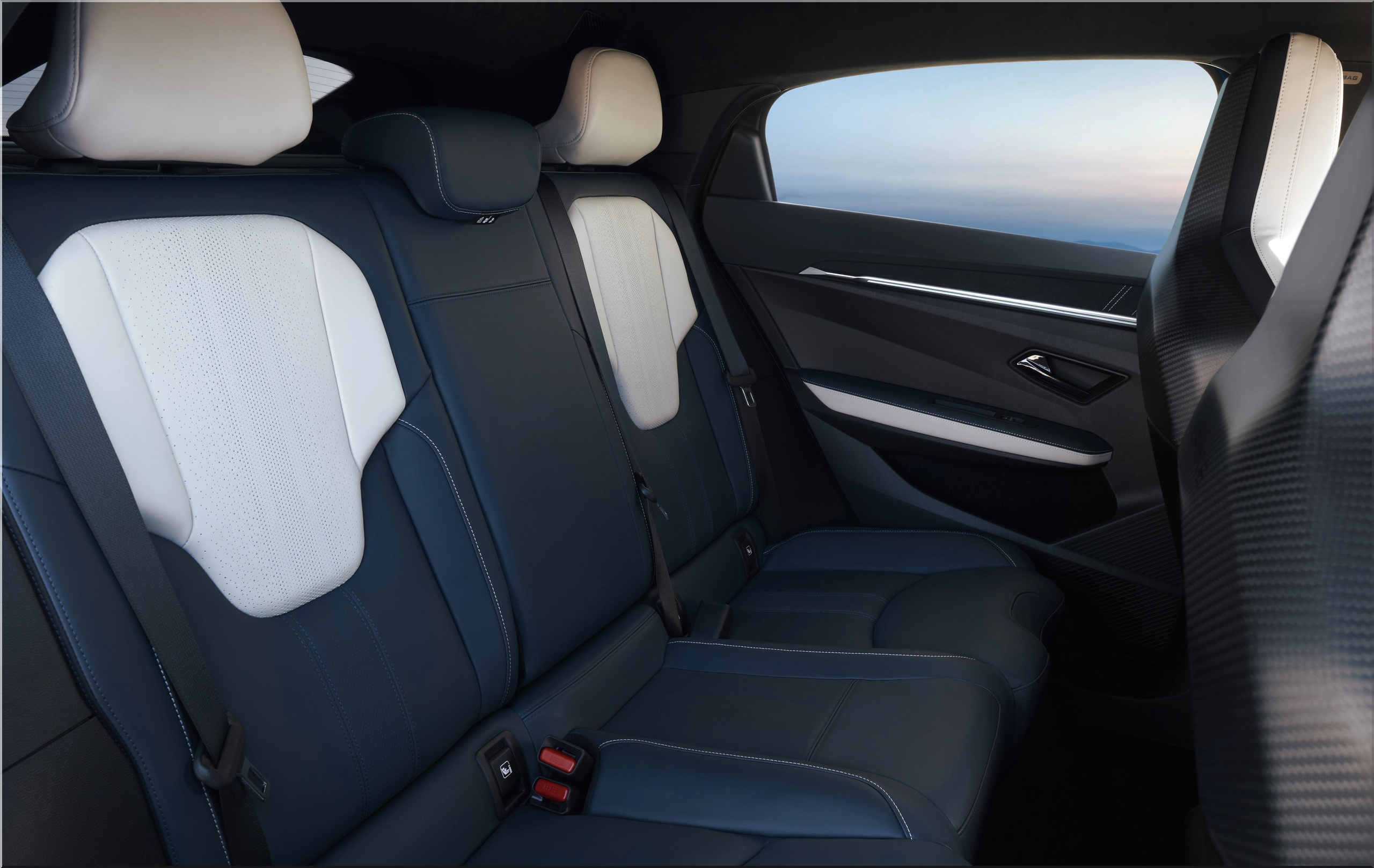
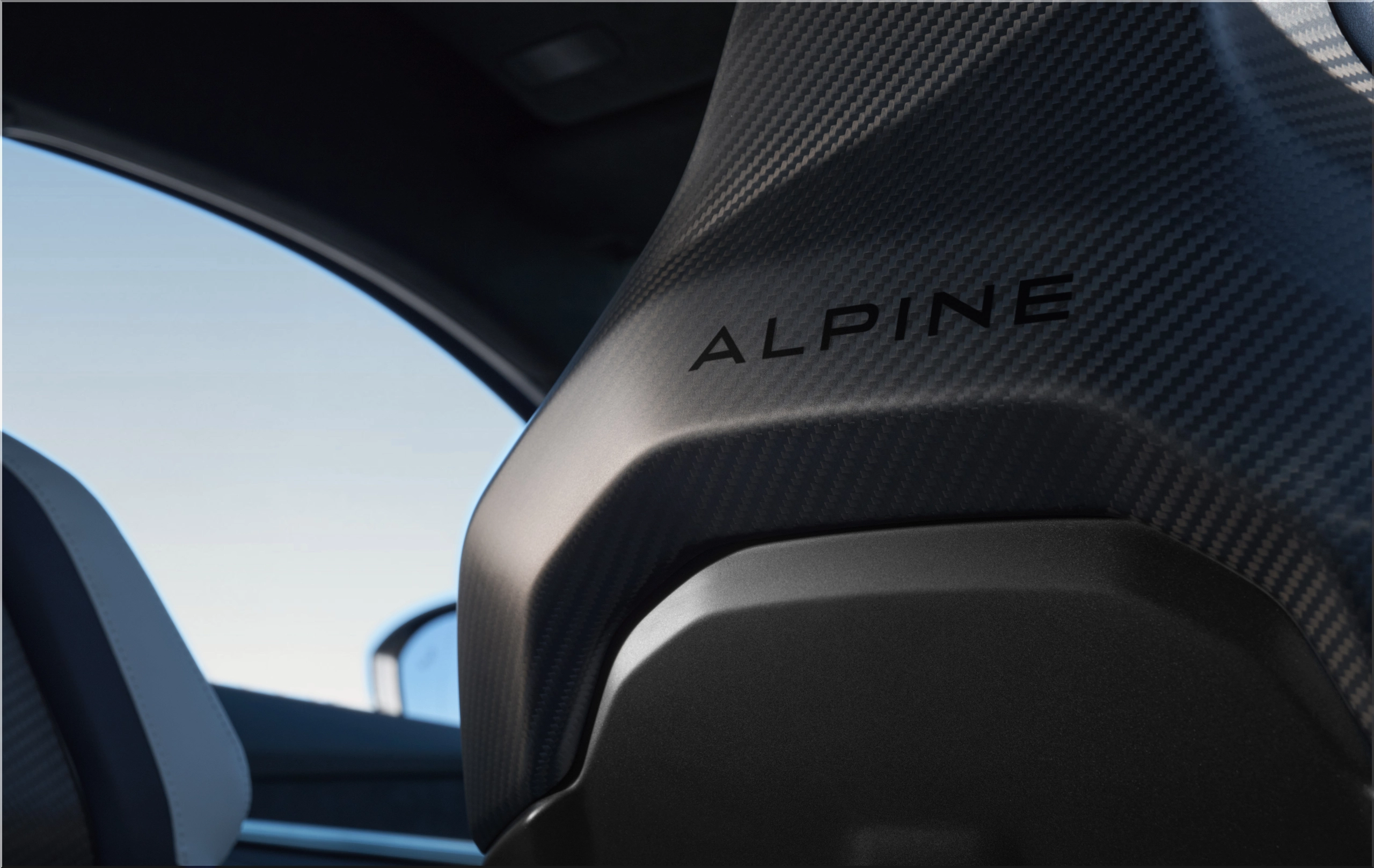
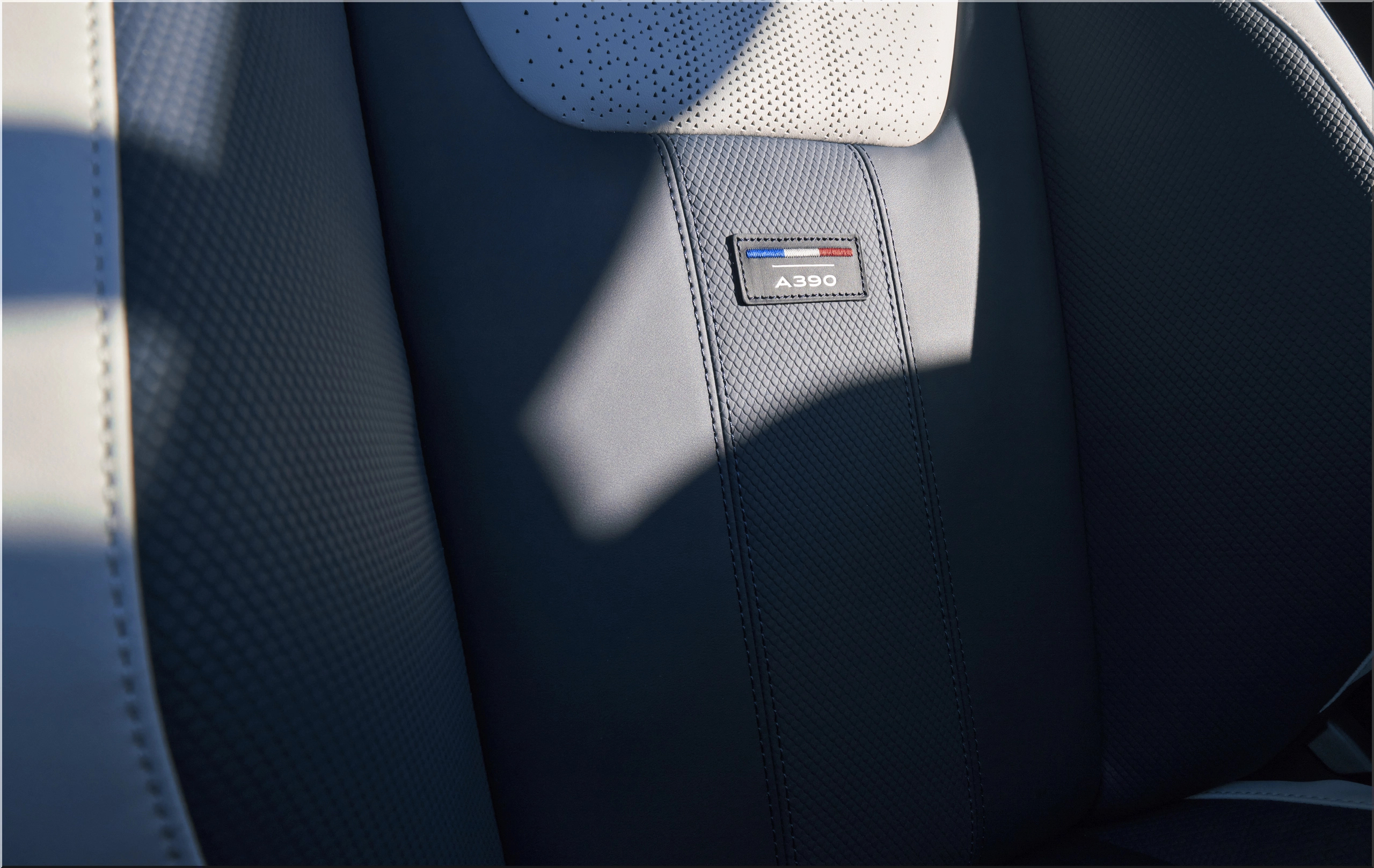
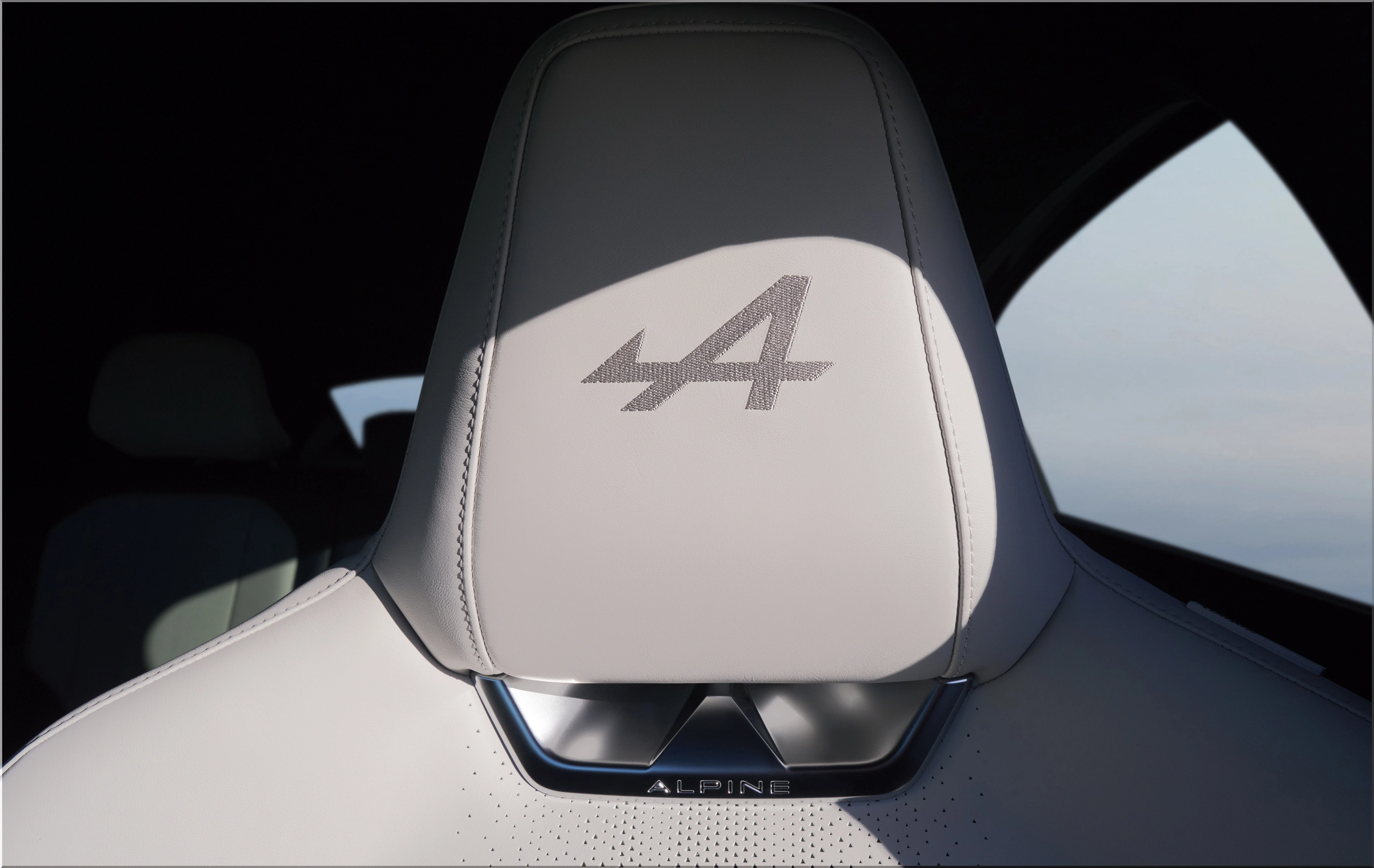
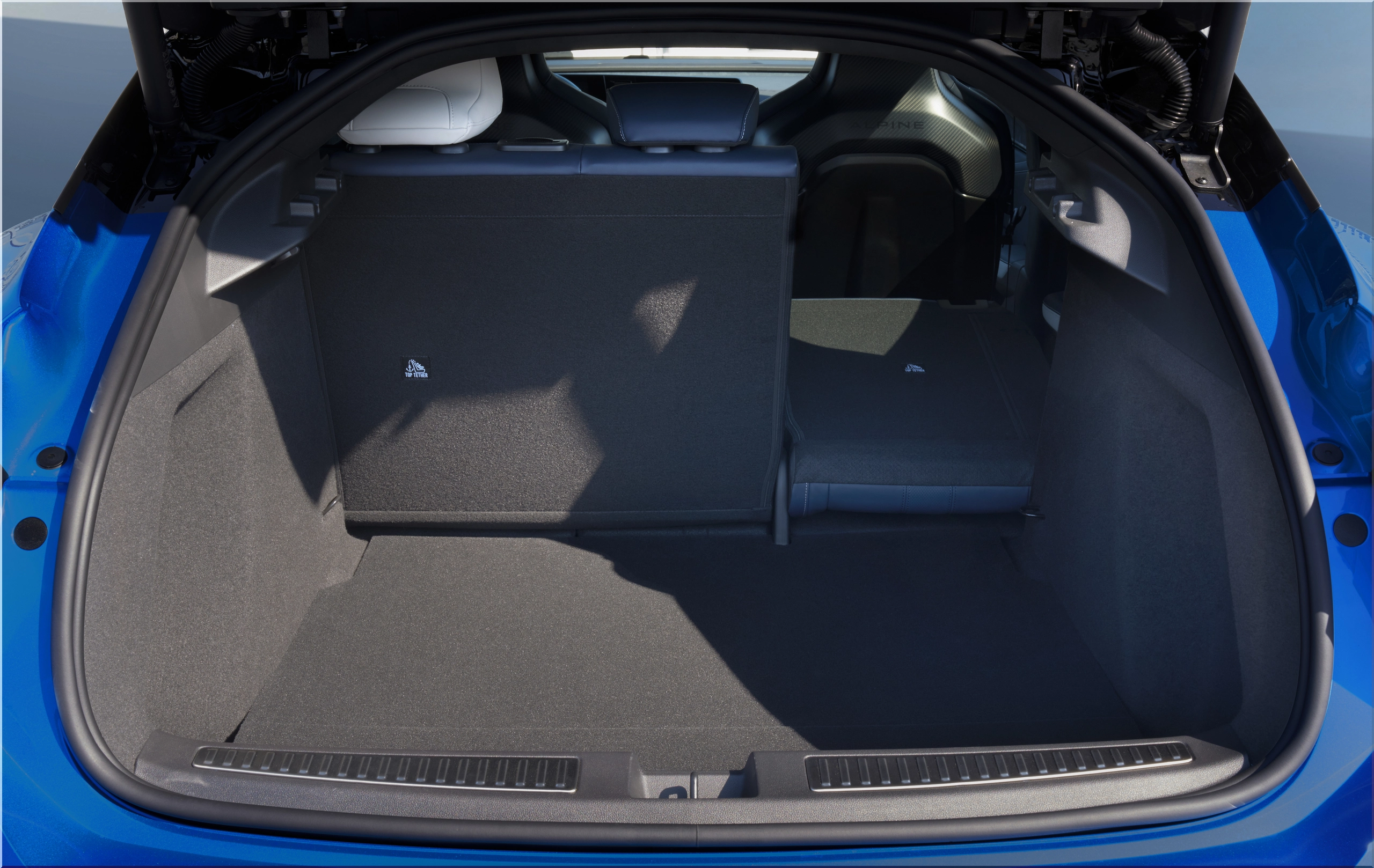
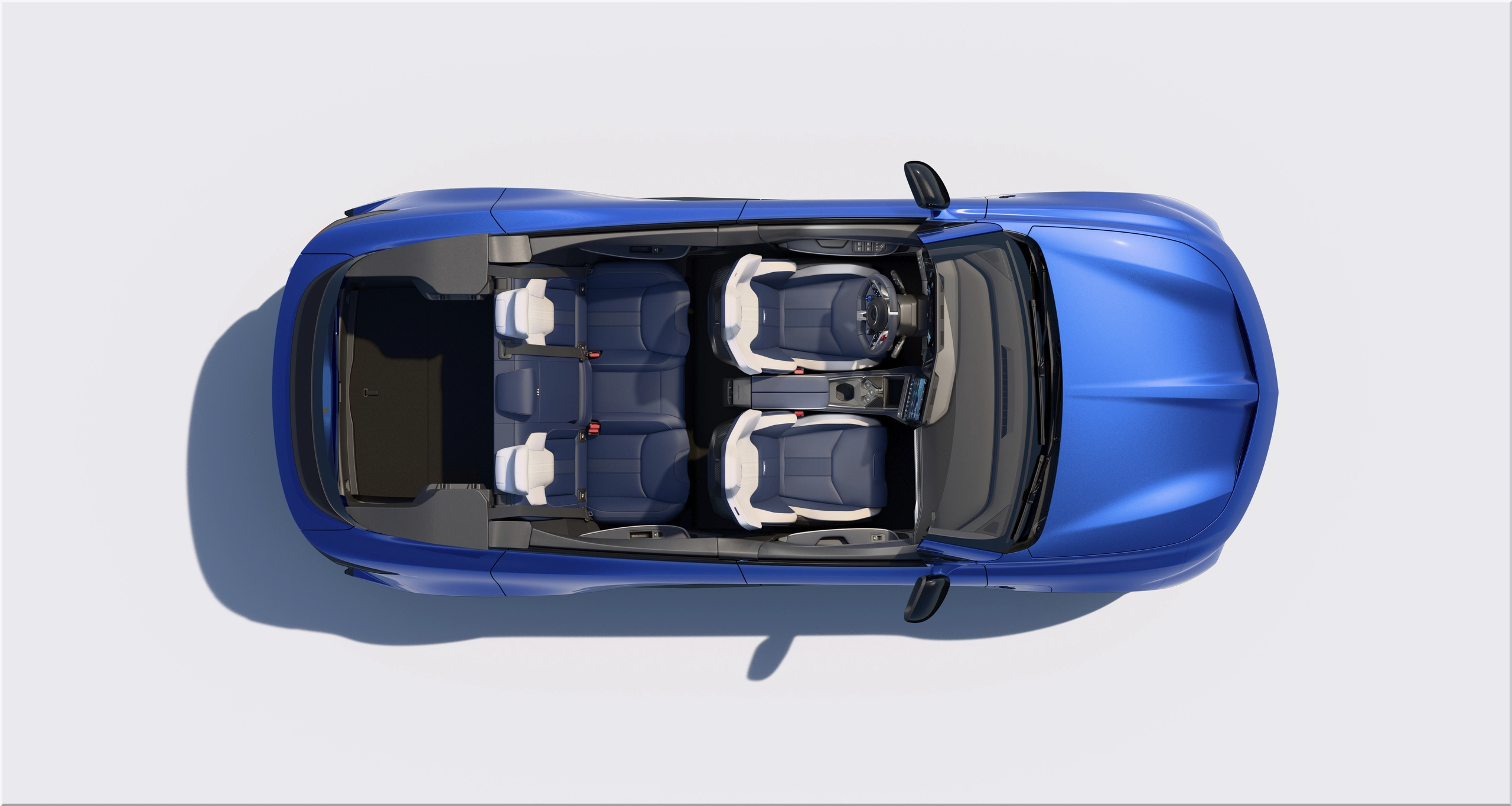
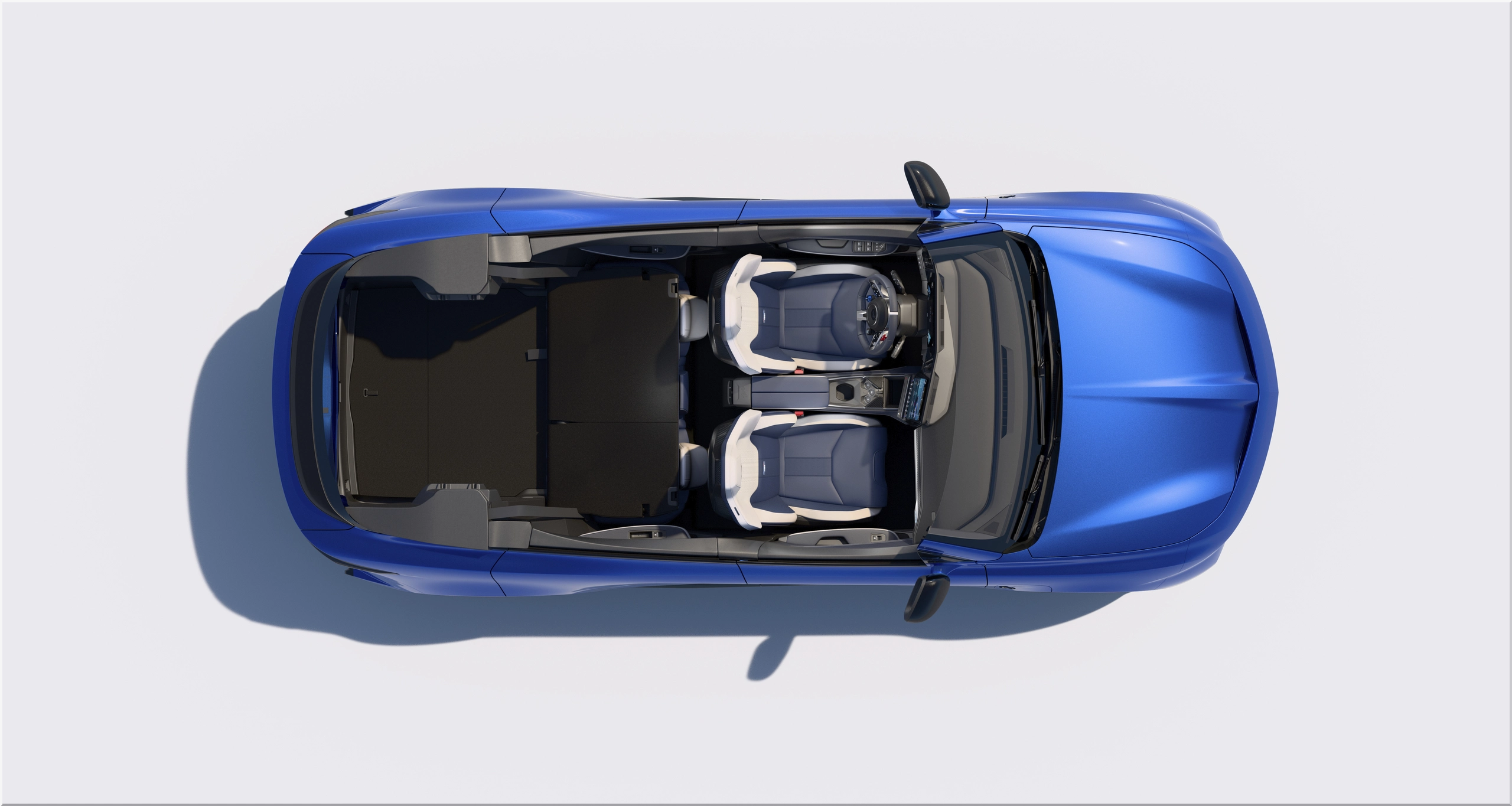
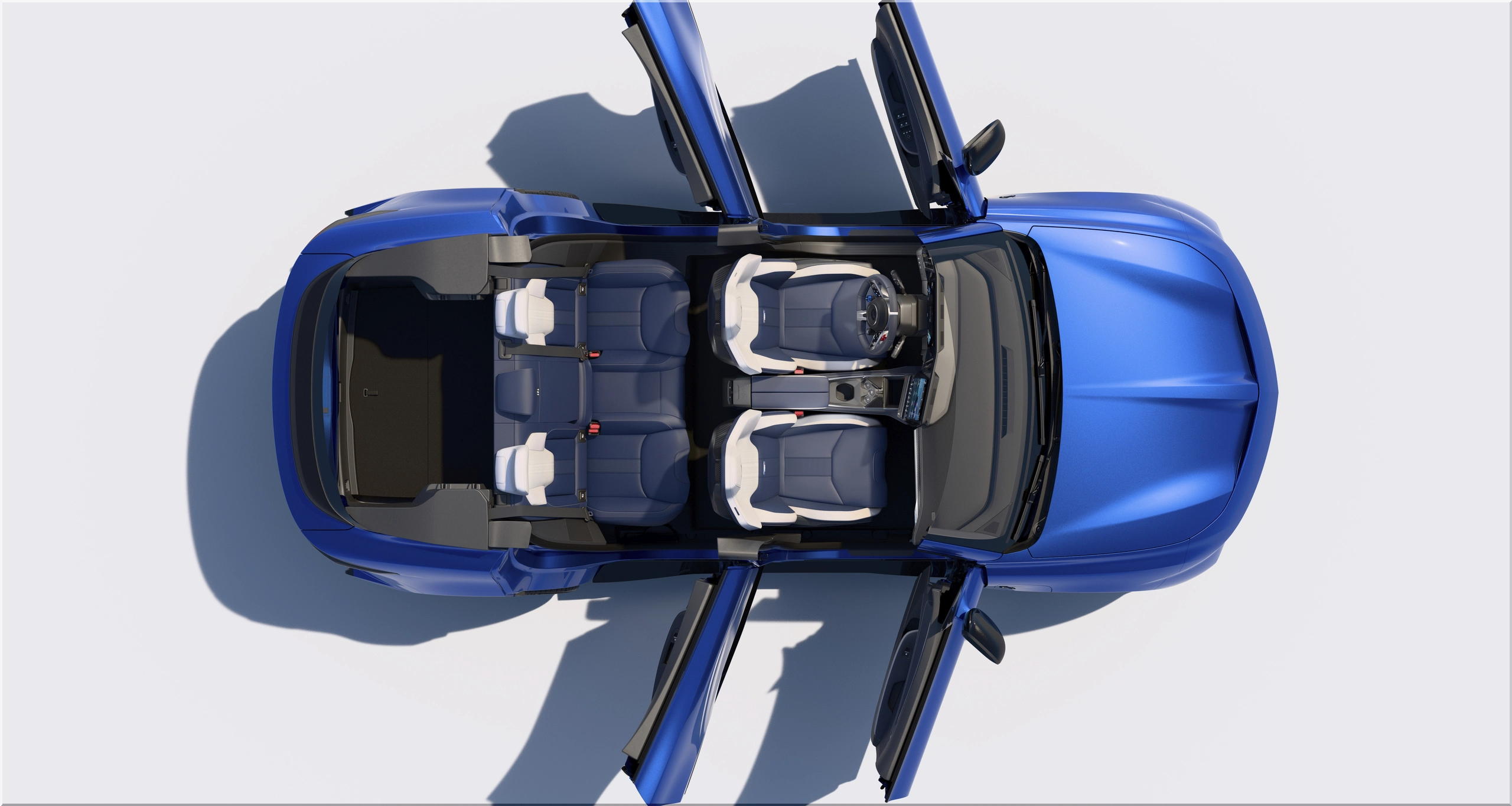
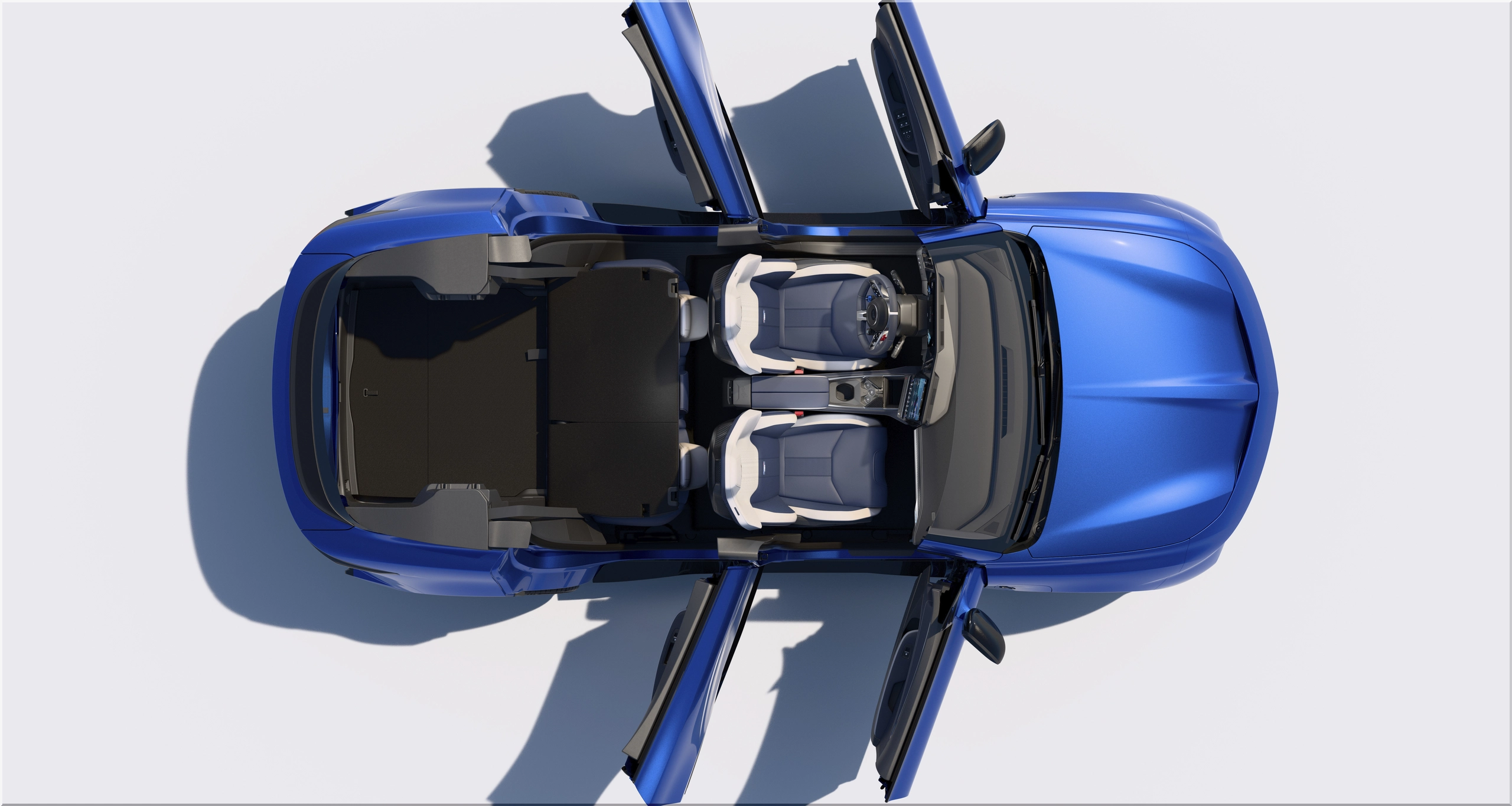
Interior design follows the brand’s minimal, driver-centric philosophy. Lightweight seats, a compact steering wheel, and digital displays provide a focused driving environment. Alpine’s driving mode selector allows drivers to prioritize range, comfort, or performance instantly.
Software-Controlled Driving Dynamics
The Active Torque Vectoring system relies on predictive algorithms. Using steering angle, wheel speed, and traction sensor data, it calculates the ideal torque distribution every millisecond. The benefit is a car that feels both neutral and responsive through every phase of a turn.
Alpine’s Dynamic Chassis Control software integrates braking, torque, and suspension adjustments into one cohesive system. This approach eliminates the delay between driver input and vehicle reaction—a long-standing challenge in electric cars.
Software updates will continue to refine the torque management map, allowing over-the-air improvements without hardware changes.



Charging and Real-World Efficiency
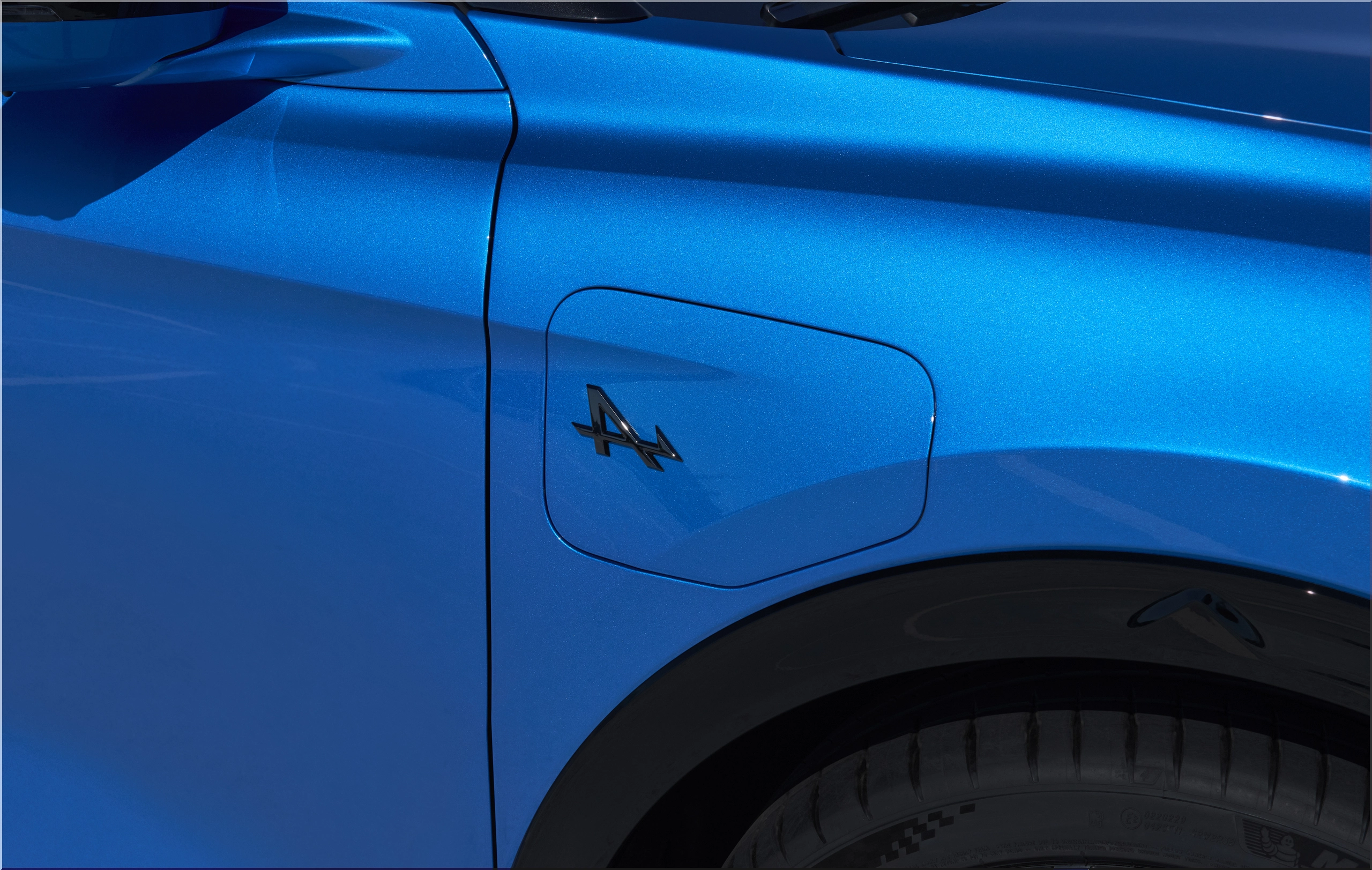
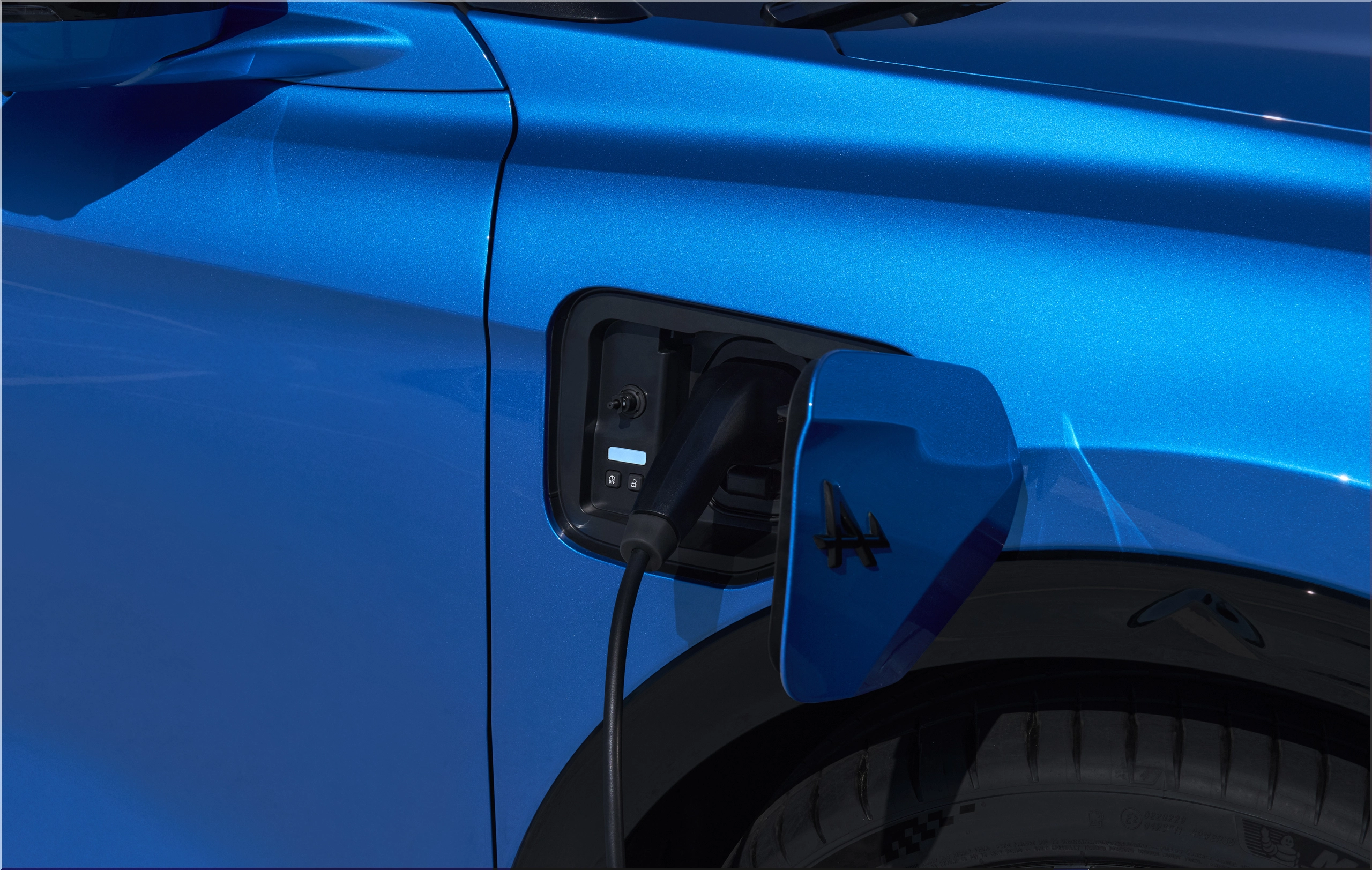
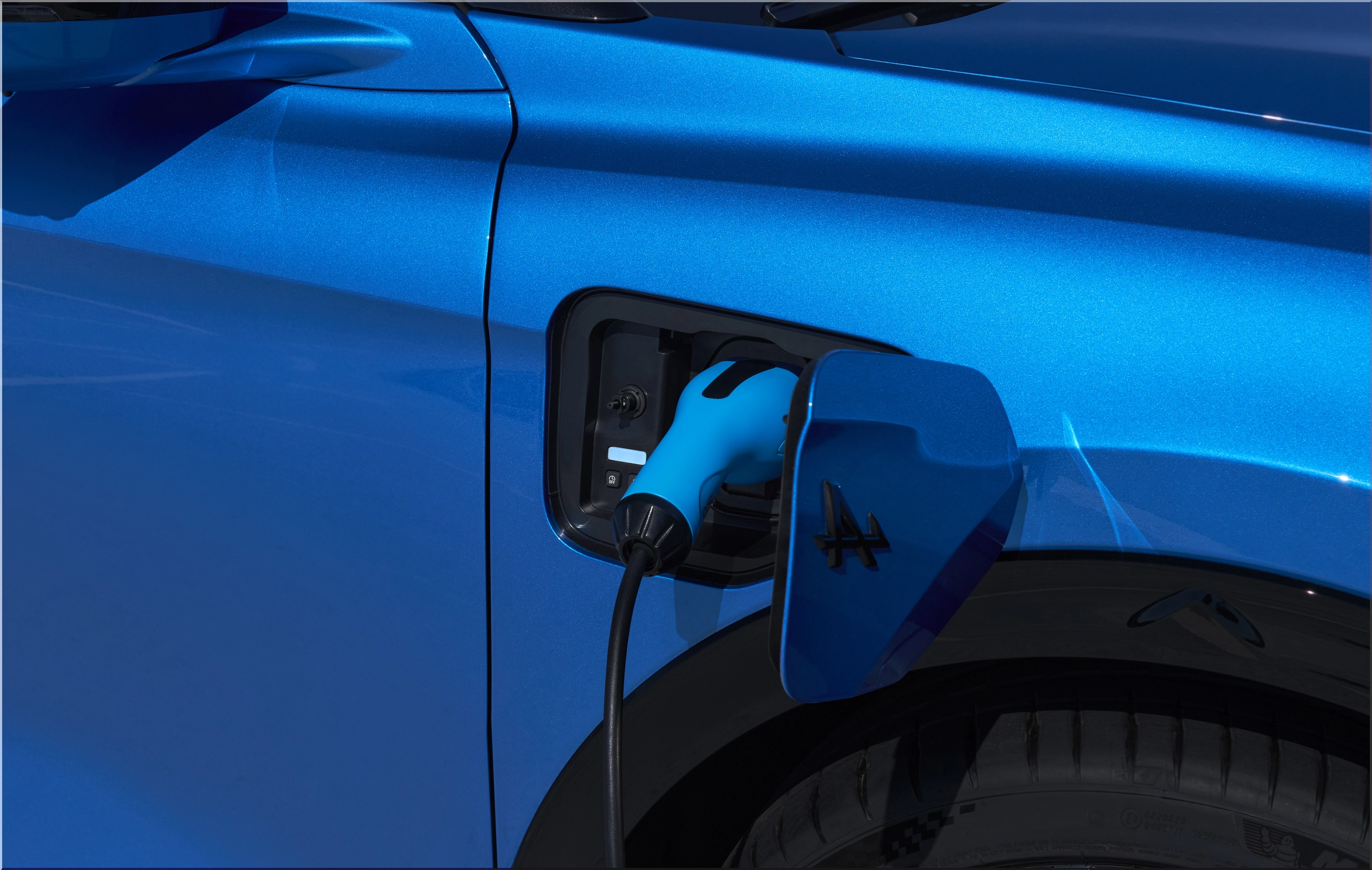
The A390 supports fast charging up to 150 kW, allowing a 10–80% charge in roughly 30 minutes. A heat management system maintains battery temperature during sustained high-power driving, preserving performance and longevity.
Drivers can expect:
- Home AC charging at 11 kW (full charge in 8 hours)
- Public DC fast charging adding ~180 miles in 25 minutes
- Regenerative braking tuned for both efficiency and control
Market Outlook and Positioning
Alpine targets the premium electric performance SUV category dominated by models like the Tesla Model Y Performance and Polestar 3. Where competitors emphasize raw output, the A390 aims for driving precision and consistency.
This strategy aligns with Alpine’s heritage—lightweight, balanced, and responsive vehicles that reward skill rather than brute force. With the A390, Alpine extends that philosophy into the electric era.
Analysts expect global availability in 2026, beginning with European markets. Production will take place at the Douai ElectricHub in France, alongside Renault’s EV lineup.


Conclusion
The Alpine A390 demonstrates how Active Torque Vectoring can define the next generation of electric performance. Rather than chasing top speed or record range, Alpine engineers focused on measurable driving improvements—cornering stability, control precision, and consistency under pressure.
In a segment where electric SUVs often feel heavy or detached, the A390 offers a different promise: mechanical clarity powered by electric intelligence.
- Add new comment
- 76 views