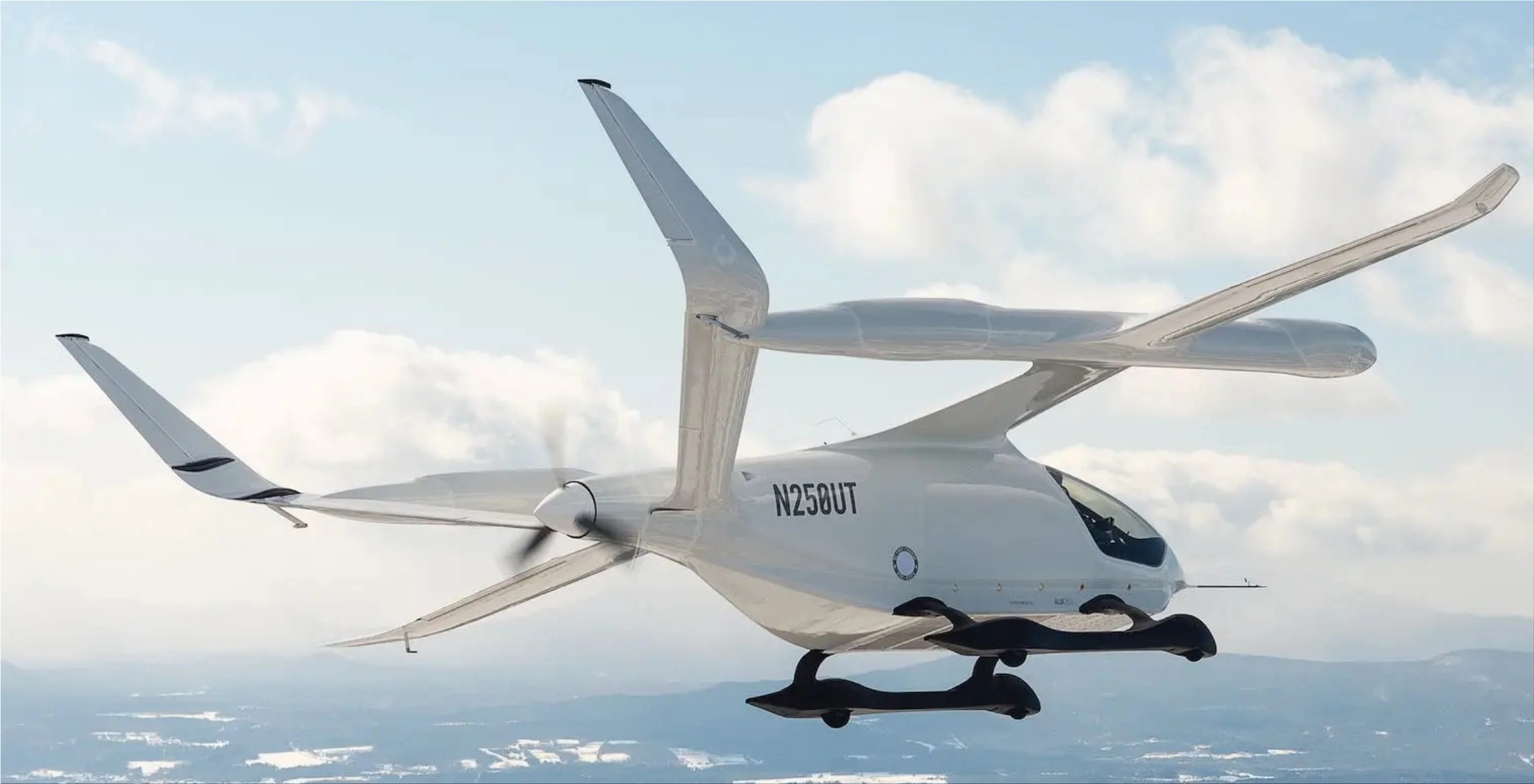
Beta Technologies, a Vermont-based company, has announced orders for its latest electric fixed-wing aircraft, the CX300. Air New Zealand and two other companies have placed orders for the five-seater plane, which has a range of 386 miles on a single charge. This electric conventional takeoff and landing (eCTOL) aircraft was originally a data-collecting tool but has now been certified for commercial use due to increased demand from customers.
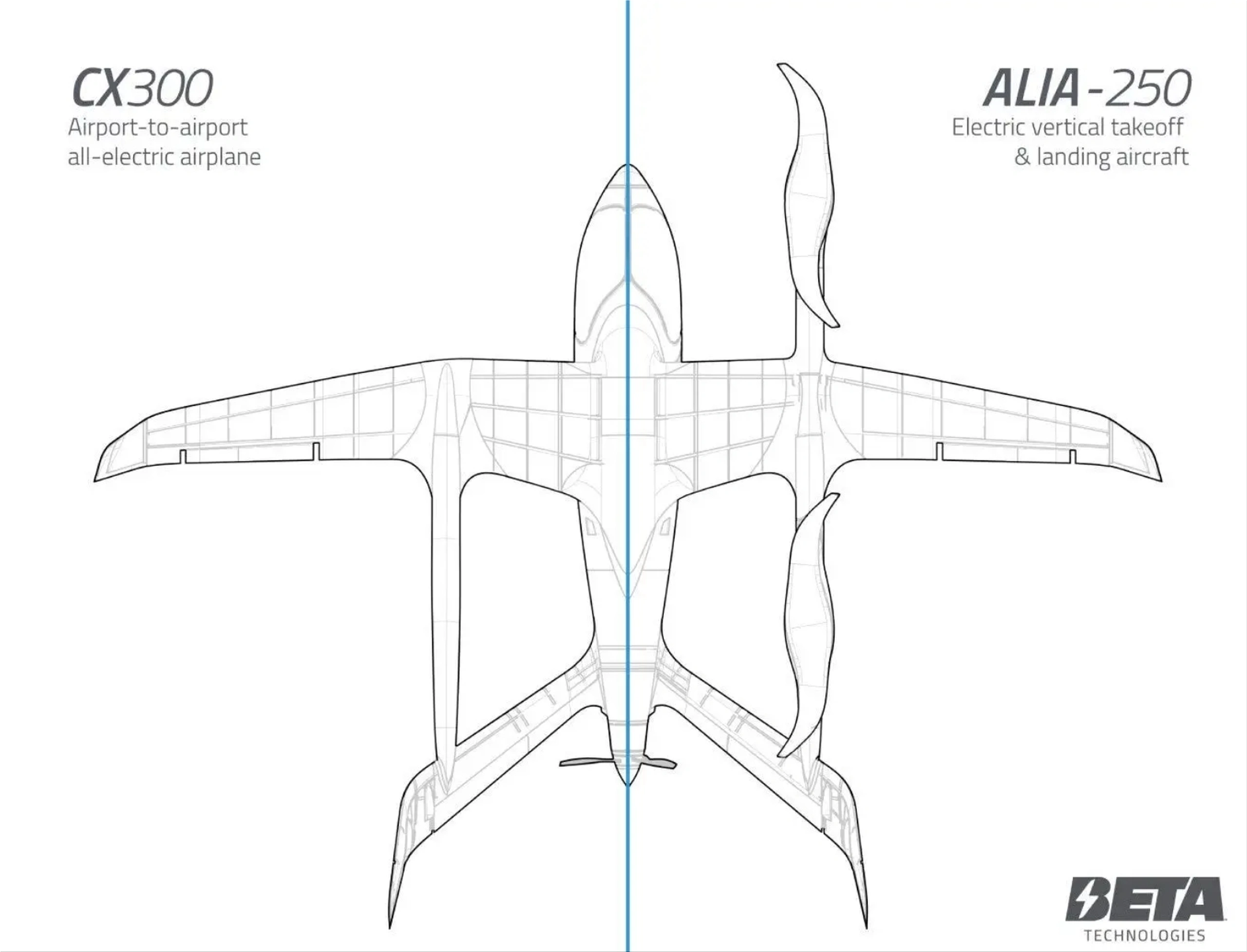
The CX300 is being developed in parallel with Beta's electric vertical takeoff and landing (eVTOL) aircraft, the ALIA-250, which takes off and lands vertically due to overhead propellers. The CX300 does not have these propellers and takes off and lands like a conventional aircraft. However, both the ALIA-250 and CX300 share common features such as batteries, airframe, and propulsion.
According to Beta founder and CEO Kyle Clark, the CX300 has a clear path to certification as a regular fixed-wing aircraft, meaning that it can be certified under the Federal Aviation Administration's (FAA) established rules for airplanes. However, the ALIA-250 faces a tougher road to certification due to the different requirements for training pilots. Because the ALIA-250 takes off vertically and is considered a powered-lift aircraft, pilot training requirements are different from airplanes, adding more paperwork and time to the approval process.
The FAA spokesperson acknowledged the issue and confirmed that the agency would be modifying its regulatory approach to certify powered-lift operations and pilots that operate these aircraft. The agency has elected to use a special class process in 14 CFR 21.17(b) to type certificate powered-lift aircraft. This process will use the performance-based airworthiness standards found in Part 23 of the FAA regulations.
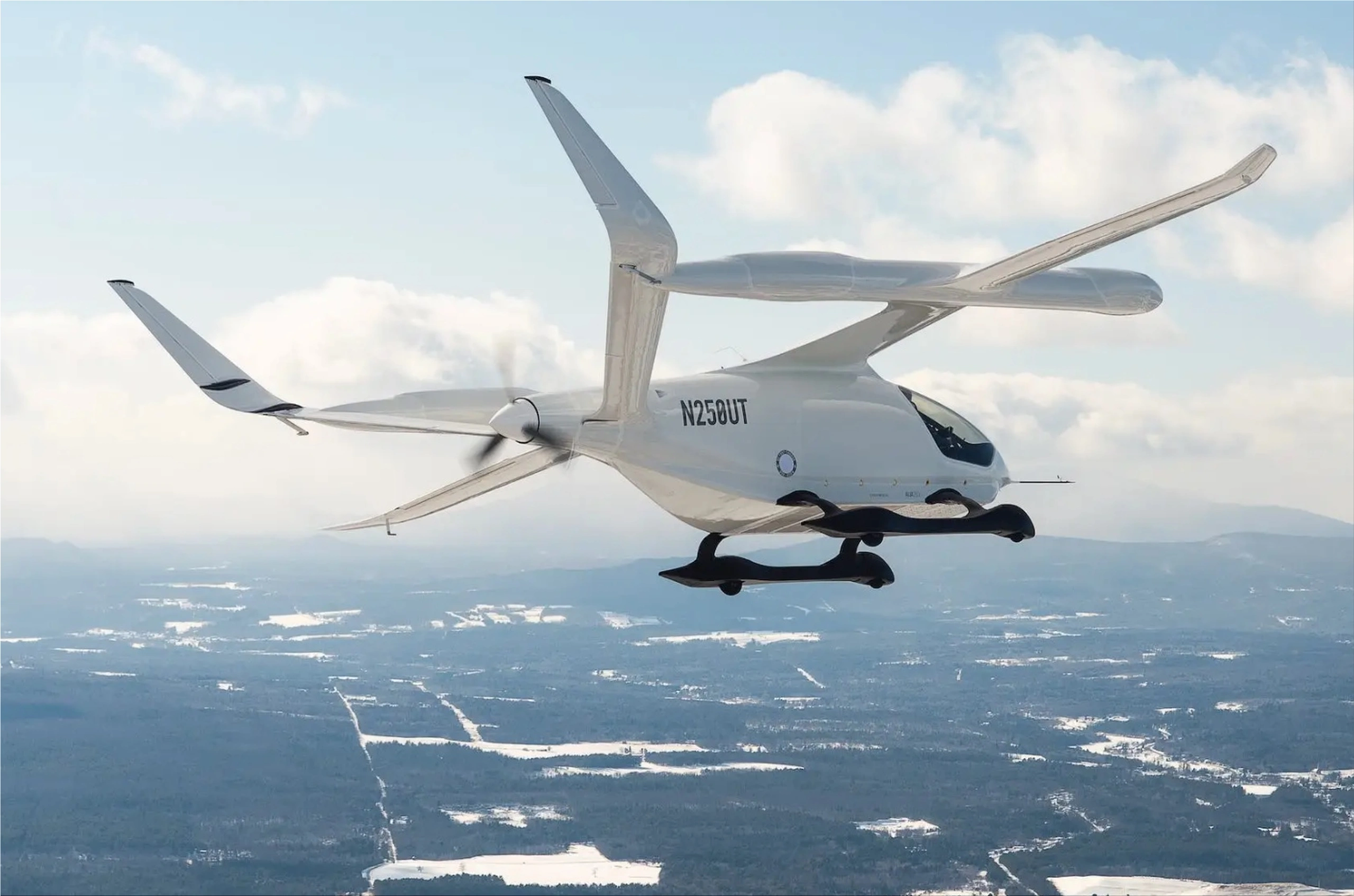
The changes to the regulatory approach will include accommodations for eVTOL pilot training and certification, which the FAA believes will provide an improved and more predictable framework. However, the FAA's long-term plan is a continuous development of its regulations for powered lift as new eVTOL designs emerge. In response to the FAA's decision, Mike Hirschberg, executive director of the nonprofit Vertical Flight Society, said, "The eVTOL industry is continuing to consult with the FAA and is looking forward to refining the best path forward for certificating eVTOL—as well as electric short- and conventional-takeoff and landing (eSTOL/eCTOL)—aircraft."
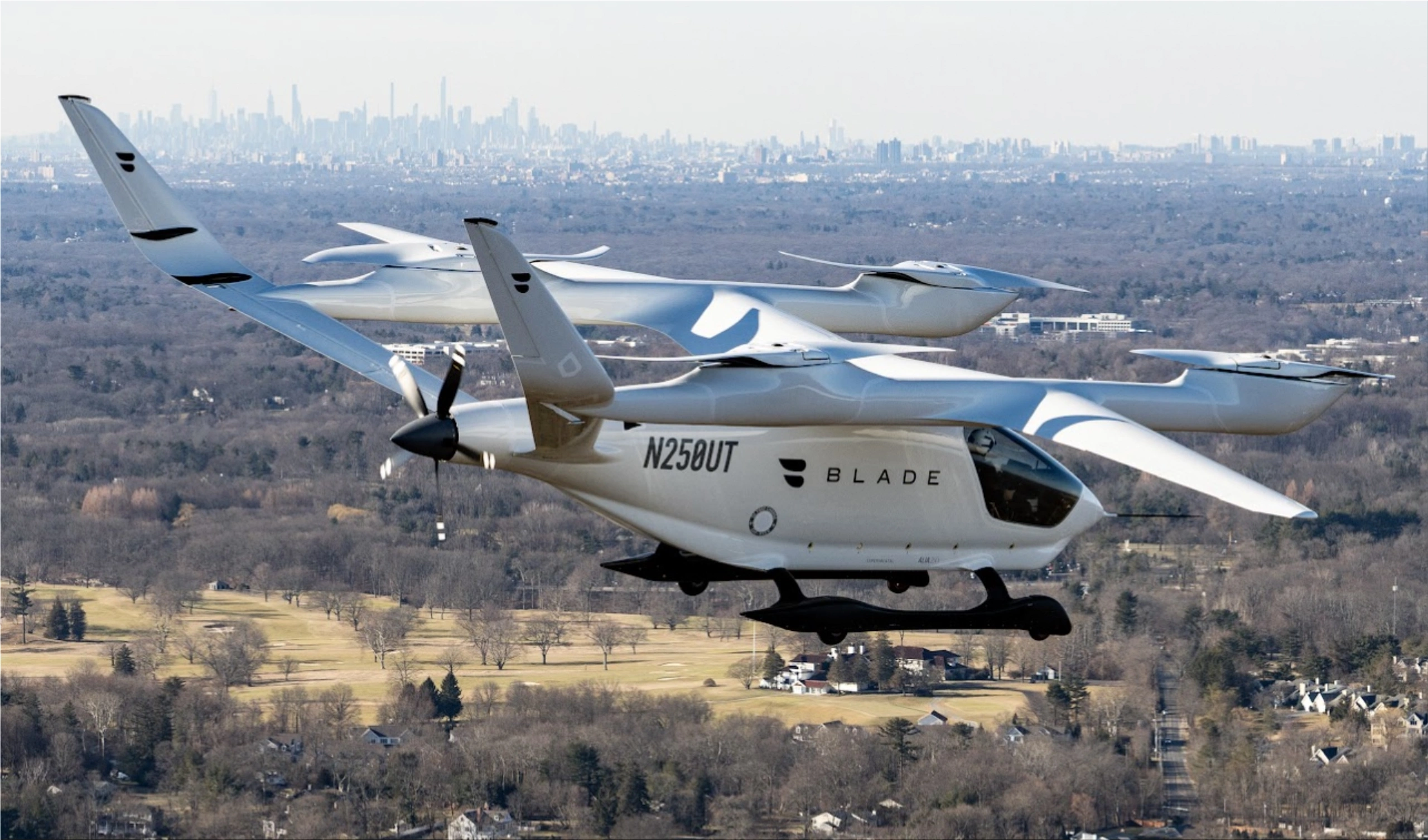
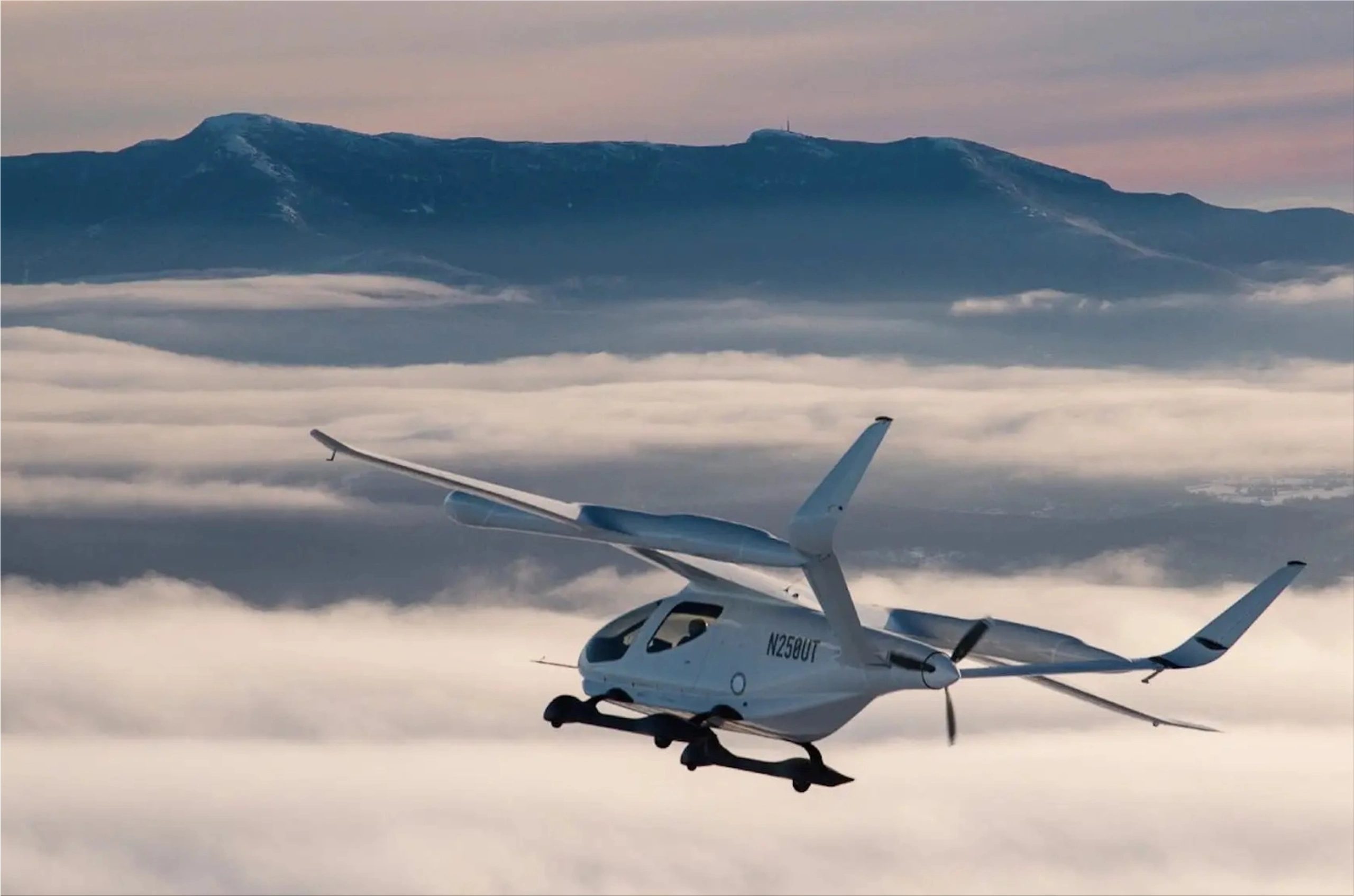
Beta Technologies is optimistic about the CX300, which it plans to have certified by 2025. The company's electric aircraft line has the potential to revolutionize air travel, and Beta is committed to pushing forward with its technology. As an advocate of Beta Technologies, a skilled mechanic, and a technology-loving traveler with SEO knowledge, I am confident that Beta's CX300 is the future of commercial air travel. @via Beta Technologies.
- Add new comment
- 478 views