The Future of Regional Mobility Turns Electric
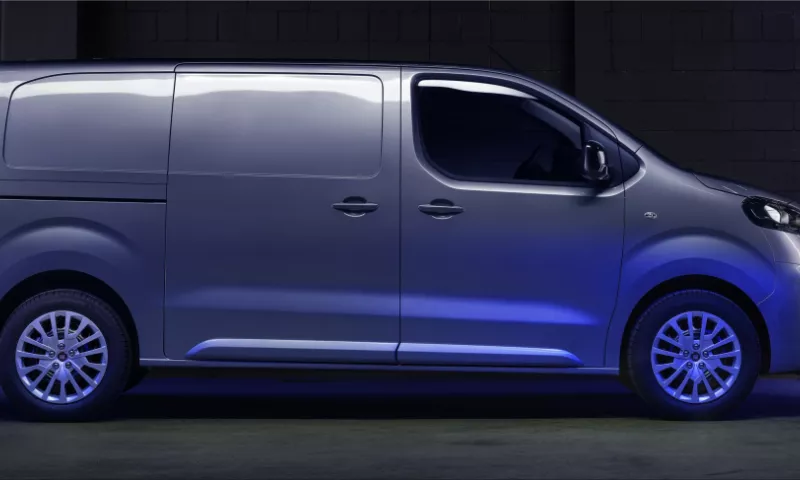
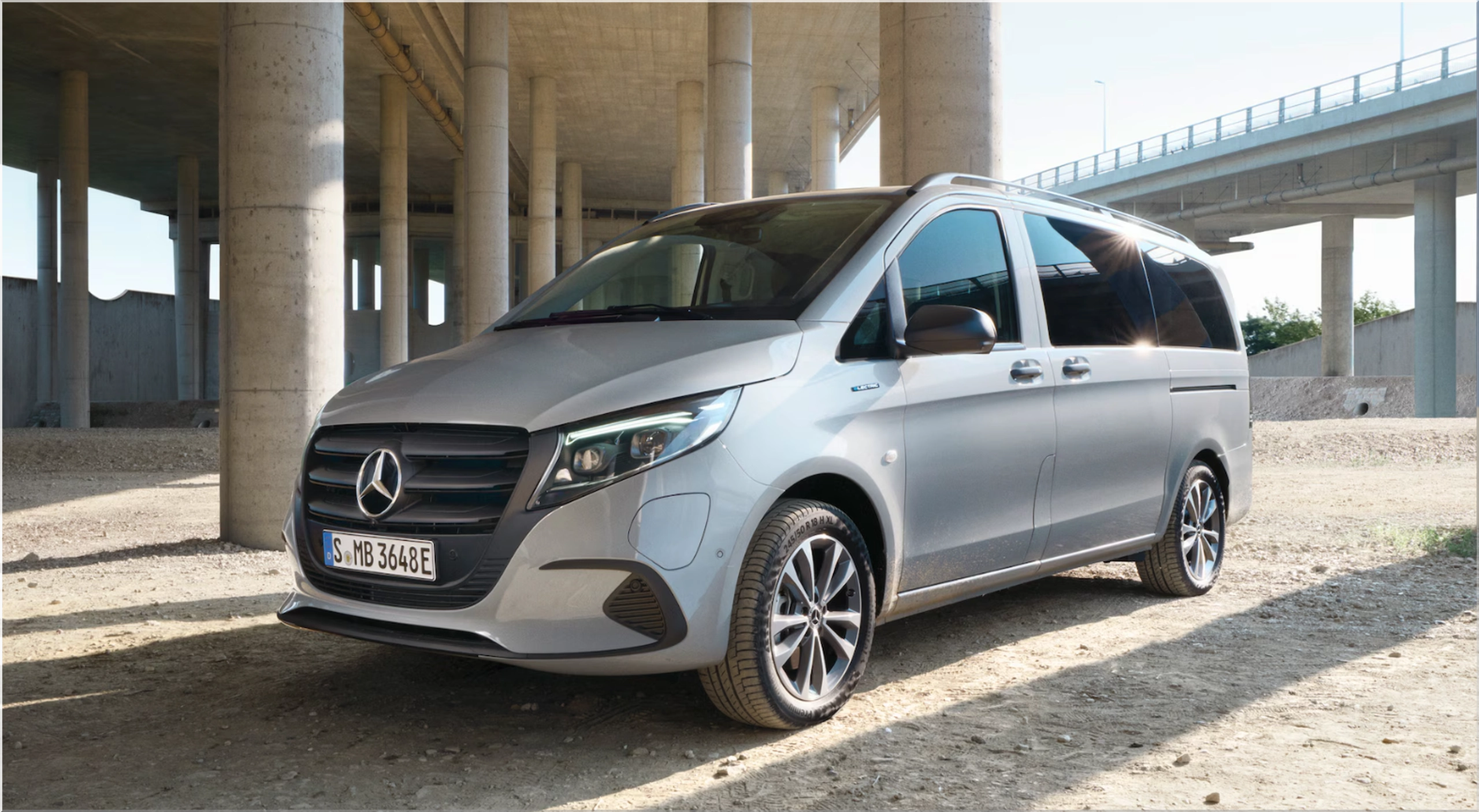
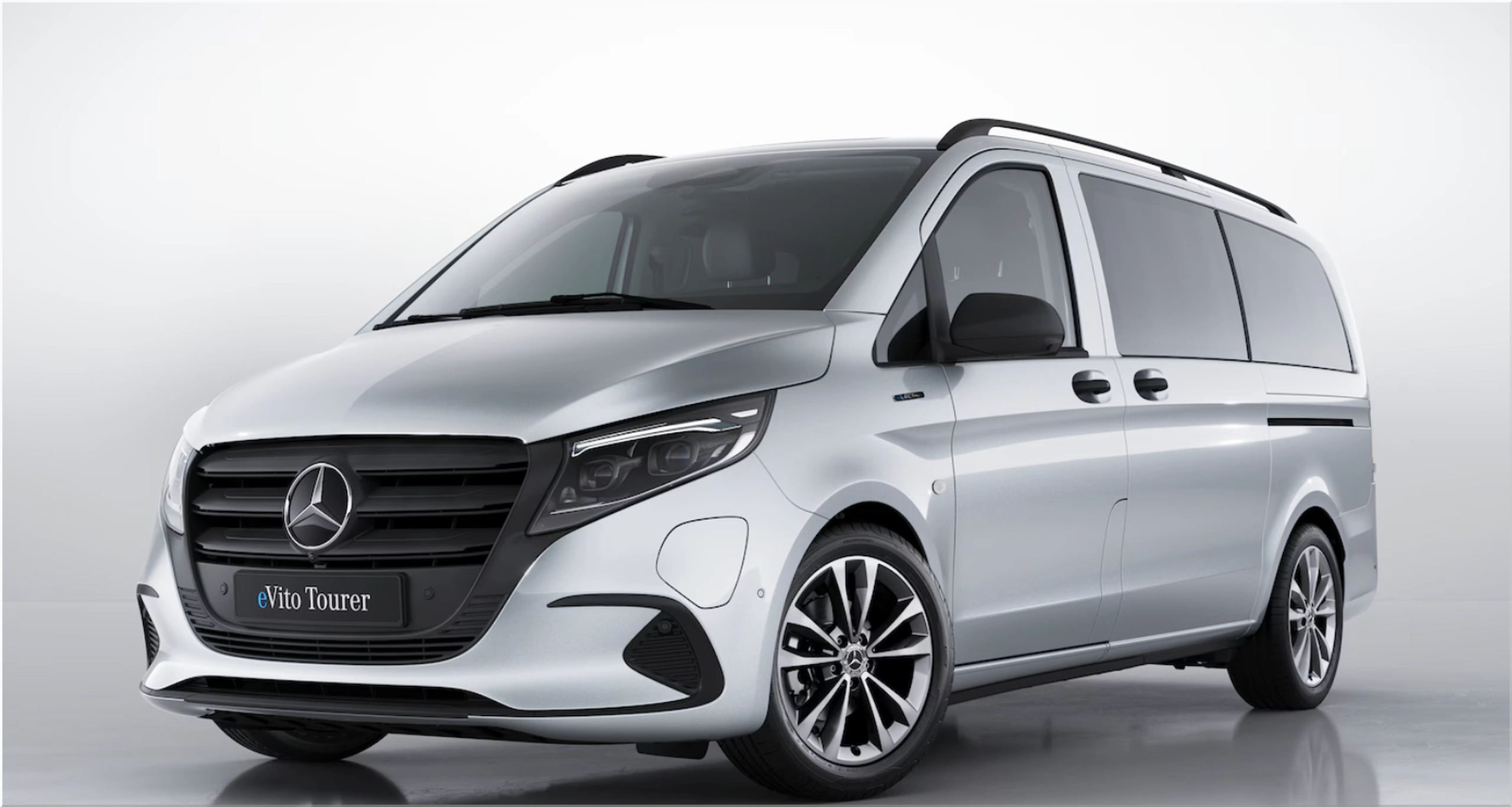
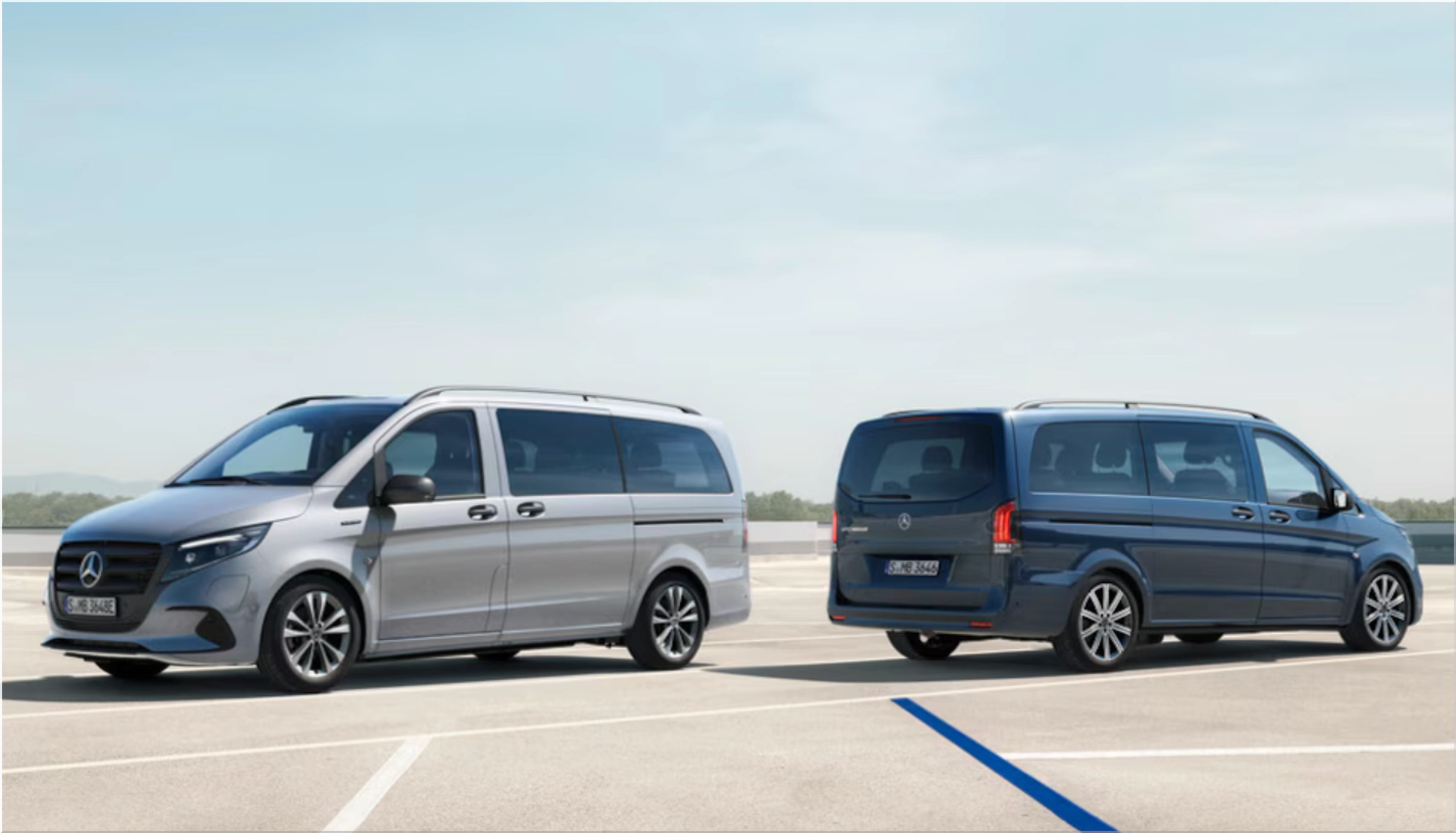
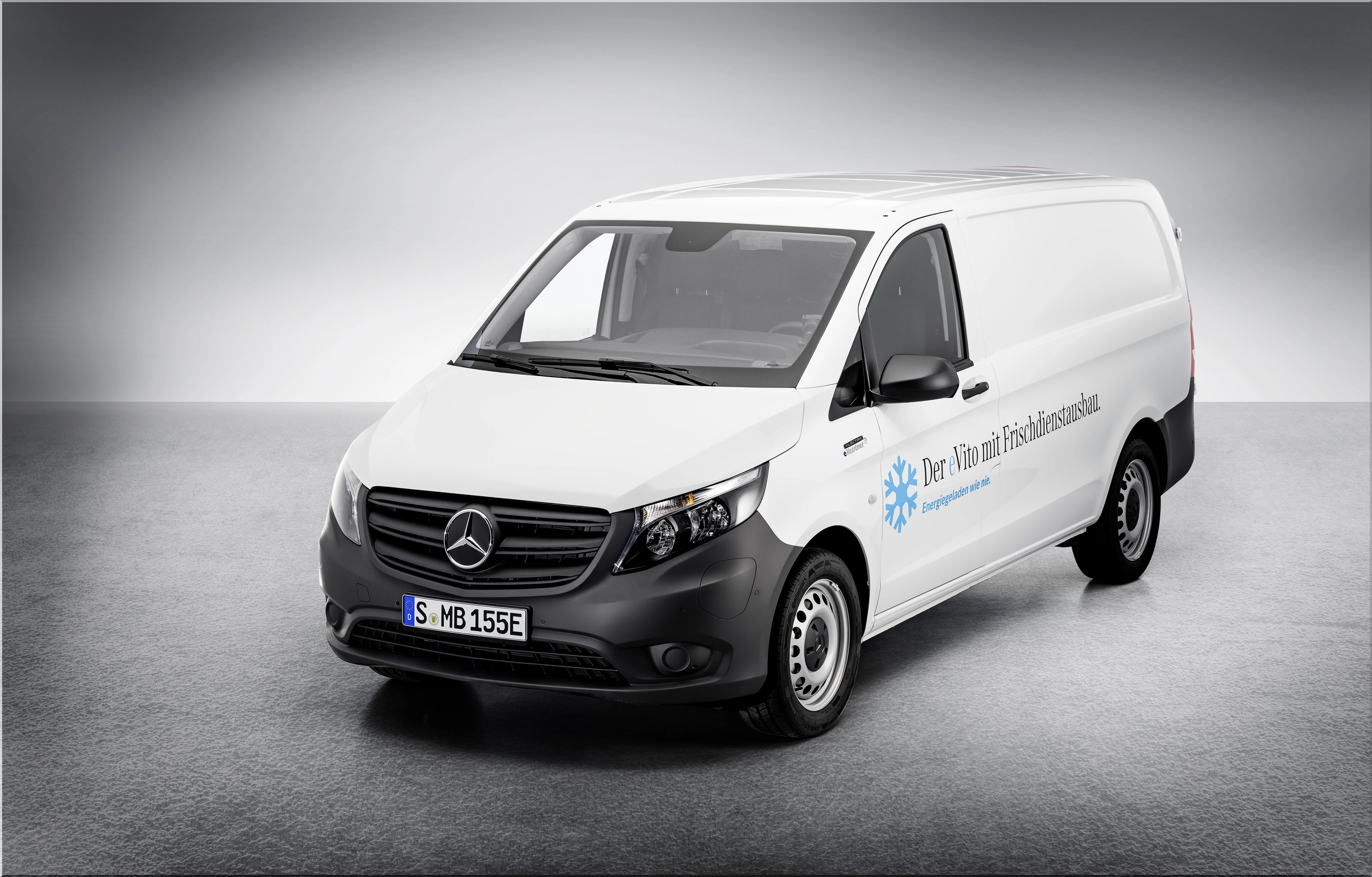
Mercedes-Benz has delivered 40 eVito Tourer vans to Schlienz-Tours GmbH & Co. KG, a mobility provider based near Stuttgart. The new vehicles expand Schlienz-Tours’ fleet with locally emission-free vans designed for daily passenger transport. The decision marks a decisive step toward sustainable operations in regional mobility.
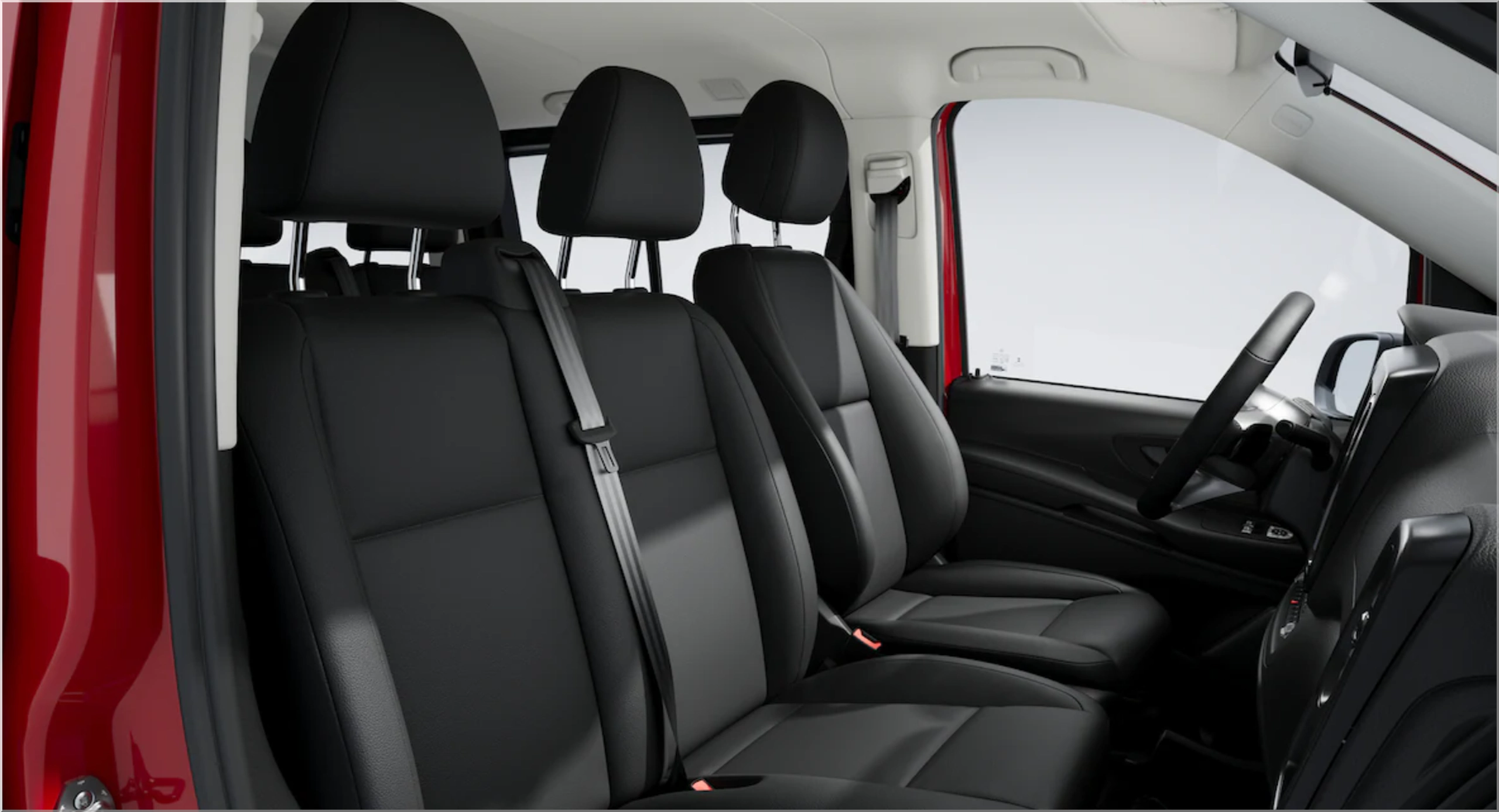
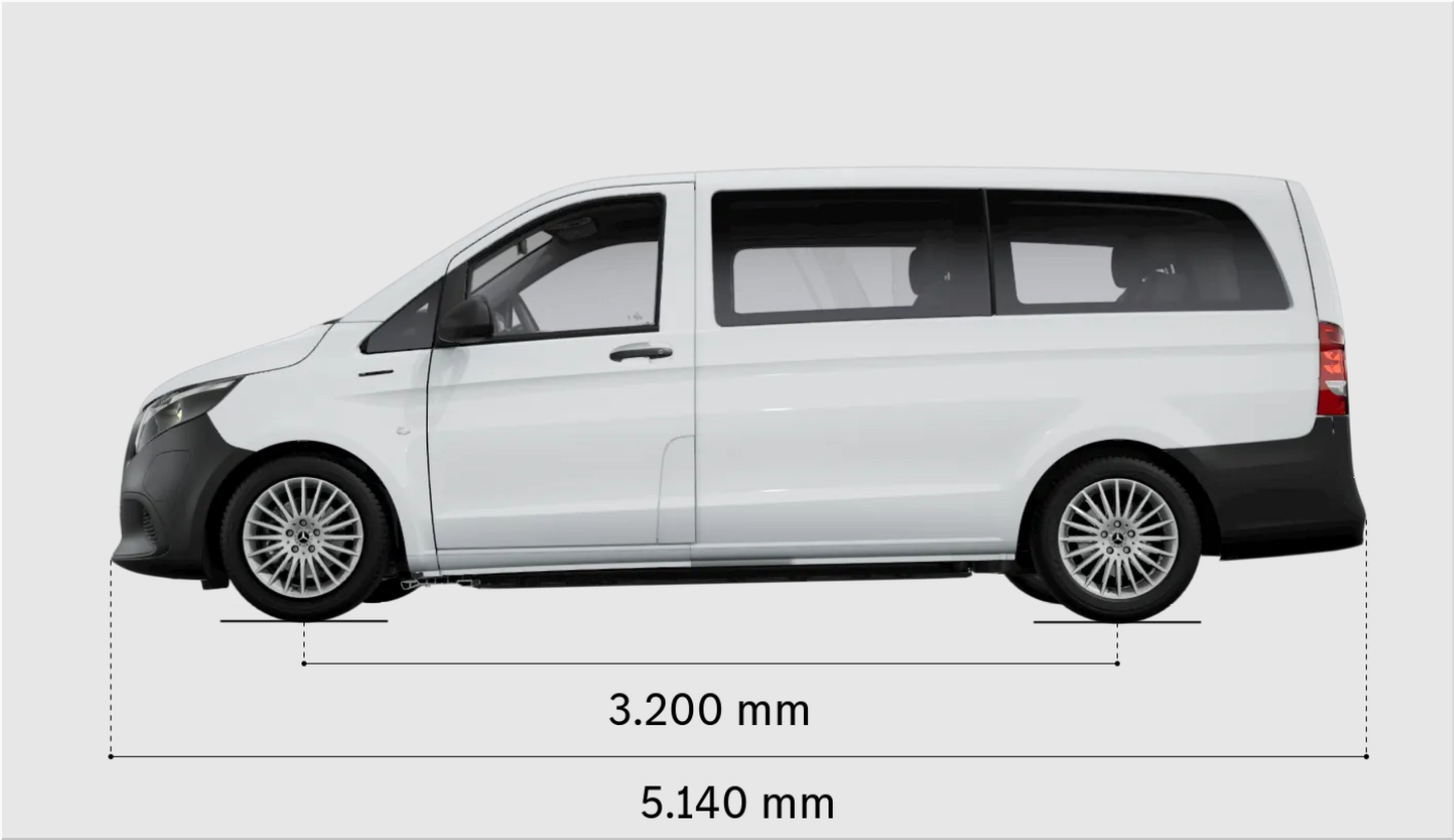
The electric vans will mainly serve school transport services in Esslingen, Rems-Murr, Ludwigsburg, and Stuttgart. Each vehicle can seat up to eight passengers and has a WLTP range of up to 383 kilometers (238 miles) — a range sufficient for multiple daily routes without recharging.
A Practical Step Toward Electric Mobility
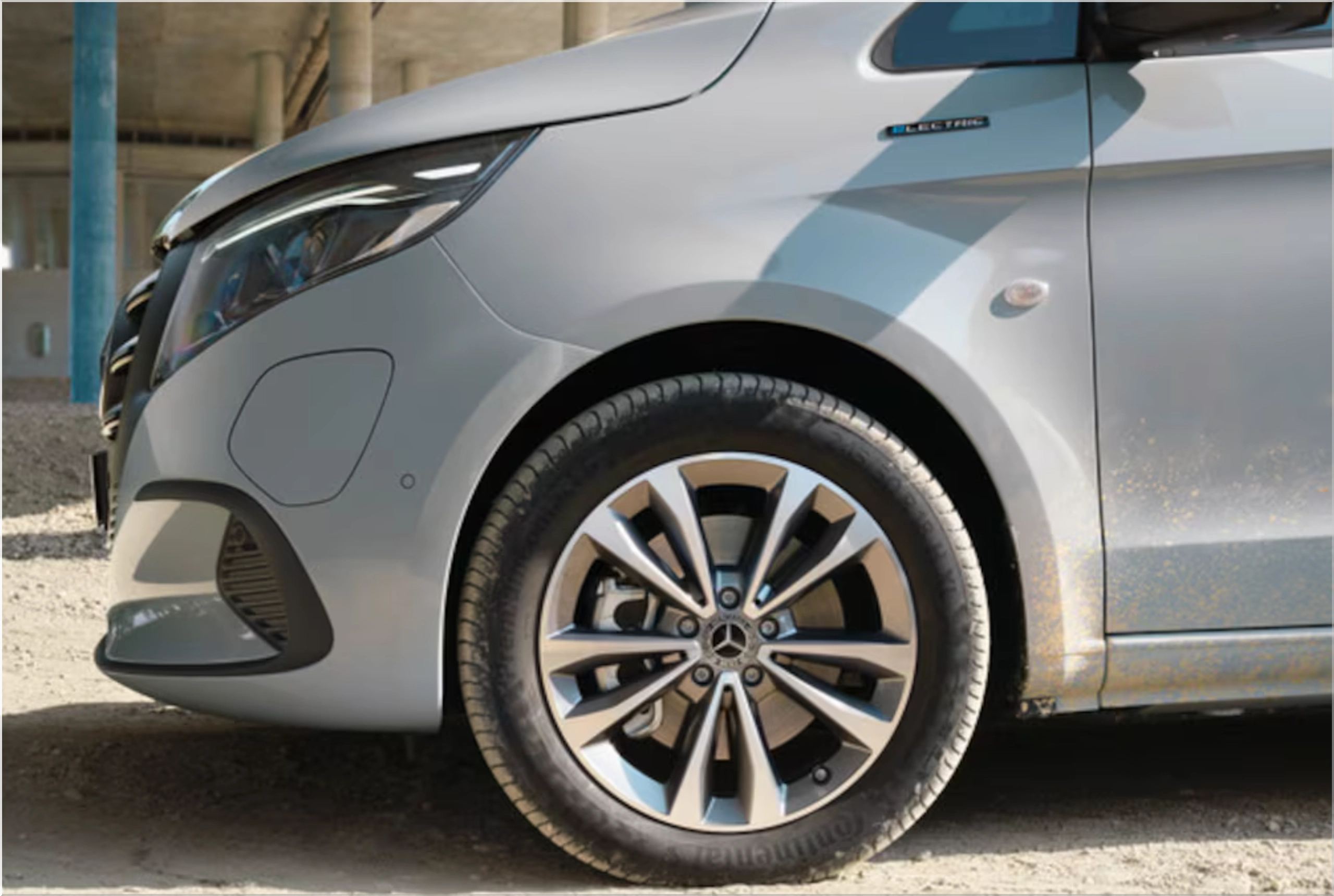
Erhard Kiesel, CEO of Schlienz-Tours, said the adoption of the eVito Tourer reflects a long-term commitment to climate-friendly mobility. He emphasized that the decision makes the company’s fleet not only more sustainable but also modern and attractive for passengers and drivers.
Recruiting drivers has become increasingly difficult across Europe. Kiesel noted that high-quality vehicles play an important role in retaining and attracting qualified staff, especially in public transport operations.
Matthias Willy, Sales Manager for Mercedes-Benz Vans in Württemberg, added that Schlienz-Tours’ use of eVans such as the eVito, EQV, and eSprinter demonstrates their reliability and performance in everyday fleet operations.
Mercedes-Benz eVito Tourer: Key Specifications
| Specification | Detail |
|---|---|
| Seating Capacity | Up to 8 passengers |
| Battery Capacity | 90 kWh (usable) |
| Electric Range (WLTP) | Up to 383 km / 238 miles |
| Charging Power | Up to 110 kW DC |
| Charge Time (10–80%) | Approx. 45 minutes |
| Drive Type | Front-wheel drive |
| Power Output | 150 kW (201 hp) |
| Torque | 362 Nm |
| Base Price (approx.) | Starting around $73,000 USD |
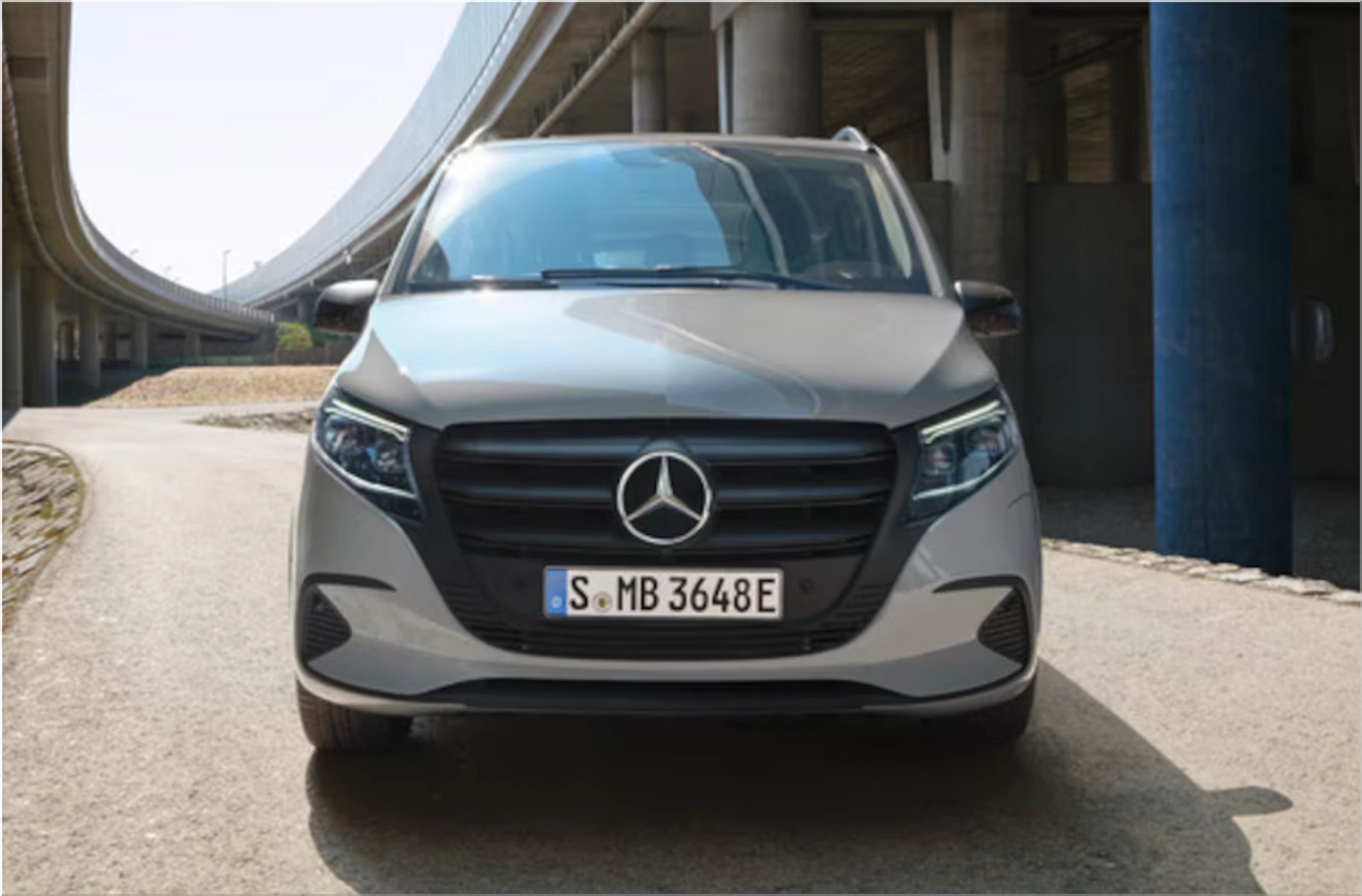
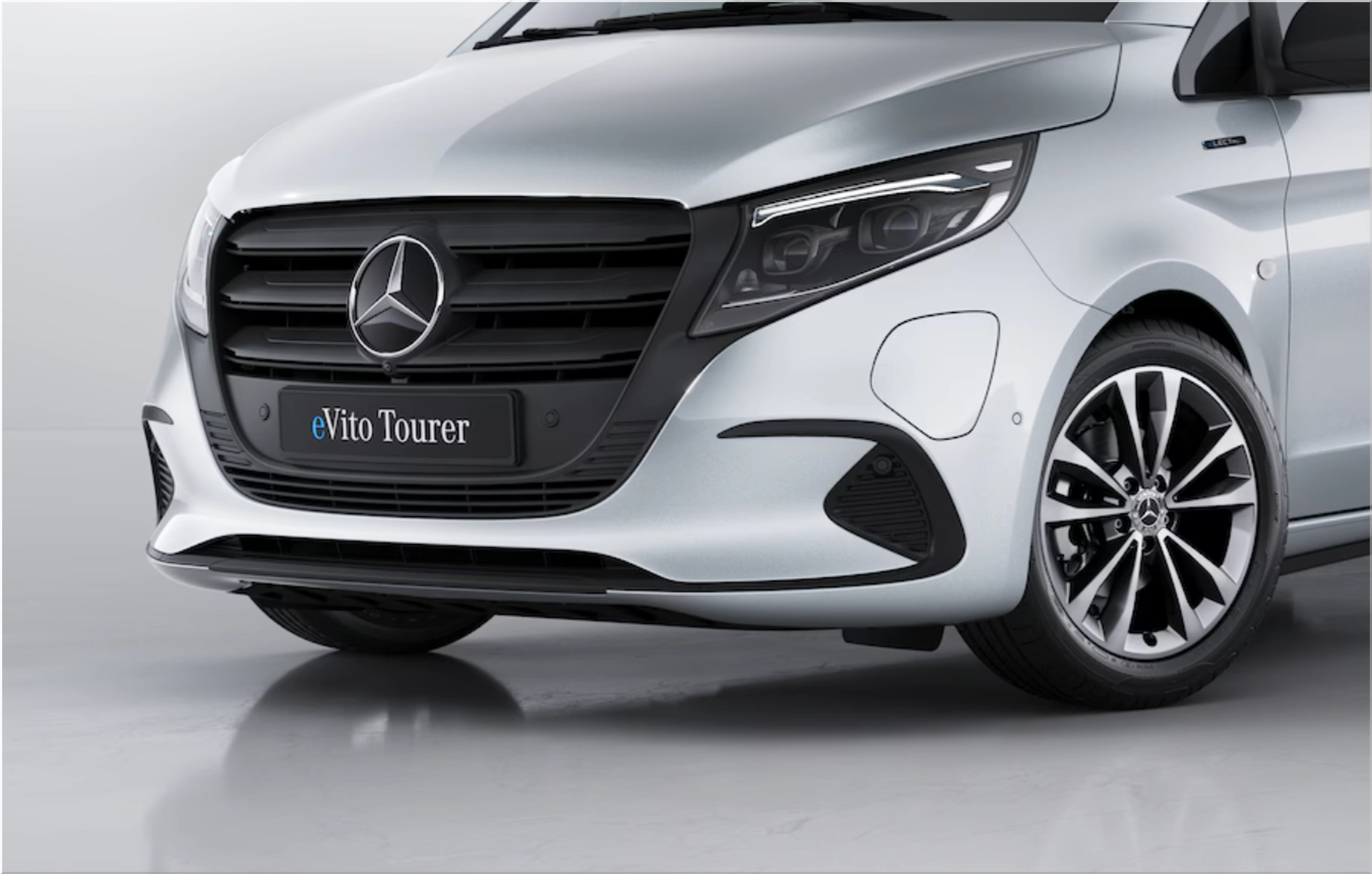
The eVito Tourer builds on Mercedes-Benz’s experience in electric vans. Its 90 kWh battery supports DC fast charging, reaching 80% in under an hour. The van’s flexible seating configuration and large luggage capacity make it ideal for airport shuttles, hotel transport, and corporate mobility services.
Meeting Real-World Demands
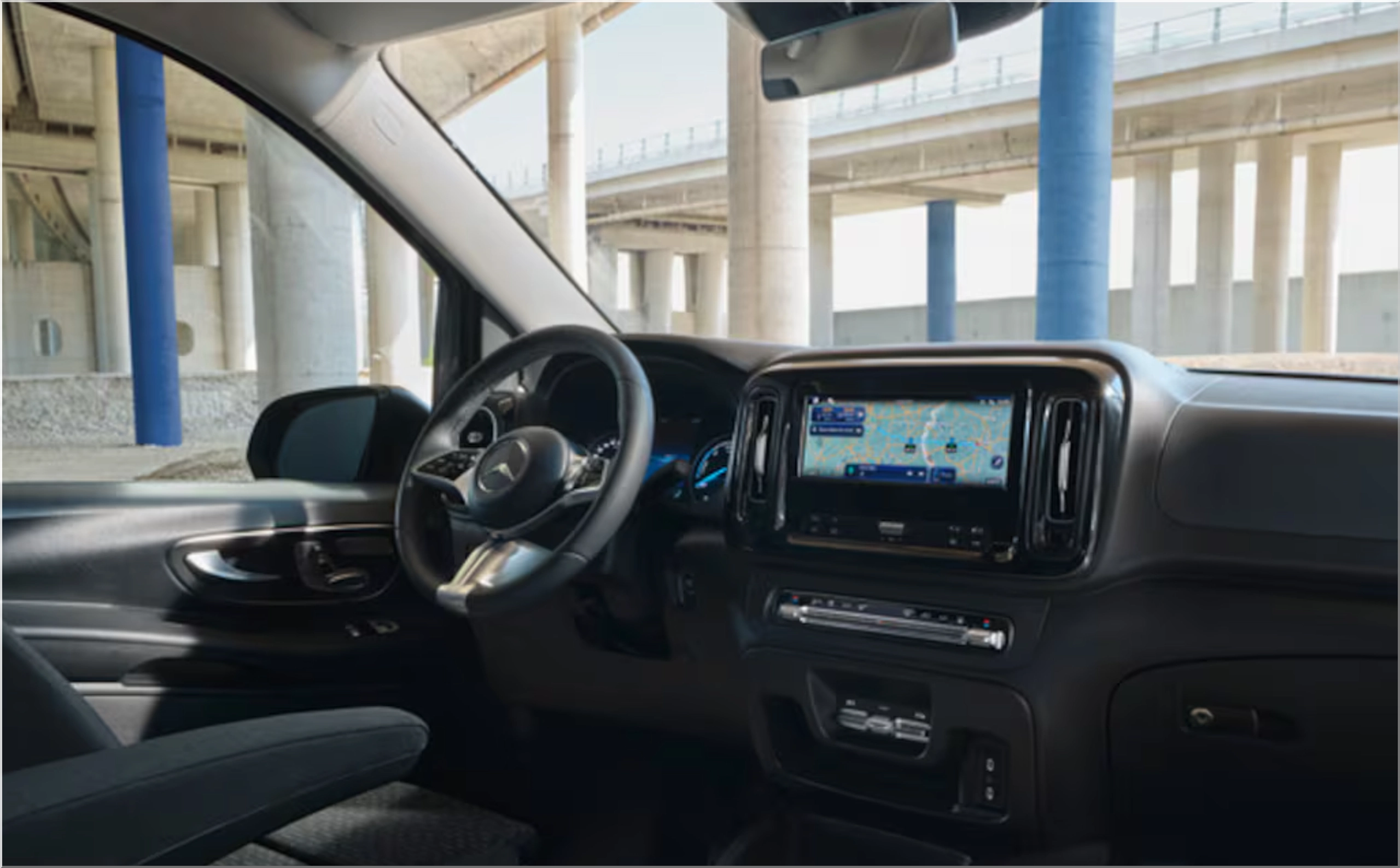
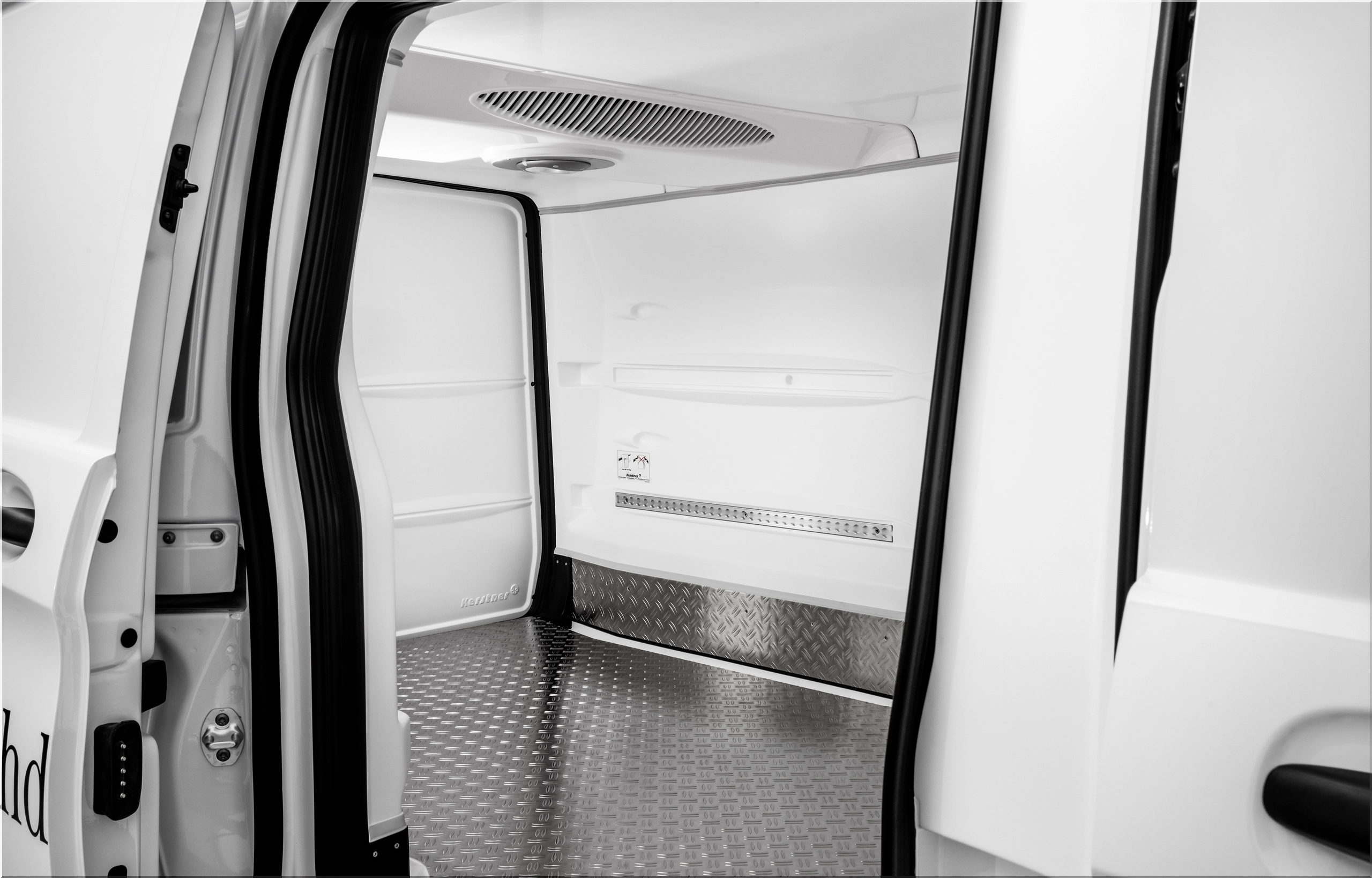
The electric drivetrain doesn’t compromise practicality. The flat battery pack integrated under the floor preserves cabin space, while rear air suspension provides comfort even with full loads. The van also supports pre-entry climate control, allowing operators to heat or cool the cabin while plugged in, reducing battery drain on the road.
In urban and regional transport, the eVito’s low noise level is another advantage. Reduced engine noise improves comfort for both passengers and drivers, especially during early-morning or school routes.
Mercedes-Benz has also equipped the eVito with advanced safety and driver-assistance systems, including:
- Active Brake Assist
- Attention Assist
- Crosswind Assist
- Lane Keeping Assist
- Traffic Sign Recognition
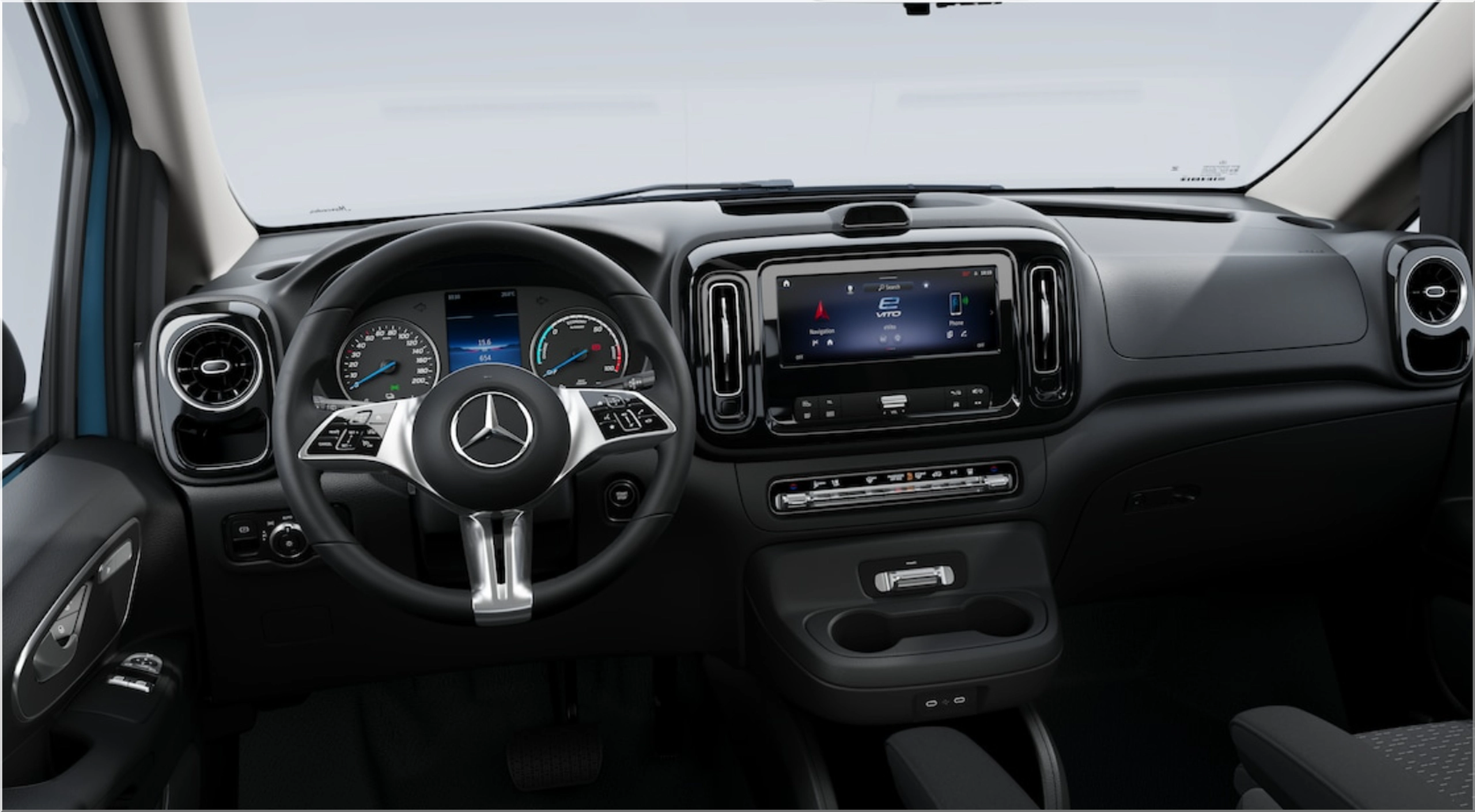
These systems help reduce accidents and improve driver confidence, which is essential in high-frequency passenger transport.
Why Operators Choose Electric Vans
For transport operators, electric vans are financially attractive in the long term. While upfront costs remain higher than diesel vehicles, lower energy and maintenance costs balance the equation over time.
According to internal Mercedes-Benz data, electric vans reduce operating costs by 20–30% depending on local energy prices and mileage. Regenerative braking extends brake life, while fewer moving parts mean less downtime and lower servicing expenses.
In Germany, fleet operators benefit from government incentives that further reduce total ownership costs. Similar incentives exist across the EU and in parts of the United States, making fleet electrification increasingly cost-effective.
Schlienz-Tours: A Legacy Operator Going Green
Schlienz-Tours GmbH & Co. KG operates a diverse mobility business in southern Germany, covering regional transport, school shuttles, and charter services. The company’s partnership with Mercedes-Benz dates back decades.
By introducing 40 electric vans into daily service, Schlienz-Tours demonstrates that electromobility is now viable at scale for commercial operators. The vehicles will serve short- and medium-distance routes, including wheelchair-accessible services, aligning with the company’s goal to offer inclusive and sustainable mobility.
Mercedes-Benz: Strategic Shift Toward Electric Vans
Mercedes-Benz continues to expand its eVan portfolio, which includes the eVito, eSprinter, and EQV. The brand’s long-term plan focuses on zero-emission transport solutions for both private and commercial customers.
The company operates more than 30 production sites across four continents and employs around 175,000 people worldwide. Under CEO Ola Källenius, the brand aims to lead the global transition to electric mobility and vehicle software integration.
The Stuttgart-based automaker’s sustainability strategy covers its entire value chain — from raw material sourcing to recycling. Its battery production network, spanning Europe, Asia, and North America, is designed to secure supply and reduce transport-related emissions.
Electric Fleet Operations: What Businesses Should Know
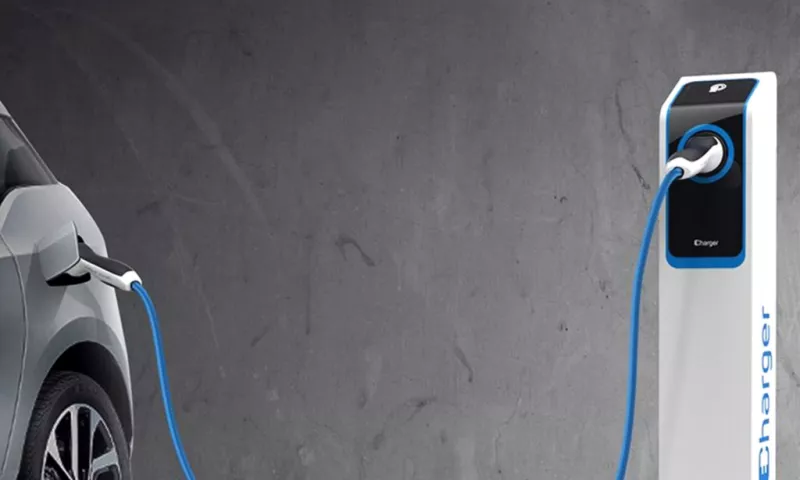
Fleet electrification brings operational changes that go beyond vehicle replacement. Operators like Schlienz-Tours must invest in:
- Charging Infrastructure:
Installing depot chargers with grid management capability ensures vehicles are ready for daily operations. - Energy Management:
Smart charging systems lower electricity costs by avoiding peak demand times. - Driver Training:
Electric vans drive differently. Regenerative braking and torque delivery require specific driver awareness. - Route Planning:
Operators can optimize schedules based on charging windows and available range.
Mercedes-Benz supports these transitions through its eVan ecosystem, which includes consulting, software tools, and service partnerships.
The Broader Trend in Electric Passenger Transport
The adoption of electric vans in regional transport reflects Europe’s tightening emissions policies. Cities like Stuttgart, Munich, and Berlin are expanding low-emission zones, pressuring operators to electrify fleets.
By 2030, Mercedes-Benz expects electric vans to account for more than half of its commercial vehicle sales. The eVito Tourer’s rollout to operators such as Schlienz-Tours signals growing confidence in battery-powered passenger transport.
Industry analysts predict that fleet electrification will continue to accelerate as battery prices fall and charging networks expand. Operators that transition early benefit from experience, regulatory goodwill, and improved brand image.
Outlook: Scaling Sustainable Transport
The 40 eVito Tourers now entering service with Schlienz-Tours will replace older diesel models and serve as a pilot for wider electrification. The vehicles are expected to save up to 1,200 metric tons of CO2 annually, assuming average daily operation across multiple routes.
Mercedes-Benz views this as part of a long-term market transformation where electric vans become standard in public and private transport services. With government policy, charging infrastructure, and customer acceptance moving in the same direction, commercial e-mobility has reached maturity.
Final Take
The Mercedes-Benz eVito Tourer demonstrates how electrification can meet real-world transport demands. For operators like Schlienz-Tours, electric mobility is no longer experimental — it’s operational, scalable, and sustainable.
Fleet buyers worldwide are paying attention. The shift underway in Stuttgart could soon define how passenger transport operates in every major city.
- 71 views