Coca-Cola is one of the most iconic brands in the world, known for its refreshing beverages and festive campaigns. Mercedes-Benz is one of the most prestigious automakers in the world, known for its innovative technology and premium quality. What do these two giants have in common? They are both committed to reducing their environmental impact and promoting sustainable transport.
Now, we will explore how Coca-Cola and Mercedes-Benz are collaborating to bring the first all-electric truck to the Coca-Cola Christmas truck tour through Austria. We will also look at the benefits of the eActros, the electric truck model from Mercedes-Benz, and how it is part of a comprehensive eMobility solution. Finally, we will discuss how this partnership reflects the values and vision of both brands and what it means for the future of transport and society.
The Coca-Cola Christmas Truck Tour
The Coca-Cola Christmas truck tour is a beloved tradition that started in 1995, when the company launched its famous “Holidays are Coming” TV ad featuring a convoy of red trucks decorated with lights and the Coca-Cola logo. Since then, the trucks have traveled around the world, spreading joy and magic to millions of people.
The truck tour is not only a way to celebrate the festive season but also a way to give back to the communities. Coca-Cola partners with local charities and organizations to support various causes, such as food banks, children’s hospitals, and environmental projects. The truck tour also encourages people to participate in one of the biggest Secret Santa exchanges, where they can donate gifts to those in need.
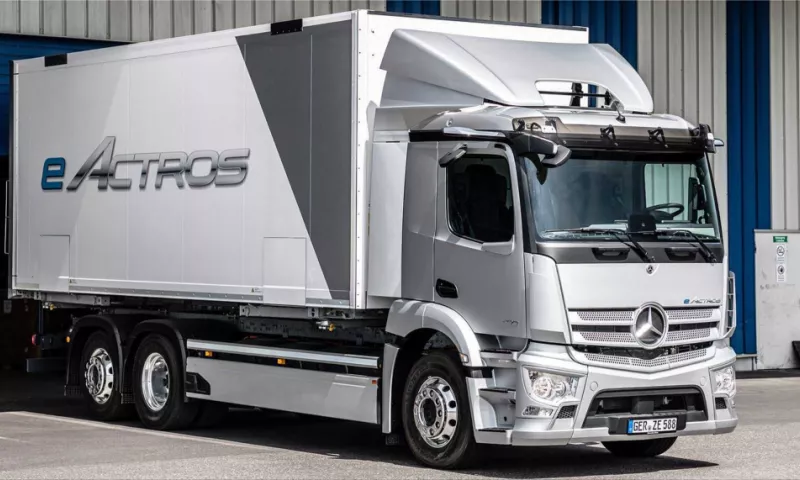
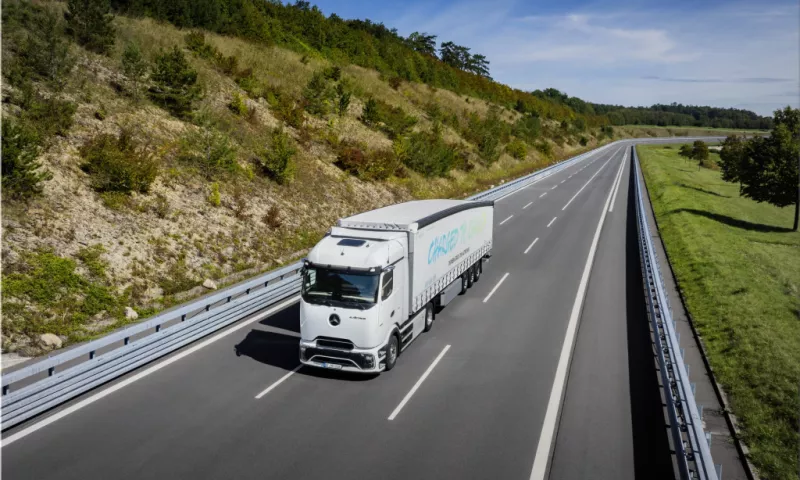
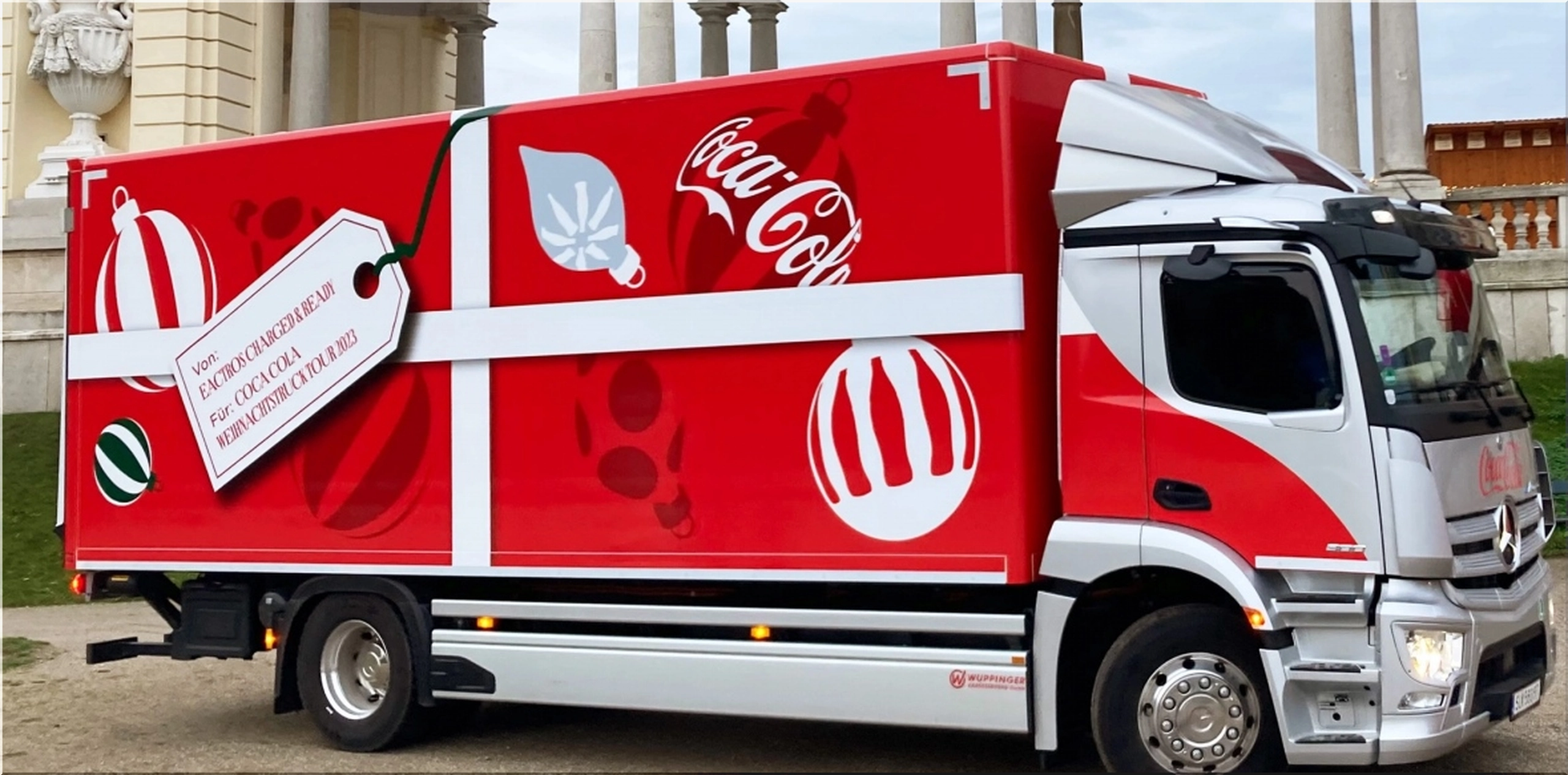
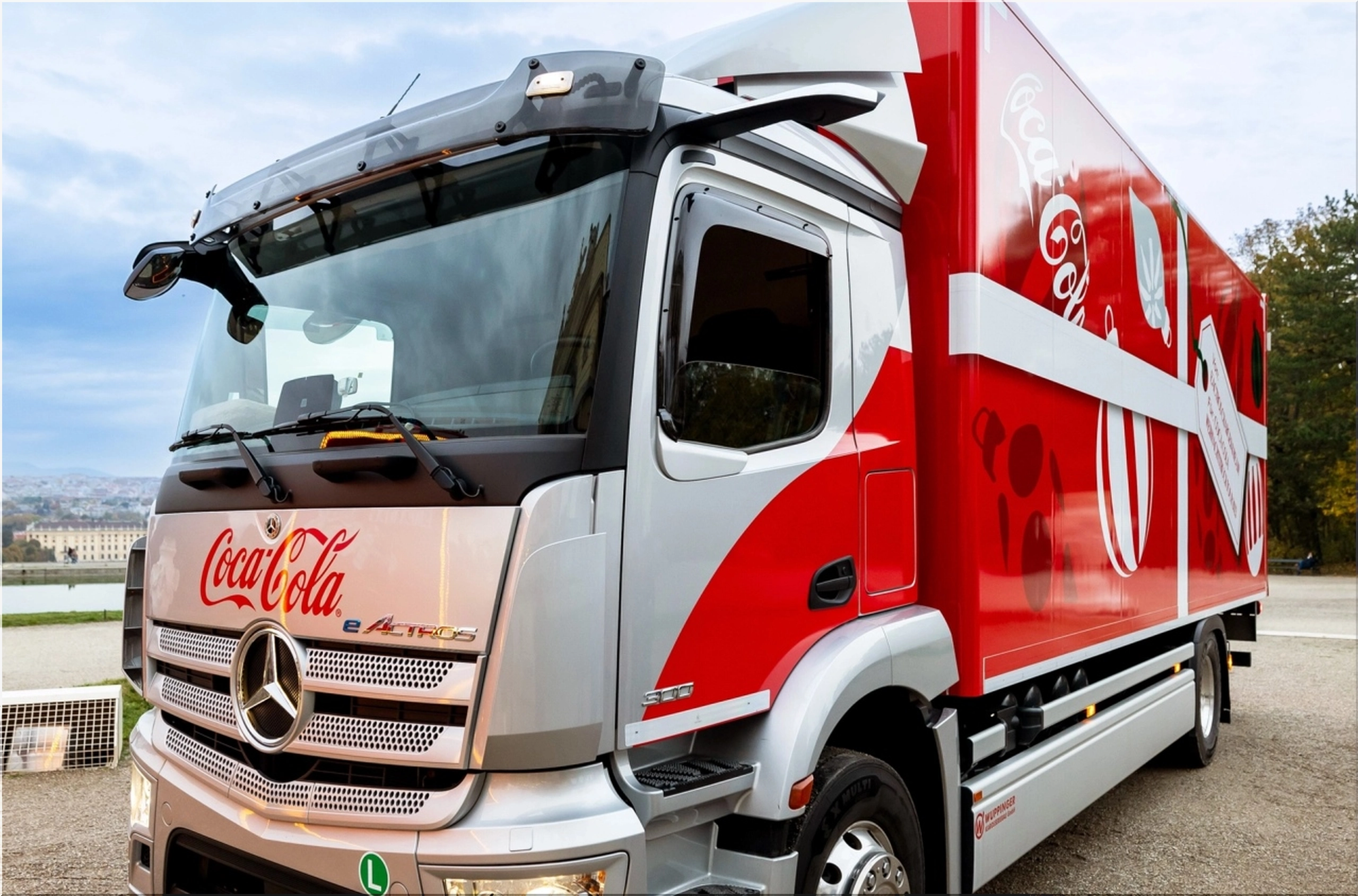
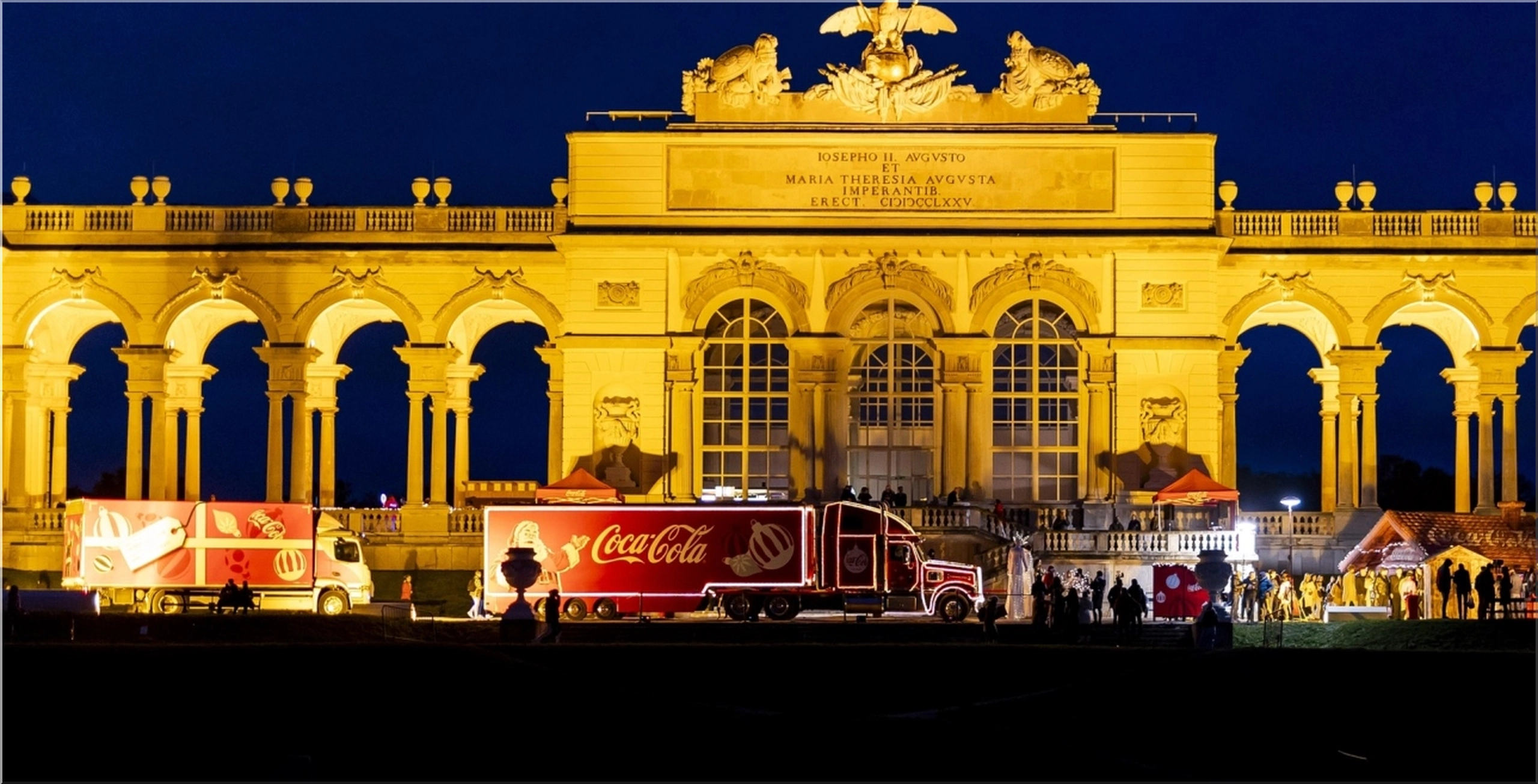
This year, the Coca-Cola Christmas truck tour is taking a step further in its social and environmental responsibility. For the first time, the tour will feature an all-electric truck powered by renewable energy and emitting zero local emissions. The truck is the eActros, a model from Mercedes-Benz Trucks, and it will accompany the traditional diesel trucks on the tour through Austria.
The eActros and its Services
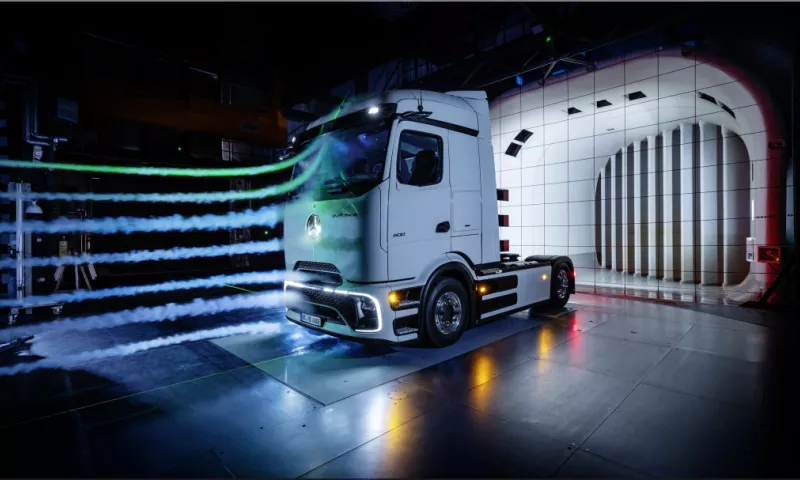
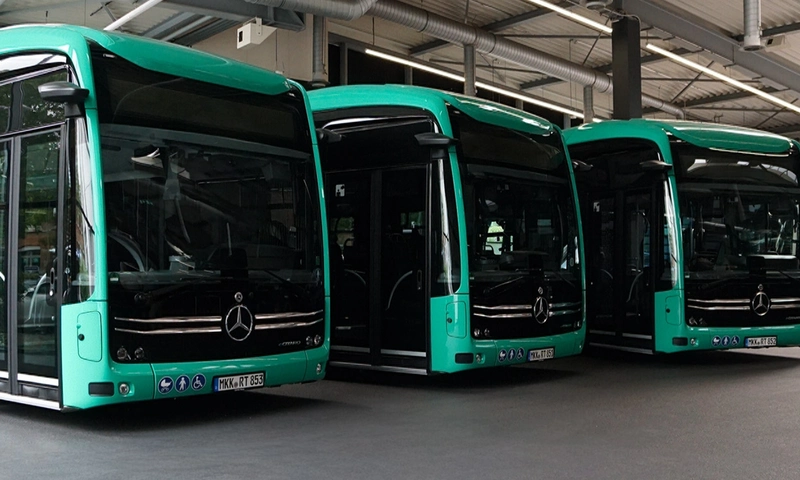
The eActros is the first all-electric truck from Mercedes-Benz Trucks, designed for heavy-duty distribution haulage in urban areas. The truck is part of the integrated eActros solution, which includes eConsulting and customized digital solutions, as well as conventional services from Mercedes-Benz Trucks.
The eActros has many advantages for both the environment and the customers. Some of the benefits are:
- Zero local emissions: The eActros does not produce any harmful emissions, such as carbon dioxide, nitrogen oxides, or particulate matter, which contribute to air pollution and climate change. This makes the truck suitable for low-emission zones and green logistics.
- Low noise levels: The eActros operates quietly, reducing noise pollution and improving the quality of life for drivers and residents. This also allows the truck to operate at night or early morning, avoiding traffic congestion and increasing efficiency.
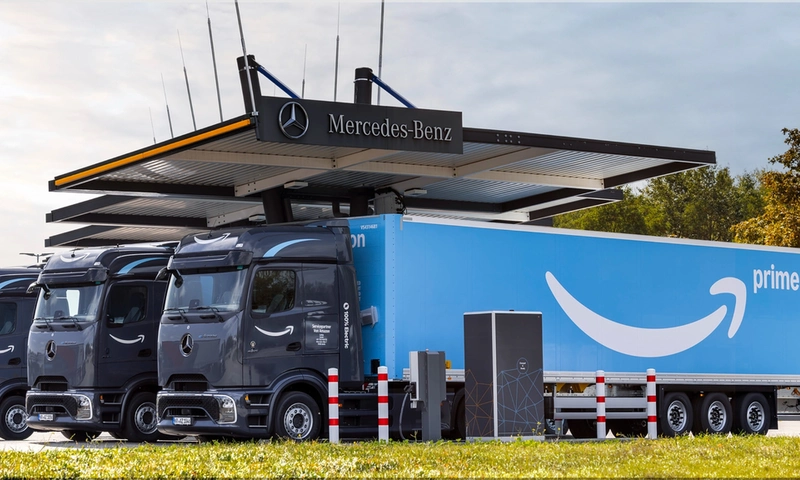
- High performance and range: The eActros has a powerful electric drive system, with a maximum output of 400 kW and a maximum torque of 970 Nm. The truck has a range of up to 248 miles, depending on the battery configuration, load, and driving conditions. The truck can be charged in about an hour and a half, using a standard CCS Combo-2 plug and a charging capacity of 160 kW.
- Safety and comfort: The eActros is equipped with proven assistance systems from Mercedes-Benz Trucks, such as Active Brake Assist 5, Sideguard Assist, and Stability Control Assist, to enhance the safety of the driver and other road users. The truck also has a spacious and ergonomic cab, with a digital cockpit, a multifunction steering wheel, and a fire detection and alarm system.
- Cost-effectiveness and reliability: The eActros electric truck has lower operating costs than conventional diesel trucks, due to lower energy and maintenance costs. The truck also has a high reliability, as the electric drive system has fewer moving parts and less wear and tear. The eActros is backed by a comprehensive service network from Mercedes-Benz Trucks, which offers 24/7 roadside assistance, repair and maintenance contracts, and spare parts availability.
The Partnership between Coca-Cola and Mercedes-Benz
The partnership between Coca-Cola and Mercedes-Benz is not a coincidence but a result of a shared vision and values. Both brands have a long history of innovation and excellence and a strong commitment to sustainability and social responsibility.
Coca-Cola has set ambitious goals to reduce its environmental footprint and create a positive difference in the world. Some of these goals are:
- Reduce greenhouse gas emissions: Coca-Cola aims to reduce the carbon footprint of its drinks by 25% by 2020, compared to 2010 levels. This includes reducing emissions from its manufacturing, packaging, distribution, and refrigeration processes.
- Increase the use of renewable energy: Coca-Cola plans to source 100% of its electricity from renewable sources by 2030, in line with the RE100 initiative. This includes installing solar panels, wind turbines, and biomass generators at its facilities, as well as purchasing green power from external providers.
- Improve packaging sustainability: Coca-Cola strives to make its packaging more sustainable, by increasing the use of recycled and renewable materials, reducing the weight and volume of its packaging, and enhancing the recyclability and collection of its packaging. The company also supports the circular economy by creating new products and value from its waste materials.
- Promote water stewardship: Coca-Cola recognizes water as a vital resource for its business and the planet and works to conserve and replenish water in its operations and communities. The company aims to return to nature and communities an amount of water equivalent to what it uses in its beverages and their production, through improving water efficiency, recycling water, and supporting water projects worldwide.
Mercedes-Benz has also set ambitious goals to reduce its environmental impact and create a positive impact on society. Some of these goals are:
- Achieve carbon neutrality: Mercedes-Benz aims to achieve carbon neutrality for its new passenger car fleet by 2039 as part of its Ambition 2039 strategy. This means that the company will offer a carbon-neutral vehicle portfolio, from production to use to end-of-life. This includes increasing the share of electric and hybrid vehicles, using renewable energy and green materials, and developing circular economy solutions.
- Increase the use of renewable energy: Mercedes-Benz plans to source 100% of its electricity from renewable sources for its own production sites worldwide. This includes installing solar panels, wind turbines, and biogas plants at its facilities, as well as purchasing green power from external providers.
- Improve vehicle efficiency and emissions: Mercedes-Benz strives to improve the efficiency and emissions of its vehicles, by developing innovative technologies and solutions, such as aerodynamics, lightweight design, intelligent energy management, and alternative fuels. The company also complies with the strictest emission standards and regulations, such as the Euro 6d and the WLTP.
- Promote safety and mobility: Mercedes-Benz recognizes safety and mobility as essential for its customers and society and works to enhance them in its products and services. The company aims to achieve accident-free driving by developing advanced driver assistance systems, such as Active Brake Assist, Lane Keeping Assist, and Blind Spot Assist. The company also supports sustainable mobility by offering mobility services, such as car sharing, ride-hailing, and multimodal transport.
The Future of Transport and Society
The partnership between Coca-Cola and Mercedes-Benz is not only a demonstration of their individual commitments to sustainability and social responsibility but also a sign of the future of transport and society. The use of the eActros in the Coca-Cola Christmas truck tour shows that electric trucks are not only feasible but also desirable for both the environment and the customers. Electric trucks can reduce the environmental impact of transport while also improving transport efficiency, safety, and comfort. Electric trucks can also create new opportunities for business and society, such as green logistics, smart cities, and renewable energy.
The partnership between Coca-Cola and Mercedes-Benz also reflects the values and vision of both brands, which are aligned with the expectations and aspirations of their customers and stakeholders. Both brands are leaders in their respective industries, using their influence and resources to create positive change in the world. Both brands are also innovators and pioneers, and they use their creativity and expertise to create new products and solutions that meet the needs and wants of their customers and society. Both brands are also responsible and ethical, and they use their principles and standards to guide their actions and decisions.
The partnership between Coca-Cola and Mercedes-Benz exemplifies how two different but complementary brands can collaborate to achieve a common goal and create a greater impact. It is also an example of how transport and society can evolve and improve by embracing sustainability and social responsibility as core values and drivers. It is also an example of how the future of transport and society can be bright and hopeful by celebrating the festive season and the spirit of giving.
Conclusion
Coca-Cola and Mercedes-Benz are two iconic brands that have joined forces to bring the first all-electric truck to the Coca-Cola Christmas truck tour through Austria. The truck is the eActros, a model from Mercedes-Benz Trucks that offers zero local emissions, low noise levels, high performance and range, safety and comfort, and cost-effectiveness and reliability. The truck is part of the integrated eActros solution, which includes eConsulting and customized digital solutions, as well as conventional services from Mercedes-Benz Trucks.
The partnership between Coca-Cola and Mercedes-Benz is a result of a shared vision and values, as both brands are committed to reducing their environmental impact and promoting sustainable transport.
- Add new comment
- 81 views