Home

EV Stories

Main navigation

  • Cars
  • Vans
  • Semis
  • Buses
  • News
User account menu
  • Contact

Breadcrumb

  1. Home
  2. Tesla
  3. High-Power Fast Charging Speeds Up EV Battery Degradation

High-Power Fast Charging Speeds Up EV Battery Degradation

High-Power Fast Charging Speeds Up EV Battery Degradation

Brand

  • Tesla
  • Polestar
  • Ford

Electric vehicles sell on speed and convenience. Fast charging compresses hours of charging into minutes and supports long-distance travel without planning overnight stops. That benefit reshaped buyer expectations and accelerated EV adoption.

The trade-off shows up in battery data. Large-scale real-world analysis now confirms that high-power fast charging drives EV battery degradation more than climate, mileage, or total vehicle age. Charging power and charging frequency shape long-term battery health more than any other owner-controlled variable.

This article breaks down what the data proves, why degradation happens at the cell level, and how drivers can protect range and resale value without sacrificing usability.

What EV Battery Degradation Actually Means

Battery degradation measures the gradual loss of energy storage capacity inside a lithium-ion pack. New EV batteries begin life at 100 percent state of health. That number declines as chemical reactions inside the cells accumulate wear.

Degradation does not mean failure. A degraded battery still delivers power, charges normally, and remains safe. It simply stores less energy than it once did.

For owners, degradation translates into:

  • Reduced real-world driving range
  • Longer charging times at higher states of charge
  • Lower resale and trade-in values

Most modern EVs now average 2 to 3 percent capacity loss per year. That figure already reflects improved cell chemistry, better cooling systems, and advanced battery management software. Charging behavior explains why some vehicles outperform that average while others fall short.

Why Fast Charging Impacts Battery Health

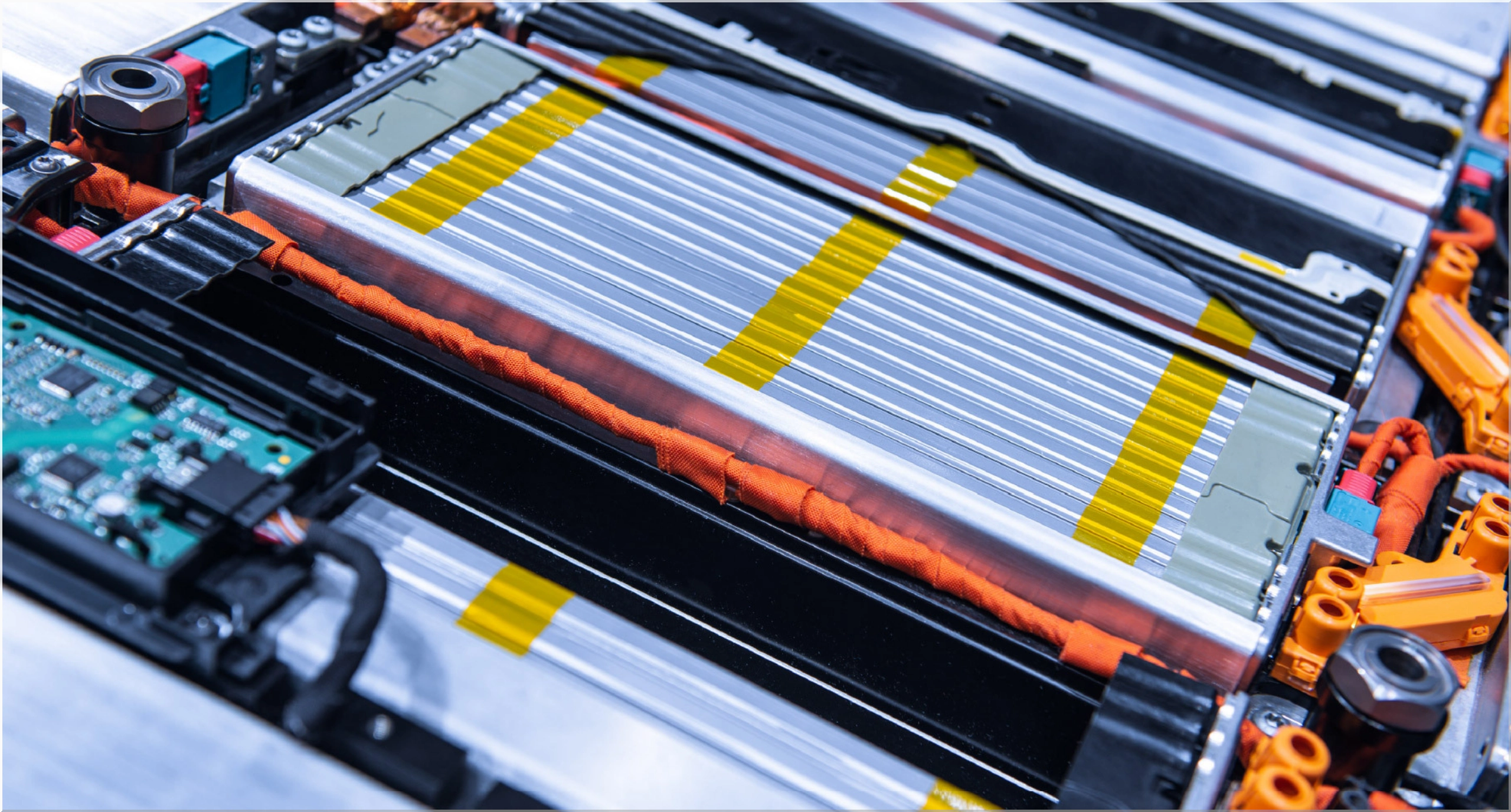
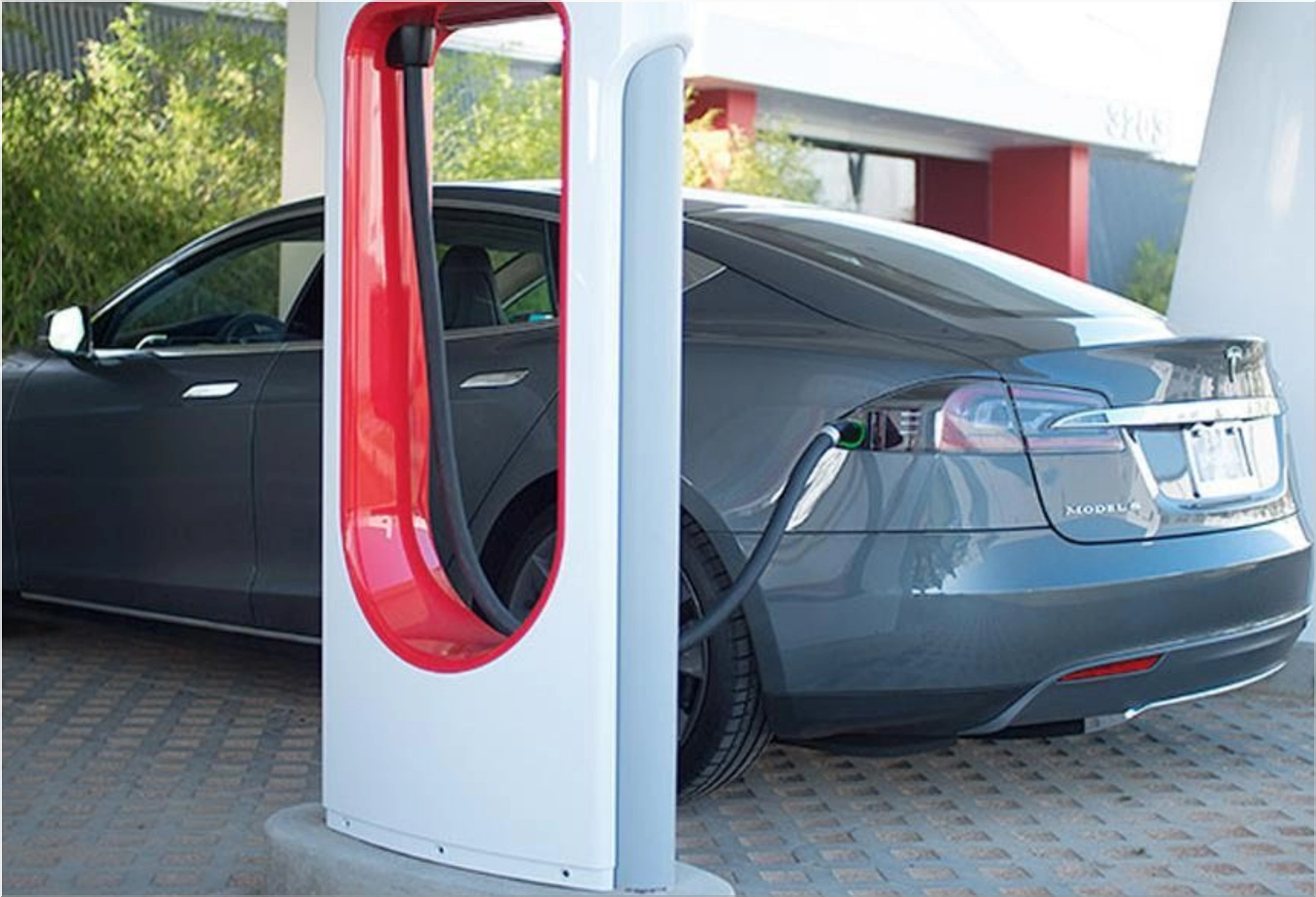
Fast charging forces large amounts of electrical current into battery cells over short time windows. That process increases internal temperature and raises electrochemical stress inside each cell.

Modern EVs counter these effects with liquid cooling, active thermal monitoring, and charge-rate tapering. These systems slow damage. They do not eliminate it.

High charging power accelerates:

  • Lithium plating on the anode surface
  • Growth of the solid electrolyte interface layer
  • Internal resistance buildup within cells

Each effect reduces usable capacity over time. The damage compounds when drivers rely on DC fast charging as a routine energy source instead of an occasional tool.

Physics sets the limit. Software only manages the pace.
Image
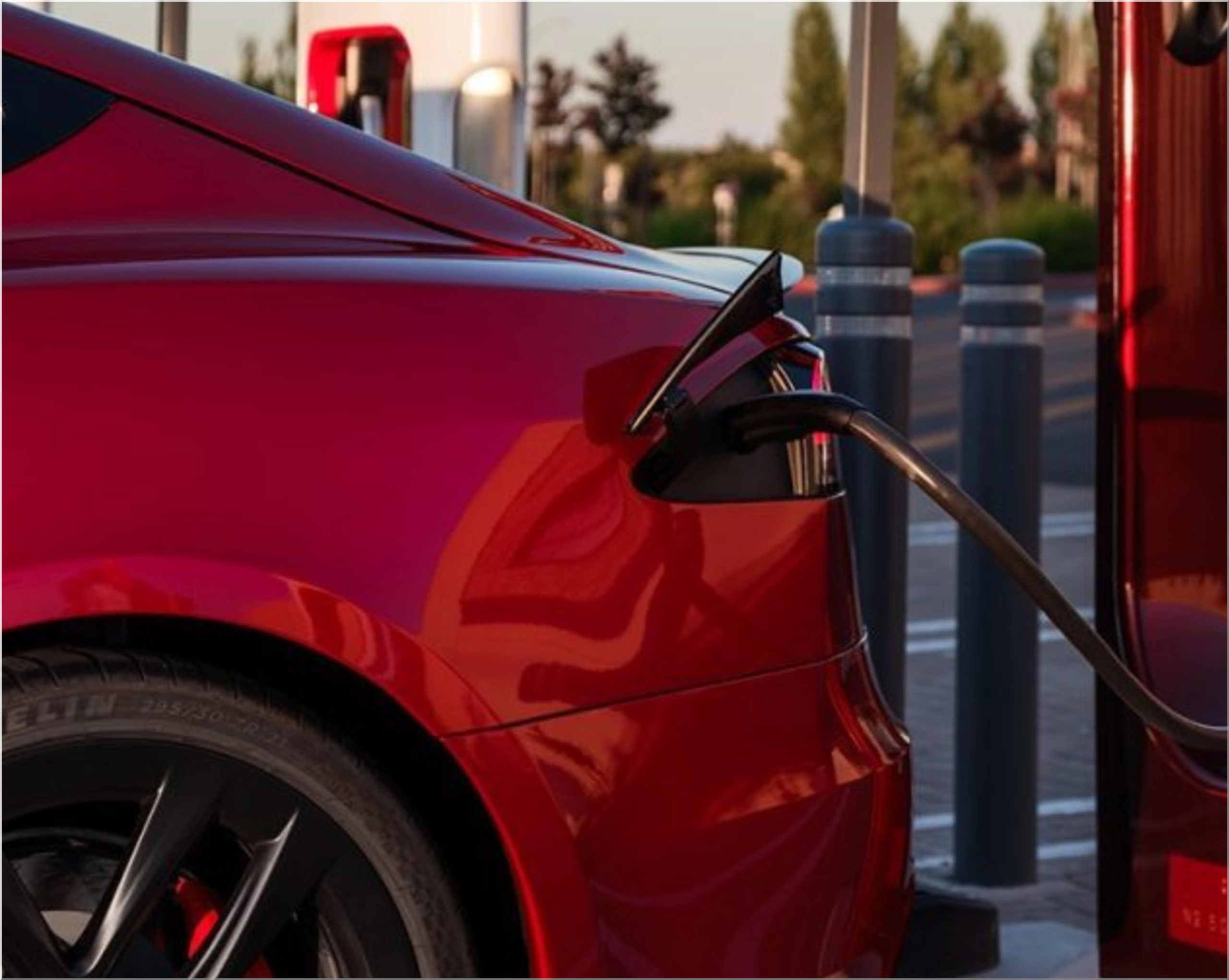
High-Power Fast Charging

What the Data Shows About High-Power Charging

Real-world fleet data now covers tens of thousands of electric vehicles across multiple brands and battery designs. Patterns appear quickly at that scale.

Vehicles that depend heavily on 100 kW-plus fast chargers show consistently higher annual degradation than vehicles that rely primarily on AC or lower-power DC charging.

Key findings include:

  • Average annual EV battery degradation sits near 2.3 percent
  • Vehicles with limited fast charging exposure average 1.5 percent per year
  • Vehicles with regular fast charging exceed 2.5 percent per year
  • Heavy fast-charging users approach 3.0 percent per year

Climate plays a secondary role. Vehicles in hot regions degrade slightly faster, but charging power remains the dominant variable. Mileage also trails behind charging behavior in predictive strength.

Fast charging does not destroy batteries. It shifts the slope of long-term decline.

Frequency Matters as Much as Power

Single fast-charging sessions cause little harm. Patterns matter more than isolated events.

Vehicles that fast charge:

  • Under 12 percent of total sessions show minimal acceleration
  • Over 12 percent show a measurable increase in degradation
  • Over 40 percent experience the steepest decline

The worst outcomes appear when high power and high frequency overlap. Vehicles that combine daily fast charging with peak power levels degrade fastest, regardless of brand.

This distinction separates road-trip use from daily dependency. Occasional convenience carries little penalty. Habitual reliance changes outcomes.

Battery Chemistry and Thermal Management

Battery chemistry influences how packs respond to heat and charging stress.

Most EVs sold in North America use nickel manganese cobalt (NMC) cells. These packs deliver high energy density and strong performance but react more sensitively to elevated temperatures and high current loads.

Some manufacturers now deploy lithium iron phosphate (LFP) batteries. These cells tolerate higher charge states and thermal stress better but sacrifice energy density. LFP packs still degrade under repeated fast charging, just at a slower rate.

Thermal management systems play a critical role. Liquid cooling stabilizes cell temperature and limits damage during charging. Software controls taper charging speed as the pack fills. These systems manage risk but do not remove cumulative stress from repeated exposure.
First image gallery
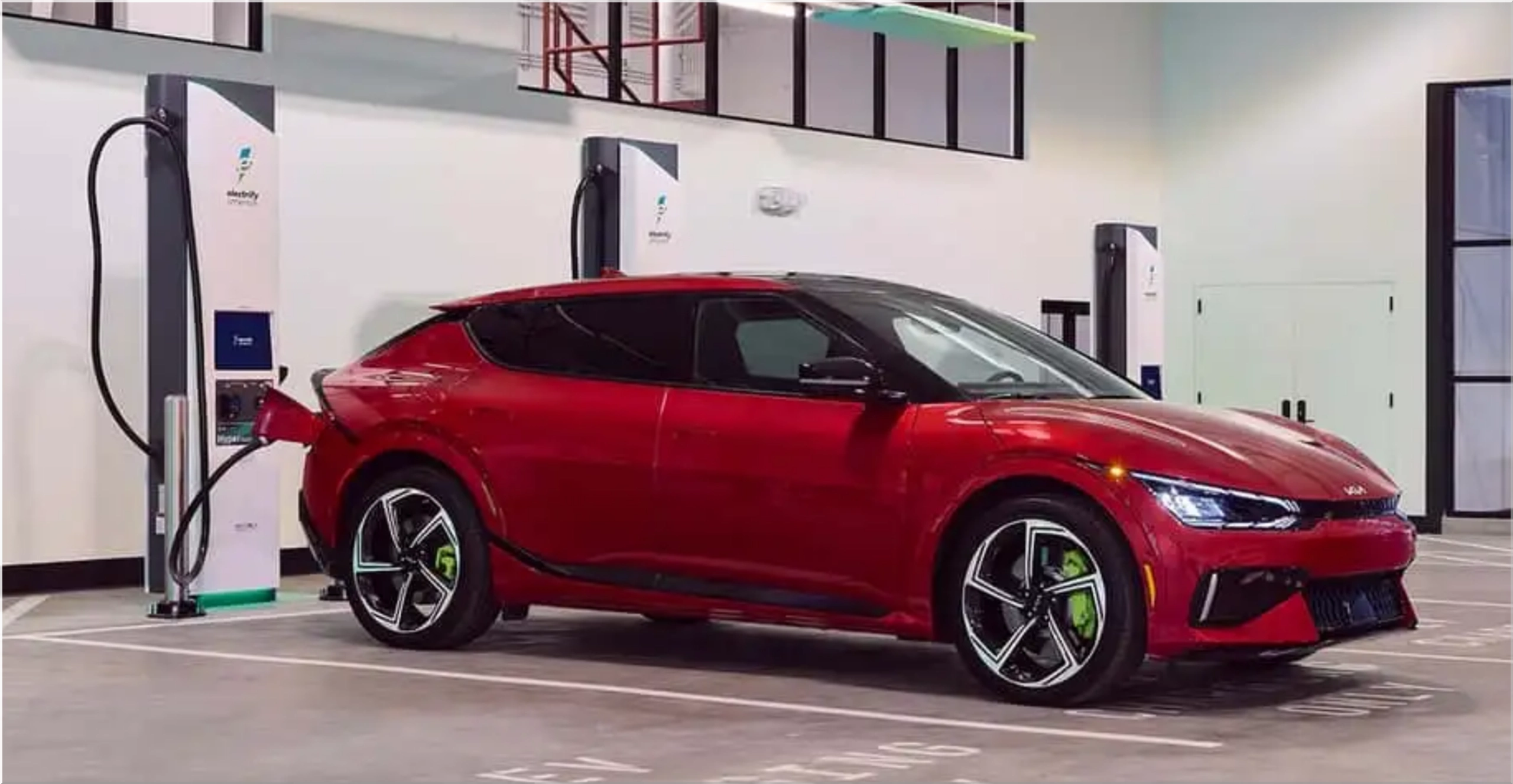
High-Power Fast Charging

Comparison Table: Charging Behavior and Degradation Risk

Charging PatternTypical Power LevelAnnual Degradation RiskTypical Use Case
Home Level 27 to 11 kWLowDaily overnight charging
Public AC11 to 22 kWLowUrban top-ups
Low-Power DCUnder 100 kWModerateTravel stops
High-Power DCOver 100 kWHighLong-distance driving
Frequent High-Power DCOver 100 kW, high usageHighestCommercial duty cycles

The takeaway remains simple. Lower power equals lower wear.

State of Charge Behavior Also Influences Degradation

Battery wear accelerates near the top and bottom of the usable charge window.

Sustained time spent near:

  • Full charge
  • Deep discharge

increases chemical stress within cells.

Manufacturers advise daily charging between 10 and 80 percent for this reason. That range balances usability and longevity.

Fast charging pushes batteries rapidly through high-stress zones. Charging systems reduce speed near full charge, but repeated cycles still add wear. Automakers build hidden buffers above and below displayed percentages to protect the pack. Those buffers help, but charging behavior still shapes long-term results.

What This Means for Real Drivers

Most EV owners will never face practical problems.

Even with moderate fast charging use, modern EVs retain the majority of their original capacity after eight years. A vehicle rated for 350 miles when new still delivers well over 275 miles later under typical usage.

The issue matters more for:

  • Drivers without home charging access
  • High-mileage commuters
  • Rideshare and delivery operators
  • Owners planning extended vehicle retention

For these groups, charging strategy influences operating cost, downtime, and resale value.

Practical Steps to Reduce Battery Degradation

Drivers do not need rigid rules. Small adjustments deliver measurable benefits.

Smart Charging Practices

  • Prioritize home or workplace AC charging
  • Use fast charging for travel, not daily routines
  • Stop DC fast charging near 80 percent
  • Avoid storing the vehicle fully charged for extended periods

When Fast Charging Makes Sense

  • Long-distance travel
  • Time-critical stops
  • Limited charging access scenarios

Battery management systems already protect against extreme misuse. Owner habits determine the long-term curve.

The Industry Trade-Off

Charging networks now install higher-power stations to shorten dwell times and improve throughput. Automakers advertise peak charge rates as headline specs.

This approach accelerates adoption. It also raises average degradation rates across the fleet.

Manufacturers account for this reality. Battery warranties reflect expected degradation under mixed usage patterns. The systems tolerate fast charging. They do not reward constant reliance.

Convenience carries cost. Awareness controls that cost.
Second image gallery
High-Power Fast Charging

The Bottom Line

High-power fast charging remains the strongest controllable contributor to EV battery degradation.

Large datasets confirm the same conclusion across brands, climates, and driving patterns. Charging power and frequency outweigh mileage, age, and temperature exposure.

Fast charging remains a valuable tool. Used selectively, it supports flexibility without penalty. Used constantly, it reshapes long-term battery performance.

Charge slow when time allows. Charge fast when distance demands it.

That balance protects range, resale value, and ownership satisfaction over the long run. @ Geotab.

Category

  • News

Tags

  • High-Power Fast Charging
  • Electric vehicles
  • Fast charging electric cars
  • EV battery degradation causes
  • Battery recycling
  • High power fast charging impact
  • Battery health
  • DC fast charging degradation
  • Electric vehicle battery lifespan
  • Zinc battery lifespan
  • EV range loss over time
  • Electric vehicle charging technology
  • Electric vehicle charging
  • Add new comment
  • 110 views

EV Stories
By EV Stories, 14 January, 2026

Similar stories

How to make money from your old electric vehicle batteries

How to make money from your old electric vehicle batteries

old electric vehicle batteries
  • Tesla

  • Ford

  • Rivian

  • Electric vehicle batteries

Electric vehicles are becoming more popular every year, but what happens to their batteries when they reach the end of their life? You might think they are destined for landfill, but recycling is a better...

The Power of Comfort: Why EV Suspension is a Game-Changer

The Power of Comfort: Why EV Suspension is a Game-Changer

EV Suspension
  • GMC

  • Ford

  • Tesla

  • EV suspension

Electric vehicles (EVs) are becoming more popular than ever, thanks to their environmental benefits, lower maintenance costs, and tax incentives. However, one aspect of EVs that often gets overlooked is their suspension system...

BlueOval Charge Network

Ford wants a future powered by electric vehicles

Ford wants a future powered by electric vehicles
  • Ford

  • charging network

When it comes to the fight for an all-electric future, Ford is in the front. Ford has just been one of the 27 corporations that have come together in favor of European regulations on selling new automobiles to ensure the proliferation of...

Stellantis is displaying cutting-edge technology

Stellantis is displaying cutting-edge technology at CES 2022

DS E-Tense FE21
  • Stellantis

  • Fiat 500e

Stellantis' global mission is to develop innovative and customer-focused technology for the future of its 14 renowned brands. At CES 2022, the world's premier technology event in Las Vegas is the ideal stage to showcase Stellantis'...

Kia EV9: A Bold Step Towards Scalable Sustainability

Kia EV9: A Bold Step Towards Scalable Sustainability

Kia EV9
  • Kia

  • Kia EV9

Kia has unveiled its flagship electric vehicle, the Kia EV9, at the 2023 Geneva Motor Show. The new model is the first to use Kia's dedicated EV platform, which promises more space, performance, and efficiency than ever...

Tesla Model X

Tesla Inc (TSLA) produced 1,366,616 electric cars in 2022

Tesla Model X
  • News
  • Tesla Model S

Tesla has disclosed its fourth-quarter 2022 production and delivery figures. In October, November, and December, the electric vehicle maker in the United States produced about 440,000 automobiles. Approximately 405,000 electric cars were...

Polestar 2

Polestar and Santander Consumer Bank have launched an great offer

Polestar 2
  • Polestar

  • Polestar 2

Polestar and Santander Consumer Bank have launched a new financing option for the premium electric brand's automobiles. Polestar Finance, a joint venture with the largest consumer finance specialized bank, is an appealing...

Honda Prologue

The new Honda Prologue electric SUV will be built in USA

Honda Prologue
  • Honda

  • Honda Prologue

As is the case with most automakers, Honda is developing a new generation of electric cars, with ambitious goals for a zero-emissions future. Honda will unveil the Prologue, an all-electric SUV, in 2024, as the company's first battery...

Hyliko hydrogen fuel cell trucks

Hyliko to use truck fuel cell modules from Toyota

Hyliko fuel cell trucks
  • Hyliko

  • Commercial Electric Vehicles

Hyliko, a French start-up, wants to use Toyota's second-generation hydrogen fuel cell modules in its zero-emission fleet of trucks. With this new partnership in the truck industry, Toyota can offer its fuel cell technology for...

New Honda Super-N EV: Price, Specs, Range, and Boost Mode

New Honda Super-N EV: Price, Specs, Range, and Boost Mode

Honda Super-N EV
  • Honda

  • Honda Super-N

Honda knows exactly what went wrong with the Honda e. It built a charming electric city car, priced it like a boutique toy, and gave buyers too little range for the money. The 2026 Honda Super-N attacks that problem from the other...
Mercedes-Benz eActros electric truck

The first electric truck from Mercedes-Benz

Mercedes-Benz eActros electric truck
  • Mercedes-Benz

  • Mercedes-Benz eActros

The first Mercedes-Benz electric truck is just around the corner, as the German brand has scheduled its world debut in late June, making it the world's first electric heavy truck in mass production.

With this launch, Mercedes-...

Swedes are happy to have ORA electric vehicles

Swedes are happy to have ORA electric vehicles

Ora electric cars
  • Ora

  • Chinese electric cars

It is now public knowledge that Ora, a manufacturer of electric vehicles, will soon begin selling its products in Europe. There has recently been an uptick in coverage of ORA in both mainstream and online media. The premiere of ORA in...

Dacia Sandero

Dacia Sandero Goes Electric: A Budget-Friendly Choice for Eco-Conscious Drivers

Dacia Sandero
  • Dacia

  • Dacia Sandero

The Dacia Sandero is one of the most affordable cars in Europe, offering a spacious interior, a comfortable ride, and a reliable performance for a low price. But what if you want to save even more money on fuel and reduce your carbon...

DAF Brings 550-km Electric Range and New 10x4 to IAA 2026

DAF Brings 550-km Electric Range and New 10x4 to IAA 2026

DAF XF Electric
  • DAF Trucks

  • DAF XG Electric

DAF has packed IAA Transportation 2026 with hardware that addresses payload, range, uptime, and driver retention. The Dutch truck maker occupies Hall 21 in Hanover from September 15-20, using new axle layouts and battery positions to widen...

Electricity prices boost home energy storage systems sales

Electricity prices boost home energy storage systems sales

home energy storage systems
  • electricity storage systems

The cost of electricity is increasing. One kilowatt-hour of green electricity from the grid currently costs around 30 euro cents. If you generate it yourself with the help of a photovoltaic system, you pay approximately twelve euro cents...

Jeep Avenger

The new Jeep Avenger with 156 hp from $39,700

Jeep Avenger
  • Jeep

  • Jeep Avenger

The new Jeep Avenger is immediately available for order. You may select from the Avenger, Avenger Longitude, Avenger Altitude, and the top-tier Avenger Summit models. The Avenger was conceived and constructed from the beginning as a Jeep....

Hyundai Kona Electric: A Smart Choice for Eco-Friendly Drivers

Hyundai Kona Electric: A Smart Choice for Eco-Friendly Drivers

Hyundai Kona Electric
  • Hyundai

  • Hyundai Kona Electric

If you want a practical, affordable, and fun-to-drive electric vehicle, check out the Hyundai Kona Electric. This compact SUV offers impressive performance, range, and features that make it stand out from the competition. In this...

Volkswagen ID Buzz

Volkswagen is developing further electric cars

Volkswagen ID Buzz
  • News

  • Light commercial vehicles

The Volkswagen Group's division of light commercial vehicles (VWN) intends to create additional purely electric vehicles following the Volkswagen ID Buzz electric van launch. Still, it will also continue to provide hybrid cars with...

Volkswagen ID.3

The 2023 Volkswagen ID.3 with improved comfort and functionality

Volkswagen ID.3
  • Volkswagen

  • Volkswagen ID.3

Volkswagen is back with its newest electric compact car, the ID.3, which is set to hit the market after the summer. The German brand has promised that this car will look better on the outside and offer improved...

Ford Mustang Mach-E x Ford BlueCruise

Ford BlueCruise Arrives in Norway for 10,000 Mustang Mach-E Owners

Ford Mustang Mach-E x Ford BlueCruise
  • Ford

  • Ford BlueCruise

Ford has flipped the switch on one of the biggest driver-assistance upgrades yet for Norwegian EV owners. From April 16, 2026, more than 10,000 Norwegian Ford Mustang Mach-E drivers can use BlueCruise for...

The Power of Comfort: Why EV Suspension is a Game-Changer
Top U.S. Electric Pickup Sales 2025: Data, Leaders, Market Shift
Tesla Semi
Tesla Semi Battery Specs Confirm Massive 822 kWh Long Range Pack

Like us!

EV stories

Latest Electric Vehicles Stories

Citroen 2CV Electric Car Targets €15,000 and a 2028 Arrival

Citroen 2CV Electric Car Targets €15,000 and a 2028 Arrival

2027 Polestar 4 Coupe Adds Chassis Upgrades and Cuts Its Carbon Footprint

2027 Polestar 4 Coupe Adds Chassis Upgrades and Cuts Its Carbon Footprint

Dacia Rejects EV Price War as Europe-Built Spring Arrives

Dacia Rejects EV Price War as Europe-Built Spring Arrives

DAF Brings 550-km Electric Range and New 10x4 to IAA 2026

DAF Brings 550-km Electric Range and New 10x4 to IAA 2026

Amazon Starts 50+ Mercedes eActros 600 Rollout in Germany

Amazon Starts 50+ Mercedes eActros 600 Rollout in Germany

2027 Ford E-Tourneo Custom Titanium X

2027 Ford E-Tourneo Custom Offers Eight Seats for About $647 a Month

2027 Volkswagen ID. California Cruise

2027 Volkswagen ID. California Cruise: Electric Camper Specs

2027 Audi Q4 e-tron

2027 Audi Q4 e-tron Gains 360-Mile Range and Faster Charging

Plasma Care UVC technology

Hyundai and Kia Test Plasma Care UVC in Occupied Vehicle Cabins

2027 bZ Woodland vs Trailseeker

2027 bZ Woodland vs Trailseeker: Which Off-Road EV Wins?

Friends

»Panorica  »Car division  »Gerane

Popular Electric Vehicles Stories

BYD Atto 3 EVO

New BYD Atto 3 EVO Debuts AWD and 317-Mile Range

Polestar 3: The electric SUV that combines Swedish design, Chinese innovation, and American manufacturing

Polestar 3: The electric SUV that combines Swedish design, Chinese innovation, and American manufacturing

The Power of Comfort: Why EV Suspension is a Game-Changer

The Power of Comfort: Why EV Suspension is a Game-Changer

Mercedes-Benz eCitaro Electric Buses

Racktours Adds First Mercedes-Benz eCitaro Electric Buses

Mercedes-Benz eActros 600

Mercedes-Benz eActros 600 embarks on Epic European Tour

Solaris Urbino 15 LE Electric Heads to Bus Euro Test 2026 With 600 km Range

Solaris Urbino 15 LE Electric Heads to Bus Euro Test 2026 With 600 km Range

Top U.S. Electric Pickup Sales 2025: Data, Leaders, Market Shift

Top U.S. Electric Pickup Sales 2025: Data, Leaders, Market Shift

Toyota Investment in Kentucky

Toyota Electrifies the Bluegrass State: Kentucky Gears Up for First U.S.-Made Battery Electric SUV

How Busscar's Optimuss E-Pluss is Changing the Future of Urban Mobility

How Busscar's Optimuss E-Pluss is Changing the Future of Urban Mobility

2027 bZ Woodland vs Trailseeker

2027 bZ Woodland vs Trailseeker: Which Off-Road EV Wins?

Ford
Mercedes-Benz
Polestar
Volkswagen
Renault
Citroen
BMW
Hyundai
Tesla
Opel
Skoda
Nissan
Audi
Fiat
Toyota
Volvo
Jeep
Kia
Peugeot
Mini
MG
Dacia
Porsche
Solaris
RSS feed
Polestar 3: The electric SUV that combines Swedish design, Chinese innovation, and American manufacturing
The Power of Comfort: Why EV Suspension is a Game-Changer
2026 Volkswagen ID. CROSS
Polestar 5 Enters Gran Turismo 7
Twike 5 is a special three-wheeled electric vehicle
Mia Electric car
BYD Atto 3 EVO
Fiat Topolino

· Cars · Vans · Semis · Buses · Trucks · Aircraft · Bikes
evstories.com · 2026 · Privacy Policy · Powered by Drupal