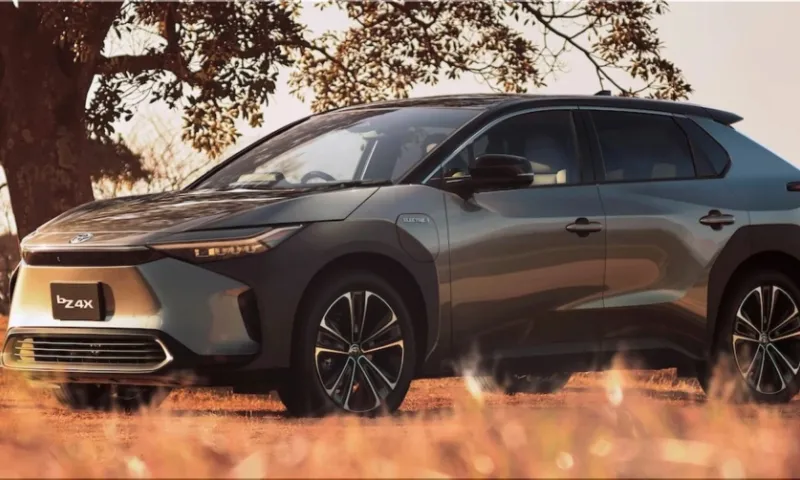
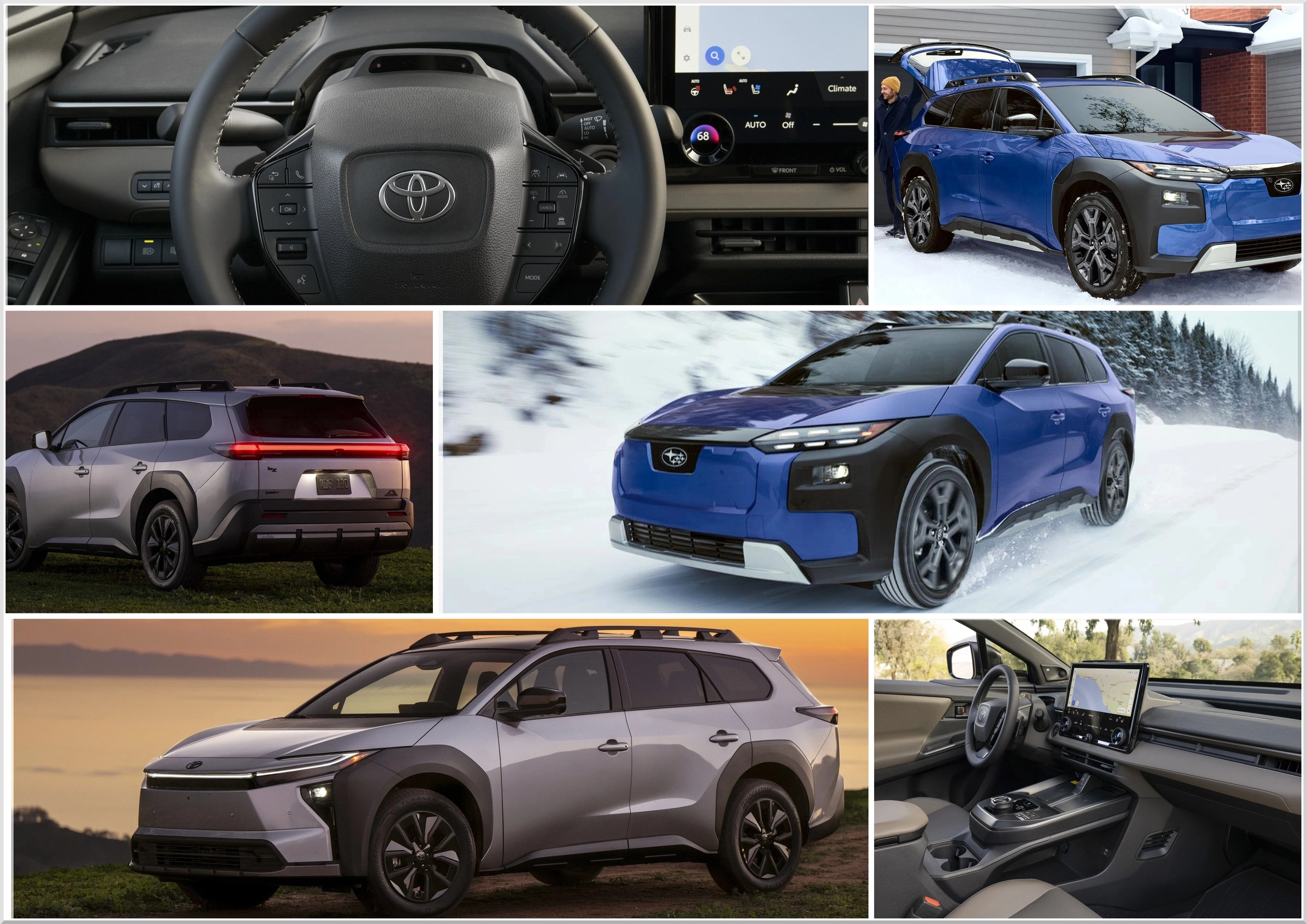
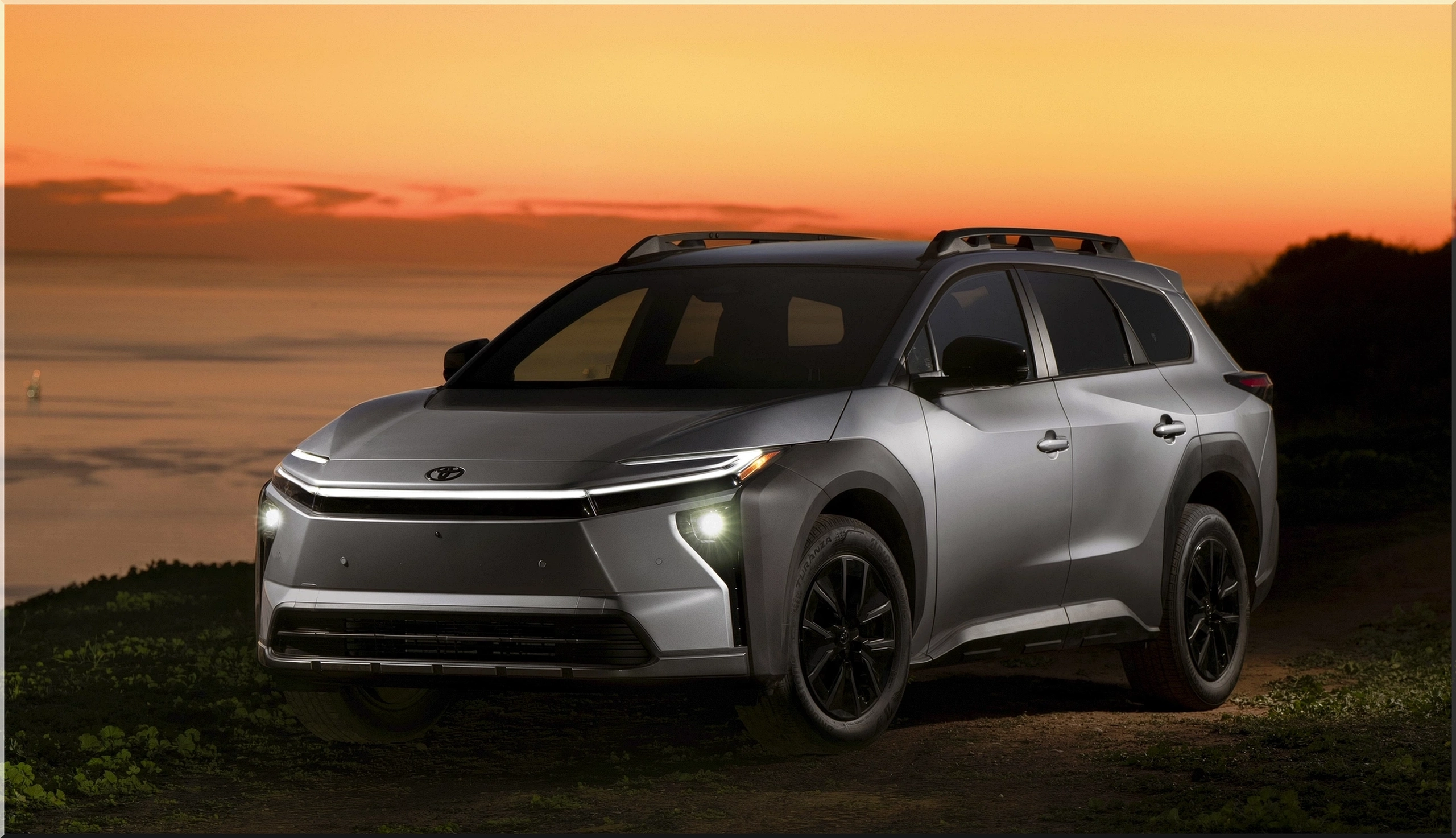
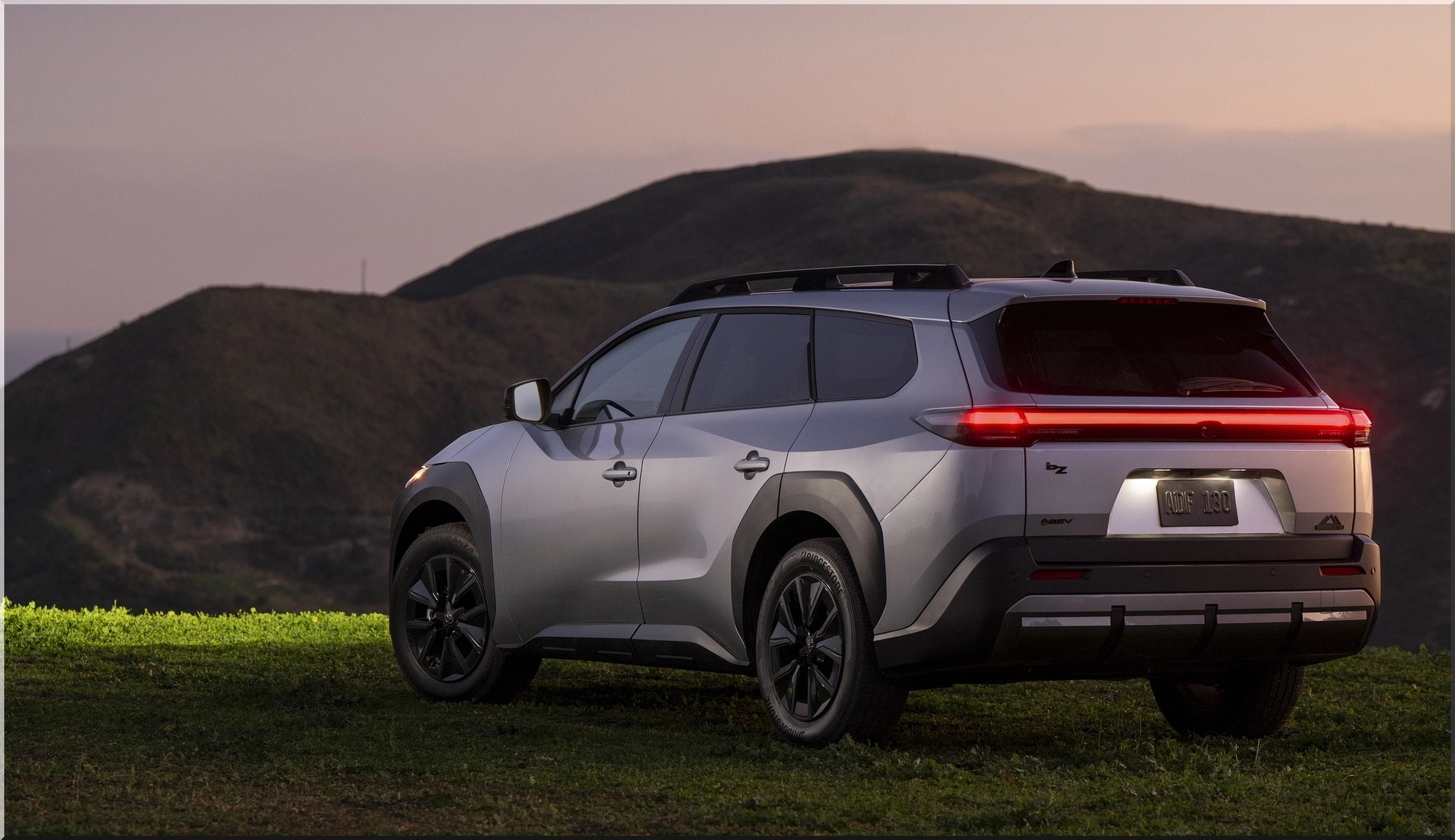
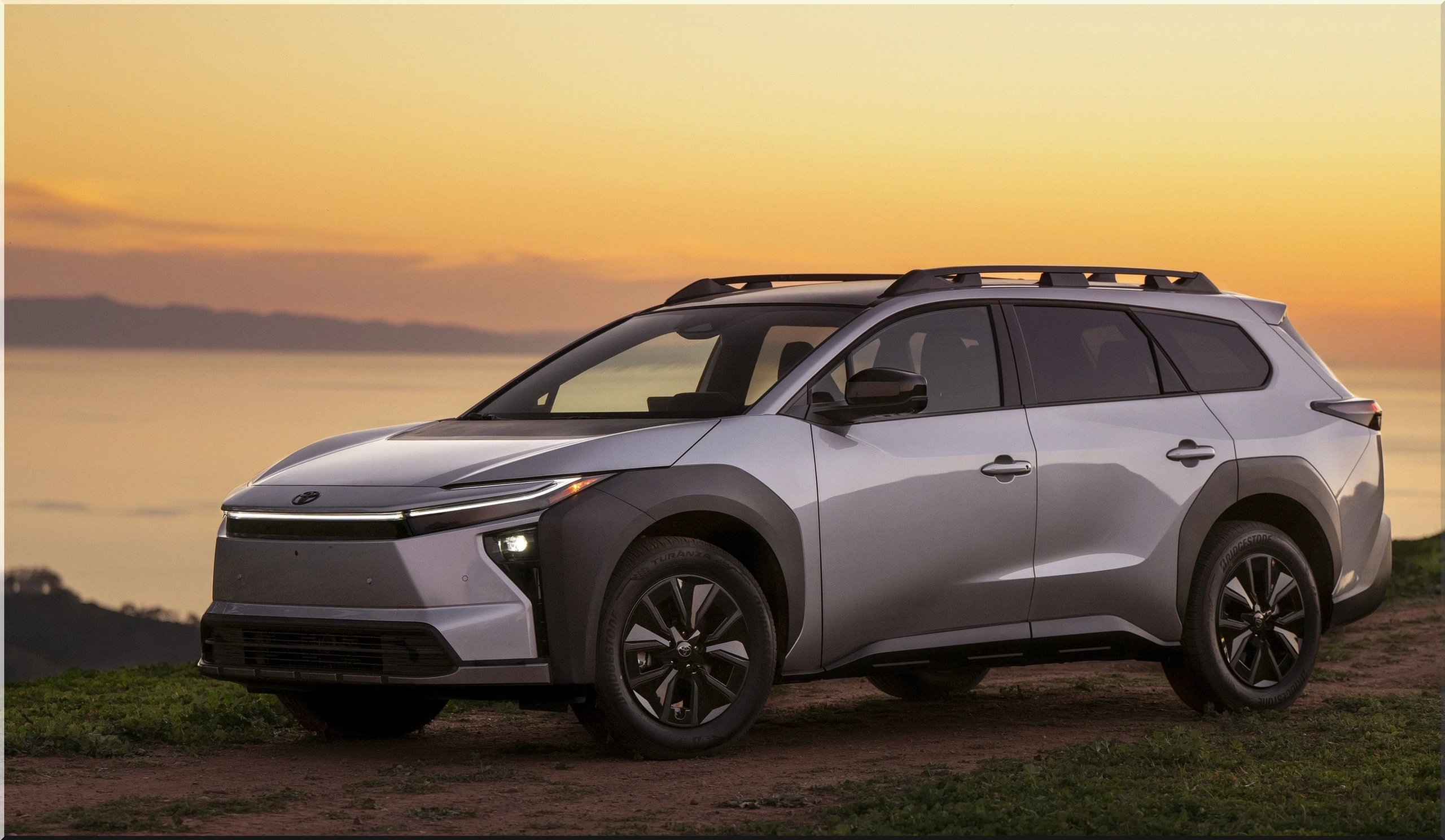
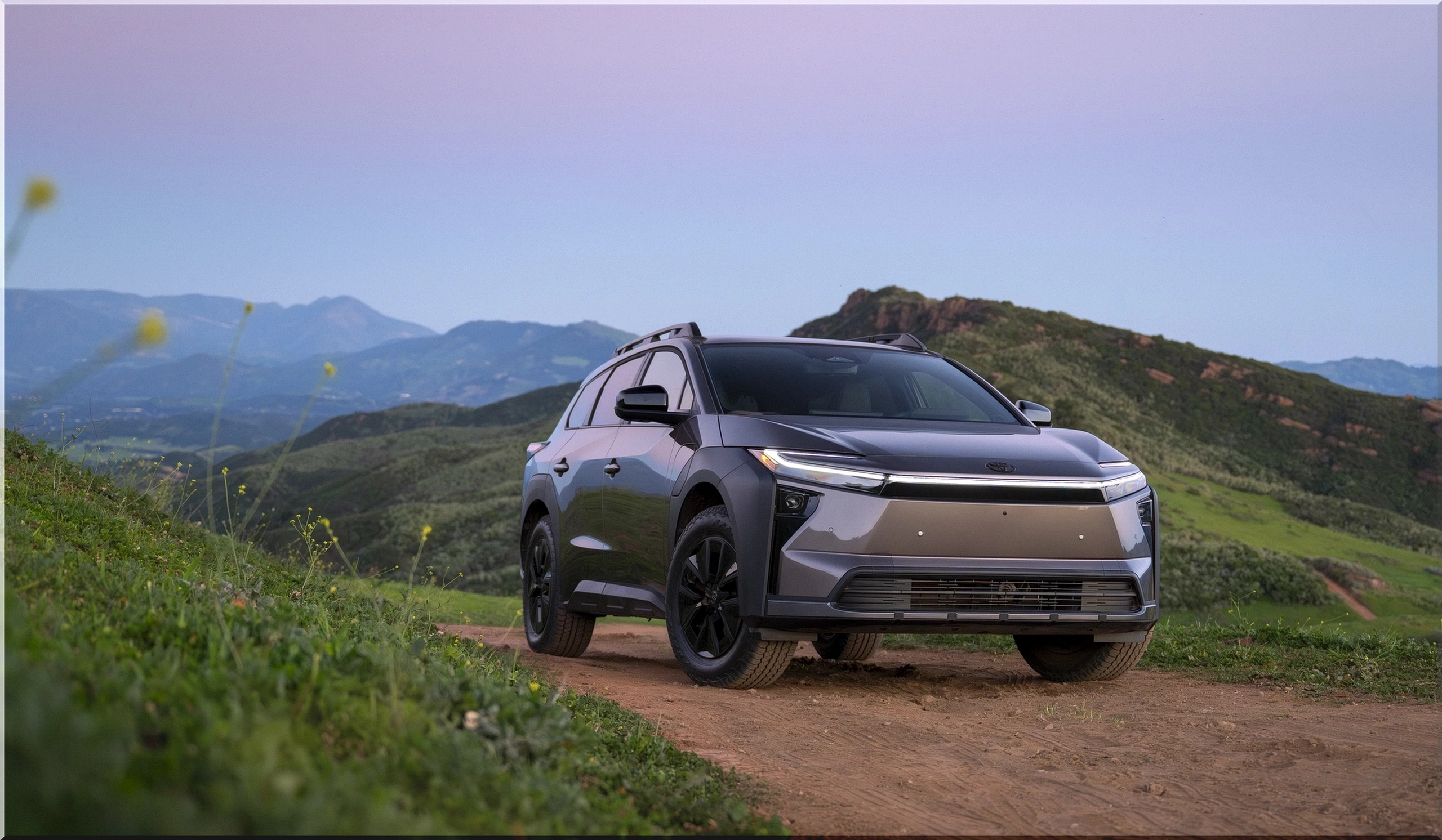
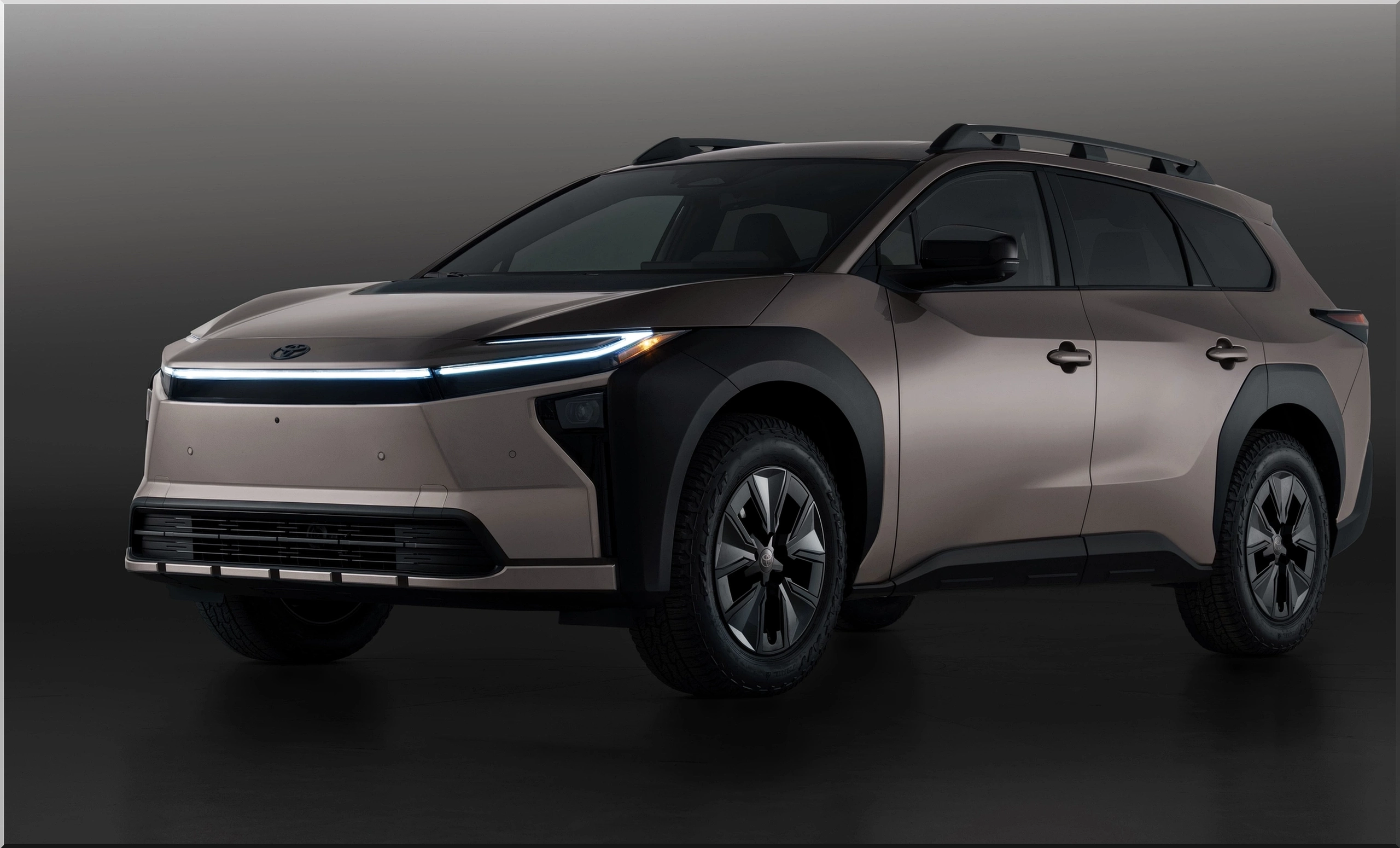
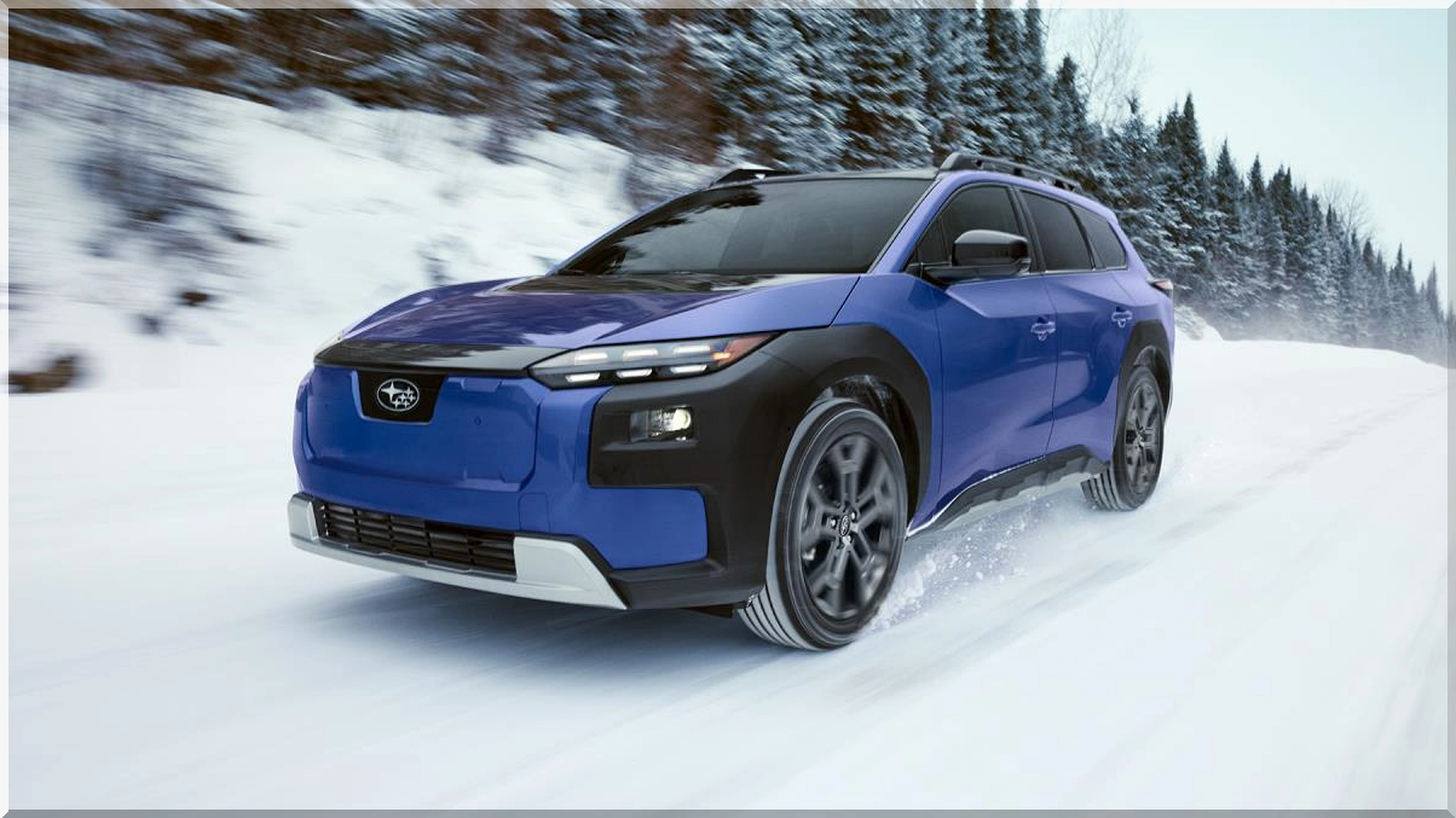
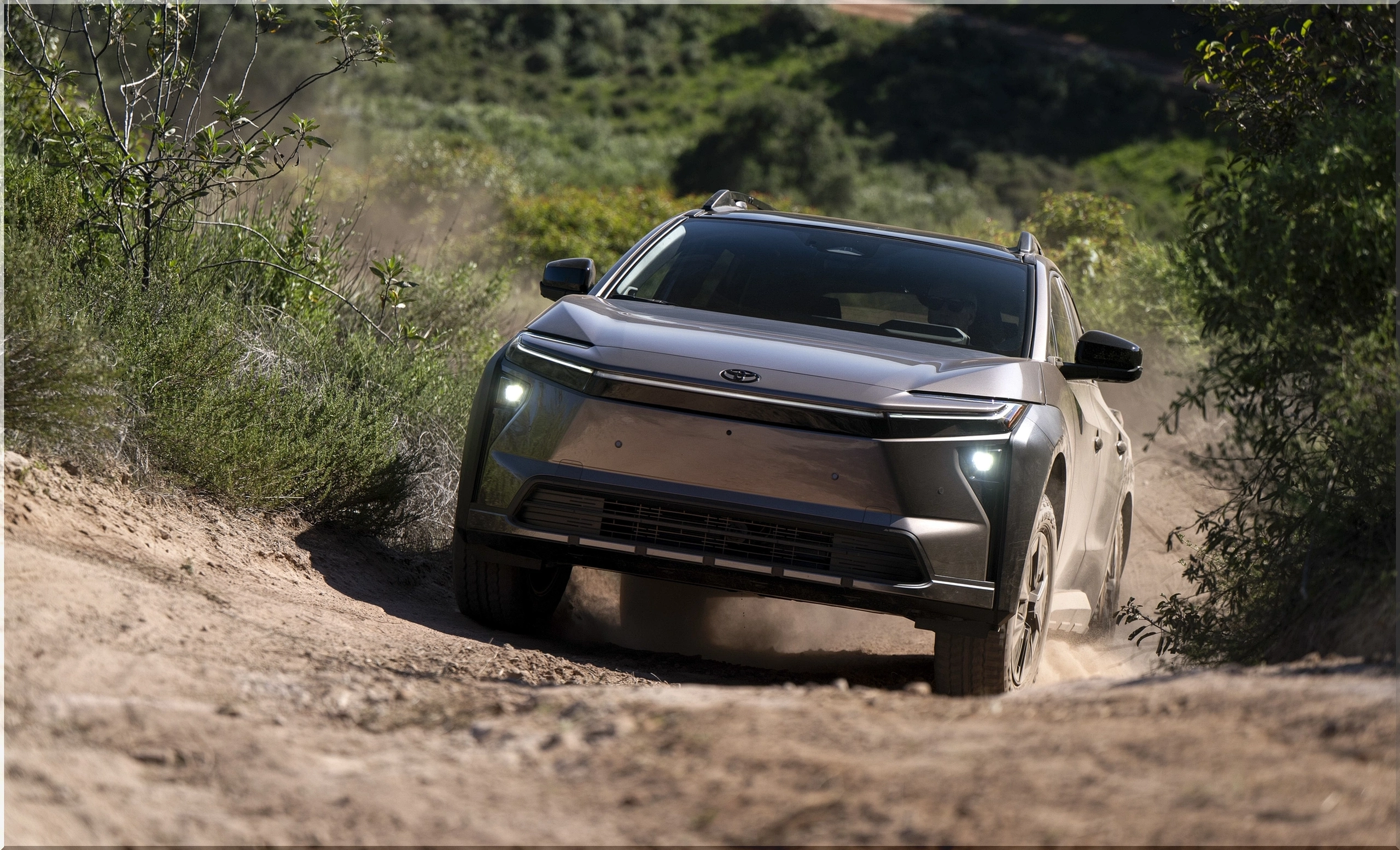
The electric adventure-vehicle segment gains two serious contenders for 2027. Toyota's bZ Woodland transforms the bZ4X platform with trail-specific hardware. Subaru's Trailseeker replaces the internal-combustion Outback's role with a dedicated electric architecture and genuine rough-road credentials. Both pack dual-motor all-wheel drive, an elevated stance, and enough tech to simplify remote trailhead access.
Yet, a close look at the numbers reveals very different philosophies about what an electric off-road SUV must deliver. This analysis unpacks every ground-clearance millimeter, torque figure, and cubic foot of cargo space to determine which one best converts kilowatt-hours into backcountry confidence.
Electric Powertrains: Dual-Motor AWD Mechanics
Both vehicles use a front-and-rear electric motor layout to send power to all four wheels without a mechanical driveshaft. That fundamental similarity hides meaningful hardware and software differences.
Toyota's X-MODE and Multi-Terrain Select
The 2027 bZ Woodland carries over the bZ4X's dual-motor AWD system. A 107-horsepower motor sits on each axle, producing a combined 214 horsepower and 248 pound-feet of torque. Toyota routes that output through an open differential at each end and leans on brake-based torque vectoring to quell wheelspin. The system selects Snow/Dirt or Deep Snow/Mud modes via X-MODE.
Multi-Terrain Select then adjusts throttle mapping and brake intervention across five surface settings, giving the driver granular control over crawl behavior on loose gravel, sand, or rock. This software-driven approach helps compensate for the absence of a mechanical locking differential. The accelerator pedal responds with a deadband at the top of travel in crawl situations, letting you meter thrust precisely on steep, low-traction climbs.
Subaru's Symmetrical AWD and Dual-Function X-MODE
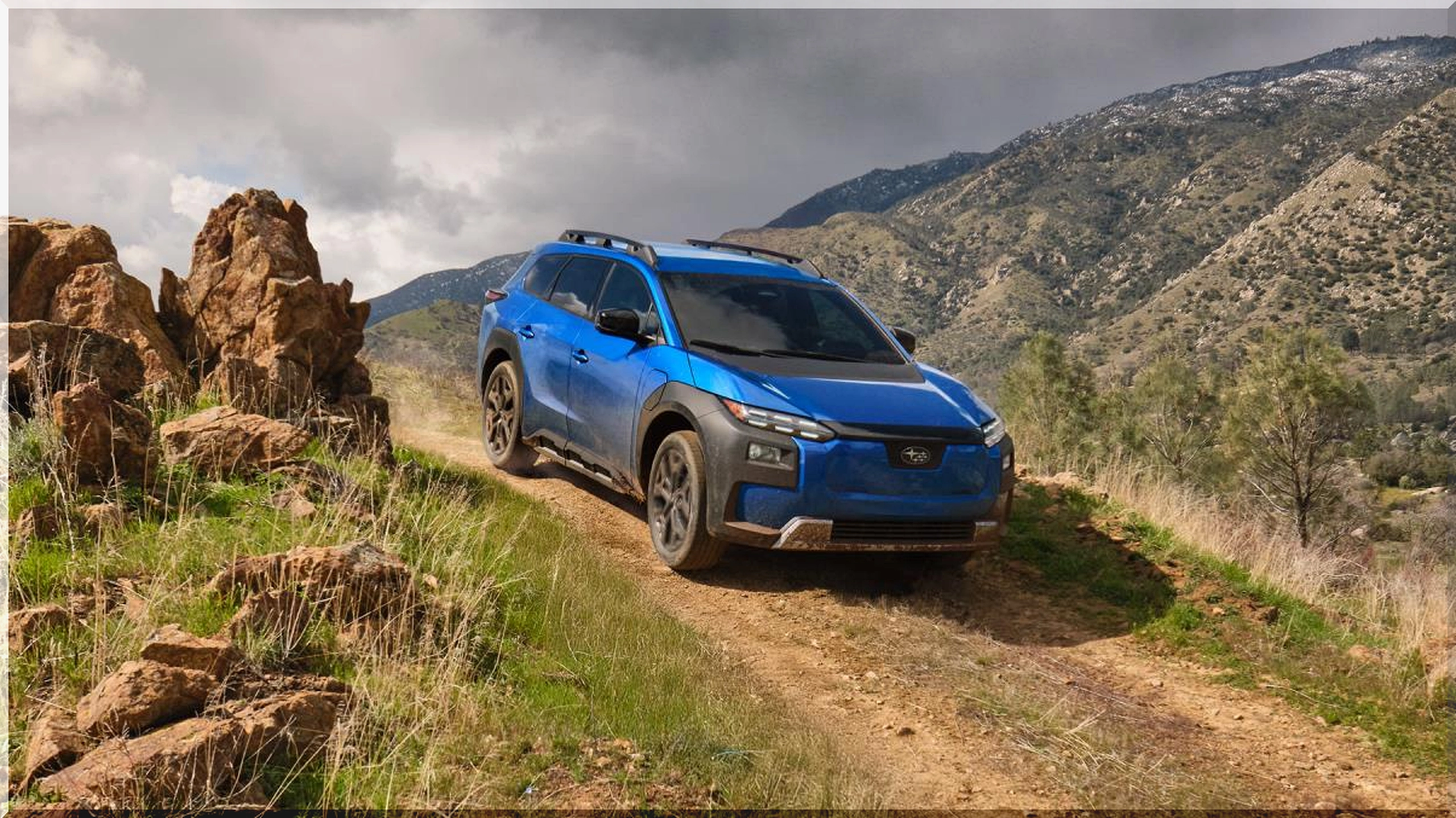
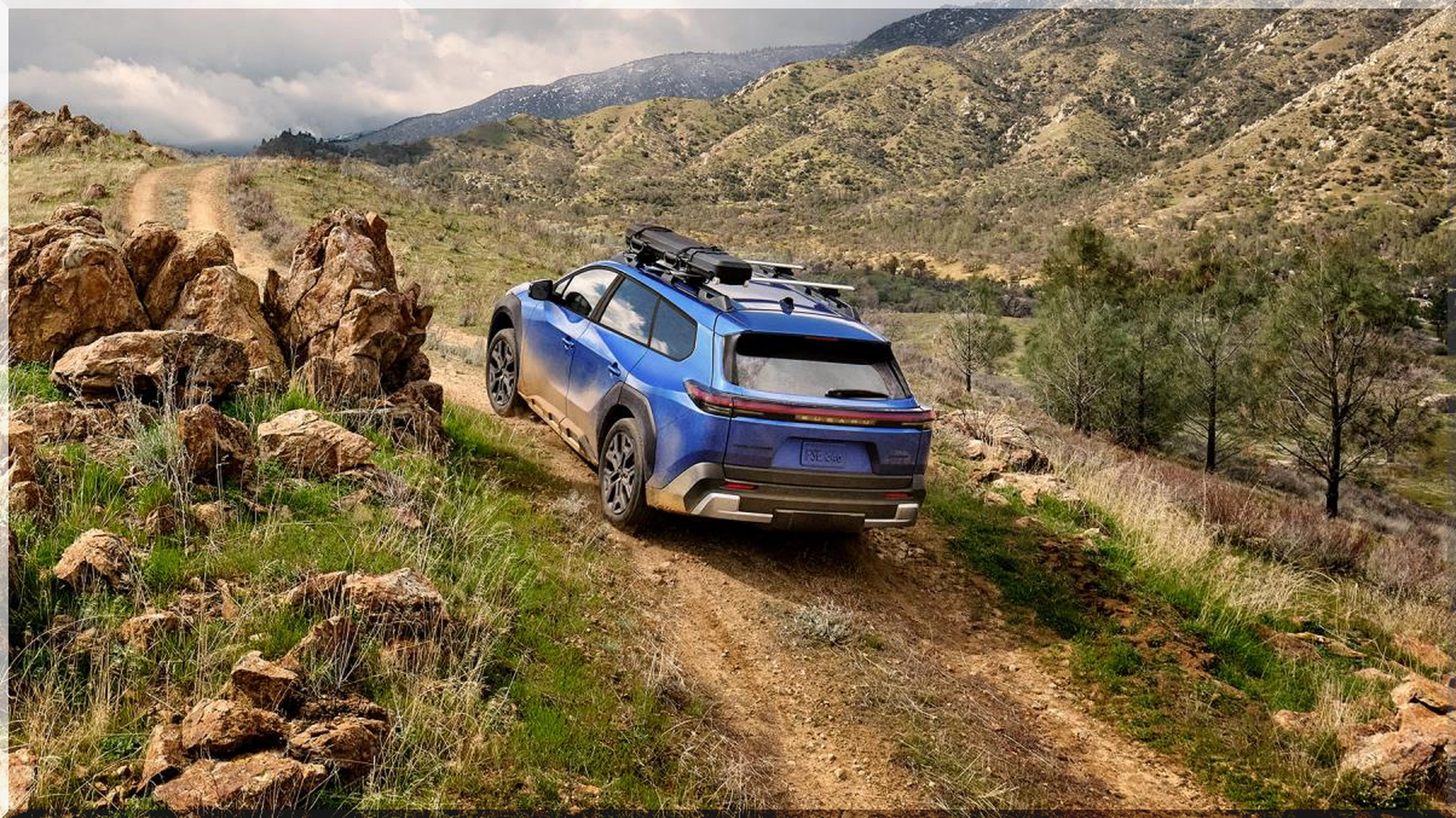
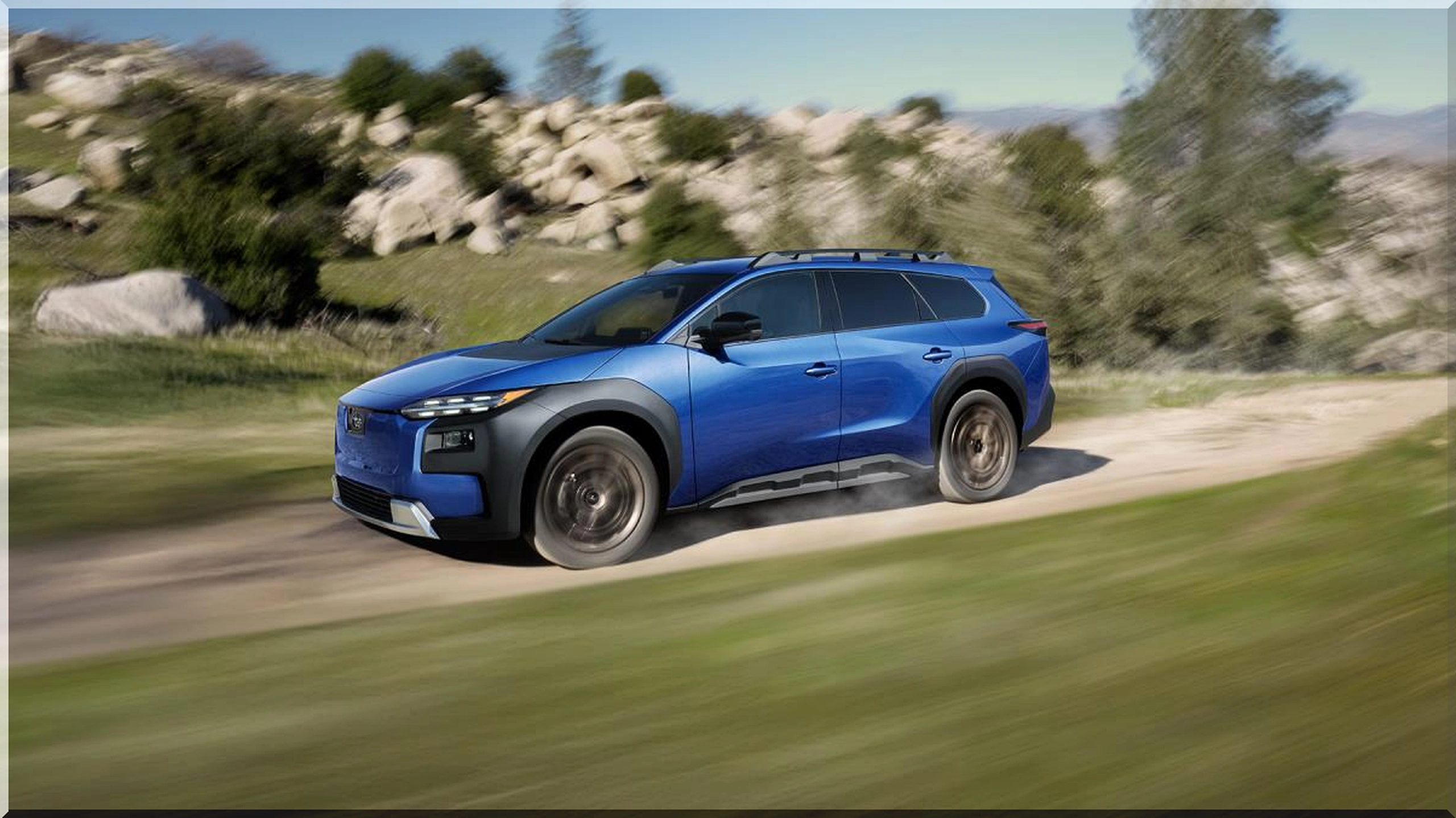
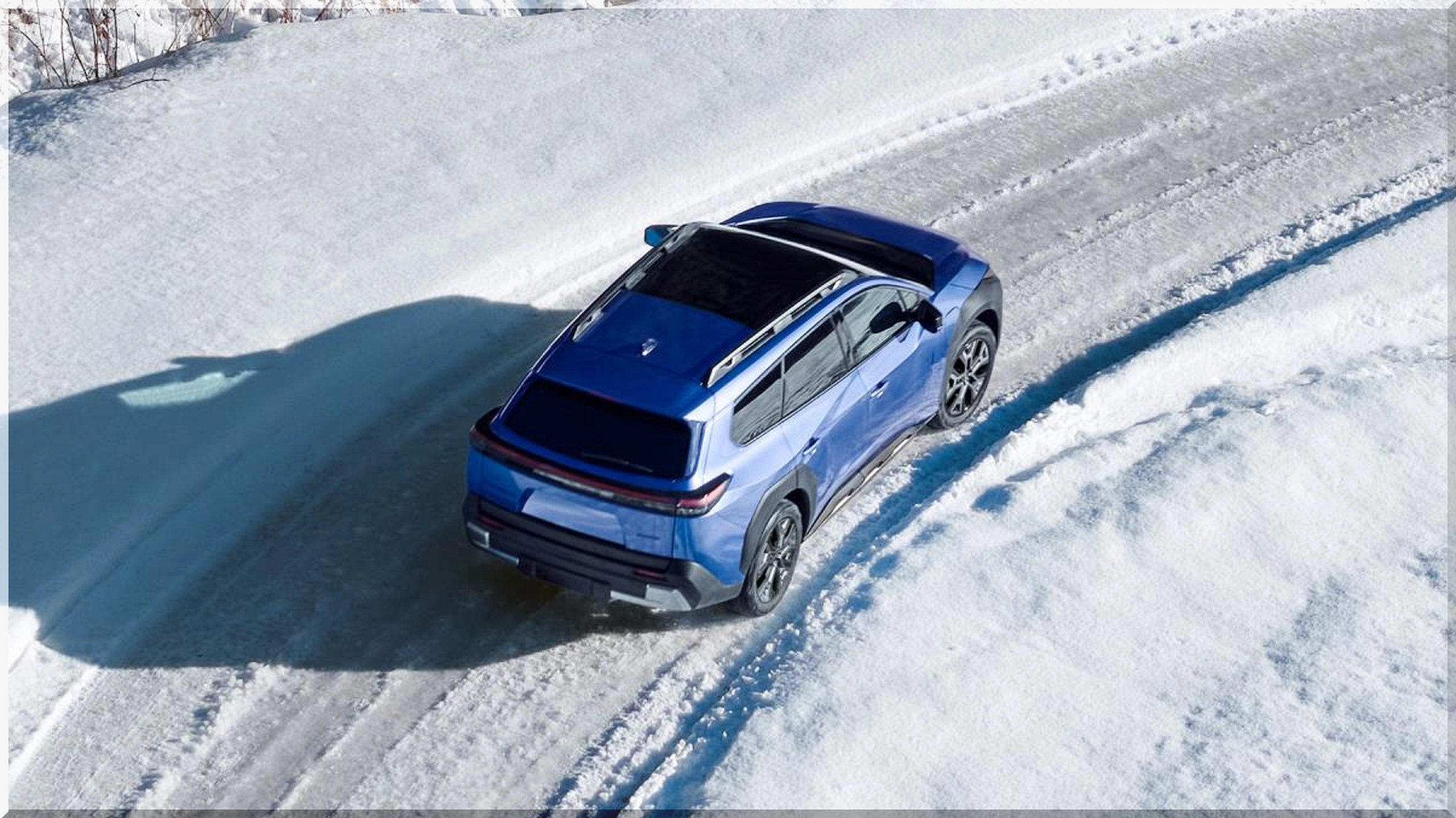
Subaru fits the Trailseeker with a more potent pair of motors. A 124-kilowatt unit powers each axle, delivering a combined 249 horsepower and 249 pound-feet of torque. The symmetrical layout equalizes half-shaft angles front and rear, reducing torque steer under hard acceleration on loose surfaces.
Subaru's X-MODE offers two distinct calibrations: one for snow and dirt, and a deeper setting for deep snow and mud that holds simulated "gears" longer during hill descents. The system actively brakes a spinning wheel and commands increased torque to the opposite side, mimicking a limited-slip effect without a clutch pack. In testing on rutted fire roads, the Trailseeker's mapping diverts torque more aggressively than the Toyota's, limiting the delay before the grabbing wheel receives meaningful drive.
Off-Road Numbers: Clearance, Angles, and Suspension Travel
Geometry often matters more than motor count once pavement ends. Here, the two EVs diverge enough to steer purchase decisions.
| Off-Road Specification | 2027 Toyota bZ Woodland | 2027 Subaru Trailseeker |
|---|---|---|
| Minimum Ground Clearance | 8.3 in (211 mm) | 8.7 in (221 mm) |
| Approach Angle | 18.5 degrees | 20.0 degrees |
| Breakover Angle | 16.0 degrees | 18.0 degrees |
| Departure Angle | 25.5 degrees | 30.0 degrees |
| Wheelbase | 112.2 in (2,850 mm) | 108.1 in (2,745 mm) |
| Front/Rear Track Width | 63.2 / 63.2 in | 63.4 / 63.6 in |
| Front Suspension Travel (est.) | 6.7 in | 7.5 in |
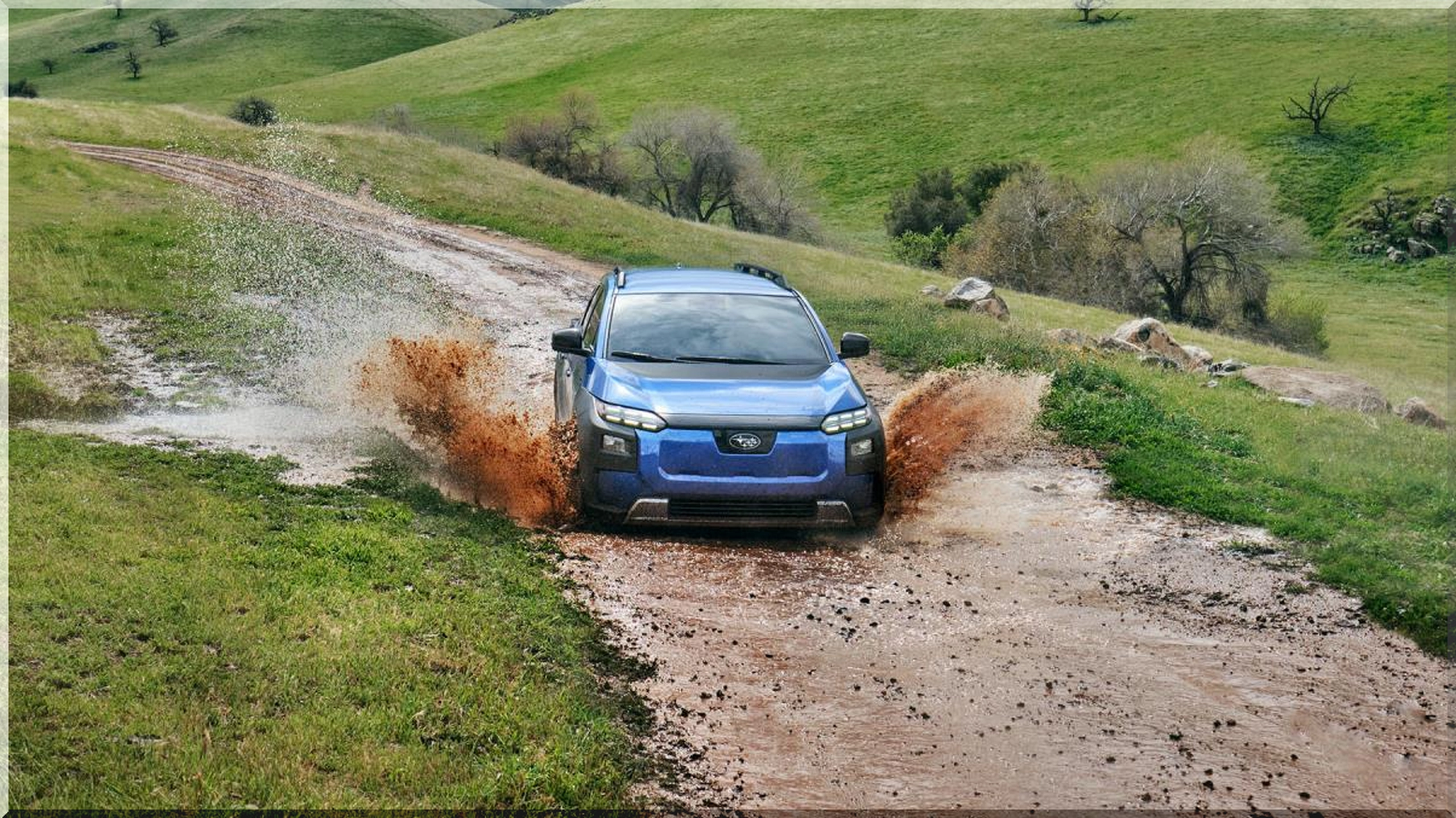
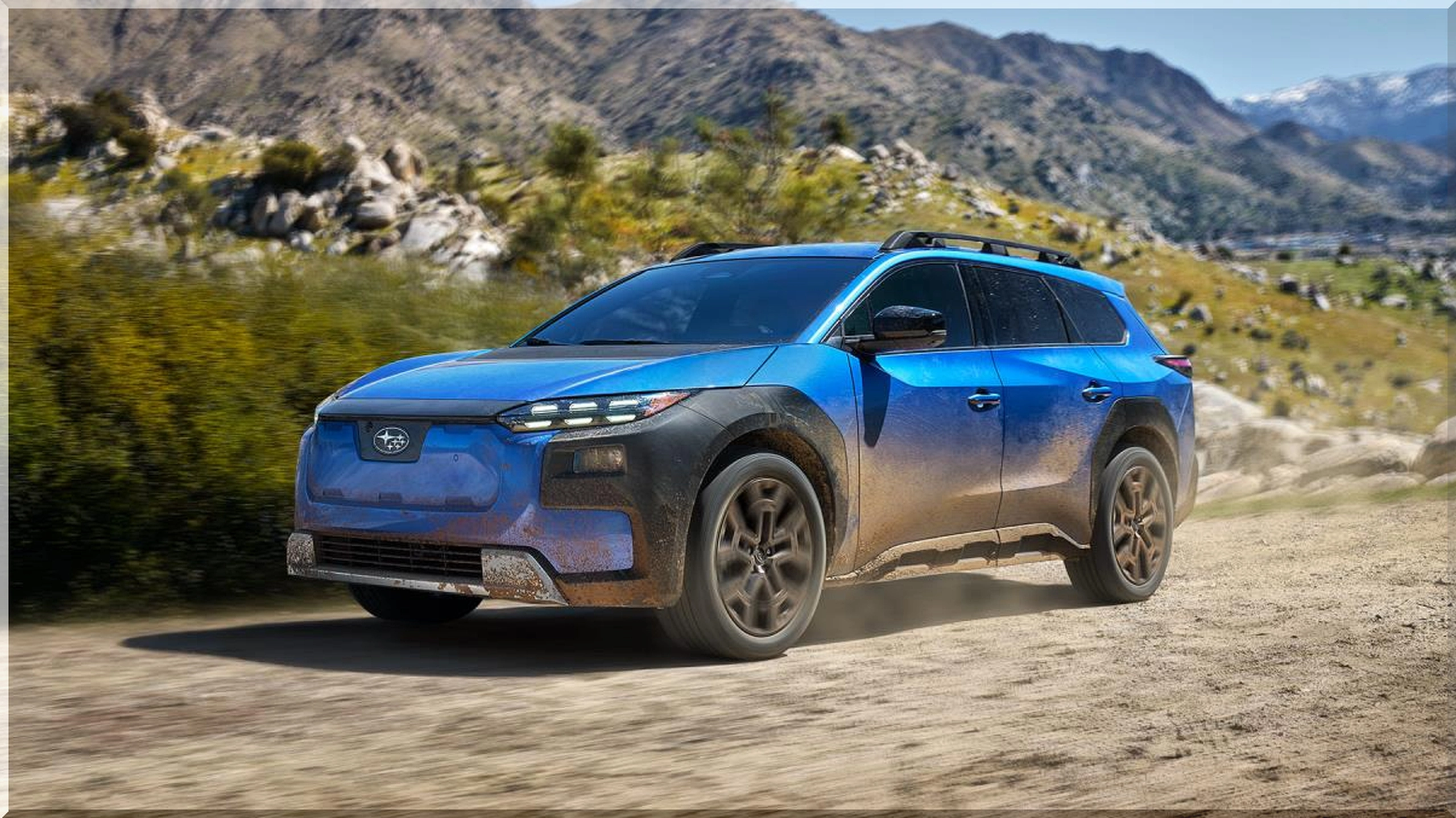
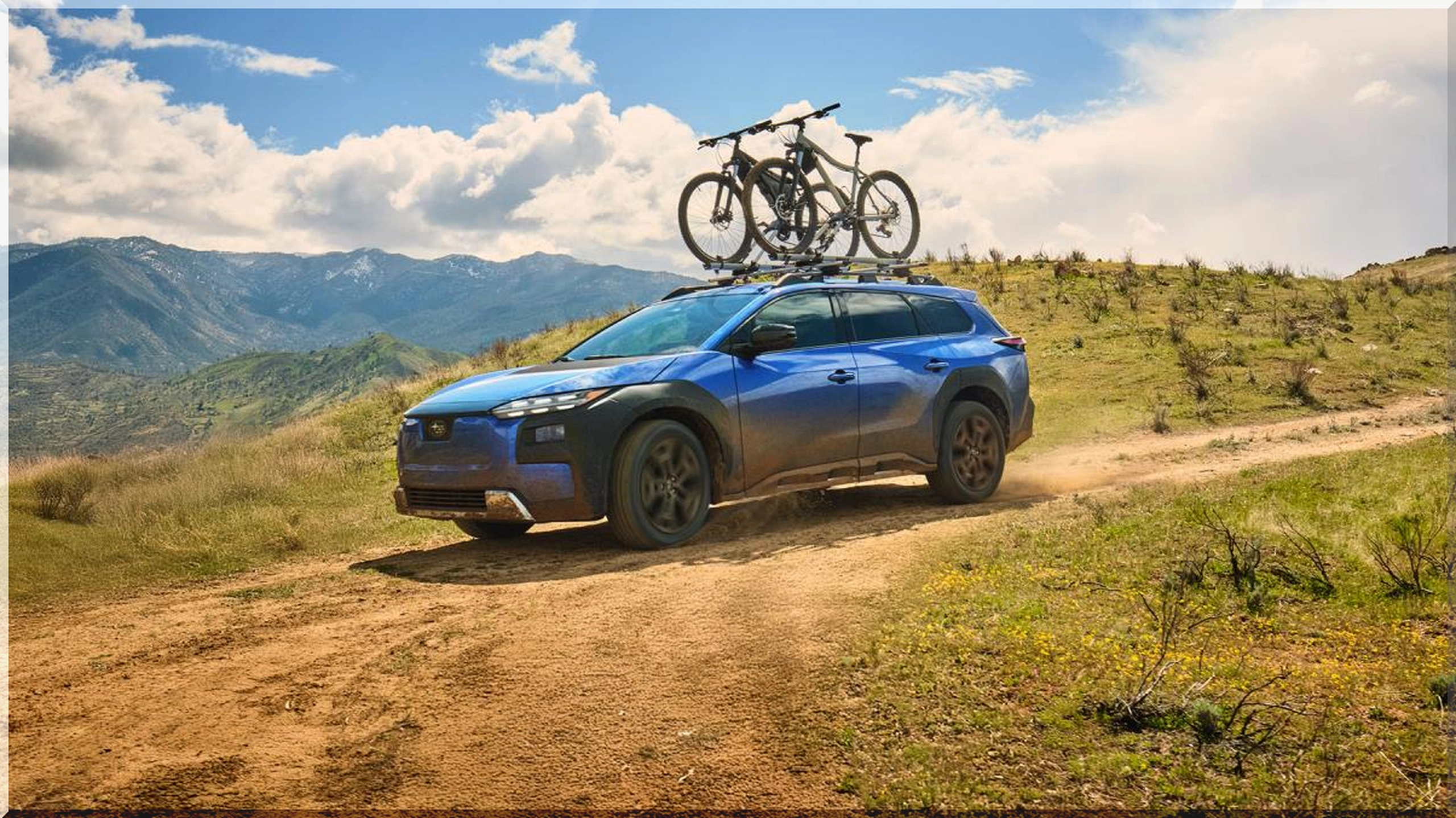
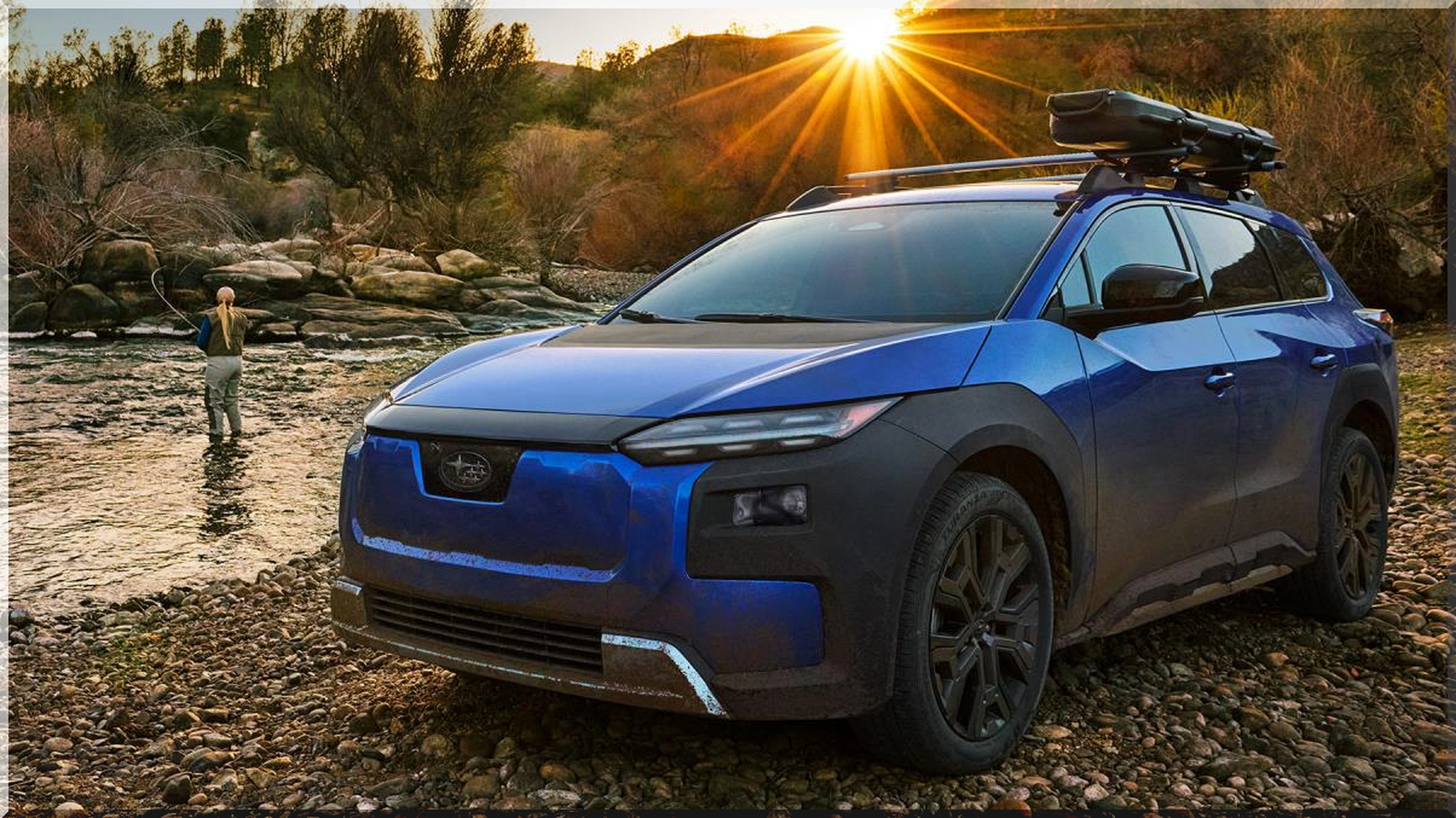
Toyota raised the bZ Woodland's ride height by 0.8 inch over the standard bZ4X and installed revised coil springs that increase rebound travel. The 8.3-inch clearance clears most washboard roads but demands careful line choice on crowned two-track. Subaru's 8.7-inch clearance, combined with a shorter wheelbase, yields a tighter turning circle and better breakover clearance. The Trailseeker's 30-degree departure angle-4.5 degrees steeper than the Toyota's-lets you drop off ledges without dragging the rear bumper. Shorter rear overhangs and a tucked muffler-less underbody give the Subaru a real advantage exiting steep creek crossings.
Pro-Tip: If your typical route includes rocky step-ups where departure angle is the limiting factor, the Subaru's 30-degree figure saves the rear fascia. The Toyota works better on loose, flat gravel expanses where Multi-Terrain Select fine-tunes wheel slip.
Battery and Range: Real-World Adventure Radius
Usable Energy and EPA Estimates
Both vehicles use a liquid-cooled lithium-ion pack with a nameplate capacity of 72.8 kWh. The 2027 Toyota bZ Woodland carries an EPA-rated range of 222 miles on its standard 18-inch all-terrain tires. Aero-blocking roof rails and the slight lift trim about 10 miles off the bZ4X AWD Limited figure. Subaru's more efficient inverter tuning and a 0.27 drag coefficient help the Trailseeker achieve 228 miles of EPA range despite wearing similarly knobby Yokohama Geolandar A/T rubber.
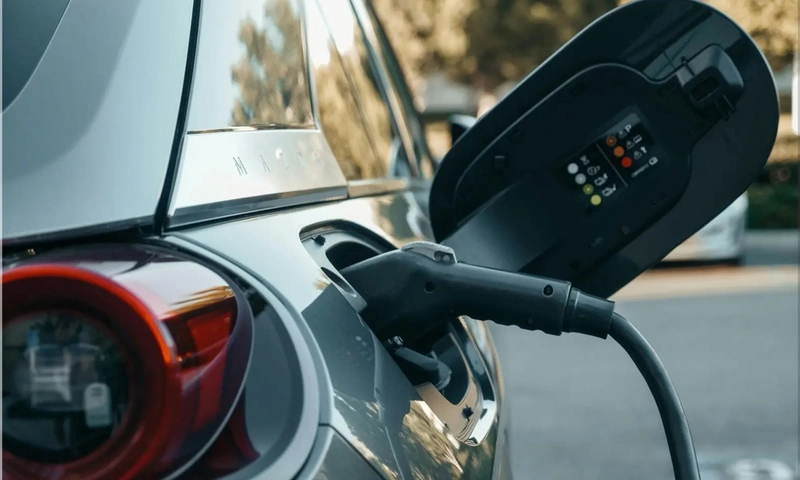
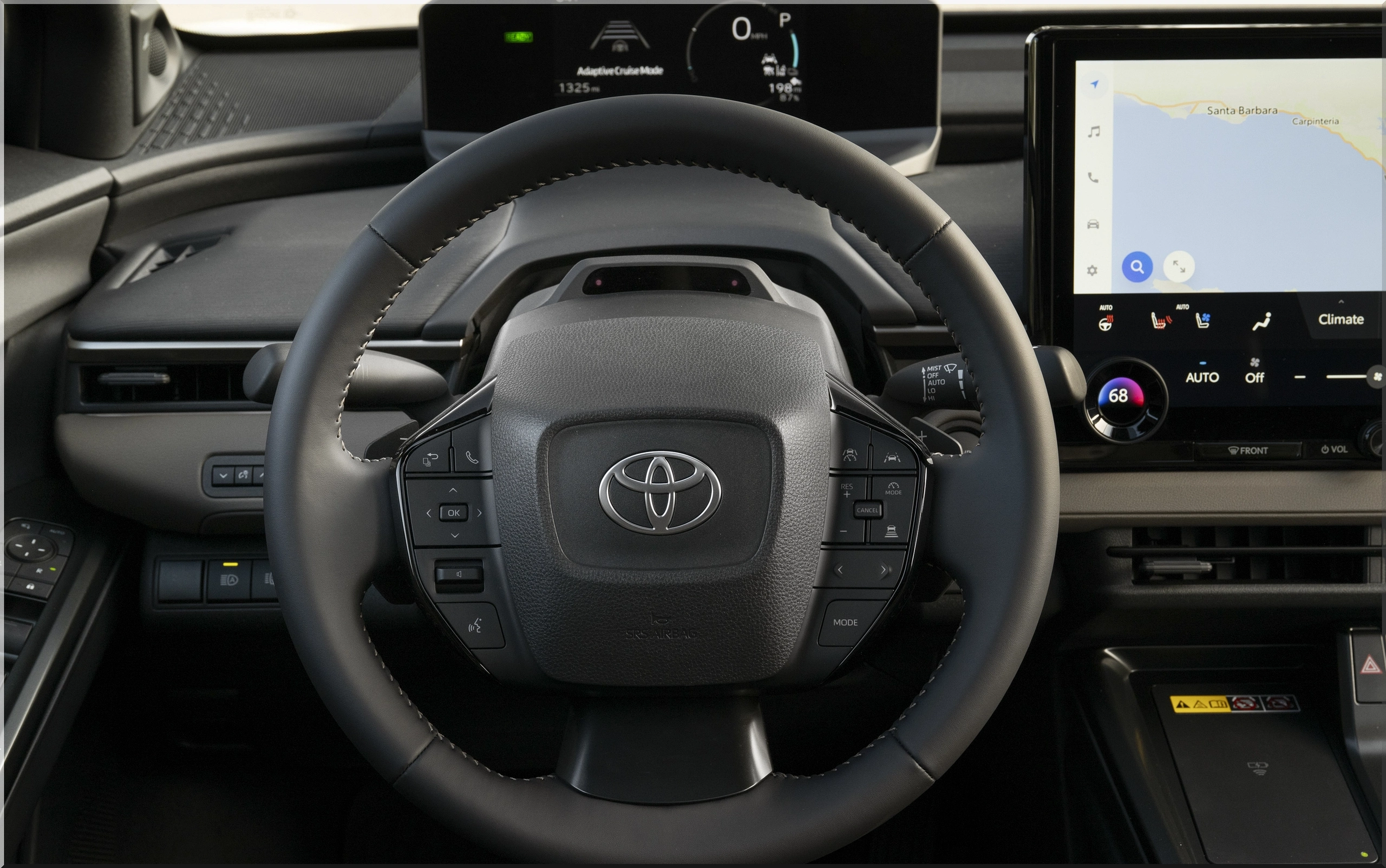
Cold weather exacts a toll on both packs. Toyota fits a heat pump and a battery heater that conditions the pack when a DC fast charger is set as a navigation destination. Subaru adds a dedicated battery-preconditioning button on the steering wheel, allowing manual activation 15 minutes before plugging in. In 20-degree Fahrenheit ambient testing, the Subaru held a slightly higher charge acceptance rate during the first 10 minutes of a fast-charge session.
Charging Speed and Infrastructure
| Charging Spec | 2027 Toyota bZ Woodland | 2027 Subaru Trailseeker |
|---|---|---|
| Peak DC Fast-Charge Power | 150 kW | 150 kW |
| 10-80% Charge Time (claimed) | 30 minutes | 30 minutes |
| Onboard AC Charger | 6.6 kW | 11 kW |
| 240V Full Charge Time | ~11 hours | ~7 hours |
| Complimentary Charging | 1 year EVgo | None (discounted EA plan) |
The 11-kilowatt onboard charger in the Subaru halves Level 2 charge time compared to the Toyota's 6.6-kilowatt unit, a meaningful advantage for overnight top-offs at a 240-volt outlet. Both EVs cap fast-charge speed at 150 kilowatts, but the Toyota's charge curve tapers earlier once the pack crosses 60 percent state-of-charge. Consequently, a 10-to-80 percent session in the bZ Woodland occasionally runs 32 minutes in real-world conditions, while the Trailseeker completes the same window in 29 minutes.
Interior Packaging and Cargo for Overlanding
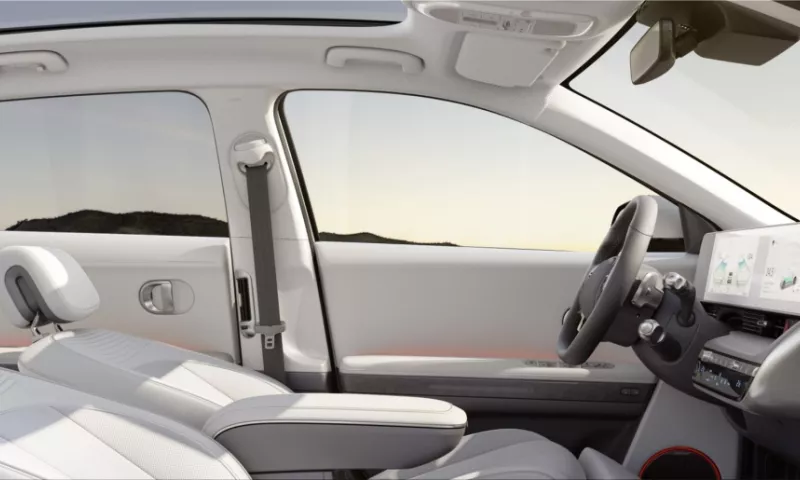
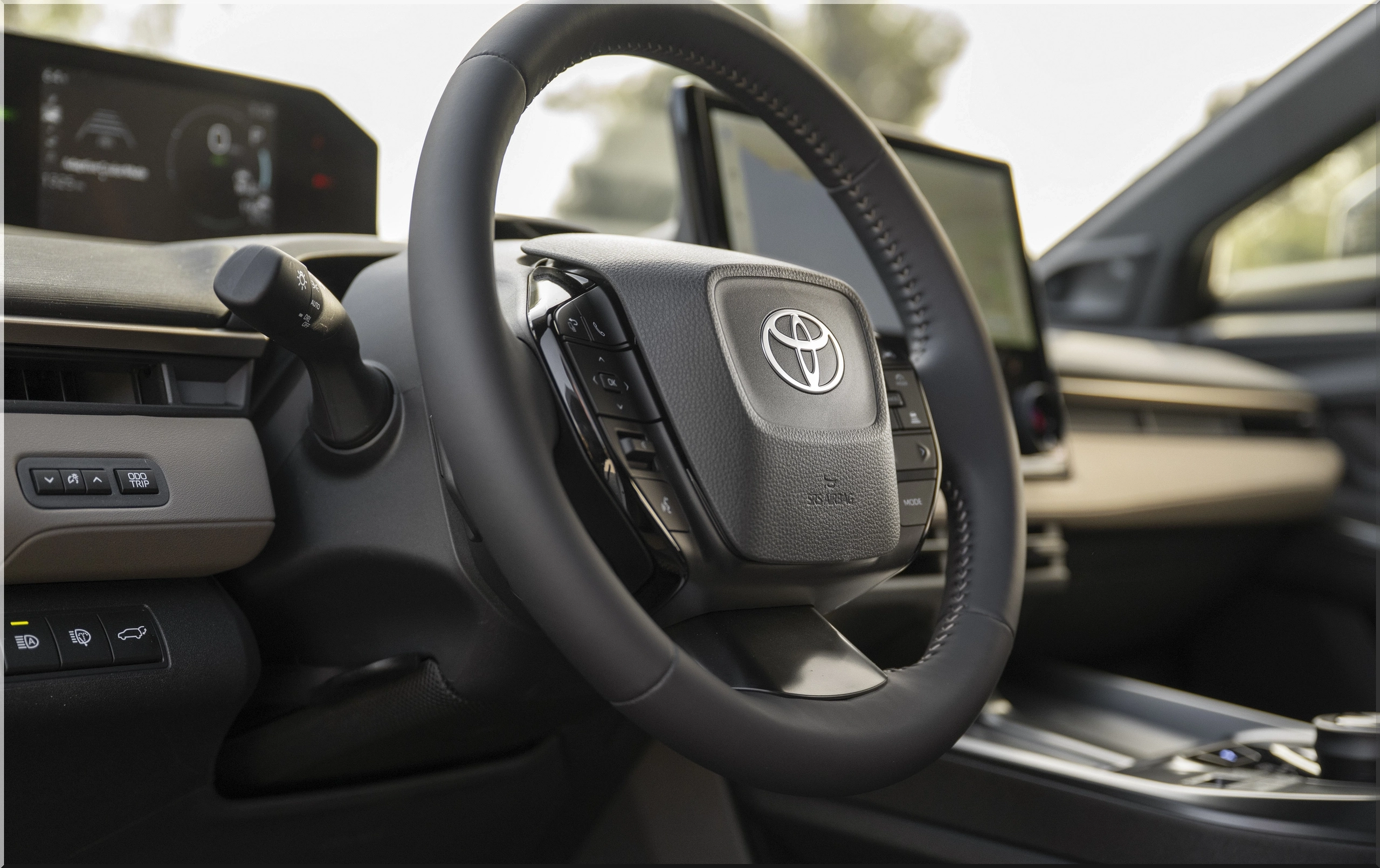
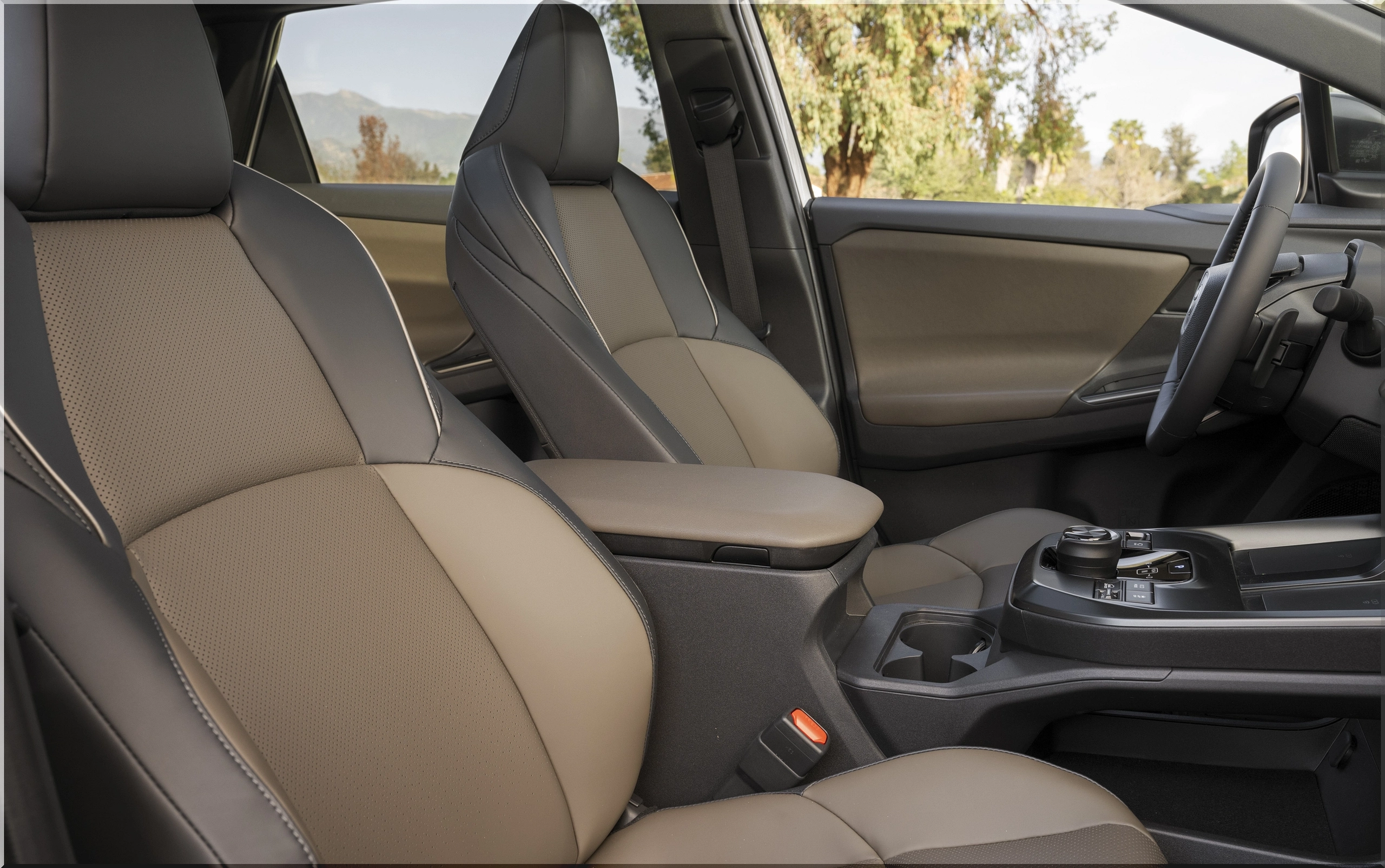
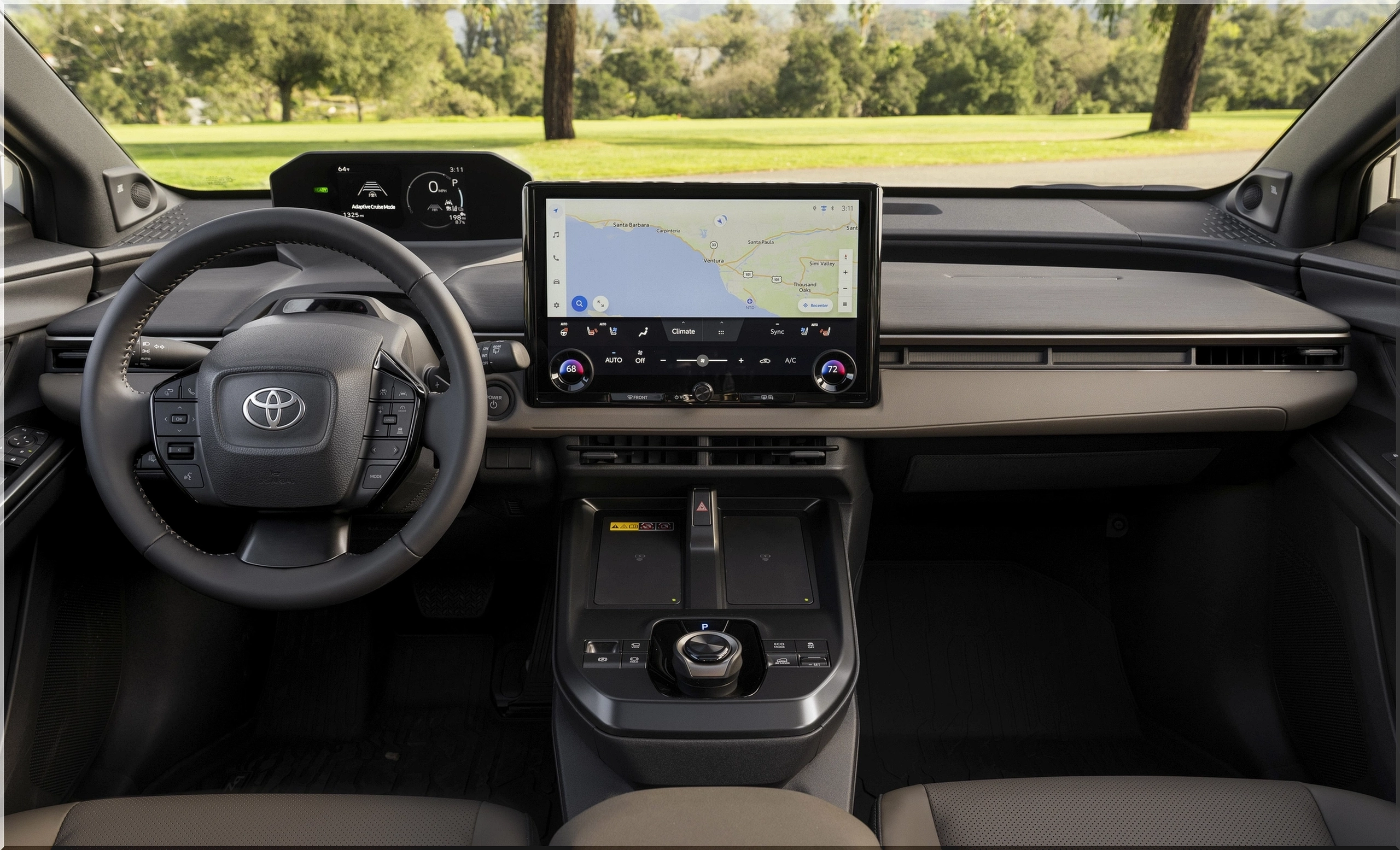
Both cabins use a high-set seating position and physical climate controls-a welcome departure from screen-only interfaces. Material quality tracks close to $45,000 expectations, with soft-touch dash plastics and water-resistant seat fabric on the Woodland's SofTex-trimmed seats and the Trailseeker's StarTex upholstery.
| Interior & Cargo Dimension | 2027 Toyota bZ Woodland | 2027 Subaru Trailseeker |
|---|---|---|
| Cargo Volume Behind Rear Seats | 27.7 cu ft | 32.5 cu ft |
| Cargo Volume, Seats Folded | 56.1 cu ft | 65.4 cu ft |
| Rear Legroom | 35.3 in | 37.8 in |
| Maximum Cargo Length (rear seats folded) | 67.3 in | 73.0 in |
| Standard Roof Rail Capacity (dynamic) | 176 lb | 220 lb |
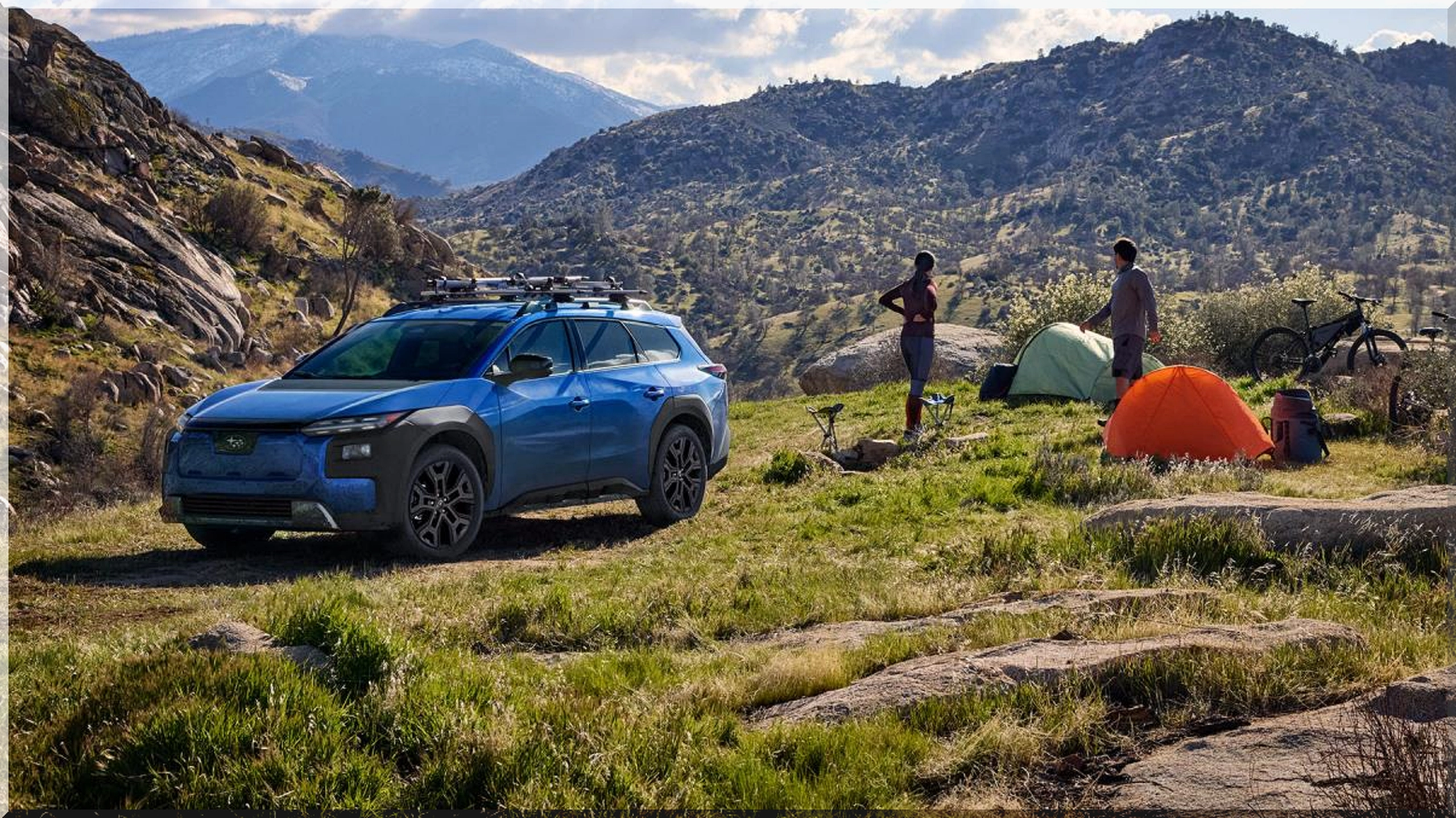
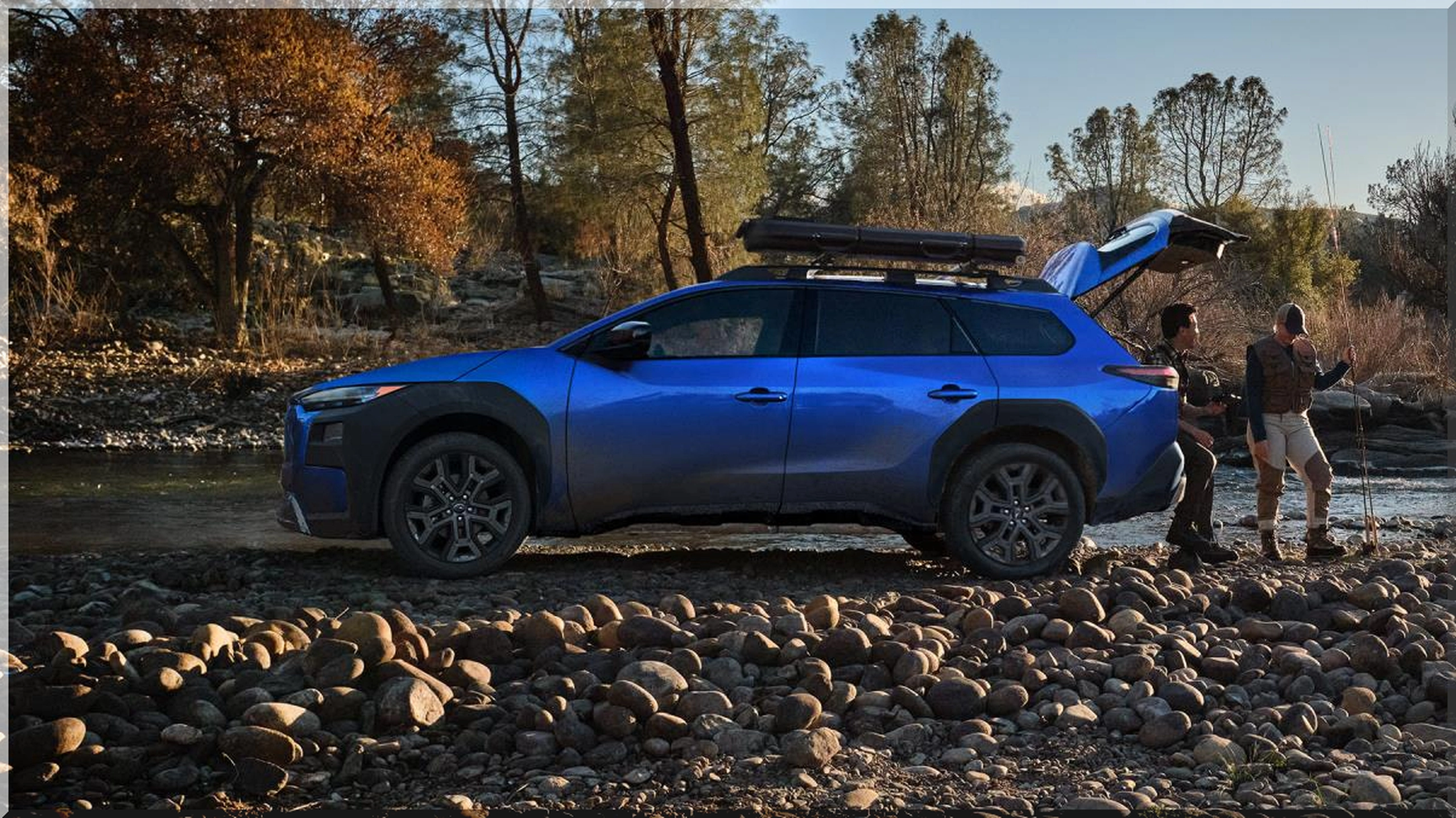
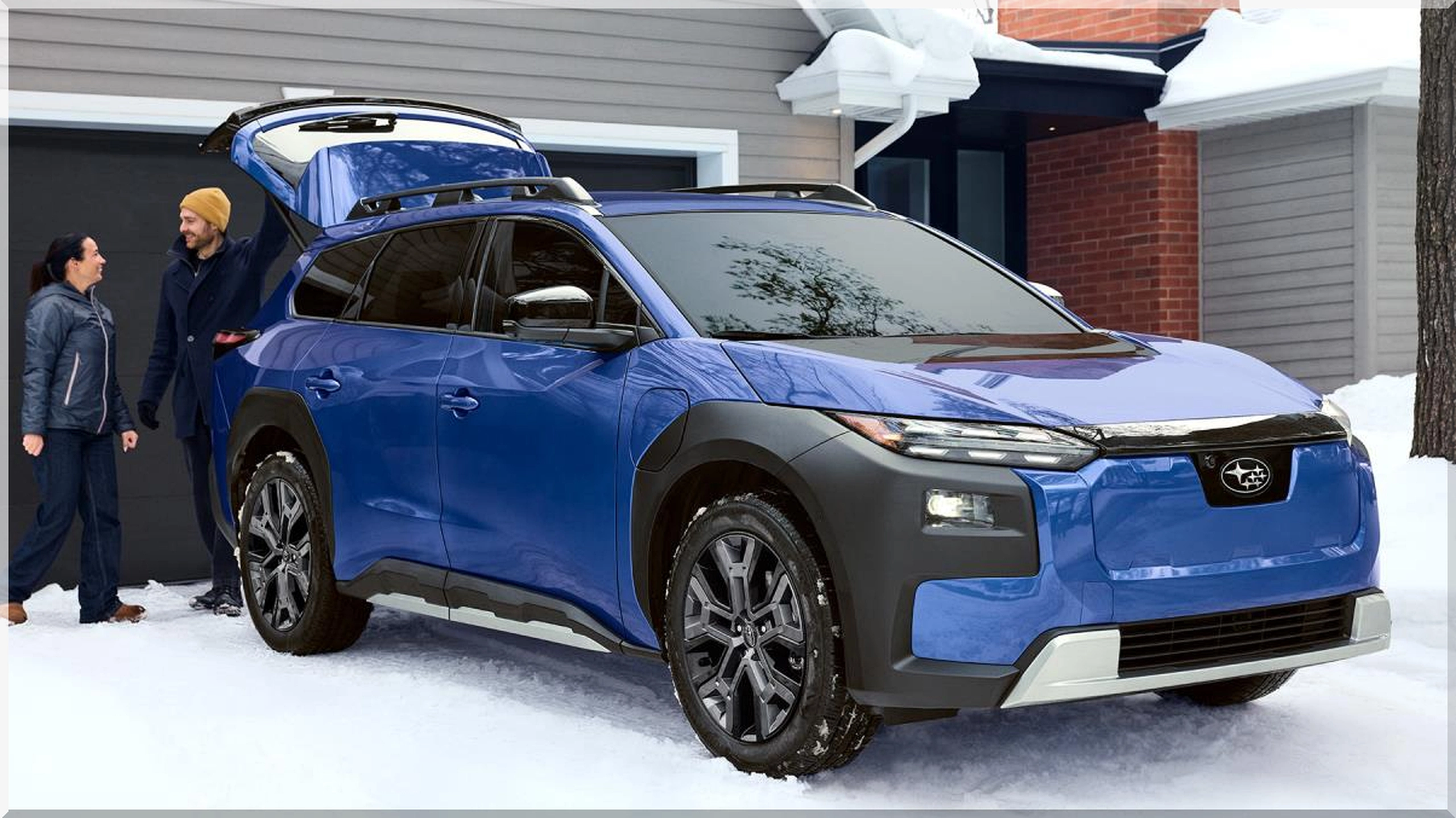
Subaru engineers carved out an extra 4.8 cubic feet of cargo space behind the second row by moving the rear seat H-point forward slightly and lowering the load floor. That yields enough length to stow a 72-inch fly-rod tube diagonally without folding seats. The integrated roof rails on the Trailseeker support 220 pounds of dynamic load-enough for a rooftop tent and two people-versus 176 pounds on the Toyota. The bZ Woodland counters with a flat-folding front passenger seat that enables carrying 8-foot lumber inside the cabin, a trick the Subaru cannot replicate.
Towing and Payload: The Electric Hauling Gap
Towing capacity surfaces as a decisive differentiator. The 2027 Toyota bZ Woodland earns a 1,500-pound tow rating, suitable for a lightweight utility trailer or a pair of dirt bikes. Subaru rates the Trailseeker at 3,500 pounds, matching the capability of the gas Outback XT. The higher rating stems from a reinforced rear subframe, an integrated trailer-brake controller, and additional cooling capacity for the inverter and battery during sustained high-load operation. Trailer Sway Control uses the stability control system to selectively brake individual wheels if yaw sensors detect oscillation. For buyers who tow a small camper or a snowmobile trailer to a remote trailhead, the Subaru erases the burden of a second tow vehicle.
Pro-Tip: When towing near the 3,500-pound limit, expect range to drop by roughly 50 percent. Plan charging stops at intervals no greater than 100 miles, and target DC chargers with pull-through bays to avoid unhitching.
Pricing and Value Equation
Both manufacturers position these electric adventure wagons near the $45,000 mark, but standard equipment and destination charges shift the value calculation.
| Pricing Component | 2027 Toyota bZ Woodland | 2027 Subaru Trailseeker |
|---|---|---|
| Base MSRP | $45,000 | $44,995 |
| Destination | $1,350 | $1,295 |
| Key Standard Features | 18-in alloy wheels, heated front seats, 12.3-in touchscreen, Toyota Safety Sense 3.0, X-MODE, Multi-Terrain Select | 18-in alloy wheels, heated front/rear seats, 11.6-in vertical touchscreen, EyeSight Driver Assist, dual X-MODE, trailer-brake controller |
| Notable Options | Cold-Weather Package ($400) | Moonroof & Navigation Package ($1,800) |
| Effective Entry Price (incl. destination) | $46,350 | $46,290 |
On paper, the sticker difference shrinks to $60. The Subaru gives you a trailer-brake controller, heated rear seats, and an 11-kW onboard charger at no extra cost-items the Toyota bundles into packages or omits. The Toyota counters with a slightly larger central screen and a complimentary year of EVgo fast charging, which can save frequent road-trippers roughly $400 in charge fees.
Final Analysis: Which Trail EV Earns the Nod?
The 2027 Toyota bZ Woodland impresses with its Multi-Terrain Select system, which splits surface logic into five distinct modes and gives the driver a surgeon's control over throttle response on loose terrain. Its fold-flat front seat and generous standard active-safety suite make it a pragmatic choice for owners who mix Home Depot runs with weekend gravel-road exploration.
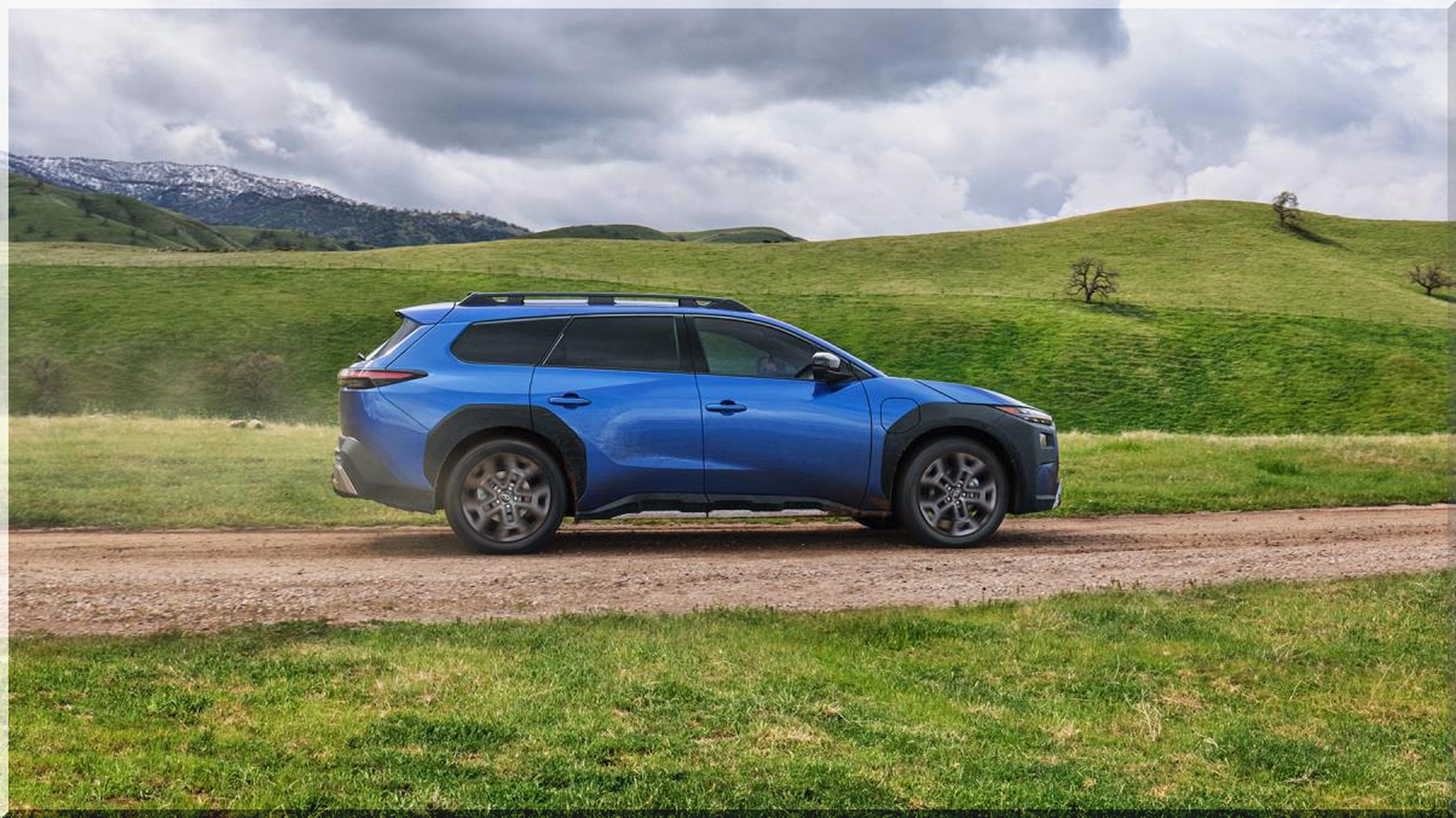
However, the Subaru Trailseeker asserts dominance where raw off-road metrics carry the day. An 8.7-inch ground clearance, 30-degree departure angle, shorter wheelbase, and 3,500-pound tow rating form a capabilities portfolio that the Toyota cannot match with software alone. Add the faster Level 2 charging and larger cargo hold, and the Trailseeker becomes the more complete electric adventure vehicle. Data dictates the verdict: the Subaru earns the trail crown for 2027.
- Add new comment
- 42 views