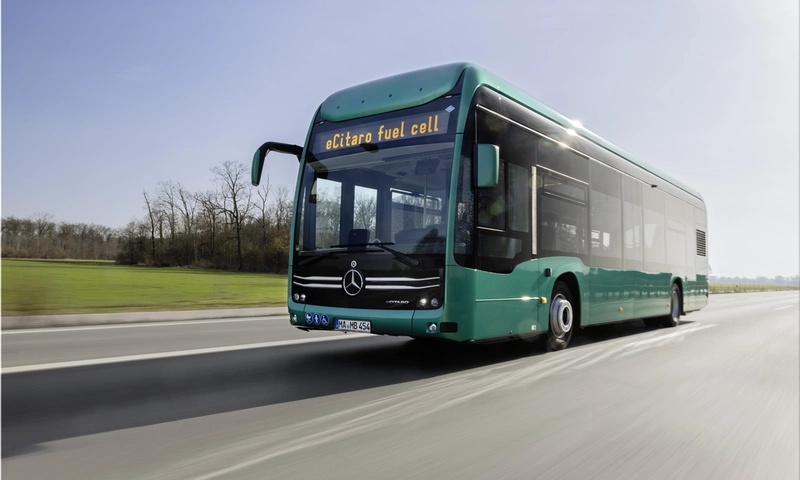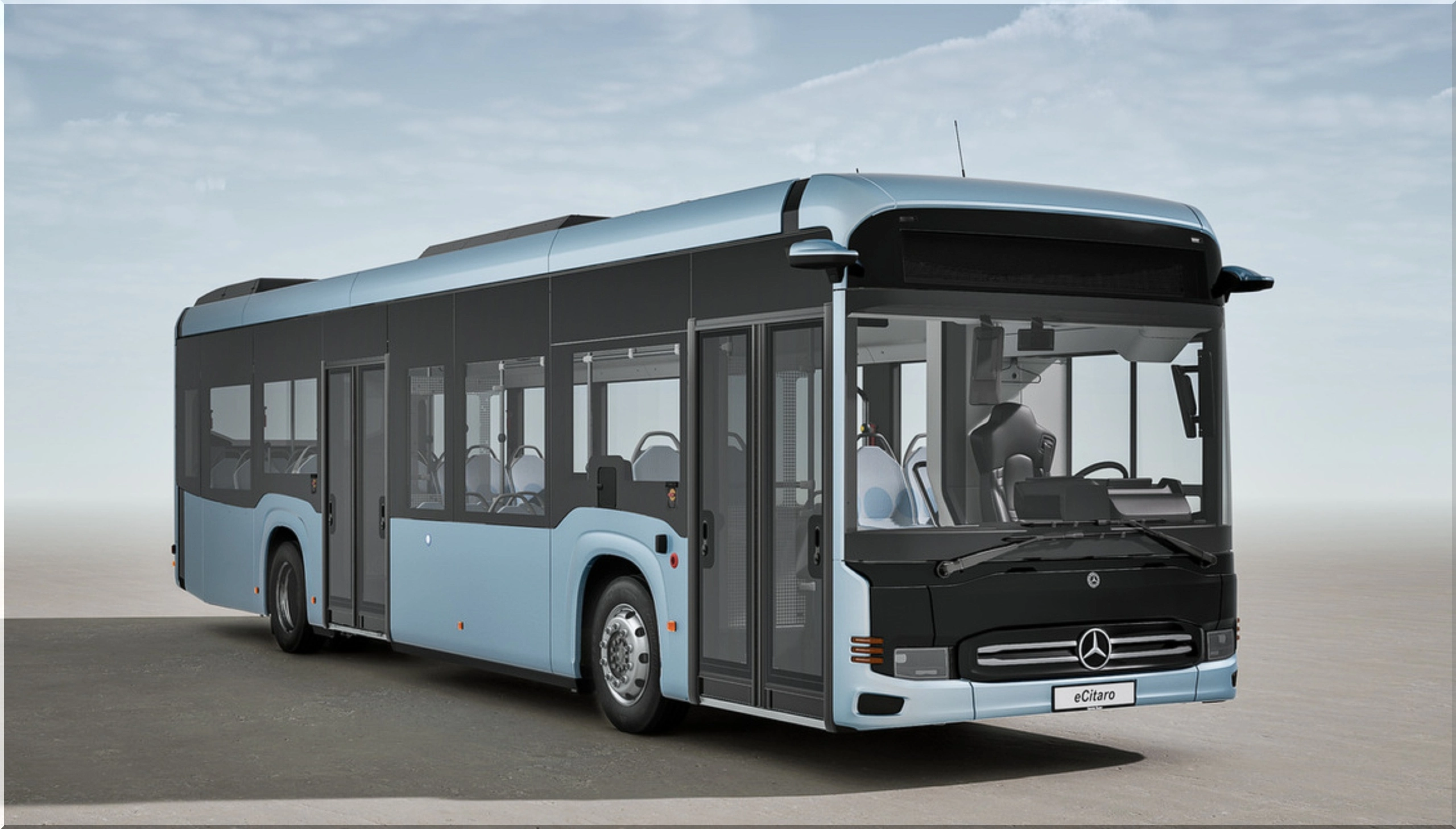
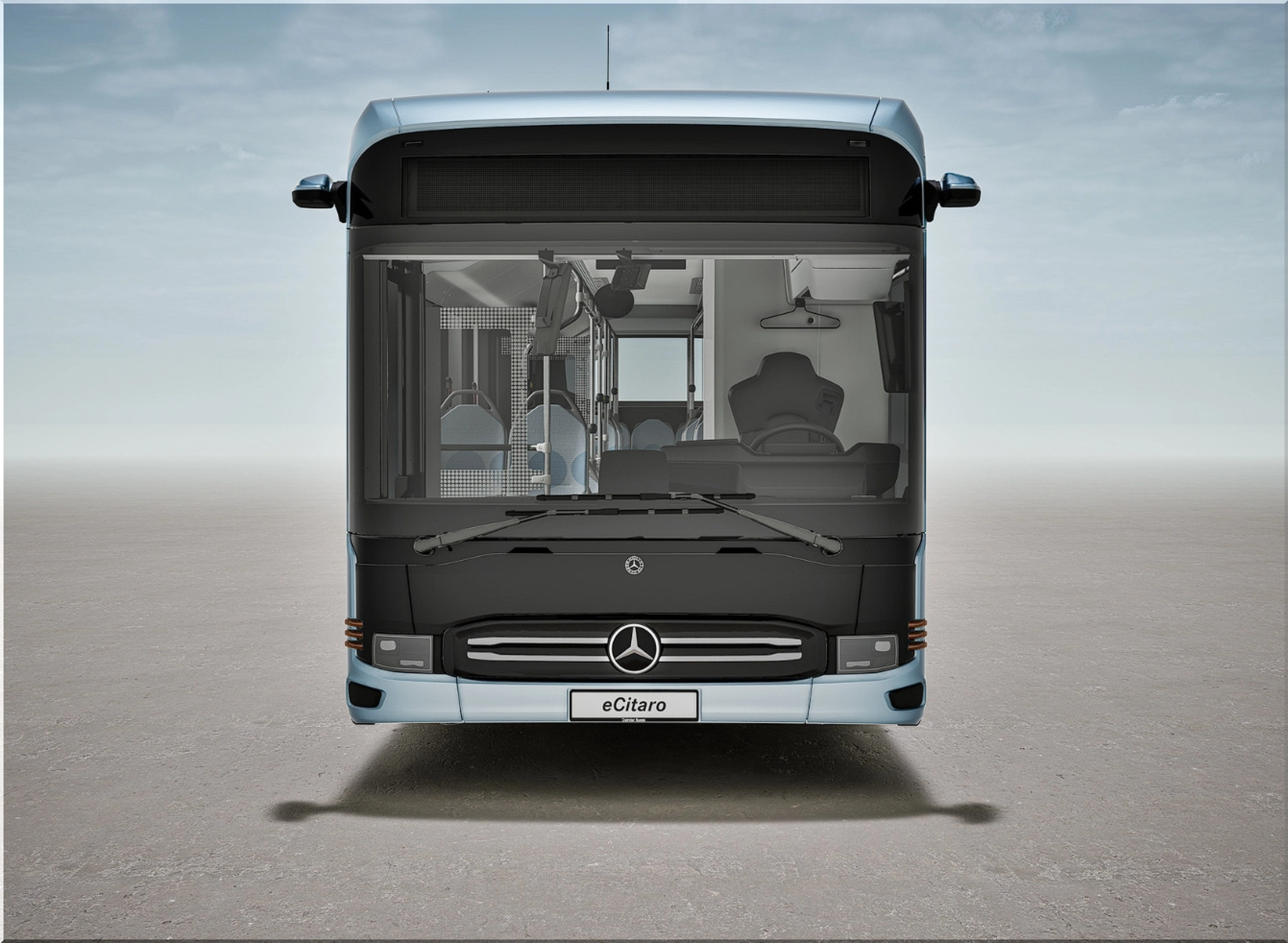
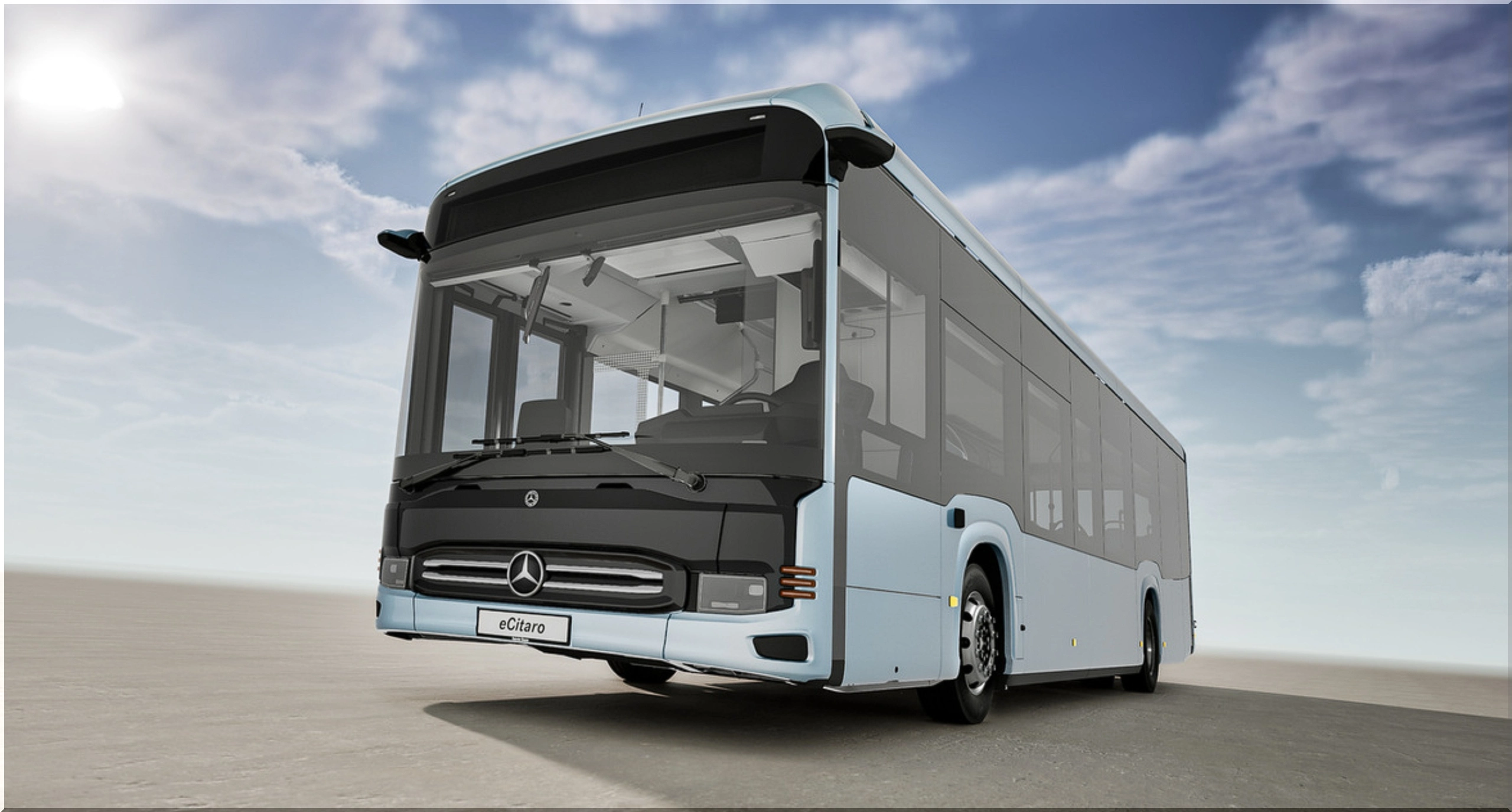
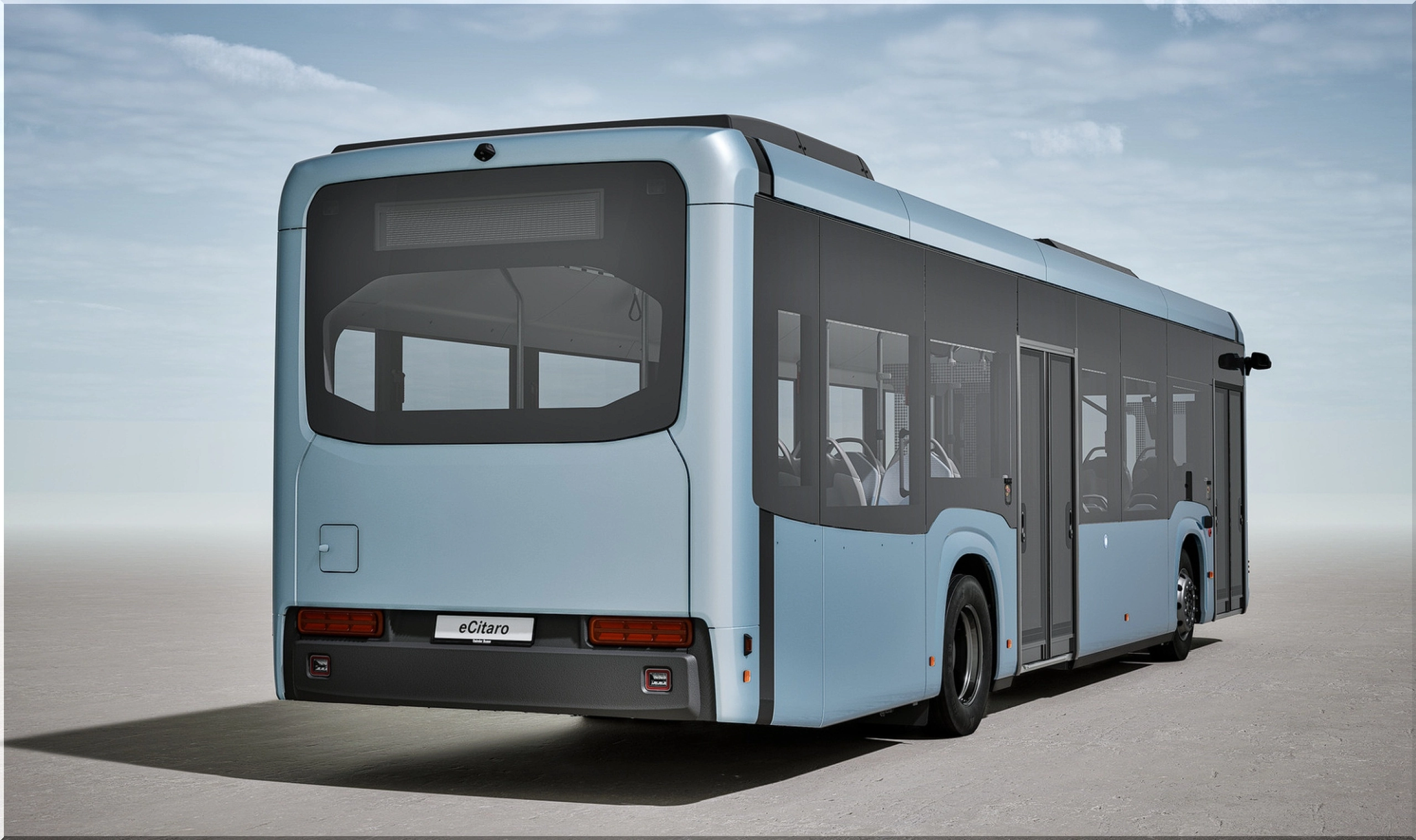
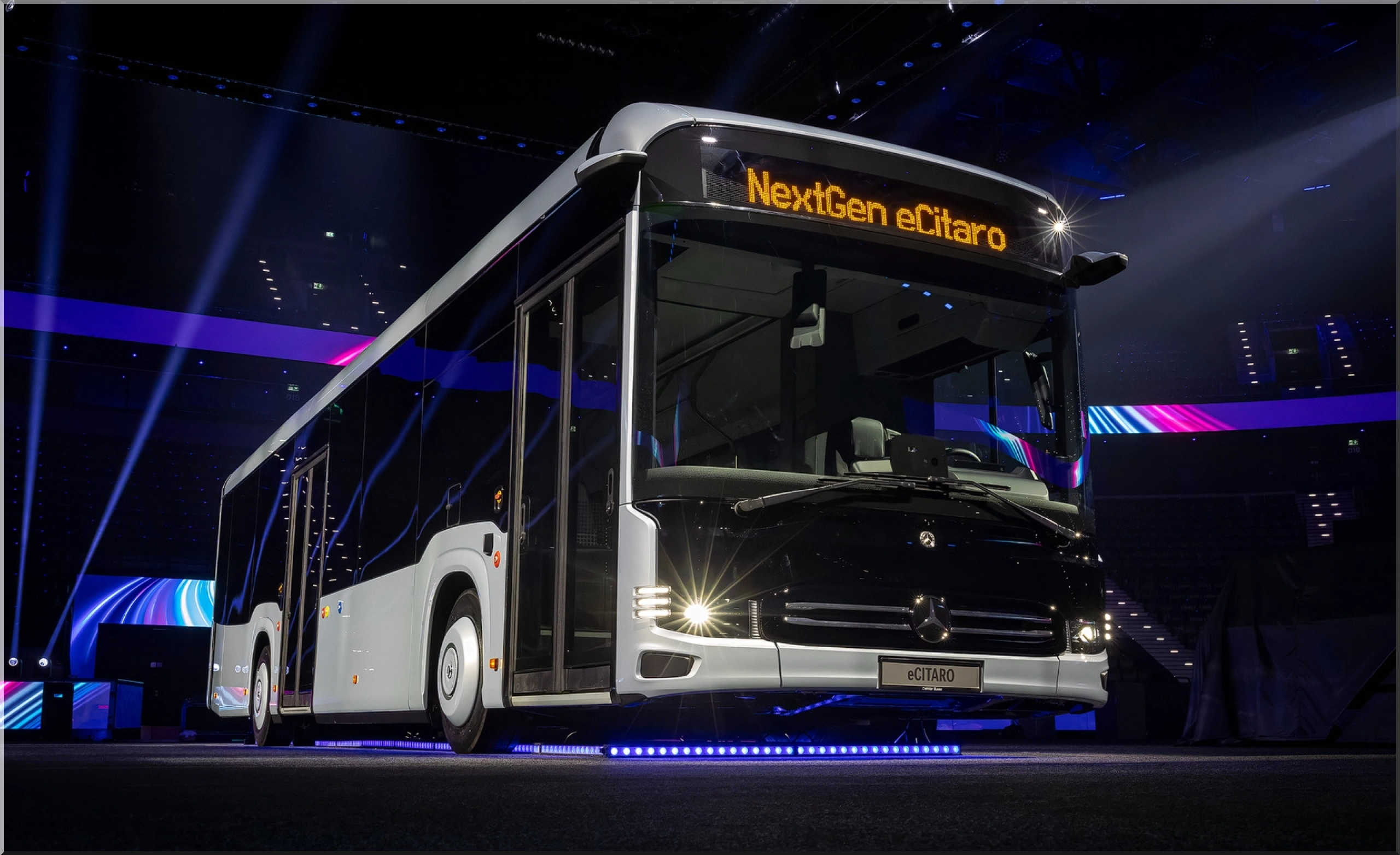
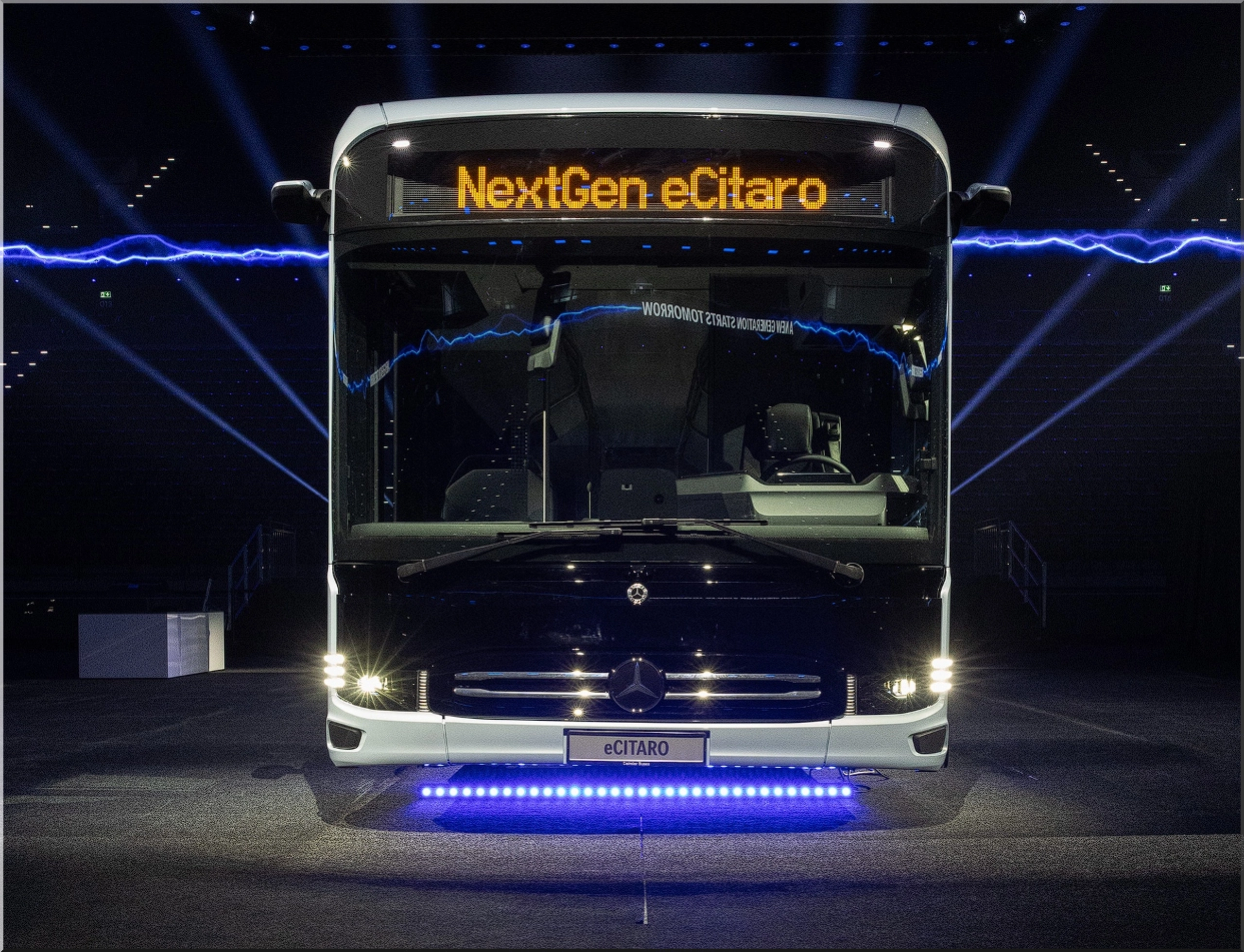
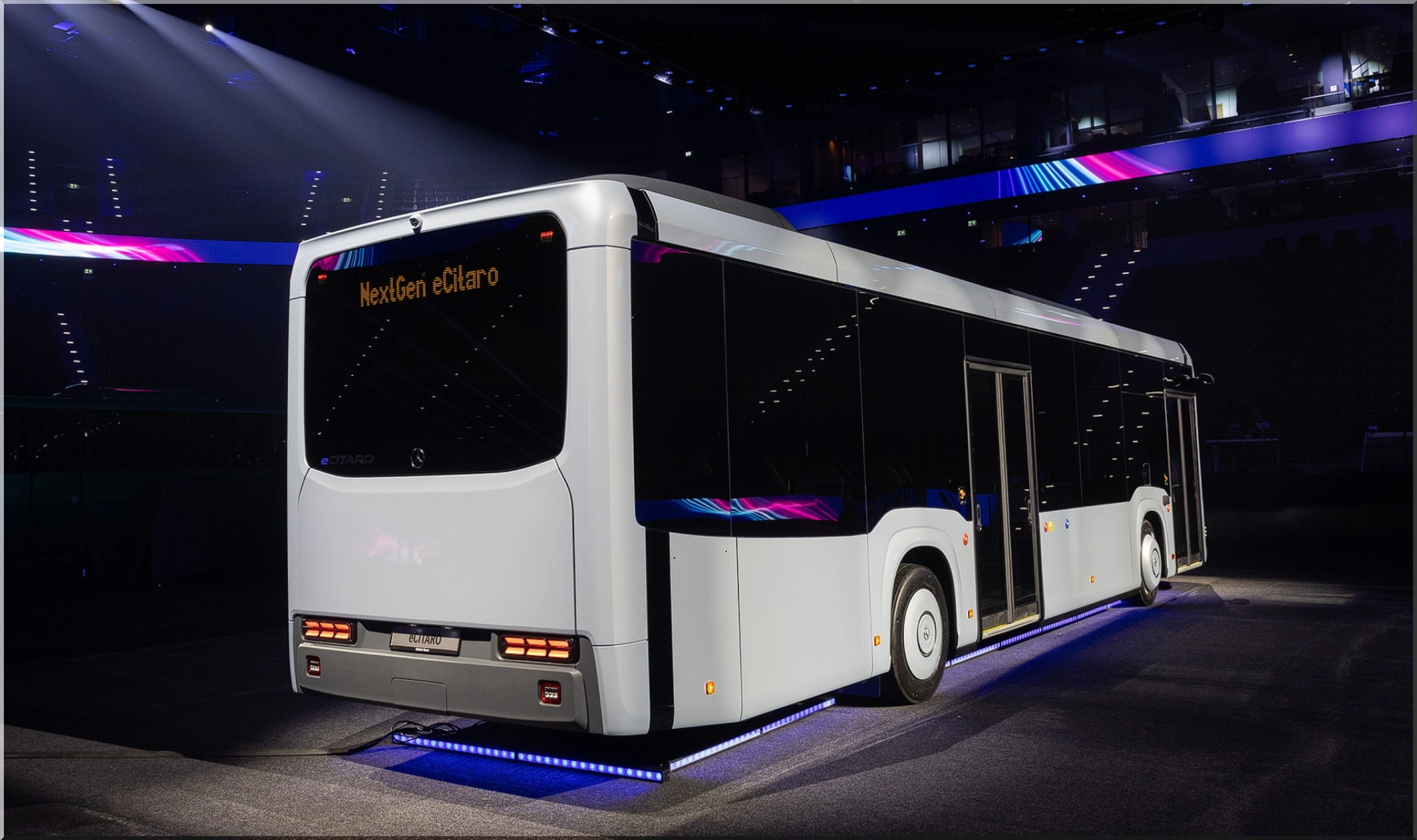
Daimler Buses unveiled the next-generation Mercedes-Benz eCitaro in Munich on November, 2026, previewing a purpose-built electric city bus for Europe in 2028. The near-production prototype introduces a dedicated battery-electric platform, modular LFP batteries and separate drive systems for urban and interurban duties.
Where will Daimler build the next-generation eCitaro?
Daimler plans production in Germany, France and the Czech Republic, while Mannheim leads development. That footprint carries over from the current eCitaro. The 2028 launch supports the manufacturer's plan to offer only electrically powered city buses in its European new-vehicle business from 2030.
The company schedules the official world premiere for Busworld Europe in Brussels in October 2027. The new platform covers vehicles from 10-meter solo buses to 18-meter articulated models.
What battery capacity and charging power will it offer?
The new eCitaro uses lithium iron phosphate batteries, with approximately 50 kWh gross per pack. The 12-meter solo bus accepts six, eight, ten or twelve packs, providing 300-600 kWh gross. The 18-meter articulated model accepts eight to fourteen packs, providing approximately 400-700 kWh gross. Usable energy will determine route coverage.
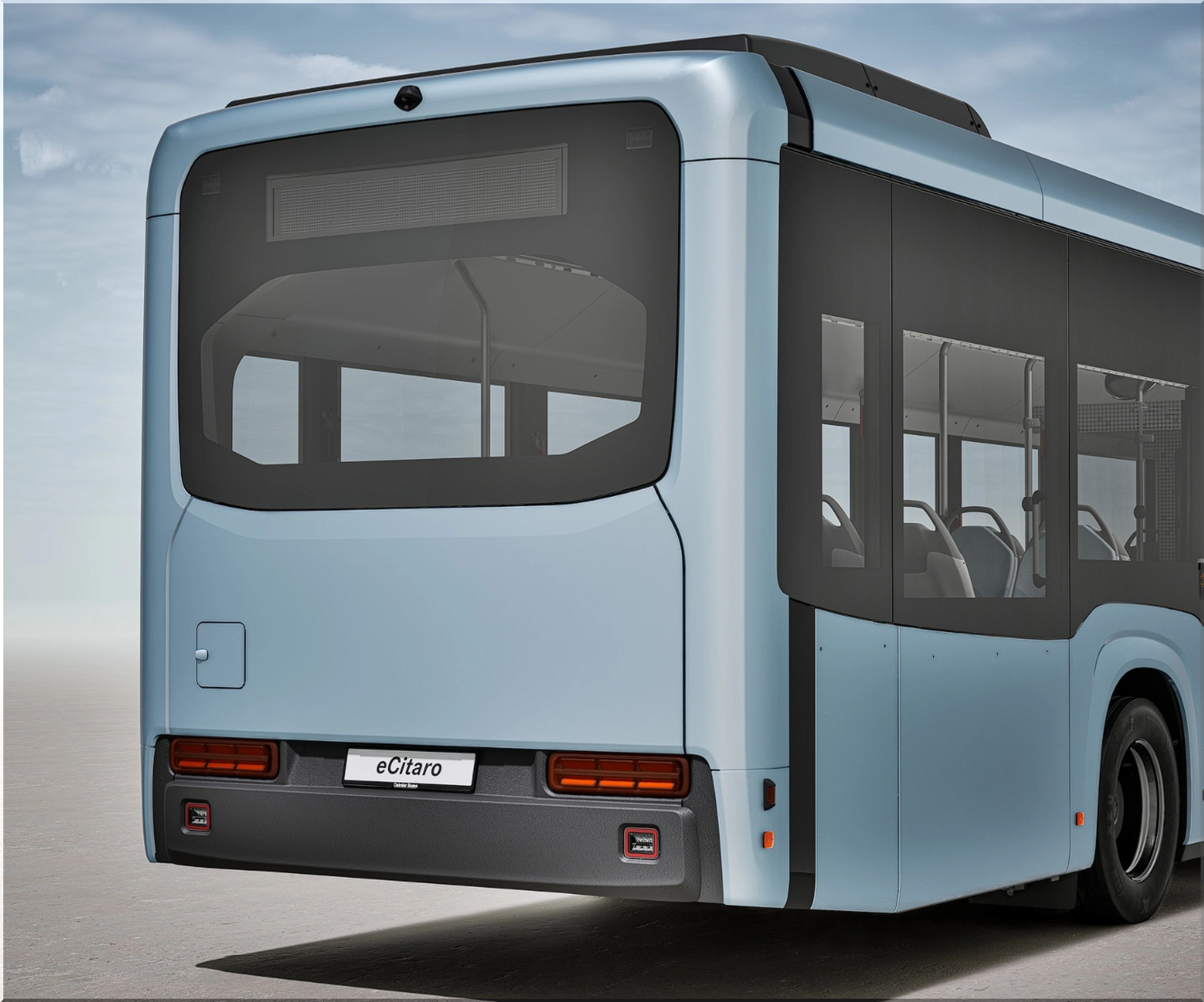
Daimler positions four packs underfloor between the axles and mounts the remaining packs on the roof. This packaging lowers the center of gravity while accommodating LFP's lower energy density than NMC.
| Charging interface | Announced peak | Pros | Cons |
|---|---|---|---|
| CCS2 | 400 kW | Flexible port positions | Requires cable access |
| Pantograph or charging rail | 450 kW | Supports opportunity charging | Requires compatible overhead hardware |
A 300 kWh refill at a constant 400 kW implies a theoretical 45-minute minimum. Charging taper, temperature and losses extend that time.
How does the new drivetrain change fleet operation?
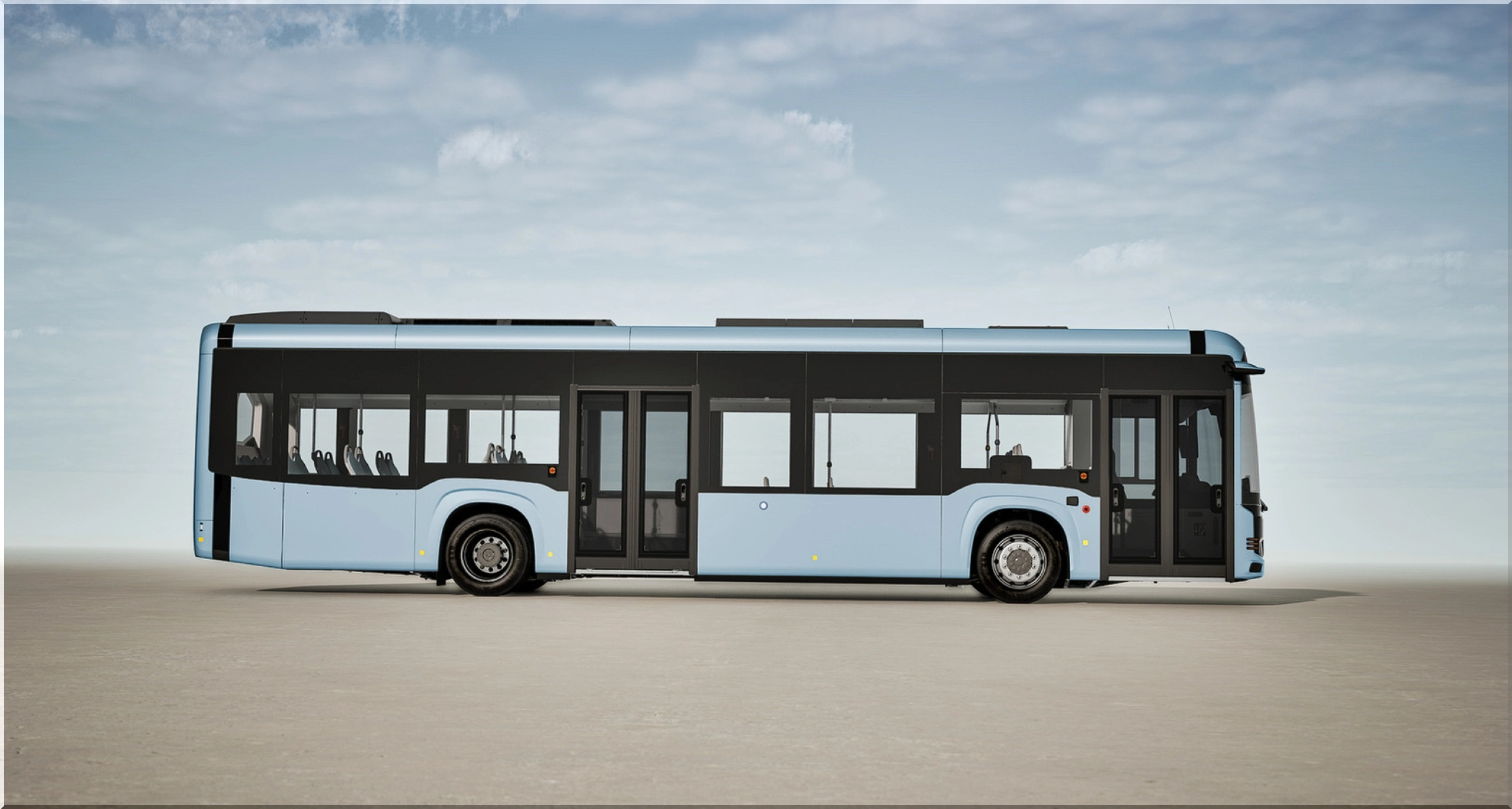
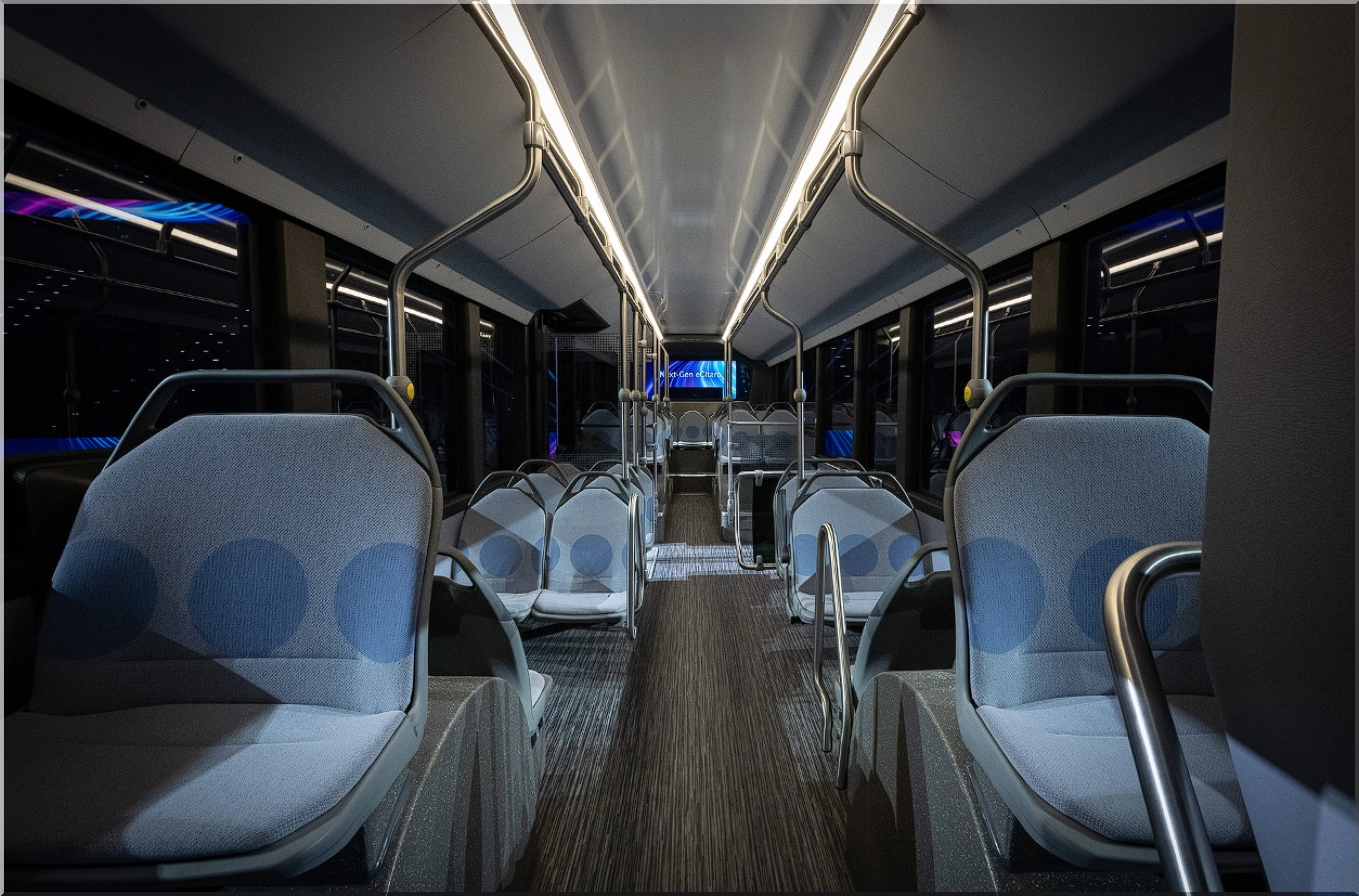
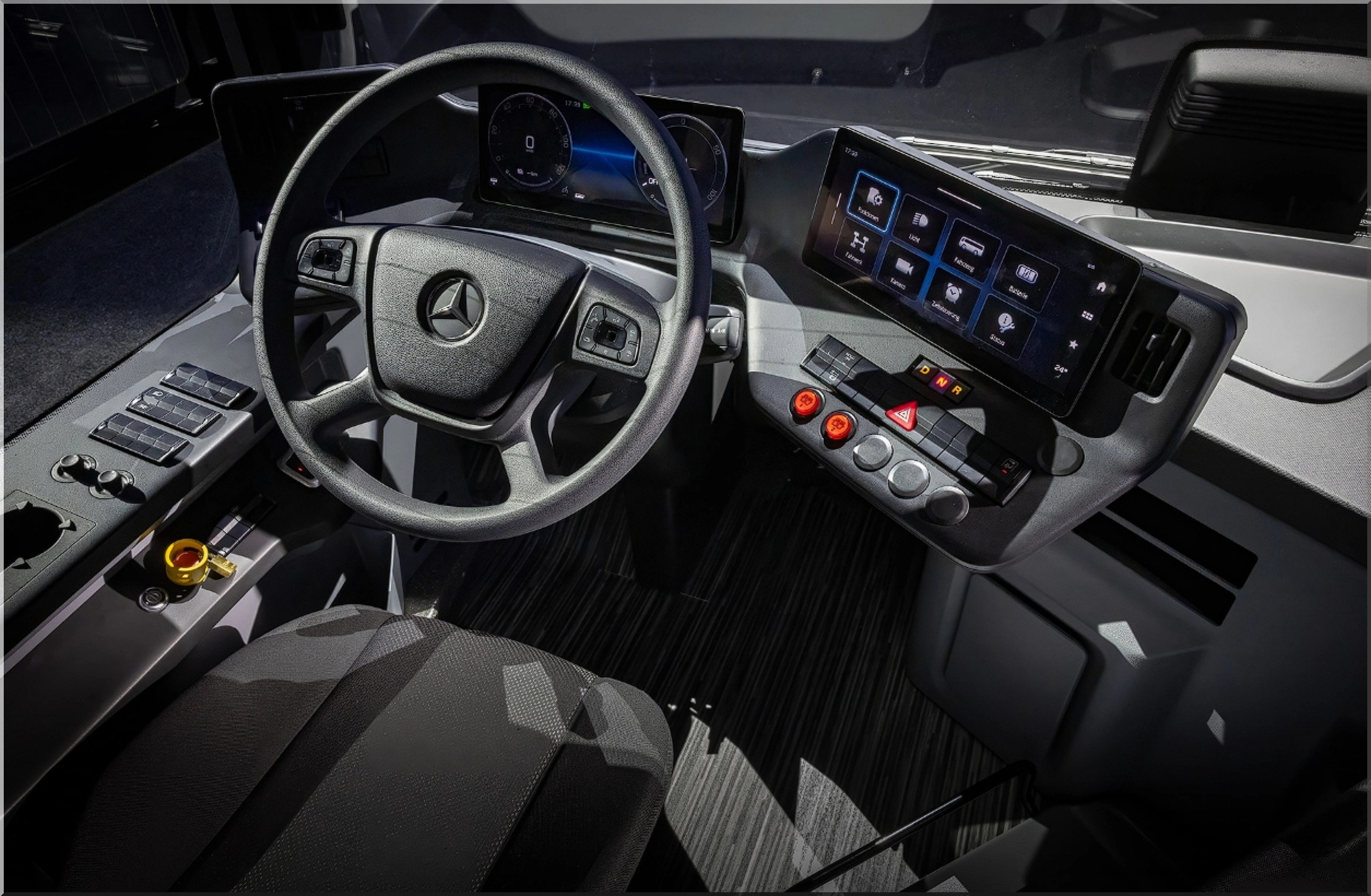
The low-floor model uses a ZF AxTrax 2 LF electric portal axle with two wheel-near motors and up to 360 kW system output. Its compact layout creates a flat floor through the rear. The articulated version needs only one driven axle, simplifying the drivetrain and reducing weight.
- Low-floor dimensions: 12,135 mm (477.8 inches) long, 2,510 mm (98.8 inches) wide and 3,220 mm (126.8 inches) high, with a 5,900 mm (232.3 inches) wheelbase.
- Low-entry alternative: A central motor supports speeds up to 100 km/h (62 mph) for interurban routes.
- Articulated weight: Daimler reports approximately 750 kg less unladen mass than the current generation, creating room for additional passenger capacity.
In addition, wheel-specific brake and drive control extends regenerative braking and reduces mechanical brake wear.
How should operators size the battery for their routes?
Operators should select battery capacity from measured route consumption, winter heating demand, passenger loading and charging windows. Gross battery capacity alone cannot establish service range. Larger packs add stored energy and vehicle mass; smaller configurations can preserve passenger capacity when the timetable supports charging between duties. Include battery aging in procurement calculations.
Pro-Tip: At an assumed 1.2 kWh/km (1.93 kWh/mile), a 300 km (186-mile) duty consumes 360 kWh. Reserving 20% of gross energy would require 450 kWh gross before aging allowances, pointing toward the 500 kWh configuration. Replace these illustrative assumptions with winter route data and the supplier's usable-capacity guarantee.