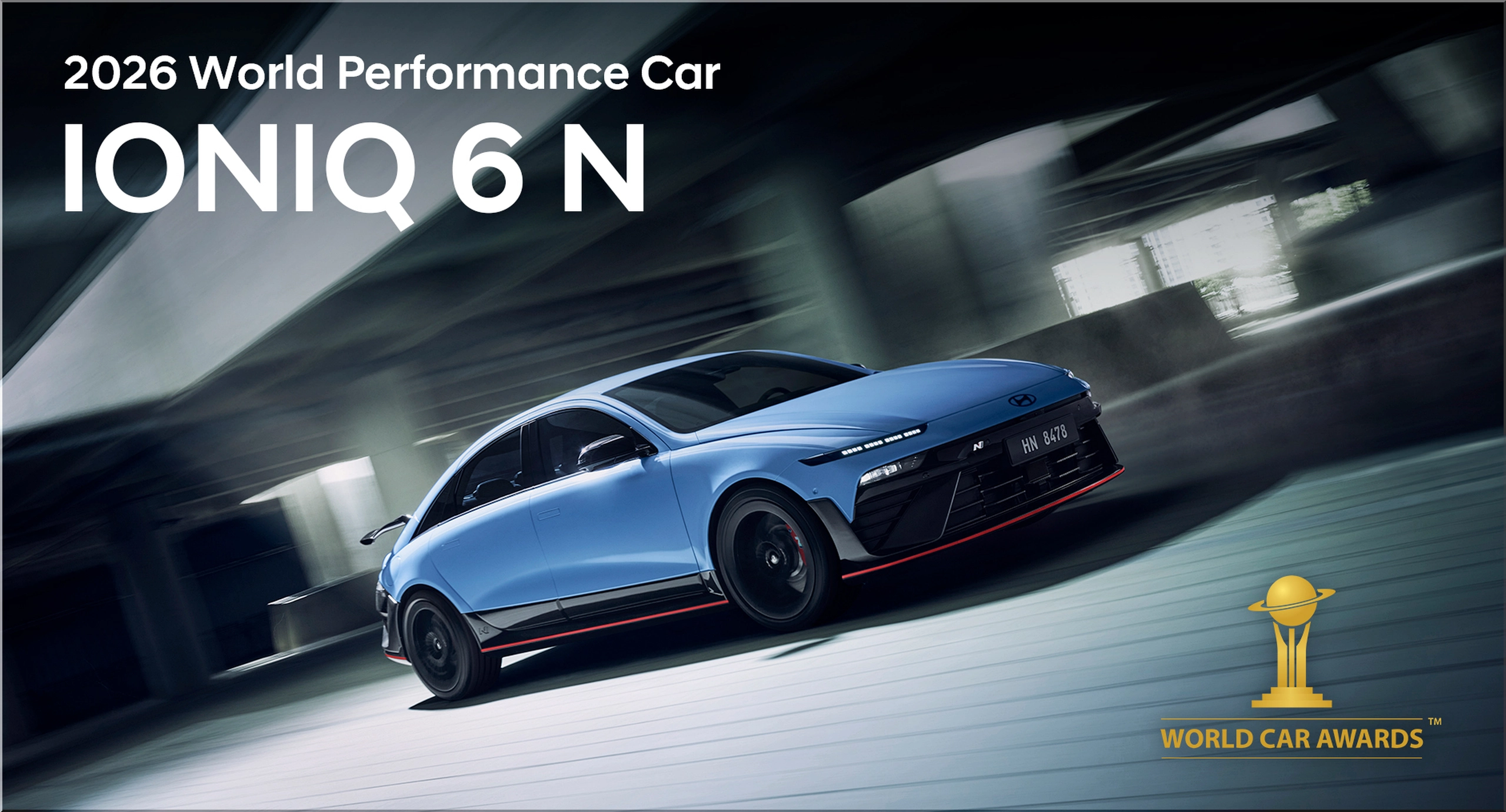
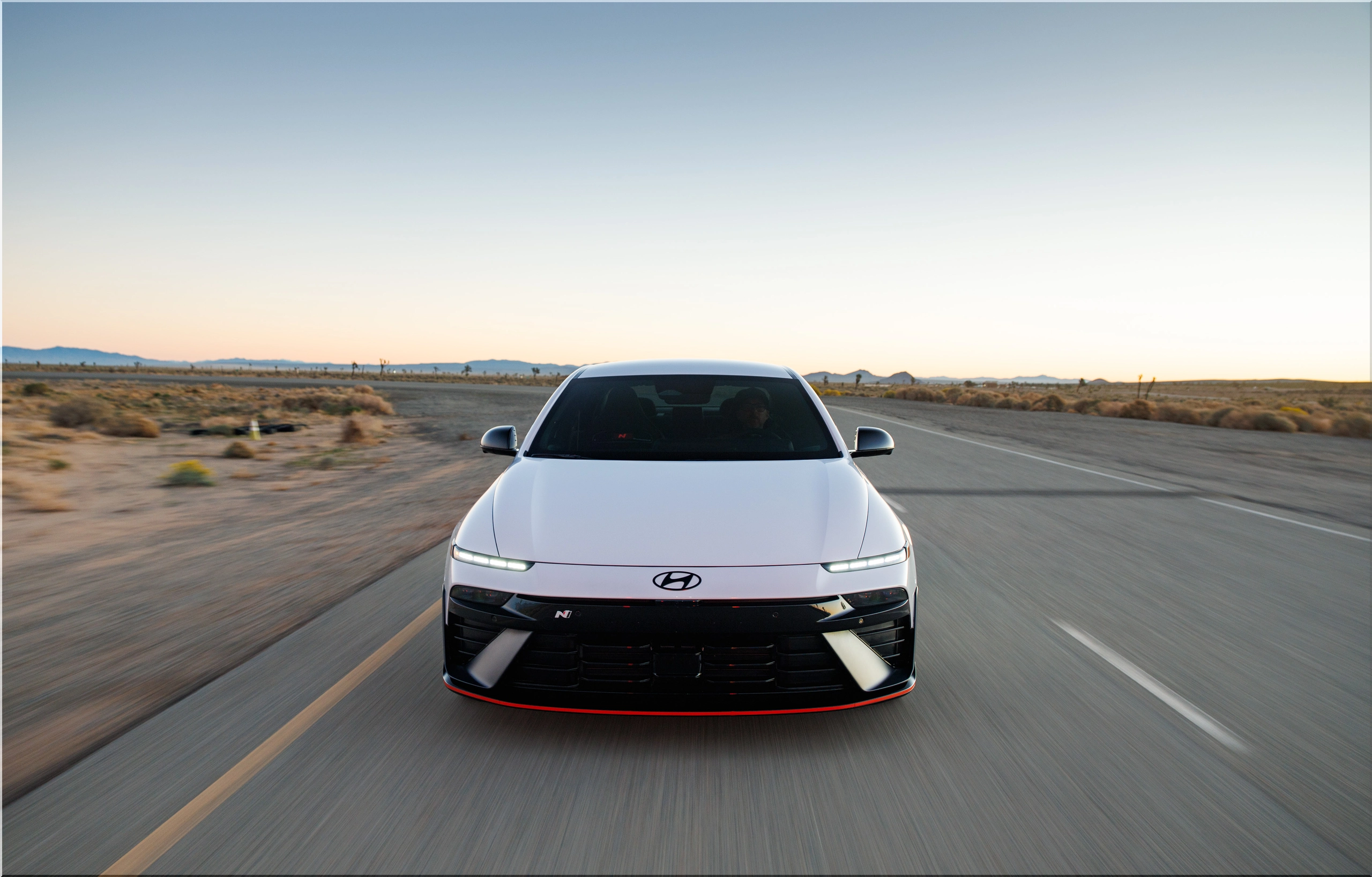
Hyundai just added another major trophy to its electric performance push. The Hyundai IONIQ 6 N took the 2026 World Performance Car title, giving Hyundai's N division its second win in three years in this category and extending the brand's streak at the World Car Awards to five straight years.
That result matters because this award does not go to a car with a flashy launch deck and a loud spec sheet alone. It goes to a vehicle that convinces a global jury it can deliver speed, driver involvement, and technical substance in a segment where EVs still fight old assumptions about heat, consistency, and emotional appeal.
Why the 2026 World Performance Car win matters
Looking at the data, the IONIQ 6 N arrives with the right hardware for this kind of recognition. Hyundai engineered it around an 84.0 kWh battery, a dual-motor setup producing up to 650 PS or 641 hp with N Grin Boost, and 770 Nm or about 568 lb-ft of torque. Hyundai also quotes a 0-62 mph time of 3.2 seconds and a top speed of 257 km/h, which works out to about 160 mph.
That would already place the car in serious company. Specifically, Hyundai backed those numbers with a broader performance package built for repeatability, not one clean launch and a cooldown lap. The car uses N Battery thermal management modes for Drag, Sprint, and Endurance driving, along with a battery heater that can cut winter conditioning time by more than 14 minutes in Sprint mode.
From an expert perspective, that is the real story. EV performance stops being impressive the second the battery or motors pull power. Hyundai targeted that weak point directly.
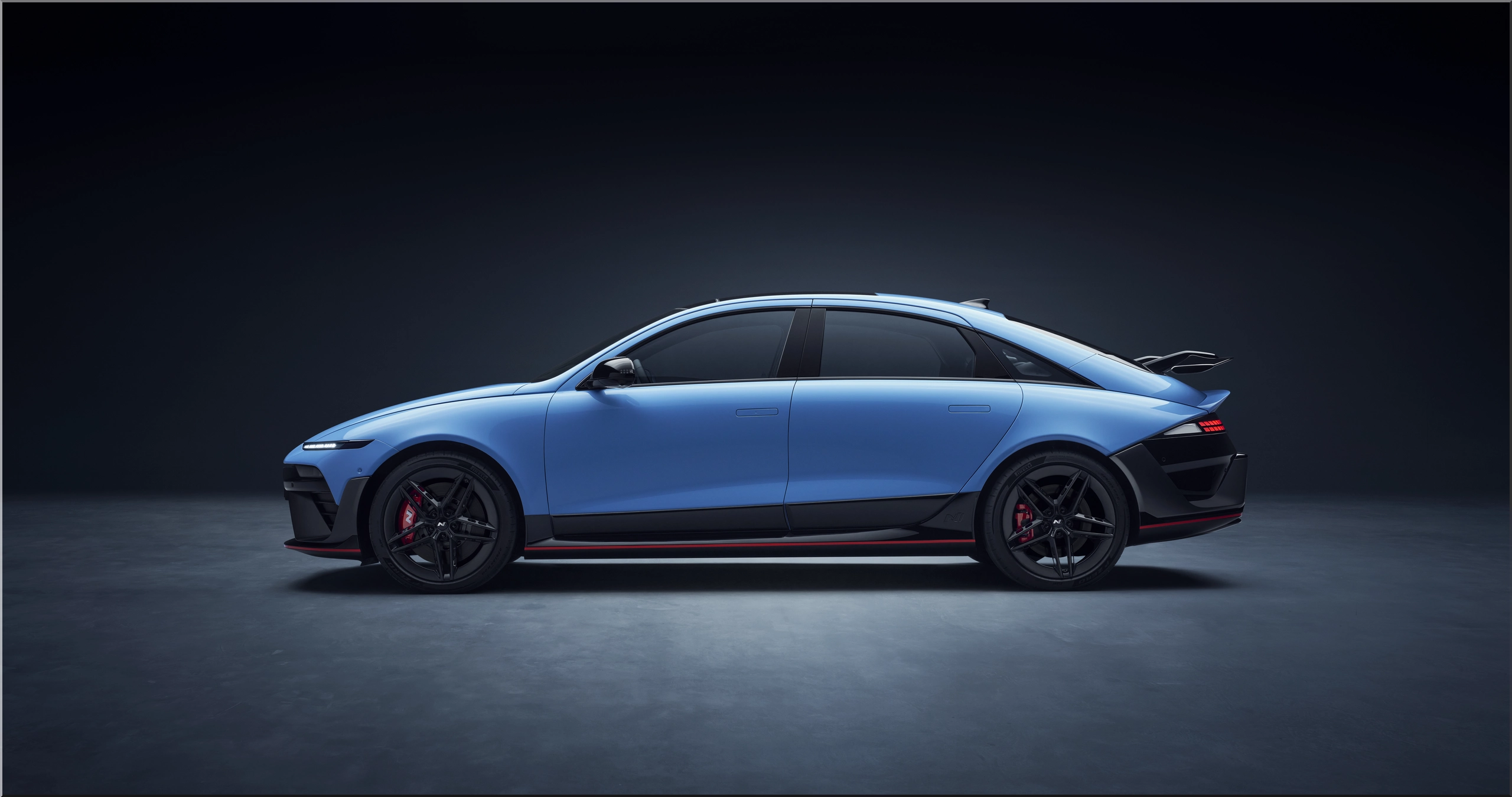
Hyundai IONIQ 6 N specs at a glance
| Specification | Hyundai IONIQ 6 N |
|---|---|
| Max power | 641 hp |
| Max torque | 568 lb-ft |
| Battery capacity | 84.0 kWh |
| 0-62 mph | 3.2 seconds |
| Top speed | 160 mph |
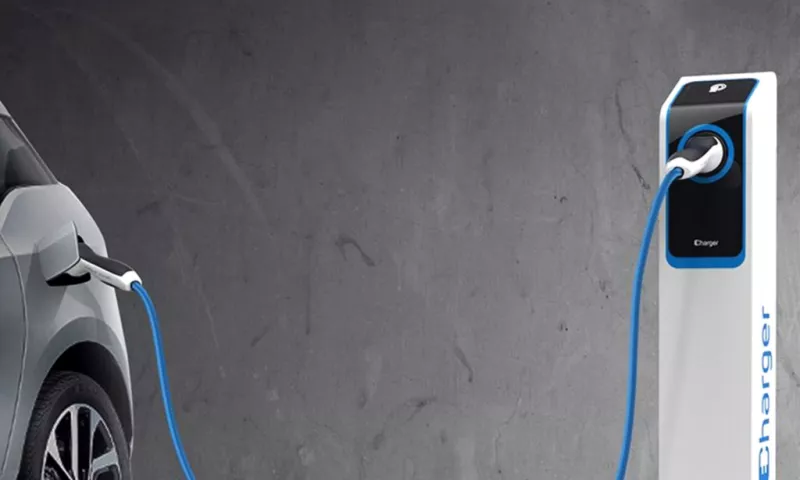
| Charging | 10% to 80% in about 18 minutes |
| Length | 194.3 in / 4,935 mm |
| Width | 76.4 in / 1,940 mm |
| Height | 58.9 in / 1,495 mm |
| Wheelbase | 116.7 in / 2,965 mm |
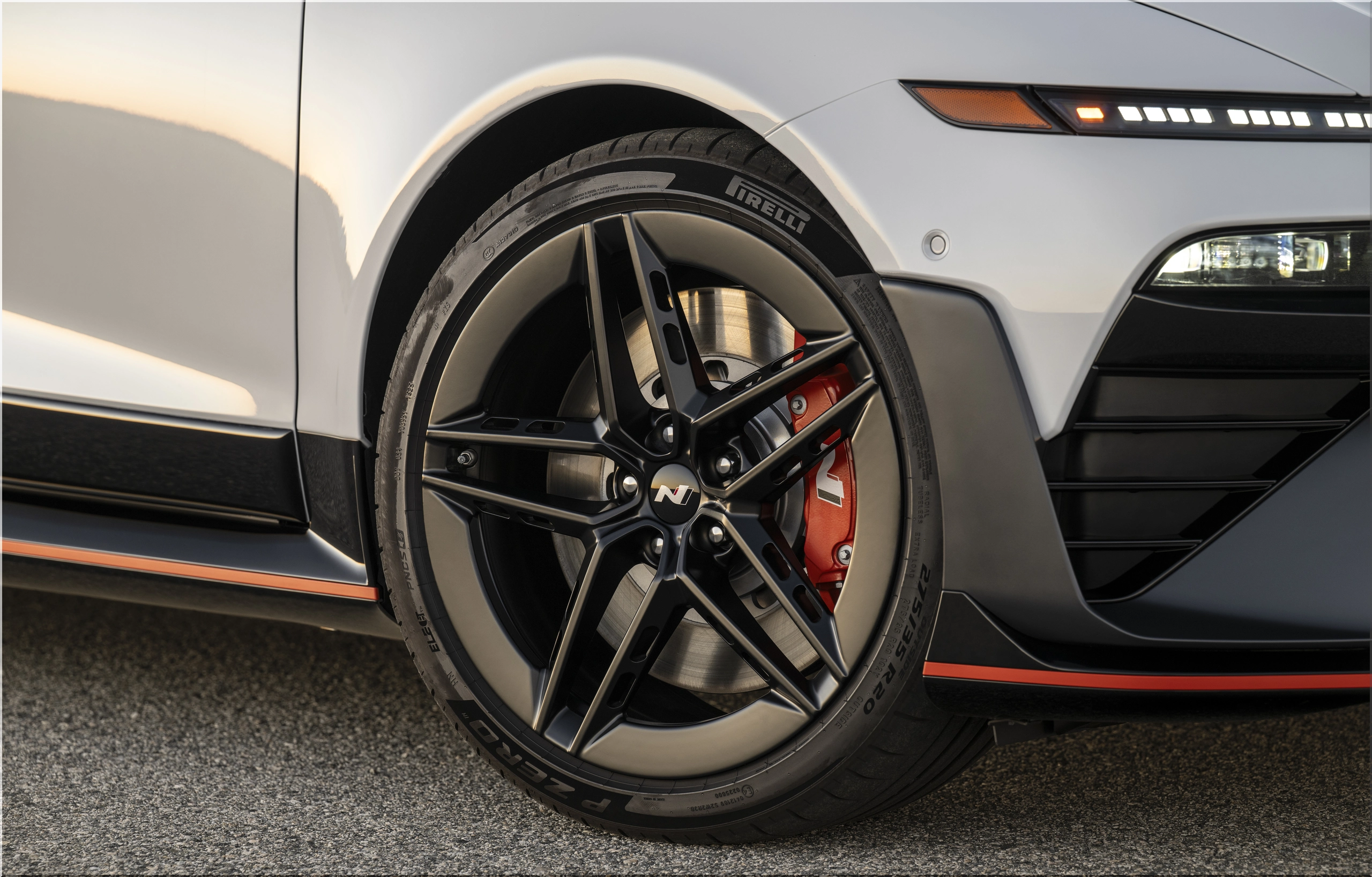
| Tires | 275/35R20 |
The engineering logic behind the award
The Hyundai IONIQ 6 N did not win because it simply carries more power than the standard IONIQ 6. It won because Hyundai treated the sedan like a full performance program.
1. The powertrain targets heat control and repeat output
Hyundai says the permanent magnets in the front and rear motors gained about 19.8% more coercive force. That sounds like deep engineering talk, because it is. In practice, stronger magnetic resistance helps suppress heat generation at high speed and delays power de-rating.
Consequently, the IONIQ 6 N should hold performance longer under track-style loads. That gives the car a stronger case with judges who know a performance EV has to do more than dominate a single launch-control run.
2. The chassis focuses on tire grip, not spec-sheet theater
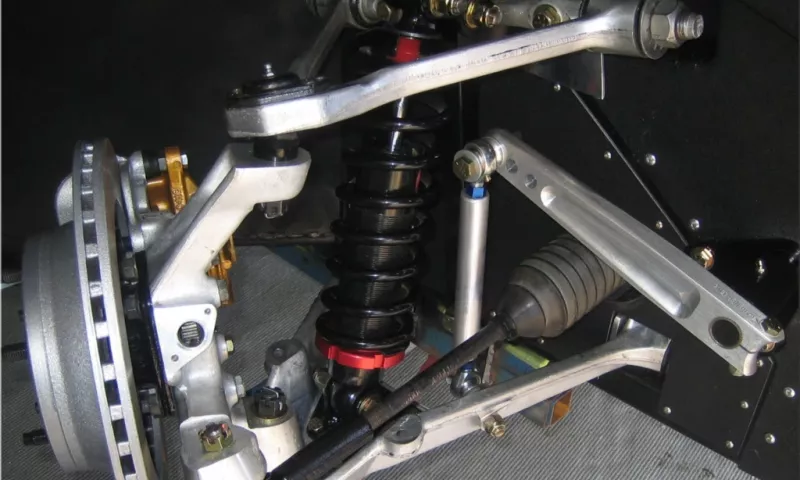
Hyundai reworked the car's suspension geometry with a lower roll center, then added stroke-sensing dampers with built-in ECS control. The point here is simple: keep the platform settled on the road surface, preserve tire contact, and reduce the gap between daily drivability and aggressive cornering behavior.
In addition, Hyundai fitted hydro G-bushings, hydro member bushings, dual-layer bushings, and extra structural stays. That hardware mix improves body control, sharpens response, and cuts unwanted vibration without turning the sedan into a punishing track toy.
3. The aero package serves stability at real speed
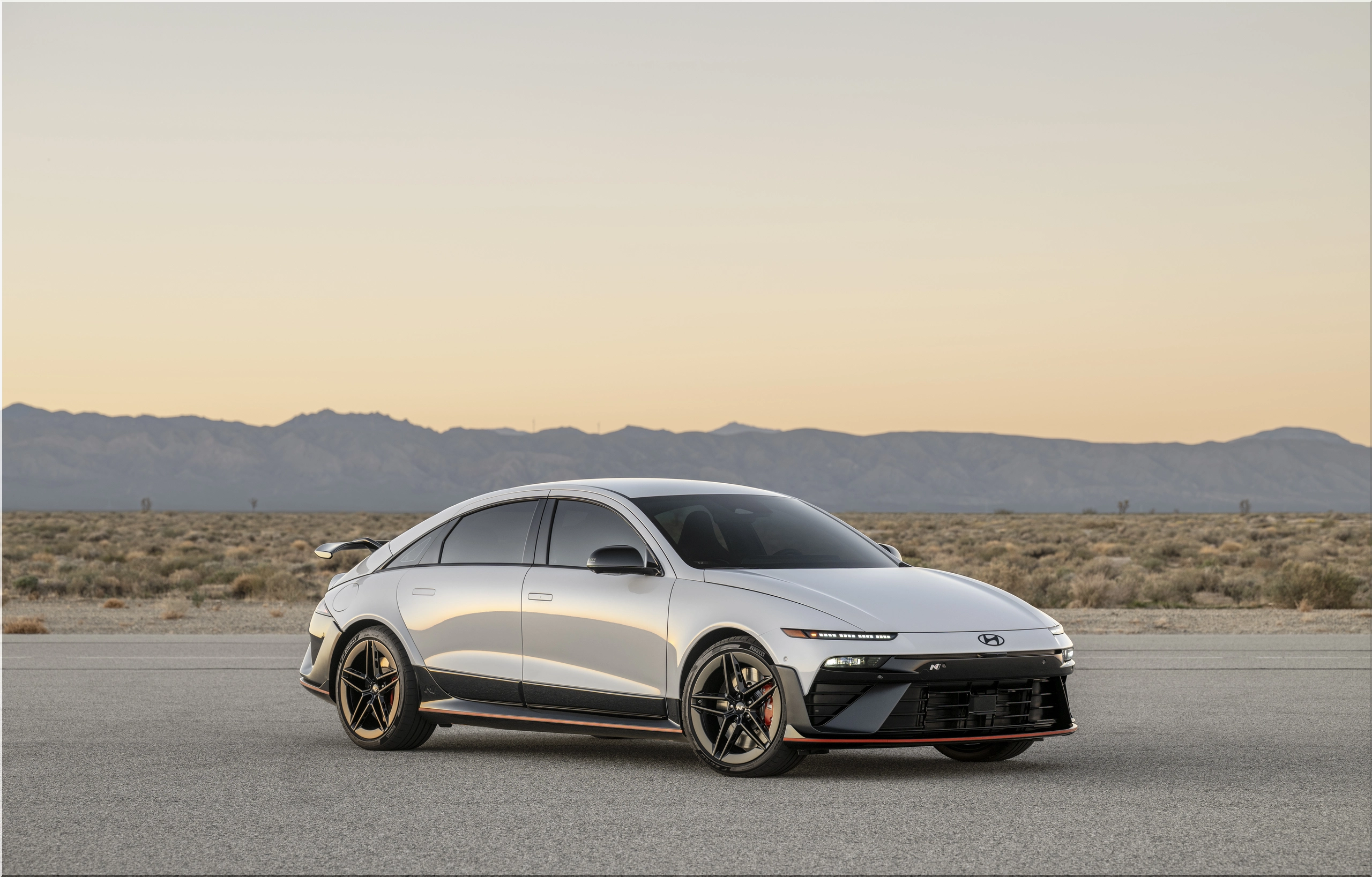
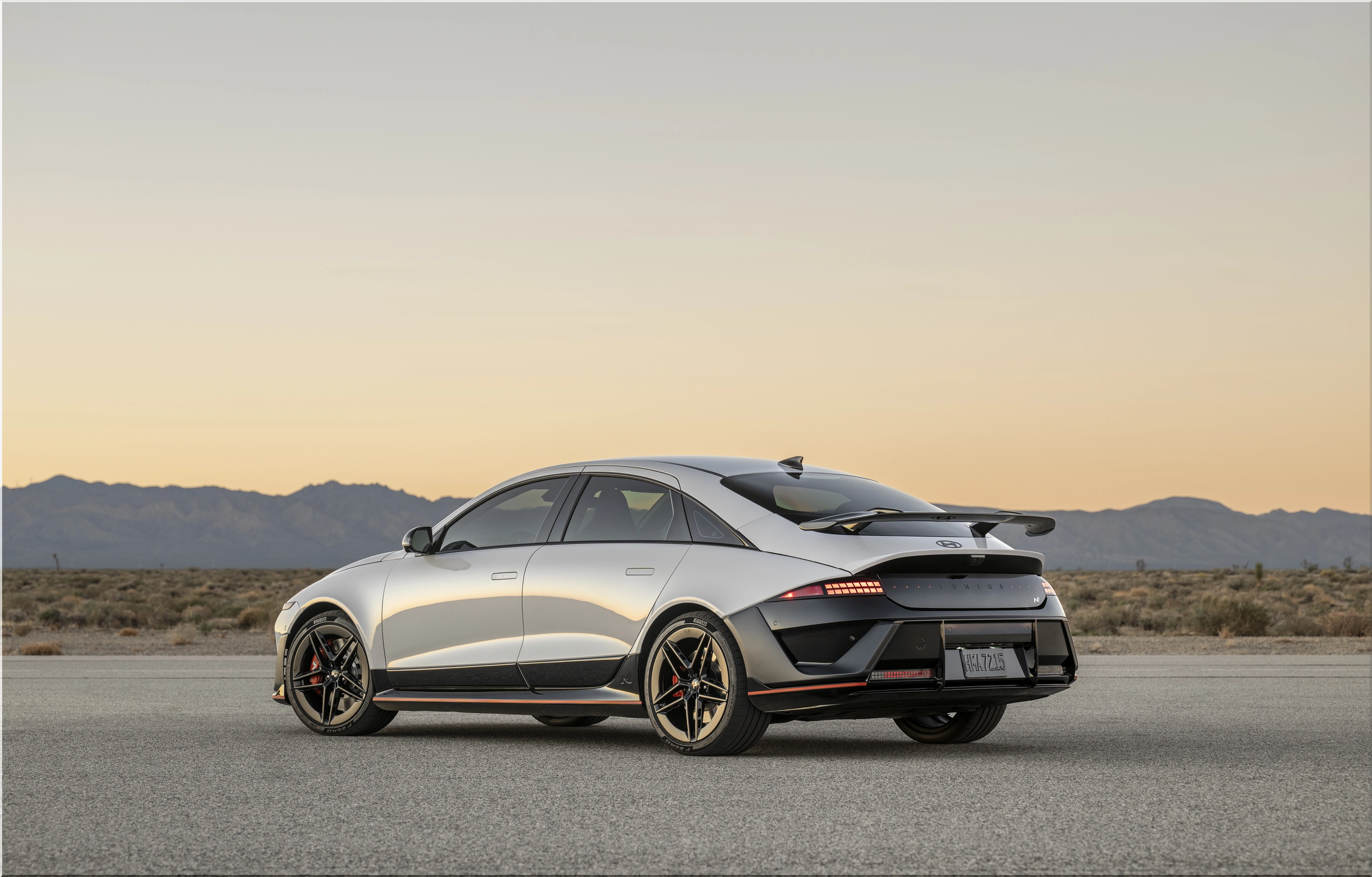
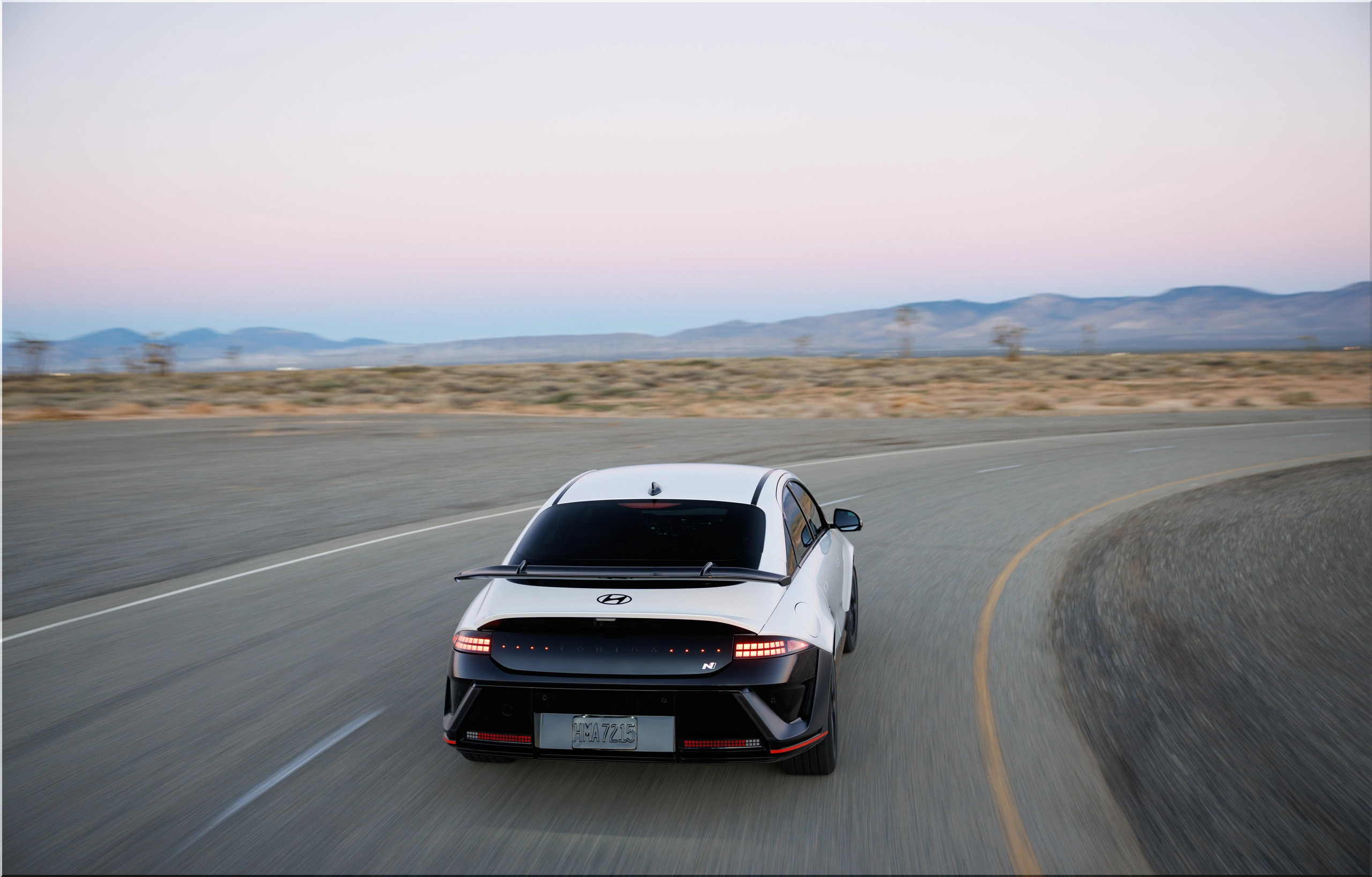
The sedan's aero work goes far past appearance. Hyundai details an air curtain, grille shutter, front splitter, rear underbody treatment, diffuser work, and a large rear wing. The adjustable rear spoiler can move through -8 degrees, 0 degrees, and +8 degrees, while the wing alone can generate up to 275 kgf of downforce at top speed in simulation.
With the full carbon aero package, Hyundai says total downforce can reach 305 kgf at top speed. By comparison, many performance EVs talk about drag and range first. Hyundai clearly tuned the IONIQ 6 N to stay planted when the speedometer climbs.
Key systems that push the IONIQ 6 N past a normal fast EV
- N e-Shift simulates close-ratio gear changes by manipulating motor torque.
- N Active Sound+ adds multiple sound themes to build driver feedback.
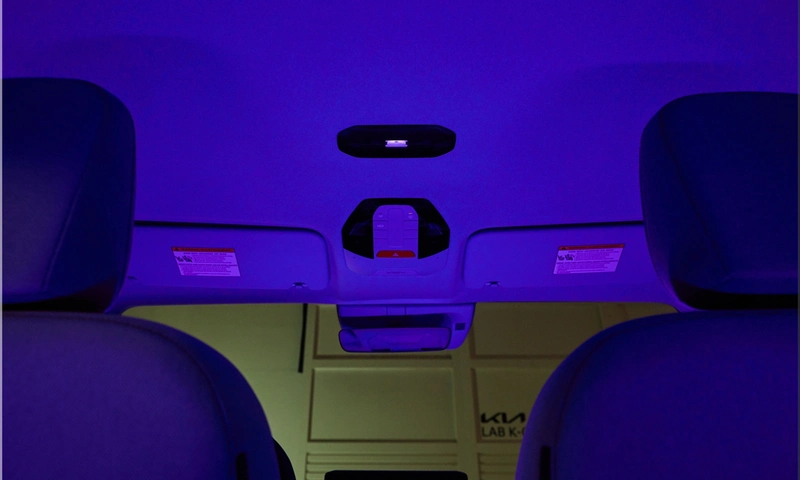
- N Ambient Shift Light coordinates cabin lighting with shift timing.
- N Track Manager supports lap timing, sector analysis, and ghost-car data.
- N Brake Regen delivers up to 0.6G of regenerative deceleration, or 0.35G during ABS activation.
That list shows Hyundai chasing something many EV makers still struggle to nail: driver communication. Fast cars need feedback loops. They need rhythm. They need cues that tell the driver what the chassis, brakes, and powertrain are doing.
Hyundai's World Car Awards run, by the numbers
| Year | Hyundai-related winner | Award |
|---|---|---|
| 2026 | IONIQ 6 N | World Performance Car |
| 2025 | INSTER / CASPER Electric | World Electric Vehicle |
| 2024 | IONIQ 5 N | World Performance Car |
| 2023 | IONIQ 6 | World Car of the Year, World Electric Vehicle, World Car Design of the Year |
| 2022 | IONIQ 5 | World Car of the Year, World Electric Vehicle, World Car Design of the Year |
Looking at the data, Hyundai has built a serious award pipeline around the IONIQ line and the N sub-brand. That creates a strong halo effect. It tells buyers Hyundai can produce efficient EVs, high-design EVs, and hard-edged performance EVs without splitting its engineering identity into separate islands.

Definitions
What is N Grin Boost?
A temporary boost function that raises output to the car's maximum performance setting for harder acceleration and stronger immediate response.
What is N Battery?
A thermal management system with different preconditioning modes tuned for drag runs, short sprint driving, or longer endurance sessions on track.
What is N e-Shift?
A software-driven system that simulates stepped gear changes by controlling motor torque delivery, giving the driver a more conventional performance-car feel.
Pro-Tips for readers tracking this story
- Watch U.S. market specifications closely. Hyundai has published global and regional figures, and final North American details can vary.
- Focus on thermal control and repeatability, not raw horsepower alone. That is where serious EV performance cars separate themselves.
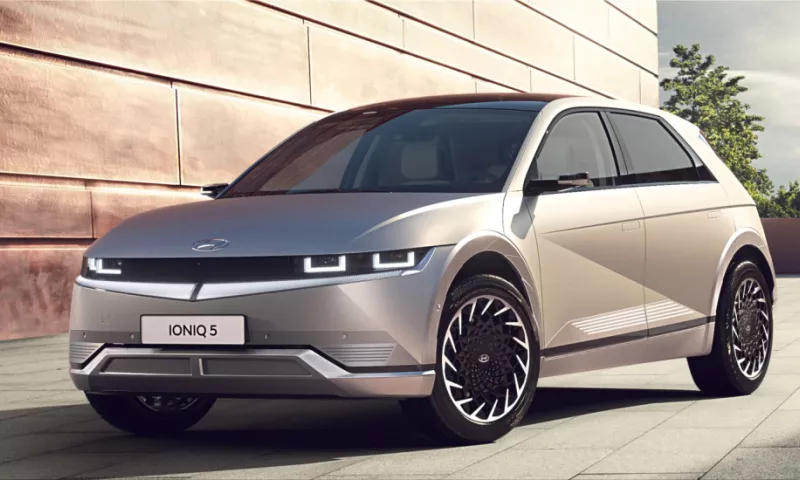
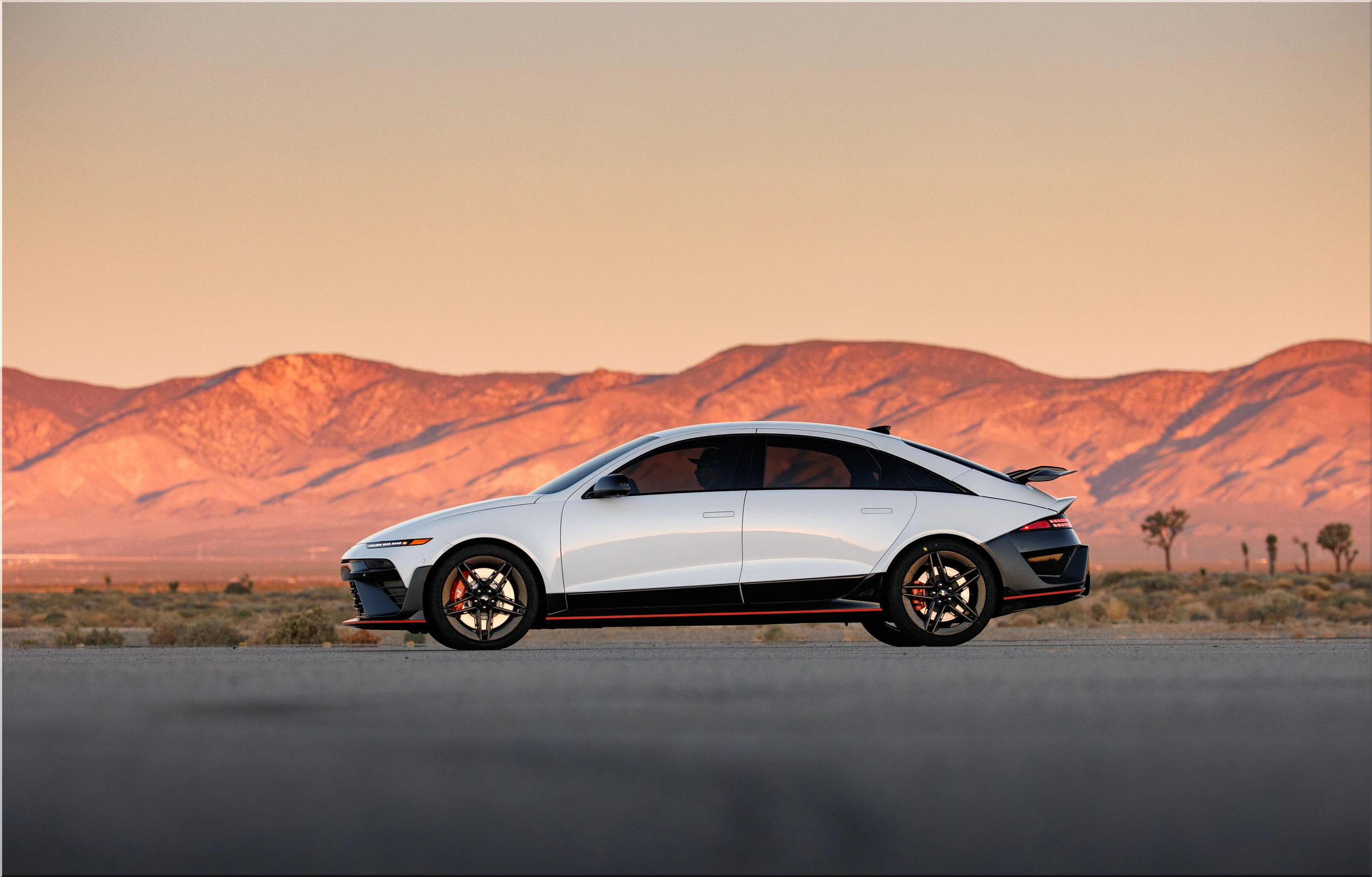
- Compare the IONIQ 6 N against the IONIQ 5 N on shape and aero logic. The lower, longer sedan profile should give it a different high-speed character.
What now?
If you cover the EV market, this win tells you Hyundai's performance strategy has traction. If you shop the segment, the Hyundai IONIQ 6 N now moves from "interesting fast EV" to a model with award-backed credibility in front of a global expert jury.
The next question is simple: can Hyundai turn that recognition into showroom momentum? On paper, the answer looks strong. The car brings 641 hp, 568 lb-ft, an 84.0 kWh battery, 18-minute fast charging, serious aero work, and a track-minded control stack in a sedan body that still reads sharper and lower than most electric crossovers. That formula should get attention fast.
- Add new comment
- 34 views