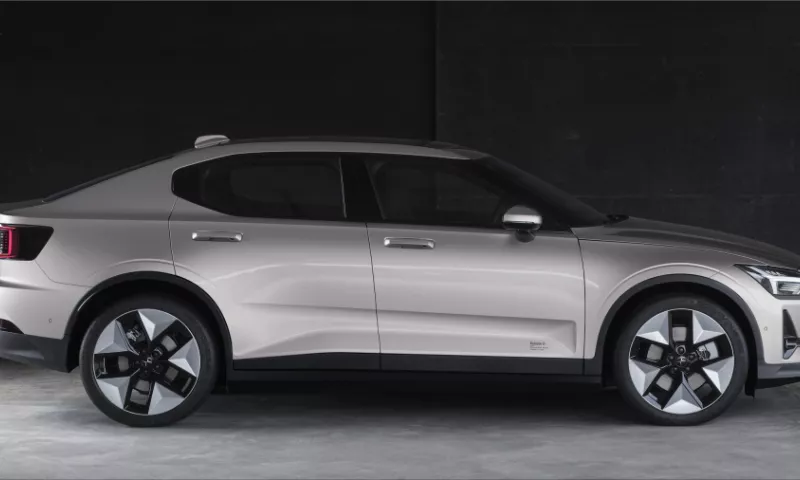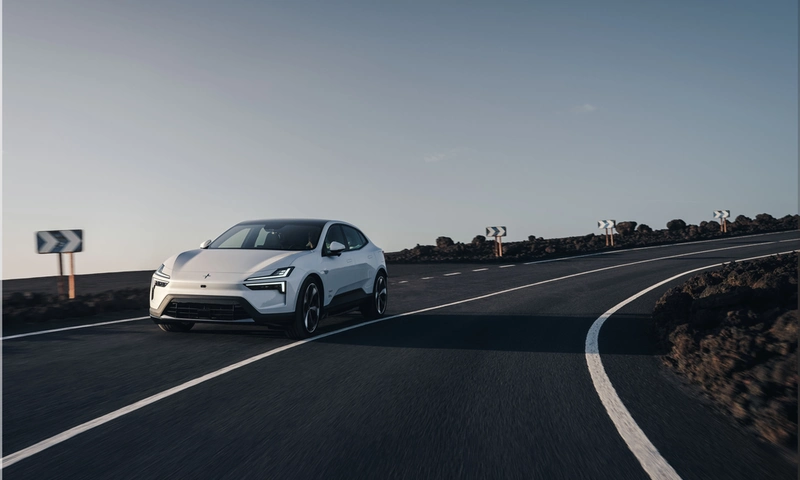
Polestar has achieved a 24.7% reduction in greenhouse gas emissions per vehicle sold since 2020, as detailed in its 2024 Sustainability Report. This accomplishment reflects a strong commitment to reducing environmental impact while scaling EV production.
Key Metrics from the 2024 Sustainability Report
| Metric | 2020 | 2023 | Change |
|---|---|---|---|
| GHG emissions per vehicle sold (tons CO₂e) | 26.2 | 19.7 | -24.7% |
| Renewable electricity in manufacturing | 80% | 100% | +20% |
| Vehicles sold | 10,000+ | 54,000+ | +440% |
Manufacturing: Transition to 100% Renewable Electricity
All Polestar manufacturing sites now use 100% renewable electricity. Key improvements include:
- Complete switch to renewable energy at all factories
- Increased energy efficiency at the Luqiao plant
- Lower reliance on fossil-fuel-based materials
These changes have reduced factory emissions by 81,000 tons of CO₂e.
Supply Chain: Addressing the Largest Emissions Source
Most emissions still come from Polestar’s supply chain, including:
- Battery production
- Raw material extraction
- Component transportation
In 2023, Polestar took steps to reduce these emissions:
- Used blockchain tracking through Circulor
- Increased recycled aluminum and steel
- Encouraged supplier use of clean energy
Scope 3 emissions remain high, despite progress.
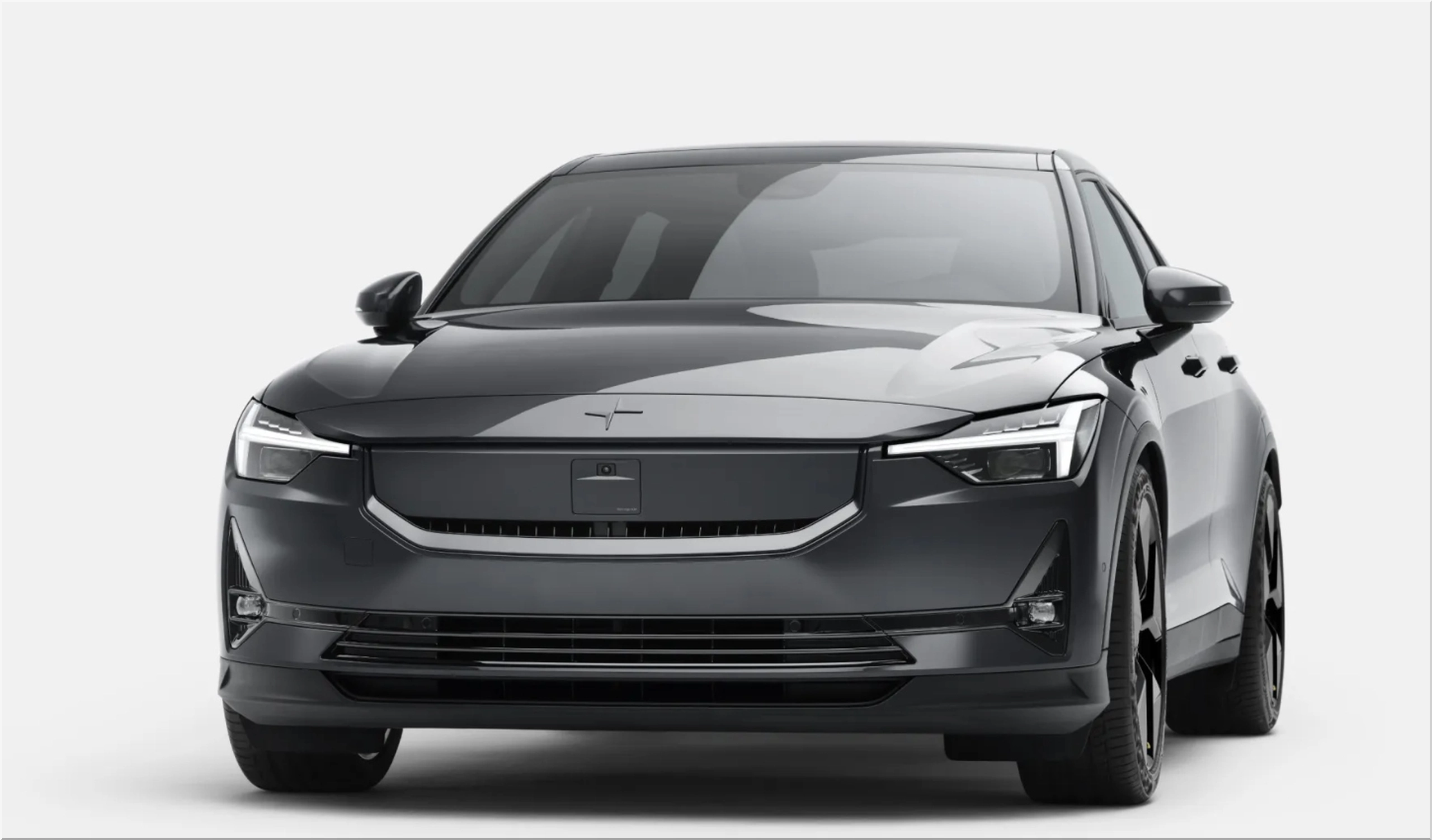
Product Impact: Enhancements in the Polestar 2
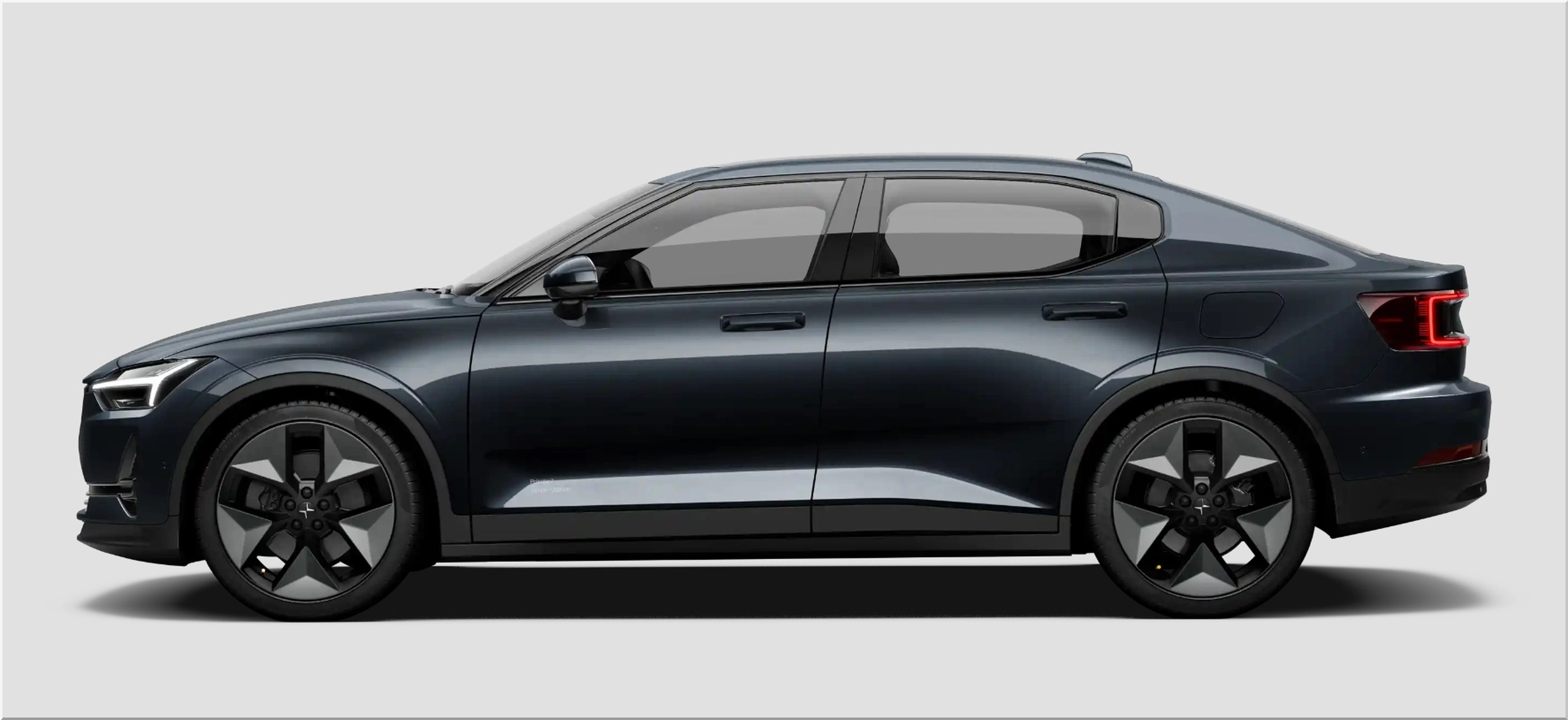
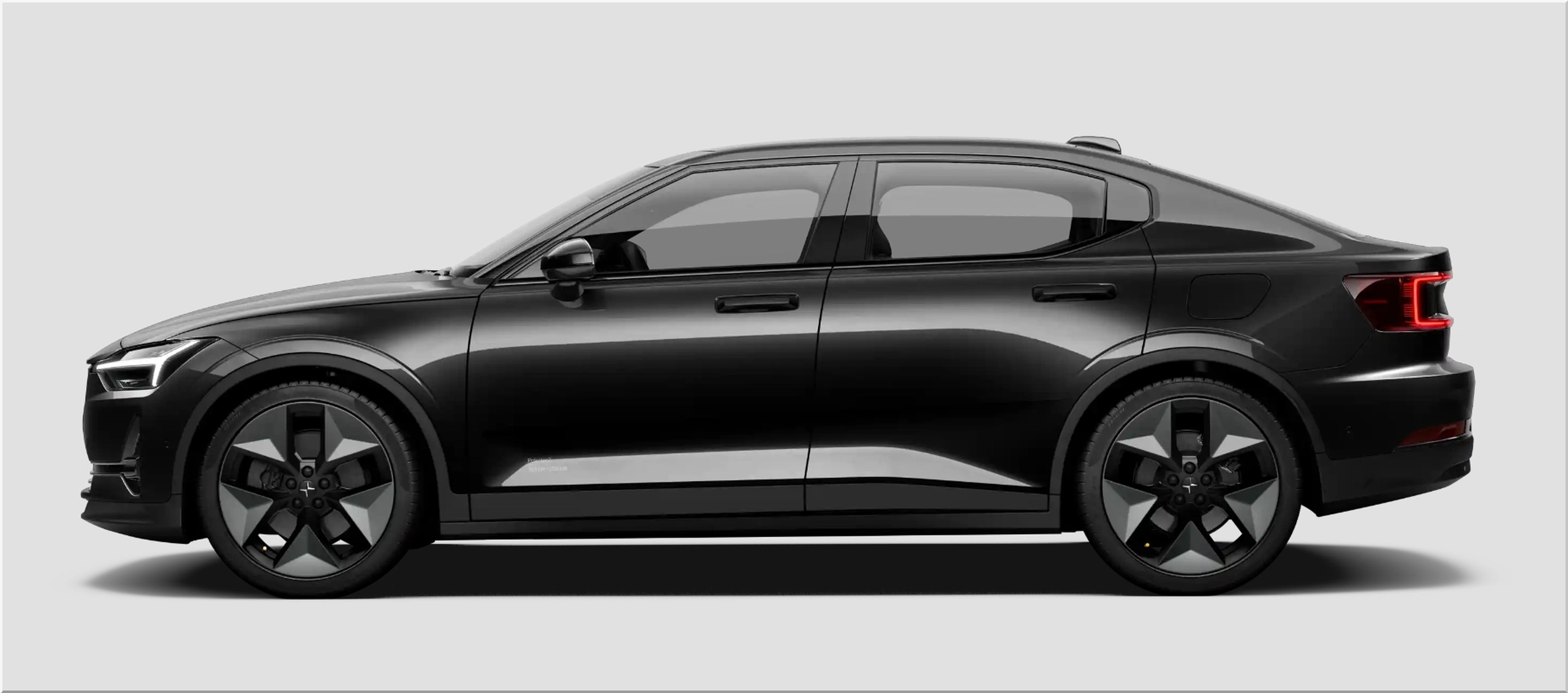
Product-specific updates reduced emissions in the Polestar 2 lineup:
- Use of lithium iron phosphate (LFP) batteries
- Eliminated rare earth magnets in motors
- Switched to low-carbon aluminum in frames
Lifecycle Assessment: Comprehensive Emissions Tracking
Polestar’s cradle-to-gate lifecycle assessment includes:
- Raw materials
- Component manufacturing
- Assembly and shipping
- Driving emissions
Result: Emissions per car dropped from 26.2 to 19.7 tons CO₂e.
Industry Comparison: Polestar's Position
Polestar leads with verified emissions data. In contrast:
- Tesla: No per-car emissions data disclosed
- BMW: Long-term goals, limited current progress data
- Volvo: Fully electric goal by 2030, progress still early
Scaling Production with Reduced Emissions
Between 2020 and 2023:
- Polestar grew sales over 5x
- GHG per car sold fell by nearly 25%
This disproves the idea that growth must equal higher emissions.
Future Objectives: The Polestar 0 Project
Polestar aims to release a fully climate-neutral car by 2030. Goals include:
- Zero emissions from extraction to delivery
- Fully traceable materials
- Renewable energy throughout the supply chain
Major hurdles: supplier emissions, battery tech, and compliance auditing.
Consumer Considerations: Evaluating EV Sustainability
What should buyers check before choosing an EV?
- Total lifecycle CO₂e per vehicle
- Battery materials used
- Manufacturing energy source
- Use of recycled materials
- Availability of verified sustainability reports
Polestar offers clear data for comparison, separating itself from vague marketing claims.
Integrating Sustainability into Business Strategy
Polestar builds emissions reduction into its operating model:
- Sustainability KPIs influence executive pay
- Climate metrics reviewed quarterly by the board
- R&D budgets account for emissions impact

Conclusion: Holding the Industry Accountable
Polestar’s report is transparent, specific, and measurable. This sets a standard in the EV industry.
With verifiable 24.7% lower GHG emissions per vehicle since 2020, Polestar shows what data-backed progress looks like.
- Add new comment
- 124 views