The automotive sector frequently struggles to balance the heavy mass of battery electric vehicles (BEVs) with the nimble requirements of a performance hatchback. The CUPRA Born 2026 addresses this friction through aggressive chassis tuning and a rear-motor configuration that prioritizes mechanical grip. While competitors often focus on range as the primary metric, CUPRA utilizes the MEB architecture to deliver a driver-centric experience that mirrors the feedback of a traditional internal combustion engine sport compact.
Mechanical Architecture and Weight Distribution
Structural integrity in the Born relies on a high-strength steel frame designed to protect the lithium-ion battery housed within the floorpan. By positioning the heaviest component low and central, engineers achieved a center of gravity lower than that of many gasoline-powered rivals. Specifically, the vehicle maintains a 50:50 weight distribution, which is essential for neutralizing understeer during high-speed cornering maneuvers.
The 2026 model year introduces a refined multi-link rear suspension setup. This hardware manages the immediate delivery of electric torque, preventing the rear tires from losing traction under hard acceleration. In addition, the MacPherson strut front end features specific bushings and geometry adjustments to sharpen steering response and provide more tactile feedback through the rack.
Performance Data: 2026 Power Unit Benchmarks
| Performance Metric | CUPRA Born (Standard) | CUPRA Born VZ |
|---|---|---|
| Peak Power Output | 227 hp | 322 hp |
| Peak Torque | 229 lb-ft | 402 lb-ft |
| 0-60 MPH Acceleration | 6.6 Seconds | 5.5 Seconds |
| Top Speed | 99 mph | 124 mph |
| Battery Capacity (Net) | 59 kWh | 79 kWh |
The Born VZ: A Logic-Based Power Increase
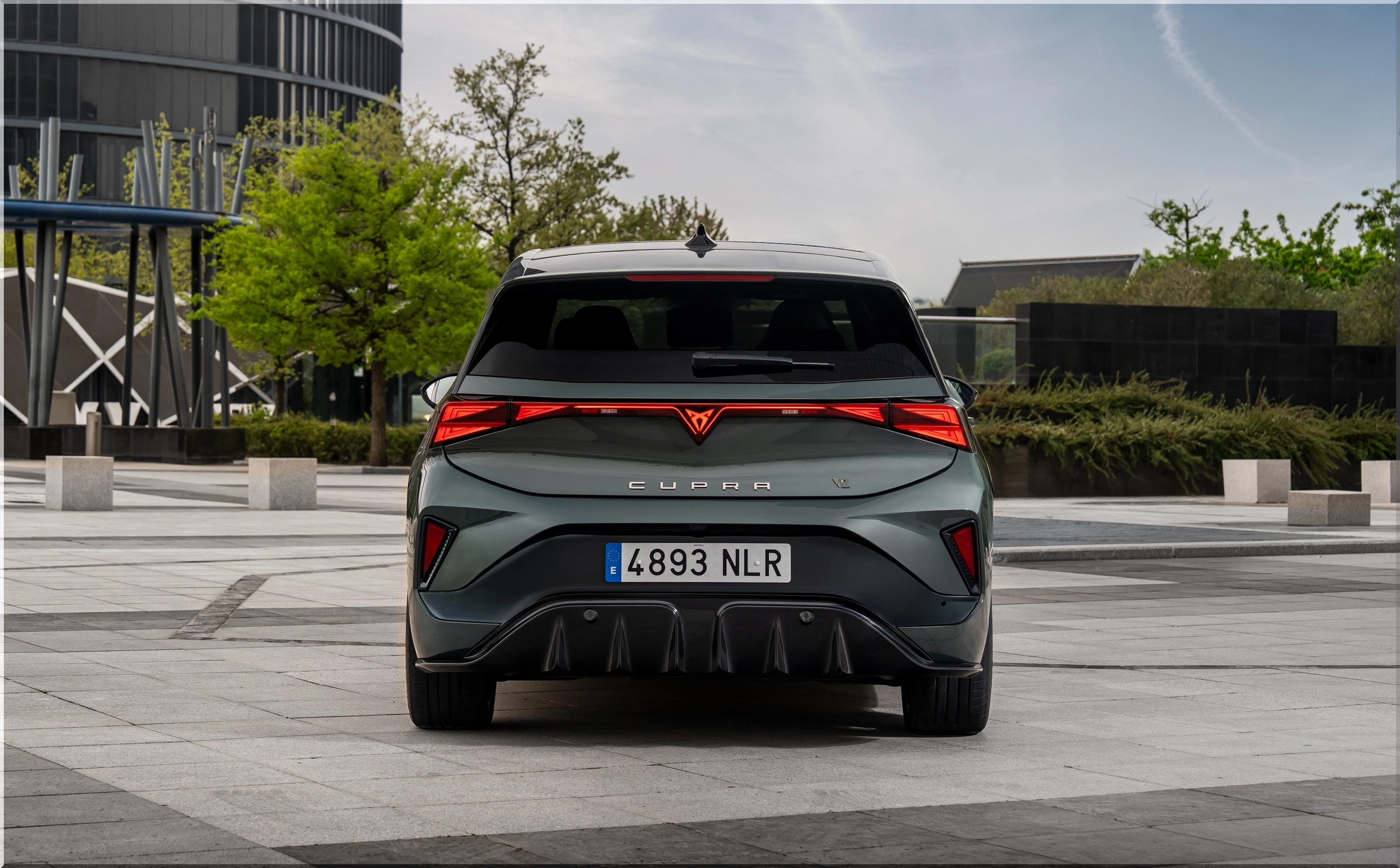
The high-performance CUPRA Born VZ trim represents a significant engineering leap for the brand. Looking at the data, the VZ produces 322 horsepower, a figure that places it firmly within the territory of established performance legends. To manage this 40 percent increase in power, CUPRA engineers modified the inverter software to allow for more aggressive current discharge without compromising the longevity of the cells.
The VZ also features an upgraded braking system with larger discs and a recalibrated master cylinder. This hardware ensures that the vehicle can shed speed with the same urgency that it gains it. Consequently, the Dynamic Chassis Control (DCC) system allows drivers to stiffen the dampers for track use or soften them for urban environments, providing a versatile range of operation.
Thermal Management and Charging Logic
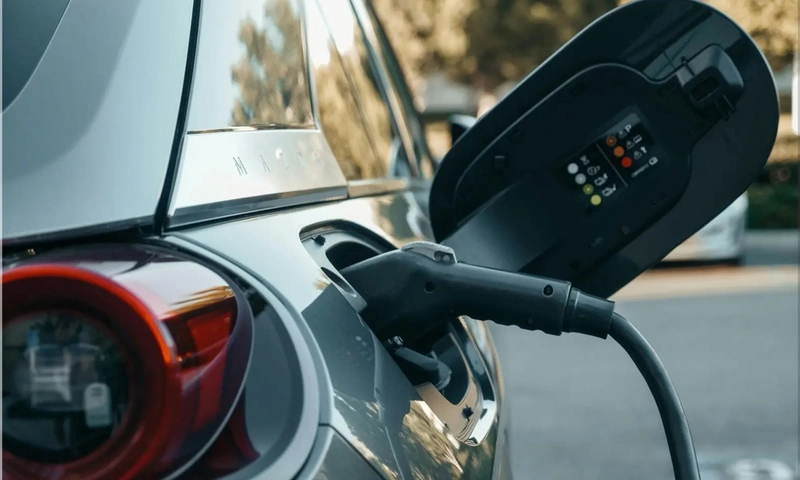
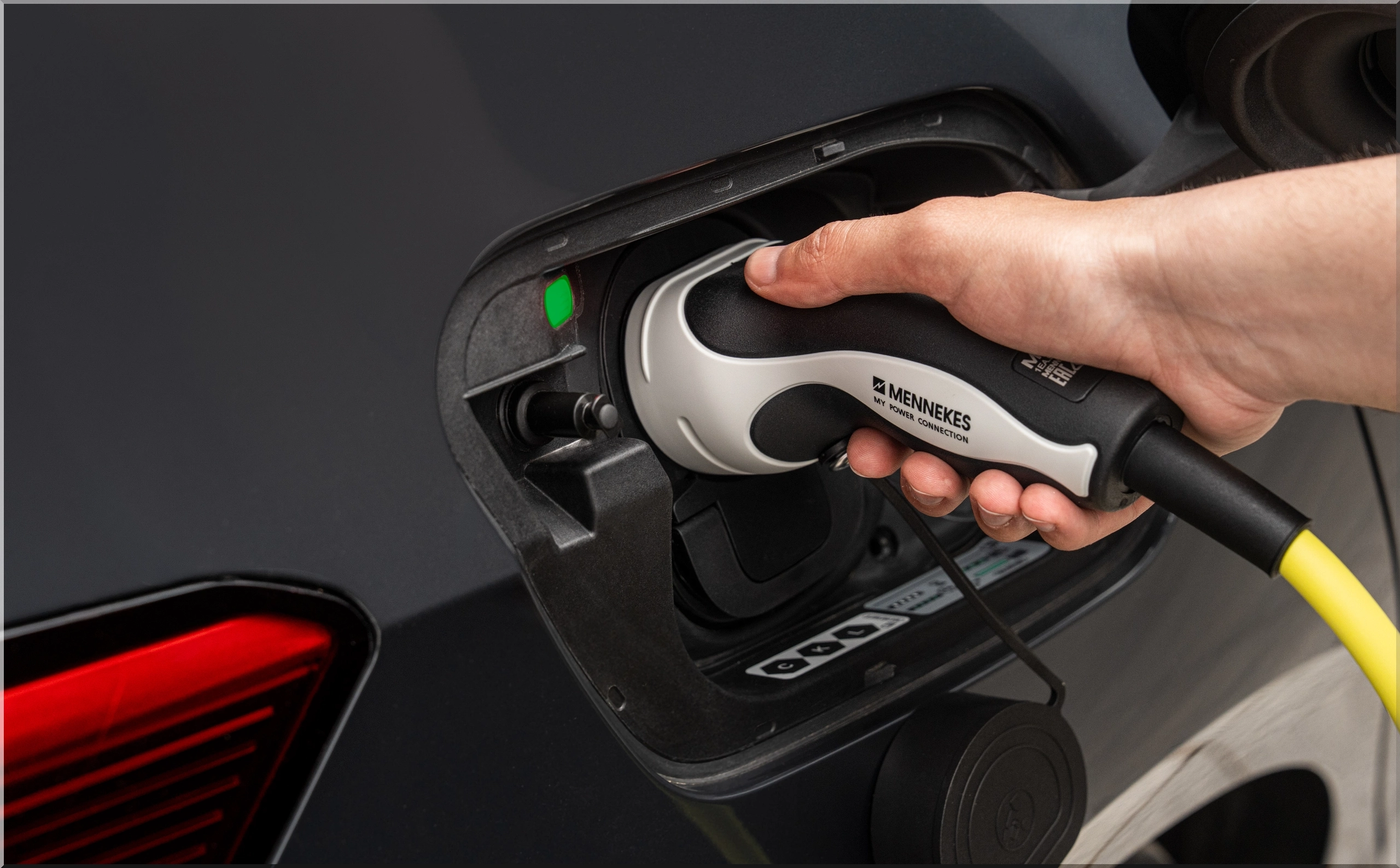
Range anxiety is often a result of poor thermal management, but the 2026 Born utilizes a sophisticated liquid-cooling circuit. This system maintains the cells within an optimal temperature window, typically between 77°F and 95°F (25°C to 35°C), even when the vehicle is subjected to repeated DC fast charging. Specifically, the 79kWh battery supports a peak charging rate of 185 kW, allowing for a 10% to 80% charge in approximately 26 minutes.
From an expert perspective, the inclusion of a heat pump is a critical efficiency factor. By capturing waste heat from the drivetrain and using it to regulate cabin temperature, the system reduces the electrical load on the main battery pack. This engineering choice preserves up to 10 percent of the vehicle's range in sub-freezing temperatures, a vital feature for northern climates.
Charging Speeds and Utility
- Level 3 DC Fast Charge: Adds 62 miles (100 km) of range in 7 minutes at 185 kW.
- Level 2 AC Home Charge: Full replenishment in 8 hours via an 11 kW wallbox.
- Maximum Range (WLTP): The 79kWh variant achieves up to 372 miles (599 km).
- Energy Recovery: Three levels of regenerative braking allow for near-one-pedal driving in city traffic.
Aerodynamics and Exterior Engineering
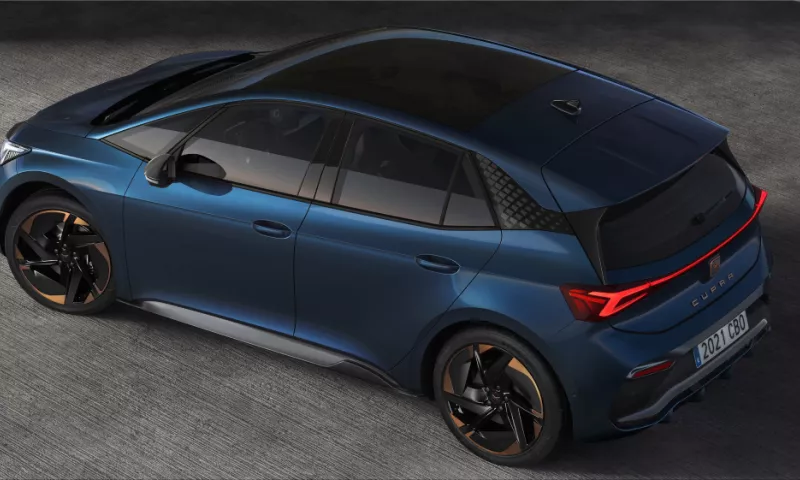
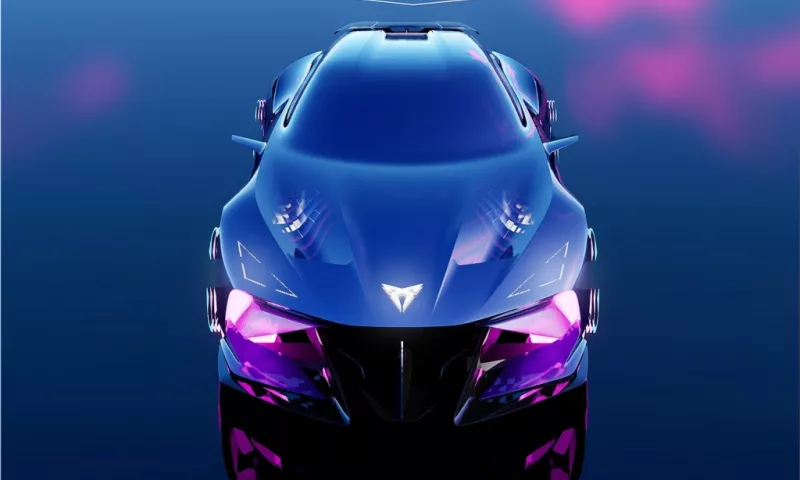
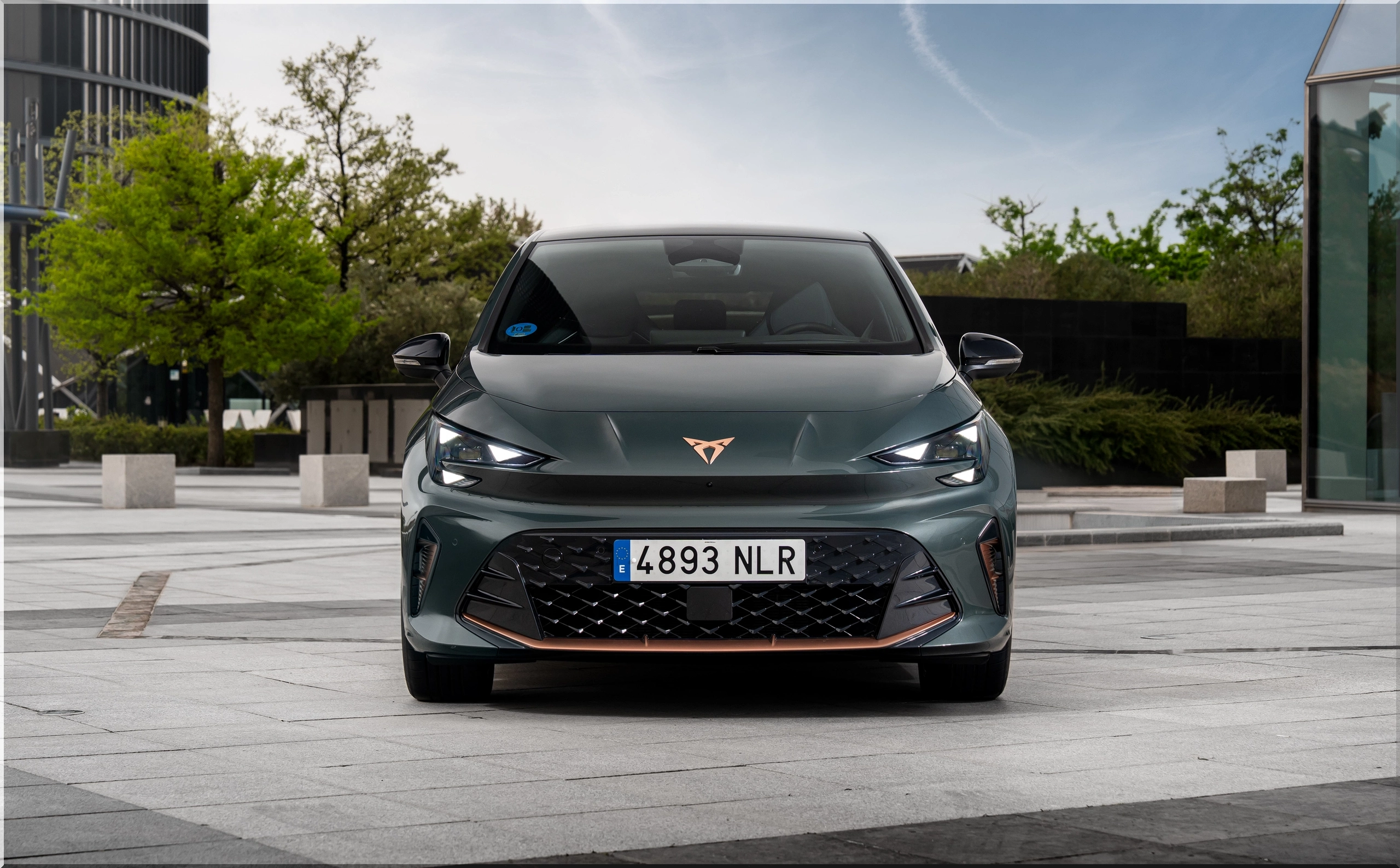
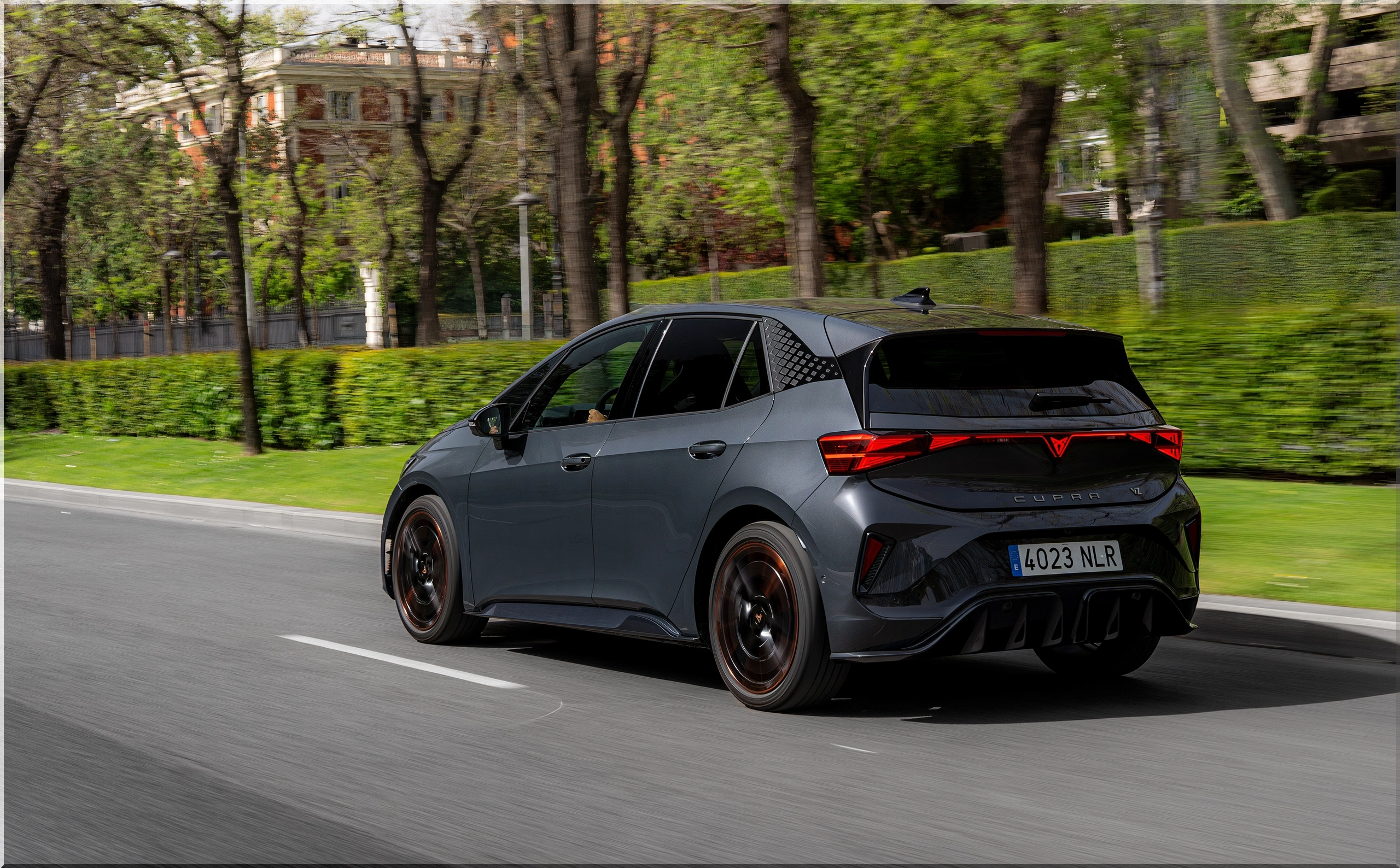
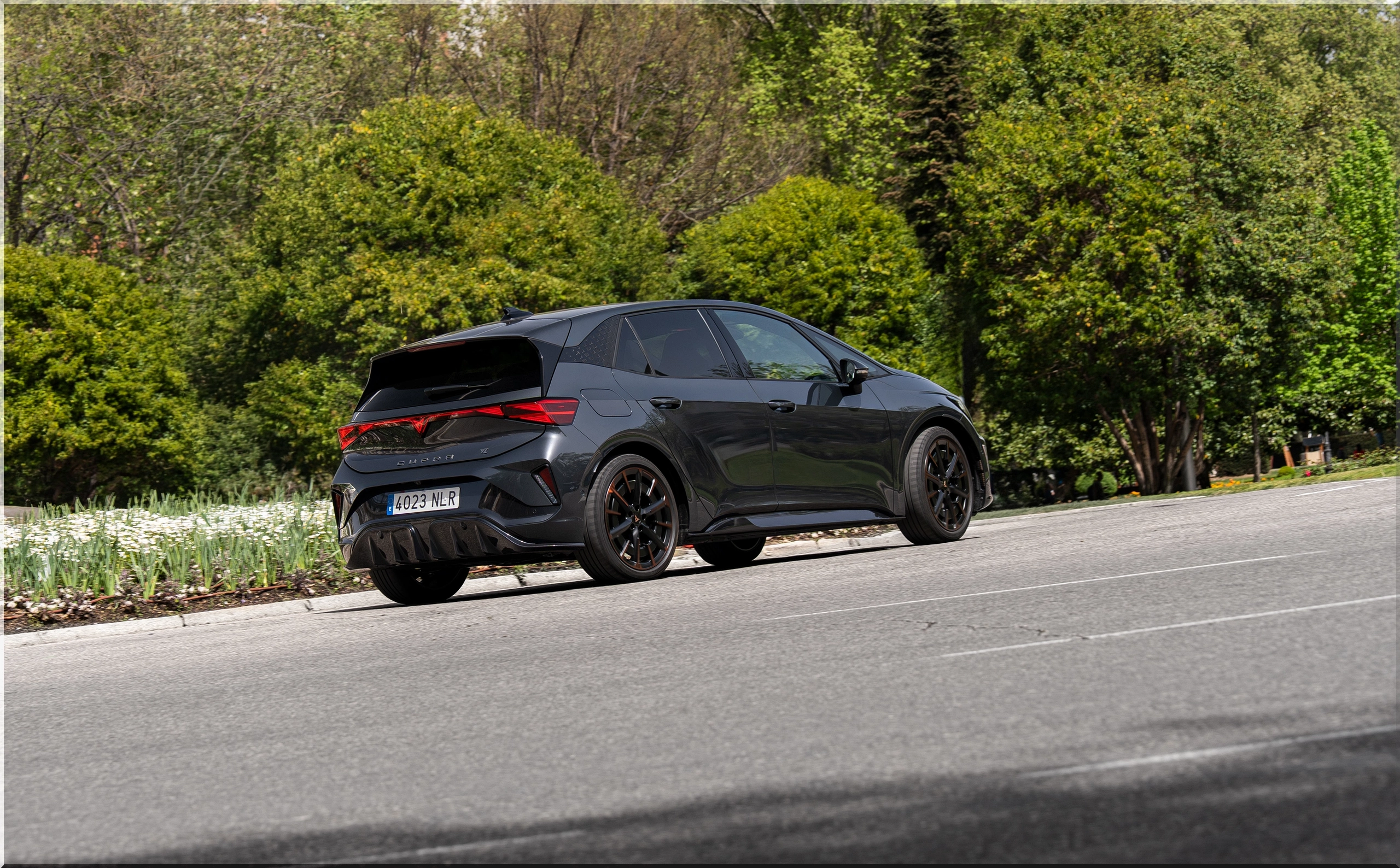
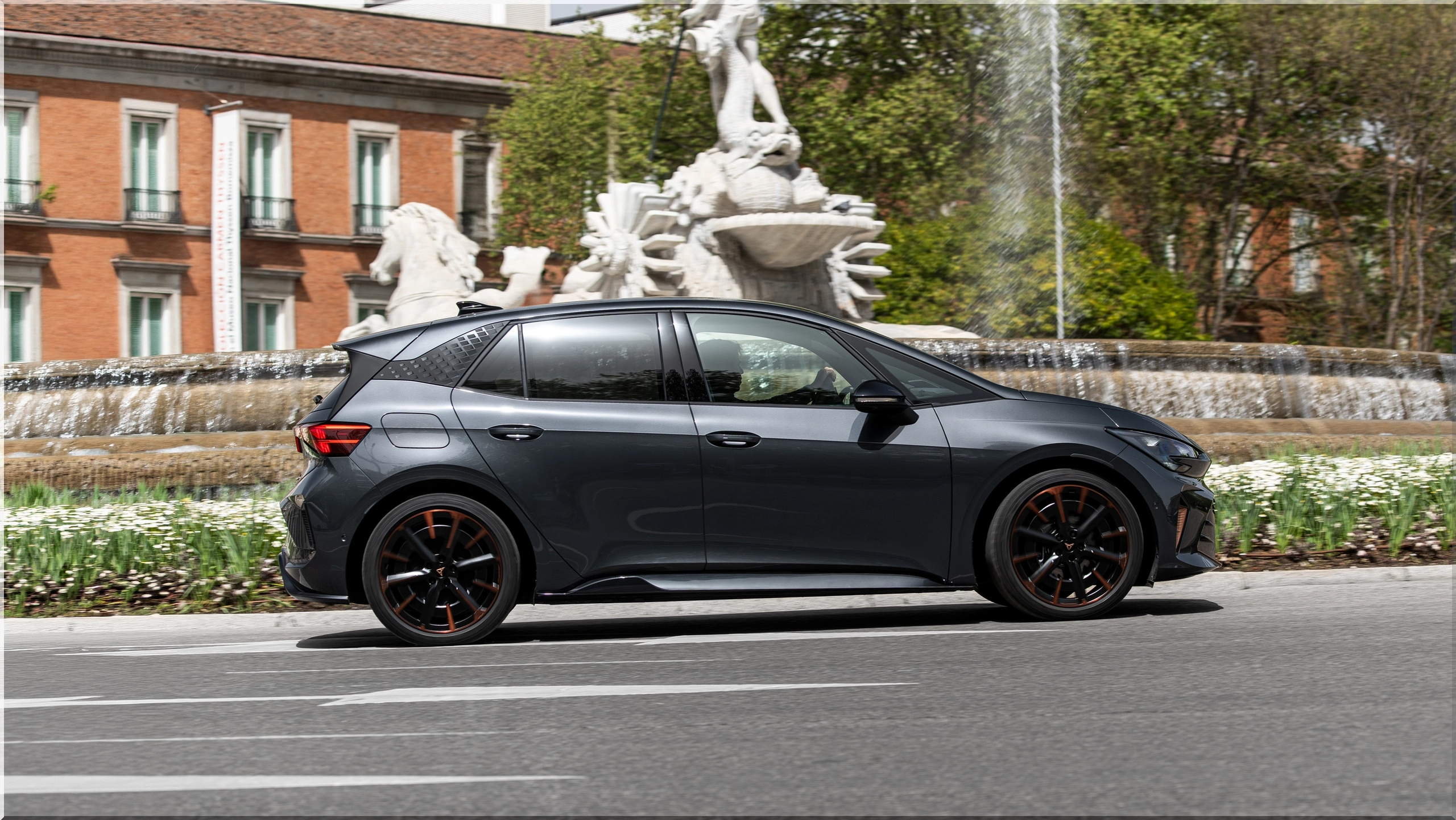
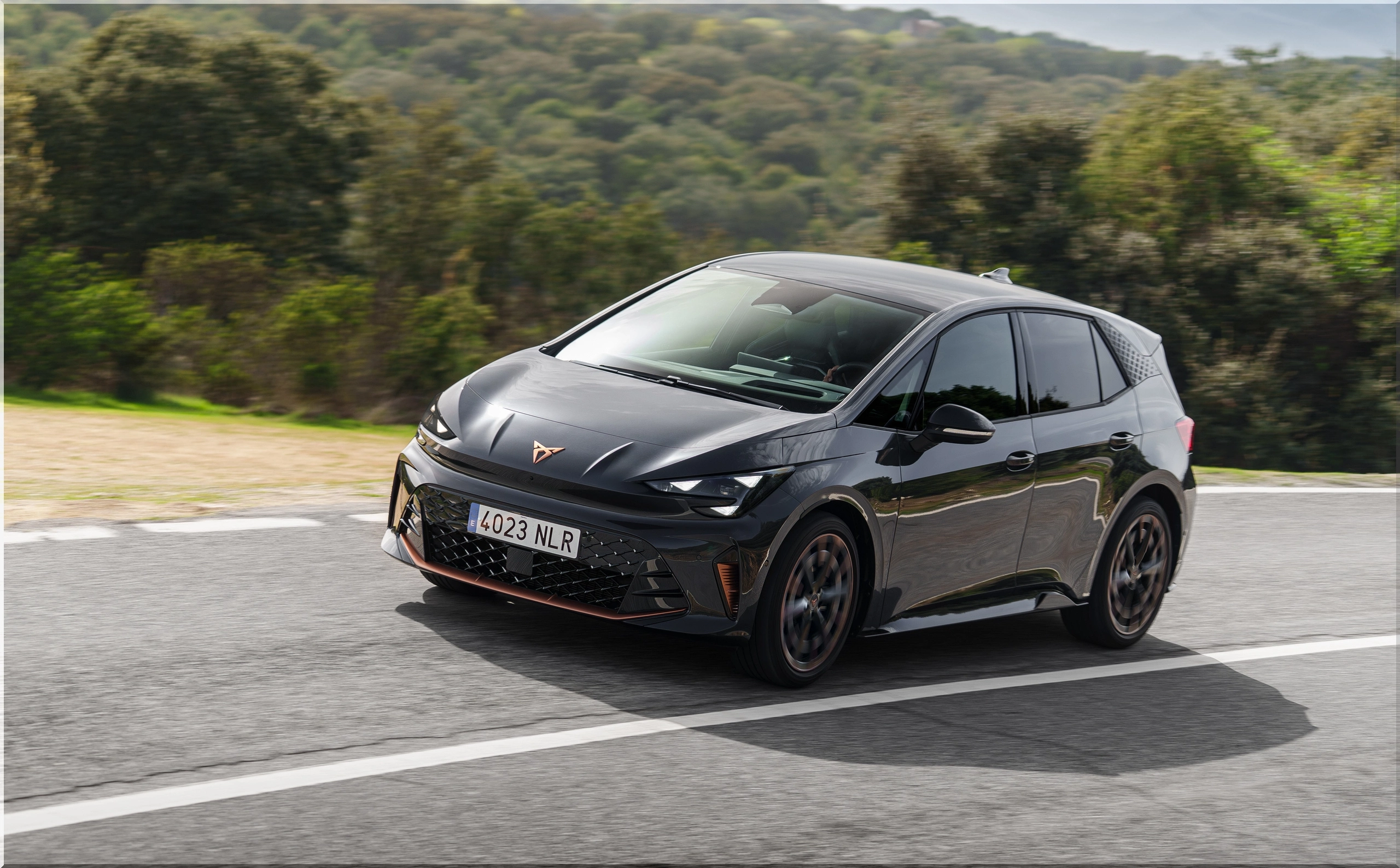
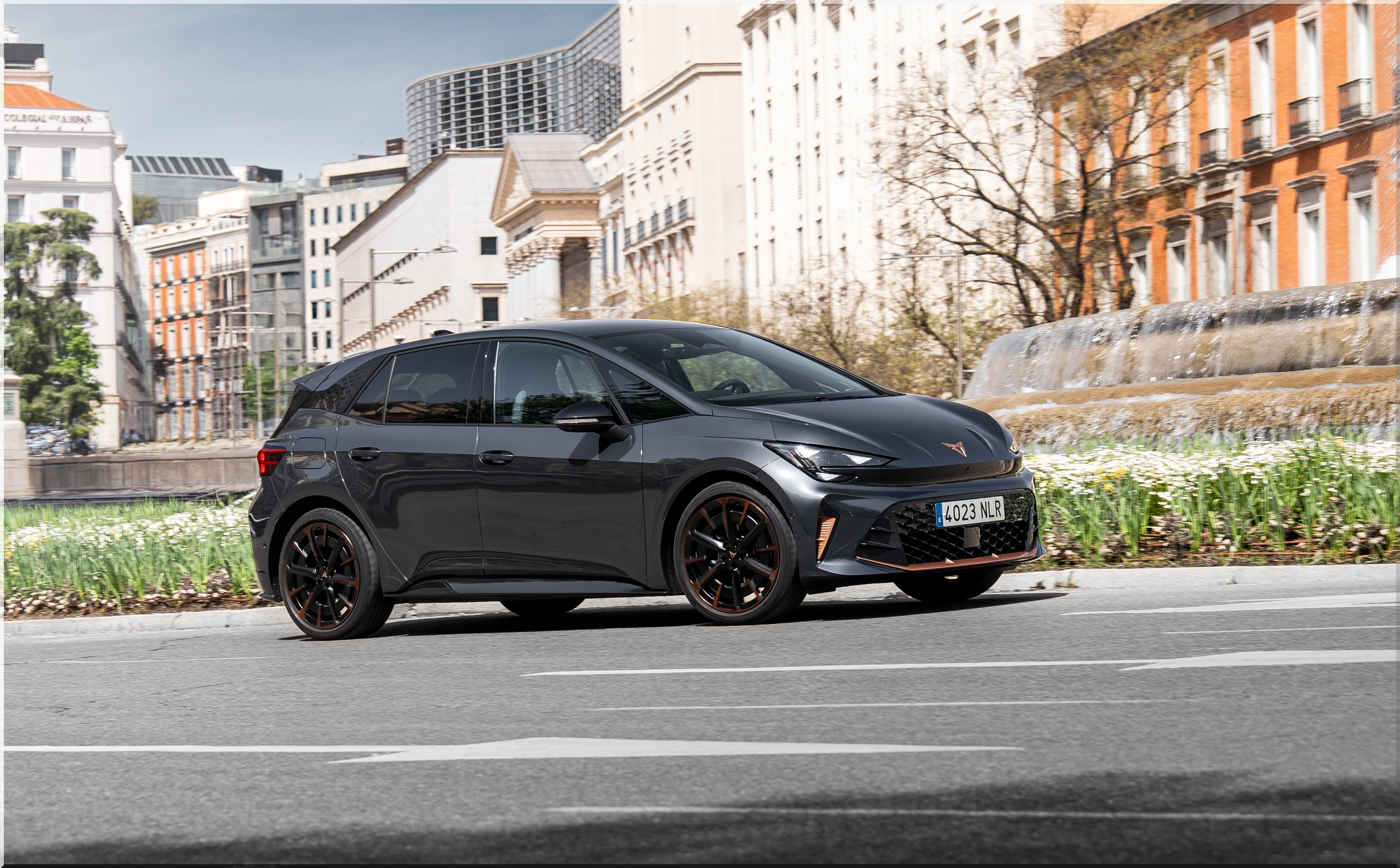
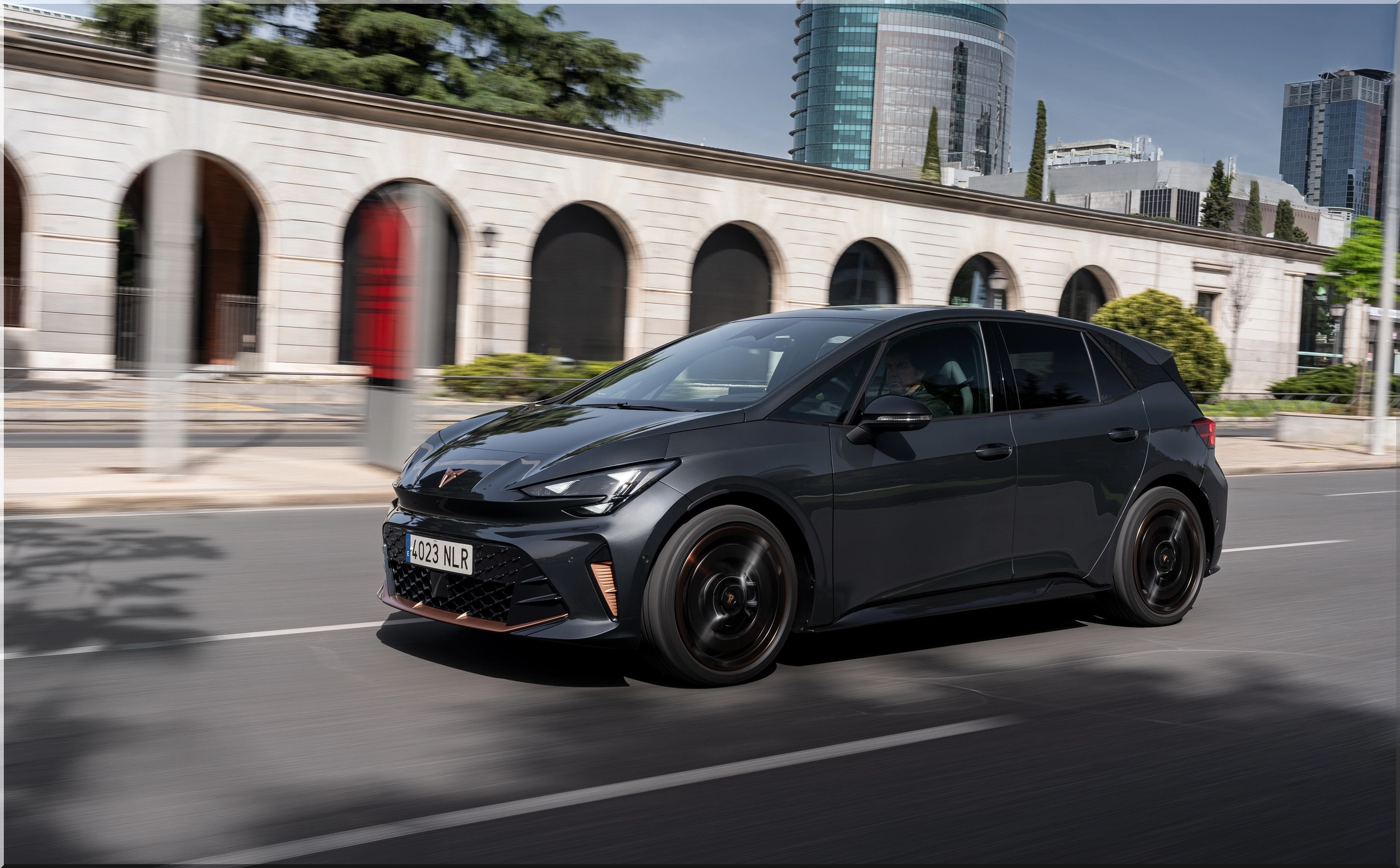
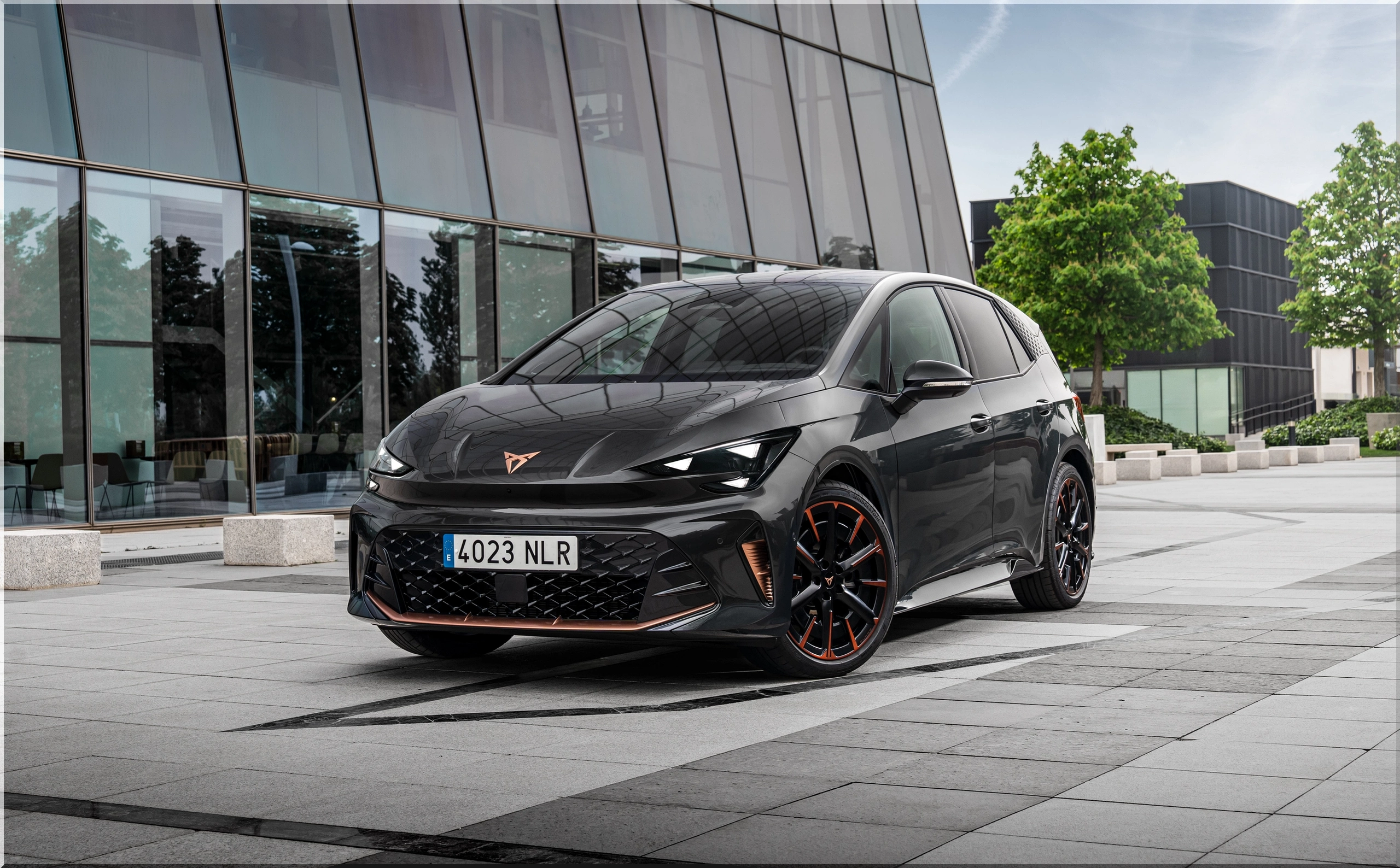
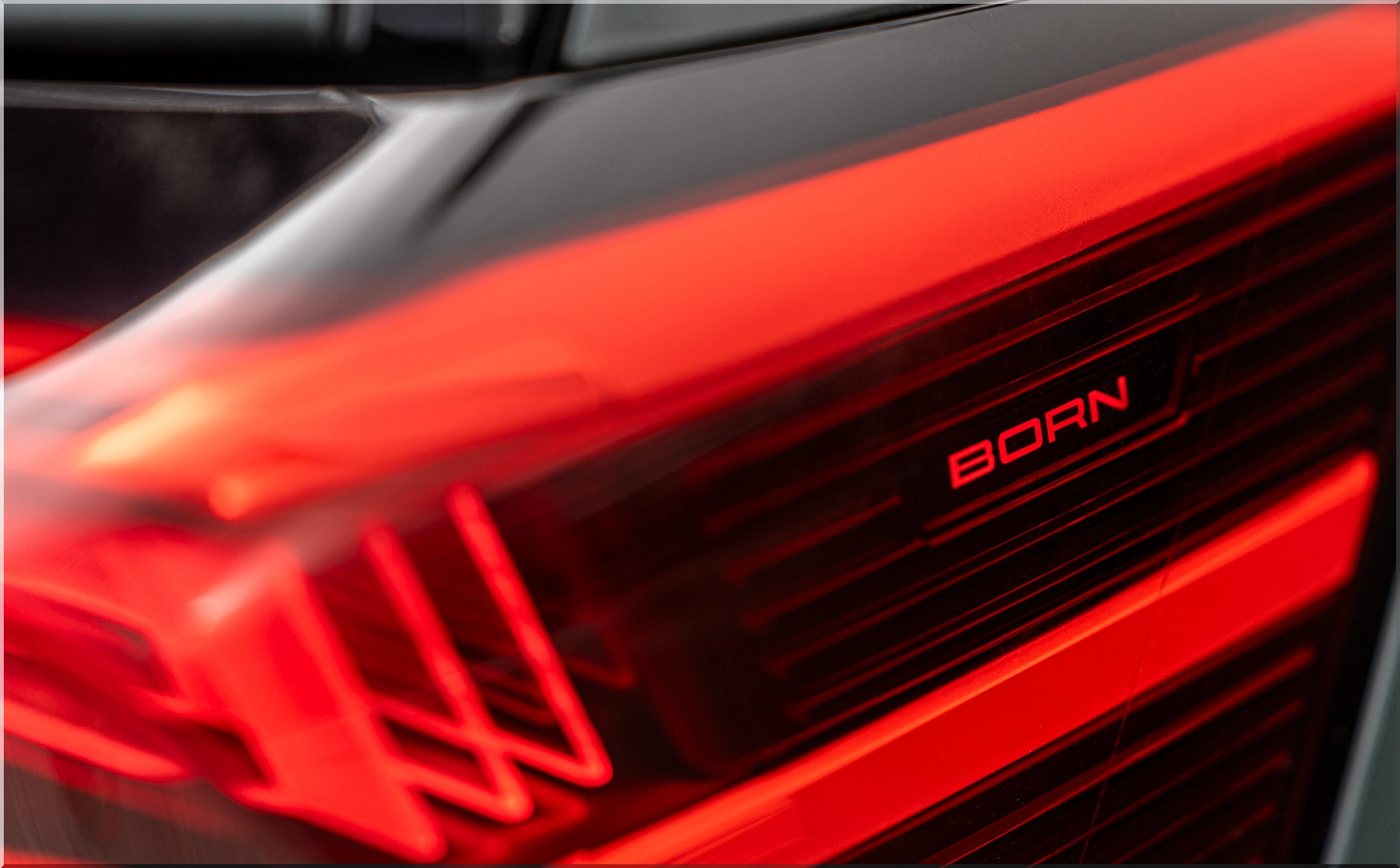
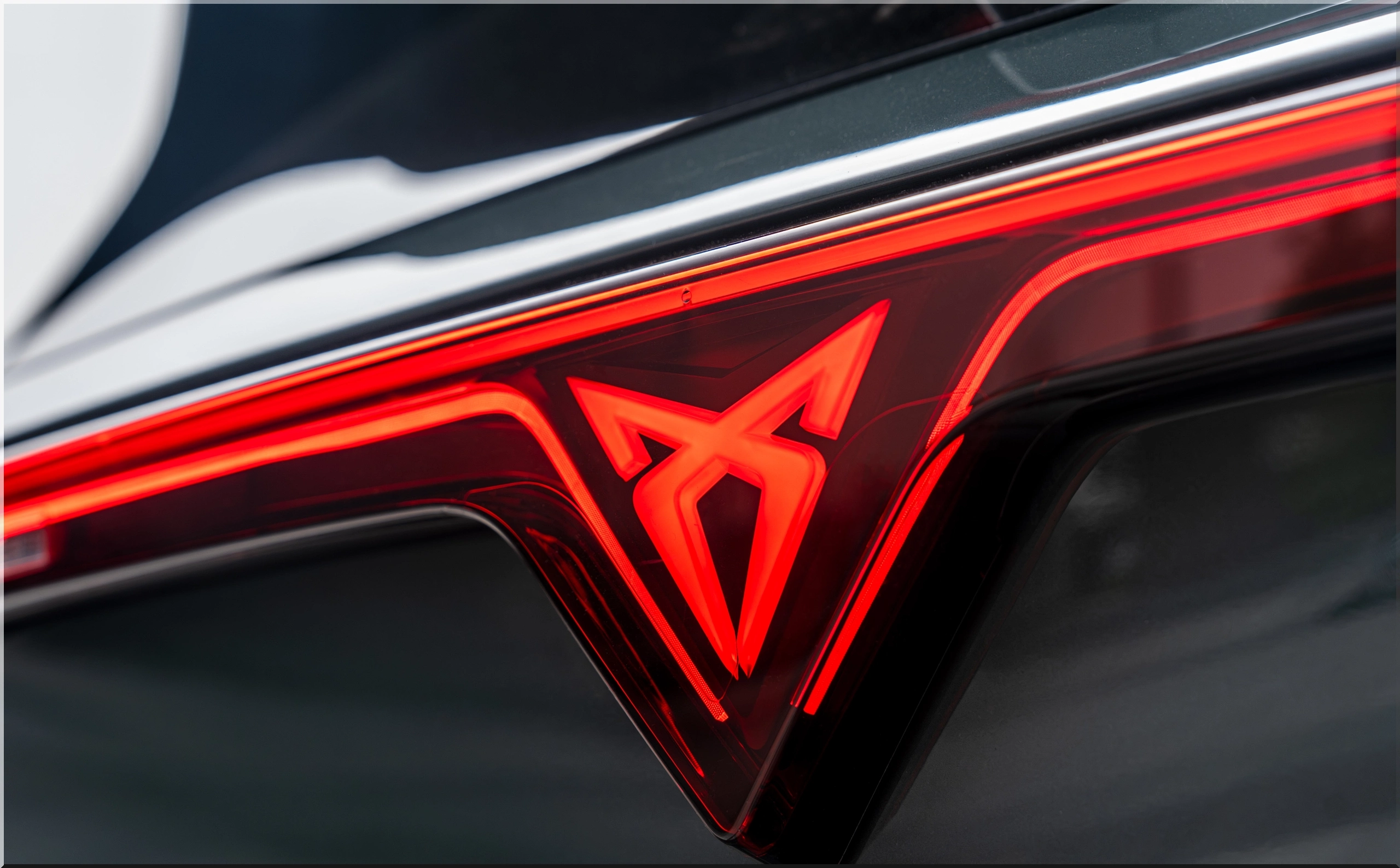
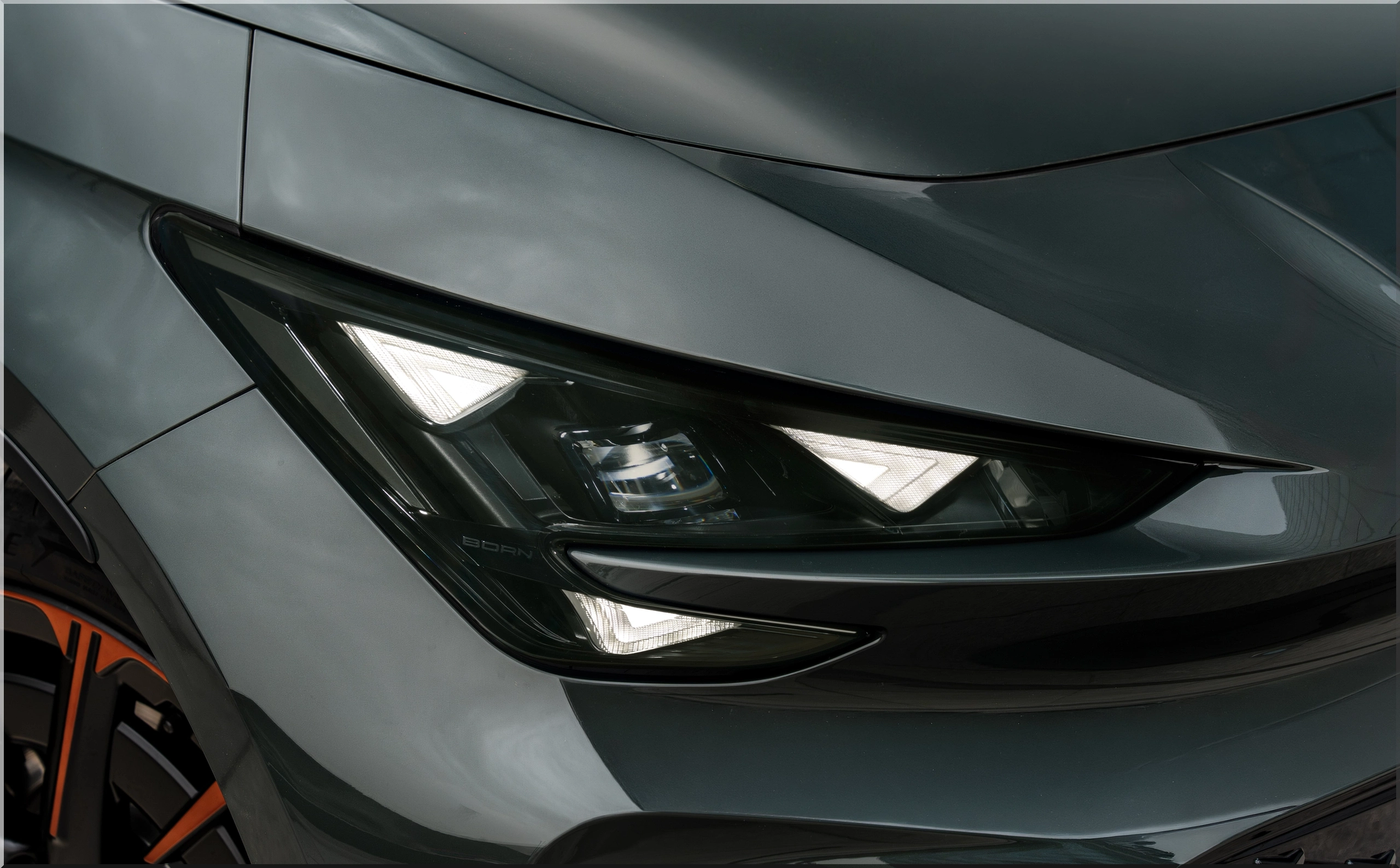
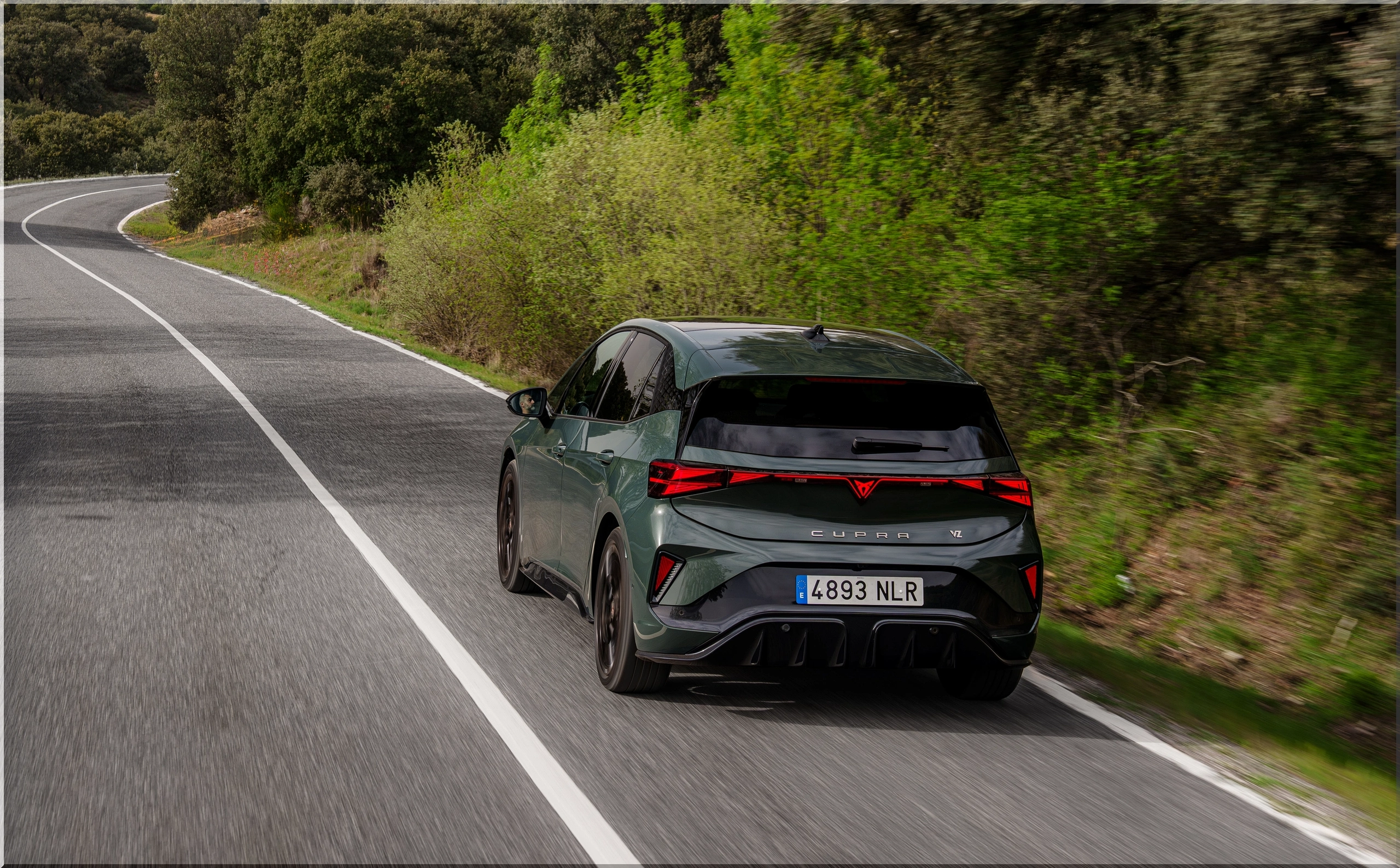
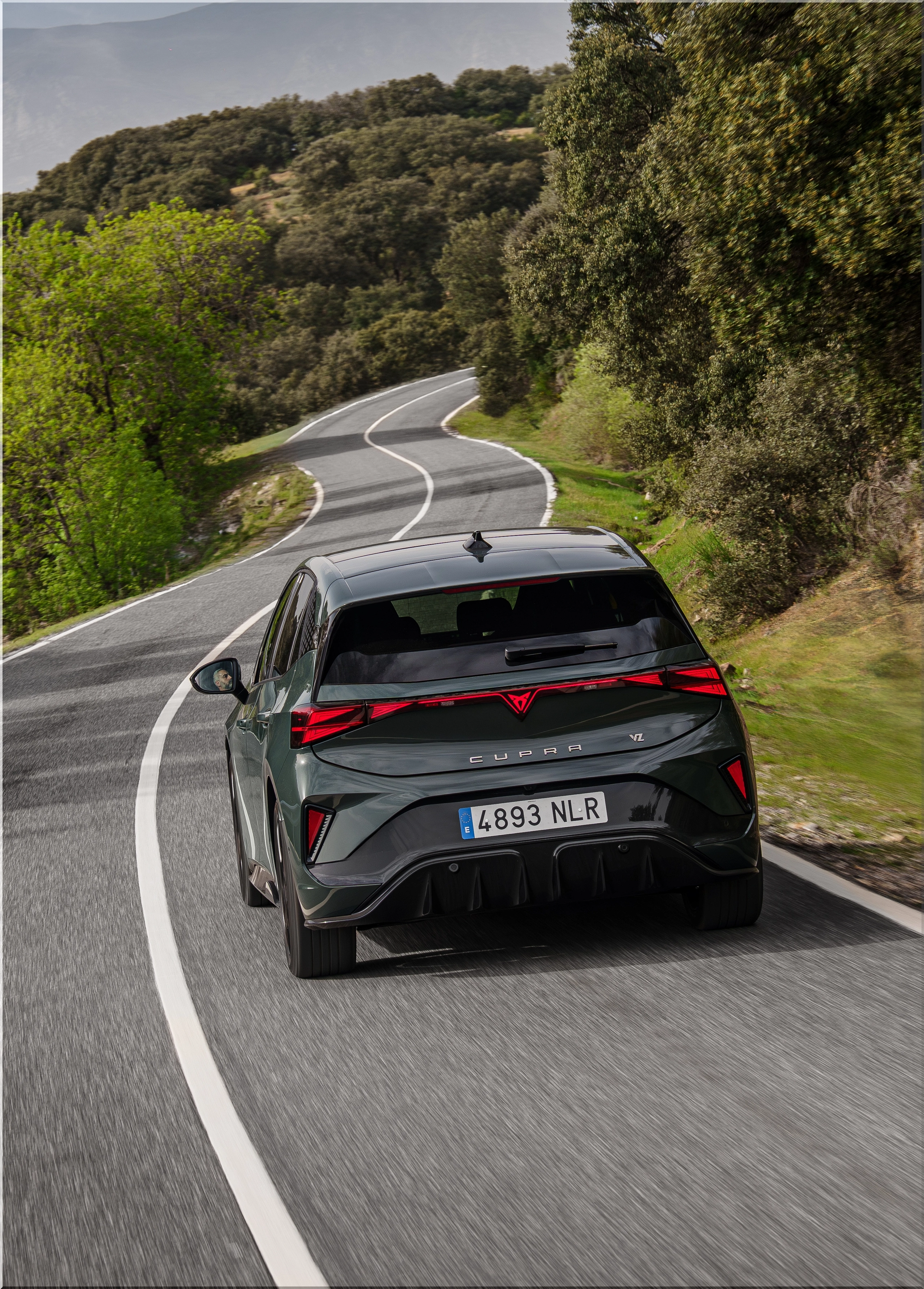
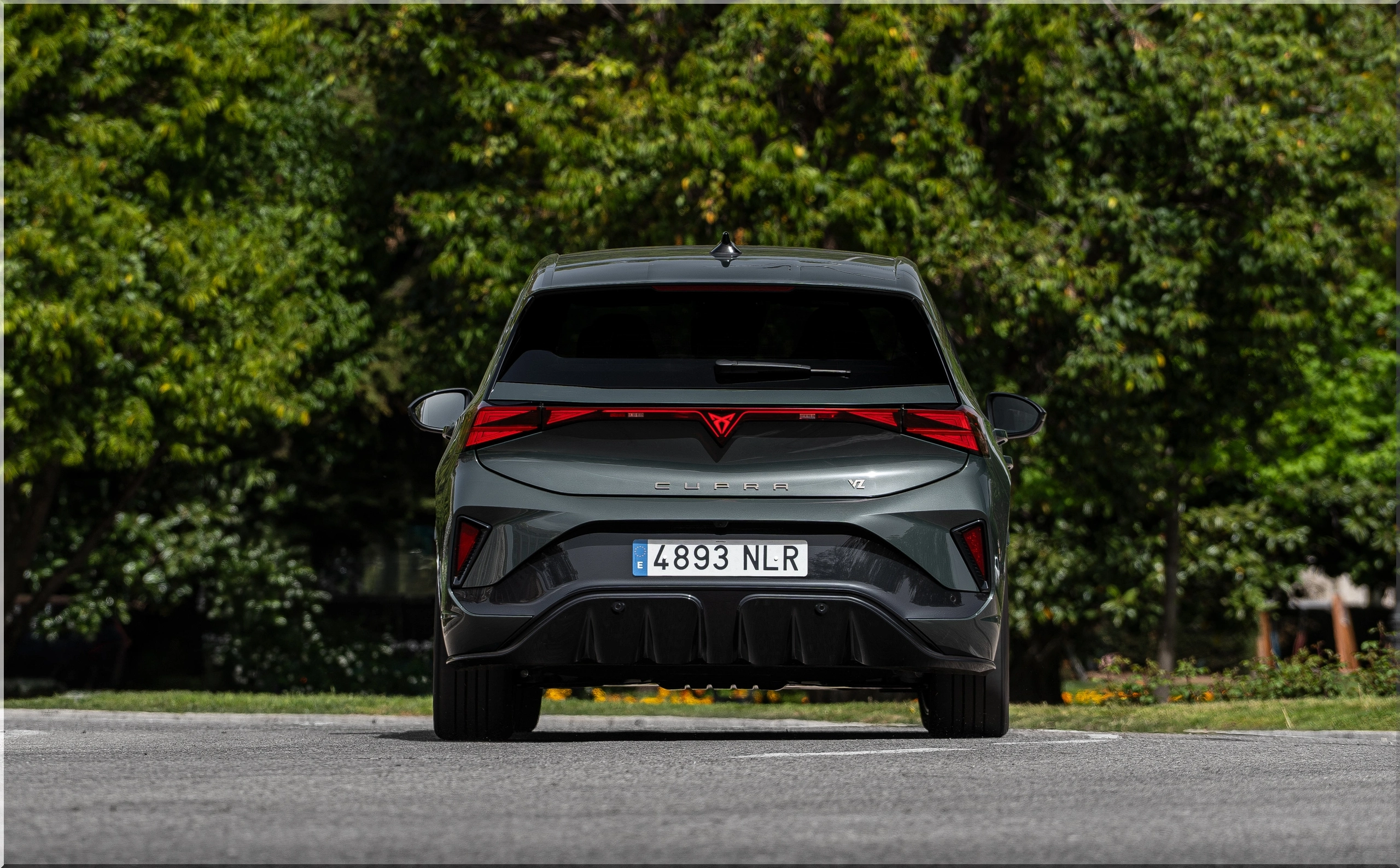
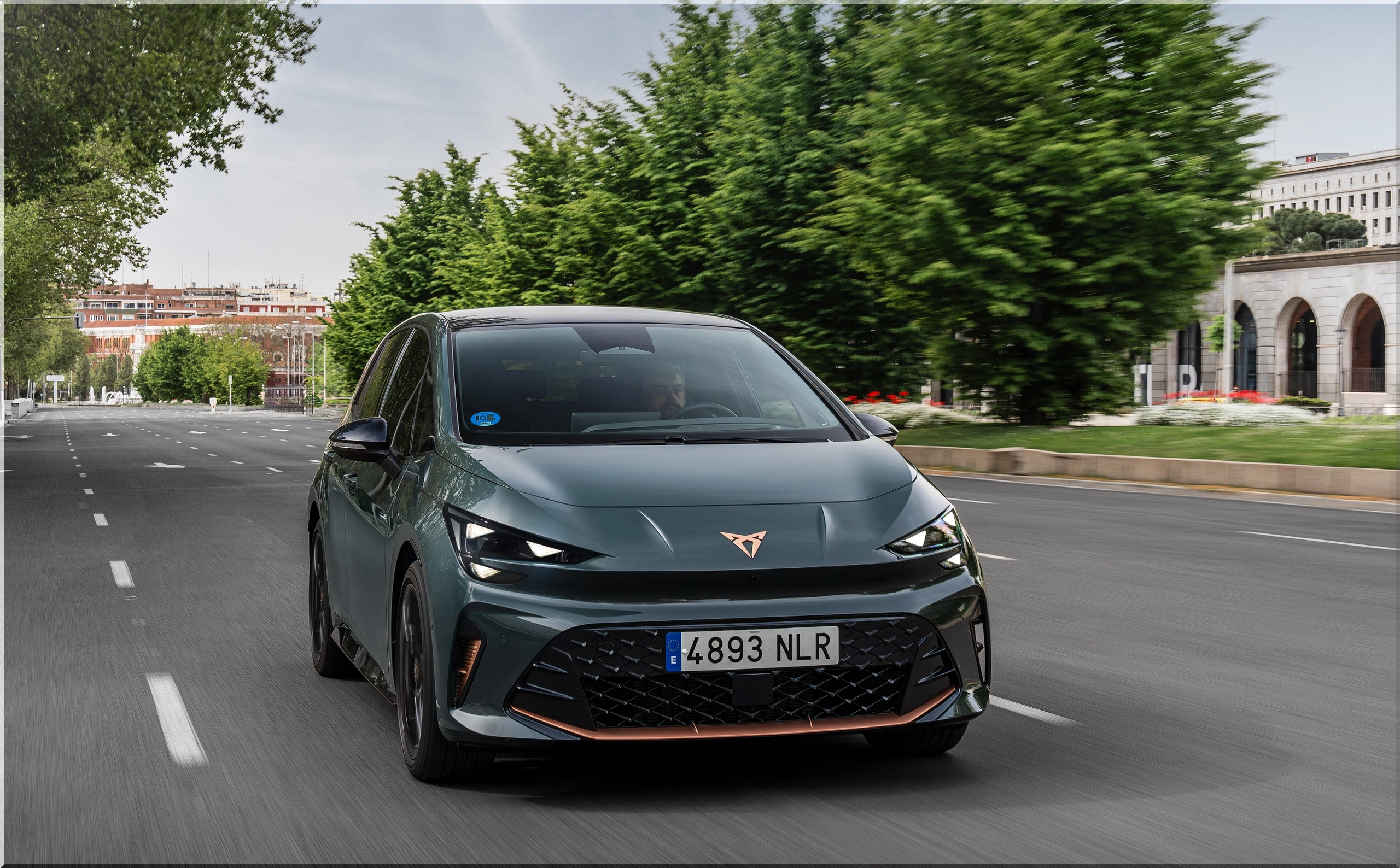
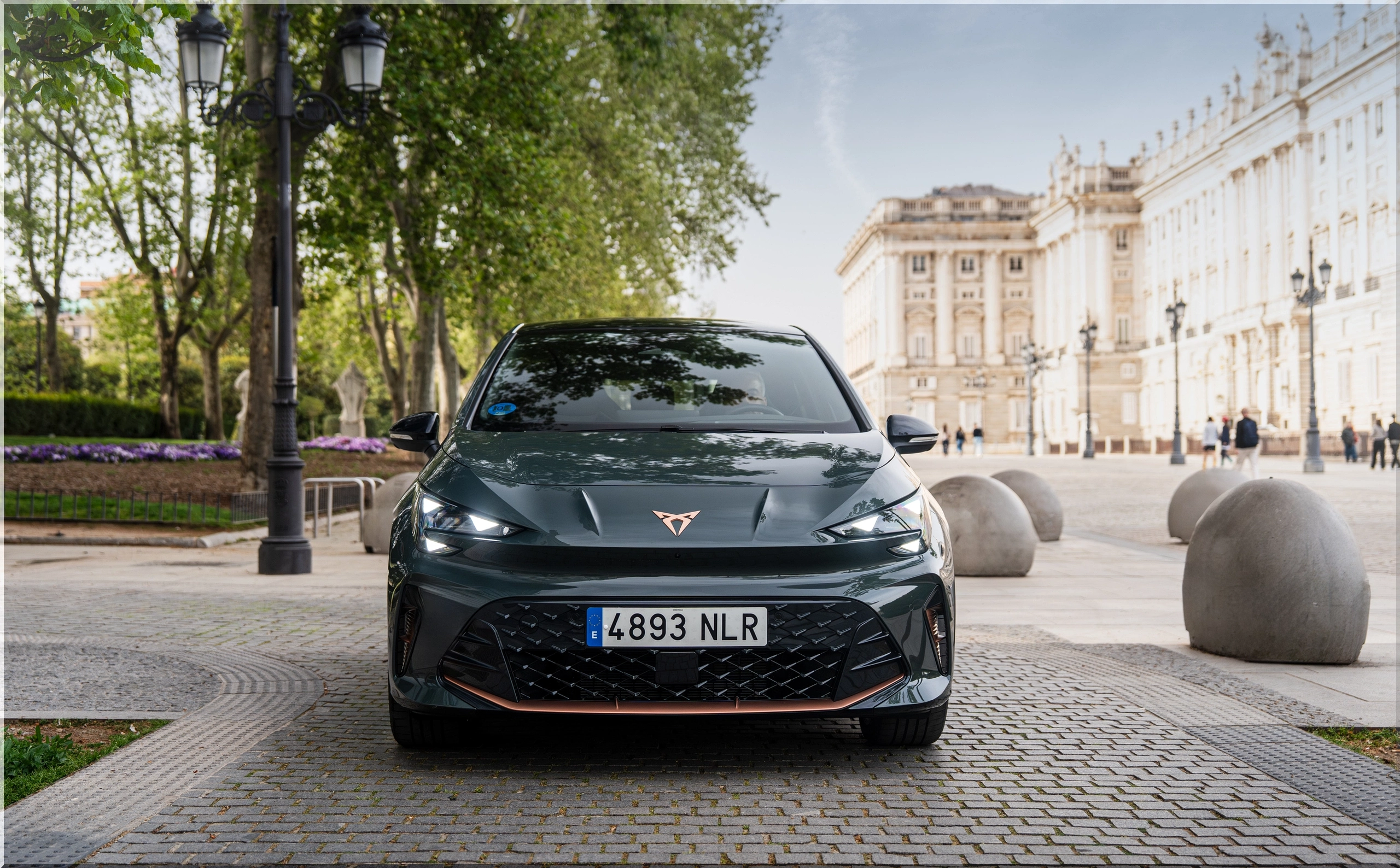
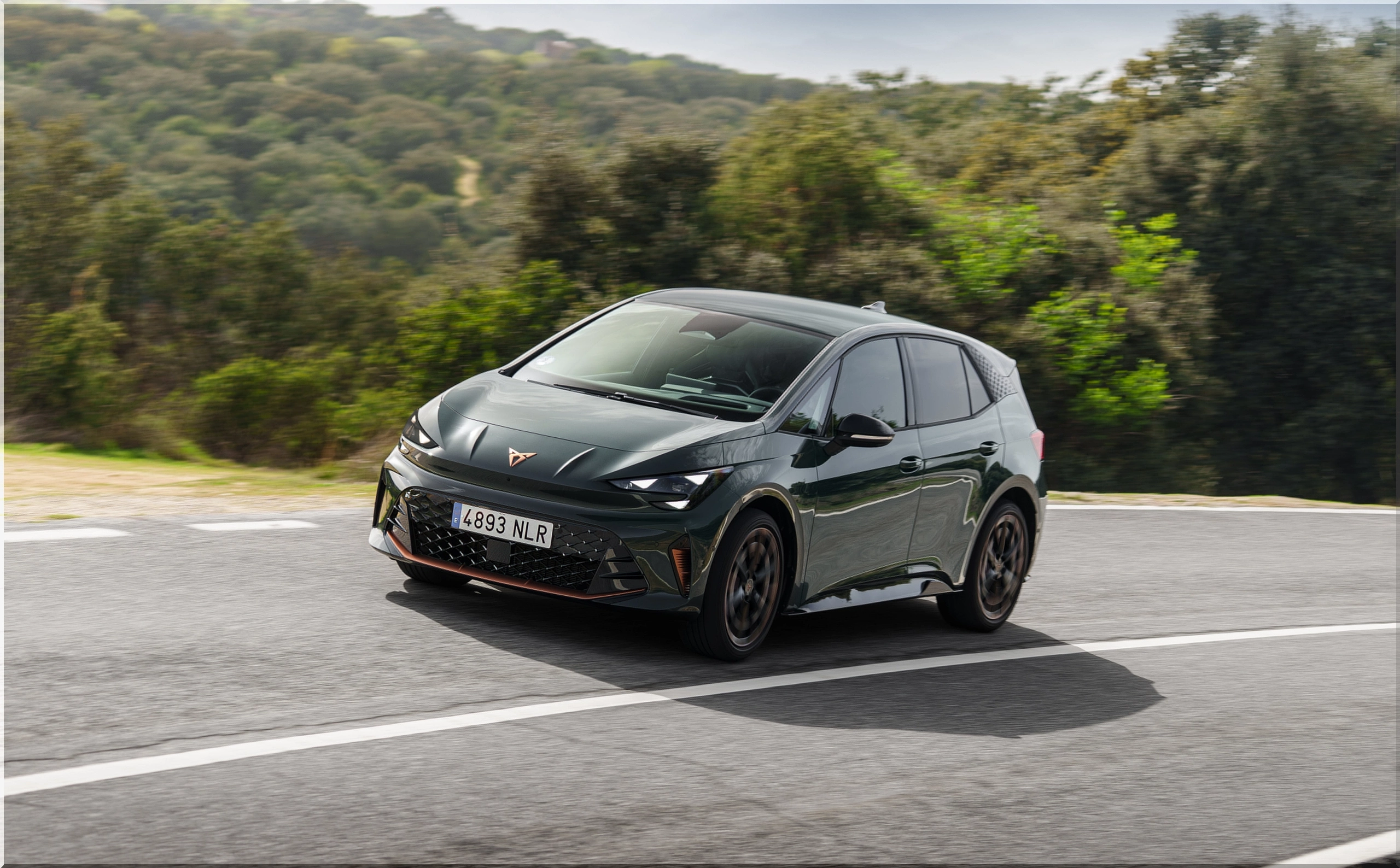
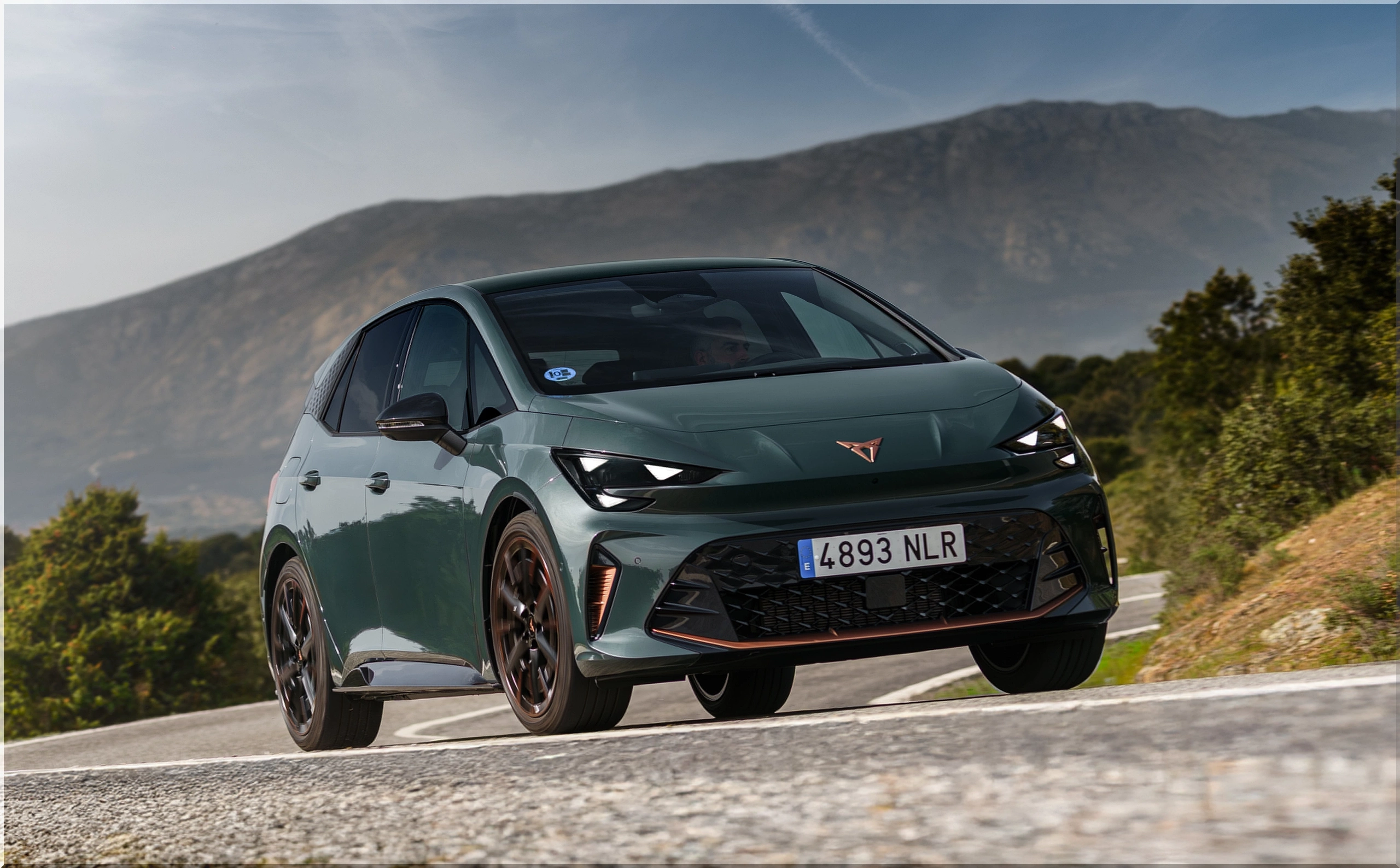
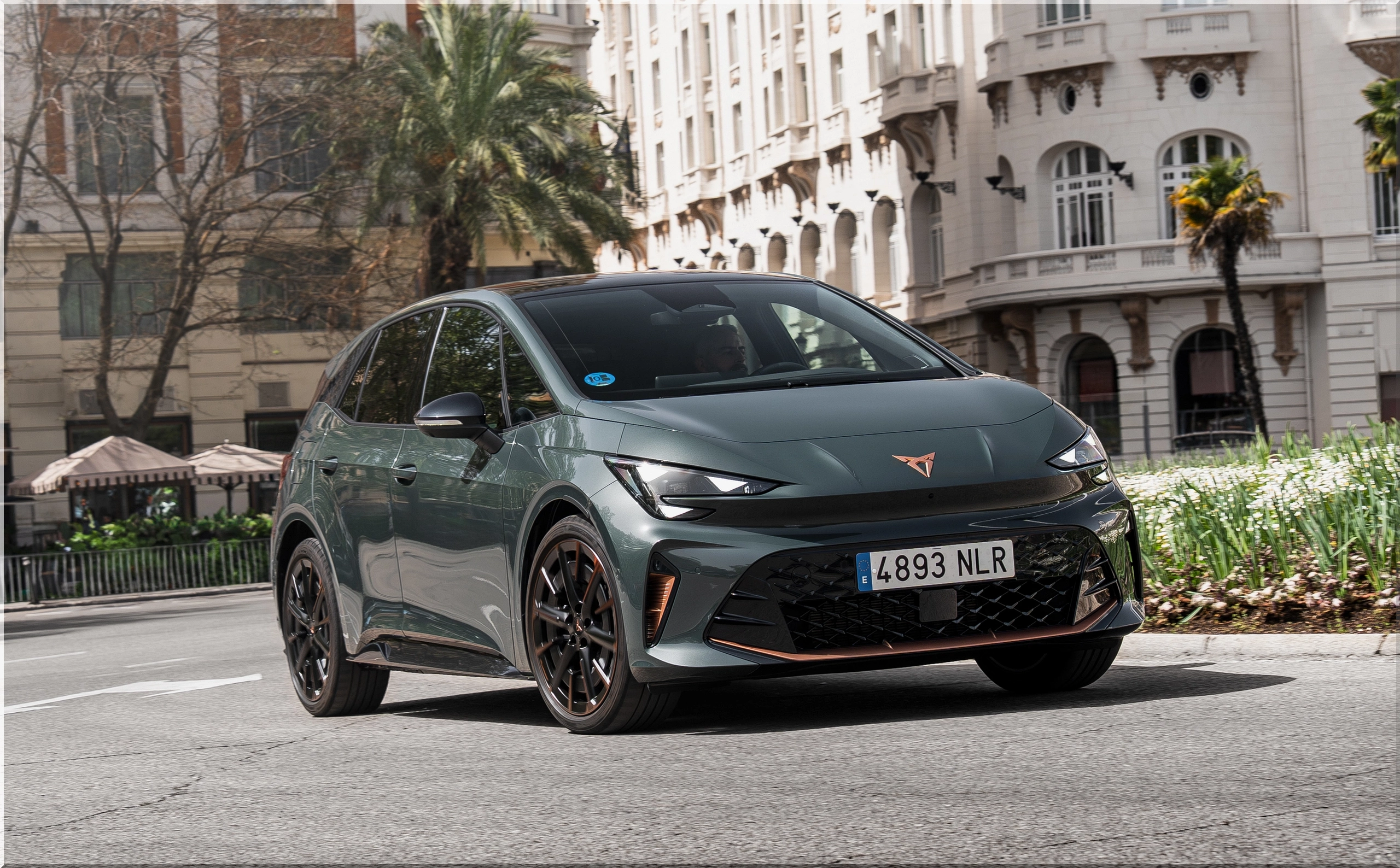
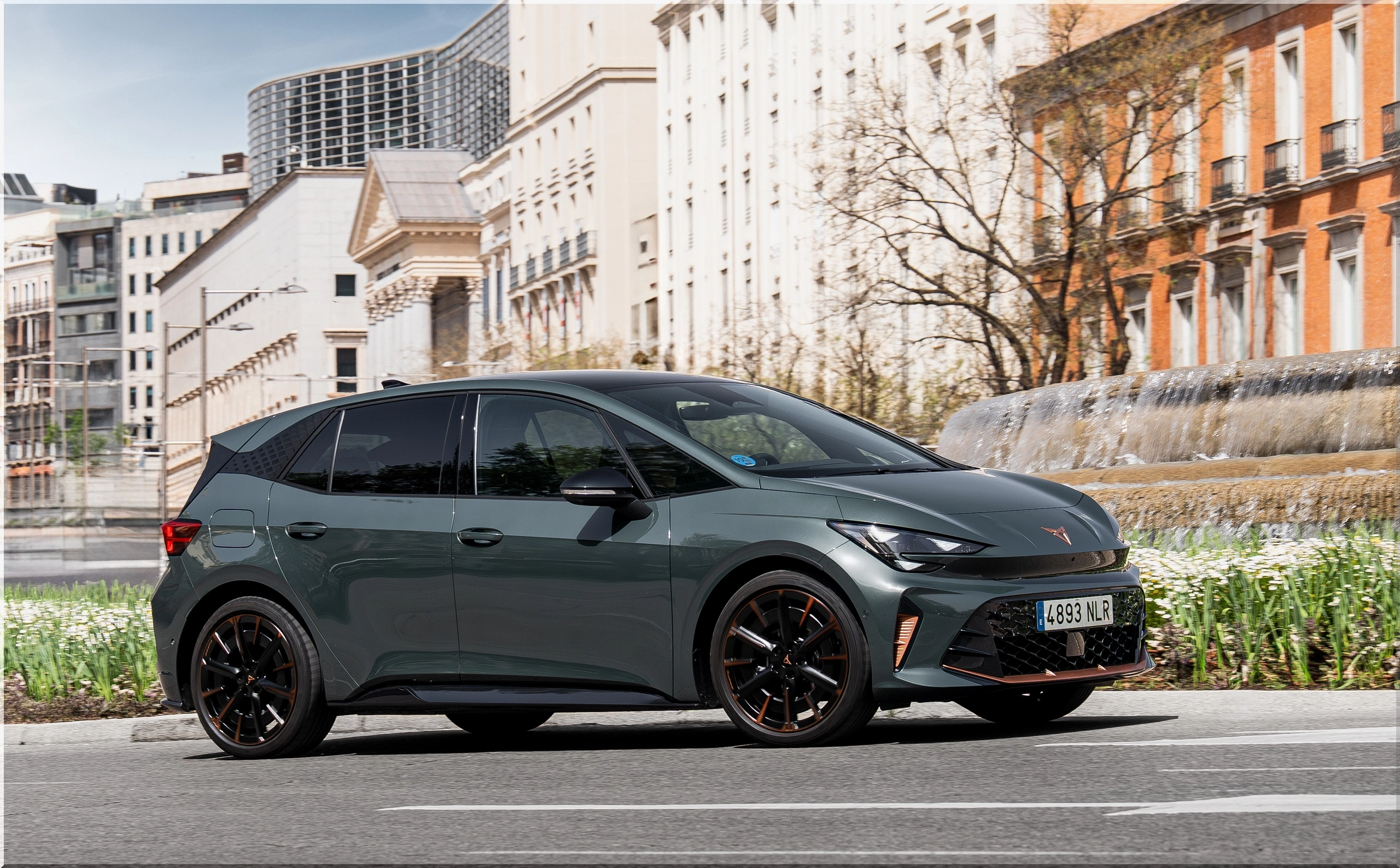
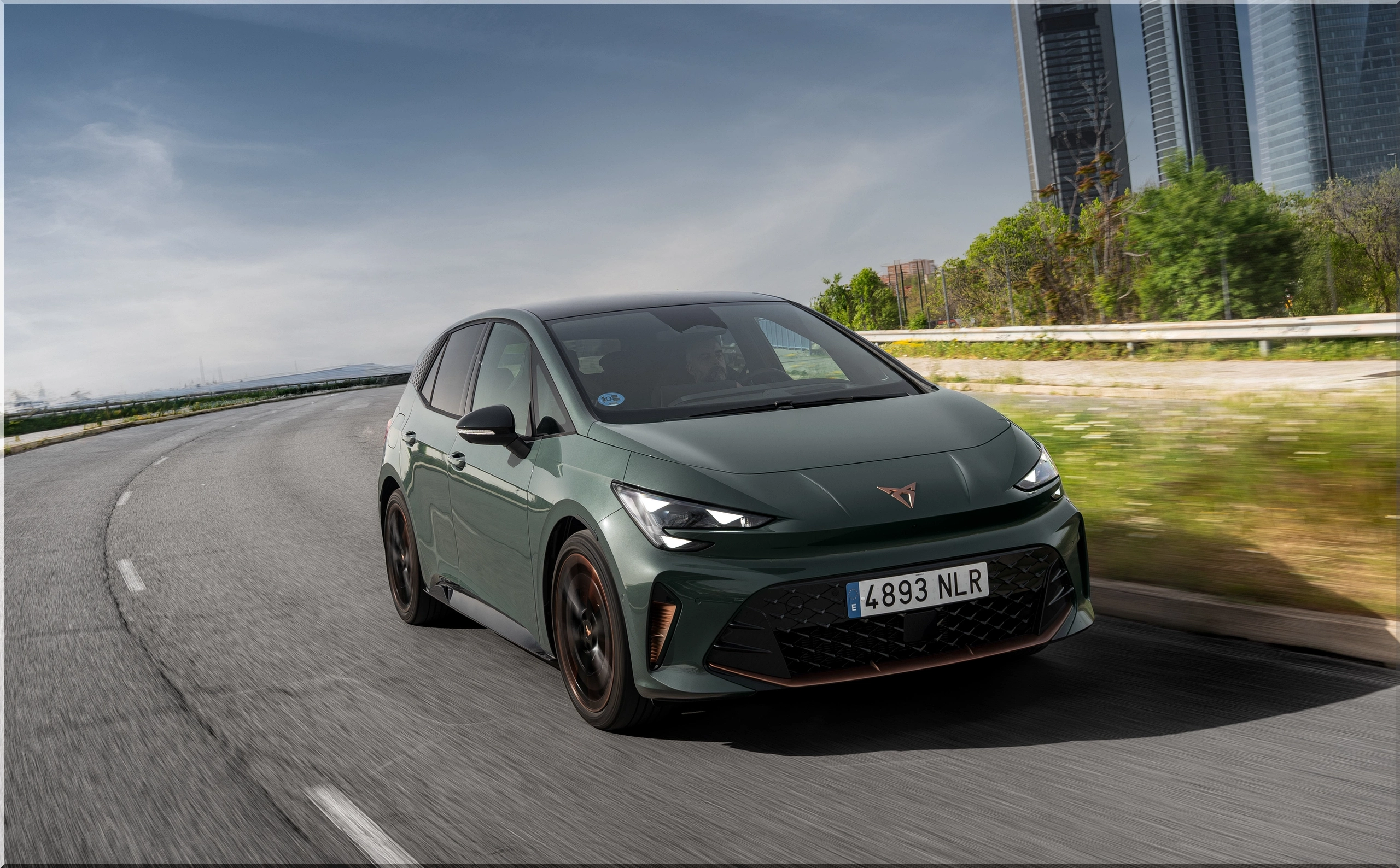
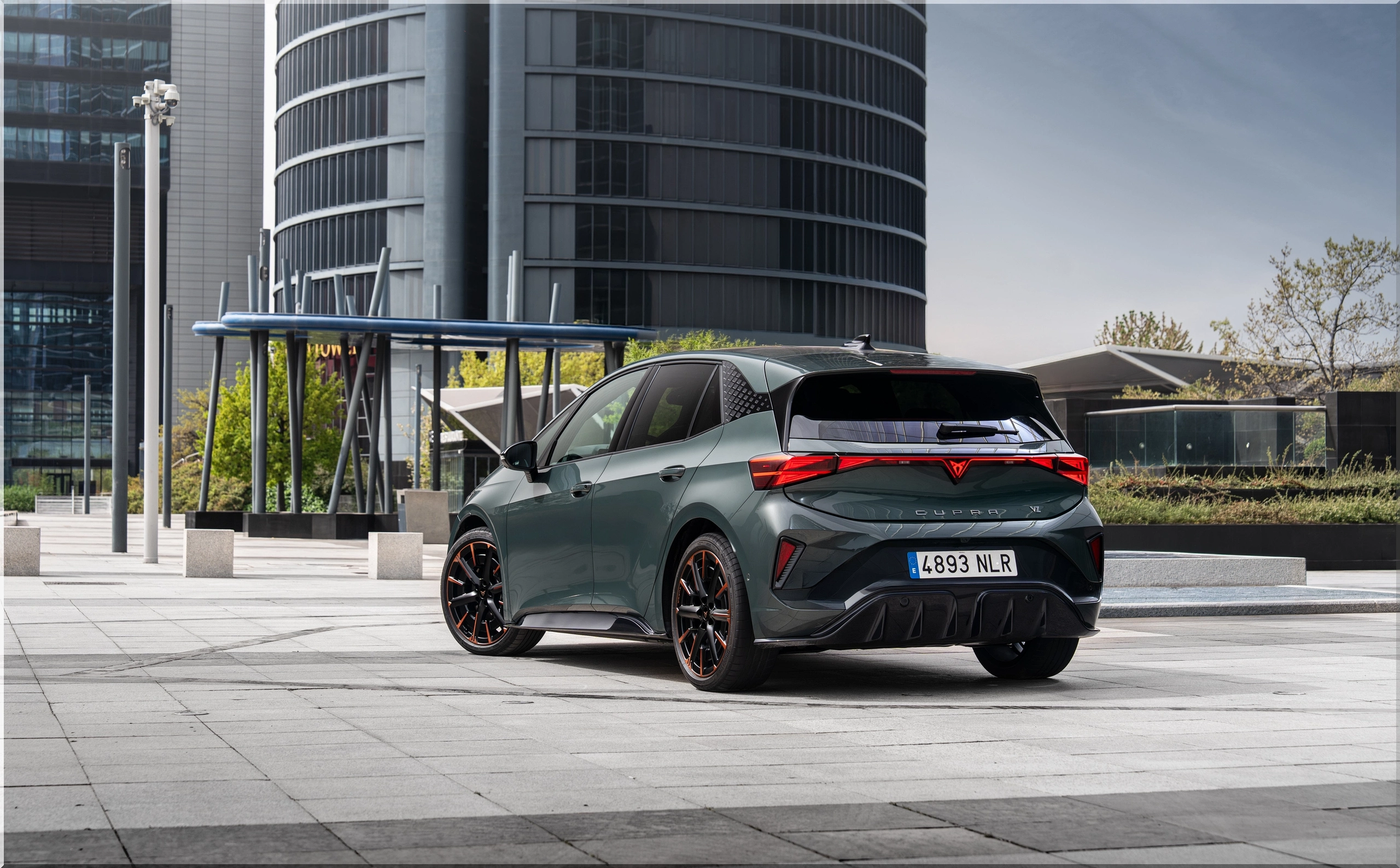
The exterior design of the Born is dictated by the physics of airflow. The coefficient of drag (Cd) of 0.27 is achieved through a "shark-nose" front fascia that cuts through the air with minimal turbulence. The side sills and rear spoiler are not merely aesthetic choices; they are functional components that manage air pressure around the wheel arches to reduce drag.
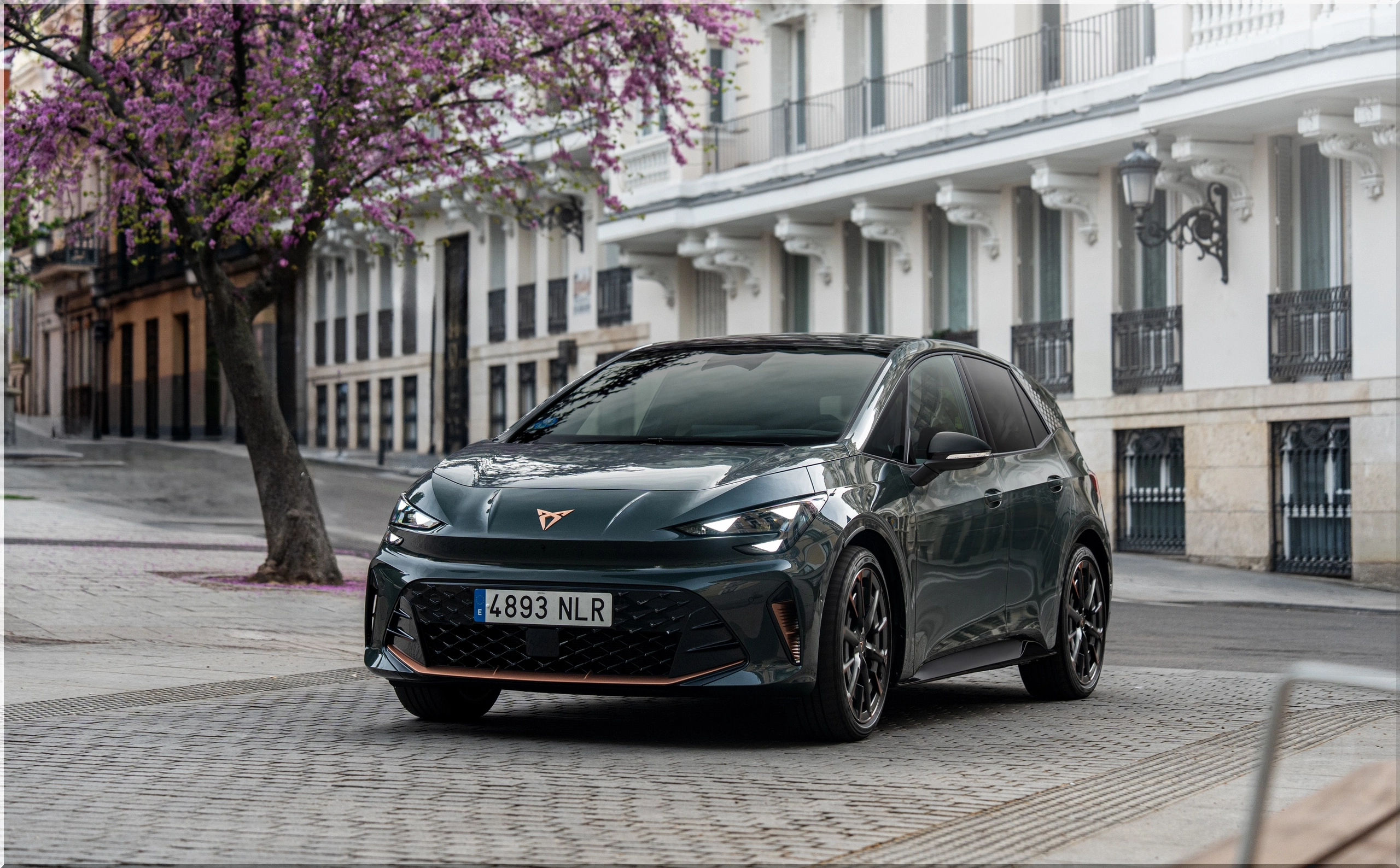
New for 2026, the Born VZ features 20-inch alloy wheels with a wider contact patch. These wheels are wrapped in 235 mm performance tires, providing the lateral grip necessary to handle the 402 lb-ft of torque. The signature copper accents serve as a visual marker of the brand's performance identity while remaining integrated into the functional cooling vents of the front bumper.
Cockpit Ergonomics and Digital Architecture
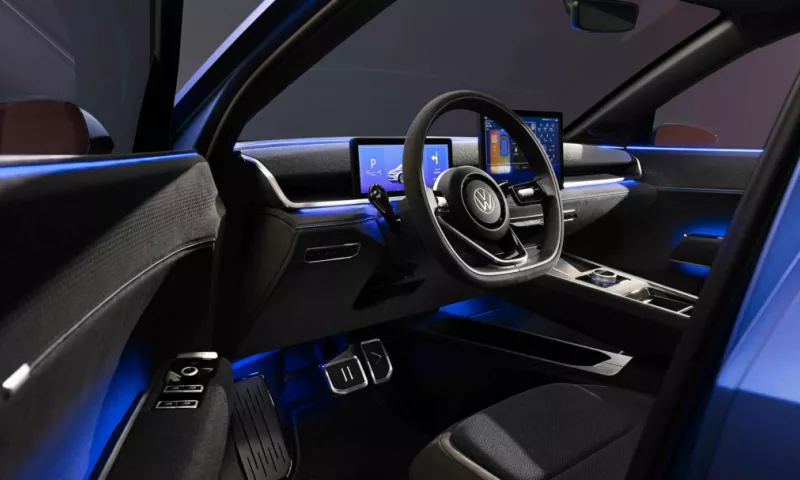
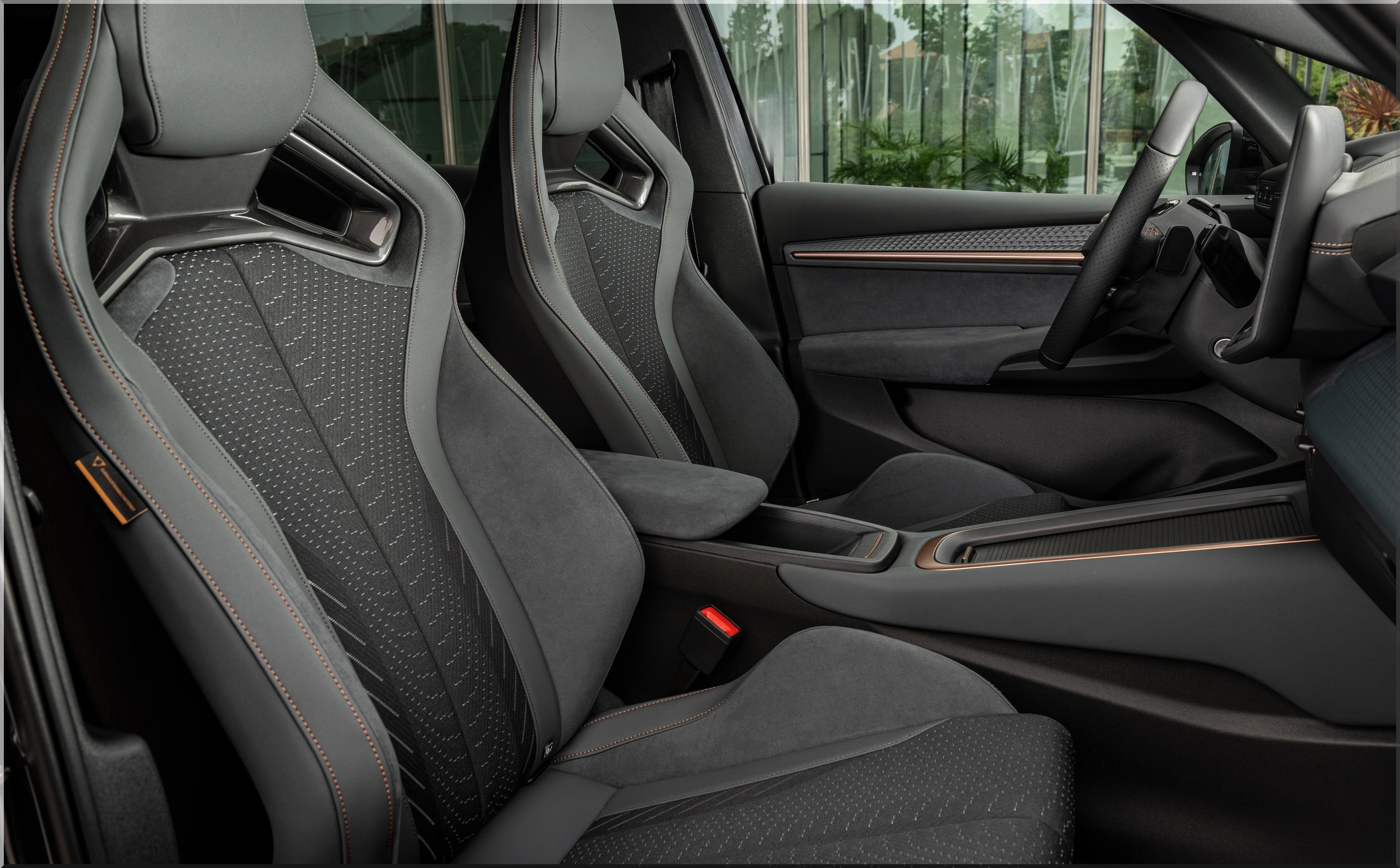
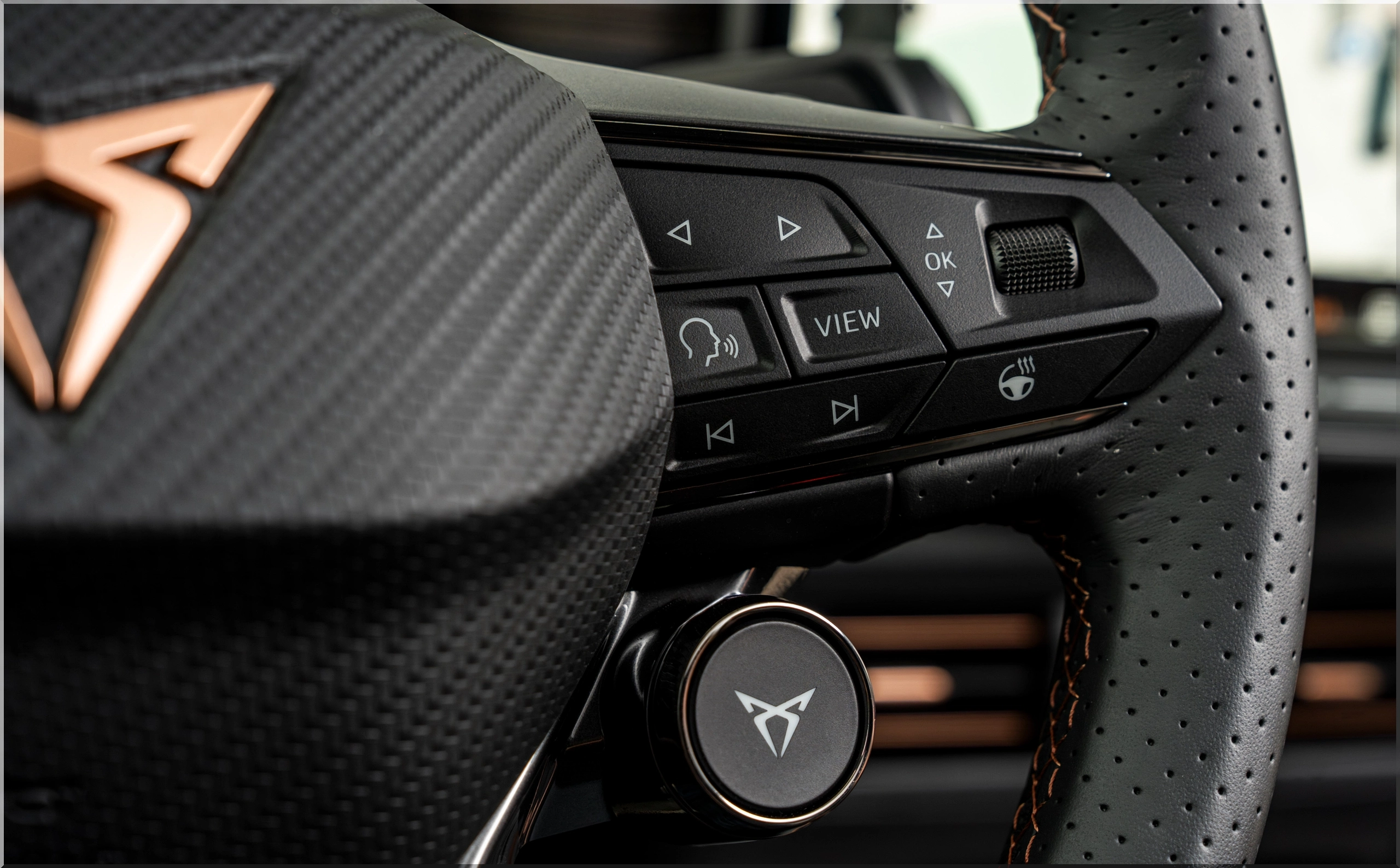
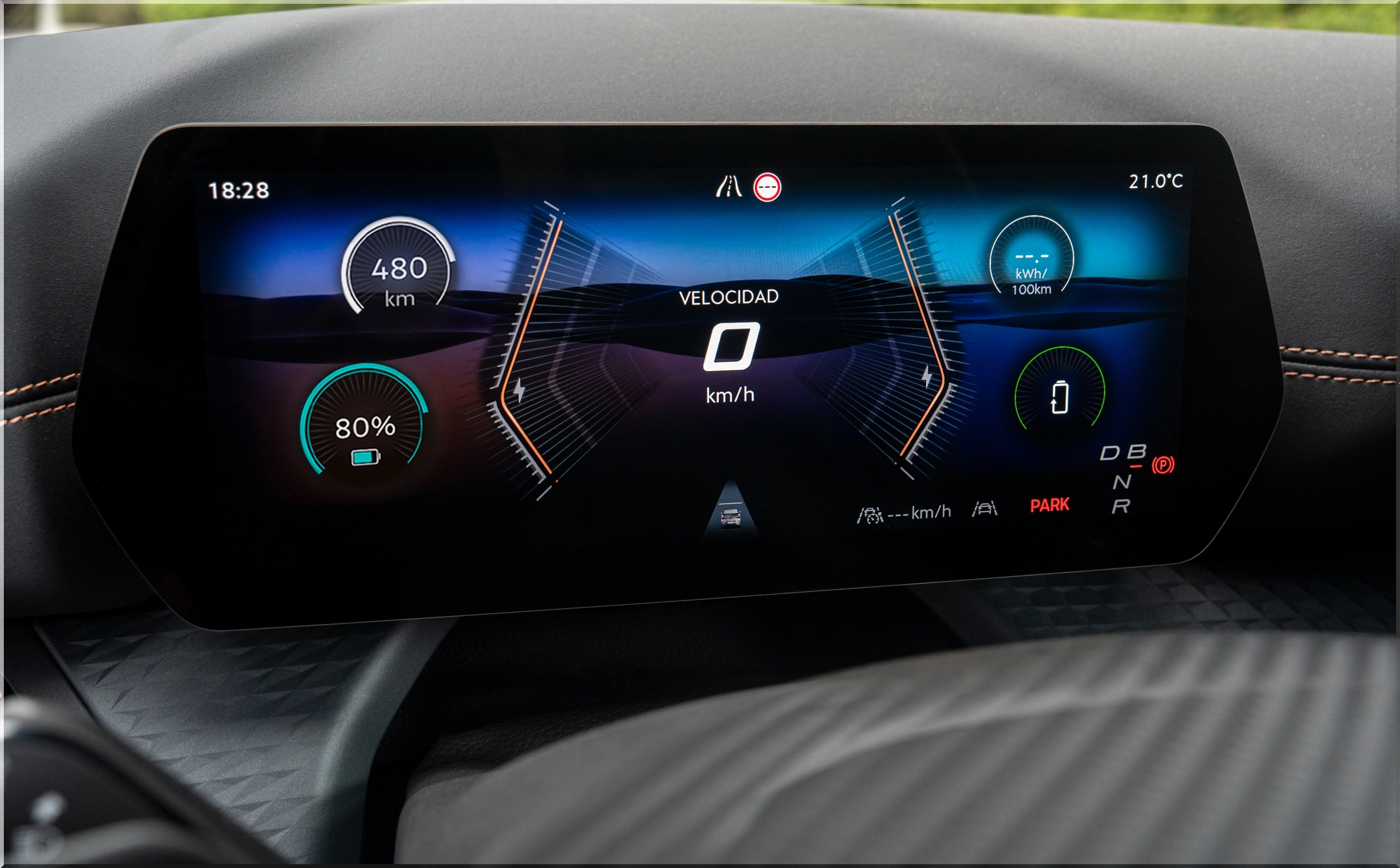
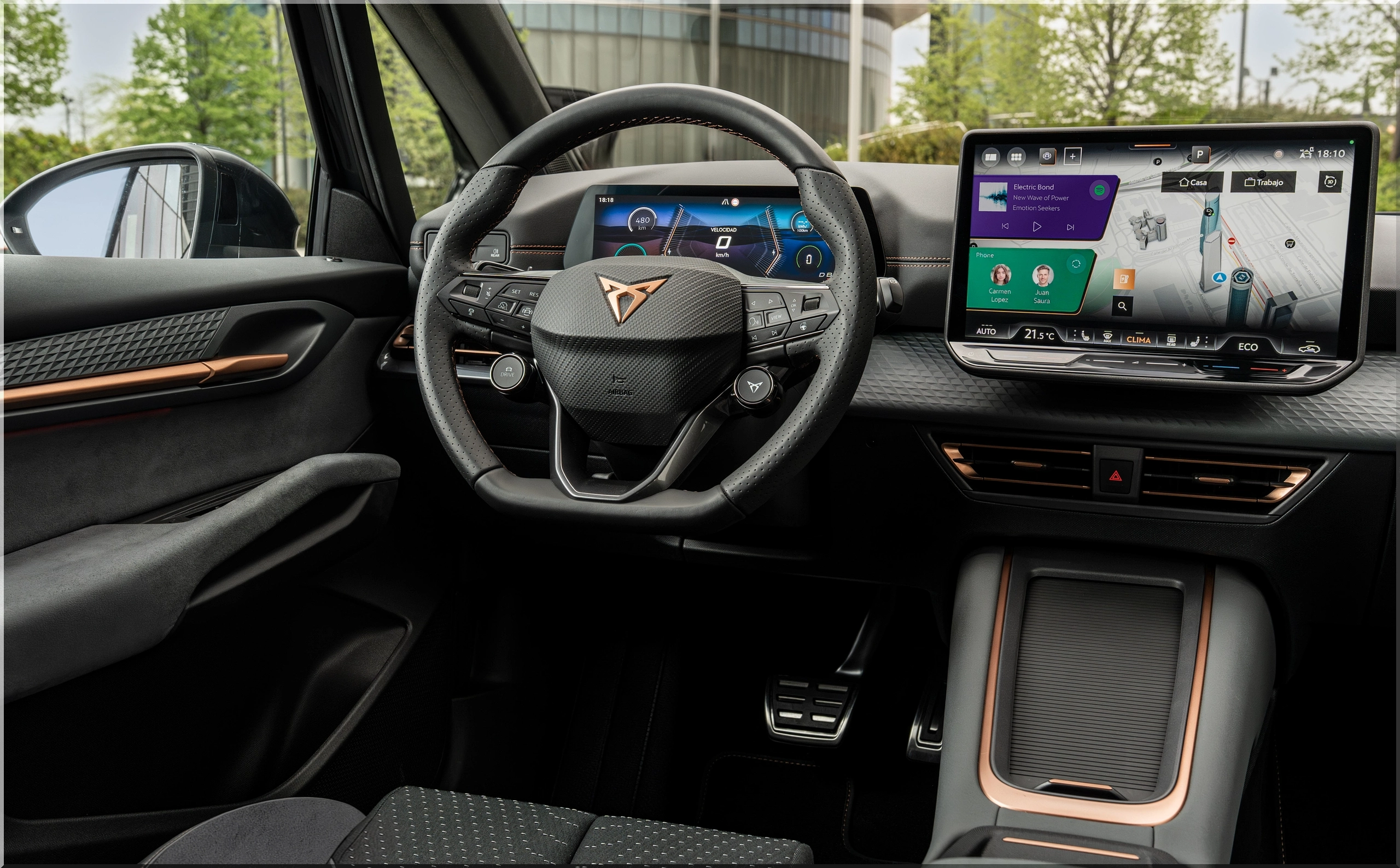
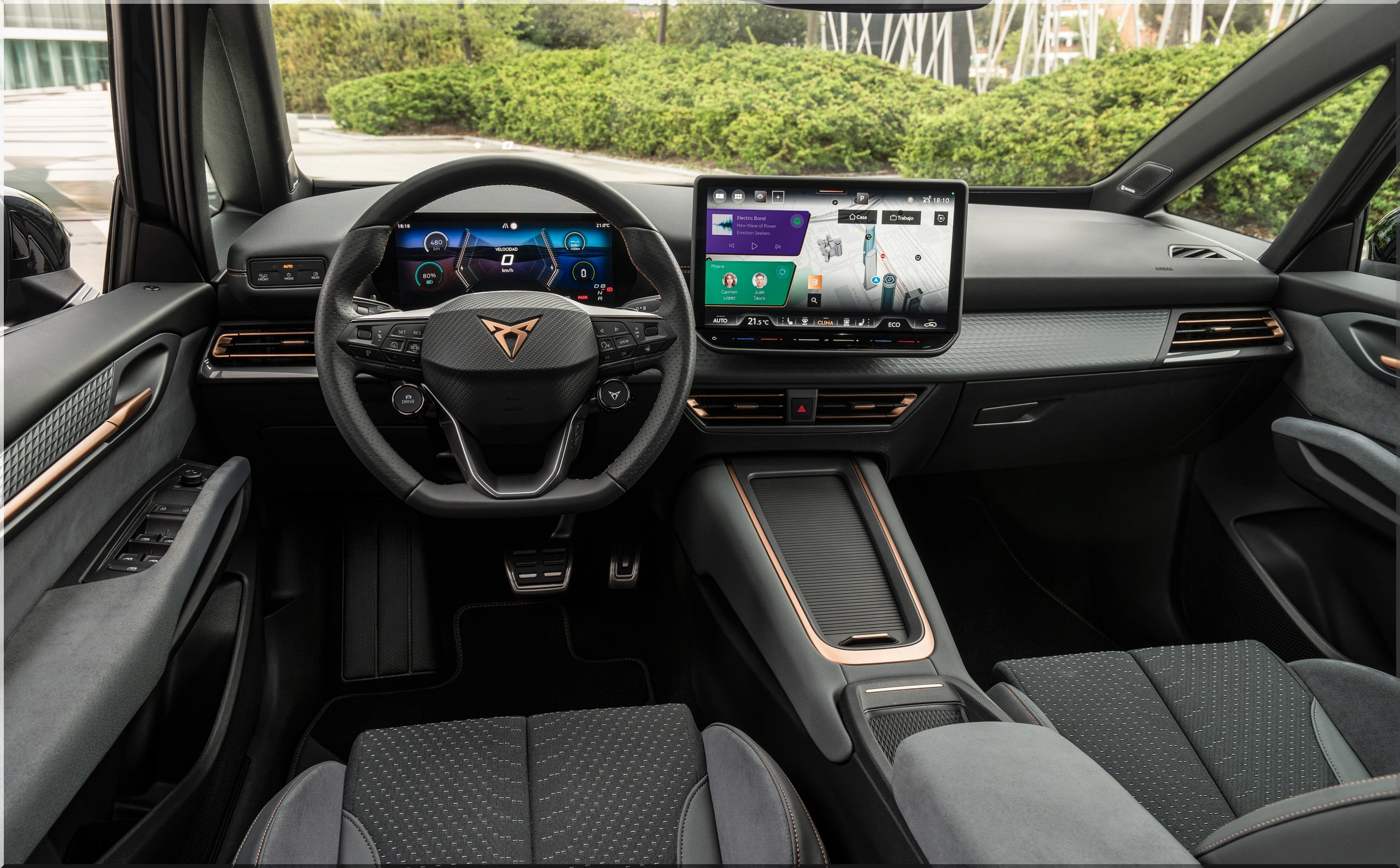
Inside, the cabin focuses on a driver-oriented layout that minimizes distractions. The center console is dominated by a 12.9-inch infotainment screen that features a revamped operating system for faster menu transitions. Specifically, the climate and volume sliders are now backlit, correcting a significant hardware omission found in previous iterations of the MEB platform.
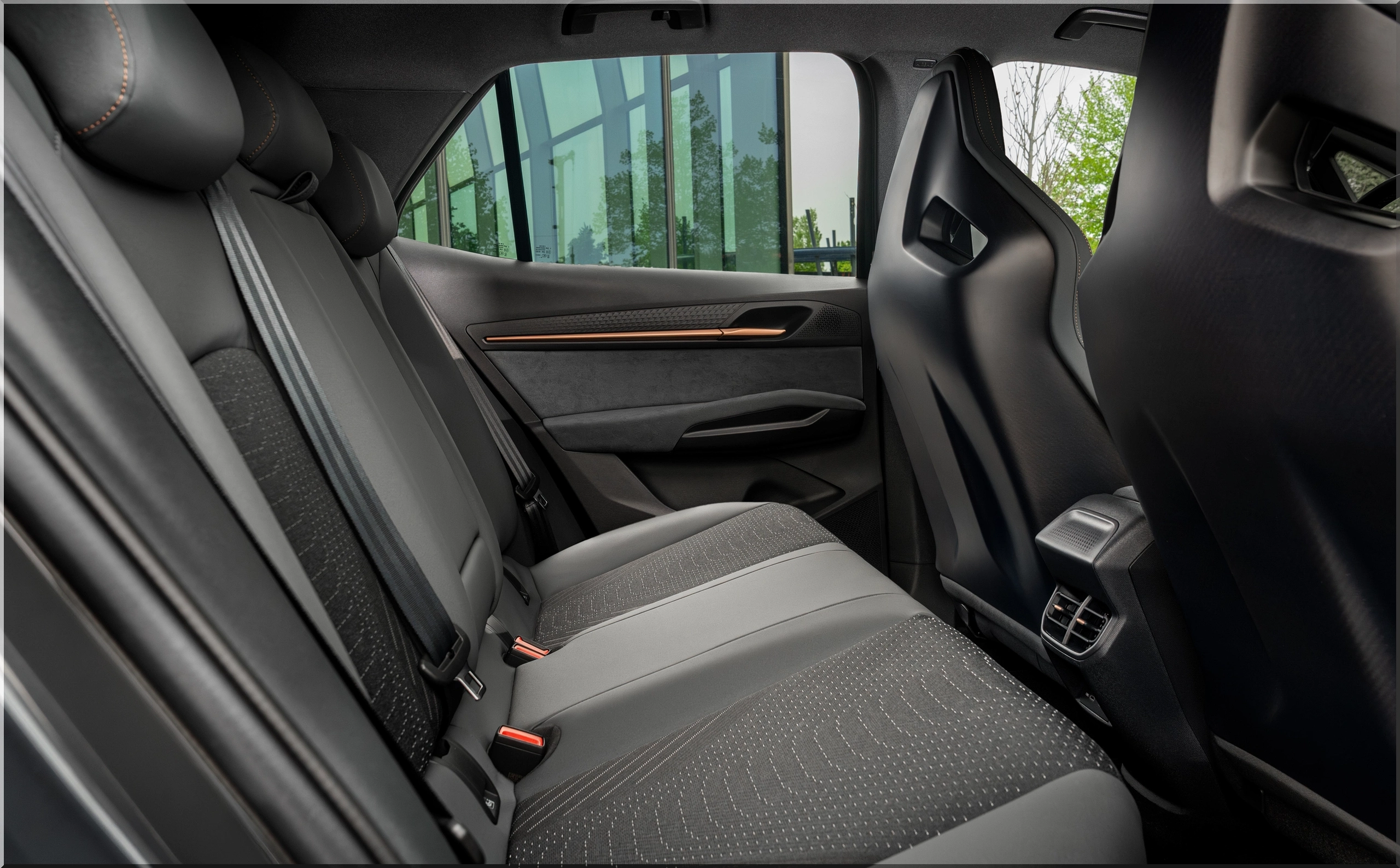
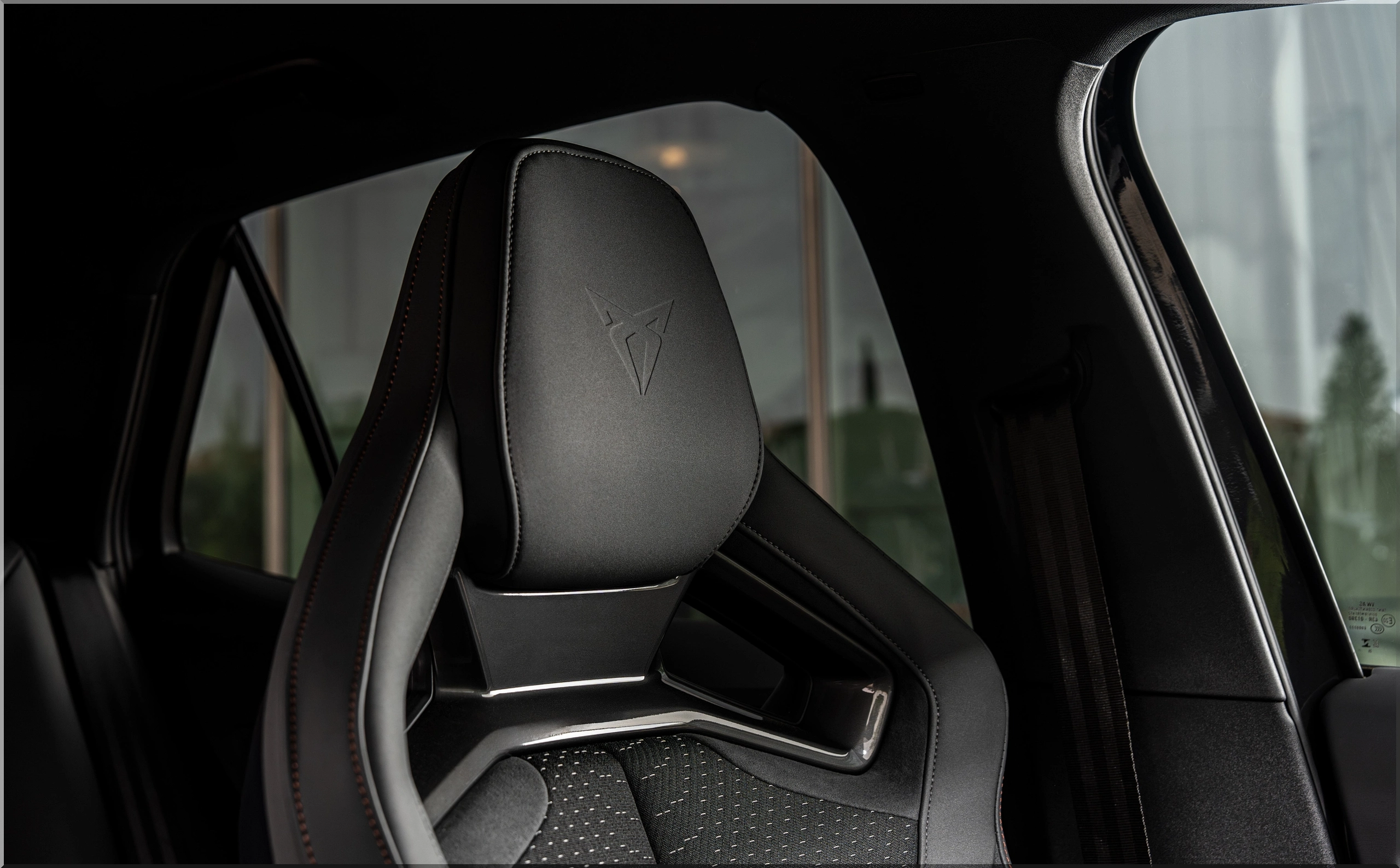
Sustainability plays a role in the material selection, as the bucket seats are upholstered in SEAQUAL yarn. This material is derived from recycled marine plastic, offering a durable and premium feel without the environmental footprint of traditional leather. Looking at the measurements, the Born provides a spacious cabin despite its compact exterior dimensions, thanks to the absence of a transmission tunnel.
Interior Dimensions and Cargo Capacity
- Front Headroom: 39.8 inches (1,011 mm).
- Rear Legroom: 30.0 inches (762 mm).
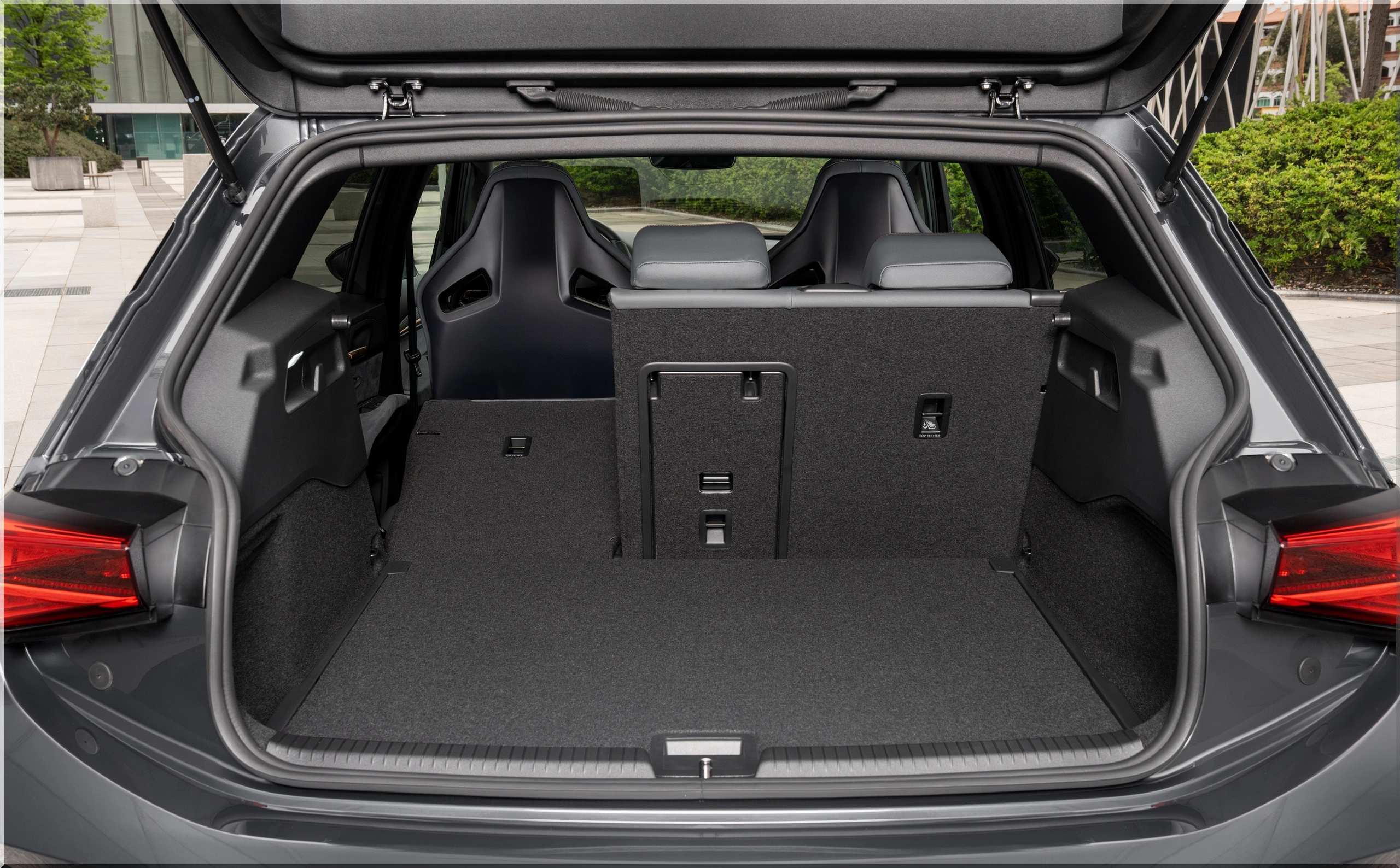
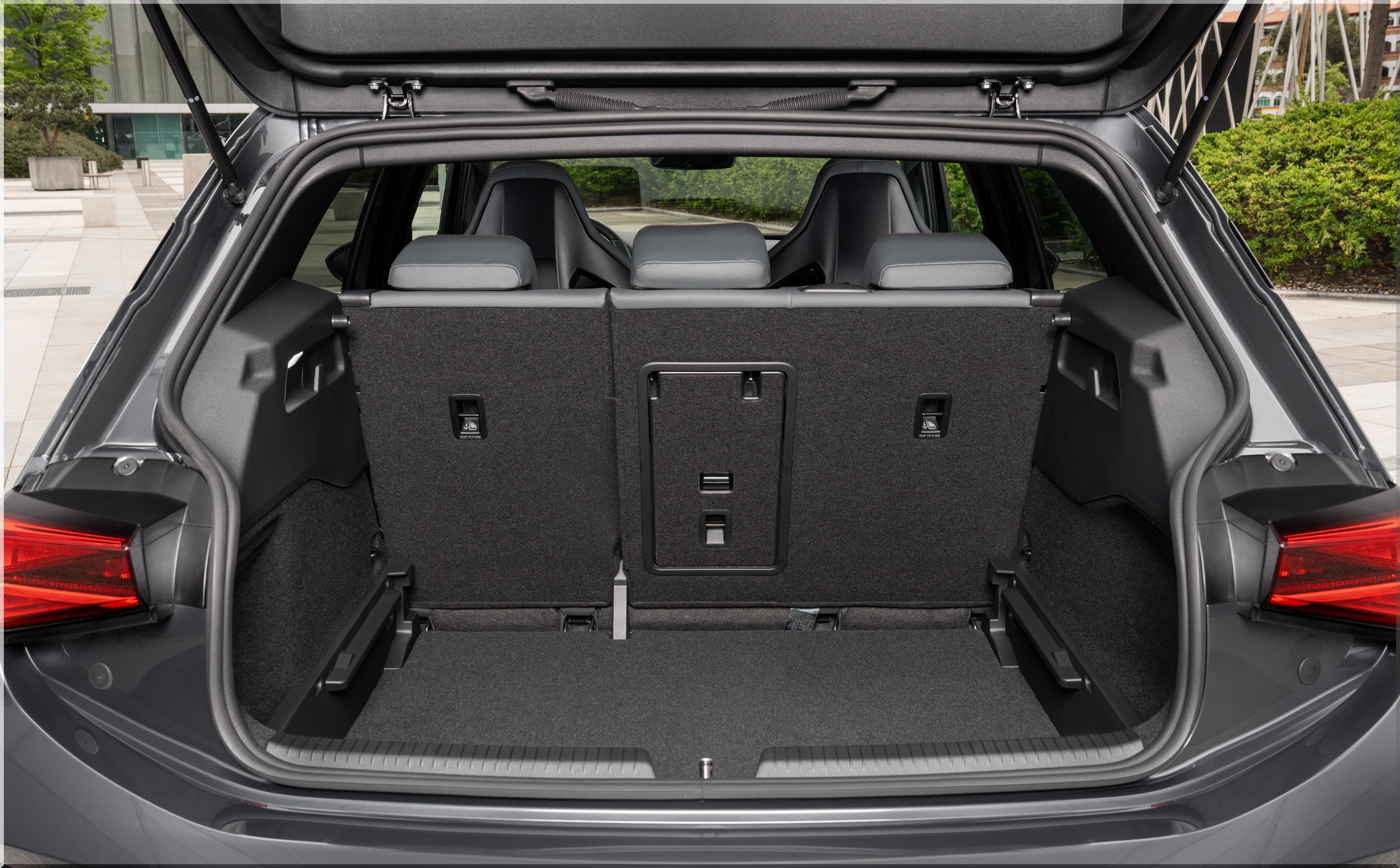
- Standard Cargo Space: 13.6 cubic feet (385 liters).
- Maximum Cargo Space: 44.7 cubic feet (1,267 liters).
Safety Systems and Driver Assistance
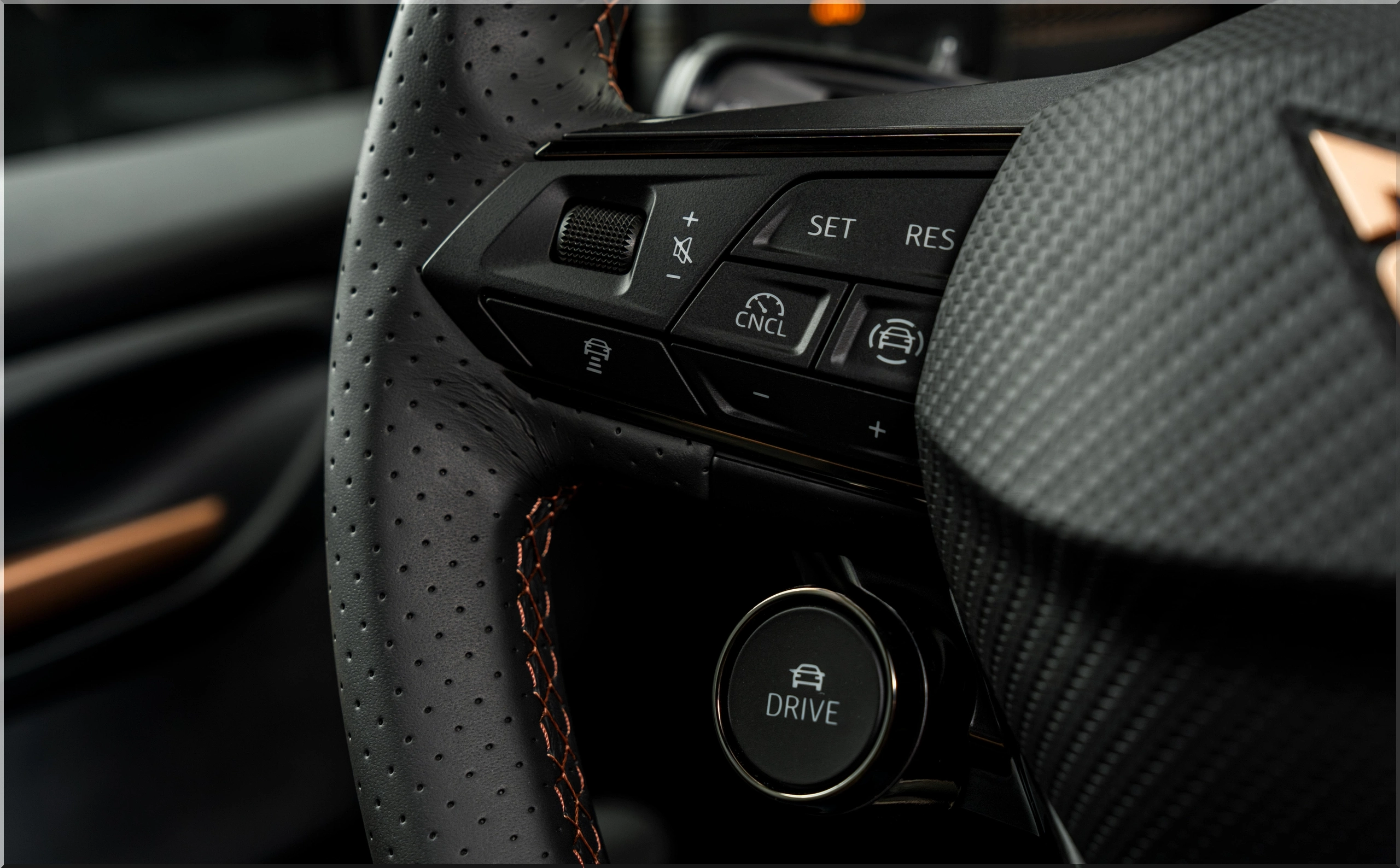
CUPRA equips the Born with a comprehensive suite of Active Safety Systems. The Travel Assist feature integrates adaptive cruise control with lane-keeping technology to assist on long highway drives. The system uses a forward-facing camera and radar to maintain a safe distance from other vehicles, adjusting speed based on real-time traffic flow.
In addition, the Side and Exit Assist technology monitors blind spots and warns the driver of approaching cyclists or vehicles when opening the doors. This is particularly useful in urban environments where vulnerable road users are frequently in close proximity. The vehicle's high safety rating is supported by a robust frame and a battery housing that acts as a structural reinforcement during side-impact events.
Pricing and Economic Value
Positioned as a premium entry in the electric market, the Born carries a price tag that reflects its advanced engineering. The base 59kWh model starts at an estimated $38,000, while the high-output VZ trim reaches approximately $51,000. While the initial cost is higher than some entry-level EVs, the lower total cost of ownership (TCO) due to reduced maintenance and fuel costs makes it a competitive long-term investment.
| Trim | Estimated MSRP (USD) | Primary Feature |
|---|---|---|
| Born 59kWh | $38,000 | Urban Agility |
| Born 79kWh e-Boost | $44,500 | Extended Range |
| Born VZ 79kWh | $51,000 | Peak Performance |
Precision Steering and Road Handling
The progressive steering system in the Born is calibrated to offer different ratios depending on the steering angle. In city driving, the steering is light and easy to maneuver, but as the driver enters a curve at higher speeds, the ratio tightens to provide more direct control. This mechanical variability ensures the car feels stable on the highway while remaining "flickable" in tight urban corners.
By comparison, many EVs suffer from a "numb" steering feel due to the weight of the battery. CUPRA mitigates this by using a variable-ratio rack that communicates the limits of the front tires to the driver's hands. Consequently, the Born feels more connected to the road than its platform-mates, fulfilling its role as the sporting choice in the compact EV segment.
Pro-Tip: For the most engaging experience, deactivate the "Eco" mode and select the "CUPRA" profile. This firms up the DCC dampers and provides maximum cooling to the battery for sustained high-speed driving.
Final Review: What now?
The CUPRA Born 2026 is a mature product that successfully integrates electric performance with daily usability. If you prioritize driving dynamics over cargo volume, the VZ trim is the definitive choice. For those primarily commuting in metropolitan areas, the 59kWh model offers the best balance of efficiency and price.
Prospective owners should verify the availability of Level 2 home charging, as the 11 kW onboard charger is the most effective way to maintain the battery's health and readiness. Engaging with the CUPRA app also allows for remote cabin pre-conditioning, ensuring the vehicle is at the perfect temperature before you even step inside.
- Add new comment
- 128 views