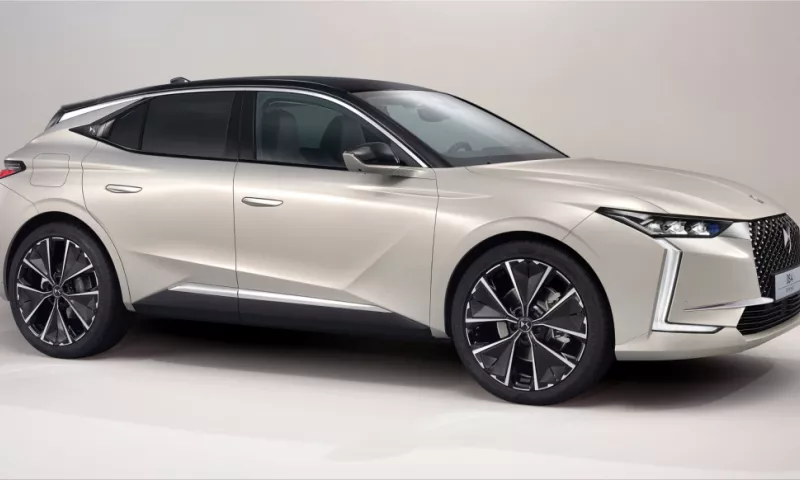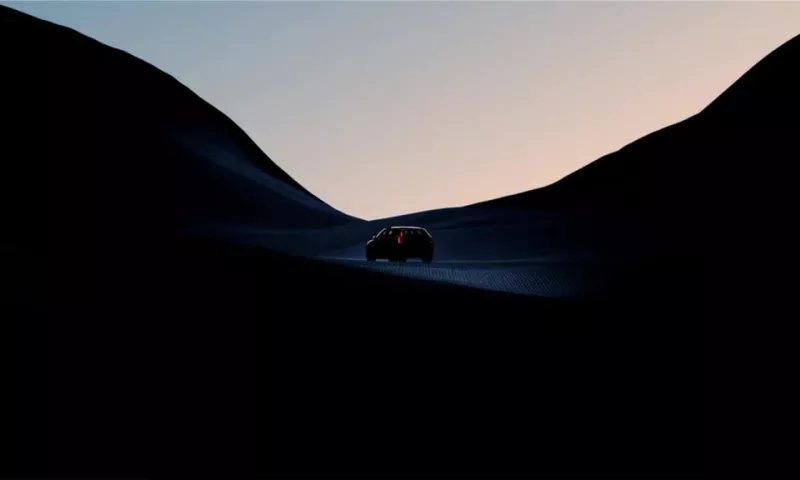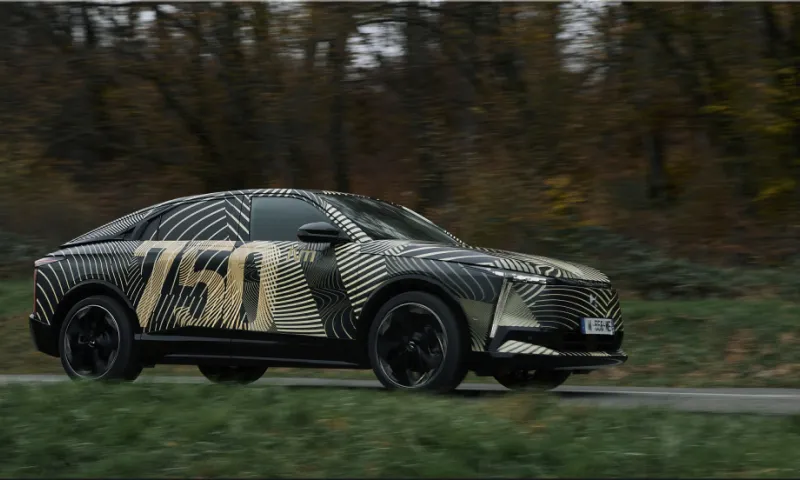
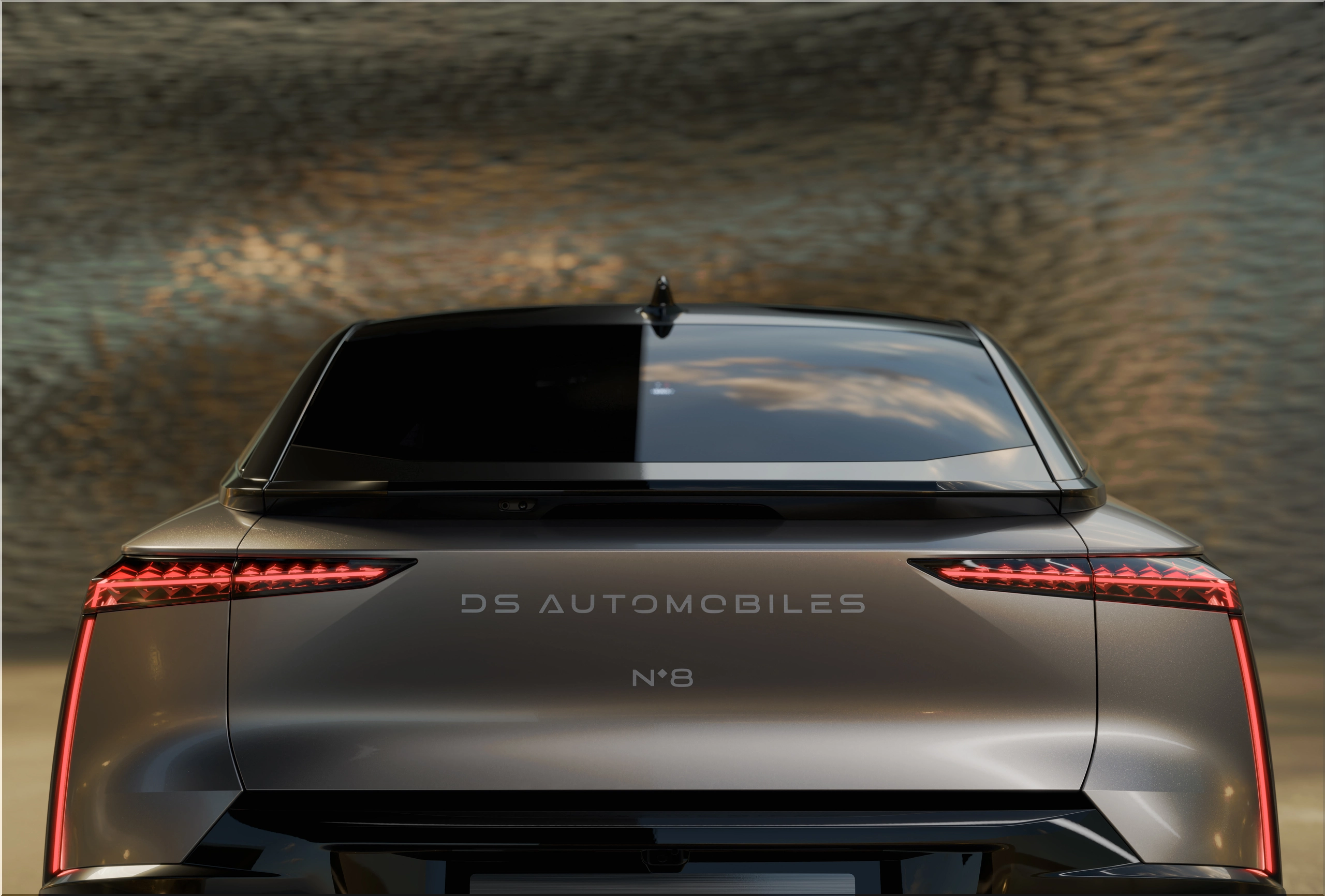
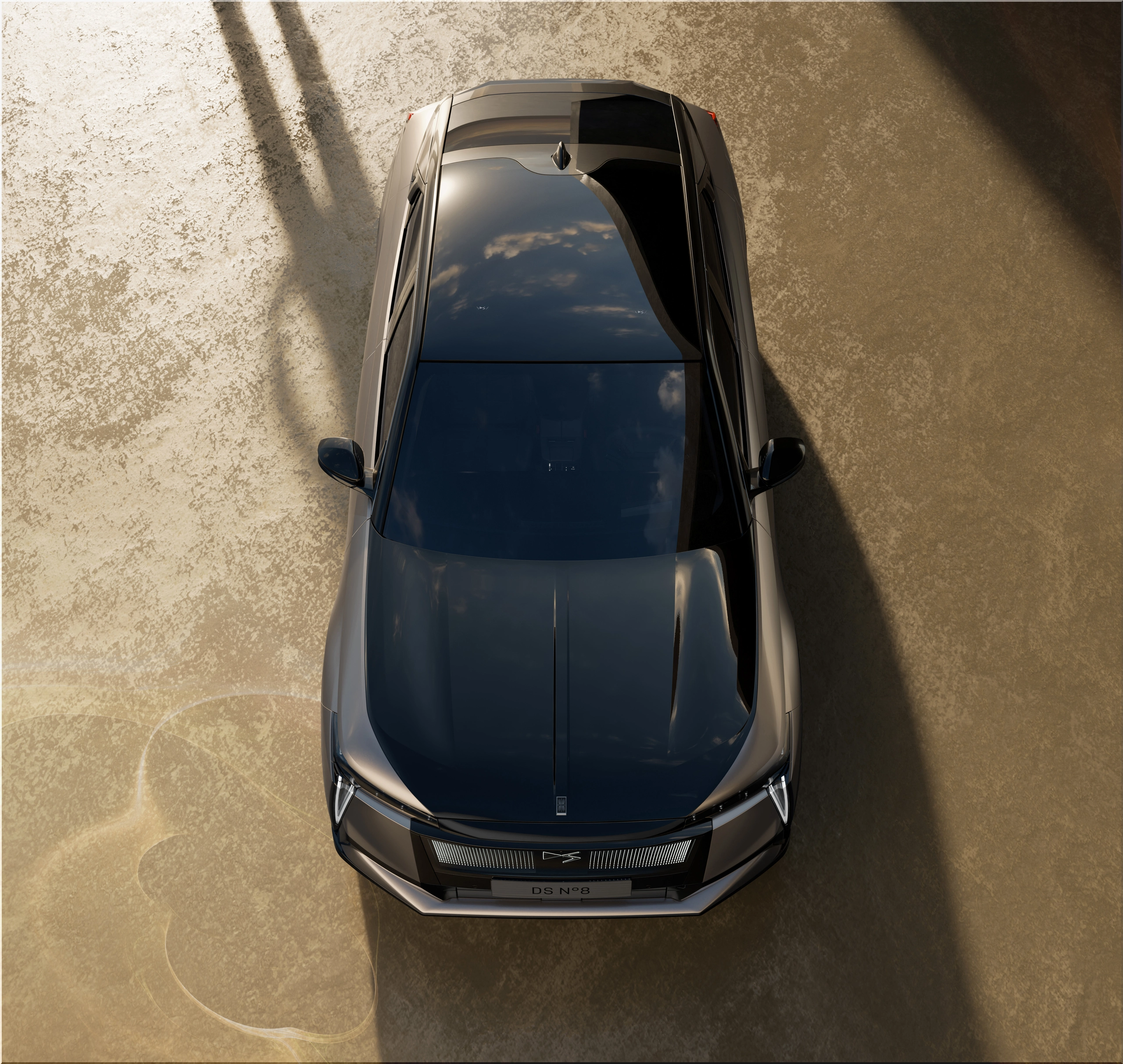
DS Automobiles has validated a real-world 750 km electric range for the DS N°8, confirming its position as one of Europe’s most efficient long-range EVs. The test—conducted on public roads from Vélizy to Biscarrosse without recharging—showed that the sedan still had 50 km of range remaining, bringing its theoretical capability to over 800 km (497 miles).
Real-World Range Tested and Verified
Two DS N°8 Etoile FWD Long Range prototypes completed the 750 km (466 miles) journey entirely on minor roads. Average speed was 54 km/h (34 mph), with ambient temperatures between 12°C and 19°C. Despite these demanding conditions, both vehicles completed the trip with 5–8% battery charge remaining—well above industry expectations.
That data translates into a remarkable energy consumption of 11.7 kWh/100 km, outperforming the official WLTP rating of 12.9 kWh/100 km. These results align with the brand’s earlier 500 km high-speed tests across Europe, confirming consistent real-world efficiency.
Key Performance Metrics
| Parameter | Value | Notes |
|---|---|---|
| Battery Capacity | 97.2 kWh (net) | High-density ACC battery |
| Energy Density | 264 Wh/kg | Among best-in-class globally |
| Average Consumption | 11.7 kWh/100 km | 10% lower than WLTP |
| Test Range | 750 km (466 mi) | On secondary roads |
| Remaining Range | Up to 59 km | Post-test, no recharge |
| Aerodynamic Drag (Cd) | 0.24 | Optimized for efficiency |
This combination of low consumption and high energy density represents a clear technical leap for DS Automobiles in battery engineering.
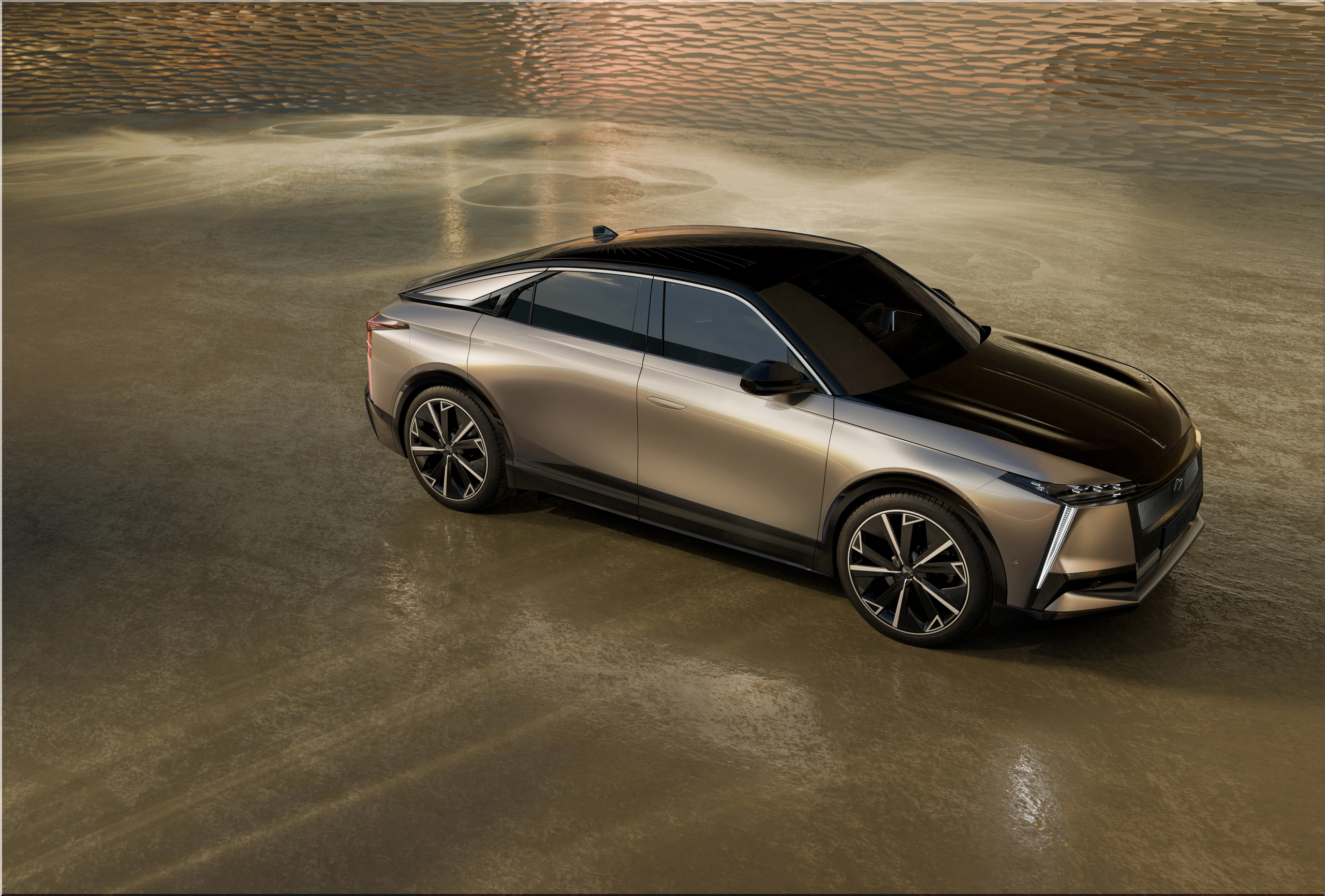
Battery and Powertrain: Made in France
At the heart of this performance lies a 97.2 kWh Long Range battery, engineered and produced by Automotive Cells Company (ACC) in Billy-Berclau, Hauts-de-France. With 264 Wh/kg, the pack sits among the highest density units available today.
Power is delivered via an electric motor assembled in Trémery (Grand Est). This domestic production strategy reflects DS Automobiles’ commitment to French industrial innovation, integrating national expertise into its premium EV ecosystem.
From Design Studio to Long-Distance Proof
The test began at the DS Design Studio in Vélizy, near Paris, and ended in Biscarrosse, near the Atlantic coast. The route—through Beauce, Sologne, Poitiers, Angoulême, Libourne, and Bordeaux—combined urban, rural, and ring-road conditions.
Unlike lab-certified WLTP tests conducted at 23°C, this real-world drive occurred under cooler, variable conditions, providing a more realistic measure of daily usability for EV drivers.
Efficiency That Rivals Gasoline Range
To put this into context, a 750 km electric range at 11.7 kWh/100 km equals a theoretical efficiency of about 5.7 miles per kWh. Compared with many premium EVs that consume 18–22 kWh/100 km, the DS N°8 achieves roughly 30–40% higher energy efficiency.
That level of efficiency would allow the DS N°8 to travel from Los Angeles to San Francisco (382 miles) and back on a single charge, with range left to spare.
In practical terms, DS Automobiles has reached an endurance threshold that erases range anxiety, even without ultra-fast charging infrastructure.
The DS N°8 and the New Electric Mobility Standard
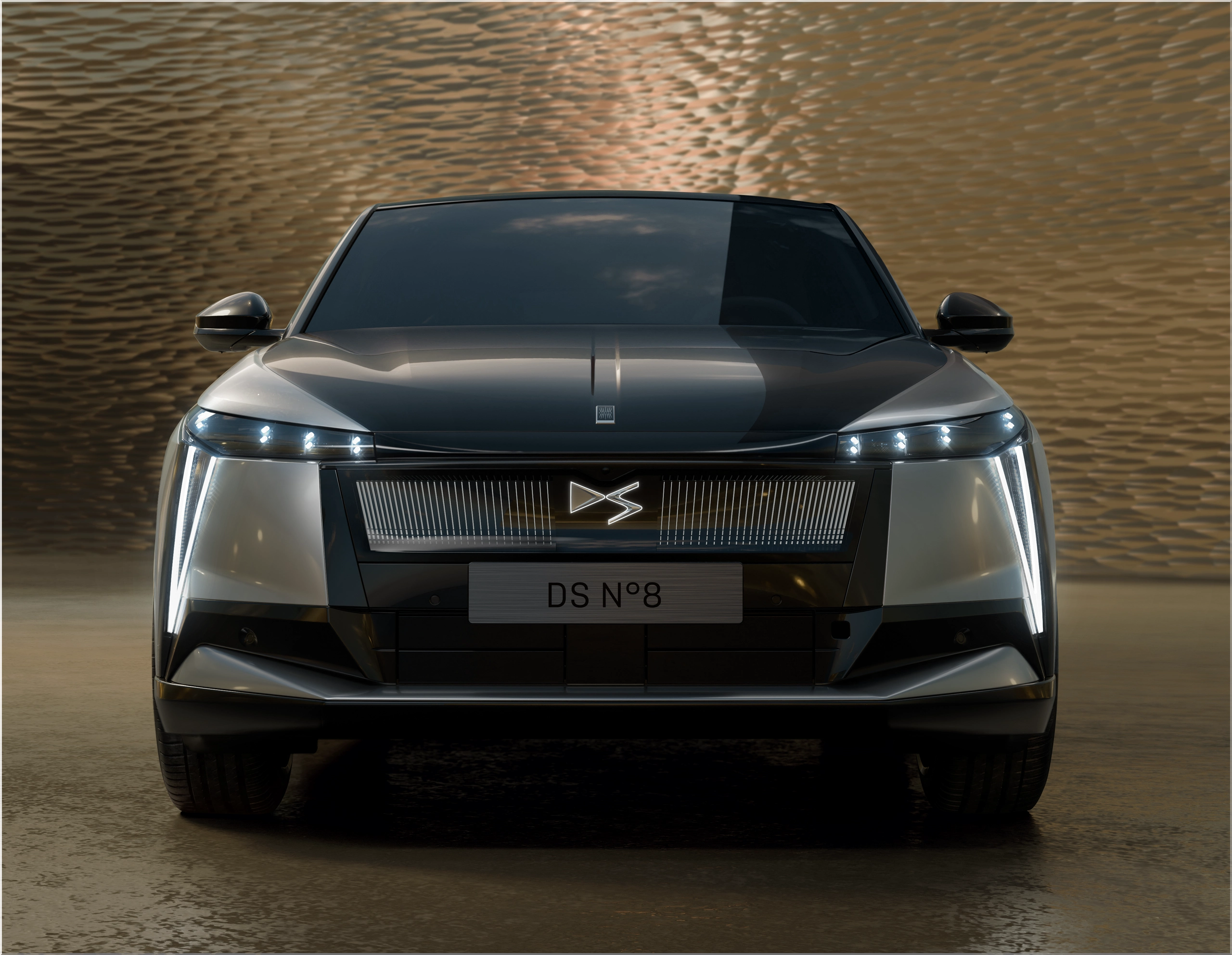
The DS N°8 is more than the brand’s flagship—it represents a technological statement for European EV manufacturing. Developed and built entirely in Europe, it merges premium craftsmanship with data-driven engineering.
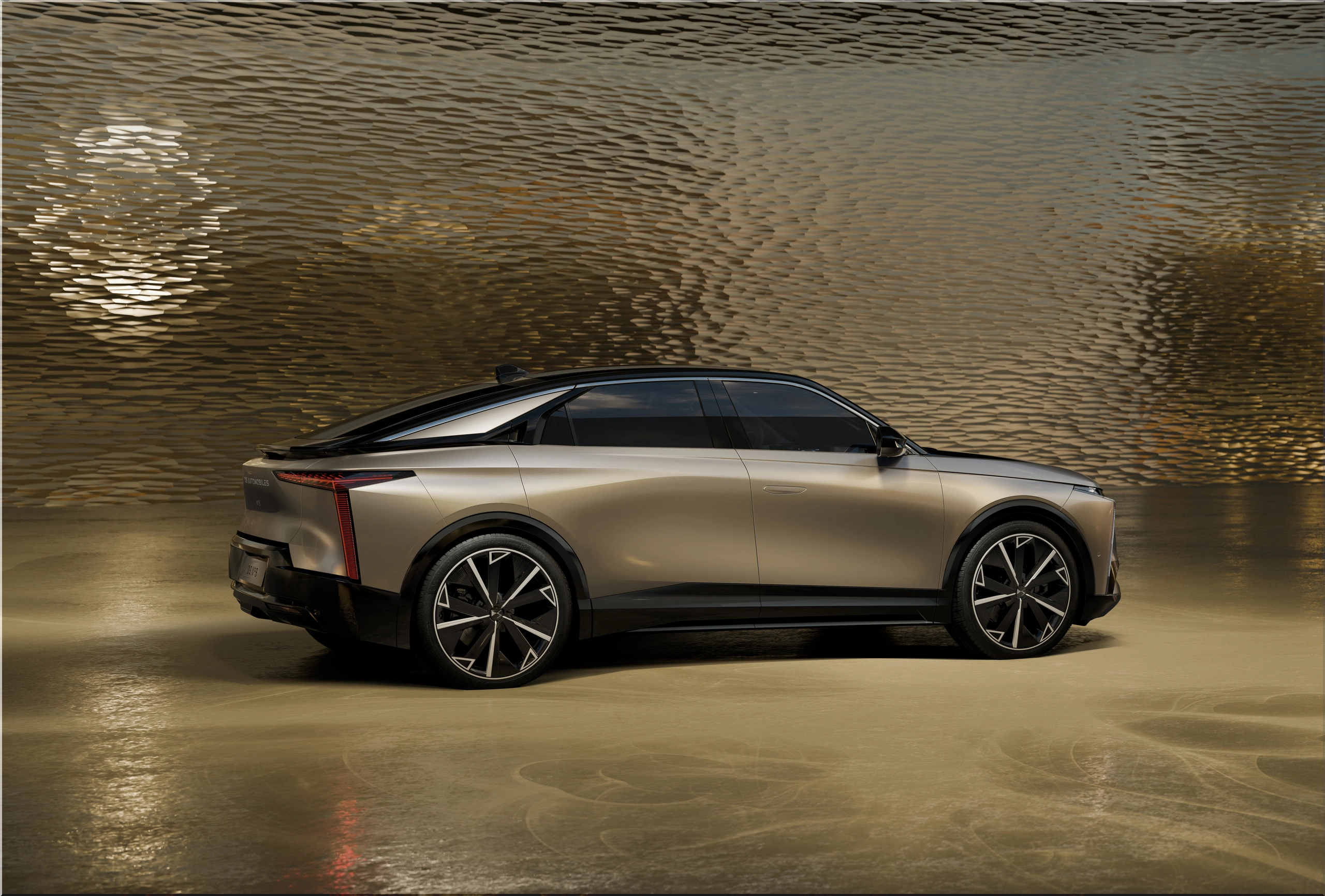
The car’s aerodynamic coefficient (Cx 0.24) supports long-distance performance while preserving the quiet, comfortable ride typical of DS vehicles. Every detail—from battery integration to thermal management—serves efficiency, not excess.
Key Technical Highlights
- Platform: DS-specific electric architecture, optimized for range and comfort
- Battery: 97.2 kWh Long Range by ACC, 264 Wh/kg density
- Motor: Front-wheel drive, high-efficiency assembly in Trémery
- Range: 750 km (WLTP up to 800 km)
- Consumption: 11.7 kWh/100 km (real-world verified)
- Charging: 400V architecture with fast-charging capability
The Long Range variant tested offers a WLTP-certified 750 km combined range and verified real-world consumption below 12 kWh/100 km—numbers typically seen in compact EVs, not full-size luxury sedans.
A Strategic Leap for Stellantis and French EV Leadership
The DS N°8 test isn’t just a marketing exercise—it reflects Stellantis’ larger electrification strategy. The use of ACC batteries, a joint venture between Stellantis, TotalEnergies, and Mercedes-Benz, shows how Europe is regaining technological independence in battery manufacturing.
By sourcing and assembling major components in France, DS Automobiles strengthens national production capacity and reduces reliance on imported technology. This move aligns with the Stellantis Dare Forward 2030 plan, targeting carbon neutrality by 2038.
Executive Commentary
Xavier Peugeot, CEO of DS Automobiles, stated:
"It’s no longer the battery that requires you to stop for charging. The DS N°8 changes how we think about long-distance electric travel."
That statement underlines the core strategic message: the DS N°8 removes one of the last remaining psychological barriers to full EV adoption—range anxiety.
Market Outlook and Competitive Positioning
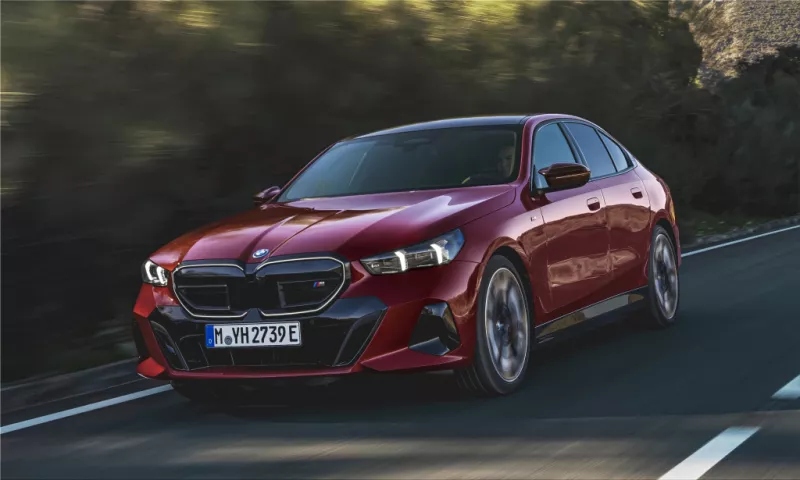
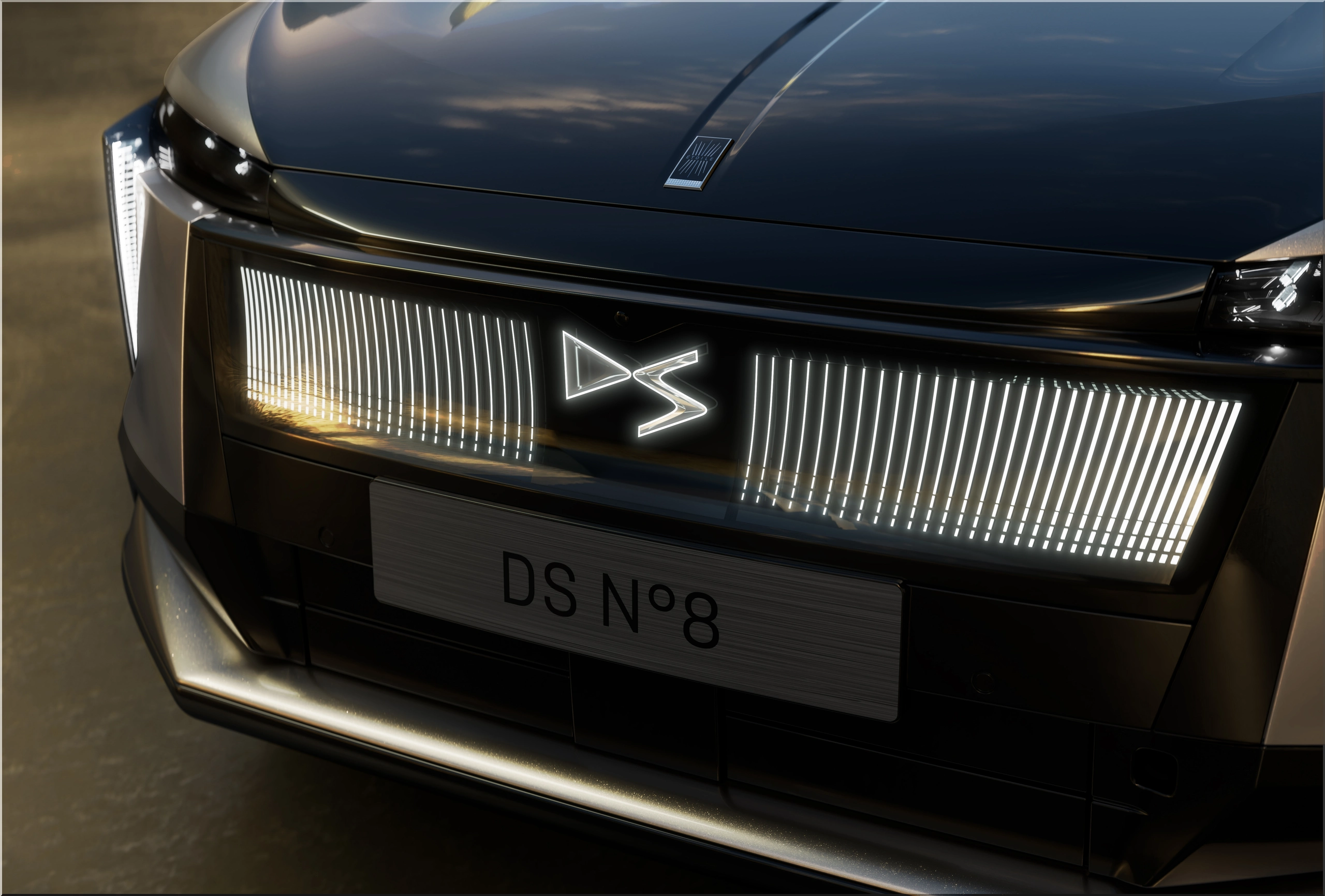
With a projected starting price expected around $70,000 (approx.), the DS N°8 positions itself against the Tesla Model S, Mercedes EQE, and BMW i5. Yet its efficiency numbers and European supply chain give it a distinct market advantage.
Unlike many competitors that rely on imported battery modules, DS leverages a vertically integrated French ecosystem, enhancing supply security and environmental control.
Comparative Range Analysis
| Model | Battery (kWh) | WLTP Range (km) | Real Range (est.) | Origin |
|---|---|---|---|---|
| DS N°8 | 97.2 | 750 | 750+ | France |
| Tesla Model S | 100 | 634 | 580–620 | USA |
| Mercedes EQE 350+ | 90.6 | 664 | 600 | Germany |
| BMW i5 eDrive40 | 81.2 | 582 | 540 | Germany |
The data suggests the DS N°8 surpasses competitors by at least 10–15% in range efficiency, with a smaller aerodynamic footprint and lower consumption per kWh.
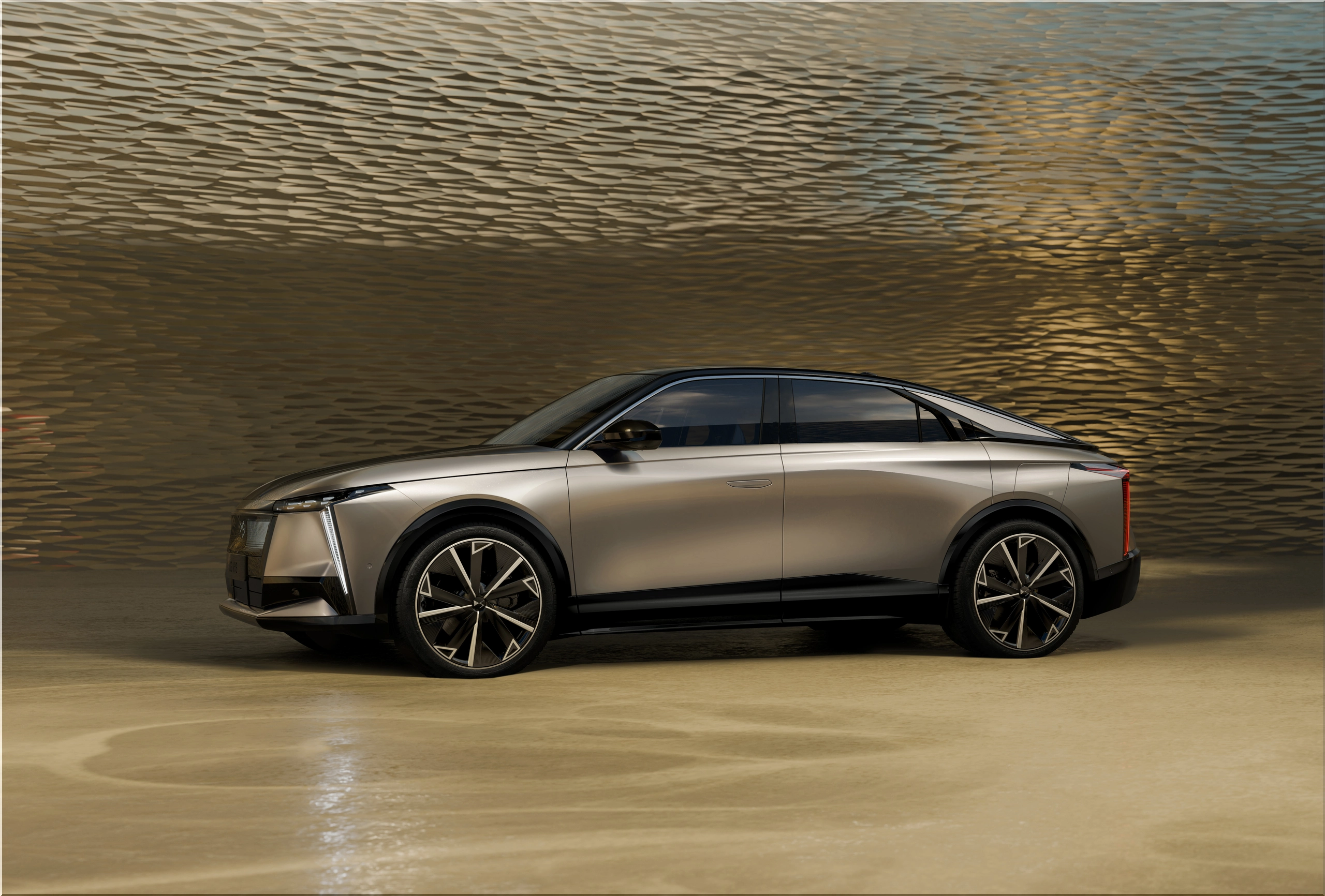
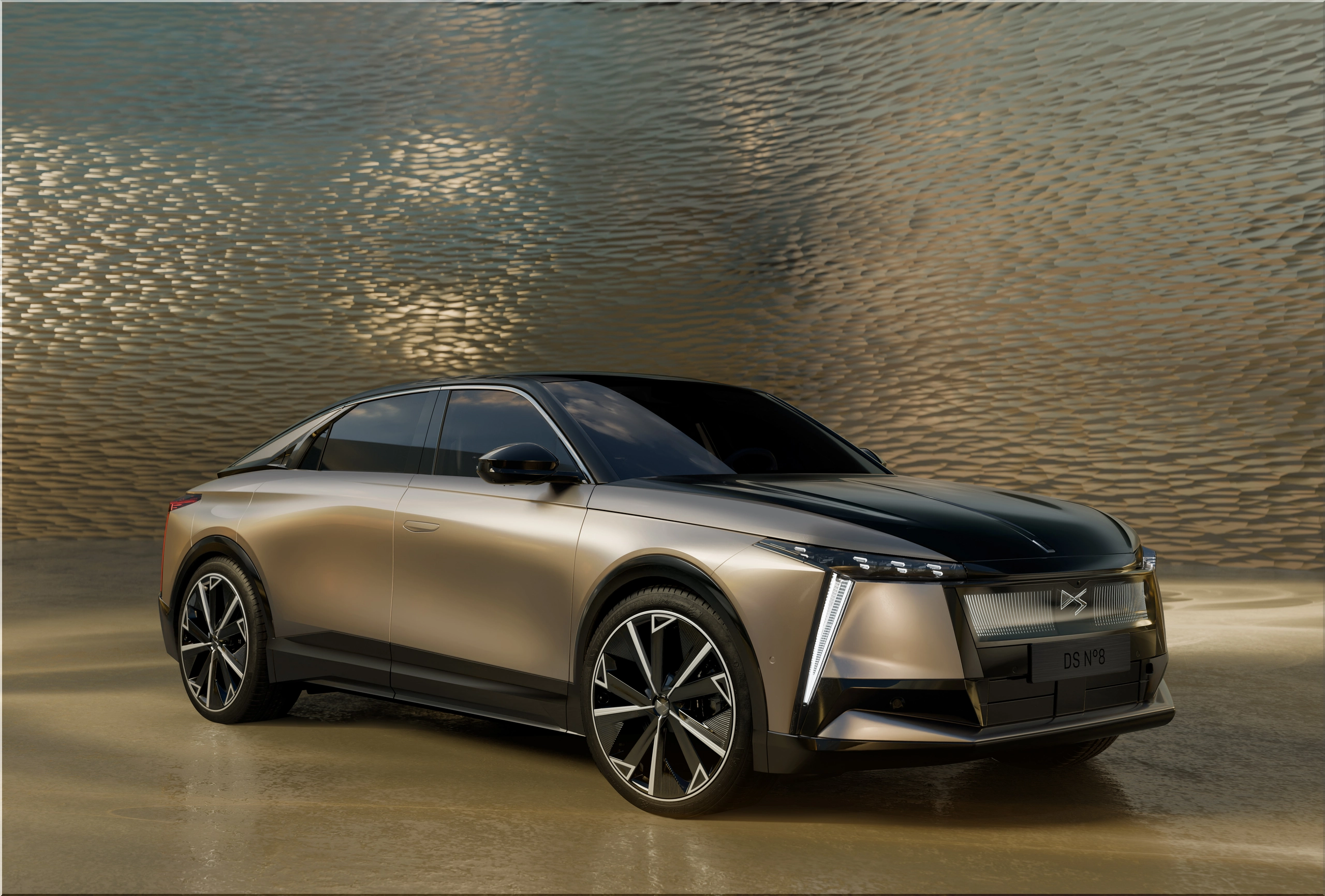
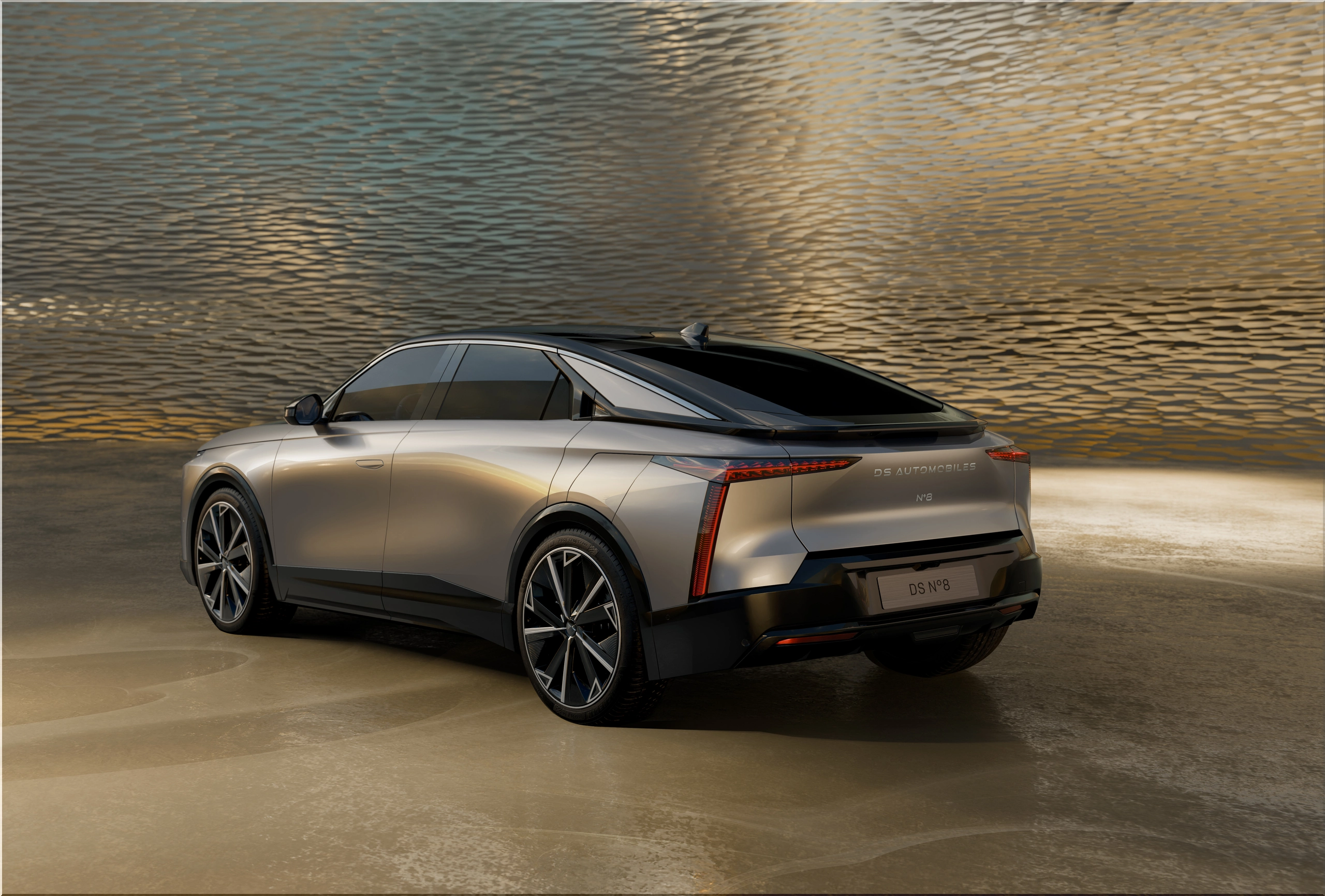
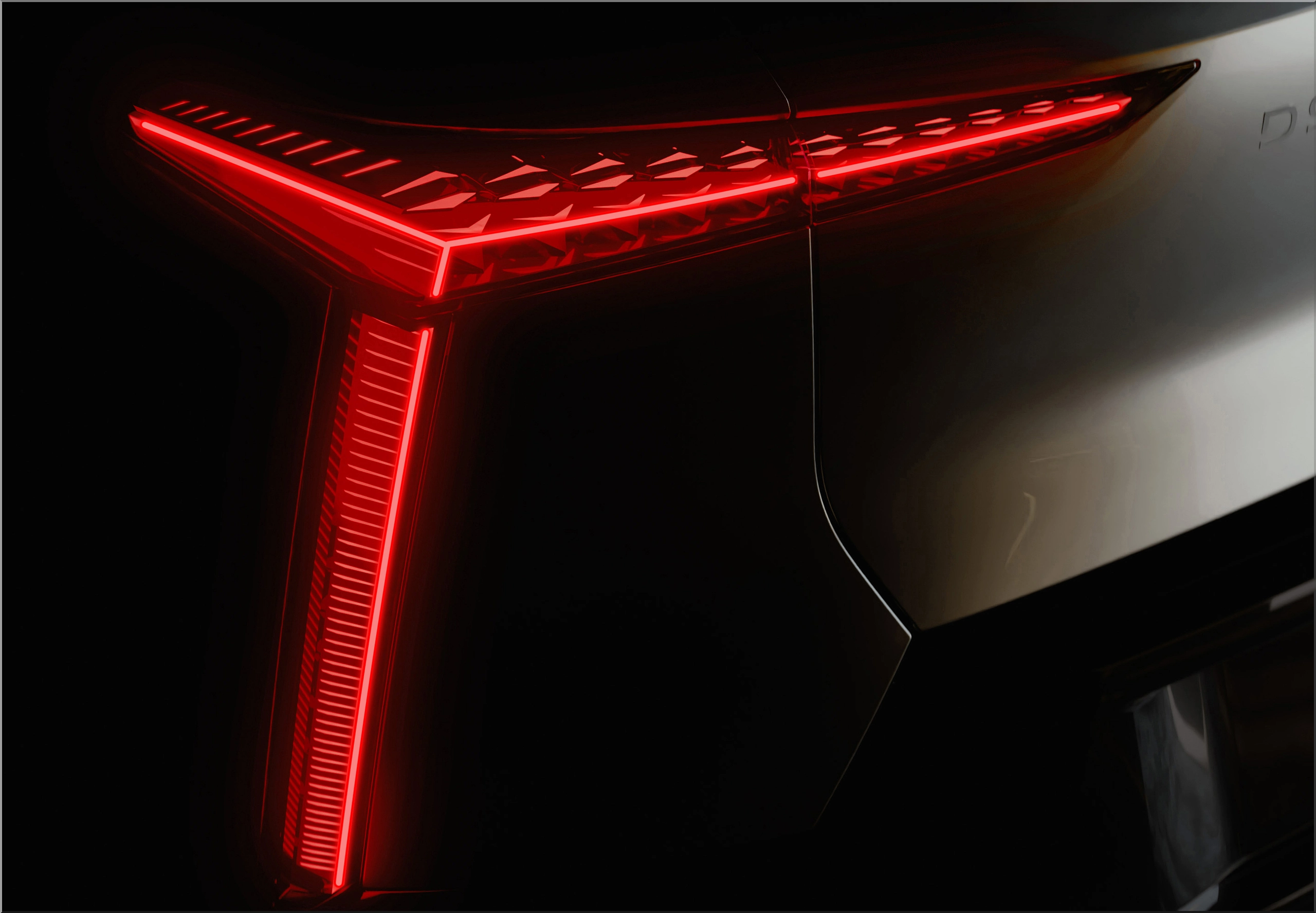
Designed for Long-Distance Electric Travel
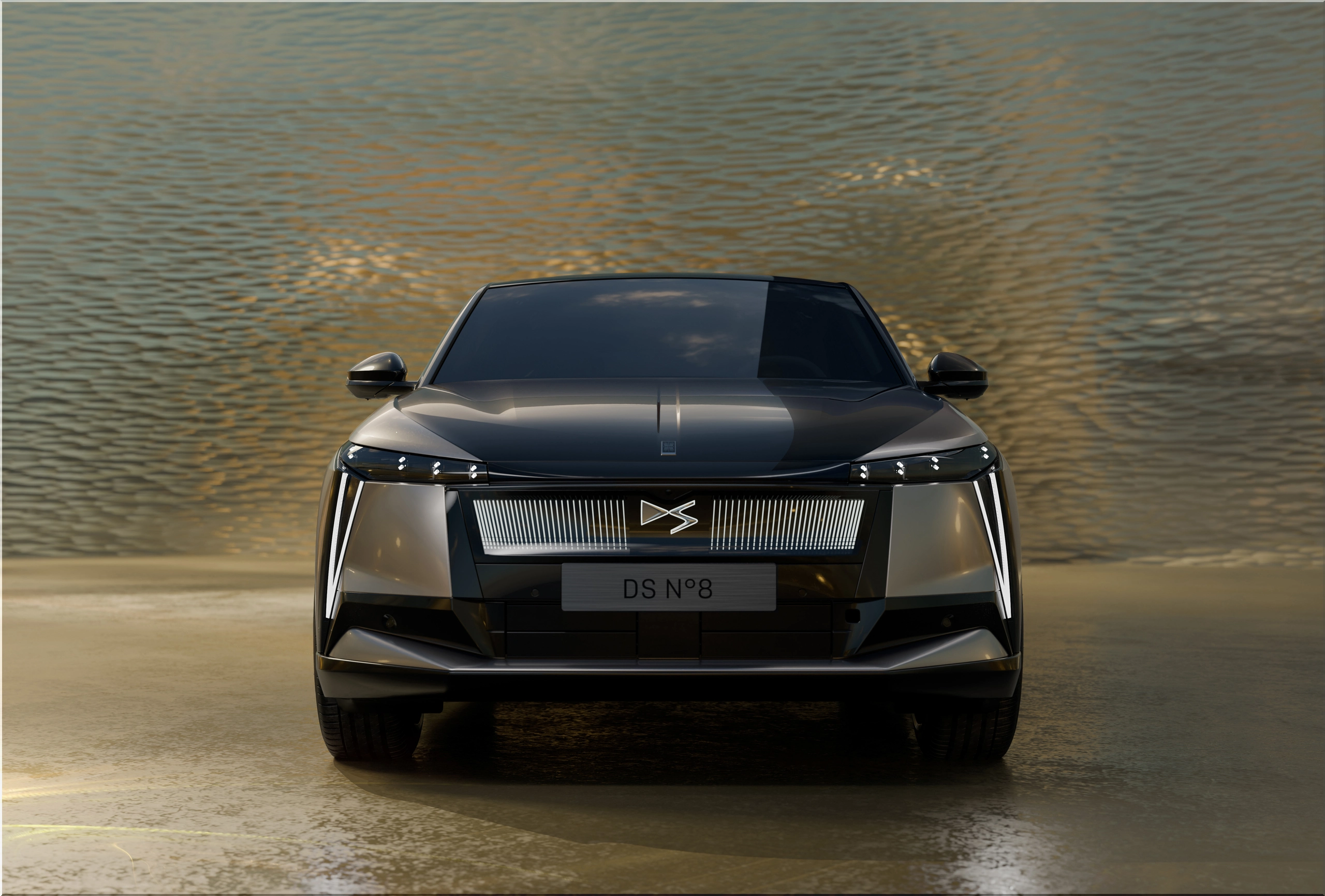
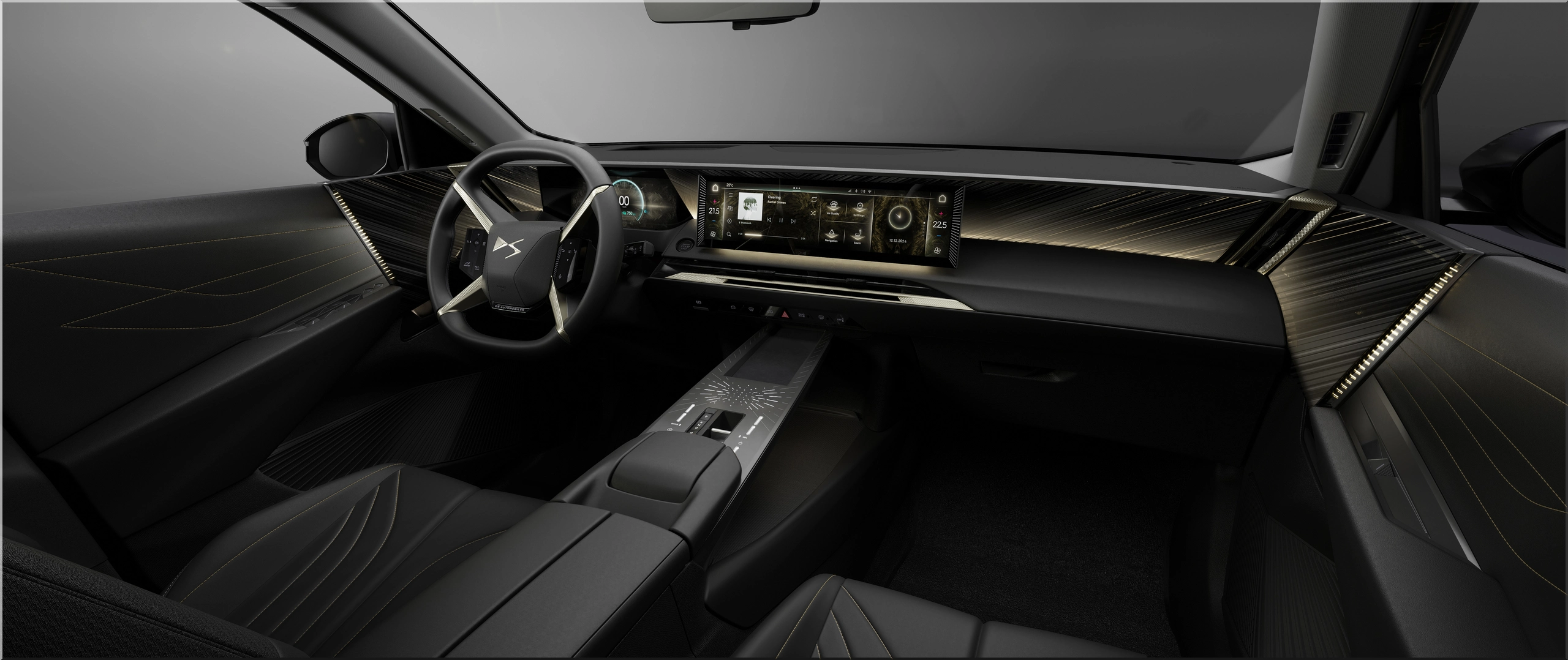
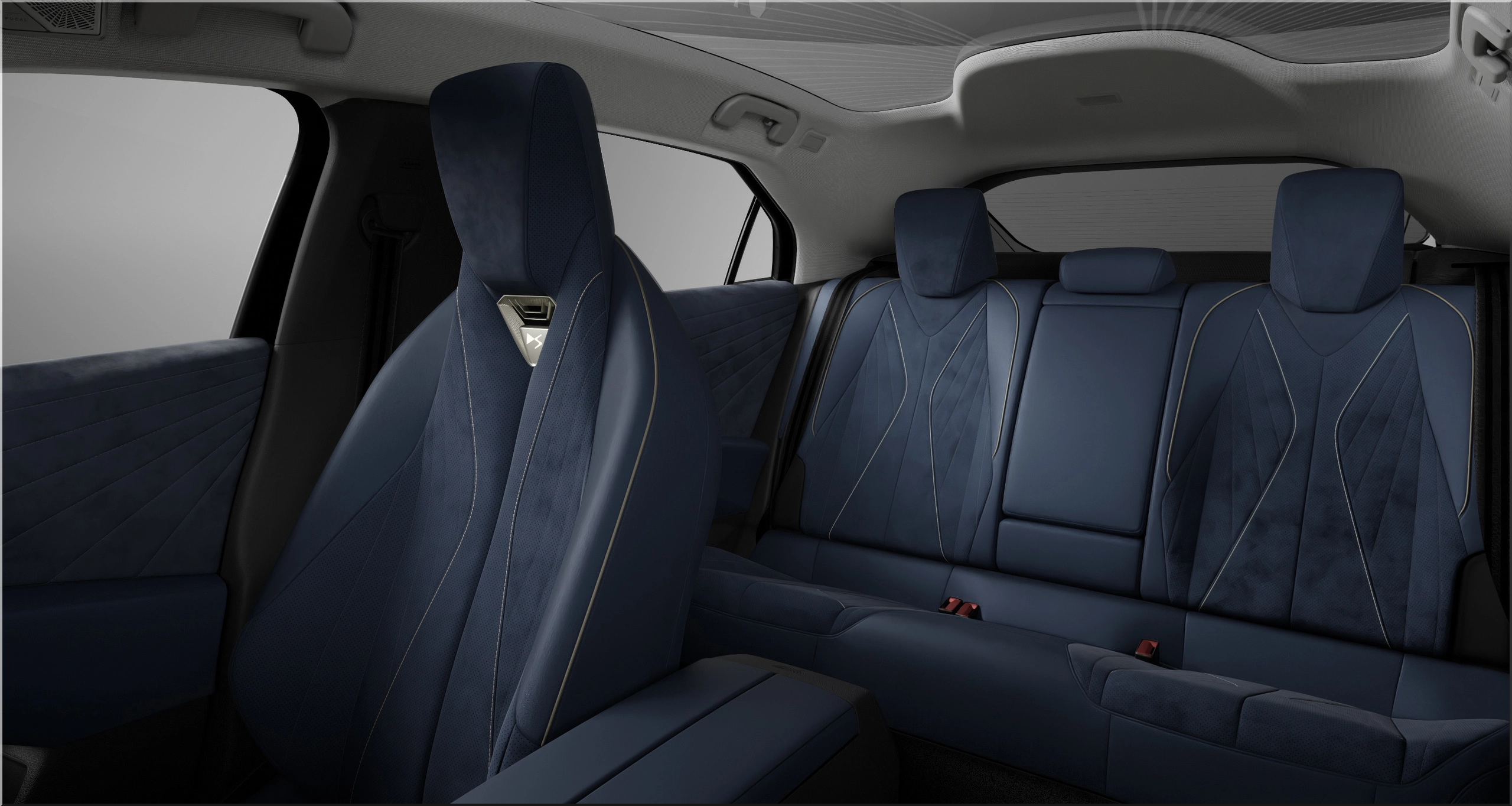
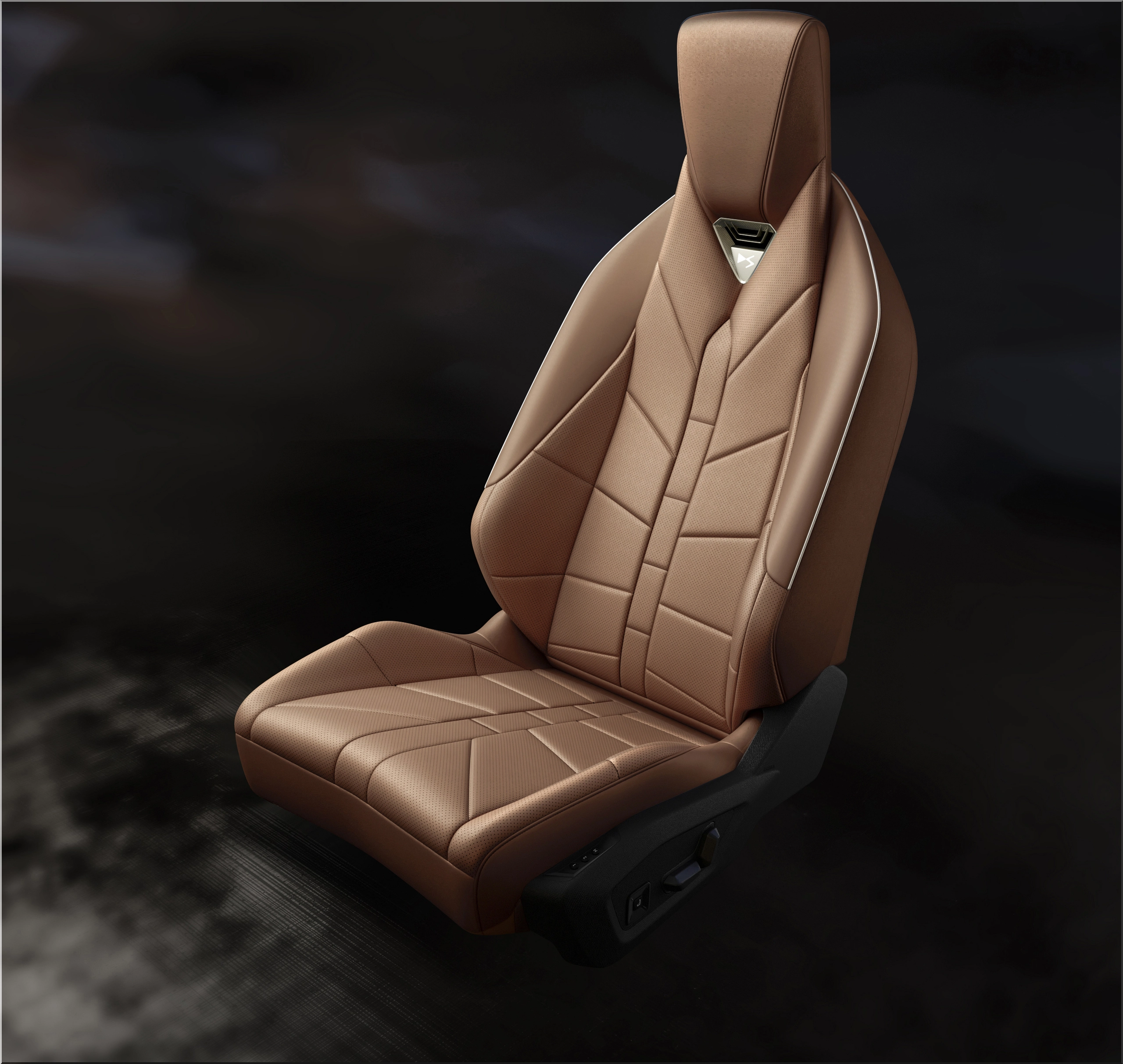
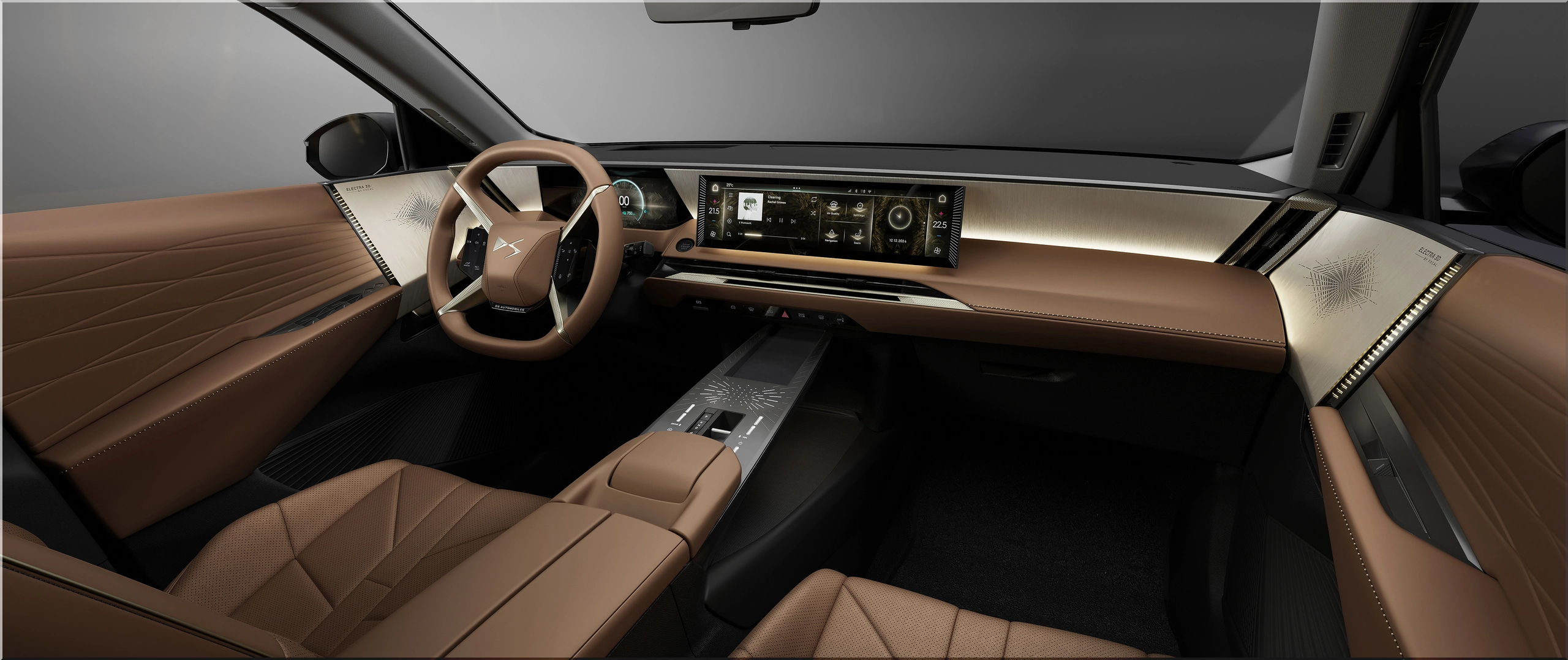
While many luxury EVs focus on performance acceleration, the DS N°8 prioritizes energy optimization, comfort, and consistency. With the verified 750 km result, DS demonstrates that range reliability can now coexist with design sophistication and driving refinement.
Strategic Takeaways
- Verified range: 750 km achieved in real-world conditions
- Battery innovation: High-density French ACC cells
- Energy efficiency: 11.7 kWh/100 km average
- French production: Battery and motor built domestically
- Competitive edge: Longer range than Tesla, Mercedes, BMW rivals

Conclusion: Data-Backed Proof, Not Claims
The DS N°8 stands as a measurable step forward for European EV engineering. It merges national production, real-world testing, and efficient energy management into one clear deliverable—750 km without charging.
For drivers, that means fewer stops, longer trips, and tangible proof that electric luxury now equals long-distance reliability.
- Add new comment
- 67 views