
1. Automate your savings
The first tip is a classic but still works in 2026: set your savings before you spend. Many people treat saving as what’s left over at the end of the month.
How to make it work:
- Set up a standing order right after payday that moves a fixed amount (e.g., 5–10 % of your net pay) into a separate savings account or an instant access savings pot.
- Treat that transfer as a non‑negotiable expense.
- Use “round‑ups” or micro‑savings tools (some banks let you round purchases up to the nearest £1 and save the difference).
- Check your savings statistics: according to UK data, one in six adults (≈ 16%) still has no savings at all.
- Pay raises or bonuses? Increase your savings contribution, even just by a little.
By automating the process, you avoid the temptation of thinking “If I have anything left, I’ll save” and then having nothing left. Over a year, this builds a cushion and creates better peace of mind.

2. Trim recurring costs (subscriptions, utilities, etc)
Often, we lose money via monthly “hidden” leaks: streaming services we don’t use, subscriptions we forgot, higher insurance premiums, or inefficient energy bills.
What to do:
- Review all your direct debits and standing orders once a quarter. Cancel or downgrade anything you no longer use.
- Switch or compare utilities (gas, electricity, broadband). Just a slight lowering of your kWh rate or dual product could save tens or hundreds per year.
- Check your insurance (home, car, contents). Many insurers offer better deals if you compare about three weeks before renewal. (For example, one survey found switching 21 days early on motor insurance saved an average £314.)
- For utility usage, consider small habits: heating a bit less, turning off devices rather than standby, and switching to LED bulbs.
Over time, these incremental savings add up, and you might be surprised how much you free up simply by being mindful.
3. Reduce transport/fuel costs
This is the tip where you can make a big difference if you’re able to make a change. Transport, especially fuel for petrol/diesel cars, is a major cost for many households. Reducing that cost frees up money, which you can redirect to saving or other priorities.
Why it matters
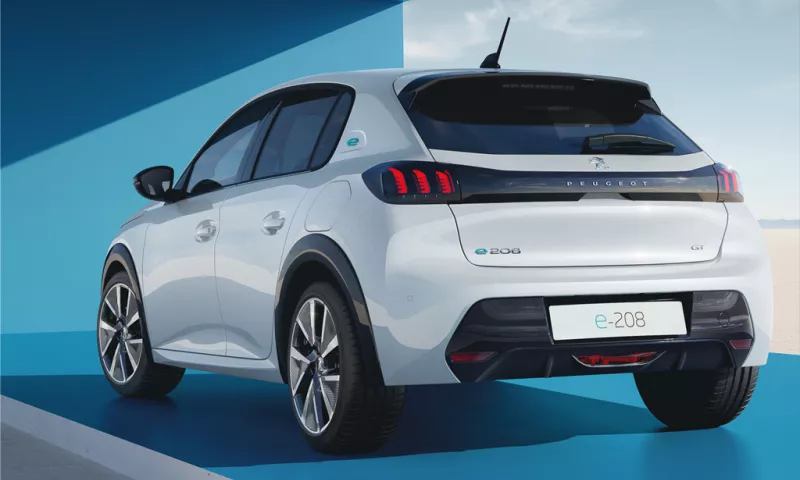
- A UK study found that petrol car running costs averaged around £1,843 per year, while electric vehicles (EVs) averaged about £1,264 for the same annual mileage (~6,700 miles). That works out as a saving of around £579/year.
- Another source suggests that conventional fleets switching to battery‑electric vehicles (BEVs) could cut fuel costs by ~80%.
- One provider puts the lifetime savings of EV ownership at around £6,850 over a five‑year period compared to petrol/diesel.
What you can do
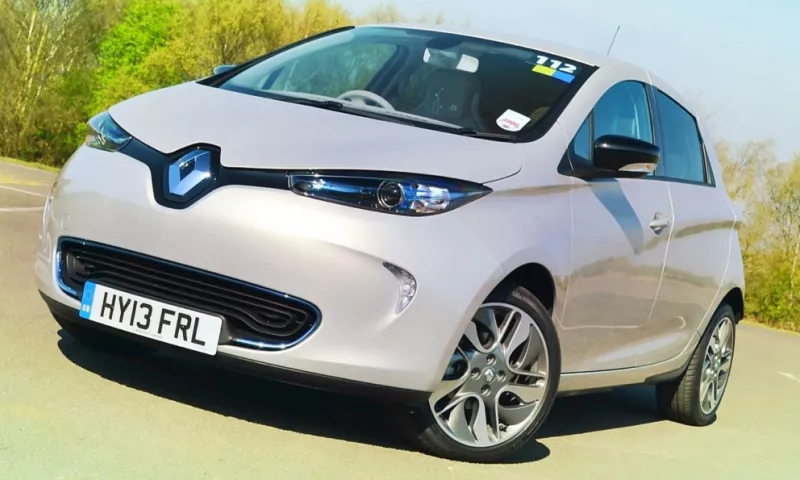
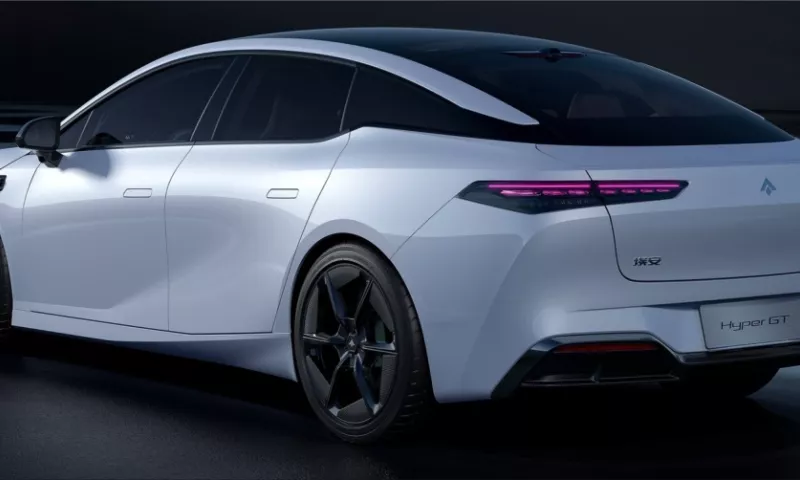
- If you’re driving a petrol/diesel car, evaluate whether you could switch to an electric or plug‑in hybrid option, depending on your budget and driving needs.
- Think about your usage: how many miles do you drive, what are your routes, could you rely on public transport or active travel for some of the time, etc.
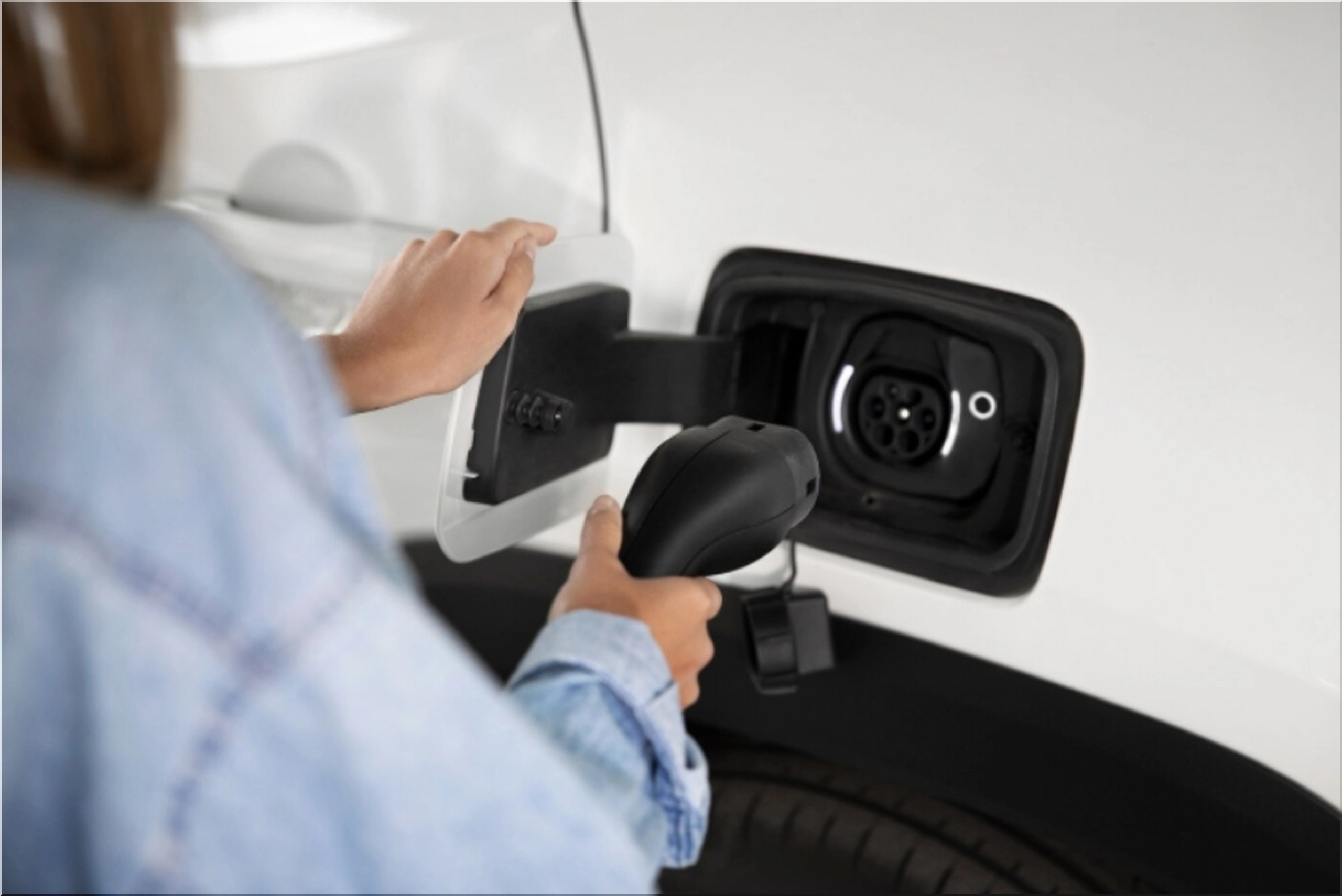
- If an EV is viable, an important piece is how/where you charge: home charging tends to be much cheaper and more convenient than using public rapid chargers.
If you go down the EV route, EV charger installation becomes a money-saving tool in itself.
If you're making the move to an electric car, EV charger installation isn’t just a nice-to-have; it’s a financial decision that pays off. Relying on public chargers not only costs more per kWh, but it also leaves you at the mercy of fluctuating prices and availability. Installing a home EV charger puts you in control: you charge overnight at cheaper rates, avoid queues, and save hundreds each year on running costs. Over time, the installation pays for itself, and then some.
4. Build a “windfall redirect” habit
When you get unexpected money, whether a tax refund, bonus, birthday gift, or raise, it’s easy to treat it as “free money” and spend it. Instead, treat windfalls as opportunities to save or invest.
How to apply this habit:
- Decide ahead of time: e.g., 50% of any windfall goes into savings/investment, 30% to pay down debt, 20% to treat yourself.
- This way you avoid the all‑or‑nothing mentality : “I earned it so I’ll spend it”and keep your longer‑term goals on track.
- Over time, windfalls become catalysts for boosting your financial resilience, not just short‑term treats.

5. Use targeted savings buckets & “goal‑based” saving
It’s easier to stay motivated when your savings have a clear purpose. Rather than having one big vague “general savings” pot, break things into buckets.
Examples:
- “Emergency fund” – 3 to 6 months of essential bills.
- “Short‑term goal” – e.g., holiday next year, new laptop, wedding.
- “Longer‑term goal” – e.g., pension top‑up, home deposit, EV charger installation.
By assigning labels, you give your savings more emotional weight and clarity. It’s not “just money” , it’s your “EV charger fund” or “down payment fund”.
Why these five tips matter now (in 2026)
- According to Trading Economics ,UK household saving ratio is projected to be around ~10% in 2026. That means if your income is £30,000 disposable, saving ~£3,000 a year is in line with the national average, but it takes discipline.
- Recent UK data show that savings deposits remain significant; e.g., in April 2025, UK adults deposited nearly £3 billion into banks/building societies.
- With inflation pressures, energy/fuel costs still unpredictable, transport switching, and utility optimisations become more meaningful than ever.
- Automating, trimming, redirecting, and goal‑setting are behaviours you can control regardless of external factors like interest rates or market swings.
Smart saving in 2026 isn’t about cutting everything; it’s about making intentional shifts that actually reduce costs without draining your lifestyle. Small, practical changes, like automating your savings, reviewing recurring expenses, or investing in EV charger installation, are what really move the needle. Do enough of them, and you’ll start to see real breathing room in your budget.

- 102 views