Mitsubishi's Electric Reboot
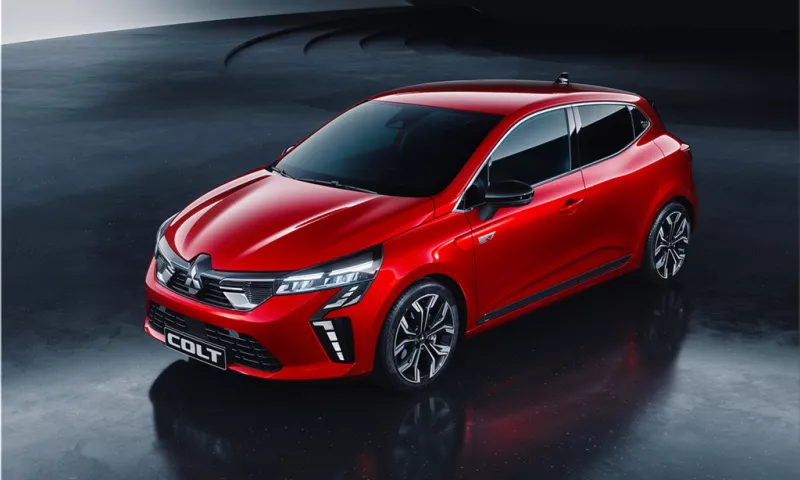
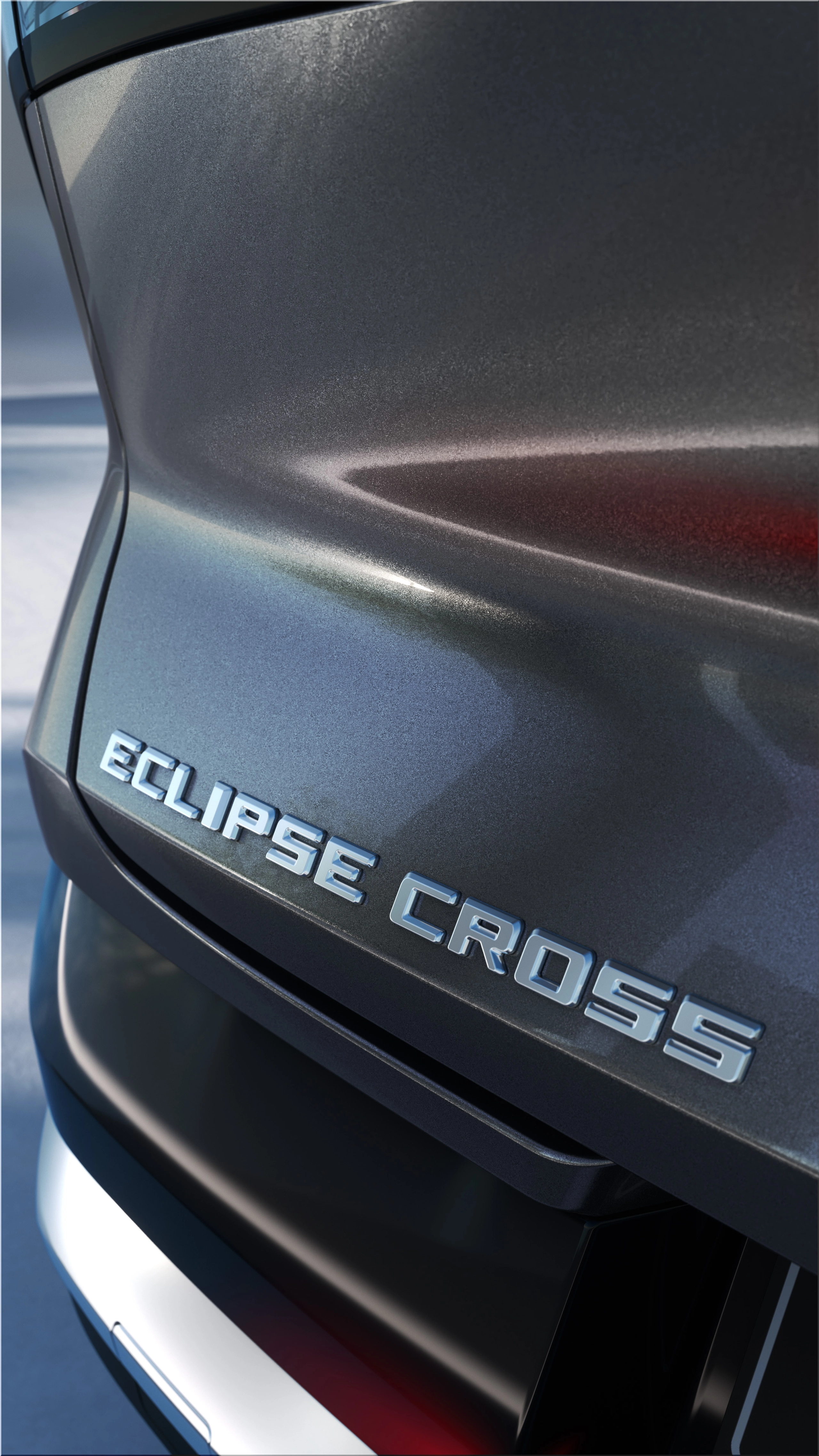
Mitsubishi Motors is re-entering the European electric vehicle (EV) market with a fully electric version of its compact SUV — the 2026 Mitsubishi Eclipse Cross EV. After a 15-year absence from the European BEV segment, the brand is making a calculated move by targeting one of the region’s most active automotive categories: electric crossovers.
This new model is being developed specifically for the European Union and will be manufactured in France, leveraging the CMF-EV platform shared with the Renault Scenic E-Tech. Mitsubishi has confirmed production will begin in late 2025, with deliveries slated to start shortly after.
Key Specifications of the 2026 Mitsubishi Eclipse Cross EV
| Specification | Metric | Imperial (Approx.) |
|---|---|---|
| Length | 4,470 mm | 176 inches |
| Width | 1,864 mm | 73.4 inches |
| Height | 1,571 mm | 61.9 inches |
| Wheelbase | 2,785 mm | 109.6 inches |
| Cargo Volume | 545 liters | 19.2 cubic feet |
The Eclipse Cross EV fits neatly into the C-segment SUV category, aligning it with European market expectations for size and practicality. The wheelbase and cargo space suggest a vehicle well-suited to family use and daily commuting.
Platform and Engineering: Built on the CMF-EV
The Eclipse Cross EV is built on the CMF-EV platform, co-developed by Renault, Nissan, and Mitsubishi. This scalable architecture supports a wide range of powertrains and battery capacities. Mitsubishi will offer two configurations at launch:
Battery and Drivetrain Options
| Configuration | Battery Size | Motor Output | Drive Type | Estimated WLTP Range |
|---|---|---|---|---|
| Base Model | 60 kWh | 125 kW (168 hp) | FWD | ~430 km (267 miles) |
| Extended Range | 87 kWh | 160 kW (215 hp) | AWD (Dual Motor) | ~625 km (388 miles) |
The 60 kWh model is designed for urban users prioritizing efficiency and affordability, while the 87 kWh version targets range-conscious drivers seeking all-wheel drive performance.
Interior: Focused on Practicality and Connectivity
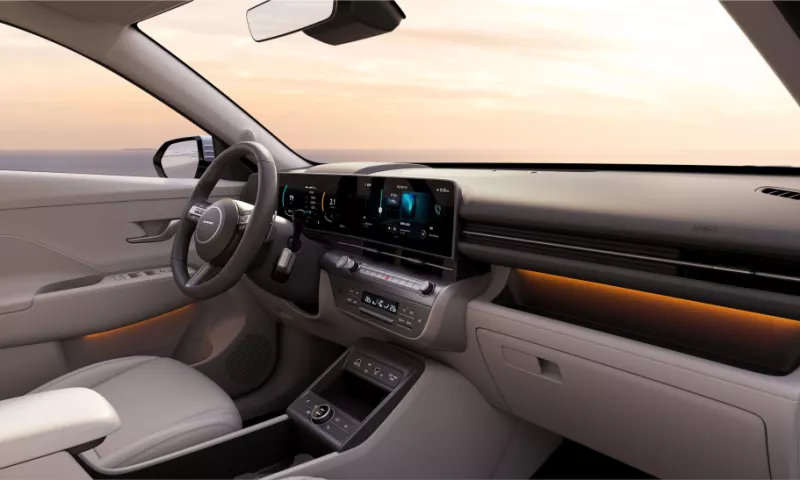
Inside, the Mitsubishi Eclipse Cross EV maintains a five-seat, two-row layout. The rear seats fold to extend the 545-liter trunk, offering competitive utility in the segment.
Infotainment and Safety Features
- Google Built-In infotainment system
- Voice-activated Google Assistant
- Adaptive Cruise Control
- Lane Keep Assist
- Blind Spot Monitoring
- Automatic Emergency Braking
Mitsubishi integrates an intuitive tech suite anchored by Google services. Drivers can expect a user-friendly experience with strong smartphone integration and real-time navigation updates.
Charging and Infrastructure Compatibility
Though detailed specs are still pending, both models will support:
- AC Charging: Likely 11 kW onboard charger (Type 2)
- DC Fast Charging: Up to 130 kW (CCS connector)
This means:
- 60 kWh model can charge from 10% to 80% in ~30 minutes
- 87 kWh model can achieve the same in under 40 minutes
This aligns with class norms and makes the Eclipse Cross EV compatible with most of Europe’s public charging infrastructure.
Pricing and Market Availability
Pricing details haven’t been officially disclosed, but estimates based on platform-sharing models like the Renault Scenic E-Tech place the starting price around $40,000 USD for the base version and $48,000 USD for the extended range.
Availability Timeline
- Official Reveal: September 2025
- Production Start: Q4 2025
- First Deliveries: Late 2025 (Long-range AWD)
- 60 kWh Variant Release: Early 2026
The vehicle will be exclusively available in Europe. Mitsubishi has not announced plans for other markets.
Target Competitors in Europe’s EV Segment
Mitsubishi is positioning the Eclipse Cross EV to compete against the following compact electric SUVs:
| Competitor Model | Starting Price (USD) | WLTP Range | Drive Type |
|---|---|---|---|
| Volkswagen ID.4 | ~$42,000 | 550 km | RWD/AWD |
| Hyundai Ioniq 5 | ~$43,000 | 507 km | RWD/AWD |
| Renault Scenic E-Tech | ~$39,000 | 625 km | FWD/AWD |
| Nissan Ariya | ~$45,000 | 533 km | FWD/AWD |
The Mitsubishi Eclipse Cross has a pricing edge with its lower-cost base model, while still offering competitive range and features. The CMF-EV underpinnings provide proven engineering, while Mitsubishi aims to win over customers with a more aggressive price-to-value proposition.
Strategic Importance to Mitsubishi
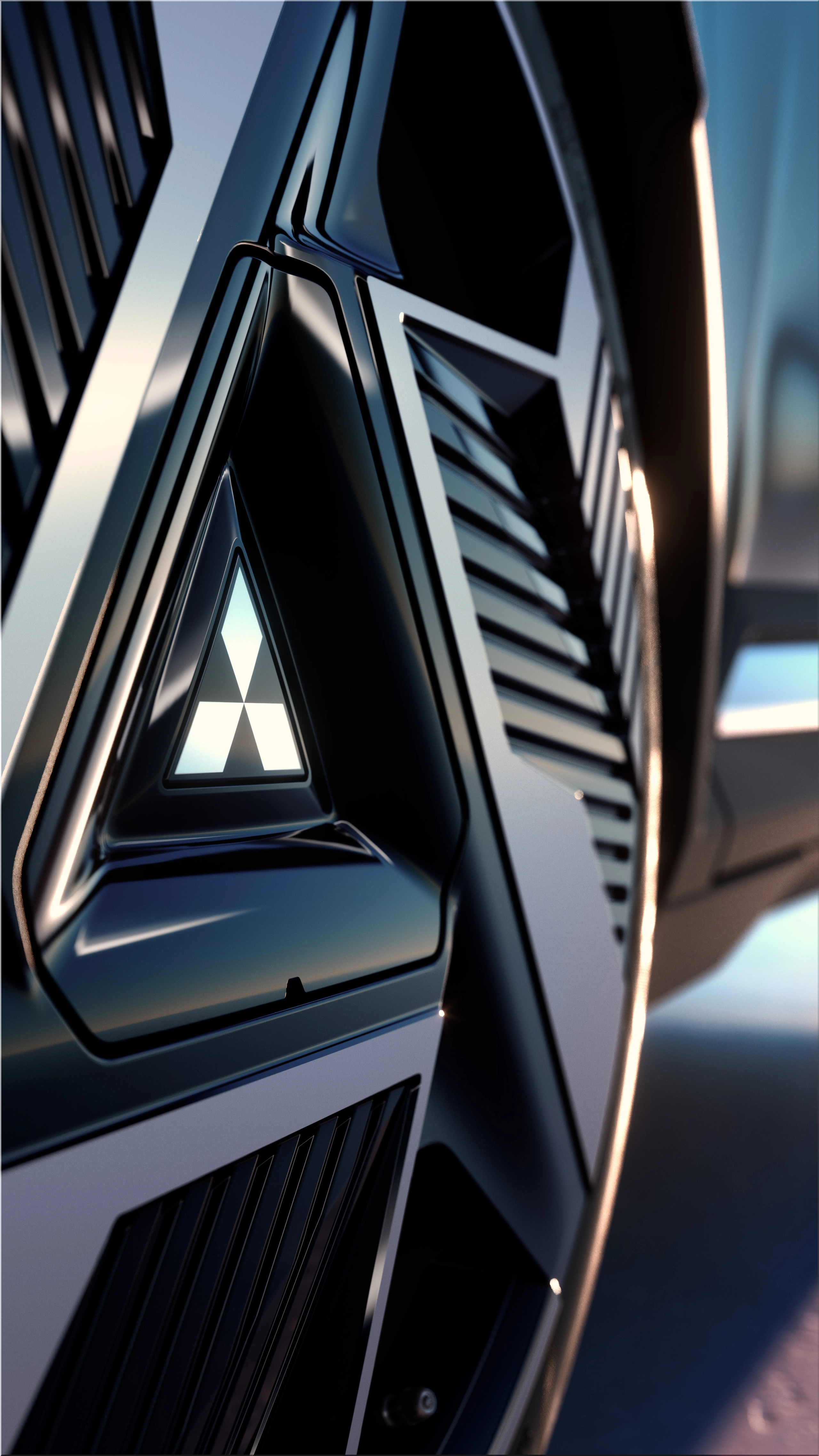
This model is more than a reboot—it’s a strategic pivot. Mitsubishi’s European market share has declined in the past decade, and the Eclipse Cross EV serves as a fresh entry point into the growing BEV SUV market.
By leveraging:
- Existing CMF-EV platform
- French production (via Renault’s Ampere ElectriCity)
- A recognized nameplate (Eclipse Cross)
Mitsubishi reduces development costs while appealing to a known customer base. The company's goal is volume growth without overspending on R&D or infrastructure.
Final Thoughts
The 2026 Mitsubishi Eclipse Cross EV is a calculated move by a brand seeking relevance in one of the world’s most aggressive EV markets. Backed by established tech from Renault-Nissan-Mitsubishi, and designed to meet local expectations on size, price, and range, it’s built for the average European EV buyer — not just enthusiasts.
No gimmicks. Just data-driven engineering, competitive specs, and practical execution.
- Add new comment
- 222 views