Designed in Italy, Engineered for Range
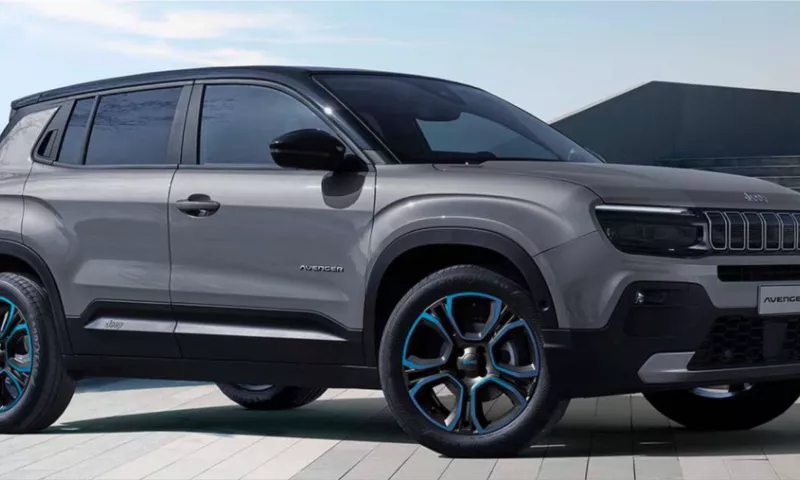
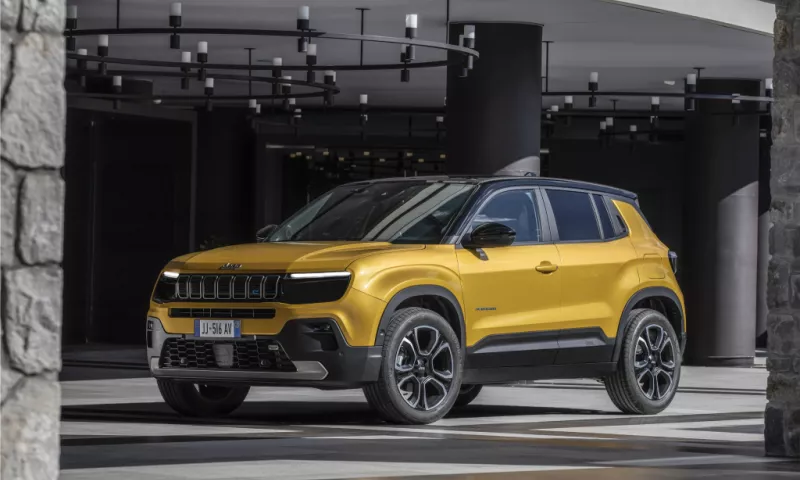
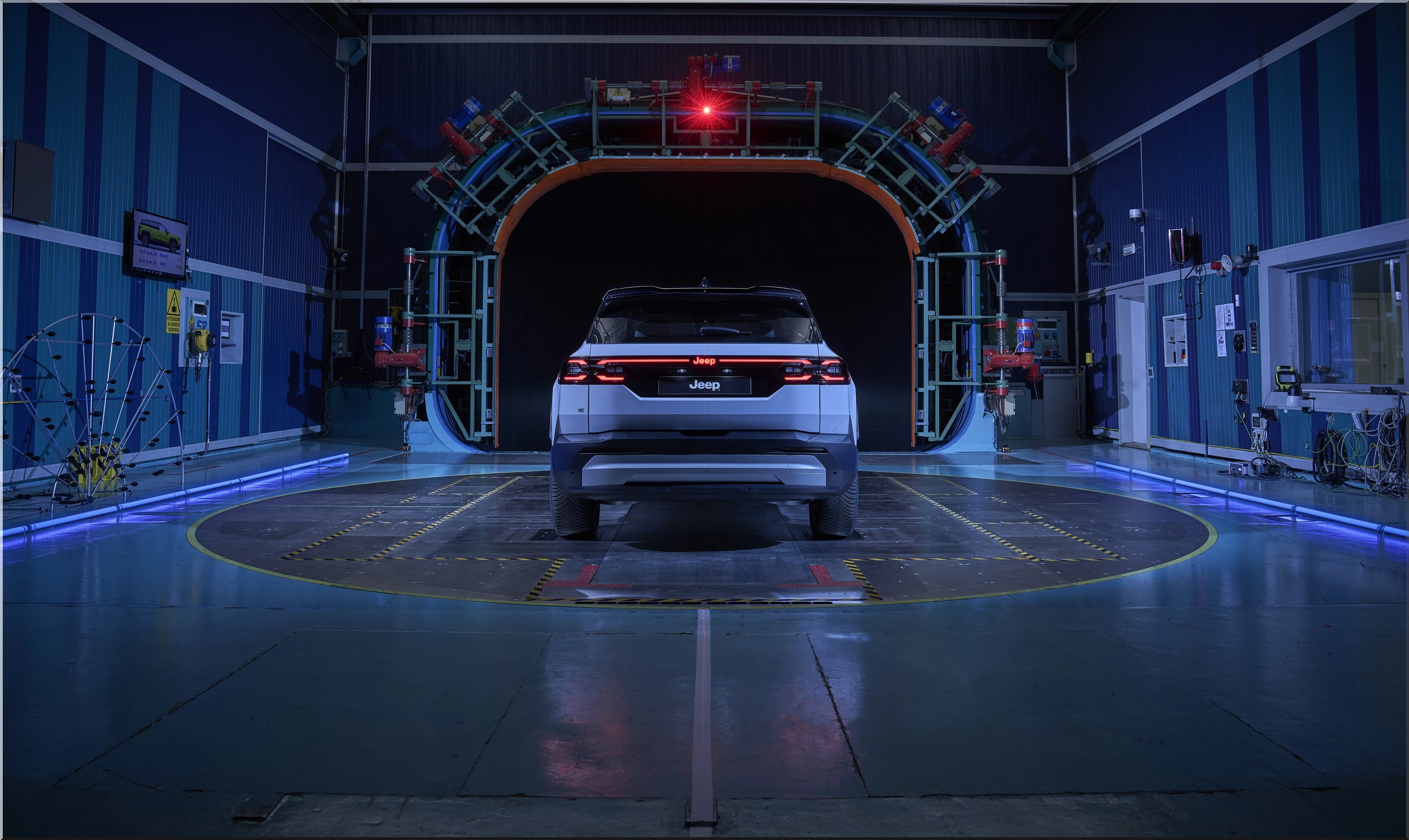
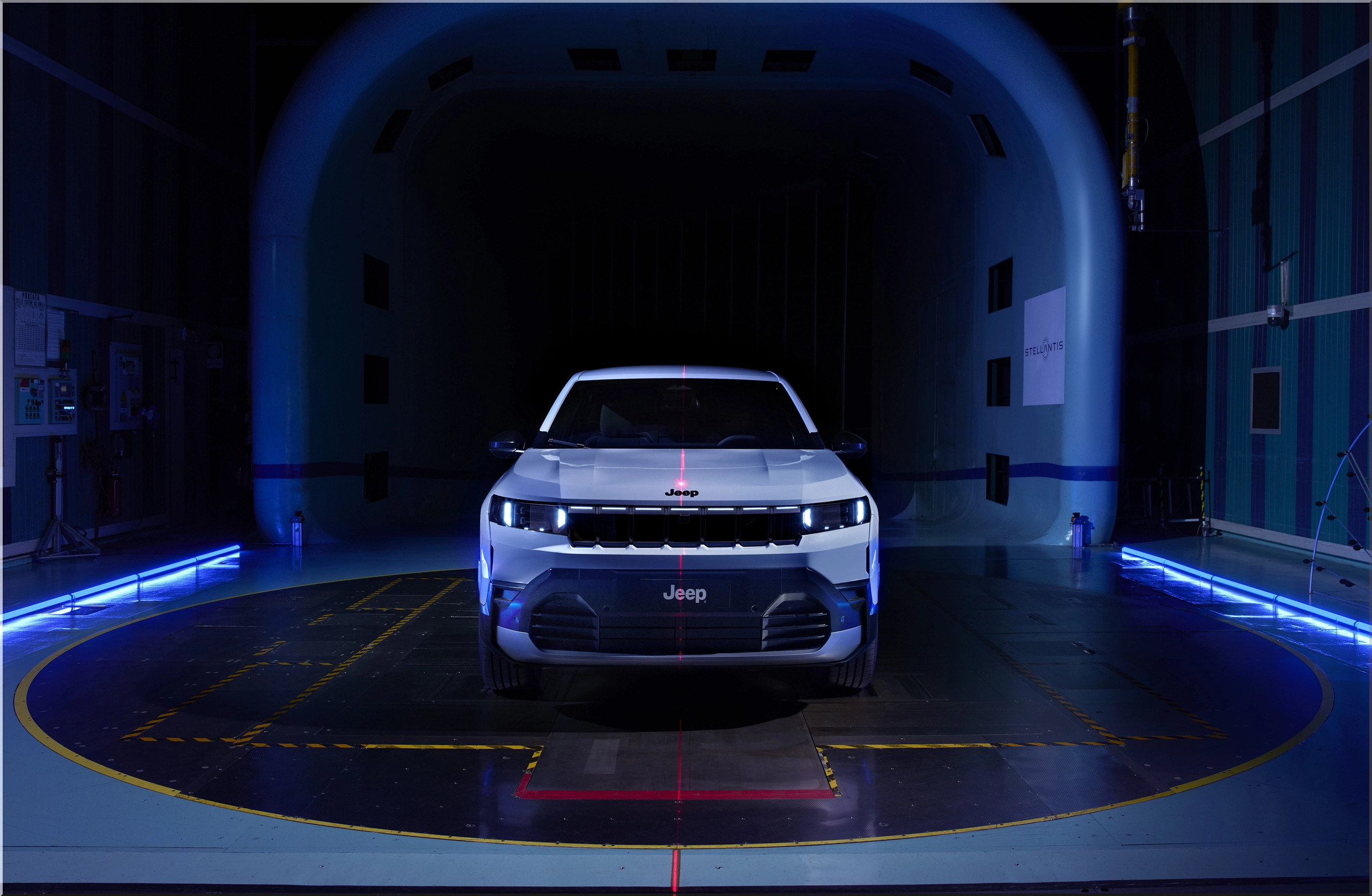
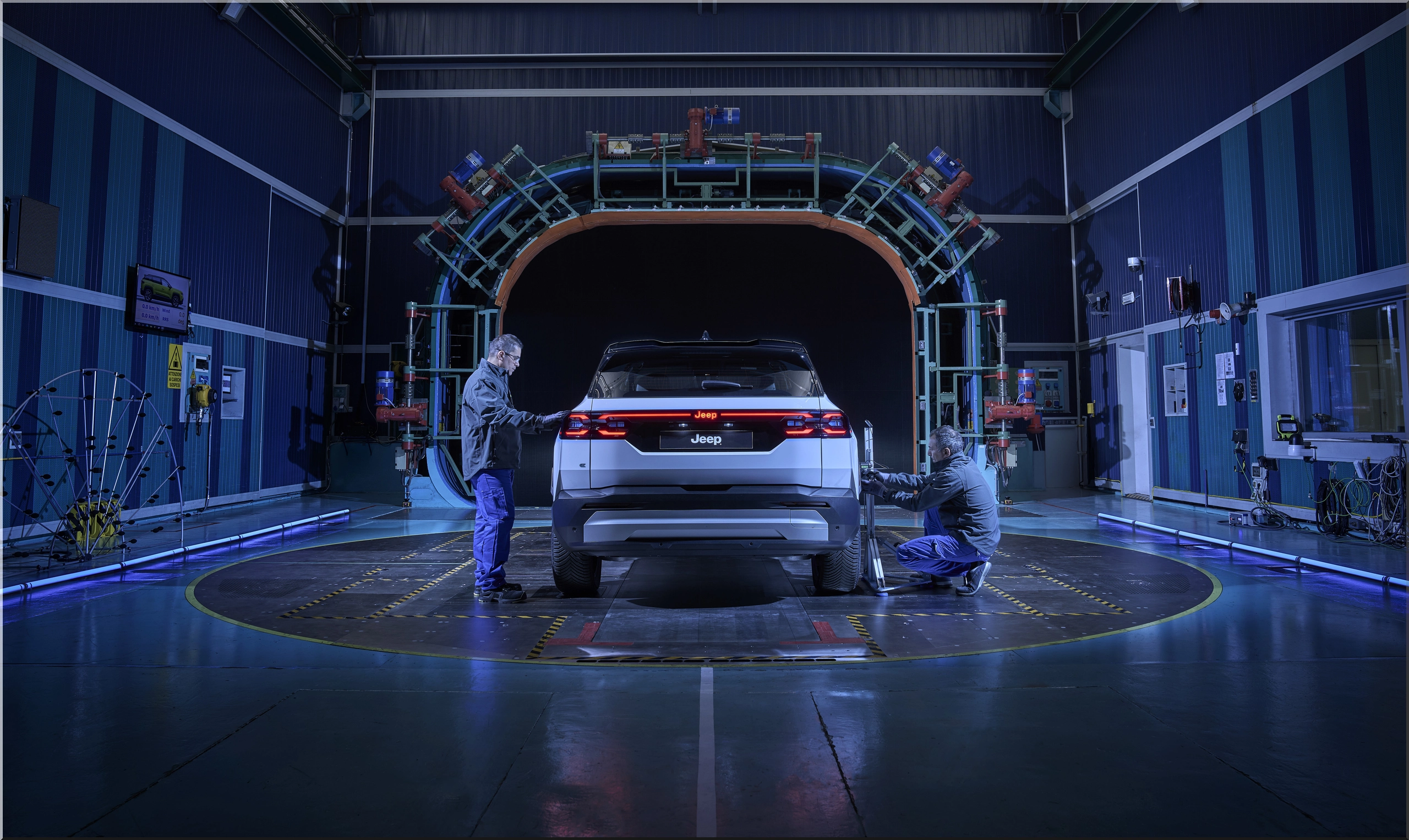
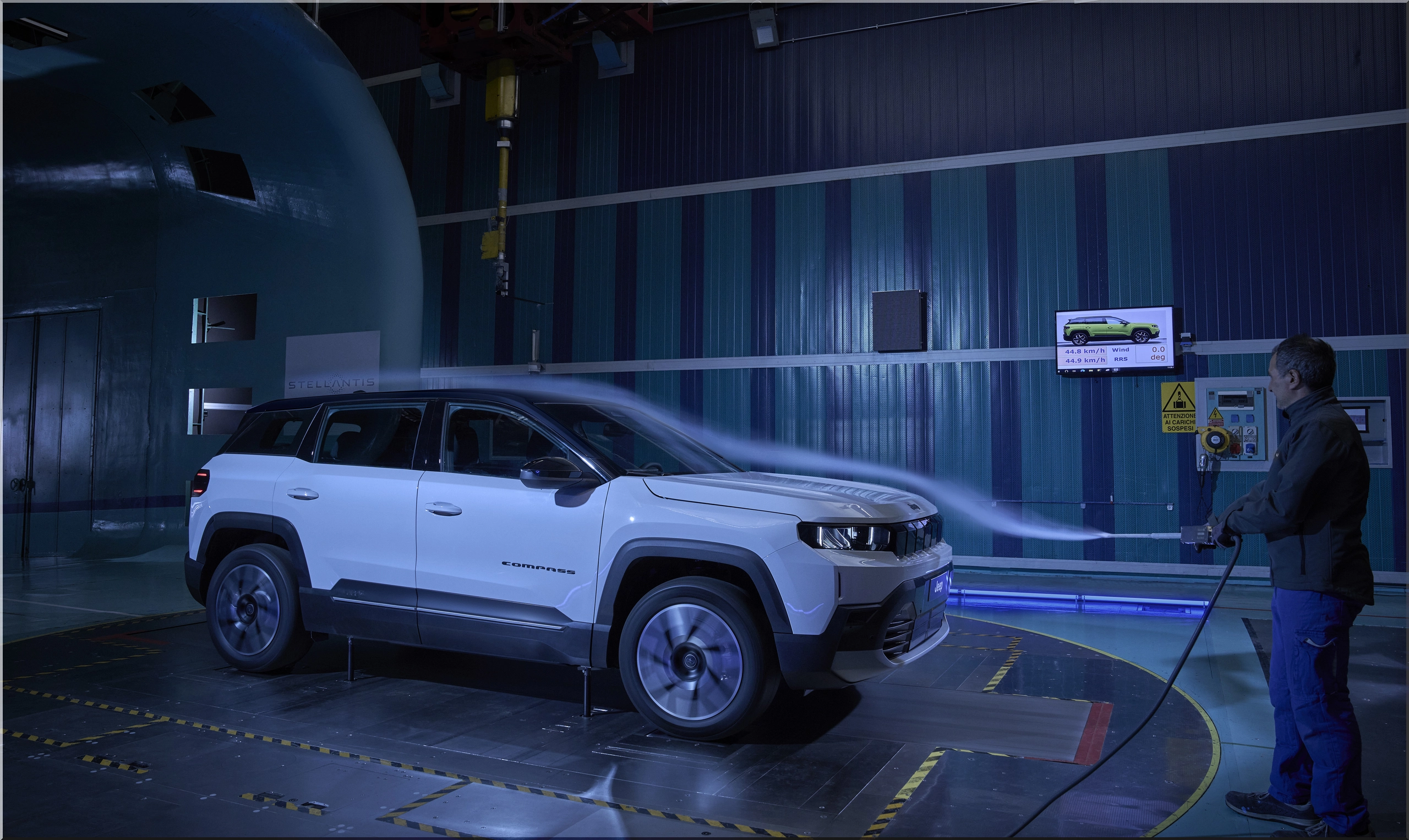
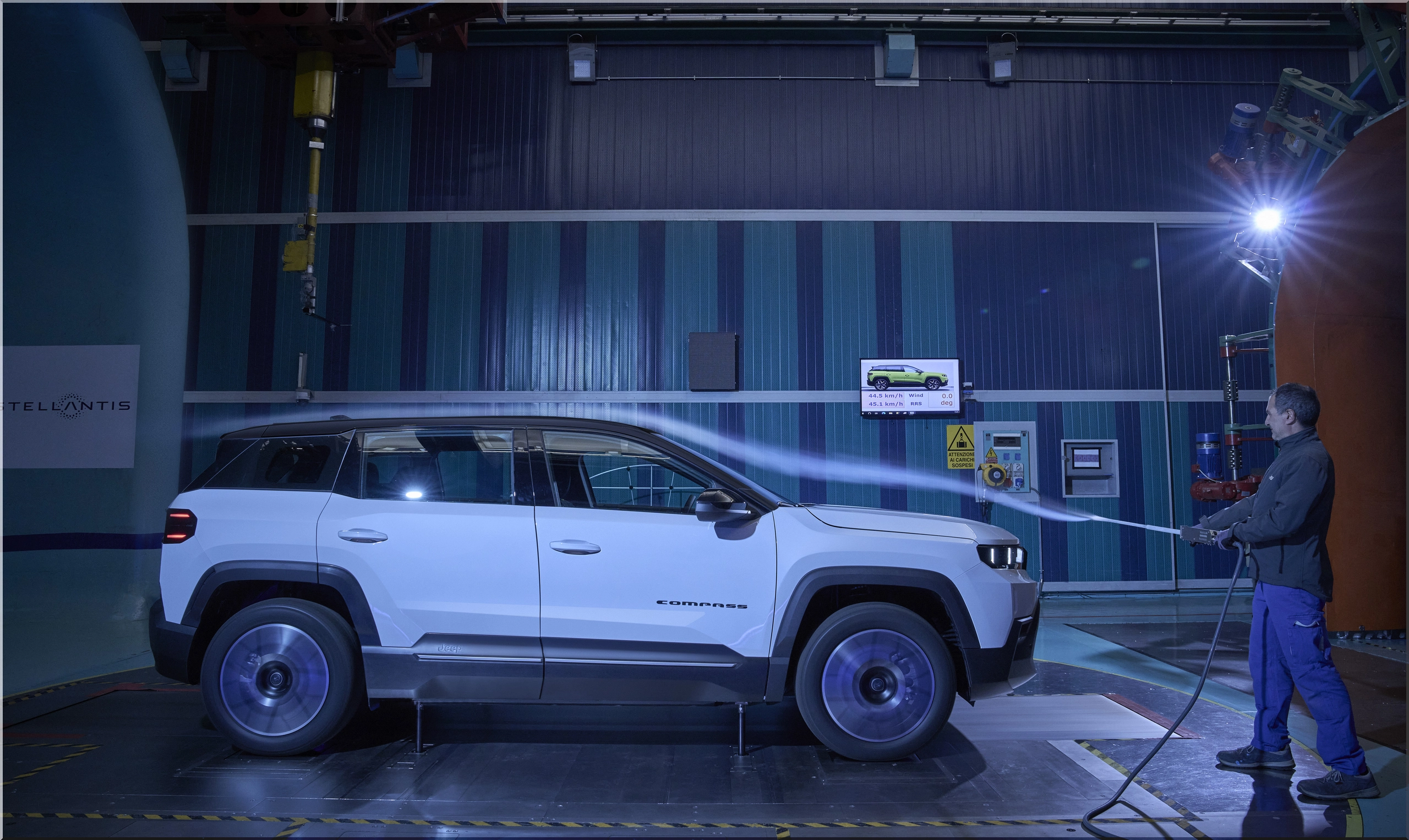
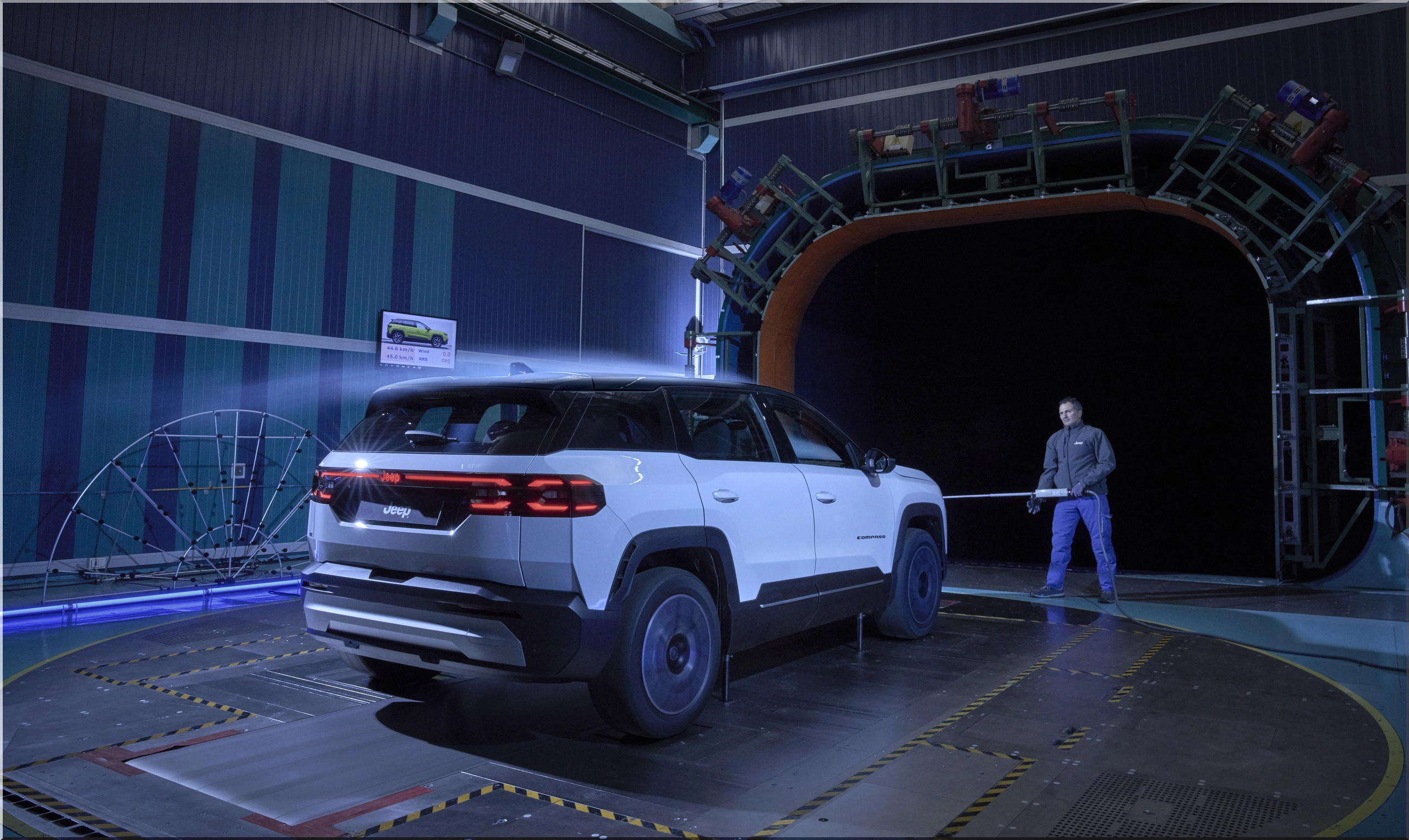
The 2026 Jeep Compass isn’t just new—it’s a complete rethink of what a compact SUV can deliver in Europe’s toughest market. Built in Italy on the STLA Medium platform, this model becomes Jeep’s most aerodynamic vehicle to date, with a drag coefficient (Cx) under 0.29. That’s more than a design win—it’s a direct contributor to improved efficiency, electric range, and real-world usability.
Core Highlights of the 2026 Jeep Compass
- Drag coefficient: <0.29 (10% lower than the previous model)
- BEV range: Up to 650 km (approx. 404 miles)
- Drive options: BEV, Plug-in Hybrid, and Mild Hybrid
- Platform: Stellantis STLA Medium, shared across global markets
- Production location: Melfi, Italy
Why Aerodynamics Matter More Now
In EVs, range starts with resistance. At highway speeds, aerodynamic drag accounts for up to 60% of total energy use. Jeep attacked this head-on with a set of well-calculated updates:
Key Aerodynamic Enhancements
- Flat underbody: Smooths airflow and doubles as off-road protection.
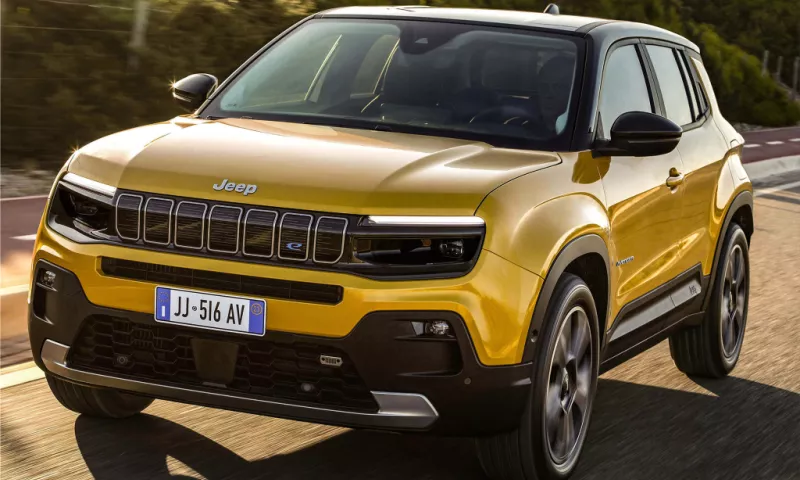
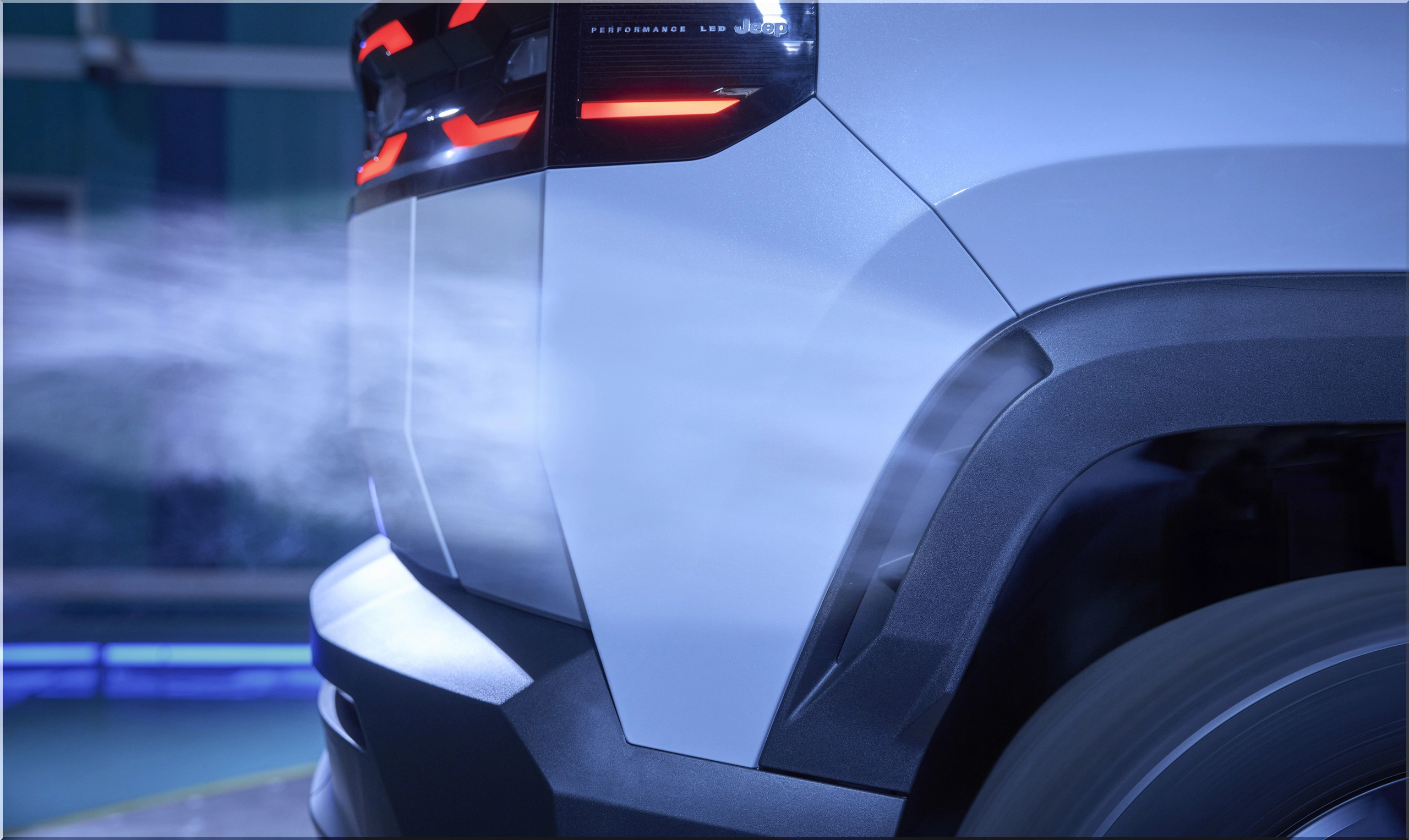
- Active Grille Shutters (AGS): Close automatically at high speeds to reduce drag.
- Rear aero treatments:
- Sharp trailing edges
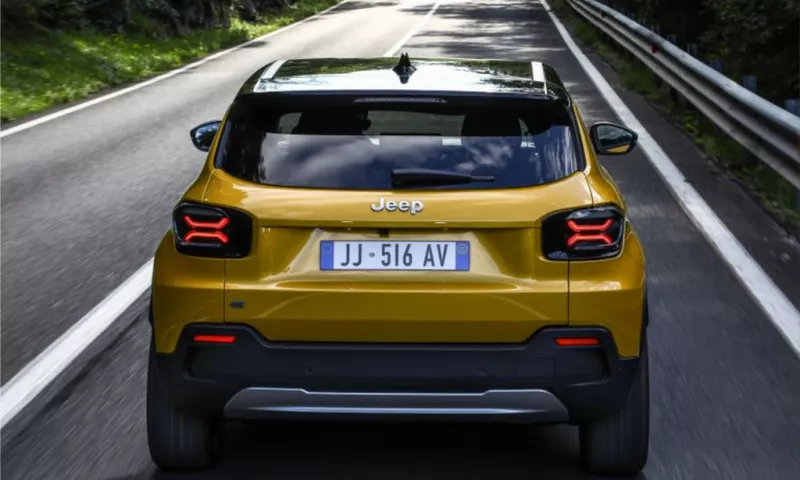
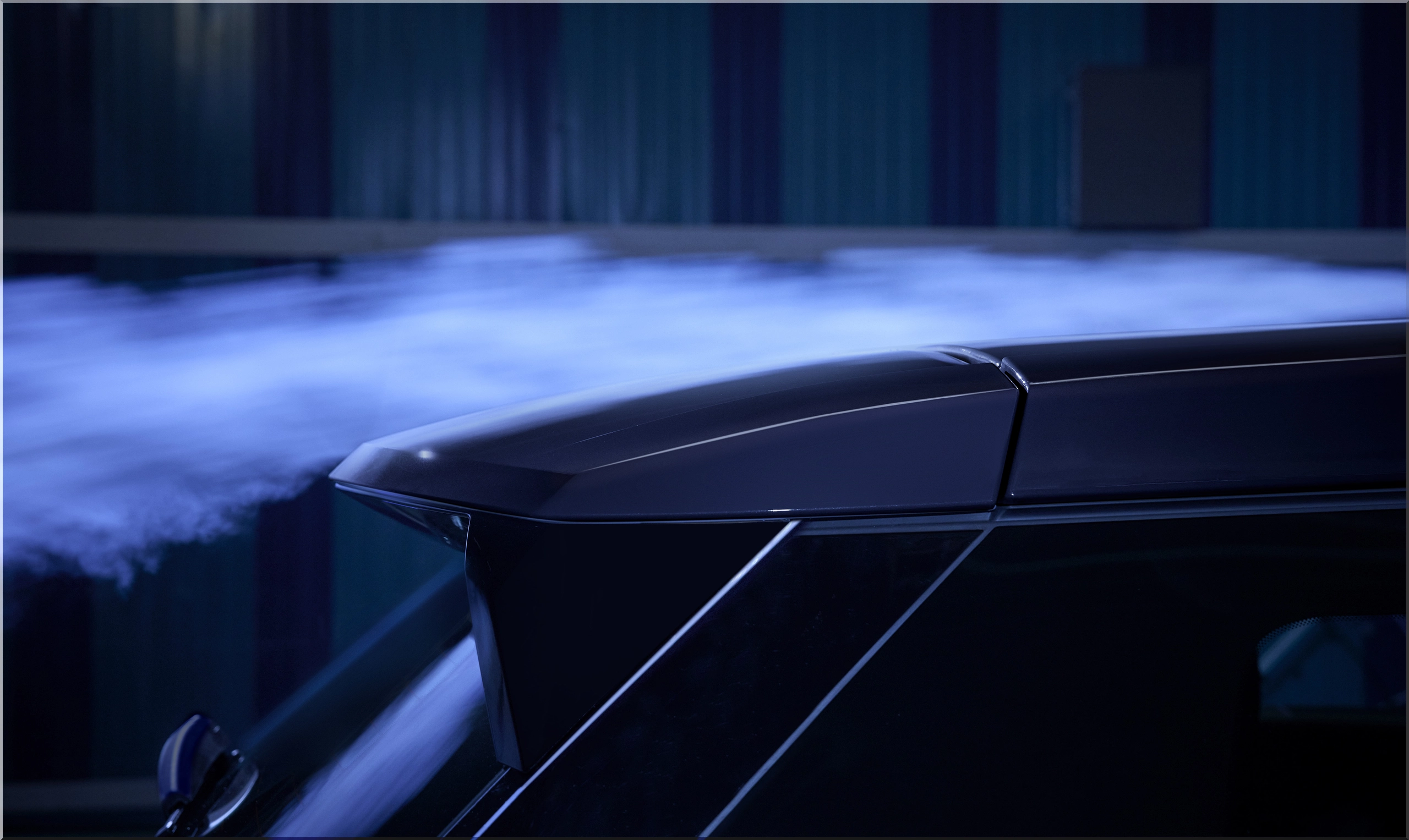
- Roof-mounted spoiler
- Integrated air curtains in the rear arches
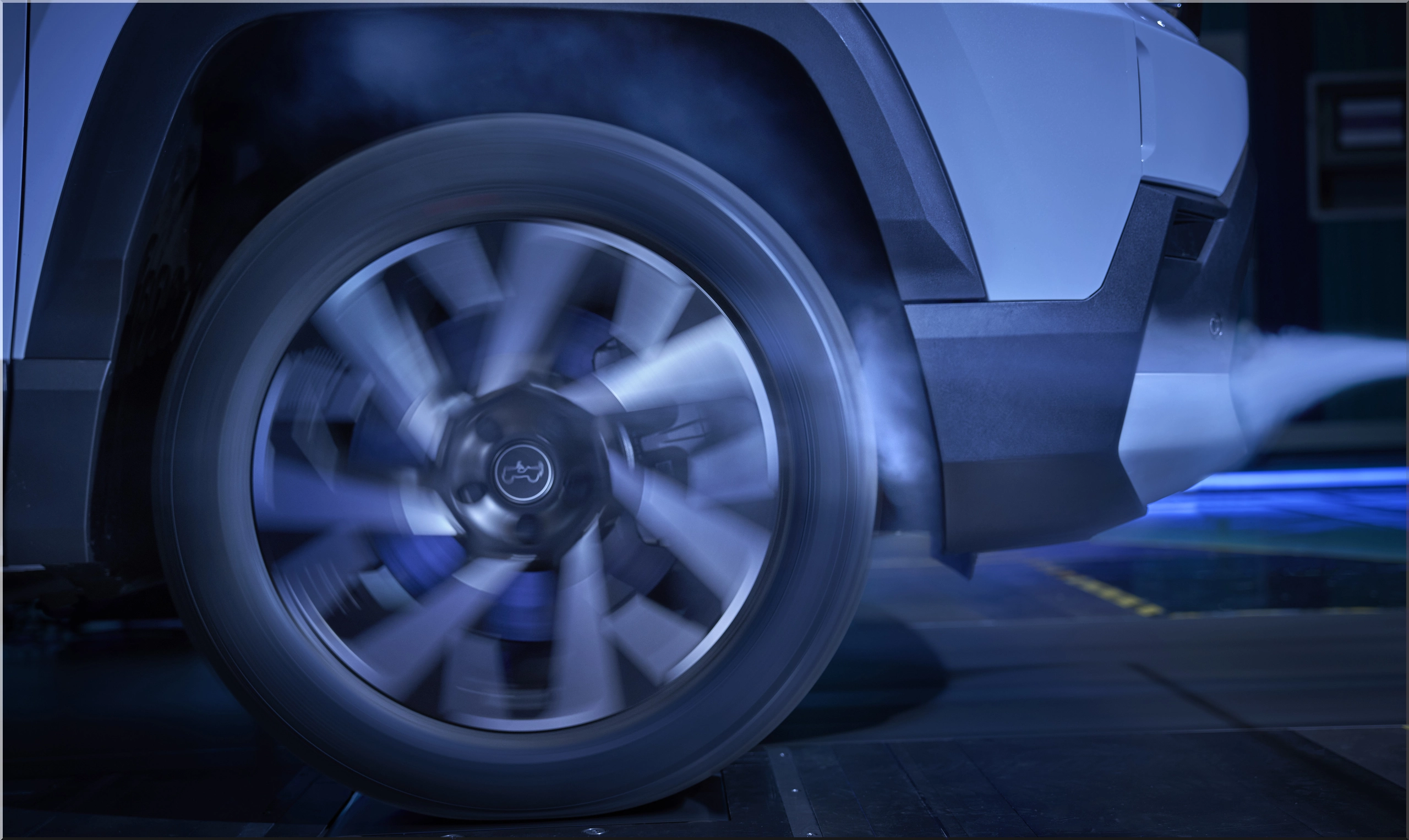
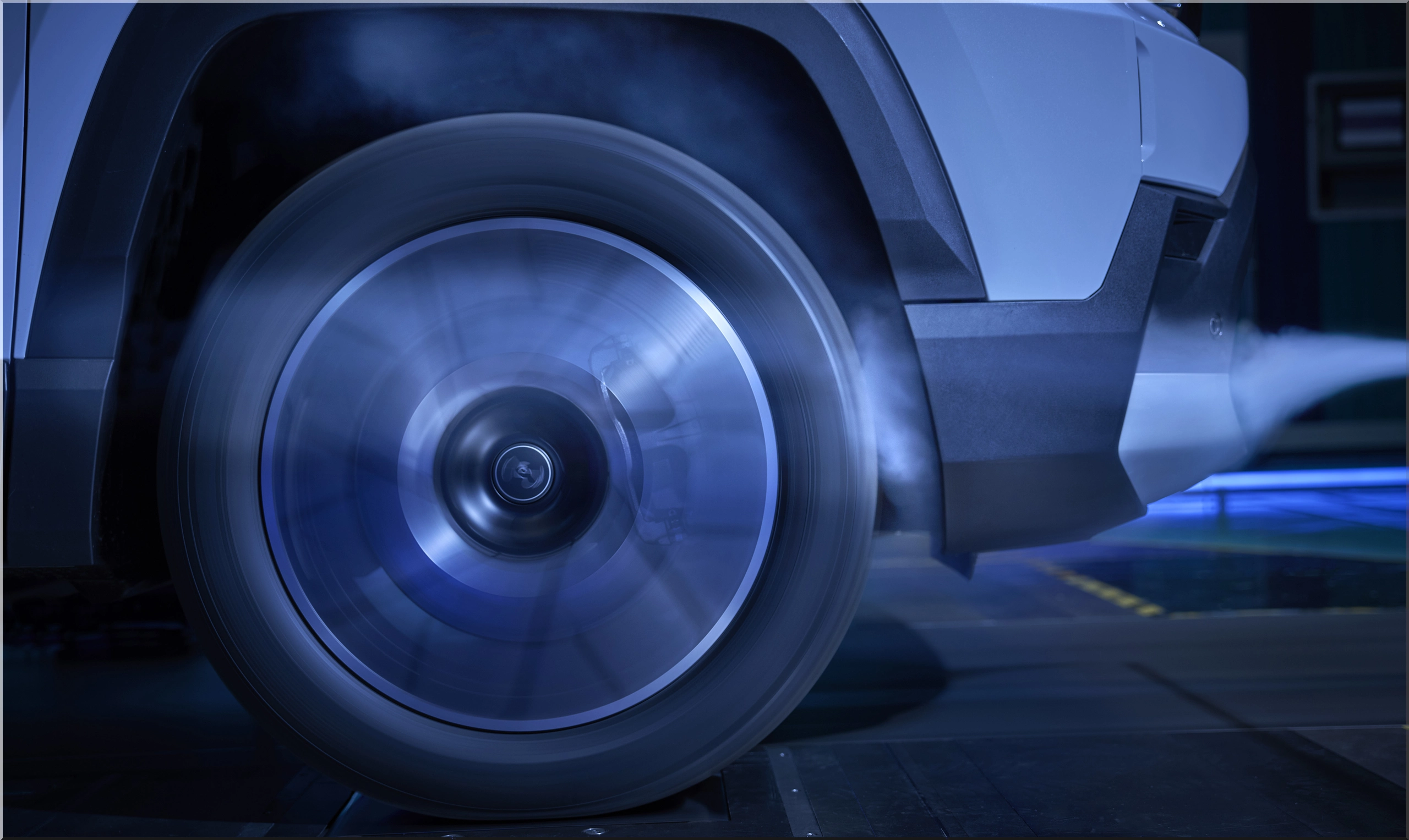
- Aero-optimized wheels: Balances airflow and stability.
Together, these deliver measurable results in efficiency and stability, without sacrificing Jeep’s upright, rugged profile.
Designed for Electrification
The new Compass isn't just BEV-ready—it’s electrification-native. From the chassis up, the vehicle is structured around electric powertrains. The 650 km range BEV version isn’t theoretical—it’s in production planning.
Powertrain Options
| Powertrain Type | Expected Range | Availability |
|---|---|---|
| Battery Electric (BEV) | ~650 km (~404 mi) | Europe-first launch |
| Plug-in Hybrid | TBD | Shared architecture |
| Mild Hybrid | TBD | Entry variants |
Every variant benefits from the same drag-reducing design. That means better fuel economy, electric efficiency, and fewer recharge stops.
Practical Gains from Better Aero
Jeep isn’t using wind tunnel data for marketing. They're tying it to outcomes.
Here’s how the new design translates into real-world benefits:
- Up to 5–8% improvement in EV range depending on the drive cycle.
- Reduced wind noise and better highway comfort.
- Improved highway stability during crosswinds.
- Lower consumption for both ICE and hybrid models.
This adds up to lower running costs, better long-distance usability, and stronger value retention.
Europe-First Focus, Global Potential
The decision to engineer and build the Compass in Italy signals Jeep’s investment in Europe. But the underlying tech is designed for scalability.
Expect the STLA Medium platform to underpin multiple future Jeep models globally, each sharing core aerodynamic engineering lessons. Jeep is using the Compass as a test bed for efficient electrification.
Real Engineering, No Marketing Filler
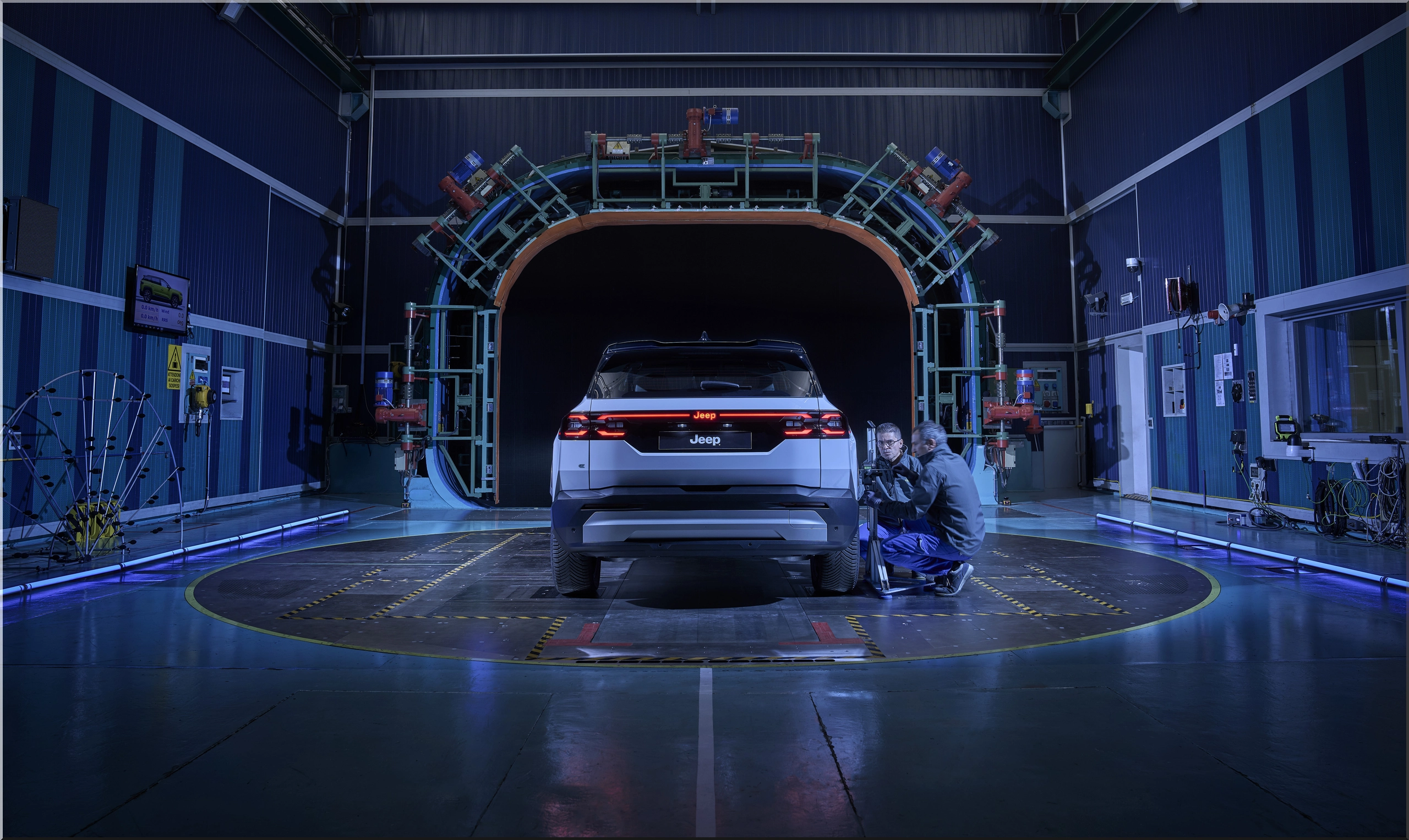
Jeep engineers took this approach from sketchpad to wind tunnel. According to Federico De Medio, Global Program Vehicle Synthesis Manager:
“We created a vehicle that delivers significantly reduced drag, increased range, and improved fuel economy—while keeping true to Jeep’s DNA.”
That means no fake vents. No cosmetic scoops. Everything functional.
Compared to the Previous Compass
| Feature | 2026 Jeep Compass | Jeep Compass Previous Generation |
|---|---|---|
| Drag Coefficient (Cx) | <0.29 | ~0.32 |
| EV Range (BEV) | Up to 650 km (~404 mi) | No BEV version |
| Platform | STLA Medium | FCA Small Wide 4×4 |
| Grille Technology | Active Shutters | Static Grille |
| Aerodynamic Underbody | Fully flat | Partial shielding |
Jeep’s Design Playbook: Keep the Box, Cut the Drag
Aerodynamics typically push toward coupe-like shapes. Jeep resisted. They kept the vertical surfaces and boxy profile that define the brand. Then they hid the drag-reducing components under the skin.
This lets Compass owners maintain off-road confidence while still benefiting from:
- Faster charging (fewer full cycles needed)
- Reduced operating costs
- Longer range per charge or tank
Built in Melfi, Ready for Export
Production is set for Melfi, Italy, using Stellantis’s retooled European manufacturing hub. This supports:
- Rapid scalability to other markets
- Faster integration of updates and powertrain variants
- Reduced logistics complexity for European customers
Designed for Jeep Owners, Not Just EV Buyers
The 2026 Compass balances urban EV needs and Jeep’s off-road expectations. It won’t out-climb a Wrangler, but it stays true to the badge:
- All-wheel drive available
- Ground clearance remains SUV-appropriate
- Underbody is protected and flat—good for both aero and rocks
This means buyers get a real SUV with electric range, not a low-slung crossover that folds under pressure.
A Future-Proof Platform
Jeep won’t stop at the Compass. The STLA Medium architecture will support other Jeep models, likely including:
- A future Grand Compass or mid-size variant
- Replacement for current plug-in hybrid Renegade
- Potential electric-only Wagoneer variants for select markets
With standardized components and scalable production, Jeep is finally catching up to electrification trends in a way that doesn't compromise capability.
Takeaway: Less Drag, More Range, No Excuses
The 2026 Jeep Compass shows that Jeep’s electrified future has real traction. Every aerodynamic upgrade serves a functional purpose. It’s measurable progress—not marketing fluff.
This new Compass isn't about changing Jeep. It’s about building a better product for what the market demands: efficiency, capability, and value.
- Add new comment
- 118 views