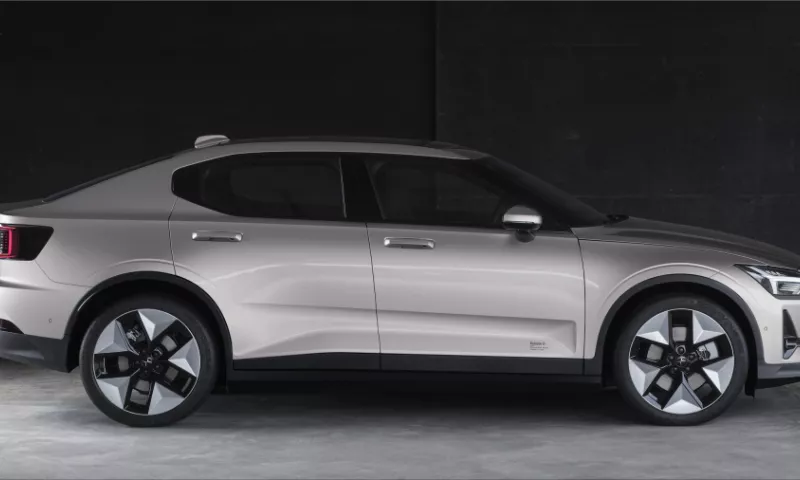
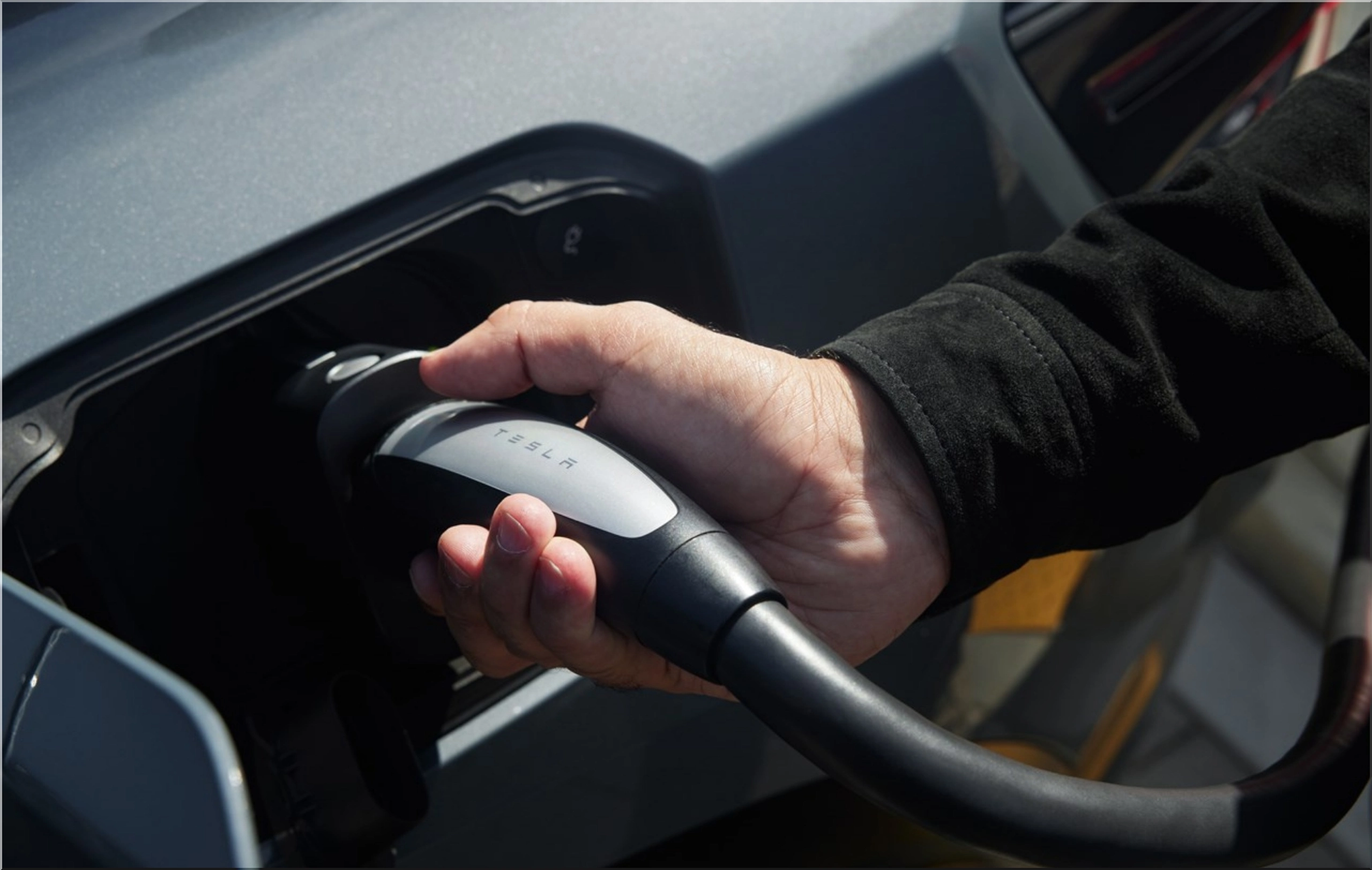
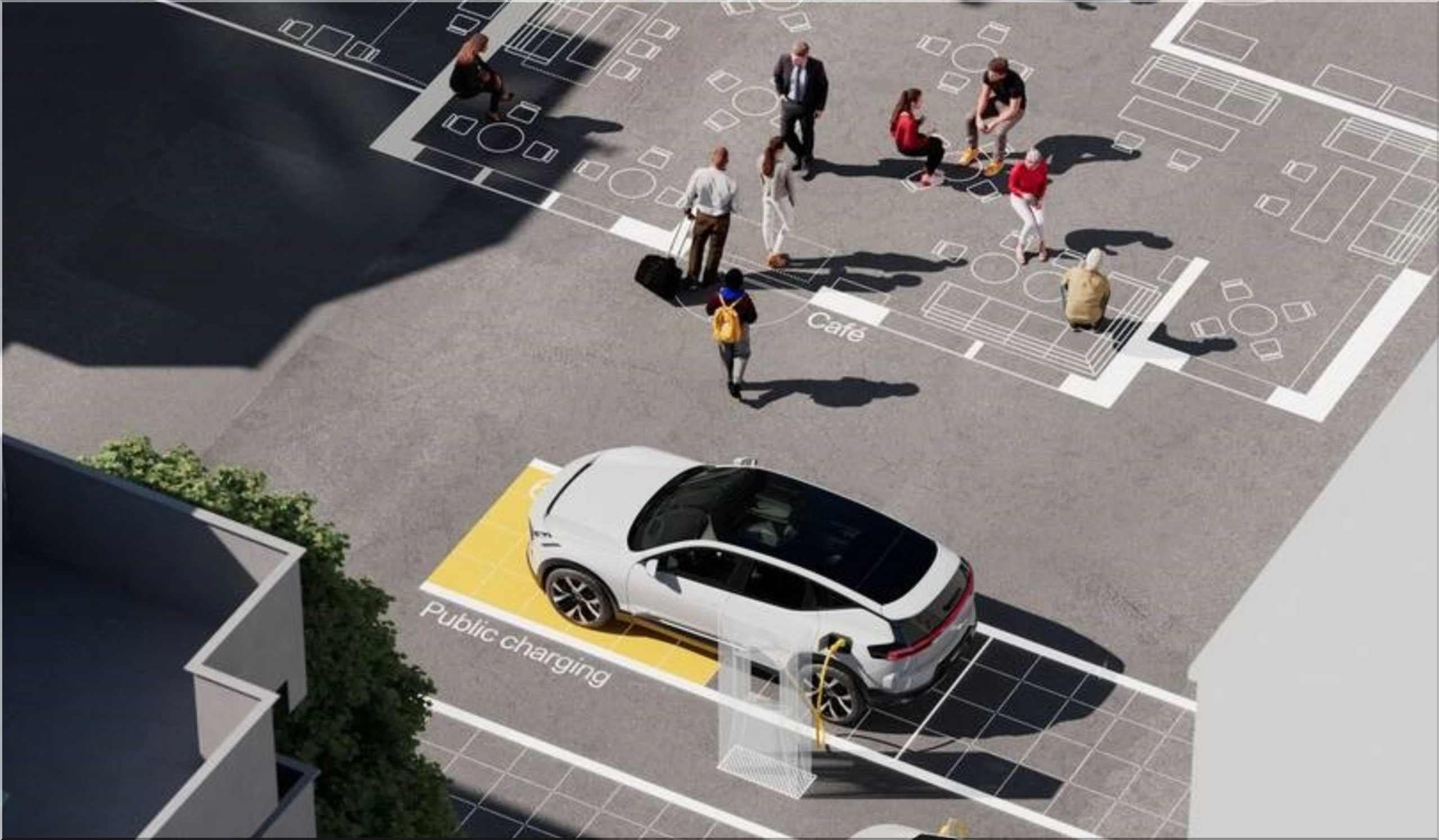
Polestar just moved the needle for European electric vehicle ownership. The brand announced a massive upgrade to its Polestar Charge ecosystem, bringing Tesla Supercharger access and automated Plug and Charge technology to the forefront. This move targets the biggest friction point in EV adoption: the public charging experience.
By integrating over 20,000 Tesla Superchargers into its native app, Polestar eliminates the need for owners to juggle multiple accounts or third-party hardware. European drivers now have a single-access point for more than 1 million charging points. This is not a pilot program; it is a full-scale deployment across 16 European markets.
Tesla Supercharger Integration for Polestar Drivers
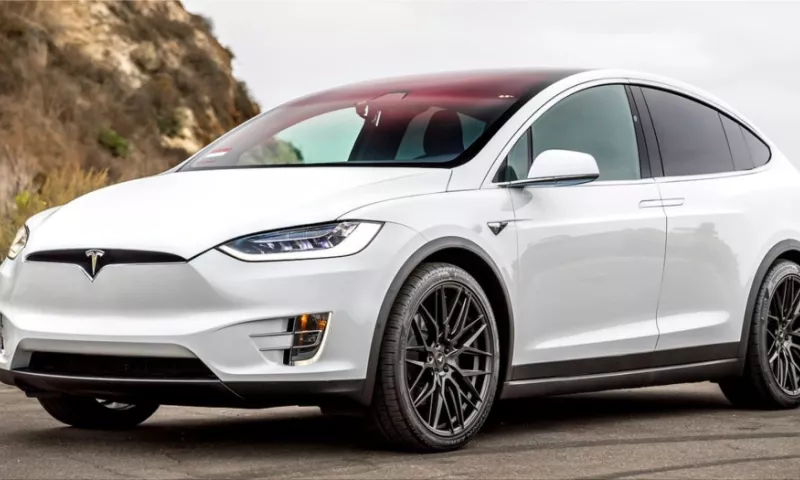
The most significant change is the deep integration of the Tesla Supercharger network. Historically, non-Tesla owners had to use the Tesla app to initiate sessions. Polestar has bypassed this barrier, becoming one of the first manufacturers to bake Tesla access directly into its own software.
- Native App Control: Owners start, stop, and pay for charging at 1,500 Tesla locations via the Polestar Charge app.
- Google Maps Synergy: Real-time stall availability now appears in the vehicle’s Google built-in navigation system.
- Preconditioning: The car automatically warms or cools the battery when a Supercharger is set as a destination, ensuring maximum charging speeds upon arrival.
This integration covers roughly 20,000 individual connectors capable of delivery speeds up to 270 kW. For a Polestar 3 owner, this means hitting peak charging rates without touching a smartphone at the station.
Plug and Charge Technology Deployment
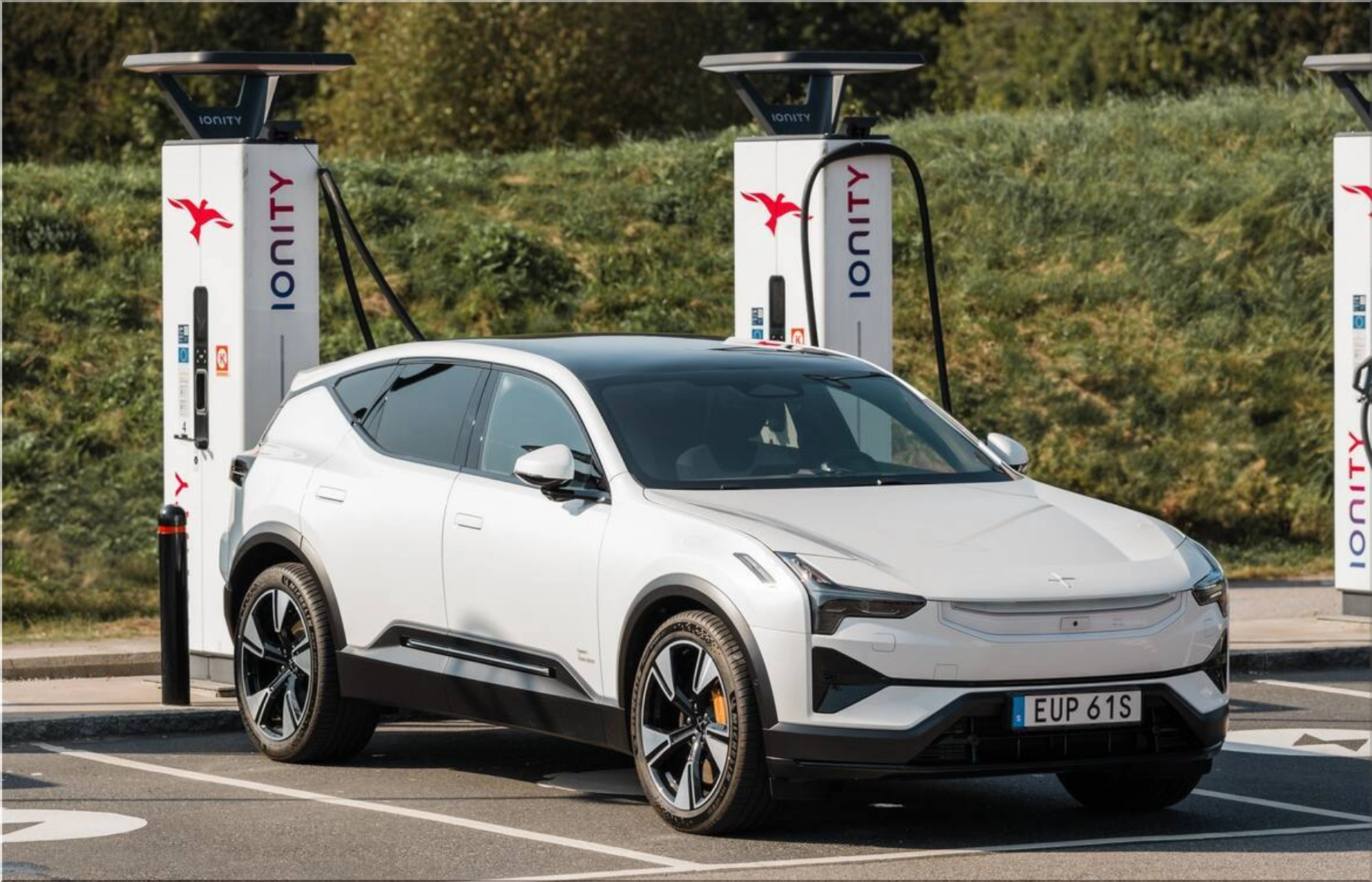
Polestar is also rolling out Plug and Charge functionality to streamline the physical act of charging. This technology uses the ISO 15118 standard to allow the vehicle and charger to communicate directly. You pull up, plug in, and walk away.
The feature is currently active at more than 28,000 compatible stations across Europe. Major partners include Ionity, Allego, and Mer.
Vehicle Compatibility for Plug and Charge
| Model | Status | Feature Availability |
|---|---|---|
| Polestar 2 (MY26) | Active | Factory Enabled |
| Polestar 3 | Active | Factory Enabled |
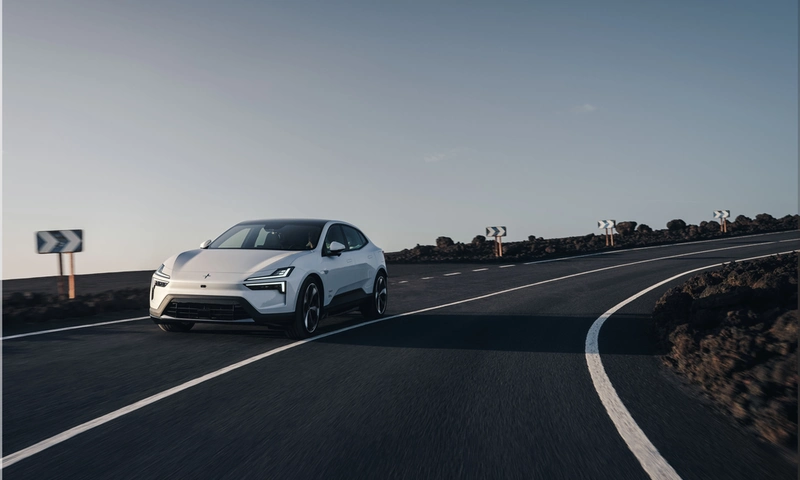
| Polestar 4 | Pending | Upcoming OTA Update |
Pro-Tip: If you drive a 2026 Polestar 2 or a Polestar 3, you must enable Plug and Charge in both the vehicle settings and the Polestar Charge app to bypass manual authentication.
The Economics of Polestar Charge Subscriptions
Public charging costs vary wildly by provider. To stabilize these expenses, Polestar offers a monthly subscription tier. For approximately $15.20 USD (13.99 EUR) per month, drivers receive significant discounts across major networks.
- Discount Rate: Subscribers save 30% on high-power charging (HPC) at Ionity locations.
- Network Scope: The discount applies to 80,000 charging points across 42 different operators.
- Cross-Border Roaming: The subscription remains valid in 15 countries, including Germany, Norway, and the UK, preventing "sticker shock" during international road trips.
Definition: High-Power Charging (HPC)
HPC refers to DC fast chargers capable of delivering 150 kW to 350 kW. These units can add roughly 186 miles (300 km) of range in approximately 20 minutes for vehicles with 800-volt architectures like the Polestar 5.
Hardware Evolution: Polestar 2 Model Year 2026
The charging news coincides with a technical refresh for the Polestar 2. The 2026 model receives a hardware boost that improves both efficiency and user experience.
Polestar swapped the previous infotainment hardware for a Qualcomm Snapdragon processor. This chip handles the data-heavy demands of real-time charging maps and route planning with significantly less lag.
Technical Specifications Update
- Battery Capacity: The Standard Range variant moves to a 70 kWh battery, up from 69 kWh.
- Range Increase: Total range hits 344 miles (554 km) on the WLTP cycle.
- Audio Upgrade: A new Bowers and Wilkins 14-speaker system is now available, delivering 1,350 Watts of power.
Home Charging Strategy with Polestar Energy
While public infrastructure is expanding, Polestar is pushing Polestar Energy to optimize home charging. In the UK, the brand partnered with Octopus Energy to offer a dedicated tariff.
Owners can charge for as little as $0.09 USD (7p) per kWh during off-peak hours (11:30 PM to 5:30 AM). This setup requires a Zaptec home charger and the Polestar Energy app. The system uses algorithms to sync charging with renewable energy production, further reducing the vehicle's carbon footprint.
Future Outlook: Polestar 5 and Polestar 7
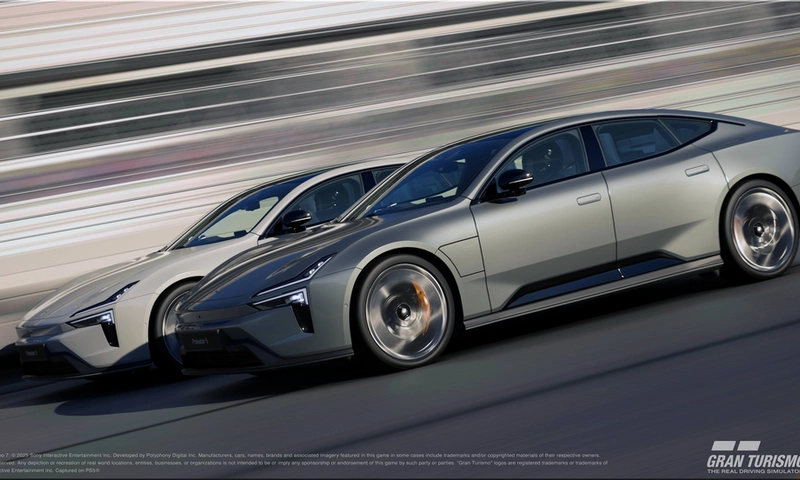
Polestar's roadmap remains aggressive. The Polestar 5, a high-performance GT, is slated for a 2025/2026 launch. It will feature an 800-volt architecture, allowing it to utilize the full potential of 350 kW chargers.
Behind it, the Polestar 7 will arrive around 2027. This premium compact SUV is expected to be the first Polestar manufactured in Europe. This shift in production strategy aims to improve supply chain efficiency and reduce the environmental impact of shipping vehicles from Asian plants.
Sustainability Targets and Climate Neutrality
Polestar maintains a goal of becoming climate-neutral across its entire value chain by 2040. The current charging expansion is part of the "use phase" strategy. By making renewable-powered charging more accessible through the Tesla and Ionity partnerships, Polestar reduces the lifetime emissions of its fleet.
- 2030 Goal: Halve greenhouse gas emissions per vehicle sold.
- 2040 Goal: Reach absolute zero emissions without relying on carbon offsets.
What Now?
For current and prospective owners, the priority is clear: download the Polestar Charge app. If you frequently use public chargers, the $15.20 USD monthly subscription typically pays for itself after just two or three high-speed sessions. Ensure your vehicle software is updated to the latest version to support the new Google Maps charging features.
- Add new comment
- 104 views