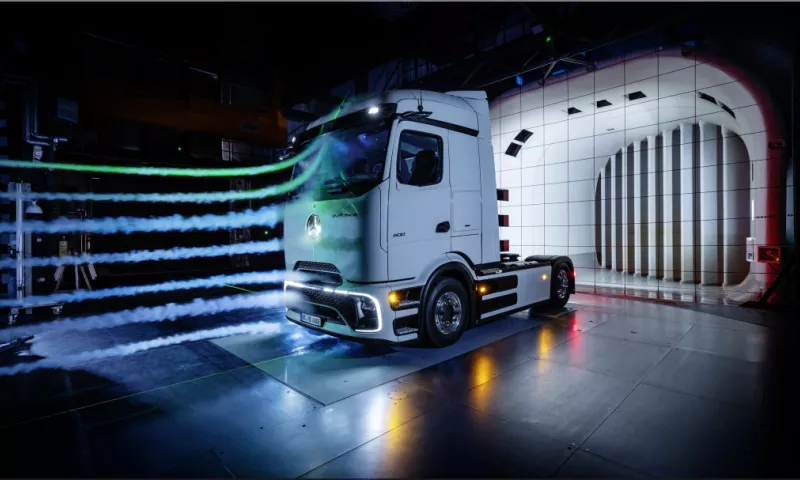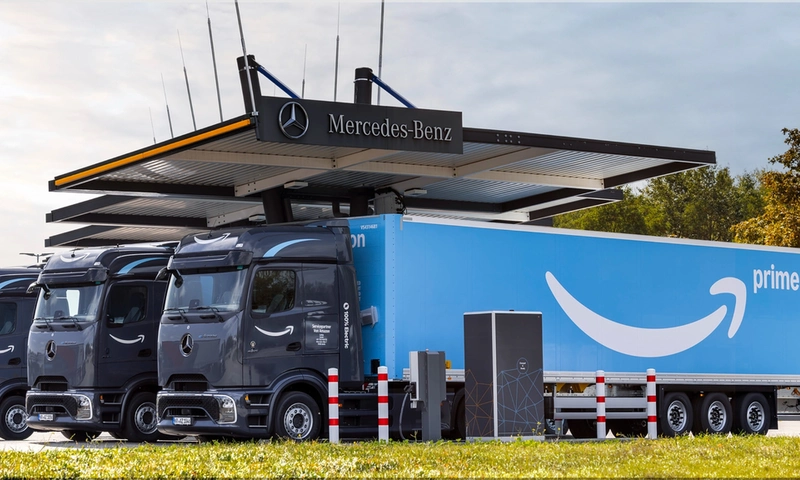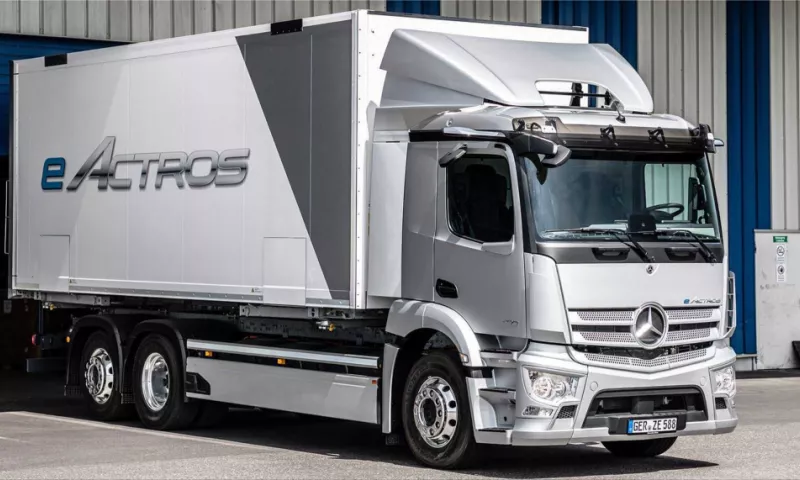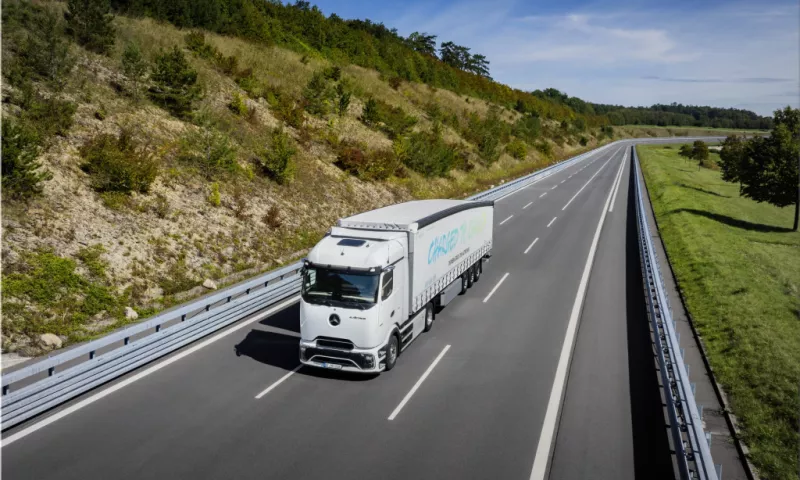
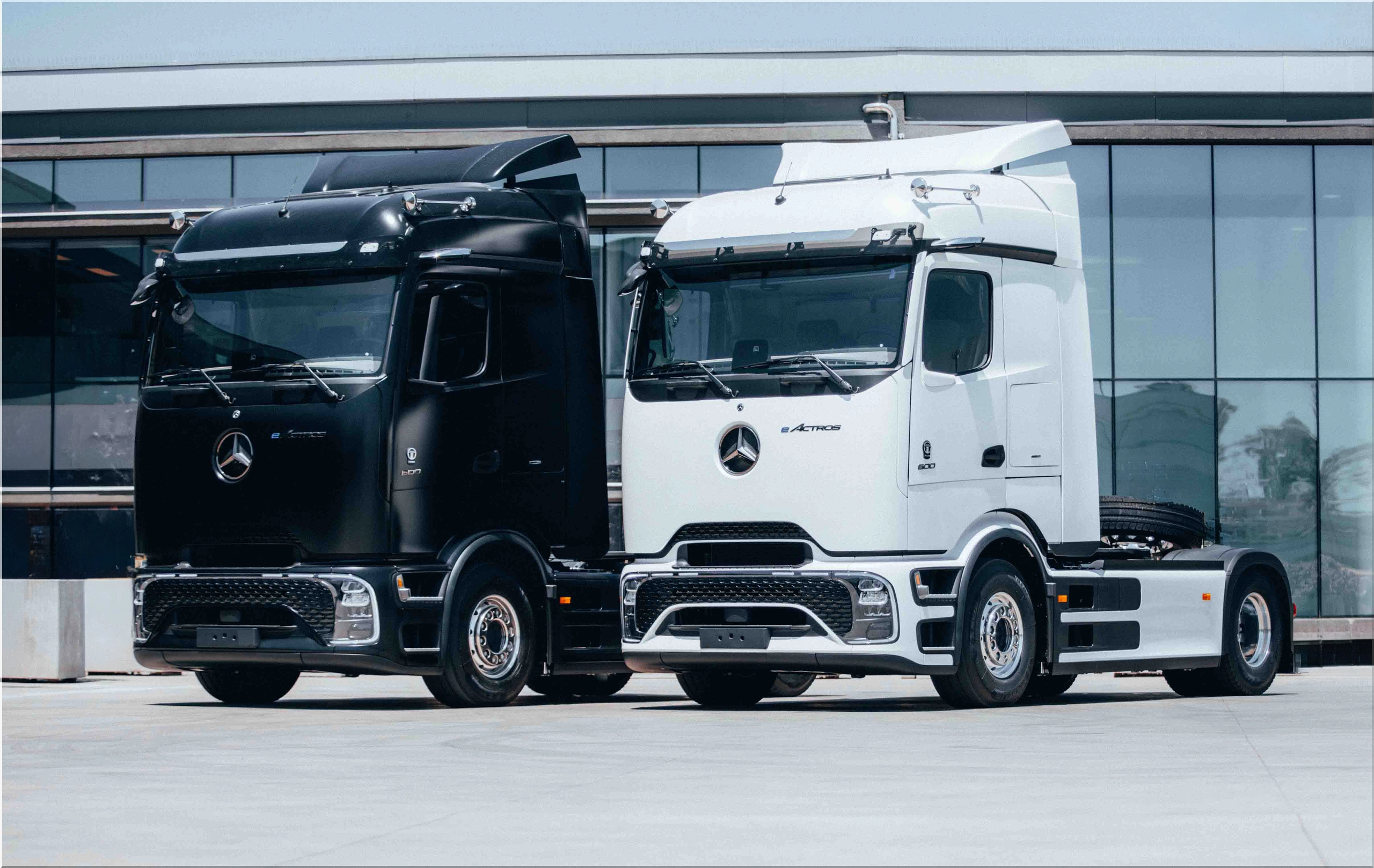
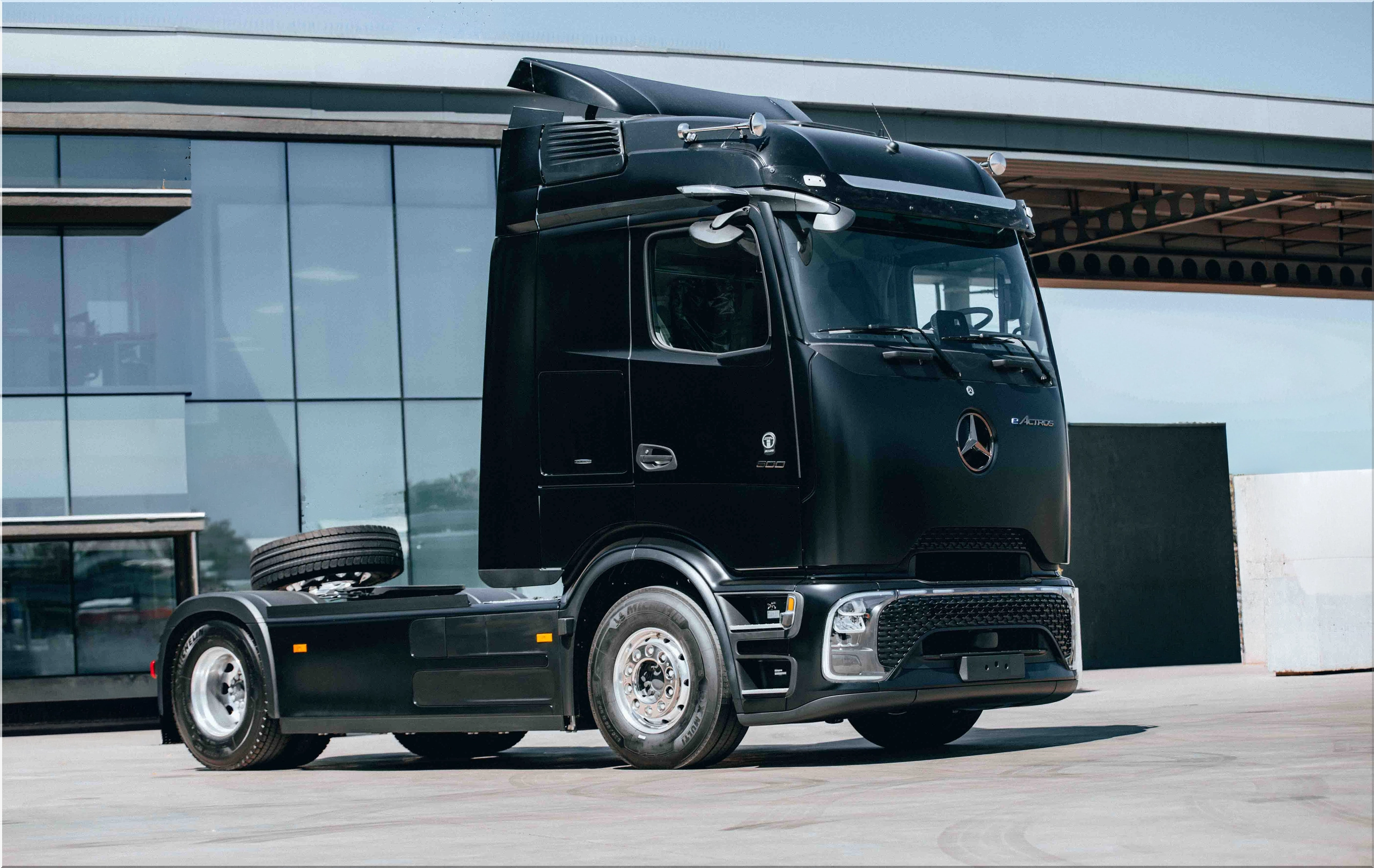
The logistics industry in Chile reached a significant technical milestone, as Mercedes Benz Trucks officially handed over the first Mercedes-Benz eActros 600 to Empresas Cavalieri. This delivery marks the introduction of the first battery-electric long-haul truck in the Chilean market, specifically configured to handle the demanding geography and temperature variations of the Valparaiso region. While many manufacturers focus on urban distribution, this deployment targets the heavy-duty sector, utilizing a 621 kWh battery capacity to move freight without tailpipe emissions.
Technical Architecture of the eActros 600
Mercedes-Benz Trucks engineered the eActros 600 around a lithium iron phosphate (LFP) cell chemistry. This specific choice in battery technology prioritizes longevity and thermal stability over the higher energy density of nickel-manganese-cobalt (NMC) alternatives. By utilizing LFP, the vehicle allows operators to access over 95 percent of the installed battery capacity, whereas other chemistries often require a larger "buffer" to prevent cell degradation.
The Proprietary Electric Drive Axle
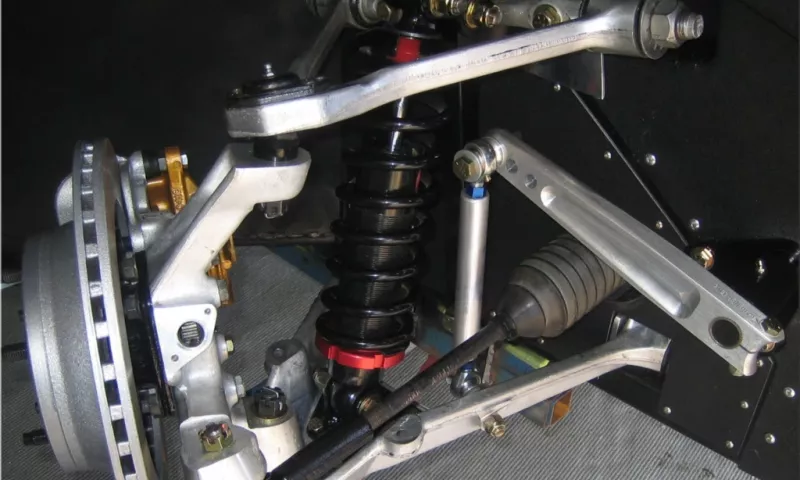
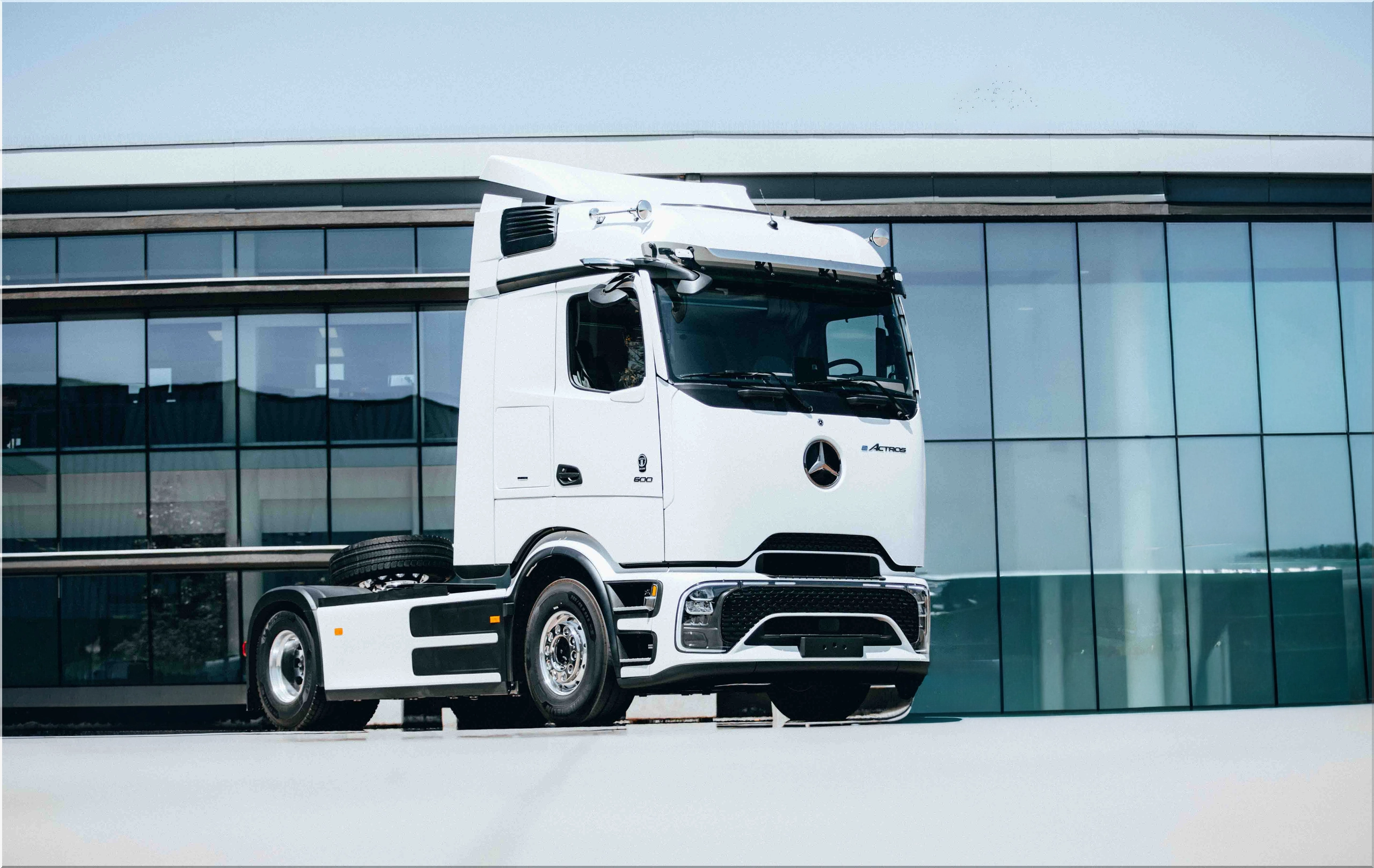
At the heart of the vehicle lies a new, in-house developed electric drive axle designed for 800-volt operation. This integrated unit combines the motors, transmission, and power electronics into a single compact housing located at the rear of the chassis. By eliminating a traditional driveshaft, engineers reduced mechanical friction and freed up space between the frame rails for additional battery storage.
- System Voltage: 800V architecture for high-speed charging and efficient power delivery.
- Dual Motor Configuration: The axle features two electric motors providing continuous output.
- Transmission: A multi-speed gearbox optimizes torque delivery at low speeds and efficiency during highway cruising.
- Energy Recovery: High-performance recuperation allows the motors to act as generators during deceleration, feeding energy back into the LFP packs.
Range and Operational Logic for Chilean Logistics
Chile presents a unique challenge for electric heavy-duty transport due to its 4,200 km north-south span and mountainous terrain. The Mercedes-Benz eActros 600 arrives with a certified range of 500 kilometers (approximately 310 miles) on a single charge while hauling a gross combination mass of 40 tons. This capability stems from a total installed capacity of 621 kWh, distributed across three distinct battery packs of 207 kWh each.
Empresas Cavalieri will deploy the unit on the Santiago-Viña del Mar route. This corridor serves as a primary artery for beverage transportation for Compañía de Cervecerías Unidas (CCU). Because the round trip falls within the 500 km window, the company can operate the vehicle using a "depot charging" strategy. This logic eliminates the need for expensive public charging infrastructure investment during the initial rollout phase.
Performance Data and Loading Specifications
| Technical Specification | Value / Measurement |
|---|---|
| Installed Battery Capacity | 621 kWh |
| Usable Battery Capacity | Over 95% |
| Maximum Range (40t GCM) | 500 km |
| Charging Technology | LFP (Lithium Iron Phosphate) |
| Design Service Life | 1.2 million km (10 years) |
| Battery Health Target | >80% after 10 years |
| Standard Payload (EU) | Approx. 22 tons |
| Max Technical GCM | 44 tons |
Sustainability Infrastructure in the Southern Cone
The decision to launch the eActros 600 in Chile before other South American markets reflects the country's aggressive decarbonization goals. Chile intends to achieve carbon neutrality by 2050, supported by a power grid that already incorporates high percentages of solar and wind energy. From an expert perspective, an electric truck is only as "green" as the grid that powers it; consequently, Chile provides the ideal environment for maximizing the environmental ROI of zero-emission logistics.
Pro-Tip: Understanding LFP Advantages
For fleet managers, the switch to LFP battery technology means a significantly lower total cost of ownership (TCO) compared to previous generations of electric trucks. LFP cells can handle more charge cycles before losing capacity. Mercedes Benz specifically designed these packs to last 1.2 million kilometers, matching the durability benchmarks of their diesel-powered Actros counterparts.
Expanding the Zero-Emission Portfolio
The delivery to Empresas Cavalieri is not an isolated event. Six additional eActros 600 units are scheduled for delivery to various Chilean customers in the coming weeks. Mercedes Benz Trucks and its local partner, Kaufmann S.A., have shifted from offering specialized distribution models like the eActros 300 to providing a comprehensive e-mobility ecosystem.
This ecosystem includes:
- Technical Consulting: Analyzing specific routes and load profiles to ensure battery suitability.
- Infrastructure Advice: Assisting customers in installing high-output DC chargers at their logistics hubs.
- Driver Training: Teaching operators how to use regenerative braking to extend range in hilly terrain.
- After-Sales Support: Providing specialized maintenance for the high-voltage systems and electric axle.
Configuration Options and Versatility
To address the diverse needs of the South American transport sector, Mercedes Benz expanded the eActros portfolio to include over 40 variants. Operators can specify different wheelbases and axle configurations to suit their specific trailer types. Specifically, the second-generation model offers flexibility in cab size and battery count, allowing a company to prioritize payload capacity over maximum range if their routes are shorter.
Looking at the data, the eActros 600 can cover well over 1,000 kilometers per day if the operator utilizes intermediate charging. By plugging in during statutory driver rest periods, the truck maintains a high state of charge, effectively extending its operational radius beyond the 500 km single-charge limit. This requires high-performance charging points, but it demonstrates that battery-electric long-haul is a viable replacement for internal combustion engines in the 40-ton class.
Comparison: eActros 600 vs. Conventional Heavy Duty
| Feature | eActros 600 | Conventional Heavy Duty (Diesel) |
|---|---|---|
| Powertrain | Dual-Motor eAxle | Inline-6 Turbo Diesel |
| Local Emissions | Zero CO2 / Zero NOx | CO2, NOx, and Particulates |
| Noise Level | Low (Acoustic Vehicle Alerting System) | High (Mechanical Combustion) |
| Maintenance | Low (No oil changes/fewer moving parts) | Standard (Engine/Transmission/Exhaust) |
| Primary Braking | Regenerative (Energy Recovery) | Friction / Engine Brake |
| Fuel Source | Electric Grid / Renewable Energy | Ultra-Low Sulfur Diesel |
Strategic Logic Behind the Santiago-Viña del Mar Route
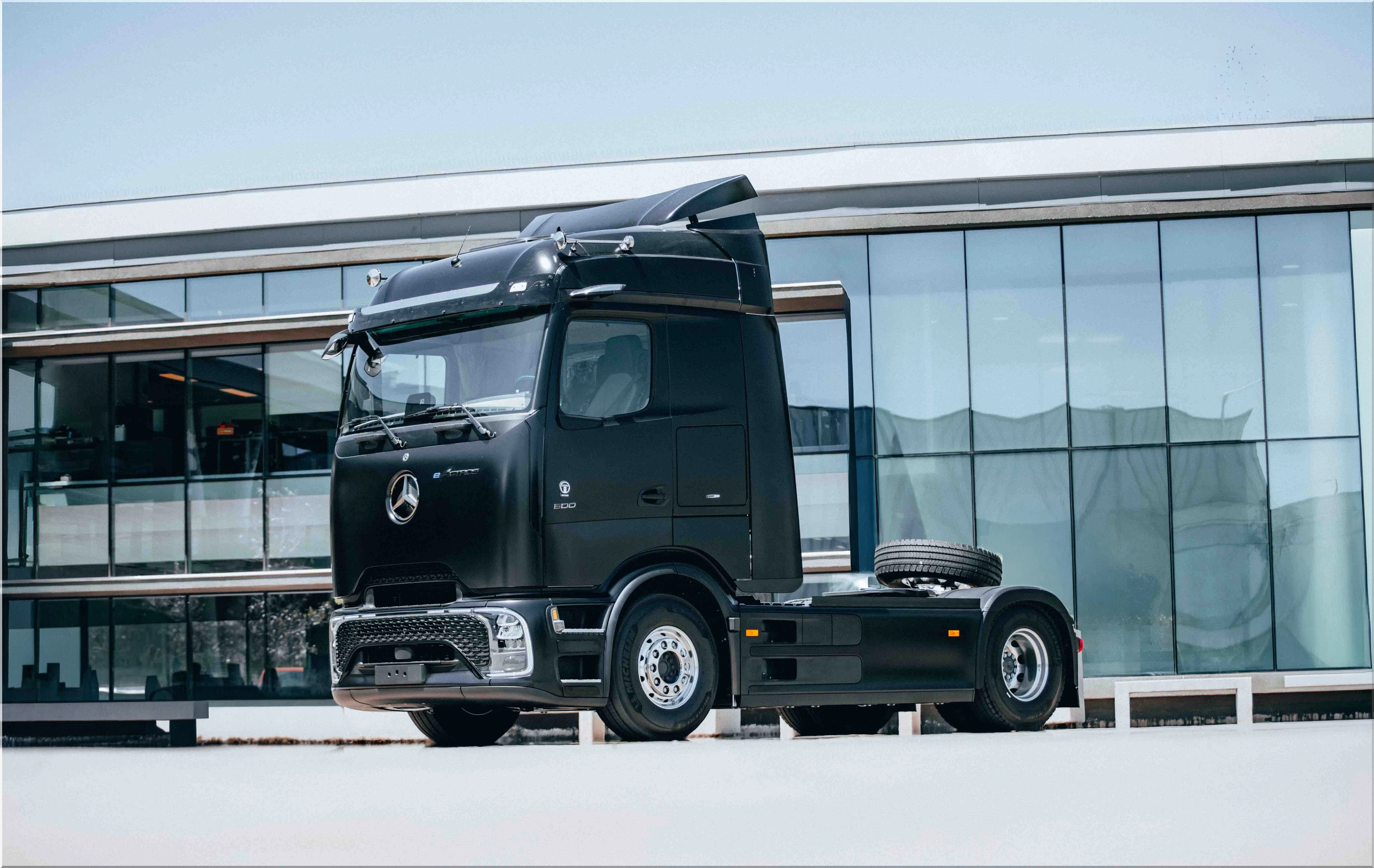
Choosing the route between the capital and the coast for the first deployment is a calculated move. The elevation changes between Santiago and the Valparaiso region allow the eActros 600 to demonstrate its energy recovery capabilities. On downhill stretches, the electric motors provide significant braking torque, reducing wear on the foundation brakes while simultaneously recharging the battery packs. This "gravity-assisted" charging is a technical advantage that diesel trucks cannot replicate.
In addition, the proximity to the Port of Valparaiso creates a high-visibility environment for zero-emission transport. As CCU and Empresas Cavalieri move beverage crates along this corridor, they provide a live proof-of-concept for other Chilean carriers. The success of this first unit is likely to accelerate the retirement of older, less efficient diesel fleets in the region.
The Future of Heavy-Duty Transport in South America
Chile's adoption of the eActros 600 serves as a blueprint for the rest of the continent. By proving that a 40-ton electric truck can handle long-haul duty cycles in a real-world environment, Mercedes Benz is challenging the assumption that electricity is only for small vans. The combination of lithium iron phosphate technology, high-voltage architecture, and a dedicated electric axle provides a platform that meets the rigorous demands of the logistics industry while aligning with global climate mandates.
As more units enter service, the data collected from these early Chilean operations will inform future deployments in neighboring markets. The shift toward electrification is no longer a theoretical exercise; it is an operational reality backed by million-kilometer durability targets and a robust support network.
- Add new comment
- 86 views