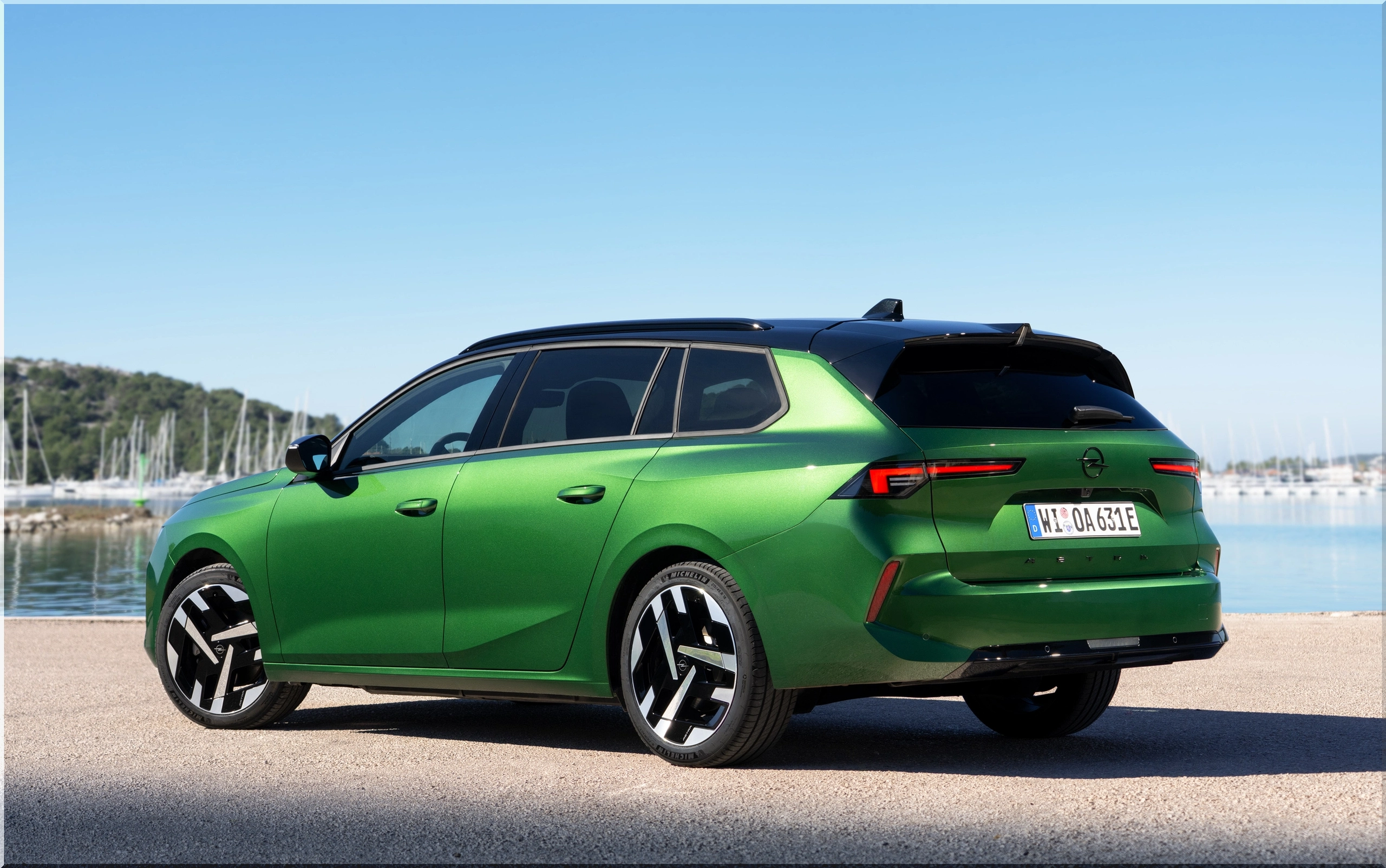
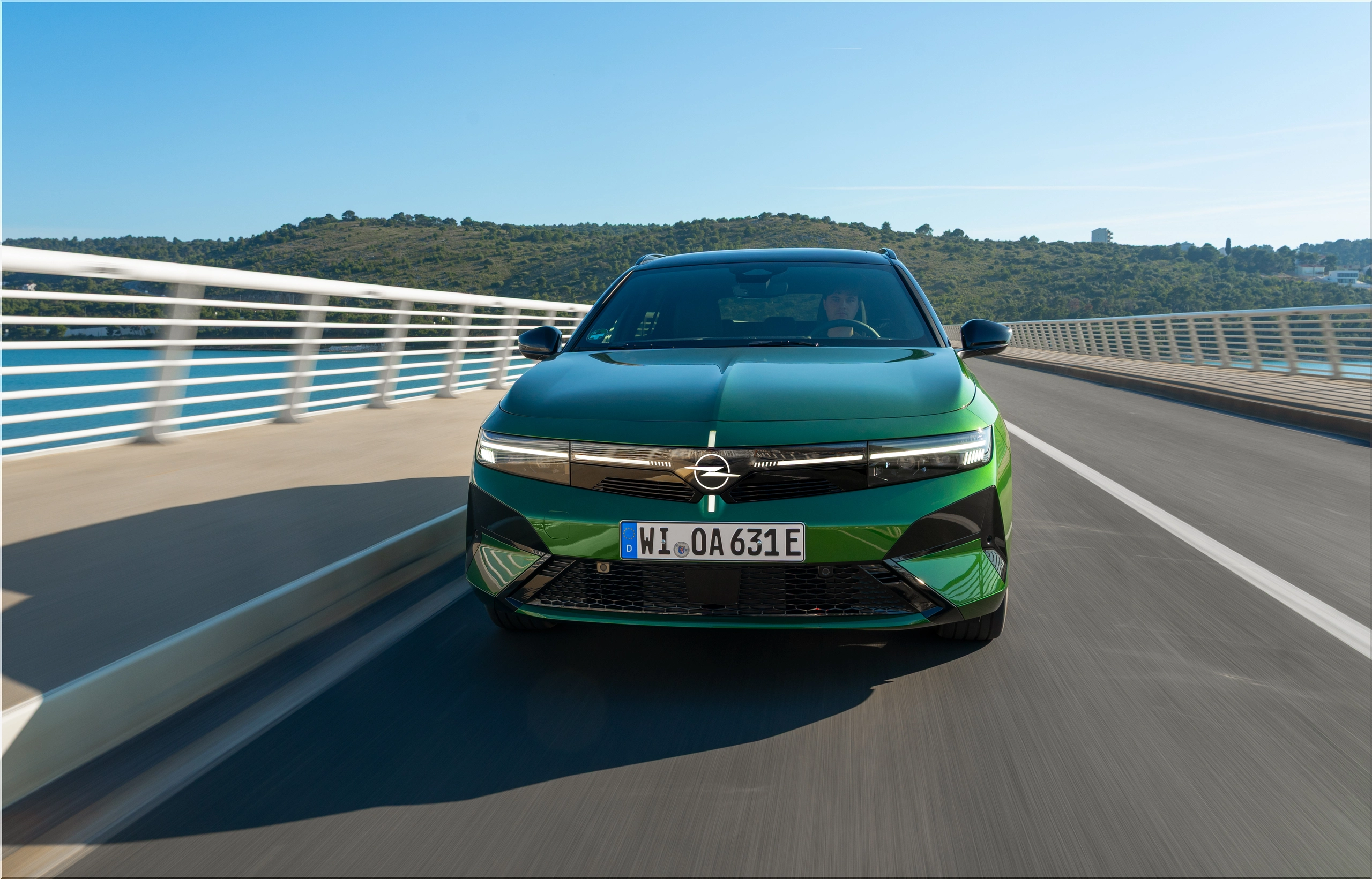
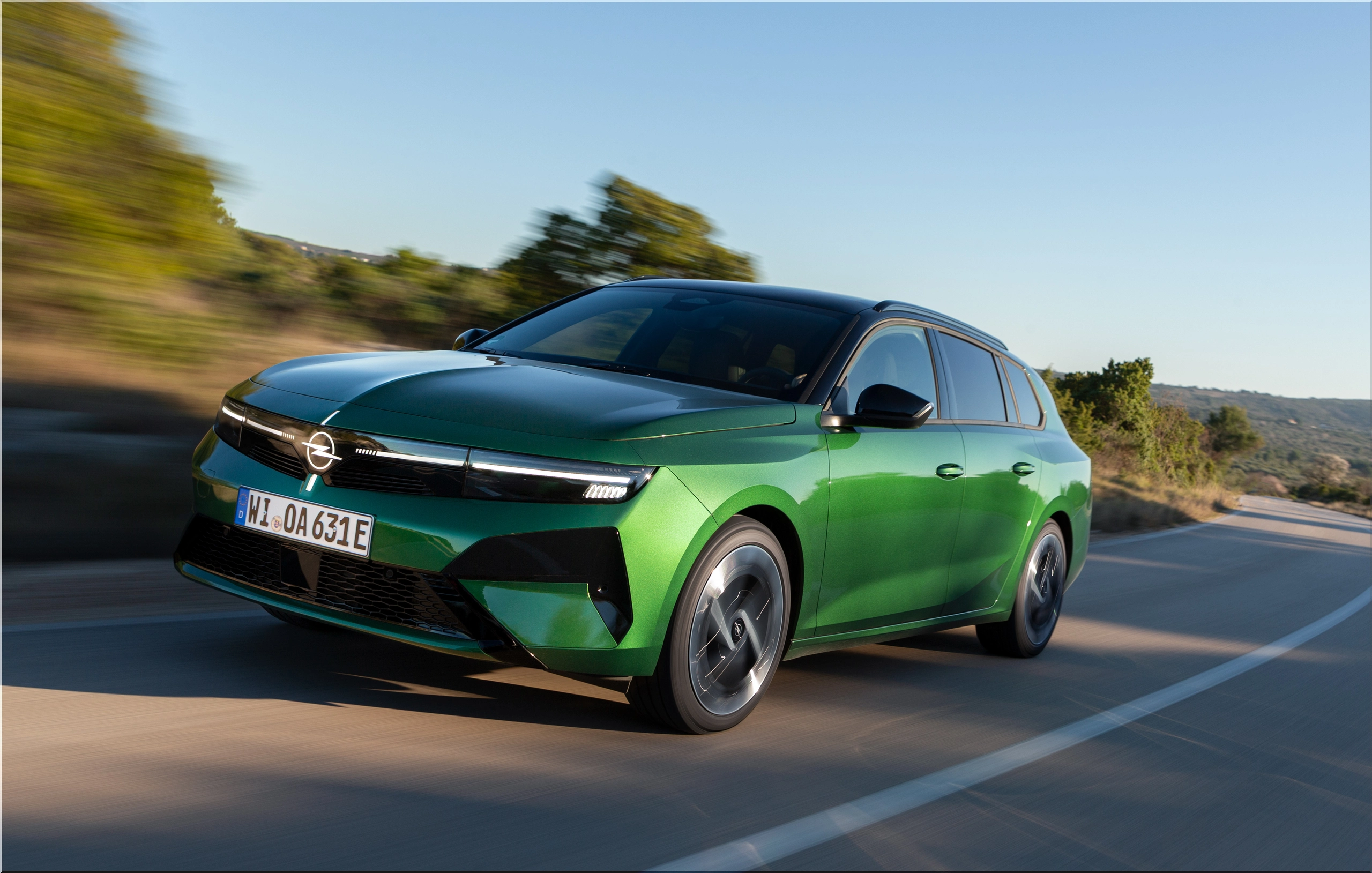
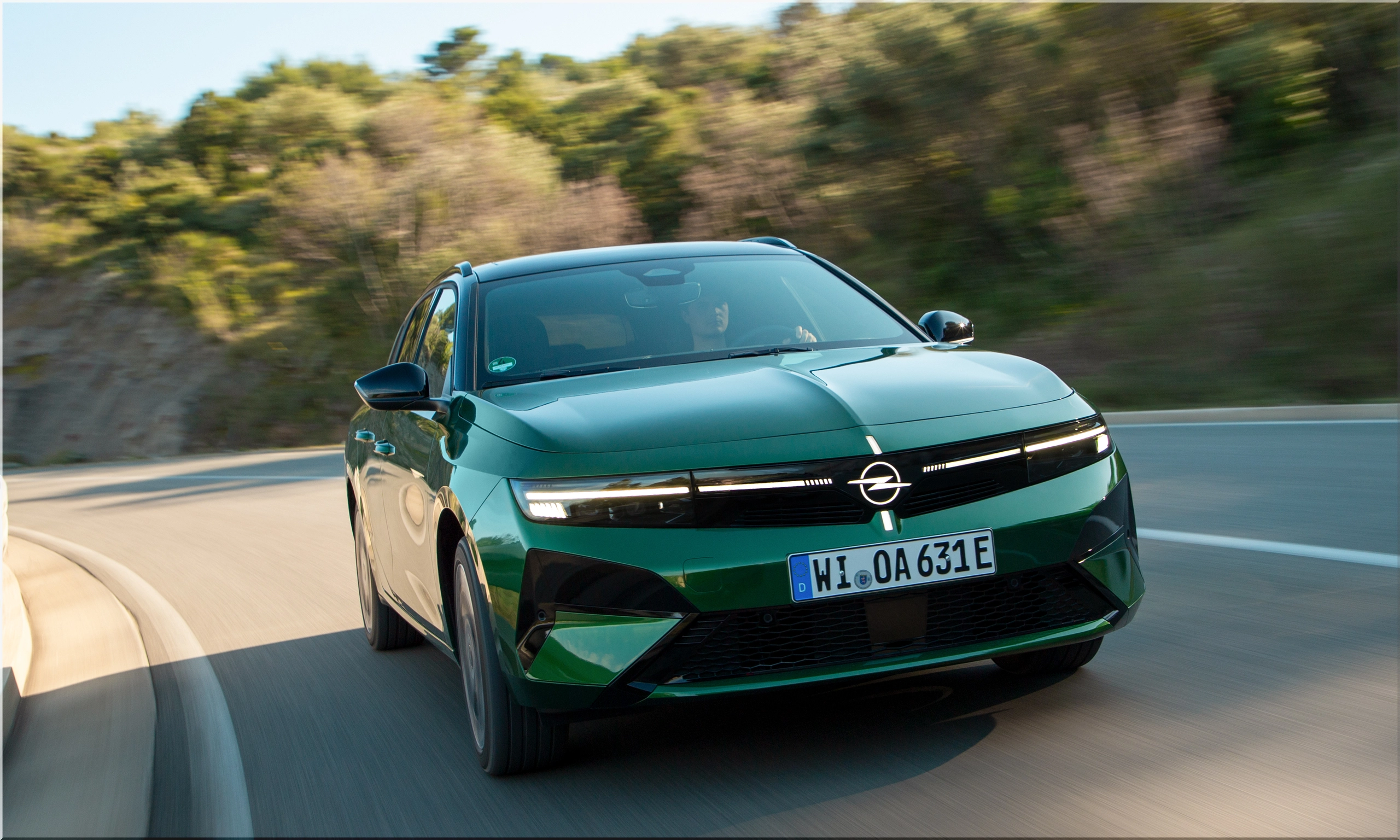
The new Opel Astra Sports Tourer Electric gives Europe something rare: a compact electric estate that treats efficiency, cargo space, and daily usability as one technical package. Opel does not chase headline power here. It chases usable range, low energy consumption, wagon practicality, and German production credibility.
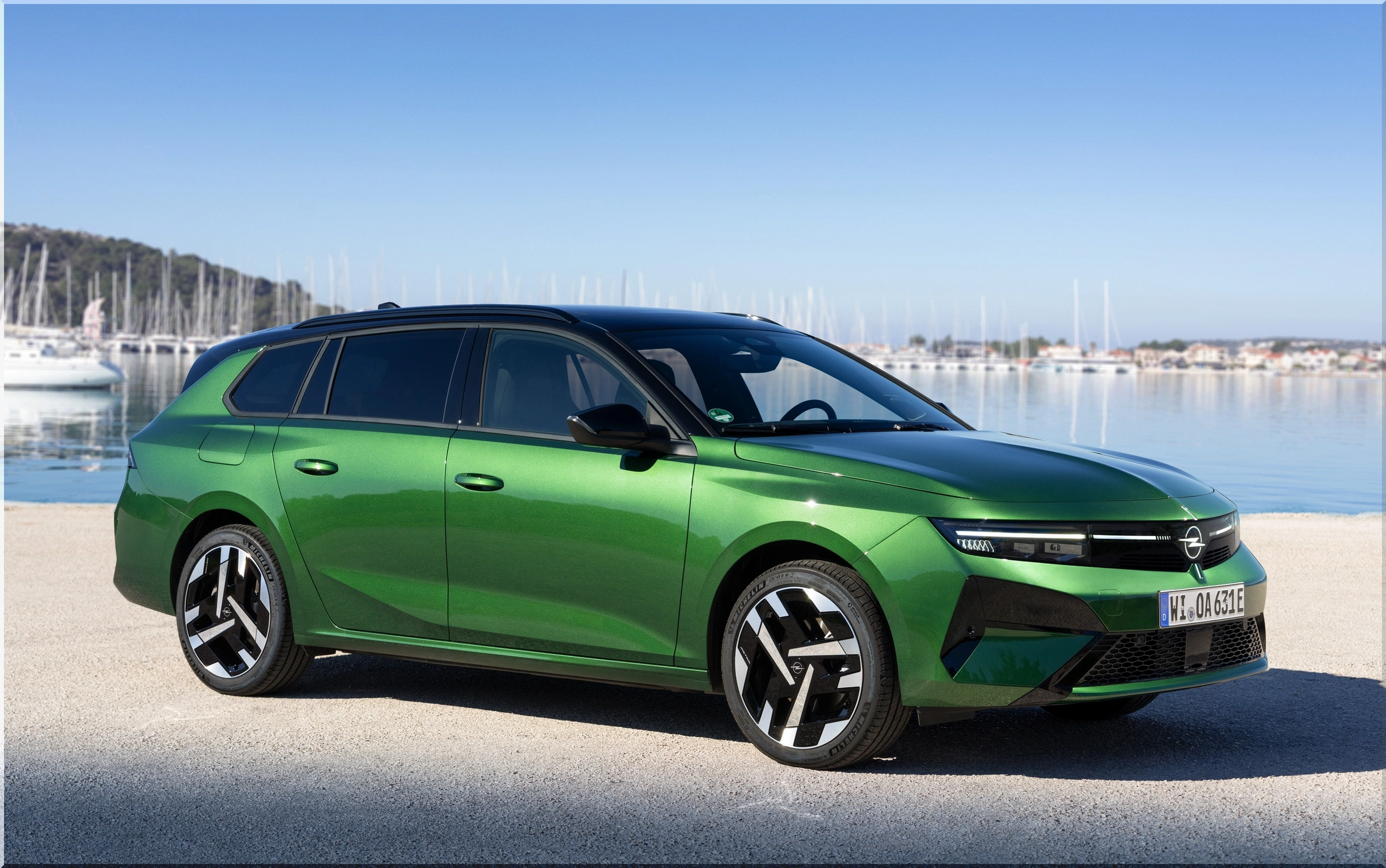
That strategy makes sense. The Opel Astra Sports Tourer electric station wagon targets drivers who want EV running costs without moving into a taller SUV. In addition, Opel builds the model at its Rüsselsheim headquarters, where the Astra was designed, developed, and produced. That Made in Germany point gives the car a stronger identity than many platform-sharing EVs in the Stellantis family.
Real-World Efficiency: 15.7 kWh Per 100 km Under Press-Launch Conditions
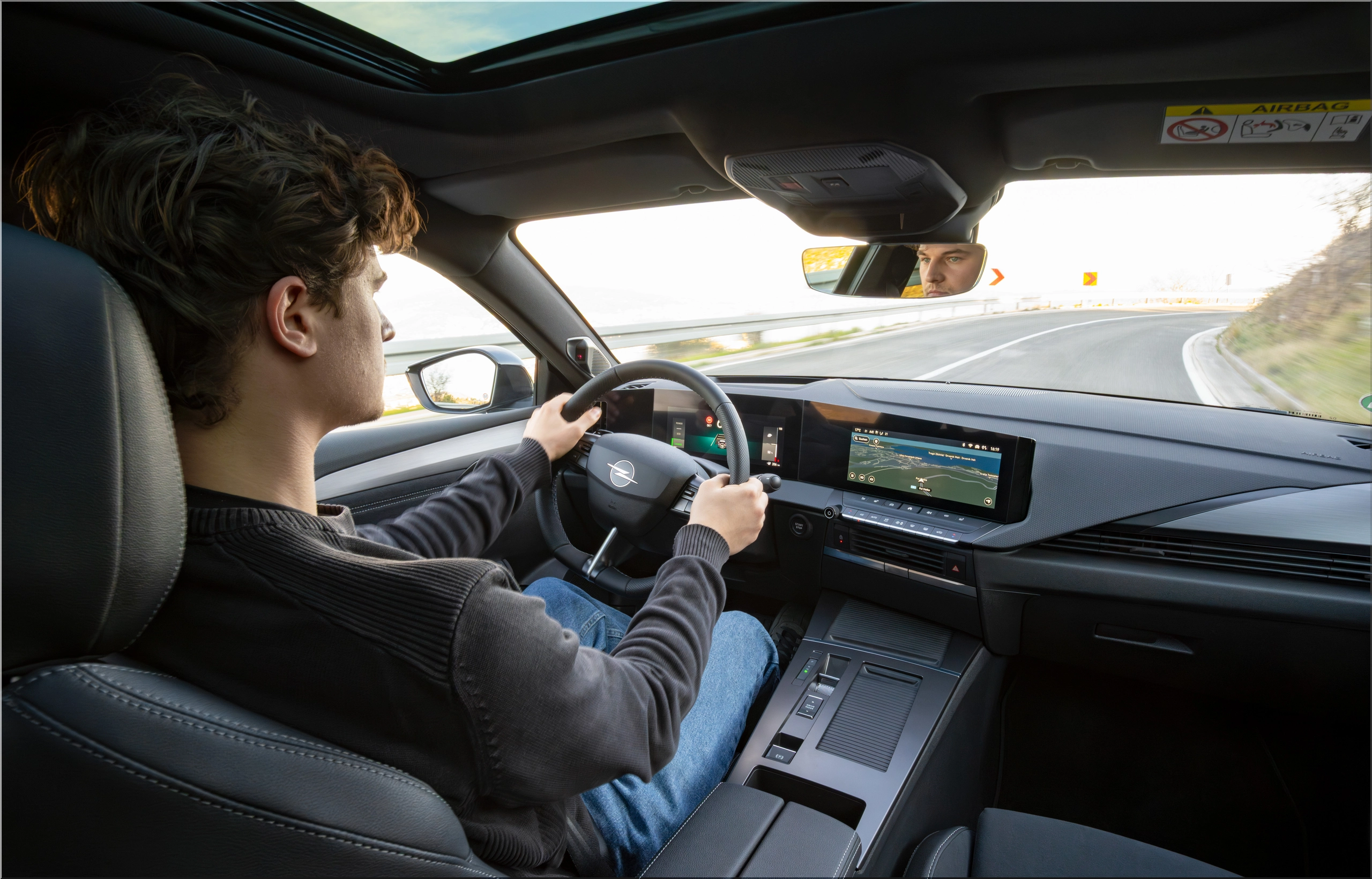
Opel's key number lands hard: 15.7 kWh per 100 km. During the international dynamic press launch in Croatia, journalists from 22 countries drove roughly 200 test drives and covered more than 14,000 km across Dalmatian routes. The cars ran through urban roads, coastal sections, country roads, mountain bends, and changing weather.
Looking at the data, that result carries more weight than a simple lab claim. The official WLTP consumption range sits at 15.6-15.8 kWh per 100 km, and the press fleet matched that band in mixed real driving. That gives the Astra Sports Tourer Electric a strong efficiency story for company-car users, family buyers, and long-distance wagon drivers.
| Efficiency Metric | Opel Astra Sports Tourer Electric |
|---|---|
| Real test average consumption | 15.7 kWh/100 km |
| Official WLTP consumption | 15.6-15.8 kWh/100 km |
| WLTP range | Up to 445 km / 276 miles |
| Battery capacity | 58 kWh gross |
| Usable battery capacity | 55 kWh |
| Calculated range at 15.7 kWh/100 km | About 350 km / 217 miles |
Pro-Tip: Treat WLTP range as a controlled comparison tool, not a personal guarantee. For route planning, use the car's real consumption, outside temperature, payload, speed, and charging stops to build a better trip estimate.
Battery, Motor, Torque, and Performance Specs
The Opel Astra Sports Tourer Electric specs show a car tuned for efficiency rather than maximum acceleration. The front-mounted electric motor produces 115 kW, equal to 156 hp, and sends 270 Nm of torque to the front wheels. Specifically, that torque arrives instantly when the driver presses the accelerator, which gives the wagon stronger low-speed response than the 0-100 km/h number suggests.
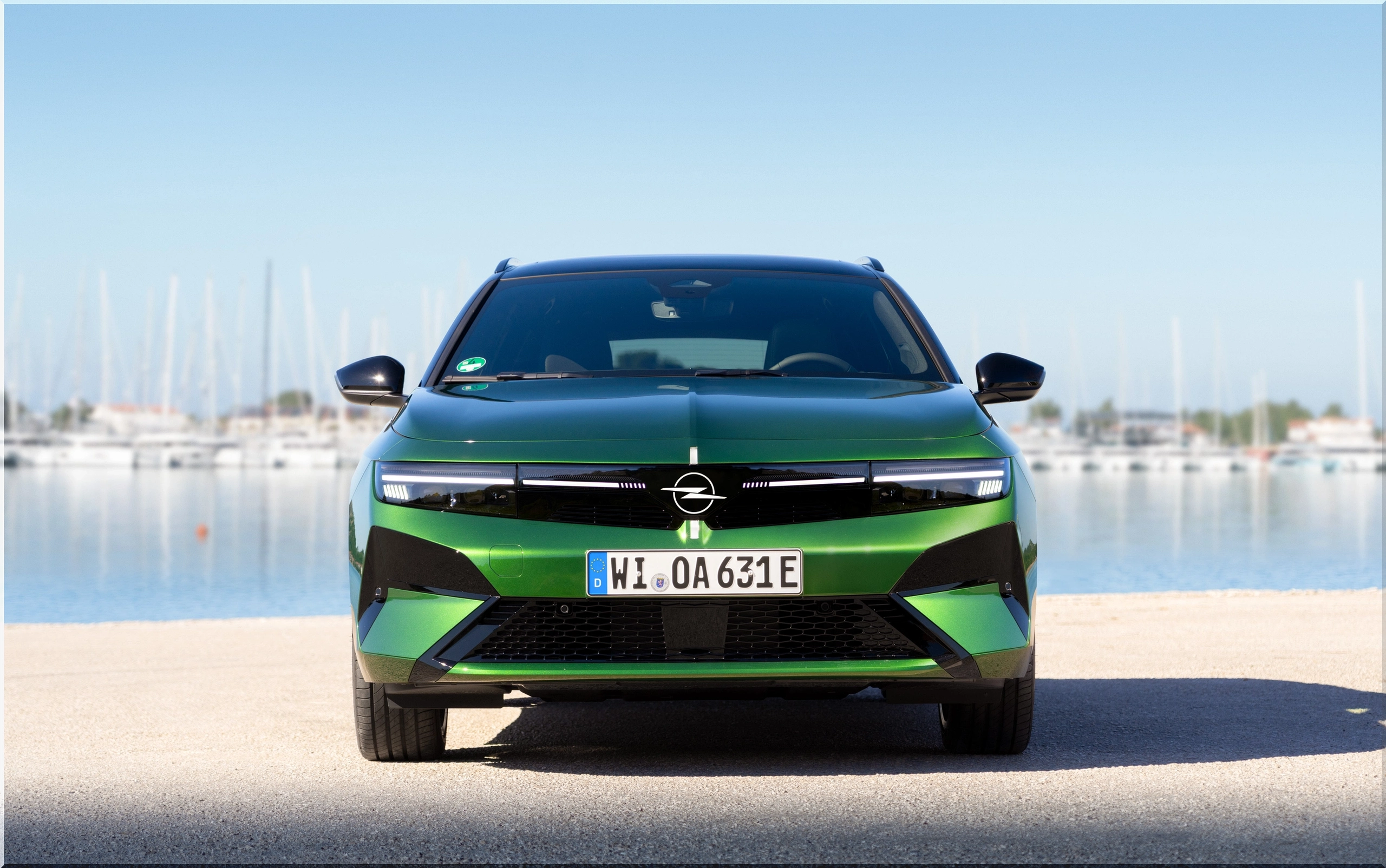
The Astra Sports Tourer Electric accelerates from 0-100 km/h in 9.5 seconds and reaches an electronically limited 170 km/h top speed. Those figures place it in rational family EV territory. By comparison, many electric crossovers deliver more power, yet they also carry more frontal area, more mass, and higher consumption.
| Technical Item | Specification |
|---|---|
| Electric motor output | 115 kW / 156 hp |
| Maximum torque | 270 Nm / 199 lb-ft |
| Battery capacity | 58 kWh gross / 55 kWh usable |
| 0-100 km/h | 9.5 seconds |
| Top speed | 170 km/h / 106 mph |
| Drive layout | Front-wheel drive |
| Body type | Compact electric station wagon |
From an expert perspective, Opel made the smart call. A compact electric wagon needs a predictable throttle, efficient cruising behavior, and a usable battery buffer more than sports-car launch drama. Consequently, the Astra Sports Tourer Electric speaks to buyers who care about cost per mile, range stability, and cargo flexibility.
Why Aerodynamics Matter So Much In An Electric Wagon
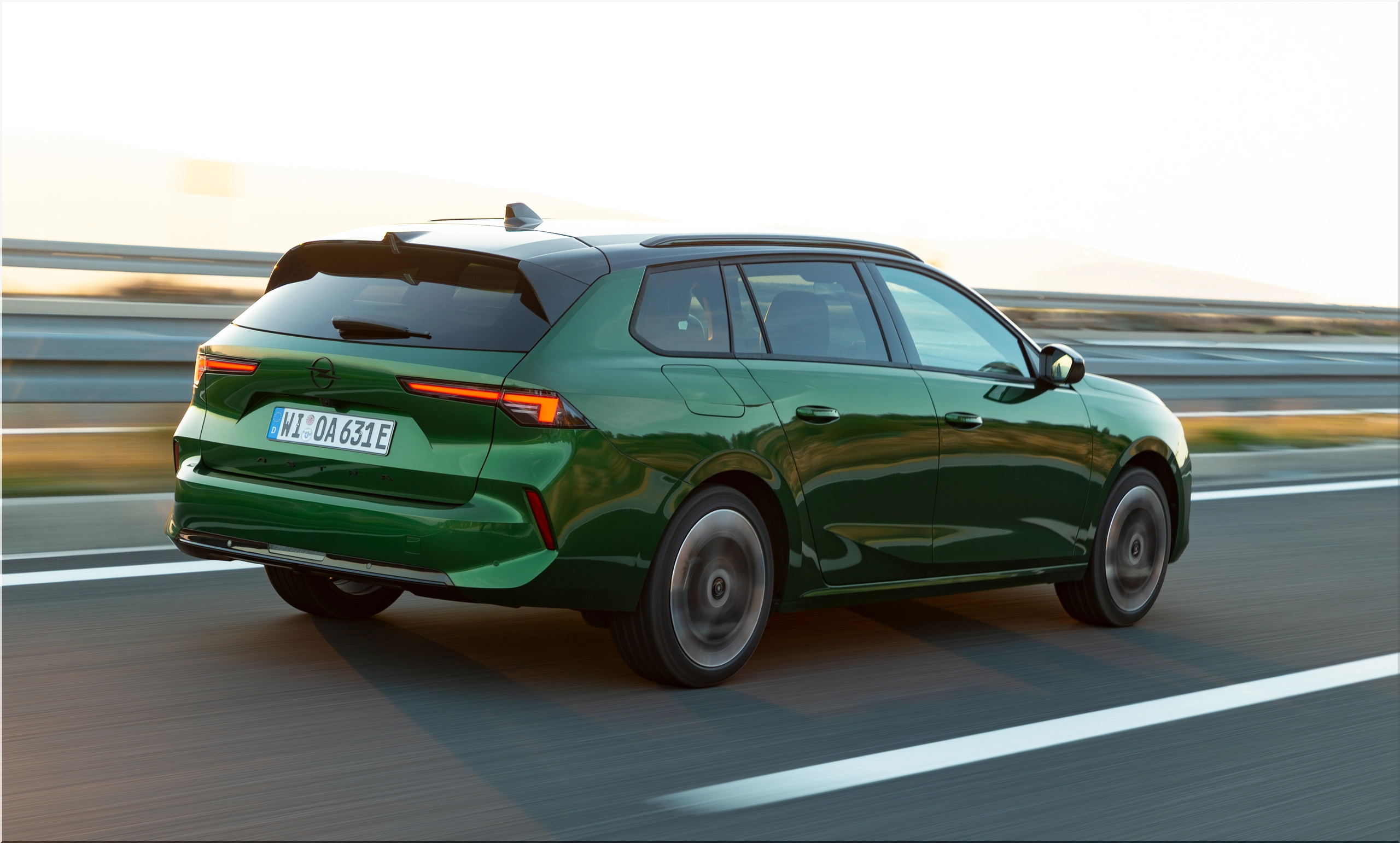
Opel credits the extended range partly to further aerodynamic optimization. That detail matters because wagon bodies already carry a practical roofline and a larger rear section than hatchbacks. At highway speed, aerodynamic drag consumes a major share of battery energy, so even small changes to airflow management can extend range without adding battery mass.
The updated Astra Sports Tourer Electric now reaches up to 445 km WLTP, about 35 km more than before. That improvement gives Opel a cleaner story than simply installing a larger battery. A bigger pack adds weight, raises cost, and can reduce efficiency. Better aero extracts more distance from the energy already onboard.
Dimensions And Cargo Space: The Wagon Argument
The Opel Astra Sports Tourer Electric keeps the wagon case simple: long roof, low stance, practical load bay. It measures 4,642 mm long, or 182.8 inches, with a 2,732 mm wheelbase, equal to 107.6 inches. Width with mirrors open reaches 2,062 mm, or 81.2 inches, while body width measures about 1,860 mm, or 73.2 inches.
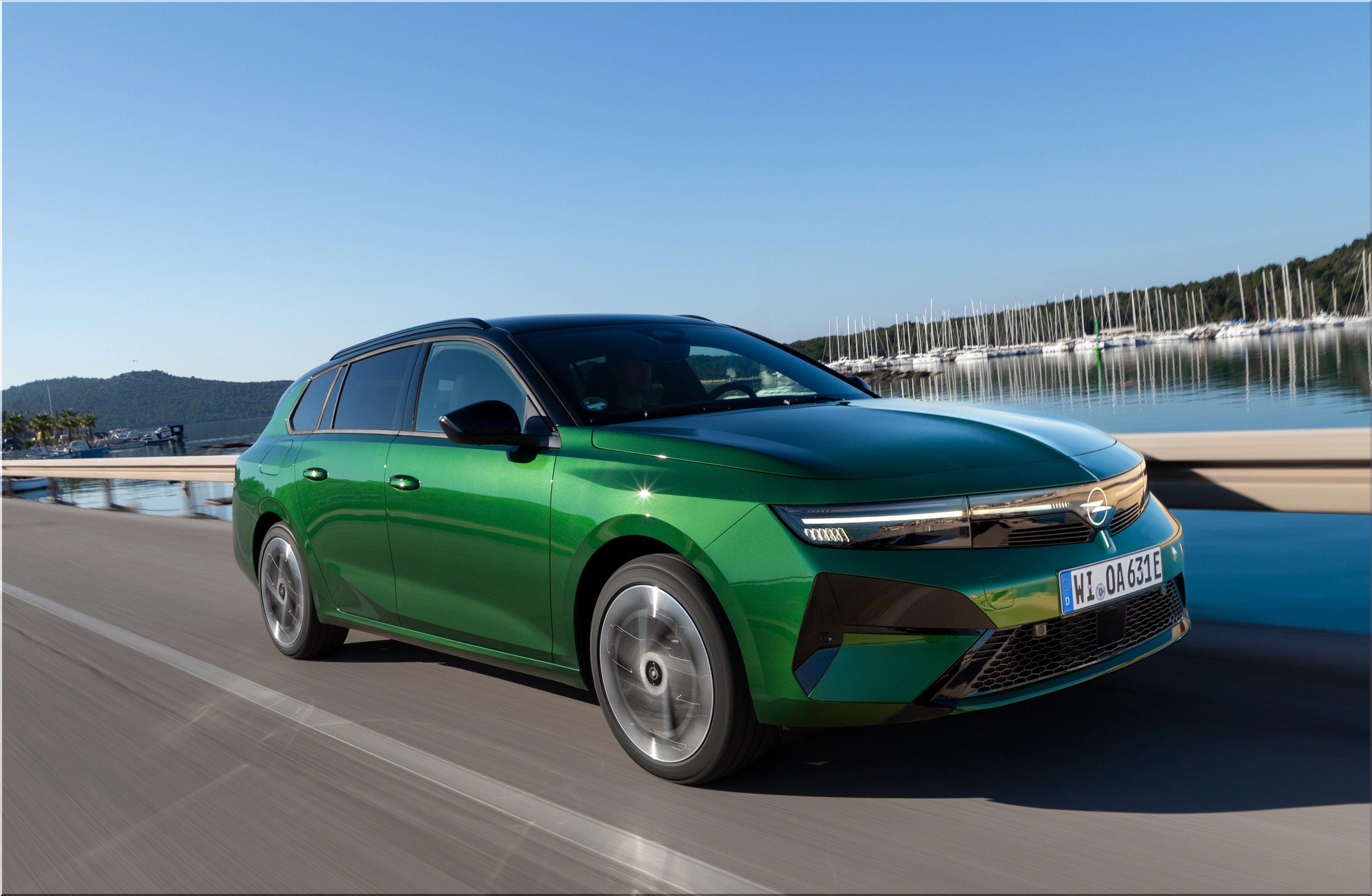
The cargo numbers make the strongest case. With the rear seats up, the Astra Sports Tourer offers 597 liters, or 21.1 cubic feet, under the luggage cover. Fold the rear seats and capacity rises to 1,634 liters, or 57.7 cubic feet. In addition, the load floor offers up to 1,026 mm of length behind the rear seats and 1,850 mm with the rear seats folded.
| Practicality Metric | Measurement |
|---|---|
| Length | 4,642 mm / 182.8 in |
| Wheelbase | 2,732 mm / 107.6 in |
| Height | 1,481 mm / 58.3 in |
| Width with mirrors | 2,062 mm / 81.2 in |
| Cargo volume, seats up | 597 L / 21.1 cu ft |
| Cargo volume, seats folded | 1,634 L / 57.7 cu ft |
| Load length, seats up | 1,026 mm / 40.4 in |
| Load length, seats folded | 1,850 mm / 72.8 in |
| Loading sill height | 601 mm / 23.7 in |
Practical Question: Should You Buy An Electric Wagon Instead Of An Electric SUV?
Choose the wagon if you want lower energy consumption, easier loading height, and a more car-like driving position. Choose the SUV if you need a higher seating point, more ground clearance, or stronger towing-focused packaging. For most European family use, the electric station wagon layout often gives a cleaner efficiency-to-space ratio.
V2L And Battery Preconditioning Add Real EV Utility
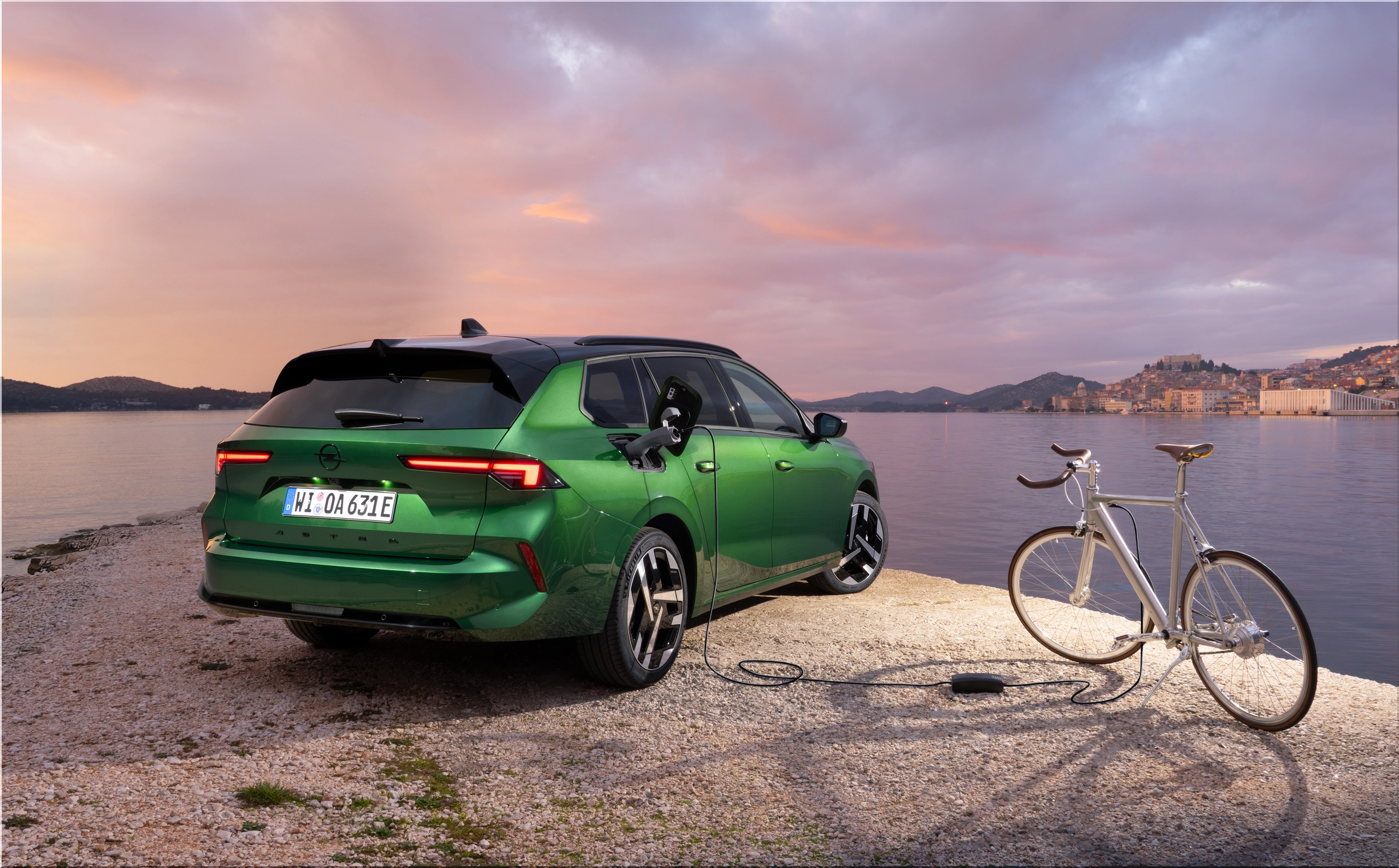
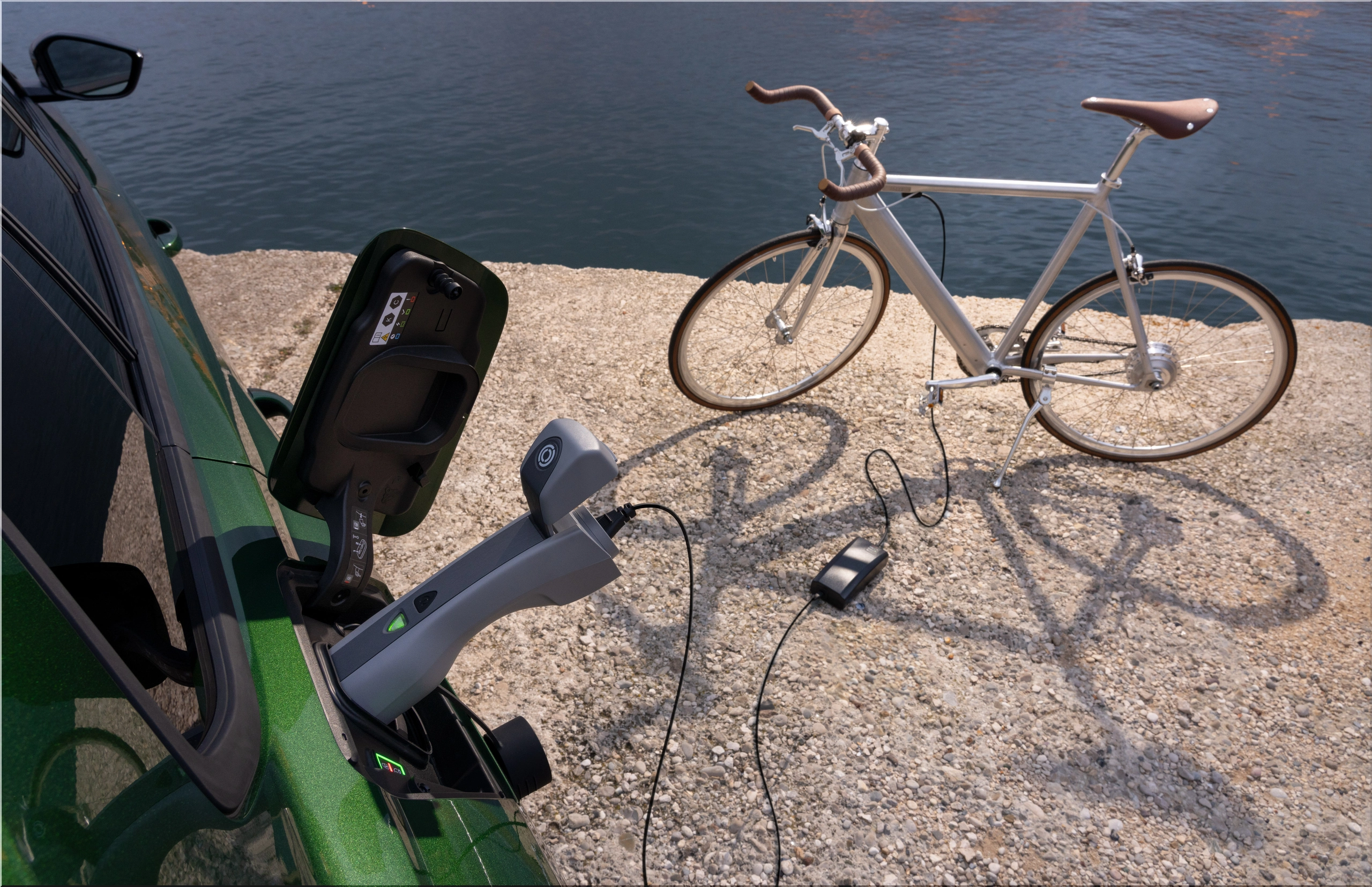
The new Astra Sports Tourer Electric gains Vehicle-to-Load capability. That means owners can power external devices such as e-bikes or other small electrical equipment when they reach a destination. This feature adds value for weekend travel, camping stops, outdoor work, and family holidays.
Battery preconditioning also changes the ownership experience. By preparing the battery before fast charging or demanding use, the car can reach better charging behavior and protect range consistency in less friendly weather. That feature matters most on longer trips, where a cold battery can slow charging and cut the practical value of each stop.
Pro-Tip: Use battery preconditioning before a planned DC charging stop whenever the car allows it. A warmer battery can accept power more effectively, which cuts wasted time at the charger.
Competitive Comparison: Electric Wagons Remain A Small Club
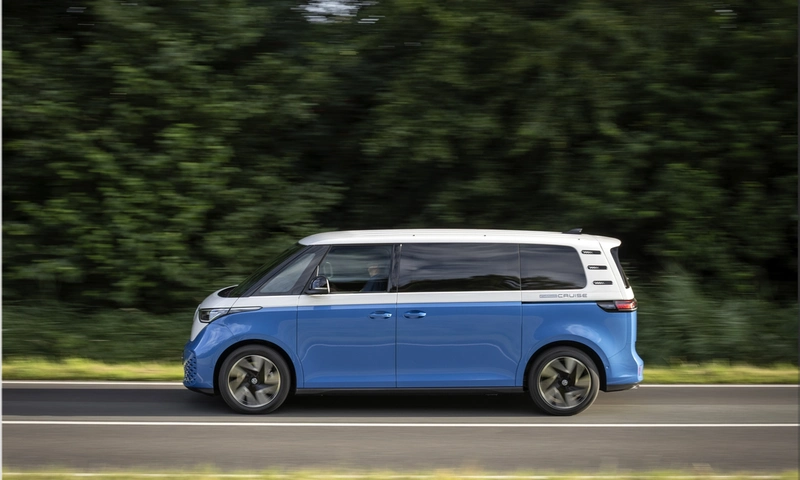
The compact electric wagon class still feels narrow. Opel's closest relative comes from Peugeot, while larger electric estates such as the Volkswagen ID.7 Tourer and Nio ET5 Touring sit higher in size, price, and market positioning. By comparison, the Astra Sports Tourer Electric focuses on compact dimensions and efficiency rather than executive-class battery size.
| Model | Body Type | Power | Range Figure | Cargo Focus | Opel Win/Loss |
|---|---|---|---|---|---|
| Opel Astra Sports Tourer Electric | Compact electric wagon | 156 hp | Up to 445 km WLTP | 597-1,634 L | Wins on compact wagon efficiency |
| Peugeot E-308 SW | Compact electric wagon | 156 hp | Up to about 444-450 km WLTP | Similar package | Close sibling; Peugeot wins on design flair for some buyers |
| Volkswagen ID.7 Tourer | Midsize electric wagon | Higher-output options | Longer-range positioning | Larger cargo class | VW wins on space and range, Opel wins on footprint |
| Nio ET5 Touring | Premium electric wagon | Much higher output | Premium EV positioning | Lifestyle wagon | Nio wins on performance, Opel wins on efficiency logic |
The Astra does not need to overpower these rivals. It needs to undercut their complexity with a rational compact-wagon formula: low consumption, useful range, a proper load bay, and familiar Opel ergonomics.
What Now?
Buyers should judge the Opel Astra Sports Tourer Electric by three numbers: 15.7 kWh/100 km, 445 km WLTP, and 597 liters of cargo volume. Those figures define the car better than its acceleration time. This EV works best for drivers who want a low-slung family car with predictable running costs, long-roof practicality, and credible German production roots.
For Opel, the strategy also looks clear. The brand can use the Astra Sports Tourer Electric to defend the station wagon in an SUV-heavy market. It gives fleet buyers a cleaner alternative to diesel estates, gives private buyers a practical EV without SUV bulk, and gives the Astra range a sharper electrified flagship.
- Add new comment
- 48 views