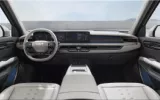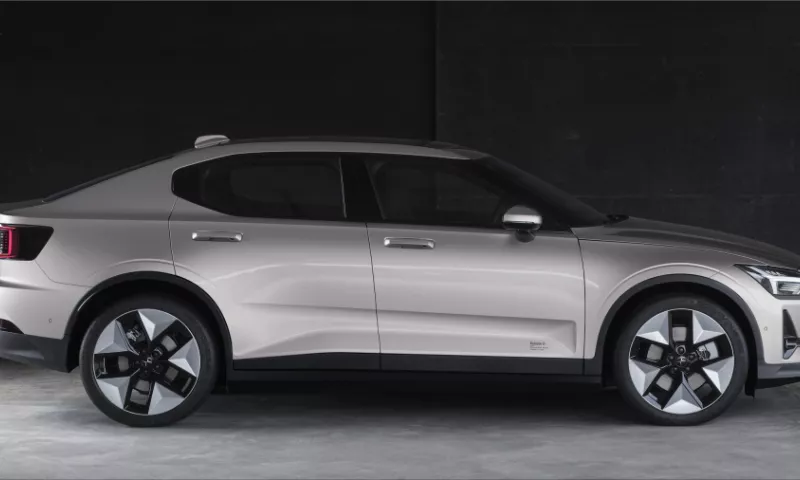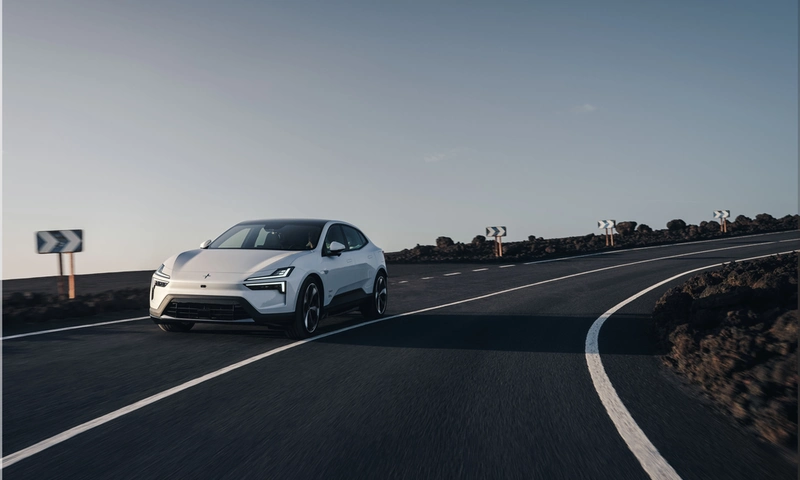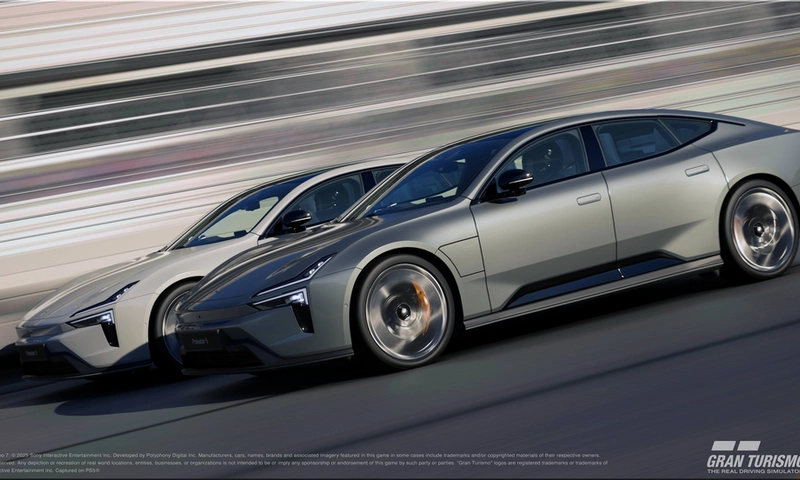
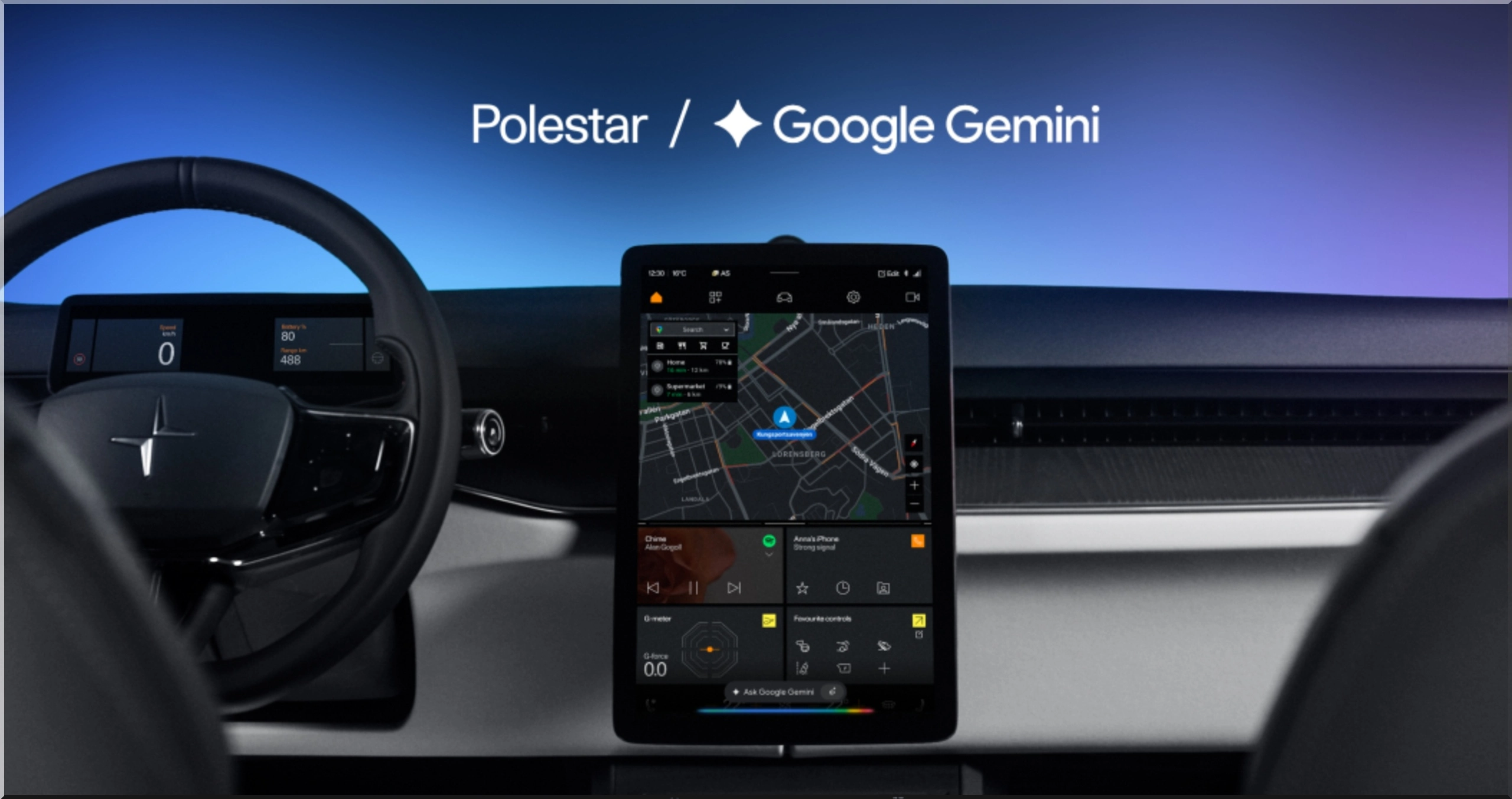
Polestar has started rolling out Google Gemini to its vehicles, and this update matters because it changes the in-car interface from command recognition to intent recognition. Starting April 30, 2026, eligible U.S. drivers with Google built-in, a Google account, and language set to U.S. English can opt in through a prompt on the center display. The software upgrade requires no new hardware and applies to every current Polestar model except Polestar 1.
Why Google Gemini Changes the Polestar Driver Experience
Old voice assistants trained drivers to speak like software operators. Gemini moves the interface closer to normal conversation. In addition, it supports multi-turn dialogue, follow-up questions, and compound requests, so a driver can ask for a supermarket on the way home and send a status text in one spoken instruction.
Specifically, Gemini Live adds hands-free conversation for planning, shopping lists, recipe ideas, message translation, and general productivity. That matters in a car because the best interface removes touch targets, menu layers, and repeated prompts. From an expert perspective, this update gives Polestar a stronger software story without changing motors, batteries, screens, or silicon.
Polestar Gemini Rollout Details
| Data Point | Polestar Gemini Launch Detail |
|---|---|
| Rollout start | April 30, 2026 |
| Initial market | United States |
| Language requirement | U.S. English |
| Account requirement | Google account |
| Vehicle requirement | Polestar models with Google built-in |
| Excluded model | Polestar 1 |
| Hardware requirement | No added hardware |
| Driver action | Opt in or decline through center display |
| Long-term plan | Gemini replaces Google Assistant over time |
Consequently, this update gives existing owners a meaningful cabin upgrade through software. That logic fits Polestar's product base: Polestar 2 already uses Android Automotive OS, an 11.2-inch center display, a 12.3-inch driver display, 4G connectivity, over-the-air updates, and Google apps built in. Gemini can sit on top of that connected architecture rather than forcing a costly infotainment redesign.
Pro-Tip: Should Polestar Owners Opt In?
Yes, U.S.-based owners who use voice control, Google Maps, messaging, or route planning should opt in and test Gemini for a week. Use the same route, same contacts, and same daily tasks to judge whether it cuts screen taps. Track three things: fewer repeated prompts, fewer manual corrections, and faster routing decisions.
The Software Layer Now Carries More Value Than Another Spec Bump
Looking at the data, Polestar already competes on serious EV hardware. The Gemini update attacks a different buyer pain point: cabin friction. A 500-hp EV still loses polish when the driver has to repeat a basic phrase three times.
| Model | Output | Torque | Battery | Range | Key Cabin Tech |
|---|---|---|---|---|---|
| Polestar 2 Long range Dual motor with Performance pack | 476 hp | 546 lb-ft | 82 kWh | 254 mi | Android Automotive OS, 11.2-inch center display, OTA updates |
| Polestar 3 Long range Dual motor | 489 hp | 620 lb-ft | 111 kWh | Up to 315 mi | Gemini-ready Google built-in interface |
| Polestar 4 Long range Dual motor | 544 hp | 506 lb-ft | 100 kWh | Up to 280 mi | Google built-in, high-output coupe-SUV packaging |
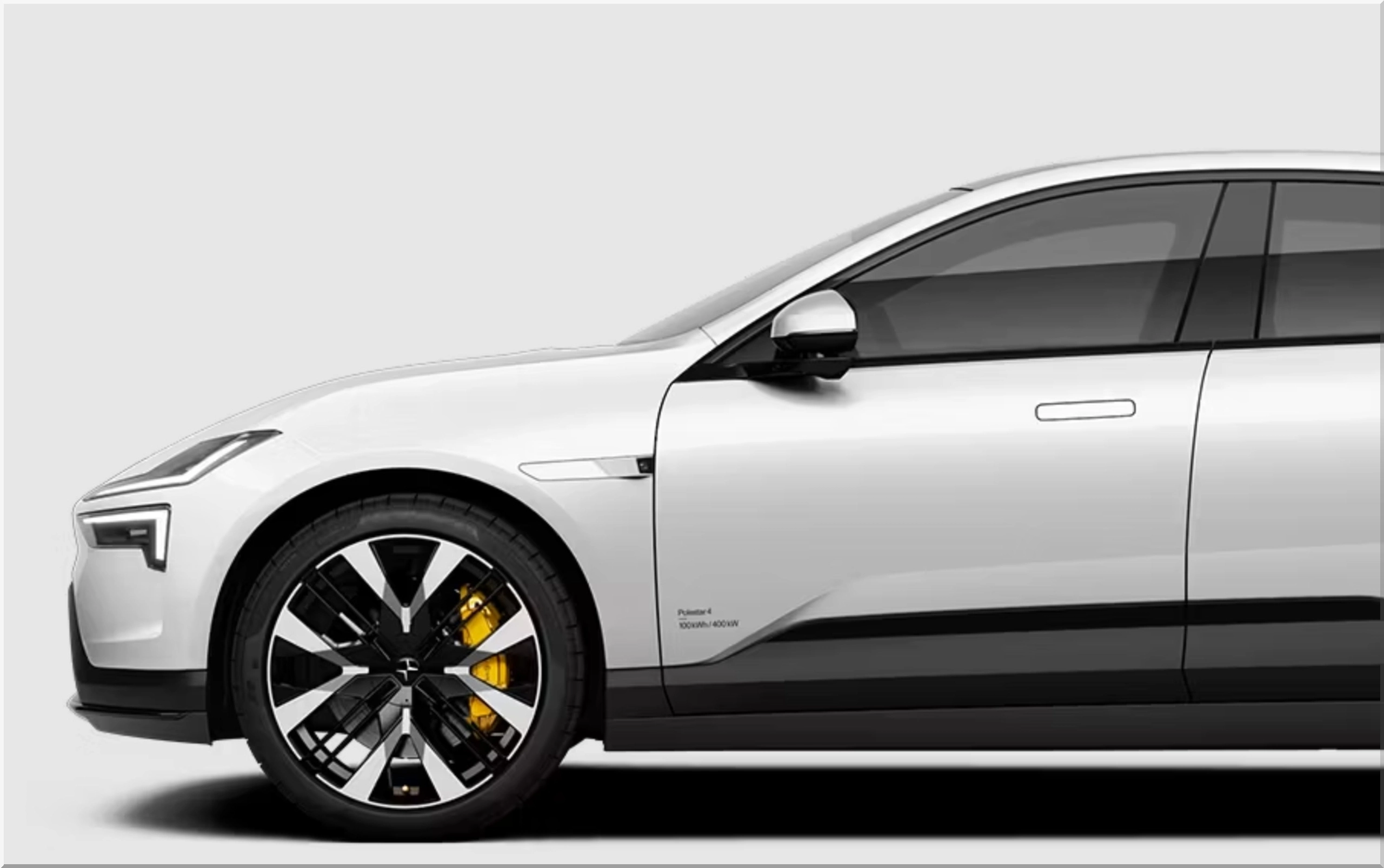
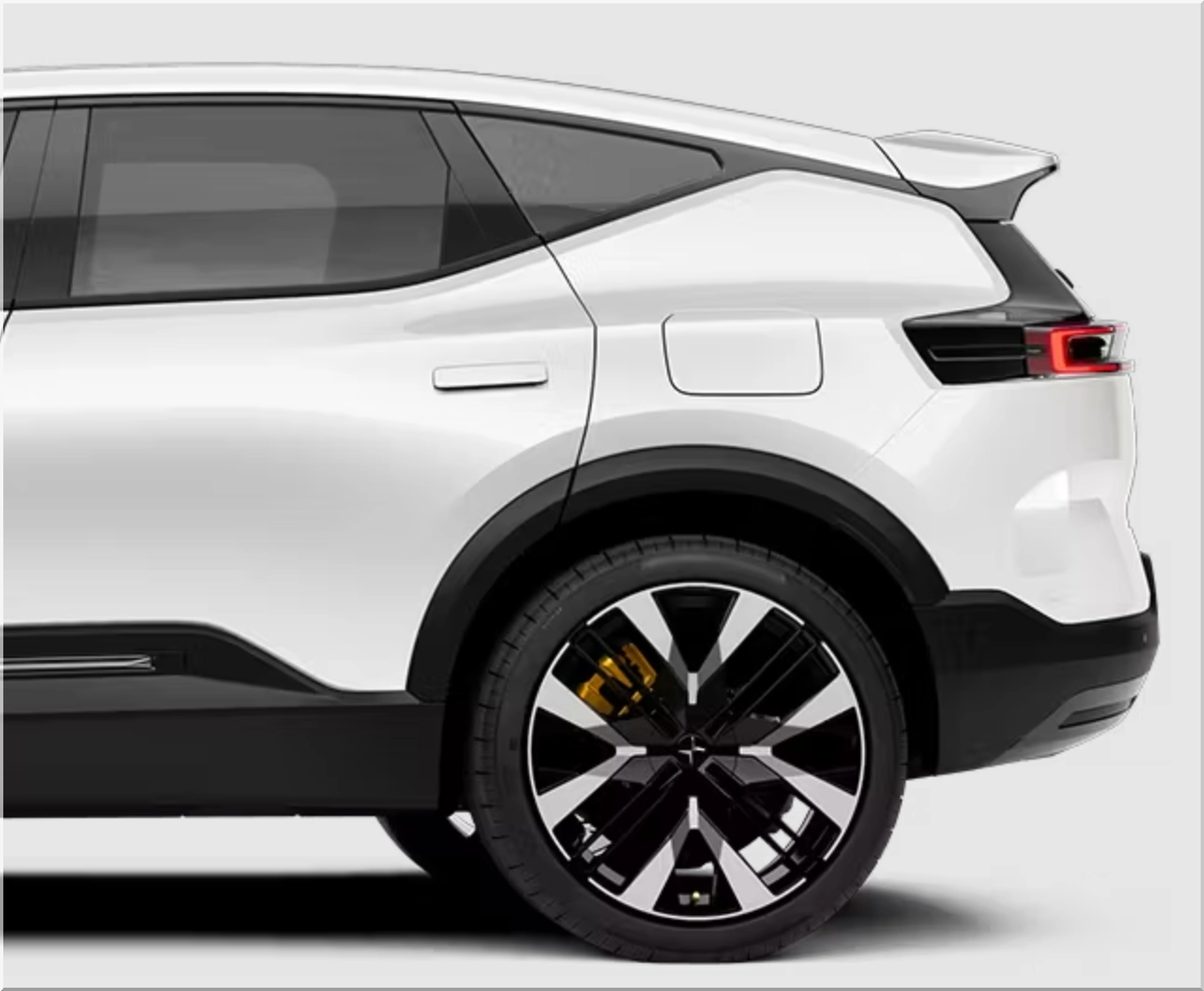
By comparison, Polestar 4 already uses a 118-inch wheelbase, 190.5-inch body length, up to 544 hp, and 3.7-second 0-60 mph performance in dual-motor trim. Polestar 3 stretches to 192.9 inches long, uses a 117.5-inch wheelbase, and offers up to 671 lb-ft in Performance pack trim. Those numbers sell the hardware. Polestar Google Gemini integration sells the daily-use logic.
What Now?
Drivers should treat Gemini as a practical tool, not a novelty. Start with tasks that normally pull attention away from the road:
- Ask for a stop along the current route.
- Dictate a message and request translation before sending.
- Ask a follow-up question without restarting the prompt.
- Use Gemini Live for a short shopping list or dinner plan.
- Compare the result against the old Google Assistant workflow.
The strategic payoff looks clear. Conversational AI in cars gives Polestar a software-led ownership upgrade while protecting the brand's minimalist cabin philosophy. Buttons still matter. Screens still matter. But the next competitive edge may come from how quickly the car understands the driver.
- Add new comment
- 72 views